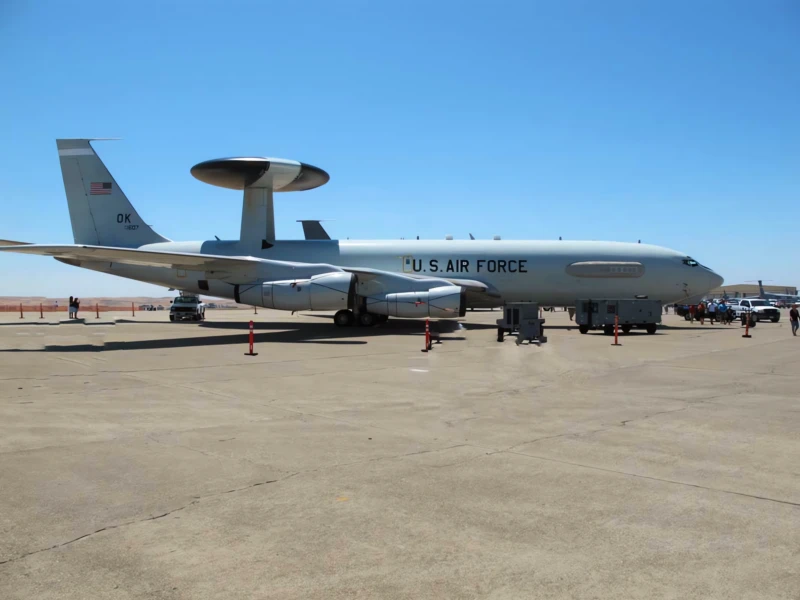
Boeing E-3 Sentry | |
|---|---|
| Country | USA |
| Role | Airborne early warning and control |
| First flight | 9 February 1972 |
| Built | 68 |
The Boeing E-3 Sentry, commonly known as AWACS, is an American airborne early warning and control (AEW&C) aircraft developed by Boeing. Derived from the Boeing 707, it provides all-weather surveillance, command, control, and communications, and is used by the United States Air Force, NATO, Royal Air Force, French Air Force, and Royal Saudi Air Force. The E-3 is distinguished by the distinctive rotating radar dome above the fuselage. Production ended in 1992 after 68 aircraft had been built.
Source: Boeing E-3 Sentry on Wikipedia
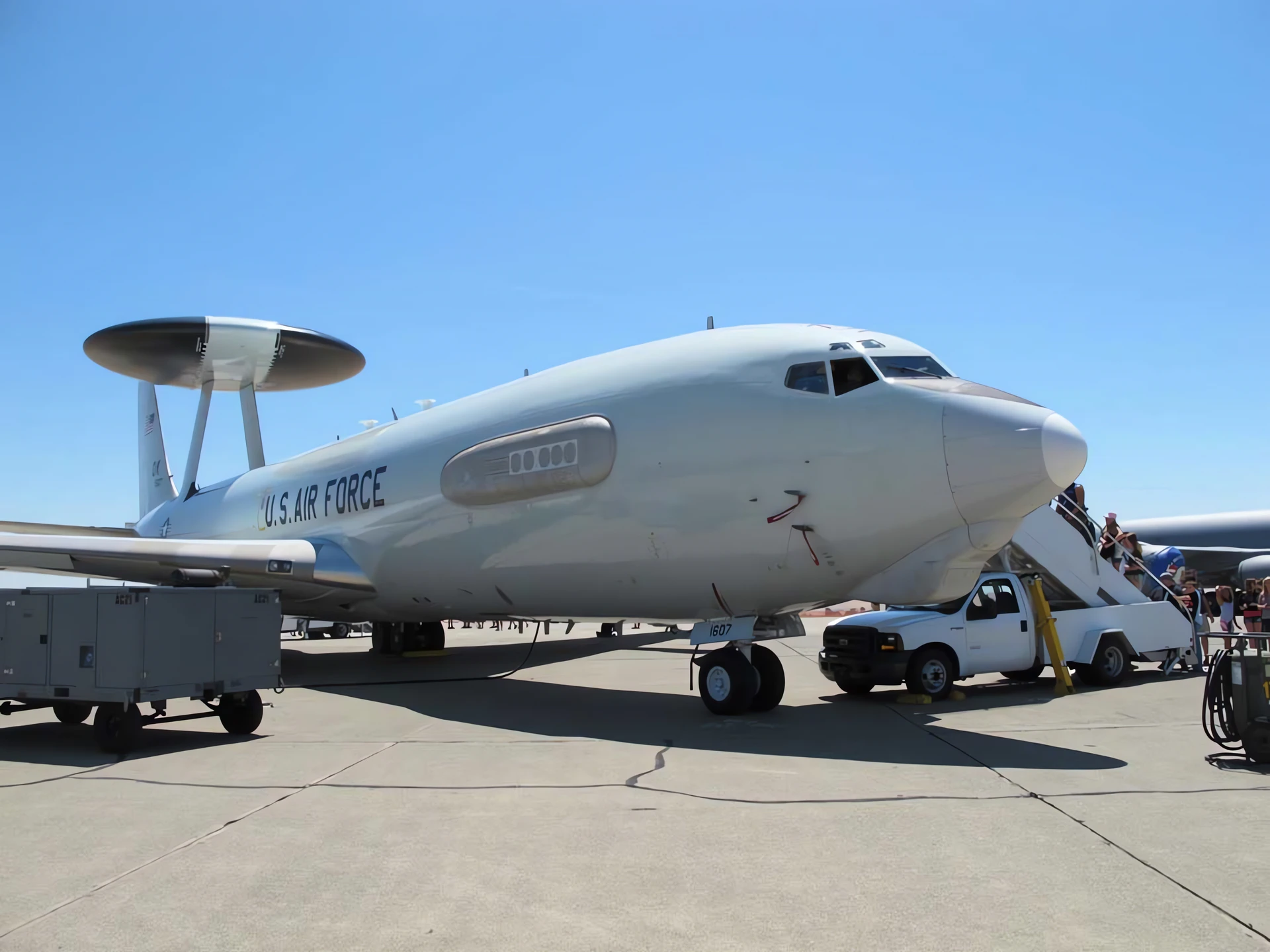
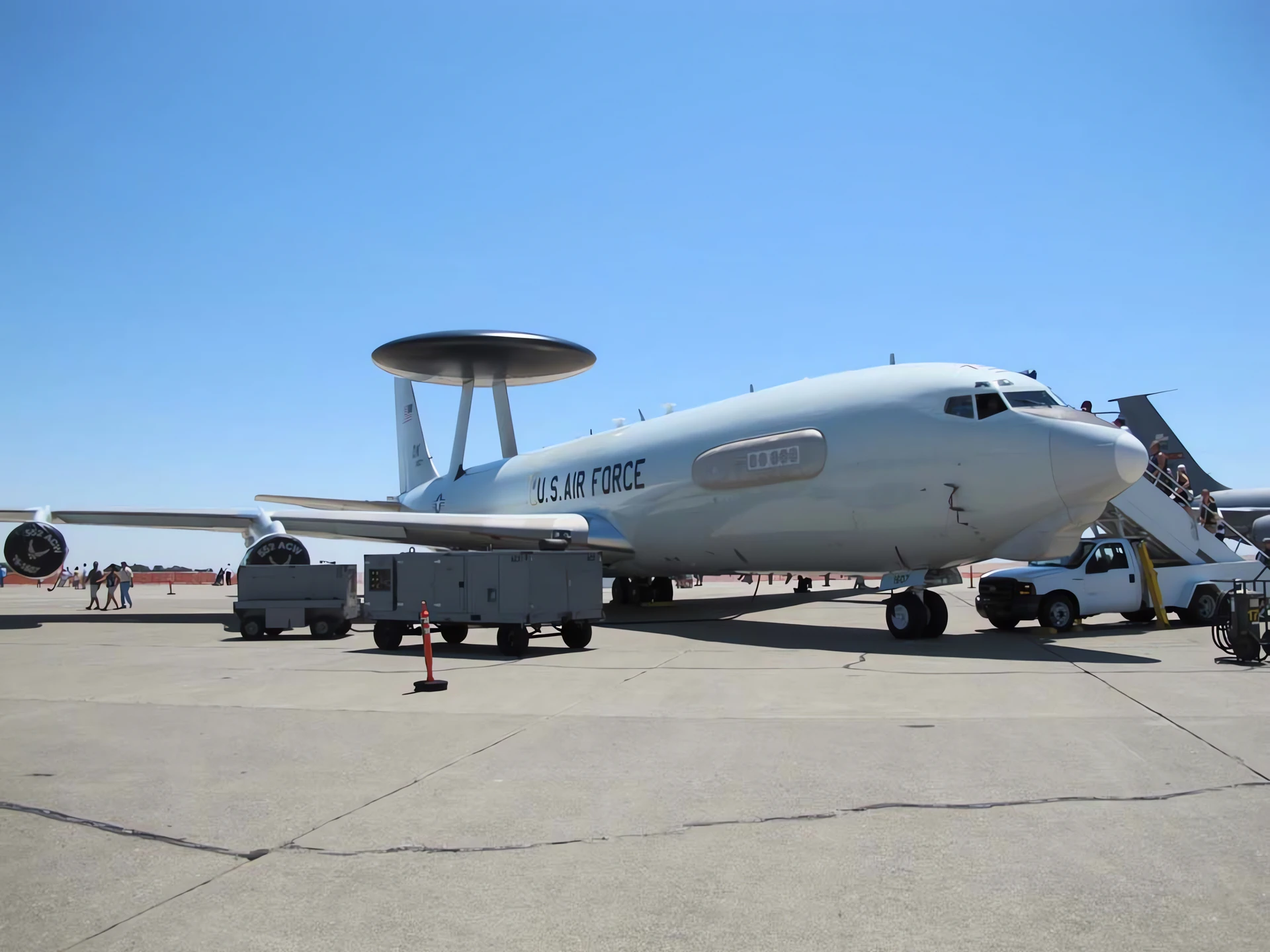
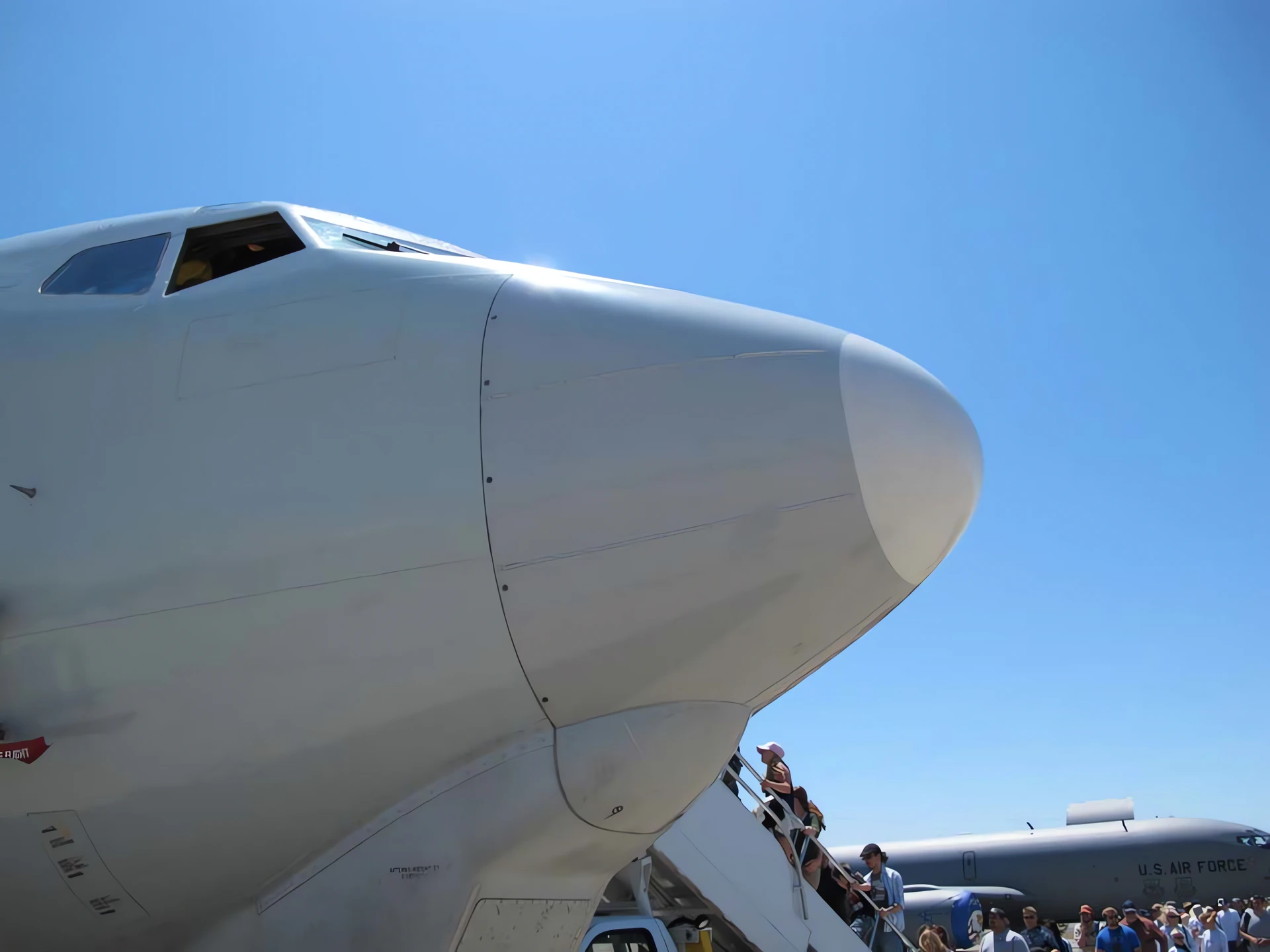
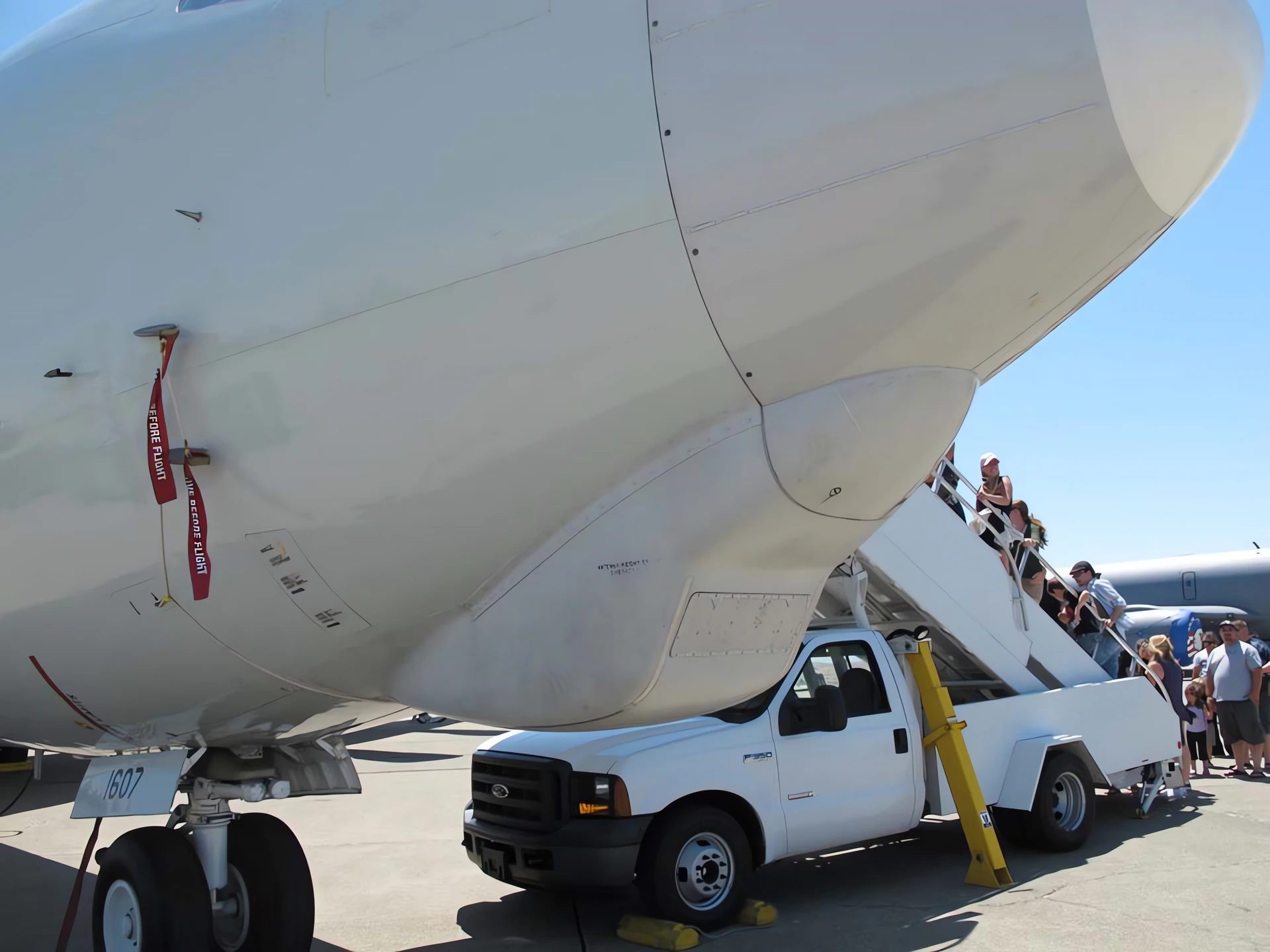
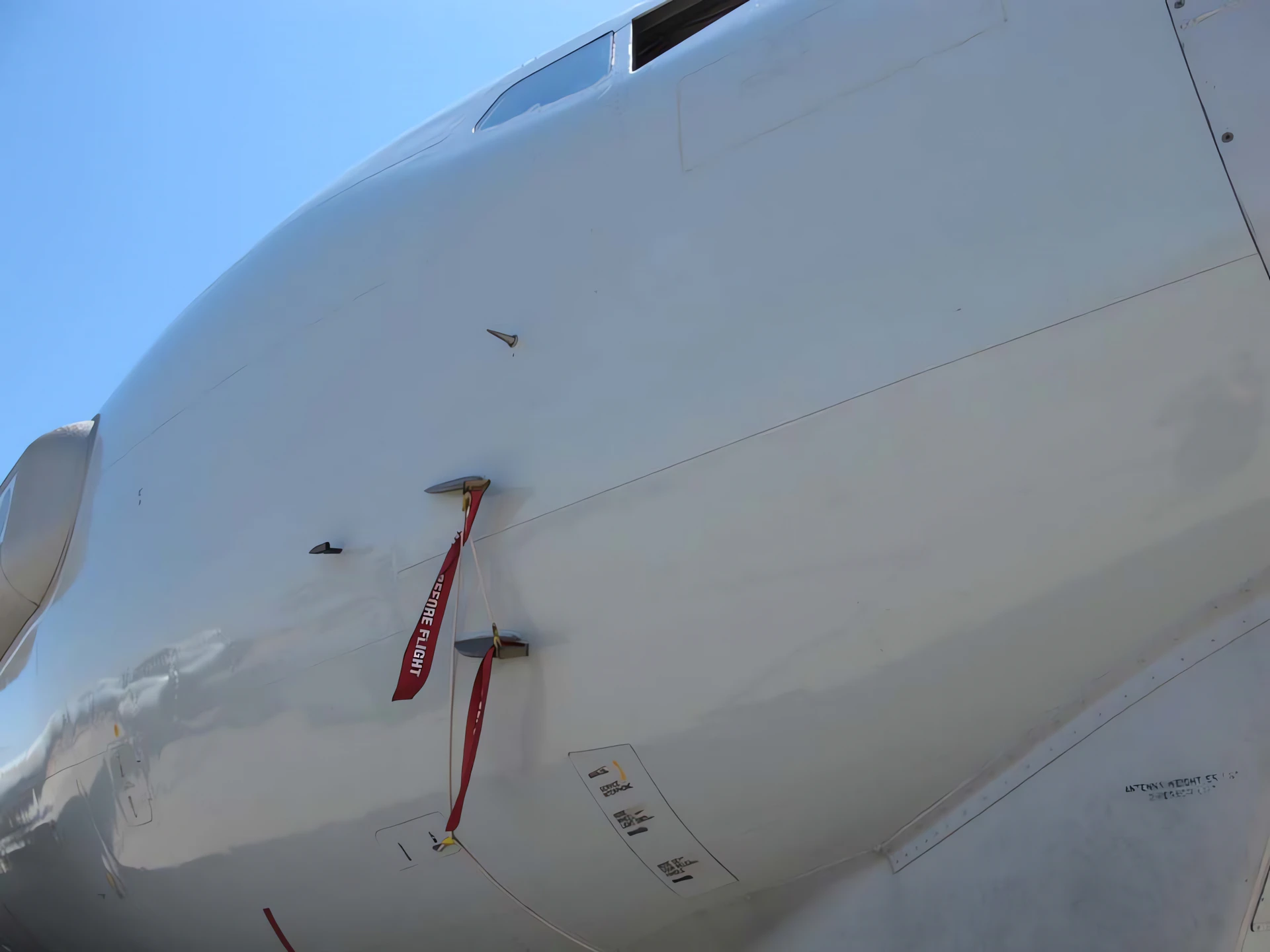
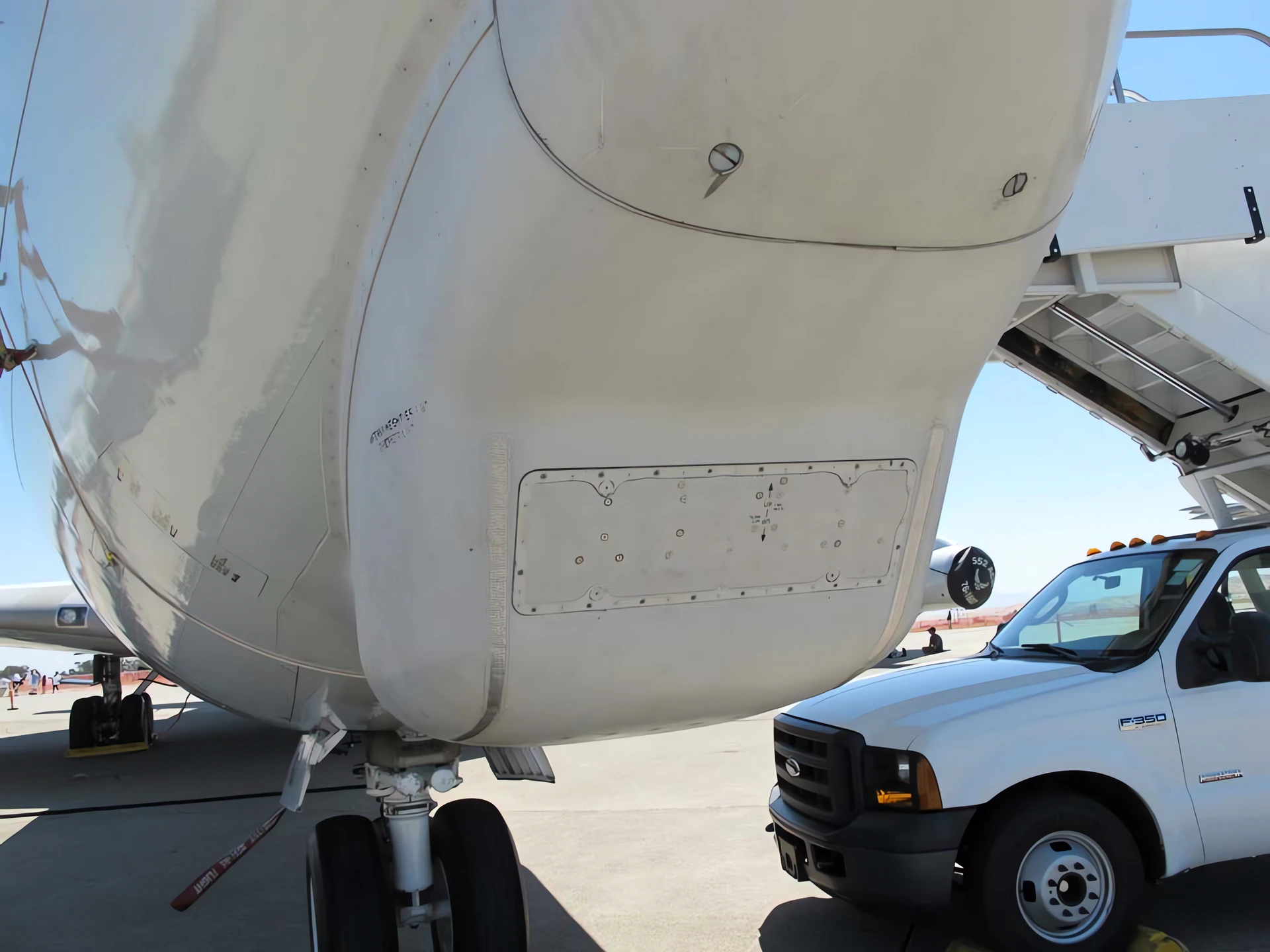
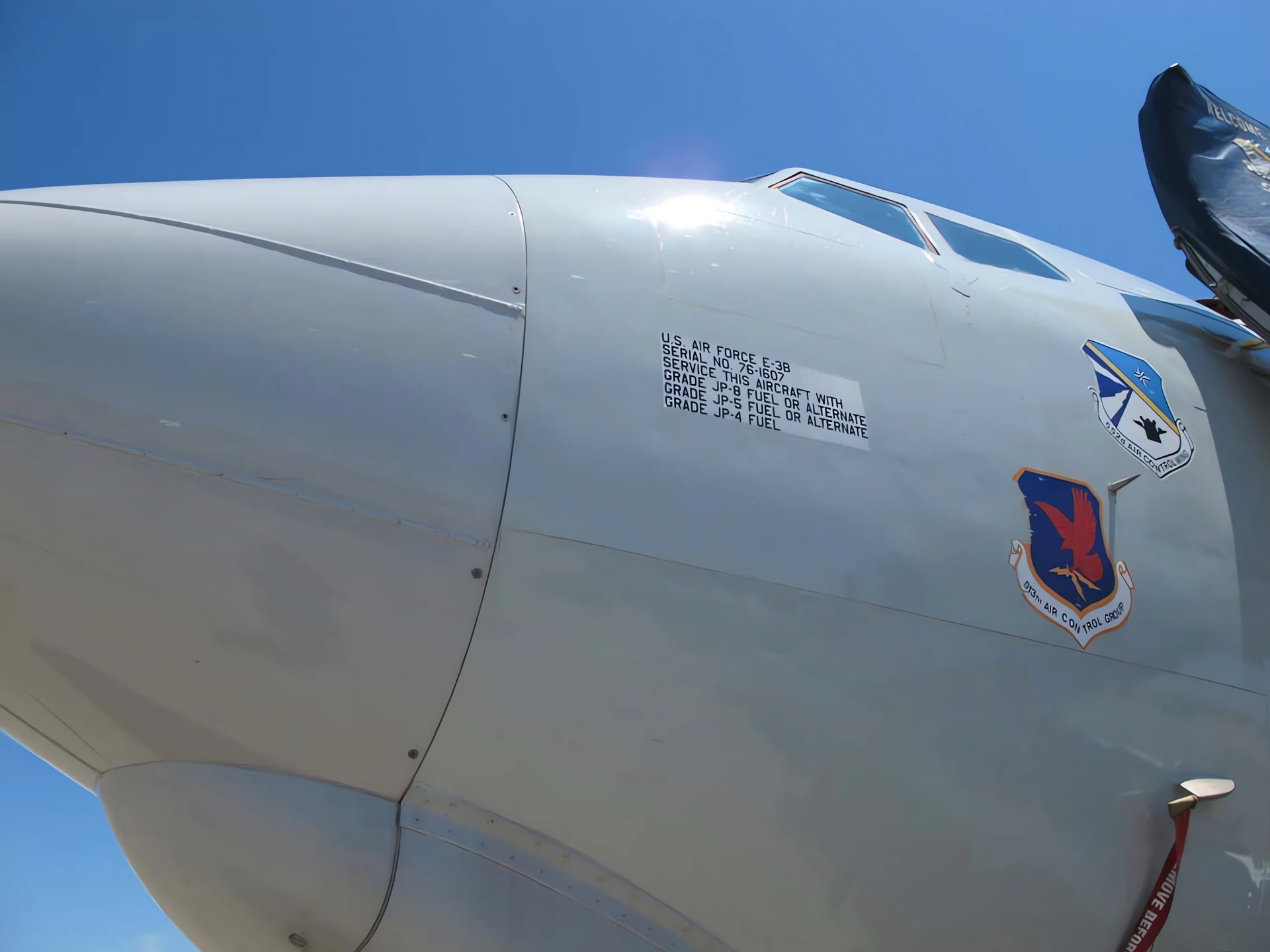
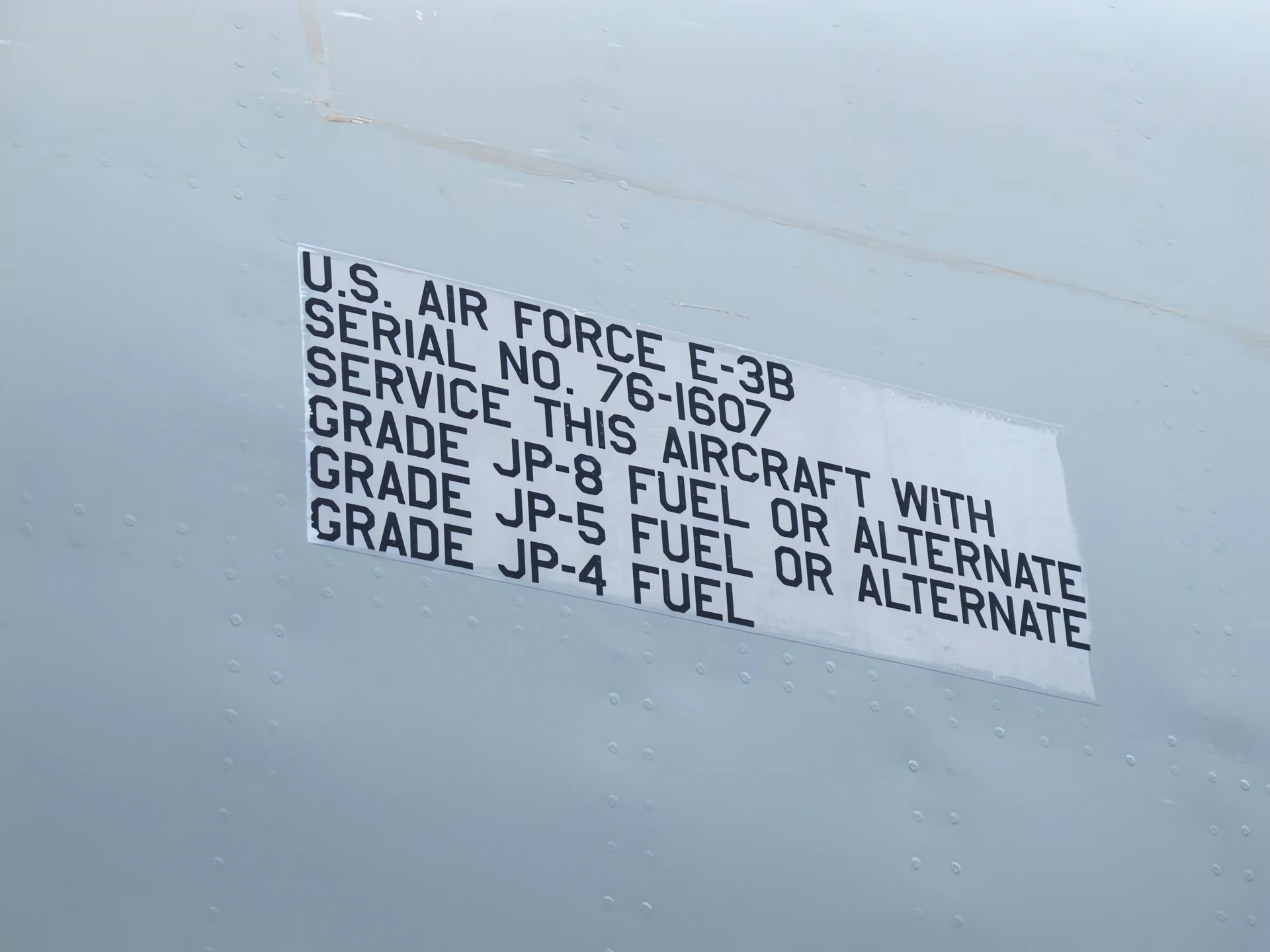
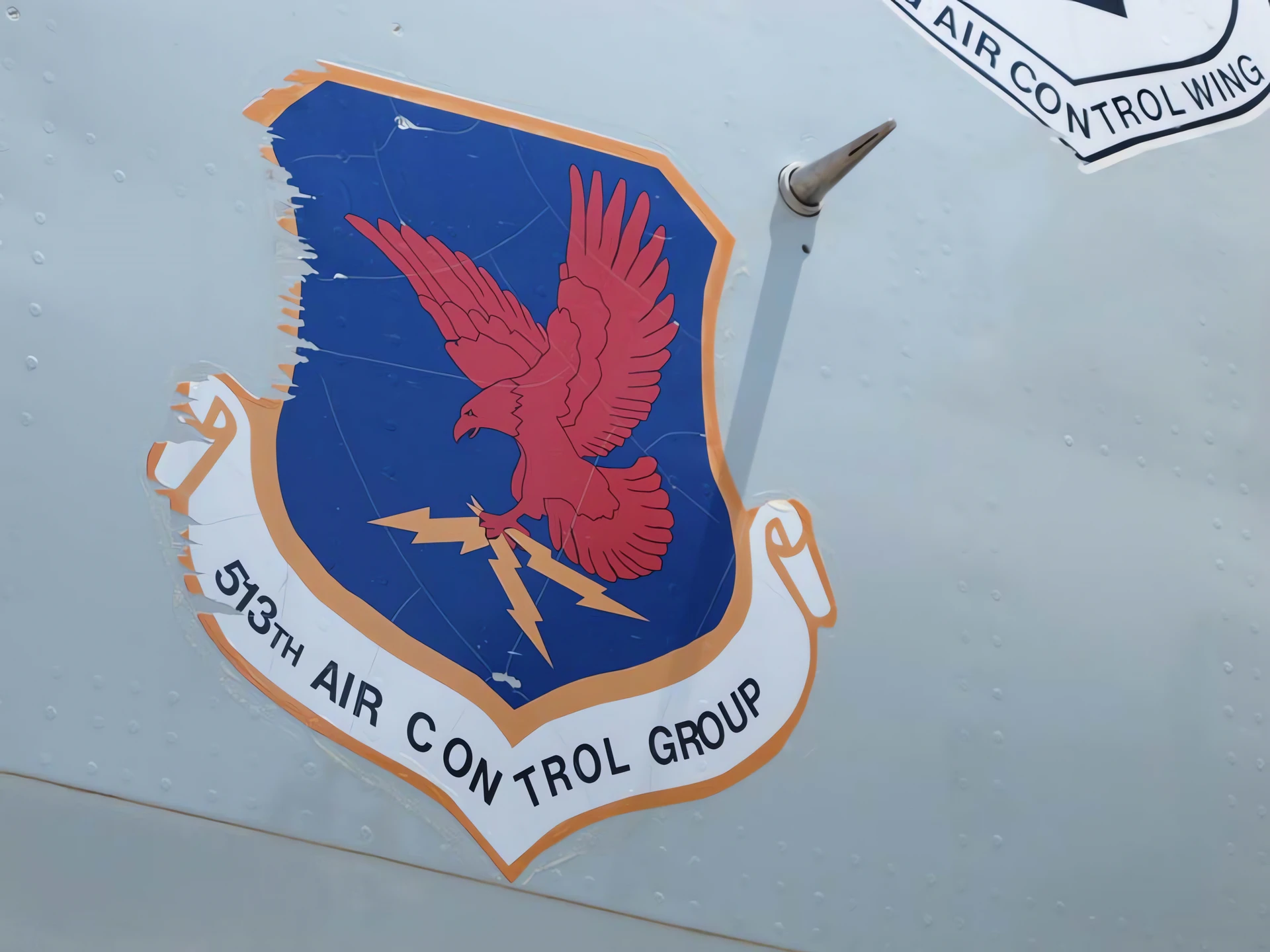
| Boeing E-3B Sentry Walk Around | |
|---|---|
| Photographer | Vladimir Yakubov |
| Localisation | Travis Air Show |
| Photos | 167 |

| Sentry AEW.1 Walk Around | |
|---|---|
| Photographer | Michael Benolkin |
| Localisation | Unknow |
| Photos | 47 |
| E-3A (79-0446) AWACS Walk Around | |
|---|---|
| Photographer | Pieter Marijnus |
| Localisation | Unknow |
| Photos | 35 |
See also:


The Strategic Force Multiplier
The Boeing E-3B Sentry is an Airborne Warning and Control System (AWACS) aircraft that provides all-weather surveillance, command, control, and communications. Based on the Boeing 707-320B airframe, the E-3B is distinguished by its massive rotating radar dome. The “B” model was a significant upgrade in the 1980s, introducing the Block 20 modifications that added more computer consoles, improved jam-resistant communications, and the ability to track maritime targets as well as airborne ones.
| Attribute | Technical Specification (E-3B) |
|---|---|
| Role | Airborne Warning and Control System (AWACS) |
| Crew | 4 Flight Crew; 13–19 Mission Specialists |
| First Flight | October 31, 1975 (EC-137D) |
| Powerplant | 4 × Pratt & Whitney TF33-PW-100A turbofans |
| Thrust | 21,000 lbf (93 kN) per engine |
| Radar Range | Over 250 miles (400 km) for low-flying targets |
| Maximum Speed | 530 mph (853 km/h / Mach 0.69) |
| Endurance | 8+ hours (unrefueled) |
Anatomy of a Rotating Radar
- The Rotodome: The 30-foot diameter circular dome sits 11 feet above the fuselage. It houses the Northrop Grumman APY-1/2 radar. It rotates at 6 RPM during active scanning but is kept at 1/4 RPM when idle to keep the bearings lubricated.
- Pulse-Doppler Radar: Unlike standard radars of its era, the Sentry’s radar can “look down,” distinguishing aircraft from ground clutter. It can track over 600 targets simultaneously across an area larger than 115,000 square miles.
- Mission Crew Compartment: The interior of the 707 airframe is replaced with rows of operator consoles. Each specialist manages a different sector of the air battle, from identifying friendly vs. foe (IFF) to directing strike fighters to their targets.
- In-Flight Refueling: To stay on station for 24 hours or more, the E-3B is equipped with a refueling receptacle above the cockpit, allowing it to take fuel from KC-135 or KC-10 tankers.
The “God’s Eye View” in Combat
- Desert Storm: The E-3B proved its worth in 1991, coordinating the most complex air campaign in history. AWACS crews directed the first kills of the war and provided early warning against Scud missile launches.
- Diplomatic Support: Beyond combat, the Sentry is used for drug interdiction missions and providing security for major events like the Olympic Games and presidential travel.
- NATO Operations: A unique fleet of E-3s is operated by NATO itself, flown by multinational crews and based in Germany, serving as a shared umbrella of protection for member nations.
- The Sunset Era: After nearly 50 years of service, the U.S. Air Force has begun the process of replacing the aging E-3 fleet with the Boeing E-7 Wedgetail, which uses a stationary “fin” radar instead of a rotating dome.
Views : 4834
You can see also :
 Boeing X-32 – Photos & Videos
 Boeing 80 – Photos & Videos
 Boeing C-97 Stratofreighter – Photos & Videos
 Boeing 307 Stratoliner – Photos & Videos
 Boeing NC-135 – Photos & Video
 Boeing T-43 Bobcat – Photos & Video
 Boeing P-26 – Photos & Video
 Boeing F4B-4 – Photos & Video
 C-17 Globemaster – WalkAround
 B-29 Super Fortress – WalkAround