M7B2 kunigas | |
|---|---|
| Šalies | Jav |
| Laikotarpį | Korėjos karas |
| Tipas | Savaeigis pistoletas |
| Aprašymas / kontrolė | Albumas 131 savaeigio pistoleto "M7B2 Priest" nuotraukos |
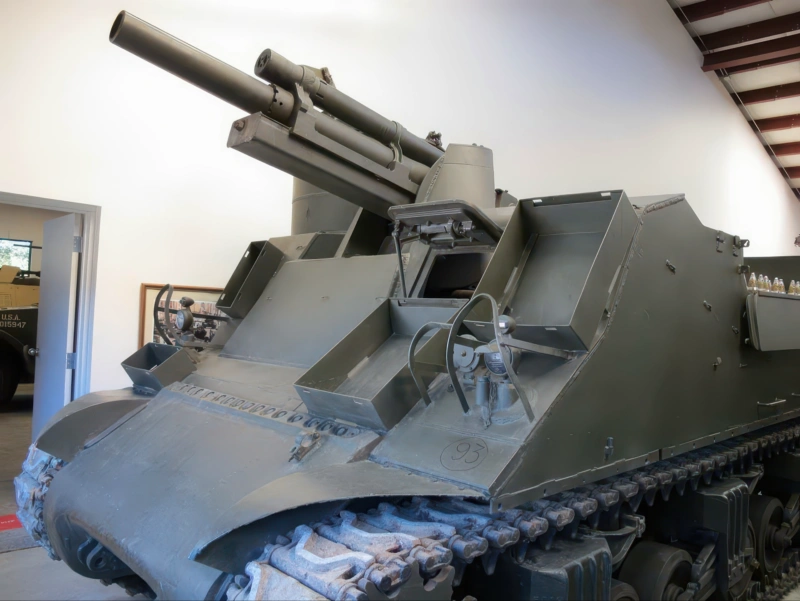
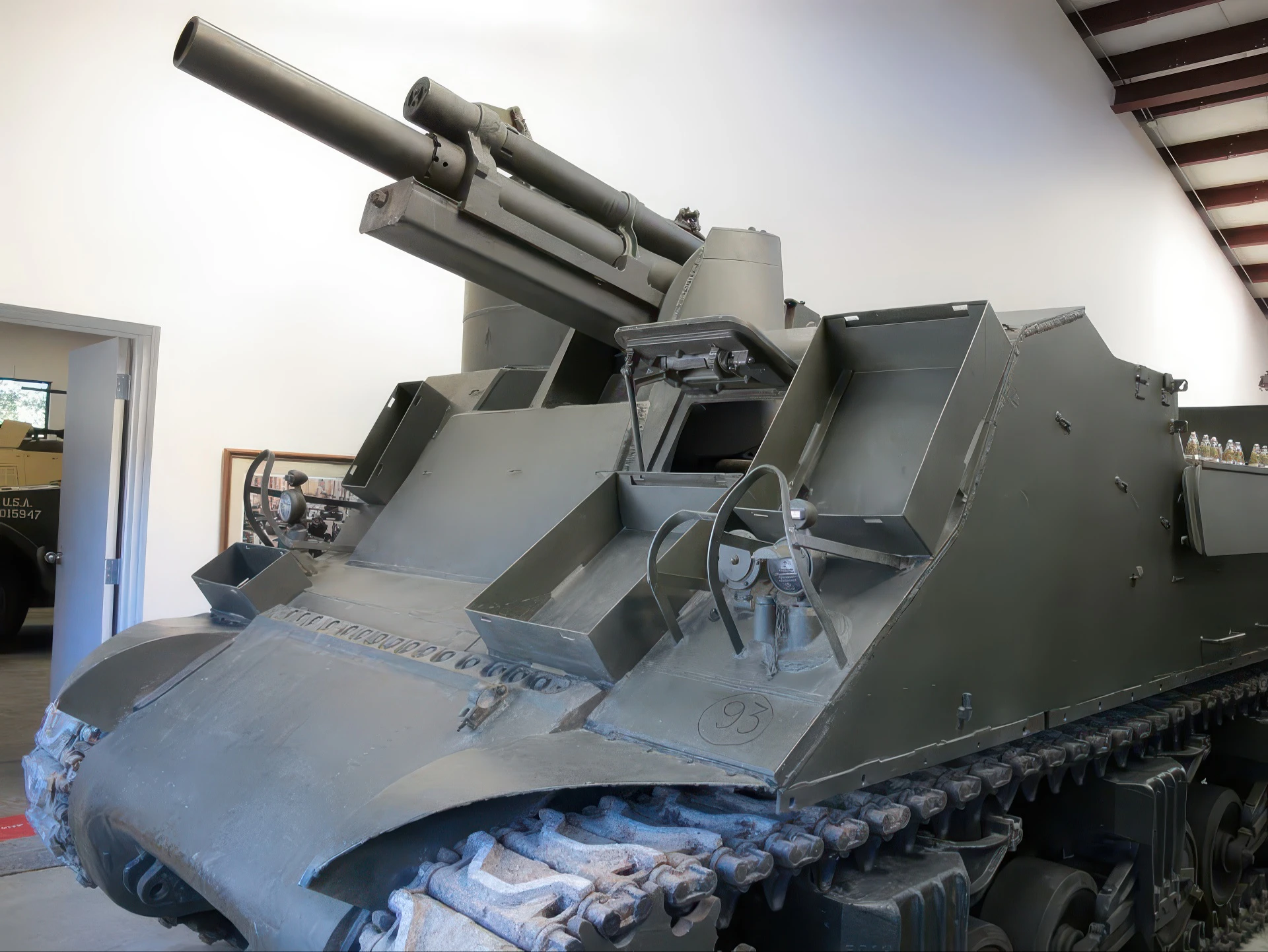
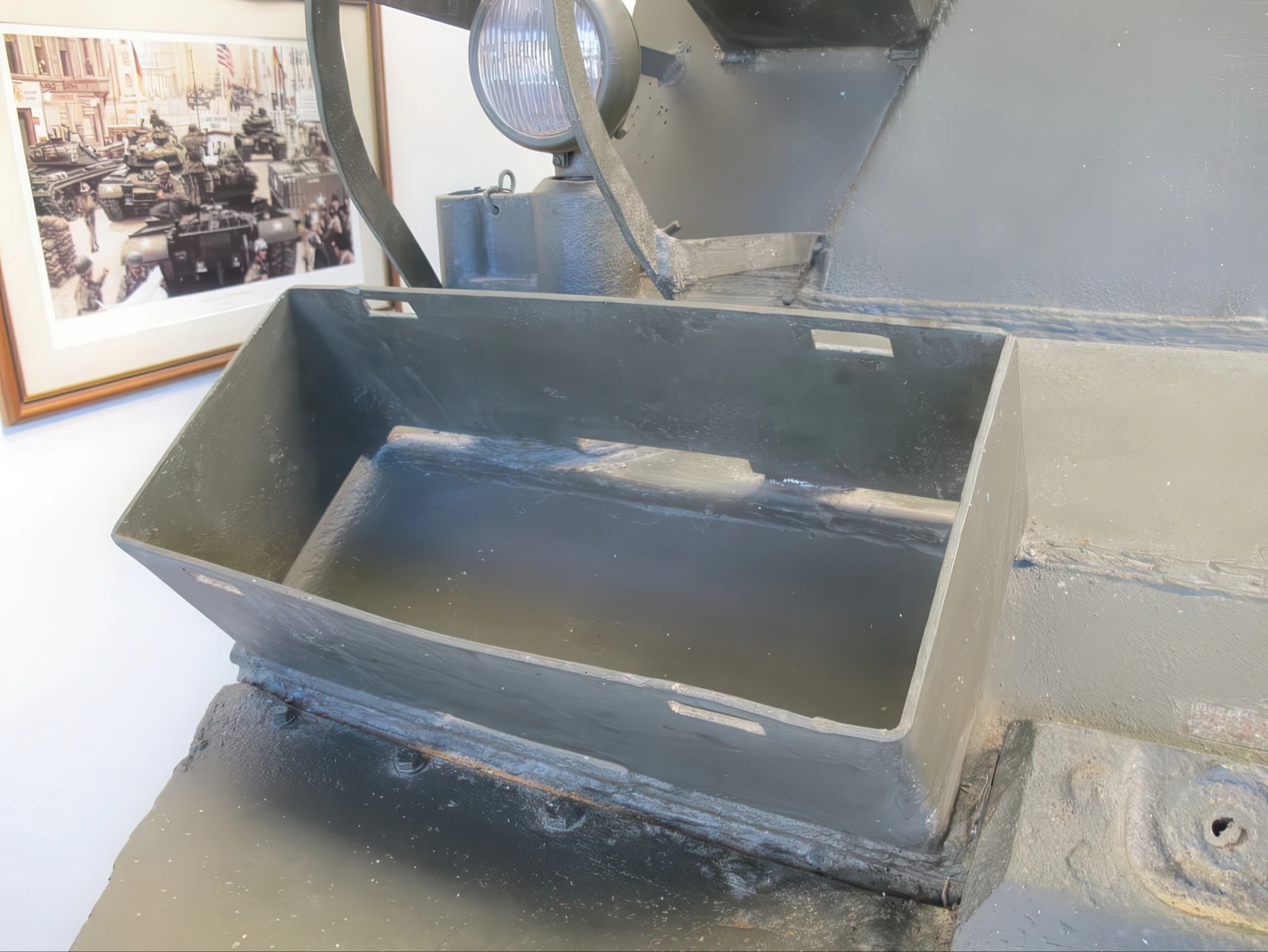
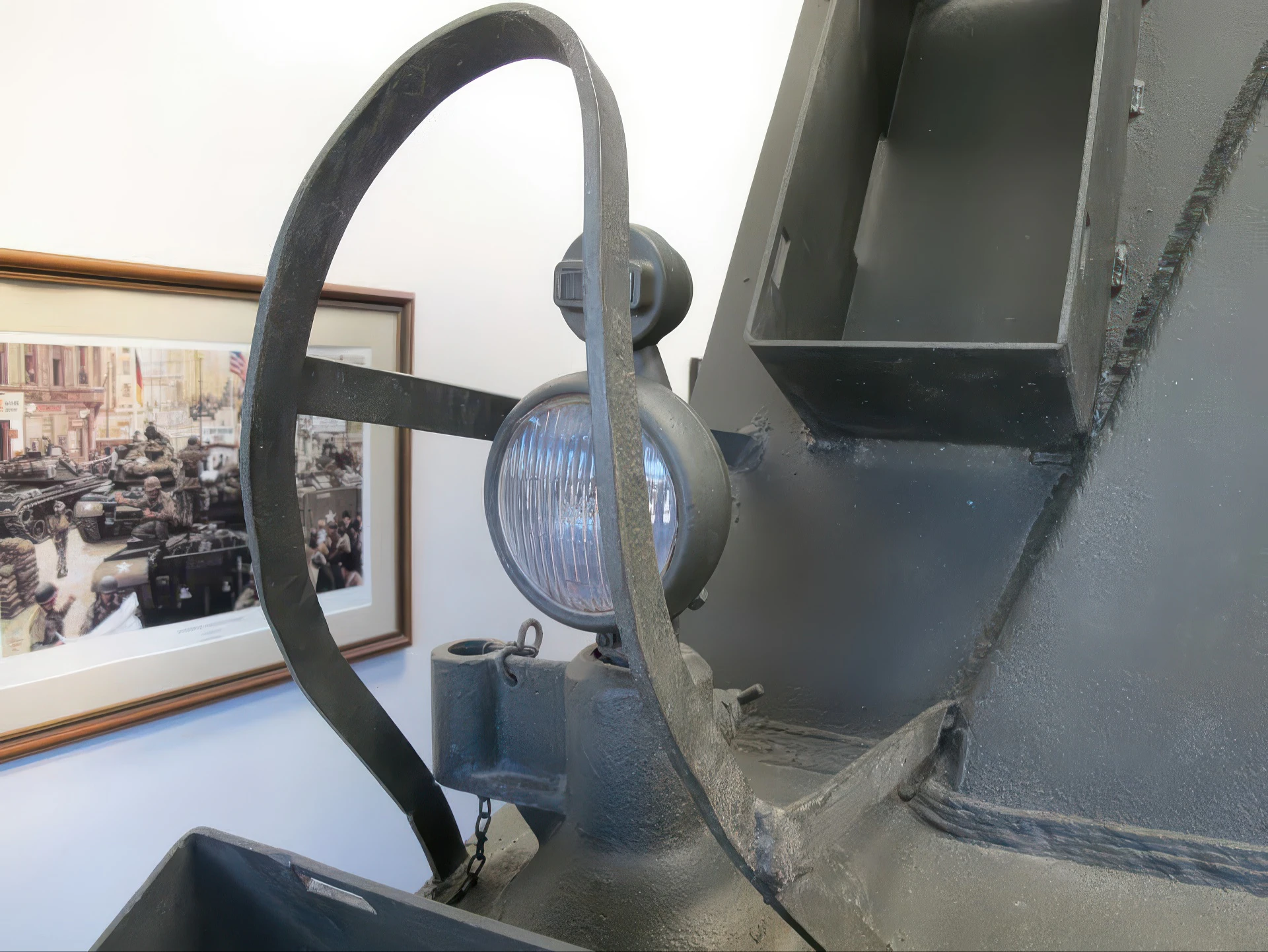
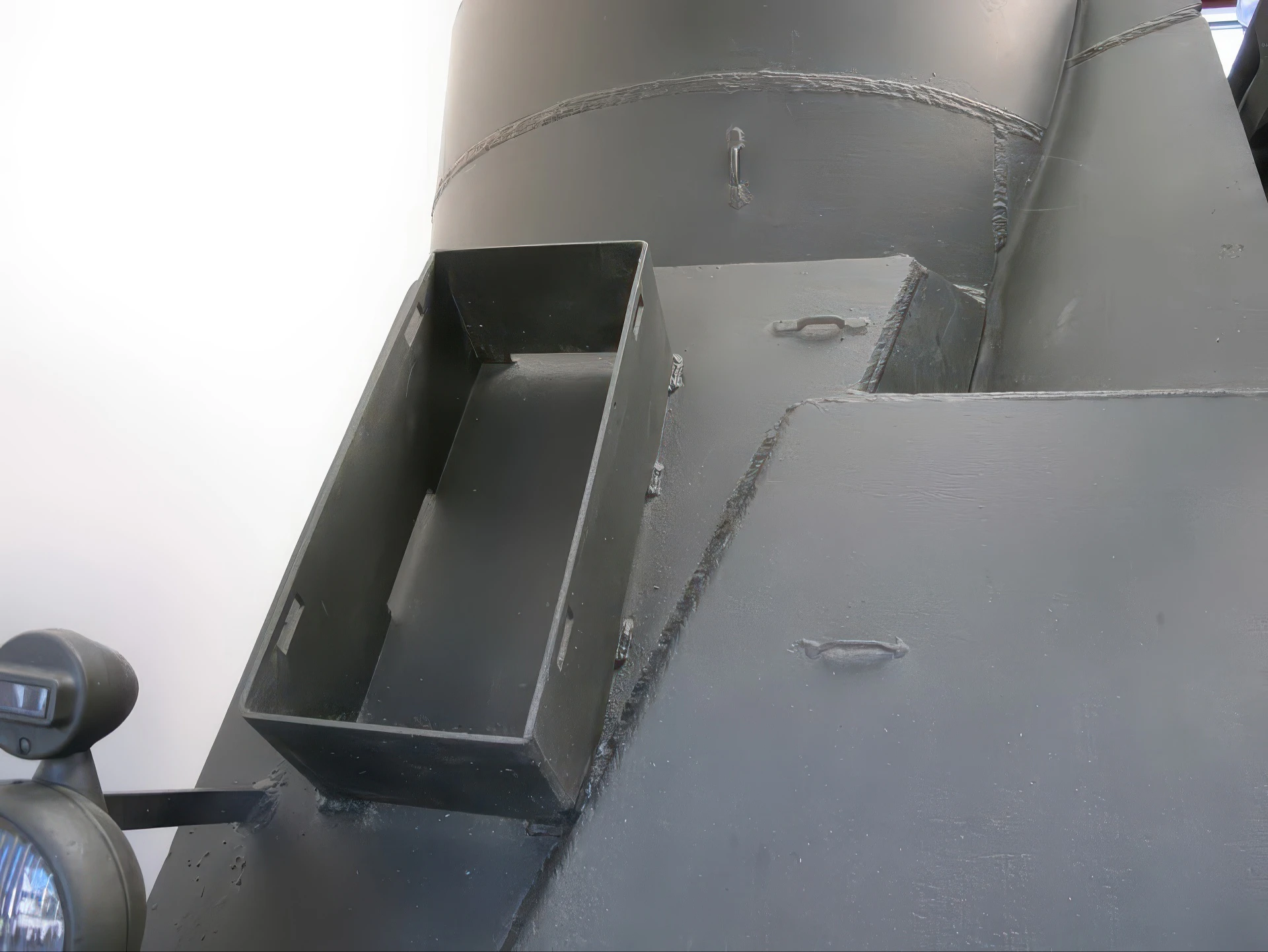
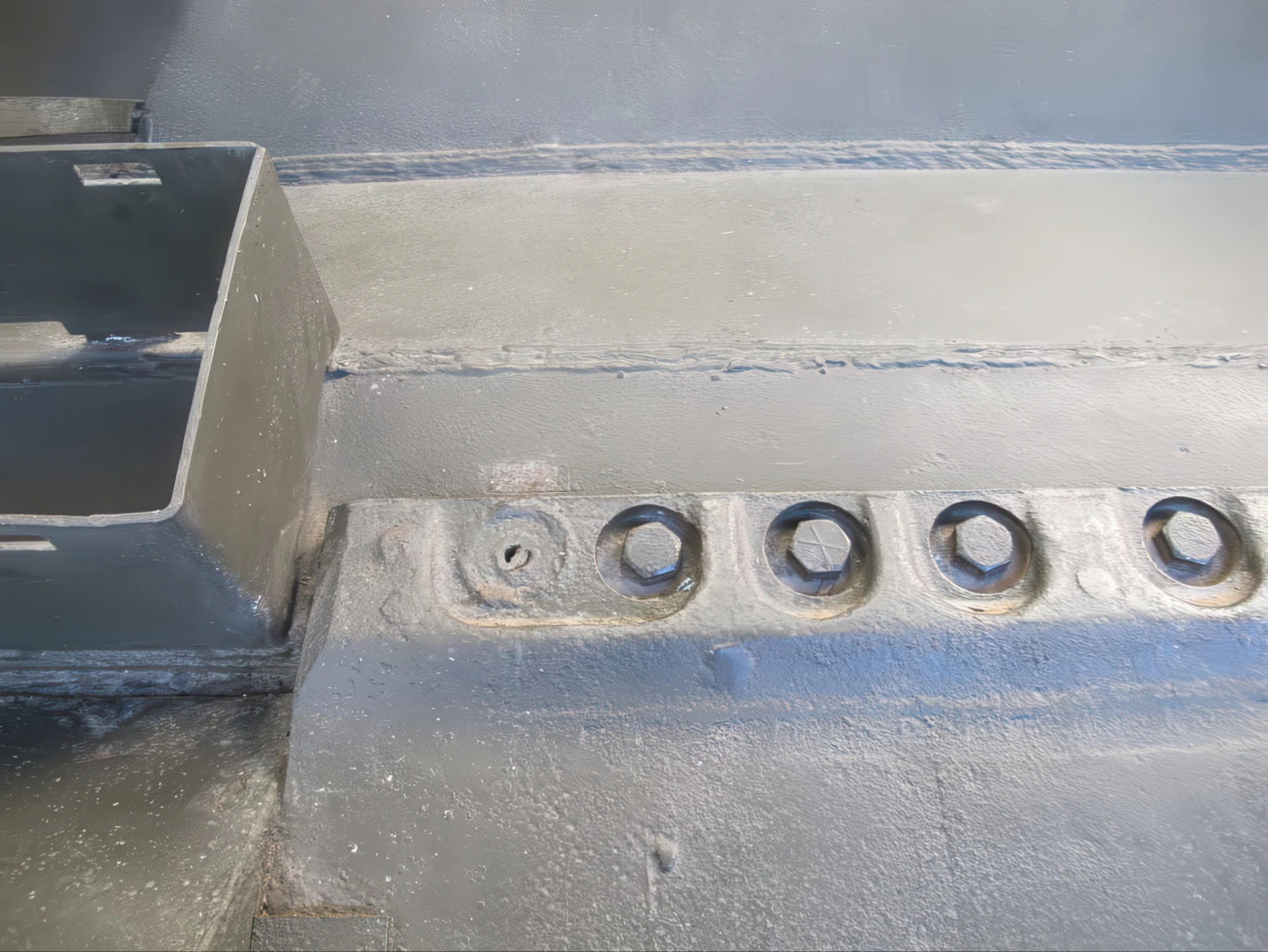
Nuotraukų galerija ant M7B2 kunigo, oficialiai pavadinto 105 mm haubicų motoriniu vežimėliu M7, M7 Kunigas buvo savaeigis ginklas, kurį Antrojo pasaulinio karo metu pagamino JAV. Kunigas yra britų suteiktas slapyvardis, nes ant bėgio uždėtas kulkosvaidis sudarė įspūdį, kad bakas buvo aprūpintas sakykla. Po to sekė Vyskupas Anglų kalba ir jie oficialiai paskyrė jį 105 mm SP kunigu. (Britai mėgo savo savaeigiams ginklams suteikti su religija susijusius vardus (Kunigas = kunigas, Vyskupas = vyskupas, Sextonas = zakristianas), tradicija, kuri tęsėsi iki 1960-ųjų su abatu (abatu).) Versija M7B2 : Korėjos karo metu ribotas haubicų aukštis tapo tikrai problemiškas, ir jis buvo padidintas iki 65°. Kulkosvaidžio rėmas taip pat turėjo būti patobulintas, kad būtų galima šaudyti 360°. Ši problema kilo dėl to, kad didžiąją laiko dalį Korėjos konfliktas vyko kalvotoje vietovėje, o šiaurės korėjiečiai dislokavo savo artilerijos gabalus kalvų viršūnėse į šiaurę nuo Seulo.
Šaltinis: M7B2 kunigas Vikipedijoje
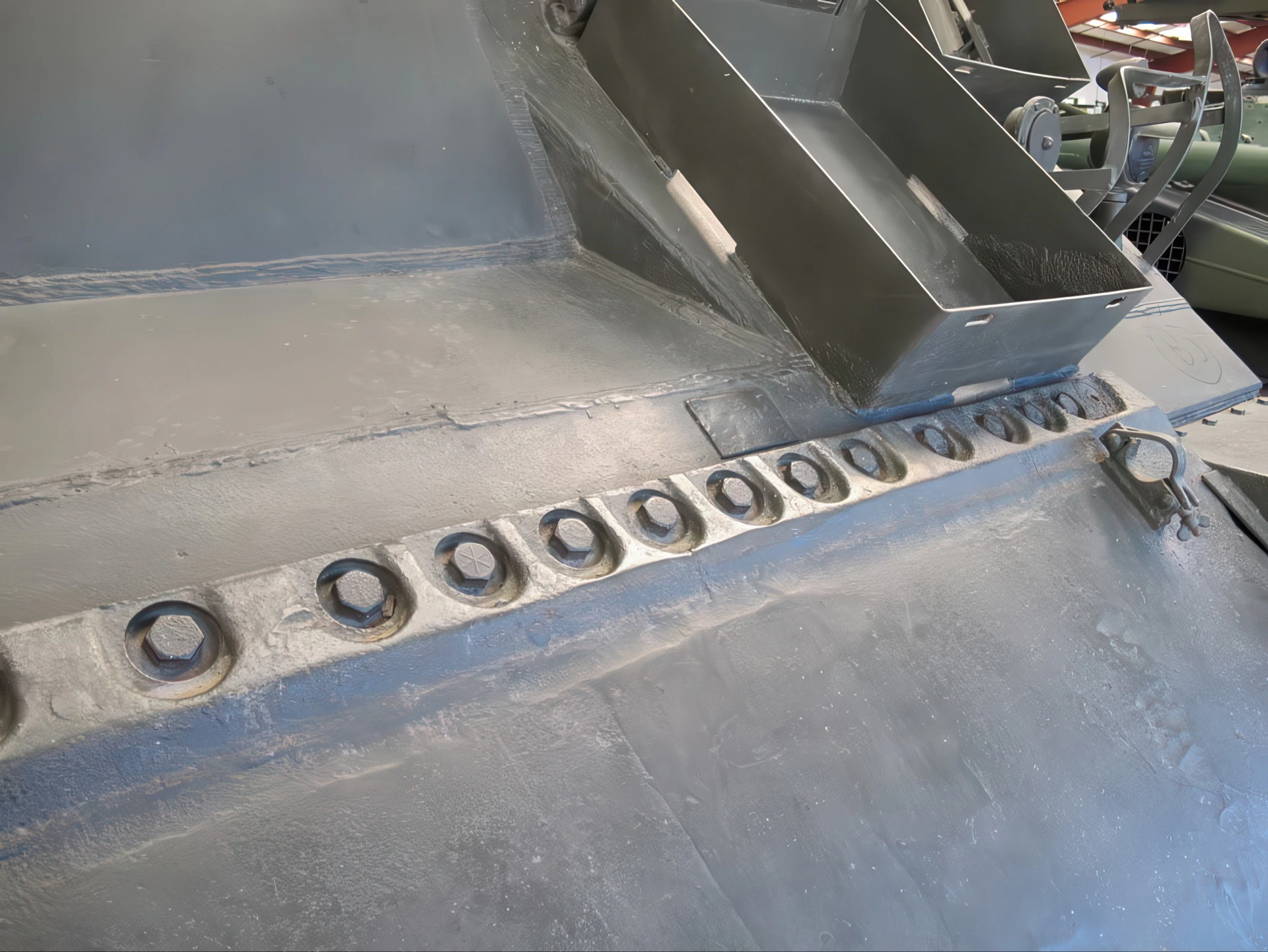
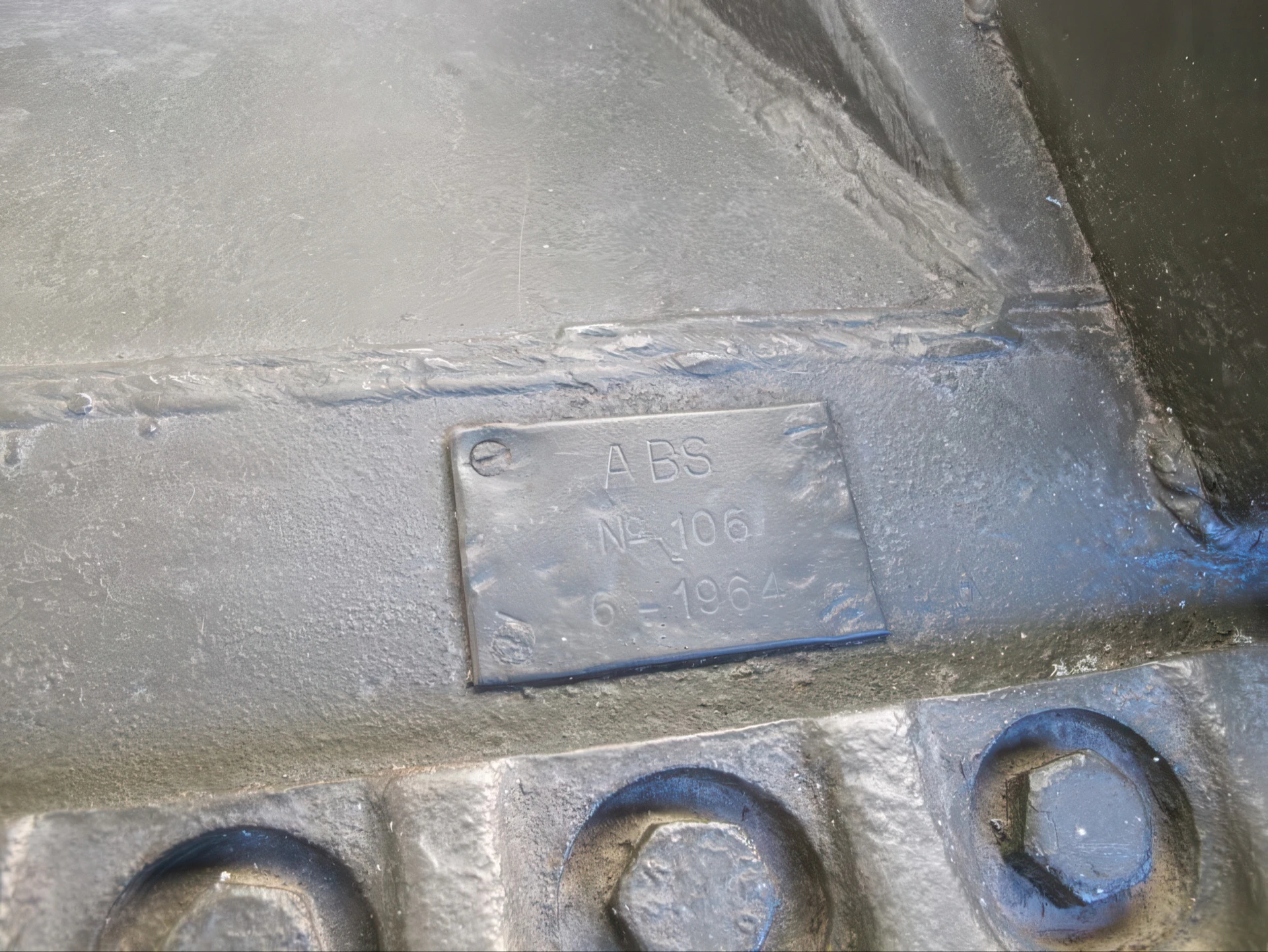
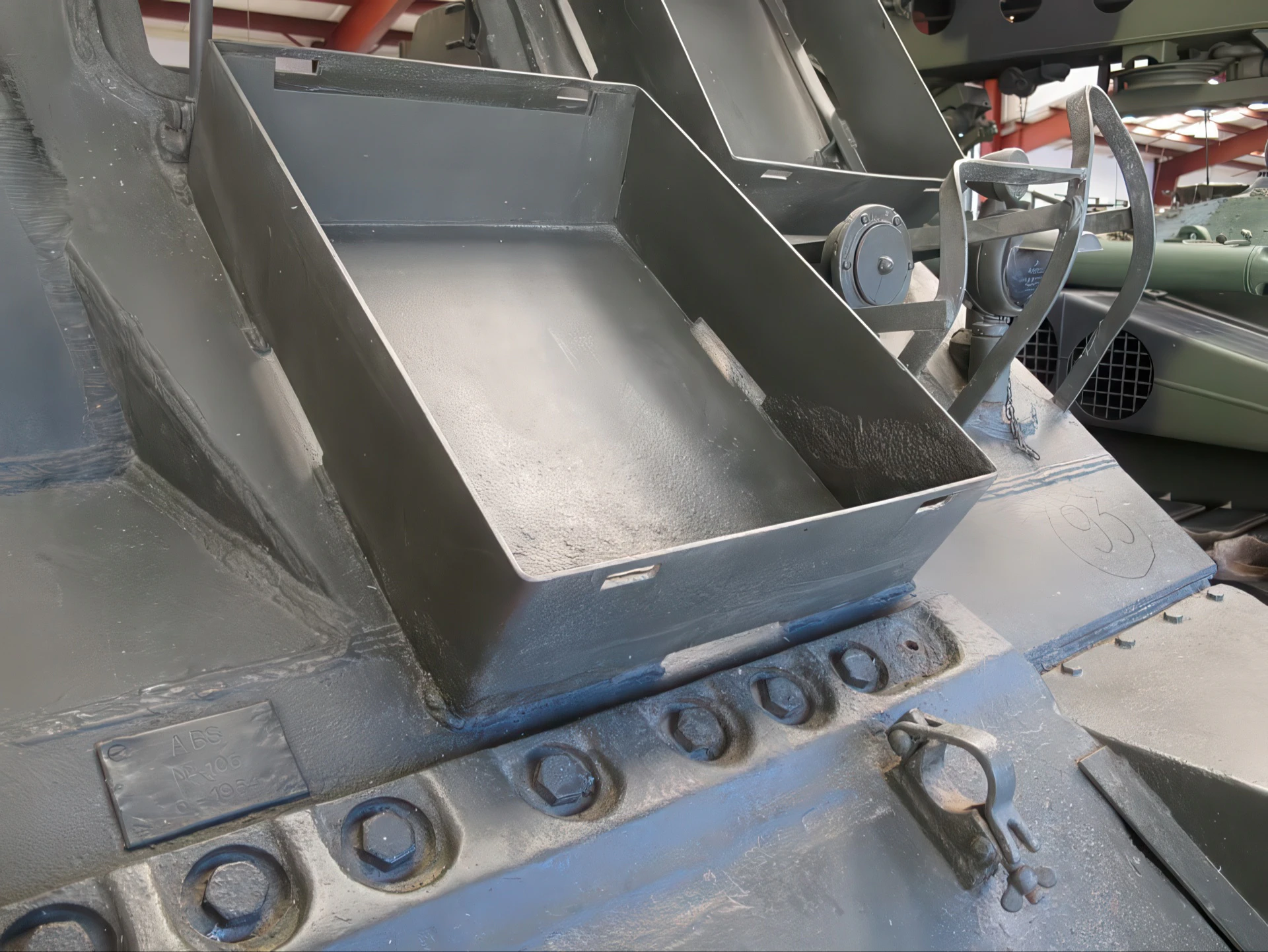

Taip pat žiūrėkite:


2007 M7 Howitzer Motor Carriage, better known by its British service name the “Priest,” was a highly successful American self-propelled artillery vehicle. It was developed and produced during World War II to provide a mobile, armored platform capable of offering close fire support to advancing armored divisions and infantry units.
Key Features and Specifications
- Rolė: Self-propelled artillery/howitzer.
- Main Armament: A powerful 105mm M2A1 howitzer, capable of firing high-explosive, smoke, and anti-tank rounds.
- Ammunition Capacity: Carried up to 69 rounds for the main gun.
- Secondary Armament: A .50 caliber M2 Browning heavy machine gun, mounted in a circular “pulpit” cupola. This distinctive mount is what inspired the British nickname “Priest.”
- Važiuoklės:
- M7 (Early): Based on the modified chassis of the M3 Lee medium tank.
- M7B1/M7B2 (Later): Based on the chassis of the M4 Sherman vidutinis bakas.
- Crew Protection: Featured an open-topped fighting compartment with a steel superstructure. This provided protection from small arms and shell fragments but left the crew vulnerable to air bursts.
- Mobilumo: Fully tracked, allowing for good cross-country movement and the ability to keep pace with mechanized forces.
Combat Service and Legacy
The M7 Priest first saw combat with the British Eighth Army at the Second Battle of El Alamein in late 1942. It was widely used across all major theaters of operation, including North Africa, the Mediterranean, Northwest Europe (Normandy), and the Pacific.
Its operational success lay in its “shoot-and-scoot” capability, which allowed it to quickly fire barrages and relocate before enemy counter-battery fire could zero in. The Priest’s design and performance cemented the need for self-propelled artillery in modern mechanized warfare. It continued to serve beyond World War II, seeing action with US forces and allies during the Korean War.
Peržiūrėta: 3167