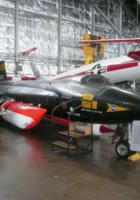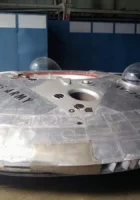
Avro Kanada VZ-9AV Avrocar

Avro Canada VZ-9 Avrocar

ŠaliesJav
VaidmenįExperimental VTOL vehicle
Pirmasis skrydis12 November 1959
Pastatytas2

The Avro Canada VZ-9 Avrocar was a VTOL aircraft developed by Avro Canada as part of a secret U.S. military project carried out in the early years of the Cold War. The Avrocar intended to exploit the Coandă effect to provide lift and thrust from a single “turborotor” blowing exhaust out the rim of the disk-shaped aircraft. In the air, it would have resembled a flying saucer. Originally designed as a fighter-like aircraft capable of very high speeds and altitudes, the project was repeatedly scaled back over time and the U.S. Air Force eventually abandoned it. Development was then taken up by the U.S. Army for a tactical combat aircraft requirement, a sort of high-performance helicopter. In flight testing, the Avrocar proved to have unresolved thrust and stability problems that limited it to a degraded, low-performance flight envelope; subsequently, the project was cancelled in September 1961.

Šaltinis: Avro Canada VZ-9 Avrocar on Wikipedia

Tęsti svarstymą

Peržiūrų kiekis : 2522
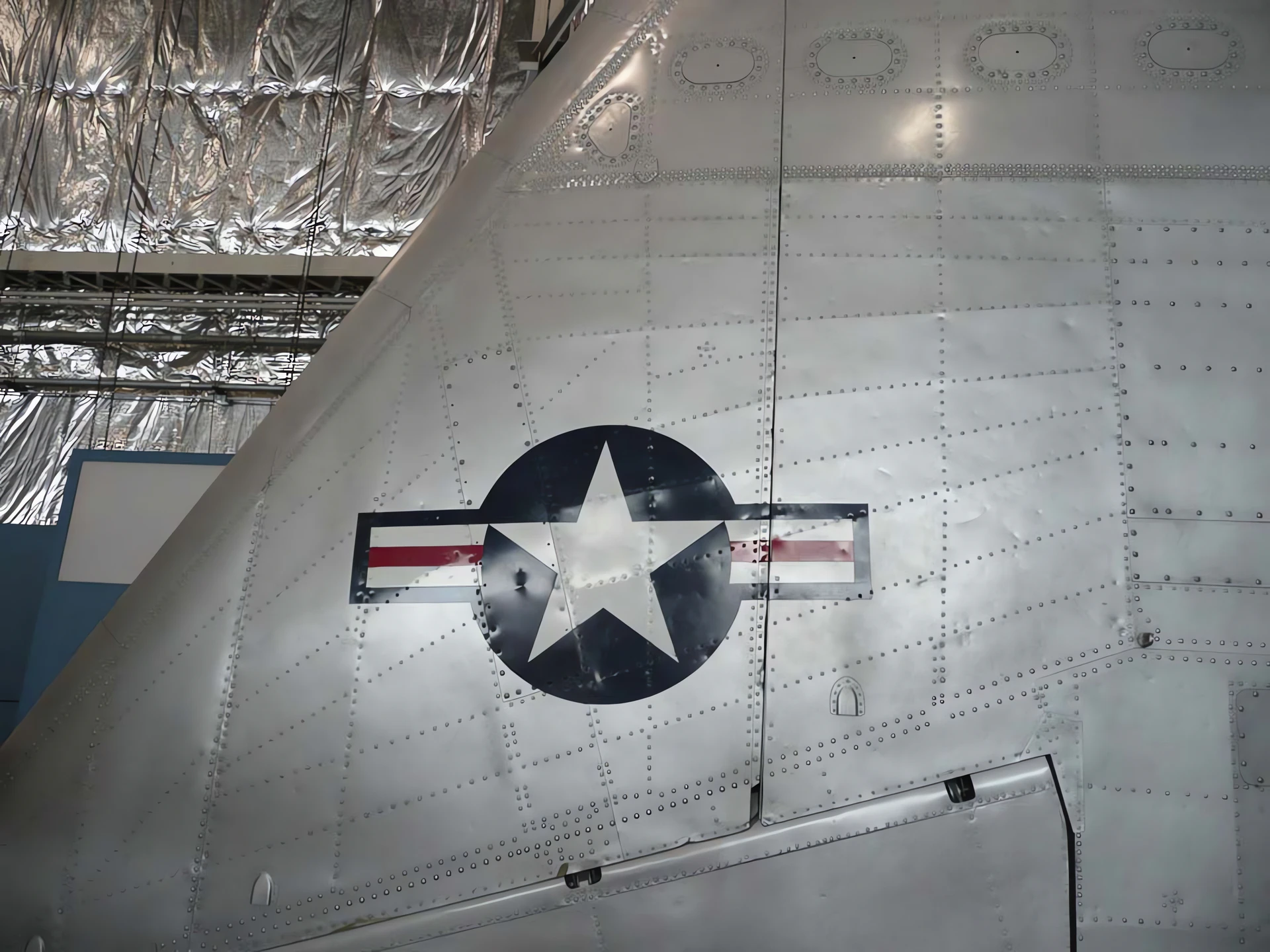
Varpas UH-13H Sioux

Bell H-13 Sioux

ŠaliesJav
VaidmenįLengvasis stebėjimo sraigtasparnis
Pirmasis skrydis8 December 1945
Pastatytas2400+

2007 Varpas H-13 Sioux was a single-engine single-rotor light helicopter built by Bell Helicopter. Westland Aircraft manufactured the Sioux under license for the British military as the Sioux AH.1 and HT.2.

Šaltinis: Bell H-13 Sioux Vikipedijoje

Tęsti svarstymą

Views : 5535

Doak 16 VZ-4DA

Doak VZ-4

ŠaliesJav
VaidmenįVTOL tyrimų convertiplane
Pirmasis skrydis25 February 1958
Pastatytas1

2007 Doak VZ-4 (or Doak Model 16) was an American prototype Vertical Takeoff and Landing (VTOL) aircraft built in the 1950s for service in the United States Army. Only a single prototype was built, and the U.S. Army withdrew it from active trials in 1963.

Šaltinis: Doak VZ-4 Vikipedijoje

Tęsti svarstymą

Views : 2658

Mastelio kompozitų modelis 348

Scaled Composites Model 348

ŠaliesJav
VaidmenįFlying Spaceplane Carrier
Pirmasis skrydisDecember 21, 2008
Pastatytas1

2007 Mastelio kompozitų modelis 348 White Knight Two (WK2) is a quadjet cargo aircraft that is used to lift the SpaceShipTwo spacecraft to release altitude. It was developed by Scaled Composites from 2007 to 2010 as the first stage of Tier 1b, a two-stage to suborbital-space manned launch system. WK2 is based on the successful mothership to SpaceShipOne, White Knight, which itself is based on Proteus. With an “open architecture” design and explicit plans for multi-purpose use, the aircraft could also operate as a zero-g aircraft for passenger training or microgravity science flights, handle missions in high-altitude testing more generally, or be used to launch payloads other than SpaceShipTwo. A study of use of the aircraft as a forest fire water bomber has also been mentioned, one that would utilize a large carbon composite water tank that could be quickly replenished to make repeat runs over fires.

Šaltinis: Scaled Composites Model 348 on Wikipedia

Tęsti svarstymą

Peržiūrėta: 1594

Northrop X-4 Bantam

Northrop X-4 Bantam

ŠaliesJav
VaidmenįTailless orlaivio prototipas
Pirmasis skrydis1948 m. gruodžio 15 d.
Pastatytas2

2007 Northrop X-4 Bantam buvo mažo twinjet orlaivio prototipas, kurį 1948 m. pagamino "Northrop Corporation". Jis neturėjo horizontalių uodegos paviršių, priklausomai nuo kombinuotų lifto ir elerono valdymo paviršių (vadinamų elevonais), skirtų valdyti žingsnio ir ritinio padėtį, beveik tiksliai taip, kaip panašaus formato, raketomis varomas Nacistinės Vokietijos "Luftwaffe" "Messerschmitt Me 163". Kai kurie aerodinamikai pasiūlė, kad pašalinus horizontalią uodegą taip pat būtų pašalintos stabilumo problemos važiuojant dideliu greičiu (vadinamas smūgio sustojimu), atsirandančios dėl viršgarsinių smūgio bangų iš sparnų ir horizontalių stabilizatorių sąveikos. Idėja turėjo nuopelnų, tačiau to laiko skrydžio valdymo sistemos neleido X-4 sėkmei.

Šaltinis: Northrop X-4 Bantam Vikipedijoje

Tęsti svarstymą

Peržiūrėta: 2132

"Bristol 170" krovininis laivas

Bristol Freighter

ŠaliesJk
VaidmenįKrovininiai orlaiviai
Pirmasis skrydis1945 m. gruodžio 2 d.
Pastatytas214

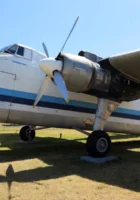
2007 Bristolio tipo 170 krovininis laivas was a British twin-engine aircraft designed and built by the Bristol Aeroplane Company as both a freighter and airliner. Its best known use was as an air ferry to carry cars and their passengers over relatively short distances. A passenger-only version was also produced, known as the Wayfarer. The Freighter was developed during the Second World War, having attracted official attention from the British Air Ministry, which sought the development of a rugged vehicle capable of carrying various cargoes, including a 3-ton truck. Various changes to the design were made to accommodate their requirements, but being completed too late to participate in the conflict, the majority of sales of the Freighter were to commercial operators. In response to customer demand, an enlarged version to maximise vehicle-carrying capacity, known as the Bristol Superfreighter, was developed.

Šaltinis: "Bristol Freighter" Vikipedijoje

Tęsti svarstymą

Peržiūrų: 2800

Lockheed Electra 12A

Lockheed Electra 12

ŠaliesJav
VaidmenįCivil and military utility aircraft
Pirmasis skrydisJune 27, 1936
Pastatytas130

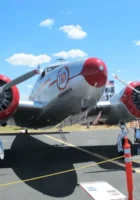
2007 Lockheed Model 12 Electra Junior, more commonly known as the Lockheed 12 or L-12, is an eight-seat, six-passenger all-metal twin-engine transport aircraft of the late 1930s designed for use by small airlines, companies, and wealthy private individuals. A scaled-down version of the Lockheed Model 10 Electra, the Lockheed 12 was not popular as an airliner but was widely used as a corporate and government transport. Several were also used for testing new aviation technologies.

Šaltinis: Lockheed Electra 12 on Wikipedia

Tęsti svarstymą

Peržiūrėta: 2462

Varpas X-5

Bell X-5

ŠaliesJav
VaidmenįMokslinių tyrimų orlaiviai
Pirmasis skrydis1951 m. birželio 20 d.
Pastatytas2

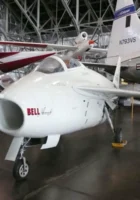
2007 Varpas X-5 buvo pirmasis orlaivis, galintis pakeisti savo sparnų šlavimą skrydžio metu. Jį įkvėpė neišbandytas Vokietijos "Messerschmitt" kompanijos karo laikų P.1101 dizainas. Priešingai nei vokiškas dizainas, kurio sparno šlavimo kampas galėjo būti reguliuojamas tik ant žemės, "Bell" inžinieriai sukūrė elektros variklių sistemą, kad sureguliuotų šlavimą skrydžio metu.

Šaltinis: Varpas X-5 Vikipedijoje

Tęsti svarstymą

Peržiūrėta: 1494

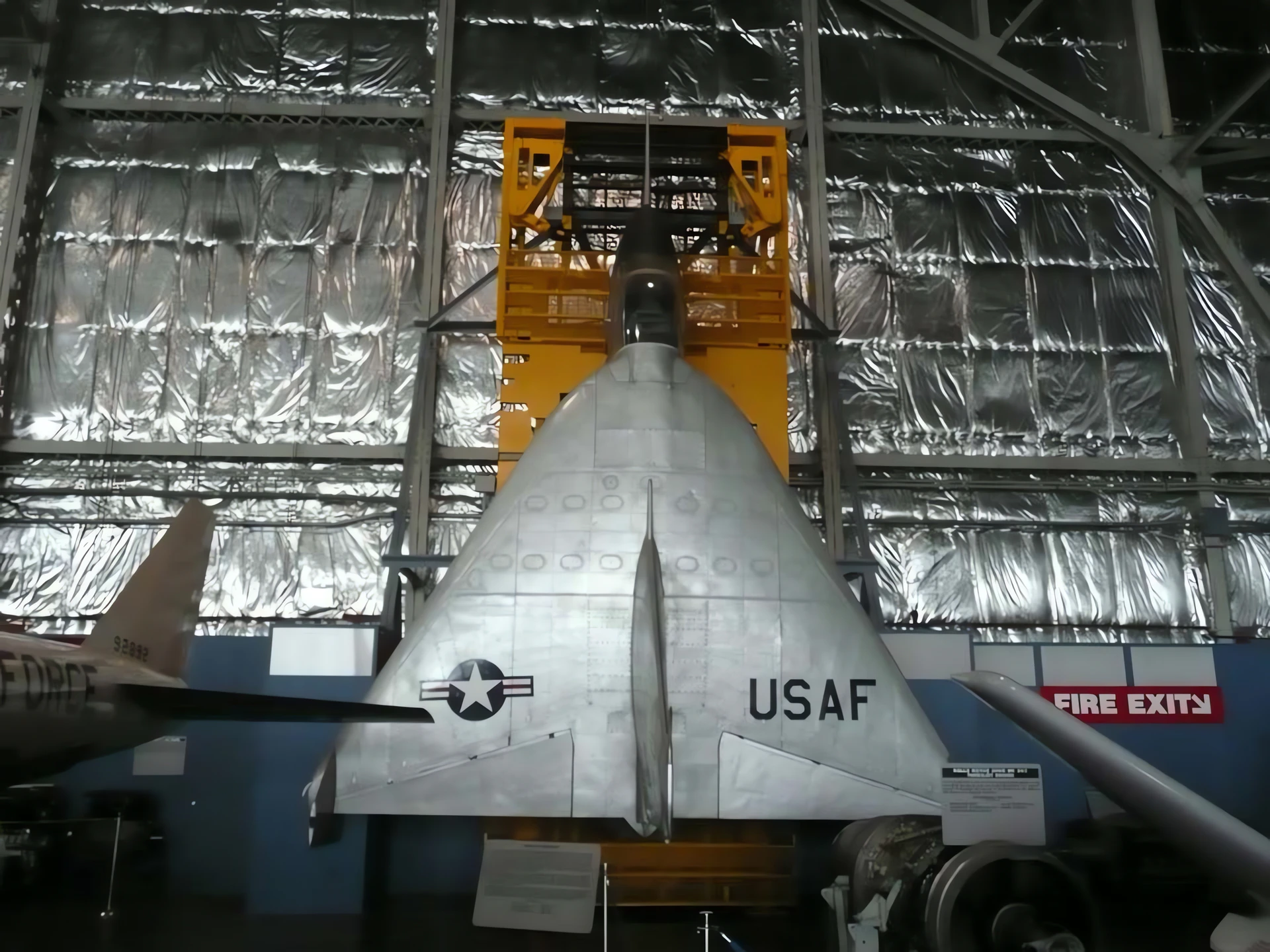
Ryanas X-13 Vertijetas

Ryan X-13 Vertijet

ŠaliesJav
VaidmenįEksperimentiniai VTOL reaktyviniai orlaiviai
Pirmasis skrydisDecember 10, 1955
Pastatytas2

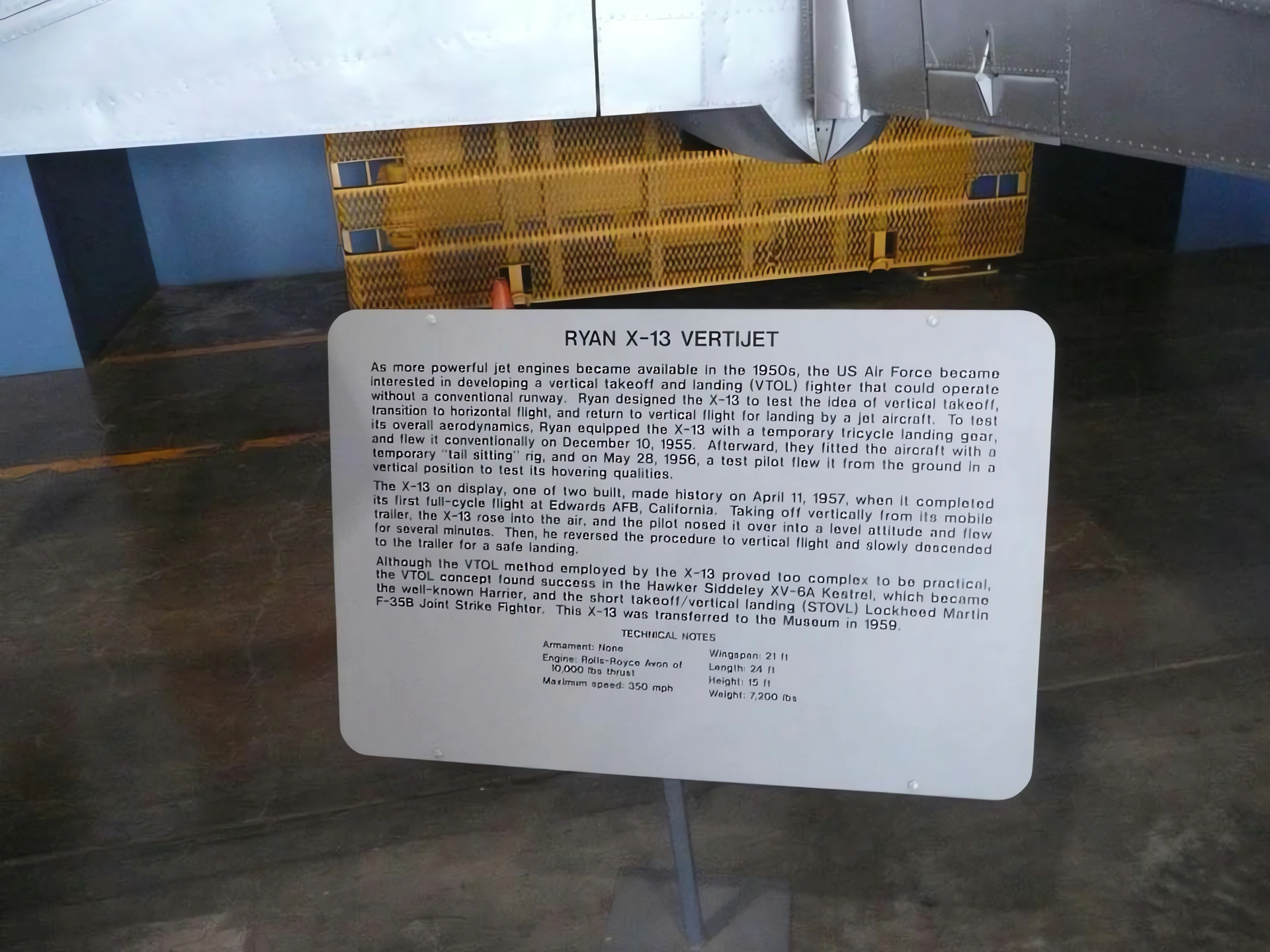
2007 Ryanas X-13 Vertijetas (company designation Model 69) was an experimental vertical take-off and landing (VTOL) jet aircraft flown in the United States in the 1950s. The main objective of the project was to demonstrate the ability of a pure jet to vertically takeoff, hover, transition to horizontal forward flight, and vertically land.

Šaltinis: Ryan X-13 Vertijet Vikipedijoje

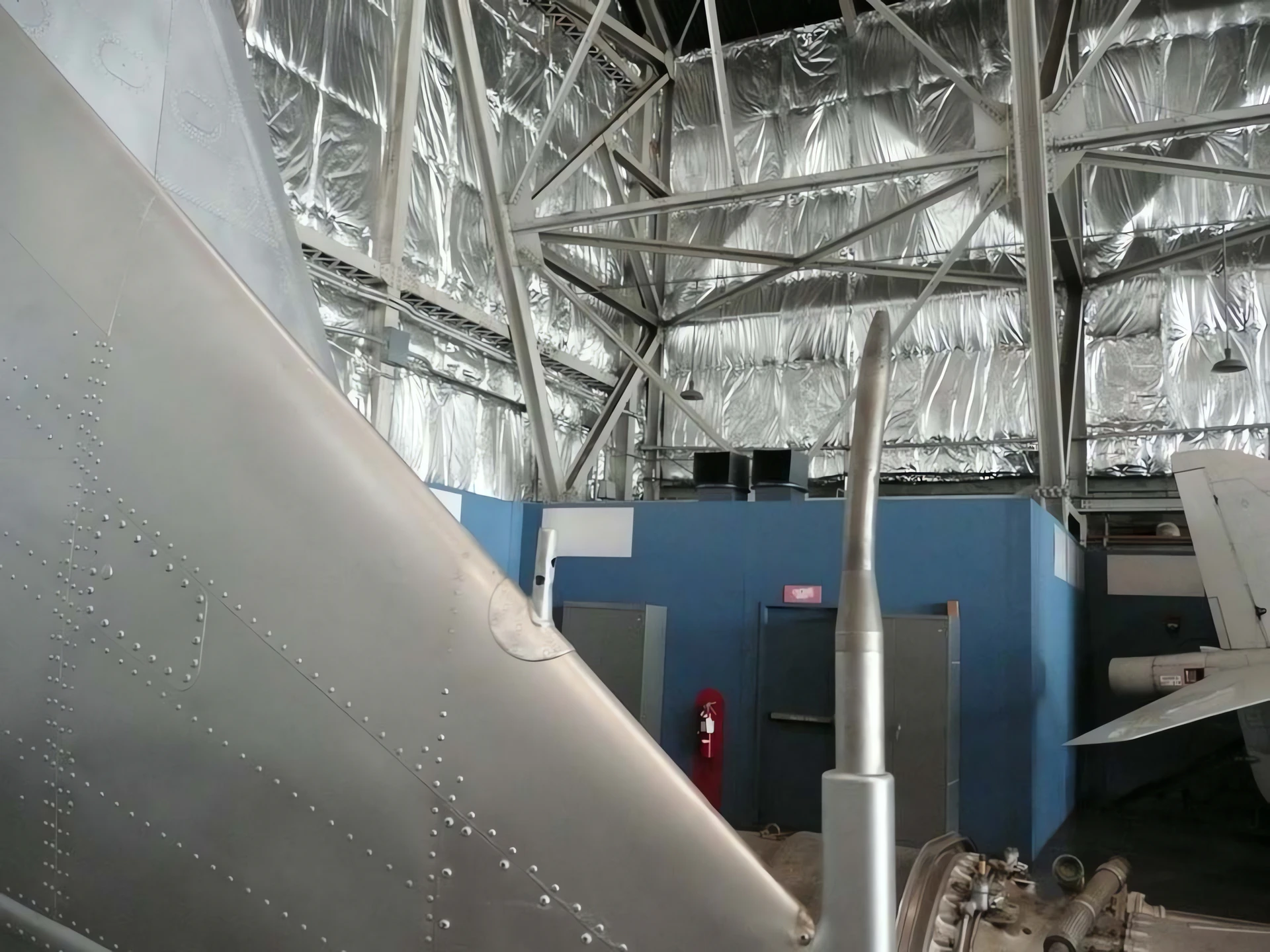
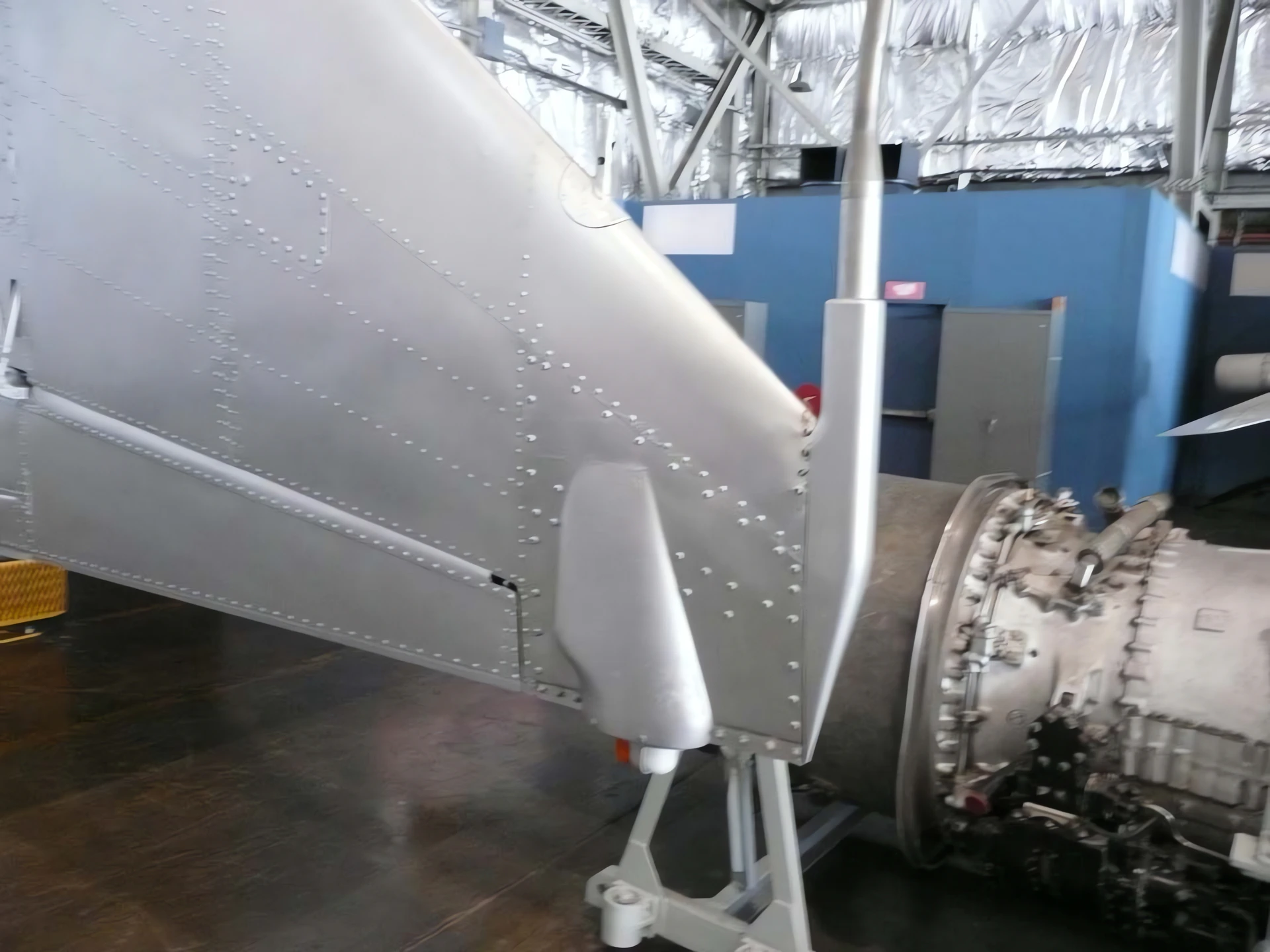
Ryanas X-13 "Vertijet" vaikšto aplink
FotografaiVladimiras Yakubovas
LokalizavimoUSAF nacionalinis muziejus
Nuotraukos96
Tęsti svarstymą

Views : 1153

Šiaurės Amerikos X-15A2

North American X-15

ŠaliesJav
VaidmenįKoncepcijos demonstrantų orlaiviai
Pirmasis skrydis2000 m. spalio 24 d.
Pastatytas2

2007 Šiaurės Amerikos X-15 was a hypersonic rocket-powered aircraft operated by the United States Air Force and the National Aeronautics and Space Administration as part of the X-plane series of experimental aircraft. The X-15 set speed and altitude records in the 1960s, reaching the edge of outer space and returning with valuable data used in aircraft and spacecraft design. The X-15’s official world record for the highest speed ever recorded by a manned, powered aircraft, set in October 1967 when William J. Knight flew Mach 6.72 at 102,100 feet (31,120 m), a speed of 4,520 miles per hour (7,274 km/h; 2,021 m/s), has remained unbroken as of January 2019.

Šaltinis: North American X-15 on Wikipedia

Tęsti svarstymą

Views : 2576