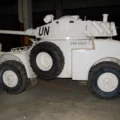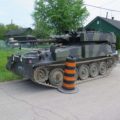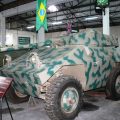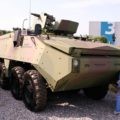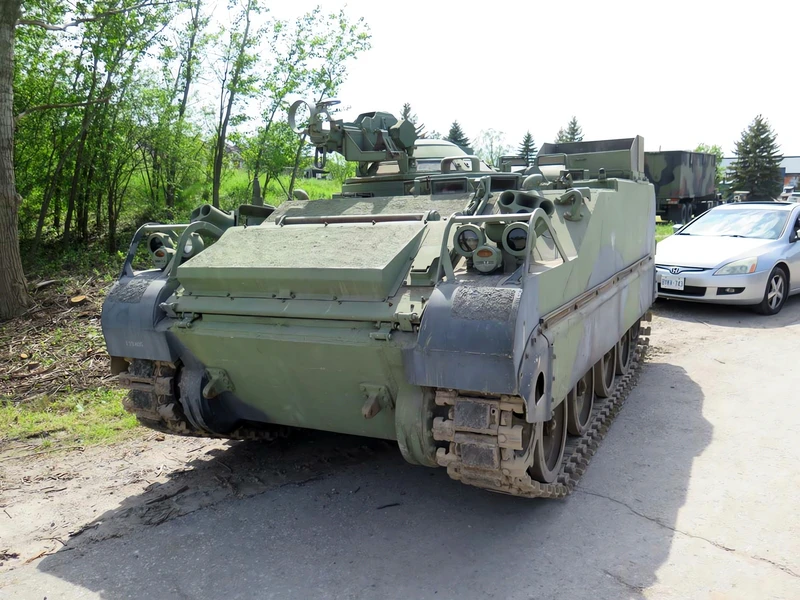
Lynx reconnaissance vehicle | |
|---|---|
| 国 | 米国 |
| 役割 | 偵察車 |
| 期間 | 知りません |
| 構築 | 知りません |
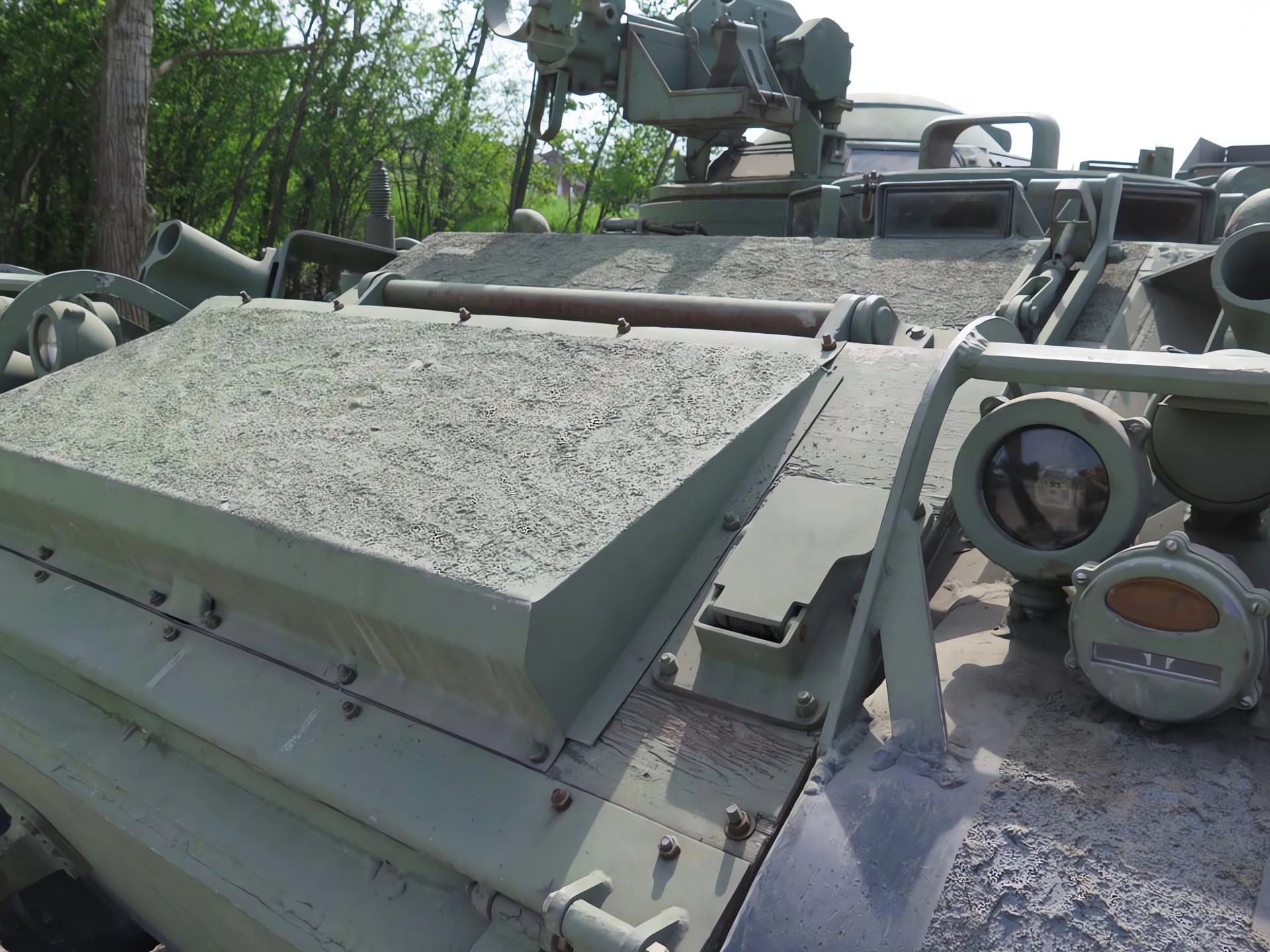
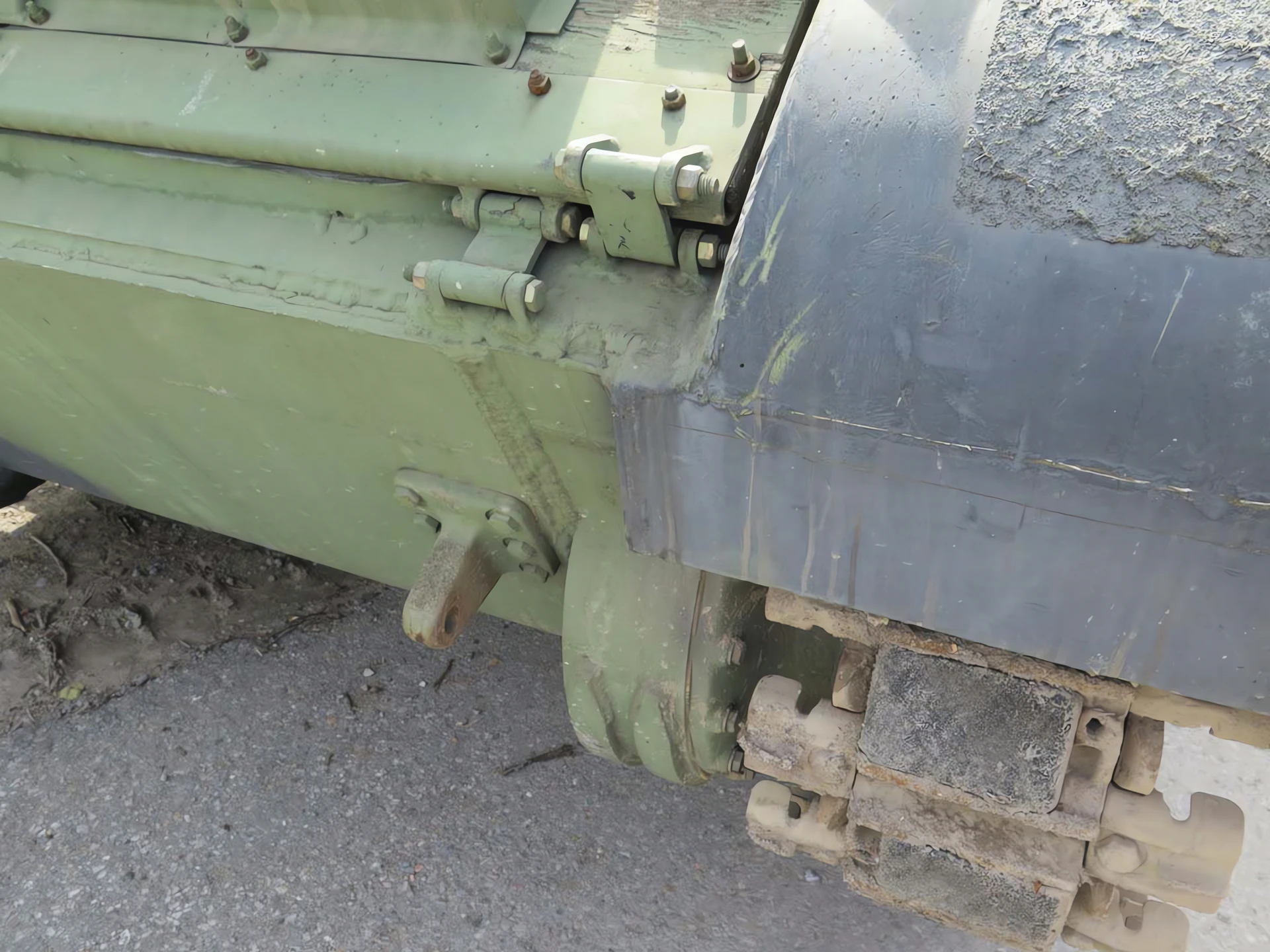
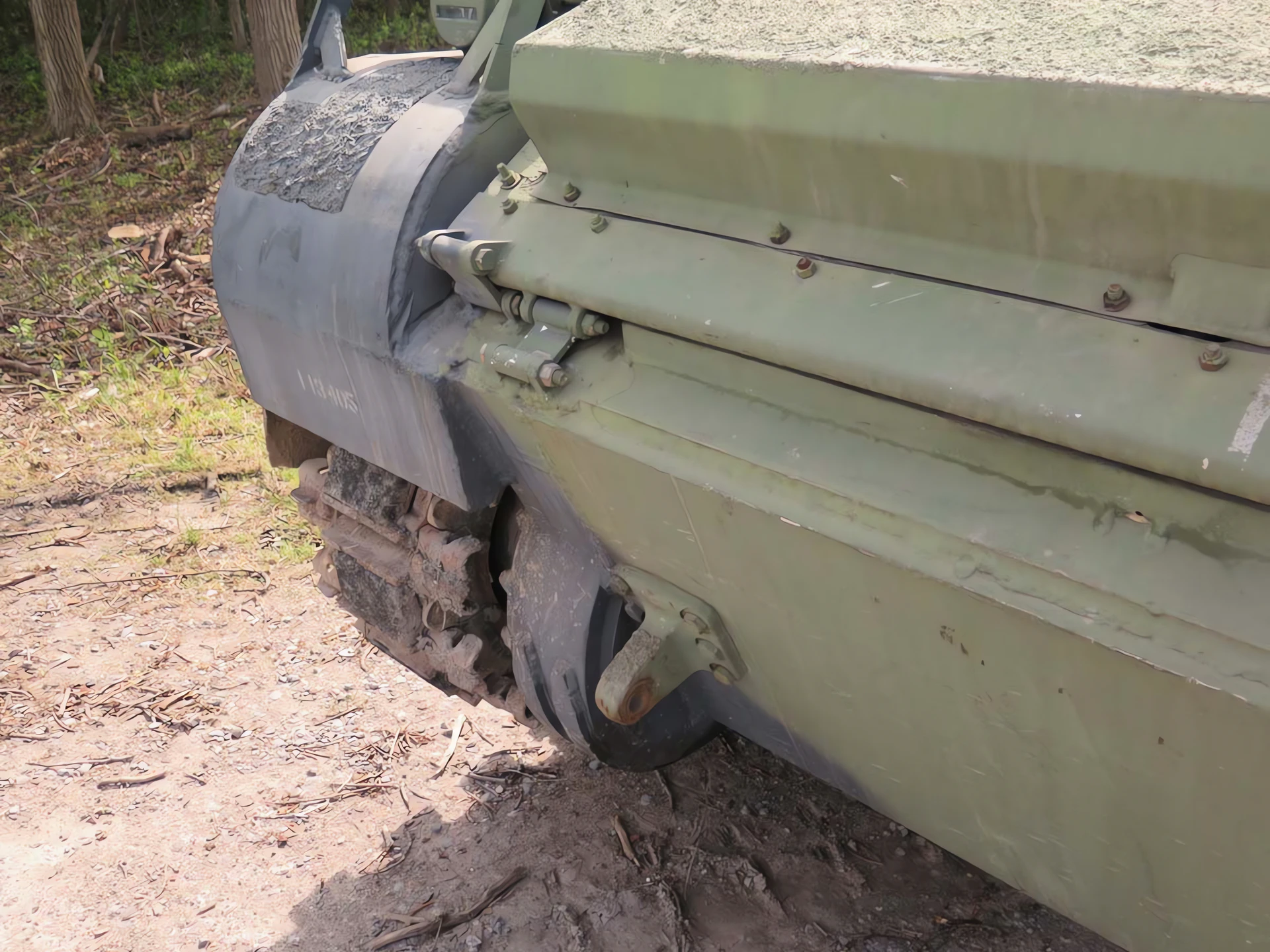
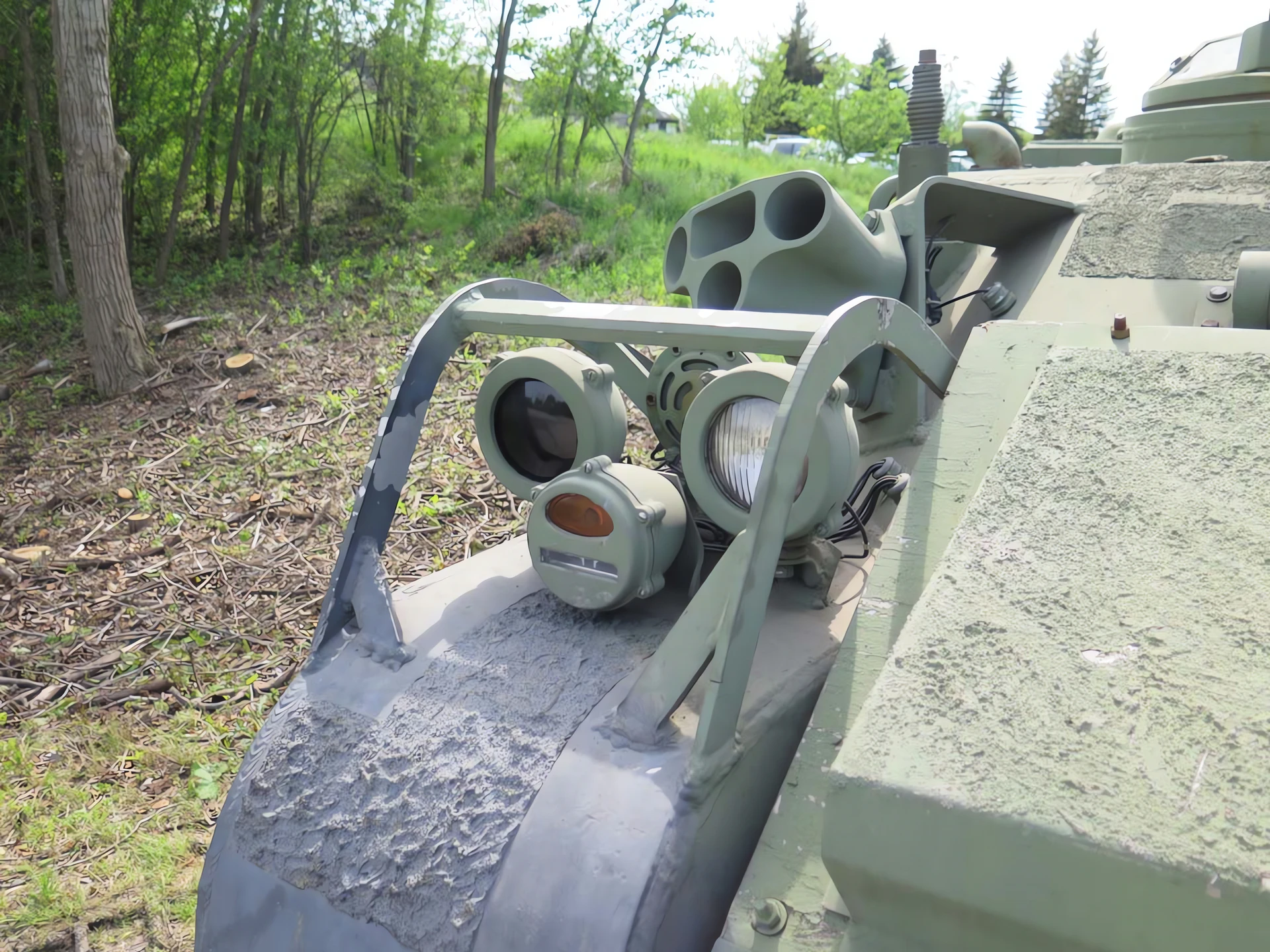
ザ オオヤマネコ偵察車 (manufacturer’s name: M113½ Command and Reconnaissance Vehicle, abbr. M113 C&R) is a United States-built tracked reconnaissance armoured fighting vehicle, which was employed by the armed forces of the Netherlands and Canada. Dutch vehicles were exported in the 1990s to Bahrain[1] and Chile, according to SIPRI 35 and 8 vehicles respectively. The M113½ was developed in 1963 as a private venture by FMC Corp., the manufacturer of the M113. It competed with the M114 but the US Army chose the M114 for production. The design was then offered to foreign buyers and gained the name Lynx when purchased by Canada.
ソース: ウィキペディアのリンクス偵察車
| Lynx Reconnaissance Vehicle Walk Around | |
|---|---|
| Photographer | Vladimir Yakubov |
| Localisation | Ontario Regiment Museum |
| Photos | 72 |
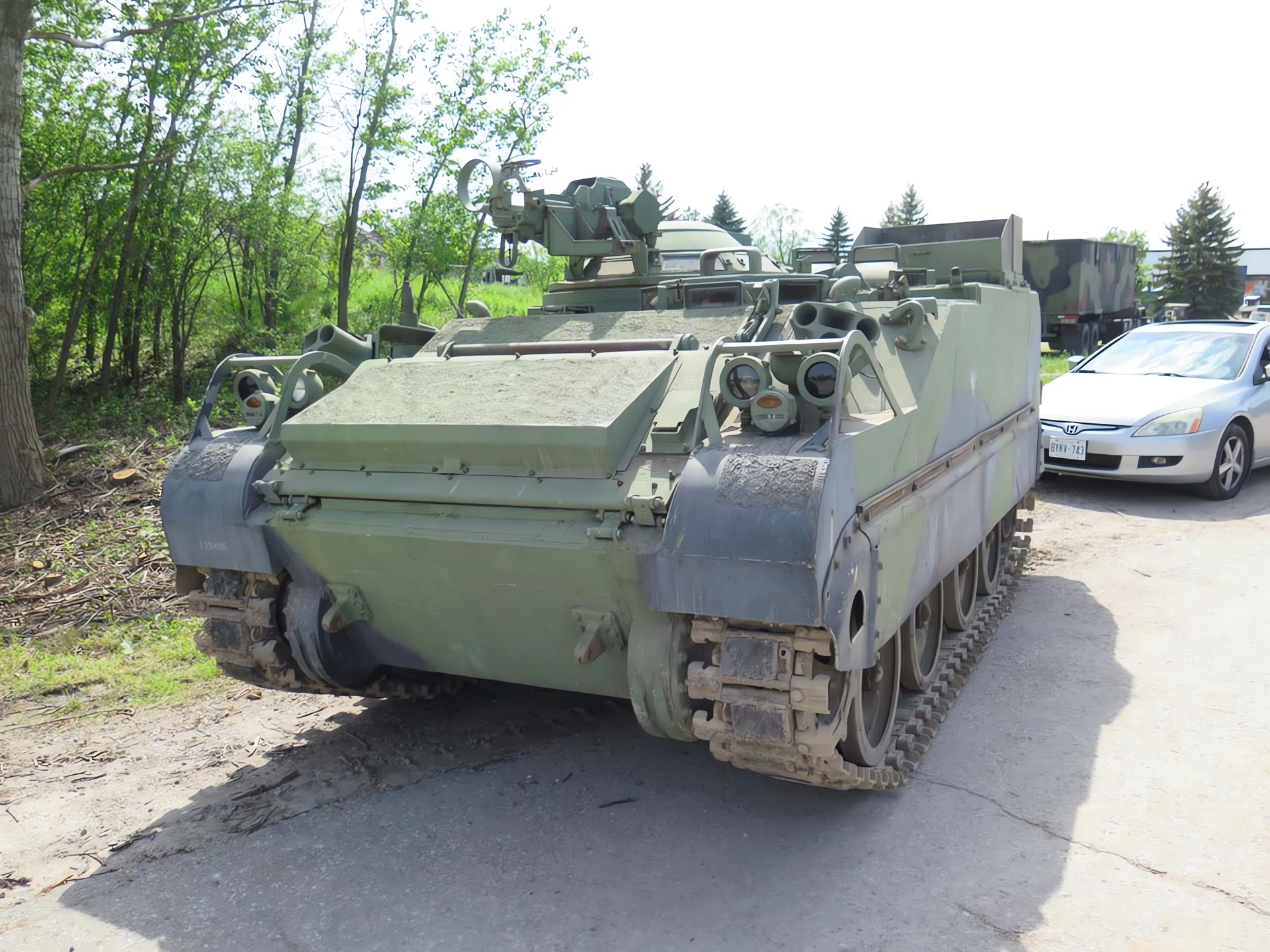
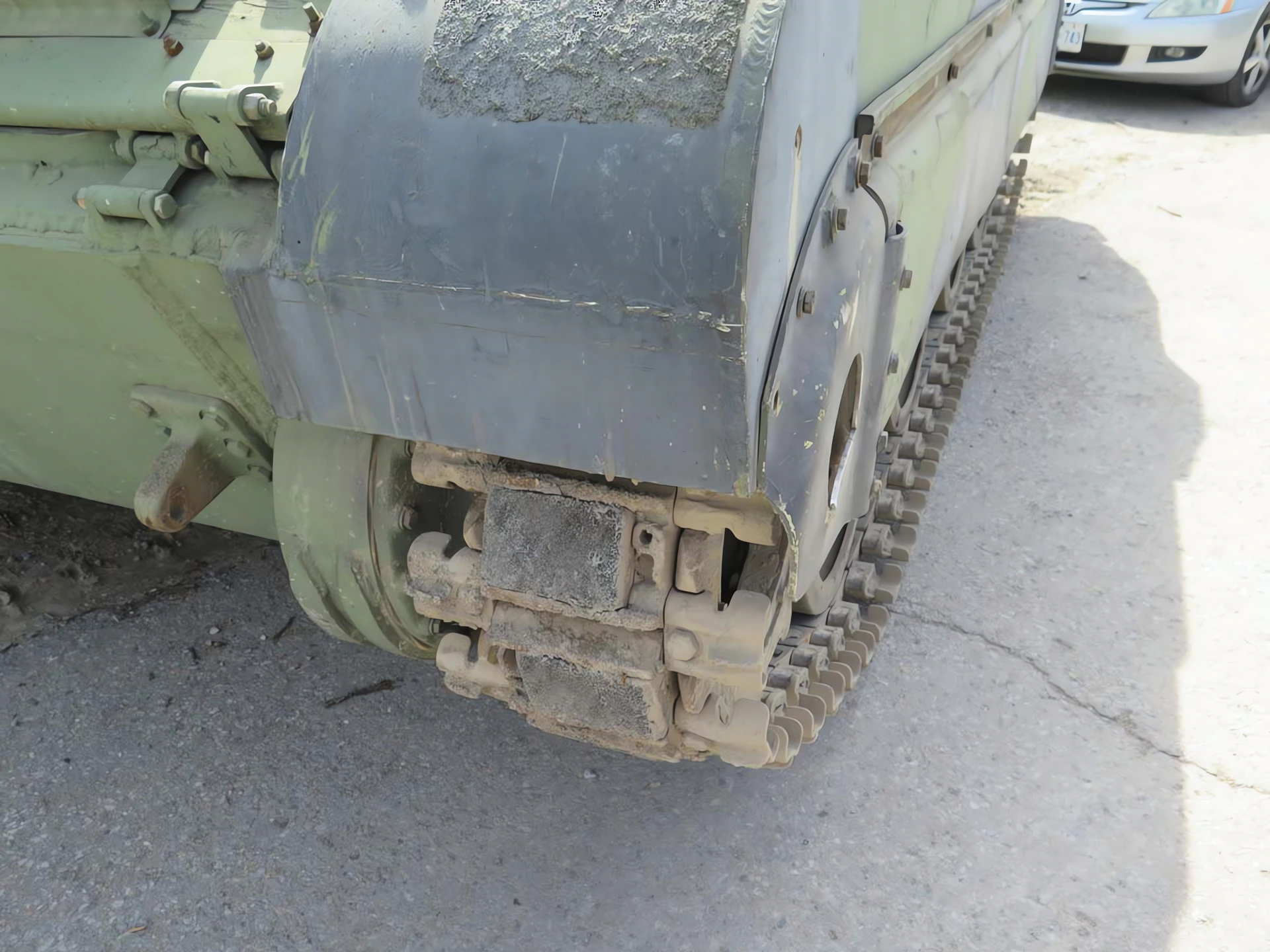
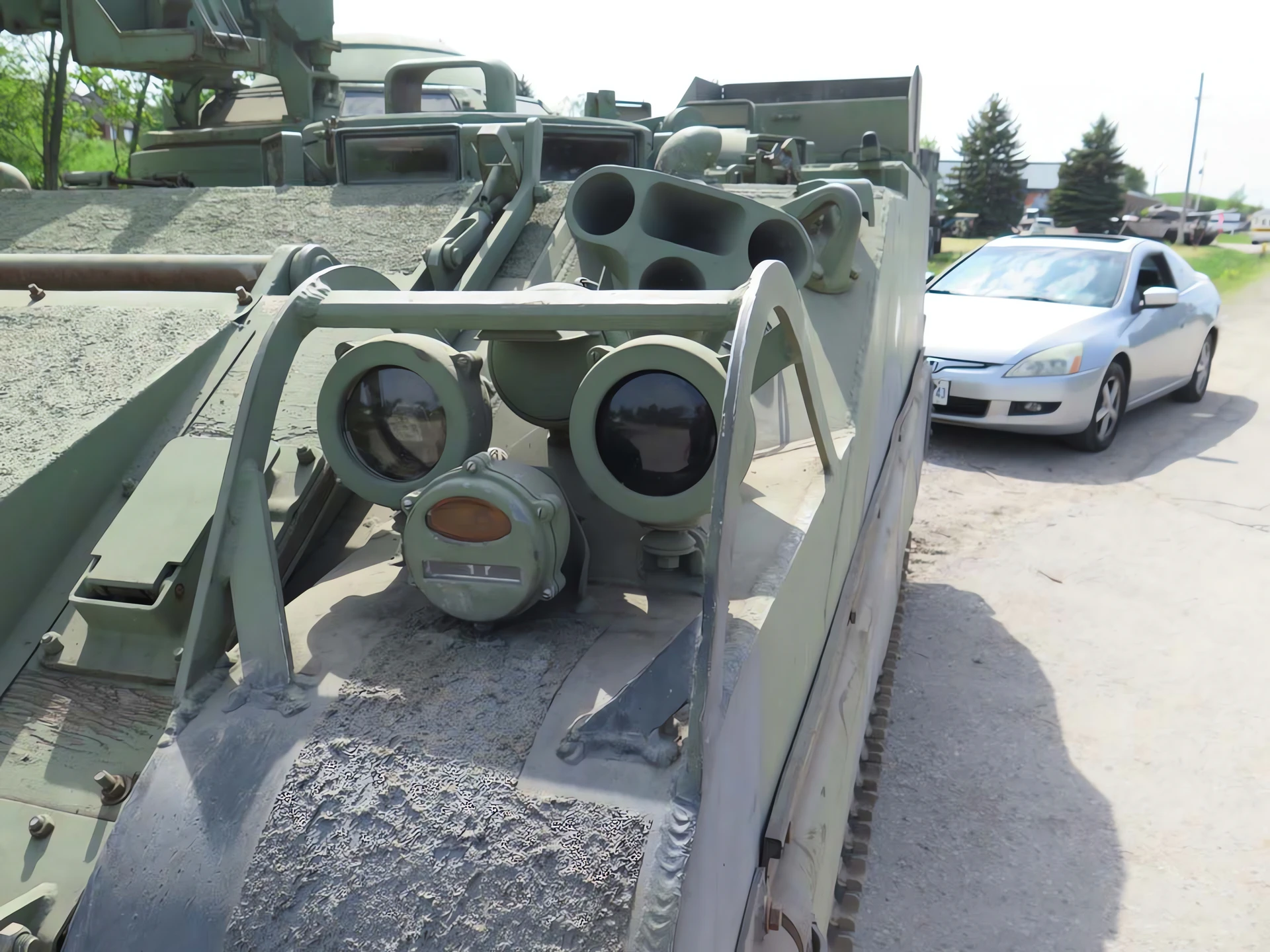
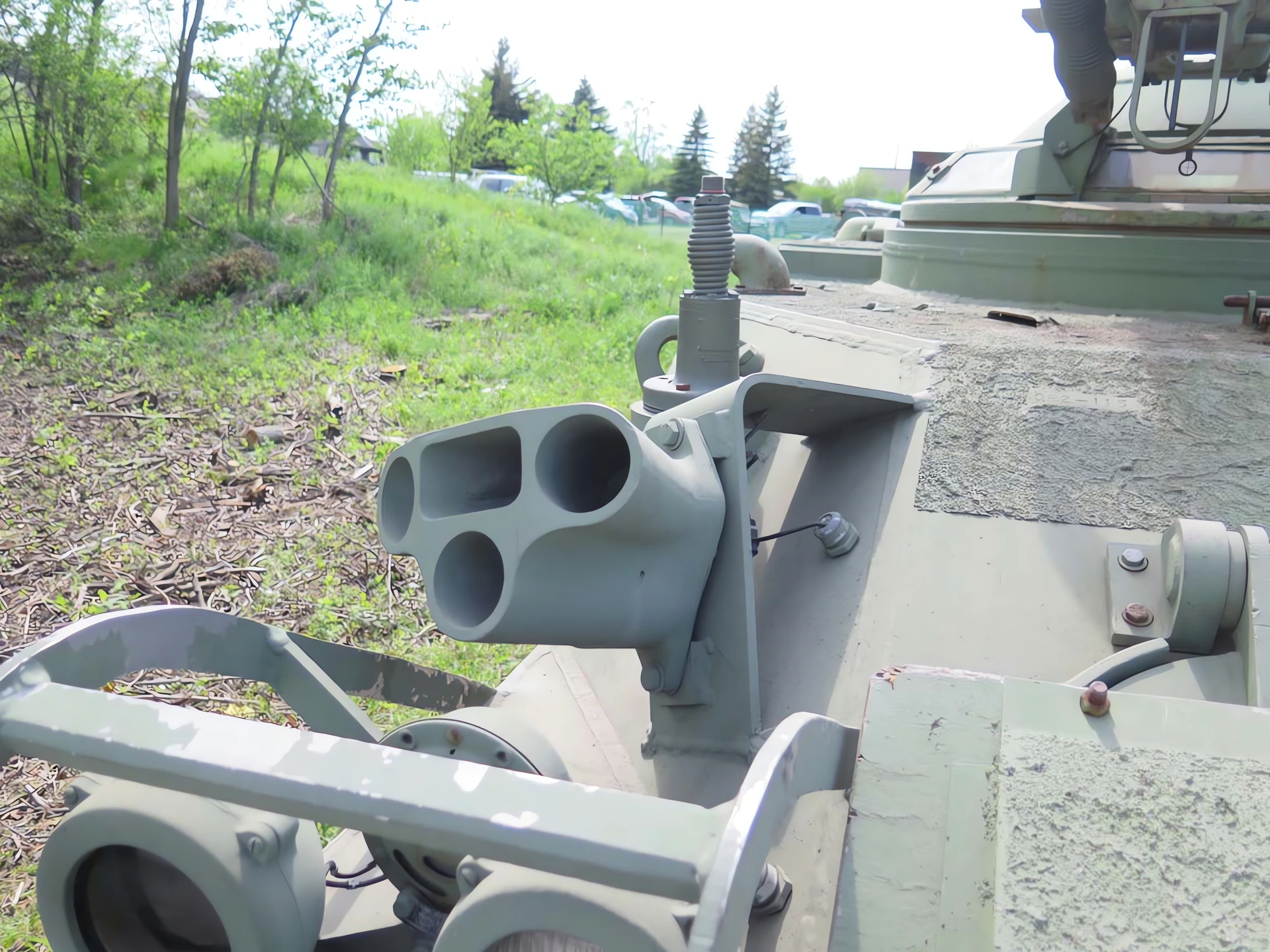
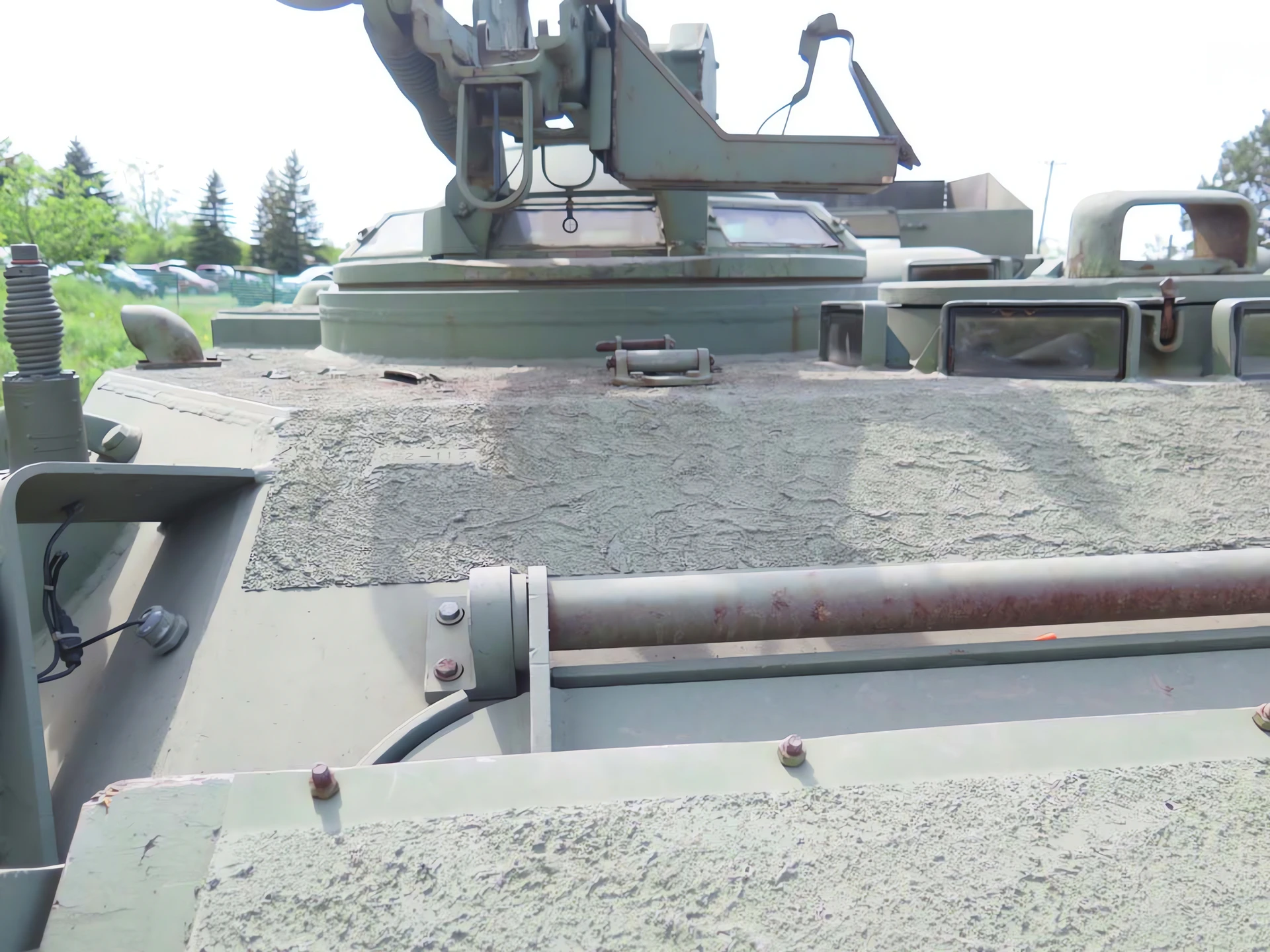

関連項目:


General Characteristics and Role
The Lynx Command and Reconnaissance (C&R) vehicle was a tracked, lightly armored vehicle developed by FMC Corporation (USA) in the late 1960s based on the chassis components of the ubiquitous M113 Armored Personnel Carrier. It was specifically designed to meet the operational requirements for a fast, air-portable reconnaissance vehicle for the armed forces of Canada and the Netherlands. The Lynx featured a low profile and exceptional cross-country mobility, optimized for intelligence gathering and scouting missions. Its aluminum armor provided protection primarily against small arms fire and shell splinters, prioritizing speed and stealth over heavy protection.
| Property | Typical Value (Lynx C&R) |
|---|---|
| 役割 | Armored Reconnaissance, Scout Vehicle |
| National Origin | USA (Built for Canada and Netherlands) |
| メーカー | FMC Corporation / General Motors Diesel Division (Canada) |
| Service Entry | 1968 |
| 乗組員 | 3 (Commander, Driver, Gunner) |
| Configuration | Full-tracked, highly mobile, aluminum hull |
| 長さ | 4.93 m (16 ft 2 in) |
| 幅 | 2.48 m (8 ft 2 in) |
| 高さ | 2.74 m (9 ft 0 in) (To turret roof) |
| Combat Weight | 8.6 tonnes (9.5 short tons) |
Powerplant and Mobility
- Engine: 1 x Detroit Diesel 6V53 6-cylinder diesel engine.
- Power Output: 210 hp (157 kW).
- Power/Weight Ratio: Approx. 24.4 hp/ton (Excellent for its class).
- Maximum Speed (Road): 70 km/h (43 mph).
- Suspension: Torsion bar suspension, providing high stability for cross-country movement.
- Amphibious Capability: Fully amphibious, capable of swimming across water obstacles using its tracks for propulsion.
Armament and Key Features
- Primary Armament: 1 x .50 cal (12.7 mm) Browning M2HB heavy machine gun in a small turret.
- Secondary Armament: 1 x 7.62 mm machine gun (typically a C6 GPMG in Canadian service) mounted coaxially or on a pintle mount.
- Turret: Small, one-man turret (often the M26) with excellent elevation for observation.
- Unique Layout: Unlike the M113, the driver was seated at the rear of the vehicle, and the engine was centrally located, providing better weight distribution and allowing the vehicle to carry more specialized reconnaissance equipment.
- Service Life: The Lynx was successfully used by the Canadian Army until the late 1990s and by the Royal Netherlands Army until the early 2000s, when it was replaced by more modern wheeled vehicles.
ビュー : 2007