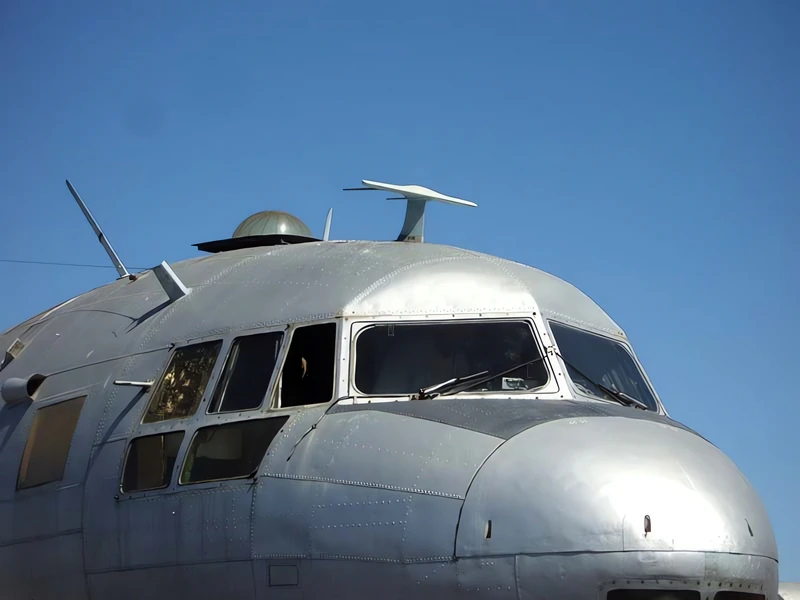
Ilyushin Il-14 | |
|---|---|
| 国 | ソ連 |
| 役割 | 旅客機 |
| 初飛行 | 1950年10月1日 |
| 構築 | 1348 |
ザ イリューシンIl-14 (NATO報告名:Crate)は、1950年に最初に飛行し、1954年に就役したソビエトの双発商用および軍人および貨物輸送機でした。Il-14は、チェコスロバキアのVVBフルグツォイクバウによって東ドイツでもアビア14として製造されました。イリューシンIl-14は通常、アントノフAn-24とヤコブレフYak-40に置き換えられました。
ソース: ウィキペディアのイリューシンIl-14
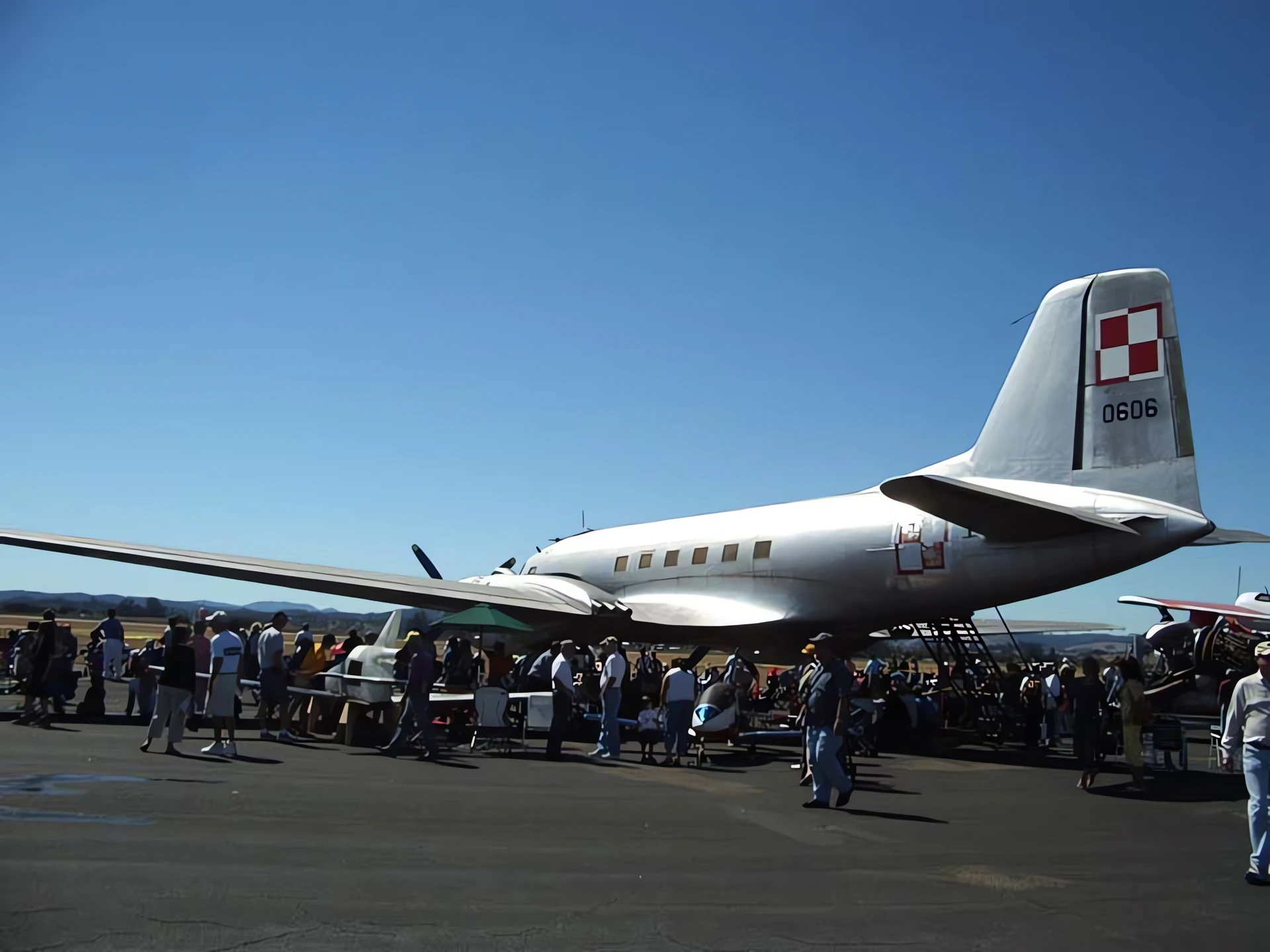
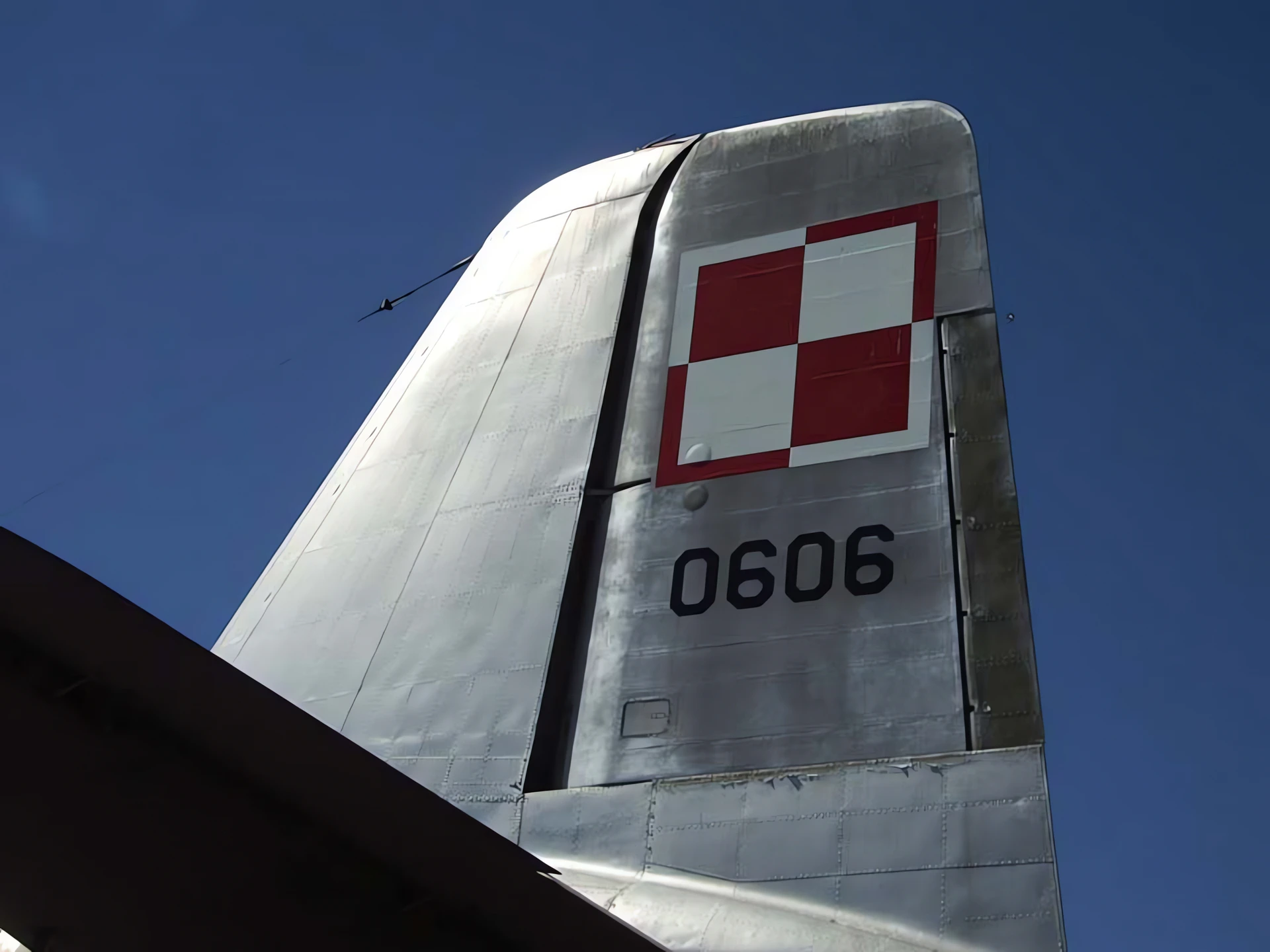
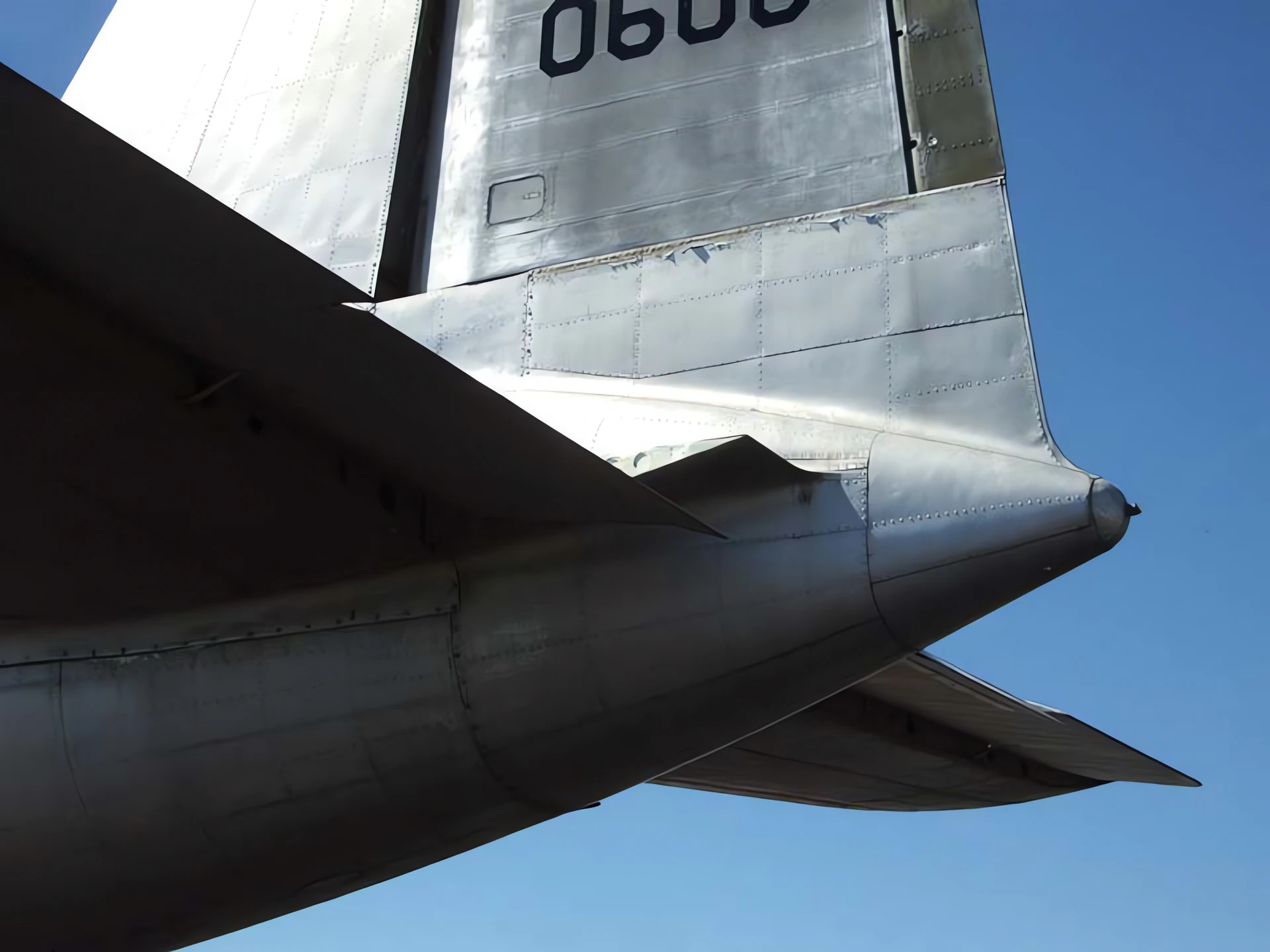
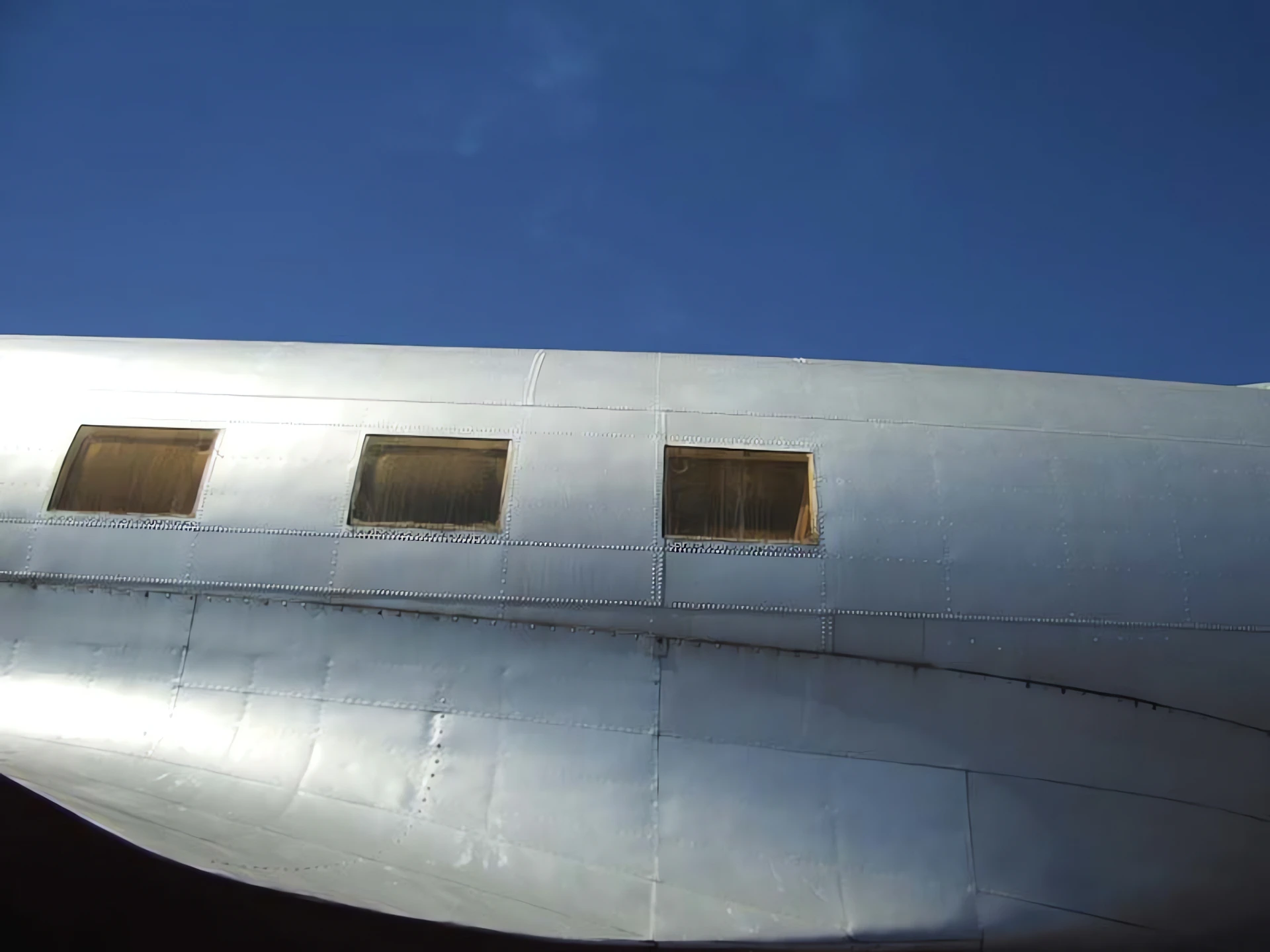
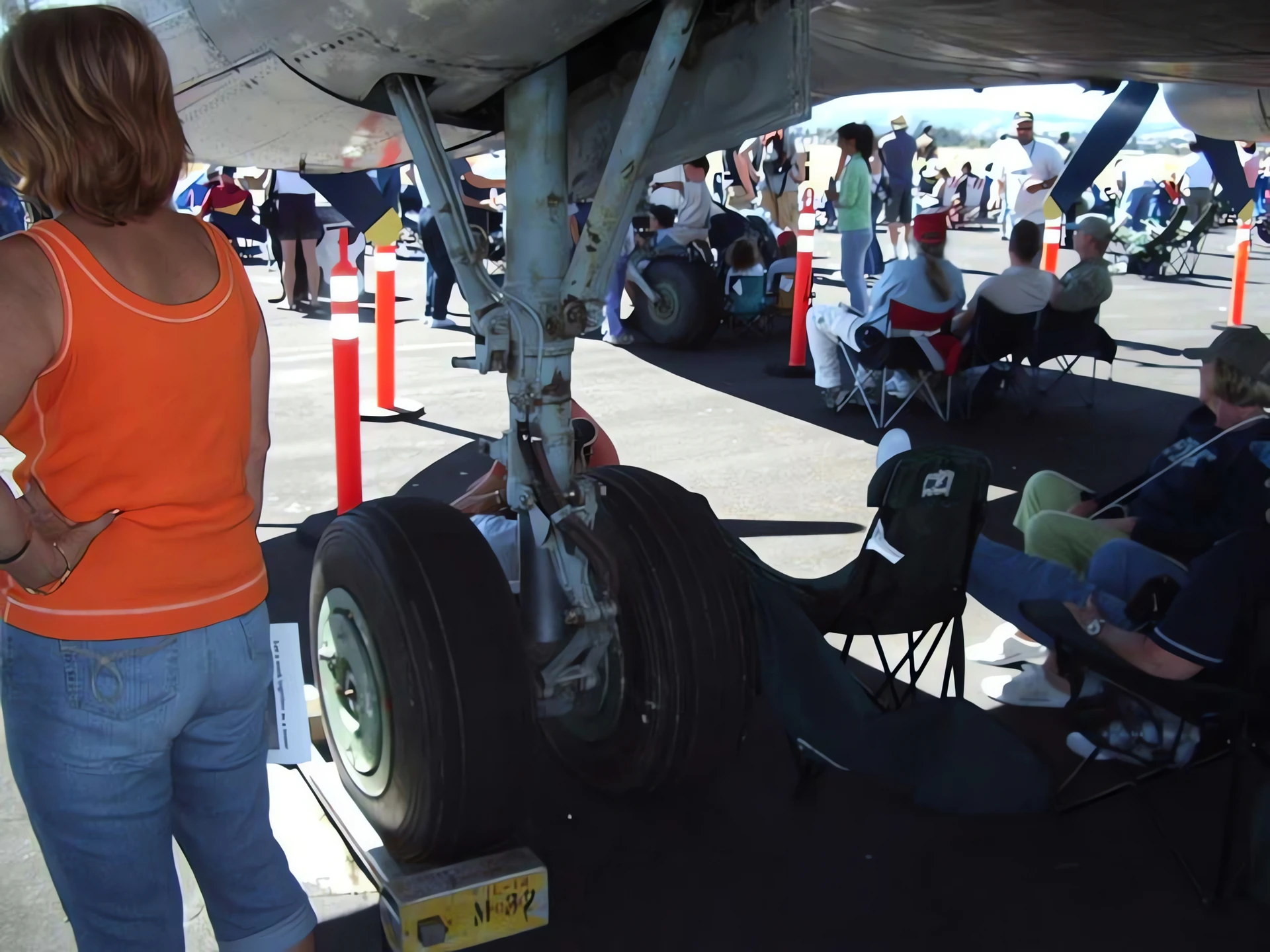
| イリューシンIL-14ウォークアラウンド | |
|---|---|
| カメラマン | ウラジーミル・ヤクボフ |
| ローカライズ | ウィングス オーバー ワイン カントリー エアショー |
| 写真 | 47 |
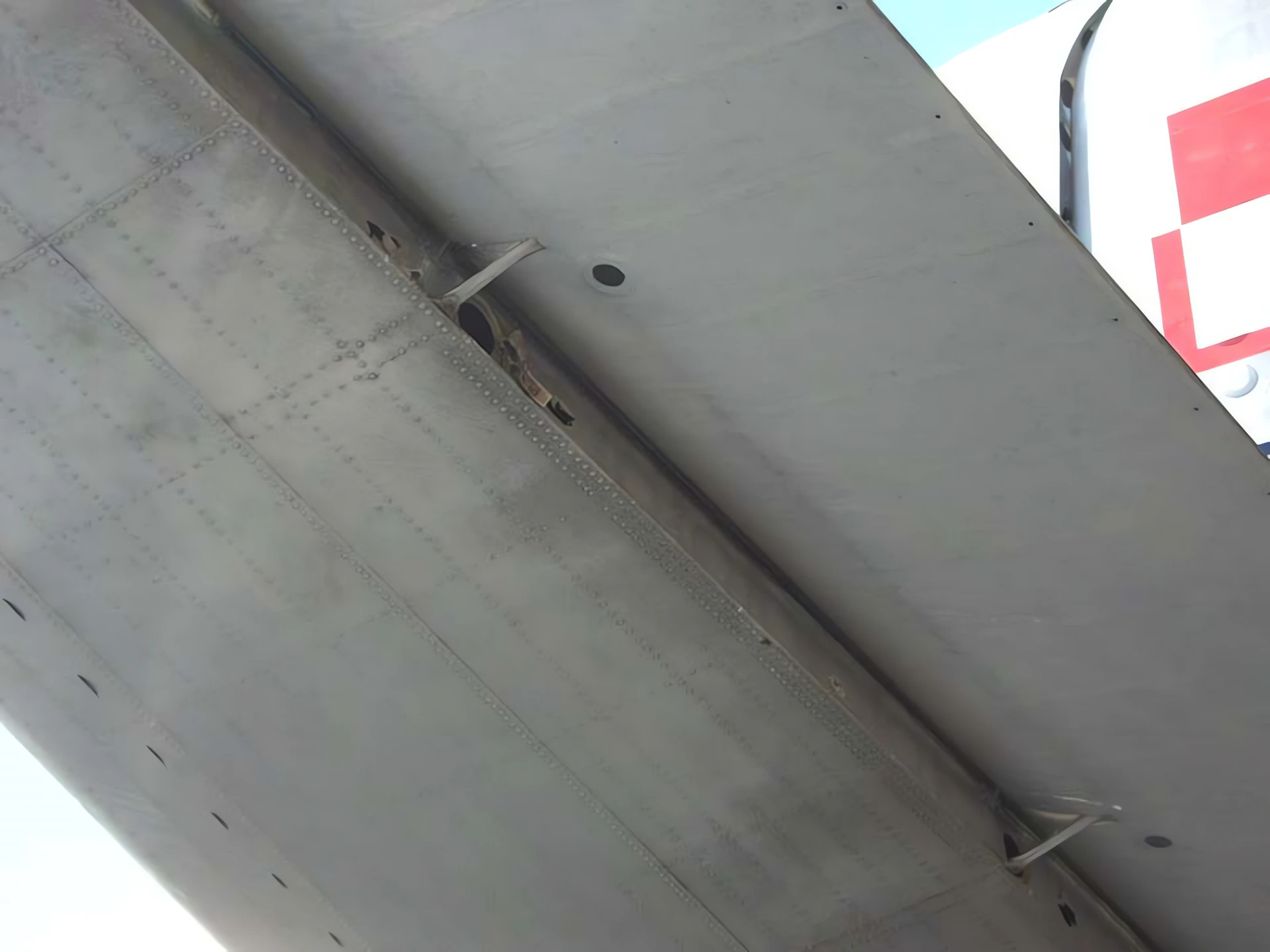
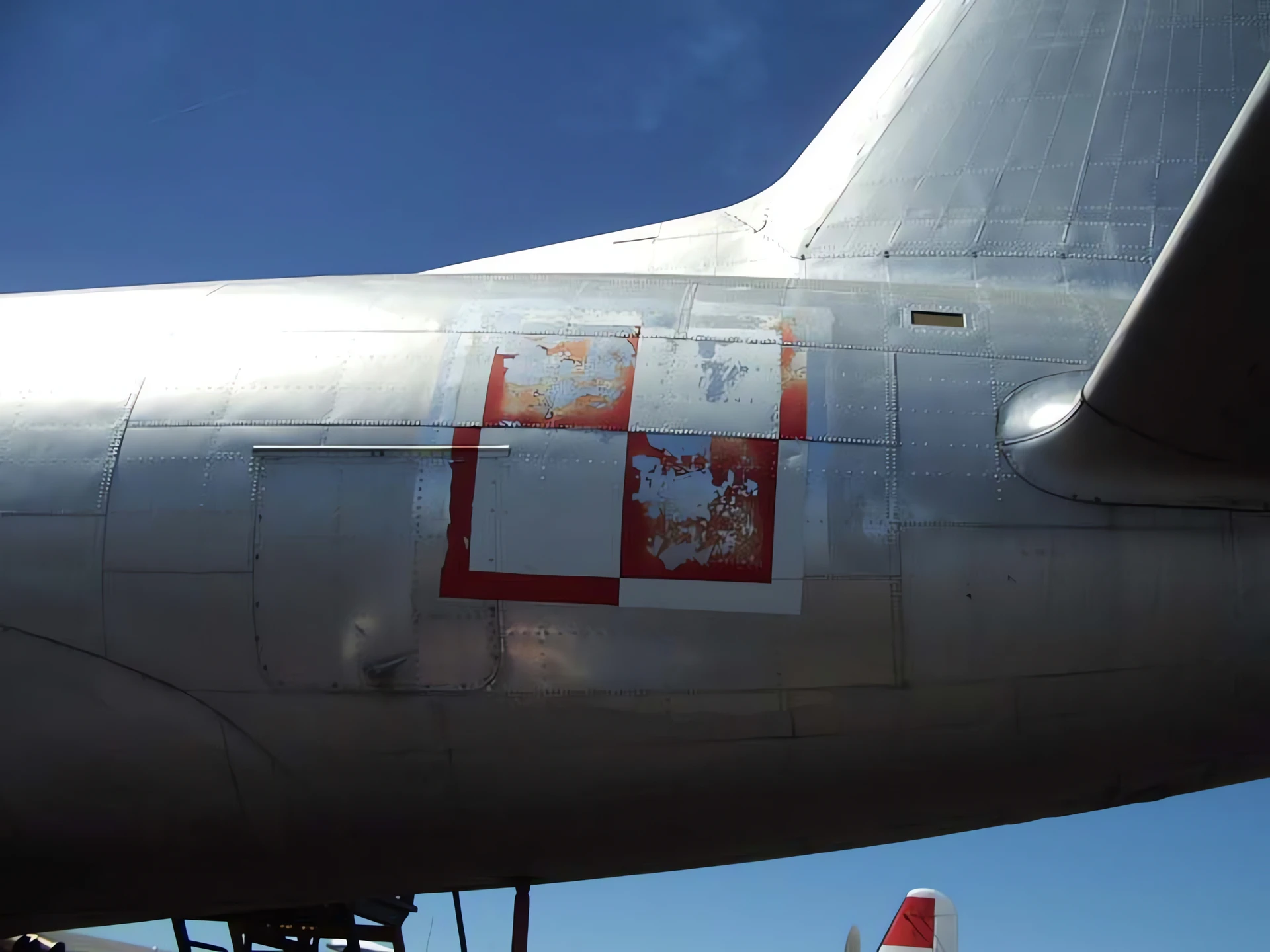
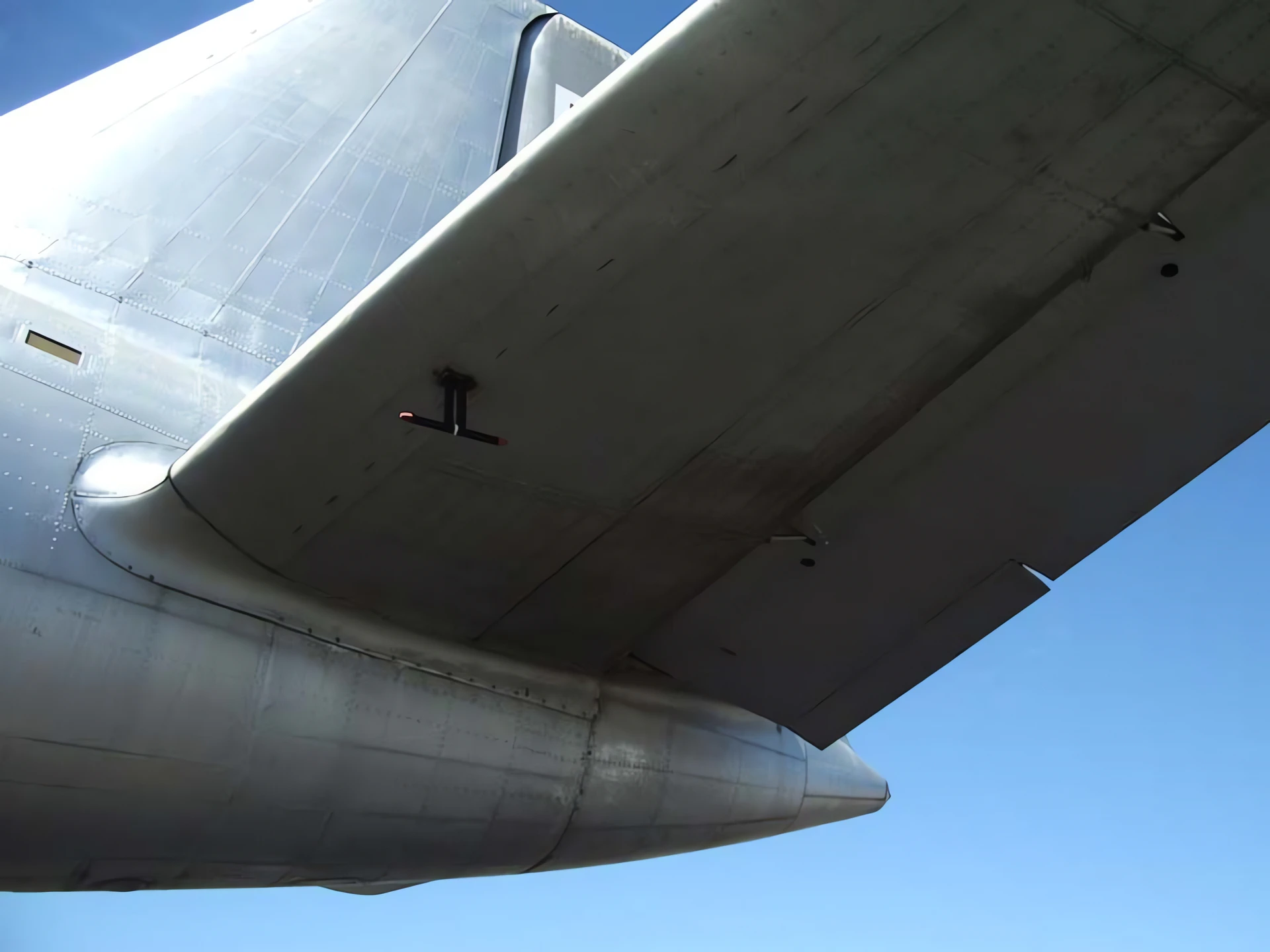
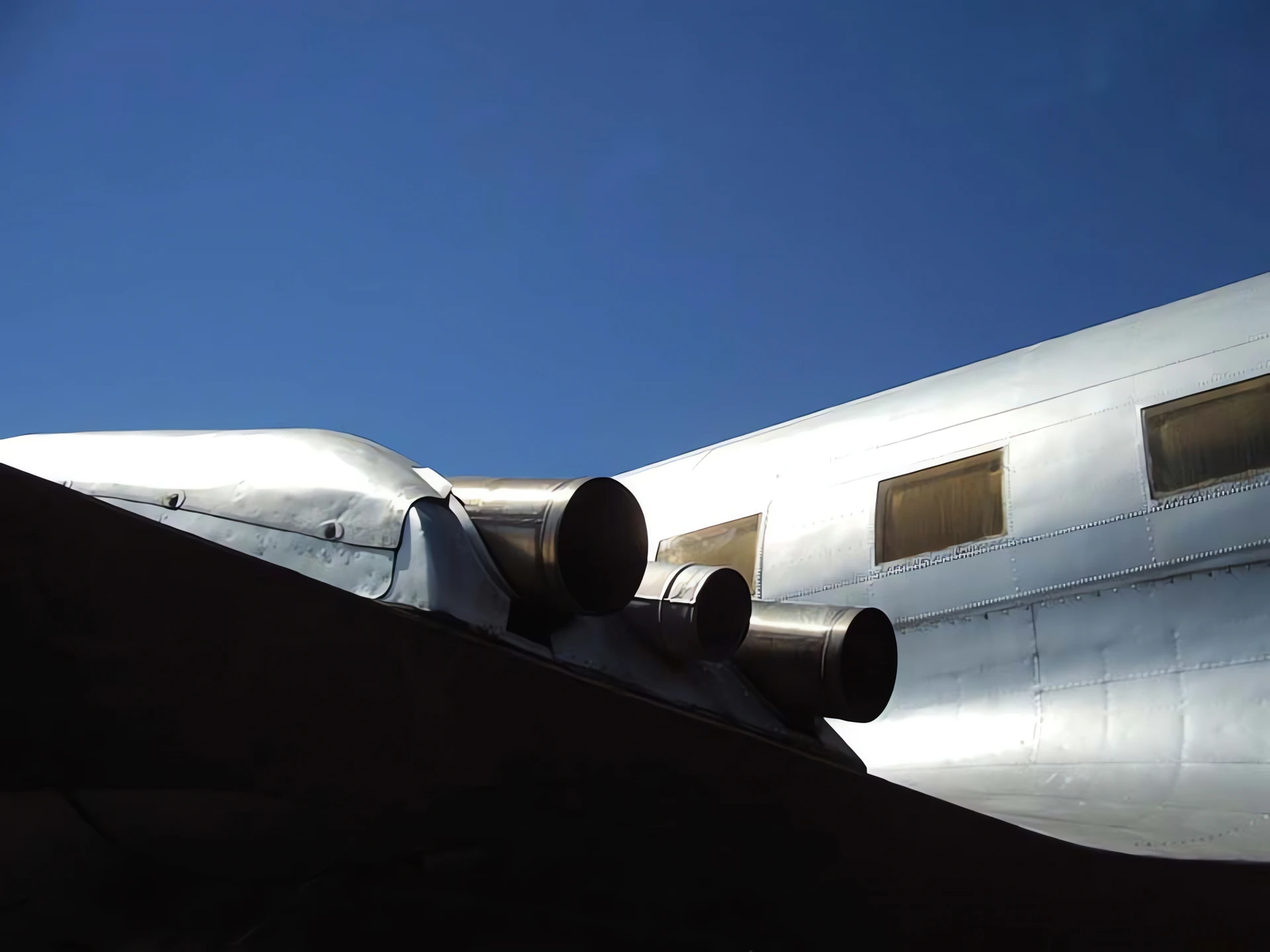

関連項目:


General Characteristics and Role
The Ilyushin Il-14 (NATO reporting name: Crate) was a robust, twin-engine, metal-construction airliner and military transport developed in the Soviet Union immediately after World War II. It was designed as an improved successor to the highly successful Il-12, addressing that aircraft’s performance issues, particularly its low-power single-engine climb rate. The Il-14 featured revised wing and tail surfaces, more powerful engines, and incorporated innovative high-lift devices that made it capable of operating safely from unprepared and high-altitude airfields. It served as the primary short-to-medium-range transport for Aeroflot and the Soviet Air Force throughout the 1950s and 1960s.
| Property | Typical Value (Il-14M/P) |
|---|---|
| 型 | Medium-Range Airliner / Military Transport |
| National Origin | ソ連 |
| メーカー | Ilyushin, Avia (Czechoslovakia), VEB (East Germany) |
| First Flight | 13 July 1950 |
| 乗組員 | 4-5 (Pilot, Co-pilot, Navigator, Radio Operator, Flight Engineer) |
| Capacity (Passenger) | 18 to 32 passengers (depending on variant) |
| 長さ | 22.30 m (73 ft 2 in) |
| 翼 | 31.70 m (104 ft 0 in) |
| Maximum Takeoff Weight | 17,500 kg (38,581 lb) |
Powerplant and Performance
- Engine: 2 x Shvetsov ASh-82T 14-cylinder air-cooled radial engines.
- Power Output (Each): 1,900 hp (1,400 kW).
- Propellers: Four-bladed constant-speed VISH-21 propellers.
- Cruising Speed: 320 km/h (200 mph).
- Maximum Speed: 417 km/h (259 mph).
- Range: Up to 1,300 km (810 mi) with maximum payload.
- Key Feature: The high-lift flap system and the use of reversible-pitch propellers on later versions significantly reduced takeoff and landing distances, enhancing its utility in remote areas.
Service and Legacy
- Production: Over 1,348 Il-14s were built in the Soviet Union, plus several hundred under license in Czechoslovakia (as the Avia Av-14) and East Germany (as the VEB Il-14P).
- Widespread Use: The Il-14 was one of the most widely used aircraft of the Eastern Bloc and was exported to over 20 nations in Asia, Africa, and Europe, serving civilian and military roles.
- Variants: The primary passenger variant was the Il-14P, while the Il-14M had a lengthened fuselage to accommodate more passengers (up to 32). It also served in reconnaissance, aerial surveying, and polar research roles.
- Reliability: Known for its simplicity and rugged reliability, the Il-14 proved to be an excellent aircraft for regions with poor ground infrastructure.
ビュー:1215