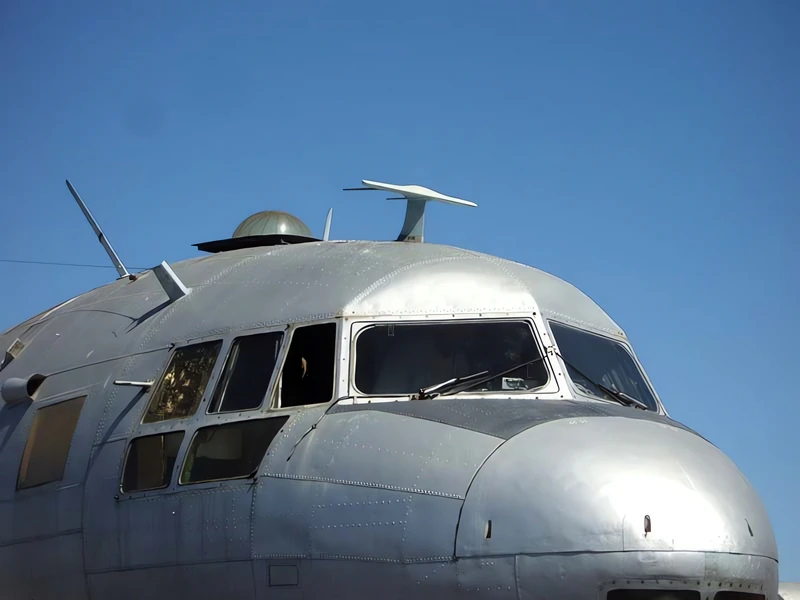
Ilyushin Il-14 | |
|---|---|
| Maa | Neuvostoliiton |
| Rooli | Matkustajakone |
| Ensimmäinen lento | 1. lokakuuta 1950 |
| Rakennettu | 1348 |
Nniiden Iljušin Il-14 (NATO:n raportointinimi: Crate) oli Neuvostoliiton kaksimoottorinen kaupallinen ja sotilaallinen henkilöstö- ja rahtikuljetuskone, joka lensi ensimmäisen kerran vuonna 1950 ja otettiin palvelukseen vuonna 1954. Il-14:ää valmisti myös Itä-Saksassa VVB Flugzeugbau, Tšekkoslovakiassa nimellä Avia 14. Iljushin Il-14 korvattiin tyypillisesti Antonov An-24:llä ja Jakovlev Jak-40:llä.
Lähde: Iljušin Il-14 Wikipediassa
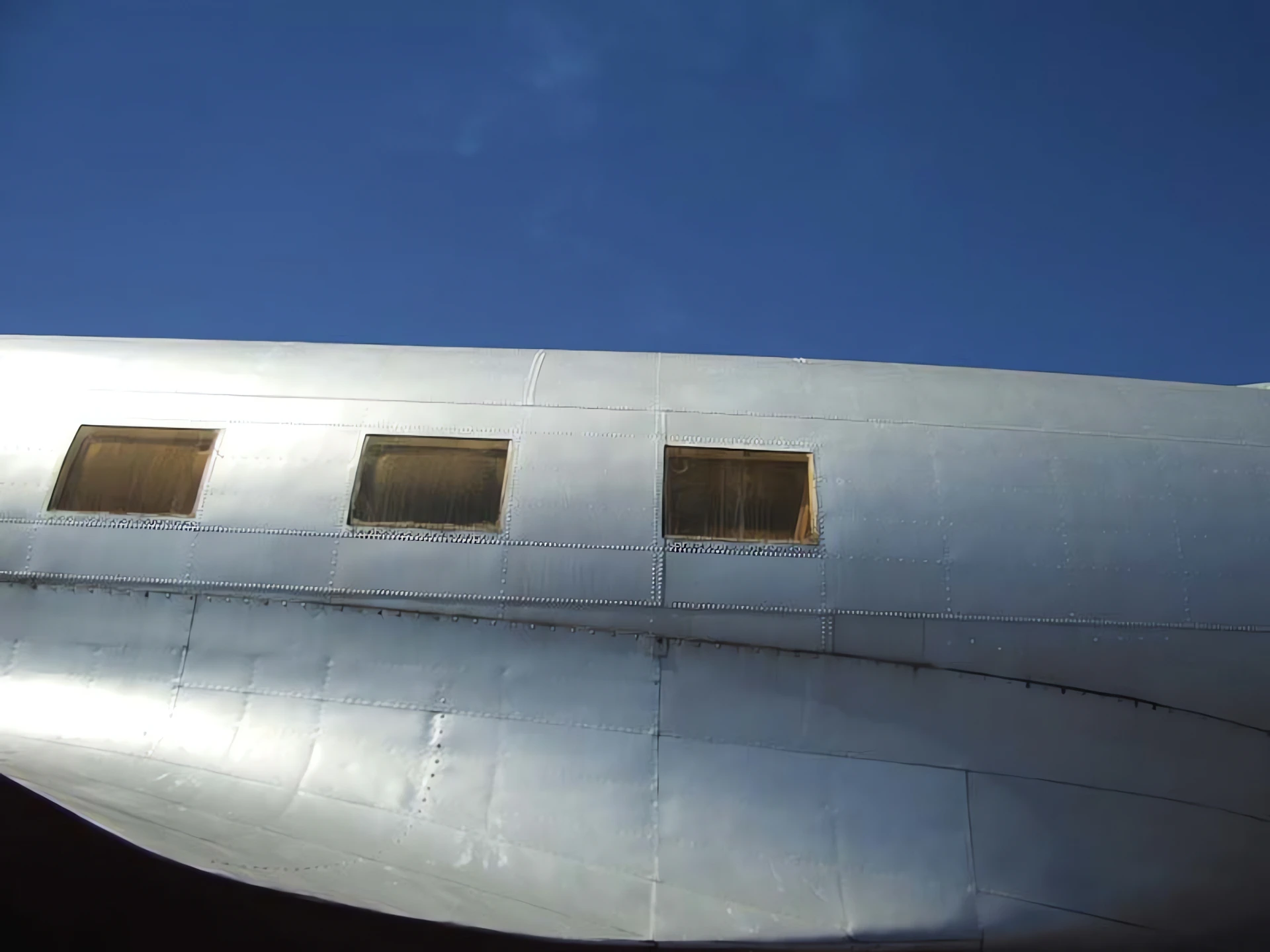
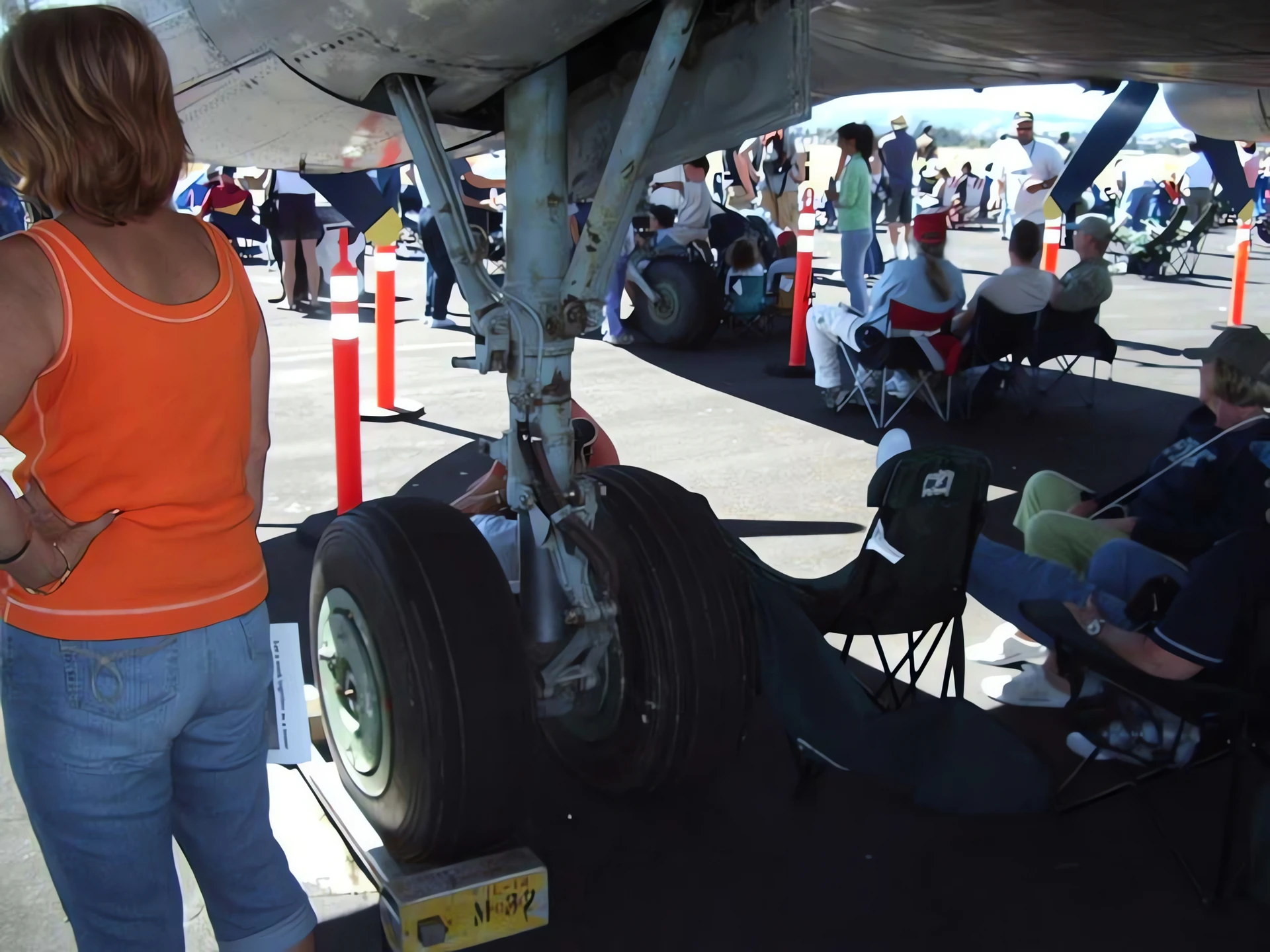
| Il'yushin IL-14 Kävele ympäriinsä | |
|---|---|
| Valokuvaaja | Vladimir Jakubov |
| Lokalisointi | Wings Over Wine Country Airshow |
| Valokuvat | 47 |
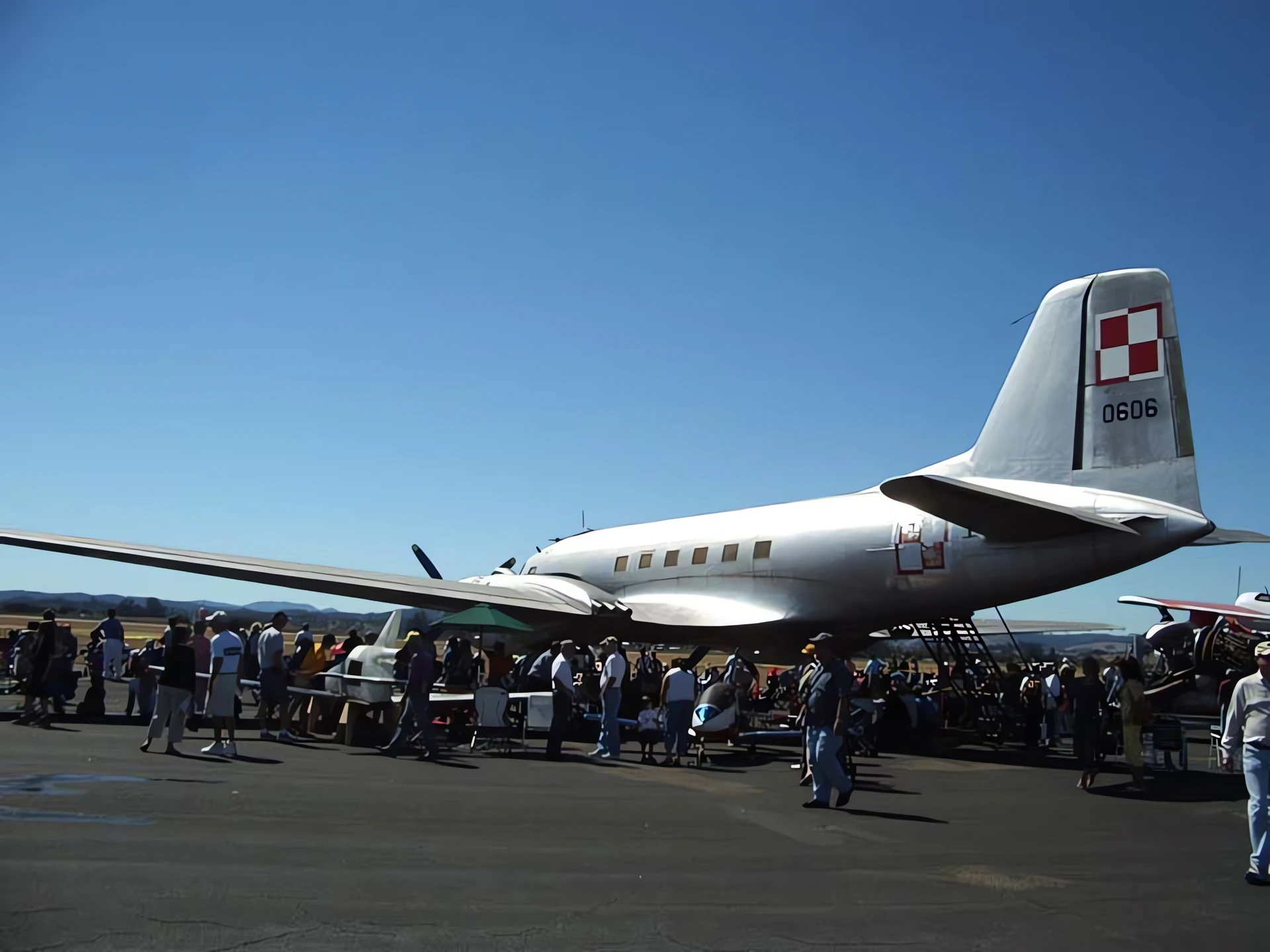
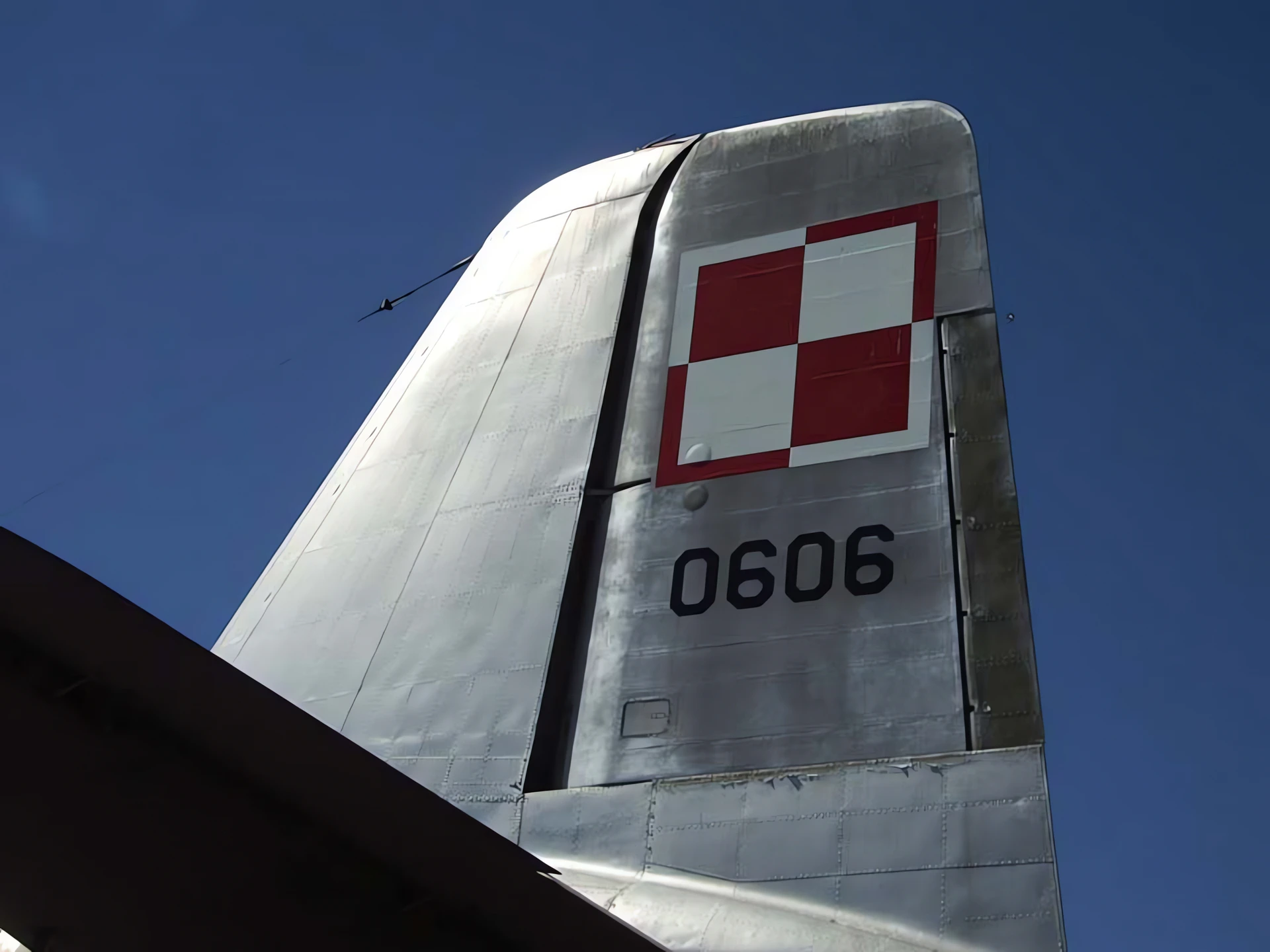
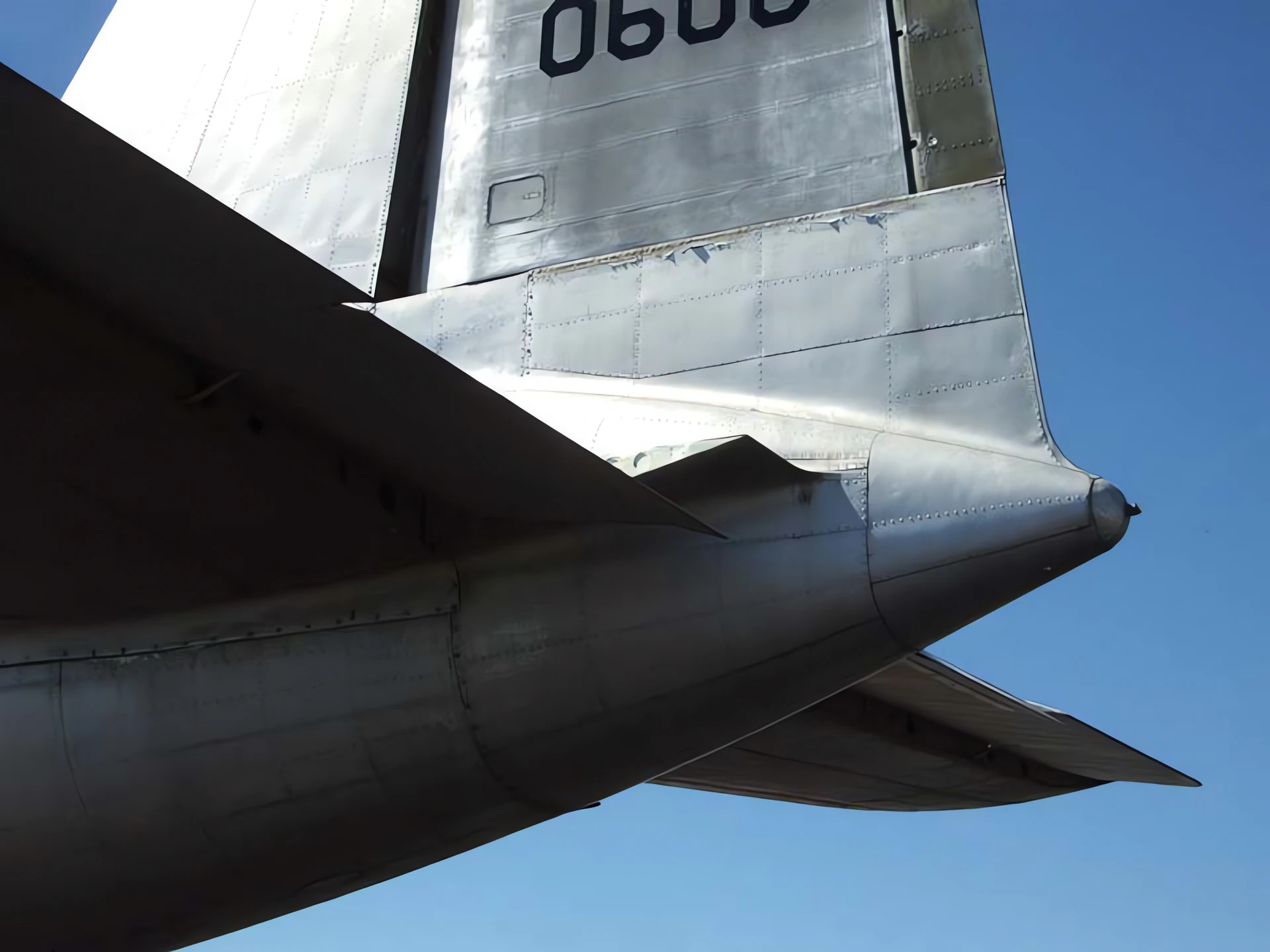
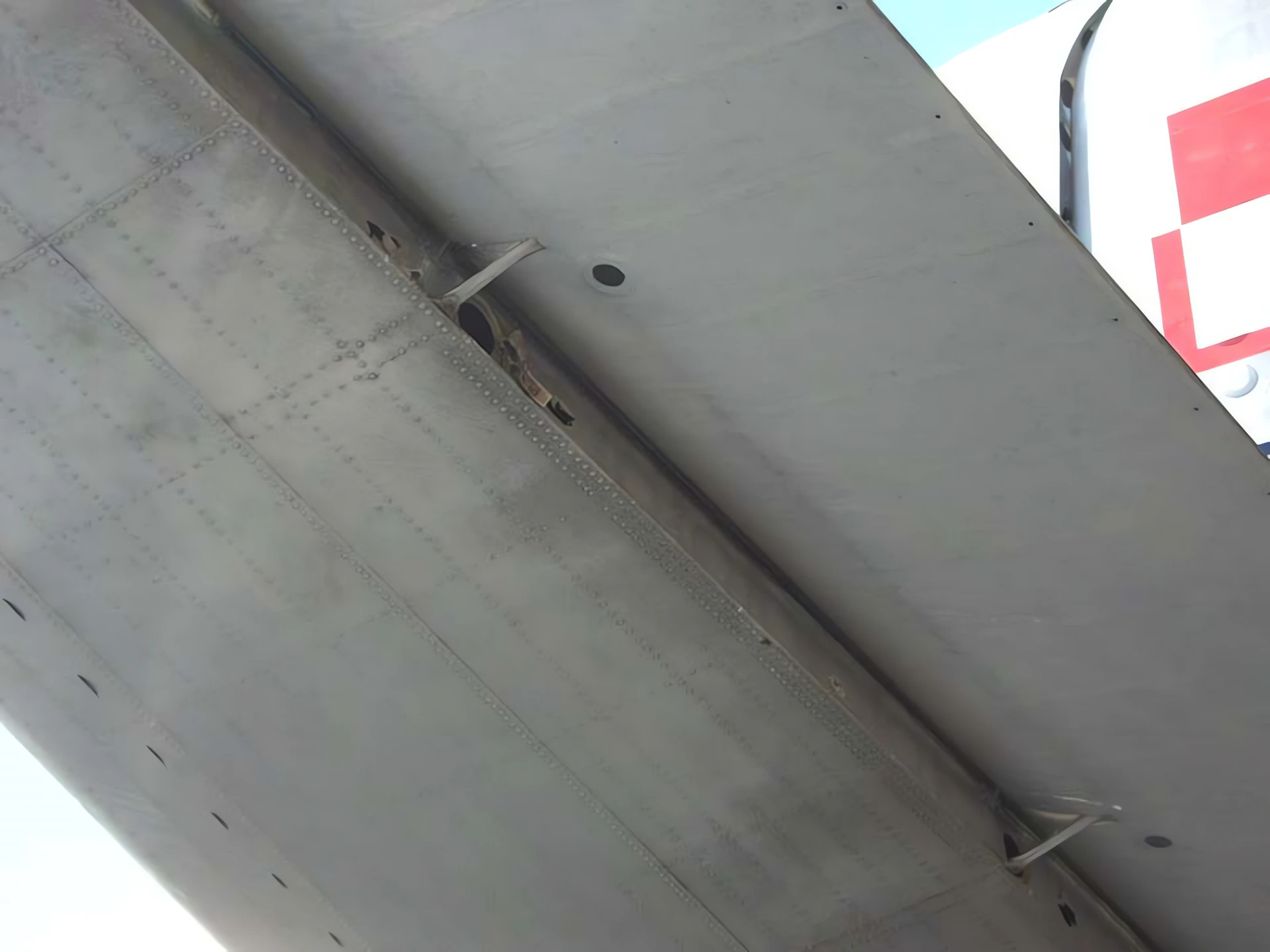
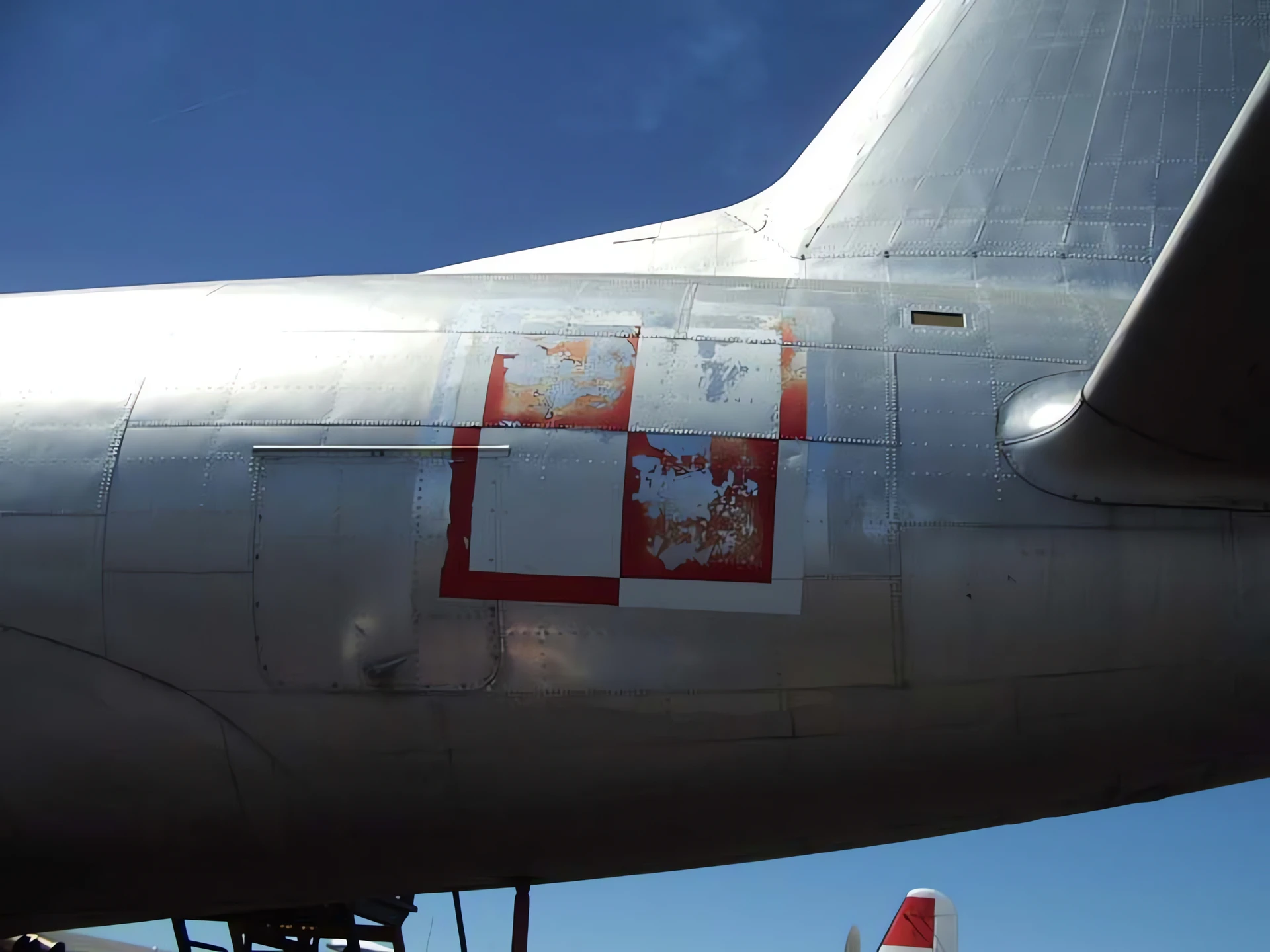
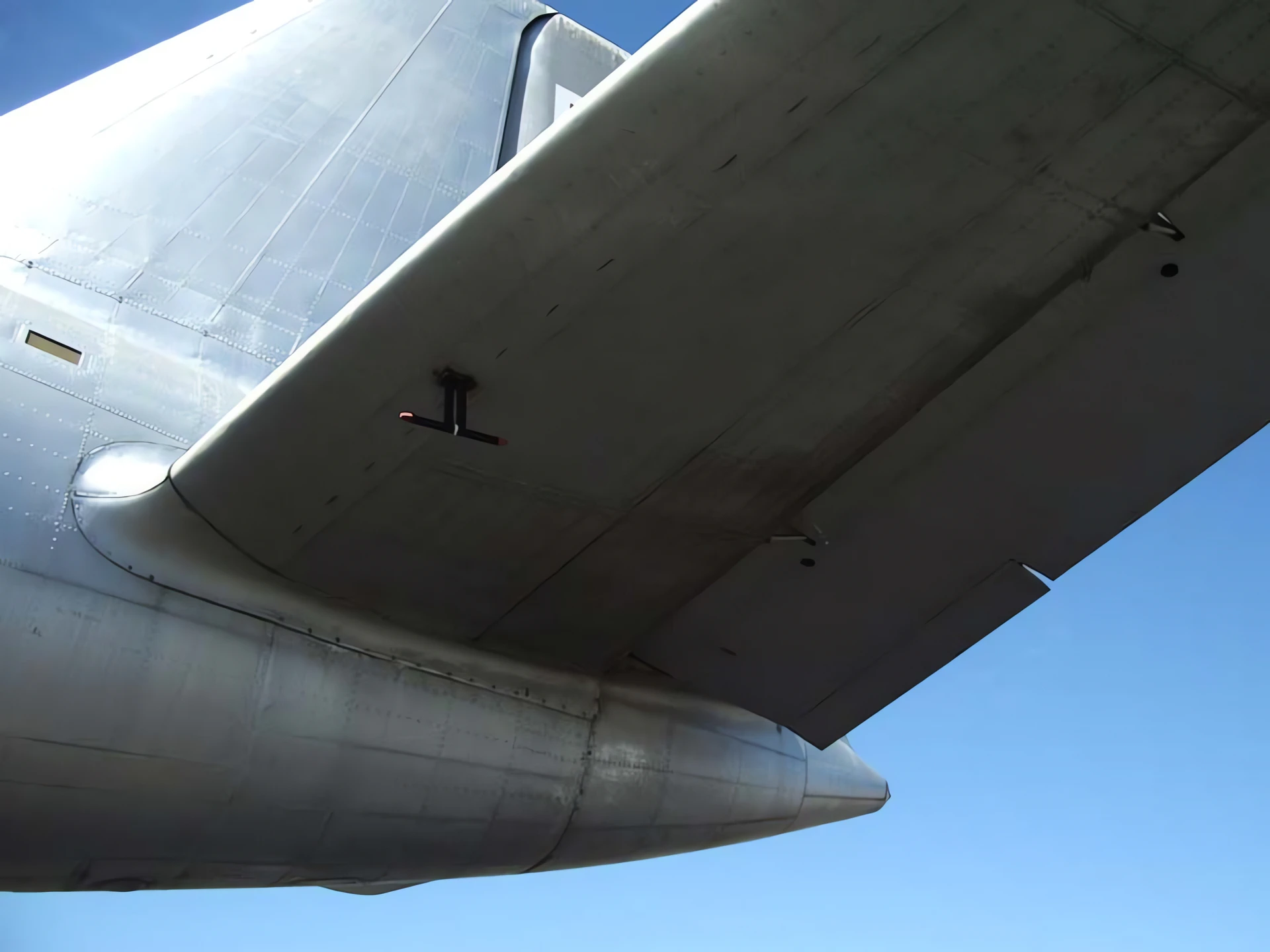
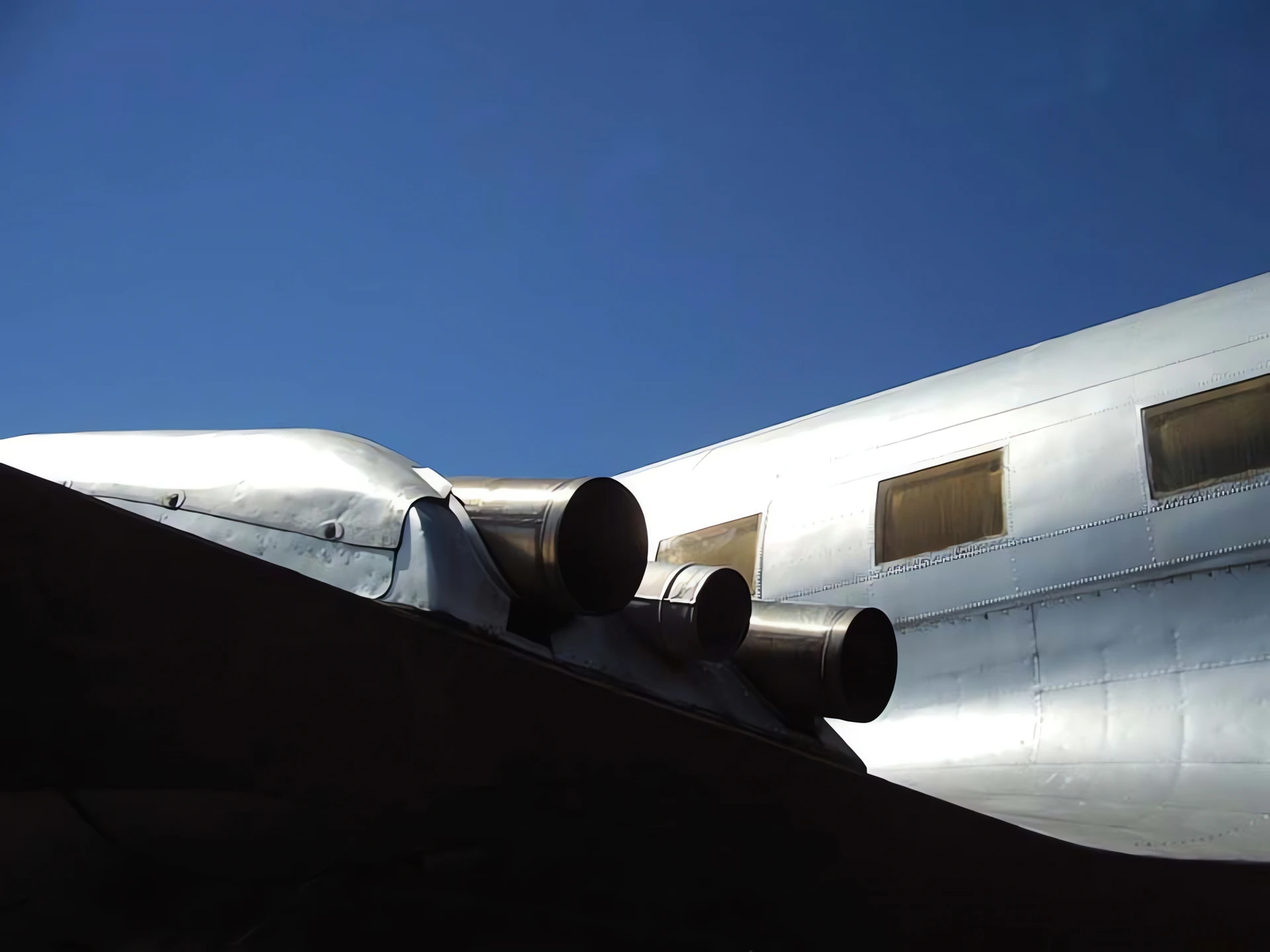

Katso myös:


General Characteristics and Role
The Ilyushin Il-14 (NATO reporting name: Crate) was a robust, twin-engine, metal-construction airliner and military transport developed in the Soviet Union immediately after World War II. It was designed as an improved successor to the highly successful Il-12, addressing that aircraft’s performance issues, particularly its low-power single-engine climb rate. The Il-14 featured revised wing and tail surfaces, more powerful engines, and incorporated innovative high-lift devices that made it capable of operating safely from unprepared and high-altitude airfields. It served as the primary short-to-medium-range transport for Aeroflot and the Soviet Air Force throughout the 1950s and 1960s.
| Property | Typical Value (Il-14M/P) |
|---|---|
| Tyyppi | Medium-Range Airliner / Military Transport |
| National Origin | Neuvostoliiton |
| Valmistaja | Ilyushin, Avia (Czechoslovakia), VEB (East Germany) |
| First Flight | 13 July 1950 |
| miehistö | 4-5 (Pilot, Co-pilot, Navigator, Radio Operator, Flight Engineer) |
| Capacity (Passenger) | 18 to 32 passengers (depending on variant) |
| pituus | 22.30 m (73 ft 2 in) |
| Siipiväli | 31.70 m (104 ft 0 in) |
| Maximum Takeoff Weight | 17,500 kg (38,581 lb) |
Powerplant and Performance
- Engine: 2 x Shvetsov ASh-82T 14-cylinder air-cooled radial engines.
- Power Output (Each): 1,900 hp (1,400 kW).
- Propellers: Four-bladed constant-speed VISH-21 propellers.
- Cruising Speed: 320 km/h (200 mph).
- Maximum Speed: 417 km/h (259 mph).
- Range: Up to 1,300 km (810 mi) with maximum payload.
- Key Feature: The high-lift flap system and the use of reversible-pitch propellers on later versions significantly reduced takeoff and landing distances, enhancing its utility in remote areas.
Service and Legacy
- Production: Over 1,348 Il-14s were built in the Soviet Union, plus several hundred under license in Czechoslovakia (as the Avia Av-14) and East Germany (as the VEB Il-14P).
- Widespread Use: The Il-14 was one of the most widely used aircraft of the Eastern Bloc and was exported to over 20 nations in Asia, Africa, and Europe, serving civilian and military roles.
- Variants: The primary passenger variant was the Il-14P, while the Il-14M had a lengthened fuselage to accommodate more passengers (up to 32). It also served in reconnaissance, aerial surveying, and polar research roles.
- Reliability: Known for its simplicity and rugged reliability, the Il-14 proved to be an excellent aircraft for regions with poor ground infrastructure.
Katselukertoja : 1199
Voit myös nähdä:
 Ilyushin Il-18 – Valokuvat & Videot
 Avia B-33 – Valokuvat ja videot
 Ilyushin Il-28 - Valokuvat ja videot
 C-130J Hercules – Valokuvat & Video
 PZL P.11 – WalkAround
 P-51 Mustang vol2 – Kävellä
 Bell P-63E KingCobra – WalkAround
 Vought F4U Corsair – WalkAround
 F4U-7 Corsair – WalkAround
 Douglas A-26 Invader – WalkAround