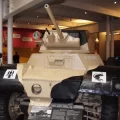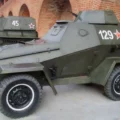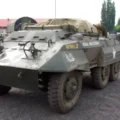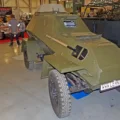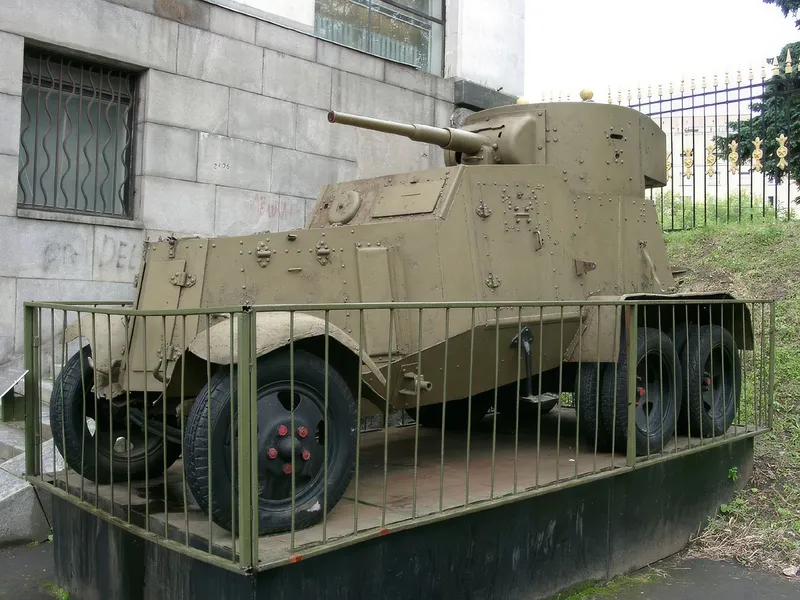
BA-6装甲車 | |
|---|---|
| 国 | ソ連 |
| 型 | 装甲車 |
| トピック | アルバムのアルバム 51 の写真 BA-6装甲車 |
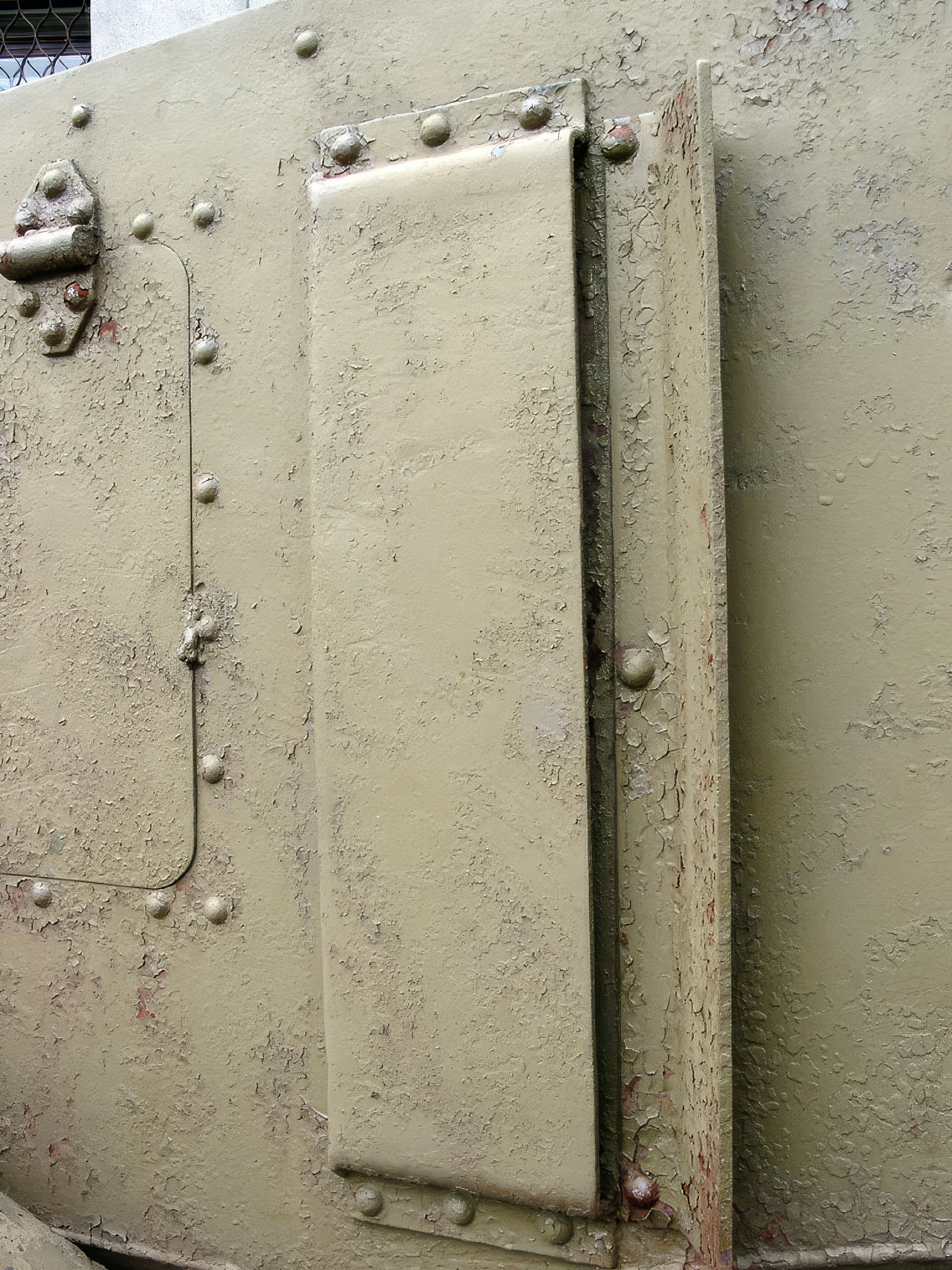
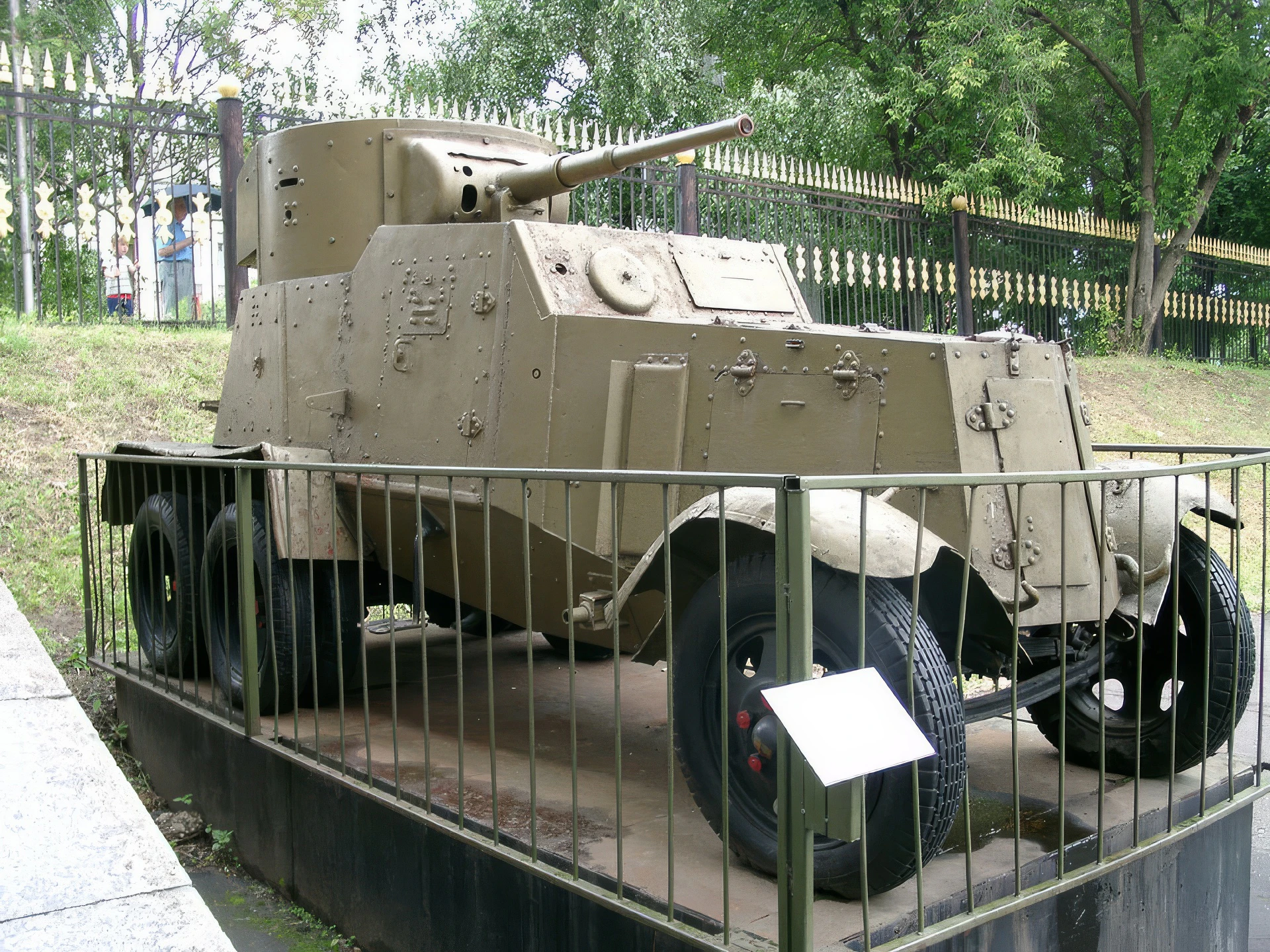
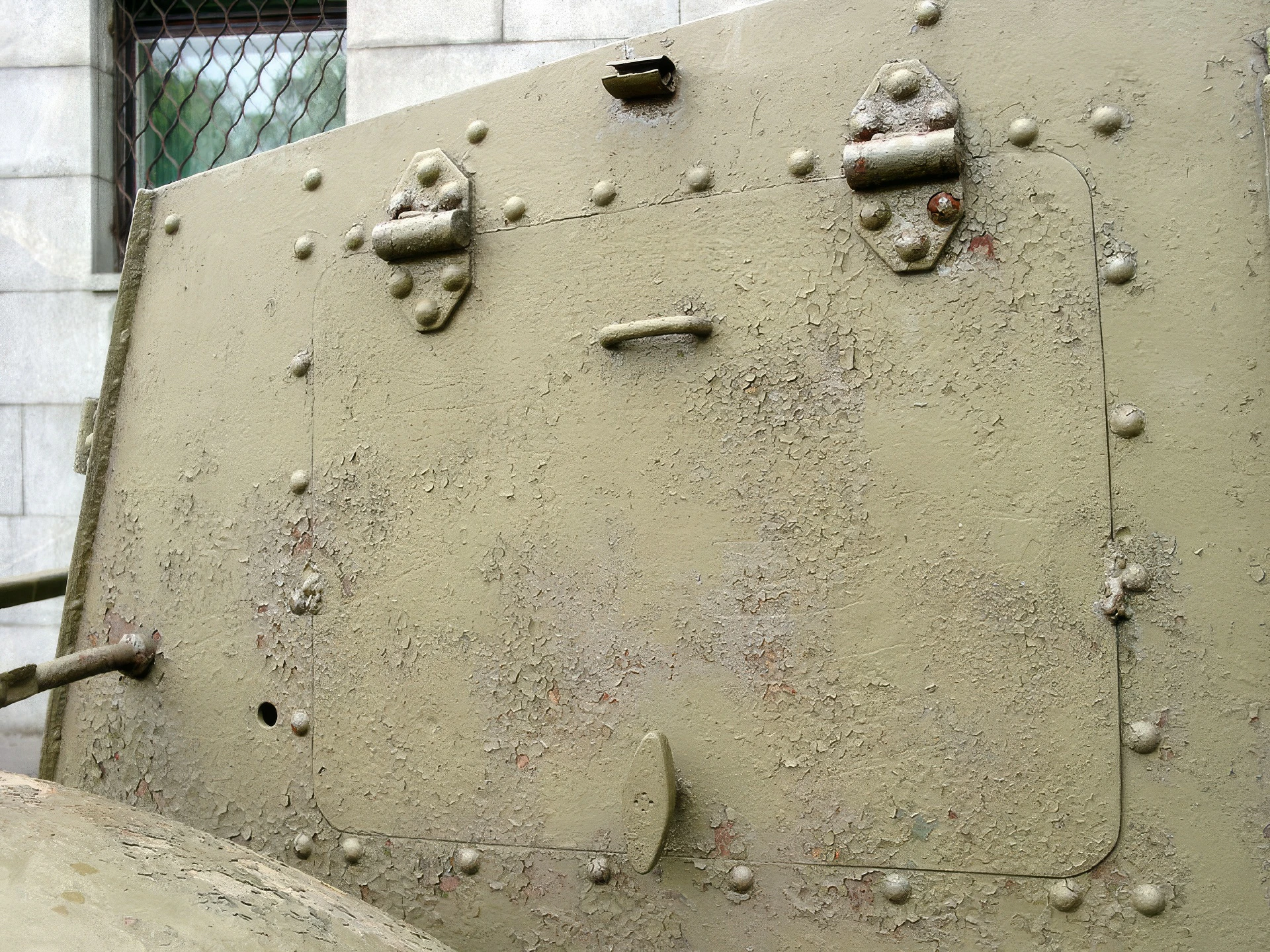
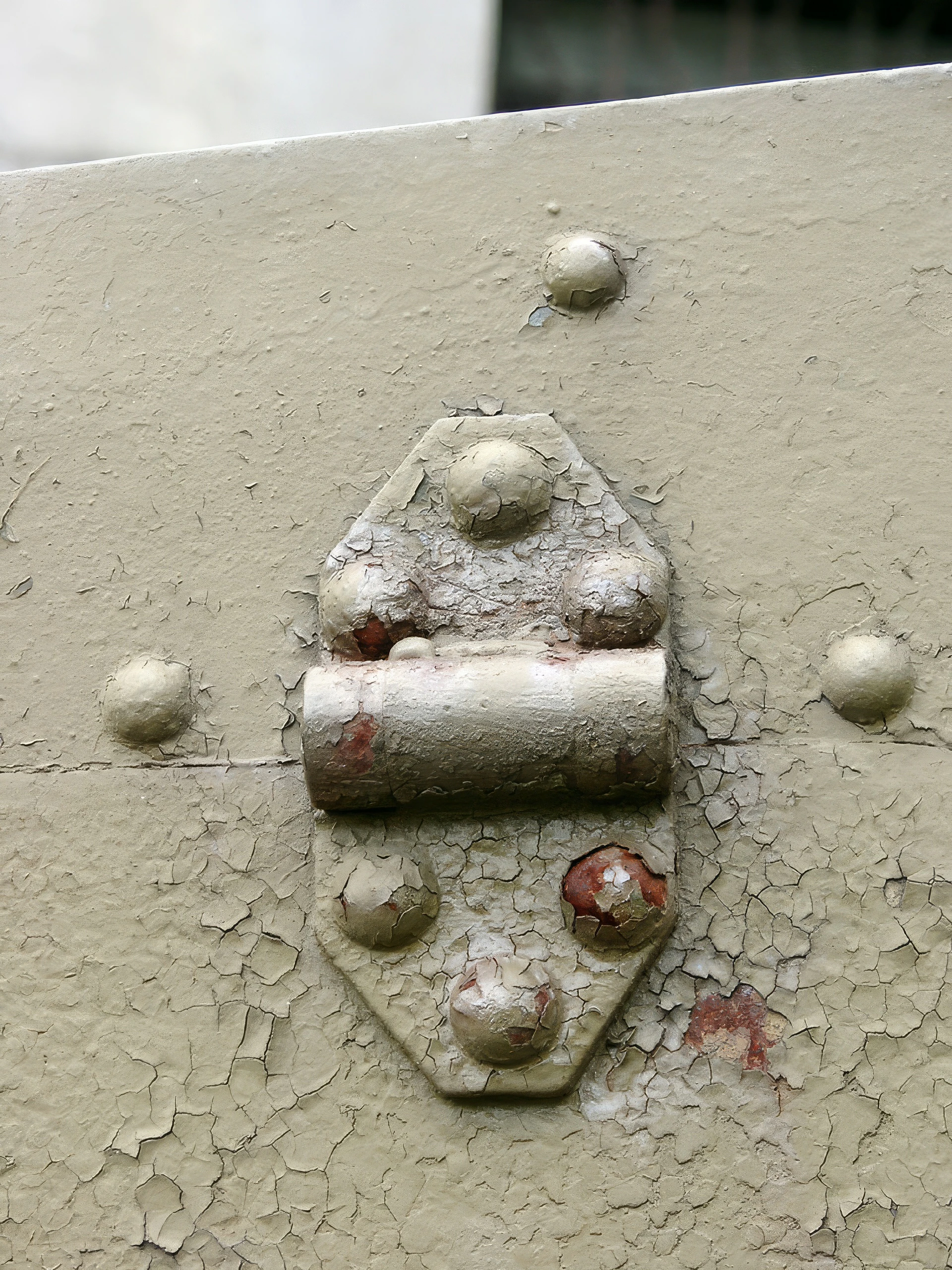
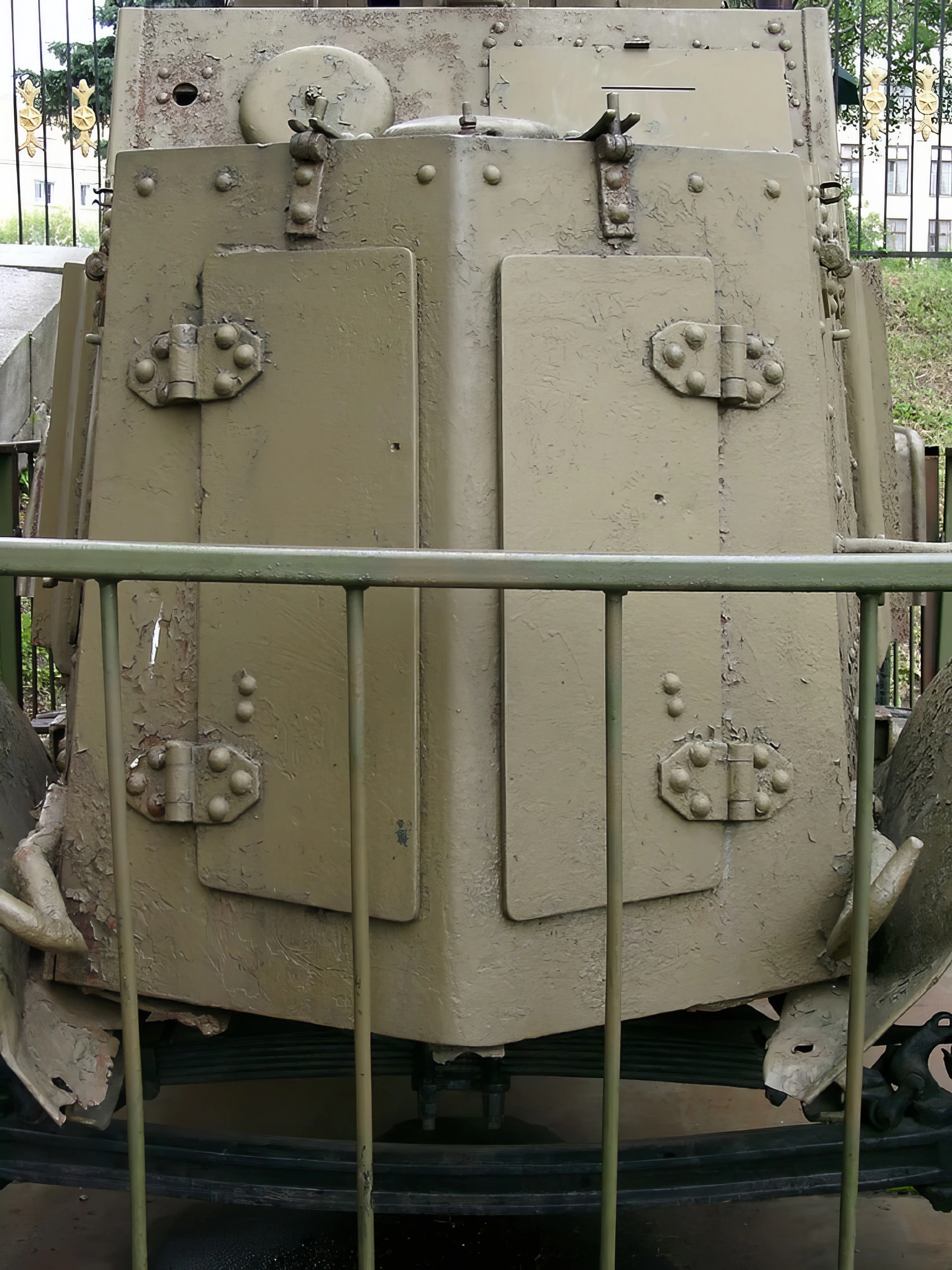
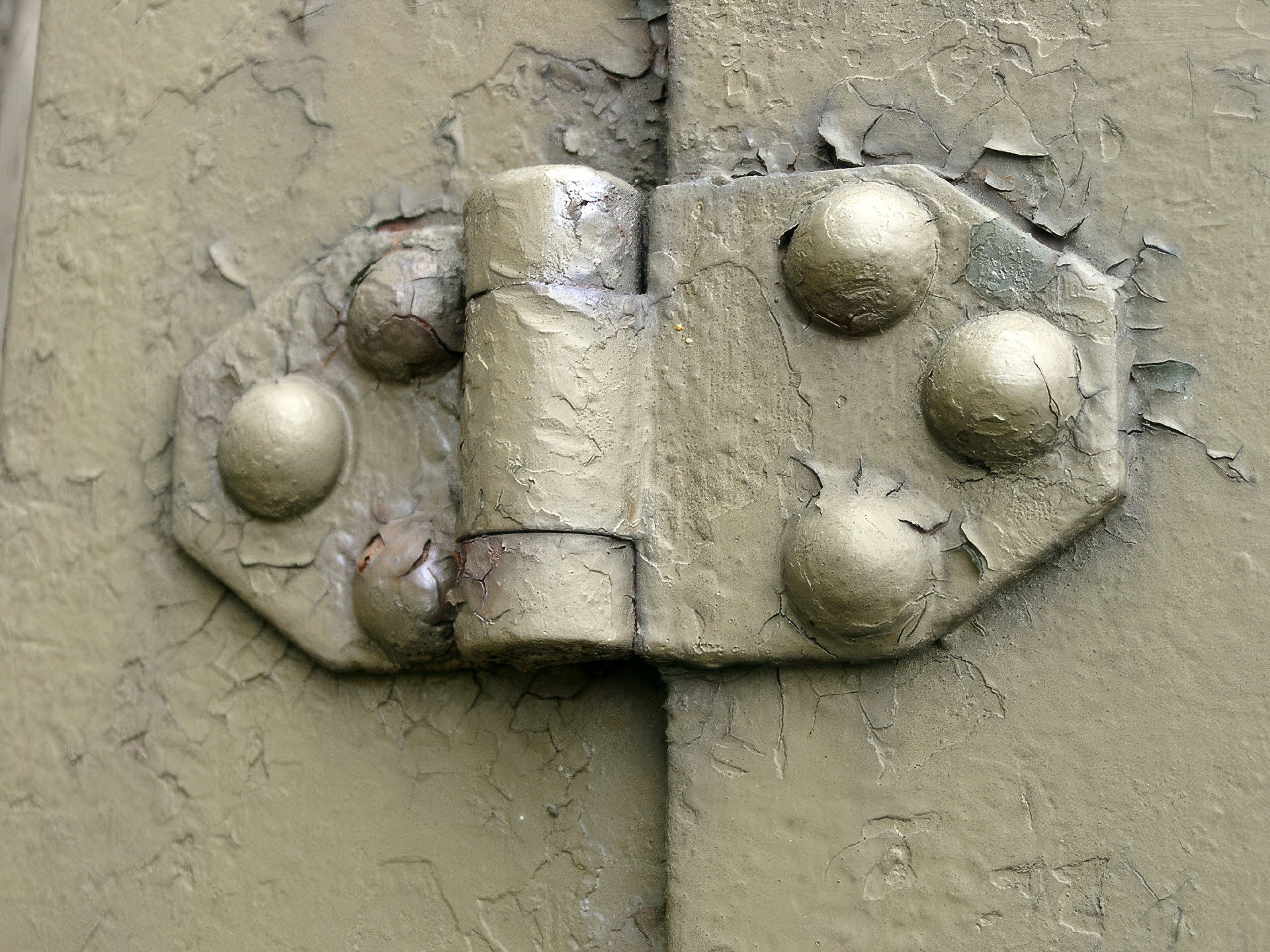
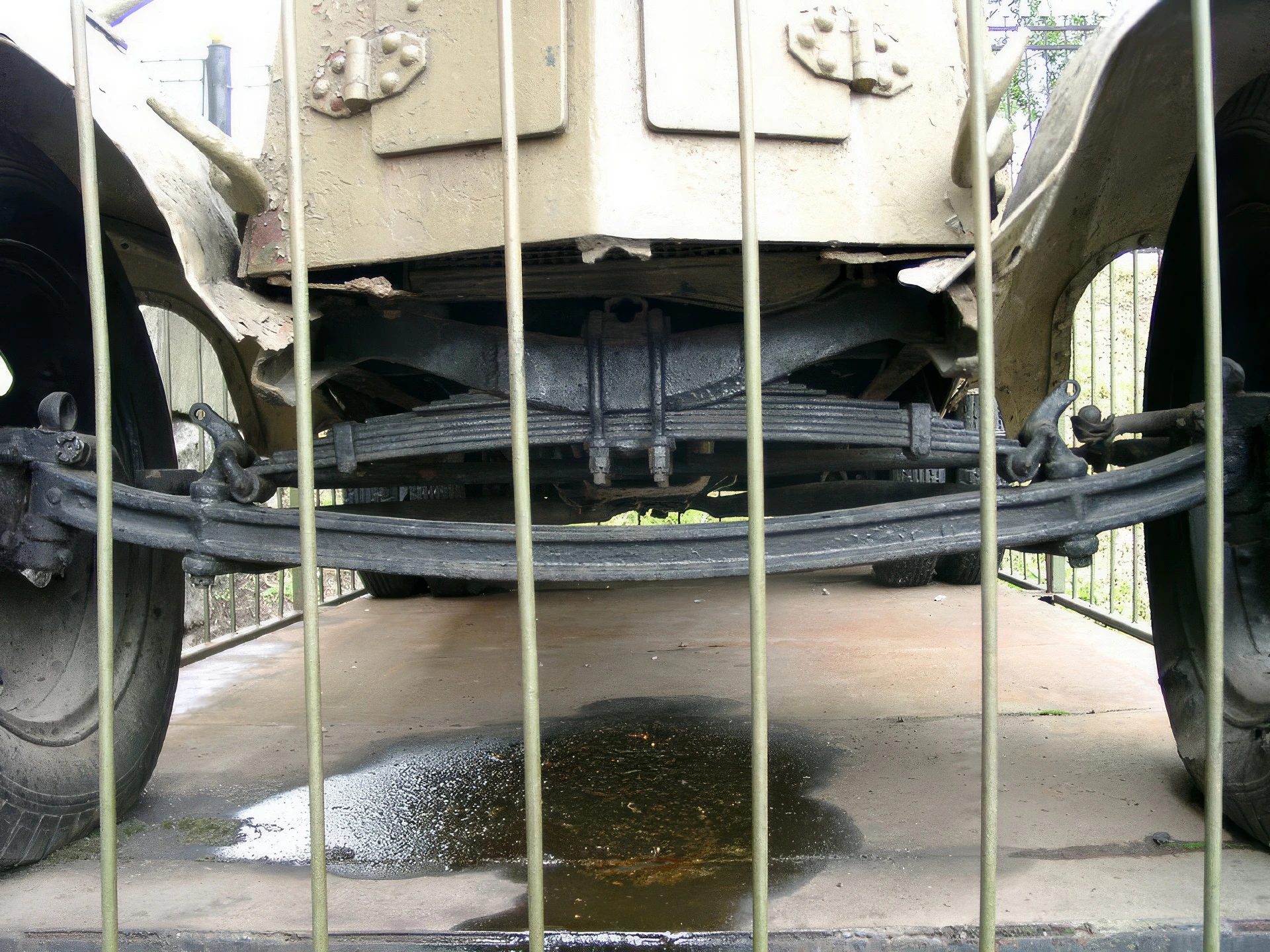
●BA-3(ロシア:ブロネヴトモービル3)は1933年にソ連で開発された重装甲車で、1936年にはわずかに変更されたモデルBA-6が続いた。どちらも主にBA-Iに基づいており、最も重要な開発は、T-26 m 1933とBT-5戦車と同じ新しい砲塔であり、また45mmメインガンを装備していました。1935年に生産が終了するまで、約180台のBA-3車がイゾルスキジ工場とヴィクスンスキジ工場で製造されました。BA-6は1936年から1938年の間にイゾルスキジ工場で386台生産された。BA-3の生産のほとんどは、フォードティムケンシャーシ、米国フォードAA4×2トラックの6×4の変更に基づいていましたが、最後のバッチは同じシャーシのロシア語版で構築されました - GAZ-AAAは、BA-6で使用され続けました。BA-3の最大の制限は、道路や非常に硬い地面に限られた移動性、不必要に大きな重量の結果でした。わずかに機動力を改善した革新は、後部タンデムホイールに取り付けることができる補助(「全体」)トラックで、車をハーフトラックに変換しました。
ソース: BA-3/6 サーウィキペディア

関連項目:


ザ BA-6 (Broneavtomobil-6) was a “heavy” armored car developed by the Soviet Union in the mid-1930s. It was essentially an improved version of the earlier BA-3, designed to be highly mobile on roads while providing significant firepower, often acting as a highly mobile, reconnaissance-capable light tank.
Key Features and Specifications
- 役割: Heavy Armored Car, reconnaissance, and infantry support.
- Chassis: Built on the modified 6×4 chassis of the Soviet GAZ-AAA truck (itself a Ford Model AA derivative), giving it six wheels with four powered in the rear.
- 主砲: The most significant feature was its main gun: the 45 mm Model 1932 (20-K) anti-tank gun, the same weapon used on the early T-26 light tank. This gun was capable of penetrating the armor of most tanks of the early 1930s.
- Secondary Armament: Coaxial and hull-mounted 7.62 mm DT machine guns.
- Off-Road Mobility: Despite its 6×4 configuration, off-road performance was poor. To mitigate this, the BA-6 carried removable tracks that could be fitted over the dual rear wheels to convert it into a pseudo-half-track for better traction in mud or snow.
Effectiveness and Limitations
The BA-6 and its successor, the BA-10, were considered successful designs for their era, combining excellent firepower with good road mobility. They were used extensively in the Battles of Khalkhin Gol against the Japanese in 1939 and the early stages of World War II.
Strengths (Early War)
- 火力: ザ 45 mm gun was a major advantage, making it one of the most heavily armed armored cars in the world at the time, capable of engaging enemy tanks.
- 機動力: Fast and agile on good roads, making it ideal for reconnaissance and deep raids.
Weaknesses (Mid-War Onwards)
- Armor: The BA-6 suffered from the common flaw of pre-war armored cars—thin armor (typically 4–9 mm), which could be penetrated by heavy machine guns and was easily defeated by even the smallest anti-tank guns (like the German PaK 35/36 mentioned previously).
- Off-Road Performance: Despite the use of spare tracks, its wheeled chassis struggled immensely in the thick mud or snow, a major liability on the Eastern Front.
Like its German counterpart (the PaK 35/36), the BA-6 quickly became obsolete after the German invasion in 1941, as the Wehrmacht introduced tanks with thicker armor. The Soviets eventually shifted production emphasis toward light tanks and the much smaller, lighter, and more capable BA-64 armored car for true reconnaissance duties.
ビュー:4973