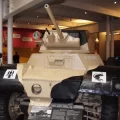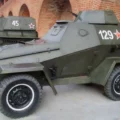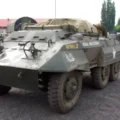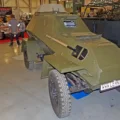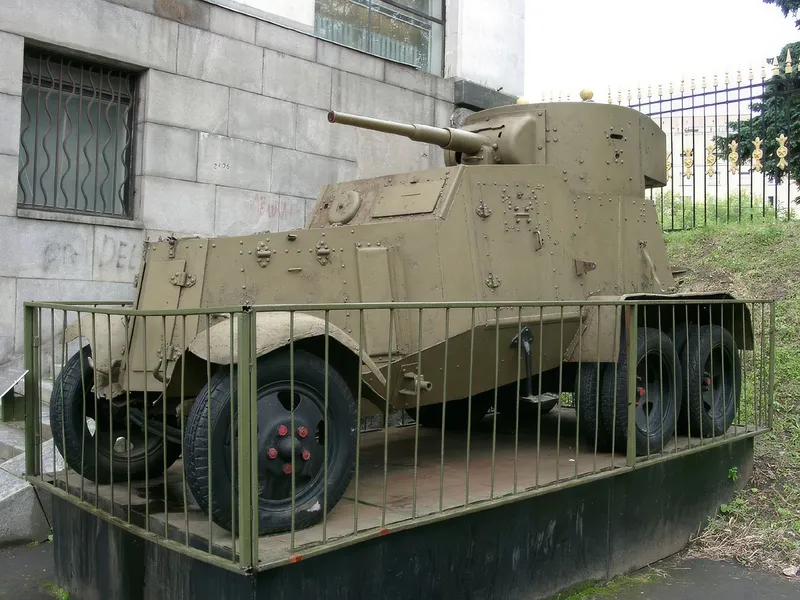
BA-6 бронирана кола | |
|---|---|
| Страна | 1000000000 |
| Тип | Бронирана кола |
| Тема | Албум на 51 снимки на BA-6 бронирана кола |
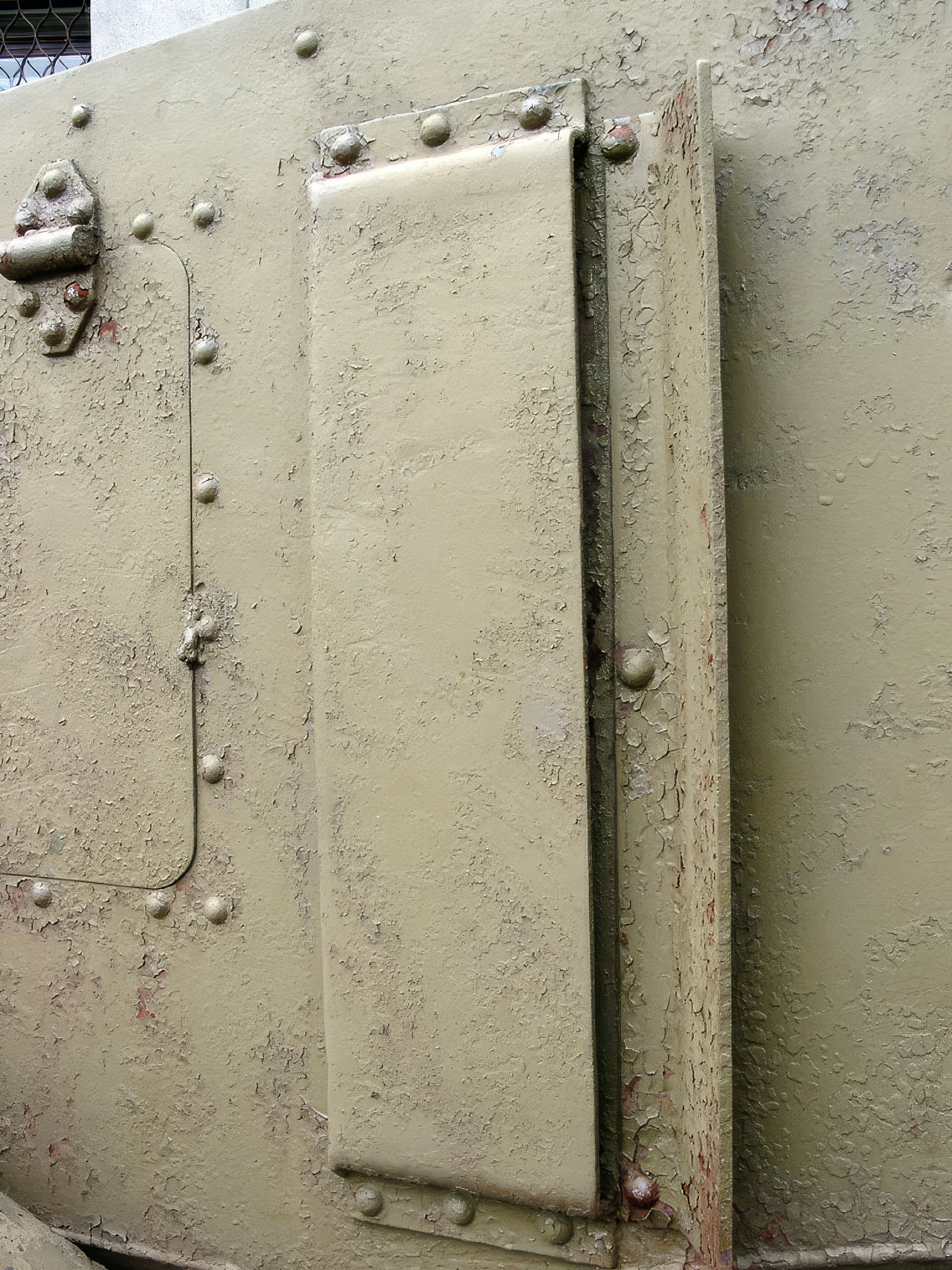
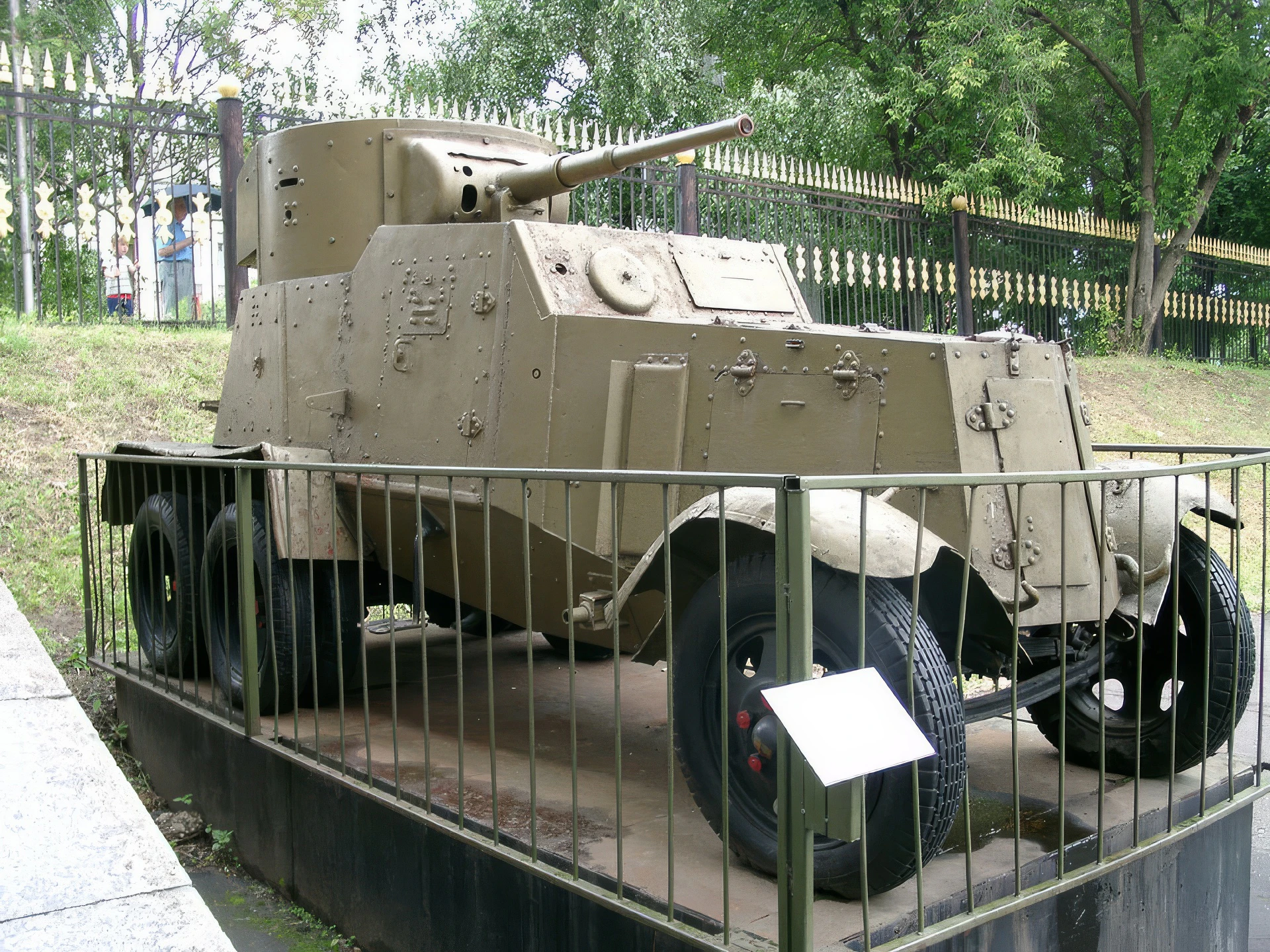
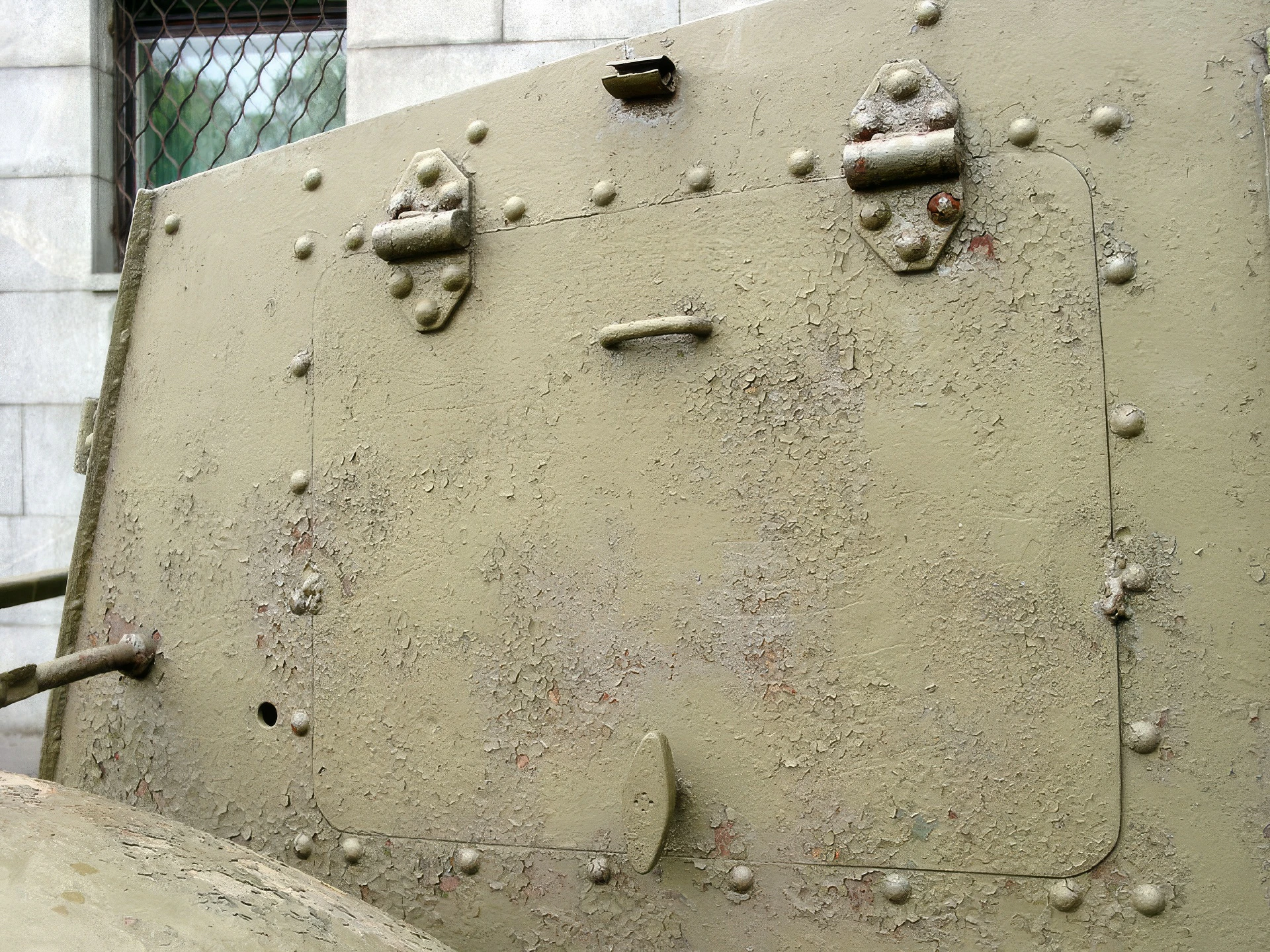
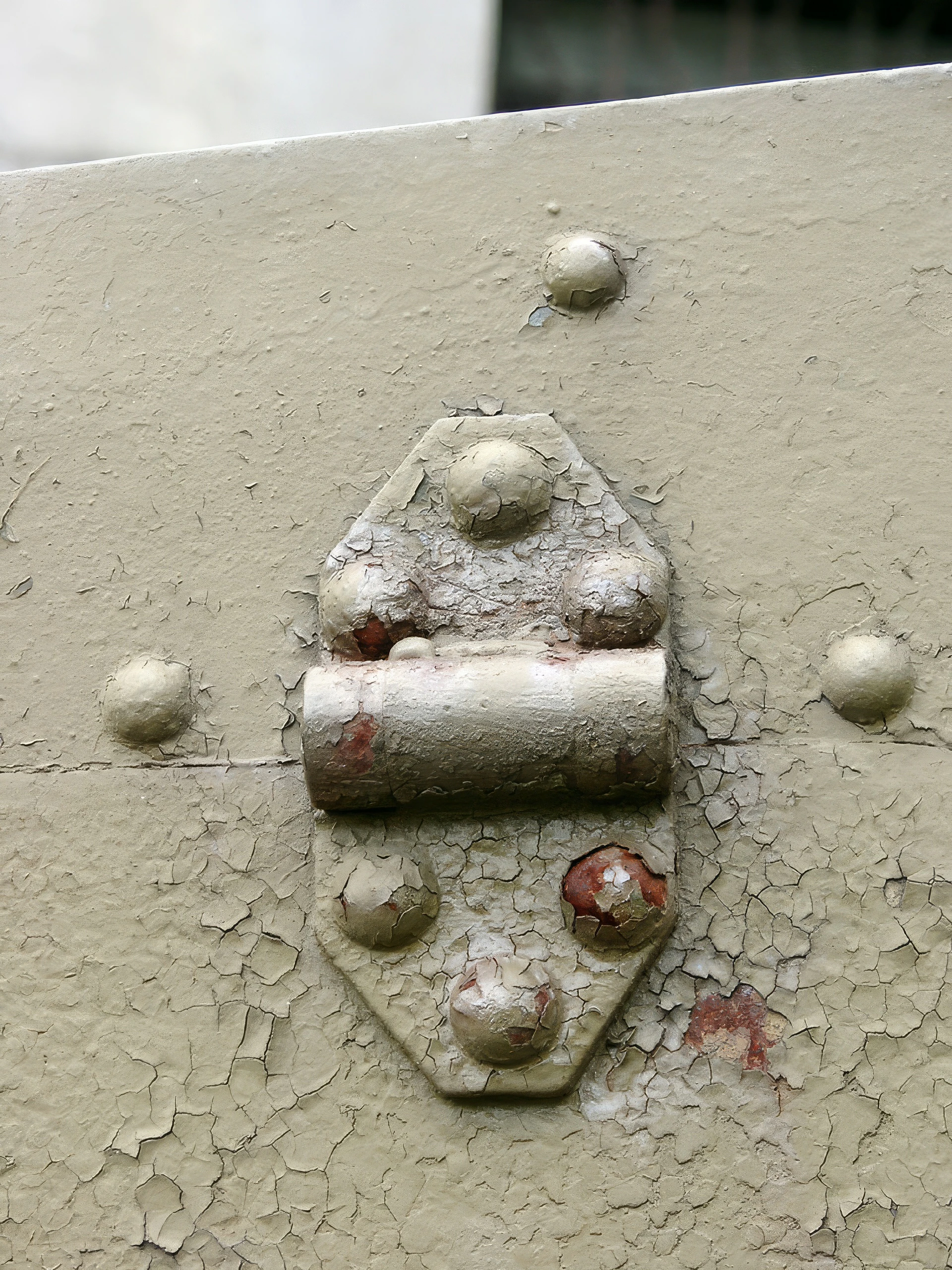
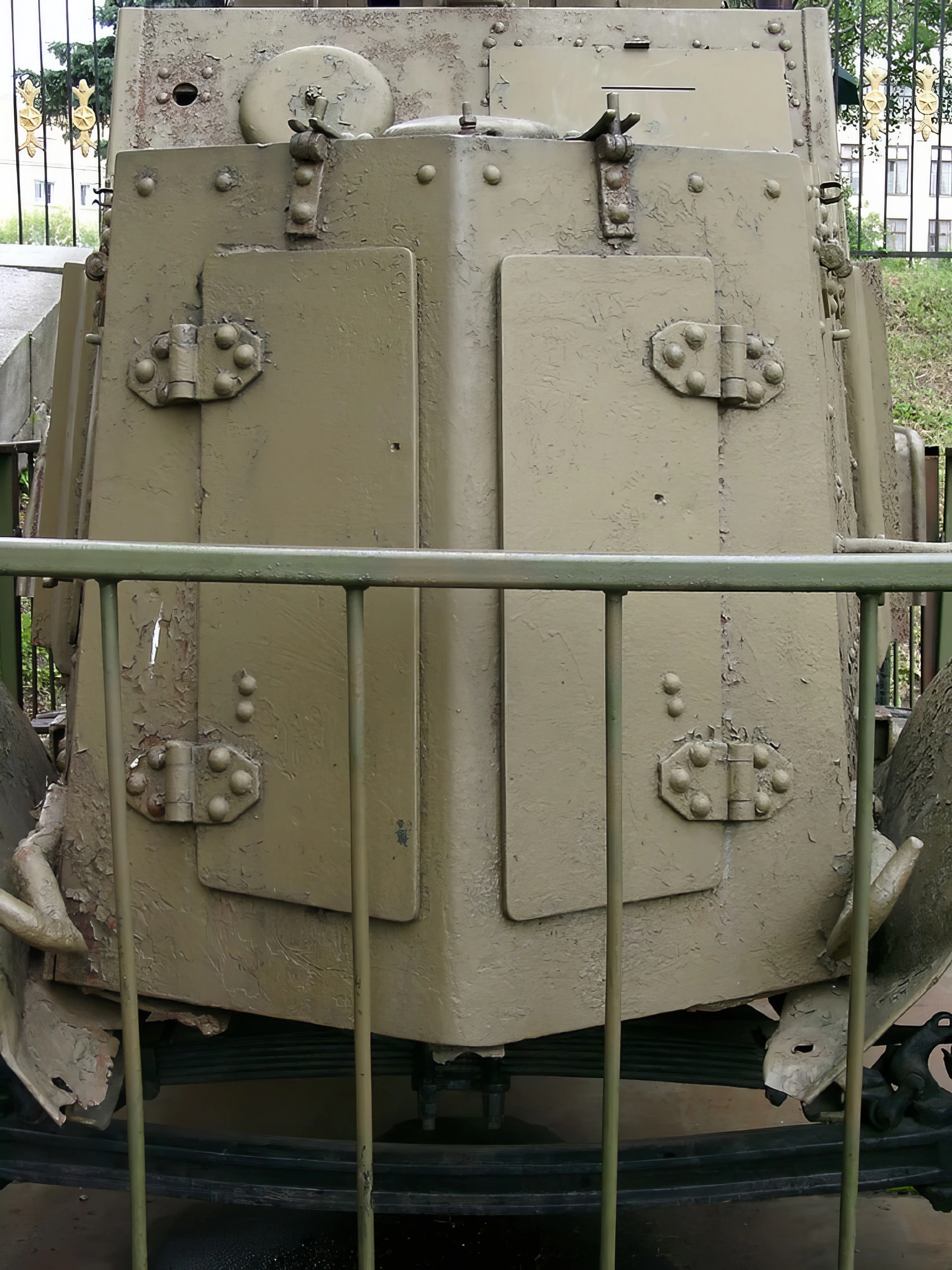
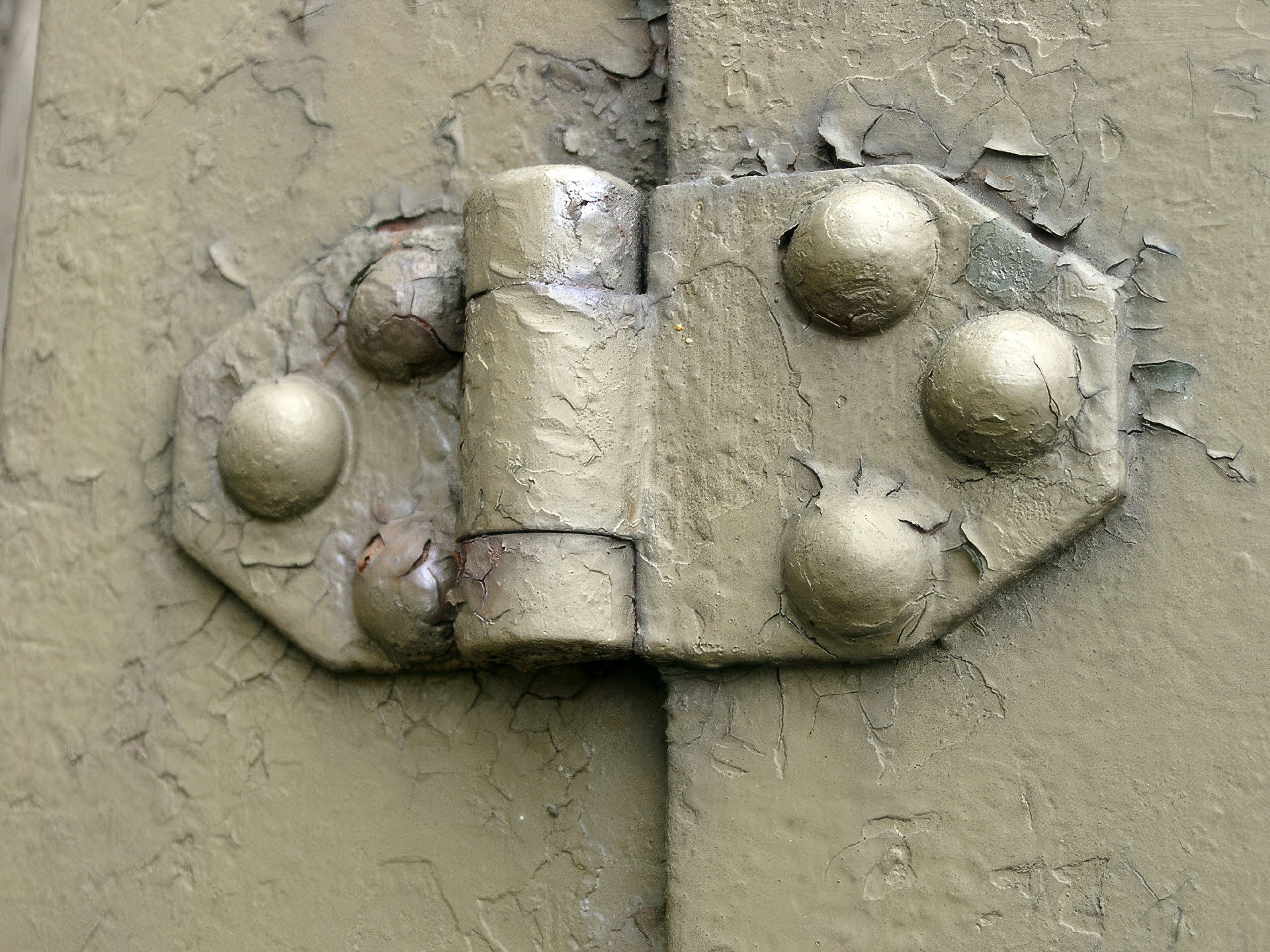
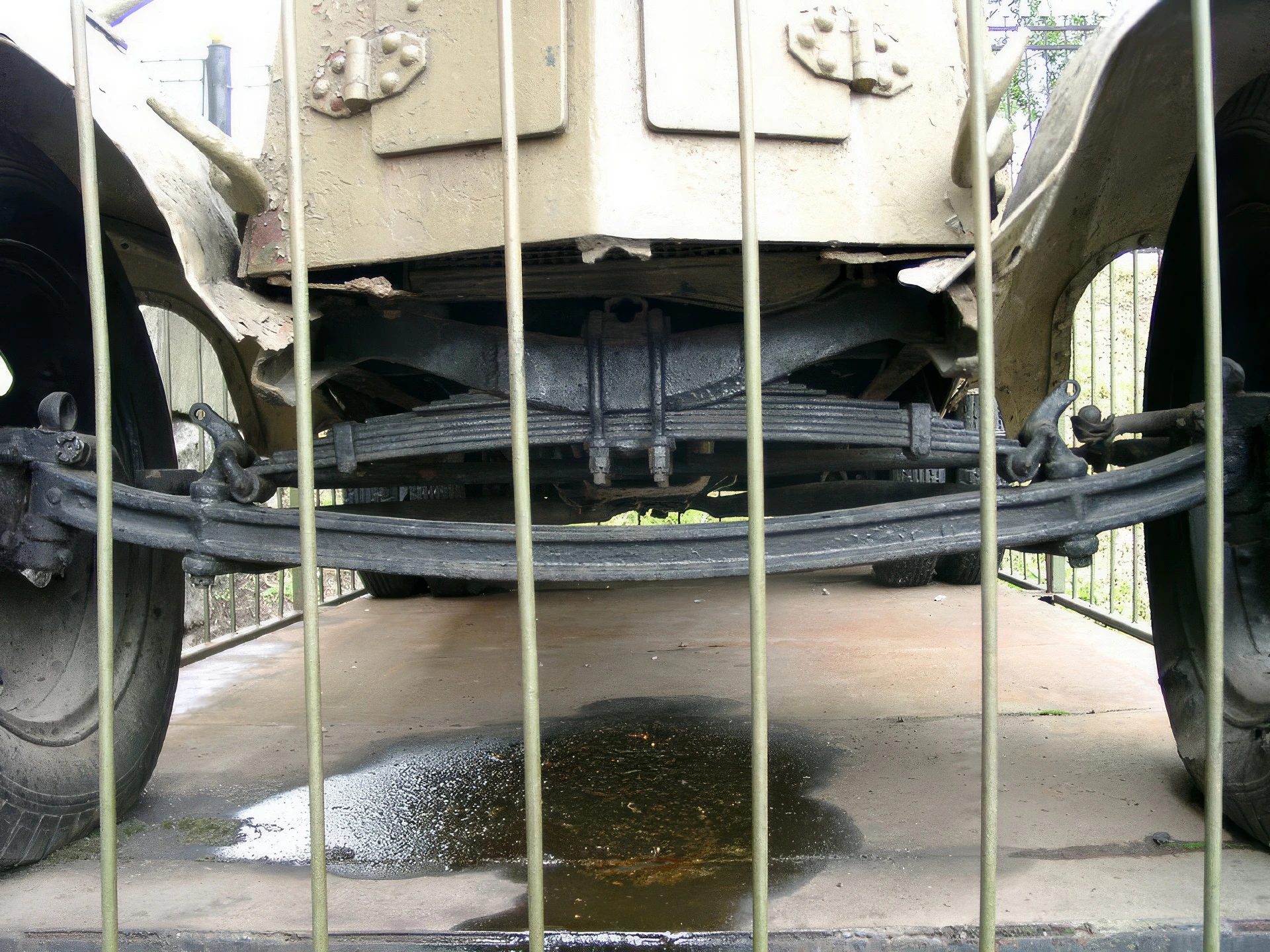
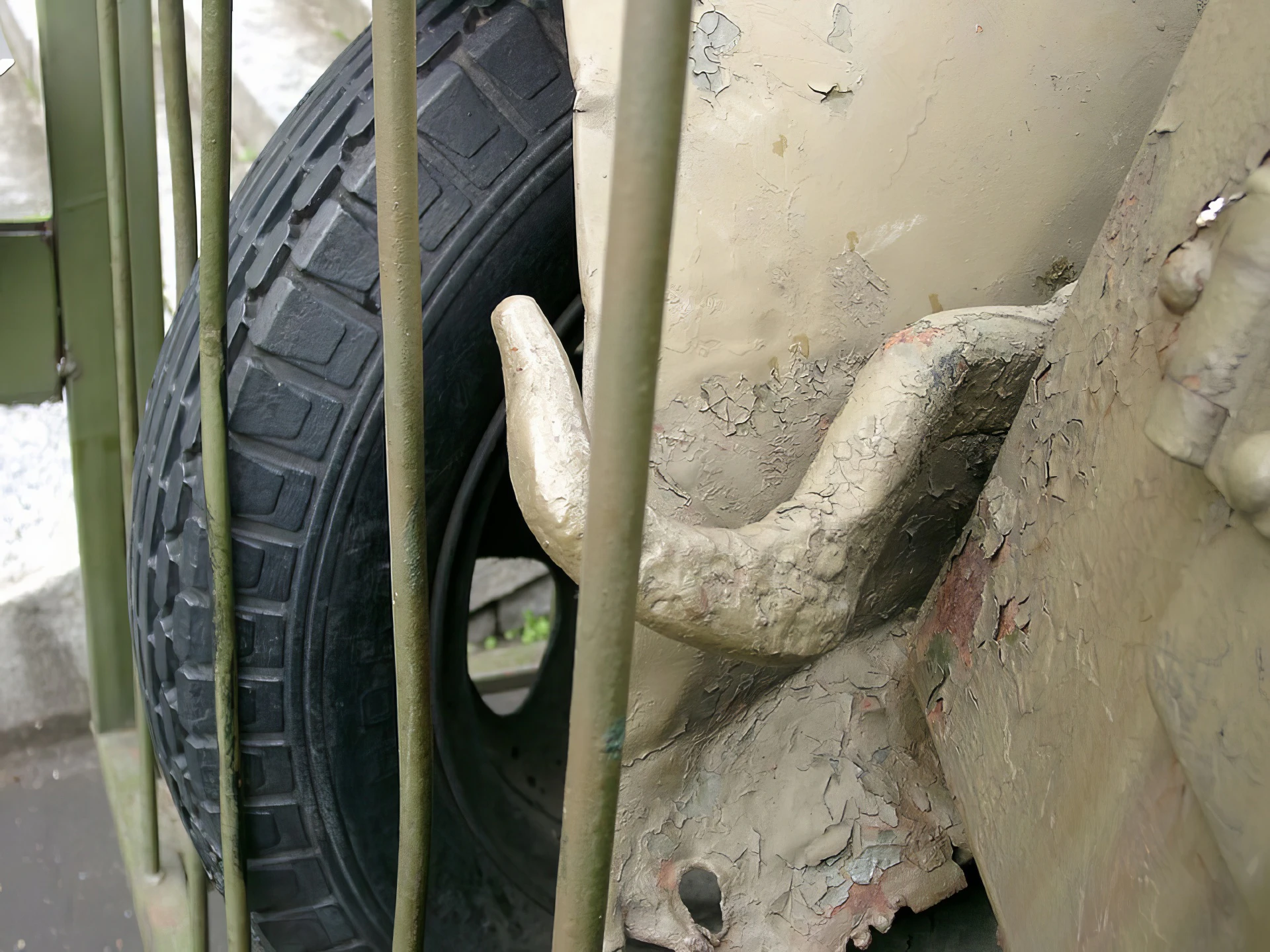
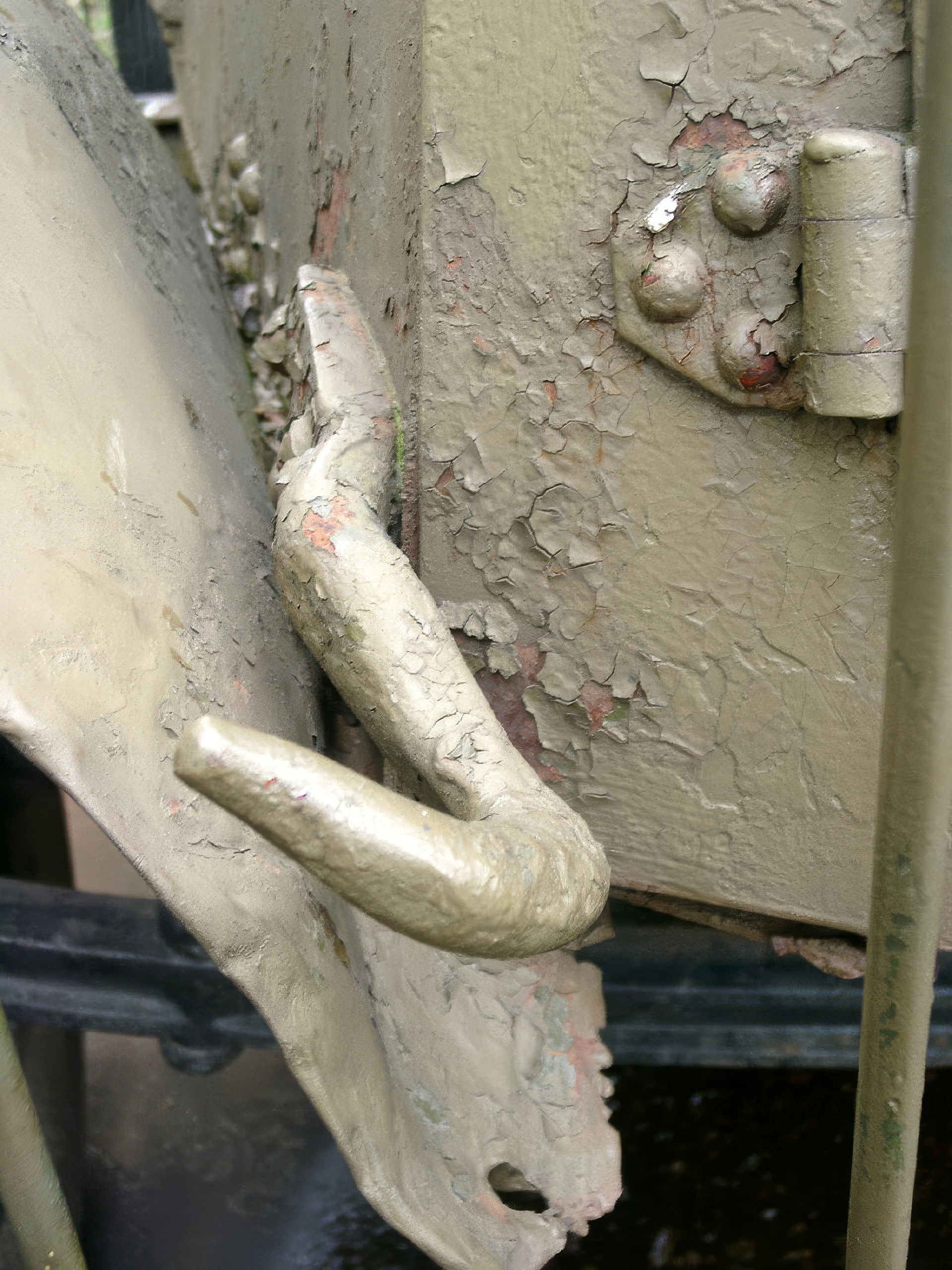
БА-3 (на руски: Broneavtomobil 3) е тежка бронирана кола, разработена в Съветския съюз през 1933 г., последвана от леко променен модел BA-6 през 1936 г. И двете са базирани предимно на BA-I, като най-важната разработка е новата кула, същата като в танковете Т-26 м 1933 и БТ-5, а също така е оборудвана с 45 мм основно оръдие. Около 180 автомобила BA-3 са произведени в заводите Izhorskij и Vyksunskij, докато производството приключи през 1935 година. Следва BA-6 с 386 автомобила, произведени между 1936 и 1938 г. в завода в Ижорски. По-голямата част от производството на BA-3 се основава на шасито на Ford-Timken, 6×4 модификация на американския камион Ford AA 4×2, но последната партида е построена на руската версия на същото шаси – GAZ-AAA, продължава да се използва в BA-6. Най-голямото ограничение на BA-3 е мобилността, ограничена до пътища или много твърда земя, резултат от ненужно голямо тегло. Иновацията, която леко подобрява мобилността, са спомагателните ("Цялостни") писти, които могат да бъдат монтирани на задните тандемни колела, превръщайки автомобила в полуписта.
Източник: BA-3/6 sur Уикипедия

Вижте също:


1. BA-6 (Broneavtomobil-6) was a “heavy” armored car developed by the Soviet Union in the mid-1930s. It was essentially an improved version of the earlier BA-3, designed to be highly mobile on roads while providing significant firepower, often acting as a highly mobile, reconnaissance-capable light tank.
Key Features and Specifications
- Роля: Heavy Armored Car, reconnaissance, and infantry support.
- Шаси: Built on the modified 6×4 chassis of the Soviet Газ-ААА камион (itself a Ford Model AA derivative), giving it six wheels with four powered in the rear.
- Основно въоръжение: The most significant feature was its main gun: the 45 mm Model 1932 (20-K) anti-tank gun, the same weapon used on the early T-26 light tank. This gun was capable of penetrating the armor of most tanks of the early 1930s.
- Secondary Armament: Coaxial and hull-mounted 7.62 mm DT machine guns.
- Off-Road Mobility: Despite its 6×4 configuration, off-road performance was poor. To mitigate this, the BA-6 carried removable tracks that could be fitted over the dual rear wheels to convert it into a pseudo-half-track for better traction in mud or snow.
Effectiveness and Limitations
The BA-6 and its successor, the BA-10, were considered successful designs for their era, combining excellent firepower with good road mobility. They were used extensively in the Battles of Khalkhin Gol against the Japanese in 1939 and the early stages of World War II.
Strengths (Early War)
- Огнева мощ: 1. 45 mm gun was a major advantage, making it one of the most heavily armed armored cars in the world at the time, capable of engaging enemy tanks.
- Подвижност: Fast and agile on good roads, making it ideal for reconnaissance and deep raids.
Weaknesses (Mid-War Onwards)
- Защитна обвивка: The BA-6 suffered from the common flaw of pre-war armored cars—thin armor (typically 4–9 mm), which could be penetrated by heavy machine guns and was easily defeated by even the smallest anti-tank guns (like the German PaK 35/36 mentioned previously).
- Off-Road Performance: Despite the use of spare tracks, its wheeled chassis struggled immensely in the thick mud or snow, a major liability on the Eastern Front.
Like its German counterpart (the PaK 35/36), the BA-6 quickly became obsolete after the German invasion in 1941, as the Wehrmacht introduced tanks with thicker armor. The Soviets eventually shifted production emphasis toward light tanks and the much smaller, lighter, and more capable BA-64 armored car for true reconnaissance duties.
Начини на показване : 4677