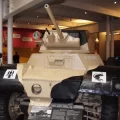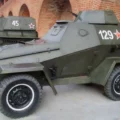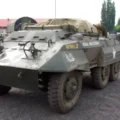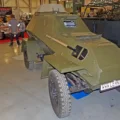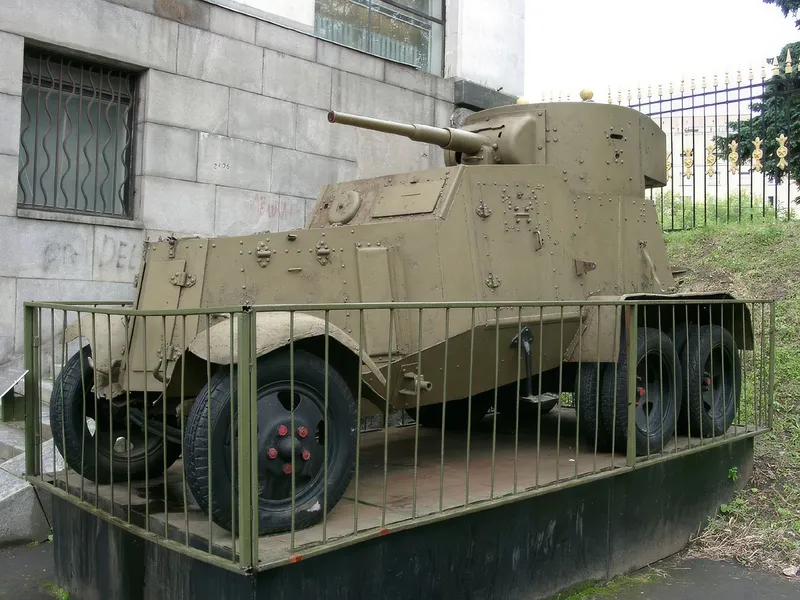
BA-6 Panzerauto | |
|---|---|
| Land | URSS |
| Typ | Panzerwagen |
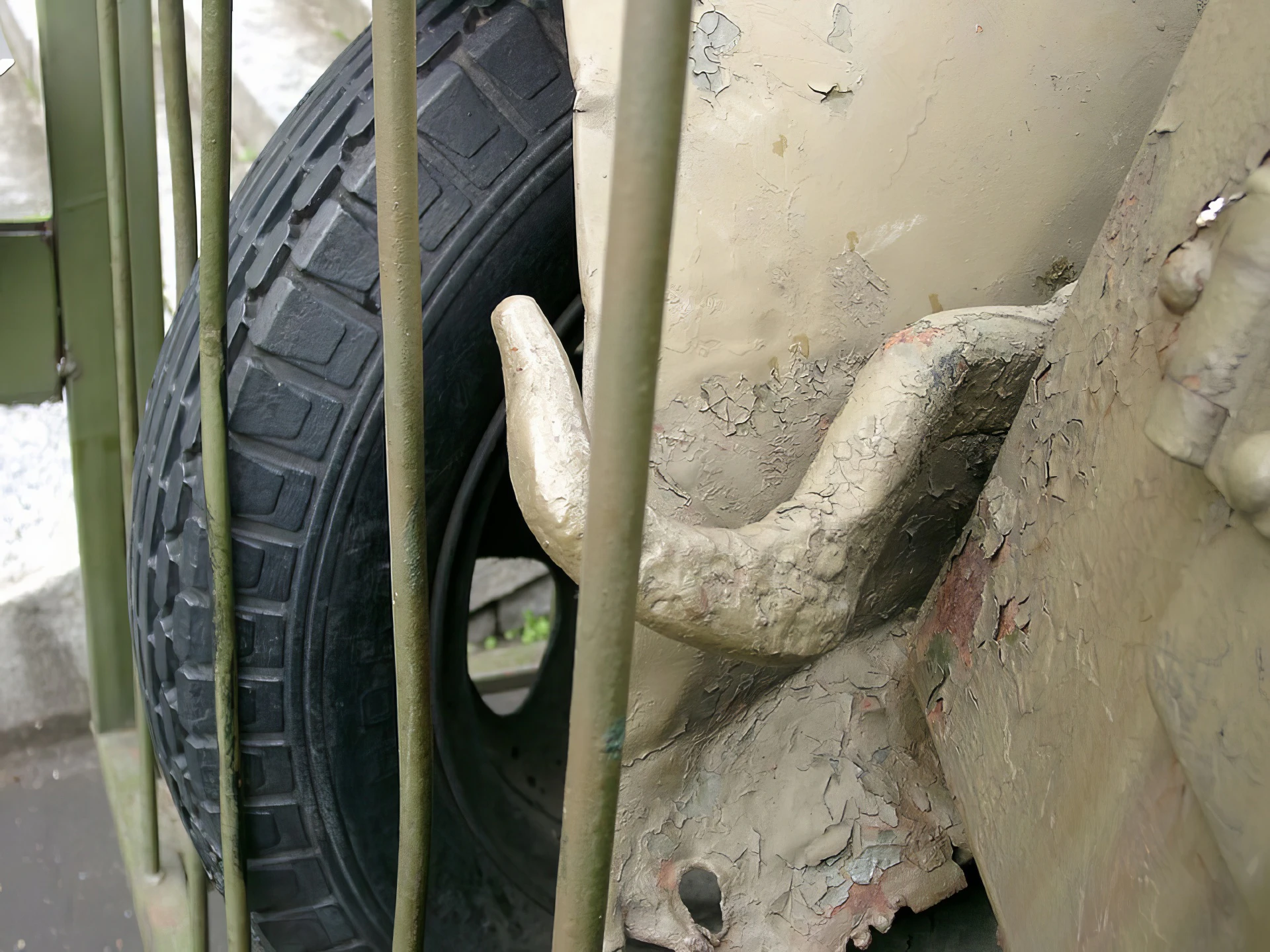
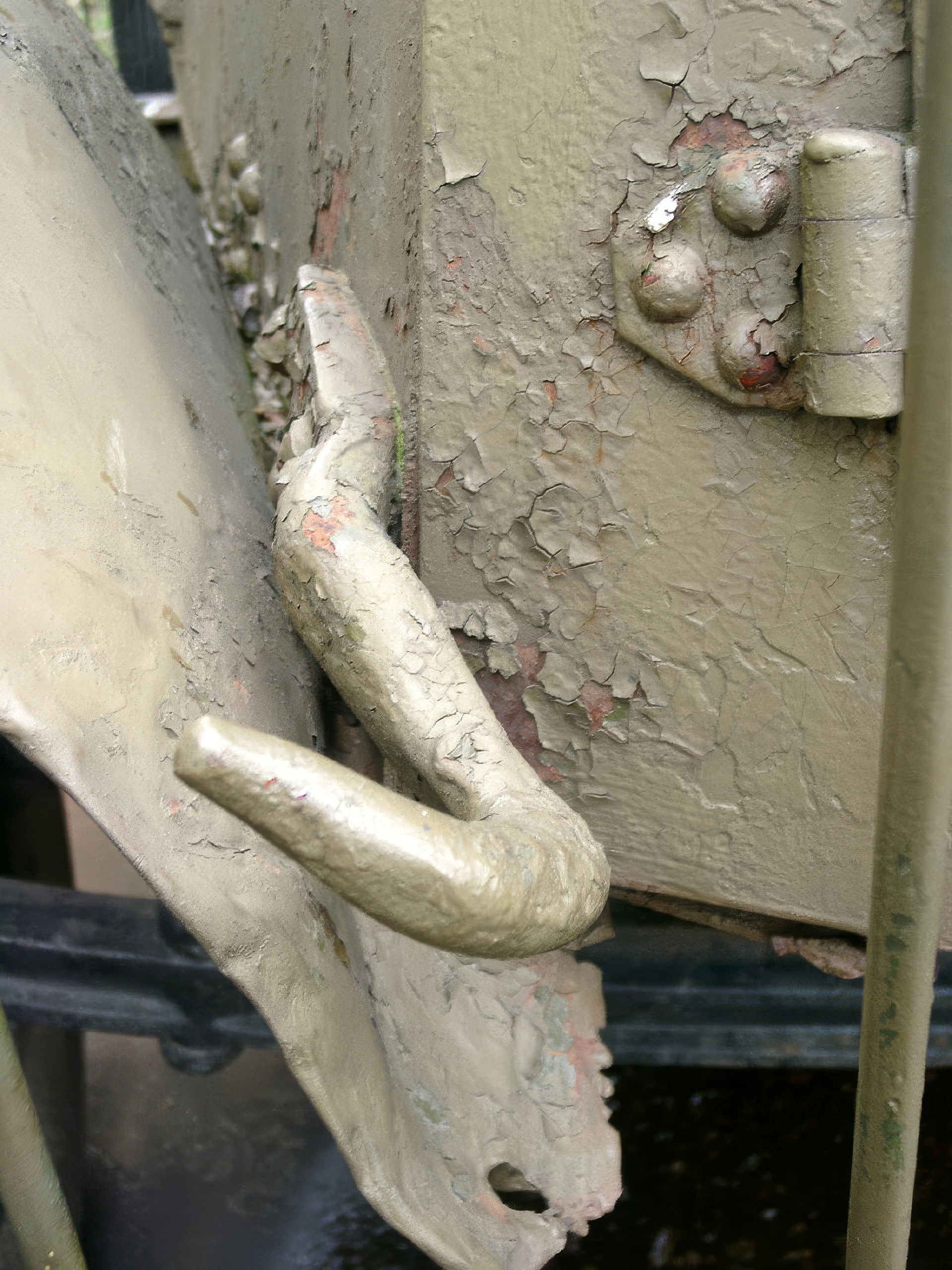
| Thema | Album von 51 Fotos von einem BA-6 Panzerauto |
Der BA-3 (russisch: Broneavtomobil 3) war ein schwerer Panzerwagen, der 1933 in der Sowjetunion entwickelt wurde, gefolgt von einem leicht veränderten Modell BA-6 im Jahr 1936. Beide basierten hauptsächlich auf BA-I, die wichtigste Entwicklung war der neue Turm, wie in den T-26 m 1933 und BT-5 Panzern, und auch mit dem 45 mm Hauptgeschütz ausgestattet. In den Werken Izhorskij und Vyksunskij wurden bis zum Ende der Produktion 1935 rund 180 BA-3-Fahrzeuge gebaut. BA-6 folgte mit 386 Autos, die zwischen 1936 und 1938 in der Ishorskij-Fabrik produziert wurden. Der größte Teil der BA-3-Produktion basierte auf dem Ford-Timken-Chassis, einer 6×4-Modifikation des US-Amerikanischen Ford AA 4×2, aber die letzte Charge wurde auf der russischen Version des gleichen Chassis gebaut – GAZ-AAA, weiterhin in BA-6 verwendet werden. Die größte Einschränkung des BA-3 war die Mobilität, beschränkt auf Straßen oder sehr harten Boden, das Ergebnis unnötig großer Gewicht. Die Innovation, die die Mobilität leicht verbesserte, waren die Hilfsgleise ("Insgesamt"), die auf die hinteren Tandemräder montiert werden konnten, wodurch das Auto auf eine halbspurige Umrüstung umgestellt wurde.
Quelle: BA-3/6 sur Wikipedia
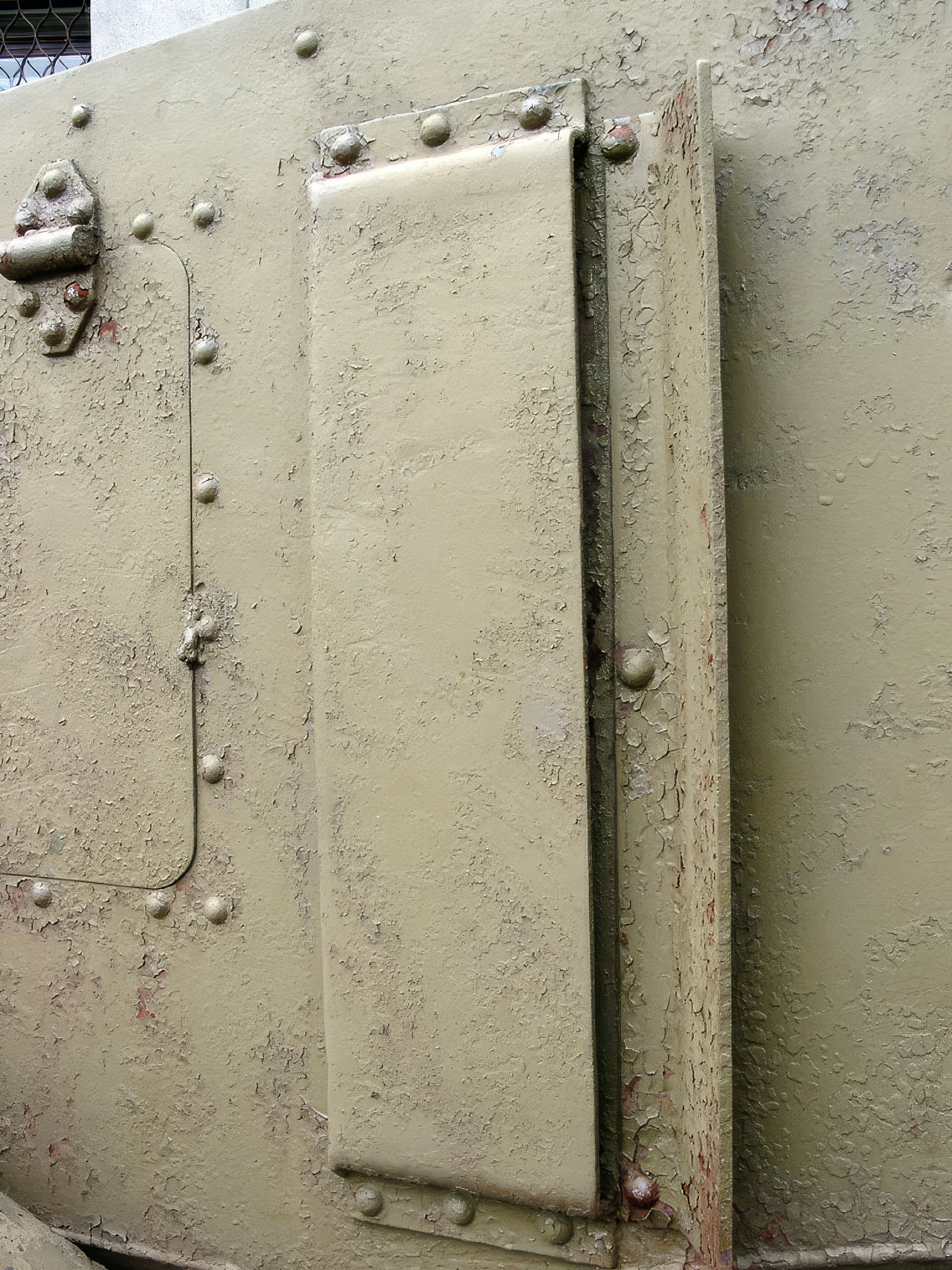
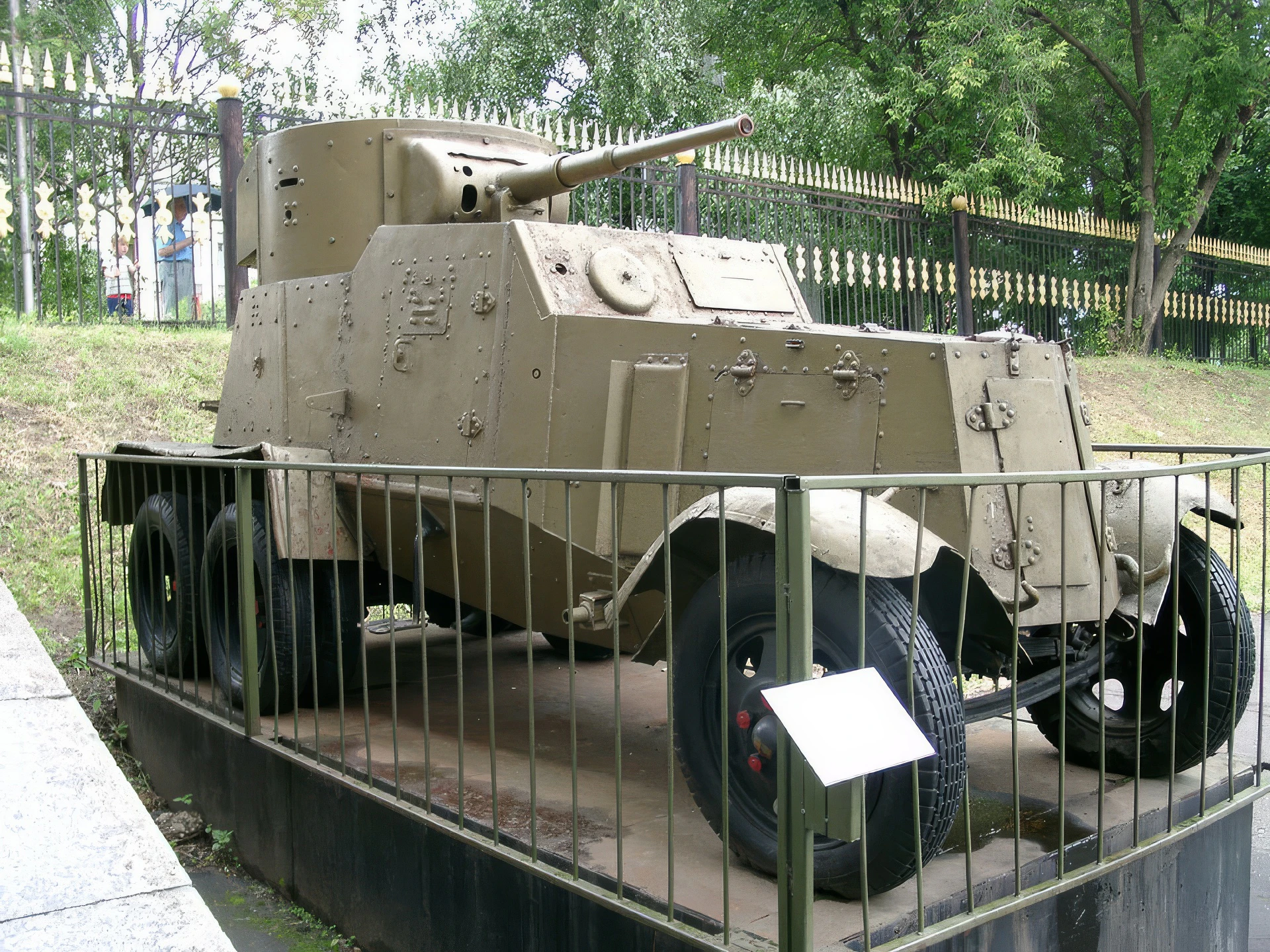
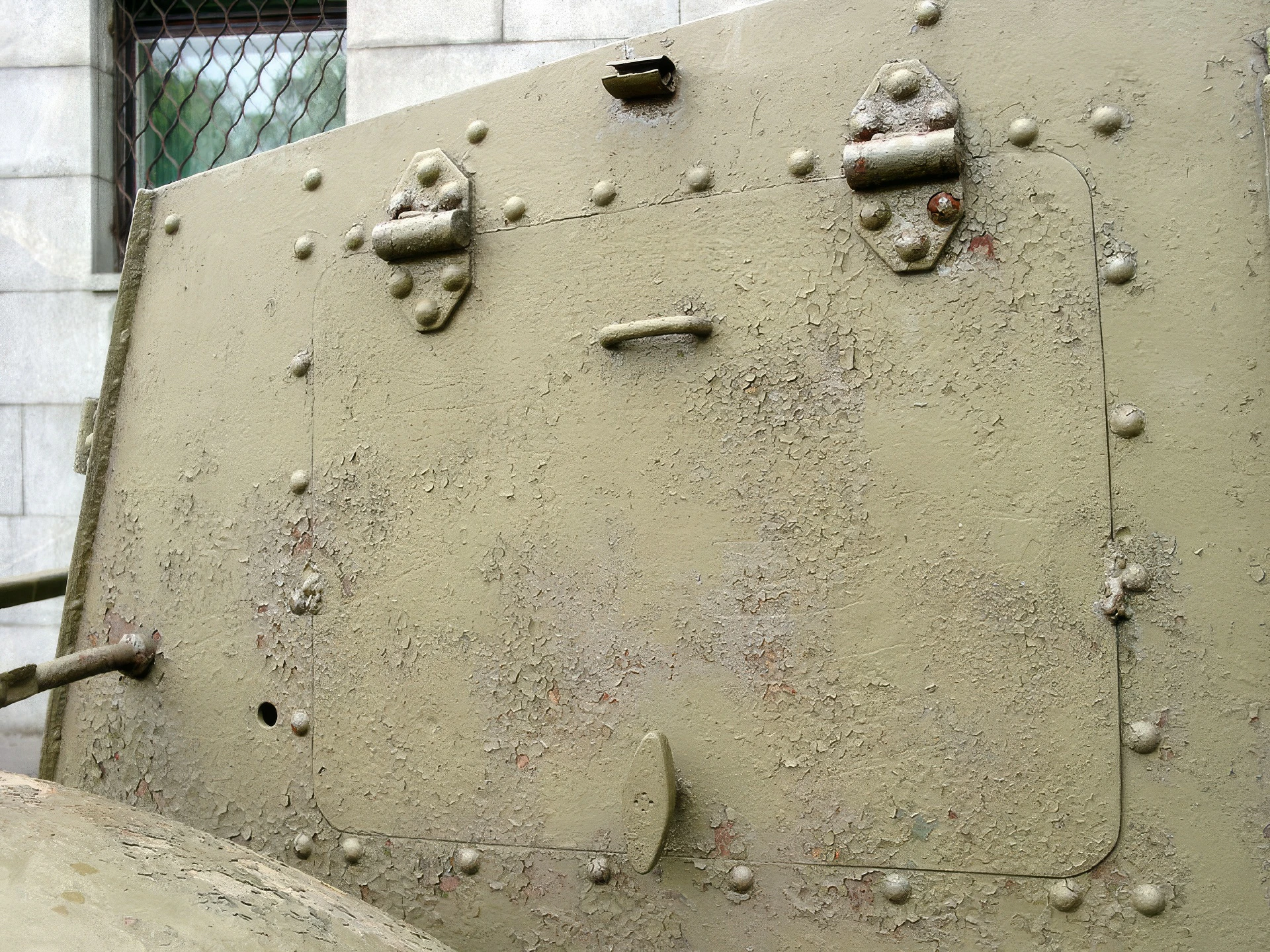
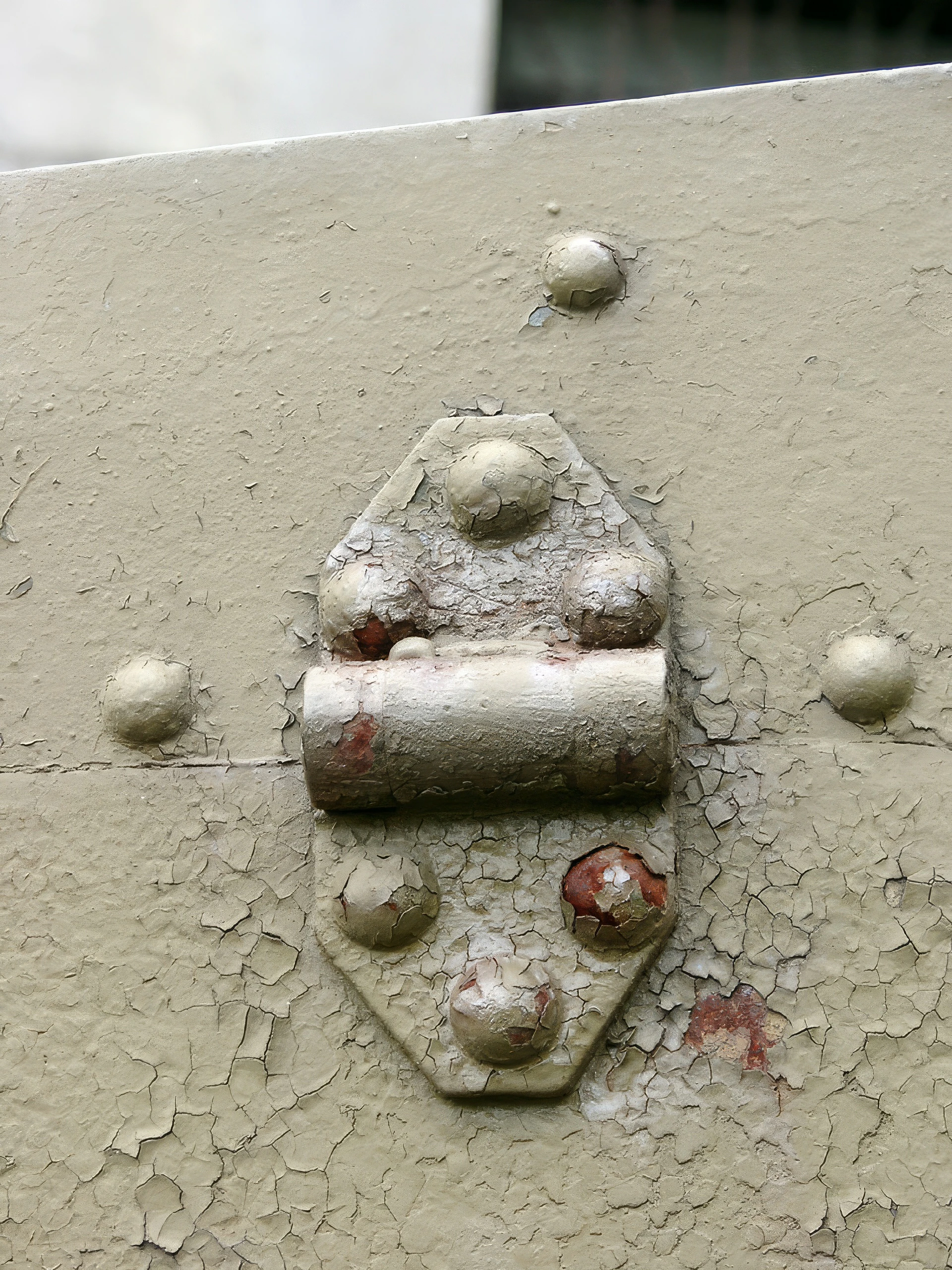
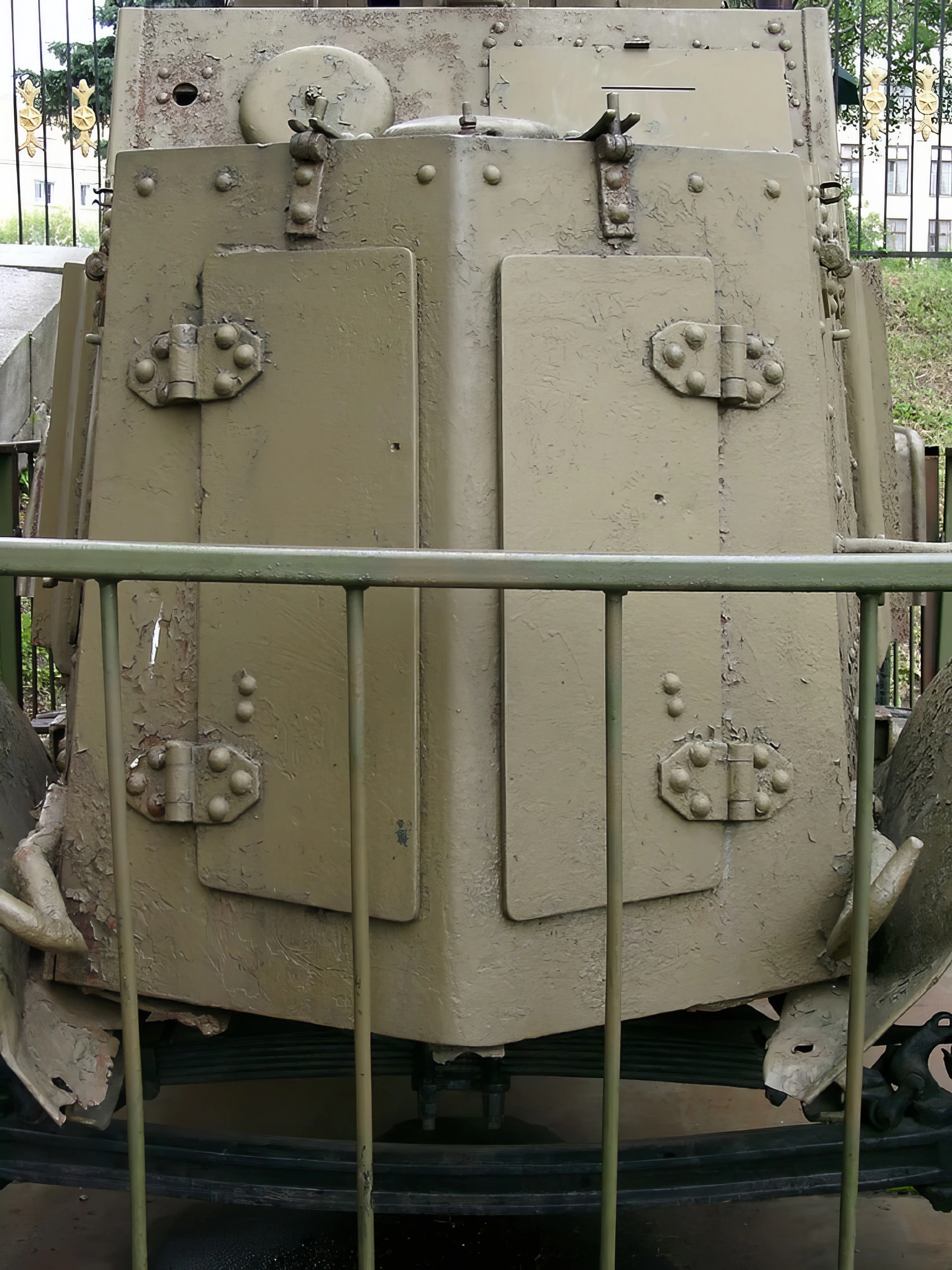
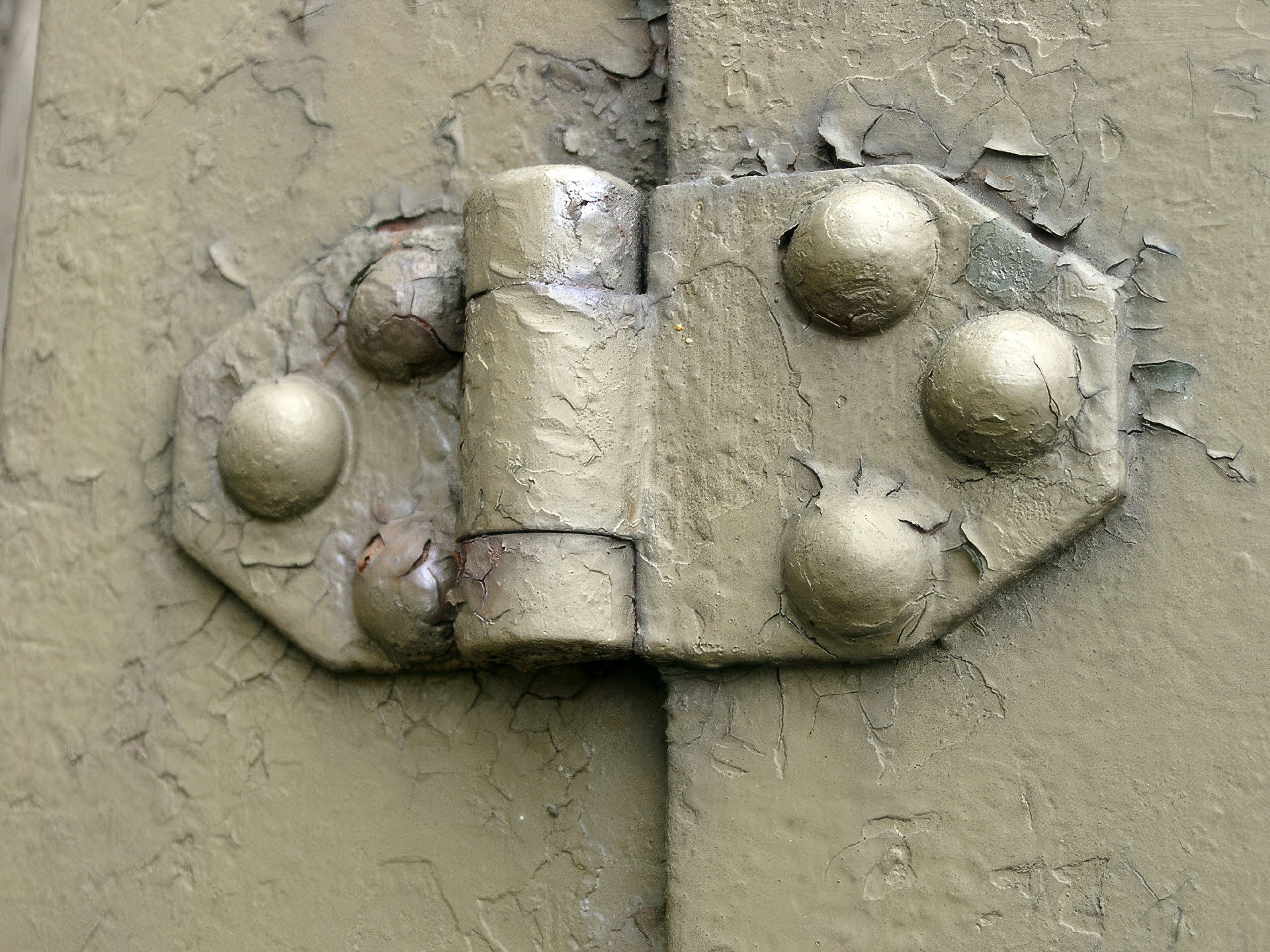
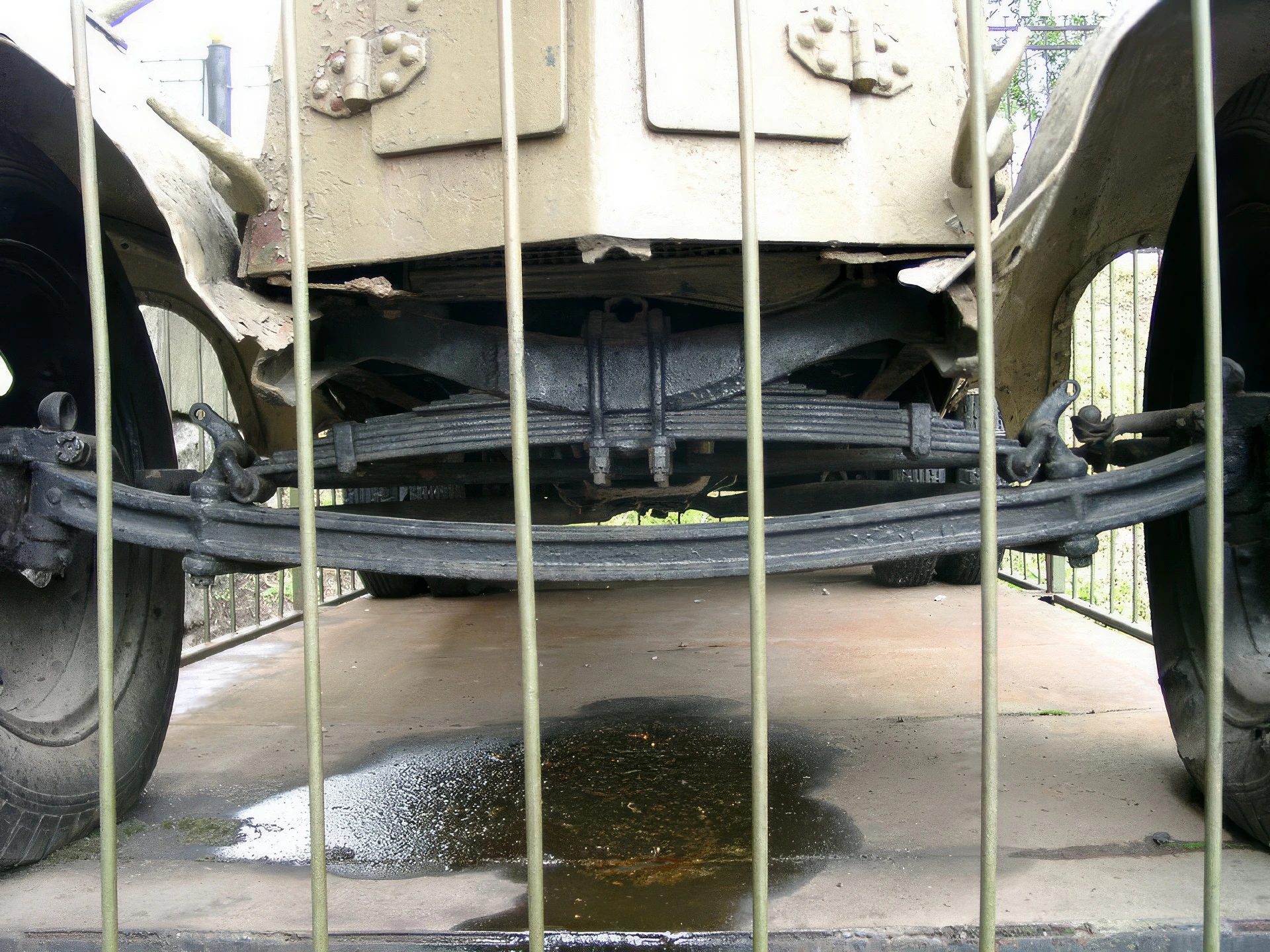

Siehe auch:


das BA-6 (Broneavtomobil-6) was a “heavy” armored car developed by the Soviet Union in the mid-1930s. It was essentially an improved version of the earlier BA-3, designed to be highly mobile on roads while providing significant firepower, often acting as a highly mobile, reconnaissance-capable light tank.
Key Features and Specifications
- Rolle: Heavy Armored Car, reconnaissance, and infantry support.
- Chassis: Built on the modified 6×4 chassis of the Soviet GAZ-AAA LKW (itself a Ford Model AA derivative), giving it six wheels with four powered in the rear.
- Hauptbewaffnung: The most significant feature was its main gun: the 45 mm Model 1932 (20-K) anti-tank gun, the same weapon used on the early T-26 light tank. This gun was capable of penetrating the armor of most tanks of the early 1930s.
- Secondary Armament: Coaxial and hull-mounted 7.62 mm DT machine guns.
- Off-Road Mobility: Despite its 6×4 configuration, off-road performance was poor. To mitigate this, the BA-6 carried removable tracks that could be fitted over the dual rear wheels to convert it into a pseudo-half-track for better traction in mud or snow.
Effectiveness and Limitations
The BA-6 and its successor, the BA-10, were considered successful designs for their era, combining excellent firepower with good road mobility. They were used extensively in the Battles of Khalkhin Gol against the Japanese in 1939 and the early stages of World War II.
Strengths (Early War)
- Feuerkraft: das 45 mm gun was a major advantage, making it one of the most heavily armed armored cars in the world at the time, capable of engaging enemy tanks.
- Mobilität: Fast and agile on good roads, making it ideal for reconnaissance and deep raids.
Weaknesses (Mid-War Onwards)
- Armor: The BA-6 suffered from the common flaw of pre-war armored cars—thin armor (typically 4–9 mm), which could be penetrated by heavy machine guns and was easily defeated by even the smallest anti-tank guns (like the German PaK 35/36 mentioned previously).
- Off-Road Performance: Despite the use of spare tracks, its wheeled chassis struggled immensely in the thick mud or snow, a major liability on the Eastern Front.
Like its German counterpart (the PaK 35/36), the BA-6 quickly became obsolete after the German invasion in 1941, as the Wehrmacht introduced tanks with thicker armor. The Soviets eventually shifted production emphasis toward light tanks and the much smaller, lighter, and more capable BA-64 armored car for true reconnaissance duties.
Ansichten : 4786