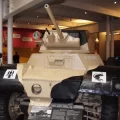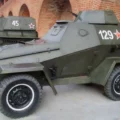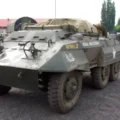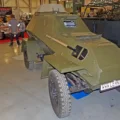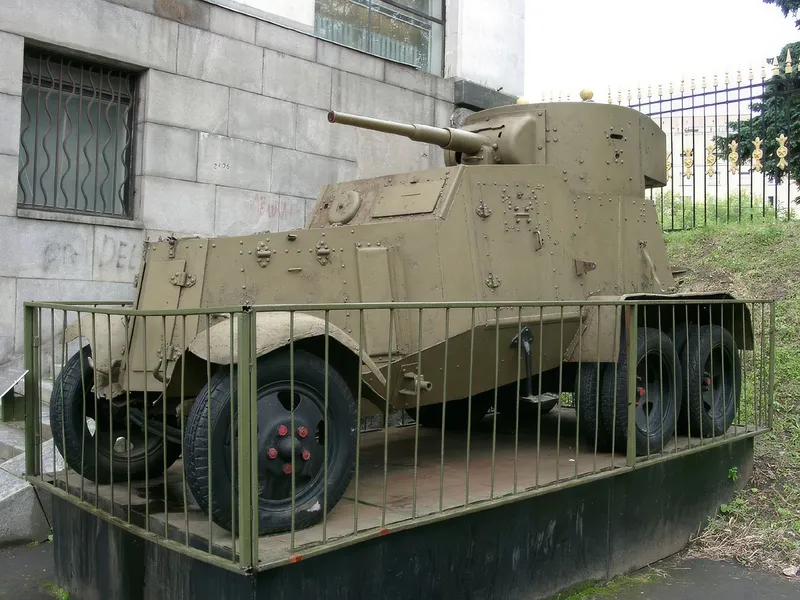
BA-6 Obrnené vozidlo | |
|---|---|
| Krajiny | Urss (Urss) |
| Typ | Obrnené auto |
| Tému | Album 51 fotografie BA-6 Obrnené vozidlo |
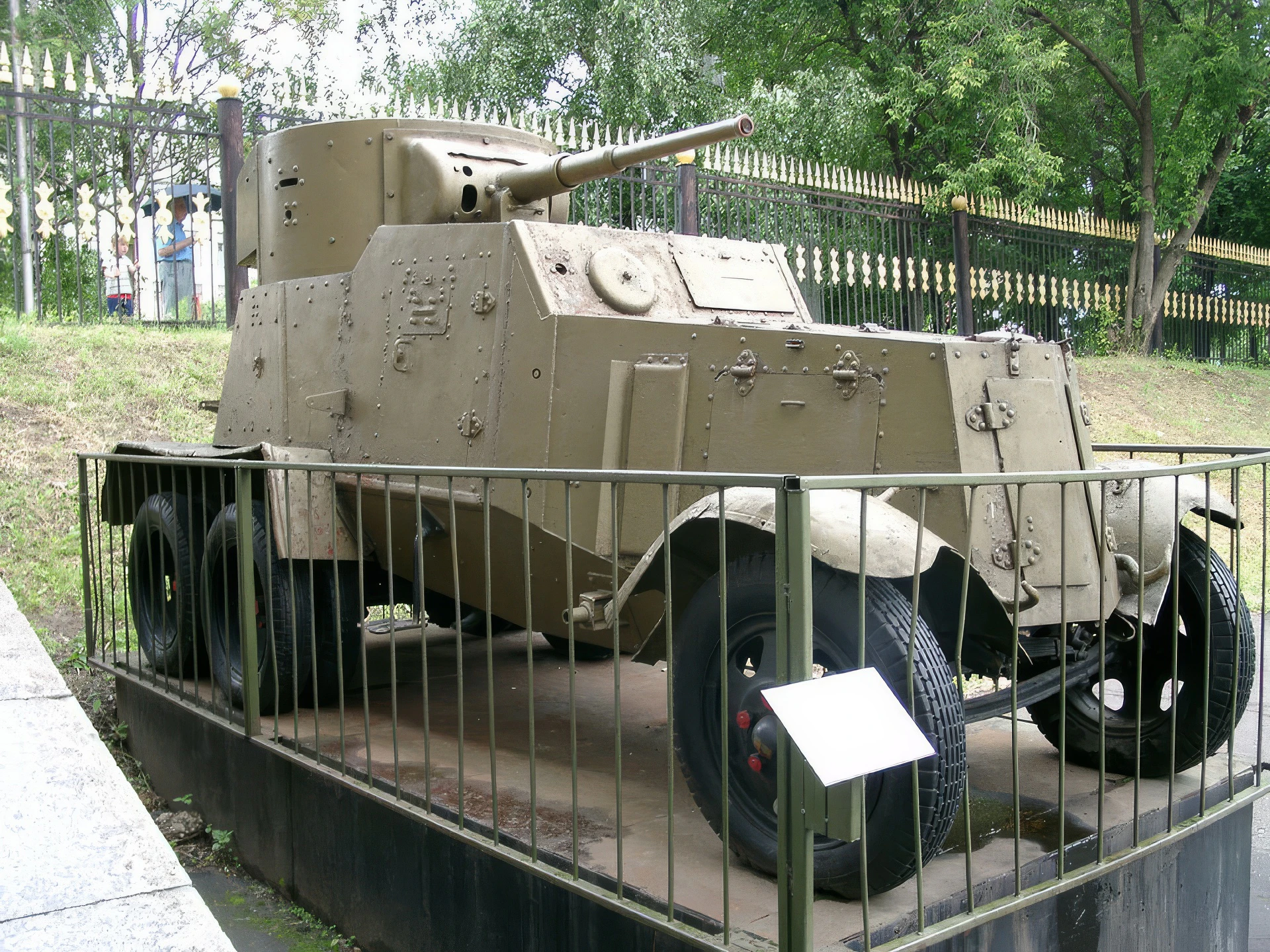
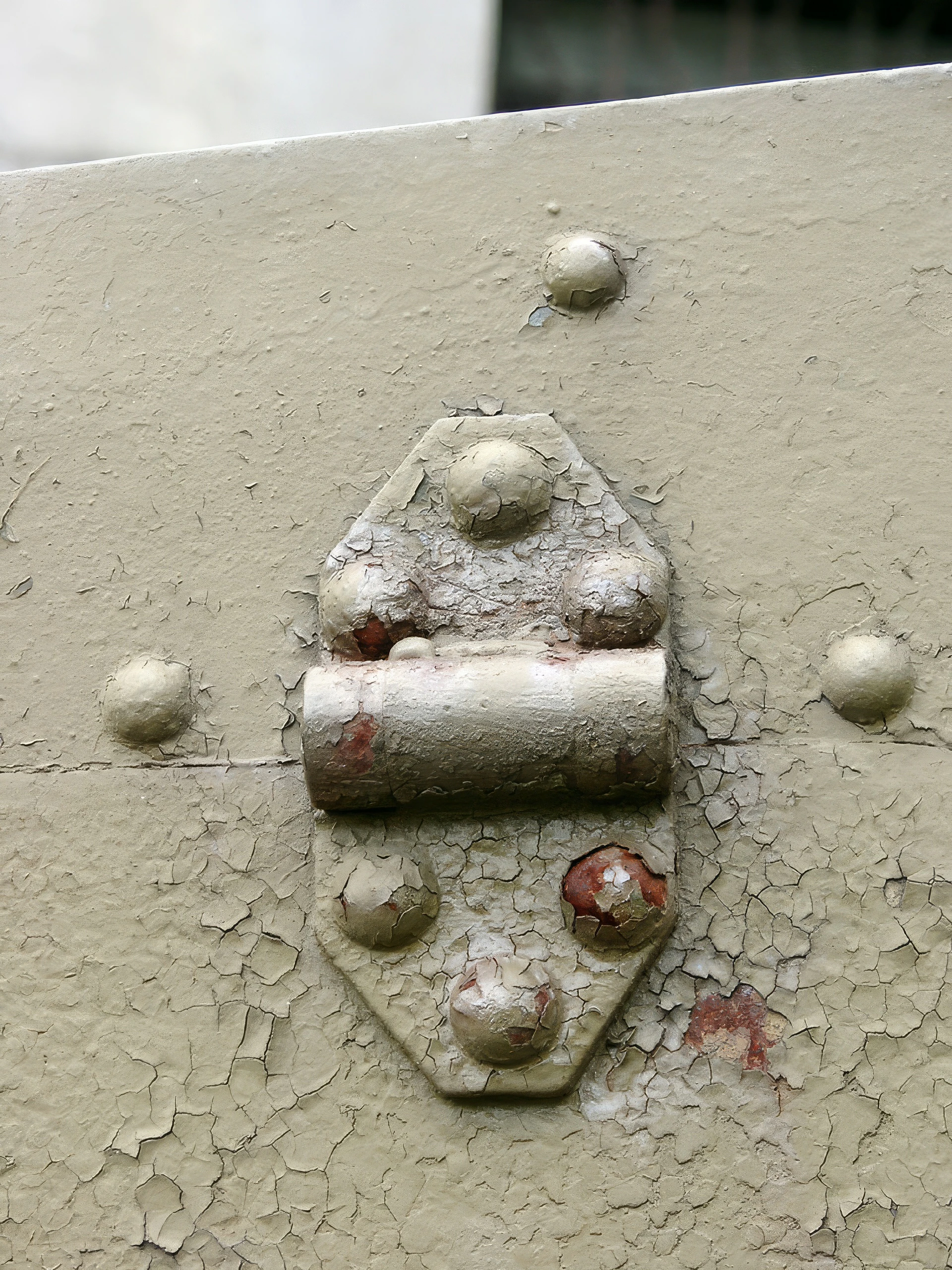
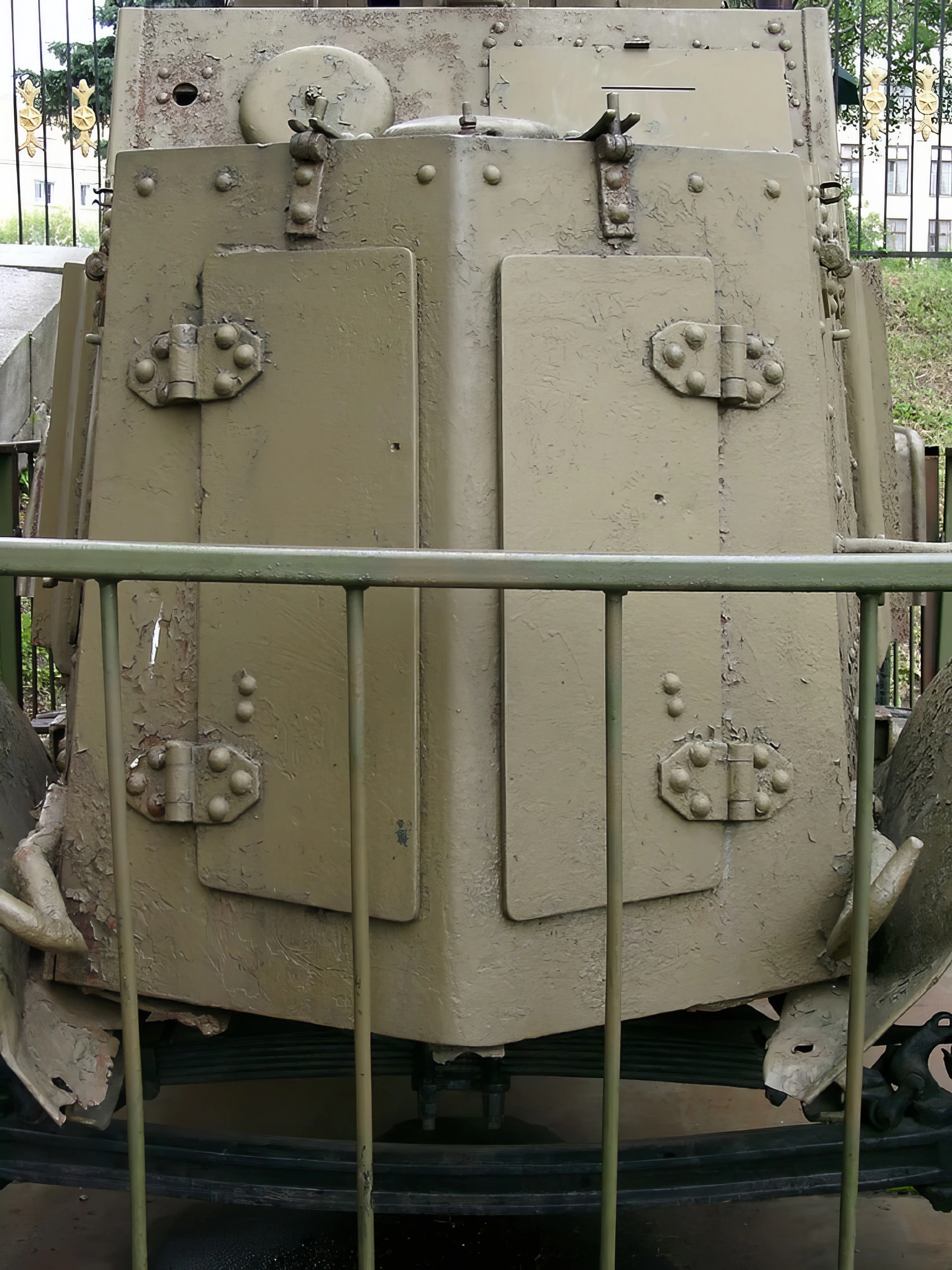
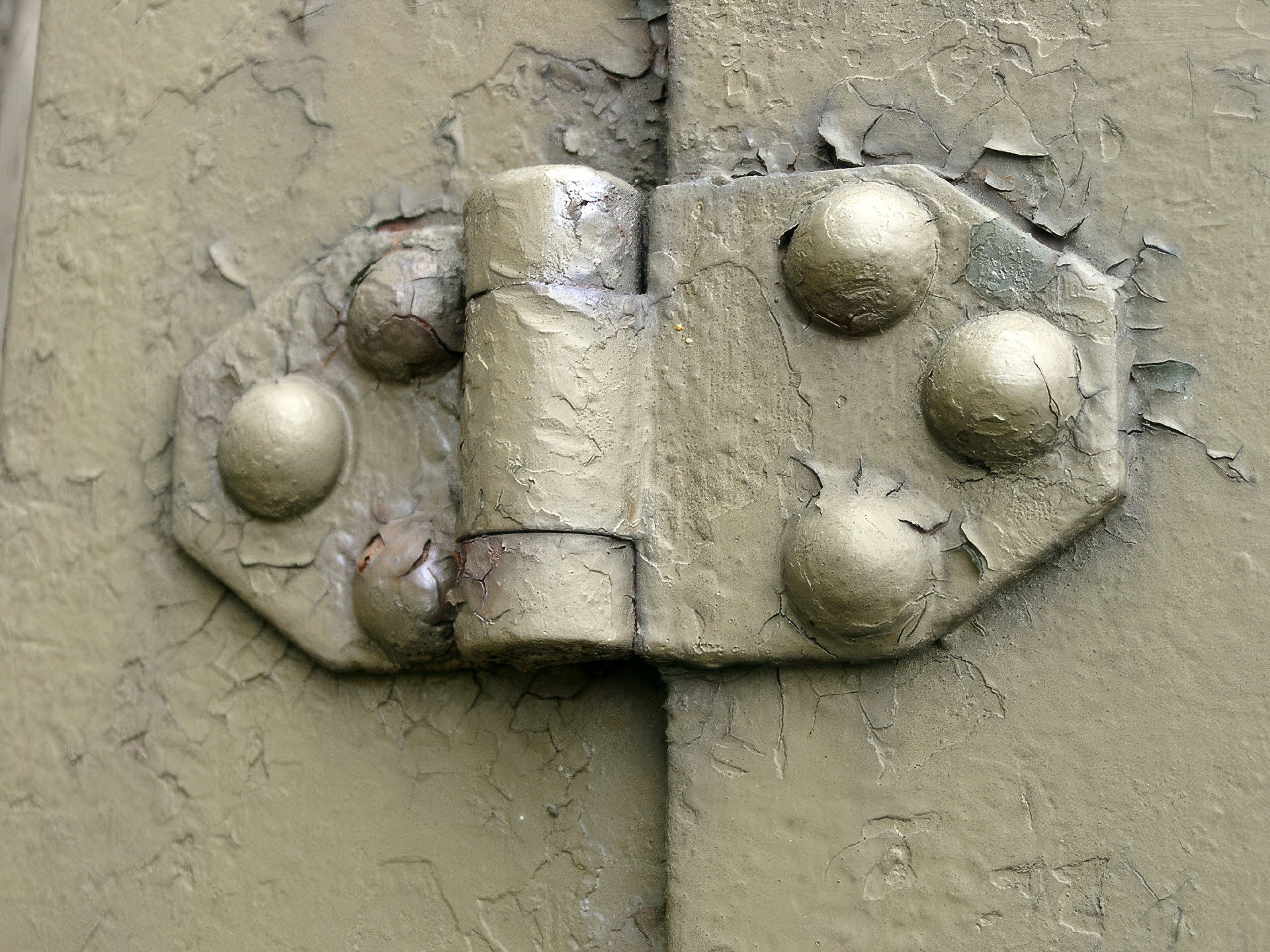
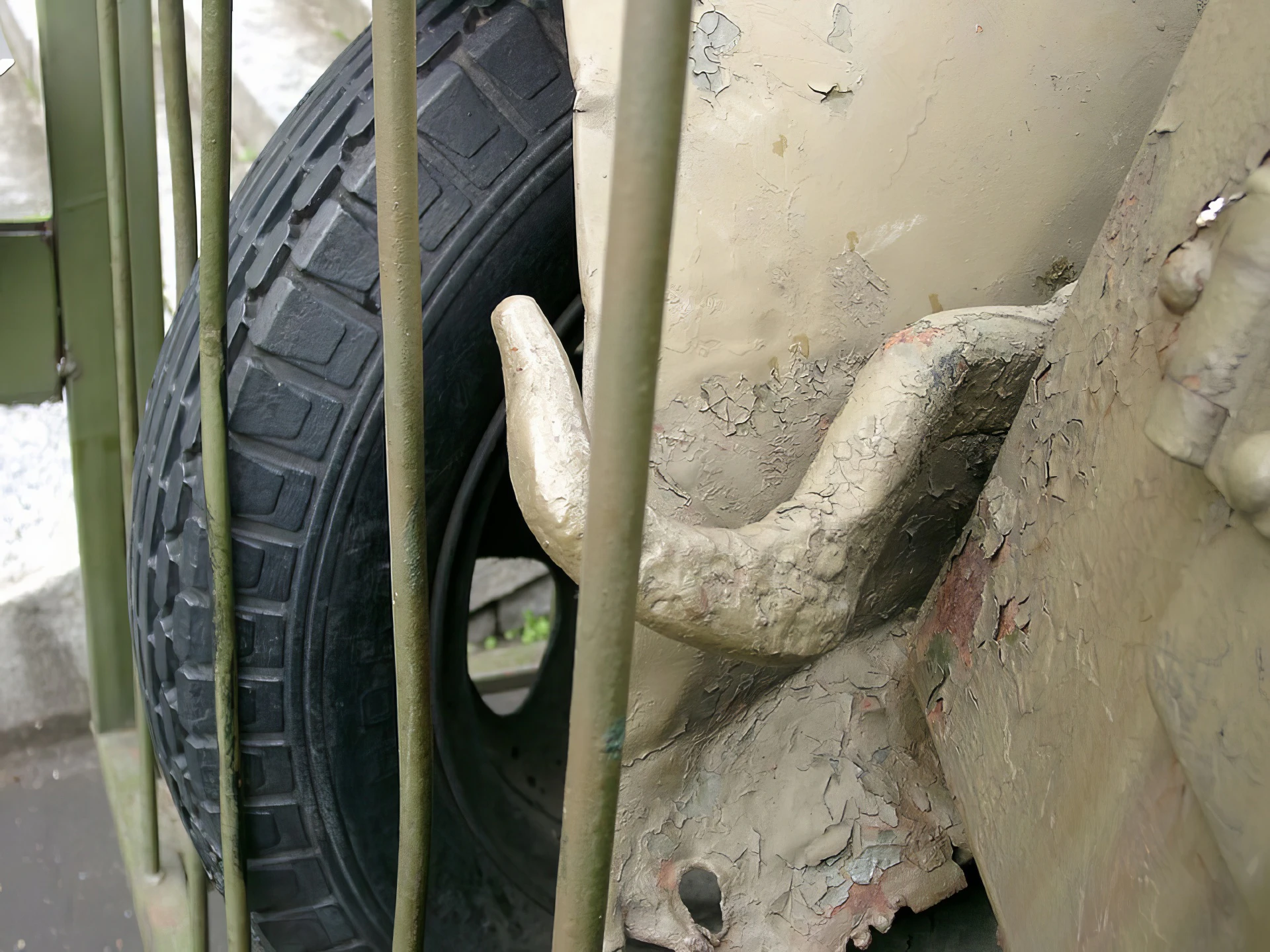
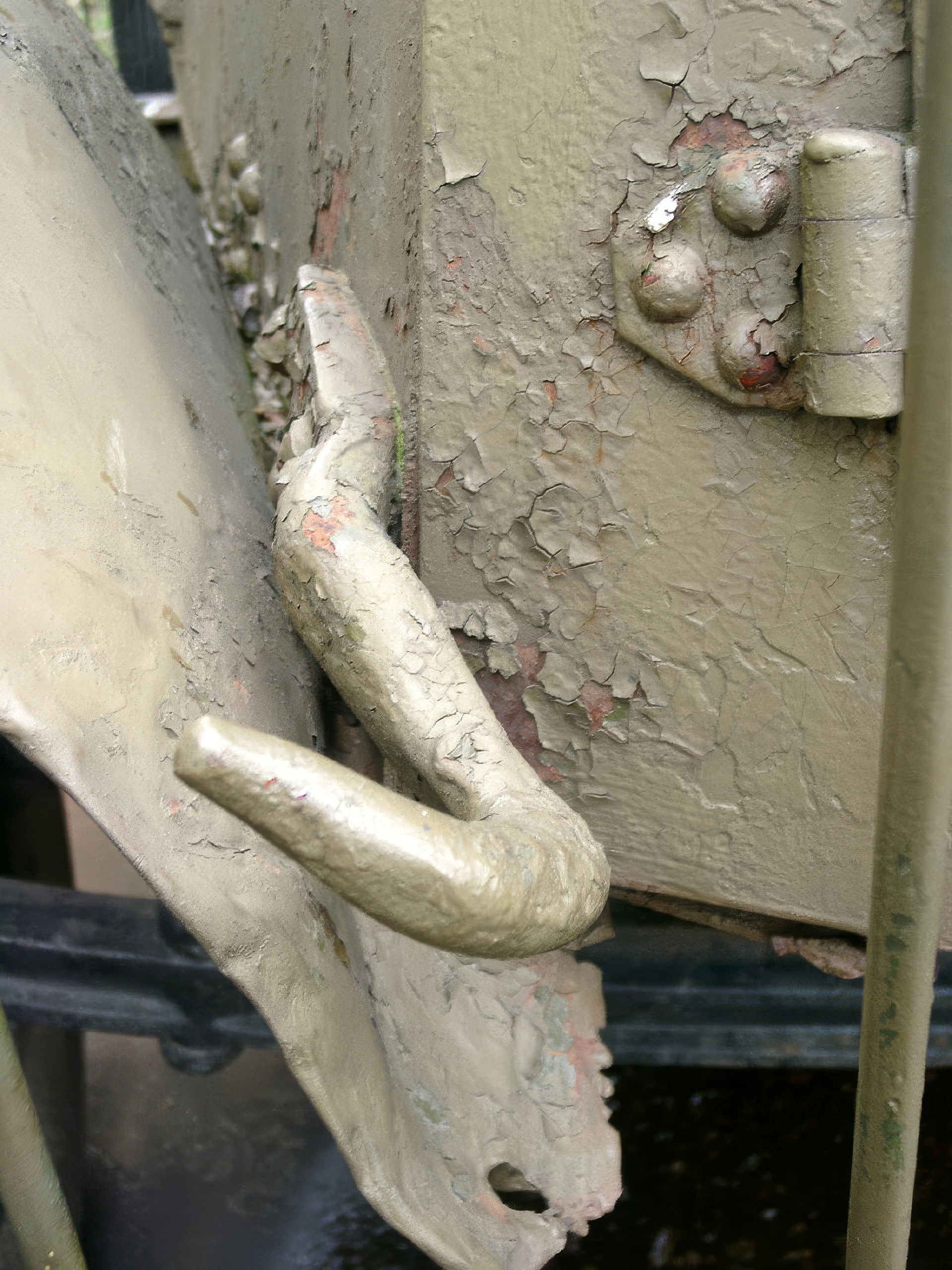
BA-3 (rusky: Broneavtomobil 3) bol ťažký obrnený automobil vyvinutý v Sovietskom zväze v roku 1933, po ktorom nasledoval mierne zmenený model BA-6 v roku 1936. Obe boli založené prevažne na BA-I, najdôležitejším vývojom bola nová veža, rovnako ako v tankoch T-26 m 1933 a BT-5, a tiež vybavená 45 mm hlavným kanónom. V továrňach Izhorskij a Vyksunskij bolo vyrobených približne 180 automobilov BA-3, až kým sa výroba neskončila v roku 1935. Nasledoval BA-6 s 386 automobilmi vyrobenými v rokoch 1936 až 1938 v továrni Ižorskij. Väčšina výroby BA-3 bola založená na podvozku Ford-Timken, 6×4 modifikácii amerického nákladného auta Ford AA 4×2, ale posledná várka bola postavená na ruskej verzii rovnakého podvozku – GAZ-AAA, ktorá sa naďalej používala v BA-6. Najväčším obmedzením BA-3 bola mobilita, obmedzená na cesty alebo veľmi tvrdý povrch, v dôsledku zbytočne veľkej hmotnosti. Inováciou, ktorá mierne zlepšila mobilitu, boli pomocné ("Celkové") pásy, ktoré bolo možné namontovať na zadné tandemové kolesá, čím sa auto zmenilo na polopásové.
Zdrojový: BA-3/6 sur Wikipedia

Pozri tiež:


Komisia BA-6 (Broneavtomobil-6) was a “heavy” armored car developed by the Soviet Union in the mid-1930s. It was essentially an improved version of the earlier BA-3, designed to be highly mobile on roads while providing significant firepower, often acting as a highly mobile, reconnaissance-capable light tank.
Key Features and Specifications
- Rola: Heavy Armored Car, reconnaissance, and infantry support.
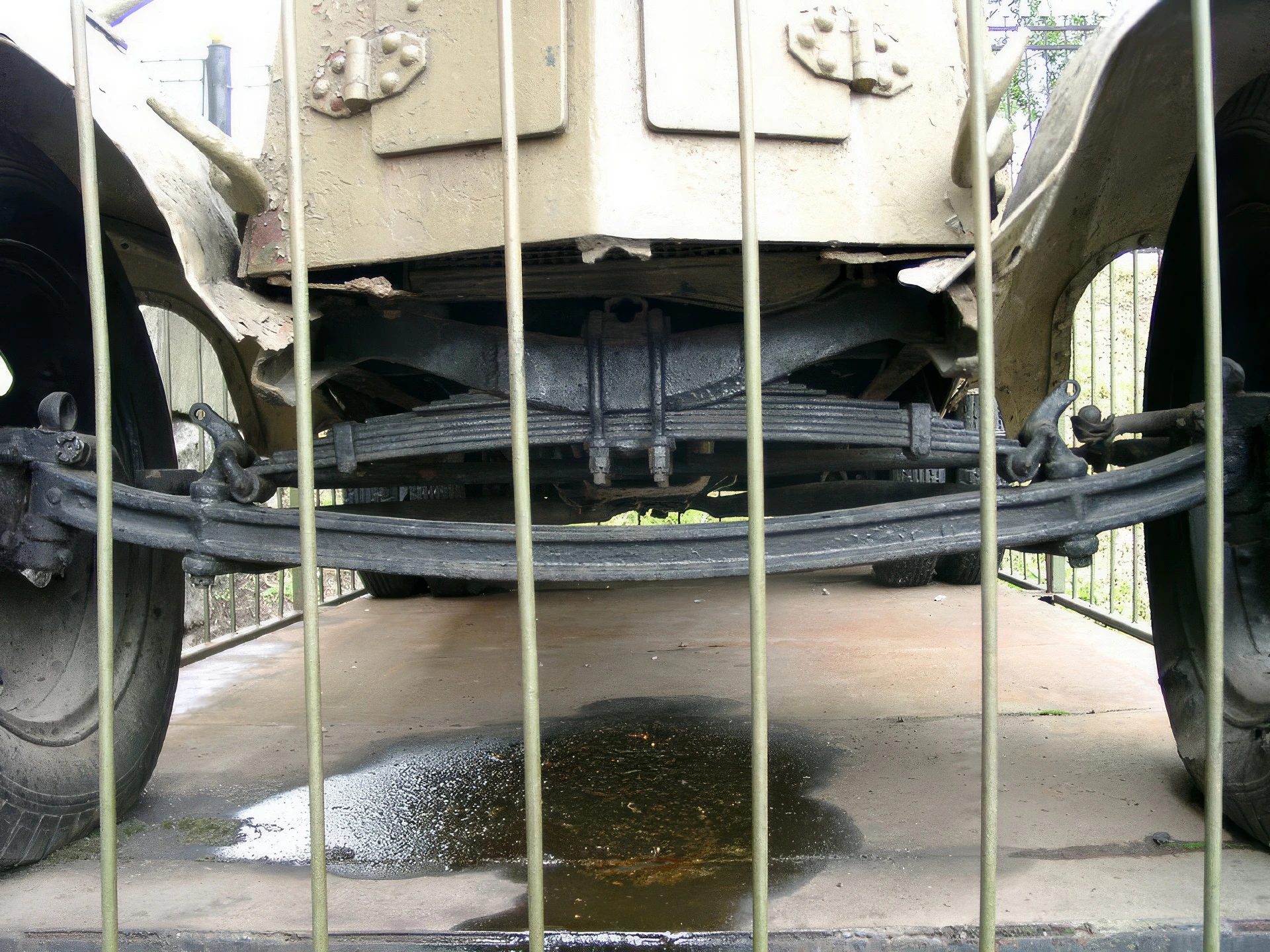
- Chassis: Built on the modified 6×4 chassis of the Soviet GAZ-AAA truck (itself a Ford Model AA derivative), giving it six wheels with four powered in the rear.
- Hlavná výzbroj: The most significant feature was its main gun: the 45 mm Model 1932 (20-K) anti-tank gun, the same weapon used on the early T-26 light tank. This gun was capable of penetrating the armor of most tanks of the early 1930s.
- Secondary Armament: Coaxial and hull-mounted 7.62 mm DT machine guns.
- Off-Road Mobility: Despite its 6×4 configuration, off-road performance was poor. To mitigate this, the BA-6 carried removable tracks that could be fitted over the dual rear wheels to convert it into a pseudo-half-track for better traction in mud or snow.
Effectiveness and Limitations
The BA-6 and its successor, the BA-10, were considered successful designs for their era, combining excellent firepower with good road mobility. They were used extensively in the Battles of Khalkhin Gol against the Japanese in 1939 and the early stages of World War II.
Strengths (Early War)
- Firepower: Komisia 45 mm gun was a major advantage, making it one of the most heavily armed armored cars in the world at the time, capable of engaging enemy tanks.
- Pohyblivosť: Fast and agile on good roads, making it ideal for reconnaissance and deep raids.
Weaknesses (Mid-War Onwards)
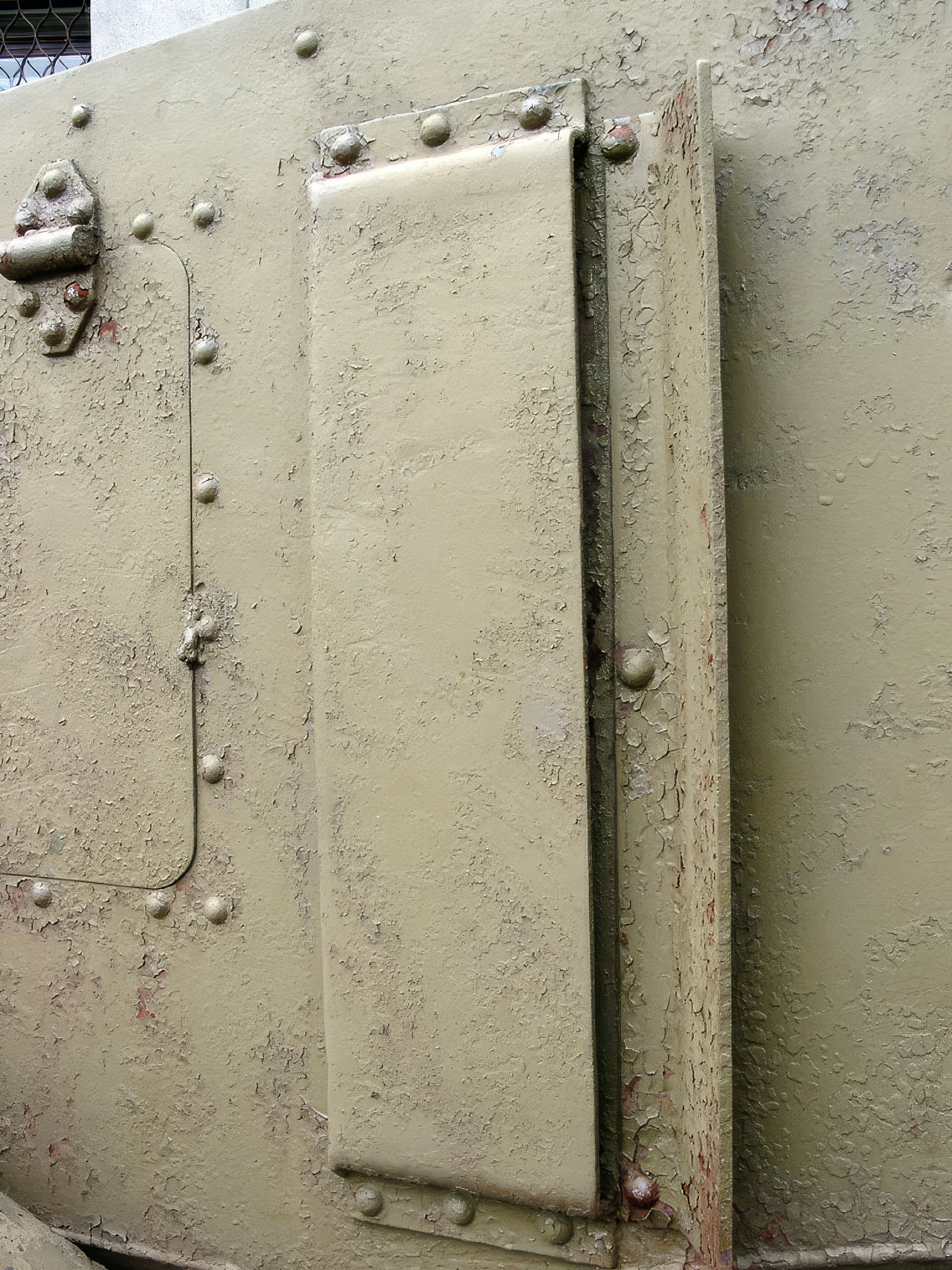
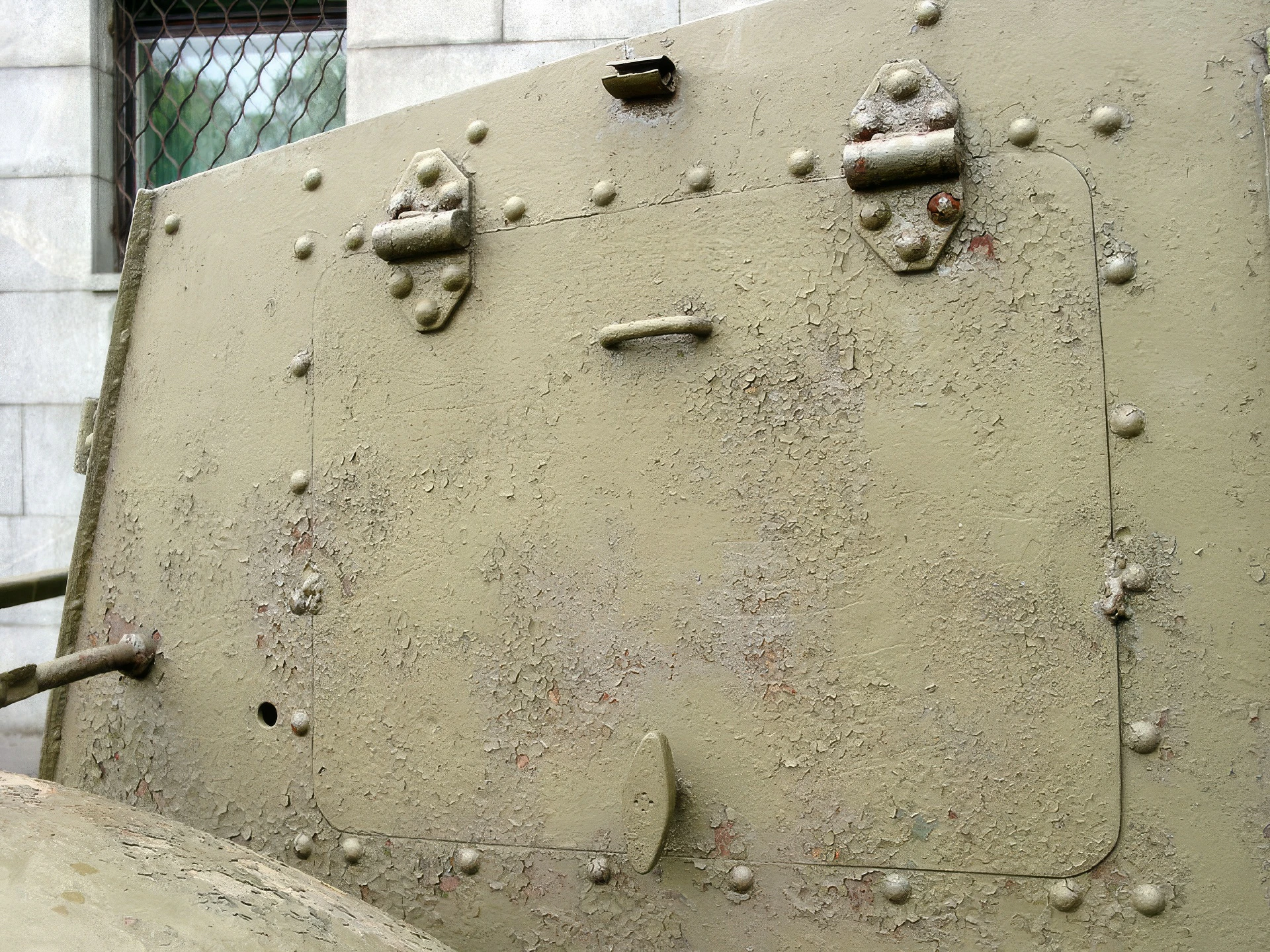
- Armor: The BA-6 suffered from the common flaw of pre-war armored cars—thin armor (typically 4–9 mm), which could be penetrated by heavy machine guns and was easily defeated by even the smallest anti-tank guns (like the German PaK 35/36 mentioned previously).
- Off-Road Performance: Despite the use of spare tracks, its wheeled chassis struggled immensely in the thick mud or snow, a major liability on the Eastern Front.
Like its German counterpart (the PaK 35/36), the BA-6 quickly became obsolete after the German invasion in 1941, as the Wehrmacht introduced tanks with thicker armor. The Soviets eventually shifted production emphasis toward light tanks and the much smaller, lighter, and more capable BA-64 armored car for true reconnaissance duties.
Počet videní : 4688