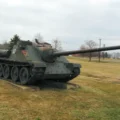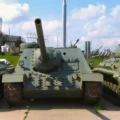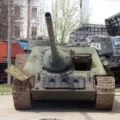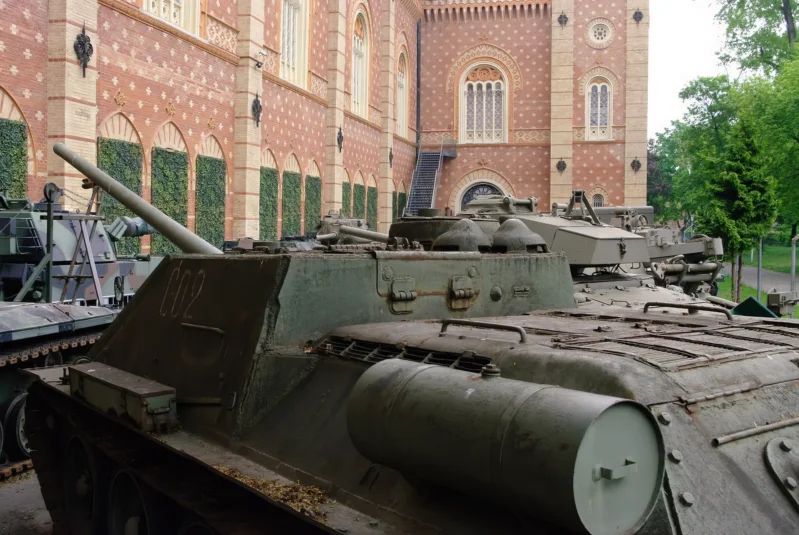
SU-100 | |
|---|---|
| 国 | ソ連 |
| 型 | 駆逐 |
| 説明 | アルバムのアルバム 51 写真の歩き回り SU-100 |
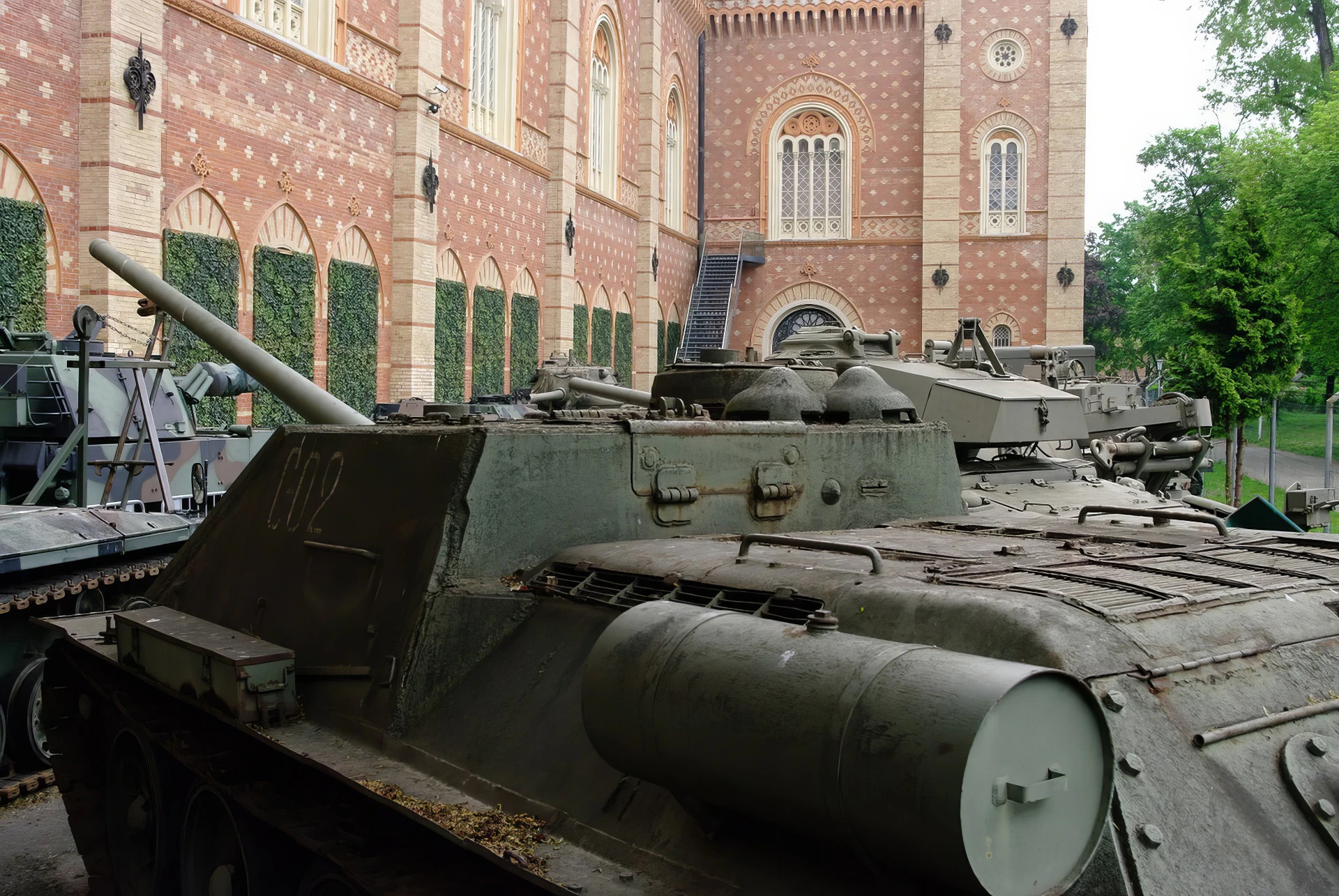
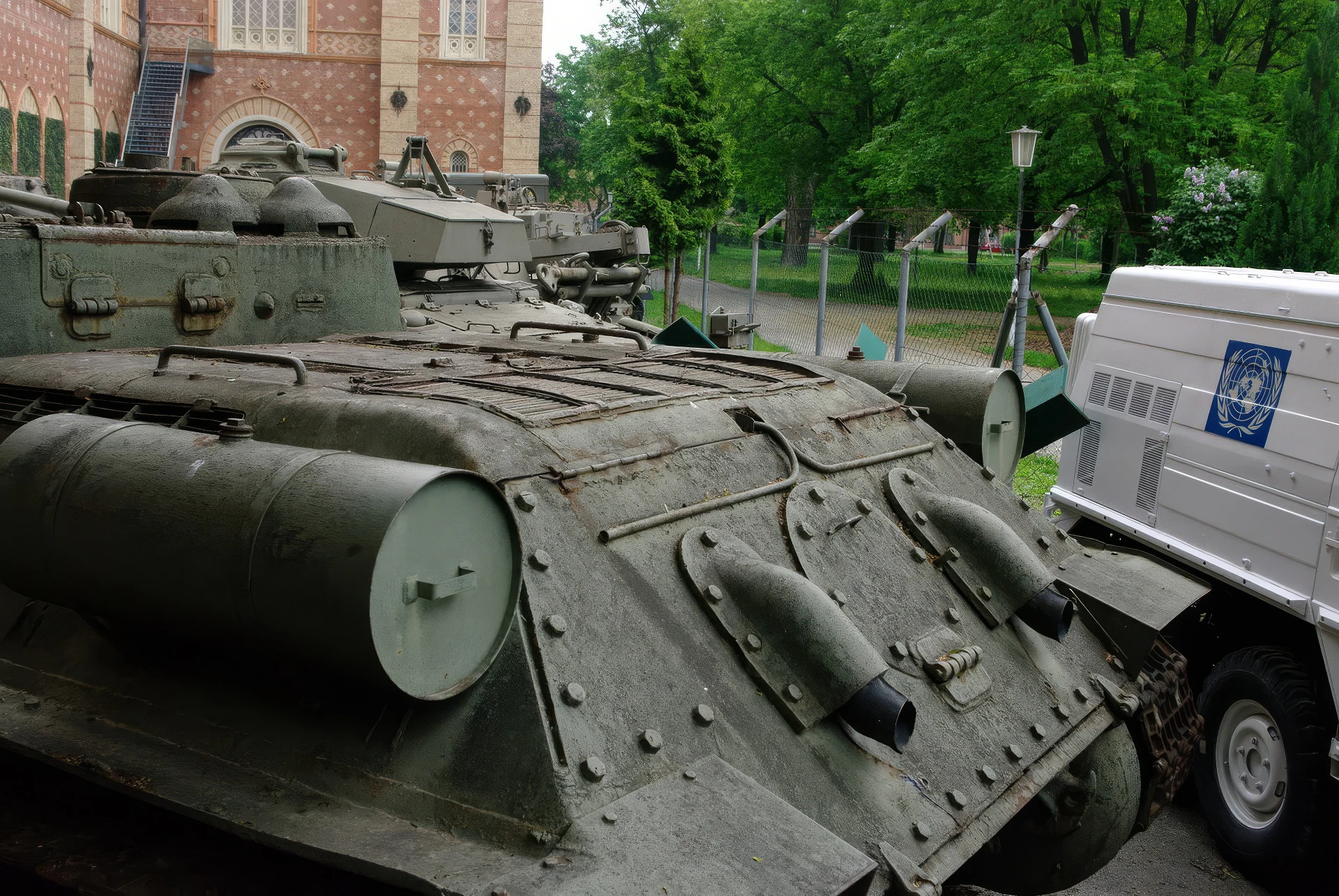
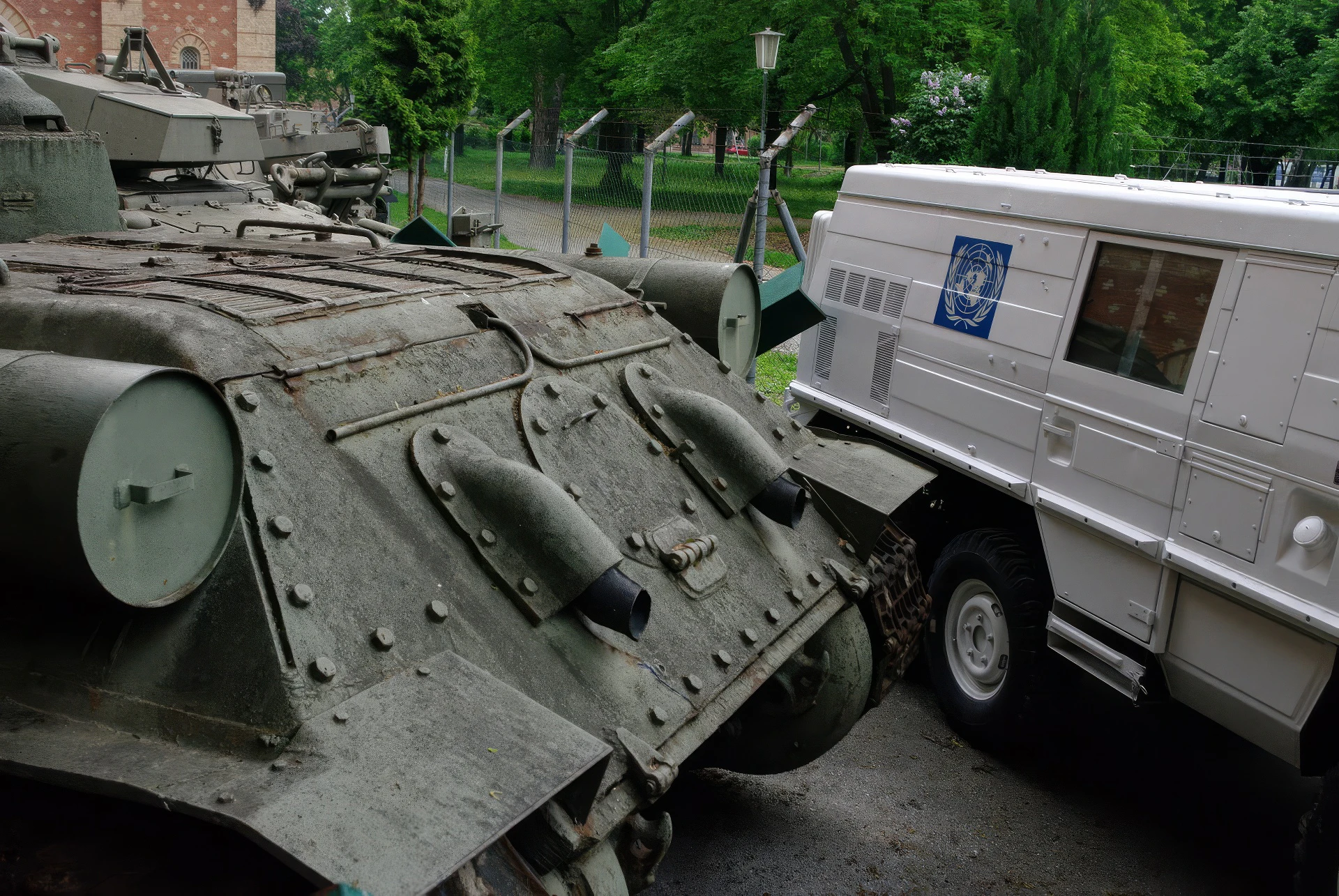
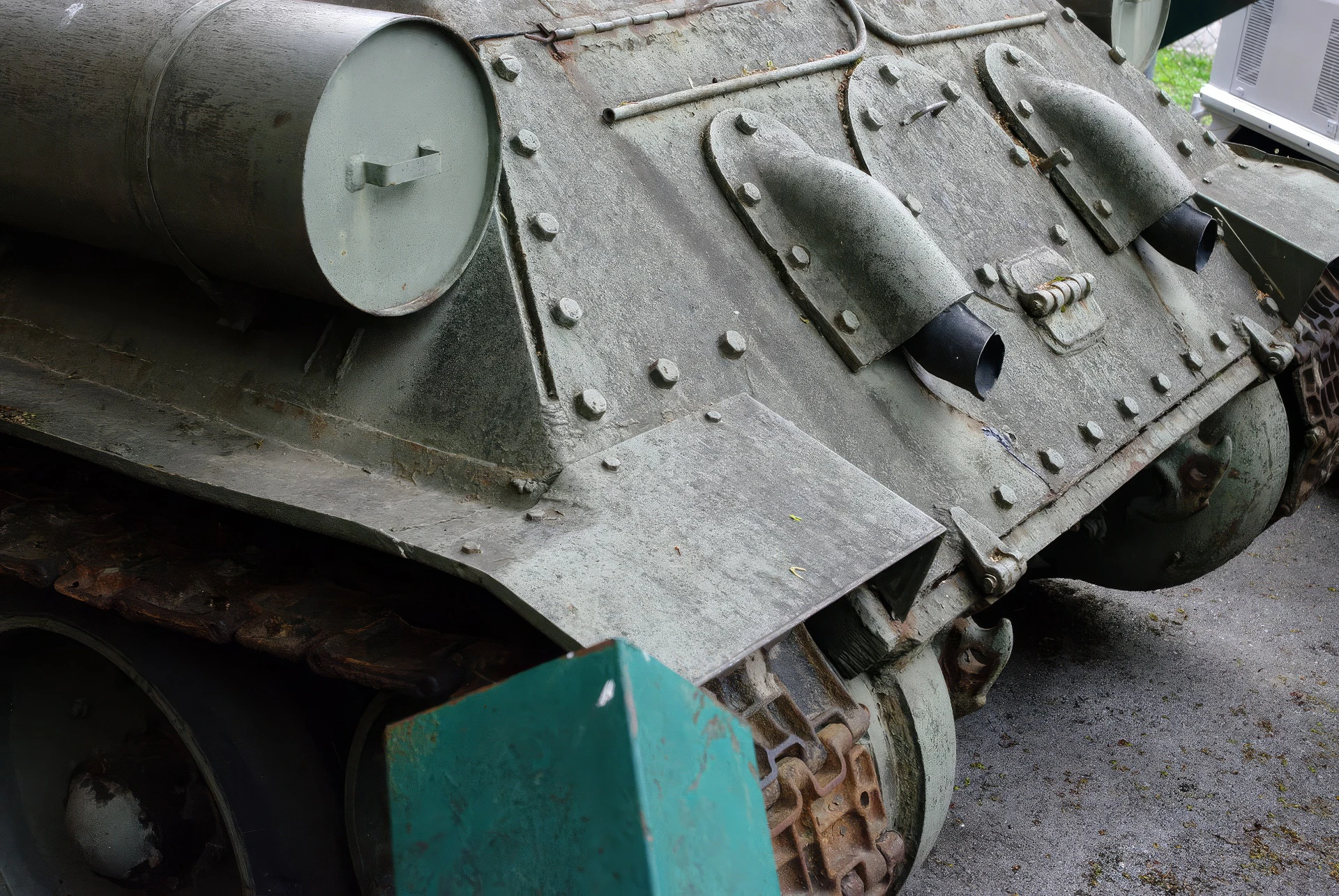
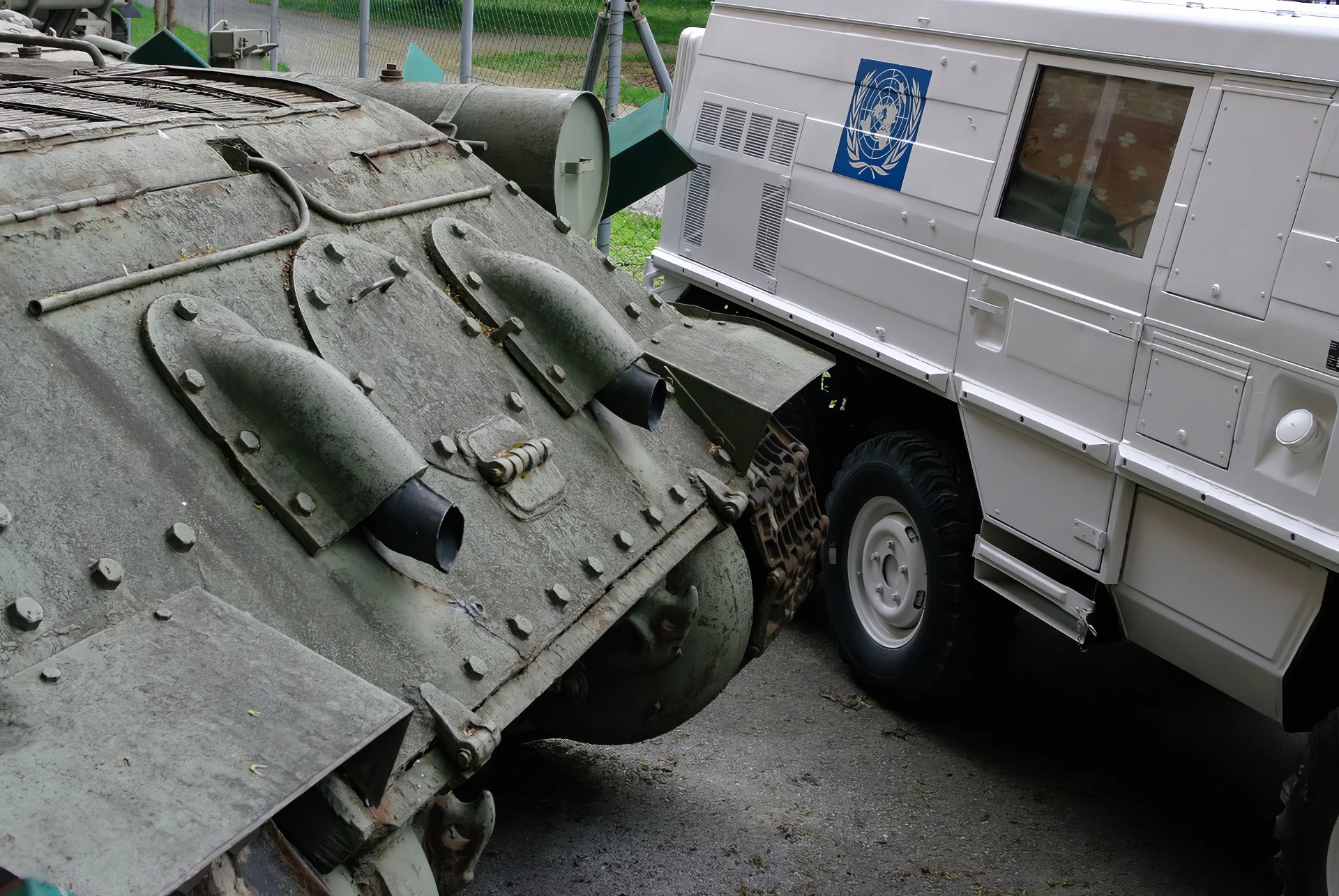
写真のガレリー SU-100, The SU-100 (Samokhodnaya ustanovka 100) was a Soviet tank destroyer armed with a powerful 100 mm anti-tank gun in a casemate superstructure. It was used extensively during the last year of World War II and saw service for many years afterwards with the armies of Soviet allies around the world.
ソース: SU-100 オン ウィク私
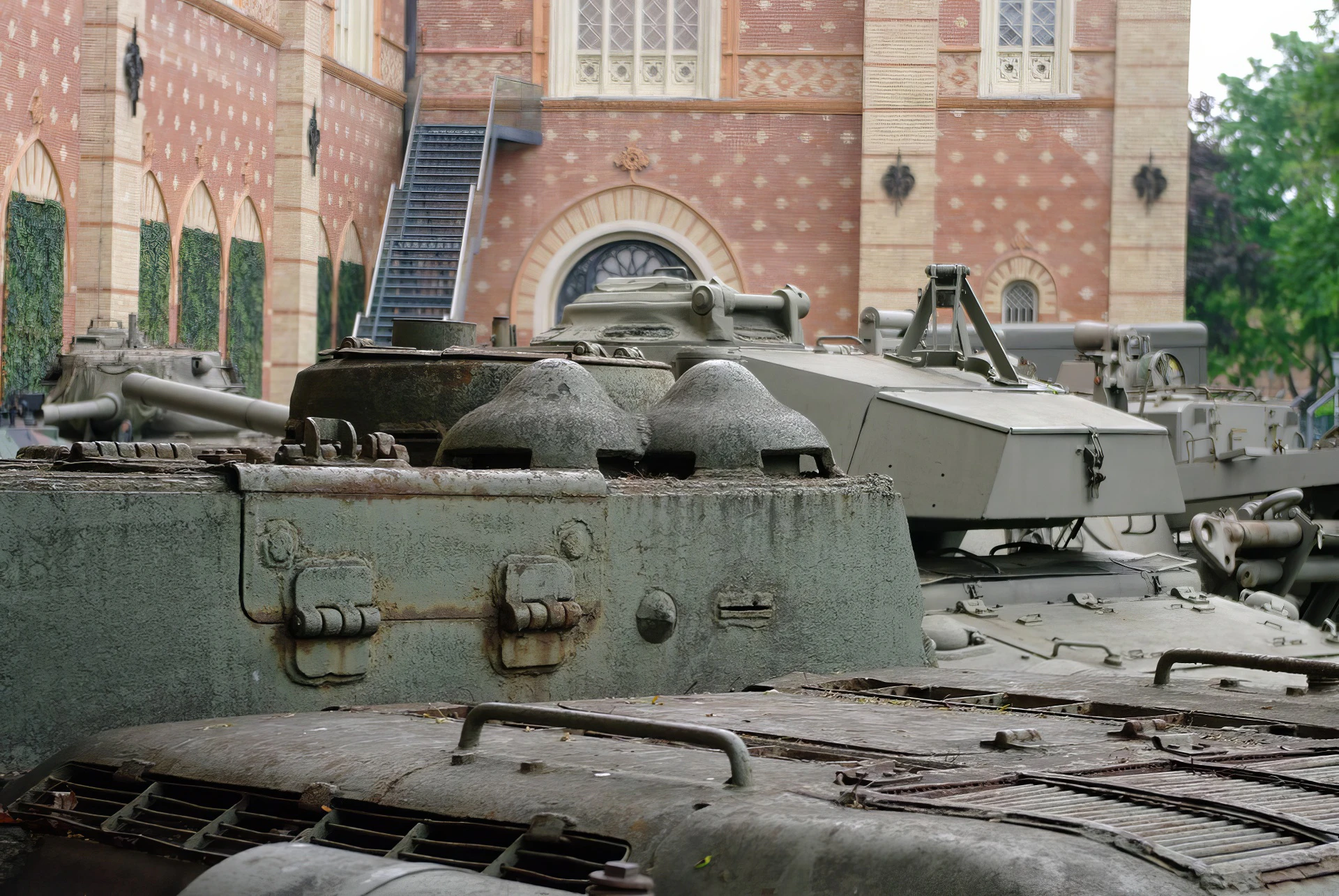
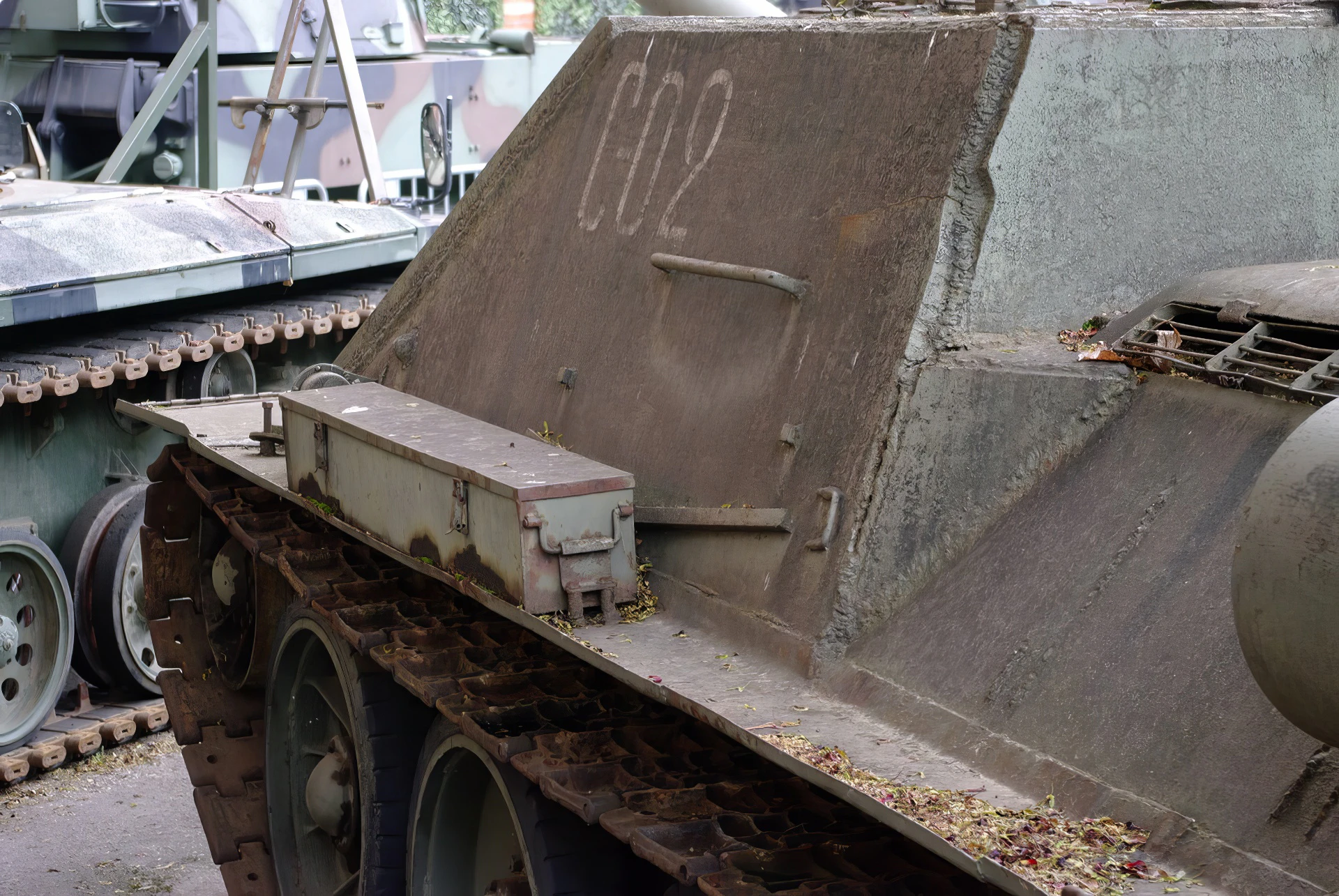
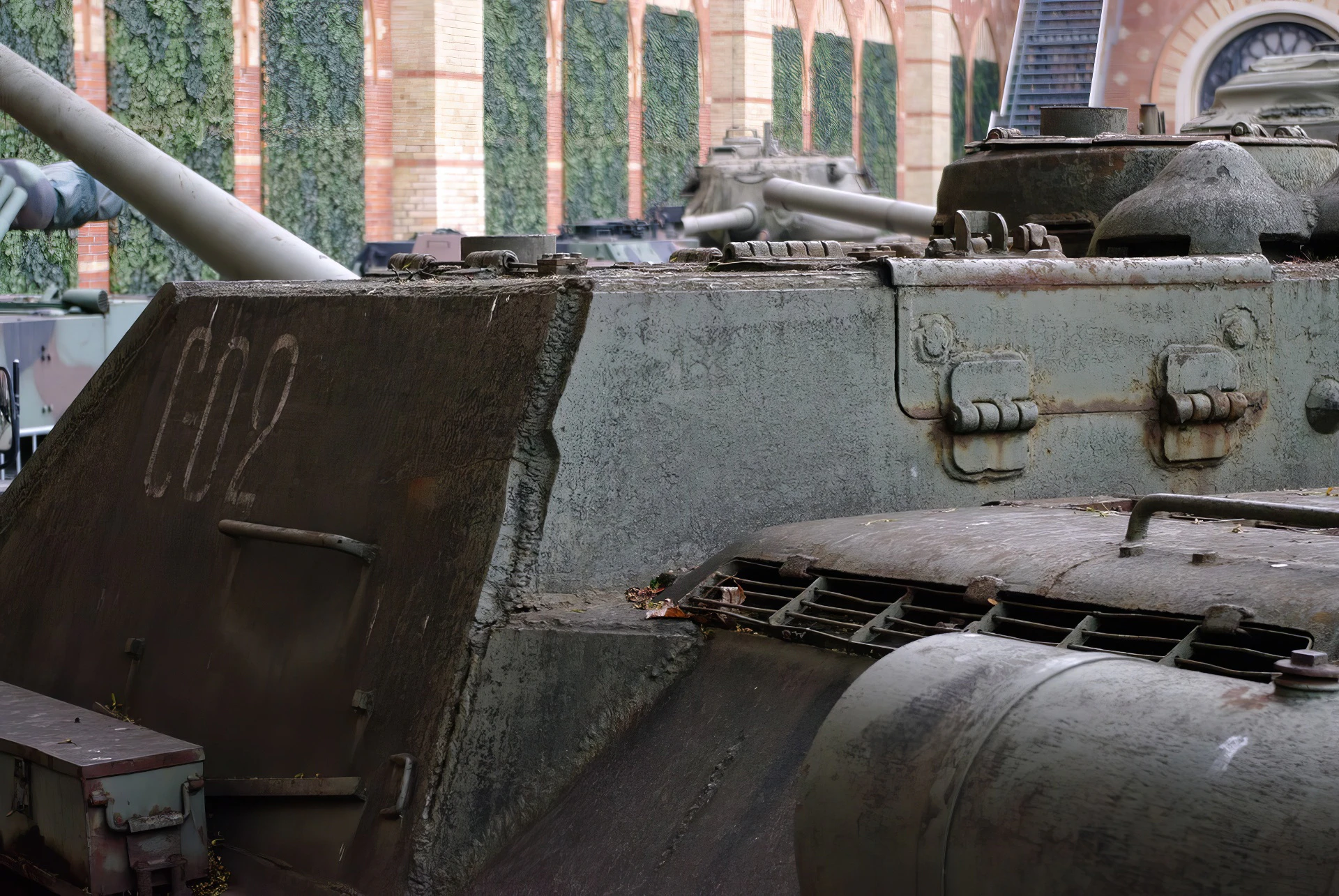
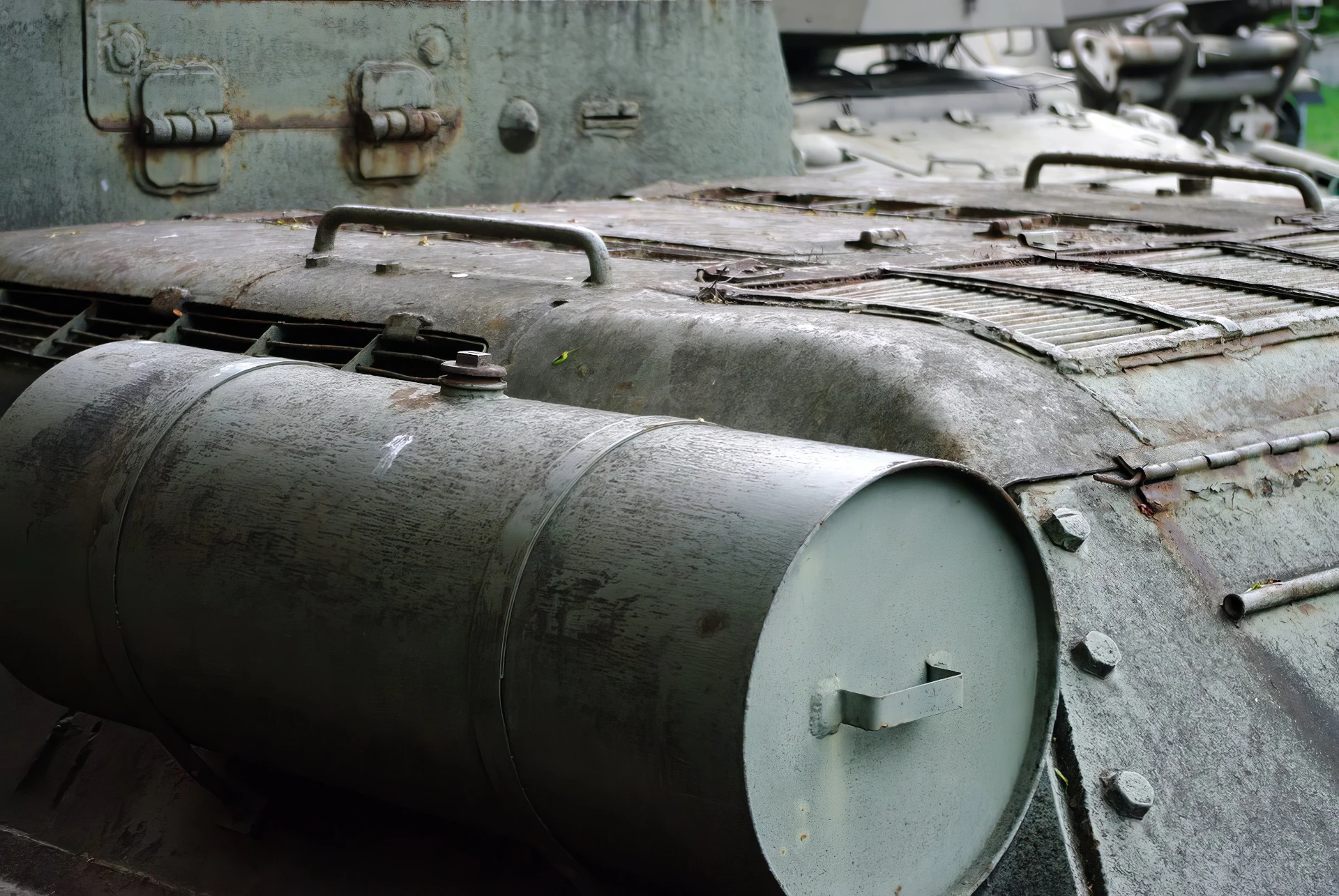

関連項目:


ザ SU-100 (Samokhodnaya Ustanovka-100) was a Soviet 自走式対戦車砲 developed in 1944. Based on the successful T-34-85 tank chassis, it was designed to counter the superior armor of late-war German heavy tanks, such as the Panther and Tiger I. It quickly earned a reputation as one of the most formidable tank killers on the Eastern Front.
Key Features and Design
- 主砲: The vehicle’s power came from the 100 mm D-10S anti-tank gun, a potent weapon capable of penetrating the frontal armor of most German tanks at combat ranges. This gun was later used on the post-war T-54/T-55 main battle tanks.
- Chassis: It utilized the reliable and mobile chassis of the T-34 medium tank, retaining good off-road mobility.
- Design Type: It employed a casemate (turretless) superstructure, which provided a lower profile and allowed for mounting a much larger gun than the standard T-34 turret could accommodate. However, this design limited the gun’s traverse to a narrow arc pm 8).
- Armor: The frontal armor of the casemate was significantly upgraded from its predecessor (the SU-85) to 75 mm at a 55-degree slope, giving it an effective thickness superior to many German tank guns.
- Crew: Operated by a crew of four (Commander/Radio Operator, Gunner, Loader, Driver).
Operational Role in WWII
The SU-100 entered service in late 1944 and saw extensive combat during the final year of the war, particularly in massive engagements:
- Tank Killer: Its primary role was as a mobile anti-tank asset attached to tank and motorized corps, intended to ambush and destroy heavy German armor at long ranges.
- Major Engagements: It was notably used in large numbers during the final Soviet offensives, including the heavy fighting in Hungary (e.g., the Battle of Lake Balaton) in March 1945.
- Weakness: The design lacked any secondary machine gun, making it vulnerable to close-range infantry attacks and necessitating infantry support during urban combat, such as the Battle of Berlin.
ビュー:5292