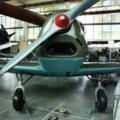
南昌 CJ-6B | |
| 国 | 中国 |
| 型 | 練習機 |
| 写真 | ウラジーミル・ヤクボフ |
| 検索 | ウィングス オーバー ワイン カントリー エアショー |
| 説明 | アルバムのアルバム 23 «南昌CJ-6B»の写真ウォークアラウンド |
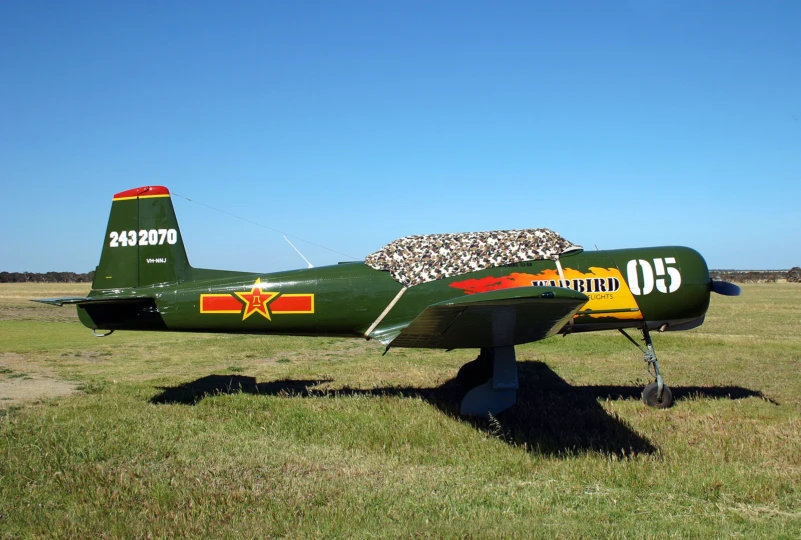
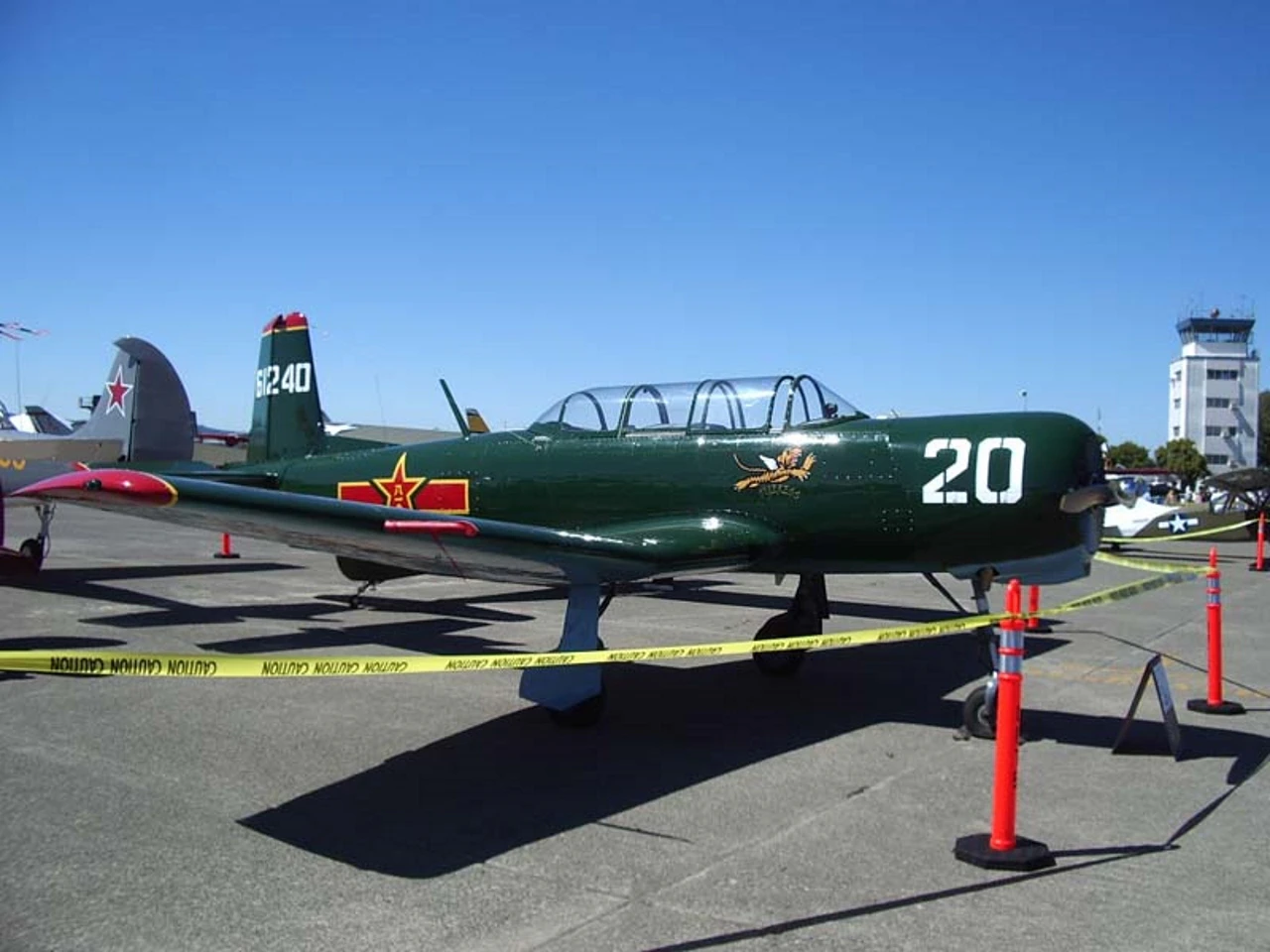
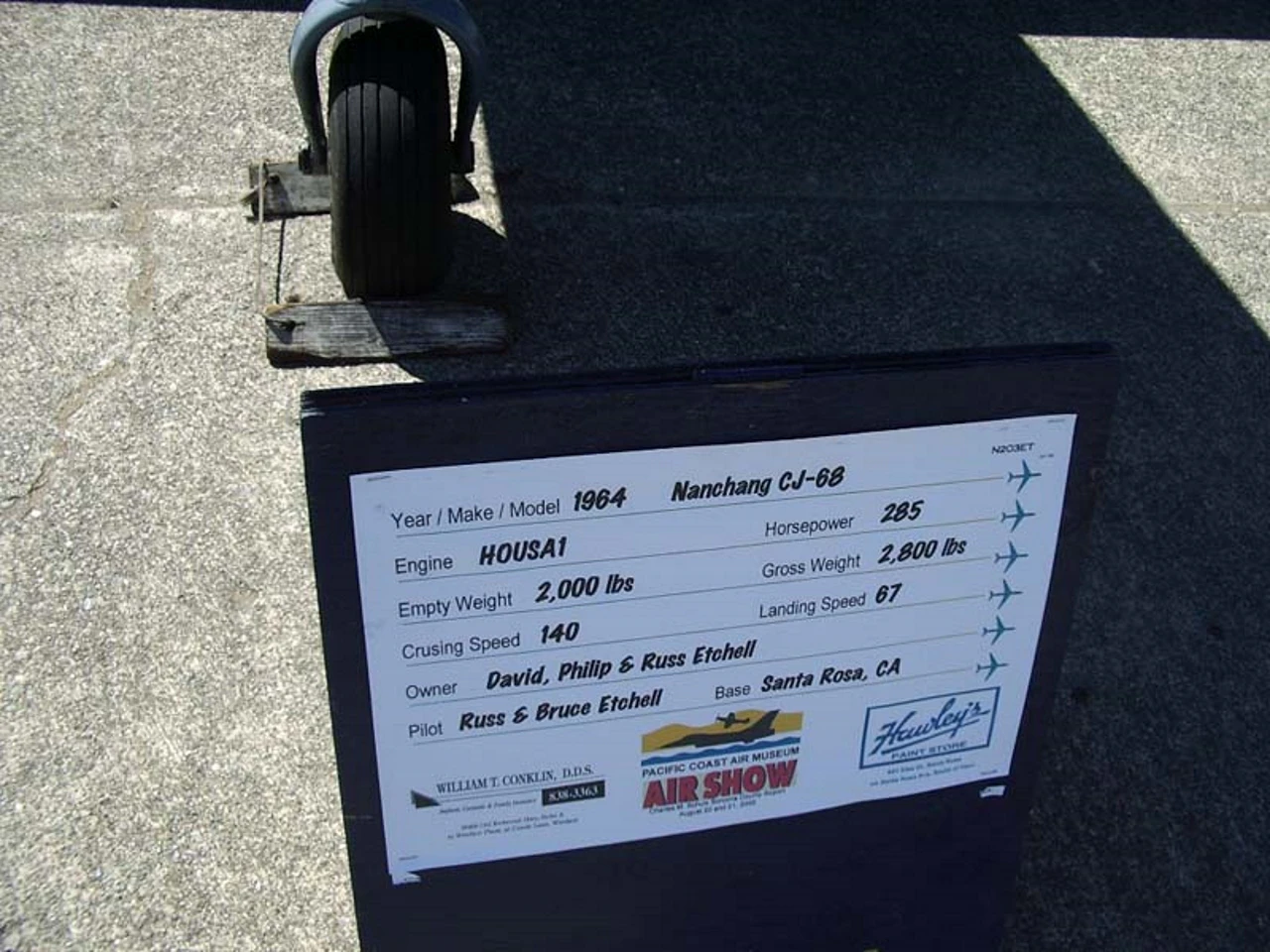
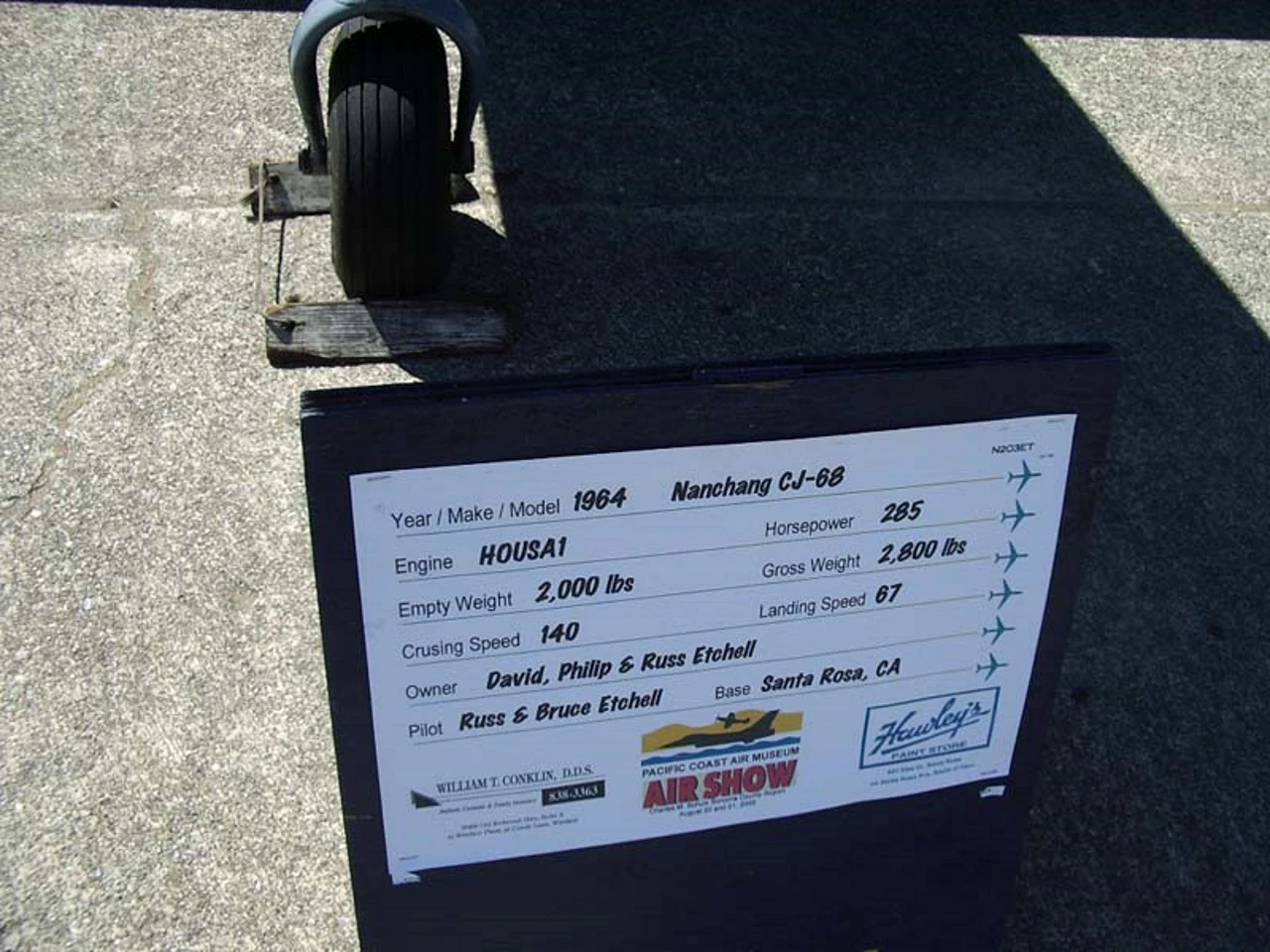
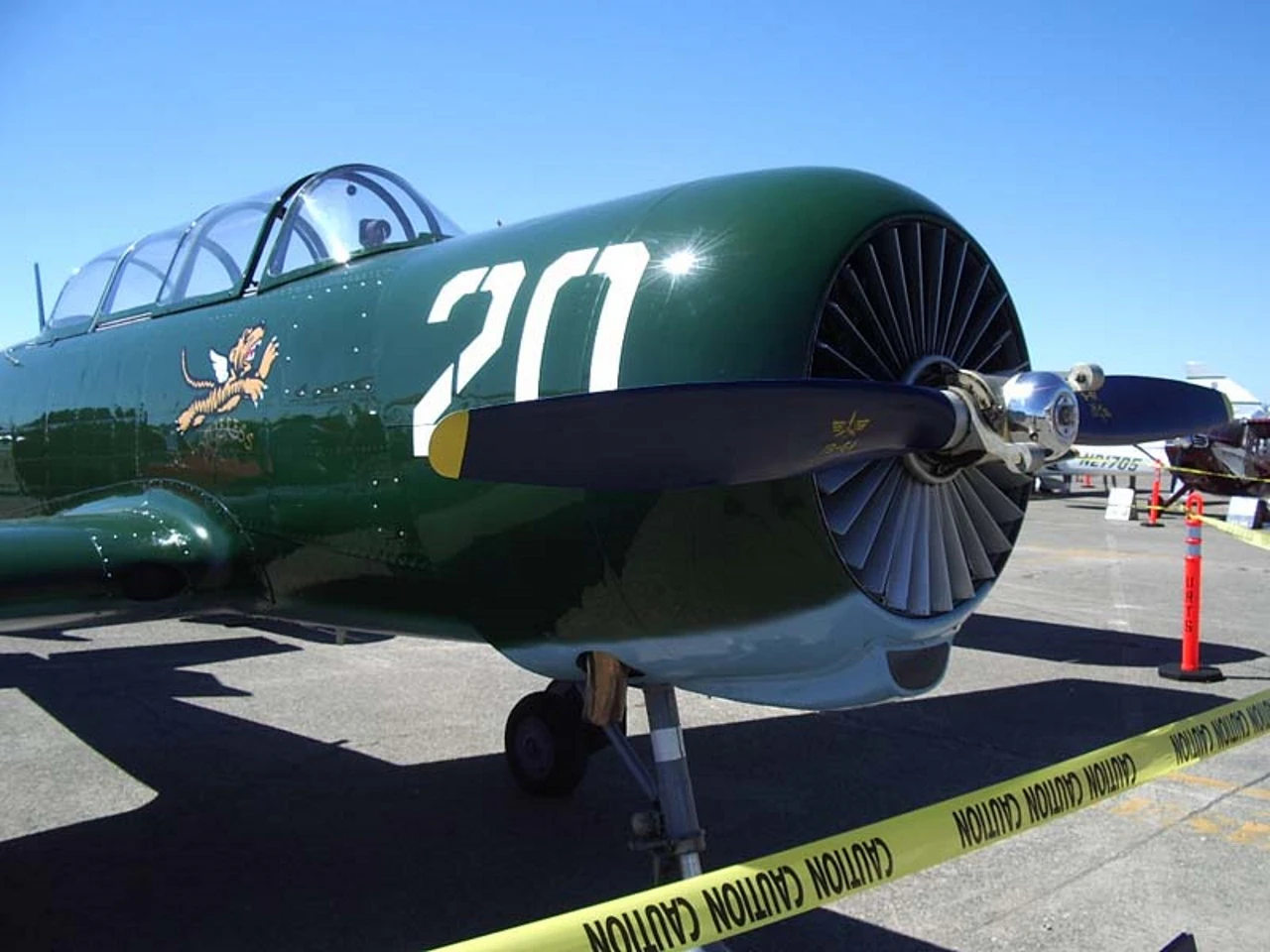
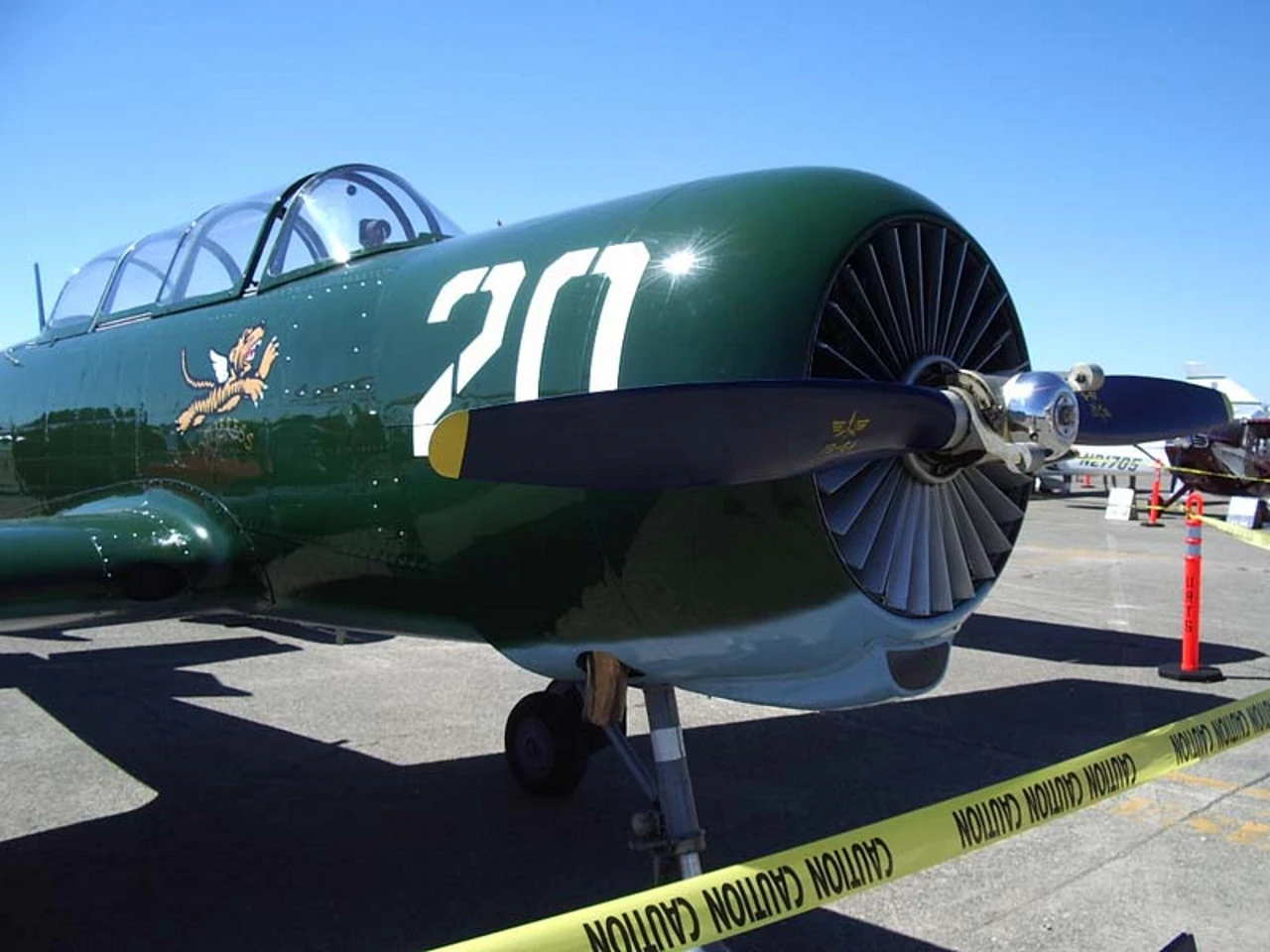
フォトギャラリー 南昌 CJ-6B, The Nanchang CJ-6 is an aircraft designed and built in China for use by the People’s Liberation Army Air Force (PLAAF) as a basic trainer. CJ-6Bの: Two-seat armed border patrol aircraft, powered by a 300-hp Zhuzhou Huosai HS-6D radial piston engine. Small number built.
ソース: 南昌 CJ-6B Wiki

| 仕様 | |
|---|---|
| 役割 | ベーシックトレーナー |
| メーカー | 中国南昌航空機製造株式会社 |
| 初飛行 | 1958年8月27日 |
| 紹介 | 1960 |
| 作成された数 | 2,000+ |
 コーヒーを買って
関連項目:


A Trainer with Teeth
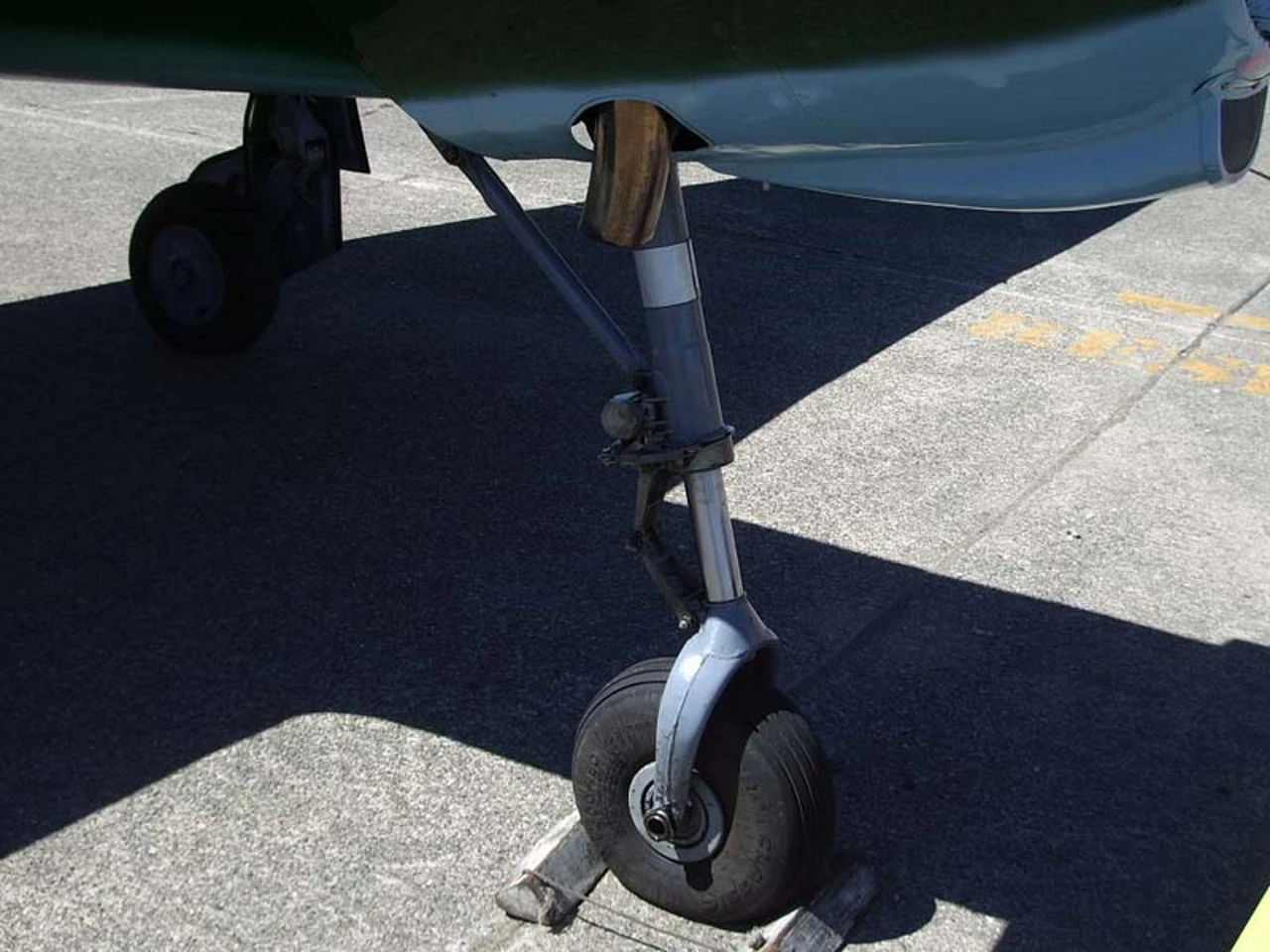
ザ 南昌 CJ-6B is the specialized, armed variant of the ubiquitous CJ-6A trainer. While often mistaken for a mere copy of the Soviet Yak-18, the CJ-6 was an original Chinese design featuring a superior aluminum semi-monocoque fuselage and a tricycle landing gear. The “B” variant was specifically developed for armed border patrol and light attack roles. It featured a more powerful 300 hp engine to handle the added weight of its armament, which included wing-mounted machine guns and hardpoints for rockets or small bombs. Only a small number were produced, making it one of the rarest “Warbirds” in the CJ family.
| Attribute | Technical Specification (CJ-6B) |
|---|---|
| 役割 | Armed Trainer / Border Patrol / Light Attack |
| 乗組員 | 2 (Student and Instructor) |
| First Flight (CJ-6B) | 1964 |
| パワープラント | 1 × Zhuzhou Huosai HS-6D 9-cylinder radial |
| Horsepower | 300 hp (220 kW) |
| 最高速度 | ~300 km/h (186 mph) |
| Service Ceiling | 6,250 m (20,500 ft) |
| 武装 | 2 × 7.62mm machine guns; Underwing rockets or bombs |
Design Engineering: Pneumatics and Pronounced Dihedral
- The “Air” Power: Like its trainer siblings, the CJ-6B makes extensive use of pneumatics (compressed air). The engine start, landing gear retraction, flaps, and brakes are all air-operated. This system is rugged and simple, though it requires a “hand-swing” start if the air tanks run dry.
- Wing Geometry: The CJ-6 is easily distinguished from Soviet designs by its wings. They feature a straight center section and outer panels with a pronounced “dihedral” (upward angle), providing excellent lateral stability during low-speed maneuvers or when aiming weapons.
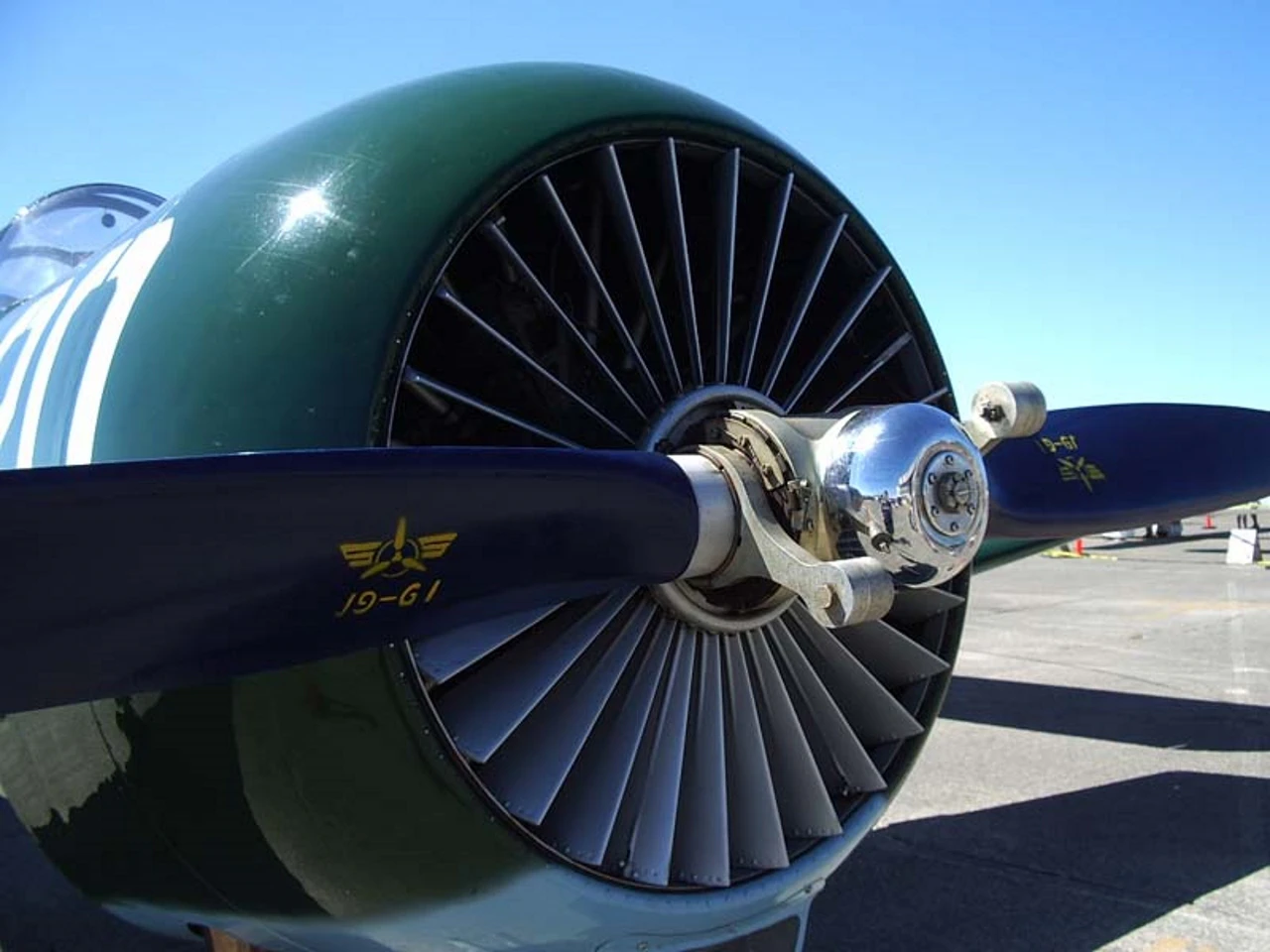
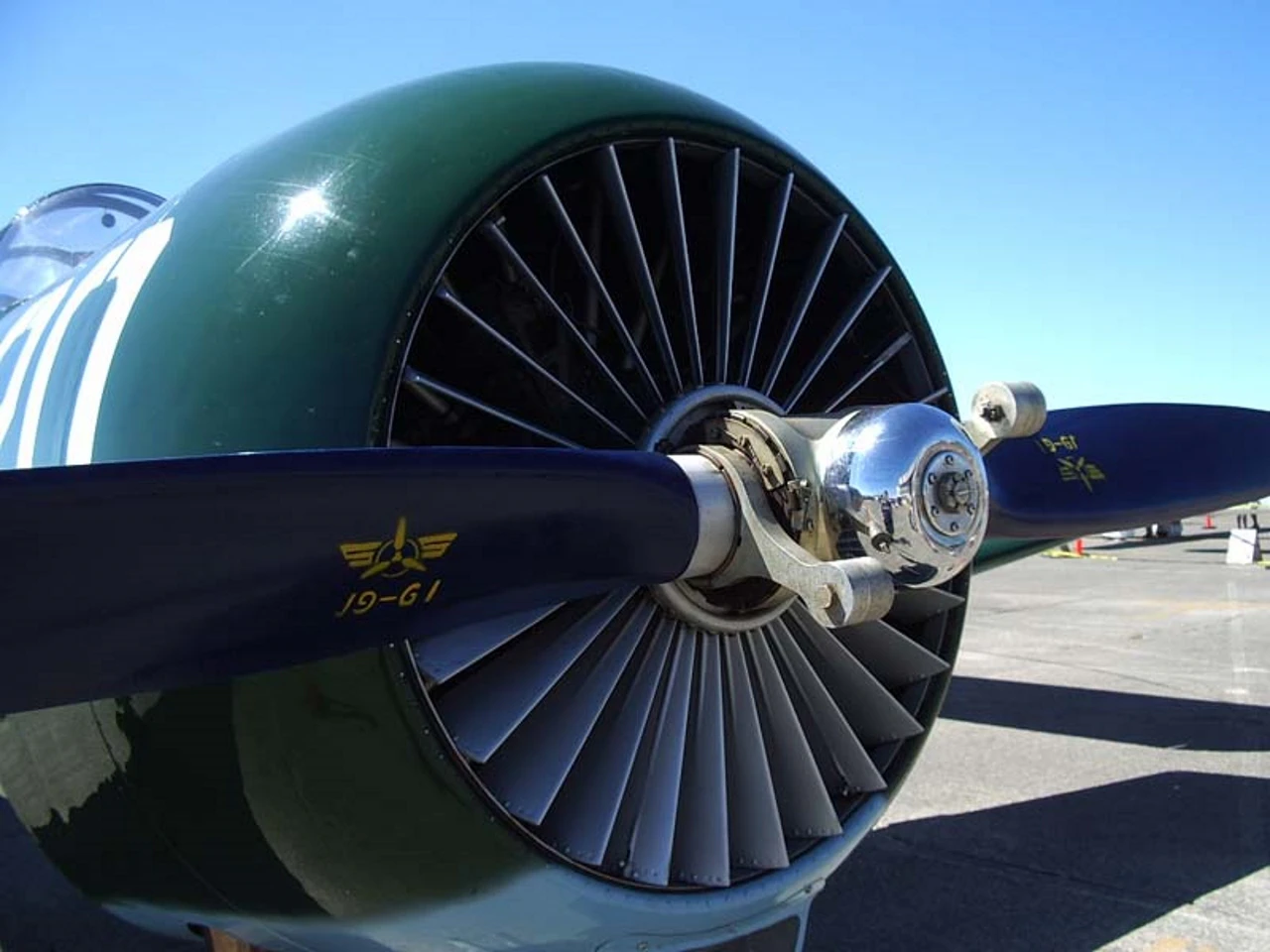
- Engine Cooling Gills: The nose features a ring of adjustable shutters (gills) that the pilot controls from the cockpit. These allow for precise regulation of the radial engine’s temperature in China’s diverse climates—from Siberian winters to tropical jungles.
- Flush-Riveted Aluminum: At a time when many trainers used fabric or steel tubes, the CJ-6 was built with a high-quality, flush-riveted aluminum alloy skin, giving it the sleek look and feel of a high-performance fighter.
From Patrol to Private Hands
- Border Sentinel: The CJ-6B was utilized for patrolling remote borders where a full-sized fighter jet would be too expensive or fast to spot movement on the ground. Its ability to fly “low and slow” made it an effective COIN (Counter-Insurgency) platform.
- The “Jap-Chang”: Because its radial engine and long canopy resemble WWII Japanese aircraft, many CJ-6s in the West have been painted in “Zero” or “Val” liveries for movies and airshows, earning them the affectionate nickname “Jap-Chang.”
- 6.5 G Strength: The airframe is notoriously over-engineered, rated for +6.5 and -2 Gs. This makes it a favorite for modern civilian pilots who want a rugged, reliable aerobatic plane with military history.
- Export Success: Under the designation PT-6, this aircraft family was exported to over a dozen countries, including North Korea, Albania, and Tanzania, serving as the foundational trainer for generations of pilots.
ビュー : 1694