Douglas X-3 Stiletto

Douglas X-3 Stiletto

PaeseUsa
RuoloSperimentale
Primo volo15 ottobre 1952
Costruito1

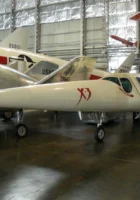
Le Douglas X-3 Stiletto era un aereo a reazione sperimentale statunitense del 1950 con una fusoliera snella e un lungo muso affusolato, prodotto dalla Douglas Aircraft Company. La sua missione principale era quella di studiare le caratteristiche di progettazione di un velivolo adatto a velocità supersoniche sostenute, che includeva il primo uso del titanio nei principali componenti della cellula. Douglas progettò l'X-3 con l'obiettivo di una velocità massima di circa 2.000 m.p.h, ma era, tuttavia, gravemente sottodimensionato per questo scopo e non poteva nemmeno superare Mach 1 in volo di livello. Sebbene l'aereo da ricerca sia stato una delusione, i progettisti della Lockheed hanno utilizzato i dati dei test X-3 per il Lockheed F-104 Starfighter che ha utilizzato un simile design dell'ala trapezoidale in un caccia Mach 2 di successo.

fonte: Douglas X-3 Stiletto su Wikipedia

Continua a leggere

Visualizzazioni : 3505

Cacciatorpediniere HMCS Haida

HMCS Haida

PaeseCanada
Classe e tipoClasse Tribal cacciatorpediniere
Lanciato25 agosto 1942
Fuori servizio22 febbraio 1964

HMCS Haida is a Tribal-class destroyer that served in the Royal Canadian Navy (RCN) from 1943 to 1963, participating in World War II and the Korean War. She was named for the Haida people. The only surviving Tribal-class destroyer out of 27 vessels constructed for the RCN, Royal Navy and Royal Australian Navy between 1937 and 1945, Haida sank more enemy surface tonnage than any other Canadian warship and as such is commonly referred to as the “Fightingest Ship in the Royal Canadian Navy”

fonte: HMCS Haida su Wikipedia

Continua a leggere

Visualizzazioni : 2481

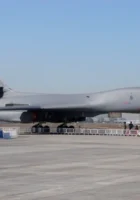
B-1B Lancer

Rockwell B-1 Lancer

PaeseUsa
RuoloBombardiere pesante strategico supersonico
Primo volo23 dicembre 1974
Costruito104

Le Rockwell B-1 Lancer is a supersonic variable-sweep wing, heavy bomber used by the United States Air Force. It is commonly called the “Bone” (from “B-One”). It is one of three strategic bombers in the U.S. Air Force fleet as of 2018, the other two being the B-2 Spirit and the B-52 Stratofortress. The B-1 was first envisioned in the 1960s as a platform that would combine the Mach 2 speed of the B-58 Hustler with the range and payload of the B-52, and would ultimately replace both bombers. After a long series of studies, Rockwell International (now part of Boeing) won the design contest for what emerged as the B-1A. This version had a top speed of Mach 2.2 at high altitude and the capability of flying for long distances at Mach 0.85 at very low altitudes. The combination of the high cost of the aircraft, the introduction of the AGM-86 cruise missile that flew the same basic profile, and early work on the stealth bomber all significantly affected the need for the B-1. This led to the program being canceled in 1977, after the B-1A prototypes had been built.

fonte: Rockwell B-1 Lancer su Wikipedia

Continua a leggere

Views : 3834

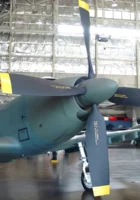
Piper Pa-48 Enforcer

Piper PA-48 Enforcer

PaeseUsa
RuoloAerei contro-insurrezione
Primo volo29 aprile 1971
Costruito4

Le Piper PA-48 Enforcer è un aereo di supporto aereo chiuso leggero alimentato a turboelica statunitense costruito dalla Piper negli anni '70. È uno sviluppo del caccia nordamericano P-51 Mustang dell'era della seconda guerra mondiale. Il concetto enforcer fu originariamente creato e volato come Cavalier Mustang da David Lindsay, proprietario della Cavalier Aircraft, in risposta al programma PAVE COIN della United States Air Force, ma Cavalier non aveva le capacità di produzione per produrre in serie l'Enforcer, quindi il programma fu venduto a Piper da Lindsay nel 1970.

fonte: Piper PA-48 Enforcer su Wikipedia

Continua a leggere

Punti di vista : 4795

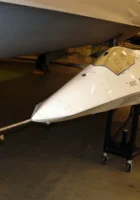
Boeing X-36

Boeing X-36

PaeseUsa
RuoloVelivoli da ricerca
Primo volo17 May 1997
Costruito2

The McDonnell Douglas (later Boeing) X-36 Tailless Fighter Agility Research Aircraft was an American stealthy subscale prototype jet designed to fly without the traditional tail assembly found on most aircraft. This configuration was designed to reduce weight, drag and radar cross section, but increase range, maneuverability and survivability.

fonte: Boeing X-36 on Wikipedia

Continua a leggere

Visualizzazioni : 1647

Junkers Ju-88R1

Junkers Ju 88

PaeseGermania nazista
RuoloTattico – immersione – aerosilurante – Notte – caccia pesante – Aereo da ricognizione
Primo voloIl 21 dicembre 1936
Costruito15183

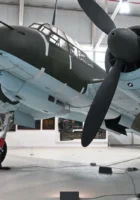
Le Junkers Ju 88 Il è stato un aereo da combattimento multiruolo bimotore della Luftwaffe della Seconda Guerra Mondiale. Junkers Flugzeug- und Motorenwerke (JFM) progettò l'aereo a metà degli anni '30 come un cosiddetto Schnellbomber (bombardiere veloce) che sarebbe stato troppo veloce per i caccia della sua epoca da intercettare. Soffrì di una serie di problemi tecnici durante il suo sviluppo e i primi periodi operativi, ma divenne uno degli aerei da combattimento più versatili della guerra. Come un certo numero di altri bombardieri della Luftwaffe, servì come bombardiere, bombardiere in picchiata, caccia notturno, aerosilurante, aereo da ricognizione, caccia pesante e alla fine della guerra, come bomba volante.

fonte: Junkers Ju 88 su Wikipedia

Continua a leggere

Views : 6800

T-62

T-62

PaeseUnione Sovietica
RuoloCarro armato da battaglia principale
In servizioDal 1961 ad oggi
CostruitoOltre 20000

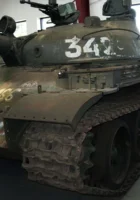
Le T-62 Il è un carro armato da battaglia sovietico introdotto per la prima volta nel 1961. Come ulteriore sviluppo della serie T-55, il T-62 mantenne molti elementi di design simili del suo predecessore, tra cui un basso profilo e un'armatura di torretta spessa. In contrasto con i carri armati precedenti, che erano armati con cannoni a fucile, il T-62 fu il primo carro armato armato con una pistola a serbatoio smoothbore che poteva sparare colpi APFSDS a velocità più elevate. Mentre il T-62 divenne il serbatoio standard dell'arsenale sovietico, non sostituì completamente il T-55 nei mercati di esportazione a causa dei suoi maggiori costi di produzione e requisiti di manutenzione rispetto al suo predecessore. Sebbene il T-62 sia stato sostituito in Russia e negli stati successori dell'Unione Sovietica, è ancora usato in alcuni paesi e le sue caratteristiche di progettazione sono state standardizzate nei successivi carri armati di massa sovietici e russi.

fonte: T-62 su Wikipedia

Continua a leggere

Views : 11073

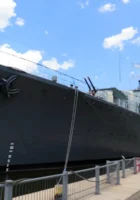
USS Carolina del Nord BB-55

USS North Carolina (BB-55)

PaeseUsa
classeNave da battaglia classe North Carolina
Lanciato13 giugno 1940
Disattivato27 giugno 1947

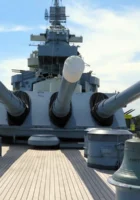
USS Carolina del Nord (BB-55) è la nave da battaglia della classe North Carolina e la quarta nave da guerra della Marina degli Stati Uniti ad essere chiamata per lo Stato della Carolina del Nord. Fu la prima nave da battaglia americana di nuova costruzione ad entrare in servizio durante la seconda guerra mondiale e prese parte a tutte le principali offensive navali nel teatro delle operazioni del Pacifico; Le sue 15 stelle di battaglia la resero la corazzata americana più decorata della seconda guerra mondiale.

fonte: USS Carolina del Nord su Wikipedia

Continua a leggere

Visualizzazioni : 2491

Vickers Visconte V.818

Vickers Viscount

PaeseRegno unito
RuoloAereo di linea turboelica
Primo volo16 luglio 1948
Costruito445

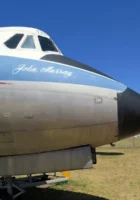
Le Visconte Vickers was a British medium-range turboprop airliner first flown in 1948 by Vickers-Armstrongs. A design requirement from the Brabazon Committee, it entered service in 1953 and was the first turboprop-powered airliner. The Viscount was well received by the public for its cabin conditions, which included pressurisation, reductions in vibration and noise, and panoramic windows. It became one of the most successful and profitable of the first post-war transport aircraf, 445 Viscounts were built for a range of international customers, including in North America.

fonte: Vickers Viscount su Wikipedia

Continua a leggere

Numero visioni : 1892

LARC V

LARC-V

PaeseUsa
RuoloVeicolo da carico anfibio
ProdottoAnni '50
CostruitoInconsapevole

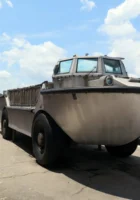
LARC-V · (Lighter, Amphibious Resupply, Cargo, 5 ton), is an aluminium-hulled amphibious cargo vehicle capable of transporting 5 tons. It was developed in the United States during the 1950s, and is used in a variety of auxiliary roles to this day. In addition to the United States, Larc-Vs have been used by military forces in Australia, Argentina, Portugal, Philippines, Singapore and Iceland. Approximately 968 were made. About 500 were destroyed, most by scuttling during the American withdrawal from South Vietnam. About 200 have been retained in U.S. military service. Roughly 100 are privately owned and mostly used for tourism. These include tourist trips on the Jökulsárlón ice lake in Iceland and city and harbour tours in Halifax, Nova Scotia.

fonte: LARC-V su Wikipedia

Continua a leggere

Punti di vista : 4061