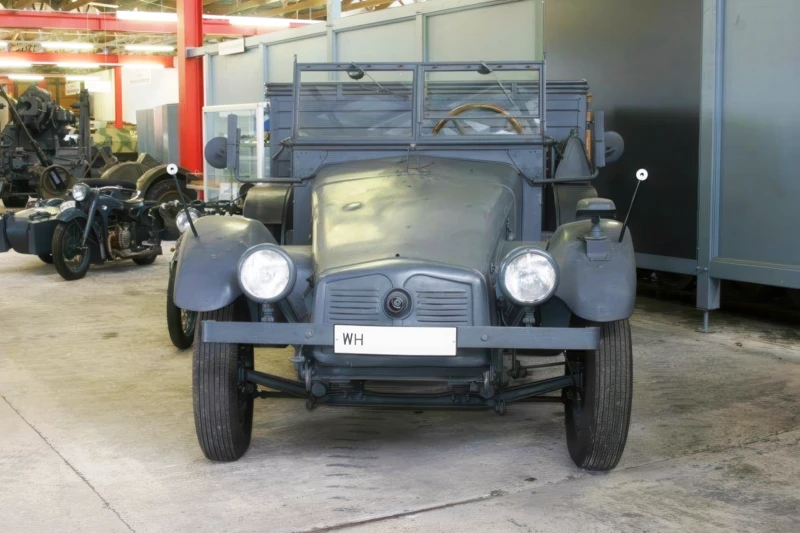
TKrupp Kfz.81 Protze | |
|---|---|
| Pays | Germnay ( Germnay ) |
| Rôle | Tracteur d’artillerie / Camion utilitaire |
| Produit | 1934–1941 |
| Construit | 7000 |
Le L 2 H 43 et le L 2 H 143 « Krupp-Protze » (unofficial designation) was a six-wheeled 6×4 German truck and artillery tractor produced between 1934 and 1941 and heavily used in World War II. It was powered by a 4-cylinder, 55 hp or, from 1936, 60 hp Krupp M 304 petrol engine. Its main purpose was to tow artillery, especially the PaK 36, and transport motorized infantry. This vehicle was extensively used on the Eastern Front, during the North African campaign and in France and Sicily. The « Krupp-Protze » était de conception relativement avancée. Sa consommation de carburant était relativement élevée (24 litres / 100 km sur route) par rapport au camion Opel Blitz de 1,5 t comparable (16,5 litres / 100 km, produit de 1938 à 1942). La production totale était d’environ 7 000 unités.
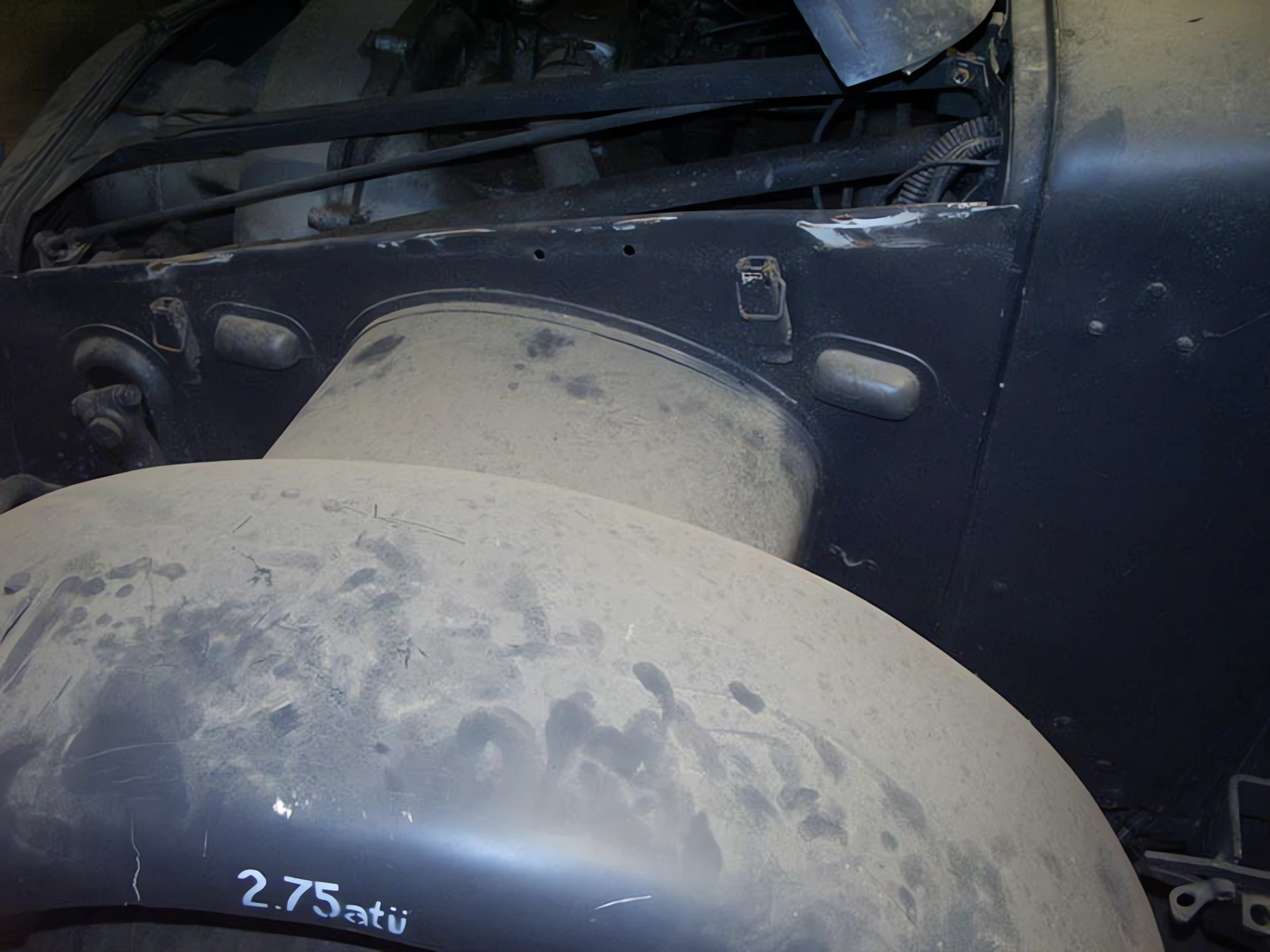
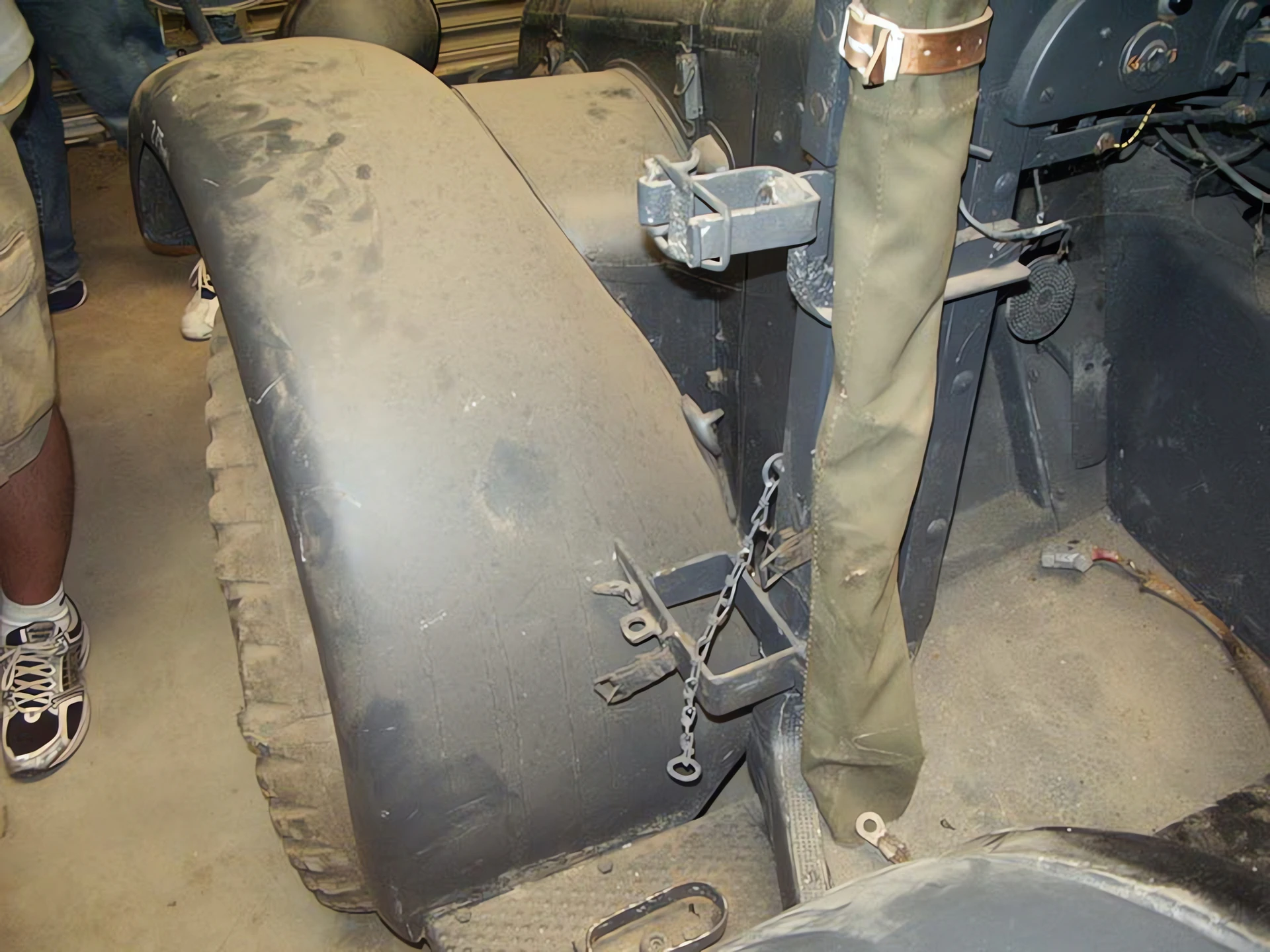
| Krupp Kfz.81 Protze Walk Around | |
|---|---|
| Photographer | Vladimir Yakubov |
| Localisation | Unknow |
| Photos | 44 |
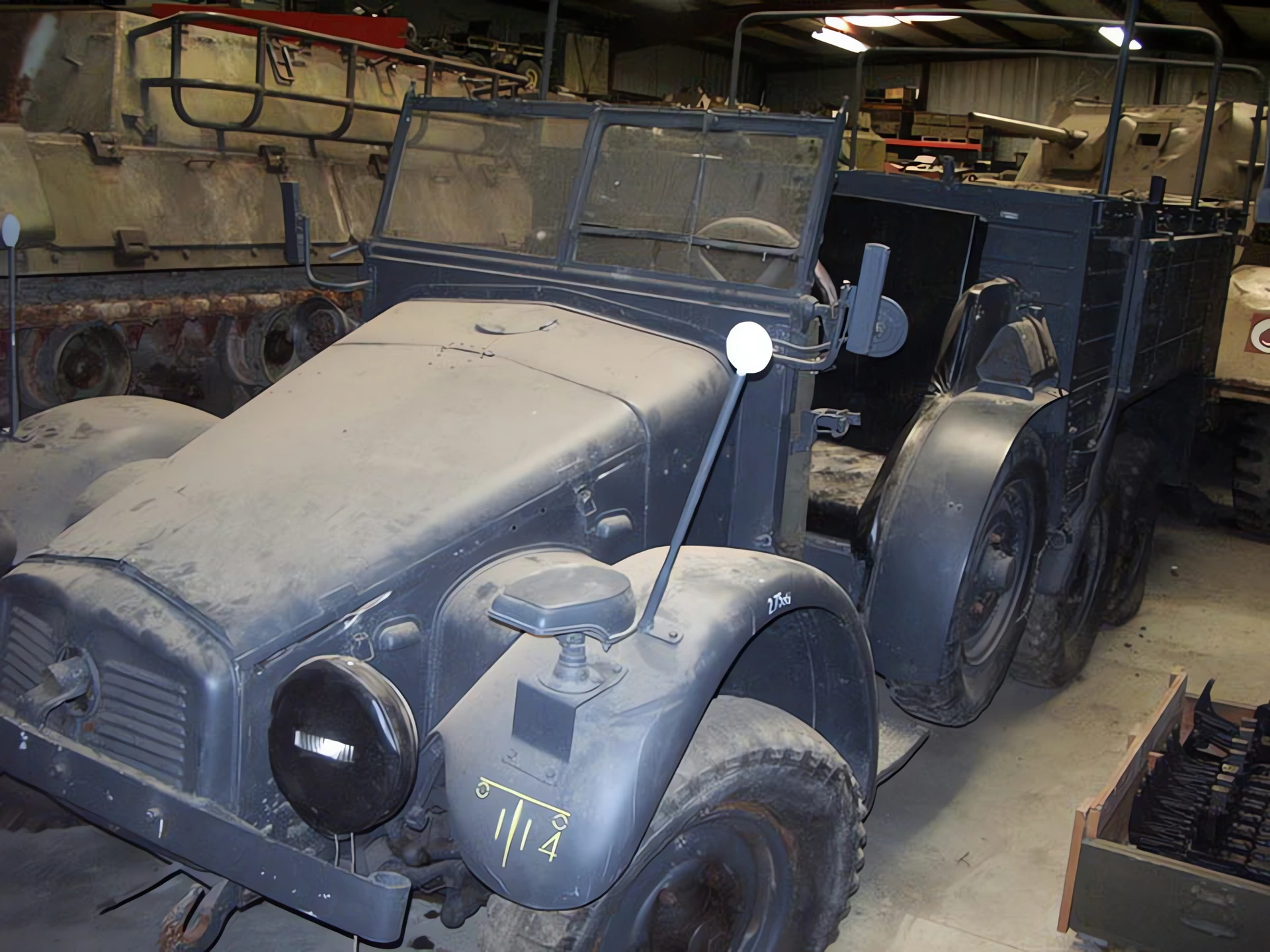
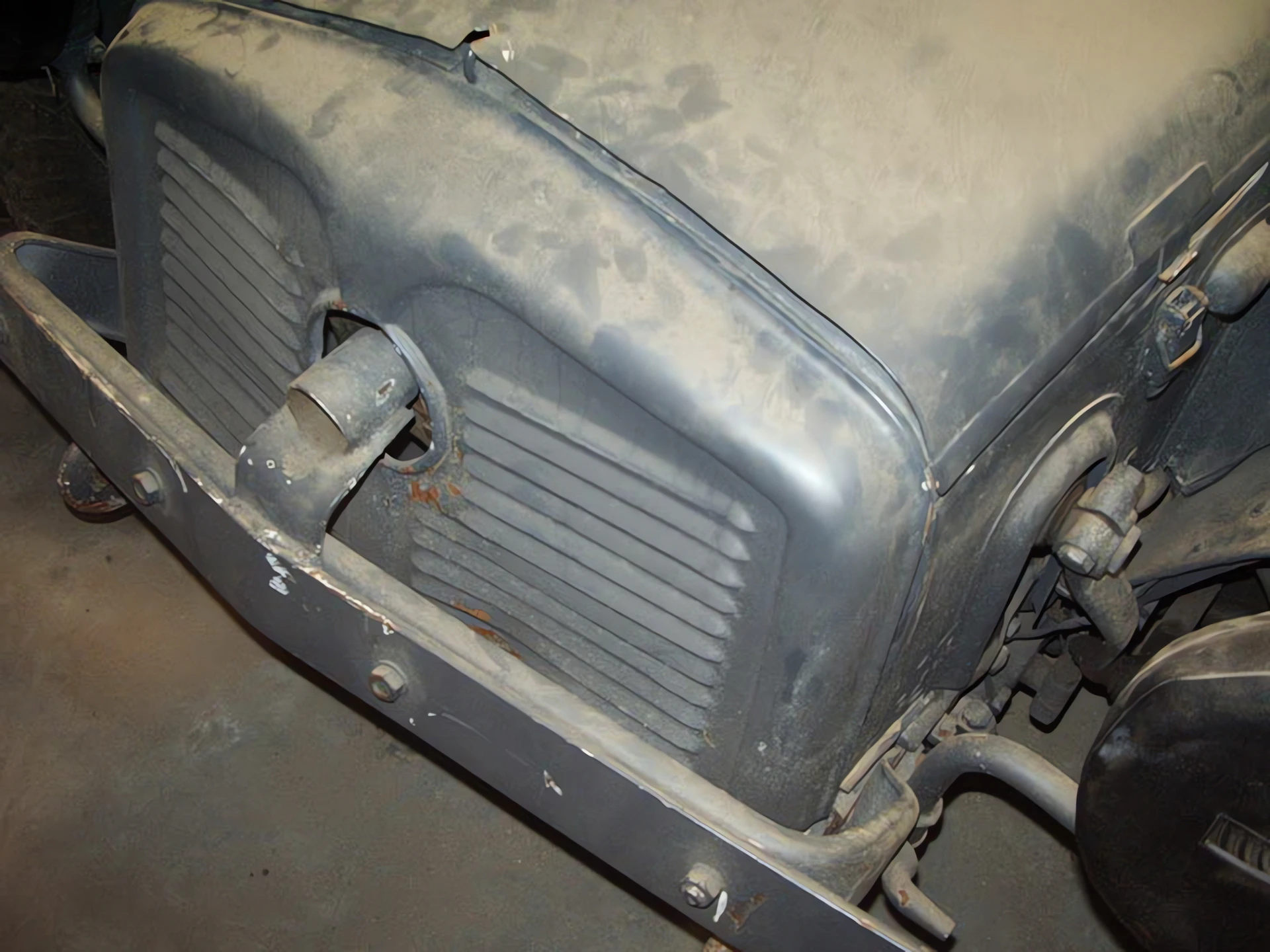
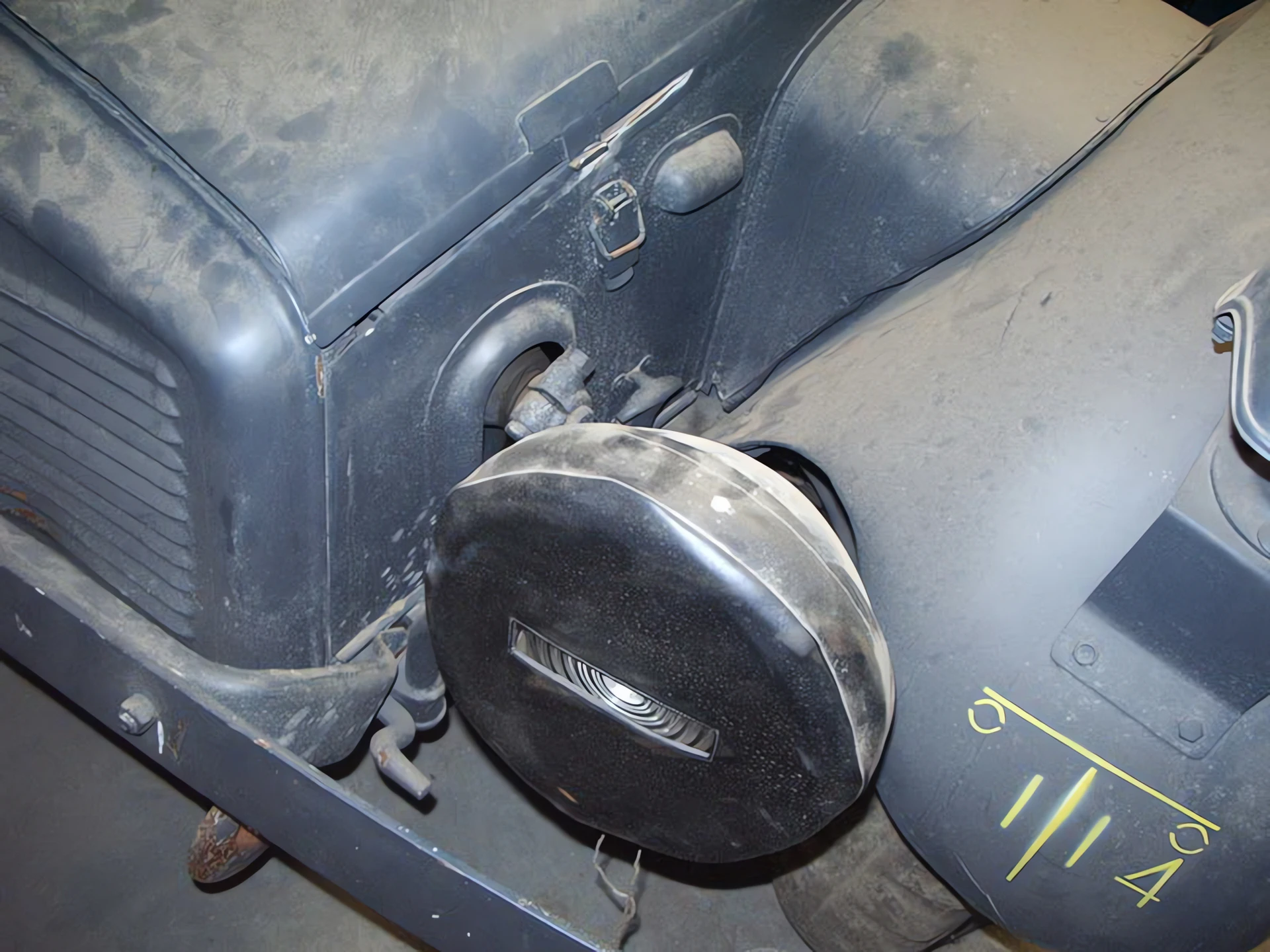
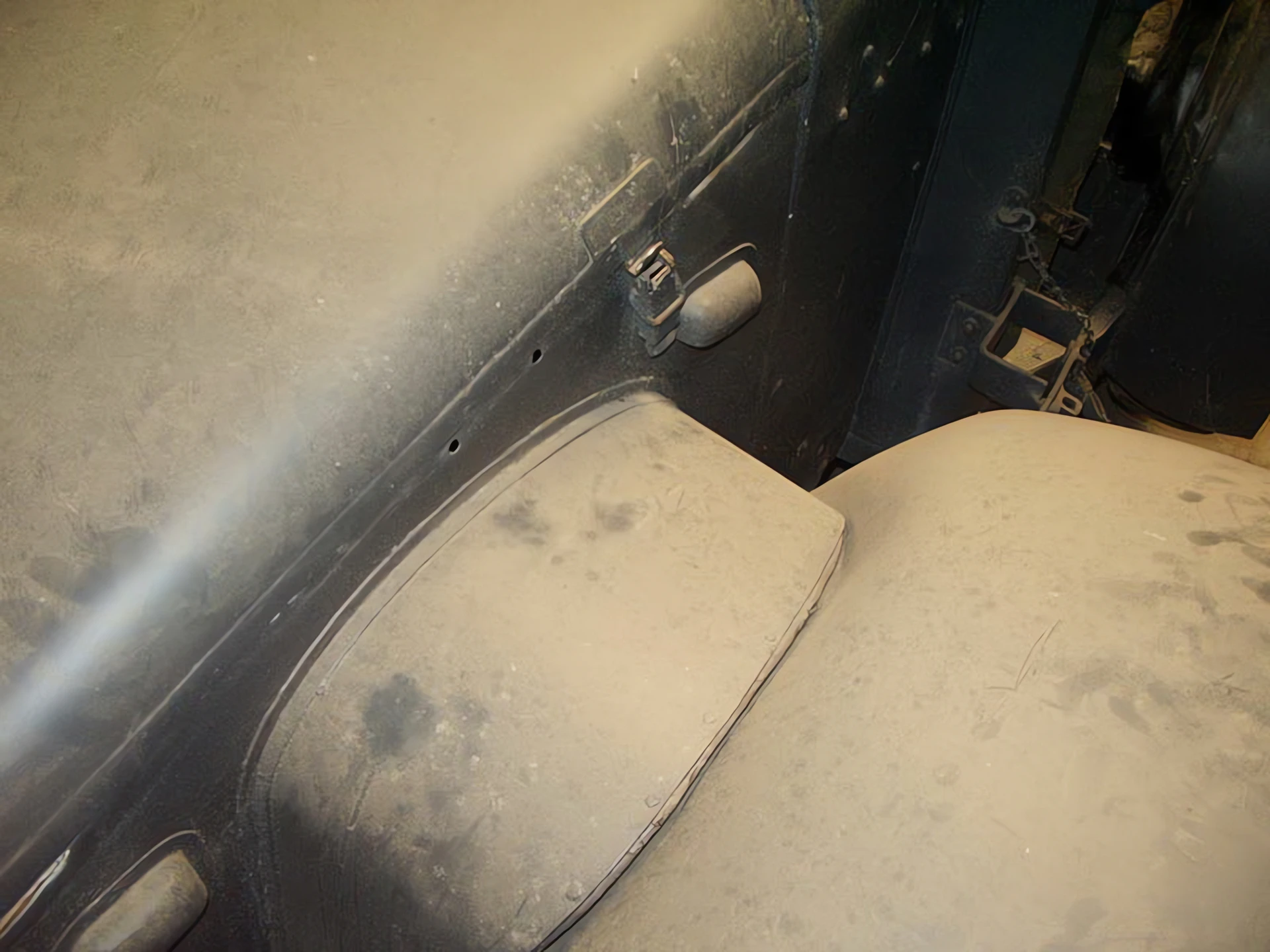
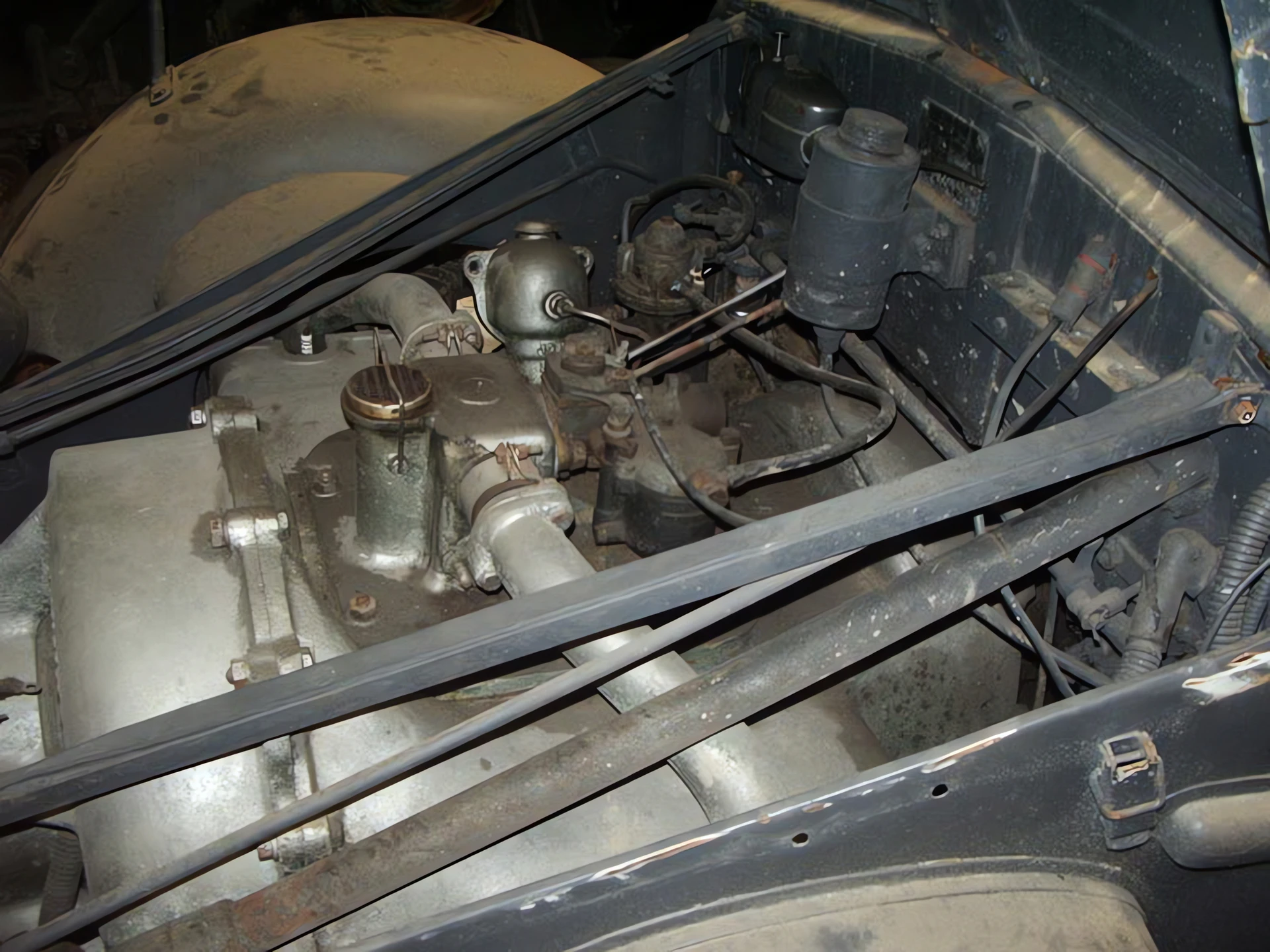
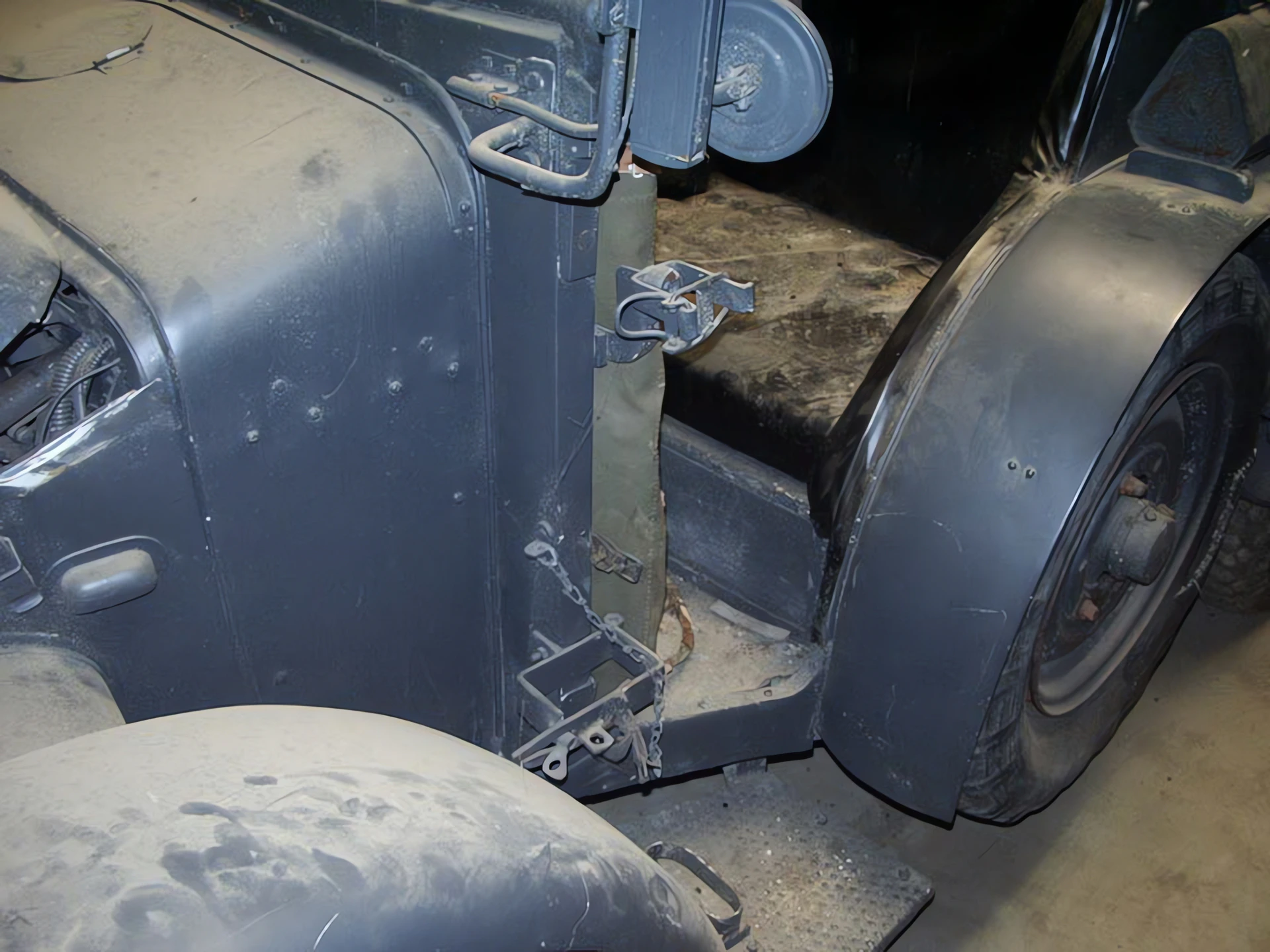
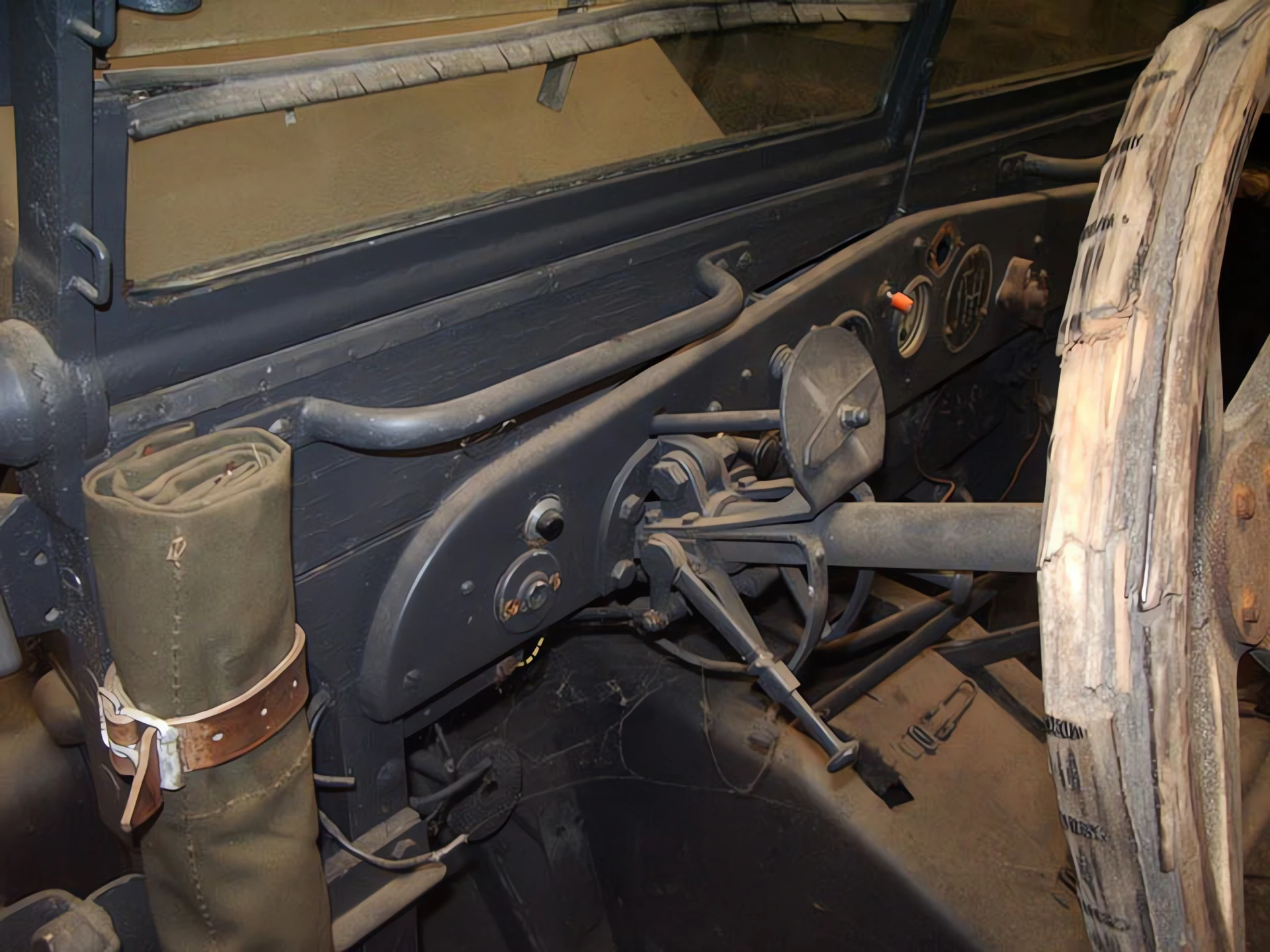

Voir aussi :


| Krupp Protze Kfz.70 L2 H43-143 Walk Around | |
|---|---|
| Photographer | Unknow |
| Localisation | Unknow |
| Photos | 23 |
General Characteristics and Role
The Krupp Protze (officially designated L 2 H 43 and L 2 H 143, with « Protze » signification « limber ») was a highly distinctive German six-wheeled, 6×4 light truck and artillery tractor. It was produced by Krupp between 1934 and 1941 and was heavily used by the Wehrmacht in the early years of World War II. The Kfz.81 variant specifically served as the light anti-aircraft motor vehicle (leichter Flakkraftwagen), designed to tow and support the 2 cm Flak 30 or 38 anti-aircraft guns. The Protze was known for its innovative design, featuring an air-cooled flat-four boxer engine which allowed for its characteristic low, sloping engine bonnet and improved driver visibility.
| Property | Typical Value (Kfz.81 / L 2 H 143) |
|---|---|
| Type | Light Anti-Aircraft Towing Vehicle (Artillery Tractor) |
| National Origin | Germany |
| Fabricant | Krupp (Essen) |
| Production Period | 1934–1941 (Protze series) |
| Crew Capacity | 2 + 6 (Driver, Co-driver + Gun Crew) |
| Weight (Empty) | Approx. 2,550 kg (5,622 lb) |
| Length | 5.10 m (16 ft 9 in) |
| Width | 1.96 m (6 ft 5 in) |
Powerplant and Mobility
- Engine: 1 x Krupp M 304 4-cylinder, air-cooled boxer (flat-four) petrol engine.
- Power Output: 60 hp (45 kW) (L 2 H 143 version, from 1936).
- Drivetrain: 6×4 (Six wheels, four-wheel drive on the rear tandem axles).
- Maximum Road Speed: 70 km/h (43 mph).
- Off-Road Capability: The 6×4 layout and independent rear suspension provided good, though not exceptional, cross-country mobility, particularly on hard ground. It struggled in deep mud or desert sand.
- Role Specific: The Kfz.81 carried the crew, equipment, and a portion of the ammunition for the anti-aircraft gun it towed. In some cases, the 2 cm Flak gun was mounted directly on the truck bed for rapid deployment, although armor protection was minimal.
Service History and Legacy
- Mass Production: Approximately 7,000 Krupp Protze vehicles were manufactured across all variants.
- Key Roles: While the Kfz.81 was the Flak carrier/towing variant, the Protze series was most commonly used as the Kfz.69 (towing the 3.7 cm PaK 36 anti-tank gun) and the Kfz.70 (personnel carrier).
- Widespread Use: The vehicle saw extensive service on all fronts, including the invasion of Poland, the Battle of France, the Eastern Front, and the North African campaign.
- Retirement: Production ended in 1941, as the Wehrmacht shifted towards simpler, more fuel-efficient, and capable half-tracks (like the Sd.Kfz. 10 and 11) for towing medium artillery and anti-aircraft guns.
- Legacy: The Krupp Protze, with its distinctive silhouette, remains an iconic symbol of the German mechanized forces during the early Blitzkrieg period.
Vues : 5087
Vous pouvez voir aussi :
 Albion CX22S – Photos & Videos
 Système de gestion de charge HEMTT M1120 - Photos et vidéos
 Camion M915 – Photos et vidéos
 Camion Mack M123 – Photos et vidéos
 Radar P-18 – Photos & Vidéos
 Système de transport d’équipement lourd – Photos et vidéos
 M274 1/2-ton 4×4 plate-forme utilitaire – Photos & Vidéos
 Camion M52A2 – Photos et vidéo
 AEC 0853 Matador – Photos & Vidéo
 Pétrolier Bedford OYC – Promenez-vous