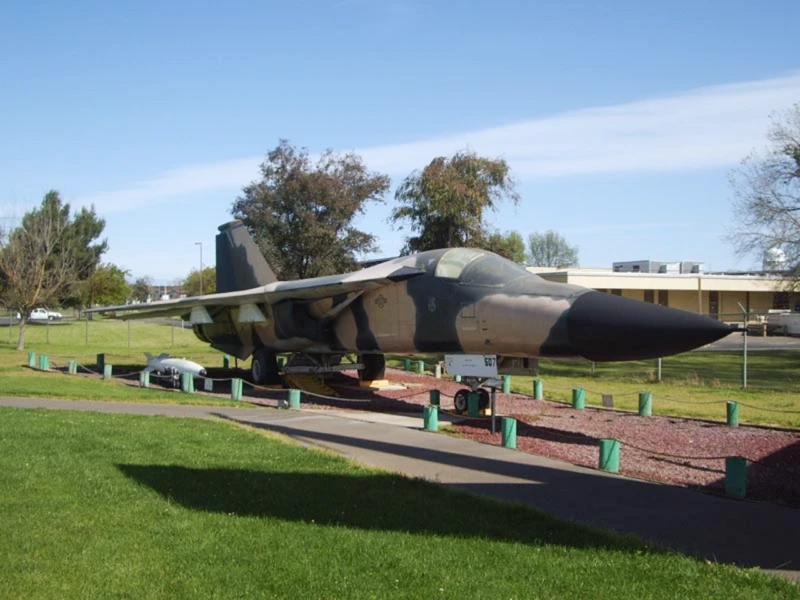
Dynamique générale FB-111A Aardvark | |
| Pays | Usa |
| Type | Avion supersonique |
| Photo | Vladimir Yakubov |
| Localiser | Musée du Château AFB |
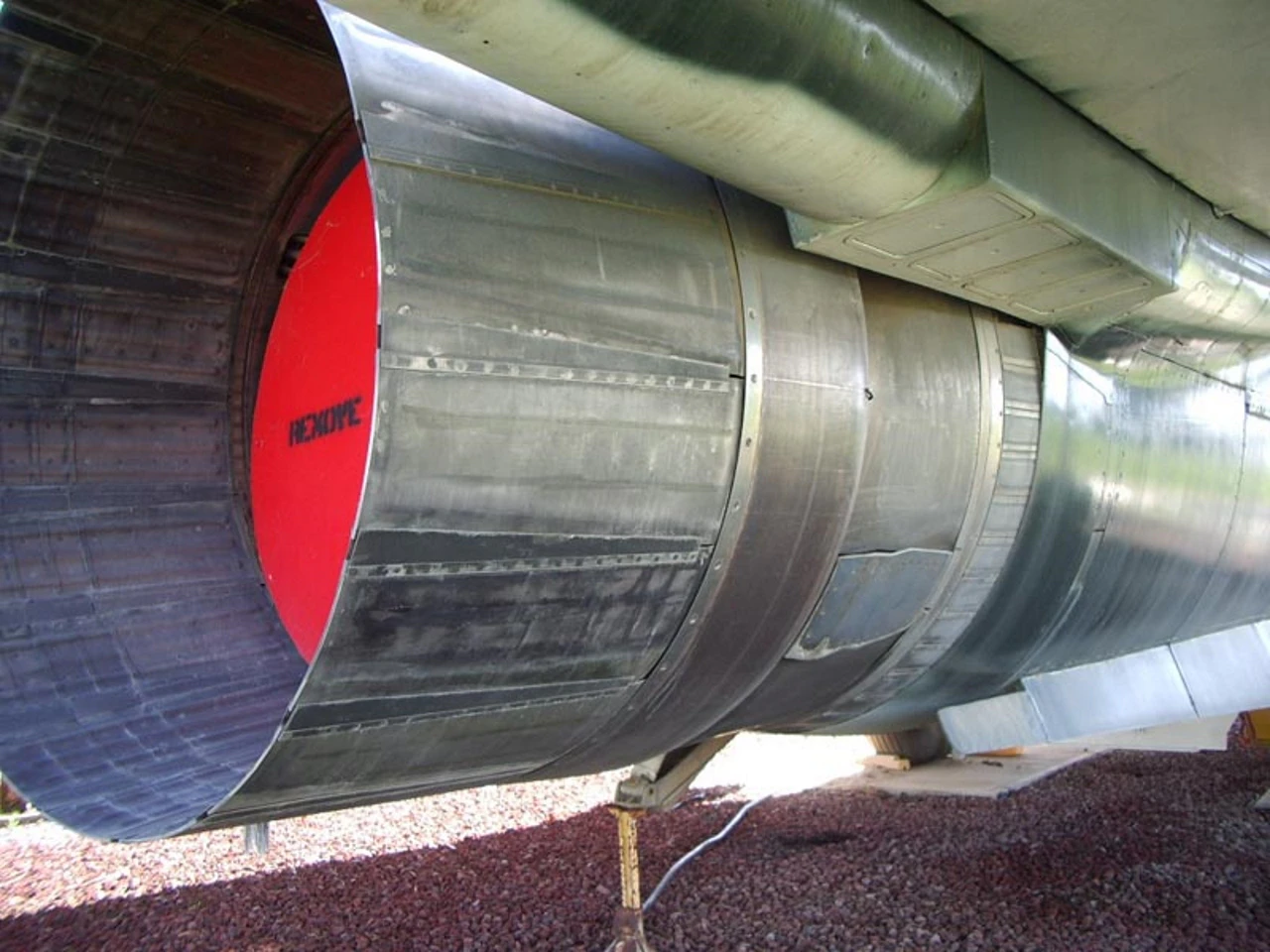
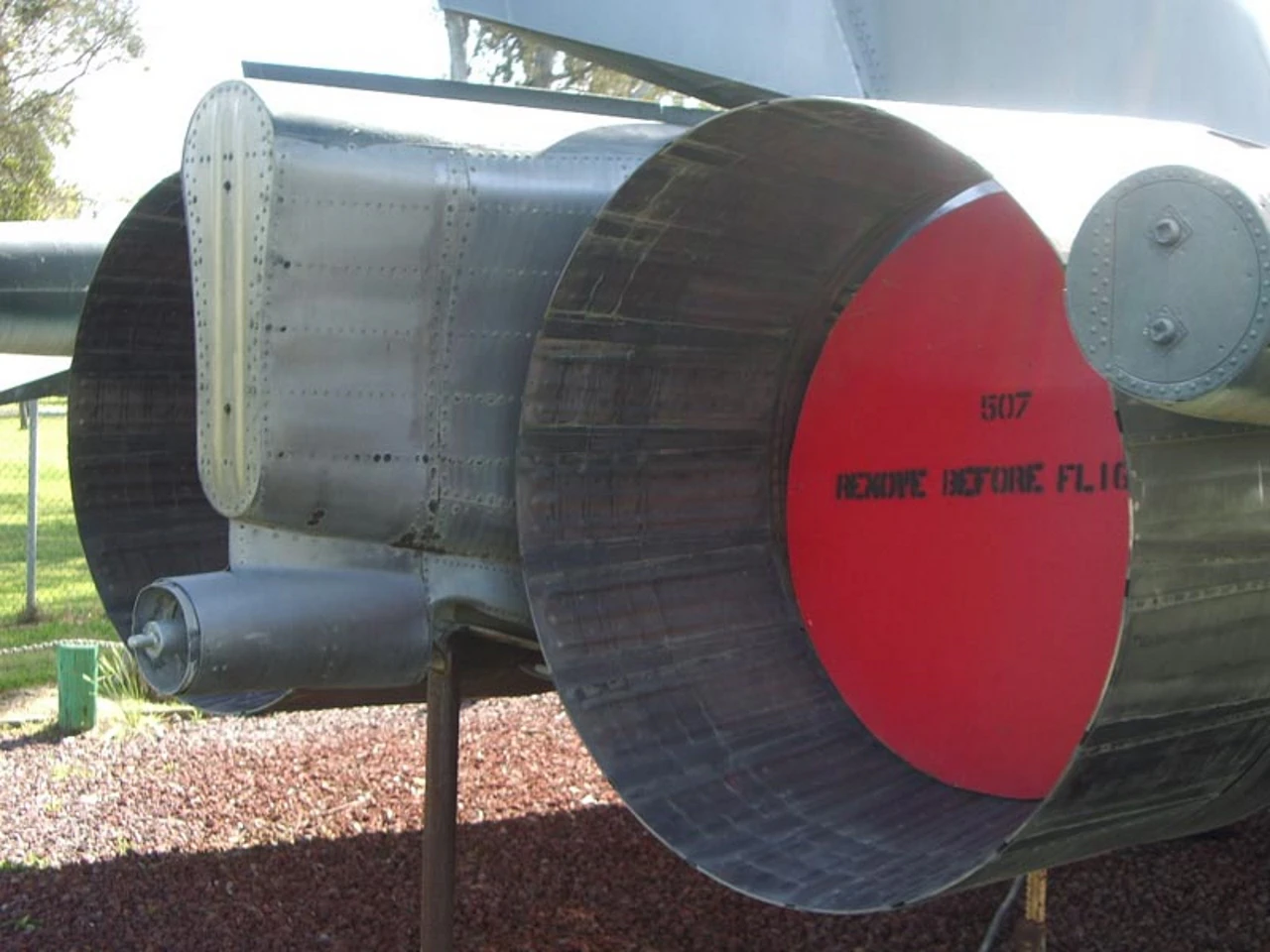
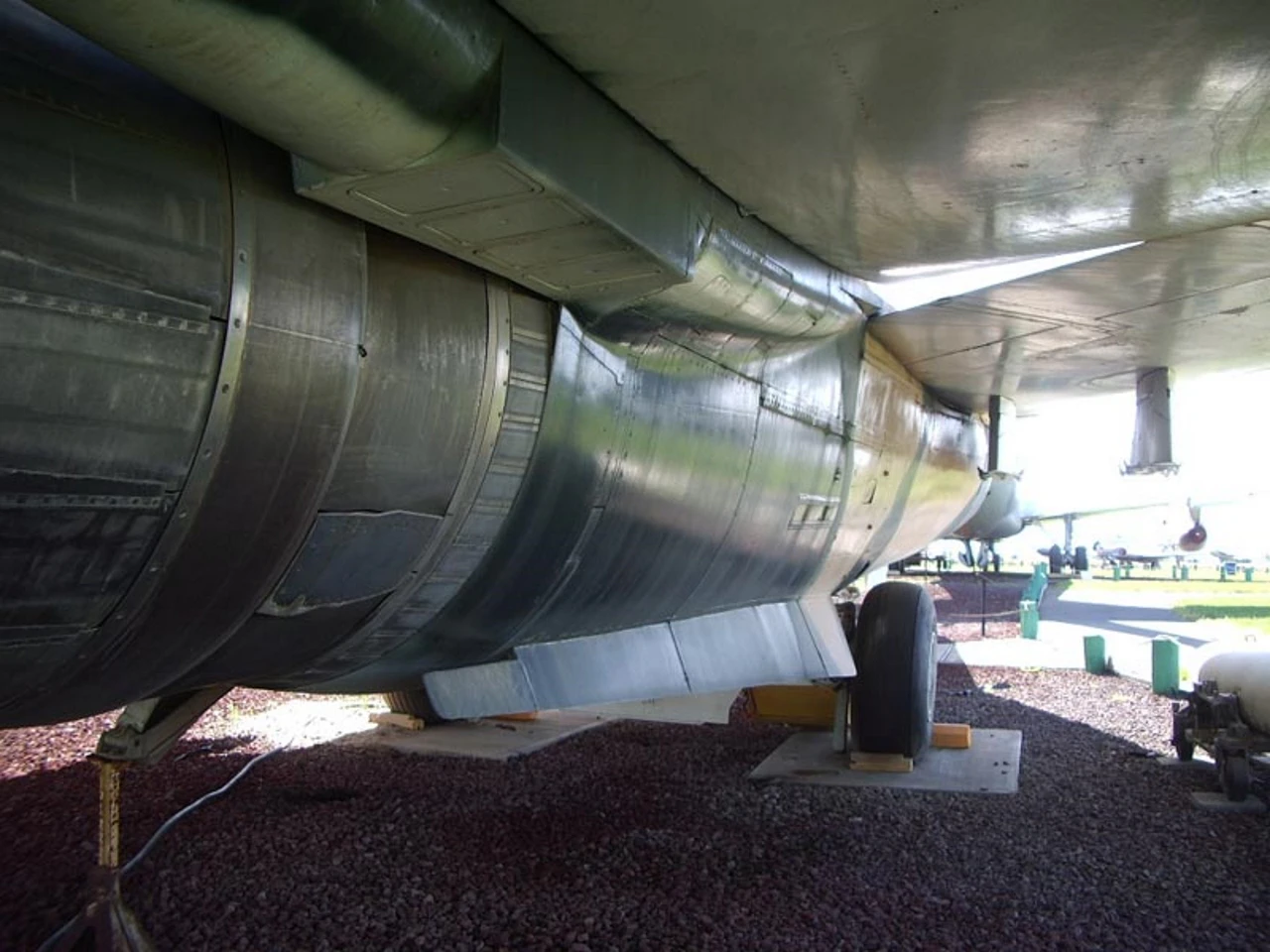
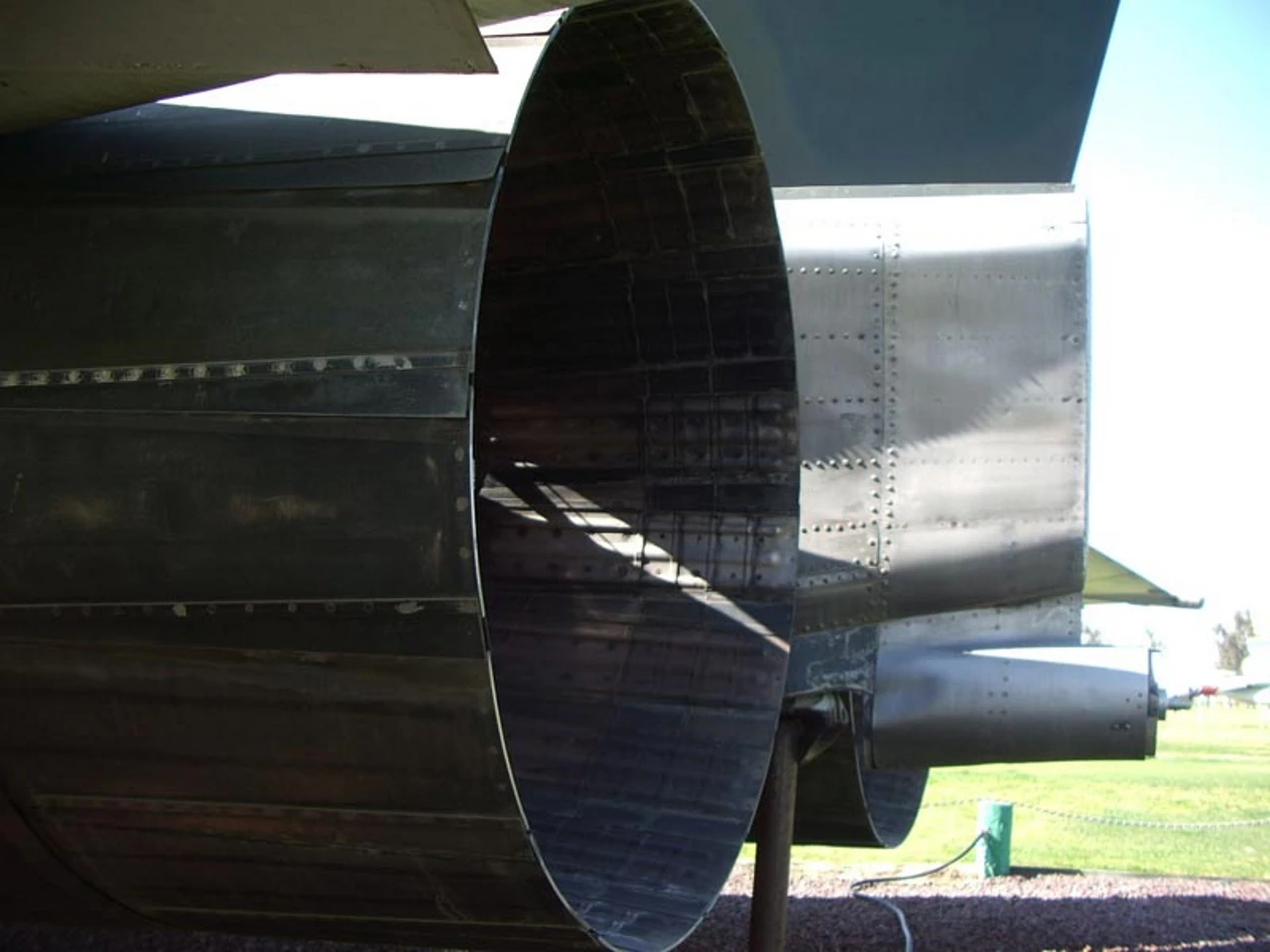
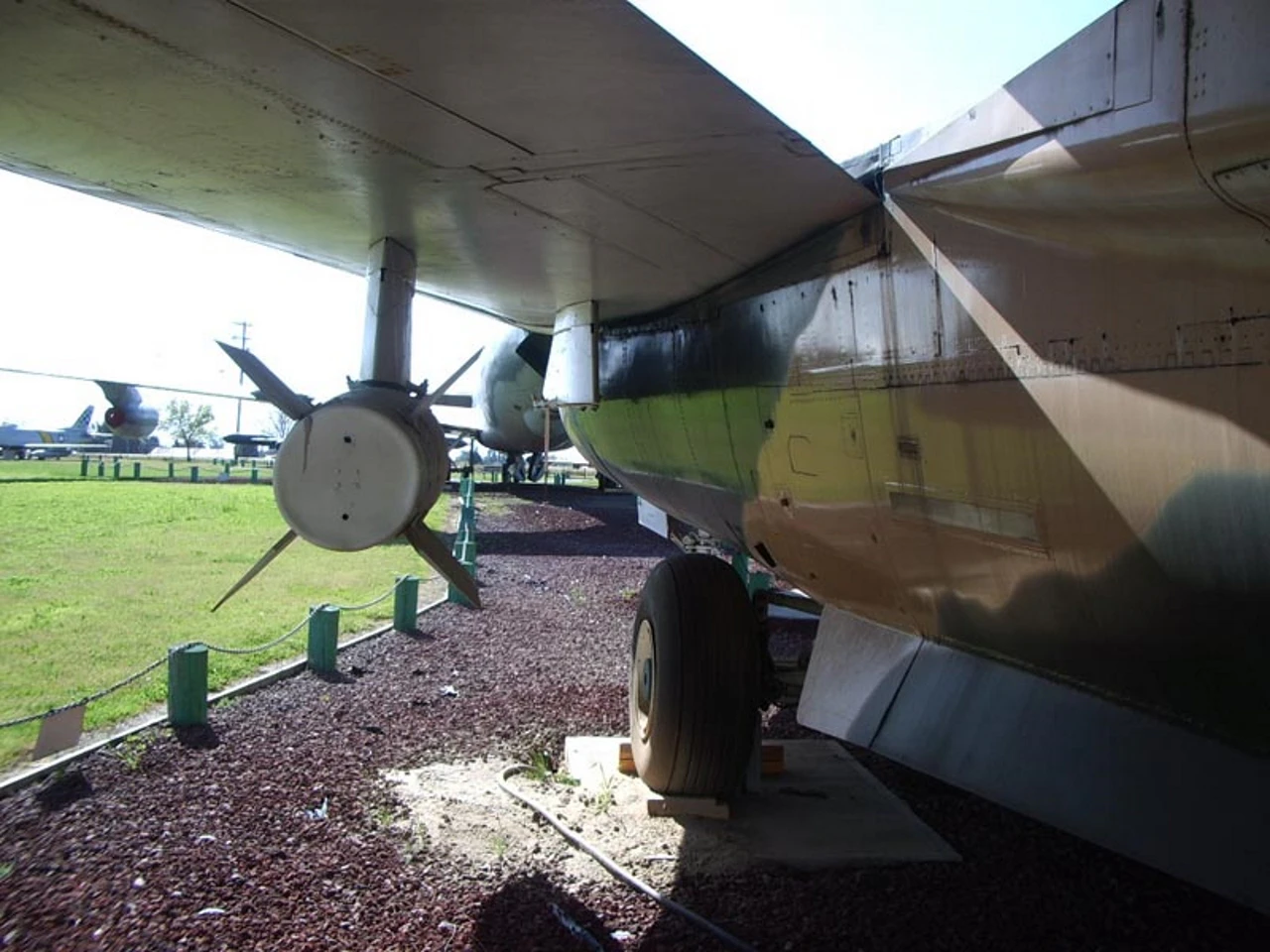
| Description | Album de 64 photos de promenade d’un « General Dynamics FB-111A Aardvark » |
Galerie de photos d’un Dynamique générale FB-111A Aardvark, The General Dynamics F-111 Aardvark was a supersonic, medium-range interdictor and tactical attack aircraft that also filled the roles of strategic nuclear bomber, aerial reconnaissance, and electronic-warfare aircraft in its various versions. Developed in the 1960s by General Dynamics, it first entered service in 1967 with the United States Air Force. The Royal Australian Air Force (RAAF) also ordered the type and began operating F-111Cs in 1973.
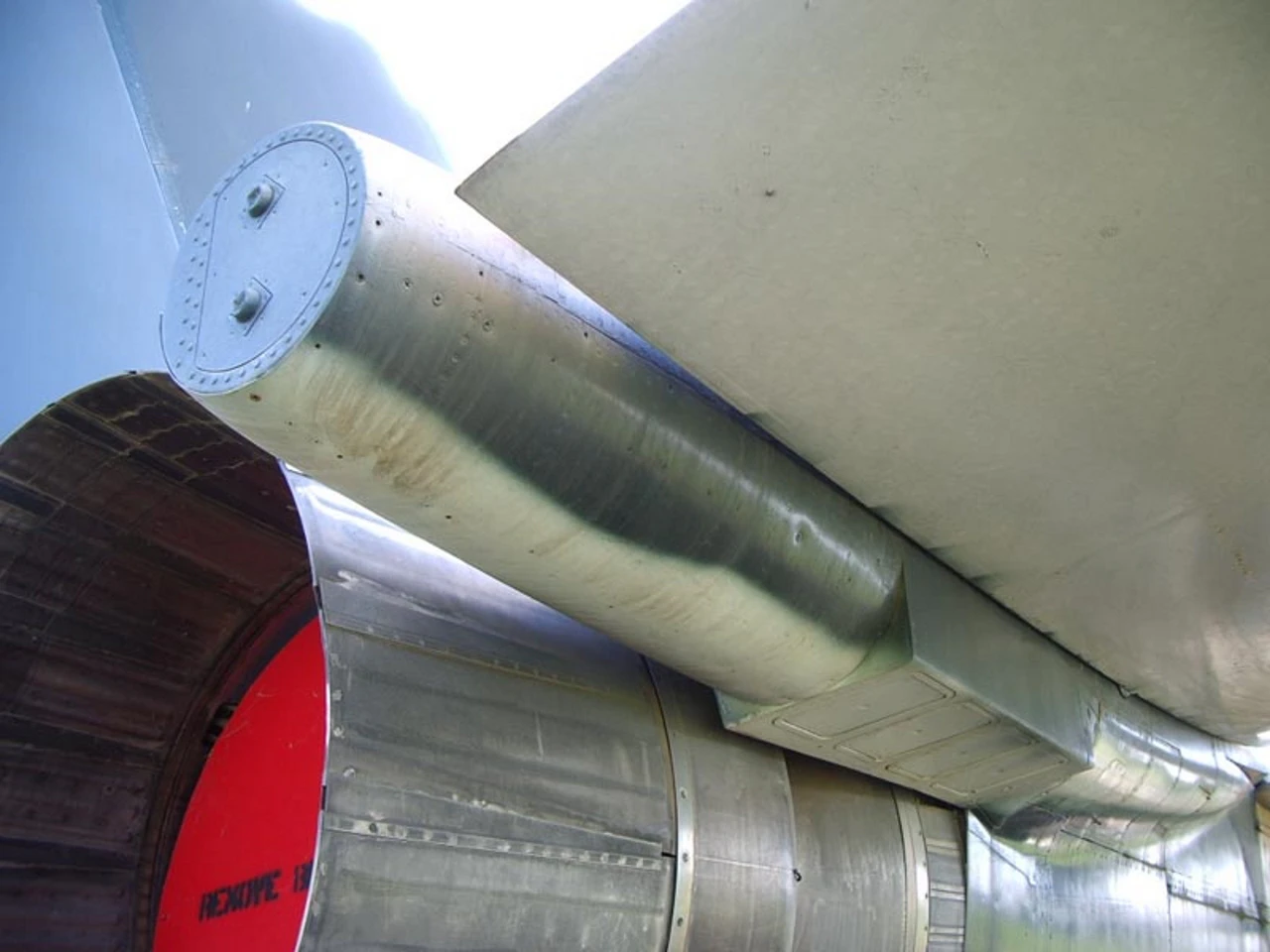
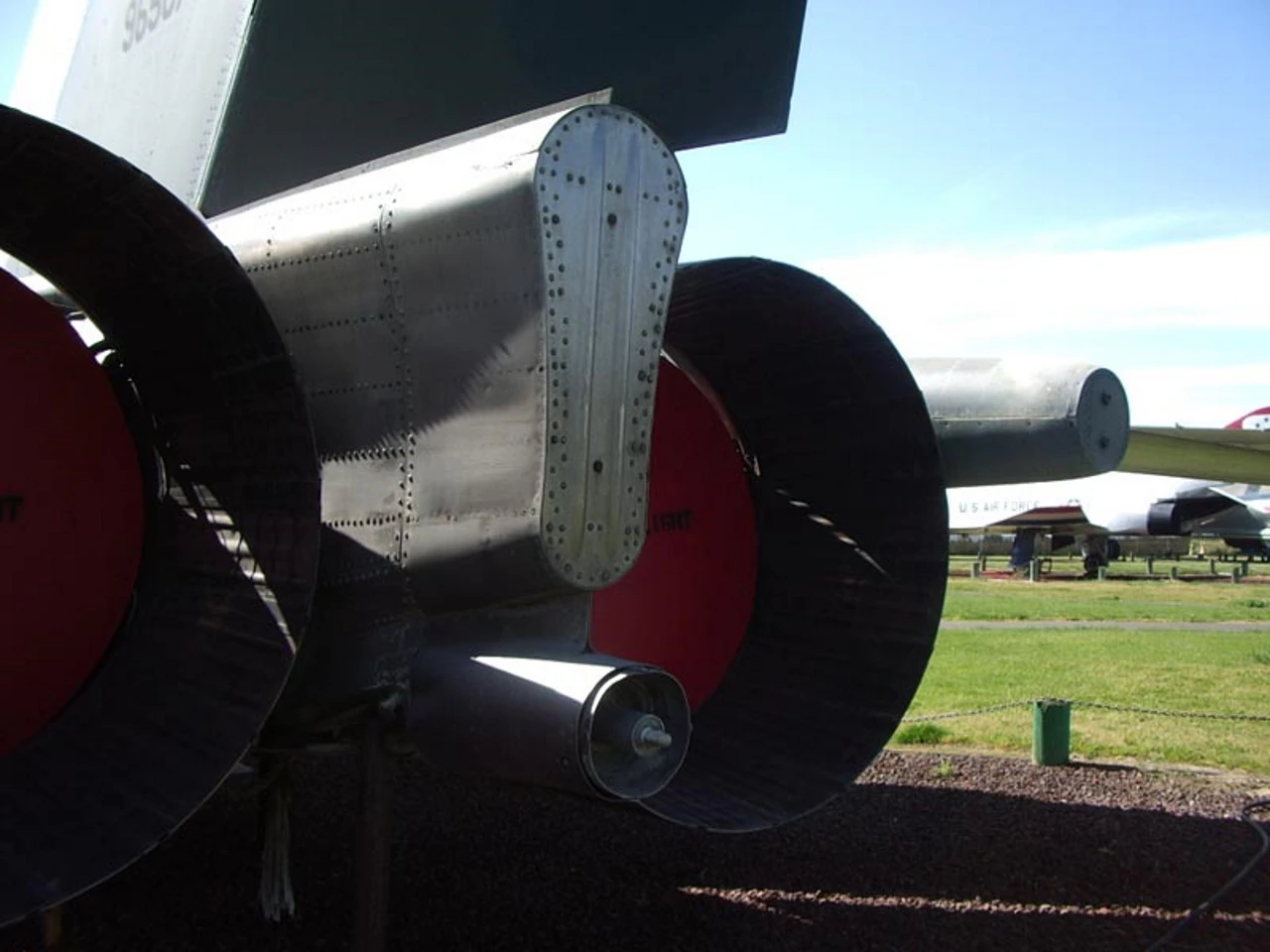
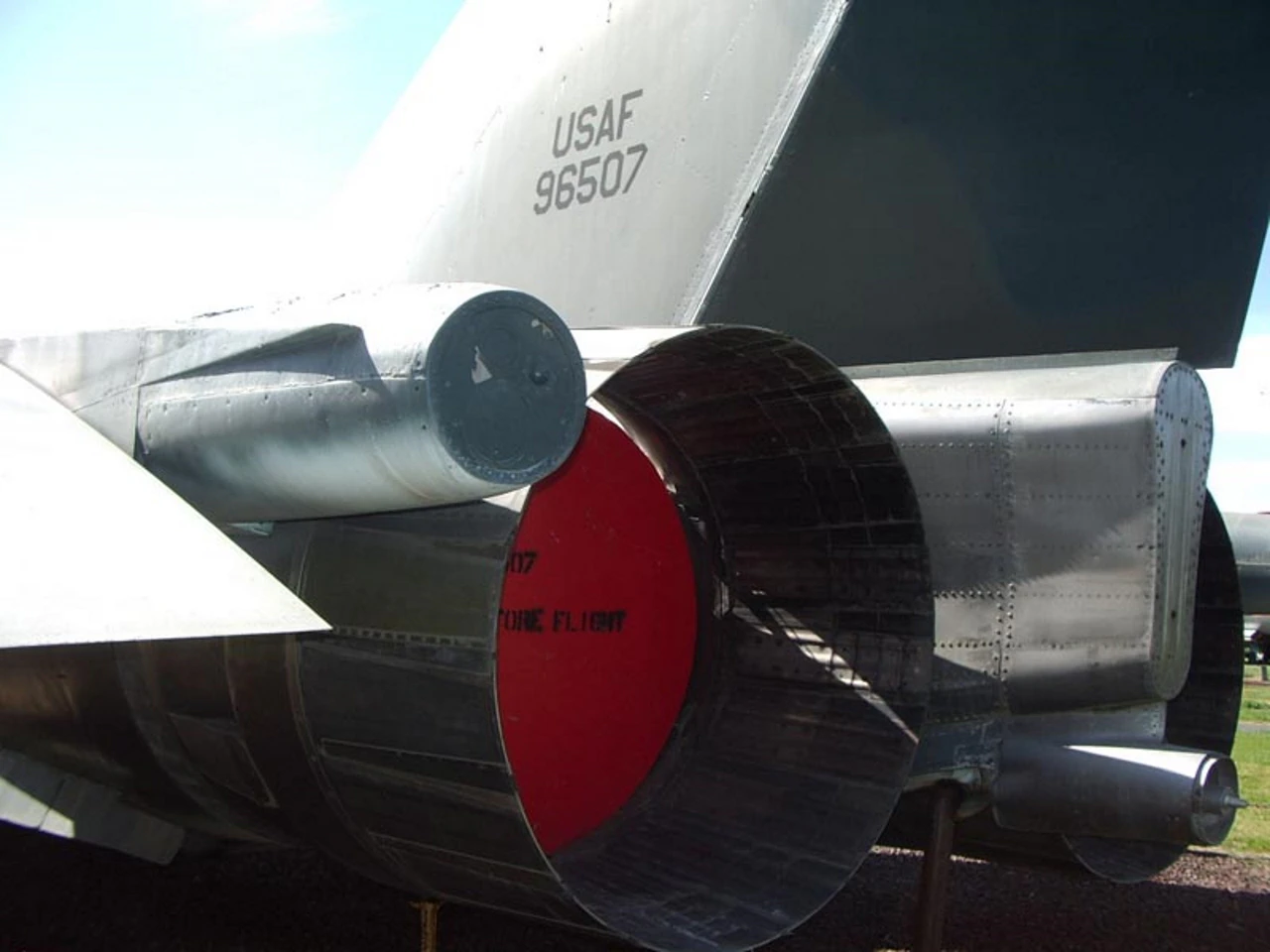
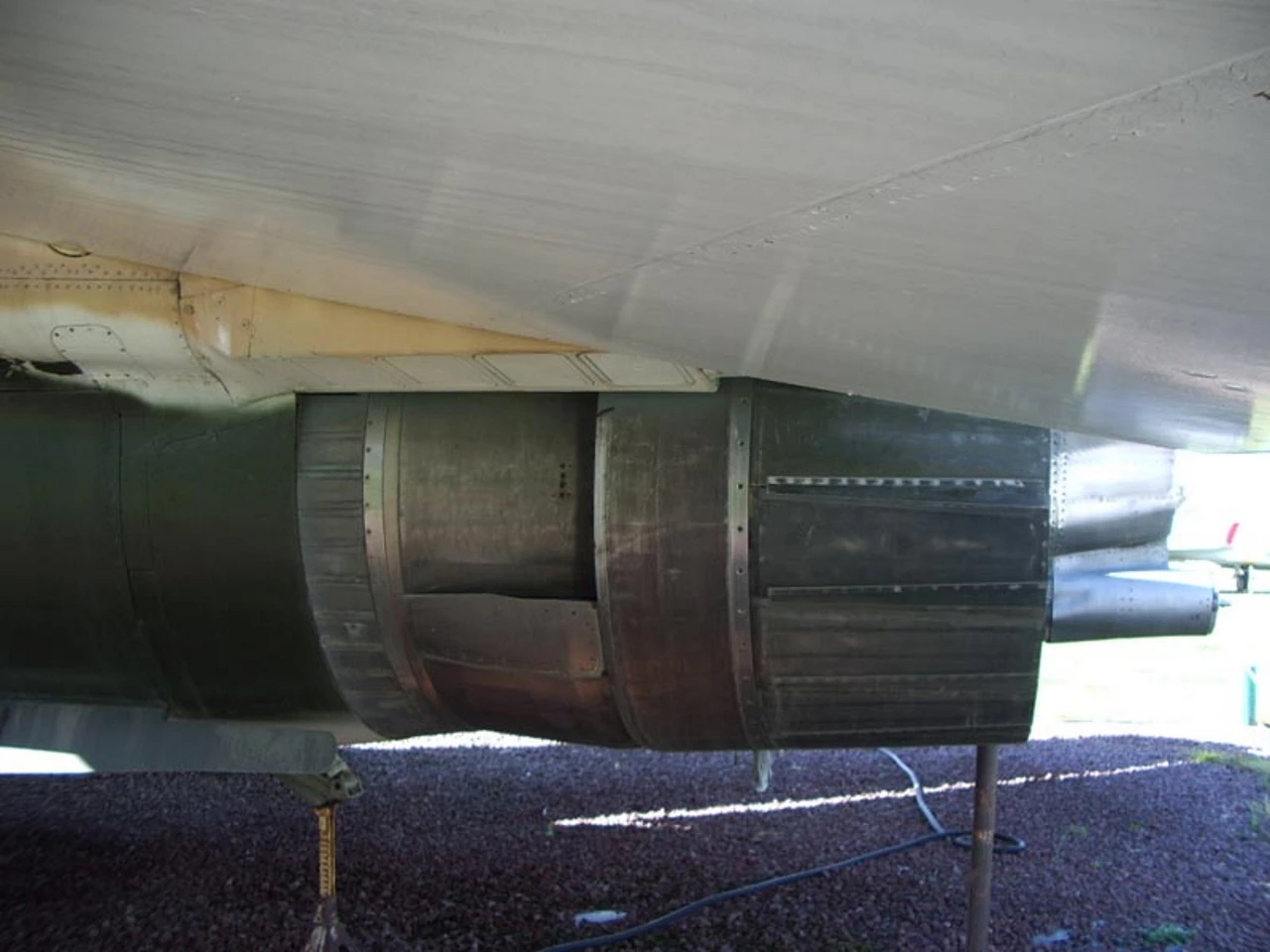

| Specifications | |
|---|---|
| Rôle | Interdicteur, chasseur-bombardier et bombardier stratégique |
| Fabricant | Dynamique générale |
| Premier vol | 21 décembre 1964 |
| Introduction | 18 juillet 1967 |
| Retraite | 1998/2010 |
| Nombre construit | 563 |
 Achetez-moi un café
Voir aussi :


The Strategic Speedster
Lla FB-111A was the strategic bomber evolution of the revolutionary F-111 swing-wing fighter. Developed for Strategic Air Command (SAC), it was designed to bridge the gap between the massive B-52 and the ultra-fast B-58 Hustler. The FB-111A featured a longer fuselage for more fuel, a greater wingspan for better range, and upgraded electronics for nuclear delivery. Its party trick was its Terrain-Following Radar (TFR), which allowed the « Vark » to scream across enemy territory at Mach 1.2, just 200 feet above the ground, hiding beneath the gaze of Soviet radar nets.
| Attribute | Technical Specification (FB-111A) |
|---|---|
| Rôle | Strategic Medium Bomber |
| Crew | 2 (Pilot and Strategic Radar Navigator) |
| Variable Geometry | 16° (Extended) to 72.5° (Full Sweep) |
| Groupe motopropulseur | 2 × Pratt & Whitney TF30-P-7 turbofans |
| Thrust | 20,350 lbf (90.5 kN) per engine with afterburner |
| Vitesse maximale | Mach 2.5 (1,650 mph) at altitude |
| Service Ceiling | 60,000 ft (18,000 m) |
| Armement | Internal bay + 6 pylon hardpoints; AGM-69 SRAM missiles or nukes |
Design Engineering: Wings, Spikes, and the « Vark » Nose
- The Triple Plow II Intakes: To solve the engine stalling issues found in early F-111s, the FB-111A utilized the « Triple Plow II » intakes. These featured larger translateable cowls and « blow-in » doors to ensure the TF30 engines got enough air during high-G maneuvers and supersonic flight.
- Extended Wings: The FB-111A had a wingspan 7 feet wider than the standard fighter version. This increased lift and allowed for a higher takeoff weight, essential for carrying heavy nuclear payloads or external fuel tanks for intercontinental missions.
- Crew Escape Capsule: Unlike traditional ejection seats, the entire cockpit of the FB-111A was a pressurized capsule that could be blown clear of the aircraft. It featured a parachute system and even inflatable bags to allow the crew to float if they landed in the ocean.
- Terrain-Following Radar (TFR): The FB-111A’s TFR was linked directly to the autopilot. This allowed the aircraft to « hug » the contours of the earth automatically, flying over hills and diving into valleys at supersonic speeds while the pilot monitored the systems.
A Legacy of Deterrence and Fire
- SAC’s Heavy Hitter: For decades, the FB-111A was the premier « nuclear penatrator » of Strategic Air Command. Based primarily at Plattsburgh AFB and Pease AFB, these planes stood on 24-hour alert, ready to launch in minutes.
- The SRAM Missile: The FB-111A was the primary carrier of the AGM-69 SRAM (Short-Range Attack Missile). These supersonic missiles allowed the Vark to « stand off » and destroy radar sites or primary targets from miles away.
- Conversion to F-111G: When SAC was disbanded and the nuclear mission was handed over to the B-1B and B-2, the surviving FB-111As were converted into conventional « F-111G » fighter-bombers, with some eventually being sold to the Royal Australian Air Force (RAAF).
- Lla « Dump and Burn »: The F-111 series was famous for its spectacular « Dump and Burn » maneuver. By dumping fuel from the vent between the engine exhausts while engaging the afterburners, the plane would create a massive 50-foot flame behind it.
Vues : 4249
Vous pouvez voir aussi :
 General Dynamics F-111C – Photos et vidéos
 Cessna 310 – Photos et vidéos
 Curtiss P-36 Hawk – Photos & Vidéos
 Cessna T-37 Tweet – Photos et vidéos
 Boeing KC-97 Stratofreighter – Photos & Vidéos
 Fokker S.14 Machtrainer – Photos & Vidéos
 Aichi D3A – Photos & Vidéos
 General Dynamics F-16 Fighting Falcon – Photos et vidéo
 B-35 – de Havilland Mosquito – WalkAround
 Mirage IIIC – WalkAround