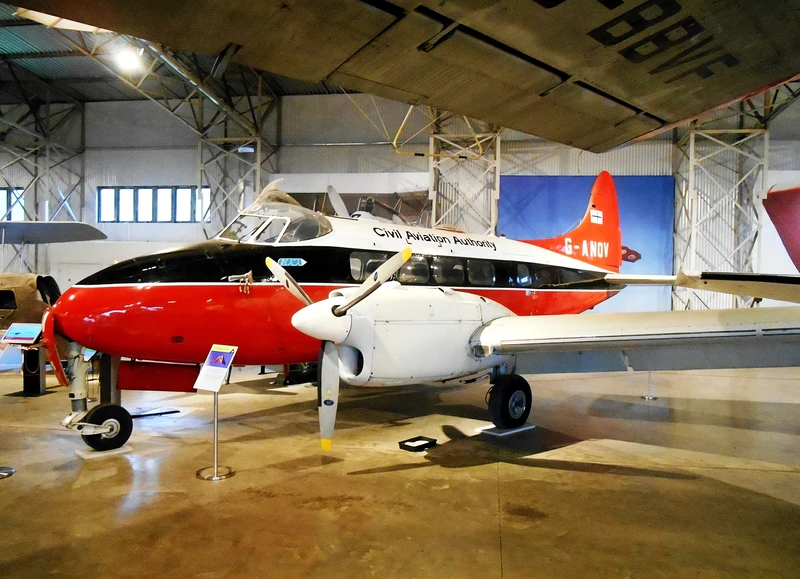
| de Havilland DH.104 Dove | |
|---|---|
| Pays | Royaume-uni |
| Rôle | Avion de ligne court-courrier |
| Premier vol | 25 septembre 1945 |
| Construit | 544 |
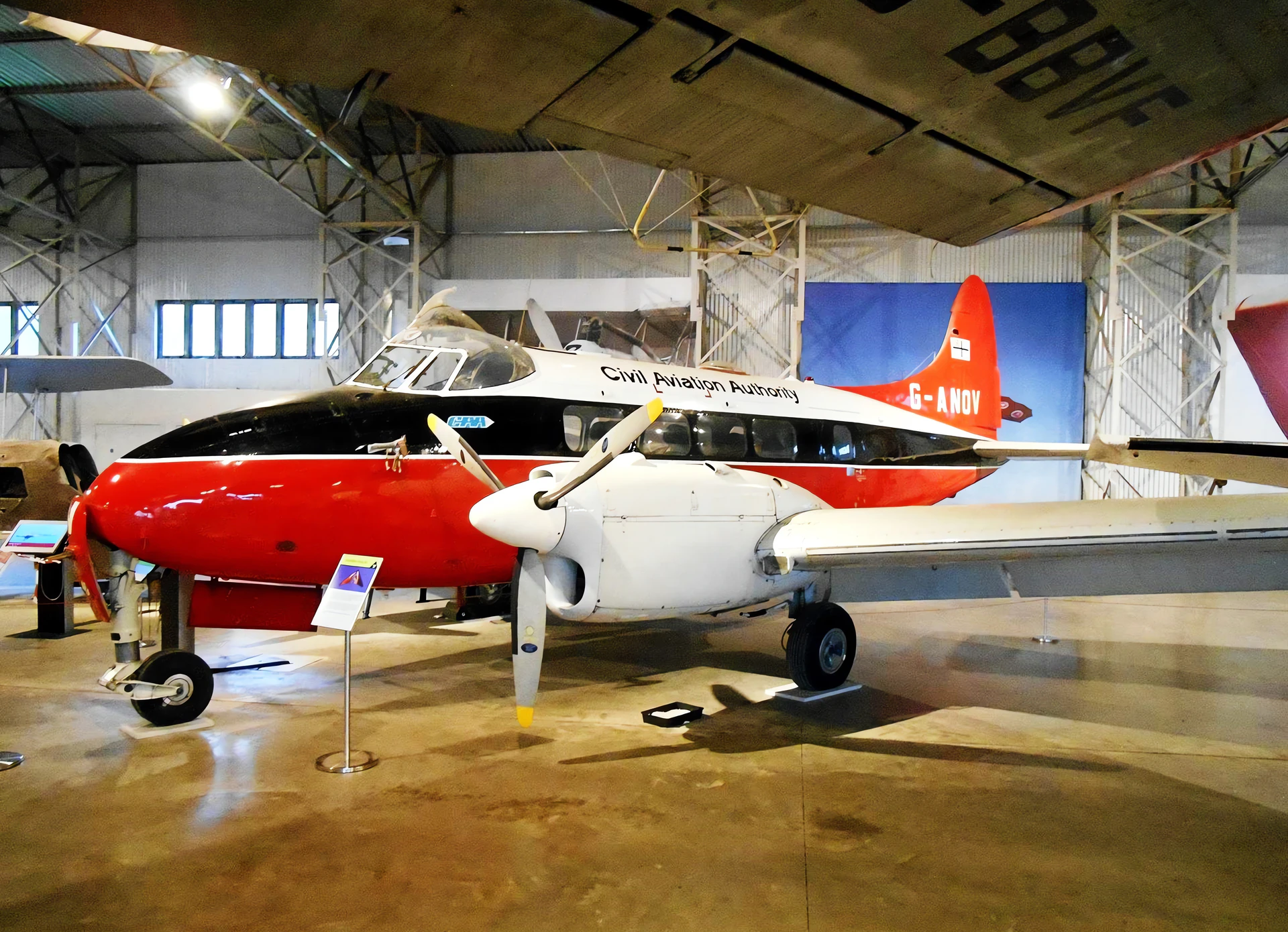
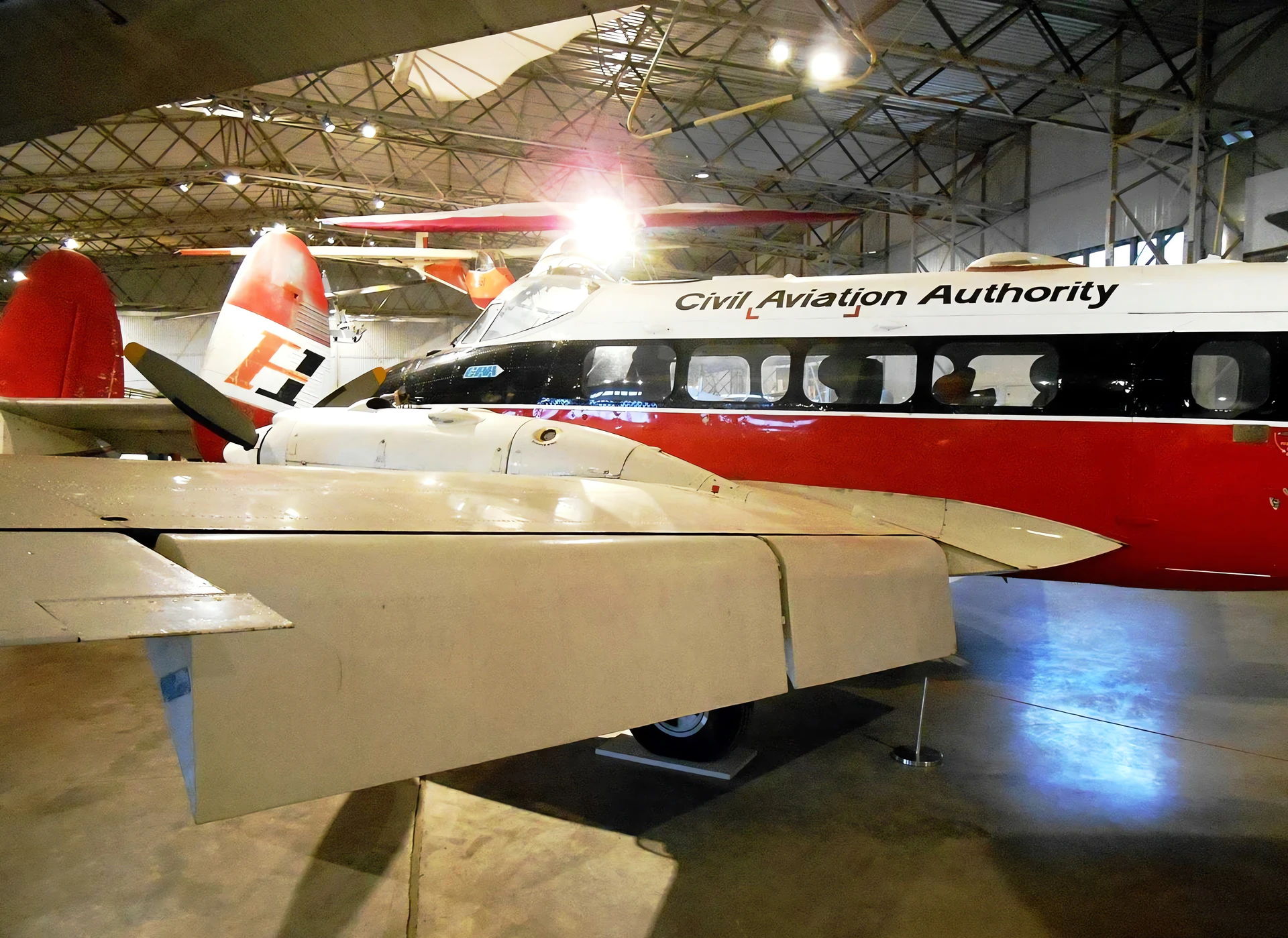
Lla de Havilland DH.104 Dove est un avion de ligne court-courrier britannique développé et fabriqué par de Havilland. La conception, qui était un successeur monoplan du biplan Dragon Rapide d’avant-guerre, est issue du rapport du comité Brabazon qui, parmi d’autres types d’avions, demandait un avion court-courrier de conception britannique pour les compagnies aériennes.
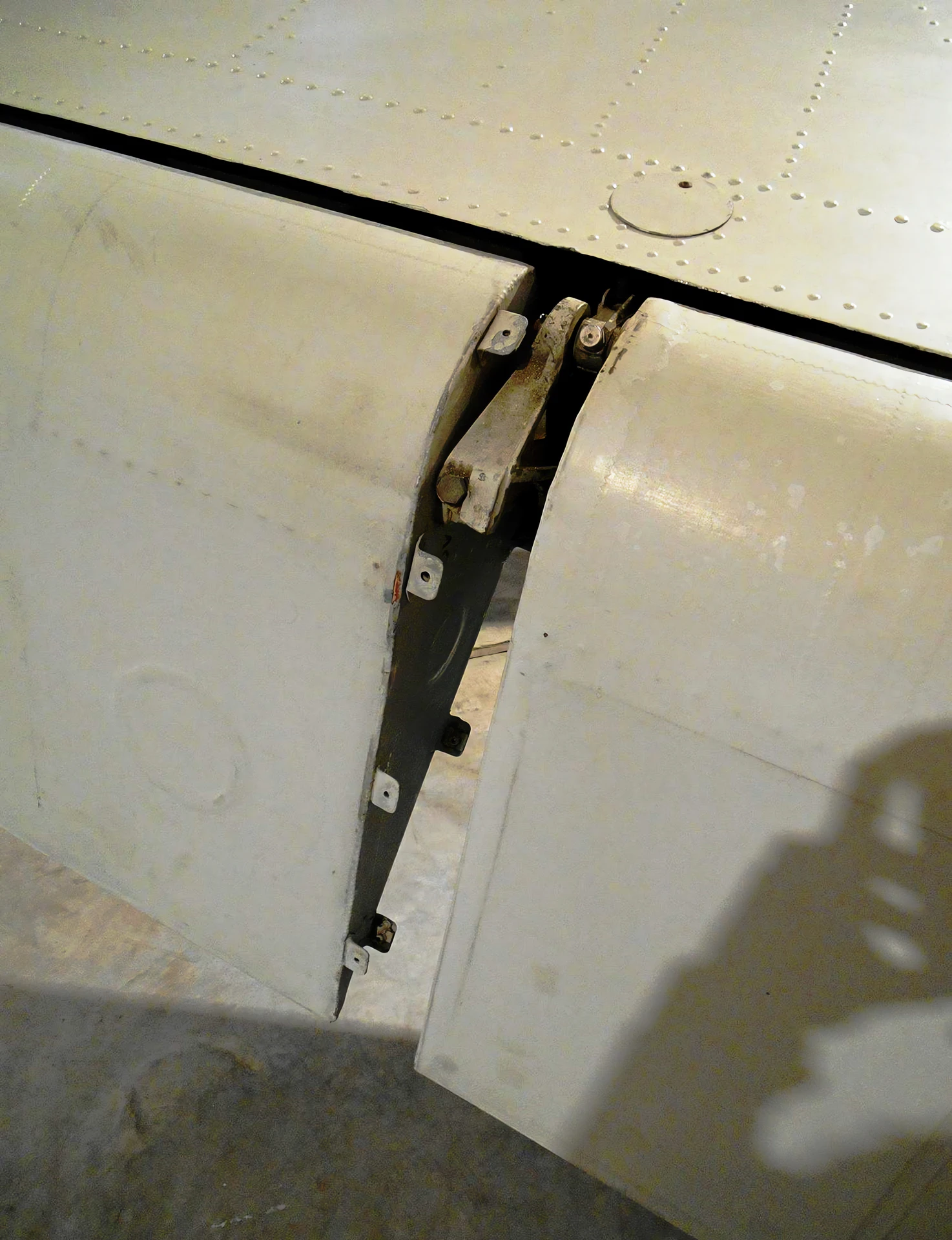
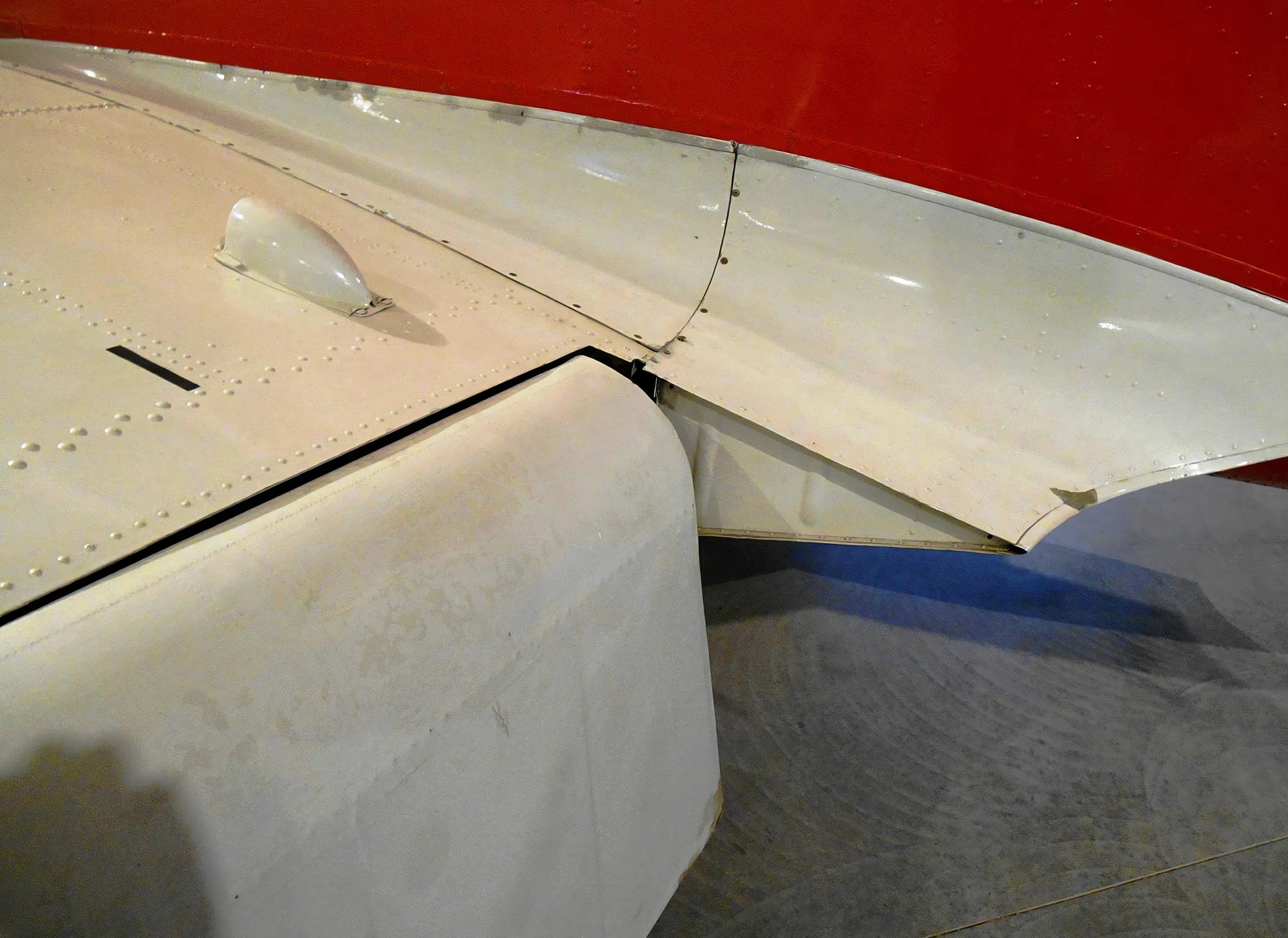
| De Havilland DH.104 ‘Dove’ Se promener | |
|---|---|
| Photographe | Ondrej Skarka |
| Localisation | Inconnu |
| Photos | 16 |

 Achetez-moi un café

Voir aussi :


General Characteristics (Series 1 / Early Production)
The de Havilland DH.104 Dove was a successful British short-haul airliner and executive transport aircraft designed to replace the pre-war Dragon Rapide biplane. It was one of the first British aircraft designed immediately after World War II, featuring all-metal construction, a tricycle landing gear, and modern systems, making it a very popular post-war design globally.
| Property | Typical Value (Dove Series 1) |
|---|---|
| Rôle | Short-Haul Airliner / Executive Transport |
| Fabricant | de Havilland |
| First Flight | September 25, 1945 |
| Crew | 2 (Pilot and Radio Operator/Co-pilot) |
| Capacity (Passengers) | 8 to 11 passengers (Varies by configuration) |
| Envergure | 17.37 m (57 ft 0 in) |
| Length | 11.96 m (39 ft 3 in) |
| Max Takeoff Weight | 3,855 kg (8,500 lb) |
Design and Powerplant
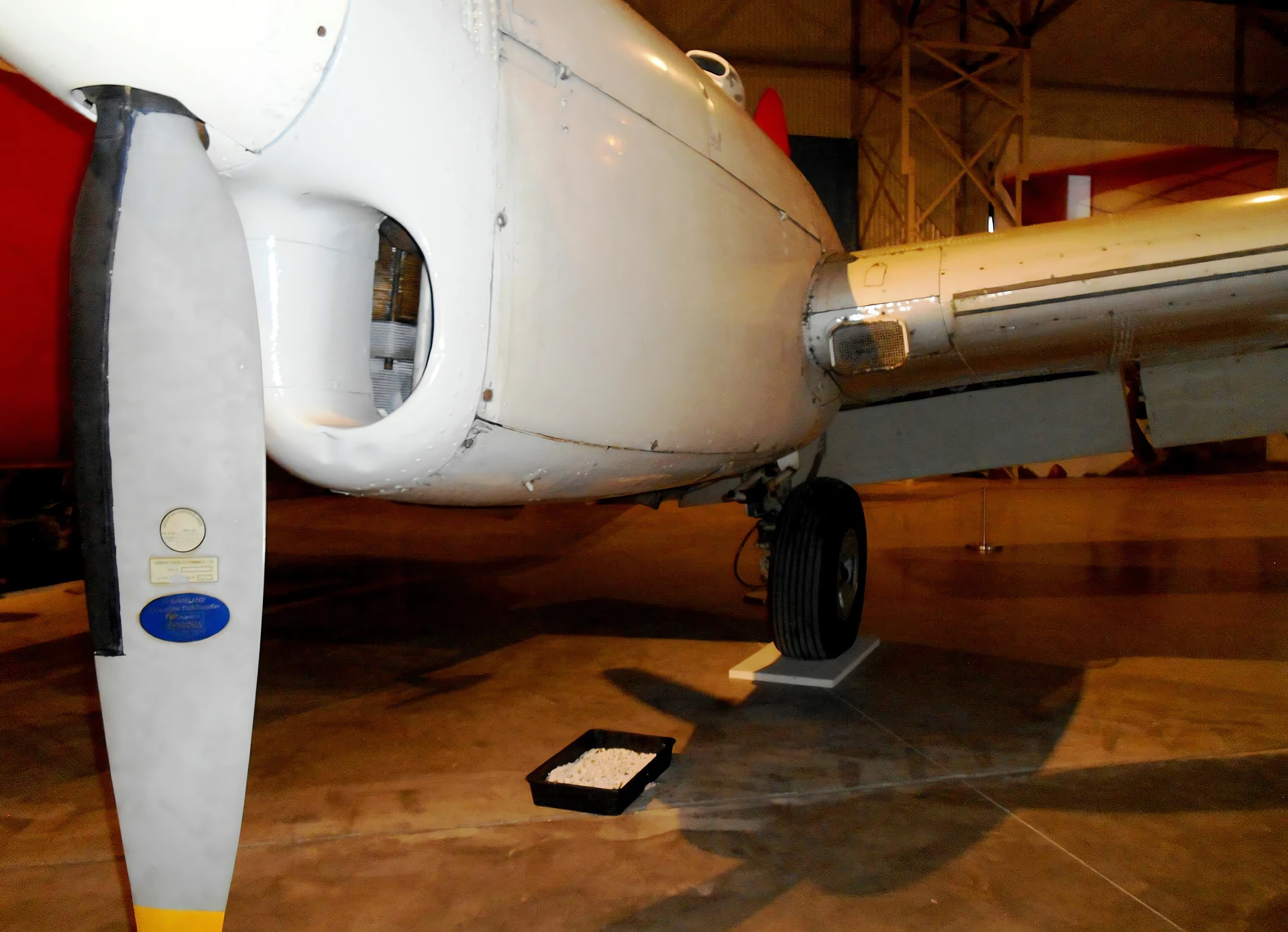
- Engines: Two de Havilland Gipsy Queen 70-3 six-cylinder, inverted in-line piston engines (early models). Later variants used the 70-2 and 70-3 engines with higher horsepower.
- Power Output (each): Approximately 246 kW (330 hp) to 298 kW (400 hp) on later models.
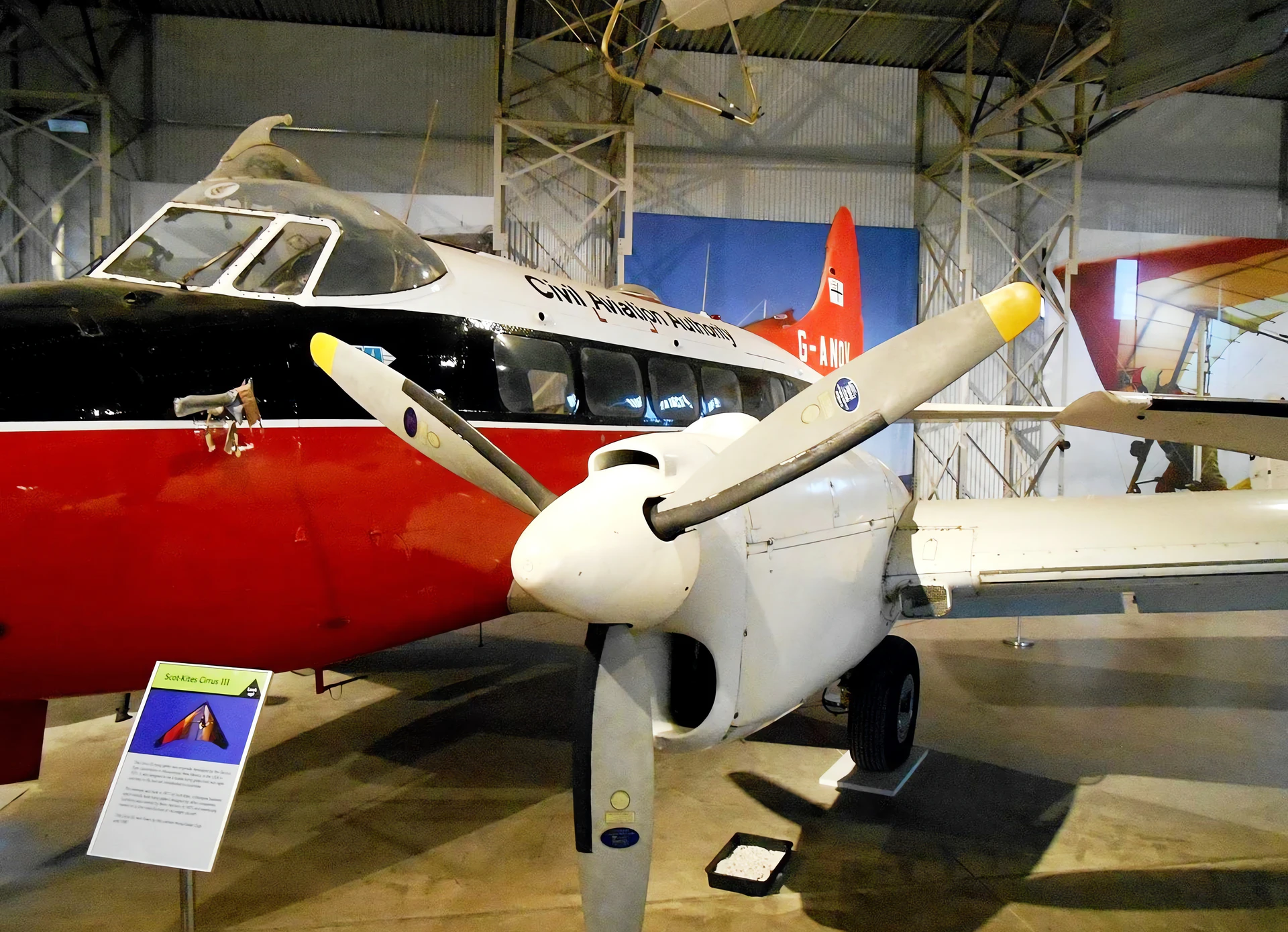
- Propellers: De Havilland Hydromatic constant speed, fully feathering, three-bladed propellers.
- Construction: All-metal, stressed-skin construction, which was a significant advance over the wooden and fabric construction of its predecessor.
- Maintenance: Designed for ease of maintenance with interchangeable components and engines mounted on quick-release pickup points.
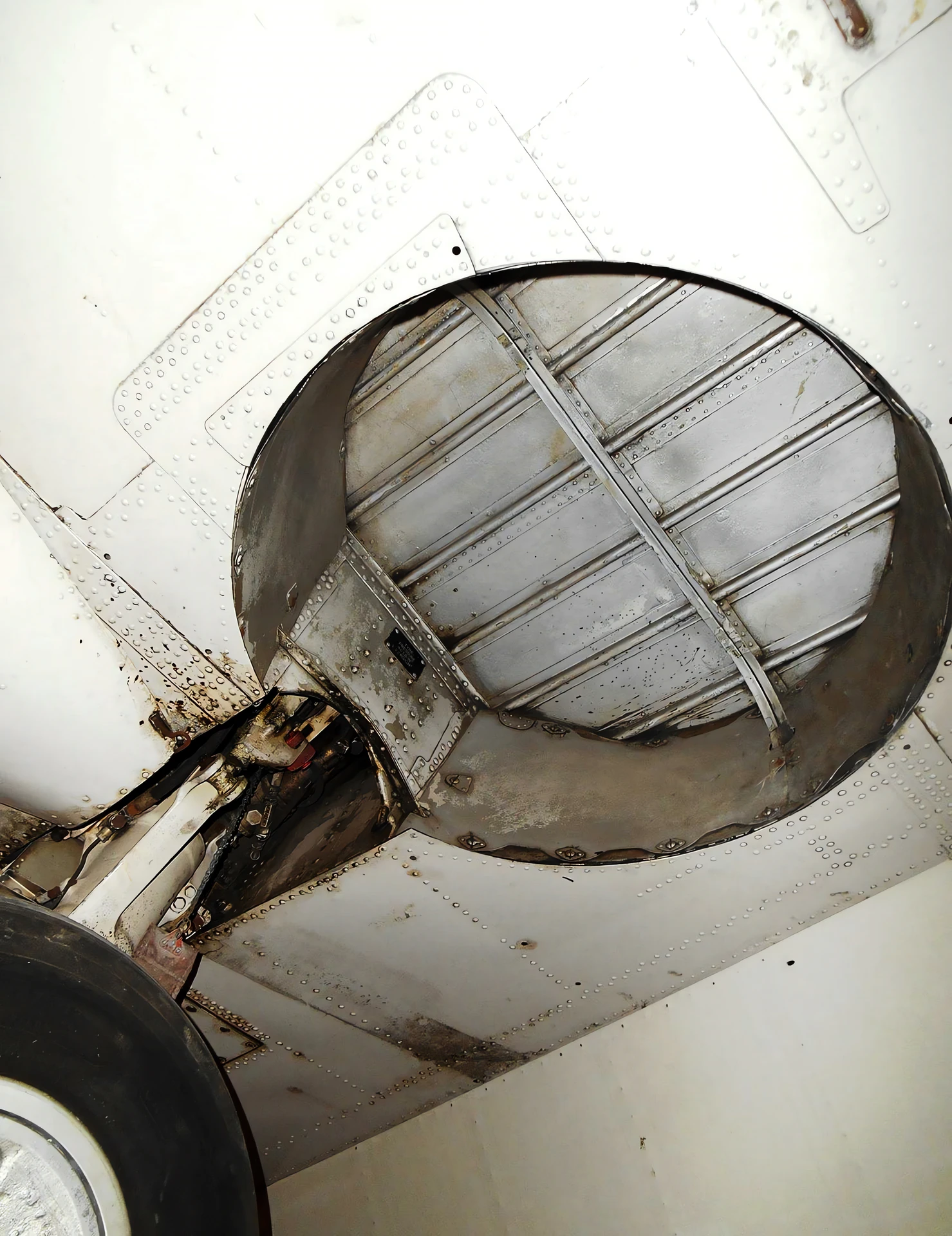
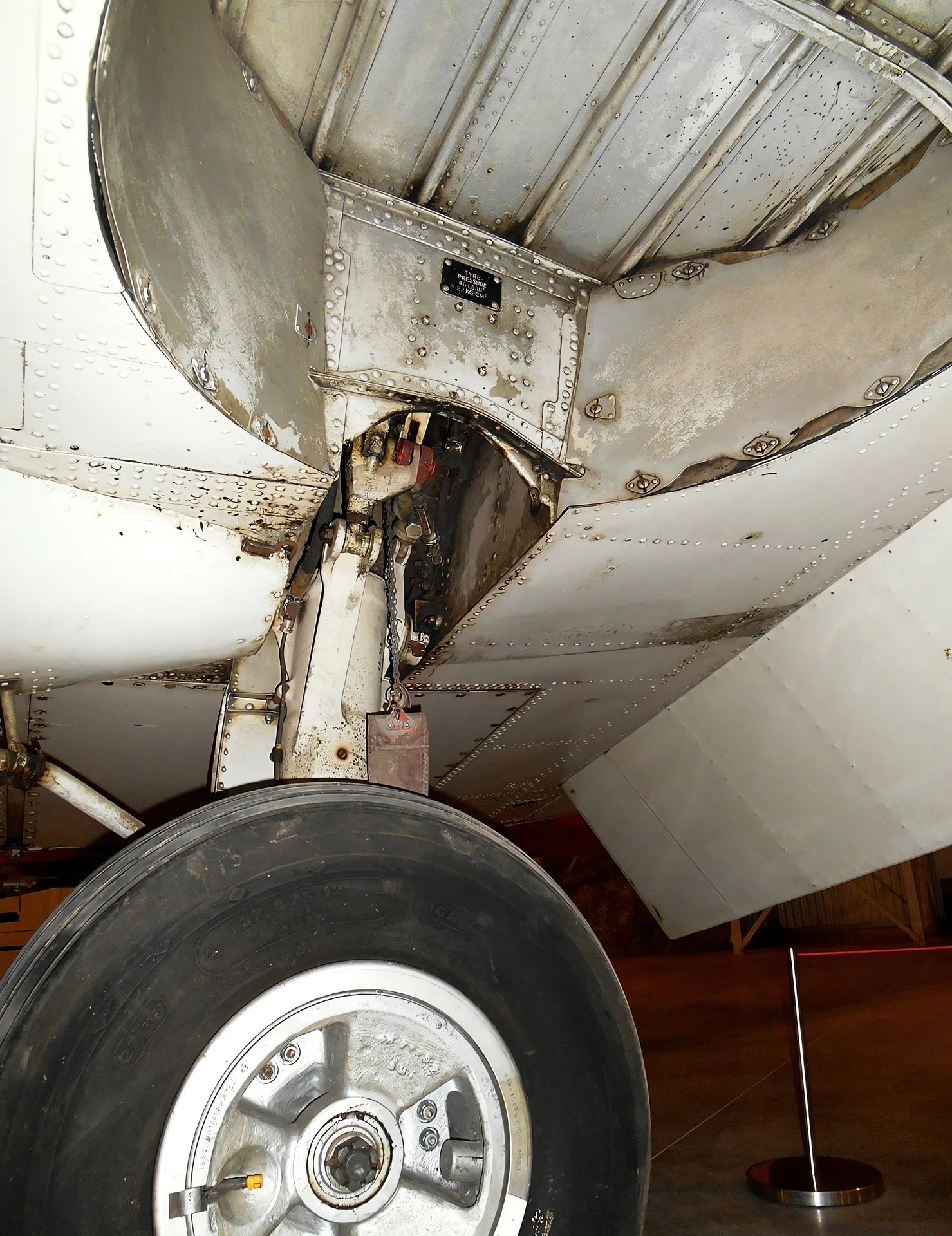
- Landing Gear: Fully retractable tricycle landing gear, a modern feature for its time.
Performance and Variants
- Maximum Speed: Up to 370 km/h (230 mph, 200 knots) (Later Series 7/8).
- Cruise Speed: Approximately 300–322 km/h (186–200 mph).
- Service Ceiling: 6,610 m (21,700 ft).
- Range: Approximately 1,415 km (880 mi, 765 nm).
- Military Variants:
- Devon C Mk 1: Transport and communications version for the Royal Air Force (RAF).
- Sea Devon C Mk 20: Transport and communications version for the Royal Navy.
- Successor: The de Havilland Heron was a larger, four-engine development of the Dove, designed for longer-range routes.
Views : 422
Vous pouvez voir aussi :
 de Havilland Dragon Rapide – Photos & Vidéos
 de Havilland Canada DHC-2 – Photos et vidéos
 de Havilland DH.60 Moth – Photos & Vidéos
 de Havilland DH112 Venom – Photos & Vidéos
 de Havilland Canada DHC-4 Caribou – Photos et vidéo
 de Havilland Dragon – Photos & Vidéo
 de Havilland Mosquito – Photos & Vidéo
 de Havilland DH.88 Comet – Photos & Vidéo
 de Havilland Vampire – Photos & Vidéo
de Havilland DH112 Venom – Photos & Vidéo
de Havilland Vampire – Photos & Vidéo
de Havilland DH112 Venom – Photos & Vidéo