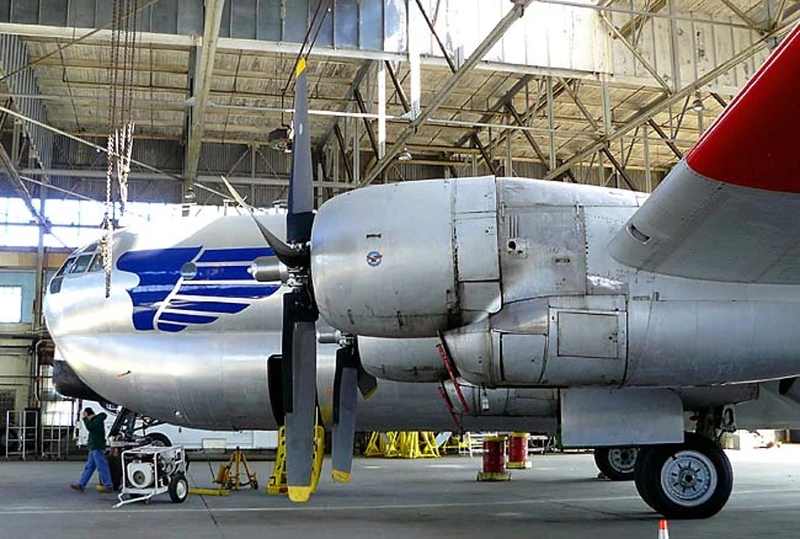
Boeing C-97 Stratofreighter | |
|---|---|
| Pays | Usa |
| Rôle | Avions de transport militaire |
| Premier vol | Le 9 novembre 1944 |
| Construit | 888 |
Lla Boeing C-97 Stratofreighter était un avion cargo militaire lourd à longue portée développé à partir des bombardiers B-29 et B-50. Les travaux de conception ont commencé en 1942, le premier des 3 prototypes XC-97 a volé le 9 novembre 1944 (aucun n’a vu le combat), et le premier des 6 YC-97 d’essai de service a volé le 11 mars 1947. Tous ces éléments étaient basés sur la structure en alliage 24ST et les moteurs Wright R-3350 du B-29, mais avec un lobe supérieur du fuselage de plus grand diamètre (faisant une figure de huit ou ‘double bulle’section) et ils avaient la queue verticale B-29 avec la position des artilleurs blanchi. Entre 1944 et 1958, 888 C-97 en plusieurs versions ont été construits, 811 étant des KC-97 tankers. Les C-97 ont servi dans le pont aérien de Berlin, la guerre de Corée et la guerre du Vietnam.
Source: Boeing C-97 Stratofreighter sur Wikipedia
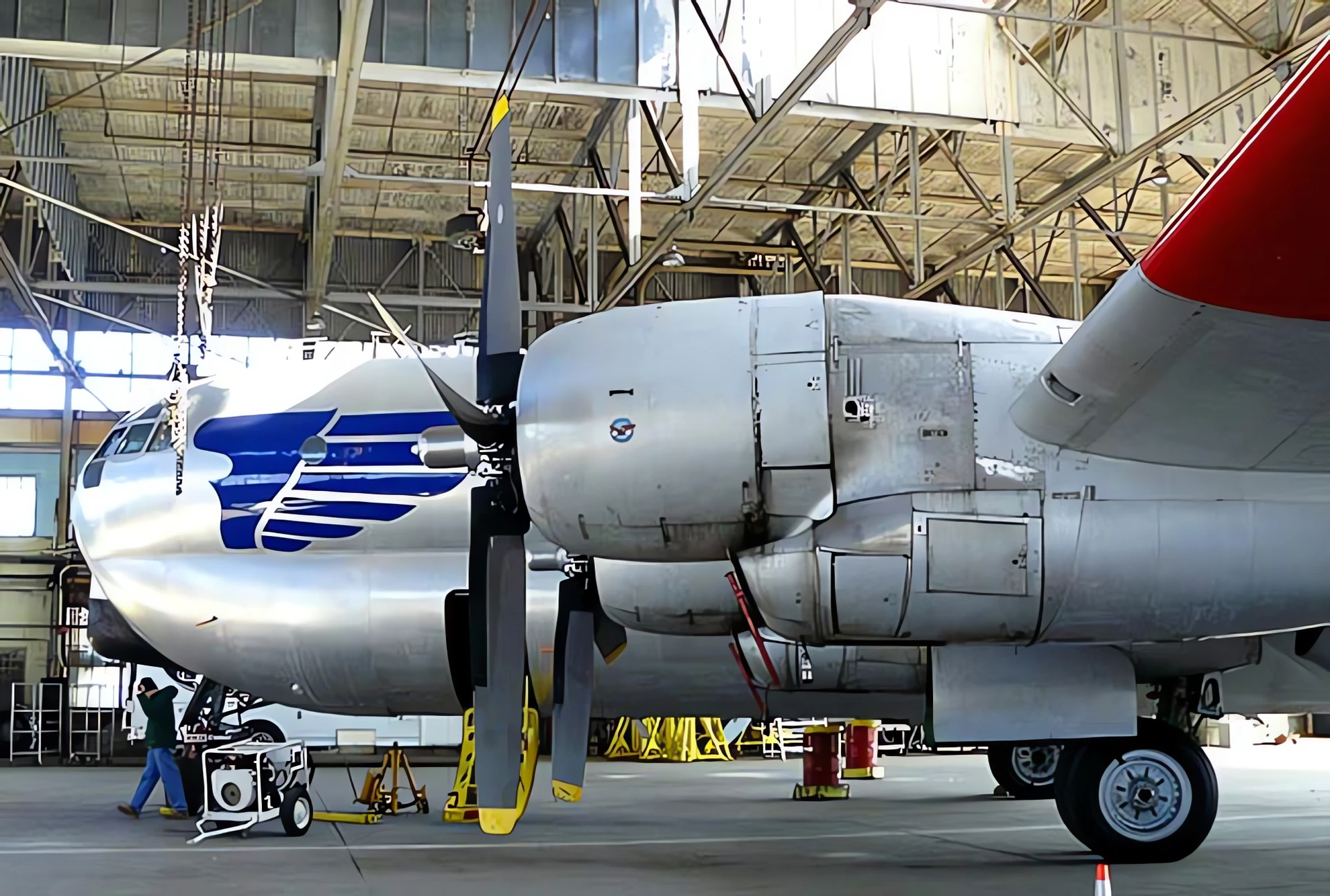
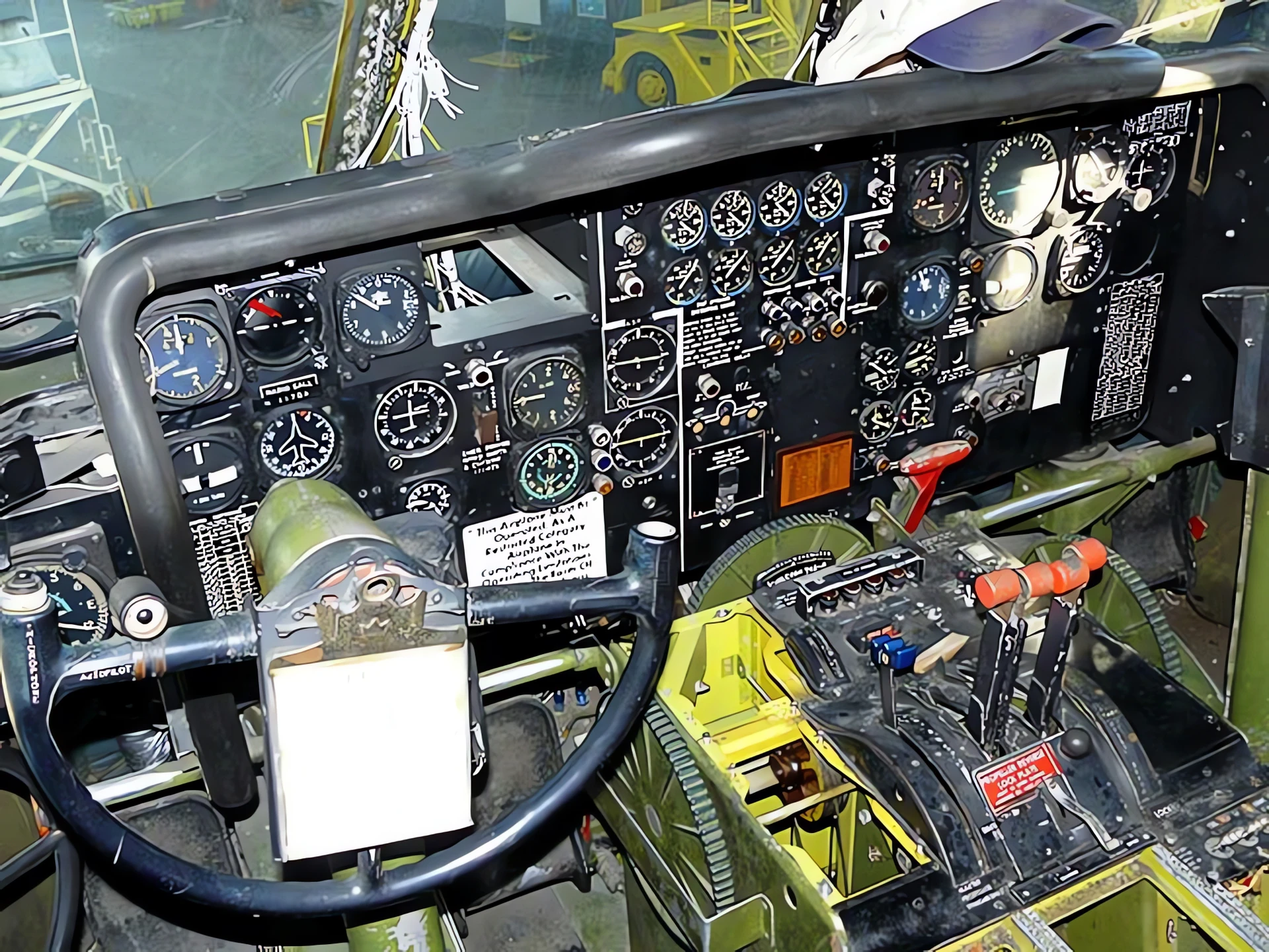
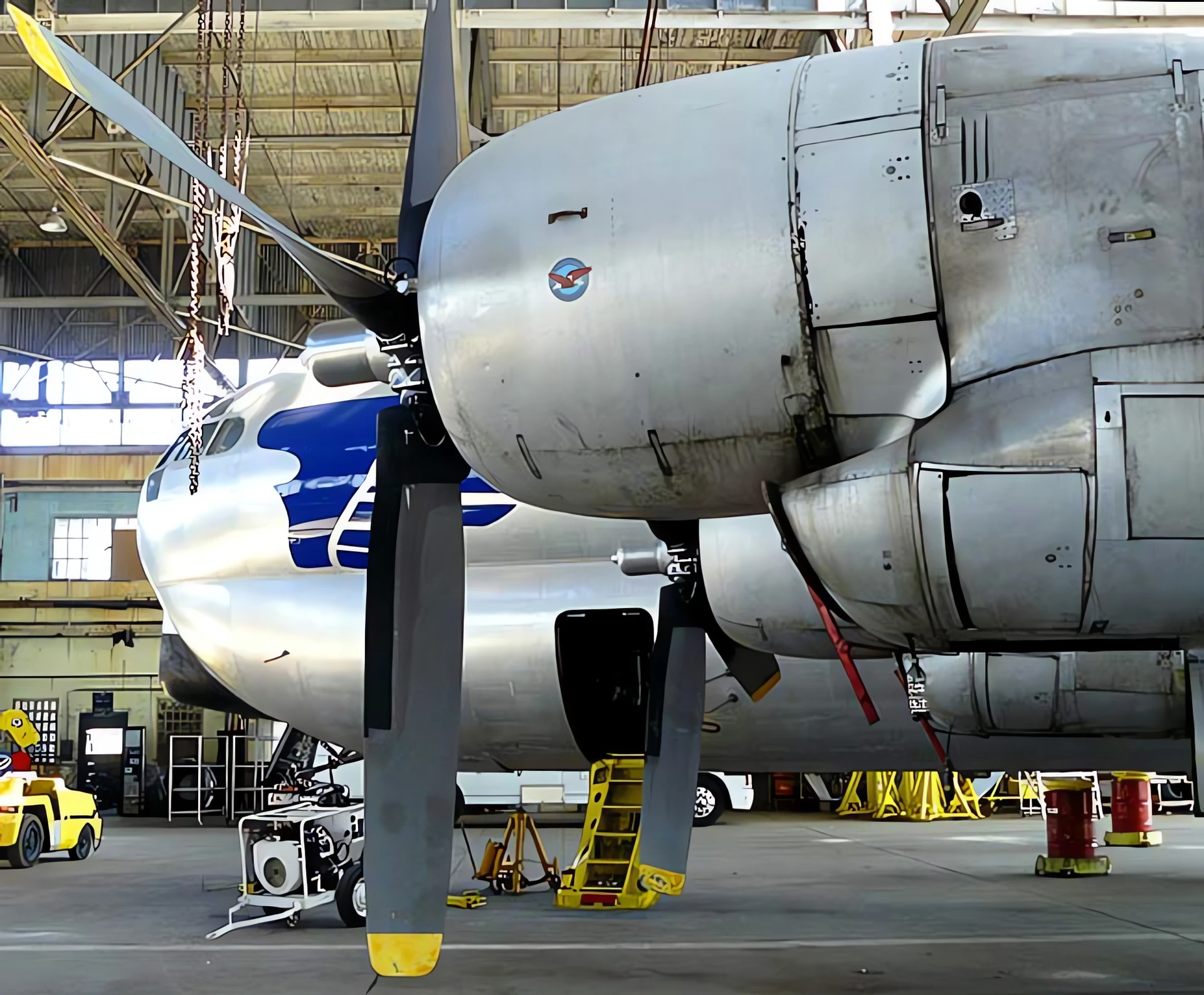
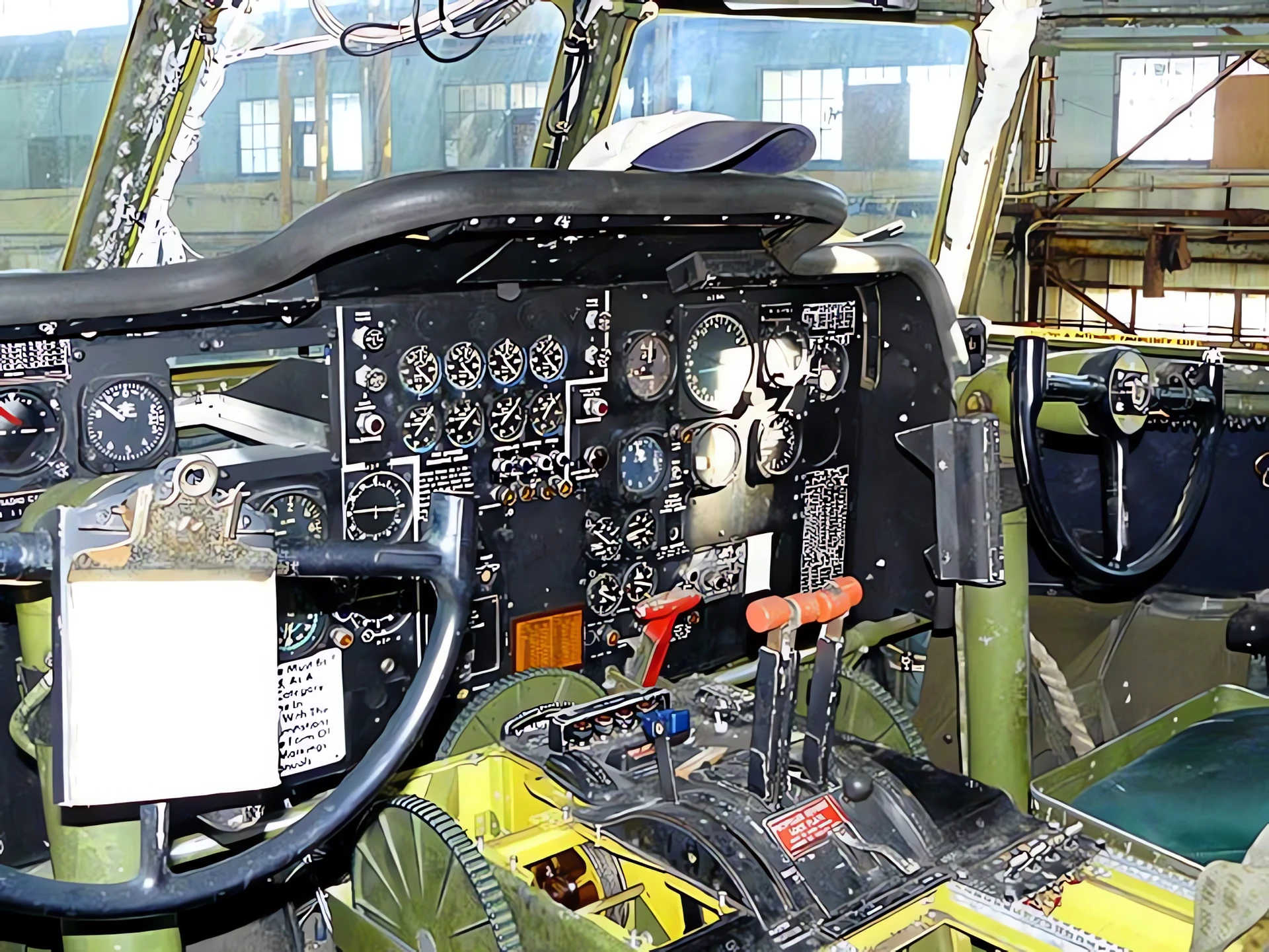
| Boeing C-97G Stratofreighter Walk Around | |
|---|---|
| Photographer | Bill Maloney |
| Localisation | Unknow |
| Photos | 62 |
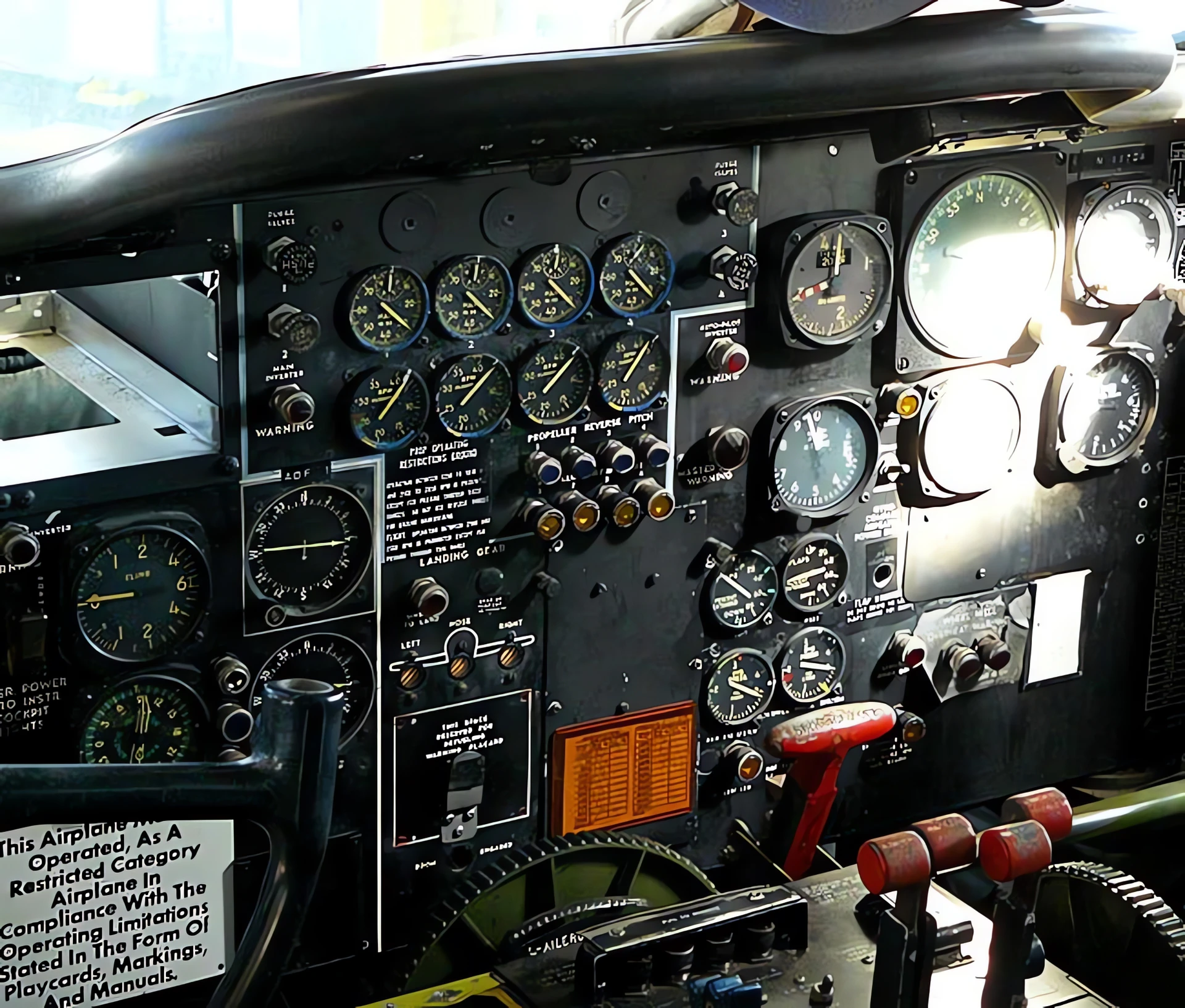
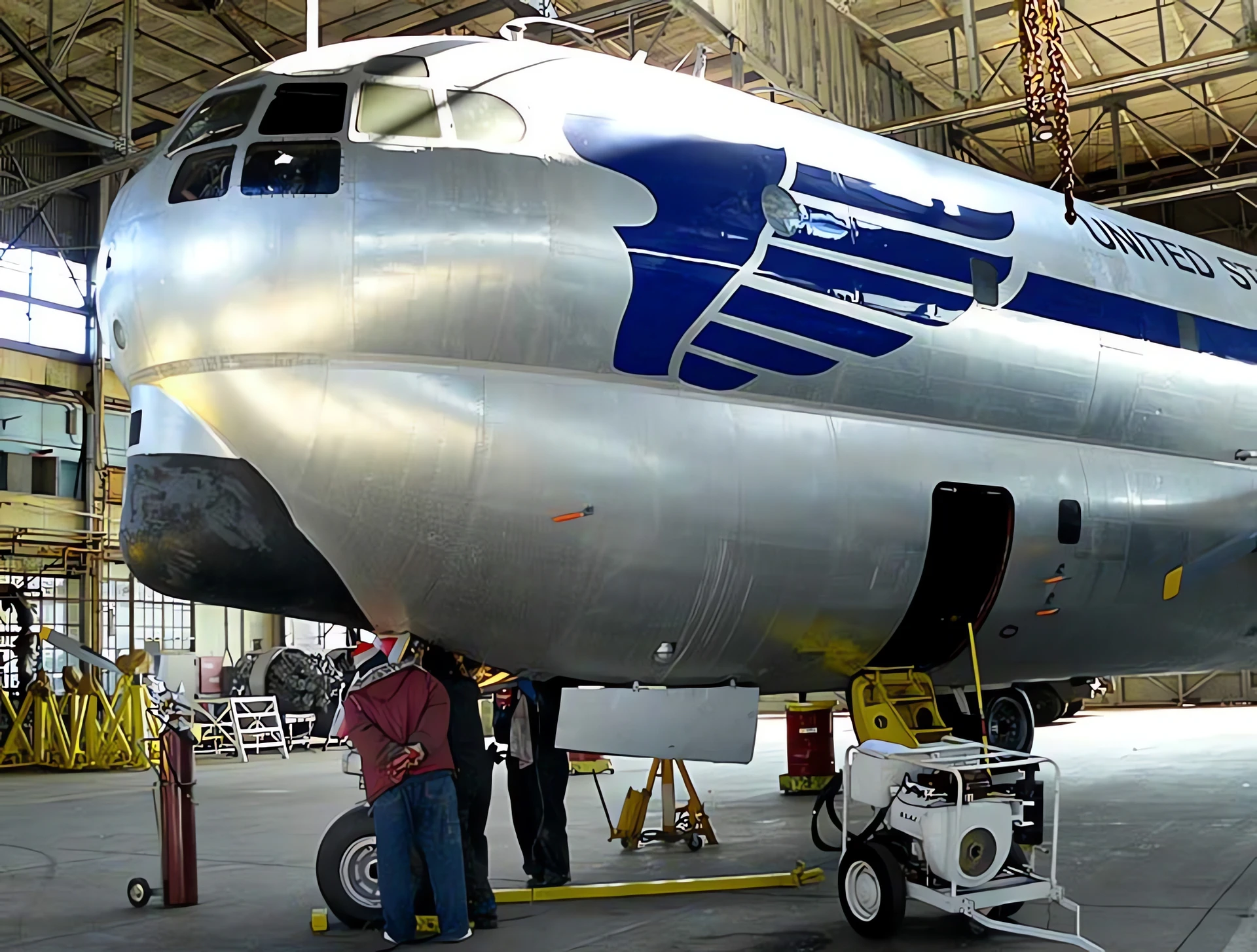
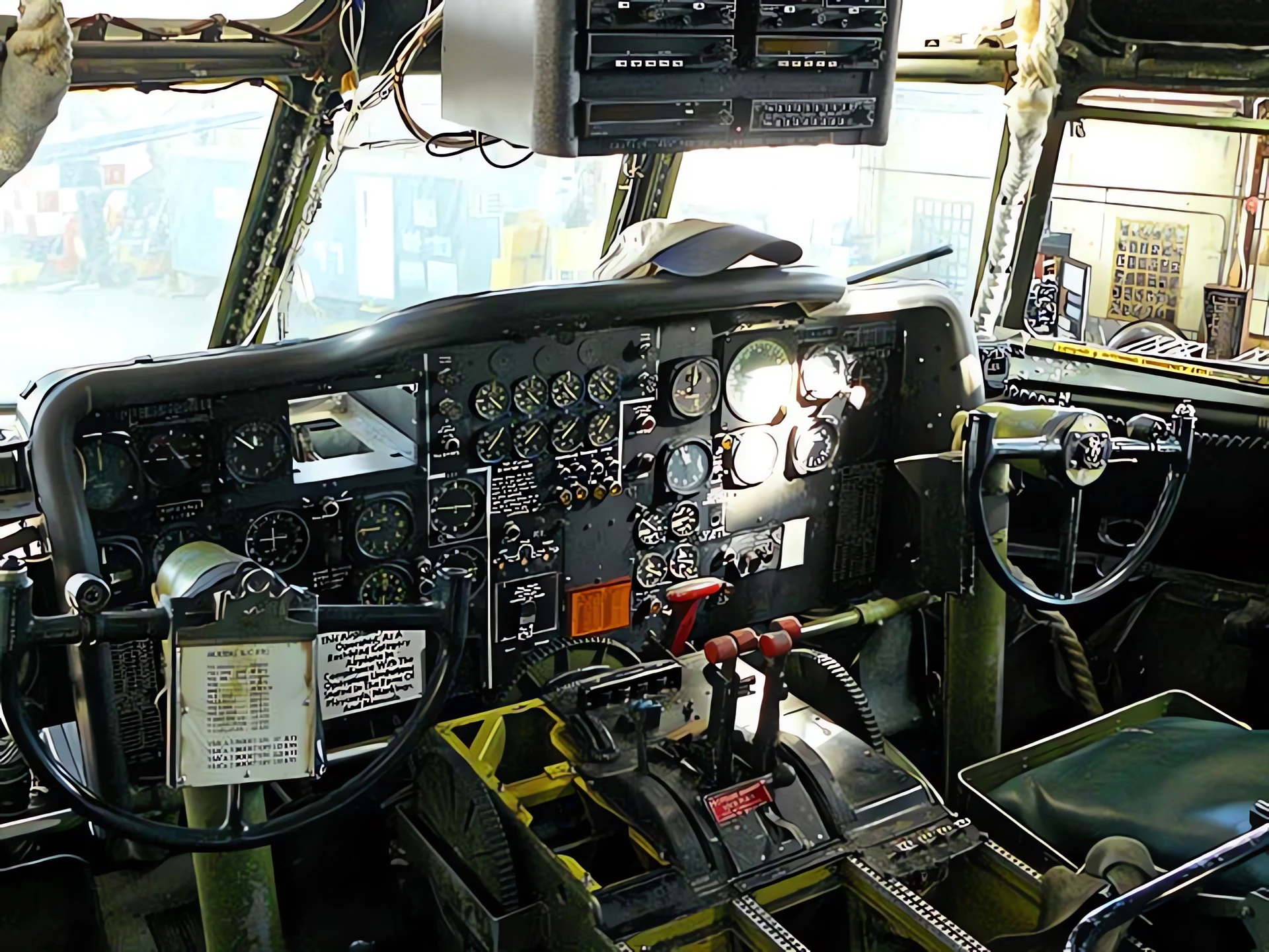
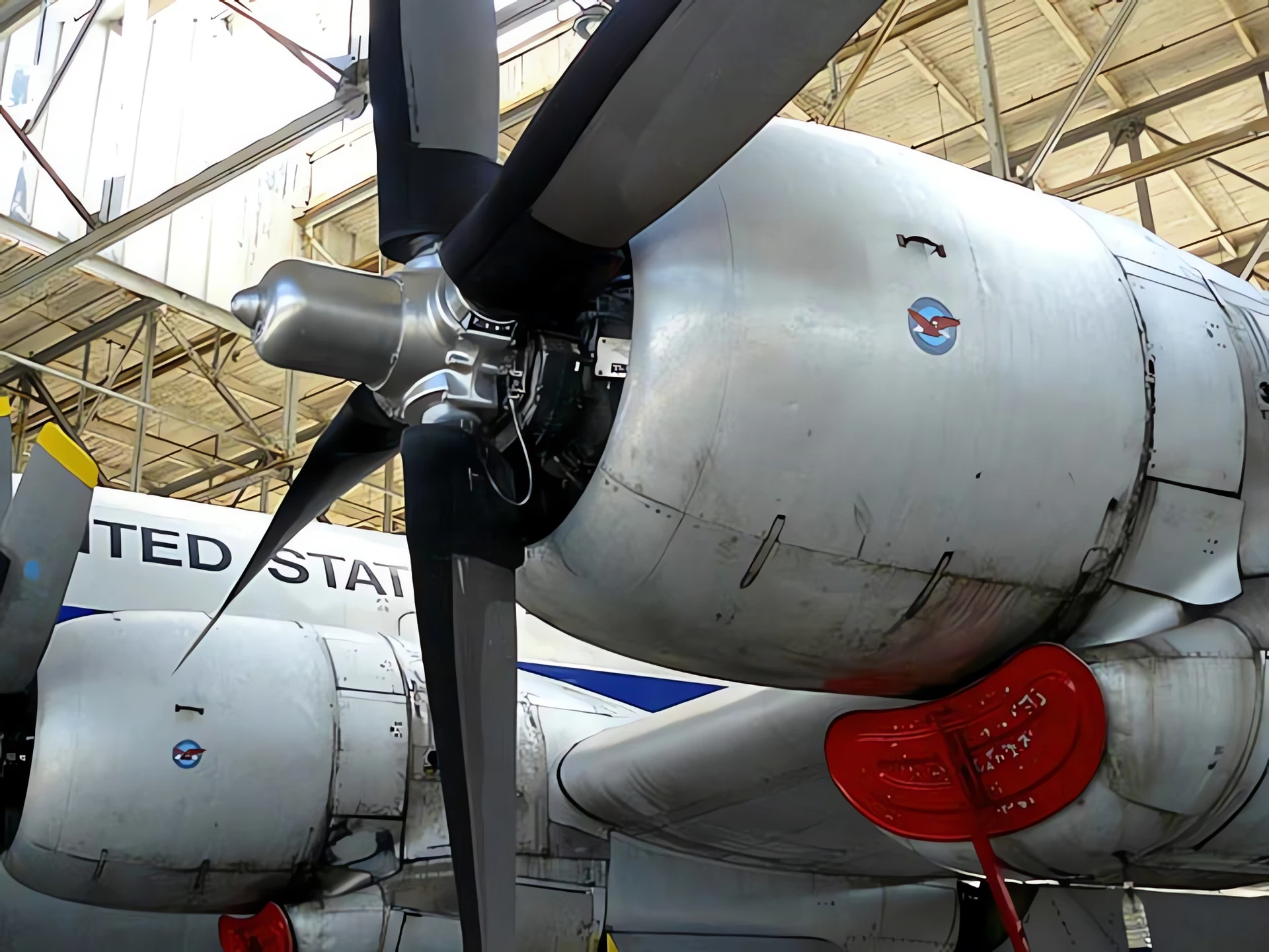
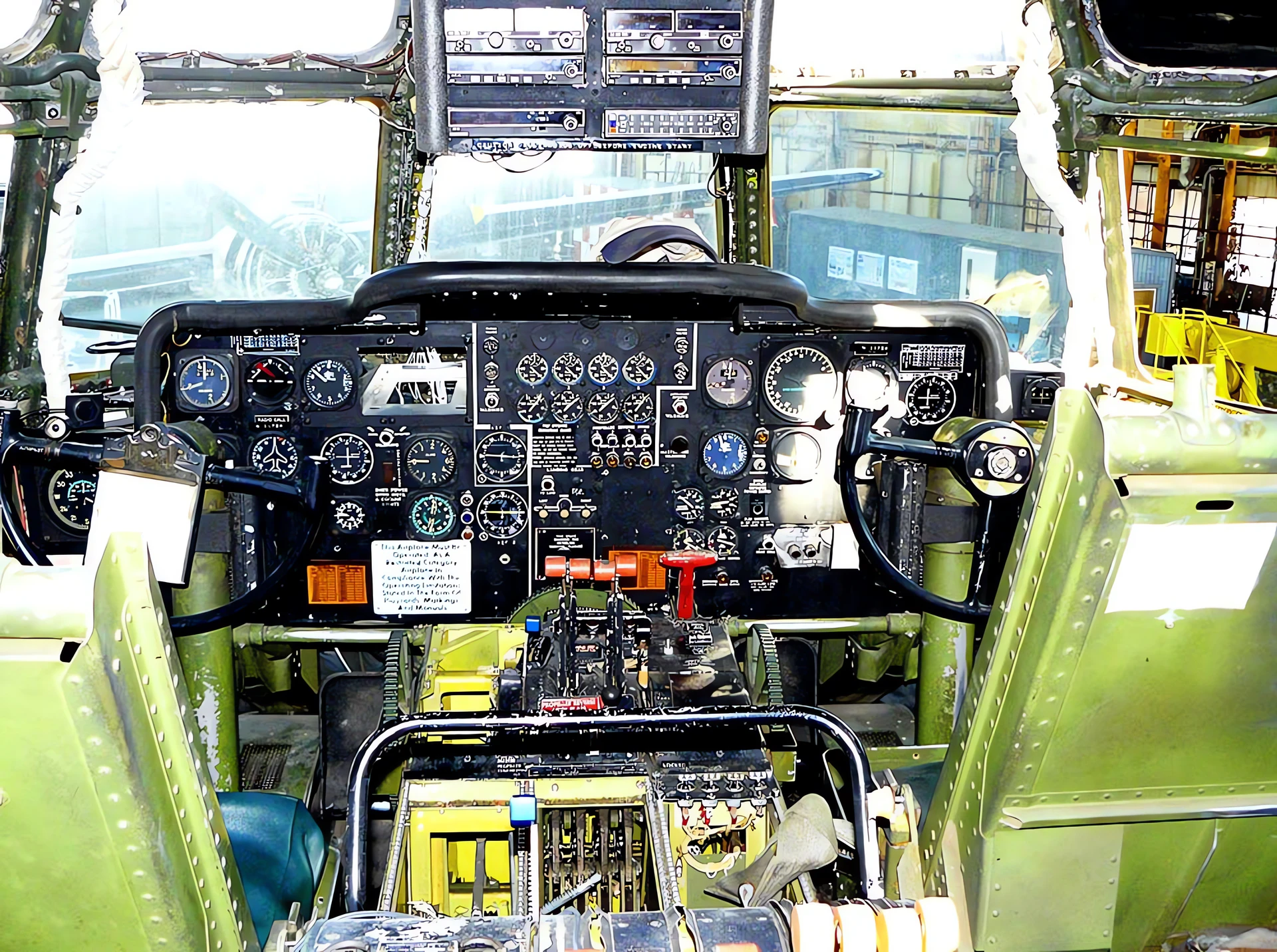

Voir aussi :


General Characteristics and Role
The **Boeing C-97 Stratofreighter** was a long-range strategic military transport aircraft developed from the successful B-29 Superfortress bomber during World War II. The **C-97G** represents the ultimate pure transport variant, though many were later converted to the KC-97 aerial tanker role. The aircraft is recognizable by its distinctive, large double-deck fuselage, which was optimized for carrying heavy cargo, large vehicles, and up to 130 fully equipped troops. The C-97 was vital during the **Korean War** and for supporting the Distant Early Warning (DEW) line, as well as the **Berlin Airlift**, where its speed and capacity proved invaluable. Its pressurized cabin allowed for long-range, high-altitude operations.
| Property | Typical Value (C-97G) |
|---|---|
| Rôle | Strategic Military Transport, Cargo/Troop Carrier |
| National Origin | États-Unis |
| Fabricant | Boeing |
| First Flight (Prototype XC-97) | Le 9 novembre 1944 |
| Crew | 5 (Pilot, Co-pilot, Navigator, Flight Engineer, Radio Operator) + Loadmasters |
| Capacity (Troops/Cargo) | Up to 130 troops or 35,000 lb (16,000 kg) of cargo |
| Length | 33.63 m (110 ft 4 in) |
| Envergure | 43.05 m (141 ft 3 in) |
| Height | 11.66 m (38 ft 3 in) |
| Empty Weight | 37,420 kg (82,500 lb) |
| Max Takeoff Weight | 77,110 kg (170,000 lb) |
Powerplant and Performance
- Engine: 4 x **Pratt & Whitney R-4360 Wasp Major** 28-cylinder air-cooled radial engines.
- Power Output (Per Engine): 2,610 kW (3,500 hp) (Water/Methanol injected).
- Maximum Speed: 603 km/h (375 mph; 326 kn).
- Cruise Speed: 480 km/h (300 mph).
- Range: 6,920 km (4,300 mi; 3,730 nmi).
- Service Ceiling: 10,670 m (35,000 ft).
Design and Variants
- Fuselage Design: Features a unique « figure-8 » cross-section, which was crucial for maintaining pressurization and accommodating the large cargo door/ramp in the belly.
- Loading: Cargo was loaded via a large ramp that dropped down from the belly in the rear of the fuselage, allowing vehicles to drive directly into the lower deck.
- KC-97 Conversion: Most C-97s were converted to the **KC-97 Stratofreighter** aerial tanker, primarily for refueling B-47 and B-52 bombers, extending their operational life through the 1960s.
- Power Issues: The R-4360 engines were complex and maintenance-intensive, particularly when utilizing the power-boosting water injection system.
Vues : 1653
Vous pouvez voir aussi :
 Boeing YC-14 – Photos & Vidéos
 Boeing X-32 – Photos & Vidéos
 Boeing 80 – Photos & Vidéos
 Boeing KC-97 Stratofreighter – Photos & Vidéos
 Boeing X-40A – Photos & Vidéos
 Boeing 247 – Photos & Vidéos
 Boeing 367-80 – Photos & Vidéos
 Boeing T-43 Bobcat – Photos & Vidéo
 Boeing F4B-4 – Photos & Vidéo
 C-17 Globemaster - WalkAround