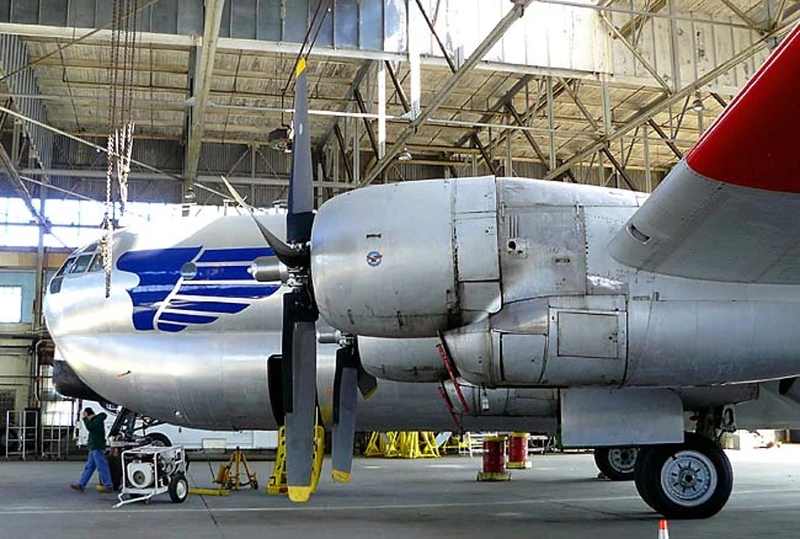
Boeing C-97 Stratofreighter | |
|---|---|
| Maa | Yhdysvallat |
| Rooli | Sotilaskuljetuskoneet |
| Ensimmäinen lento | 9. marraskuuta 1944 |
| Rakennettu | 888 |
Nniiden Boeing C-97 Stratofreighter oli pitkän kantaman raskas sotilasrahtikone, joka kehitettiin B-29- ja B-50-pommikoneista. Suunnittelutyö alkoi vuonna 1942, ensimmäinen kolmesta XC-97-prototyypistä lensi 9. marraskuuta 1944 (yksikään ei nähnyt taistelua) ja ensimmäinen kuudesta palvelutestistä YC-97 lensi 11. maaliskuuta 1947. Kaikki nämä perustuivat B-29: n 24ST-seosrakenteeseen ja Wright R-3350 -moottoreihin, mutta halkaisijaltaan suuremmalla rungon ylälohkolla (jolloin luku oli kahdeksan tai "kaksoiskupla") ja niissä oli B-29-pystysuora häntä, jossa ampujien sijainti oli peitetty. Vuosina 1944–1958 rakennettiin 888 C-97-konetta useissa versioissa, joista 811 oli KC-97-säiliöaluksia. C-97: t palvelivat Berliinin ilmakuljetuksessa, Korean sodassa ja Vietnamin sodassa.
Lähde: Boeing C-97 Stratofreighter Wikipediassa
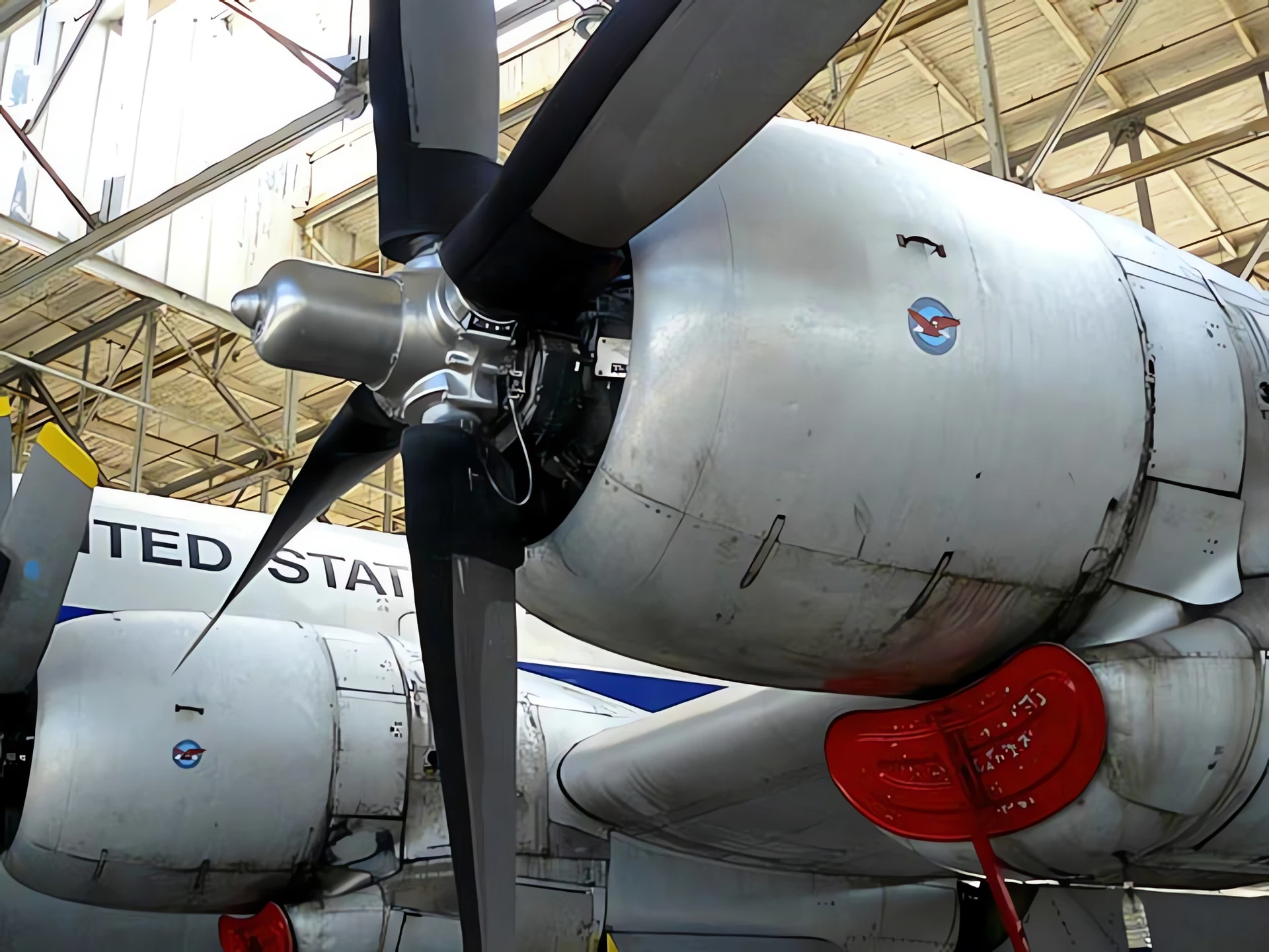
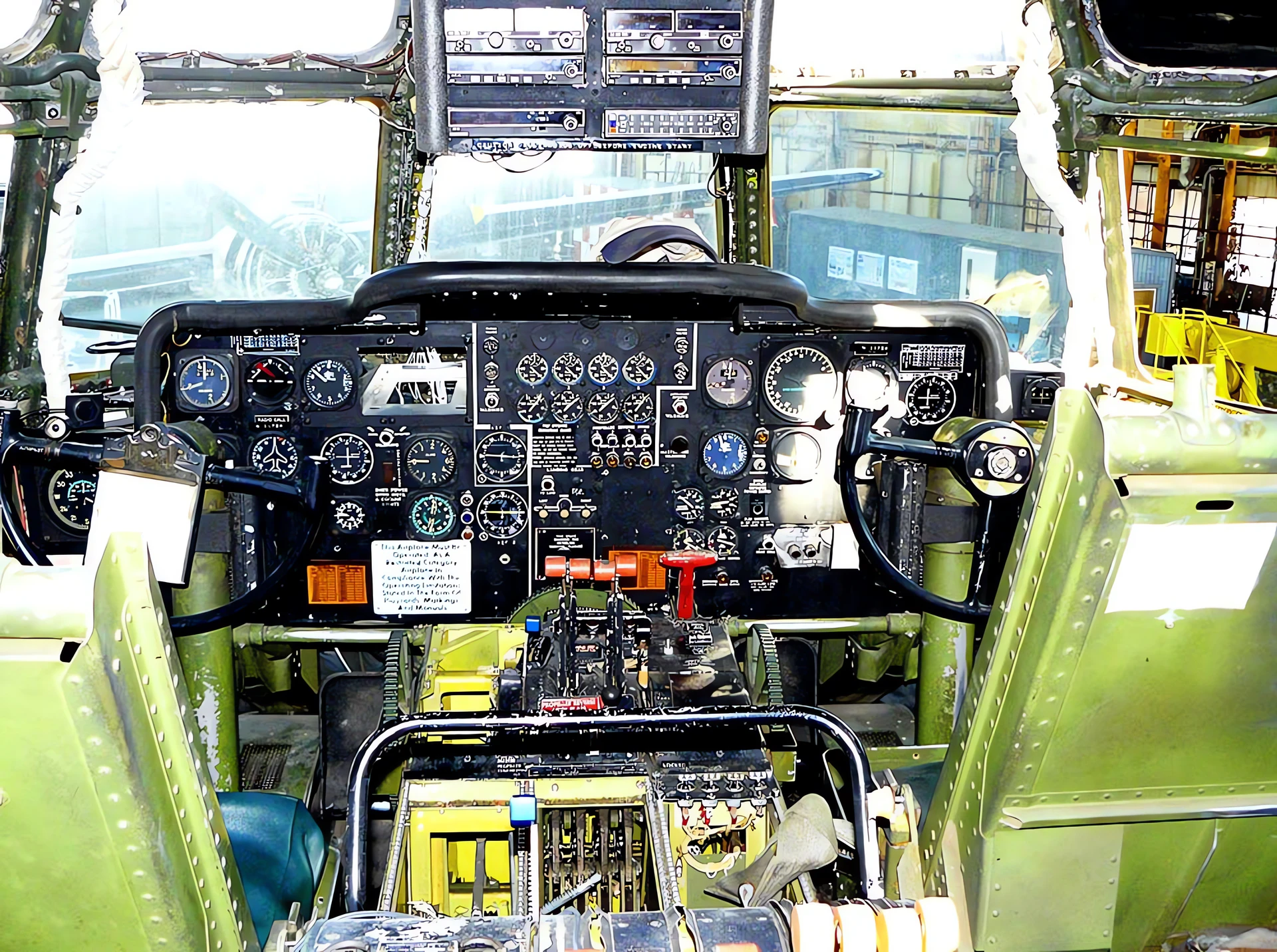
| Boeing C-97G Stratofreighter Walk Around | |
|---|---|
| Photographer | Bill Maloney |
| Localisation | Unknow |
| Photos | 62 |
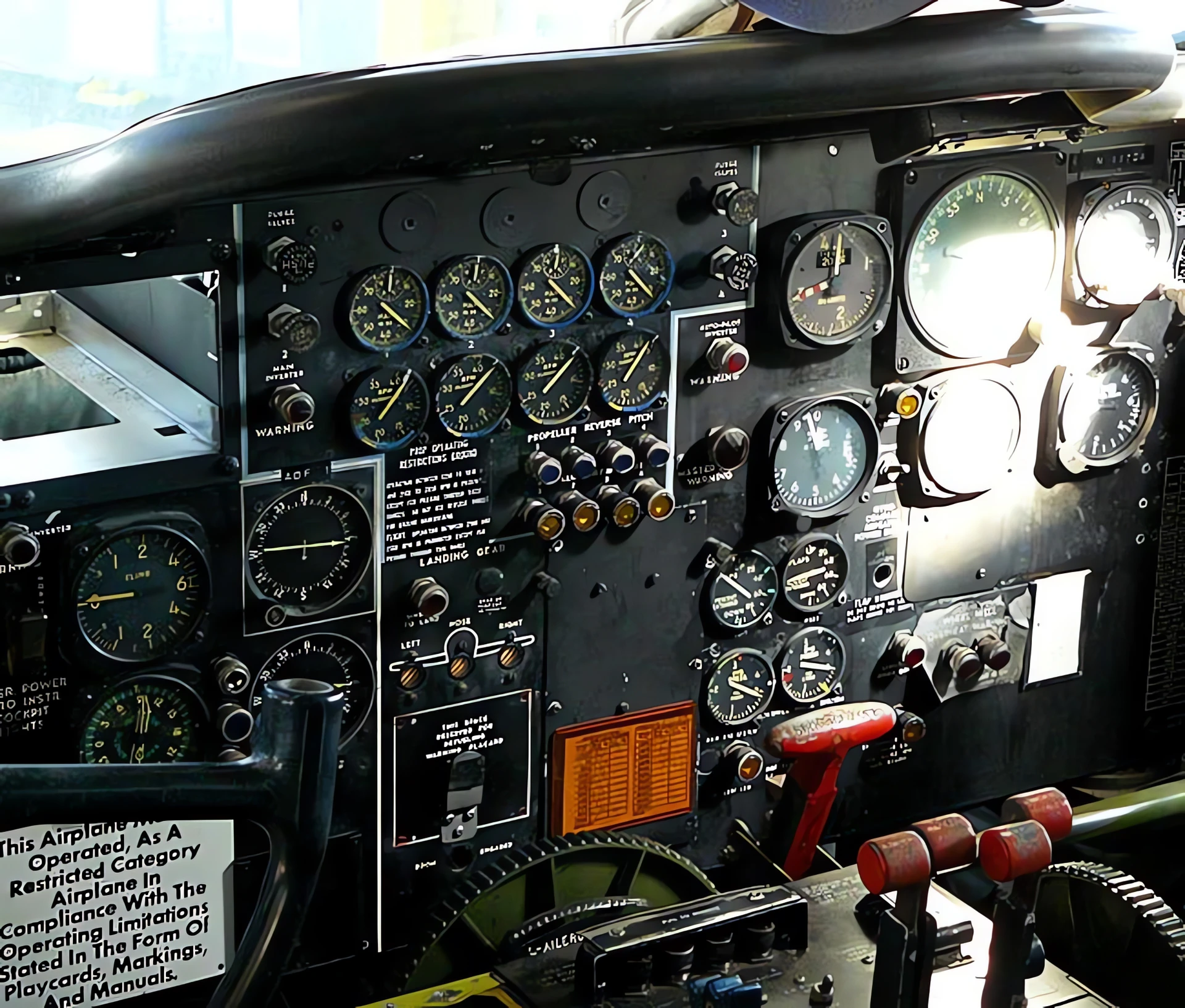
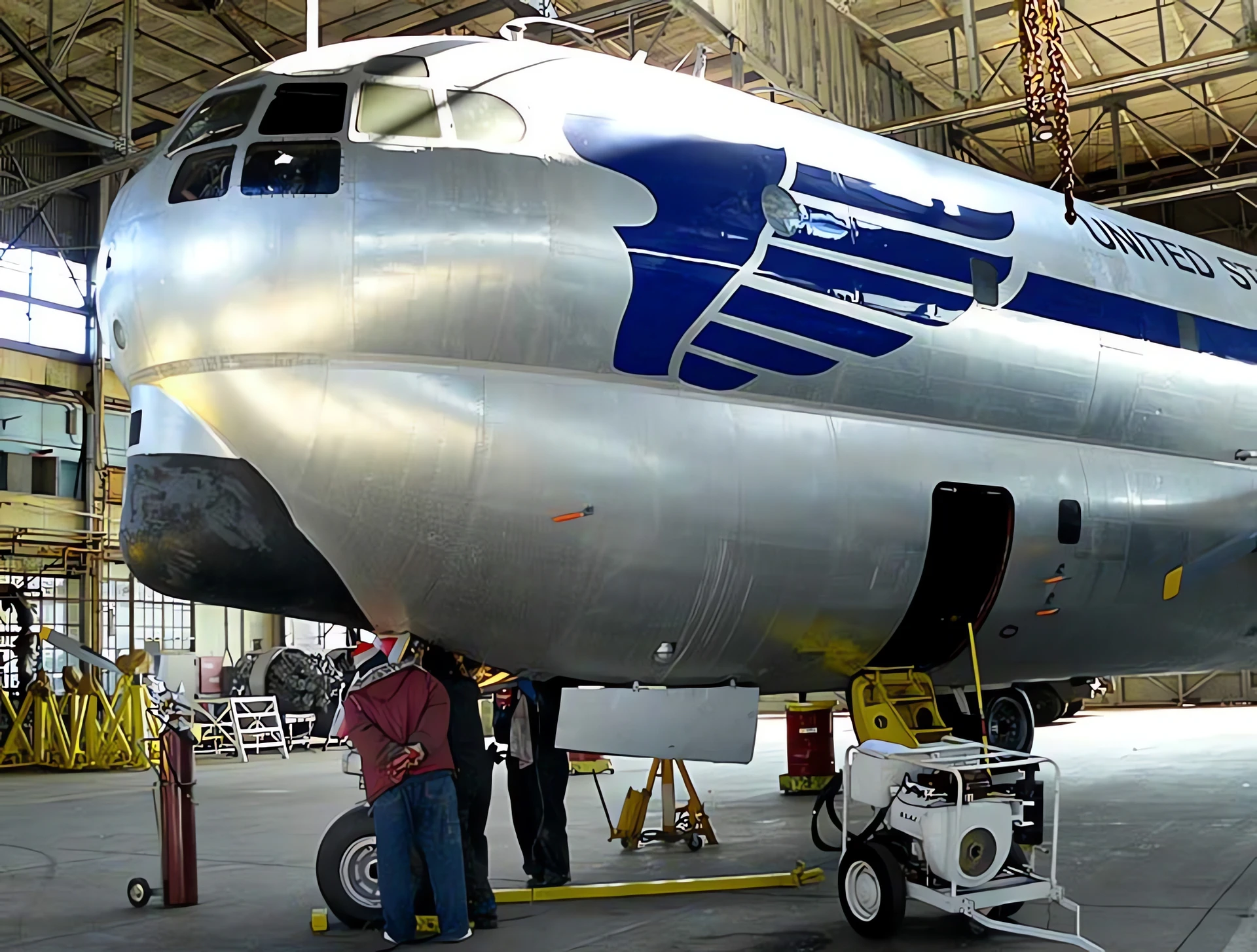
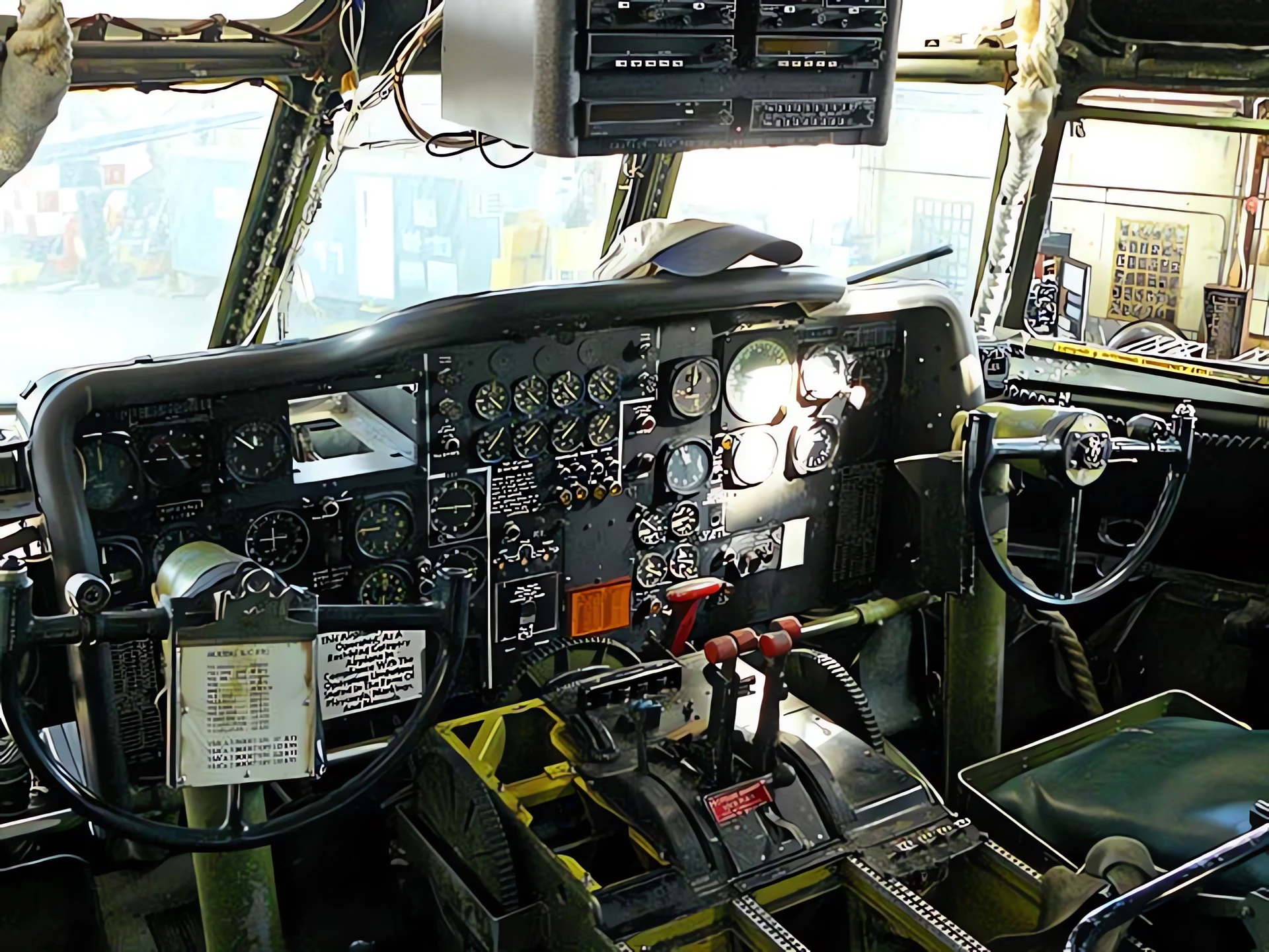
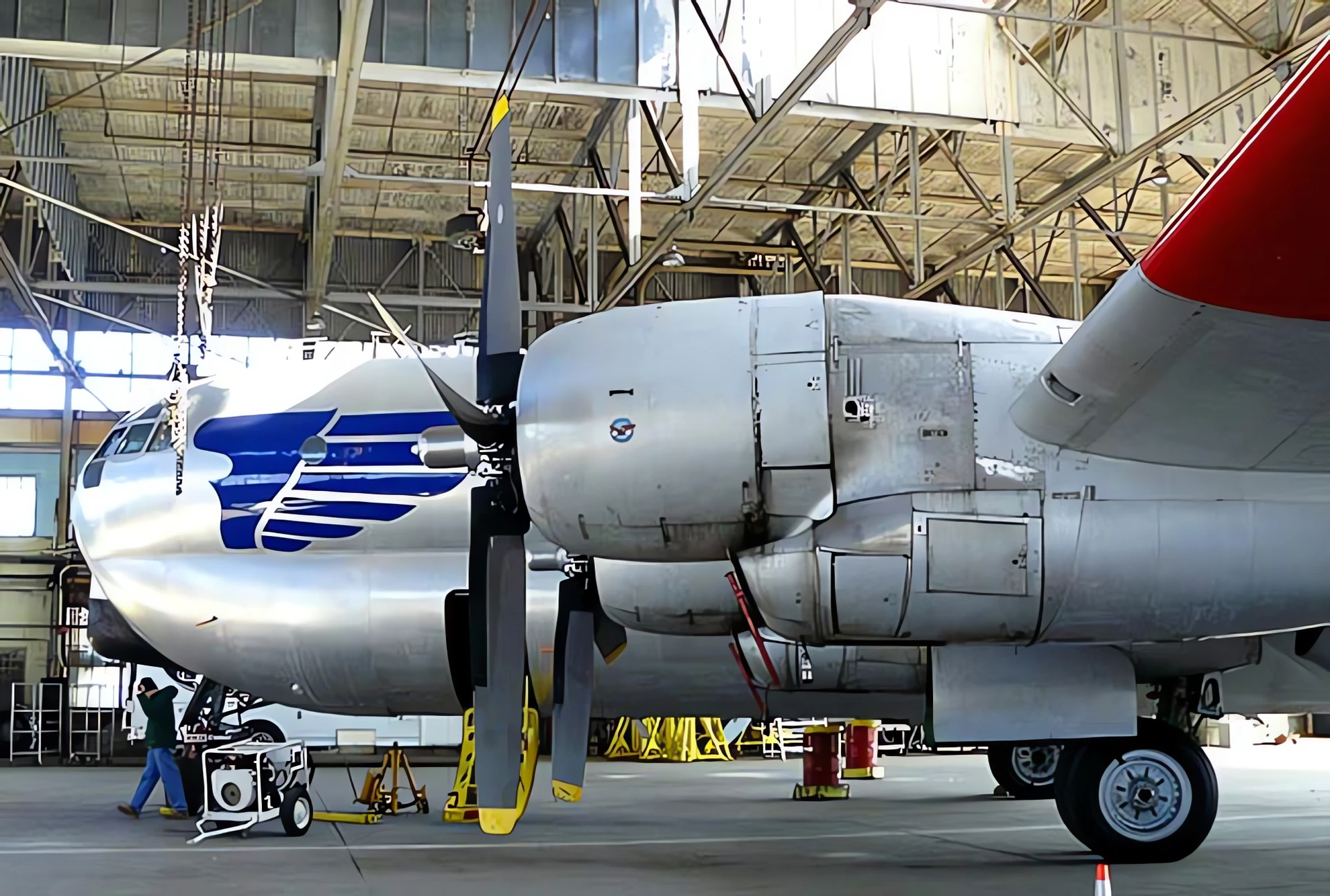
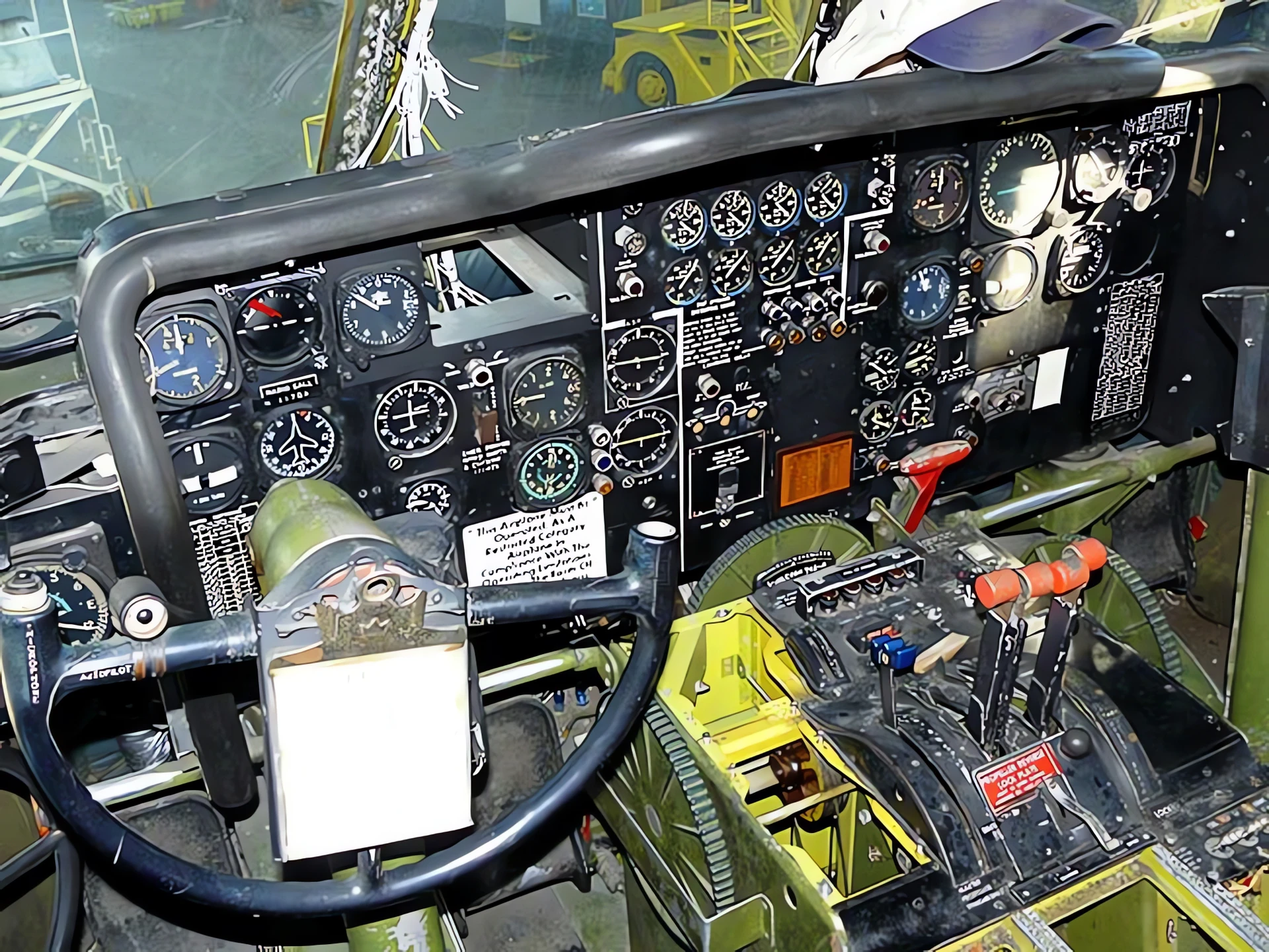
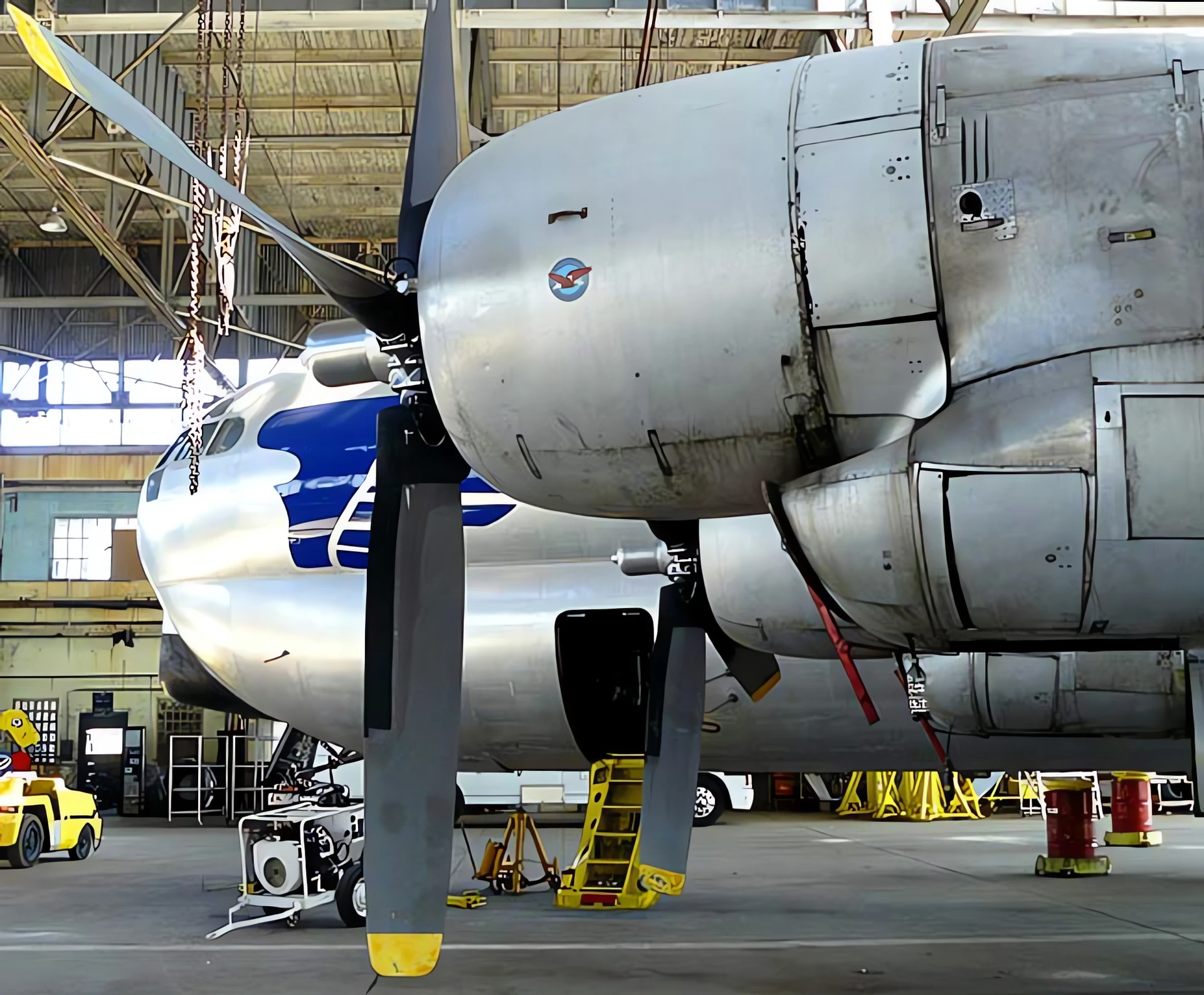
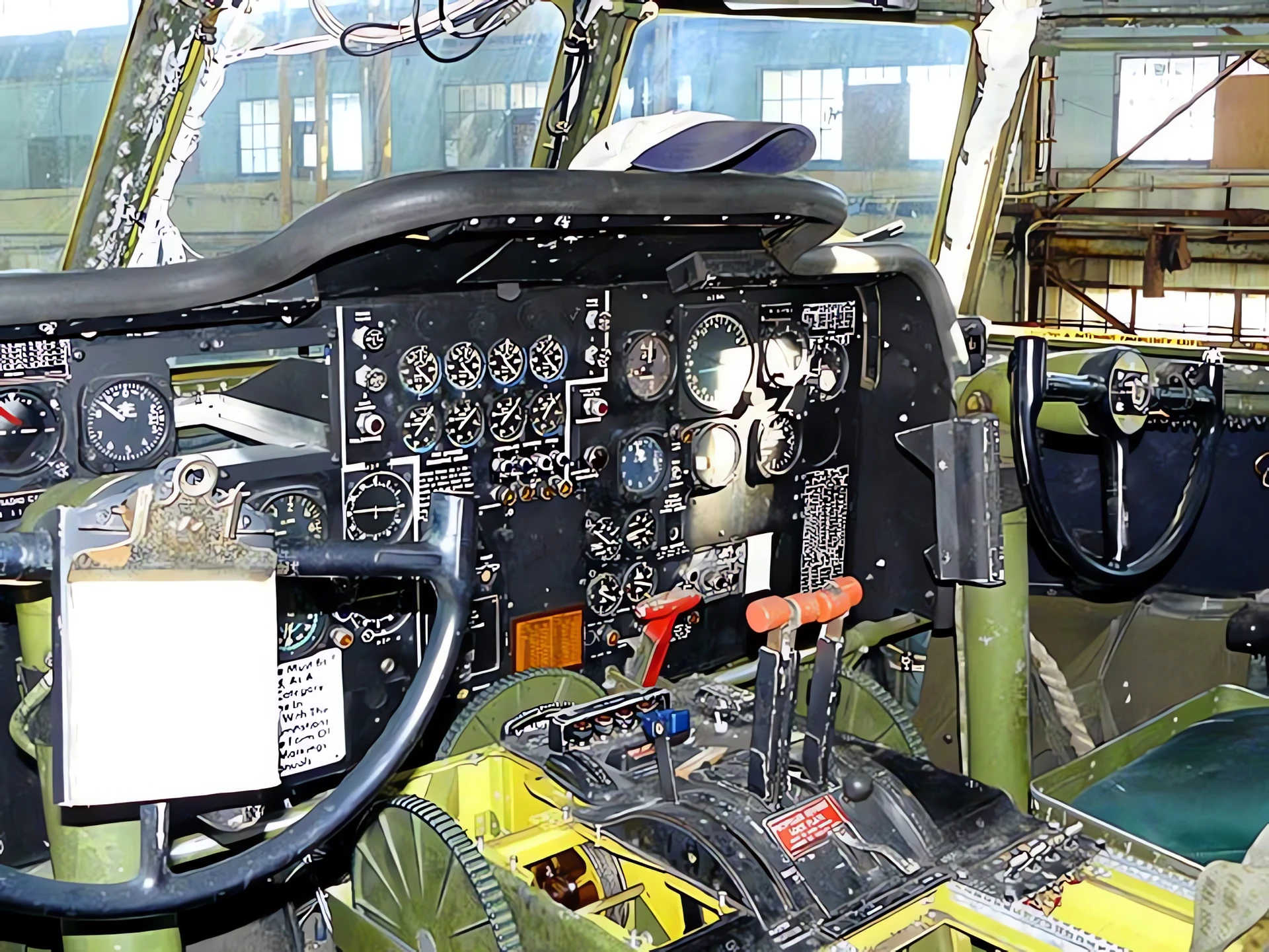

Katso myös:


General Characteristics and Role
The **Boeing C-97 Stratofreighter** was a long-range strategic military transport aircraft developed from the successful B-29 Superfortress bomber during World War II. The **C-97G** represents the ultimate pure transport variant, though many were later converted to the KC-97 aerial tanker role. The aircraft is recognizable by its distinctive, large double-deck fuselage, which was optimized for carrying heavy cargo, large vehicles, and up to 130 fully equipped troops. The C-97 was vital during the **Korean War** and for supporting the Distant Early Warning (DEW) line, as well as the **Berlin Airlift**, where its speed and capacity proved invaluable. Its pressurized cabin allowed for long-range, high-altitude operations.
| Property | Typical Value (C-97G) |
|---|---|
| Rooli | Strategic Military Transport, Cargo/Troop Carrier |
| National Origin | Yhdysvallat |
| Valmistaja | Boeing |
| First Flight (Prototype XC-97) | 9. marraskuuta 1944 |
| miehistö | 5 (Pilot, Co-pilot, Navigator, Flight Engineer, Radio Operator) + Loadmasters |
| Capacity (Troops/Cargo) | Up to 130 troops or 35,000 lb (16,000 kg) of cargo |
| pituus | 33.63 m (110 ft 4 in) |
| Siipiväli | 43.05 m (141 ft 3 in) |
| korkeus | 11.66 m (38 ft 3 in) |
| Empty Weight | 37,420 kg (82,500 lb) |
| Max Takeoff Weight | 77,110 kg (170,000 lb) |
Powerplant and Performance
- Engine: 4 x **Pratt & Whitney R-4360 Wasp Major** 28-cylinder air-cooled radial engines.
- Power Output (Per Engine): 2,610 kW (3,500 hp) (Water/Methanol injected).
- Maximum Speed: 603 km/h (375 mph; 326 kn).
- Cruise Speed: 480 km/h (300 mph).
- Range: 6,920 km (4,300 mi; 3,730 nmi).
- Service Ceiling: 10,670 m (35,000 ft).
Design and Variants
- Fuselage Design: Features a unique “figure-8” cross-section, which was crucial for maintaining pressurization and accommodating the large cargo door/ramp in the belly.
- Loading: Cargo was loaded via a large ramp that dropped down from the belly in the rear of the fuselage, allowing vehicles to drive directly into the lower deck.
- KC-97 Conversion: Most C-97s were converted to the **KC-97 Stratofreighter** aerial tanker, primarily for refueling B-47 and B-52 bombers, extending their operational life through the 1960s.
- Power Issues: The R-4360 engines were complex and maintenance-intensive, particularly when utilizing the power-boosting water injection system.
Katsottu: 1589
Voit myös nähdä:
 Boeing YC-14 – Valokuvat & Videot
 Boeing X-32 – Valokuvat & Videot
 Boeing 80 - Valokuvat ja videot
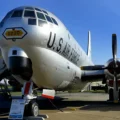 Boeing KC-97 Stratofreighter – Valokuvat & Videot
 Boeing X-40A – Valokuvat ja videot
 Boeing 247 – Valokuvat & Videot
 Boeing 367-80 - Valokuvat ja videot
 Boeing T-43 Bobcat – Valokuvat ja video
 Boeing F4B-4 – Valokuvat & Video
 C-17 Globemaster – WalkAround