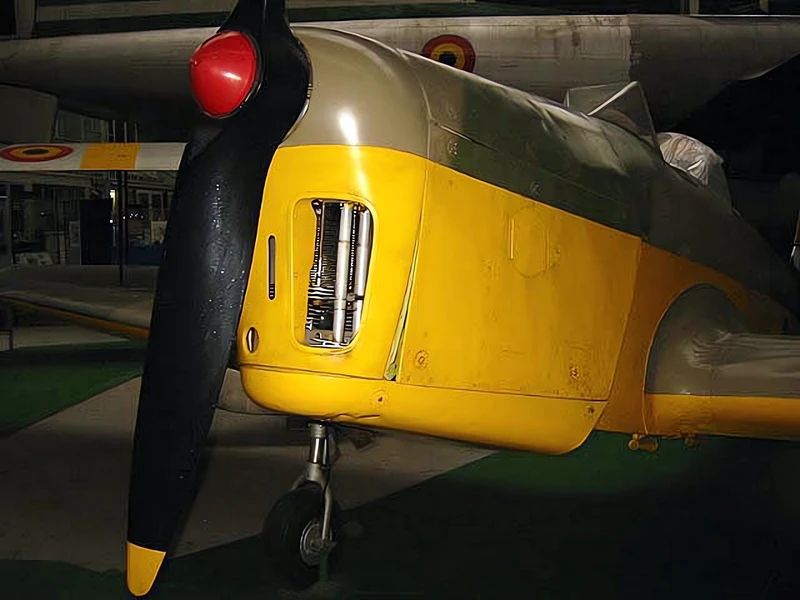
Miles Magister | |
|---|---|
| País | Uk |
| Papel | Entrenador |
| Primer vuelo | 20 de marzo de 1937 |
| Construido | 1303 |
el Millas M.14 Magister Es un avión biplaza británico monoplano de entrenamiento básico construido por miles aircraft para la Royal Air Force y Fleet Air Arm. Cariñosamente conocido como el Maggie, el Magister se basó en el hawk major y hawk trainer civil de Miles y fue el primer monoplano diseñado específicamente como entrenador para la RAF. Como monoplano de ala baja, fue una introducción ideal al Spitfire y hurricane para los nuevos pilotos. Su diseño hermano, el Miles Master fue un entrenador avanzado también construido por Phillips &Powis en Woodley.
Fuente: Miles Magister en Wikipedia
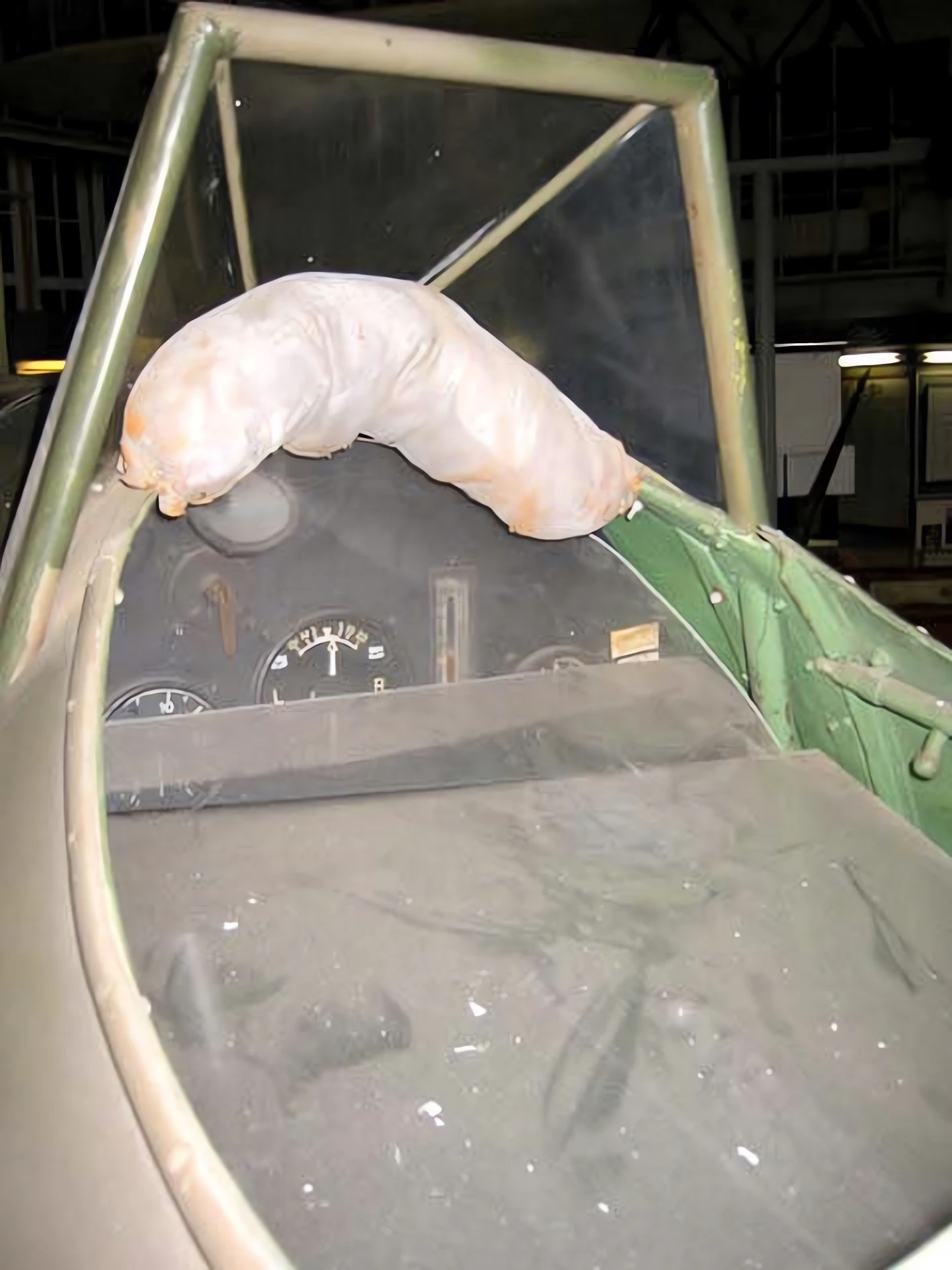
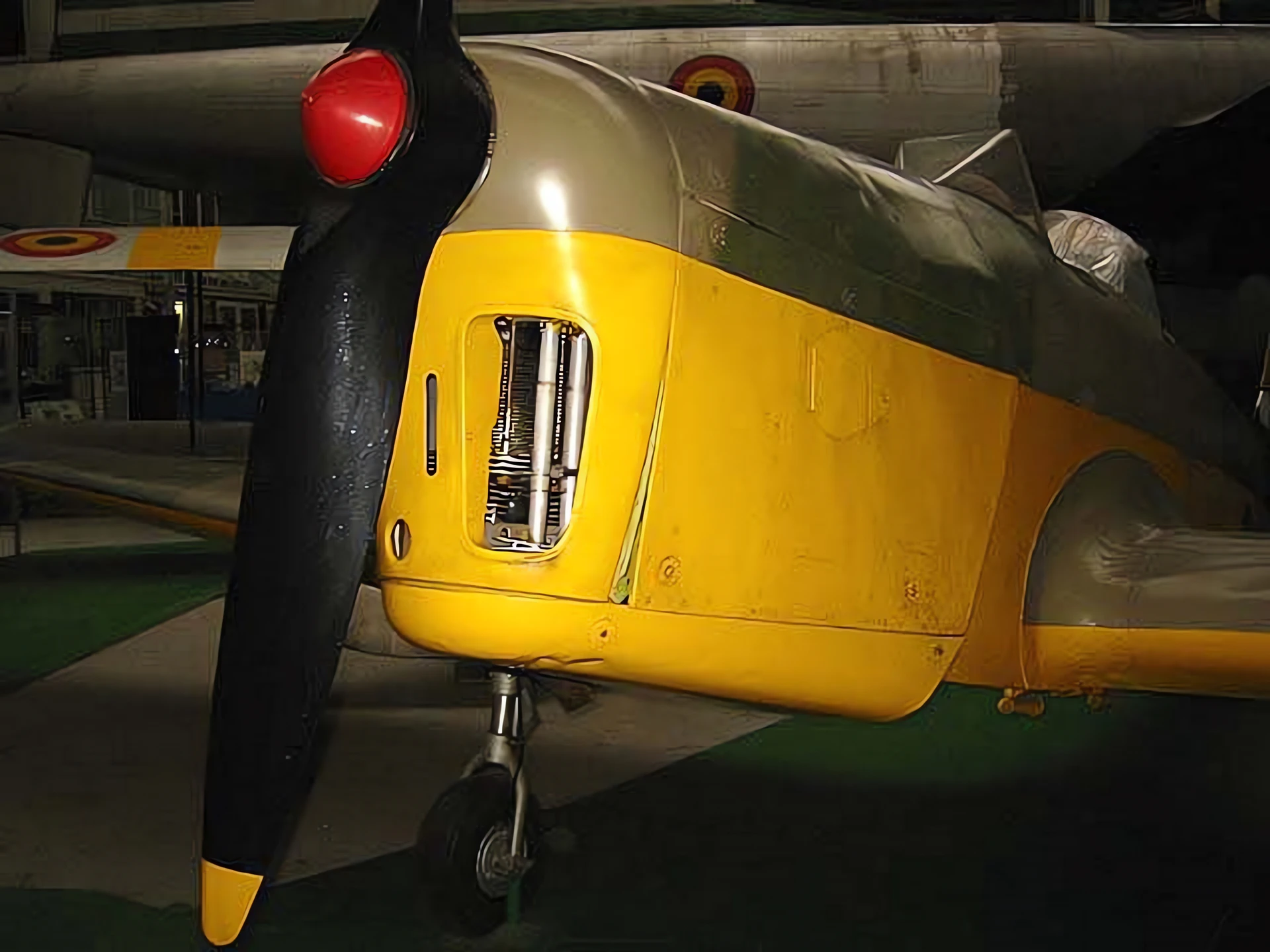
| Miles Magister Mk.I Walk Around | |
|---|---|
| Photographer | Erwin de Swaef |
| Localisation | Unknow |
| Photos | 18 |
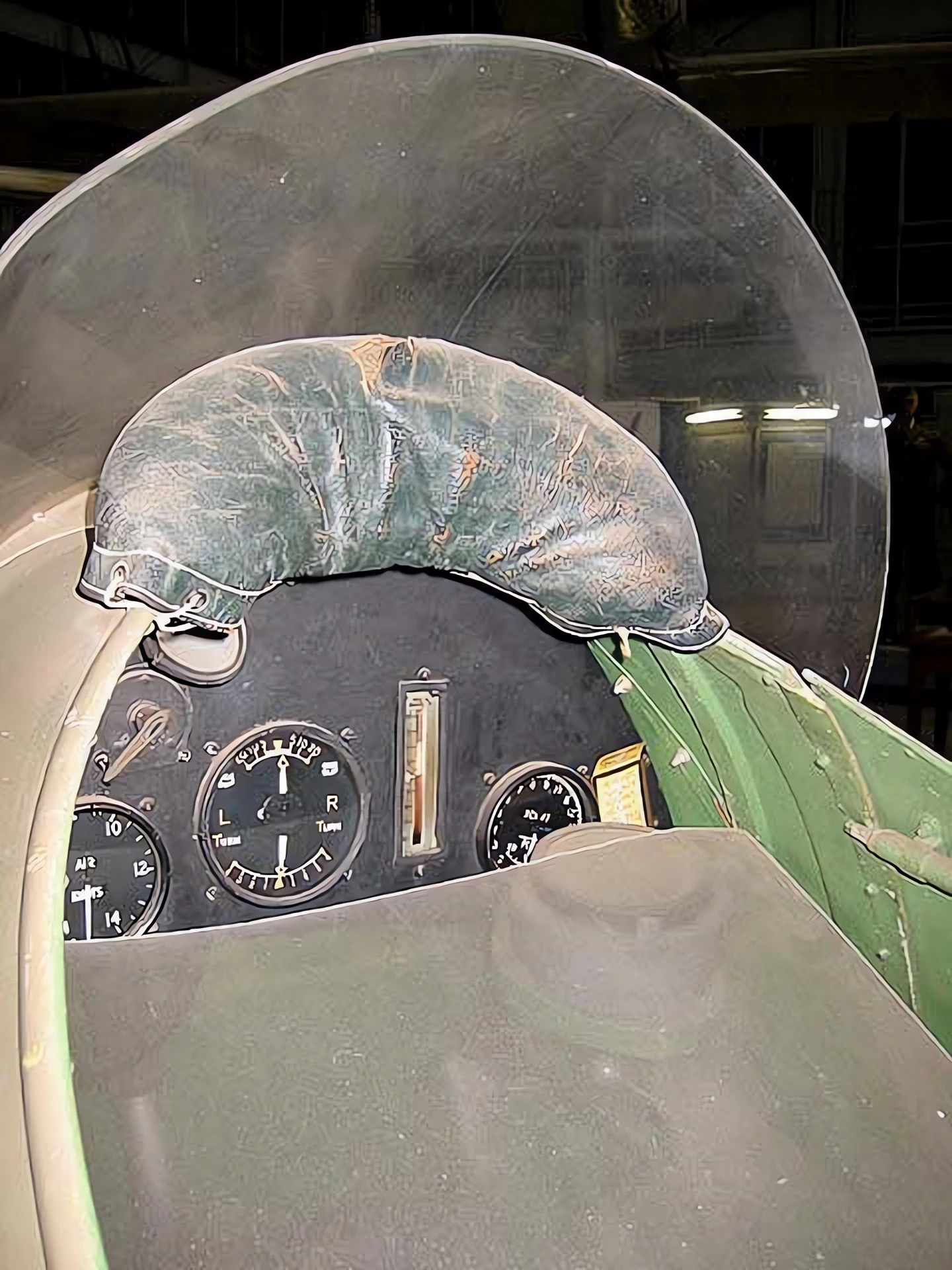
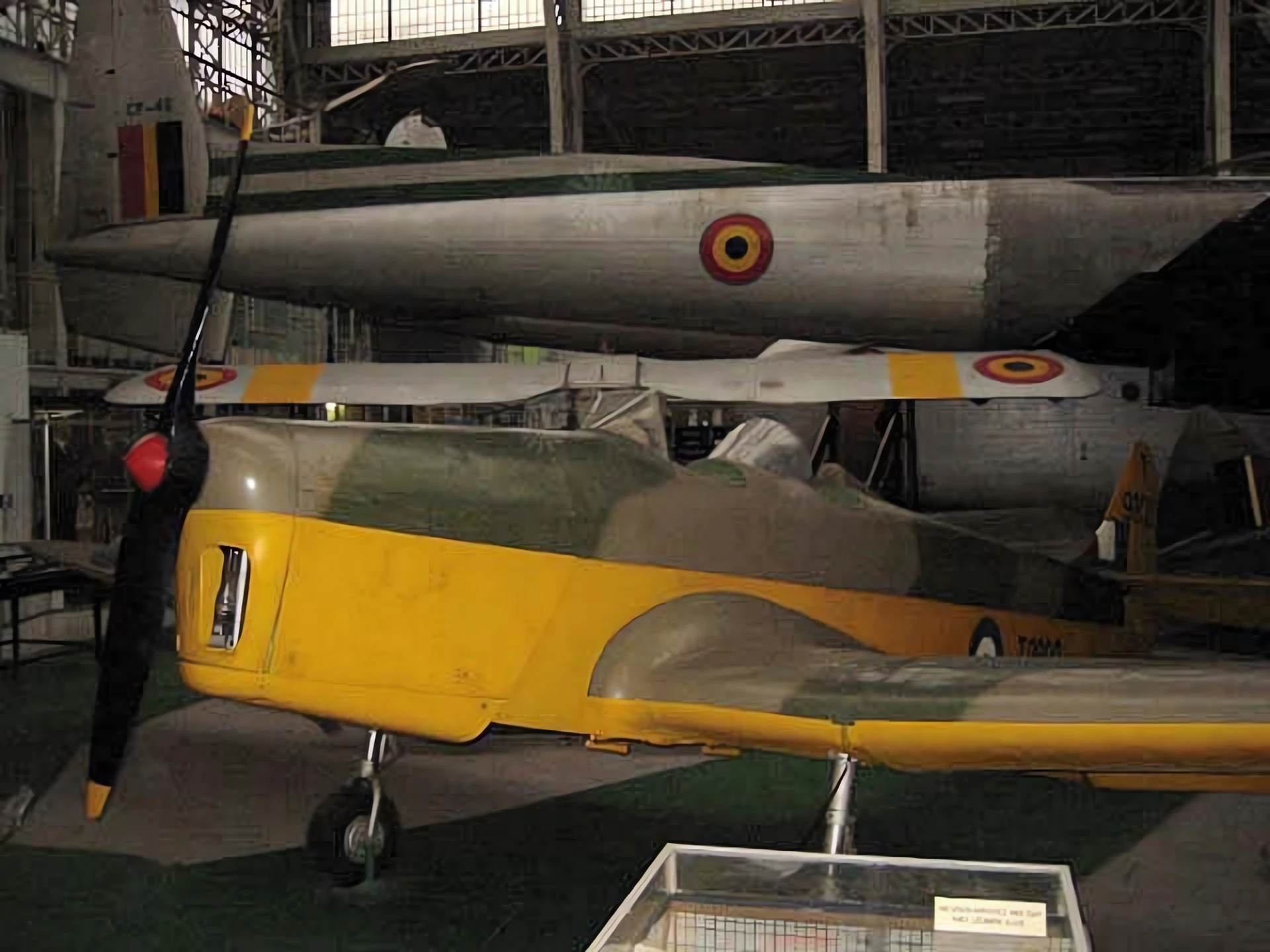
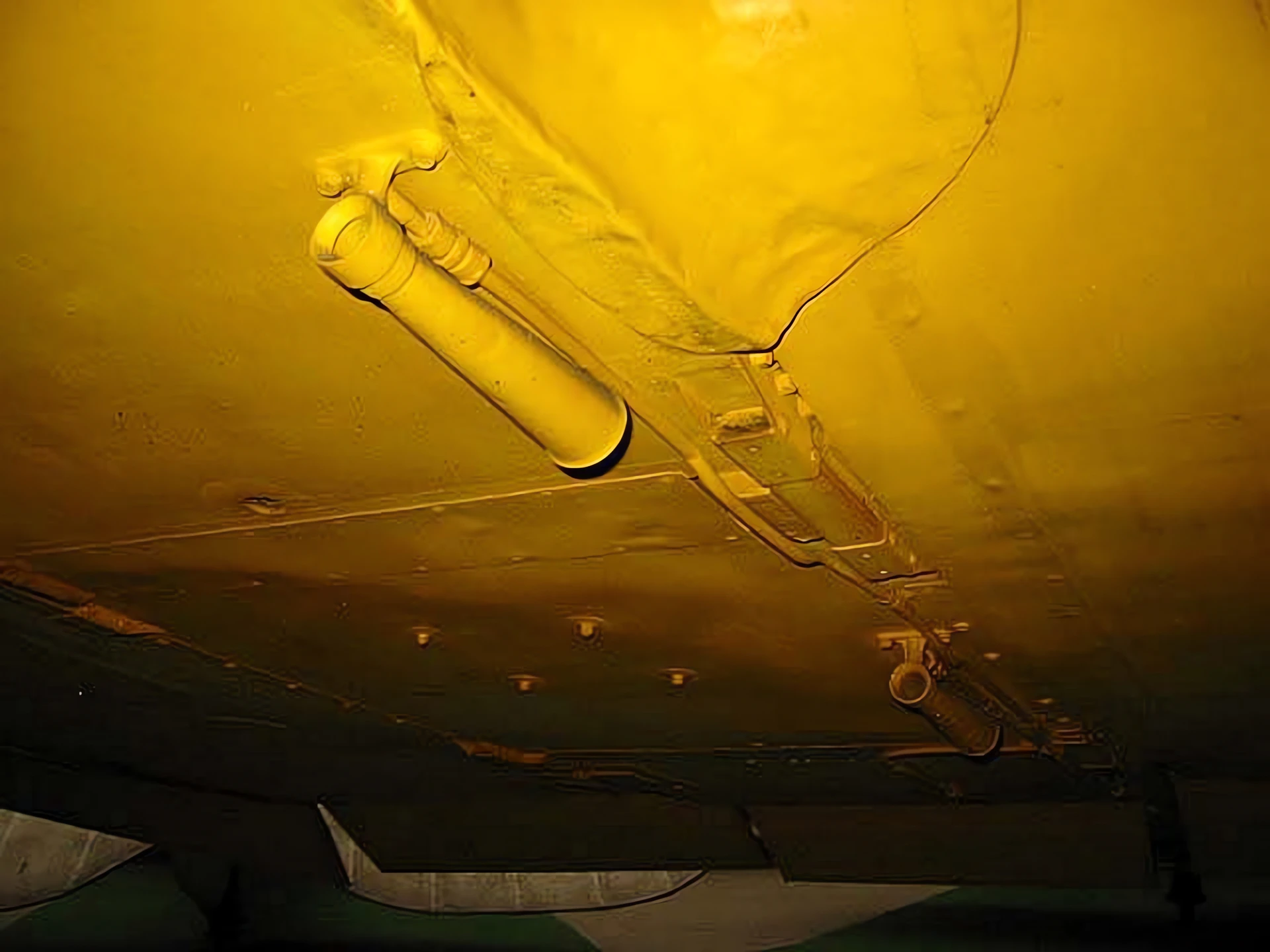
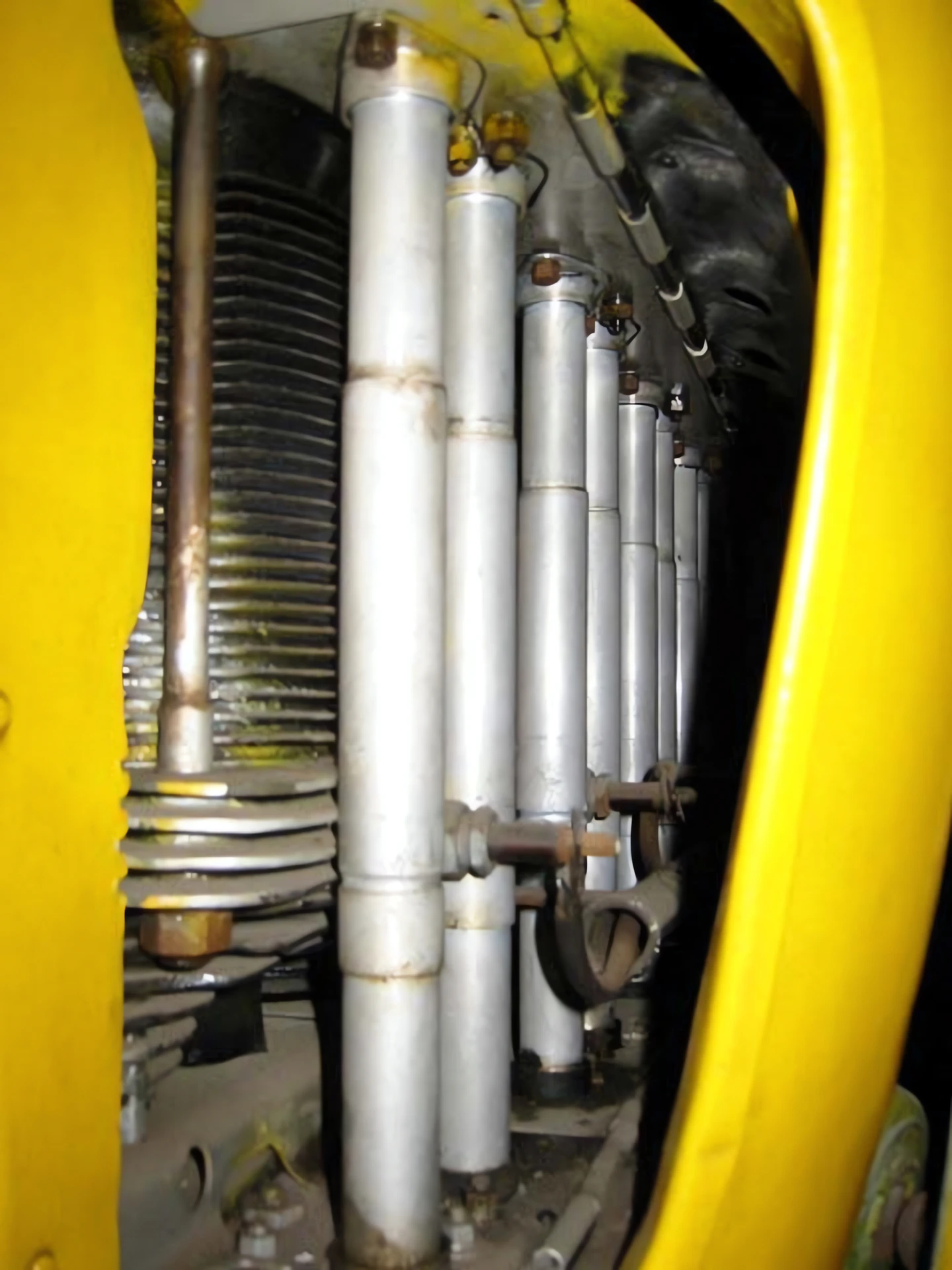
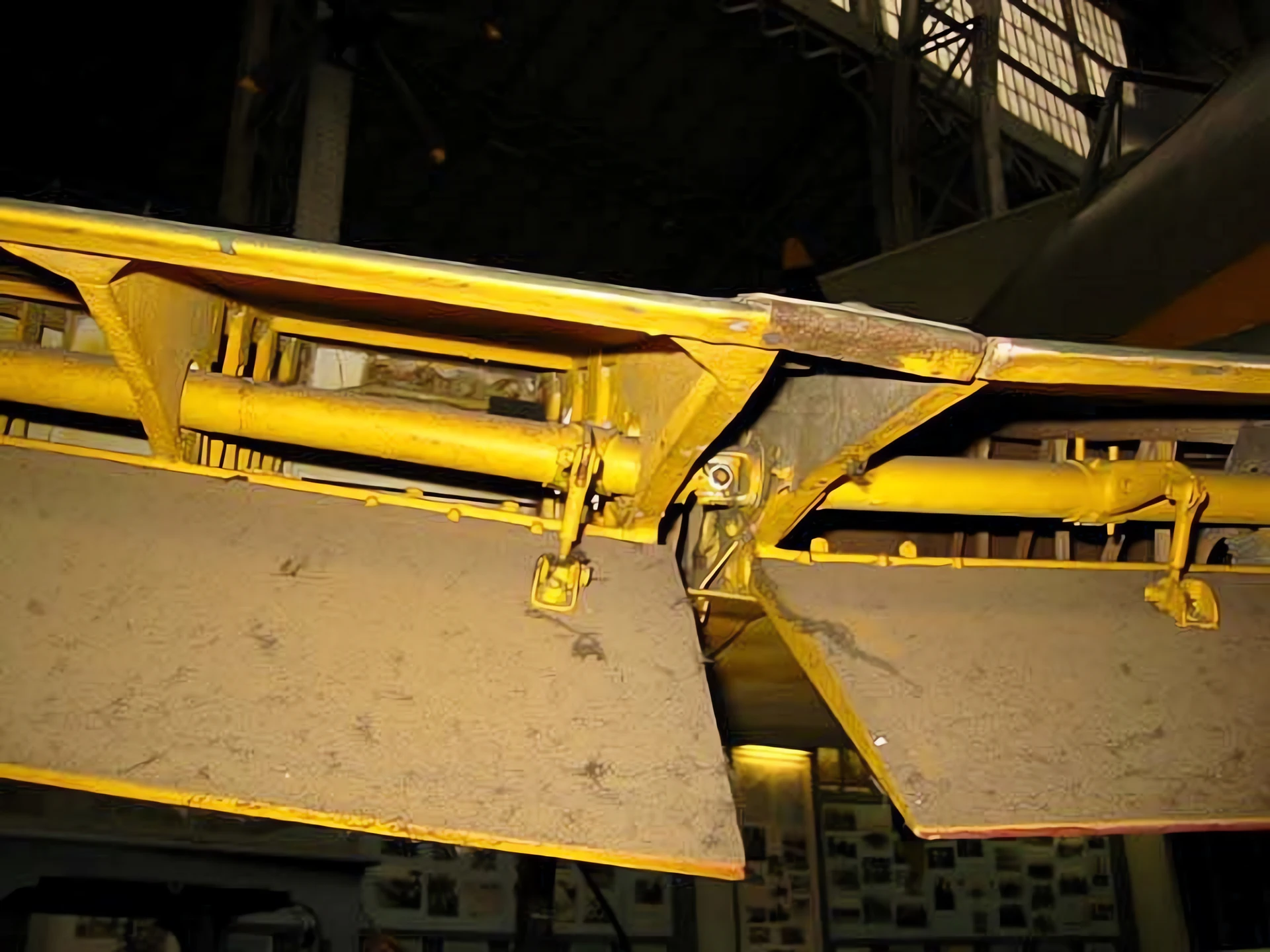
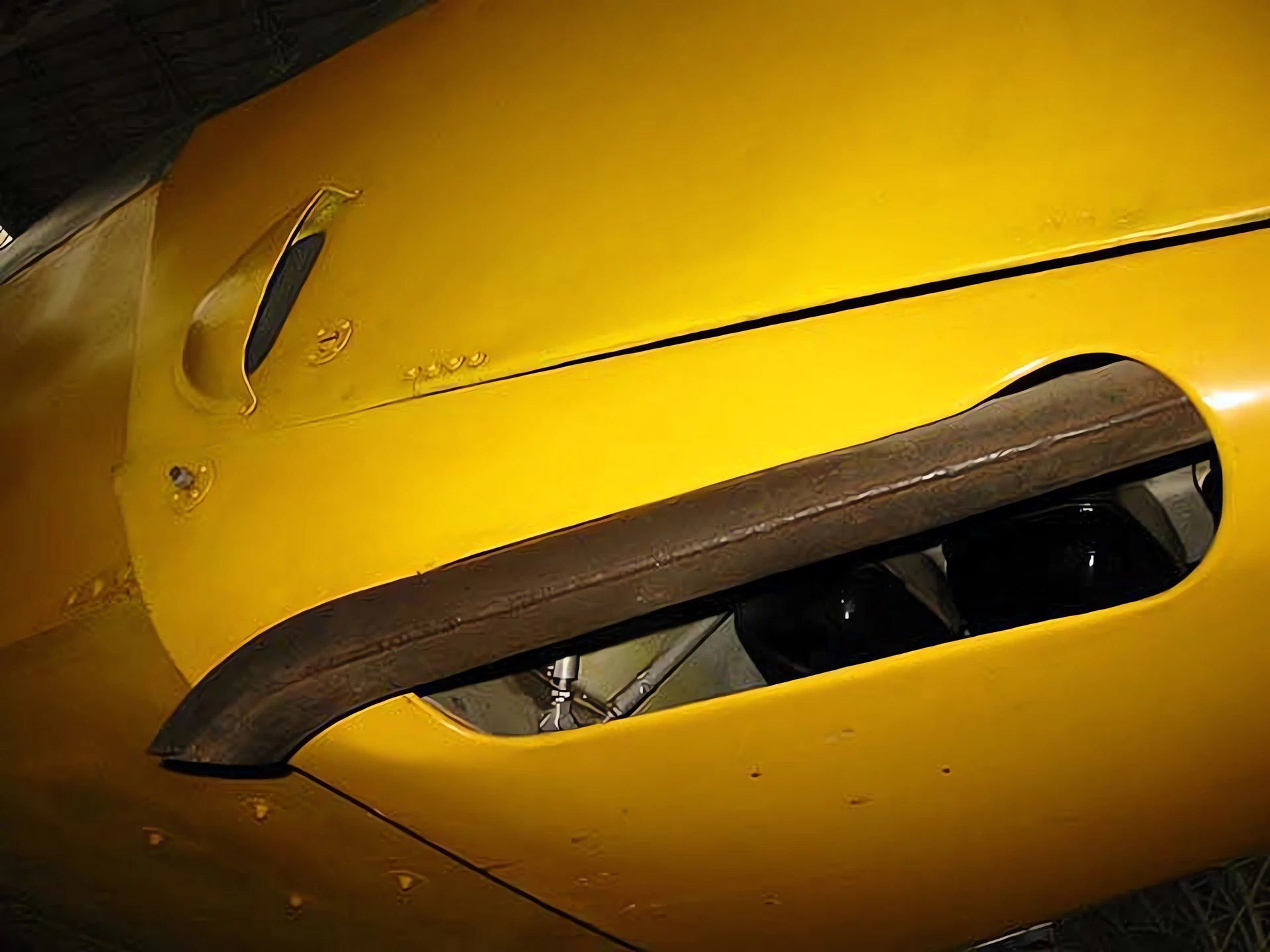
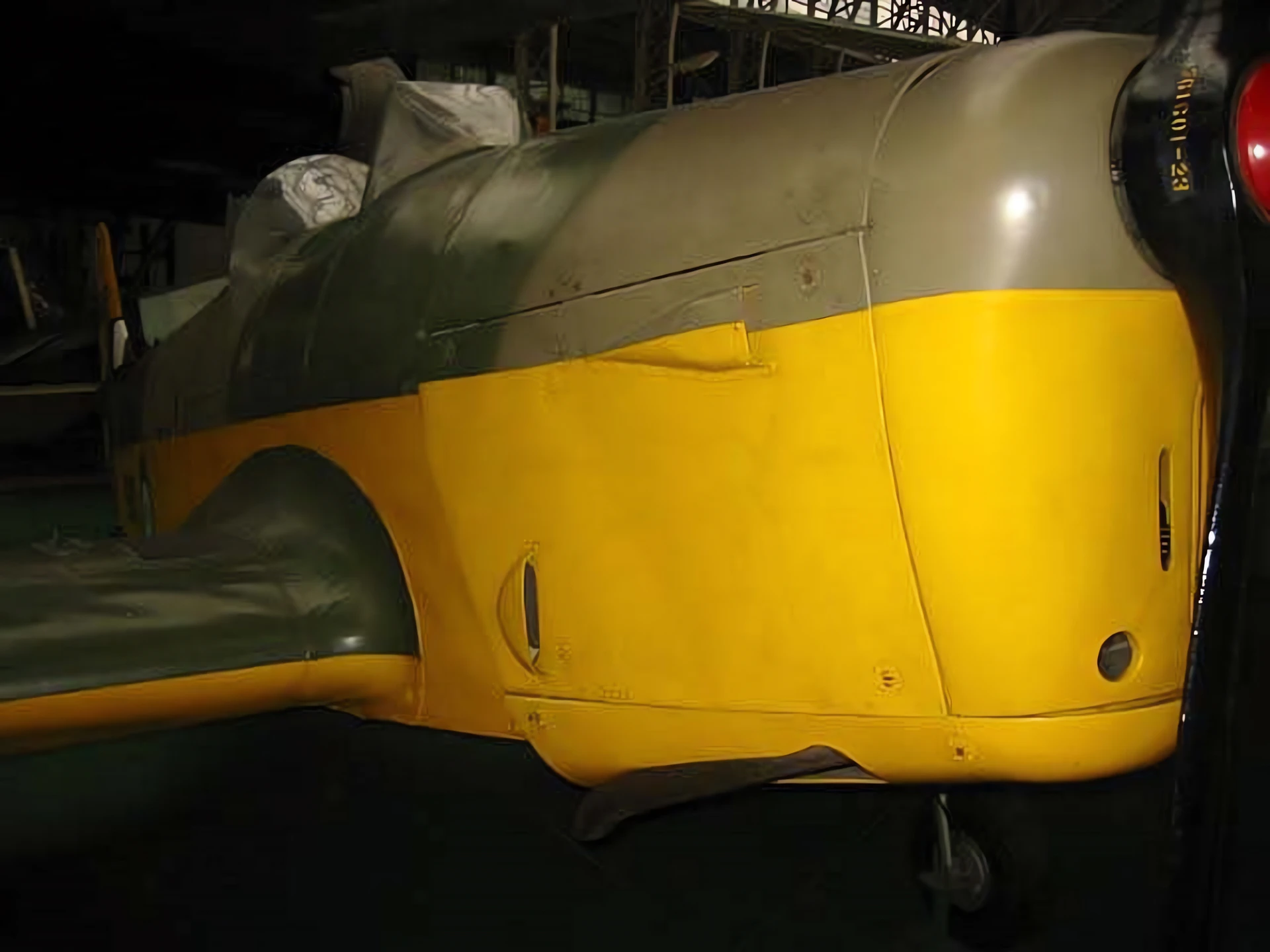

Ver también:


General Characteristics and Role
The Miles Magister Mk.I was a British two-seat monoplane primary trainer aircraft that played a crucial role in preparing Royal Air Force (RAF) pilots for World War II. It was developed by Miles Aircraft as a low-wing monoplane successor to the biplane De Havilland Tiger Moth, offering a more modern platform that better mimicked the flying characteristics of contemporary frontline fighter aircraft like the Hurricane and Spitfire. Its introduction allowed pilot cadets to transition directly from basic training to advanced aircraft with greater ease. Despite its role as a trainer, early in the war, some Magisters were quickly adapted with flare racks and bomb carriers for anti-invasion patrols.
| Property | Typical Value (Magister Mk.I) |
|---|---|
| Papel | Primary Trainer Aircraft |
| National Origin | Reino Unido |
| Fabricante | Miles Aircraft Ltd. |
| First Flight | 9 February 1937 |
| Crew/Capacity | 2 (Instructor and Pupil) in tandem open cockpits |
| Configuración | Low-wing cantilever monoplane, fixed conventional landing gear |
| Longitud | 7.51 m (24 ft 7 in) |
| Envergadura | 10.31 m (33 ft 10 in) |
| Altura | 2.77 m (9 ft 1 in) |
| Gross Weight | 862 kg (1,900 lb) |
Powerplant and Performance
- Engine: 1 x de Havilland Gipsy Major I inverted four-cylinder air-cooled inline engine.
- Power Output: 130 hp (97 kW).
- Maximum Speed: 212 km/h (132 mph; 114 kn).
- Stall Speed: A low stall speed of 71 km/h (44 mph) made it very safe for student pilots.
- Construction: Built using traditional wooden construction, a hallmark of Miles aircraft designs, which aided rapid production during the war buildup.
Service and Legacy
- Primary Operator: Royal Air Force (RAF). It was the first monoplane trainer adopted in large numbers by the RAF.
- Wartime Service: Over 1,200 Magisters were built, forming the backbone of Elementary Flying Training Schools (EFTS) across Britain during the early war years.
- Civilian Use: After the war, many Magisters were sold to civilian flying clubs and private owners, often reverting to the pre-war civil designation, Miles Hawk Major.
- Survival: Today, a small number of Magisters remain airworthy, preserved as a piece of training history from the Battle of Britain era.
Vistas : 1886
También puede ver:
 Messerschmitt Me-108 Taifun – Fotos y Video
 Ryan Navion – Fotos y Video
 Stinson L-5 Sentinel – Fotos y Video
 Piper L-4 Grasshopper – Fotos y Video
 Lockheed U-2 – Fotos y Video
 P-47G Thunderbolt – WalkAround
 Hawker Sea Fury FBII vol2 – Caminar alrededor
 P-51D Mustang vol2 – Caminar
 B-17G Flying Fortress – WalkAround
 Messerschmitt Bf 109G-2 - Caminar