
| Piasecki HUP Retriever | |
|---|---|
| Land | Usa |
| Rolle | Versorgungshubschrauber |
| Erstflug | März 1948 |
| Gebaut | 339 |
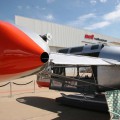
das Piasecki H-25 Army Mule / HUP Retriever war ein kompakter Hubschrauber mit einem Sternmotor und zwei überlappenden Tandemrotoren, der in den späten 1940er Jahren von der Piasecki Helicopter Corporation in Morton, Pennsylvania, entwickelt und in den frühen 1950er Jahren produziert wurde. Das Unternehmen änderte seinen Namen 1956 in Vertol Aircraft Corporation und wurde 1960 von der Boeing Aircraft Company gekauft und in Boeing-Vertol umgewandelt.
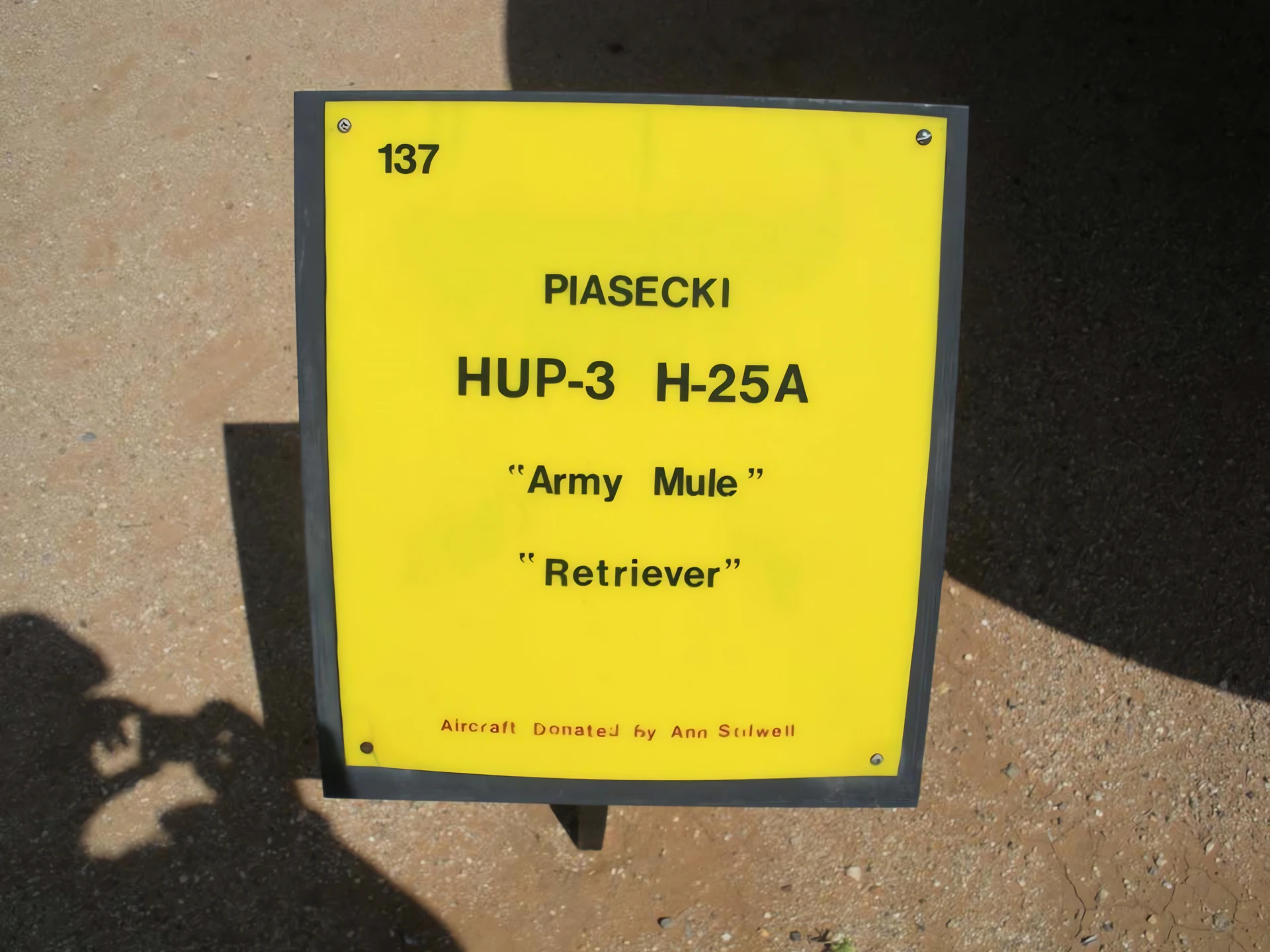
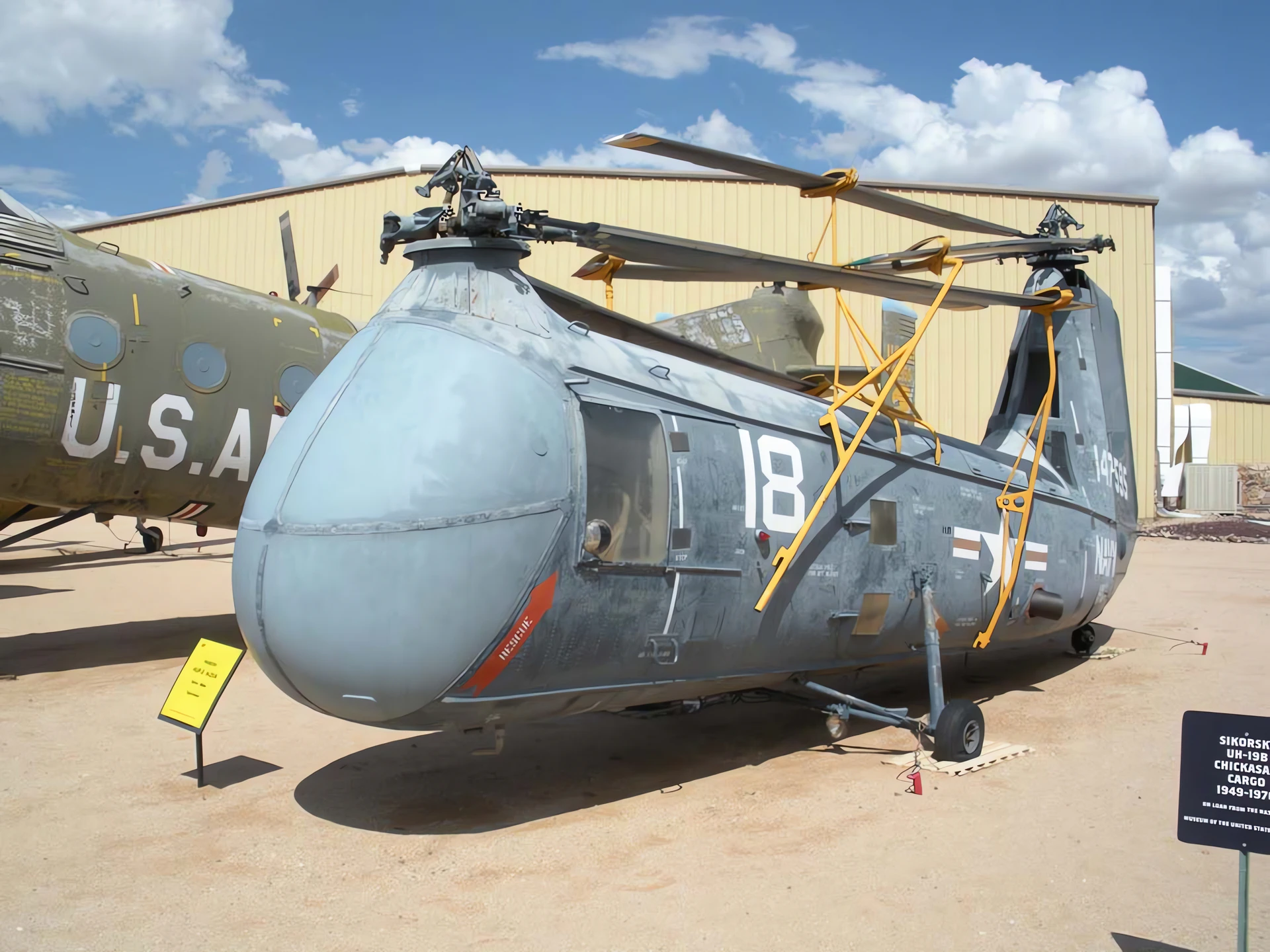
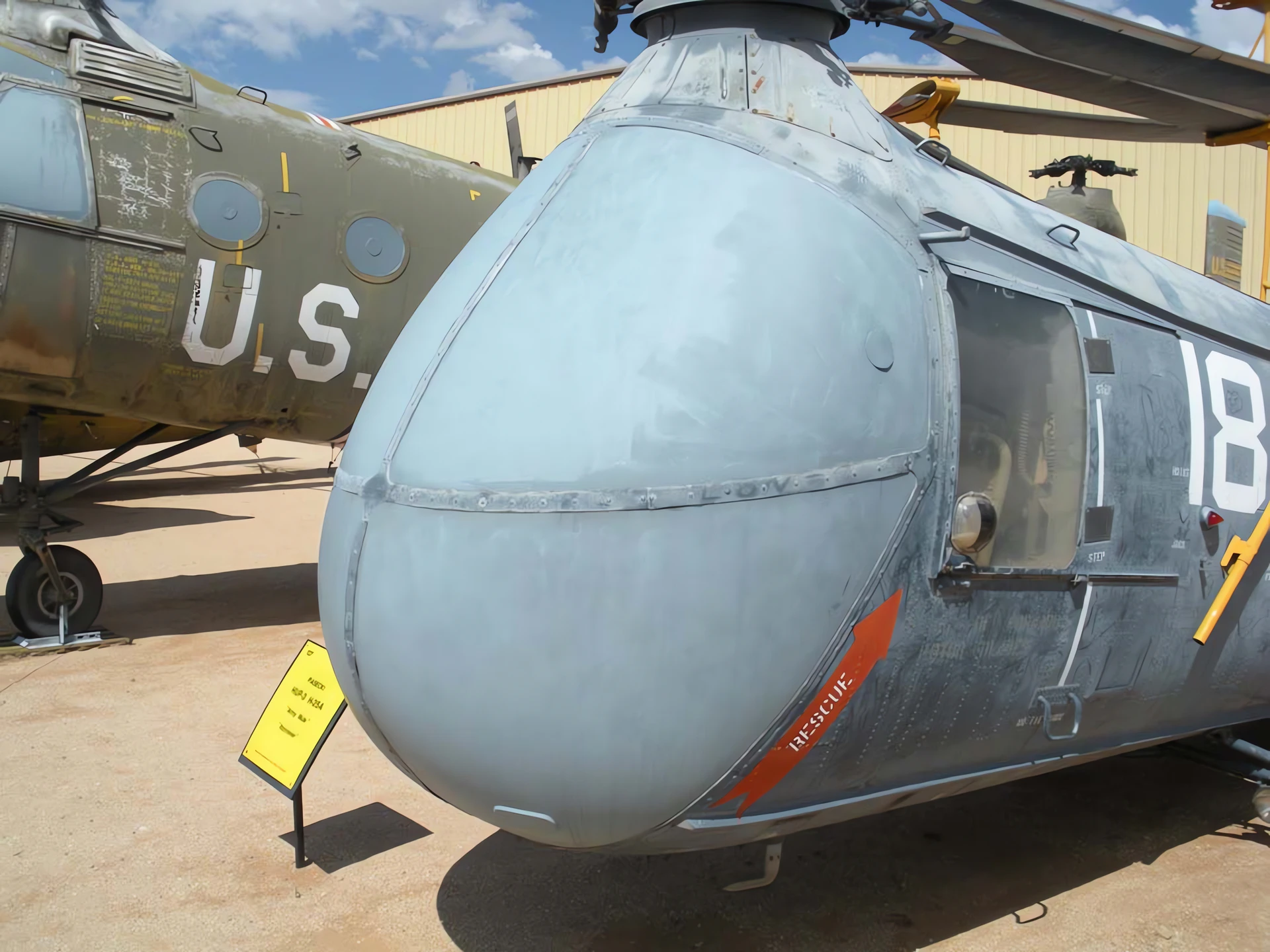
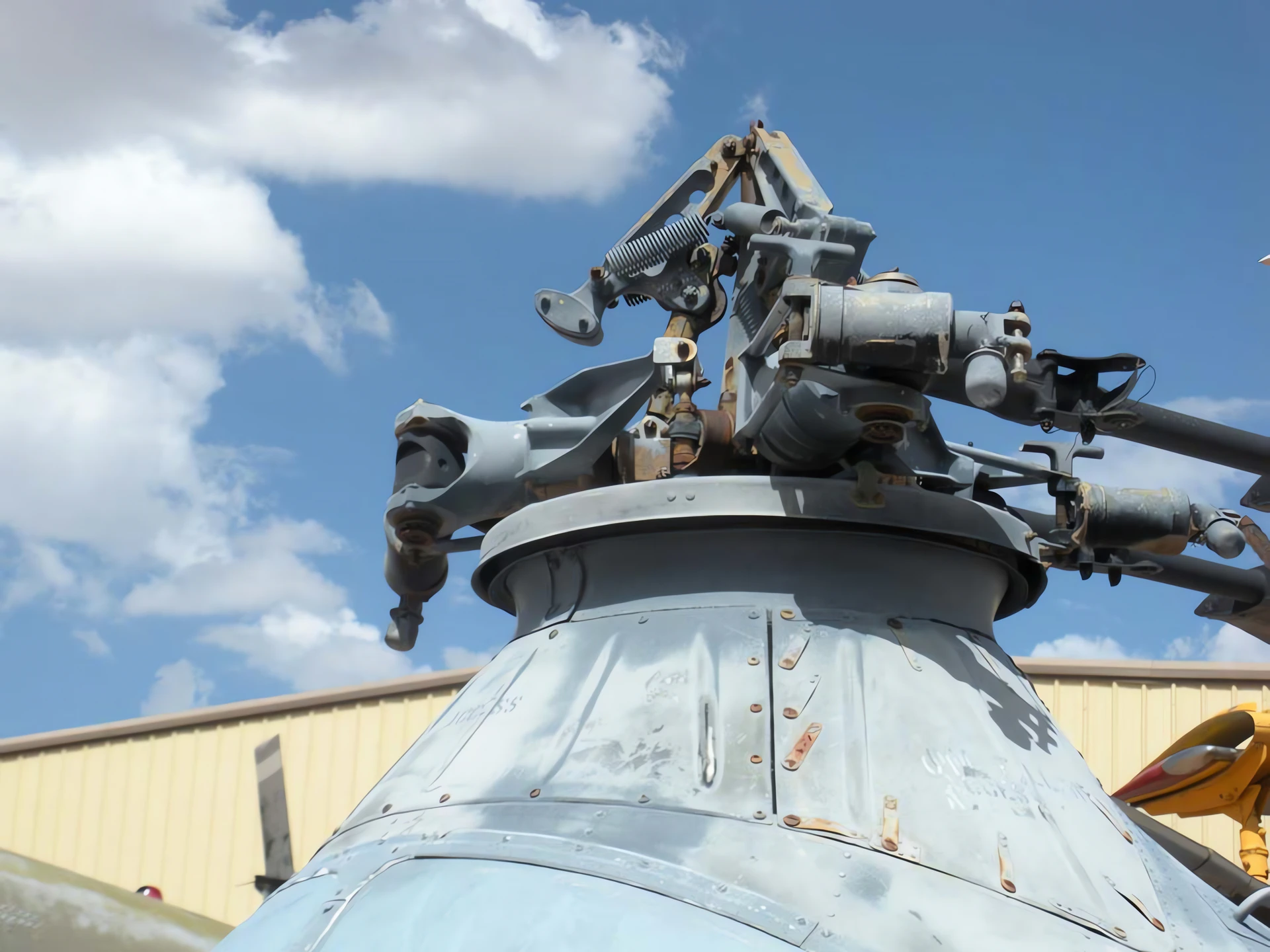
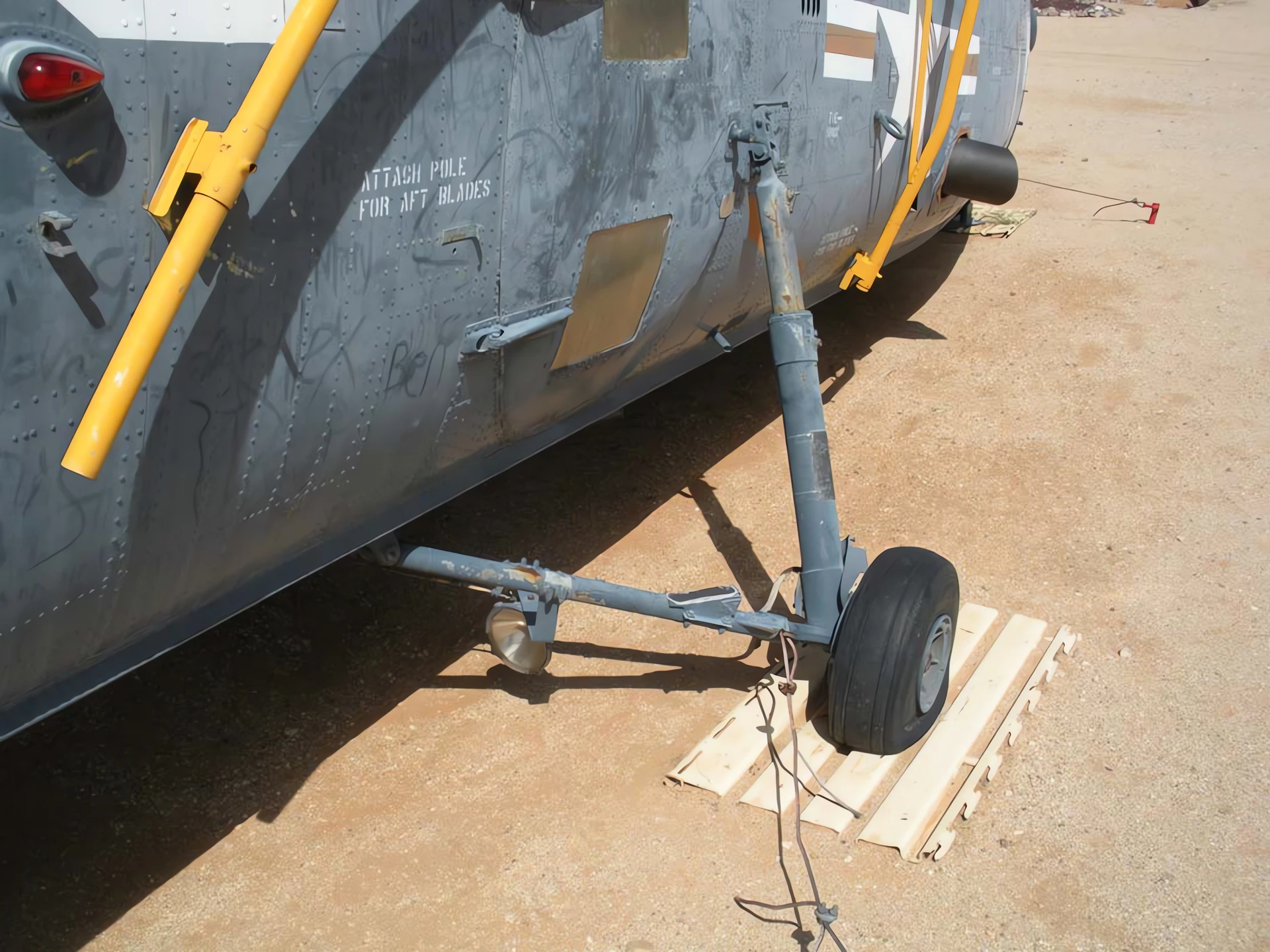
| Piasecki HUP-3 (H-25A) Retriever Walk Around | |
|---|---|
| Fotograf | Wladimir Nikolajewitsch Jakubow |
| Lokalisierung | Pima Luft- und Raumfahrtmuseum, Tuscon |
| Fotos | 27 |
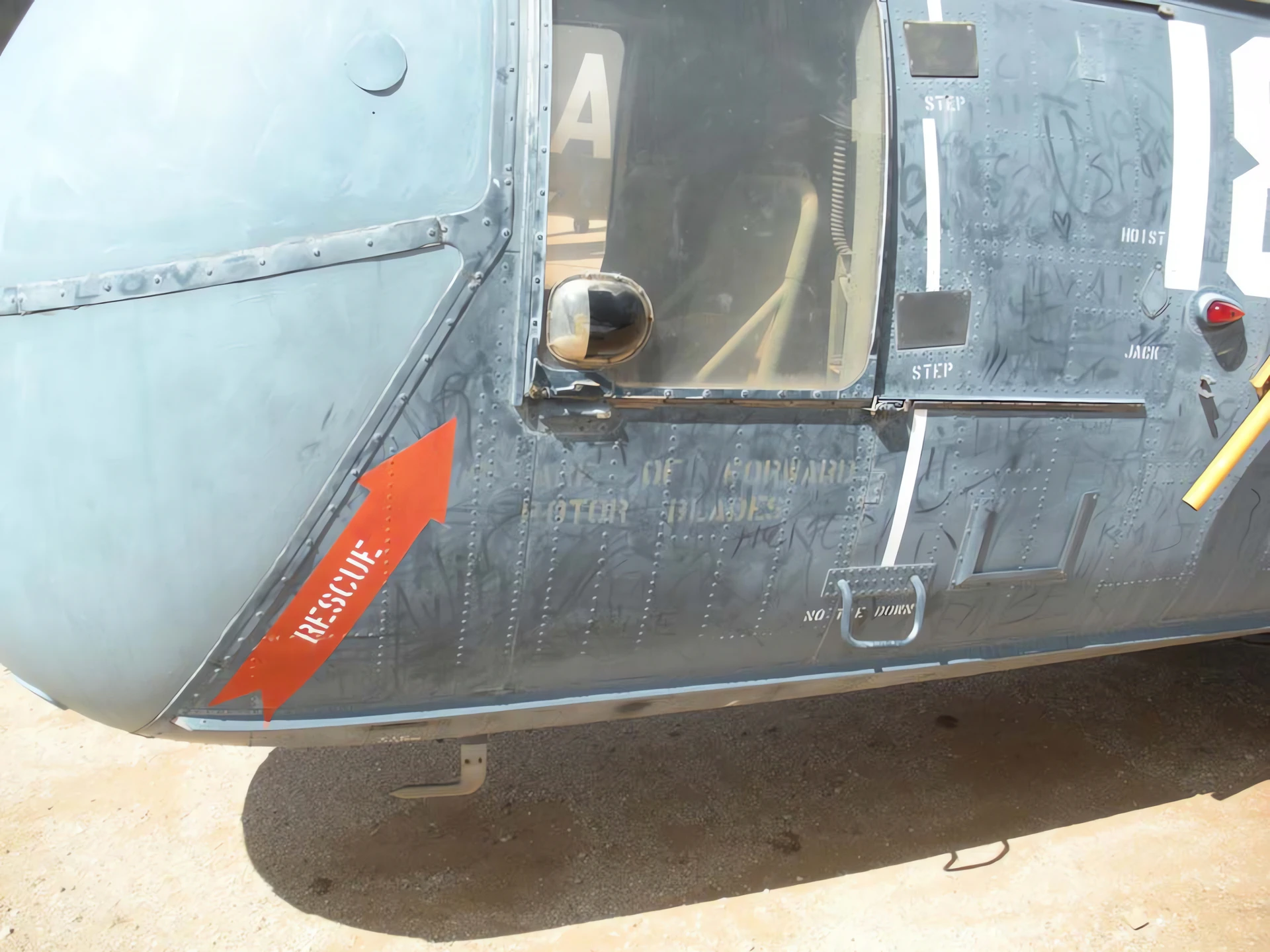
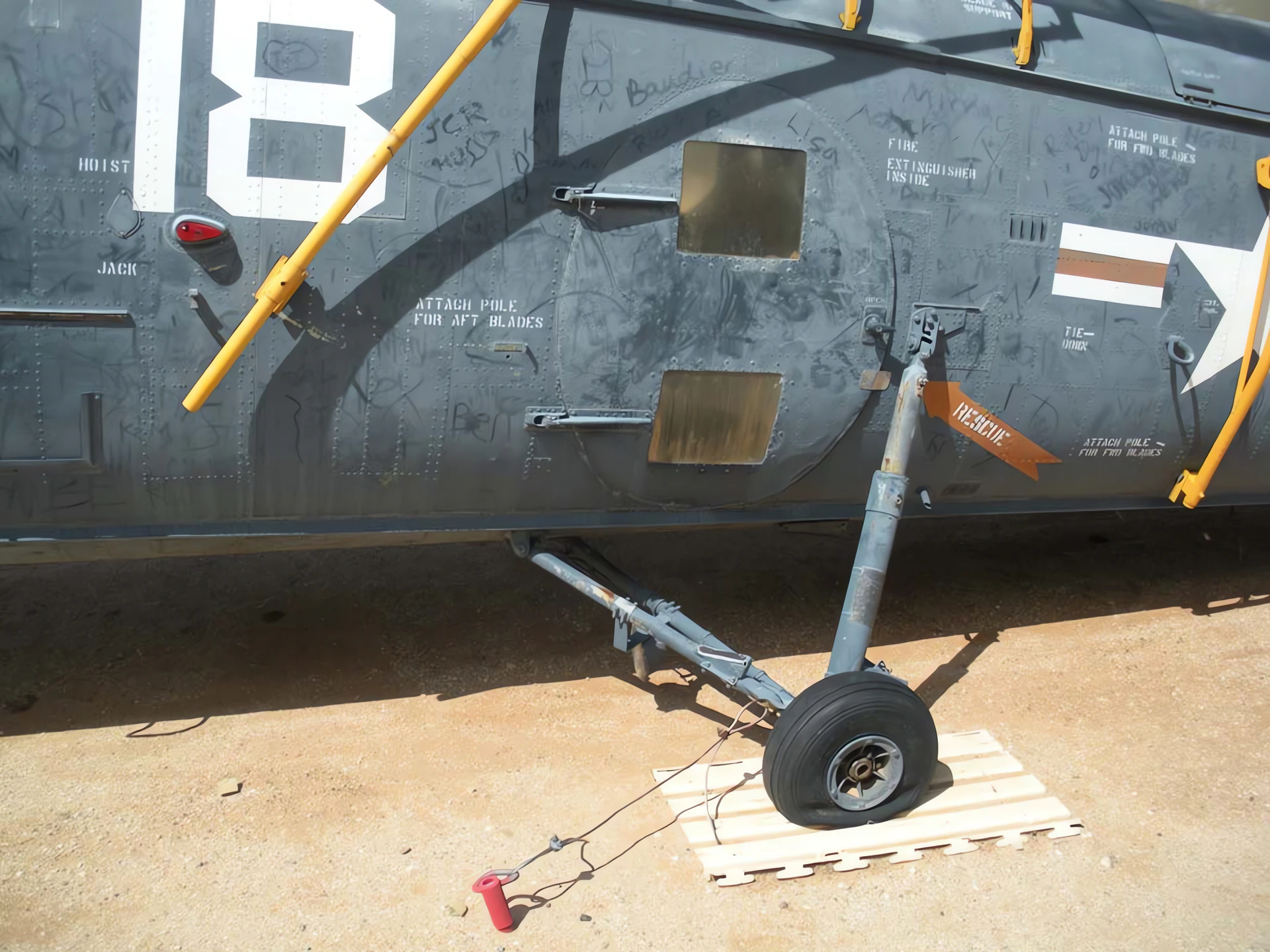
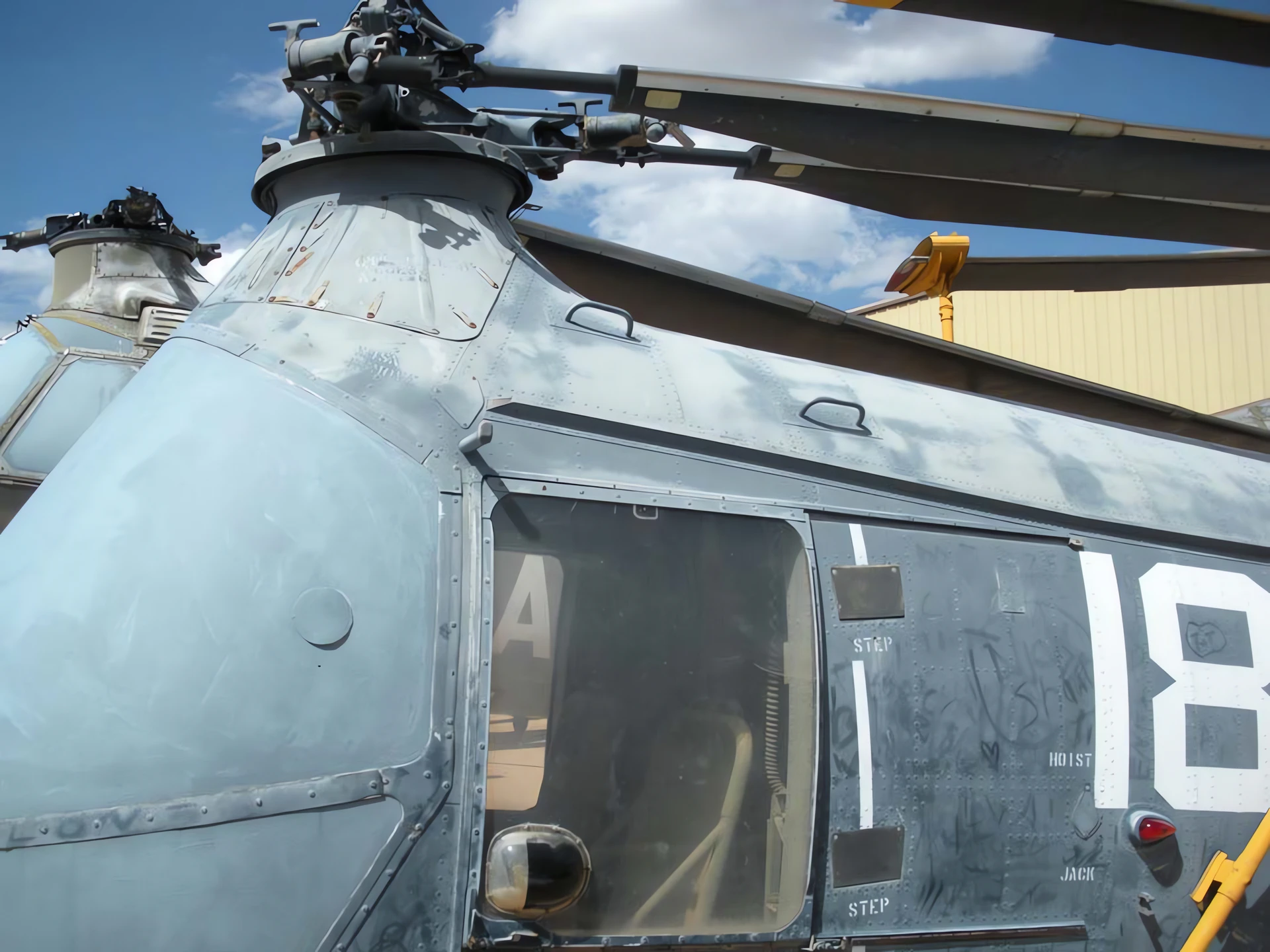
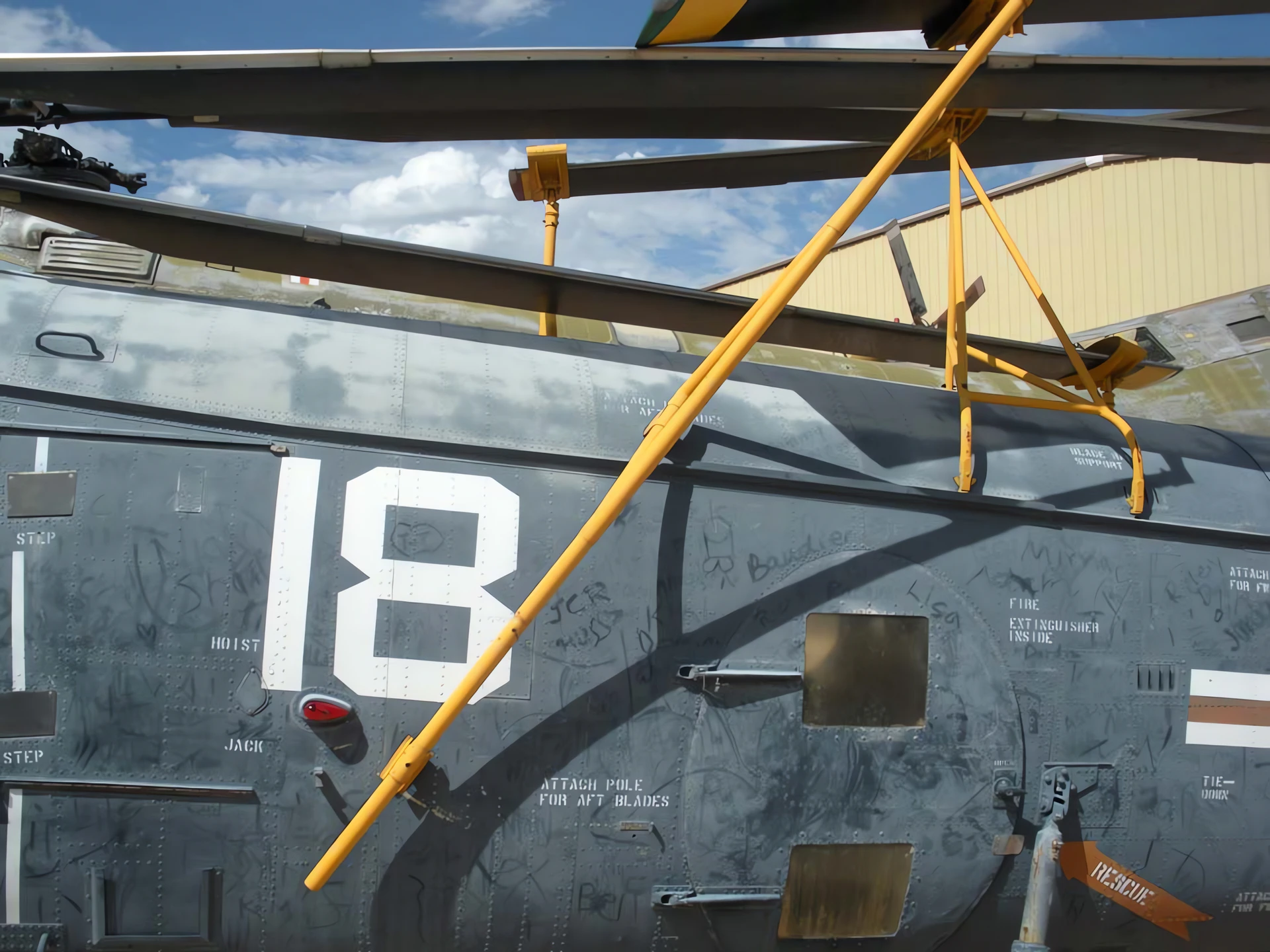

| Piasecki HUP-2 Spaziergang | |
|---|---|
| Fotograf | Unbekannter |
| Lokalisierung | Unbekannter |
| Fotos | 32 |
Siehe auch:


The Compact Tandem Workhorse
das Piasecki HUP-3 Retriever (known in the Army as the H-25 Army Mule) was a compact tandem-rotor helicopter designed specifically for the tight confines of aircraft carrier decks. By placing the rotors in a tandem configuration—one at the front and one at the rear—Piasecki eliminated the need for a tail rotor, which allowed the aircraft to be shorter and more stable in crosswinds. The HUP-3 was the refined version of the series, primarily serving in search and rescue (SAR) and utility roles during the early 1950s.
| Attribute | Technical Specification (HUP-3) |
|---|---|
| Rolle | Search and Rescue (SAR) / Utility Helicopter |
| Crew / Capacity | 2 Pilots / 4-5 Passengers or 3 Litters |
| First Flight (HUP series) | März 1948 |
| Triebwerk | 1 × Continental R-975-46A radial engine |
| Horsepower | 550 hp (410 kW) |
| Höchstgeschwindigkeit | 105 mph (169 km/h) |
| Rotor Diameter | 35 ft 0 in (10.67 m) each |
| Length (Rotors turning) | 56 ft 11 in (17.35 m) |
Engineering Innovations and Tandem Flight
- Overlapping Rotors: To keep the fuselage as short as possible for carrier elevators, the front and rear rotors were designed to overlap. They were synchronized via a drive shaft to ensure the blades never collided.
- No Tail Rotor Advantage: Because the two rotors counter-rotated, they cancelled out each other’s torque. This meant all engine power went toward lift and thrust, making the HUP series very efficient for its size and exceptionally stable during hovering.
- The Rescue Hatch: The HUP-3 featured a large rectangular hatch in the floor of the cabin. A rescue hoist was mounted directly above it, allowing the crew to lift a person straight up into the center of the aircraft while in a hover.
- Canted Vertical Fins: Early models lacked the large vertical fins seen on the HUP-3. These “end plates” on the rear pylon were added to improve directional stability during high-speed forward flight.
Service History and Variants
- Carrier Plane Guard: Before the HUP, destroyers often followed carriers to pick up downed pilots. The HUP-3 allowed the helicopter to act as the “Plane Guard,” hovering near the carrier during flight ops to provide immediate rescue capability.
- Army “Mule”: The Army version, the H-25A Army Mule, featured power-boosted controls and a reinforced floor for cargo. However, the Army found the tandem design less suited for field operations than the Navy did for sea duty.
- All-Metal Blades: The HUP-3 was among the first to benefit from all-metal rotor blades, which were far more durable in the humid, salty conditions of naval service than earlier wooden or fabric-covered versions.
- Preservation: Several HUP Retrievers are preserved in museums today, including the Nationales Marineluftfahrtmuseum in Pensacola and the Pima Air & Space Museum in Arizona.
Ansichten : 2766
Sie können auch sehen:
 Eurocopter MH-65 Dolphin – Fotos & Videos
 Robinson R44 – Fotos & Videos
 AgustaWestland AW101 – Fotos & Videos
 Hiller XH-44 – Fotos & Videos
 Northrop Grumman MQ-8 Fire Scout – Fotos & Video
 Bell 47 – Fotos & Video
 Bell AH-1Z Viper – Fotos & Video
 Piasecki HU-21 – Fotos & Video
 Aerospatiale AS555UN – Fotos & Video
 Bell XV-3 – Fotos & Video