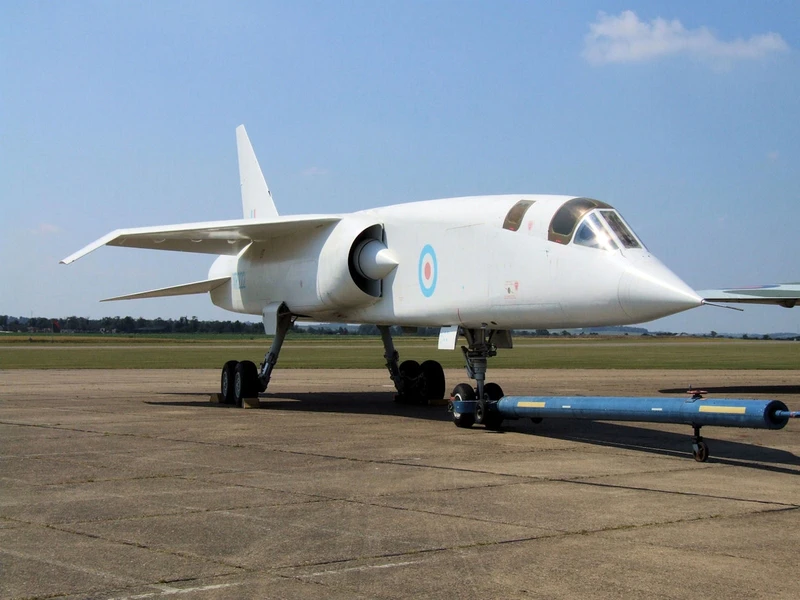
BAC TSR-2 | |
|---|---|
| Land | Großbritannien |
| Rolle | Taktische streik-/aufklärungsflugzeuge |
| Erstflug | 27. September 1964 |
| Gebaut | 2 |
The British Aircraft Corporation TSR-2 (für "taktischestreik und Aufklärung 2") war ein abgesagtes Angriffs- und Aufklärungsflugzeug des Kalten Krieges, das von der British Aircraft Corporation (BAC) für die Royal Air Force (RAF) in den späten 1950er und frühen 1960er Jahren entwickelt wurde. Die TSR-2 wurde entwickelt, um ein gut verteidigtes Vorwärts-Kampfgebiet in niedrigen Höhen und sehr hohen Geschwindigkeiten zu durchdringen und dann hochwertige Ziele im Heck mit nuklearen oder konventionellen Waffen anzugreifen. Eine weitere beabsichtigte Kampfrolle war es, Höhen-, Hochgeschwindigkeits-Stand-off, seitlich aussehende Radar und fotografische Bilder und Signale Intelligenz, Luftaufklärung zu bieten. Nur ein Flugzeug flog und Testflüge und Gewichtszunahme während des Entwurfs deuteten darauf hin, dass das Flugzeug nicht in der Lage sein würde, seine ursprünglichen strengen Konstruktionsspezifikationen zu erfüllen. Die Konstruktionsspezifikationen wurden durch Flugtests reduziert.
Quelle: BAC TSR-2 auf Wikipedia
| TSR.2 Walk Around | |
|---|---|
| Photographers | Michael Benolkin, David Spurgeon-Jackson |
| Localisation | Unknow |
| Photos | 45 |
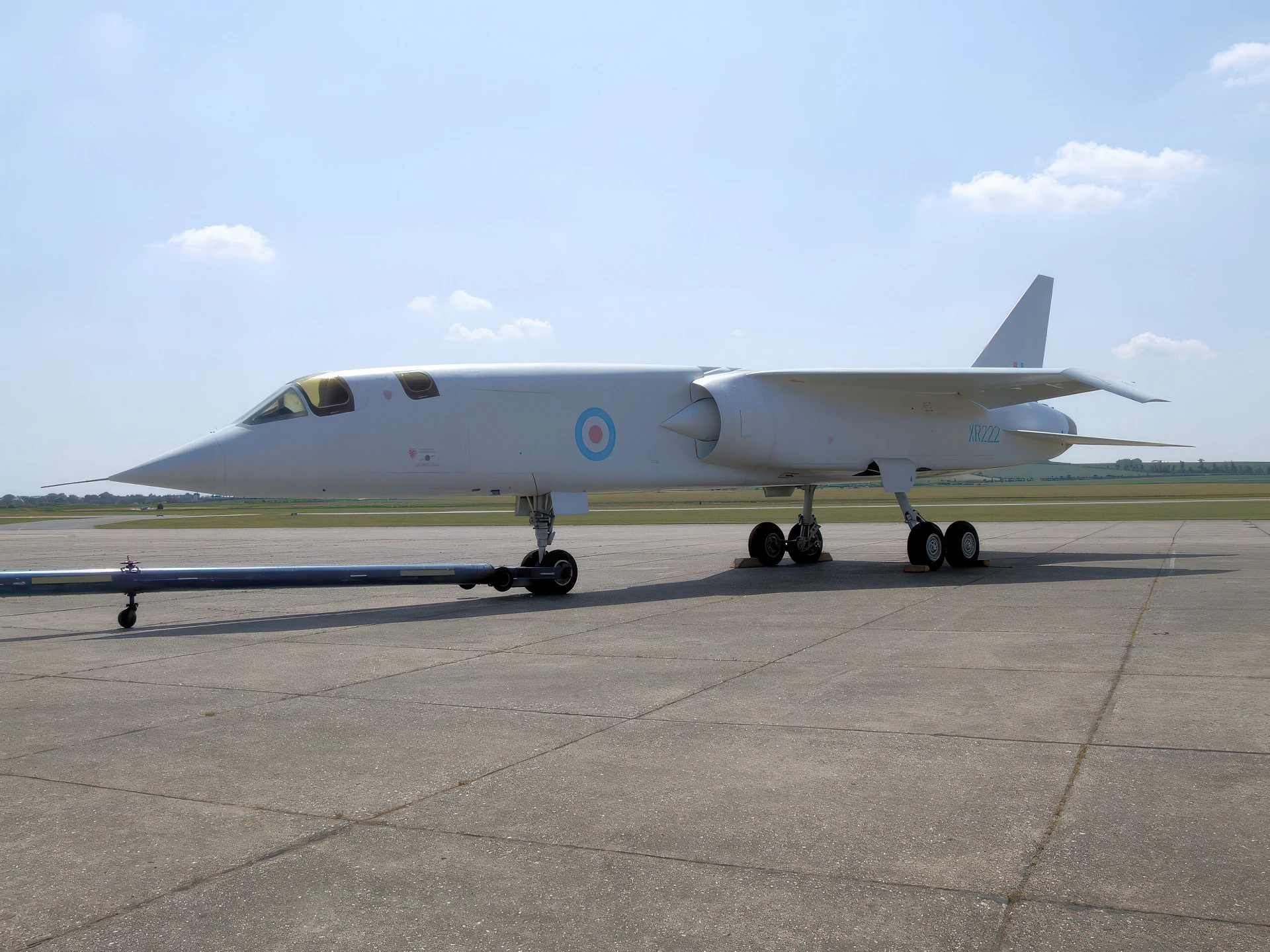
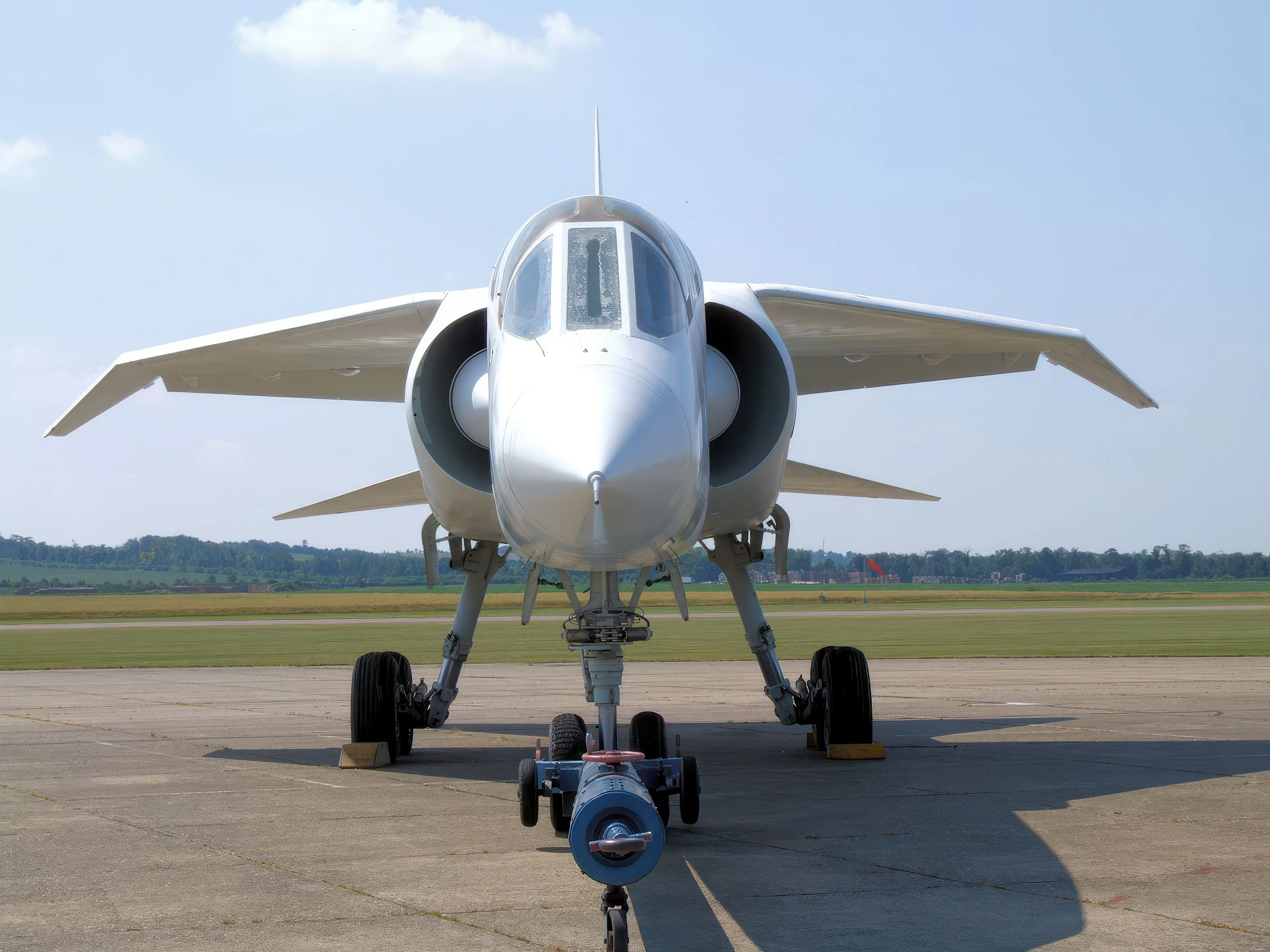
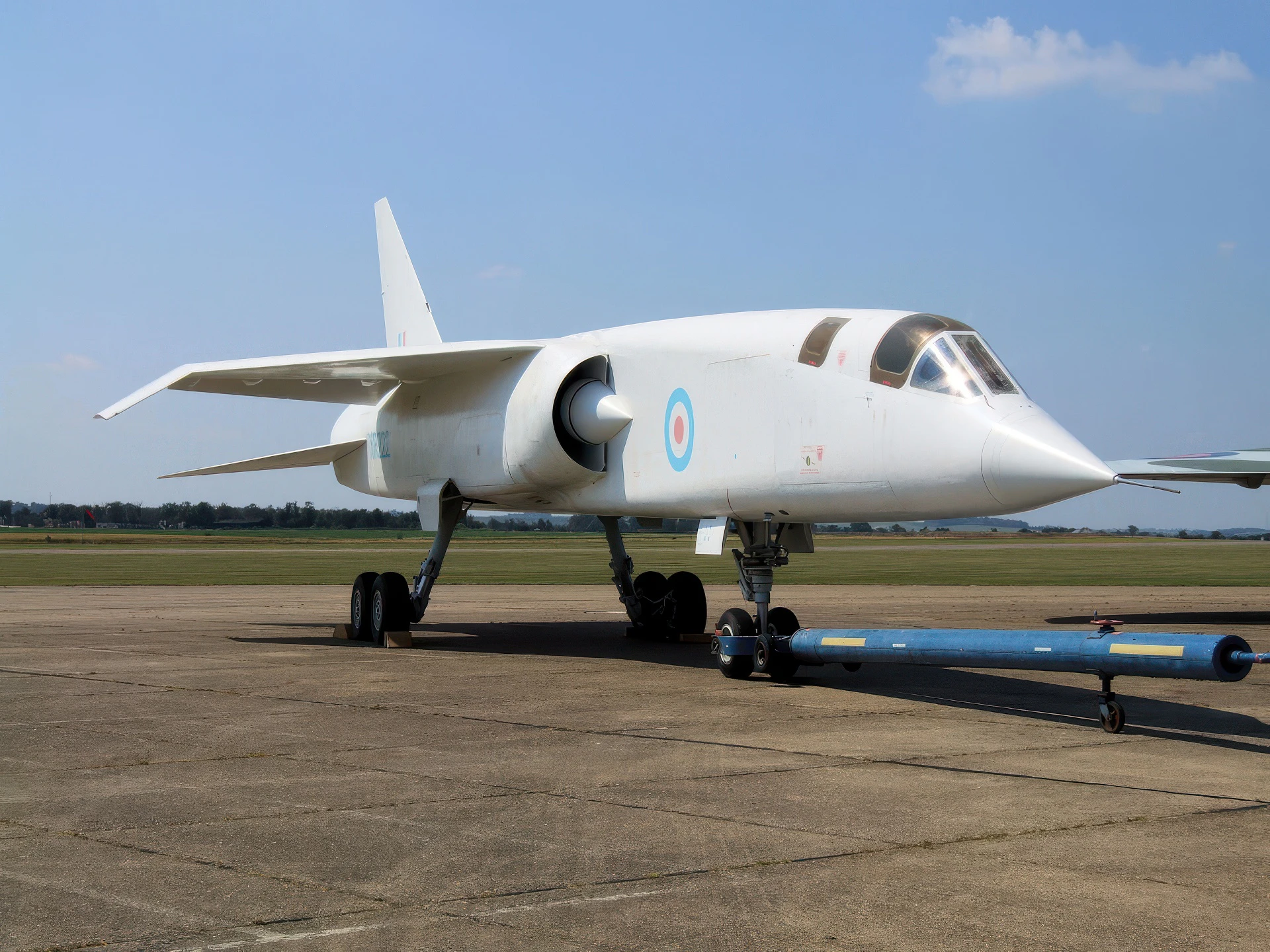
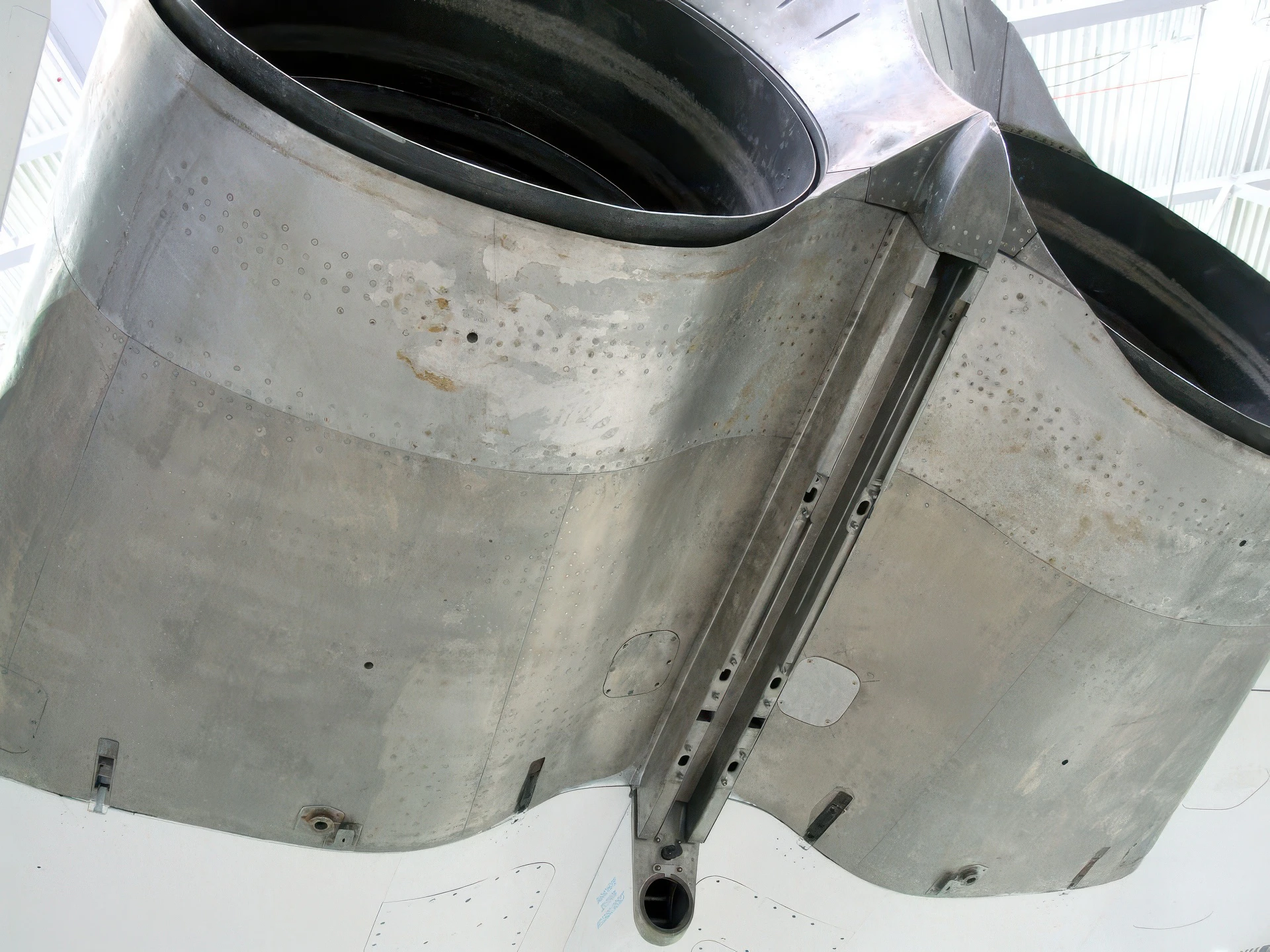
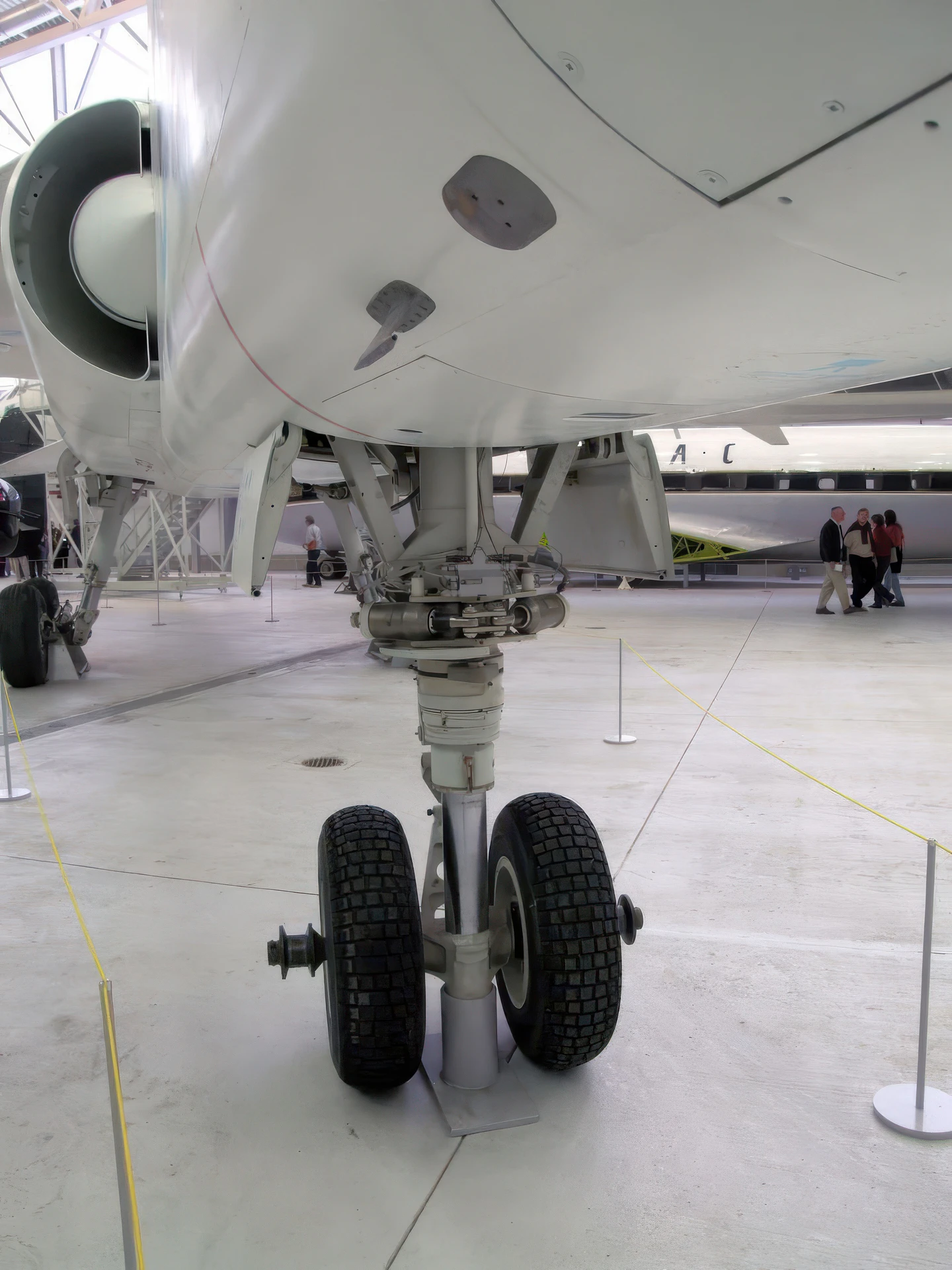
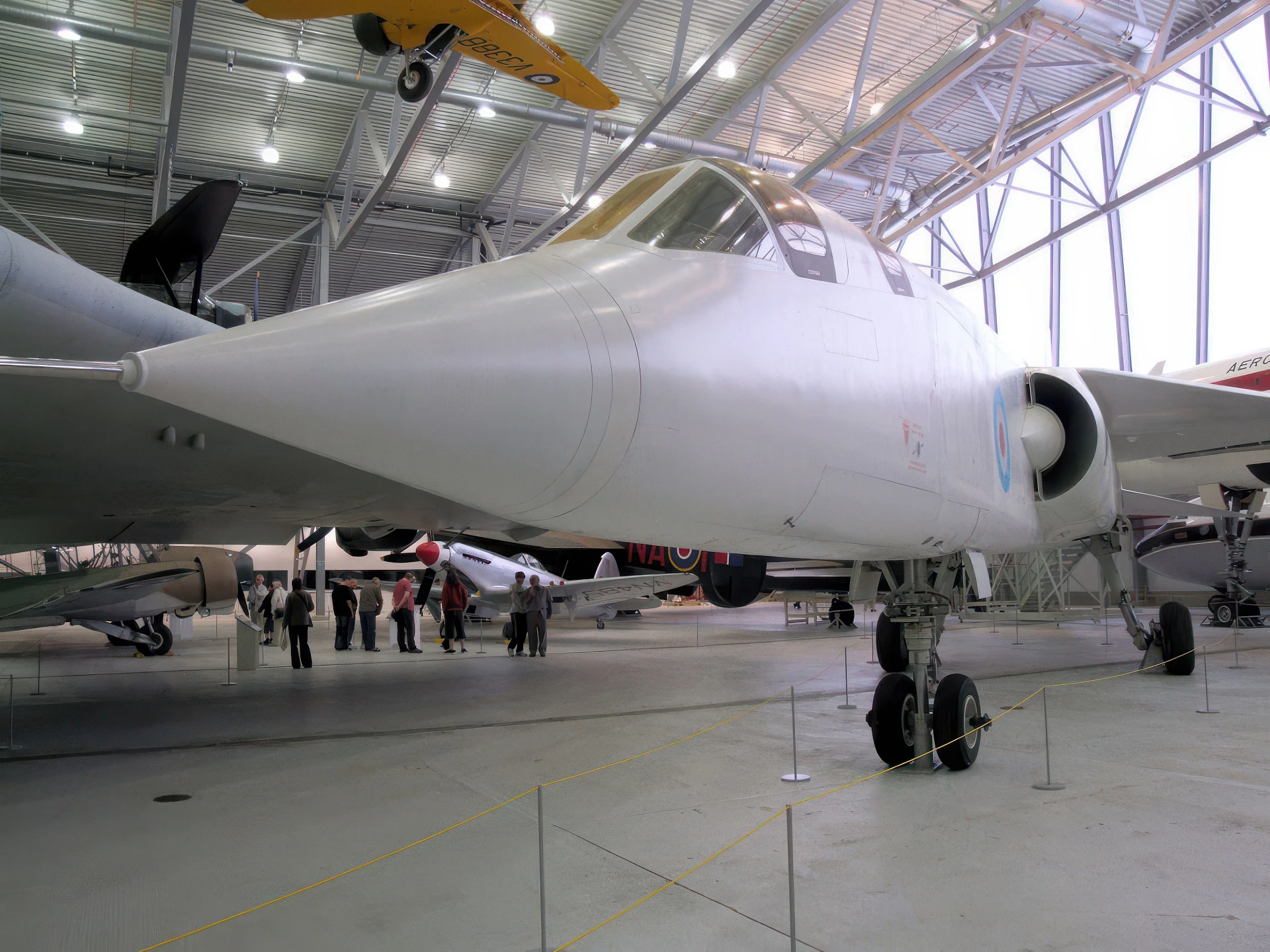
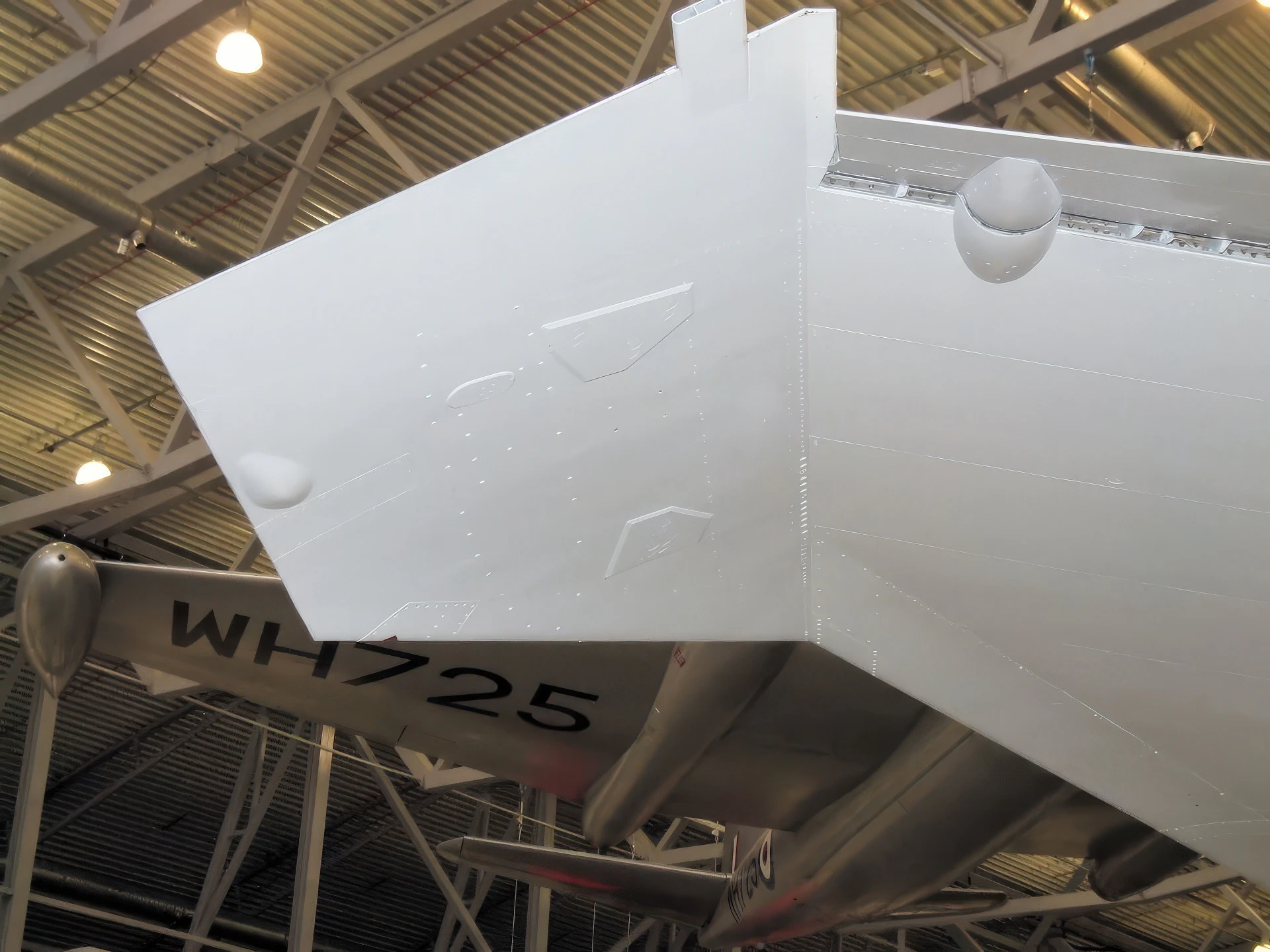
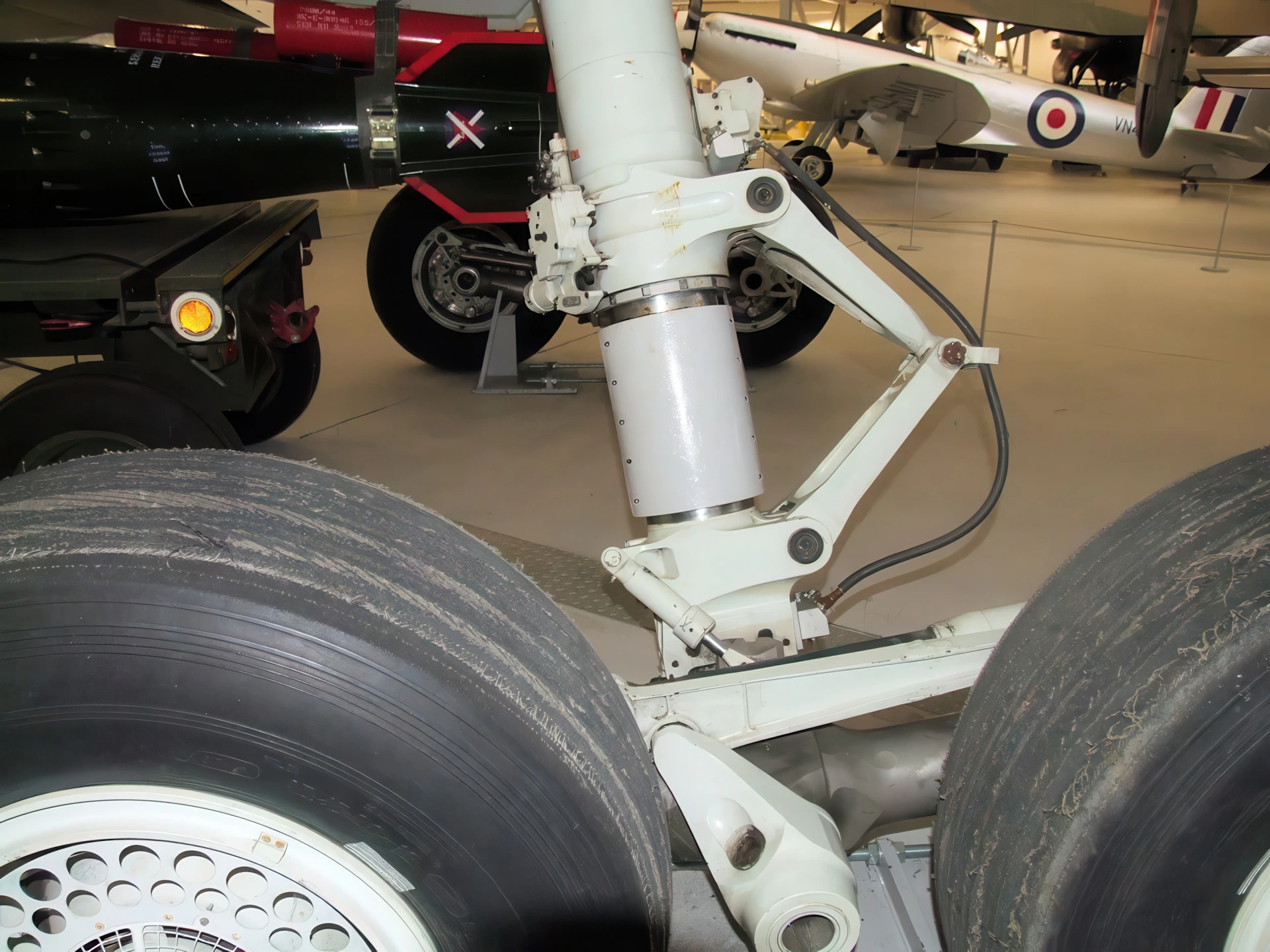
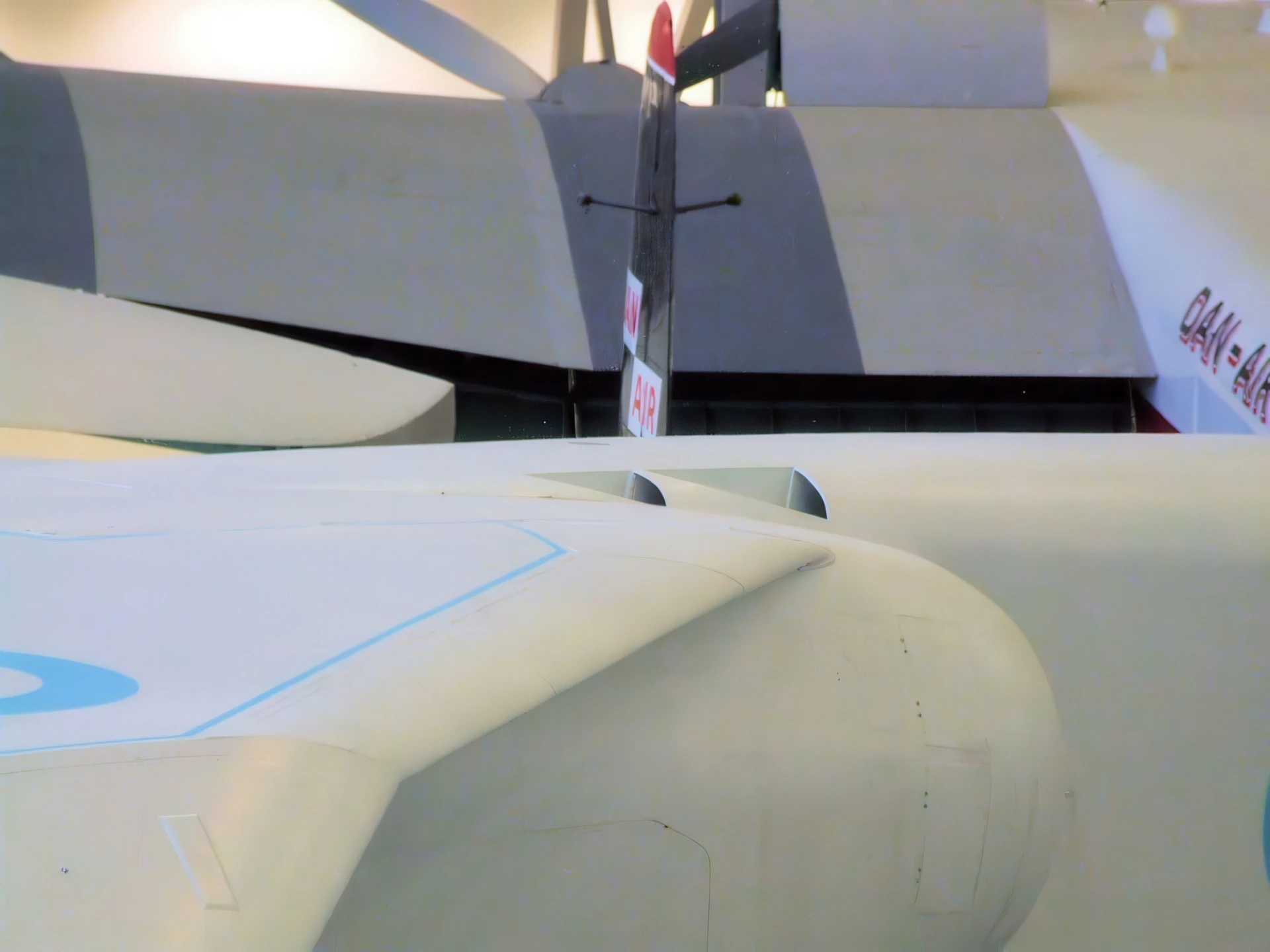

| Cosford TSR2 Walk Around | |
|---|---|
| Fotograf | Unknow |
| Lokalisierung | Tony Taylor |
| Fotos | 37 |
Siehe auch:


| BAC TSR-2 Walk Around | |
|---|---|
| Fotograf | Unknow |
| Lokalisierung | Unbekannter |
| Fotos | 46 |
Es ist keine Galerie ausgewählt oder die Galerie wurde gelöscht.

| BAC TSR-2 Walk Around | |
|---|---|
| Fotograf | Unknow |
| Lokalisierung | Unbekannter |
| Fotos | 27 |
General Characteristics and Role
The BAC TSR-2 (Tactical Strike and Reconnaissance, Mach 2) was an ambitious, highly advanced Cold War aircraft developed for the Royal Air Force (RAF) to replace the English Electric Canberra. Designed under the extensive General Operational Requirement 339 (GOR.339), it was intended to be an all-weather, long-range tactical strike and reconnaissance aircraft capable of operating at both high altitude (Mach 2+) and extremely low altitude (Mach 1.2) using terrain following radar. The project was controversially cancelled in 1965 despite promising flight test results.
| Property | Typical Value (Prototype/Design) |
|---|---|
| Rolle | Tactical Strike and Reconnaissance (TSR) Aircraft |
| National Origin | Vereinigtes Königreich |
| Hersteller | British Aircraft Corporation (Vickers-Armstrong & English Electric) |
| First Flight | 27. September 1964 |
| Crew | 2 (Pilot and Navigator/Weapon Systems Operator) |
| Länge | 27.13 m (89 ft) |
| Flügelspannweite | 11.28 m (37 ft) |
| Höhe | 7.32 m (24 ft) |
| Maximum Takeoff Weight | Approx. 46,357 kg (102,200 lb) |
Powerplant and Performance
- Engines: Two Bristol Siddeley Olympus 22R Mark 320 afterburning turbojet engines.
- Maximum Thrust (with afterburner): 136.7 kN (30,610 lbf) per engine.
- Maximum Speed (High Altitude): Mach 2.15 to Mach 2.35 (Planned).
- Maximum Speed (Low Level): Mach 1.1 to Mach 1.2 (Planned, for terrain following).
- Ferry Range: Approx. 5,000 km (3,100 mi) with external tanks and in-flight refueling capability.
- Low-Level Combat Radius: Approx. 1,000 nmi (1,850 km) operating at Mach 0.9.
- Takeoff Requirement: Designed for short take-off and landing (STOL) capability, aiming for takeoff runs of around 490 meters (1,600 feet) from rough strips using blown flaps.
- Key Technology: Advanced terrain following radar for high-speed, low-altitude penetration.
Armament and Avionics
- Internal Armament: One large internal bomb bay.
- Internal Payload: Up to 2,720 kg (6,000 lb).
- Weapons: Could carry one large nuclear weapon (like the Red Beard) or multiple smaller tactical nuclear weapons (WE.177) or six 1,000 lb conventional bombs.
- External Armament: Four underwing pylons.
- External Payload: Up to 4,500 kg (10,000 lb).
- Weapons: Could carry additional conventional bombs, WE.177 nuclear weapons, or air-to-surface missiles like the AS.37 Martel.
- Built-in Armament: None.
- Avionics: Included an advanced automatic navigation system, Doppler radar, and the terrain following radar essential for its low-level strike role.
Views : 4047
Sie können auch sehen:
 Sikorsky S-39 – Fotos & Videos
 Nordamerika NA-64 Yale – Fotos & Videos
 Sud-Ouest Triton – Fotos & Video
 Culver PQ-14 Cadet – Fotos & Video
 Northrop F-20 Tigershark – Fotos & Video
 Aeronca L-3 – Fotos & Video
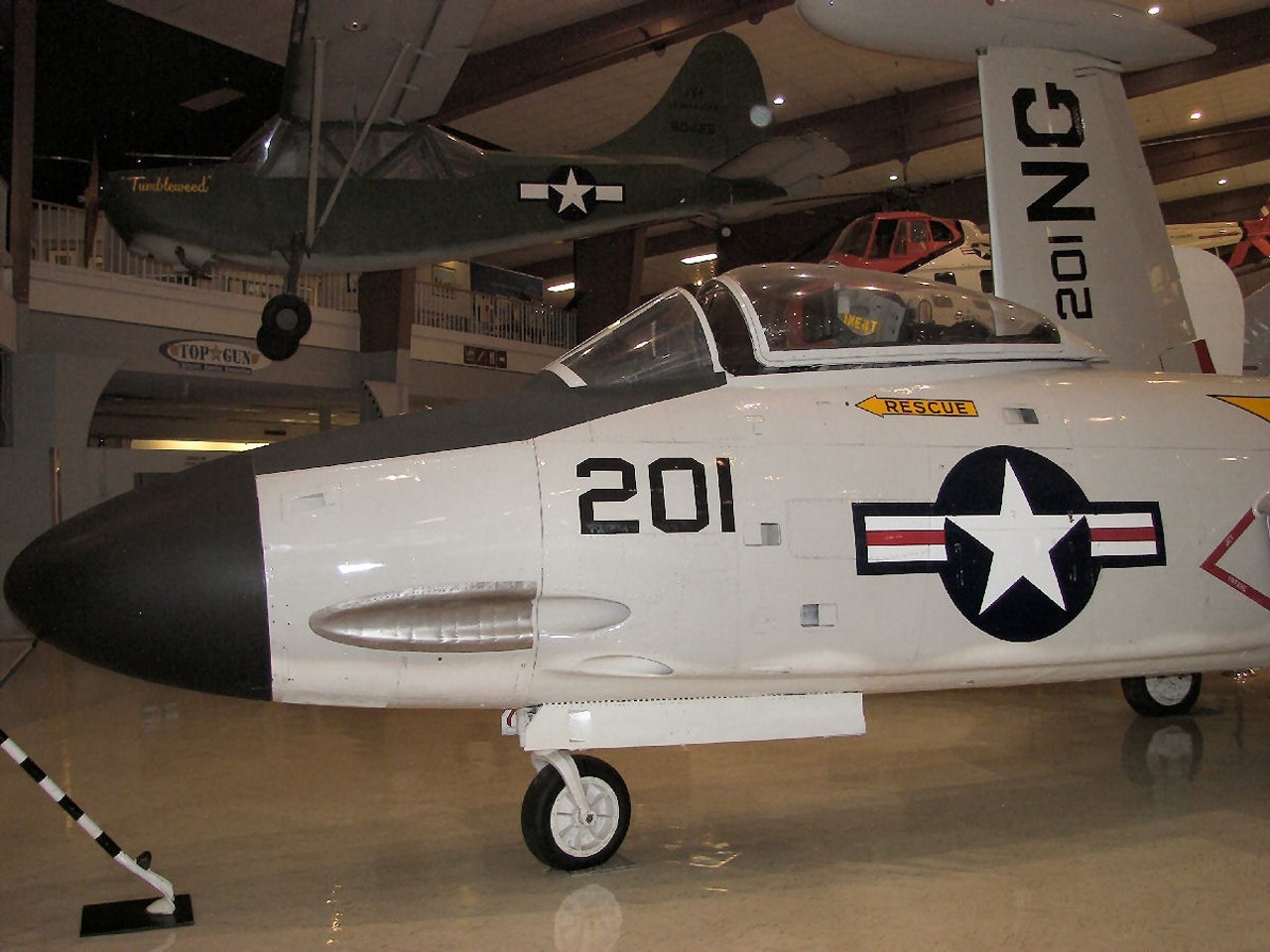 McDonnell F2H Banshee – Fotos & Video
 Macchi MC-202 – WalkAround
 Fairey Battle – WalkAround
 Hawker Sea Fury – Walk Around