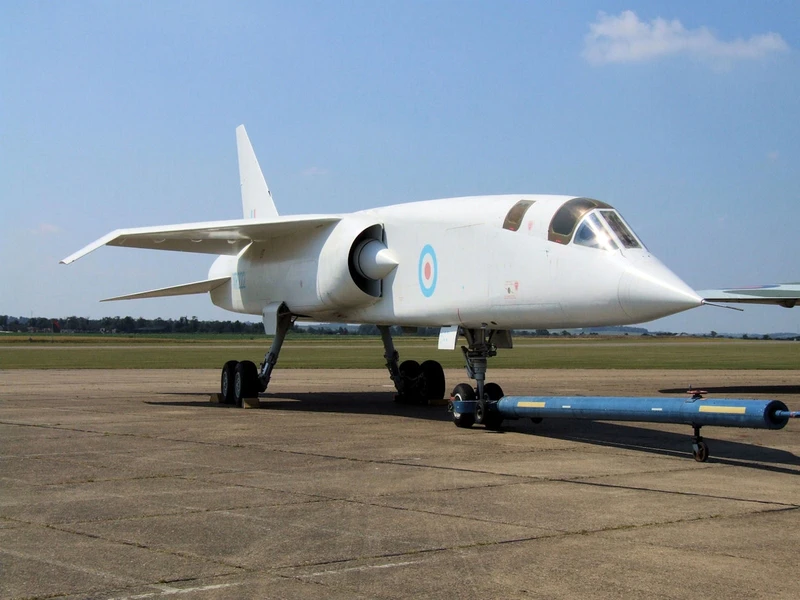
BAC TSR-2 | |
|---|---|
| Pays | Royaume-uni |
| Rôle | Aéronefs tactiques de frappe/reconnaissance |
| Premier vol | Le 27 septembre 1964 |
| Construit | 2 |
La British Aircraft Corporation TSR-2 (en) (pour « frappe tactique et reconnaissance 2 ») était un avion annulé de grève et de reconnaissance de la guerre froide développé par la British Aircraft Corporation (BAC) pour la Royal Air Force (RAF) à la fin des années 1950 et au début des années 1960. Le TSR-2 a été conçu pour pénétrer dans une zone de combat avancée bien défendue à basse altitude et à très grande vitesse, puis attaquer des cibles de grande valeur à l’arrière avec des armes nucléaires ou conventionnelles. Un autre rôle de combat prévu était de fournir des images radar et des signaux à haute altitude, à grande vitesse, des images latérales et des signaux, des reconnaissances aériennes. Une seule cellule a volé et testé des vols et une augmentation de poids pendant la conception ont indiqué que l’avion ne serait pas en mesure de répondre à ses spécifications de conception rigoureuses d’origine. Les spécifications de conception ont été réduites à la suite d’essais en vol.
Source: BAC TSR-2 sur Wikipedia
| TSR.2 Walk Around | |
|---|---|
| Photographers | Michael Benolkin, David Spurgeon-Jackson |
| Localisation | Unknow |
| Photos | 45 |
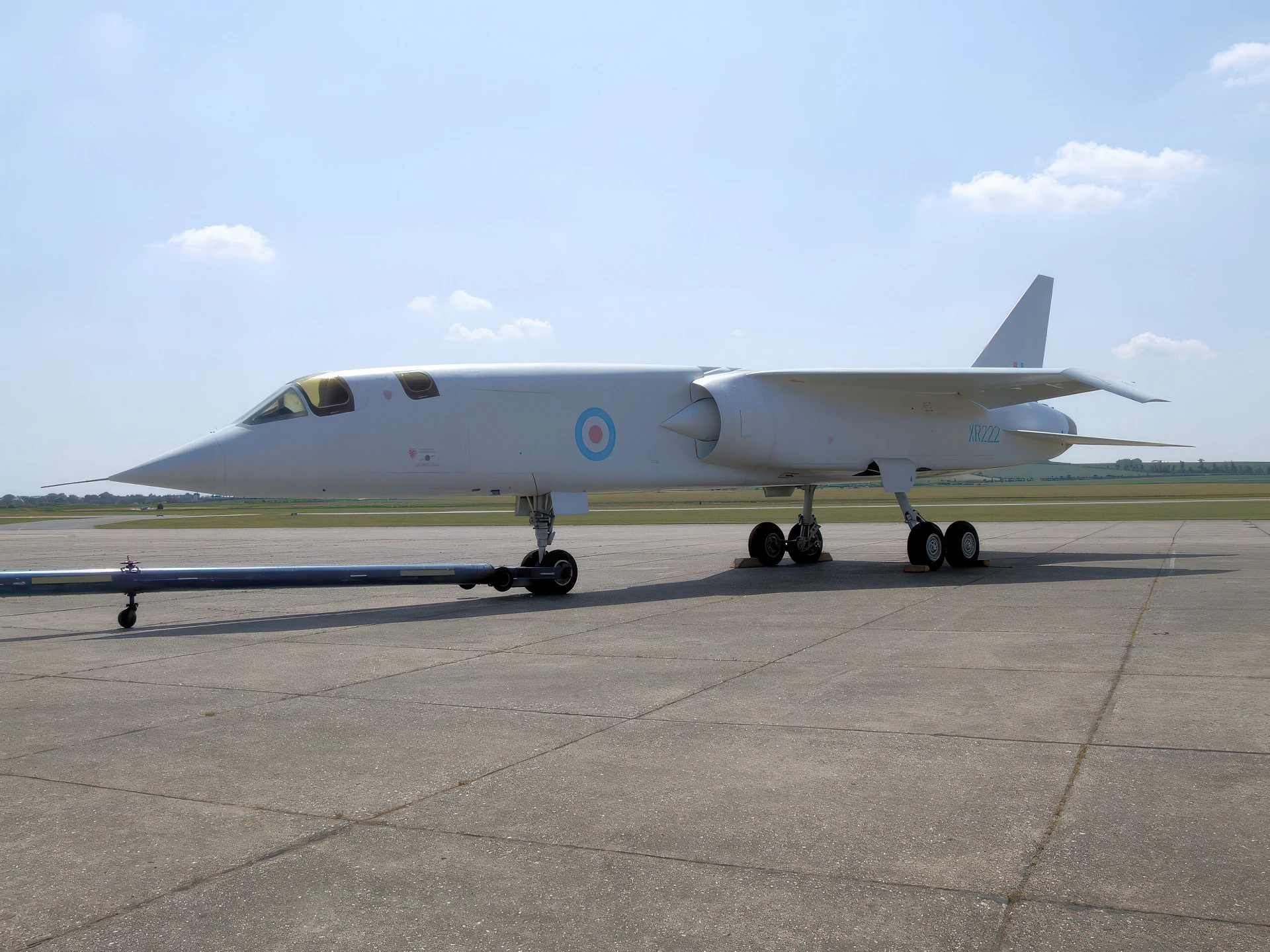
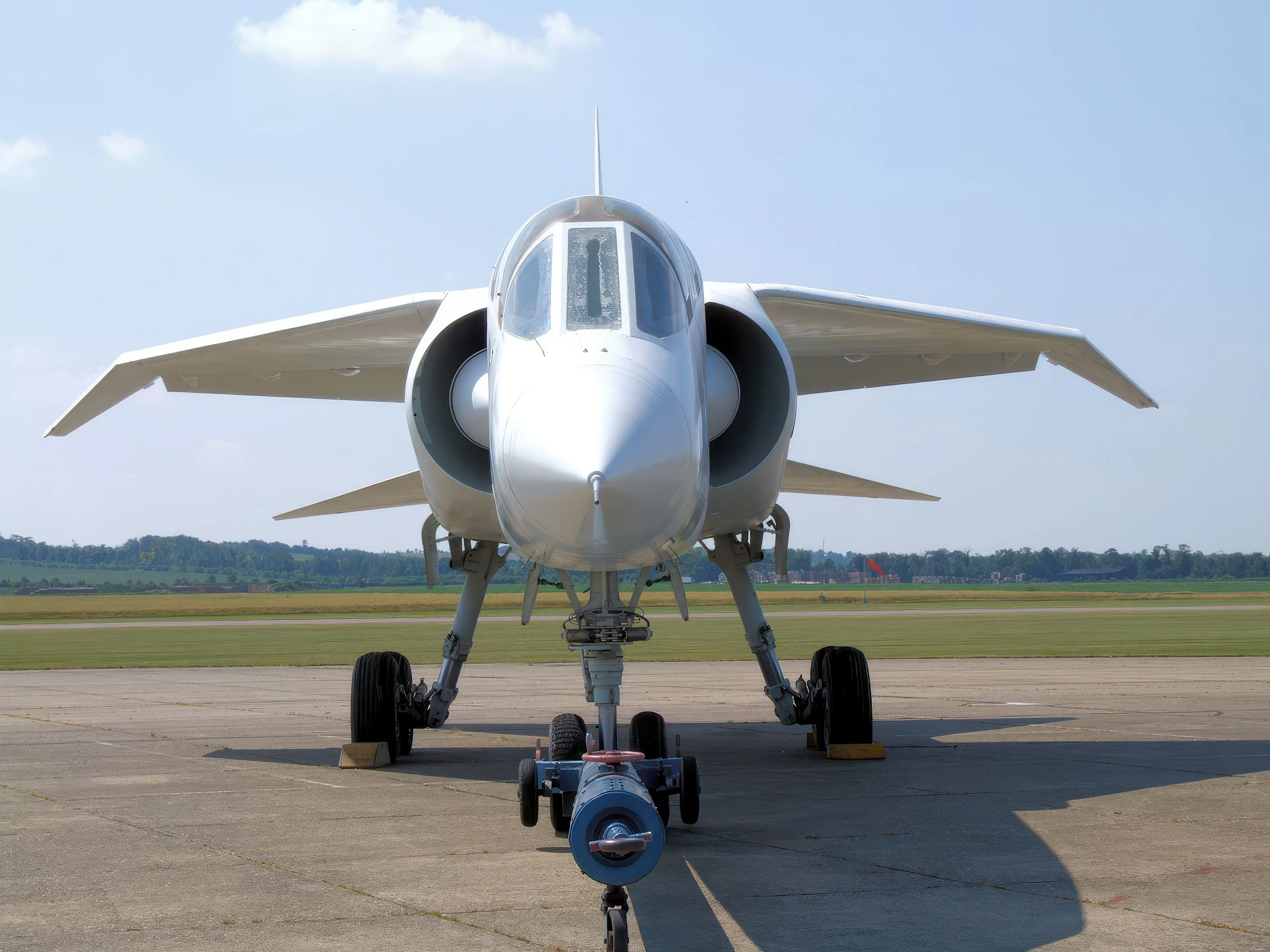
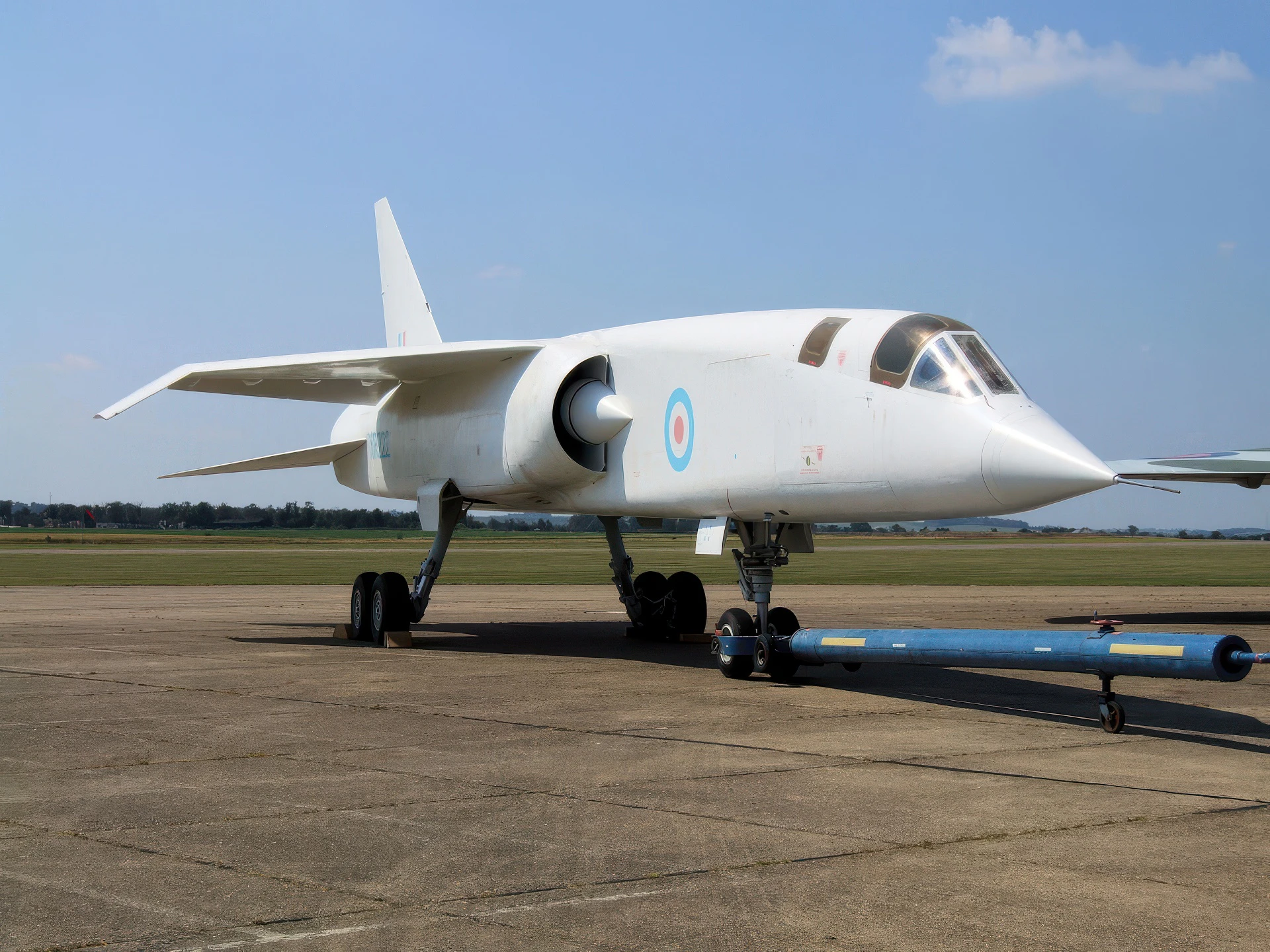
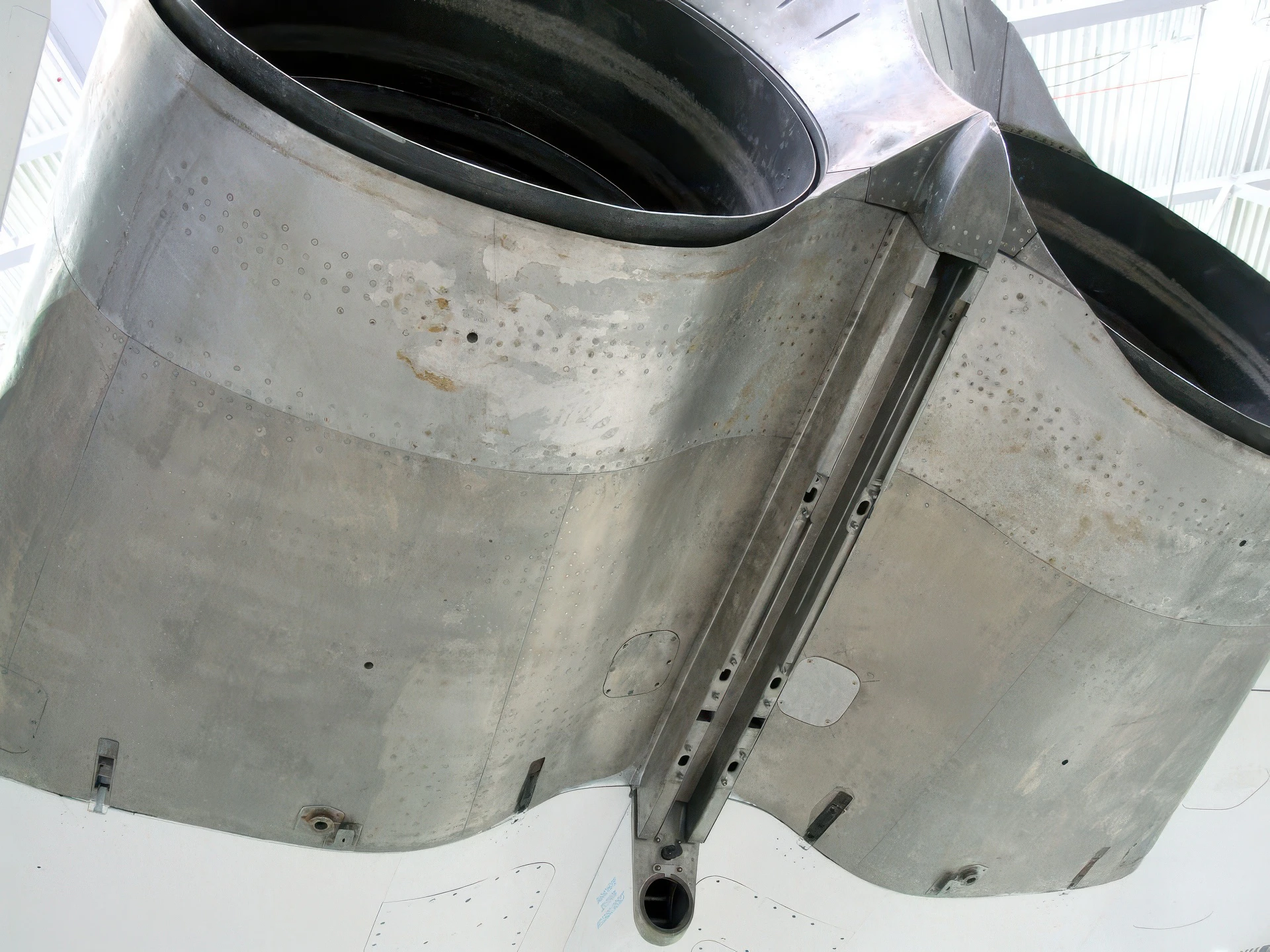
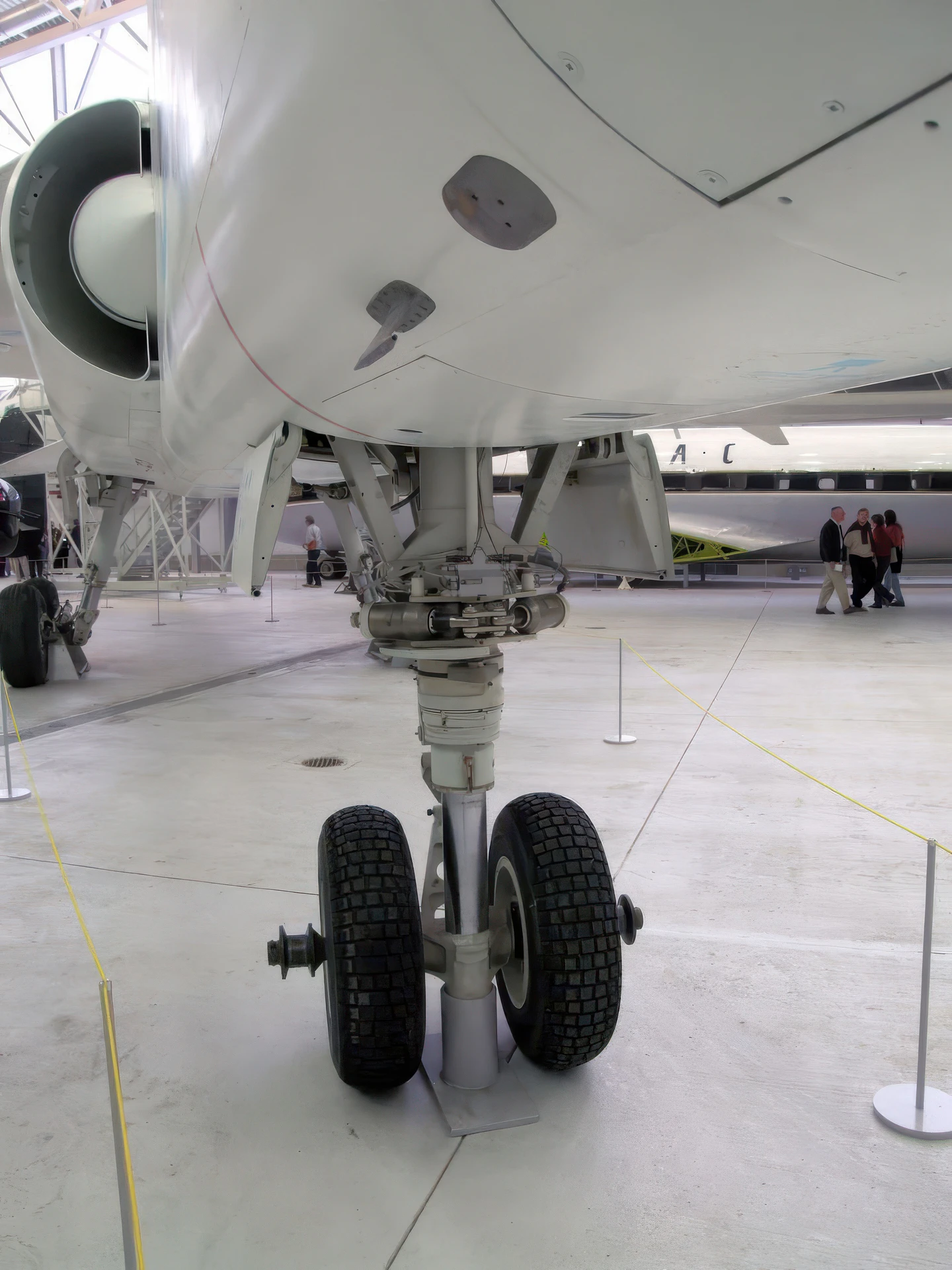
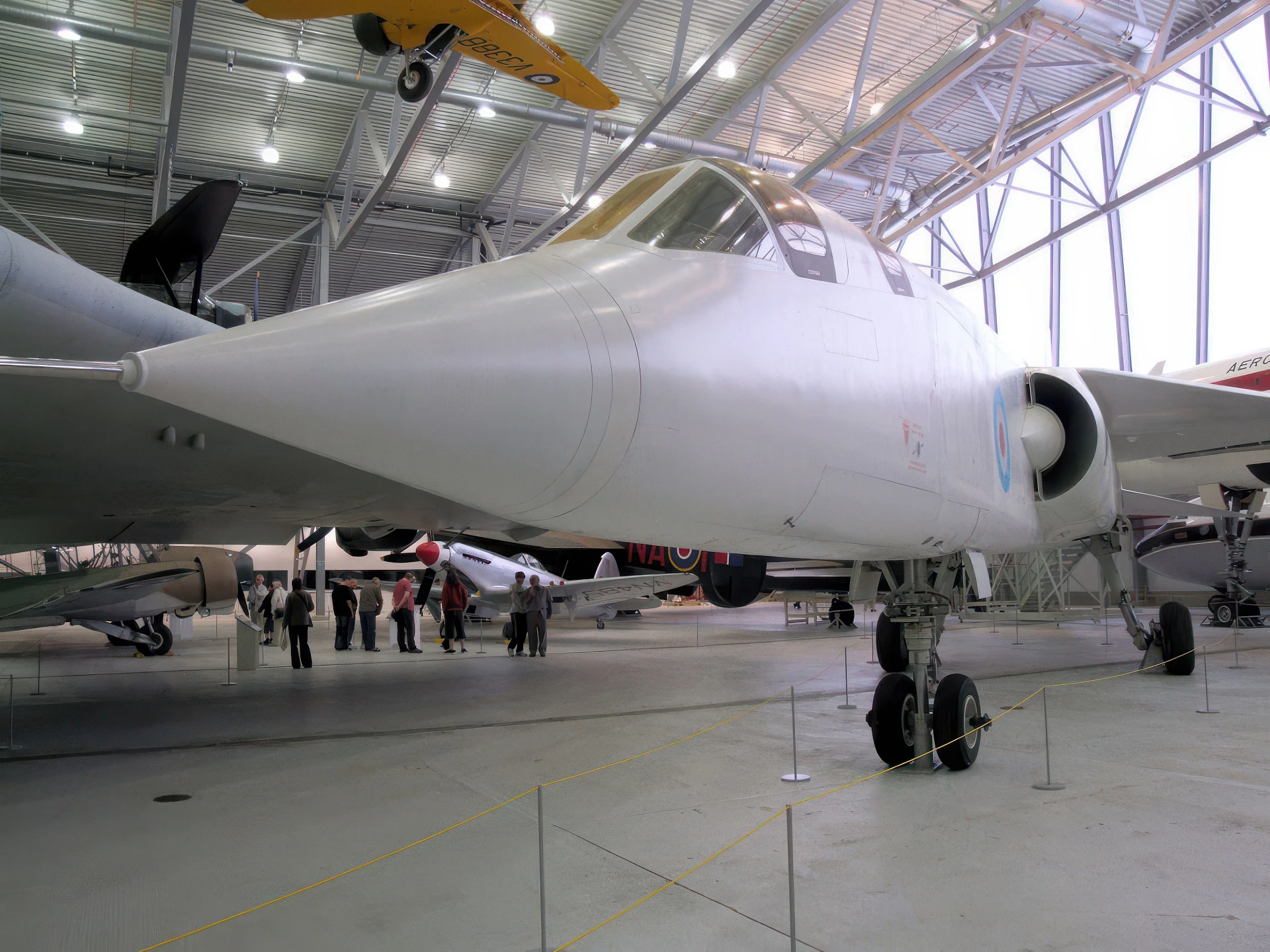
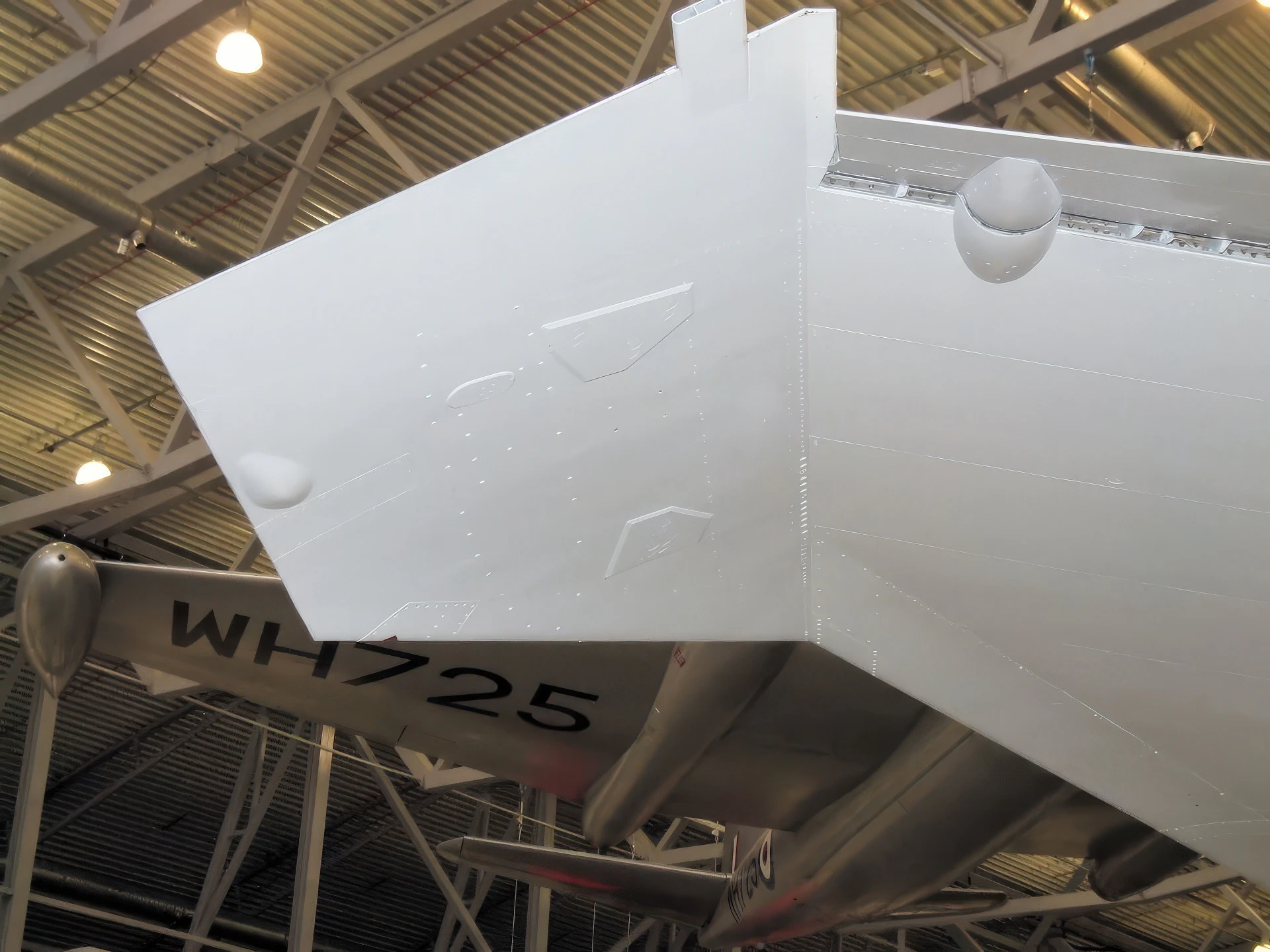
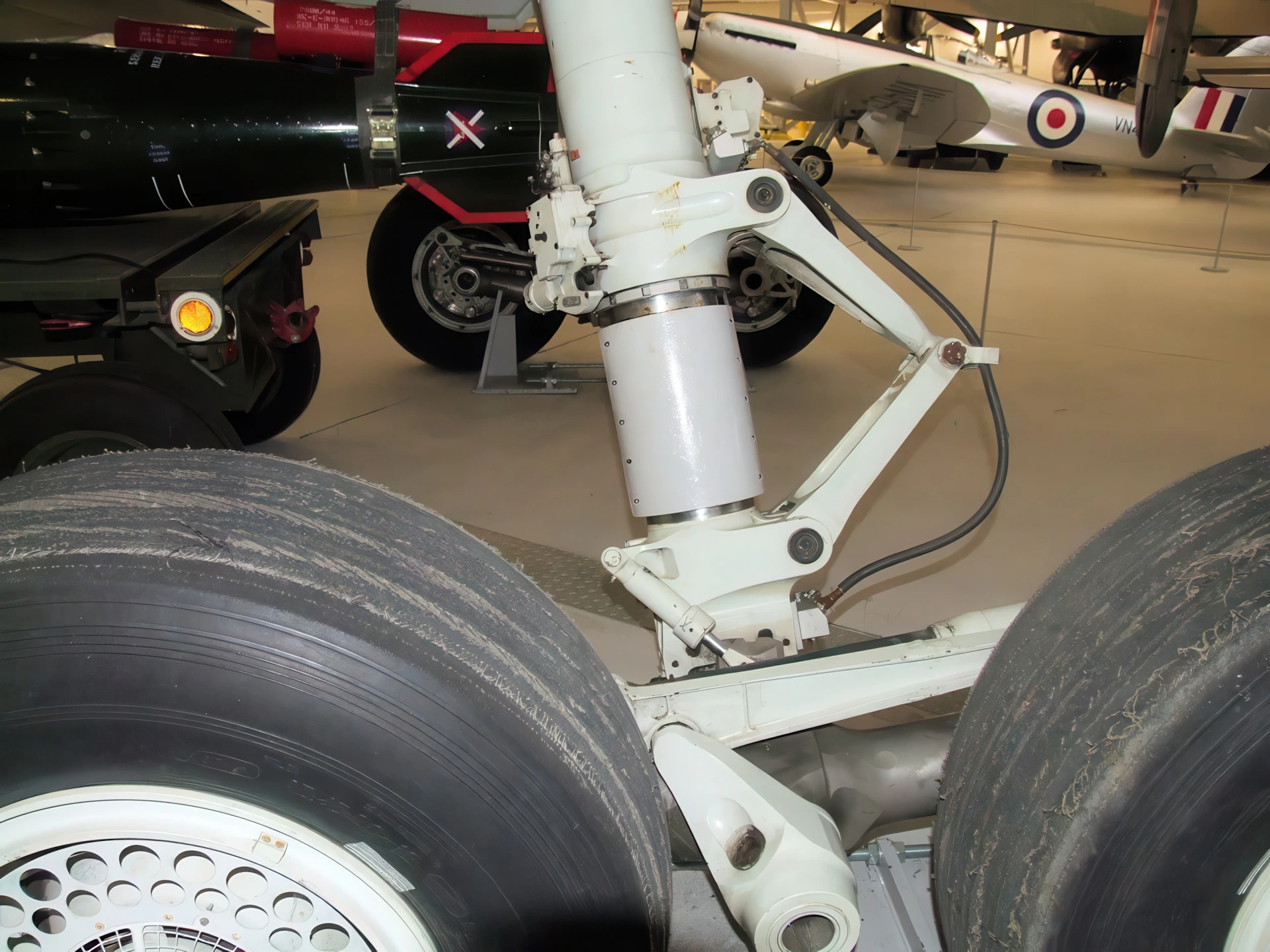
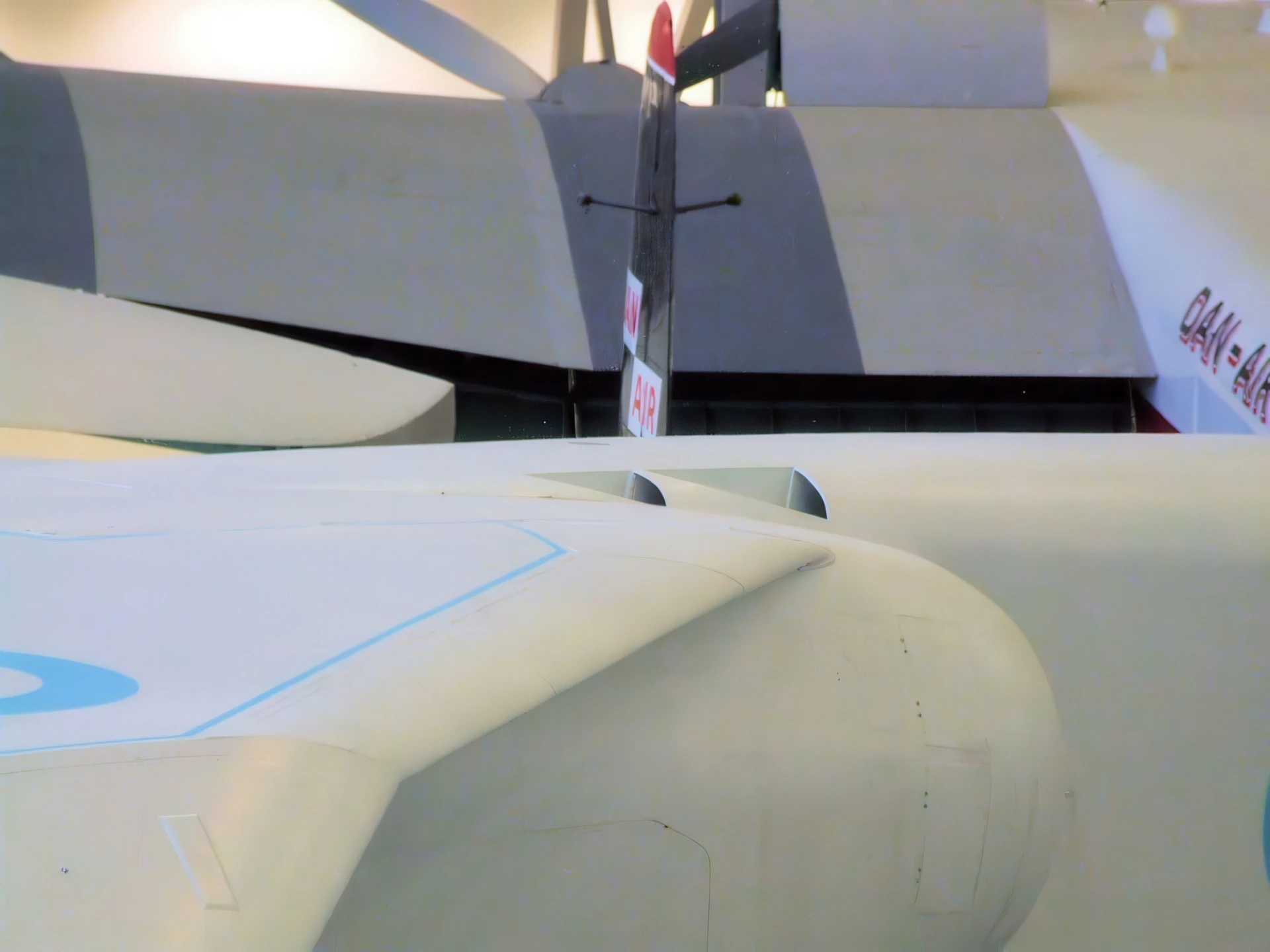

| Cosford TSR2 Walk Around | |
|---|---|
| Photographe | Unknow |
| Localisation | Tony Taylor |
| Photos | 37 |
Voir aussi :


| BAC TSR-2 Walk Around | |
|---|---|
| Photographe | Unknow |
| Localisation | Inconnu |
| Photos | 46 |
Aucune galerie n’est sélectionnée ou la galerie a été supprimée.

| BAC TSR-2 Walk Around | |
|---|---|
| Photographe | Unknow |
| Localisation | Inconnu |
| Photos | 27 |
General Characteristics and Role
The BAC TSR-2 (Tactical Strike and Reconnaissance, Mach 2) was an ambitious, highly advanced Cold War aircraft developed for the Royal Air Force (RAF) to replace the English Electric Canberra. Designed under the extensive General Operational Requirement 339 (GOR.339), it was intended to be an all-weather, long-range tactical strike and reconnaissance aircraft capable of operating at both high altitude (Mach 2+) and extremely low altitude (Mach 1.2) using terrain following radar. The project was controversially cancelled in 1965 despite promising flight test results.
| Property | Typical Value (Prototype/Design) |
|---|---|
| Rôle | Tactical Strike and Reconnaissance (TSR) Aircraft |
| National Origin | Royaume-Uni |
| Fabricant | British Aircraft Corporation (Vickers-Armstrong & English Electric) |
| First Flight | Le 27 septembre 1964 |
| Crew | 2 (Pilot and Navigator/Weapon Systems Operator) |
| Length | 27.13 m (89 ft) |
| Envergure | 11.28 m (37 ft) |
| Height | 7.32 m (24 ft) |
| Maximum Takeoff Weight | Approx. 46,357 kg (102,200 lb) |
Powerplant and Performance
- Engines: Two Bristol Siddeley Olympus 22R Mark 320 afterburning turbojet engines.
- Maximum Thrust (with afterburner): 136.7 kN (30,610 lbf) per engine.
- Maximum Speed (High Altitude): Mach 2.15 to Mach 2.35 (Planned).
- Maximum Speed (Low Level): Mach 1.1 to Mach 1.2 (Planned, for terrain following).
- Ferry Range: Approx. 5,000 km (3,100 mi) with external tanks and in-flight refueling capability.
- Low-Level Combat Radius: Approx. 1,000 nmi (1,850 km) operating at Mach 0.9.
- Takeoff Requirement: Designed for short take-off and landing (STOL) capability, aiming for takeoff runs of around 490 meters (1,600 feet) from rough strips using blown flaps.
- Key Technology: Advanced terrain following radar for high-speed, low-altitude penetration.
Armament and Avionics
- Internal Armament: One large internal bomb bay.
- Internal Payload: Up to 2,720 kg (6,000 lb).
- Weapons: Could carry one large nuclear weapon (like the Red Beard) or multiple smaller tactical nuclear weapons (WE.177) or six 1,000 lb conventional bombs.
- External Armament: Four underwing pylons.
- External Payload: Up to 4,500 kg (10,000 lb).
- Weapons: Could carry additional conventional bombs, WE.177 nuclear weapons, or air-to-surface missiles like the AS.37 Martel.
- Built-in Armament: None.
- Avionics: Included an advanced automatic navigation system, Doppler radar, and the terrain following radar essential for its low-level strike role.
Vues : 4058
Vous pouvez voir aussi :
 Sikorsky S-39 – Photos et vidéos
 North American NA-64 Yale – Photos et vidéos
 Sud-Ouest Triton – Photos & Vidéo
 Culver PQ-14 Cadet – Photos et vidéo
 Northrop F-20 Tigershark – Photos et vidéo
 Aeronca L-3 – Photos & Vidéo
 McDonnell F2H Banshee – Photos & Vidéo
 Macchi MC-202 – WalkAround
 Bataille juste - WalkAround
 Hawker Sea Fury – Walk Around