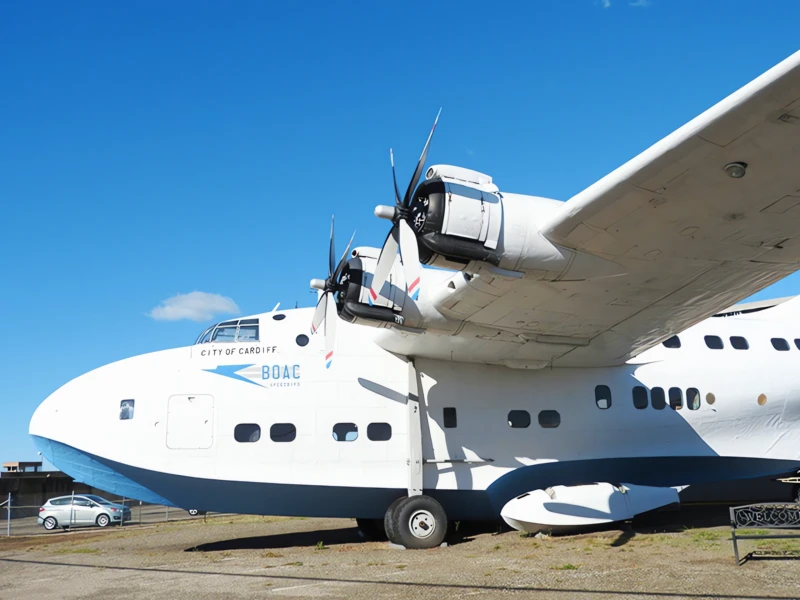
Short Solent | |
|---|---|
| Land | Uk |
| Rolle | Passager flyvende båd |
| Første flyvning | 11. november 1946 |
| Bygget | 16 |
Den Kort Solent is a passenger flying boat that was produced by Short Brothers in the late 1940s. It was developed from the Short Seaford, itself a development of the Short Sunderland military flying boat design, which was too late to serve in World War II. The first Solent flew in 1946. New Solents were used by BOAC and TEAL, production ending in 1949. Second-hand aircraft were operated until 1958 by a number of small airlines such as Aquila Airways.
Kilde: Kort Solent på Wikipedia
| Short Solent 3 Walk | |
|---|---|
| Fotograf | Cees Hendriks |
| Lokalisering | Unknow |
| Billeder | 70 |
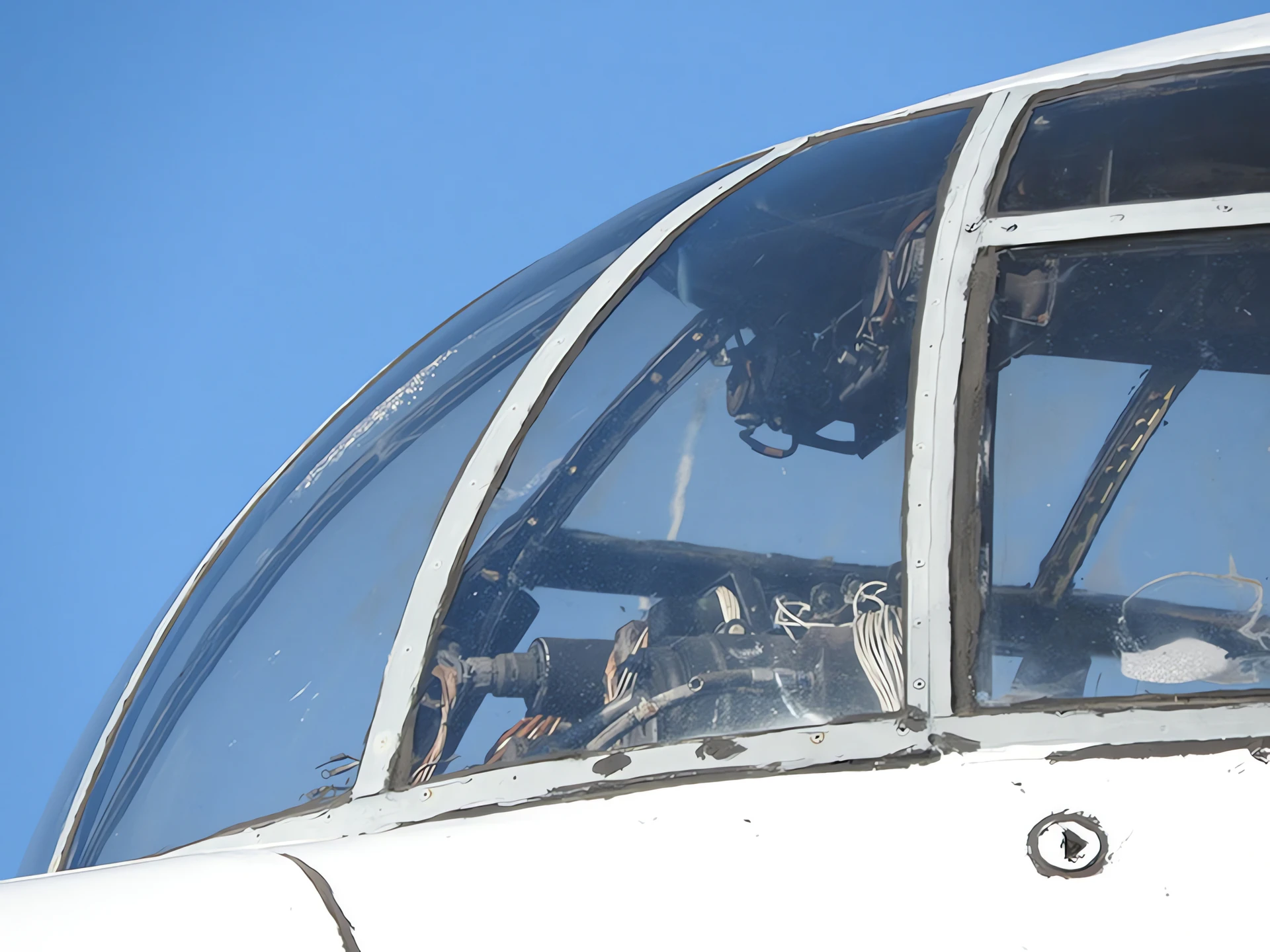
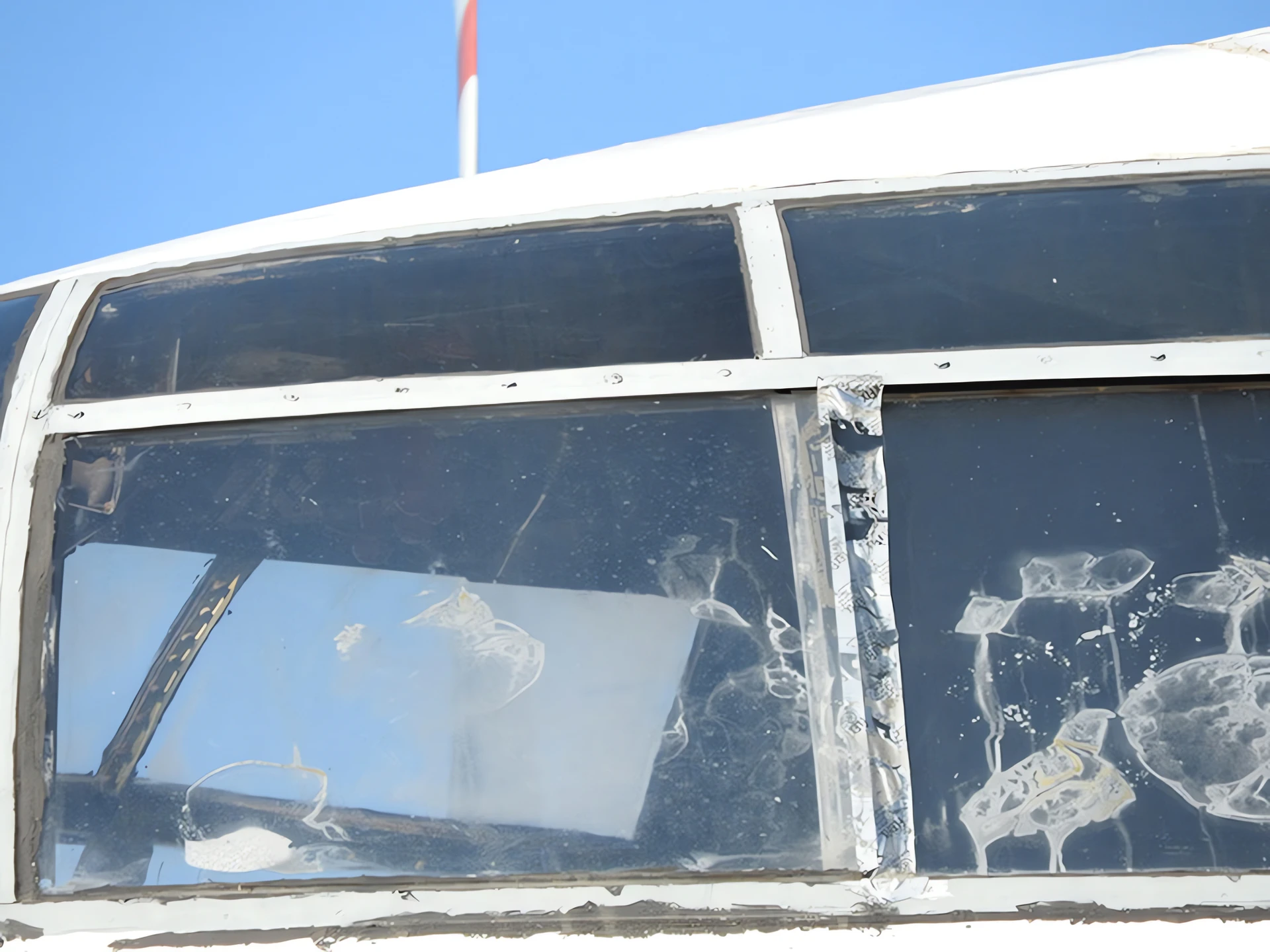
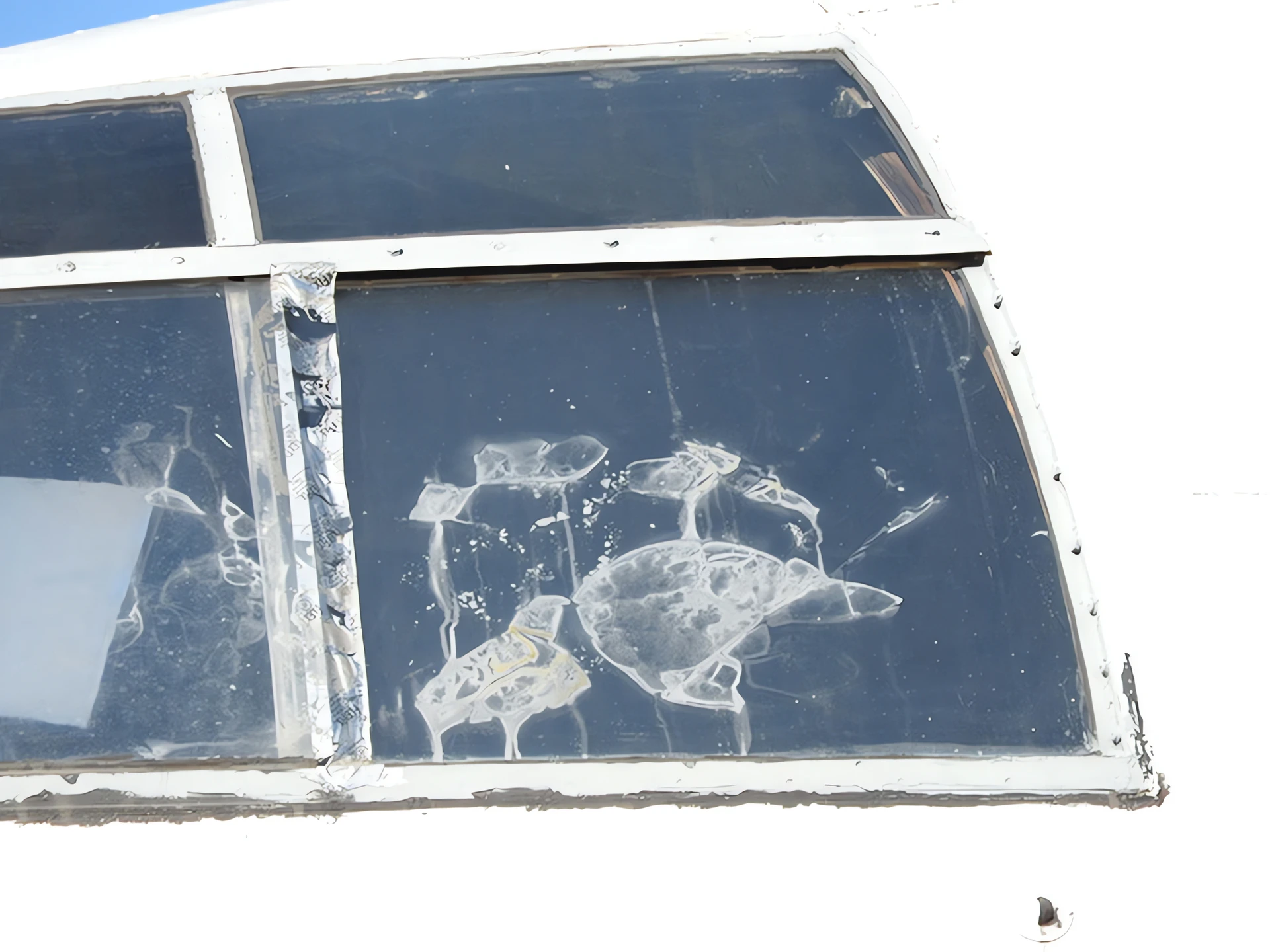
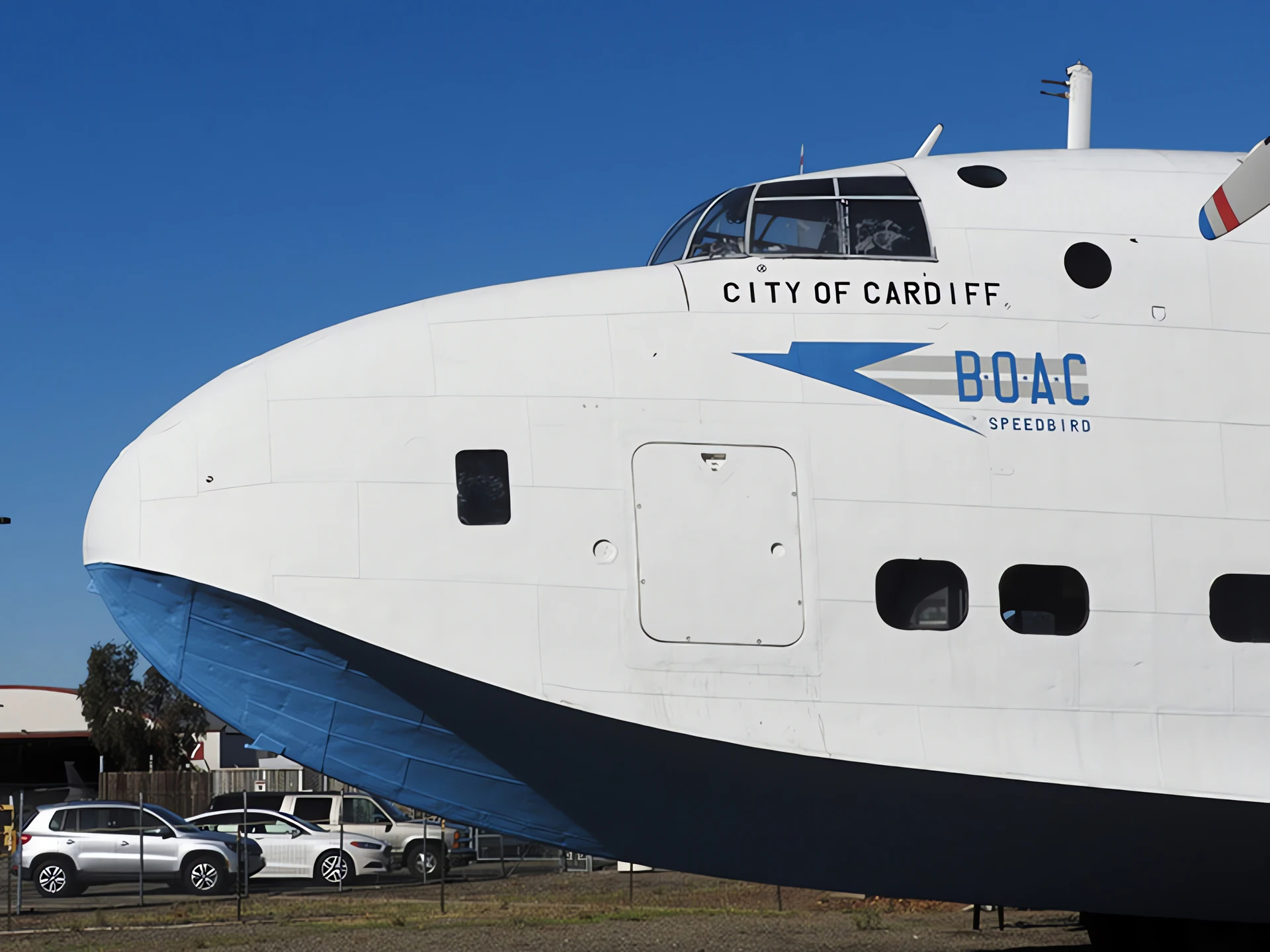
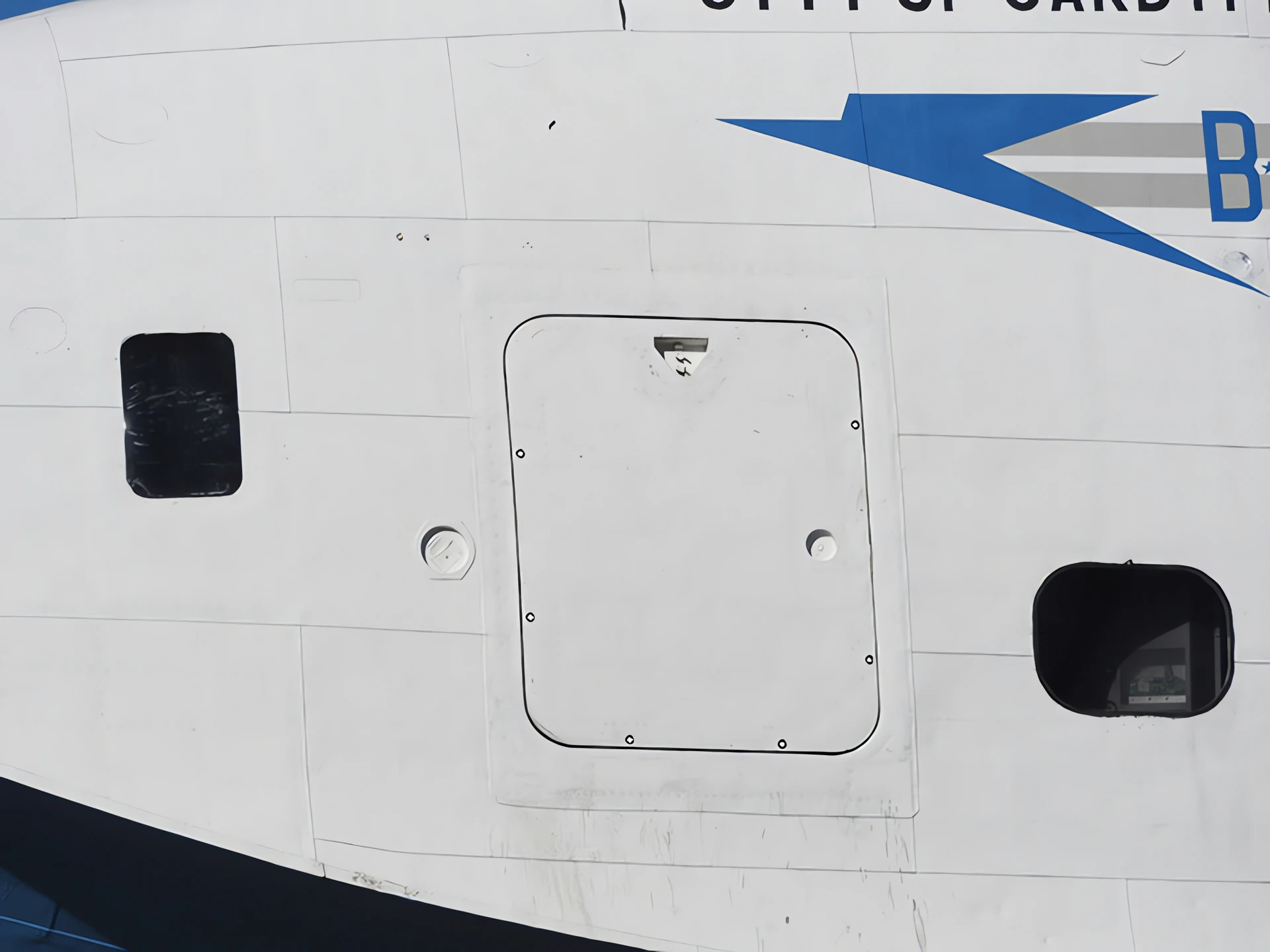
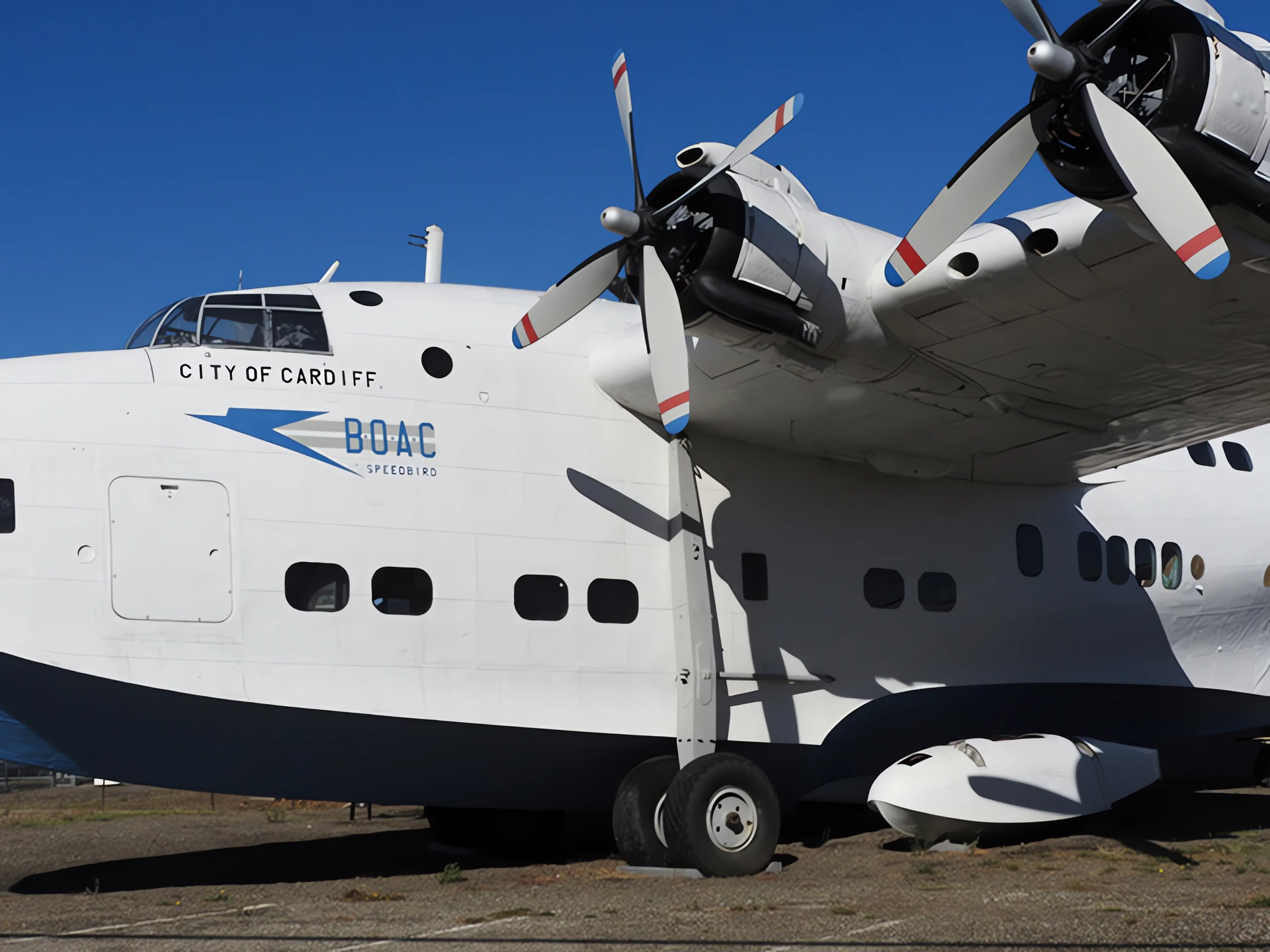

Se også:


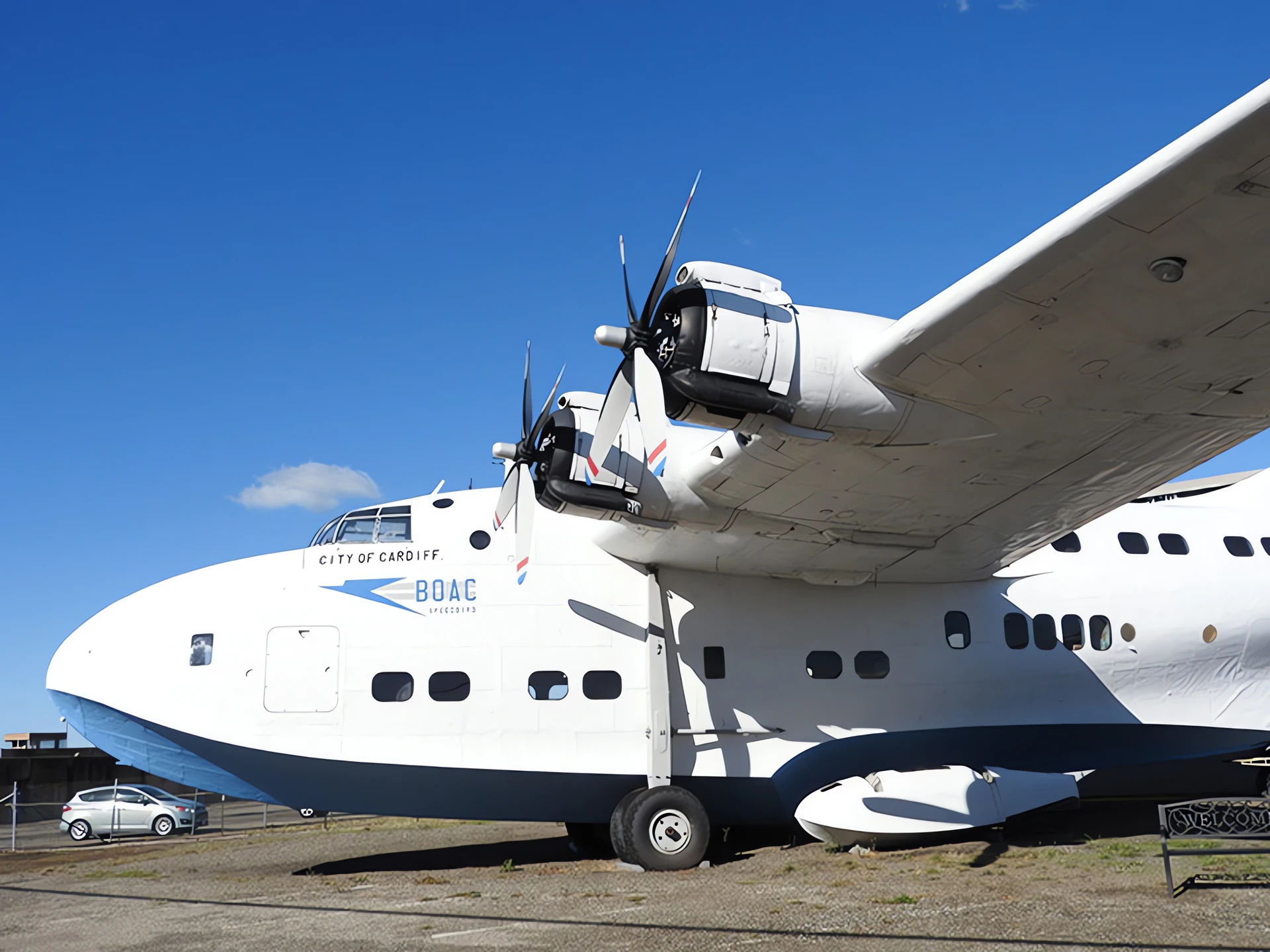
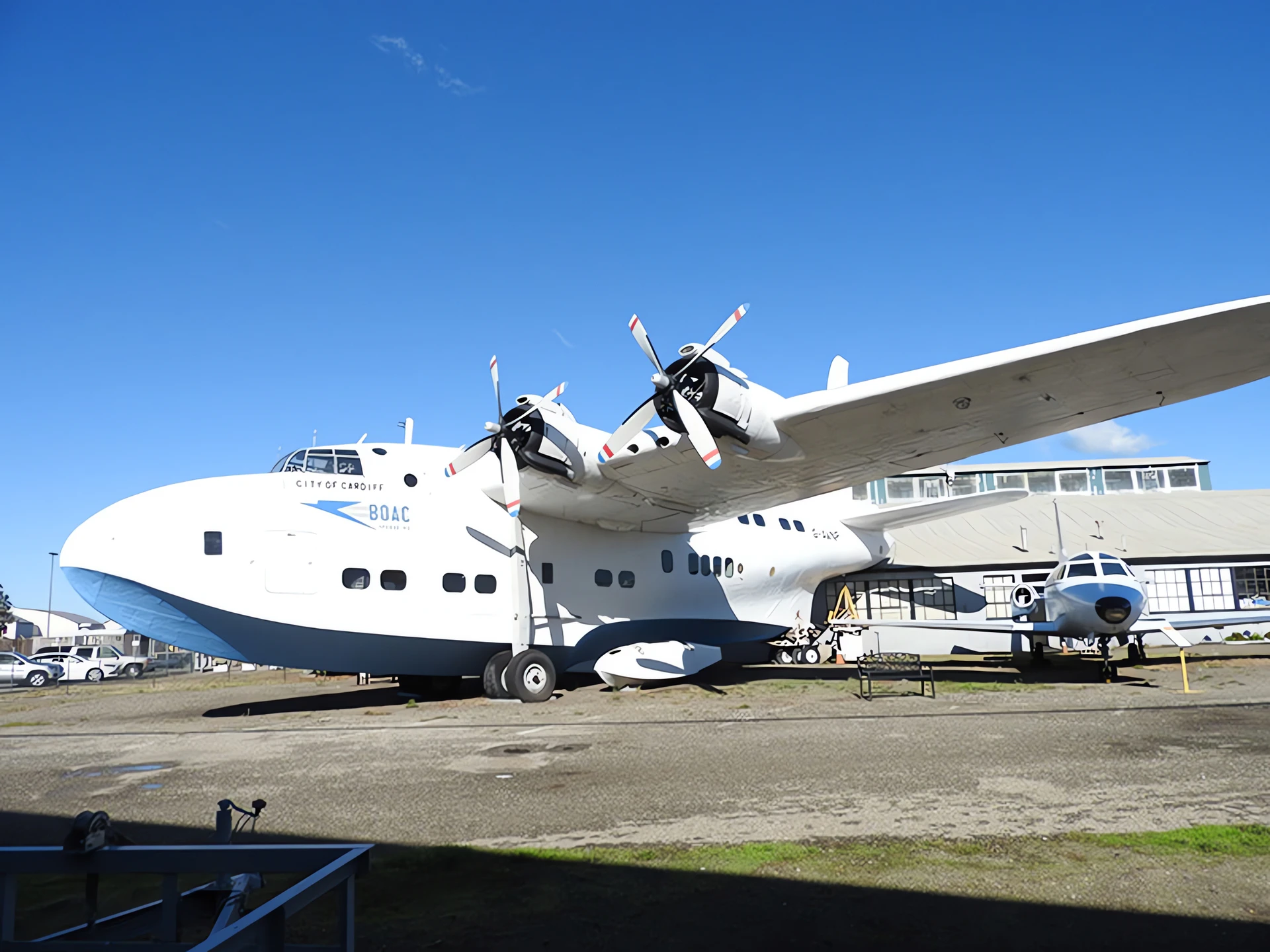
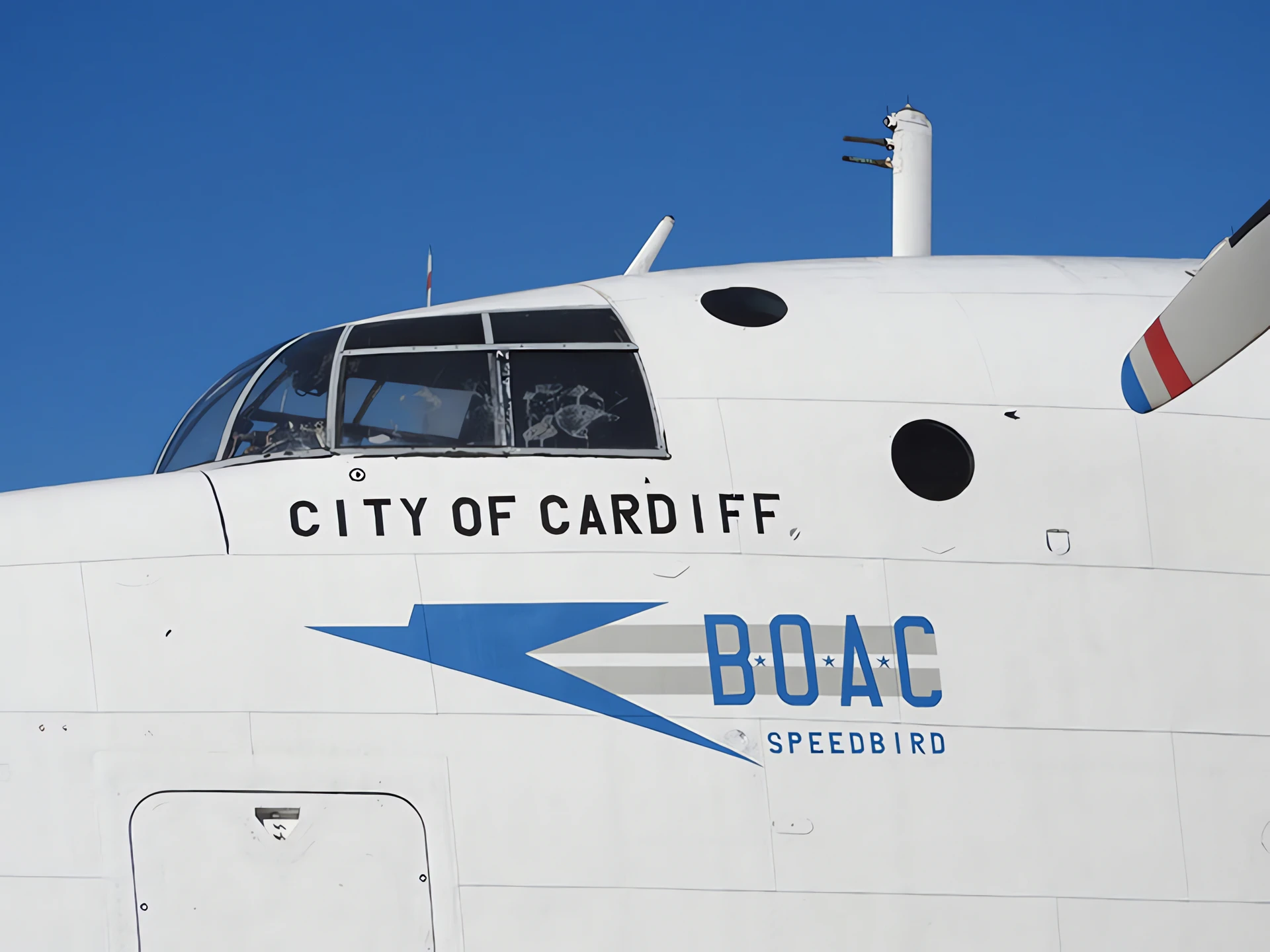
| Short Solent Mk III | |
|---|---|
| Fotograf | Vladimir Yakubov |
| Lokalisering | Western Aerospace Museum, Oakland |
| Billeder | 82 |
General Characteristics and Role
The Short Solent was a large, four-engined passenger flying boat developed and manufactured by Short Brothers in the United Kingdom. It was derived from the earlier Short Shetland and the military Short Seaford (which itself was based on the famous Short Sunderland). The Solent, specifically the Solent 3 variant, was a post-war version optimized for civilian air travel, offering luxurious accommodations for long-haul intercontinental routes. It played a major role in restoring British prestige and connectivity on Empire routes, particularly the “Kangaroo Route” from the UK to Australia and the routes across the Atlantic and Pacific, where it provided a spacious, comfortable, and elegant travel experience.
| Property | Typical Value (Solent 3) |
|---|---|
| Type | Four-Engine Civilian Passenger Flying Boat |
| National Origin | Storbritannien |
| Producent | Short Brothers |
| Entered Service (Solent) | 1946 |
| Besætning | 7–11 (Pilot, Co-Pilot, Navigator, Flight Engineer, Radio Operator, Cabin Crew) |
| Passenger Capacity | Up to 34 passengers (often fewer for luxury overnight flights) |
| Max Takeoff Weight | Approx. 34,927 kg (77,000 lb) |
Powerplant and Cabin Features
- Engines: 4 x Bristol Hercules 637 14-cylinder radial engines.
- Engine Power: 1,690 hp (1,260 kW) each.
- Maximum Cruising Speed: Approx. 396 km/h (246 mph).
- Range: Approx. 2,900 km (1,800 miles).
- Interior: The Solent 3 was famous for its spacious, two-deck interior featuring sleeping berths, a dining area, a lounge, and separate restrooms for men and women. The flight was often described as being like a cruise ship.
- Construction: Traditional all-metal hull design optimized for high-drag takeoff and low-drag cruise flight.
- Operational Base: Required water runways (lakes, harbors, or sheltered bays) and specialized docking/tender facilities.
Service History and Legacy
- Primary Users: British Overseas Airways Corporation (BOAC) and Trans Oceanic Airways (TOA).
- TEAL Service: The Solent 3 was notably used by Tasman Empire Airways Limited (TEAL) (later Air New Zealand) on the “Coral Route” across the Pacific until the mid-1950s, linking Auckland, Fiji, and Tahiti.
- Retirement: The Solent’s era was relatively short, primarily due to the rapid post-war development of long-range, pressurized landplanes (like the Lockheed Constellation) which negated the need for large water-based aircraft. Landplanes offered faster and more frequent service without the weather limitations imposed by water operations.
- Preservation: The last flying boat service in New Zealand ended in 1960. The only surviving Solent 3 in the world is G-AOBL, preserved at the Museum of Transport and Technology (MOTAT) in Auckland, New Zealand.
Views : 1537
Du kan også se:
 Kort Sunderland – Billeder & Videoer
 Grumman G-21 Goose – Billeder & Videoer
 Kort Sandringham - Billeder og videoer
 Sikorsky S-43 – Billeder & VIdeos
 Sikorsky S-39 – Billeder & Videoer
 Lockheed U-2 – Billeder & Video
 Dornier Do-24 – Billeder og video
 B-17G flyvende fæstning - WalkAround
 Messerschmitt Bf 109G-2 - Gå rundt
 General Motors FM-2 Wildcat – WalkAround