
Kawasaki Ki-61 | |
|---|---|
| Land | Japan |
| Rolle | Kampfly |
| Første flyvning | december 1941 |
| Antal bygget | 3075 |
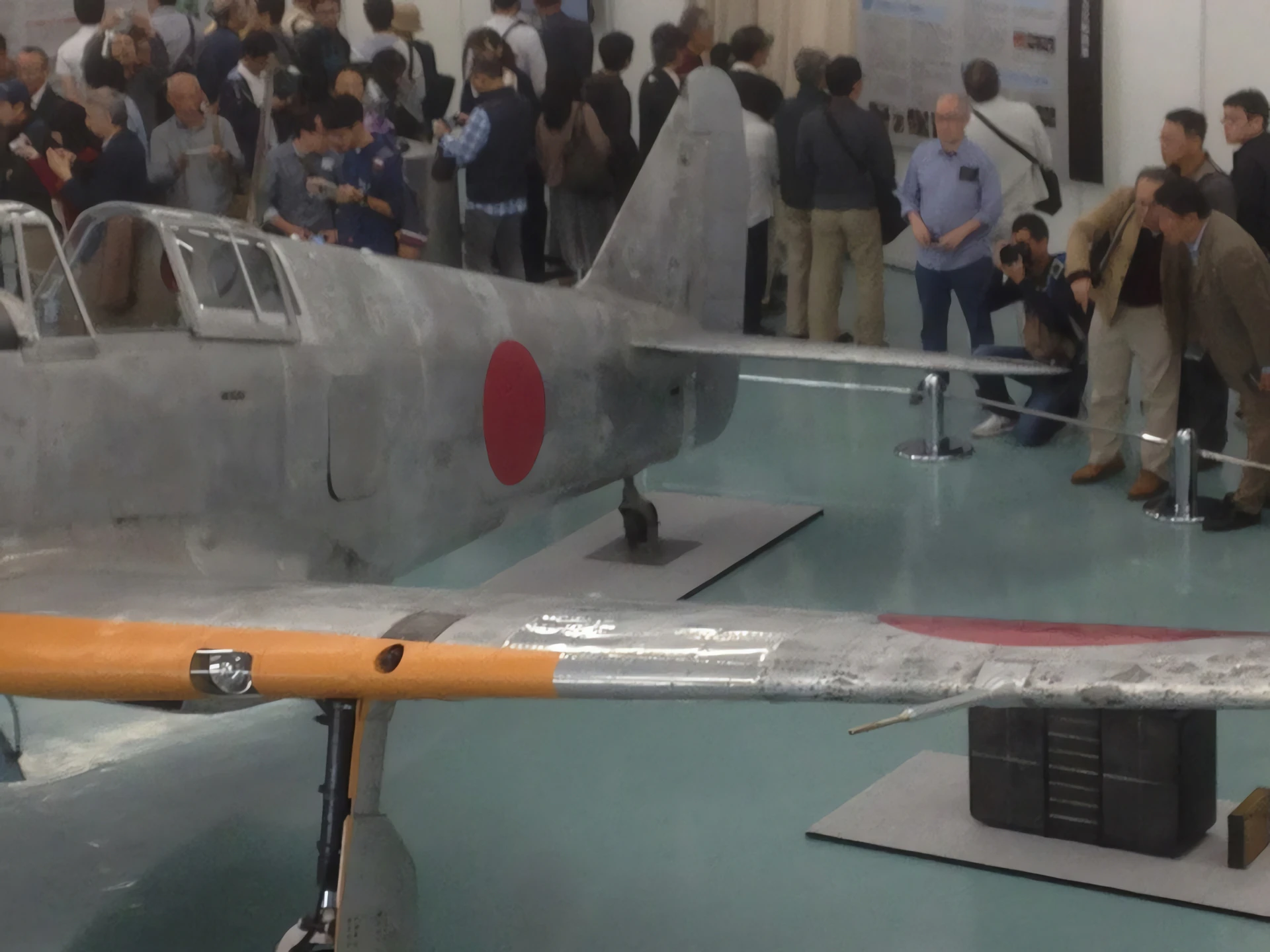
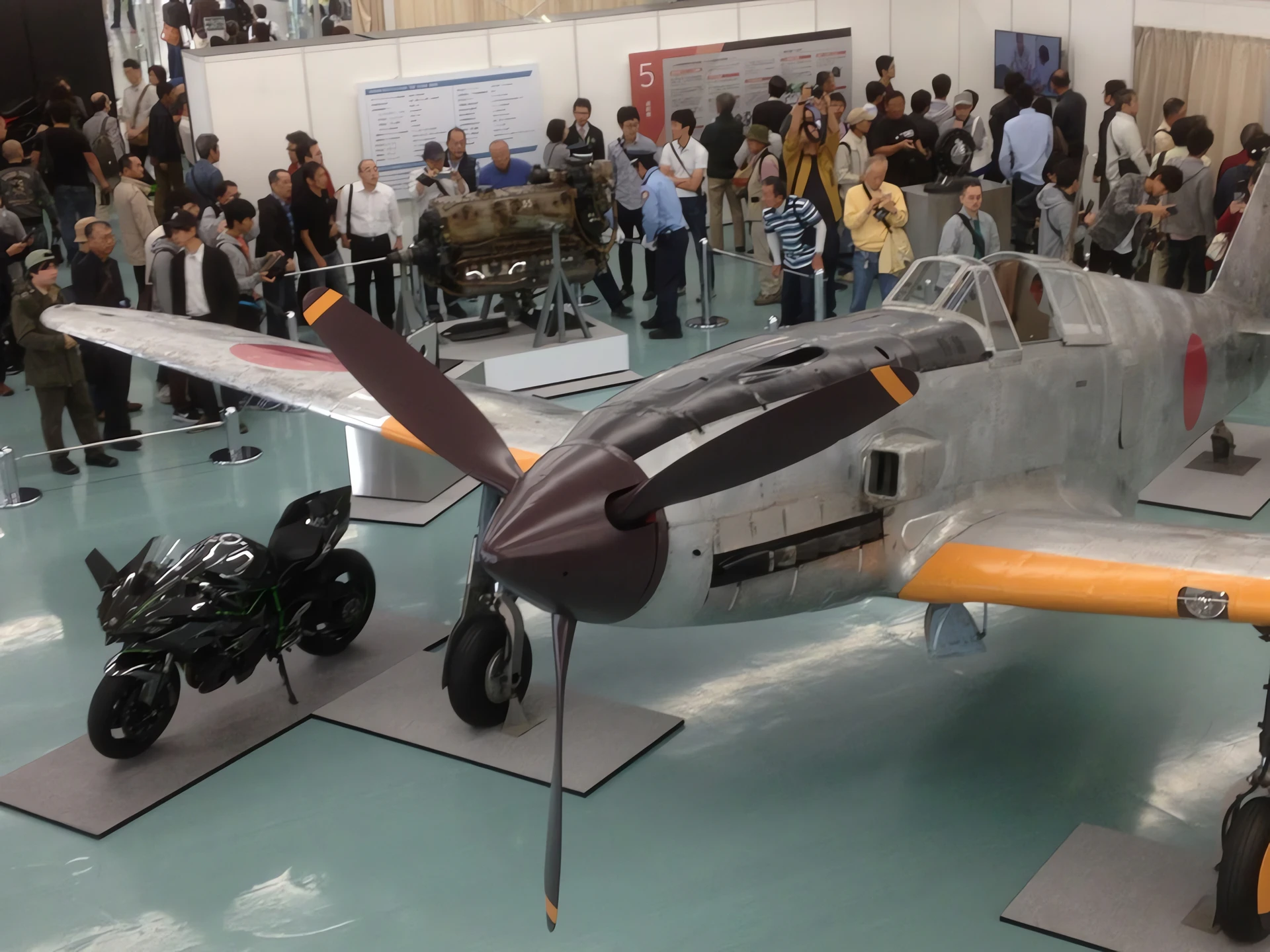
Den Kawasaki Ki-61 Hien (飛燕, "flyvende svale") er et japansk jagerfly fra Anden Verdenskrig, der blev brugt af den kejserlige japanske hærs lufttjeneste. Den japanske hærs betegnelse var "Army Type 3 Fighter" (三式戦闘機). Den allierede efterretningstjeneste troede oprindeligt, at Ki-61'ere var Messerschmitt Bf 109'ere og senere en italiensk Macchi C.202, hvilket førte til det allierede rapporteringsnavn "Tony", tildelt af USA's krigsministerium. Det var det eneste masseproducerede japanske jagerfly i krigen, der brugte en væskekølet inline V-motor. Over 3.000 Ki-61'er blev produceret. De første prototyper kom i kamp over Yokohama under Doolittle Raid den 18. april 1942 og fortsatte med at flyve kampmissioner gennem hele krigen.
Kilde: Kawasaki Ki-61 på Wiki
| Kawasaki Ki-61 | |
|---|---|
| Fotografer | Unknow |
| Lokalisering | Unknow |
| Billeder | 301 |





Se også:


General Characteristics
The Kawasaki Ki-61 Hien (Flying Swallow) was a fighter aircraft used by the Imperial Japanese Army Air Service during World War II. It was designated the “Army Type 3 Fighter” and was notable for being the only mass-produced Japanese fighter of the war to utilize a liquid-cooled inverted V-12 engine, a design unique among its contemporaries which predominantly used air-cooled radial engines. Allied forces initially misidentified the Ki-61 as a German or Italian fighter, assigning it the reporting name “Tony.” Its liquid-cooled engine, relatively high speed, and robust construction (including self-sealing fuel tanks and armor protection) set it apart from other Japanese fighters optimized for pure maneuverability.
| Property | Typical Value (Ki-61-I Kai Hei) |
|---|---|
| Rolle | Single-Seat Fighter / Interceptor |
| National Origin | Japan |
| Producent | Kawasaki Kokuki Kogyo K.K. |
| First Flight | december 1941 |
| Service Entry | 1943 |
| No. Built | Over 3,000 (all variants) |
| Besætning | 1 (Pilot) |
| Længde | 8.94 m (29 ft 4 in) |
| Vingefang | 12.00 m (39 ft 4 in) |
| Max Takeoff Weight | 3,470 kg (7,650 lb) |
Powerplant and Performance
- Engine: 1 x Kawasaki Ha-40 (Army Type 2) inverted V-12 liquid-cooled piston engine (a license-built version of the German Daimler-Benz DB 601A).
- Power Output (Ha-40): 877 kW (1,175 hp).
- Power Output (Later Ha-140 in Ki-61-II): 1,119 kW (1,500 hp) (though Ha-140 had reliability issues).
- Maximum Speed (Ki-61-I at 5,000 m): Approx. 580 km/h (360 mph).
- Maximum Speed (Ki-61-II at 6,000 m): Approx. 610 km/h (379 mph).
- Service Ceiling: 10,000 m (32,810 ft) (Ki-61-I).
- Time to 5,000 m: Approx. 7.0 minutes.
Armament and Variants
- Armament Varied Significantly by Sub-Variant:
- Ki-61-I-Ko/Otsu: Early versions typically carried two 12.7 mm Ho-103 machine guns in the fuselage and two 7.7 mm (or later 12.7 mm) machine guns in the wings.
- Ki-61-I Kai Hei: Equipped with two 12.7 mm Ho-103 machine guns in the fuselage and two imported German 20 mm Mauser MG 151 cannons in the wings.
- Ki-61-I Kai Tei/Ki-61-II KAI: Later versions standardized on the Japanese 20 mm Ho-5 cannon (two in the nose, two in the wings) for a significant firepower increase.
- External Stores: Could carry two drop tanks (e.g., 200 L) or two 250 kg (550 lb) bombs on wing racks.
- Key Development: When the problematic Ha-140 liquid-cooled engine was no longer available due to factory destruction, Kawasaki adapted the airframe to use the reliable Mitsubishi Ha-112 radial engine, creating the highly successful Ki-100 fighter.
Udsigter : 5337
Du kan også se:
 Kawasaki T-4 – Photos & Videos
 Nordamerikanske NA-64 Yale - Billeder og videoer
 Sud-Ouest Triton – Billeder og video
 Culver PQ-14 Cadet – Billeder og video
 Northrop F-20 Tigershark – Billeder & Video
 Aeronca L-3 – Billeder & Video
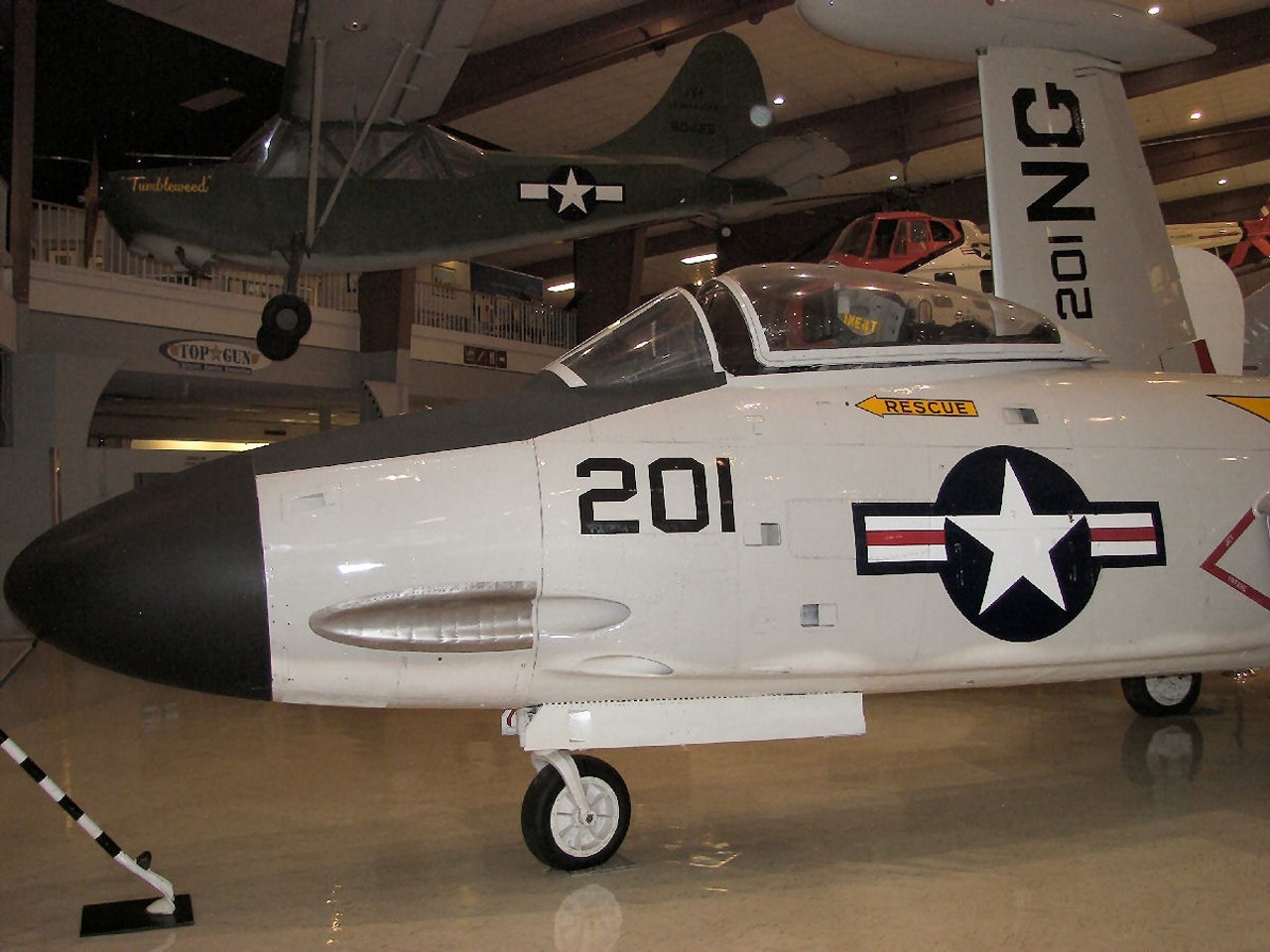 McDonnell F2H Banshee – Billeder & Video
 Macchi MC-202 - WalkAround
 Fairey Kamp - WalkAround
 Hawker Sea Fury - Gå rundt