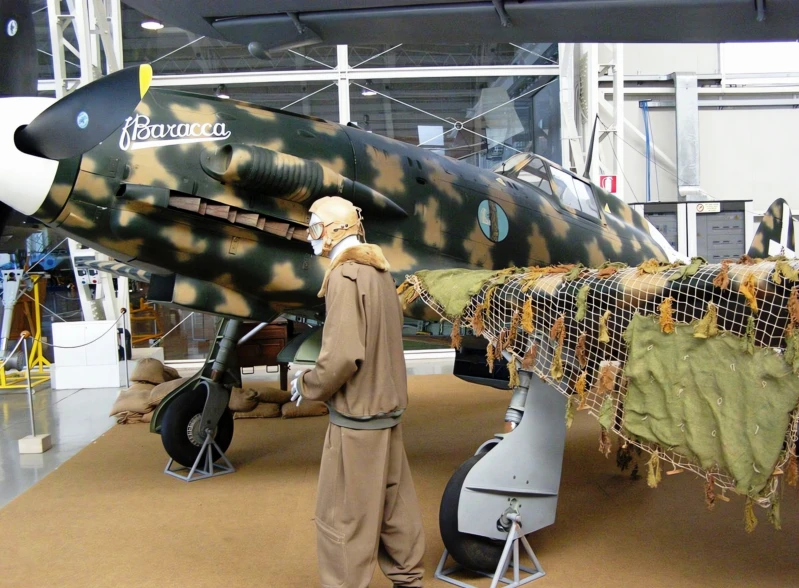
Macchi C.202 | |
|---|---|
| Land | Italia |
| Rolle | Fighter |
| Første flyve | 10. august 1940 |
| Bygget | 1150 |
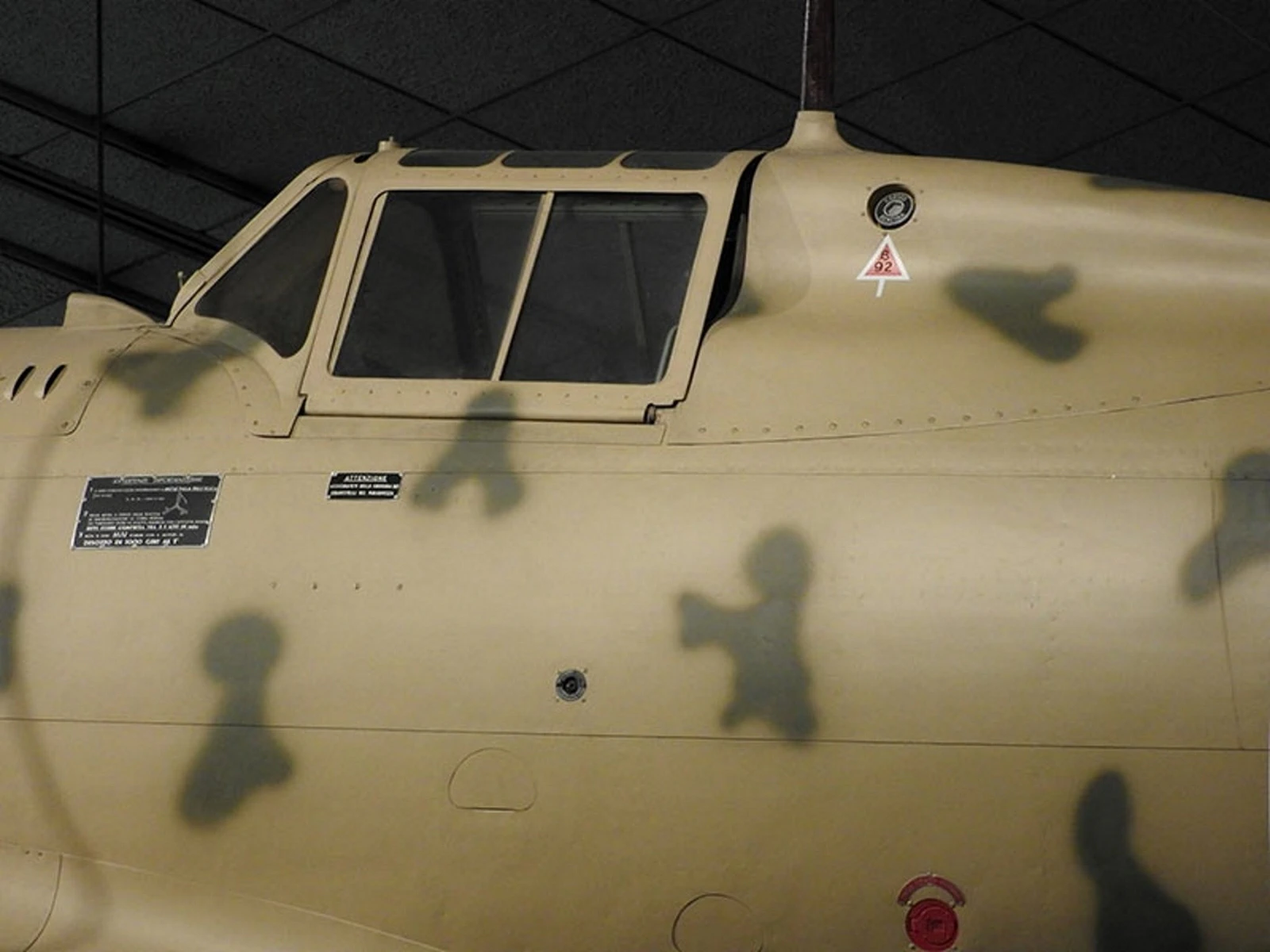
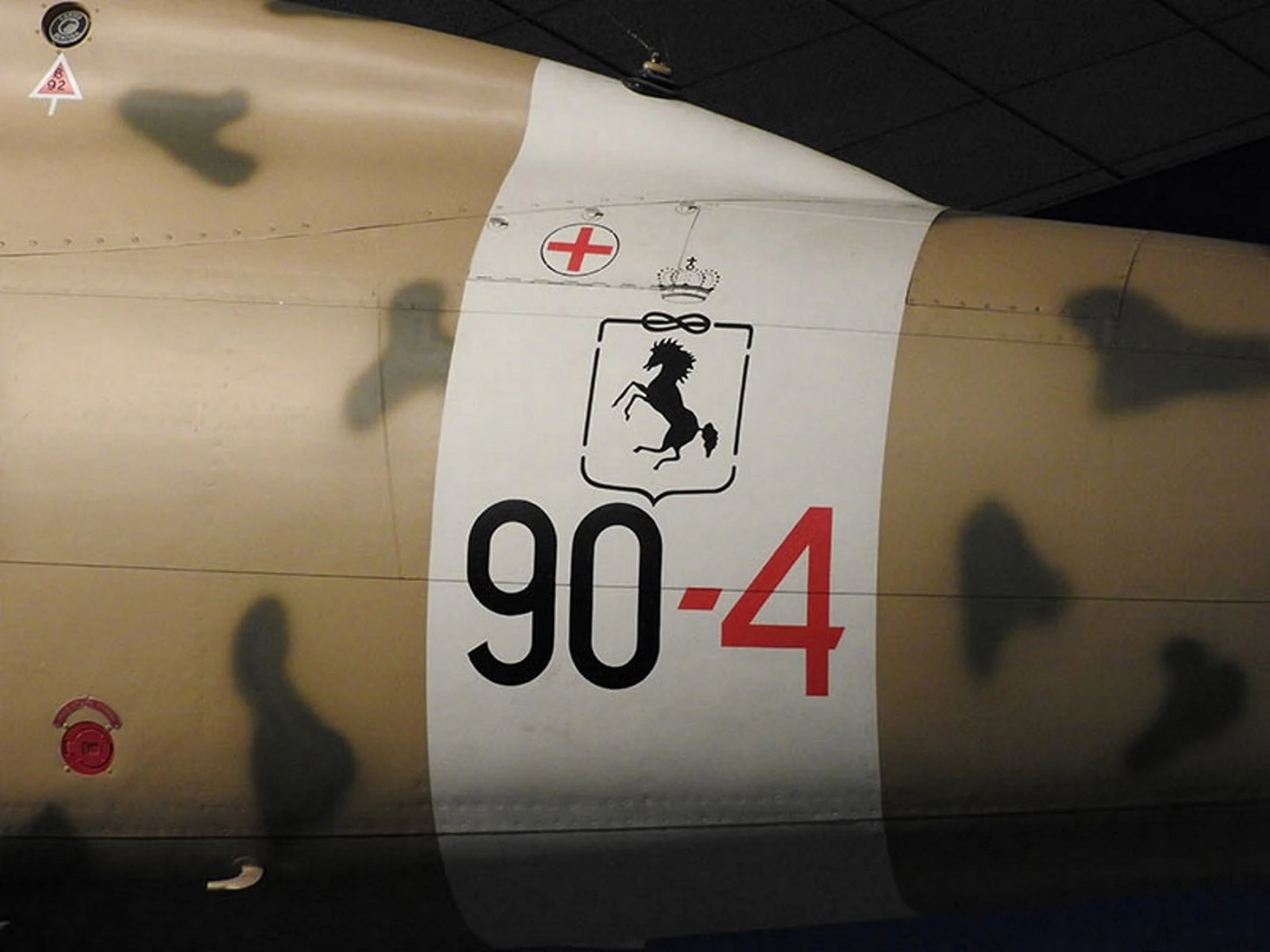
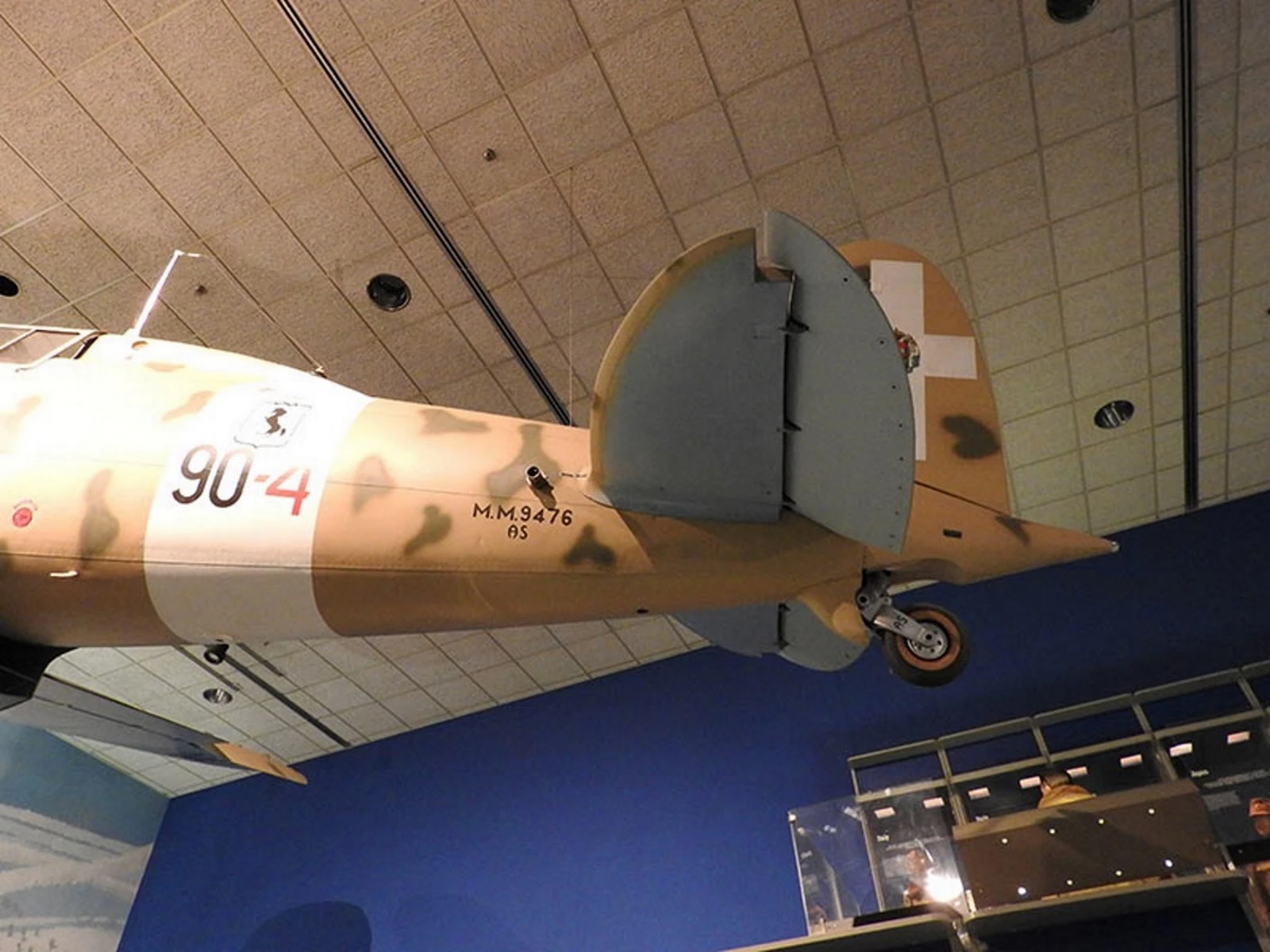
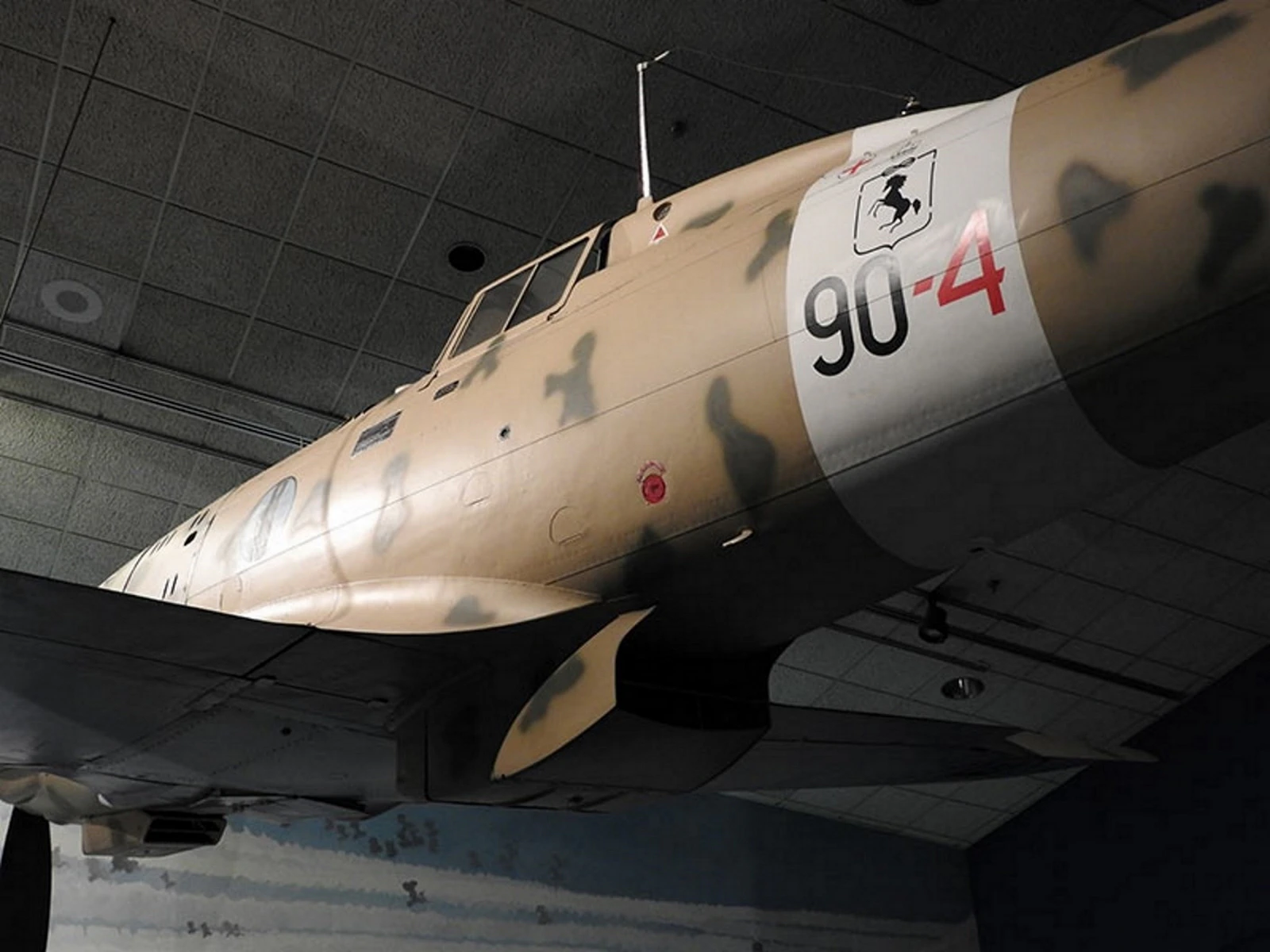
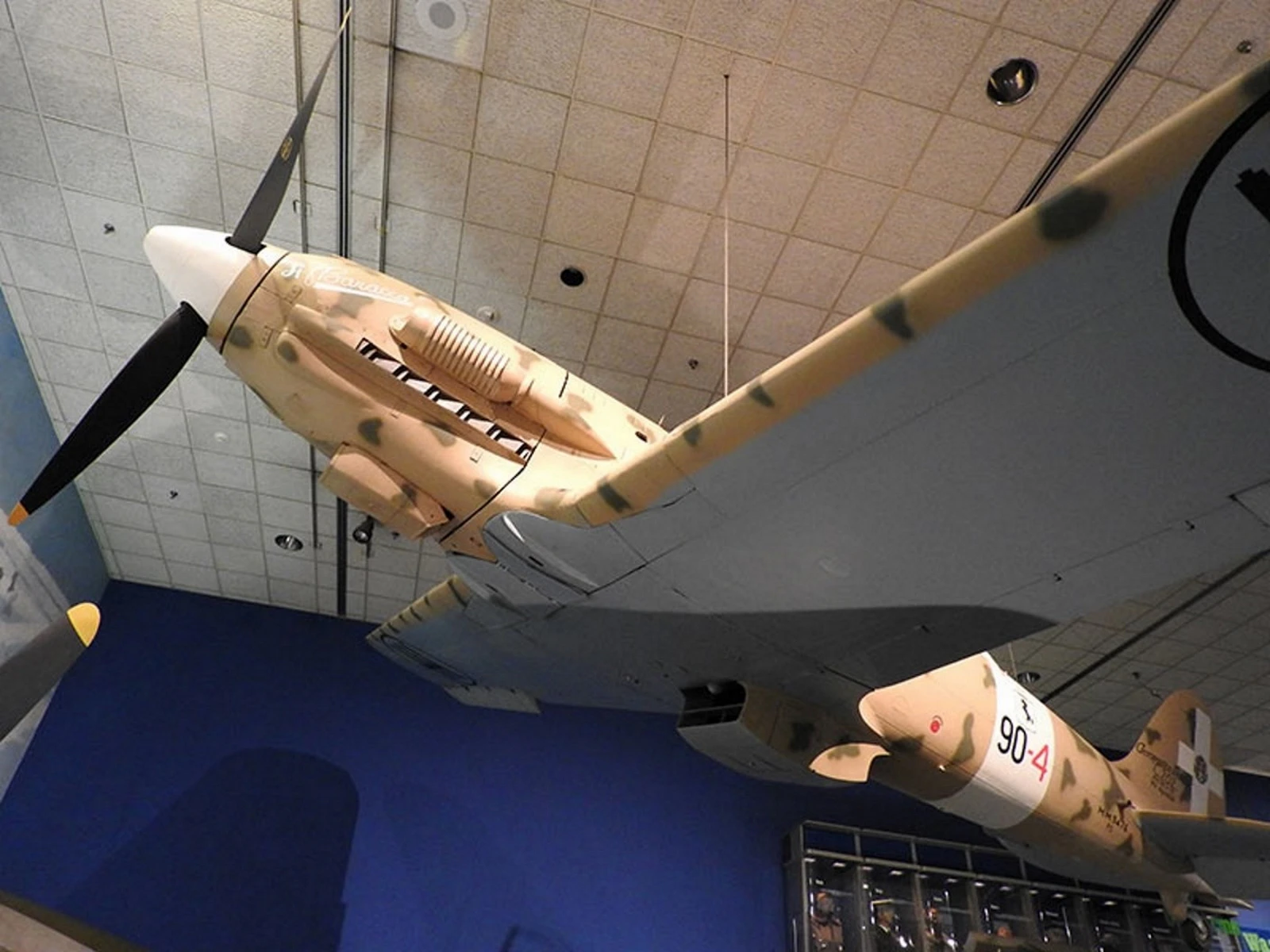
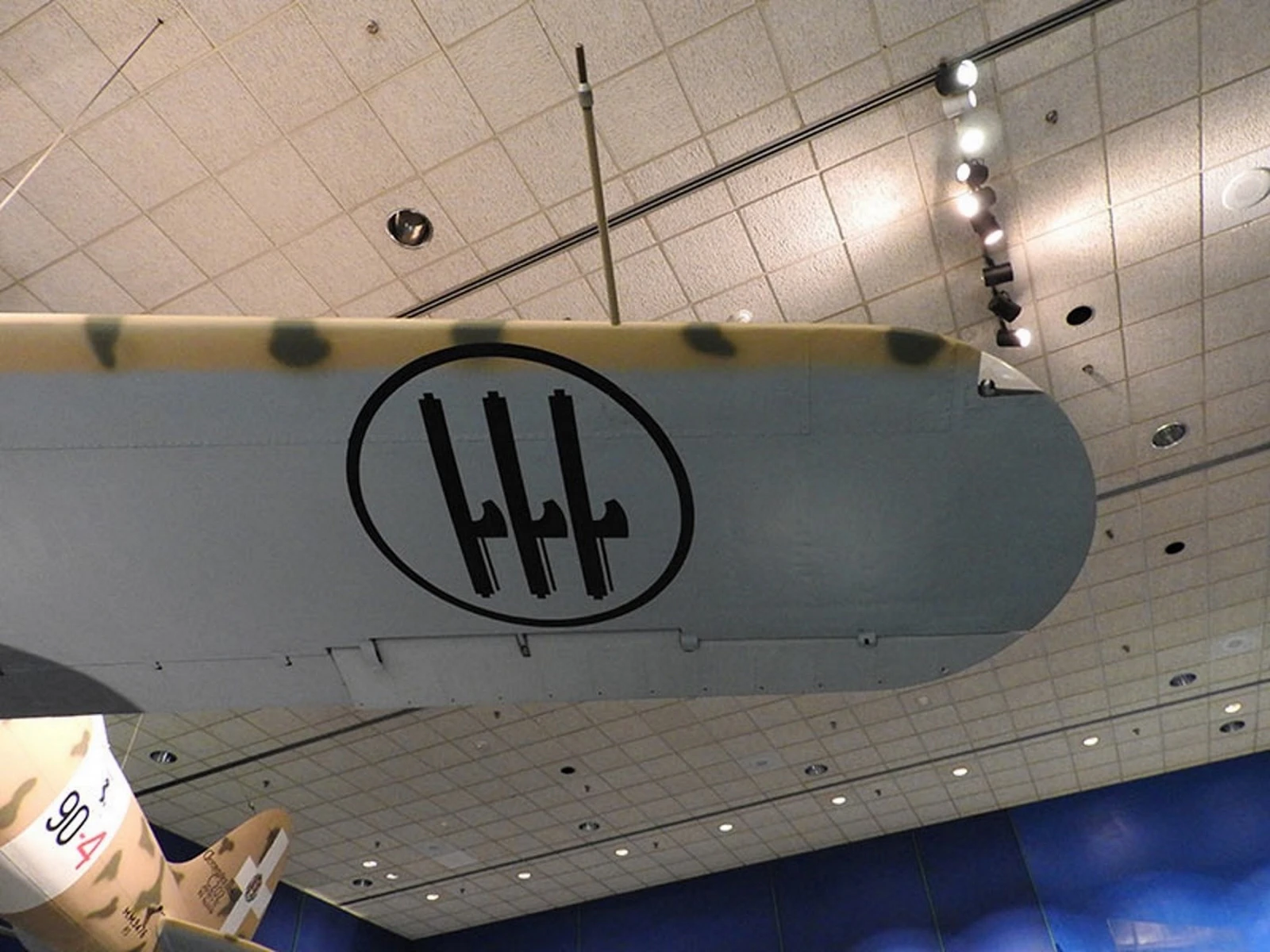
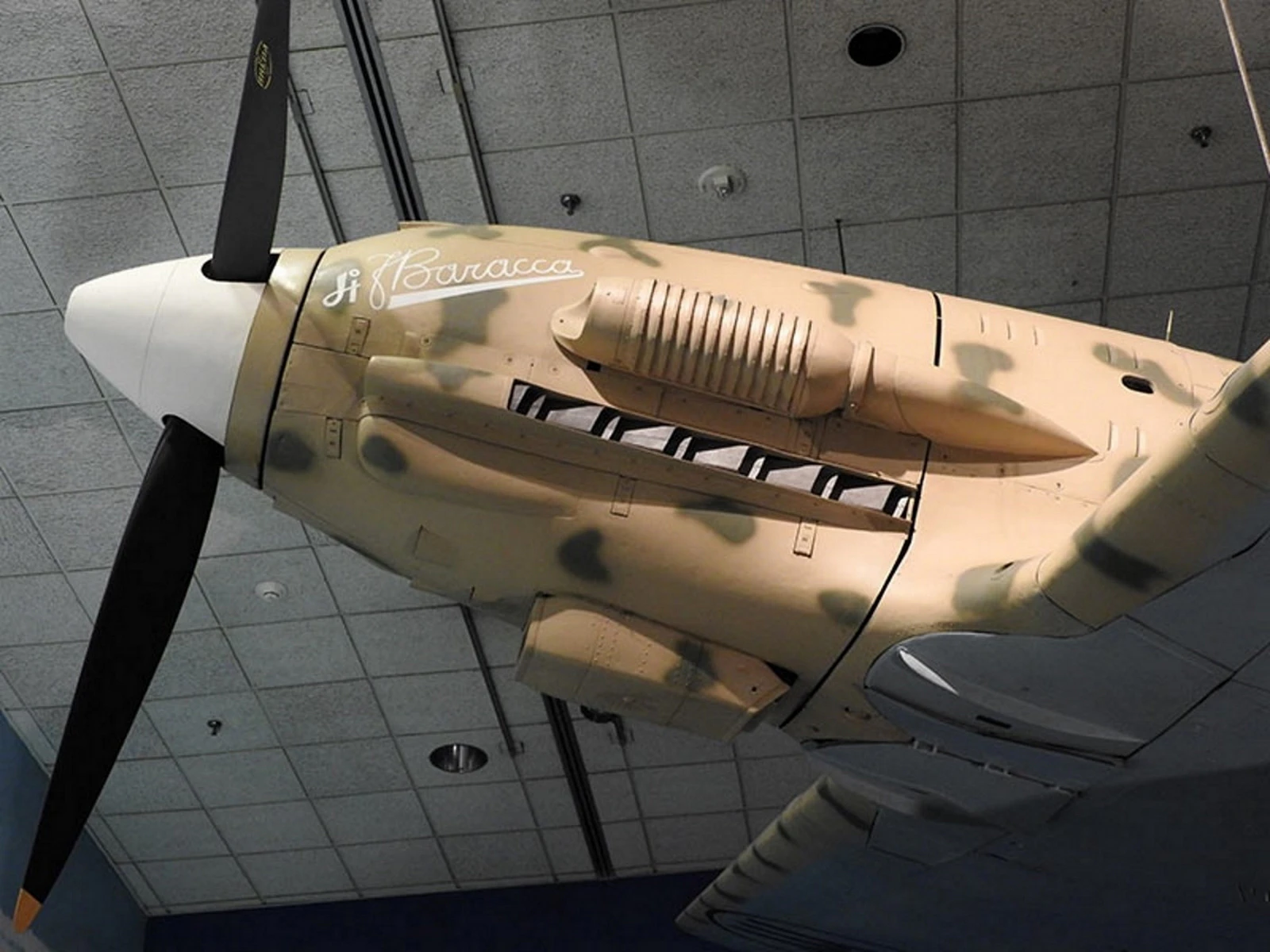
Den Macchi C.202 Folgore (Italiensk "thunderbolt") var et italiensk jagerfly udviklet og fremstillet af Macchi Aeronautica. Det blev hovedsageligt drevet af Regia Aeronautica (RA; Royal (italiensk) luftvåben) i og omkring Anden Verdenskrig. Ifølge luftfartsforfatter David Mondey er Folgore blevet anset for at være en af de bedste krigstidskrigere til at tjene i stort antal med Regia Aeronautica.
Kilde: Macchi MC-202 på Wikipedia
| Macchi MC-202 | |
|---|---|
| Fotograf | Unknow |
| Lokalisering | Unknow |
| Billeder | 23 |
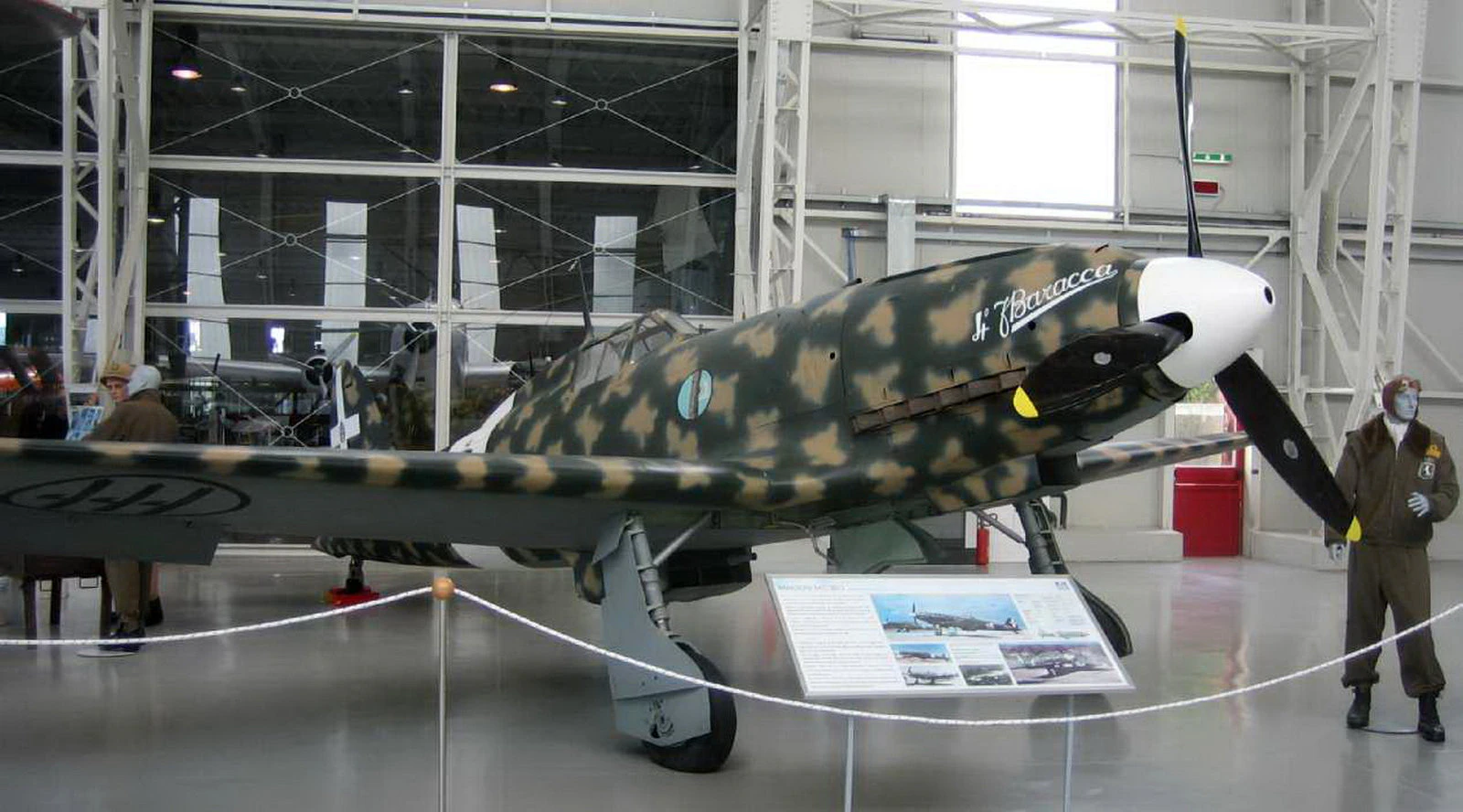
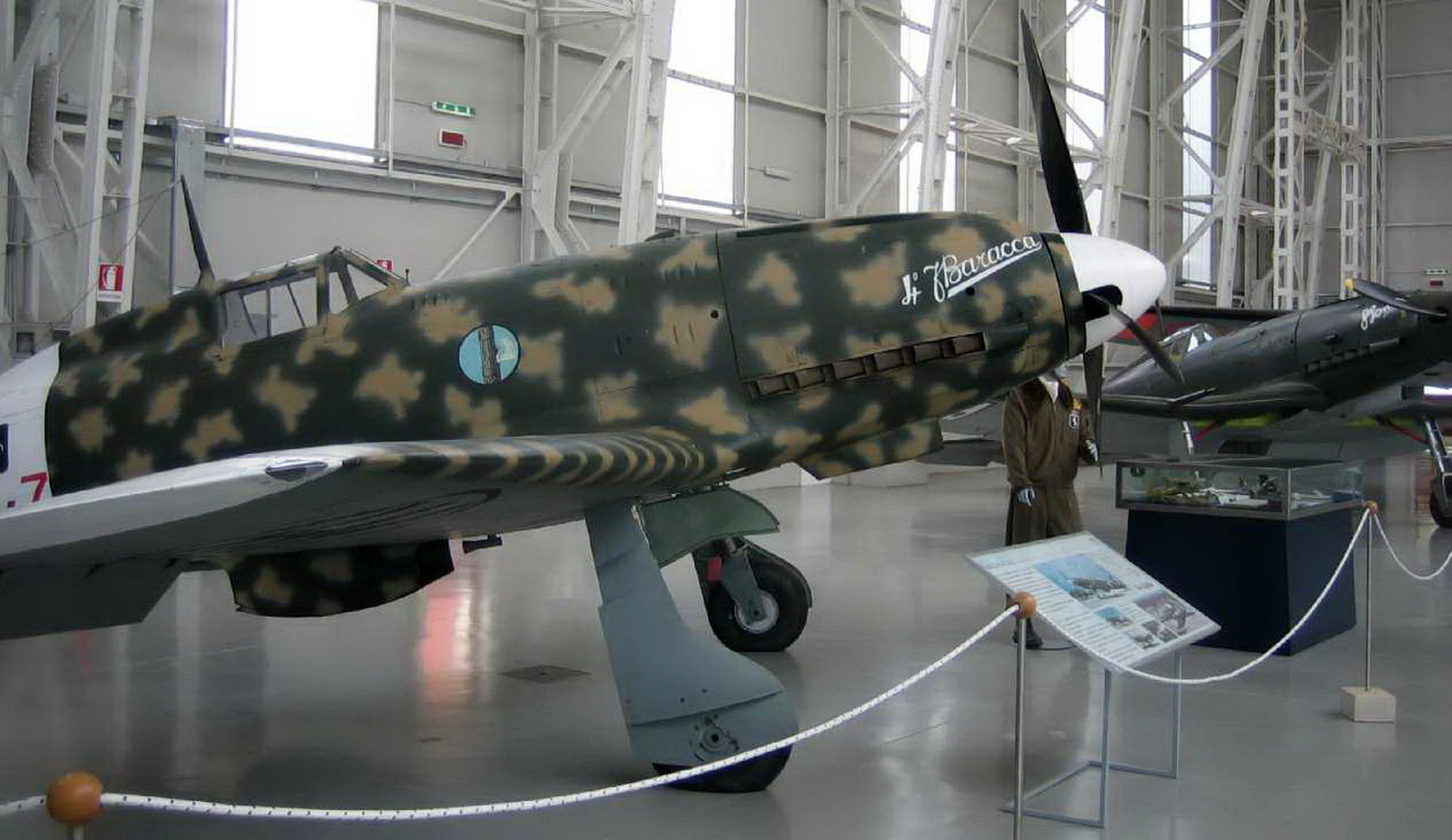
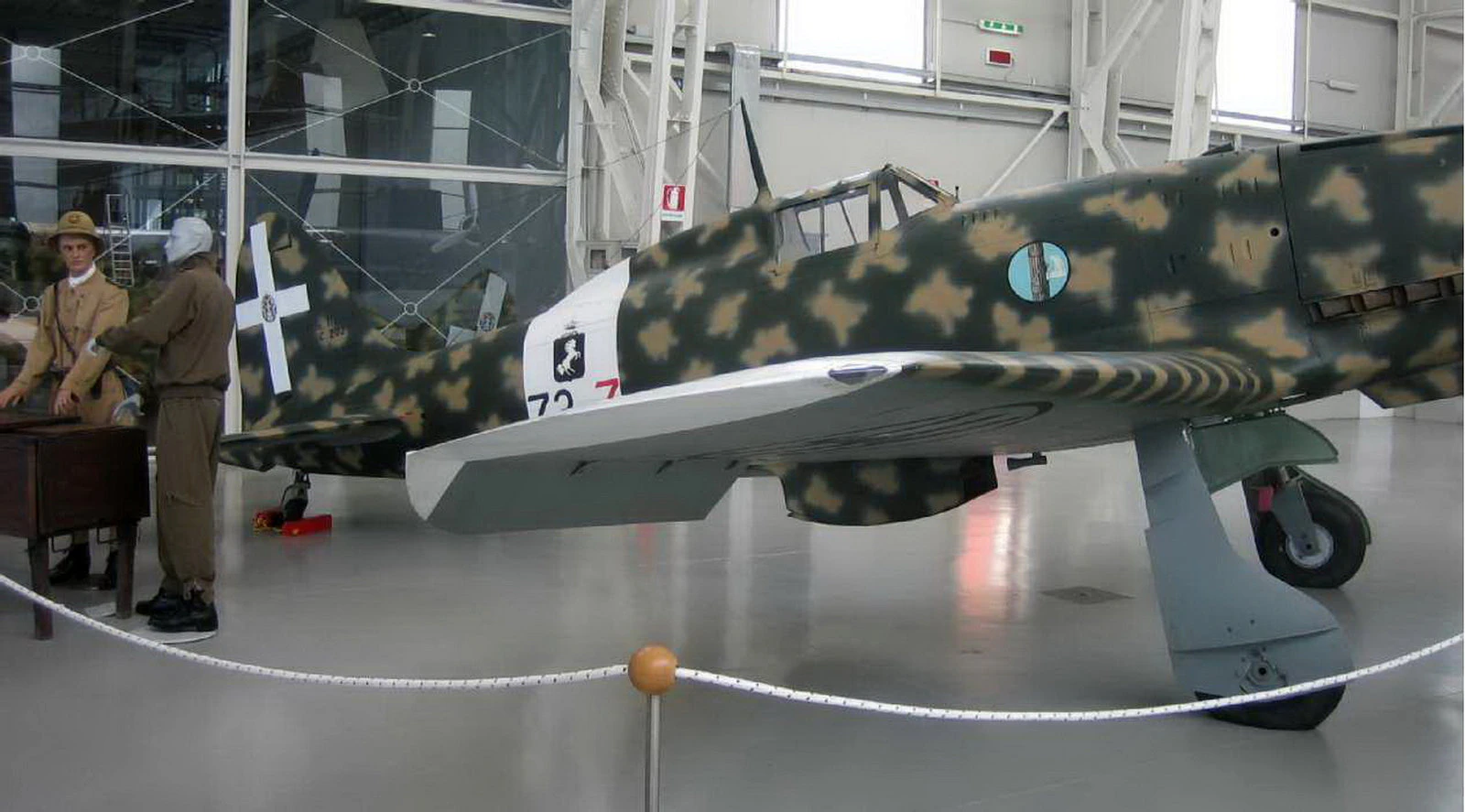
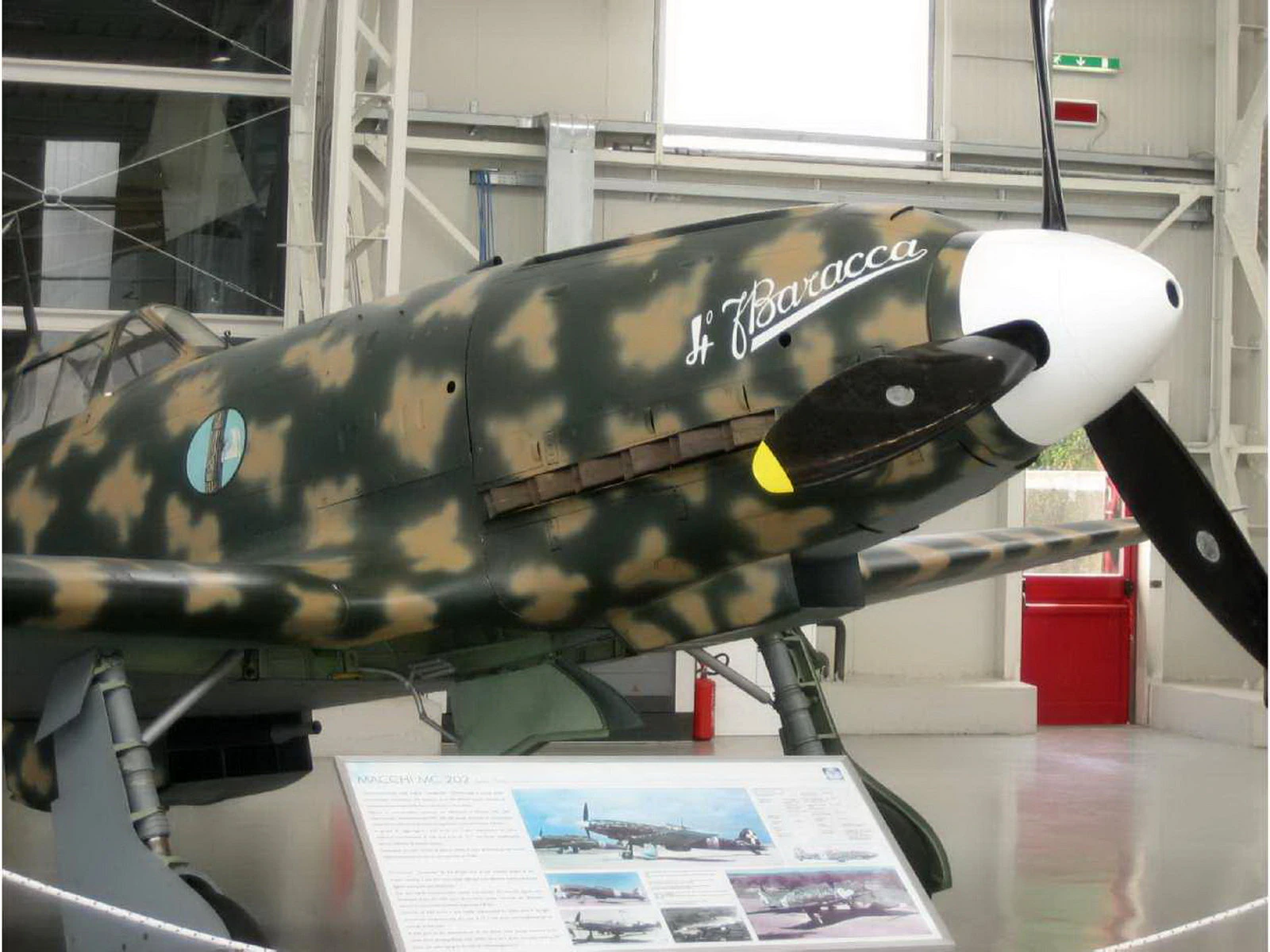
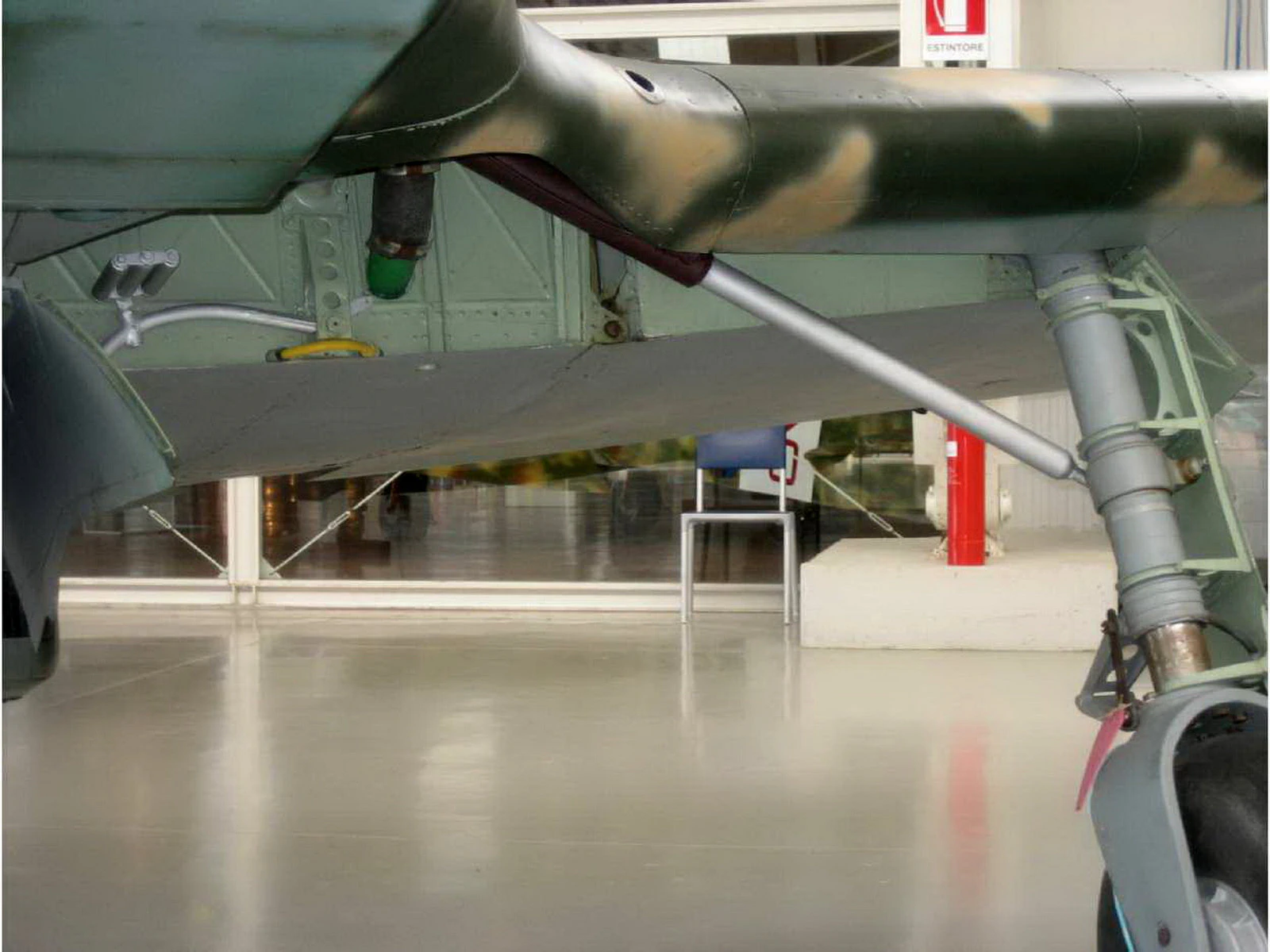
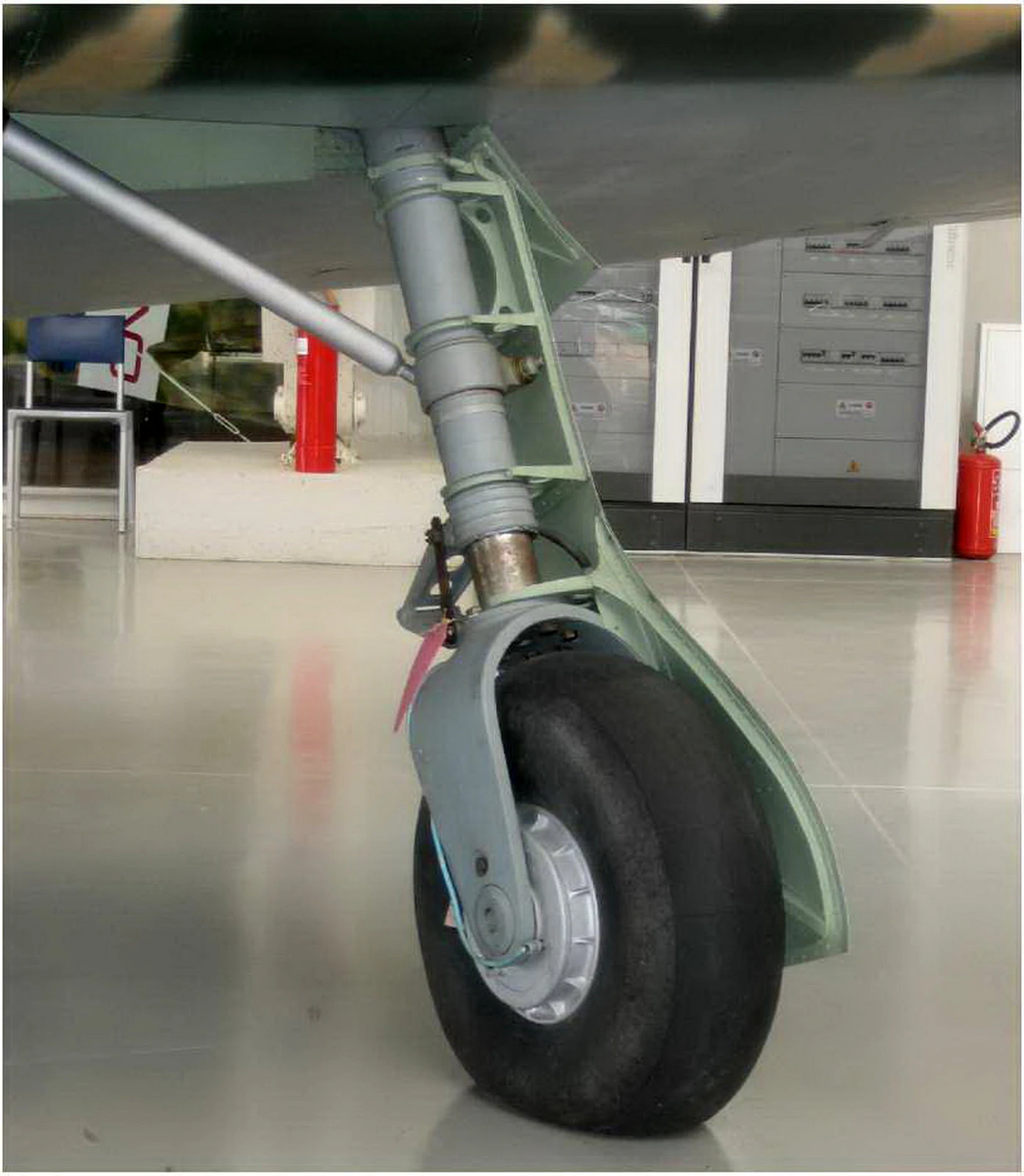
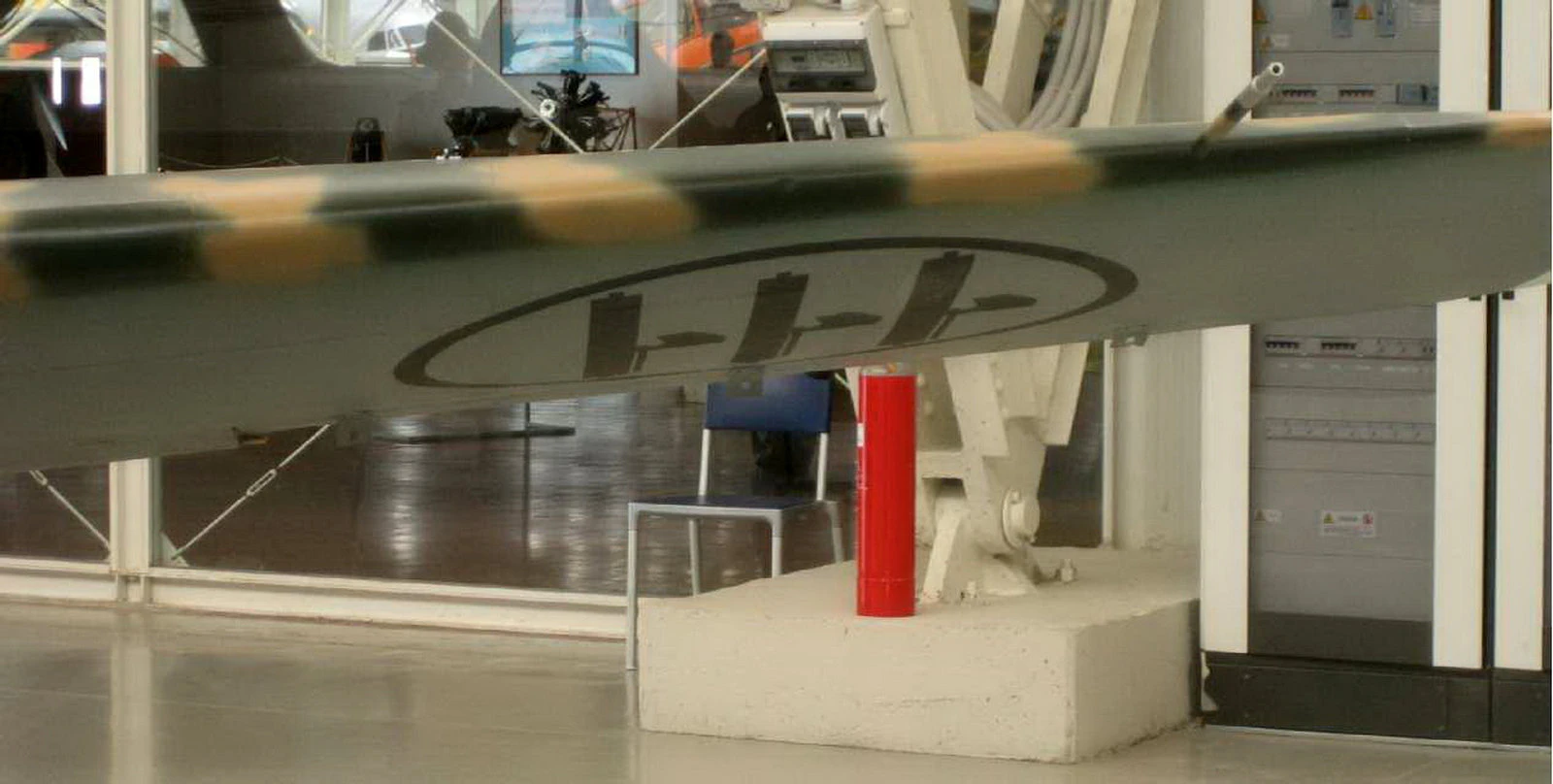
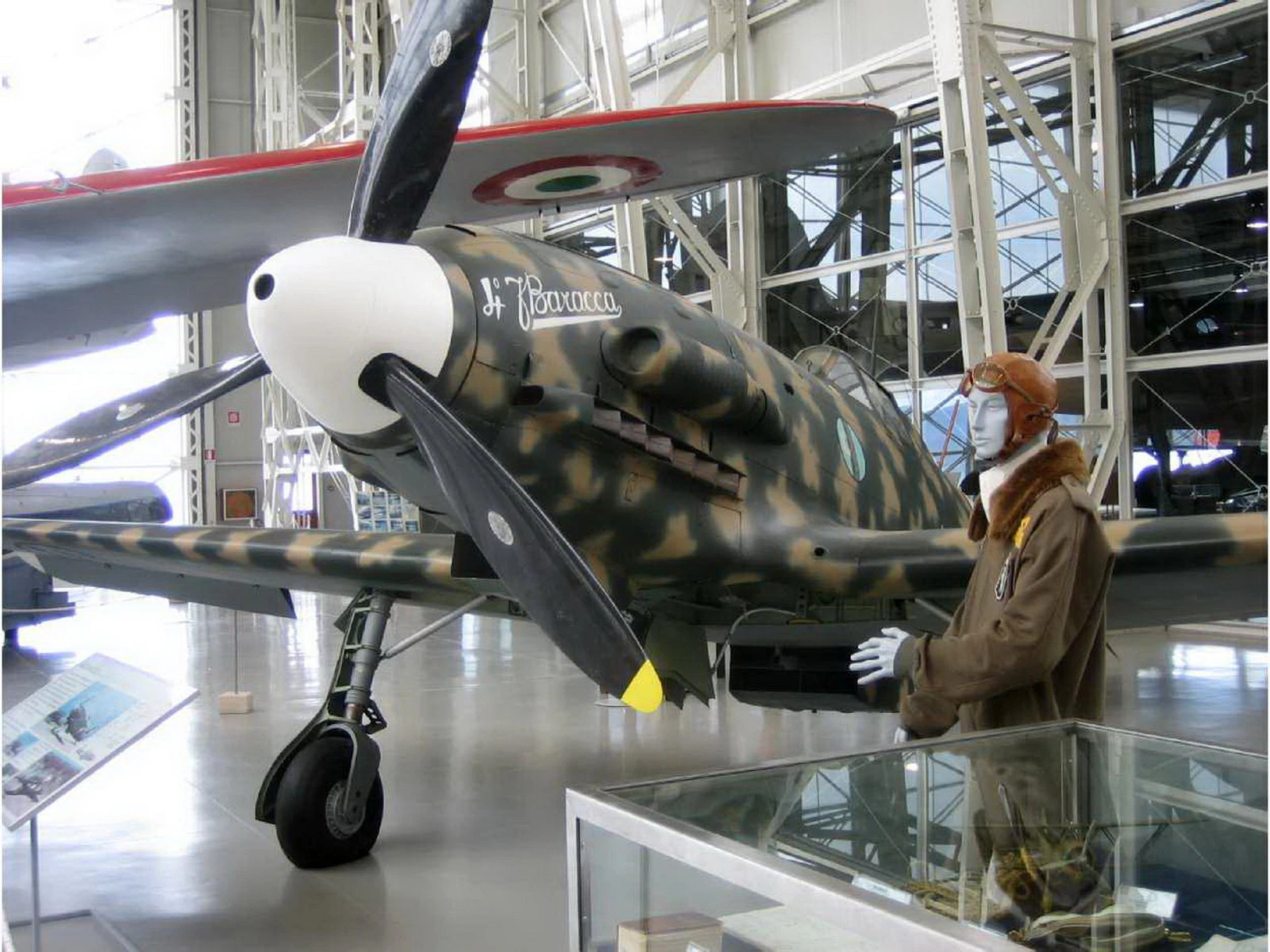
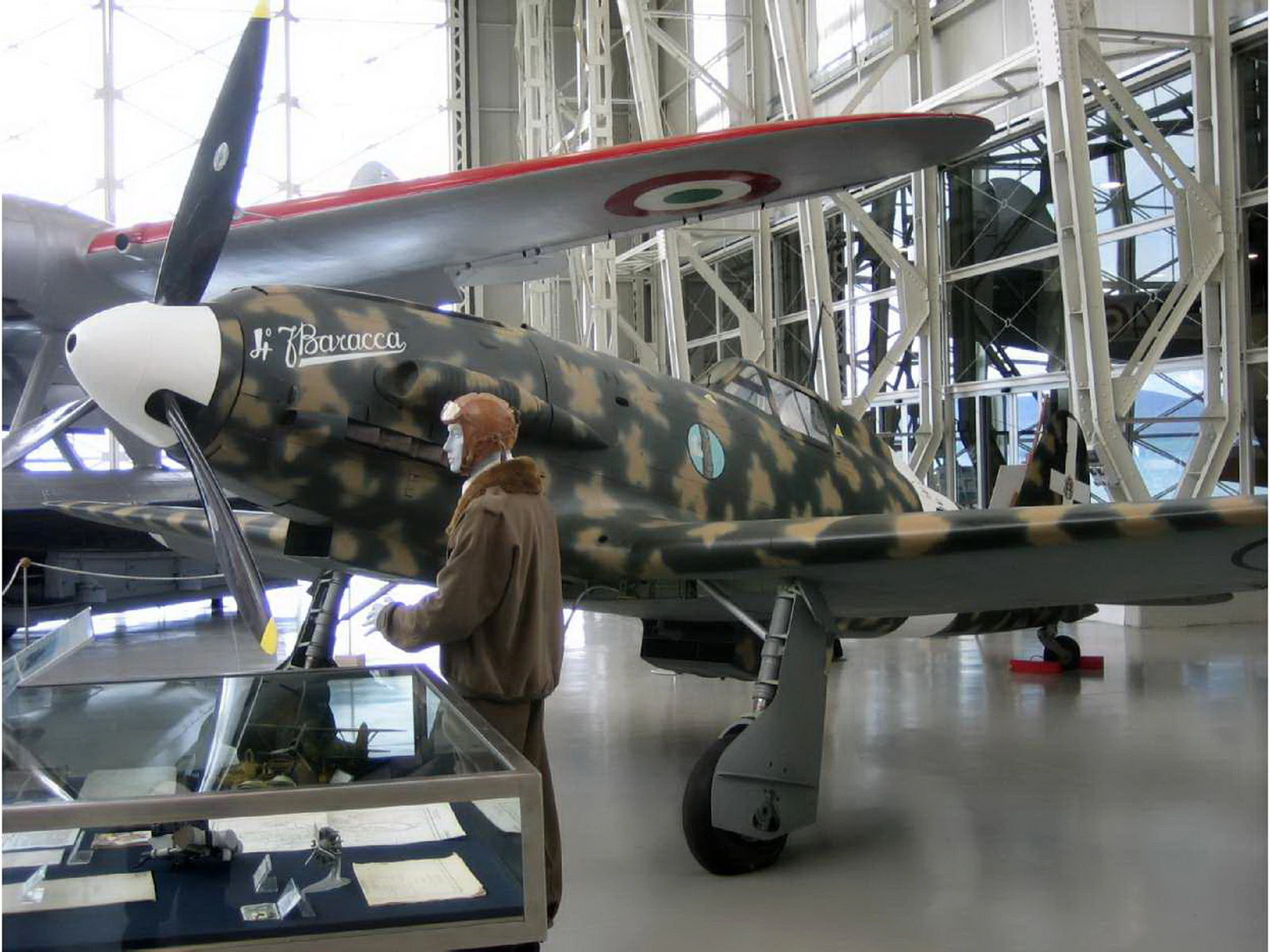

| Macchi C.202 Folgore gå rundt | |
|---|---|
| Fotograf | Cees Hendriks |
| Lokalisering | Unknow |
| Billeder | 14 |
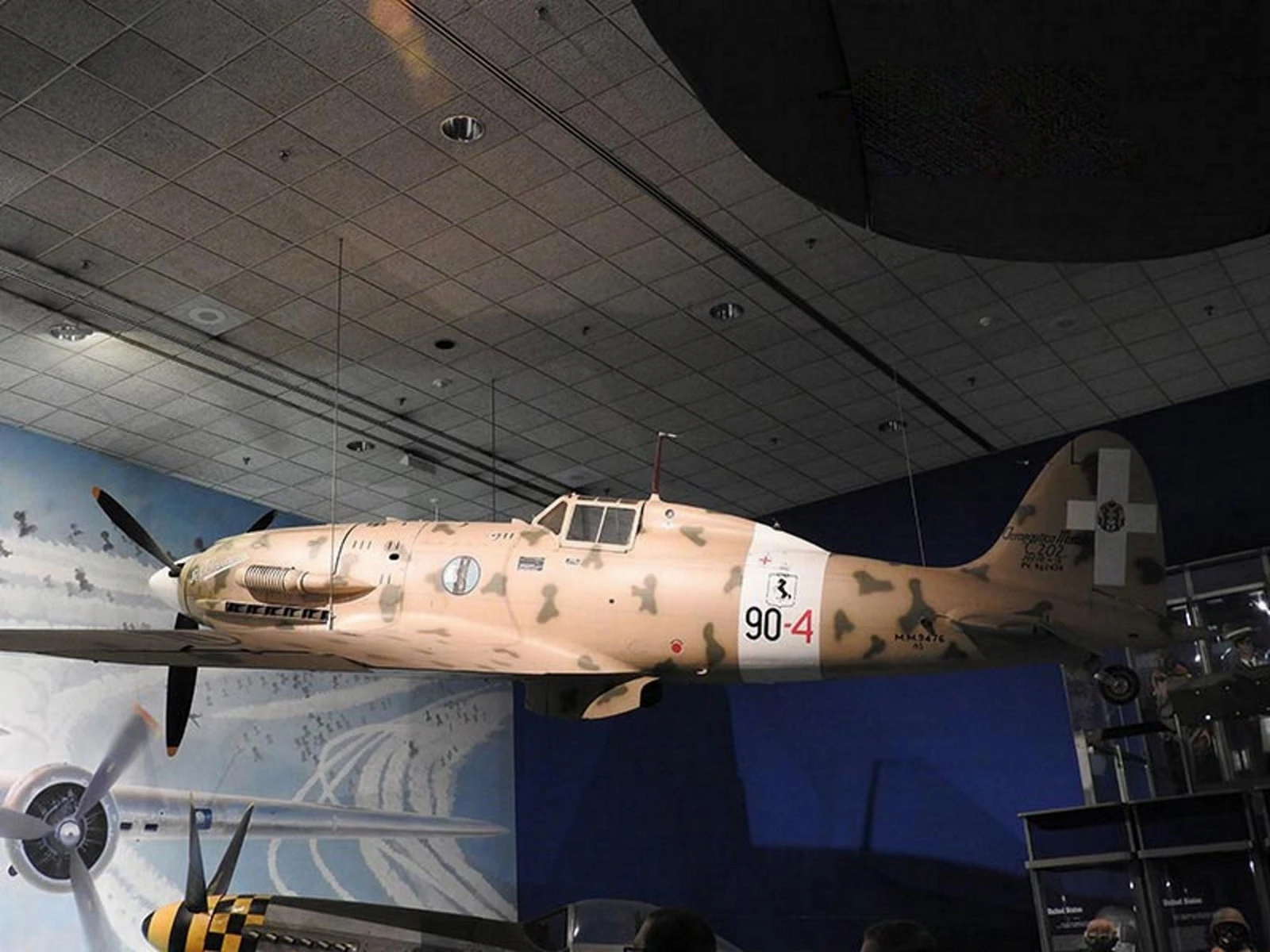
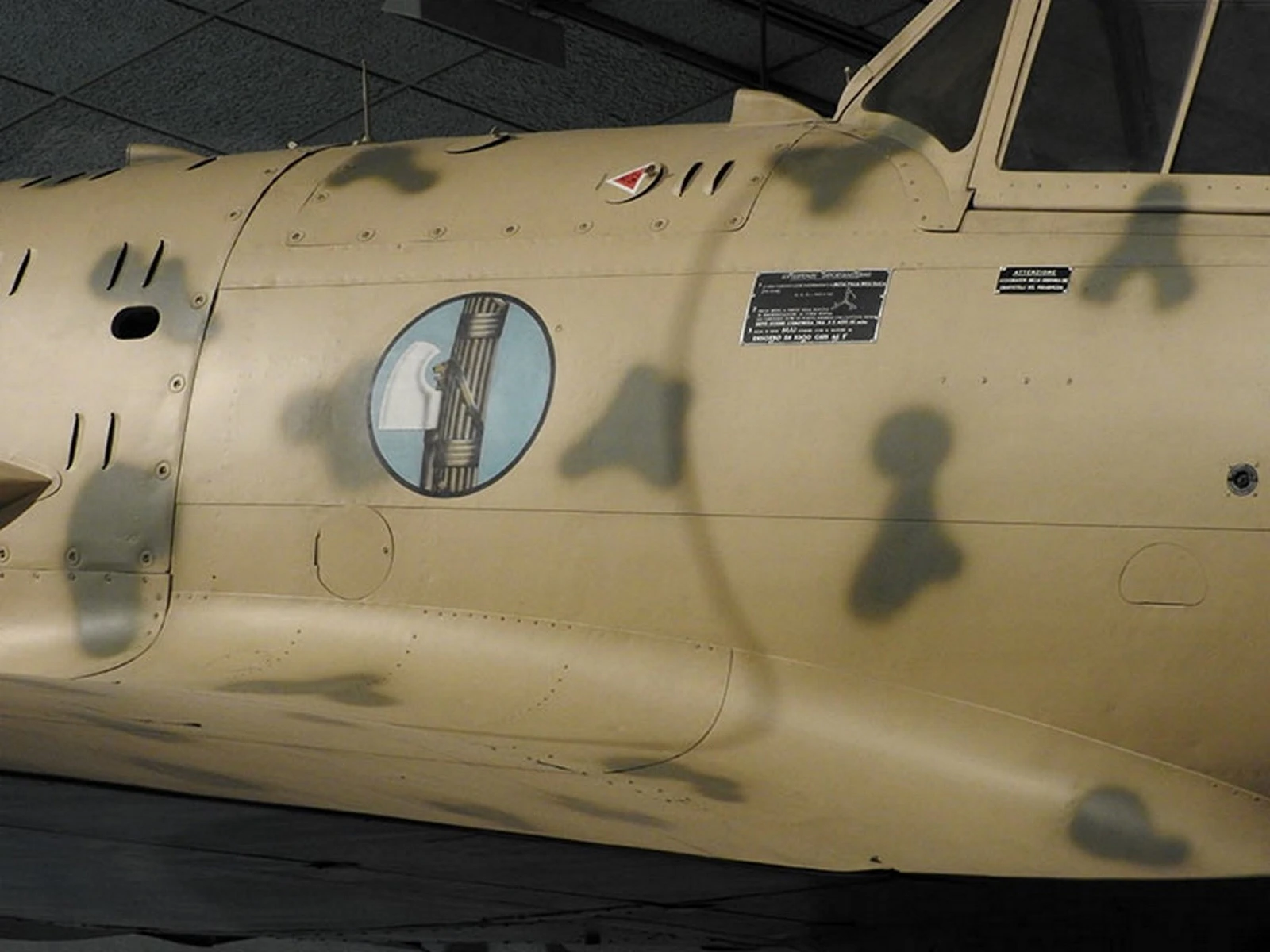
Se også:


| Macchi MC.202 Folgore Walk Around | |
|---|---|
| Fotograf | Unknow |
| Lokalisering | Unknow |
| Billeder | 40 |
The Thoroughbred of the Mediterranean
Den Macchi C.202 Folgore (Thunderbolt) was Italy’s premier front-line fighter aircraft during World War II, representing a spectacular leap forward for the Regia Aeronautica. Prior to its arrival, Italian pilots fought in agile but slow and underpowered radial-engine fighters. Designed by the brilliant Mario Castoldi, the C.202 mated an exquisitely streamlined Italian airframe with a powerful, license-built German Daimler-Benz inline engine. The resulting fighter possessed world-class speed and diving characteristics, allowing elite Italian squadrons to duel on equal terms against British Spitfires and American P-40s over North Africa and Malta.
| Attribute | Technical Specification (C.202 Serie V) |
|---|---|
| Rolle | Fighter / Interceptor |
| Besætning | 1 (Pilot) |
| Motor | 1 × Alfa Romeo RA 1000 RC.41-I Monsone liquid-cooled V12 (License-built DB 601A-1, 1,175 hp) |
| Maximum Speed | 600 km/h (373 mph) at 5,600 m |
| Combat Range | ~765 km (475 miles) internal fuel |
| Service Ceiling | 11,500 m (37,730 ft) |
| Bevæbning | 2 × 12.7mm Breda-SAFAT machine guns (cowl); later series added 2 × 7.7mm Breda-SAFAT (wings) |
| Rate of Climb | 20.3 m/s (4,000 ft/min) — exceptionally agile climber |
Design Engineering: Asymmetrical Wings and Racing Pedigree
- The Asymmetrical Wing Solution: In a fascinating piece of engineering wizardry, Castoldi counteracted the massive torque generated by the engine’s spinning propeller by making the left wing exactly 20 centimeters (nearly 8 inches) longer than the right wing. This asymmetric lift naturally balanced the aircraft, reducing pilot fatigue and eliminating the need for heavy mechanical trim tabs.
- Schneider Trophy Pedigree: Mario Castoldi had spent the 1930s designing world-record-breaking racing seaplanes. He applied those exact principles to the Folgore, giving it a hyper-aerodynamic, tight-fitting engine cowling, an ultra-smooth flush-riveted fuselage skin, and a beautifully curved elliptical tail structure that sliced effortlessly through the air.
- The German Engine Heart: Italy’s domestic radial engines were lagging far behind in horsepower. By securing a manufacturing license for the inverted V12 Daimler-Benz DB 601 engine (the same motor powering the German Messerschmitt Bf 109), Macchi transformed an underpowered design into a 600 km/h thoroughbred.
- The Burden of Weak Guns: The Folgore’s single greatest flaw was its underpowered armament. Italian doctrine relied heavily on synchronized Breda-SAFAT machine guns firing through the propeller arc. These guns used heavy ammunition that slowed down their rate of fire, meaning Folgore pilots frequently had to shoot enemy bombers dozens of times to bring them down.
Operational History: Desert Dogfights and the Defense of Sicily
- The Surprise over North Africa: When the C.202 debuted over Libya in 1941, it completely shattered British assumptions about Italian air power. Allied pilots flying early Hurricanes and Curtiss P-40 Tomahawks discovered that the Folgore could easily out-climb, out-turn, and out-dive them, quickly racking up an impressive kill-to-loss ratio.
- The Siege of Malta: The Folgore was heavily deployed in the brutal air battles over the contested island fortress of Malta. Operating from Sicilian bases, elite Italian *Stormi* (Wings) utilized the plane’s incredible diving speed to execute high-altitude ambushes against the Royal Air Force’s vital supply lines and convoy protectors.
- The Eastern Front Cruelty: A small detachment of Folgores was sent to the Soviet Union to support the Italian Expeditionary Corps. Despite the sub-zero temperatures and primitive dirt airfields, the C.202 proved remarkably rugged, achieving high operational readiness rates and scoring numerous victories against Soviet fighters.
- A Masterpiece Crippled by Production: While a highly capable design, Italy’s hand-crafted manufacturing methods severely bottlenecked the Folgore. Less than 1,200 units were built throughout the entire war—a tiny fraction compared to the tens of thousands of Bf 109s or Spitfires produced by industrial assembly lines—meaning the Folgore was constantly overwhelmed by sheer Allied numbers.
Views : 8126
Du kan også se:
 Grumman G-21 Goose – Billeder & Videoer
 British Aerospace Harrier II - Billeder og videoer
 Fokker D. XXI – Billeder & Videoer
 de Havilland DH.60 Moth – Billeder og videoer
 Kort Sandringham - Billeder og videoer
 Pilatus PC-6 Porter – Billeder og videoer
 Lockheed MC-130 – Billeder og videoer
 B-25J Mitchell – WalkAround
 Tornado - WalkAround
 Grumman OV-1 Mohawk - Gå rundt