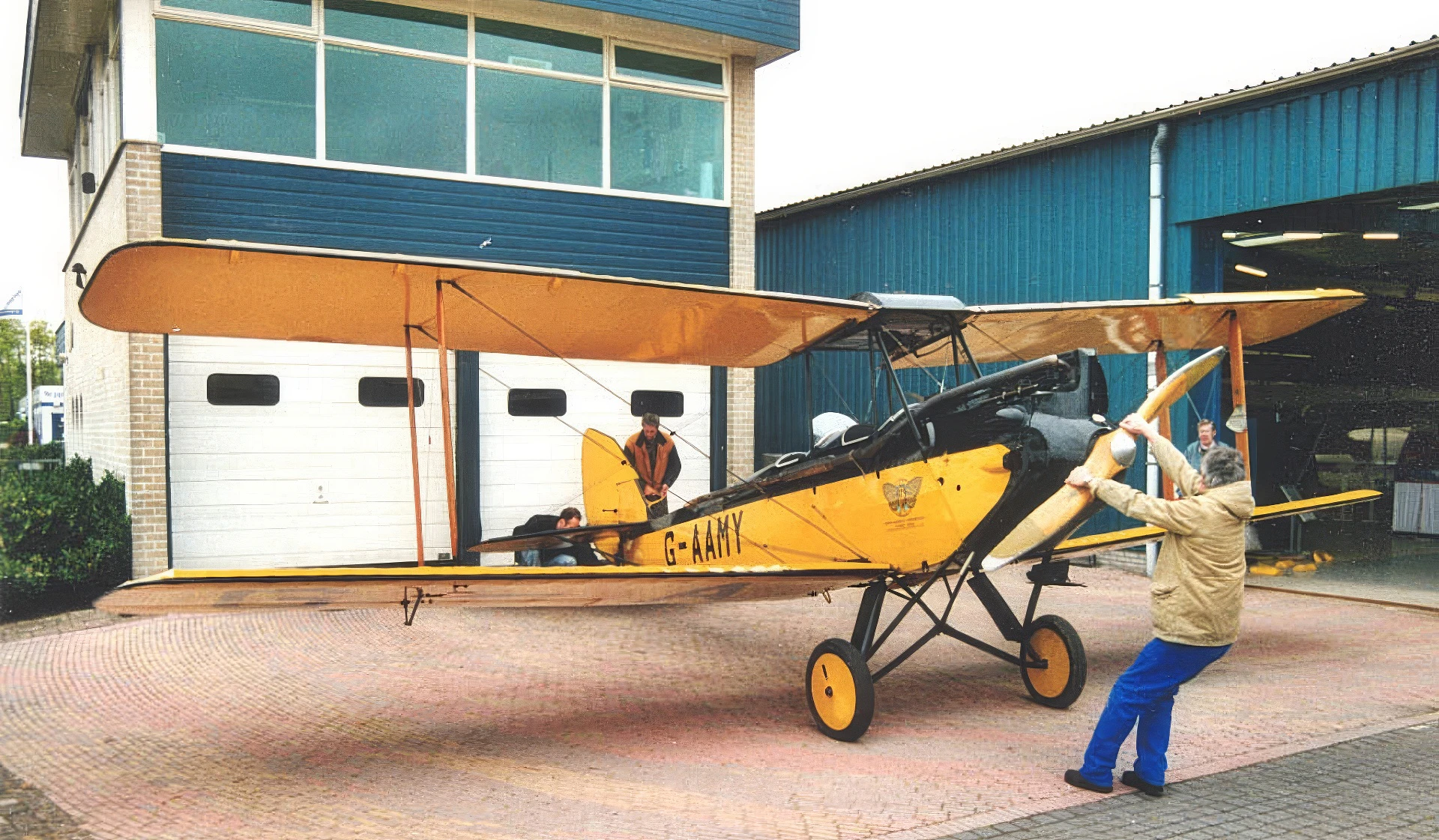
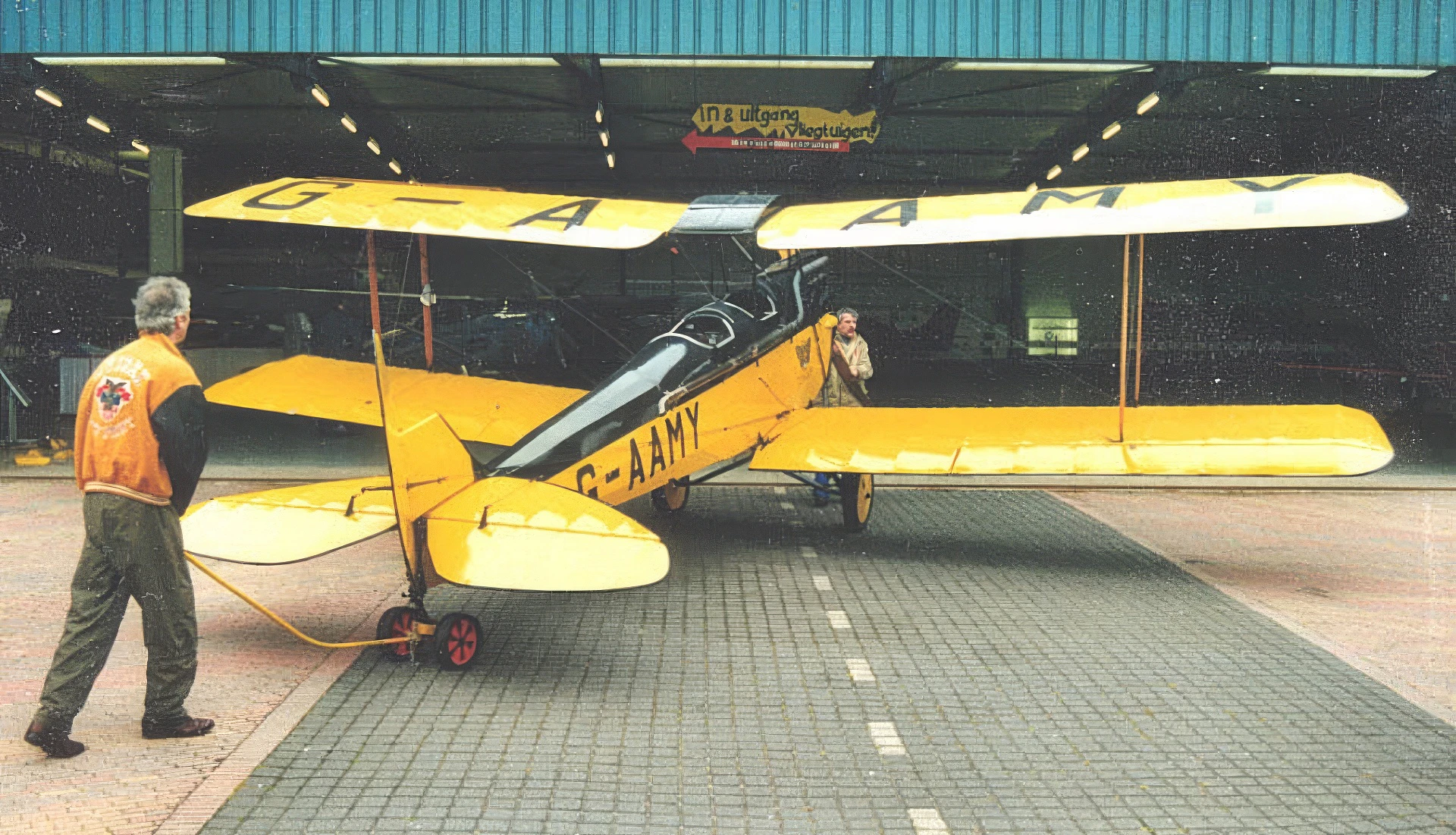
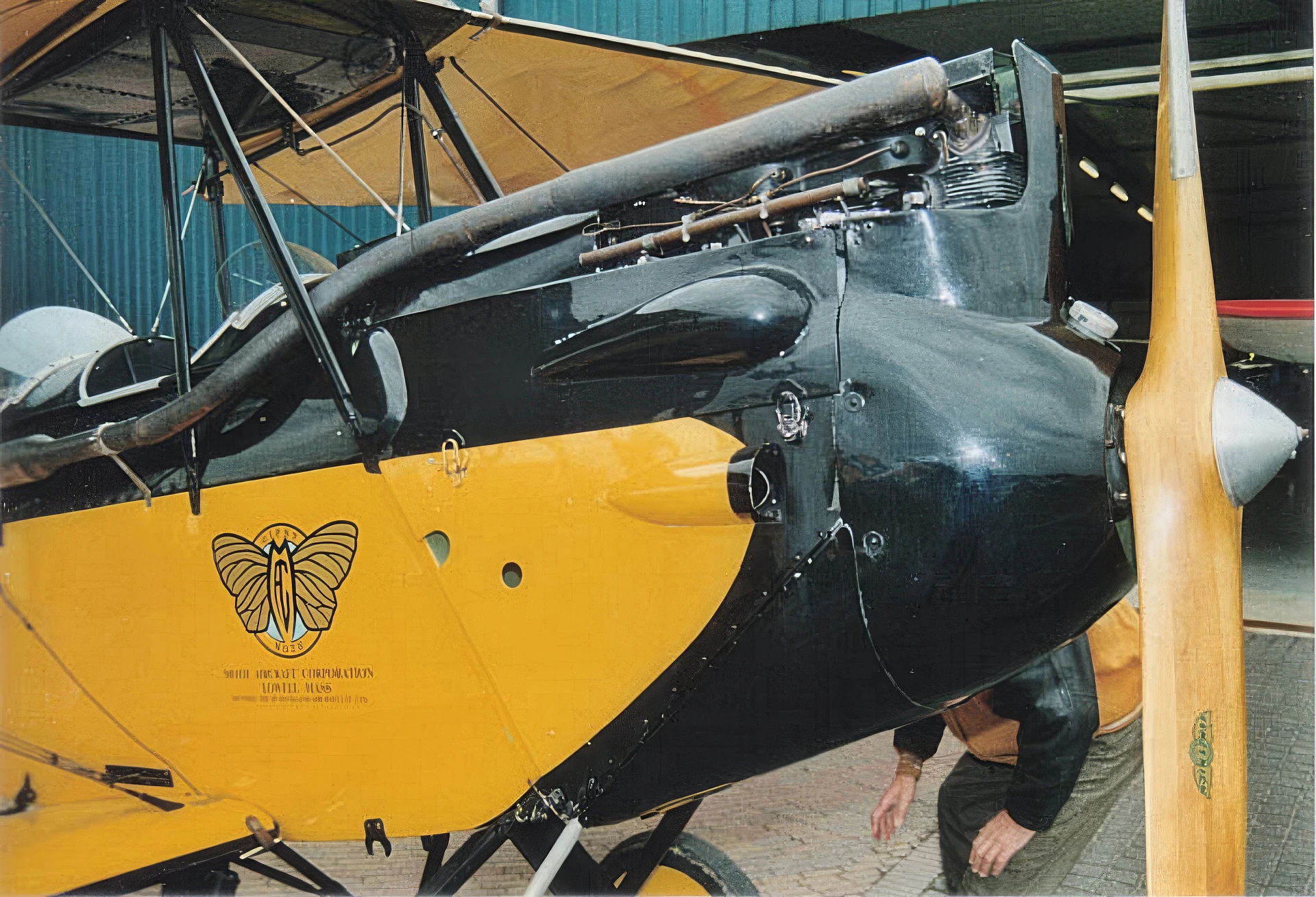
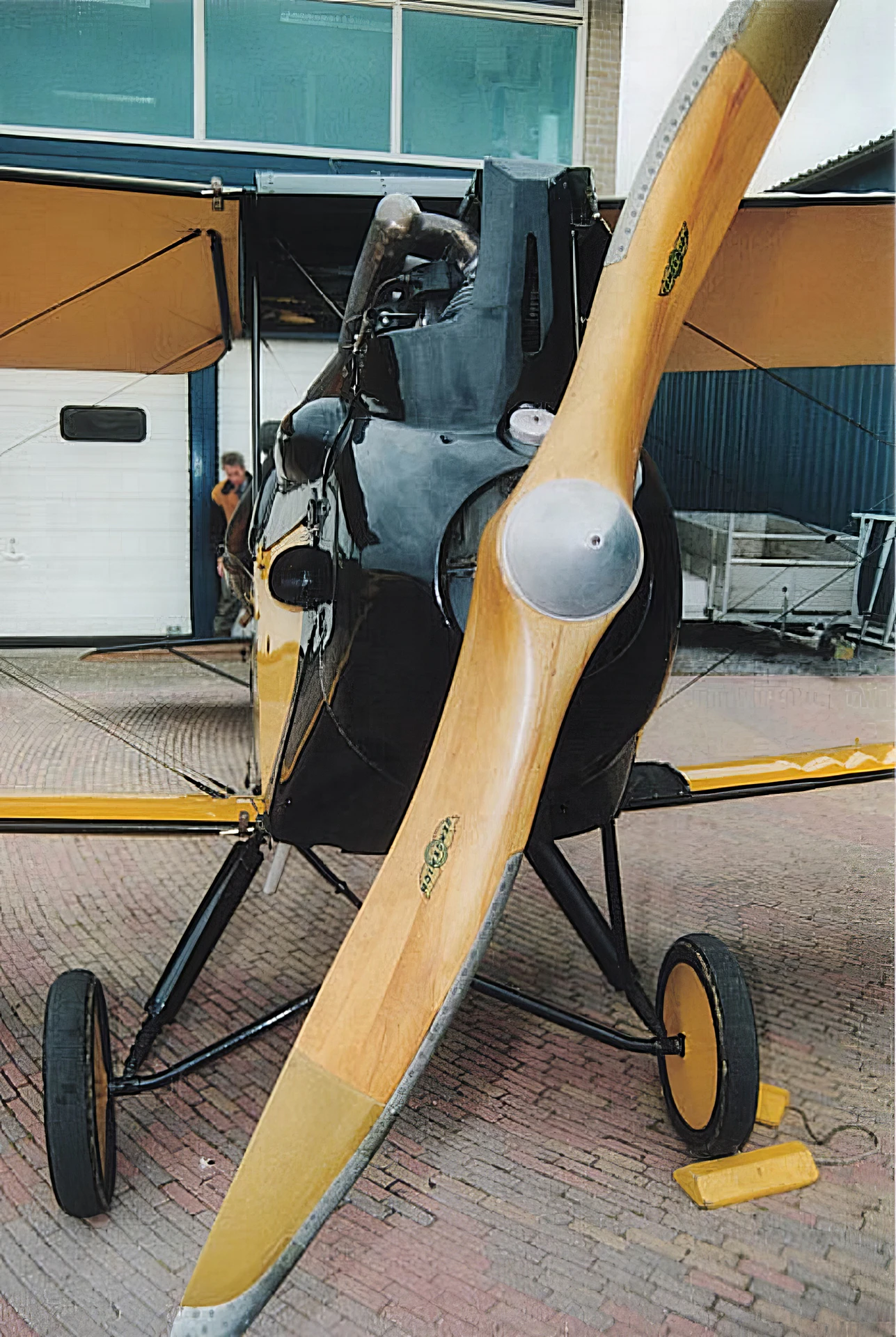
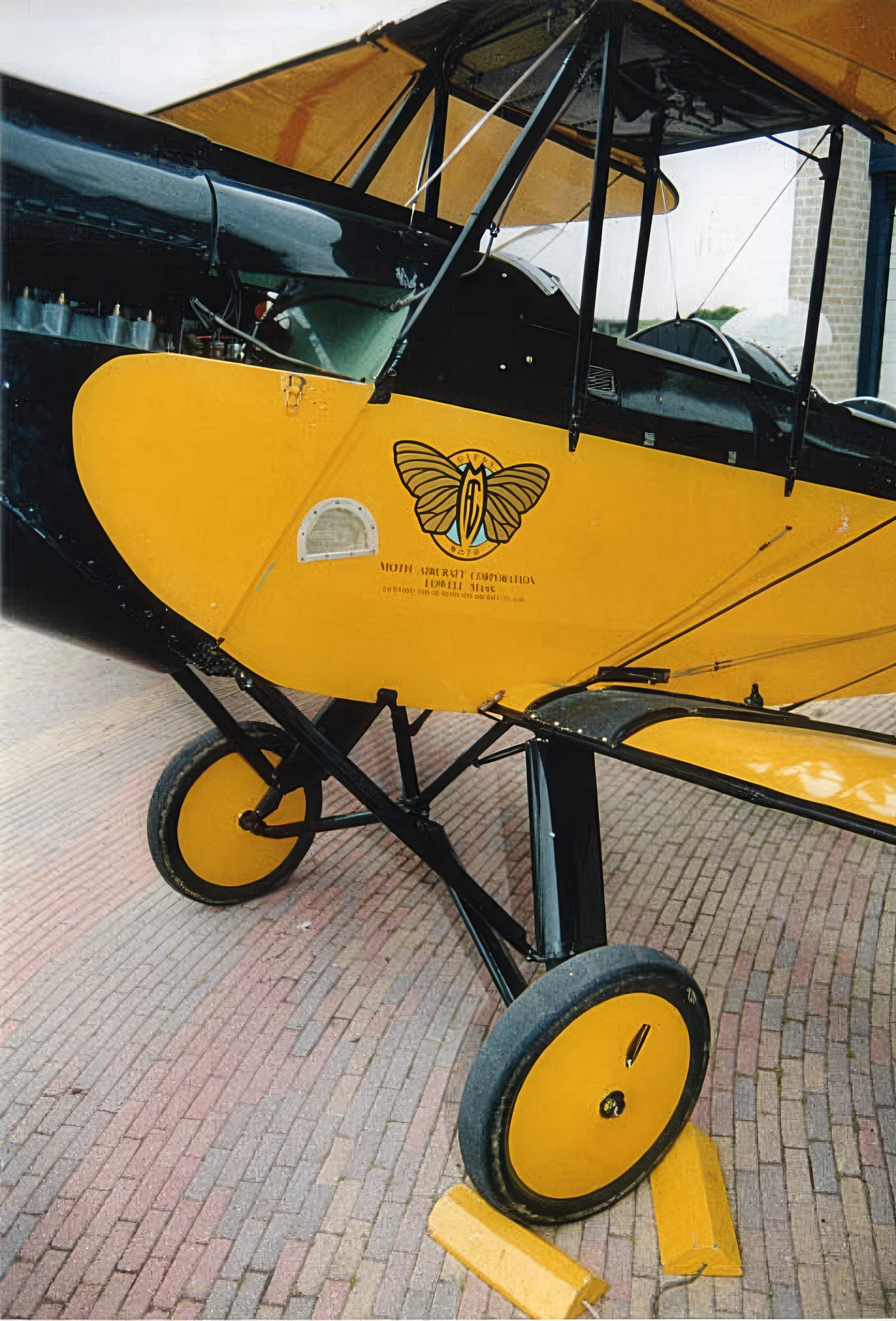
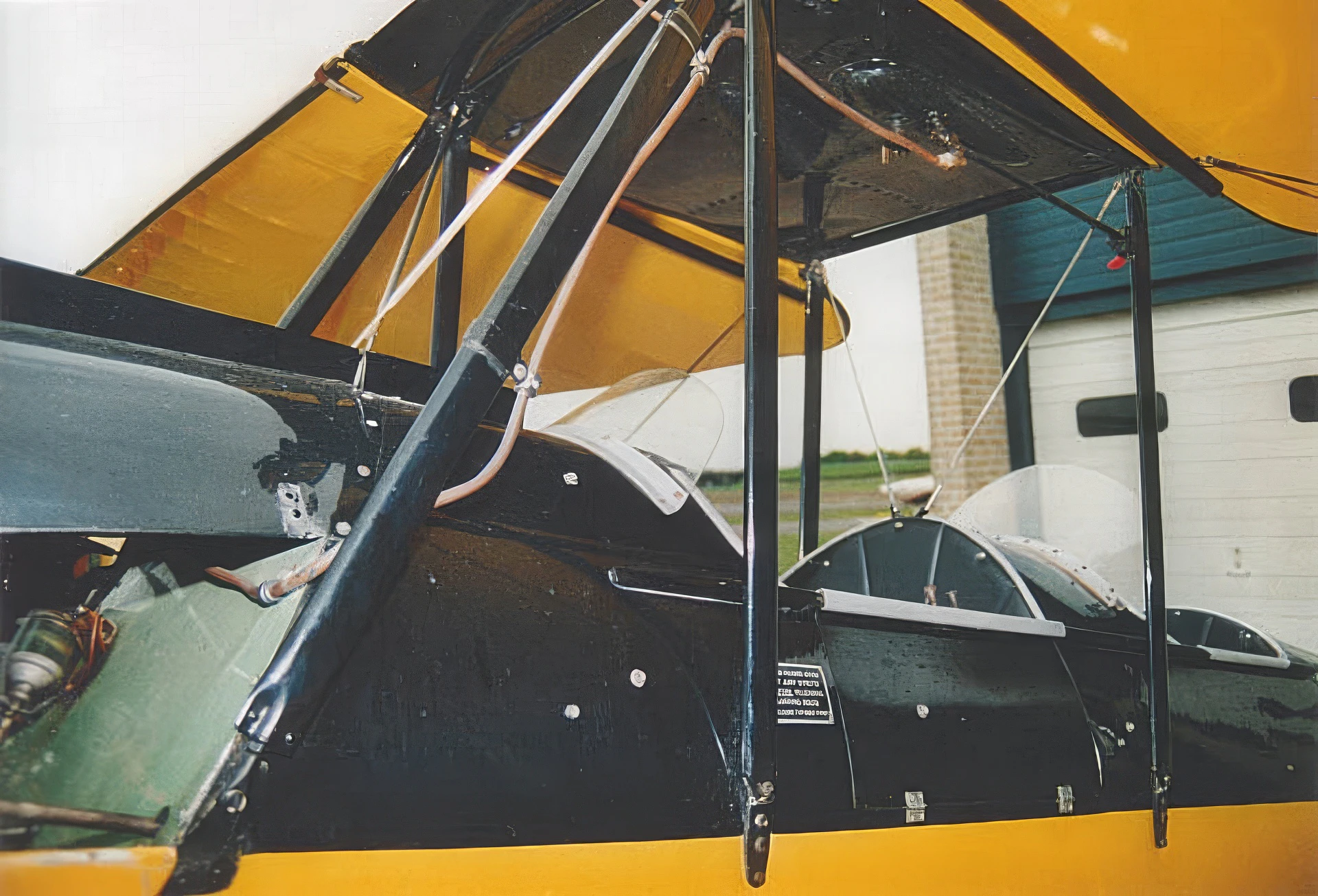
Den de Havilland DH.60 Mølis a 1920s British two-seat touring and training aircraft that was developed into a series of aircraft by the de Havilland Aircraft Company.
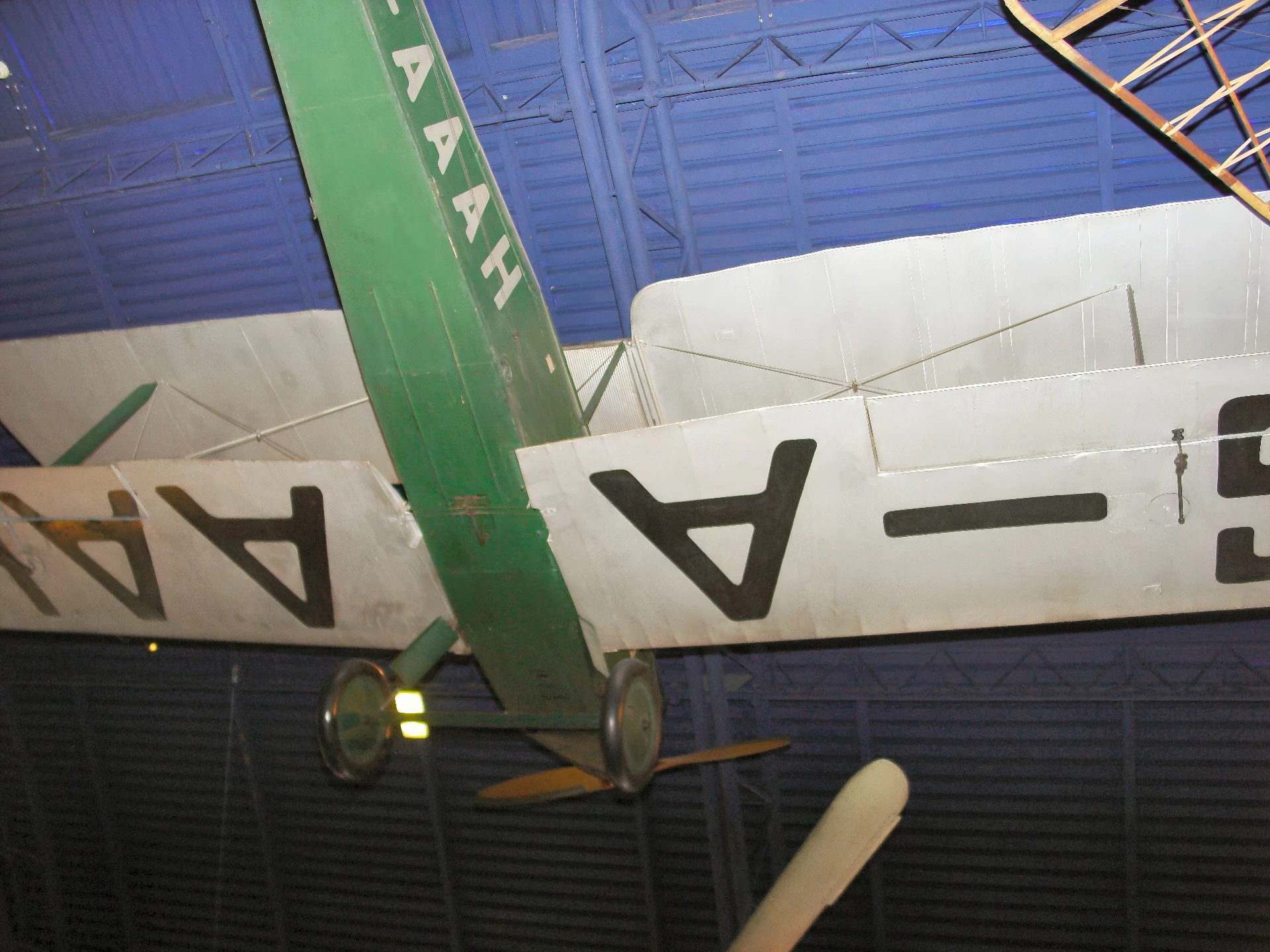
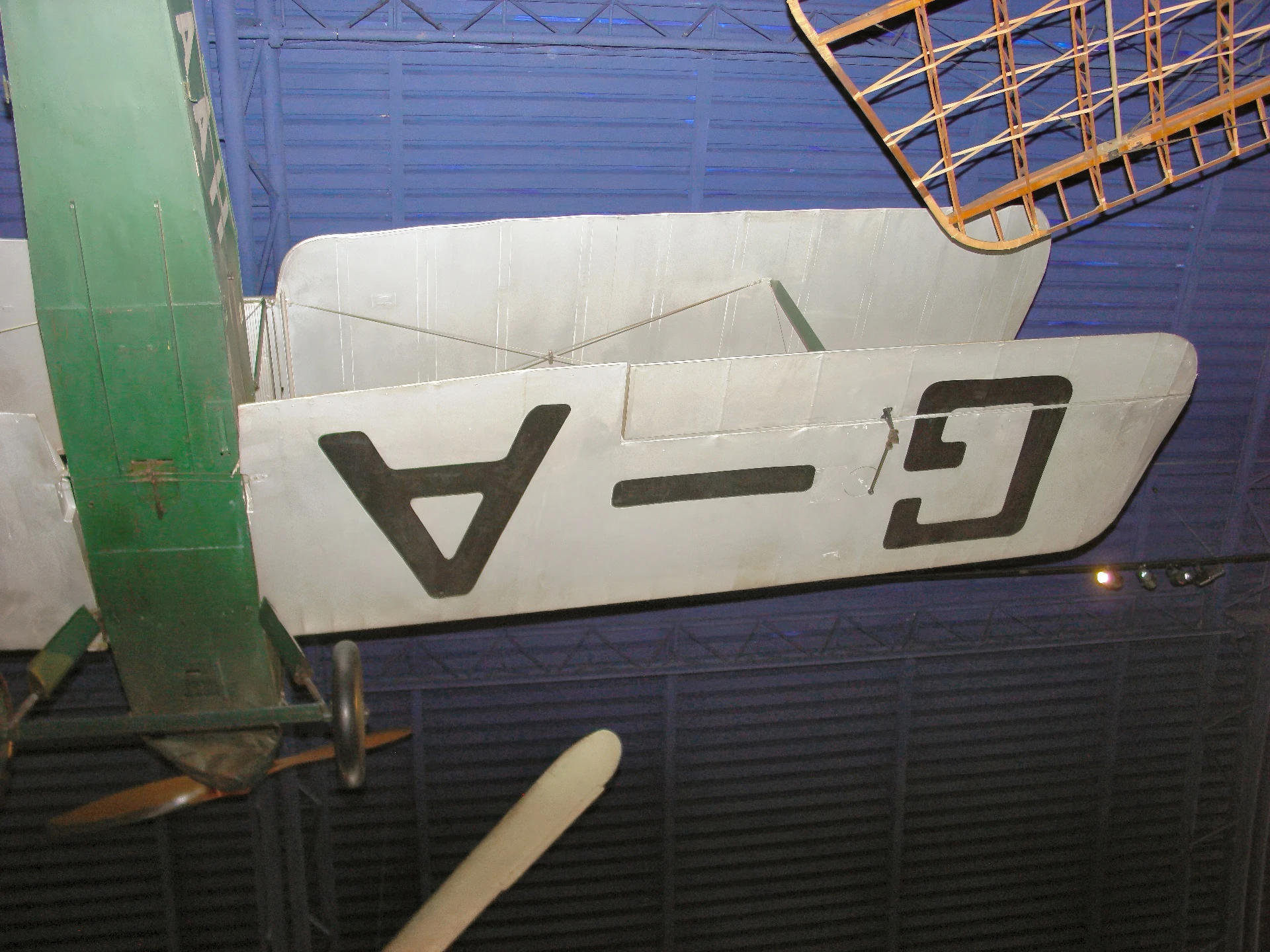
The DH.60 was developed from the larger DH.51 biplane. The first flight of the Cirrus powered prototype DH.60 Moth (registration G-EBKT) was carried out by Geoffrey de Havilland at the works airfield at Stag Lane on 22 February 1925. The Moth was a two-seat biplane of wooden construction, it had a plywood covered fuselage and fabric covered surfaces, a standard tailplane with a single tailplane and fin. A useful feature of the design was its folding wings which allowed owners to hangar the aircraft in much smaller spaces. The then Secretary of State for Air Sir Samuel Hoare became interested in the aircraft and the Air Ministry subsidised five flying clubs and equipped them with Moths.
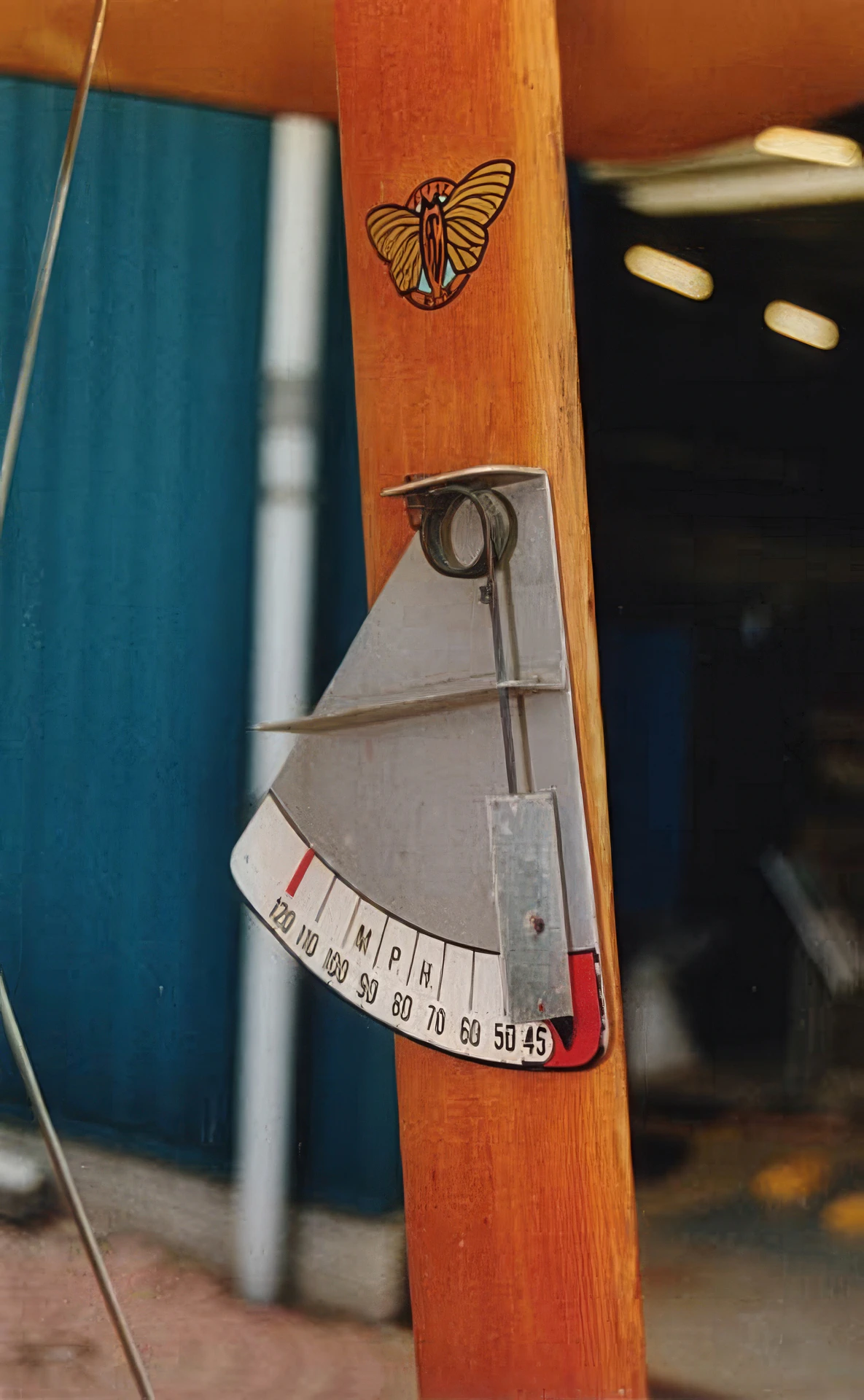
Den de Havilland DH.60 Mølis arguably the most significant light aircraft in history. First flying in 1925, it was designed by Geoffrey de Havilland to be a practical, reliable, and affordable airplane for the “everyman.” Before the Moth, flying was largely the domain of the military or the extremely wealthy. The Moth changed everything, becoming the foundation of the British “Flying Club” movement and setting the stage for the legendary Tiger Moth that would follow.
Attribute
Standard Specification (DH.60G Gipsy Moth)
Rolle
Light Touring / Training Aircraft
Besætning
2 (Tandem open cockpits)
First Flight
February 22, 1925
Kraftværk
1 × de Havilland Gipsy I 4-cylinder air-cooled
Horsepower
100 hp (75 kW)
Maximum Speed
164 km/h (102 mph)
Vingefang
9.14 meters (30 ft 0 in)
Empty Weight
417 kg (920 lb)
Innovative Design Features
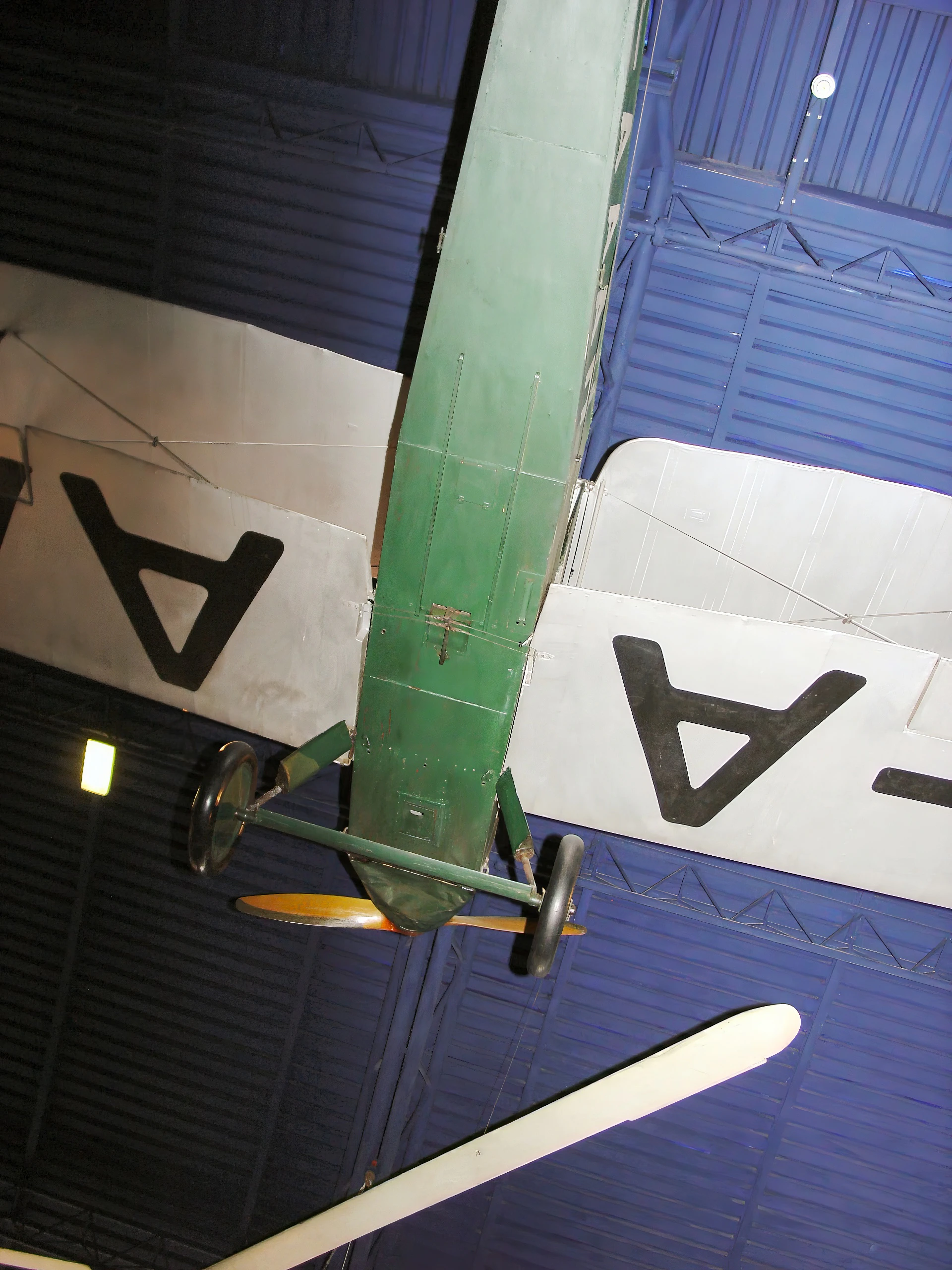
Folding Wings:One of the Moth’s most practical features was itsfoldbare vinger. By pulling a few pins, the wings could be folded back against the fuselage, allowing owners to tow the airplane behind a car and store it in a standard garden shed or small garage.
The “Cirrus” and “Gipsy” Engines:Early Moths used the ADC Cirrus engine (made from half a WWI Renault V8), but the plane truly found its stride with de Havilland’s ownGipsy engine, which became famous for its incredible reliability.
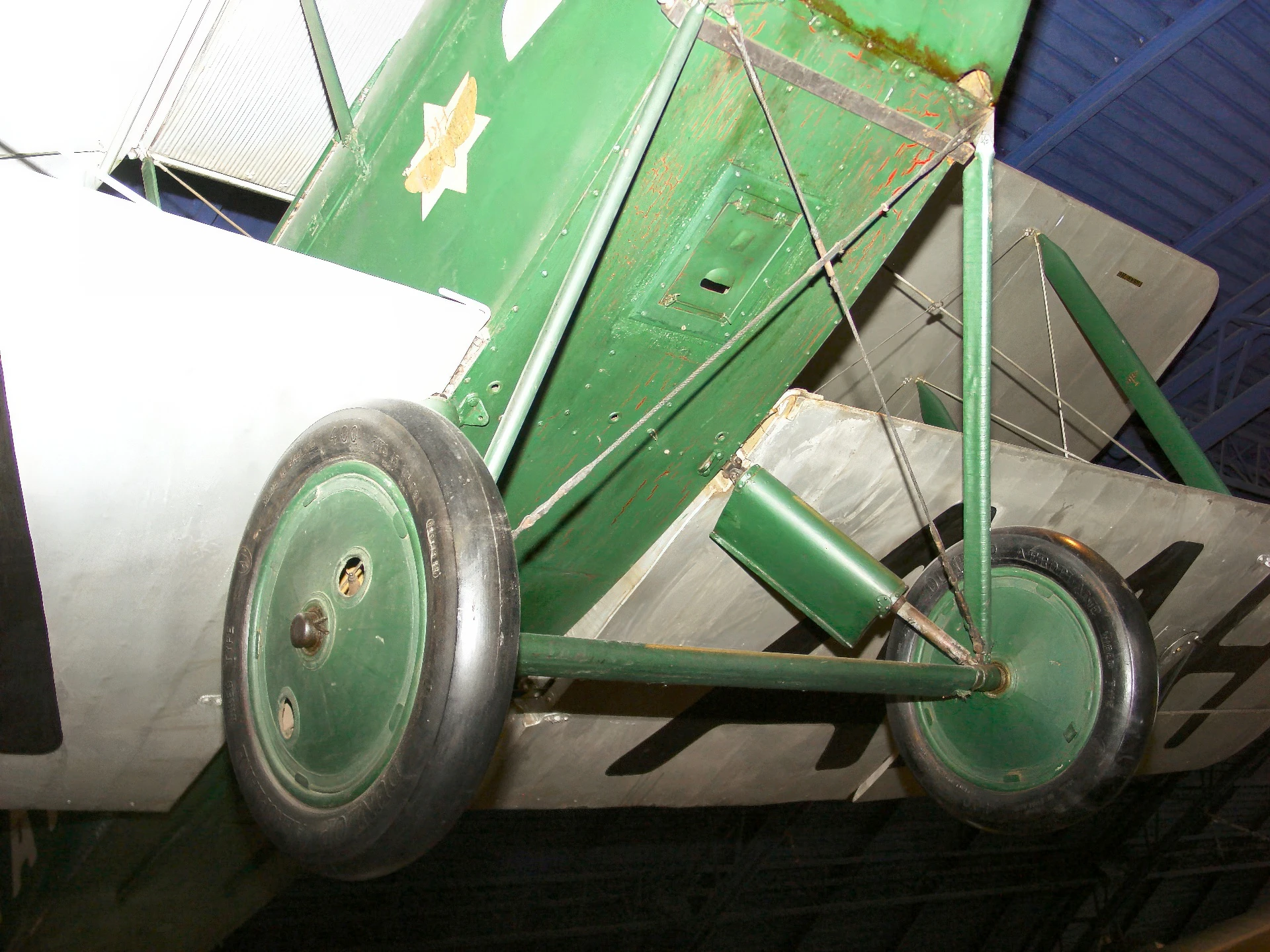
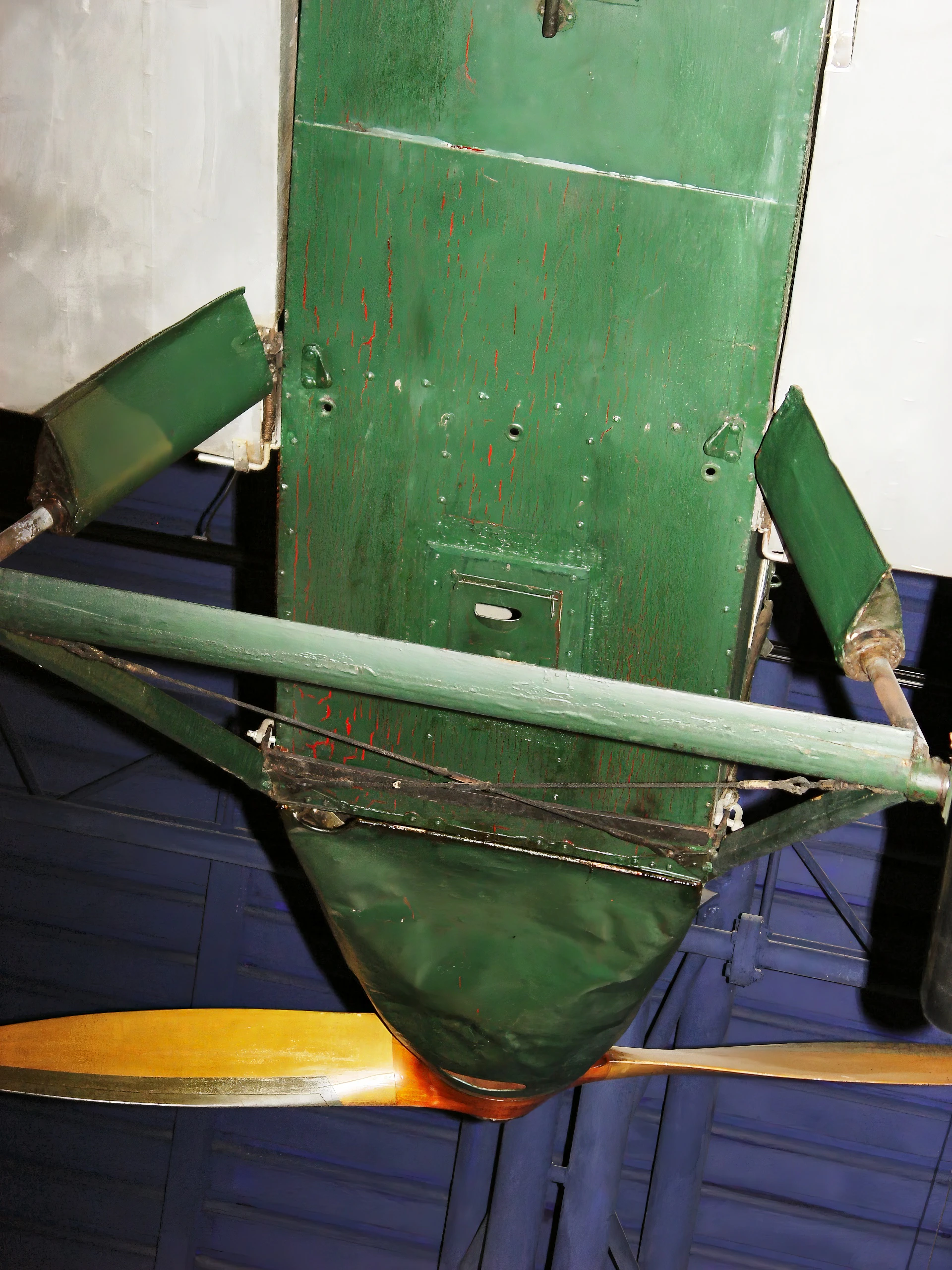
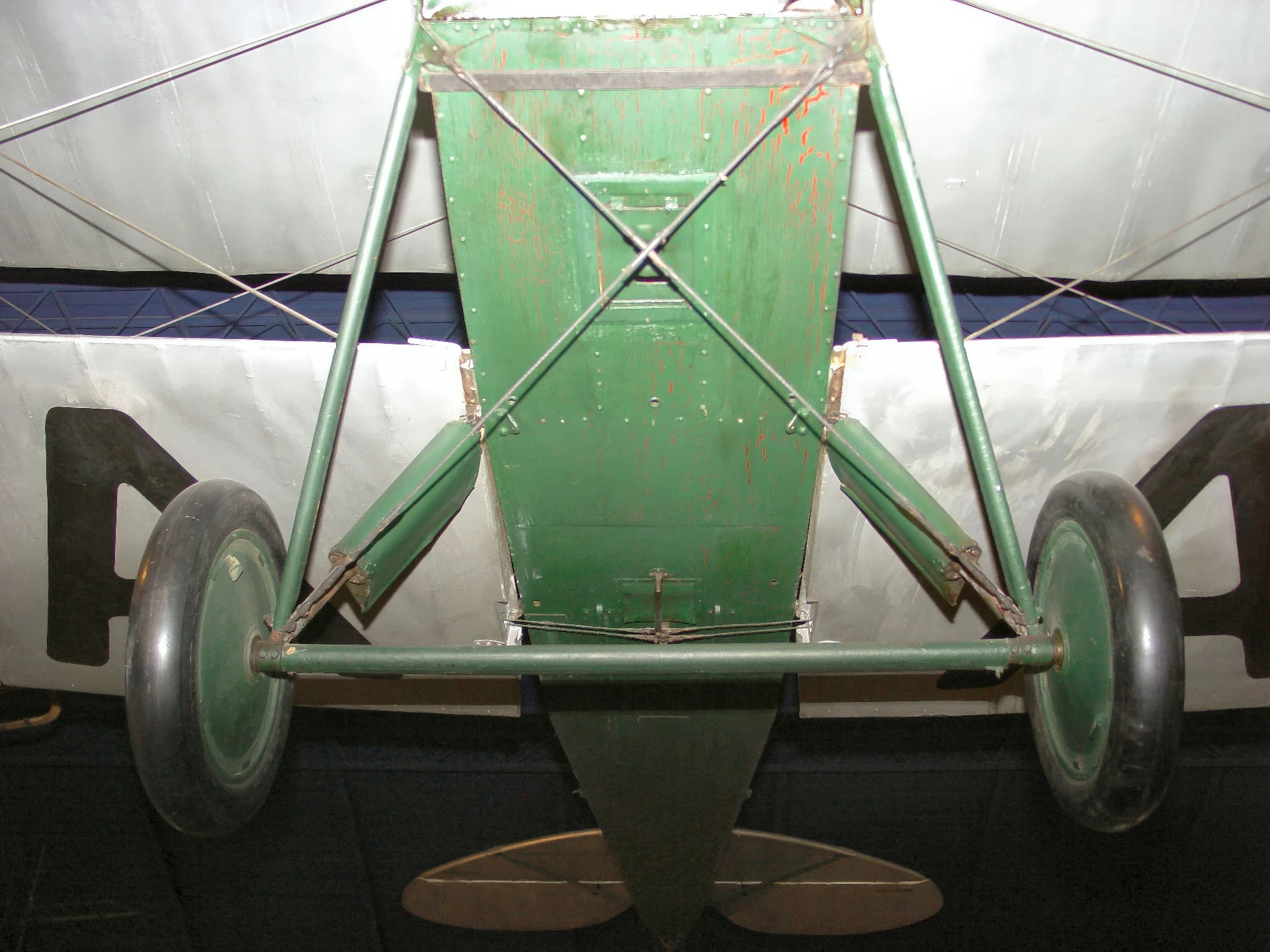
The “Split” Undercarriage:The landing gear used a simple rubber-in-compression shock absorber system, which was easy to maintain and rugged enough for rough grass fields.
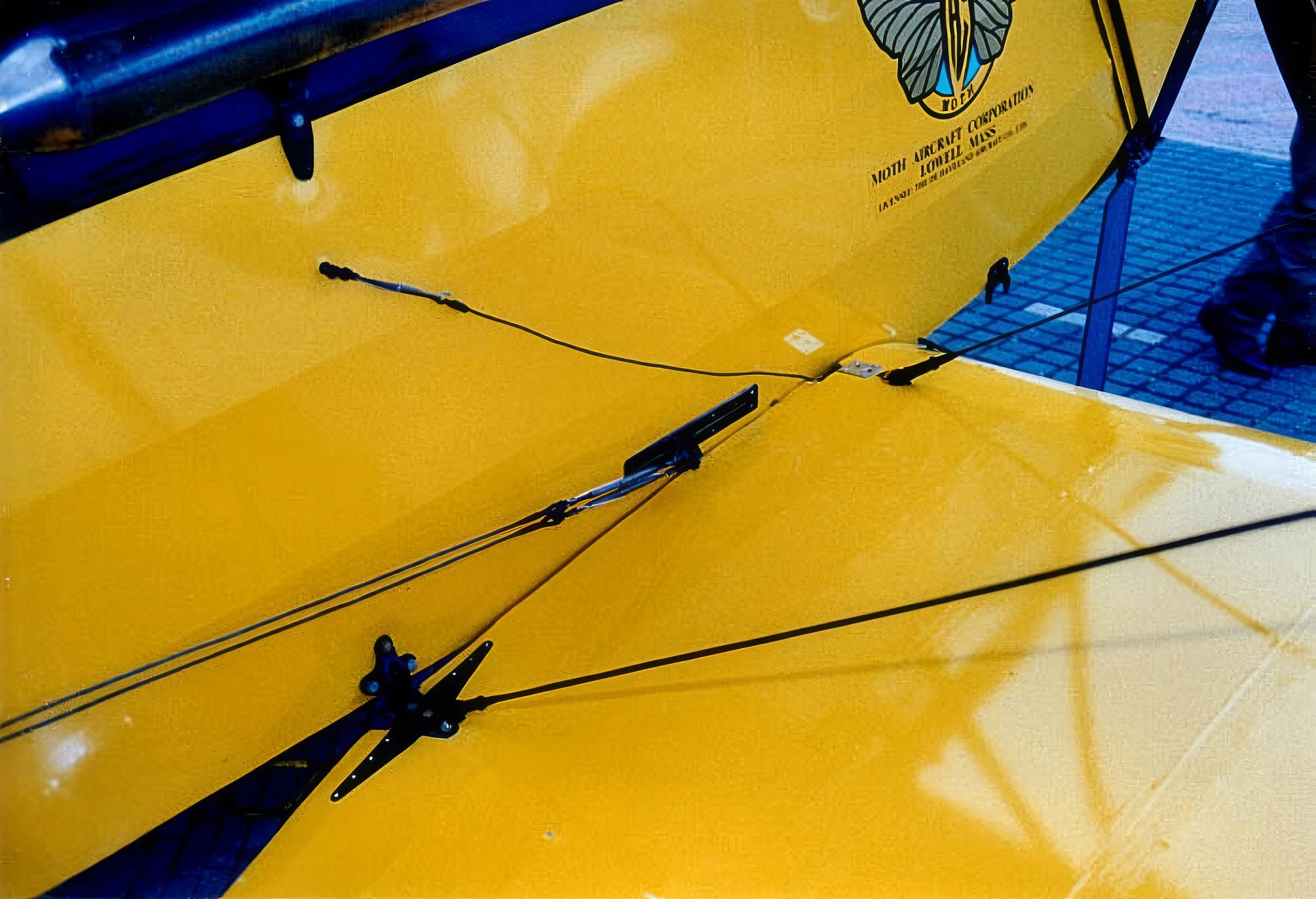
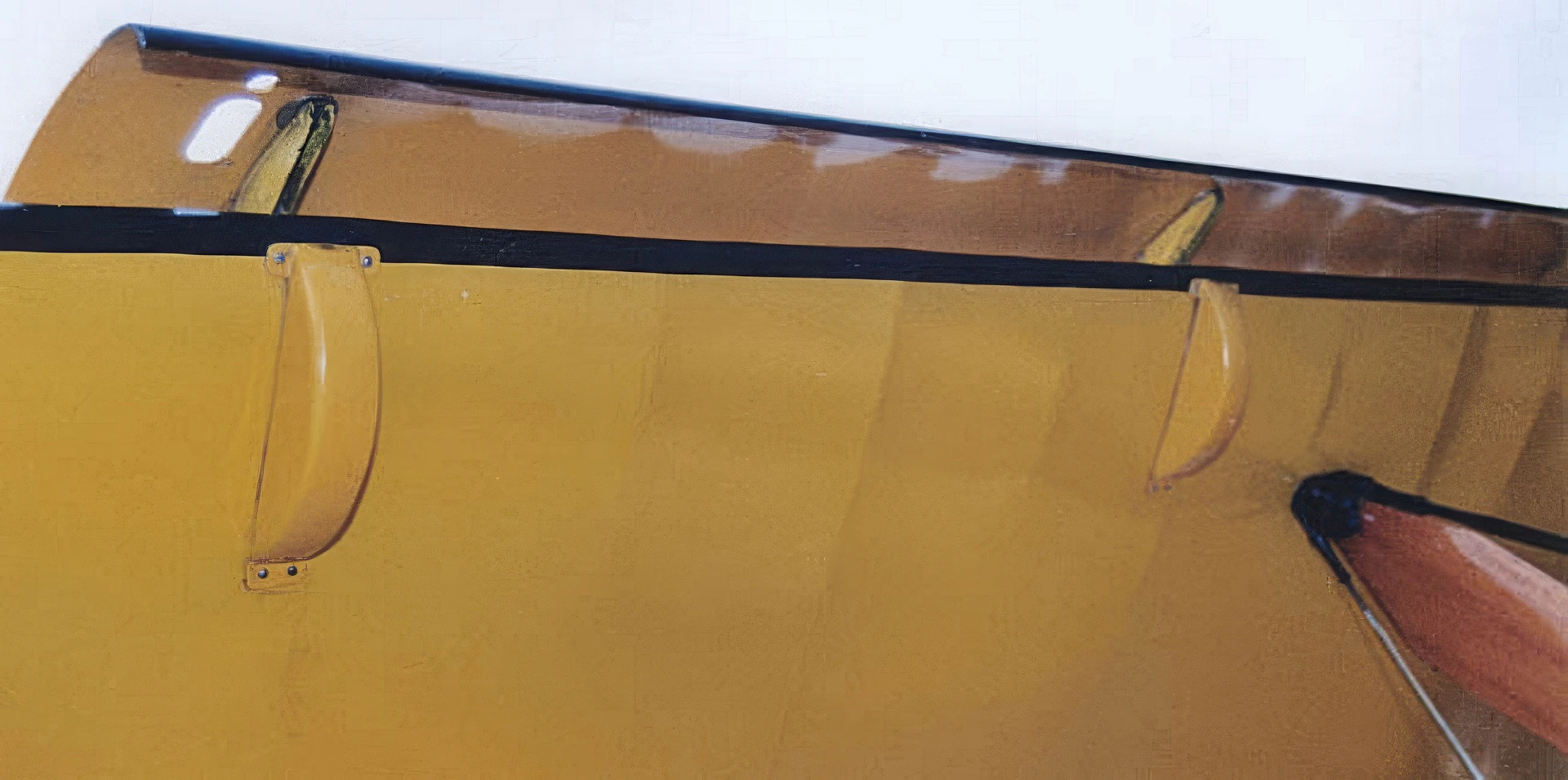
Byggeri:The fuselage was a plywood-covered wooden box, while the wings were fabric-covered wood—a lightweight and strong combination that made the plane very “tweakable” for different uses.
A Legacy of Adventure
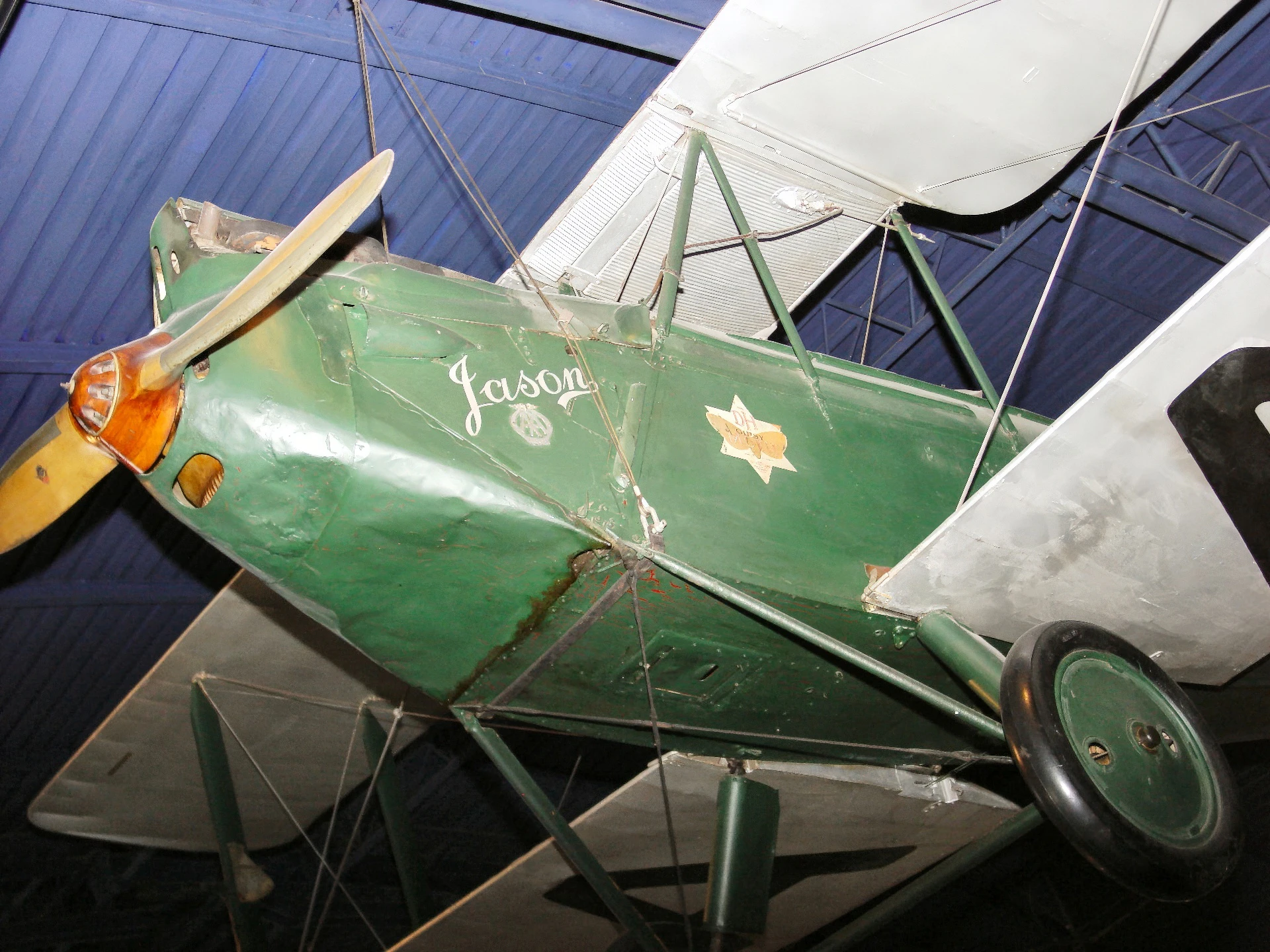
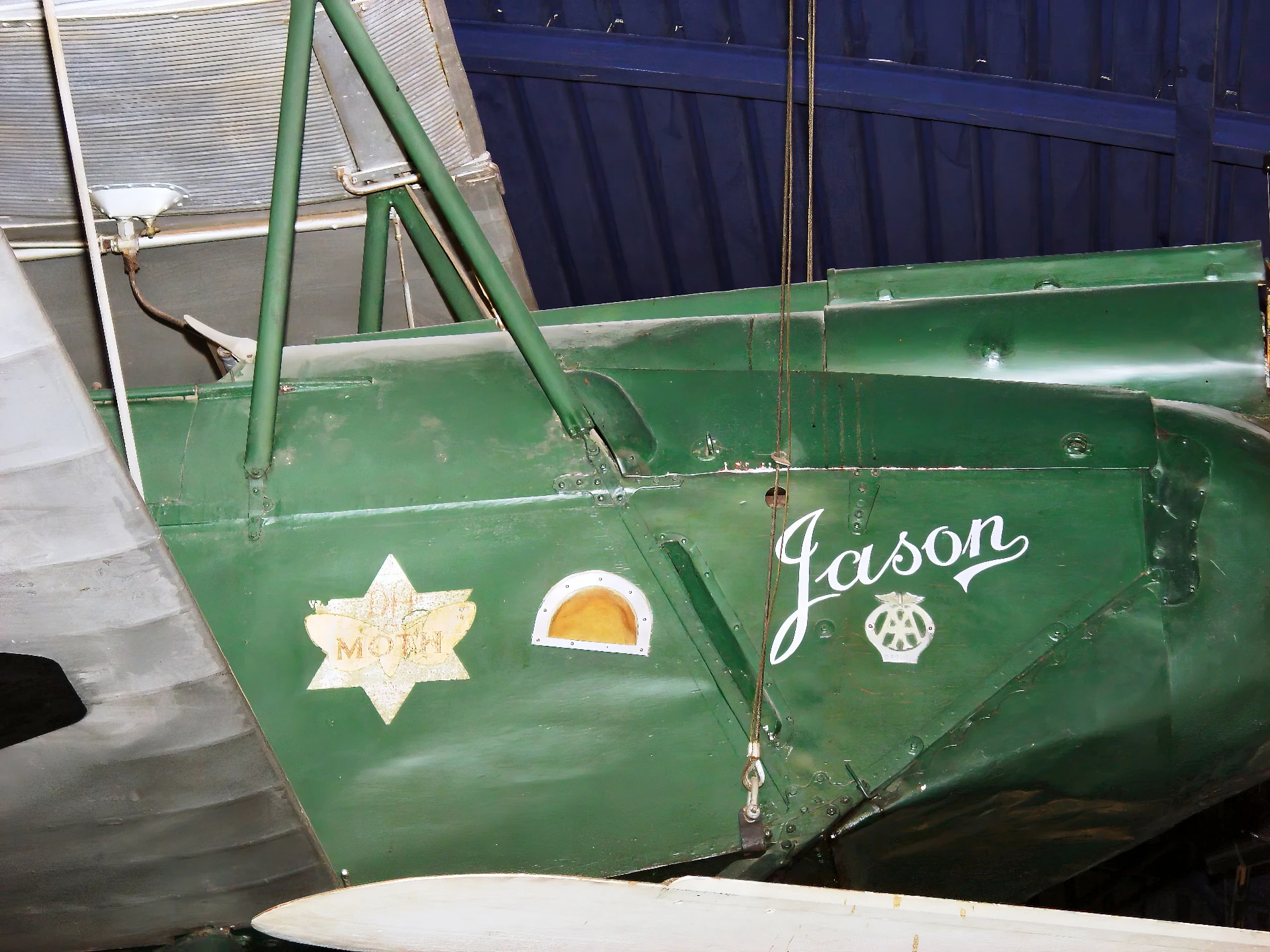
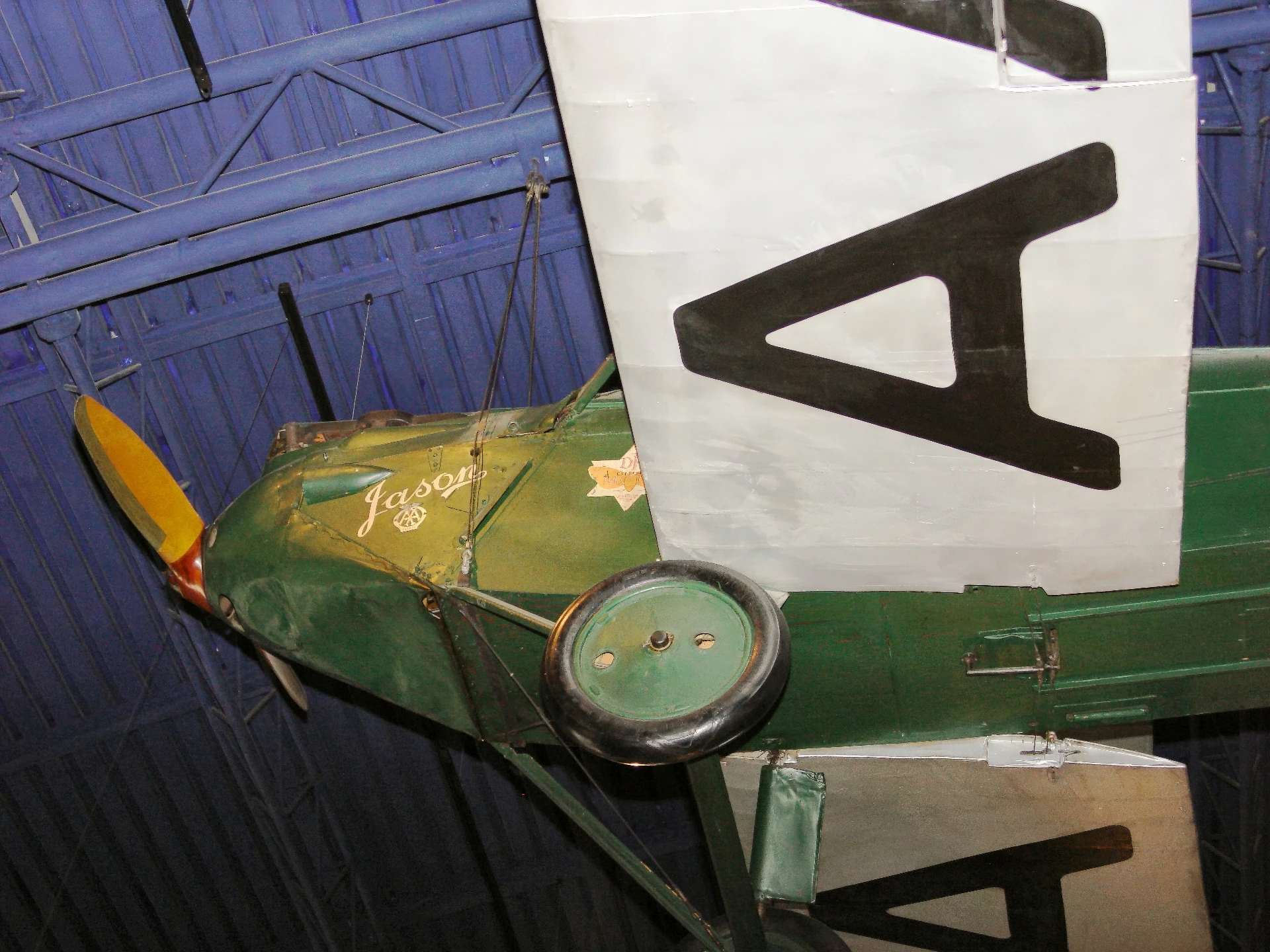
Amy Johnson’s “Jason”:In 1930, Amy Johnson flew a second-hand DH.60G Gipsy Moth namedJasonfrom England to Australia, becoming a global sensation and proving that light aircraft were capable of immense journeys.
Global Influence:The Moth was licensed for production in Australia, Canada, and the USA. It directly led to the development of theDH.82 Tiger Moth, which trained nearly every RAF pilot in WWII.
Record Breaking:From the peaks of Mount Everest to the deserts of Africa, the DH.60 was used by pioneers to map the world and set speed and distance records throughout the 1920s and 30s.



 de Havilland DH.104 Dove – Billeder og videoer
 de Havilland Dragon Rapide – Billeder & Videoer
 de Havilland Canada DHC-2 – Billeder og videoer
 de Havilland DH112 Venom – Billeder og videoer
 de Havilland Canada DHC-4 Caribou – Billeder & Video
 de Havilland Dragon – Billeder & Video
 de Havilland DH.88 Comet – Billeder & Video
 de Havilland Vampire – Billeder & Video
 de Havilland DH.82 Tiger Moth – Billeder & Video