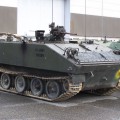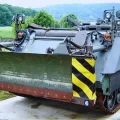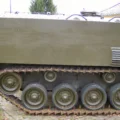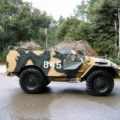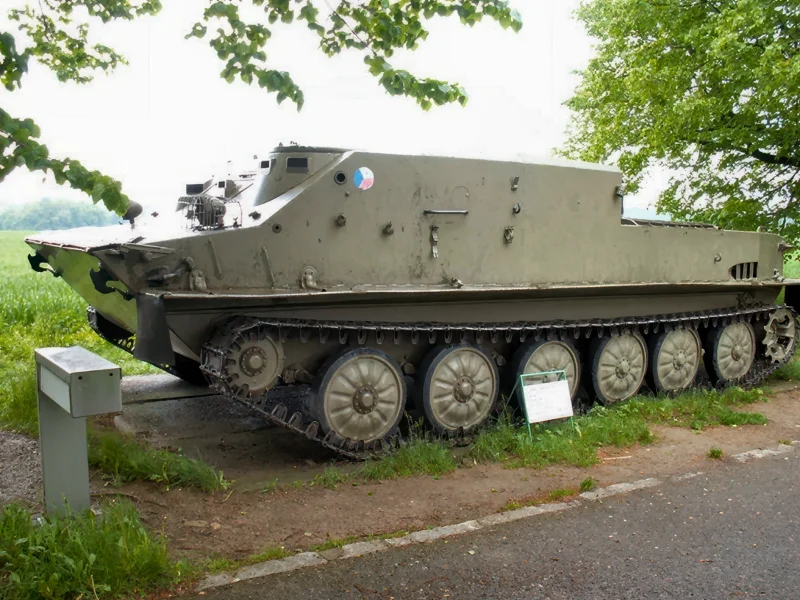
BTR-50 | |
|---|---|
| Land | USSR |
| Rolle | Amfibiske bæltebælter pansrede |
| Mandskabsvogn | |
| I brug | 1954 – slutningen af 1970'erne (USSR) |
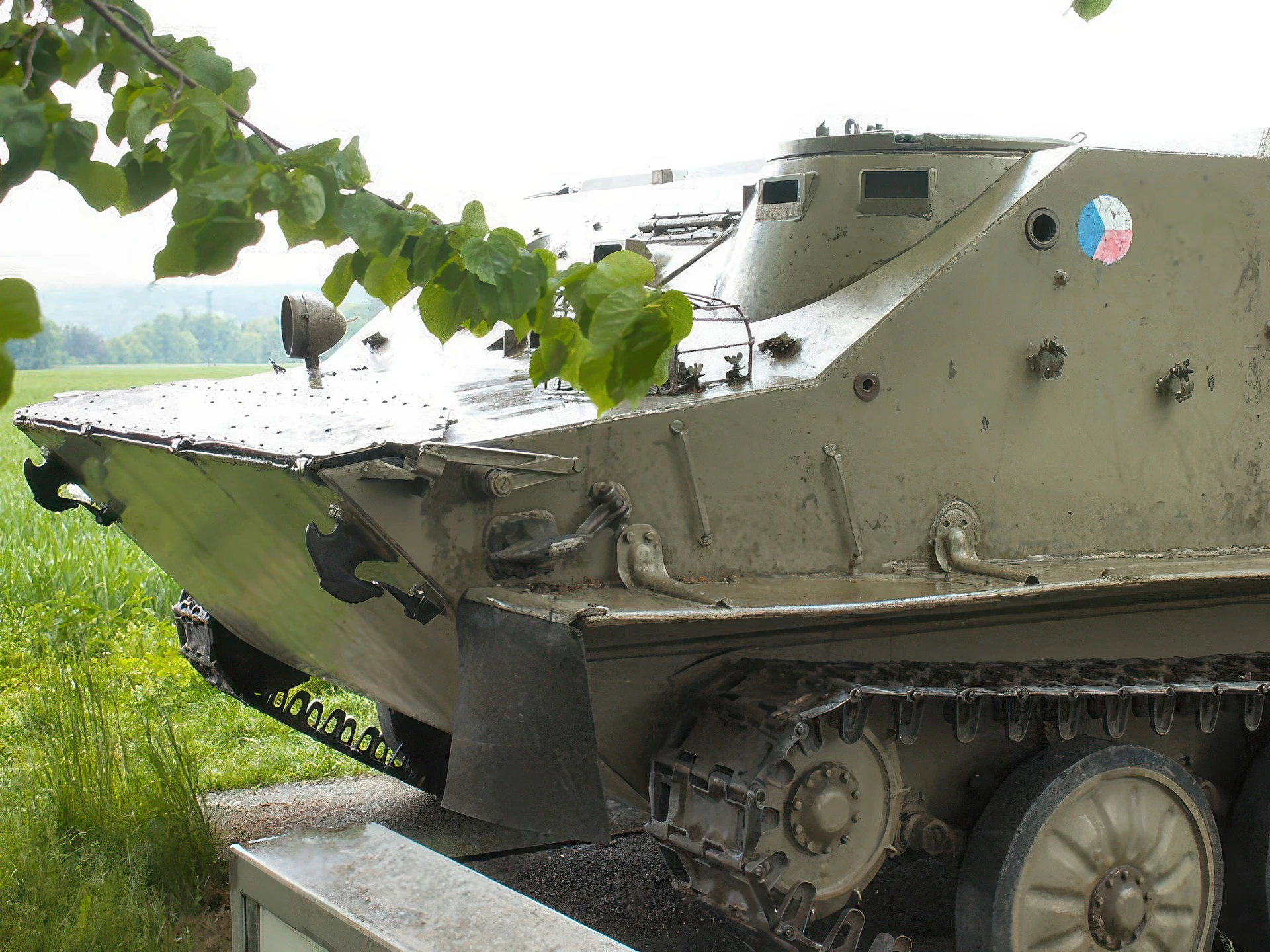
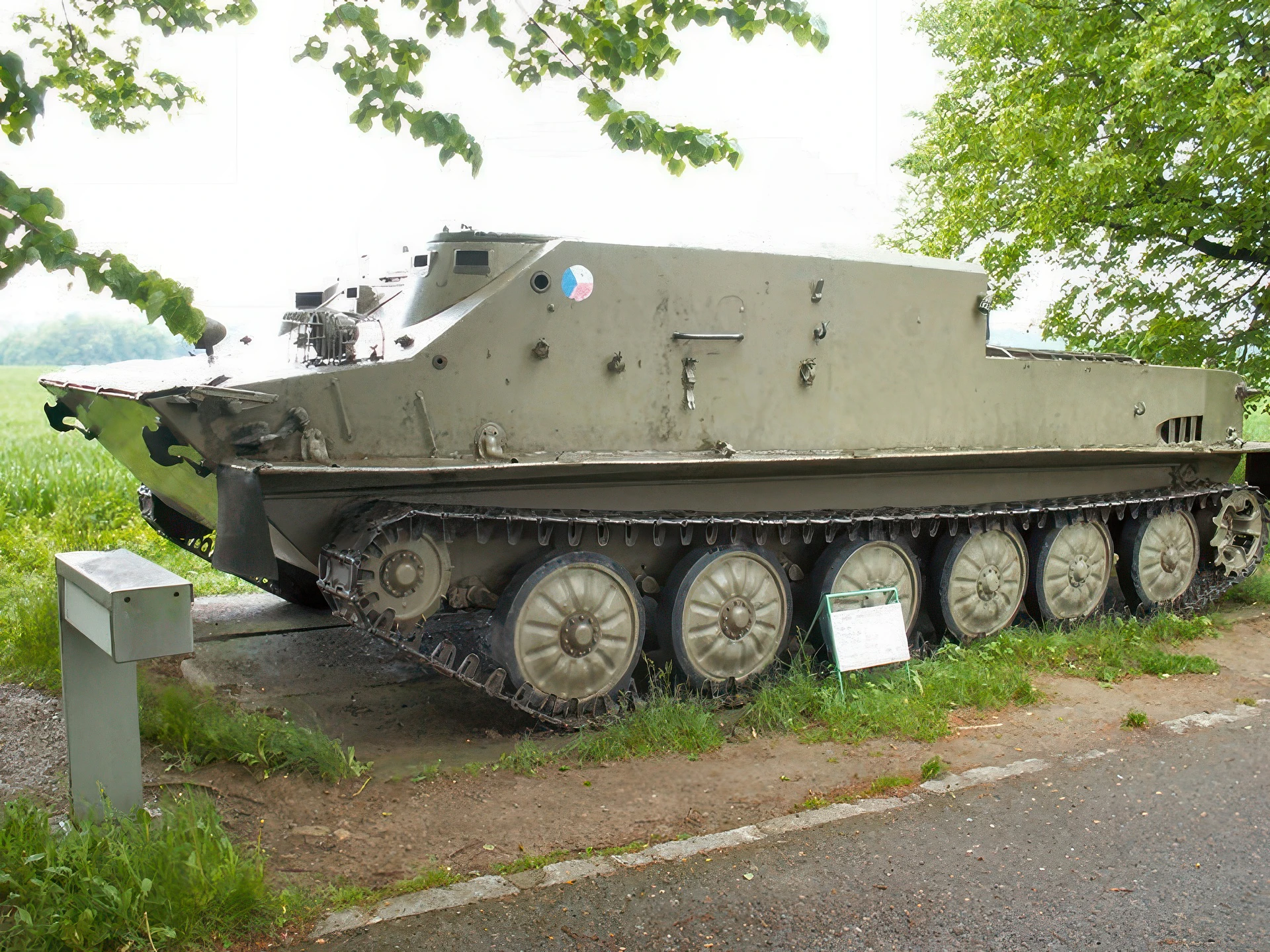
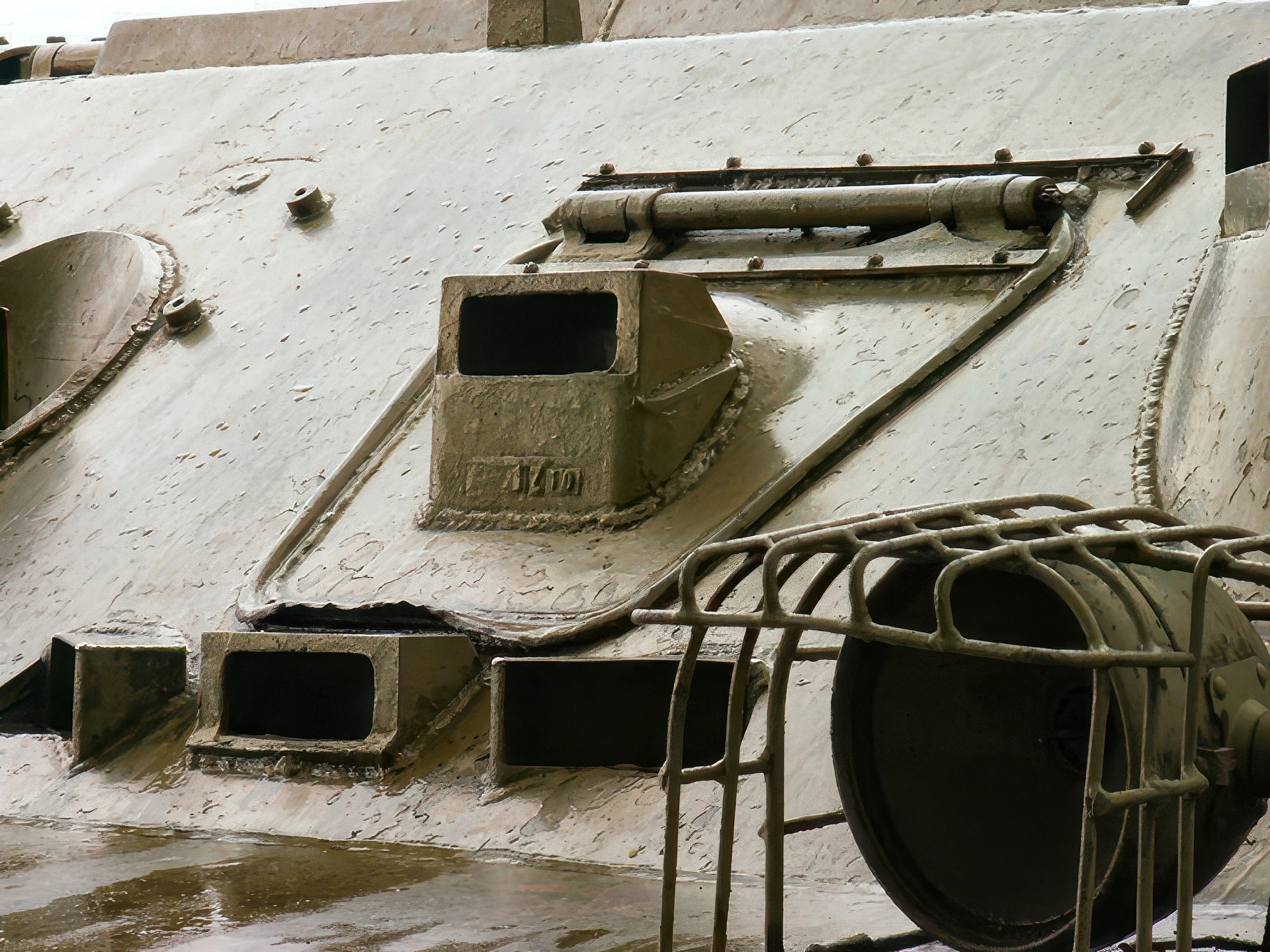
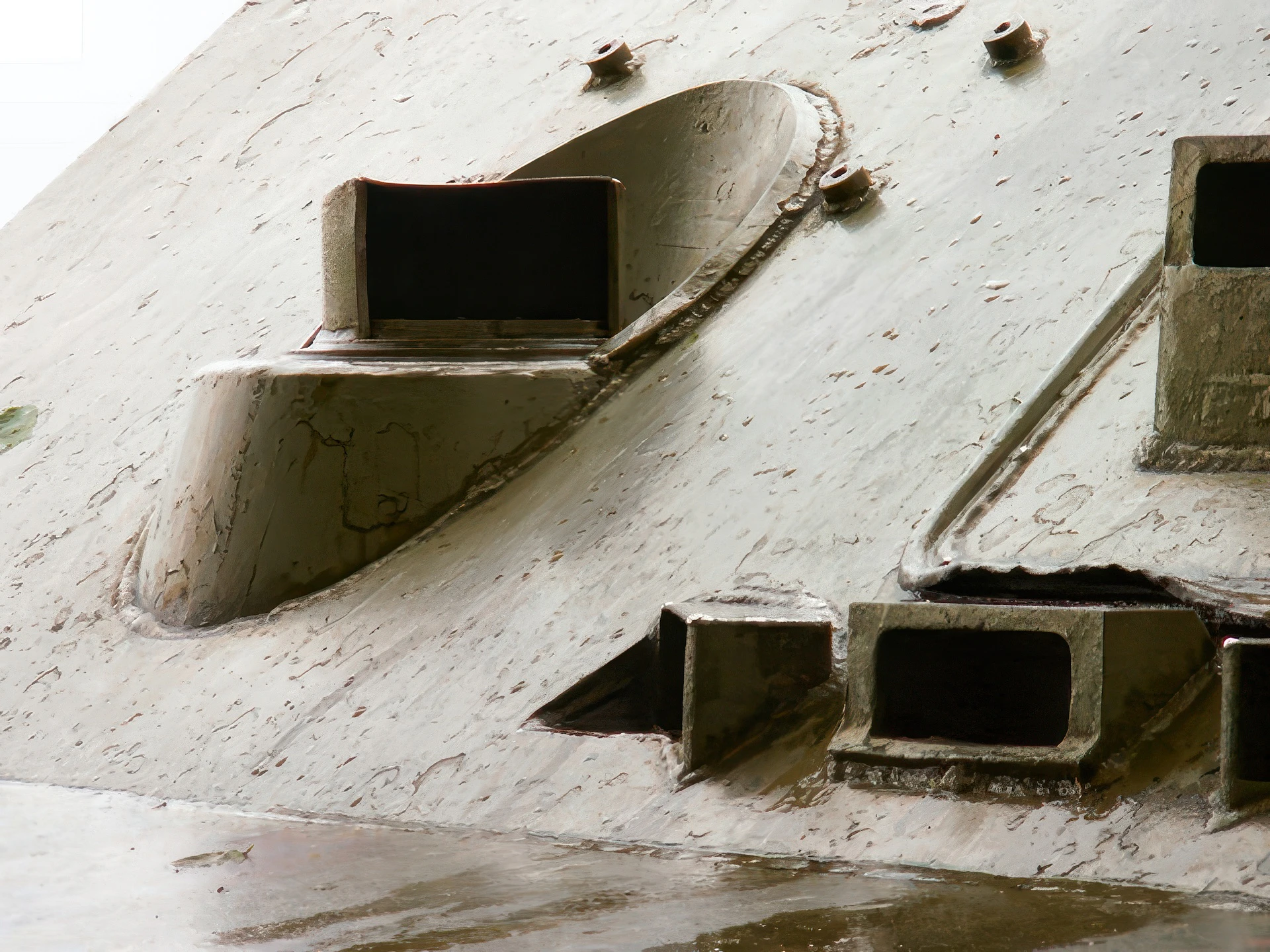
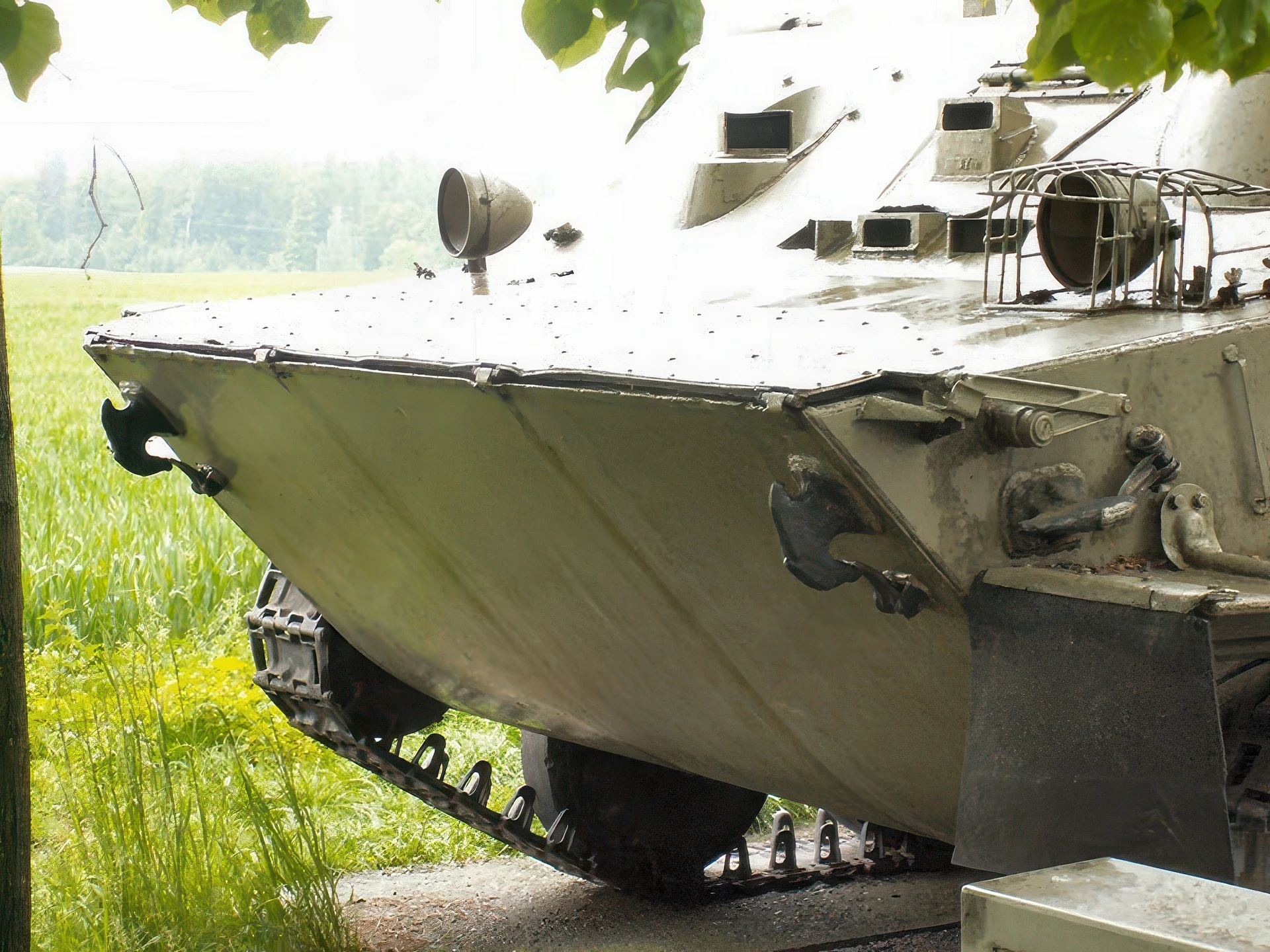
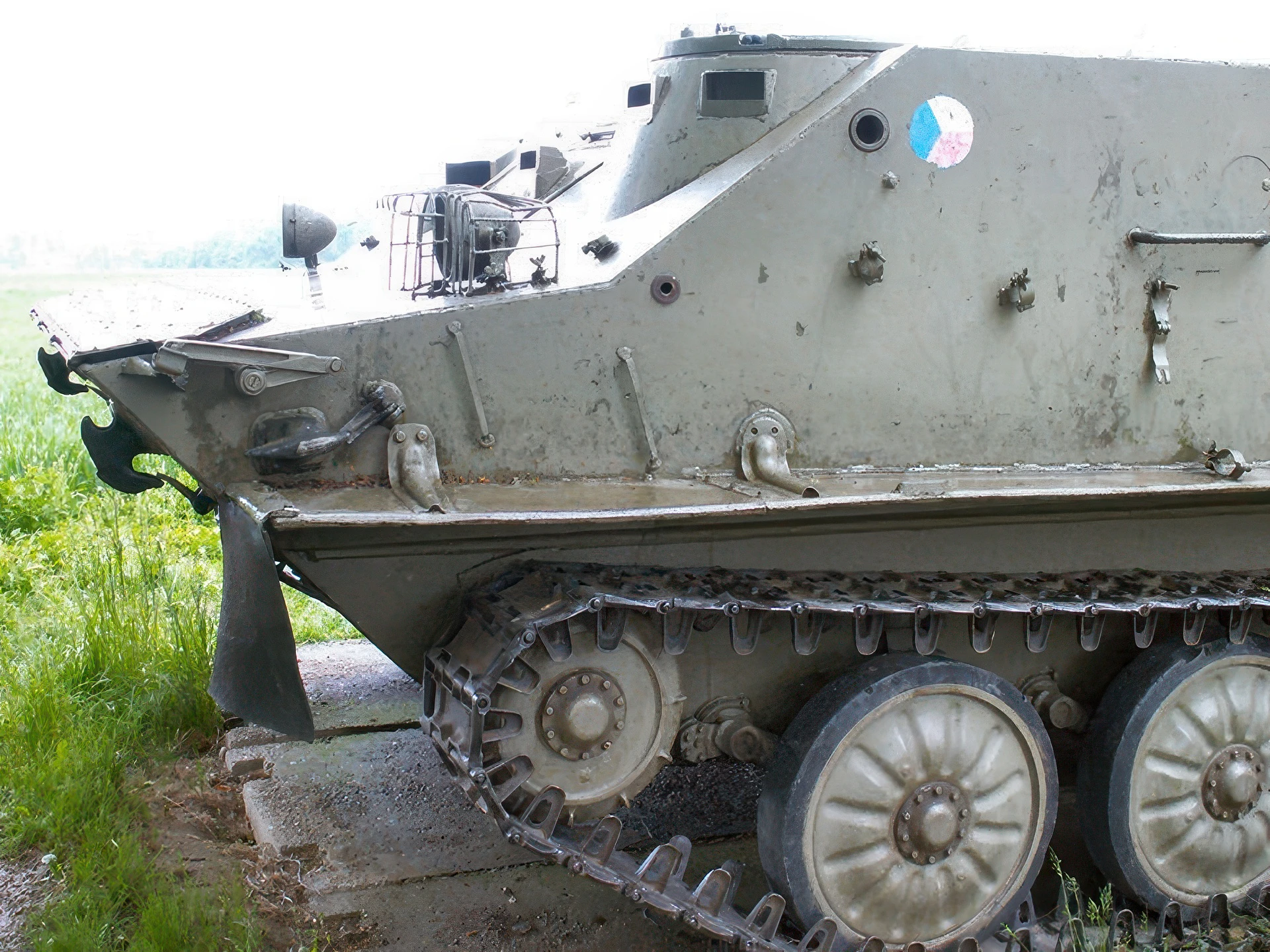
Den BTR-50 (BTR står for Bronetransporter (БТР, Бронетранспортер), bogstaveligt talt "pansret transportør") er en sovjetisk amfibiepansret mandskabsvogn (APC) baseret på den lette PT-76 kampvogn. BTR-50 er bælte, i modsætning til de fleste i BTR-serien, som er hjuldrevet. BTR-50 deler mange ligheder med to andre APC'er, OT-62 TOPAS og Type 77. Mens OT-62 er en forbedret kopi af BTR-50, der er udviklet i fællesskab af Tjekkoslovakiet og Polen, er Type 77, baseret på Type 63 amfibiekampvognen udviklet af Folkerepublikken Kina (Kina), ikke en kopi af BTR-50.
Kilde: BTR-50 på Wikipedia
| BTR-50PK Walk Around | |
|---|---|
| Fotograf | Victor Krestinin |
| Lokalisering | Latrun Armor Museum |
| Billeder | 93 |

| BTR-50 Walk Around | |
|---|---|
| Fotograf | Jiri Bednar |
| Lokalisering | Unknow |
| Billeder | 22 |
Se også:


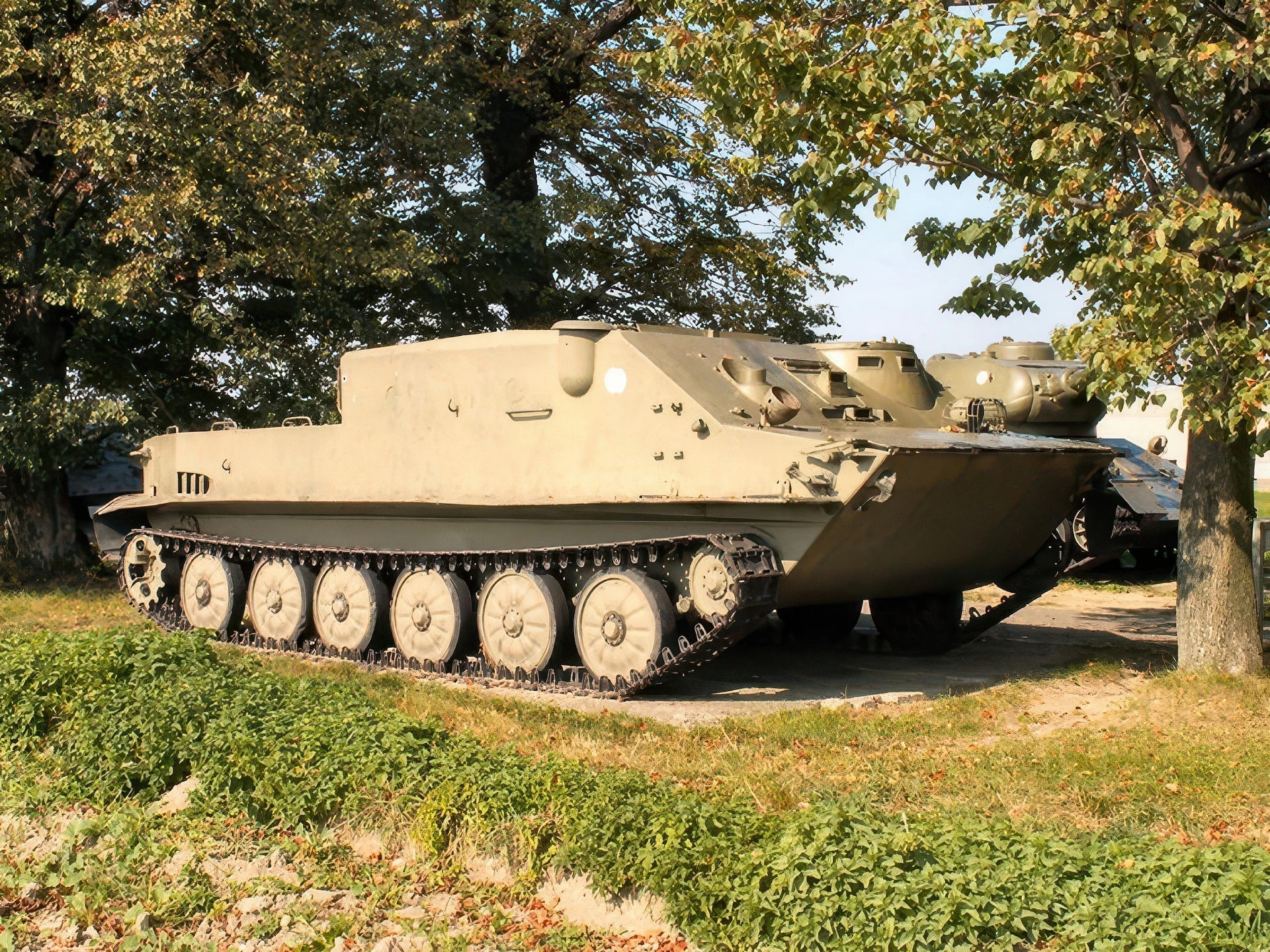
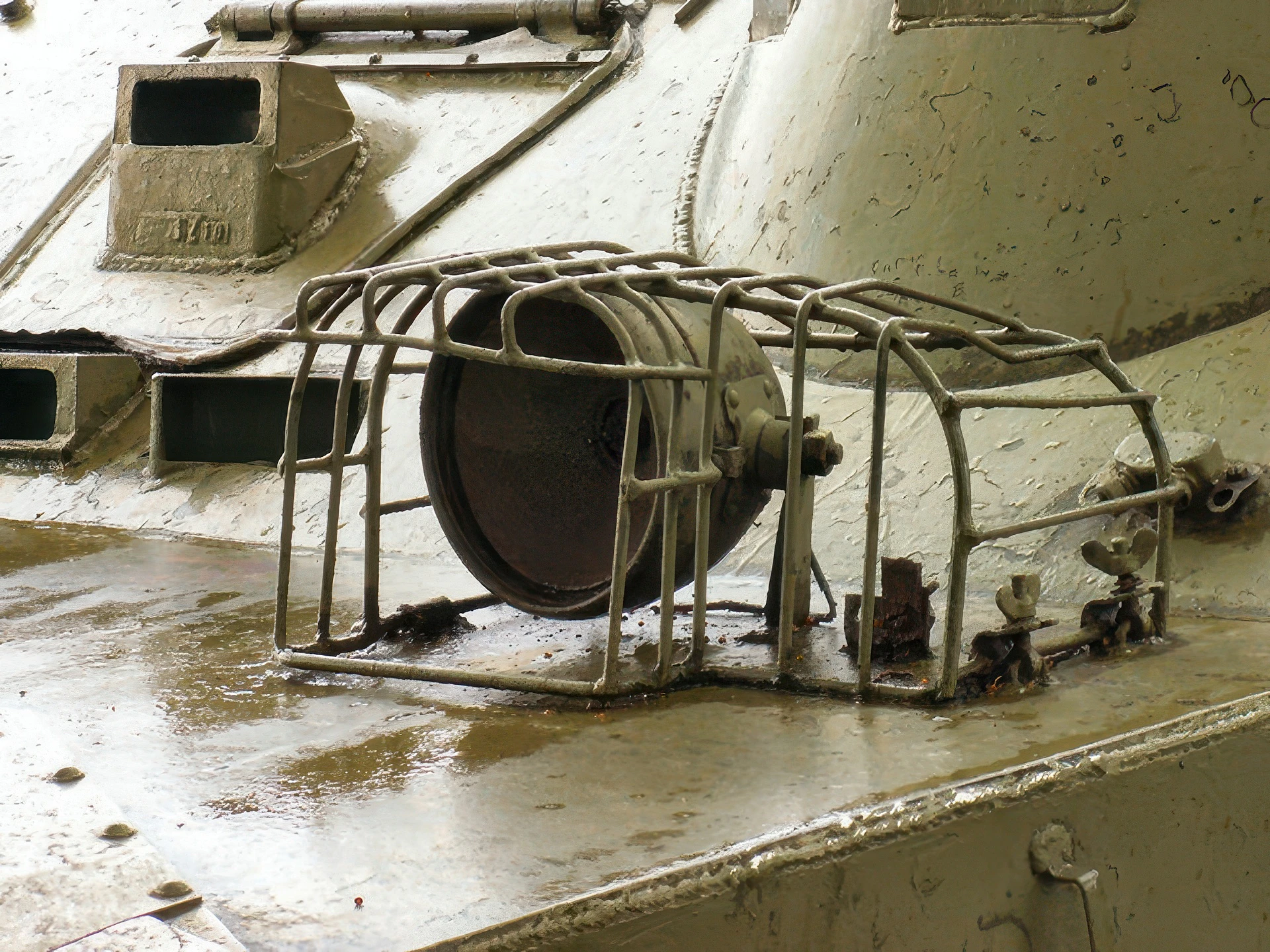
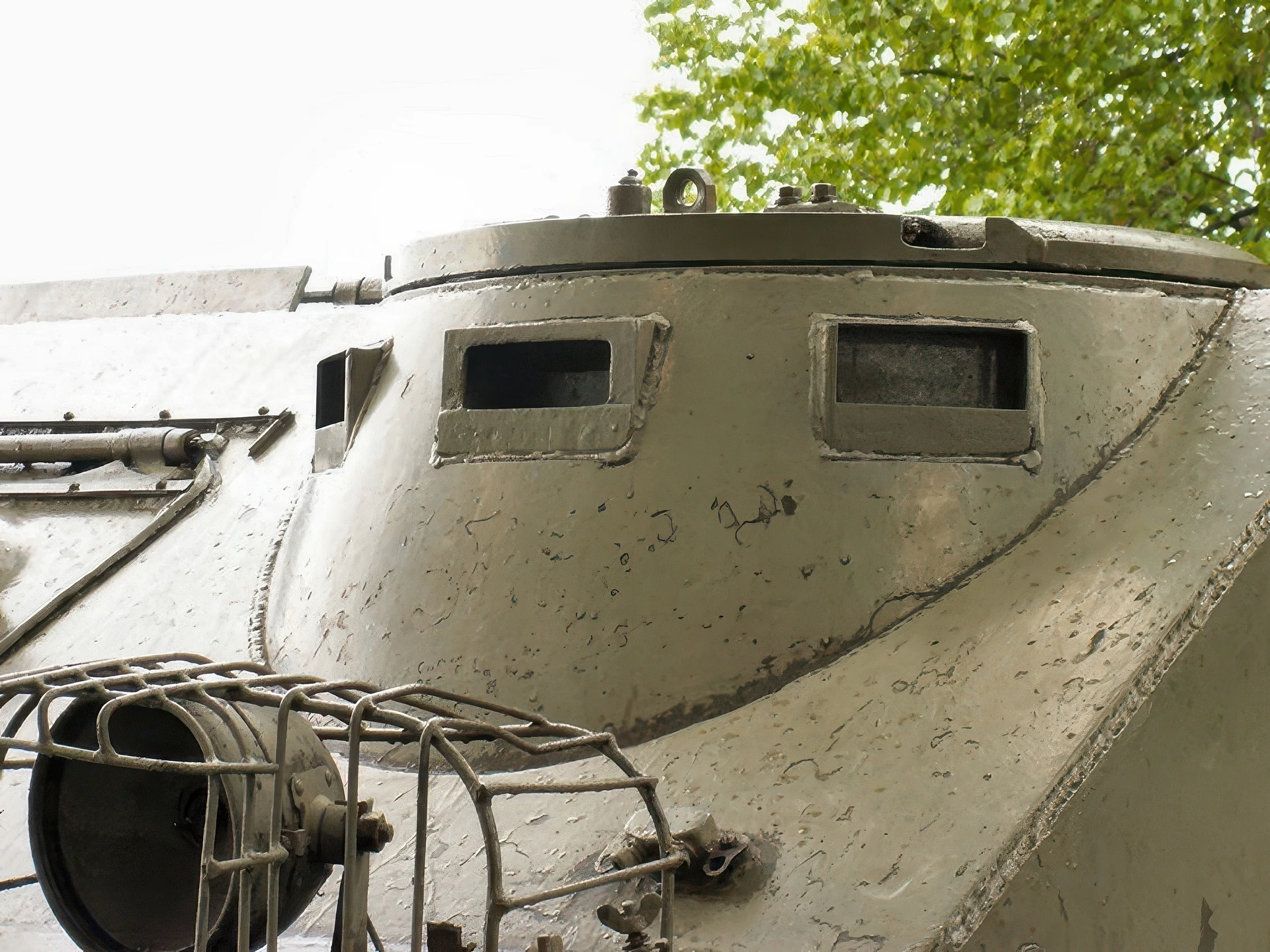
Den BTR-50 is a Soviet-designed amphibious armored personnel carrier that was based on the PT-76 light tank chassis. It was developed in the early 1950s and entered service with the Soviet Army in 1954. It had a flat, boat-shaped hull with a superstructure in the front that housed the driver and the commander. The BTR-50 could carry up to 20 infantrymen in the rear compartment, which was open-topped in the original version.
The vehicle was powered by a V-6 diesel engine that gave it a maximum speed of 44 km/h on road and 11 km/h on water. The BTR-50 had no fixed armament, but could mount a 7.62 mm or a 14.5 mm machine gun on a pintle. The BTR-50 was used by many countries in various conflicts, such as the Six-Day War, the Vietnam War, and the Soviet-Afghan War. It was also produced under license by Czechoslovakia and Poland as the OT-62 TOPAS. The BTR-50 was later replaced by more modern APCs, such as the BTR-60 and the BMP-1.
Set antal gange : 2749