
Convair F2Y Sea Dart | |
|---|---|
| Země | SPOJENÉ STÁTY |
| Roli | Stíhací letoun hydroplánu |
| První let | 14. ledna 1953 |
| Postaven | 5 |
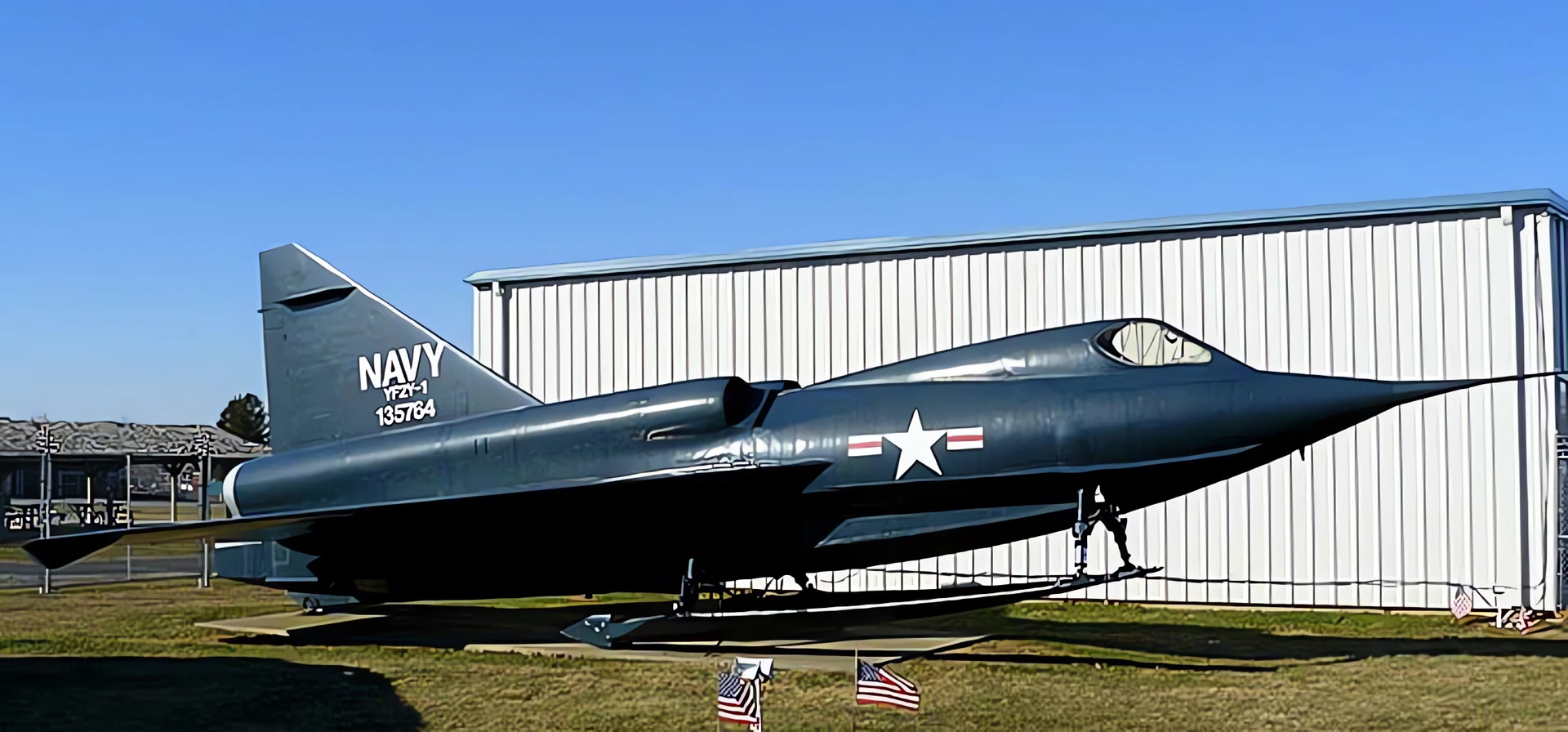
Tá Convair F2Y Mořská šipka was an American seaplane fighter aircraft that rode on twin hydro-skis during takeoff and landing. It flew only as a prototype, and never entered mass production. It is the only seaplane to have exceeded the speed of sound. It was created in the 1950s, to overcome the problems with supersonic planes taking off and landing on aircraft carriers. The program was canceled after a series of unsatisfactory results and a tragic accident on 4 November 1954, when test pilot Charles E. Richbourg was killed when the Sea Dart he was piloting disintegrated in midair. The four surviving planes were retired in 1957, but some were kept in reserve until 1962.
| Convair YF-2Y Sea Dart Walk Around | |
|---|---|
| Photographer | Bill Maloney |
| Localisation | Unknow |
| Photos | 25 |
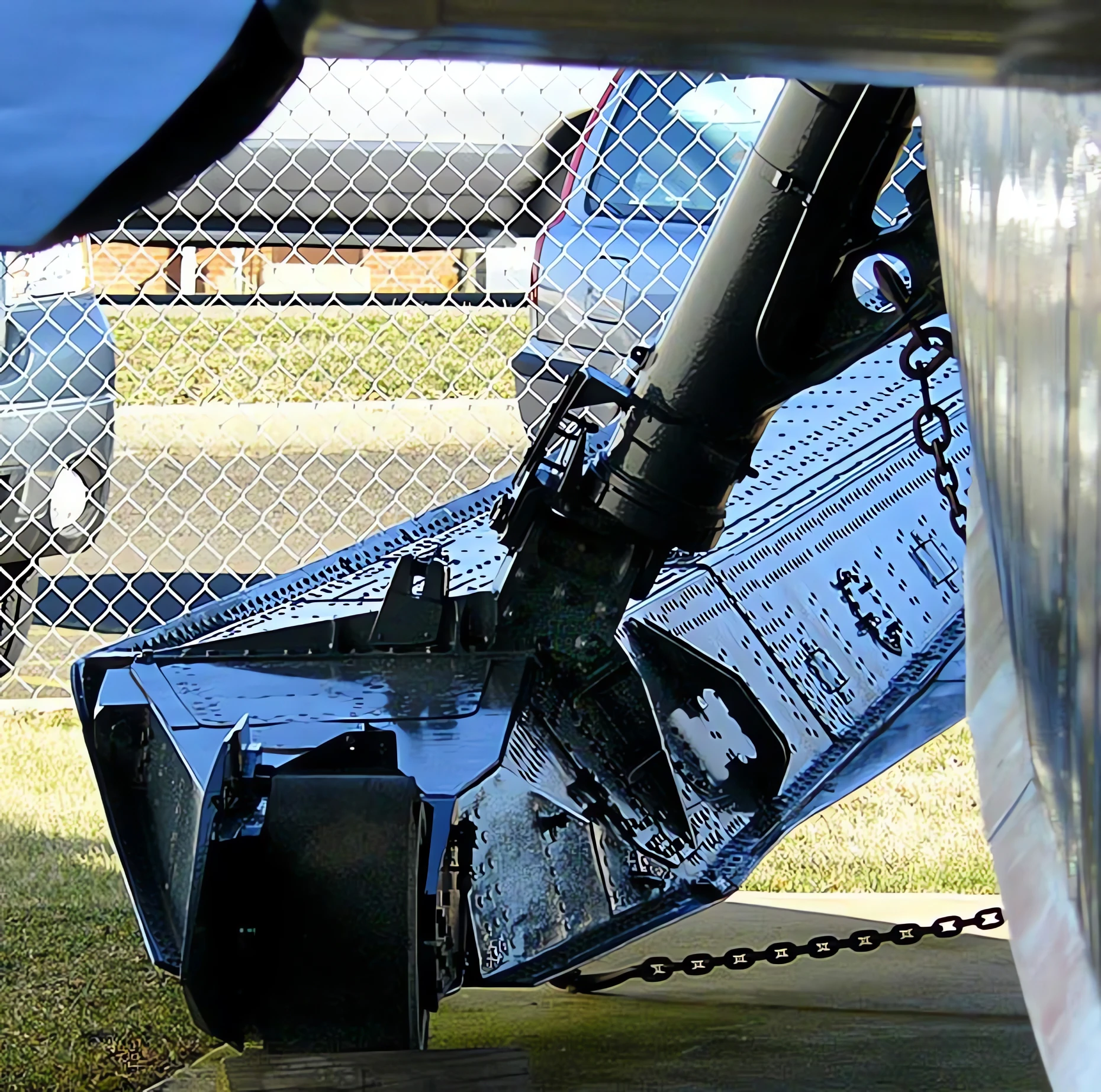
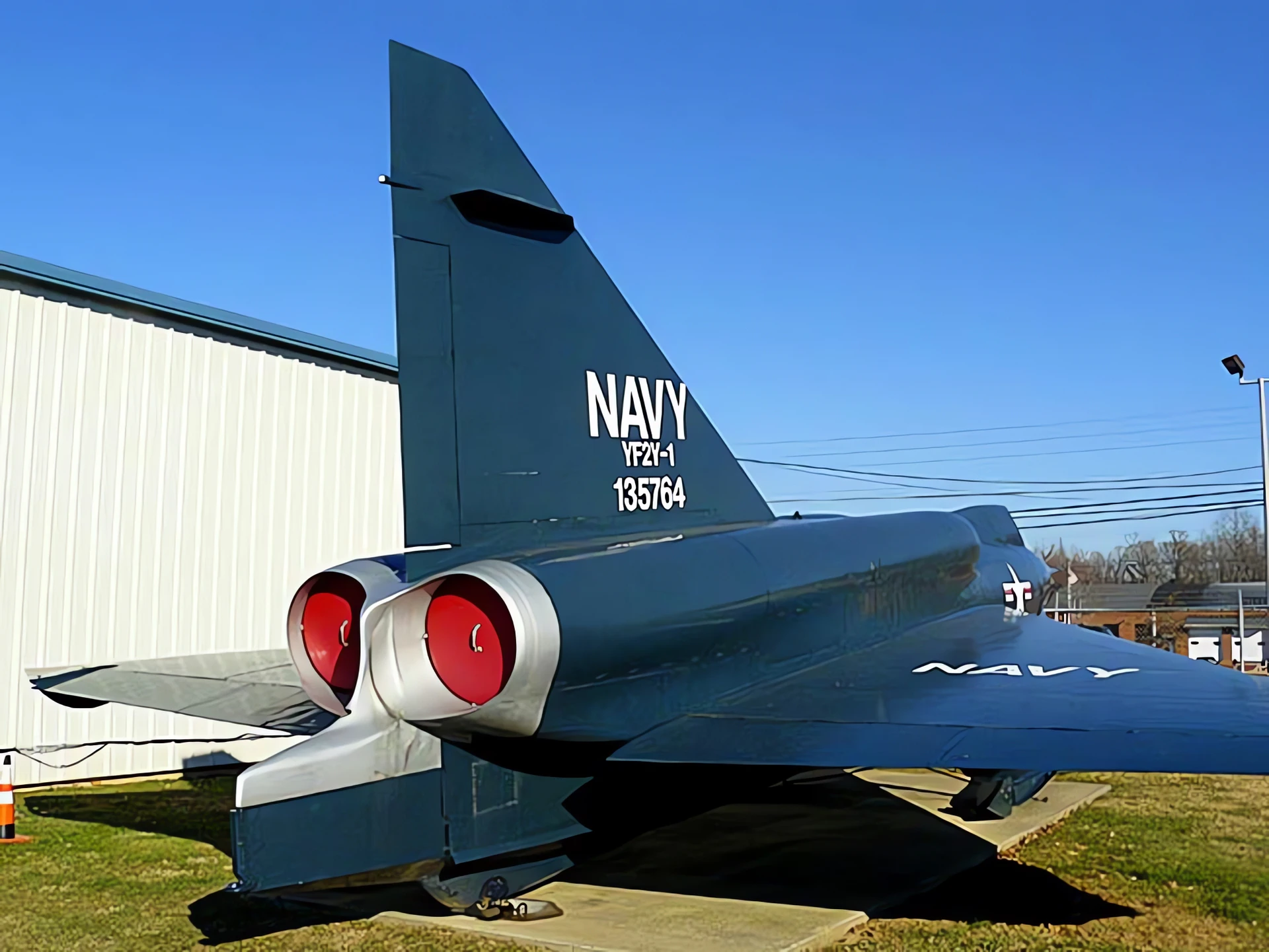
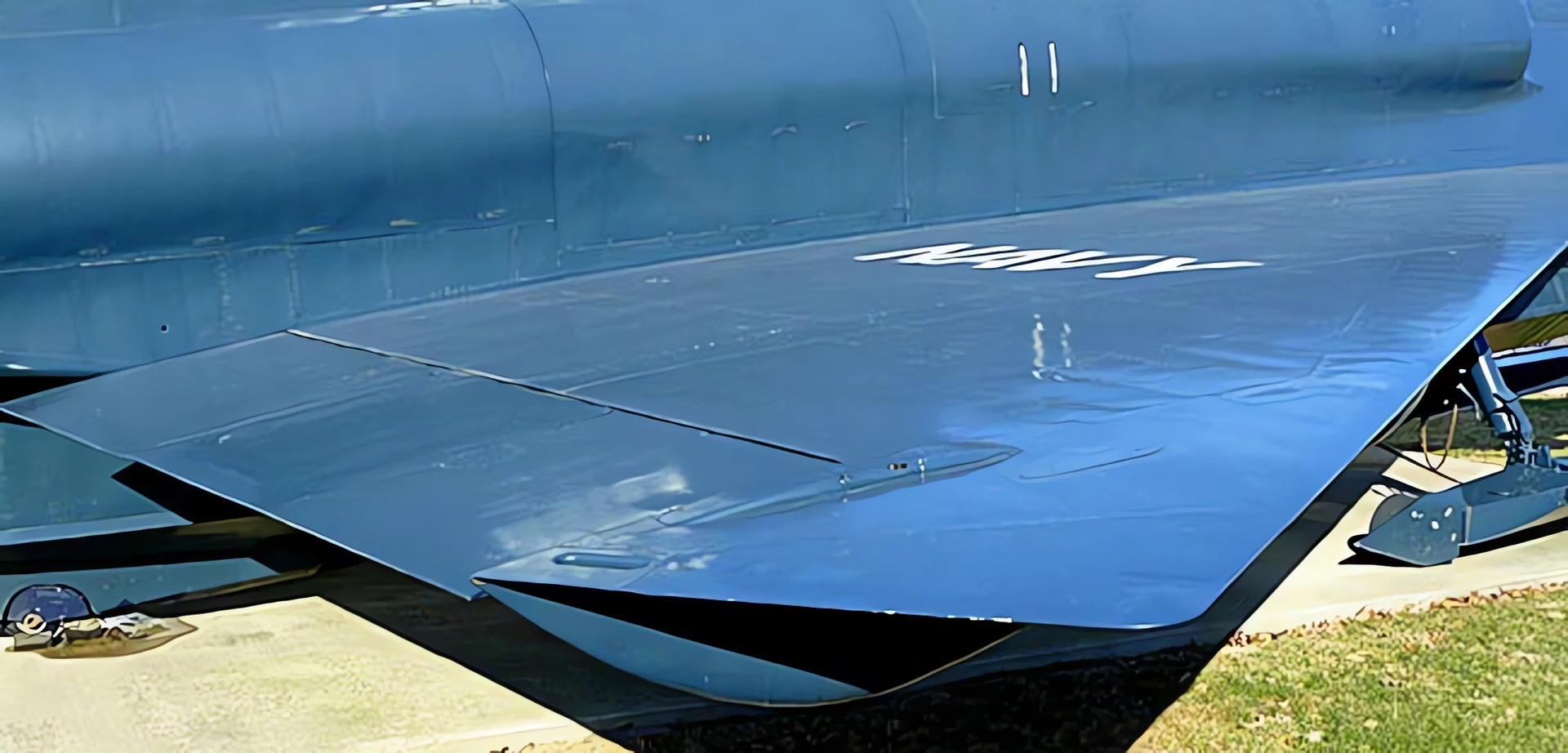
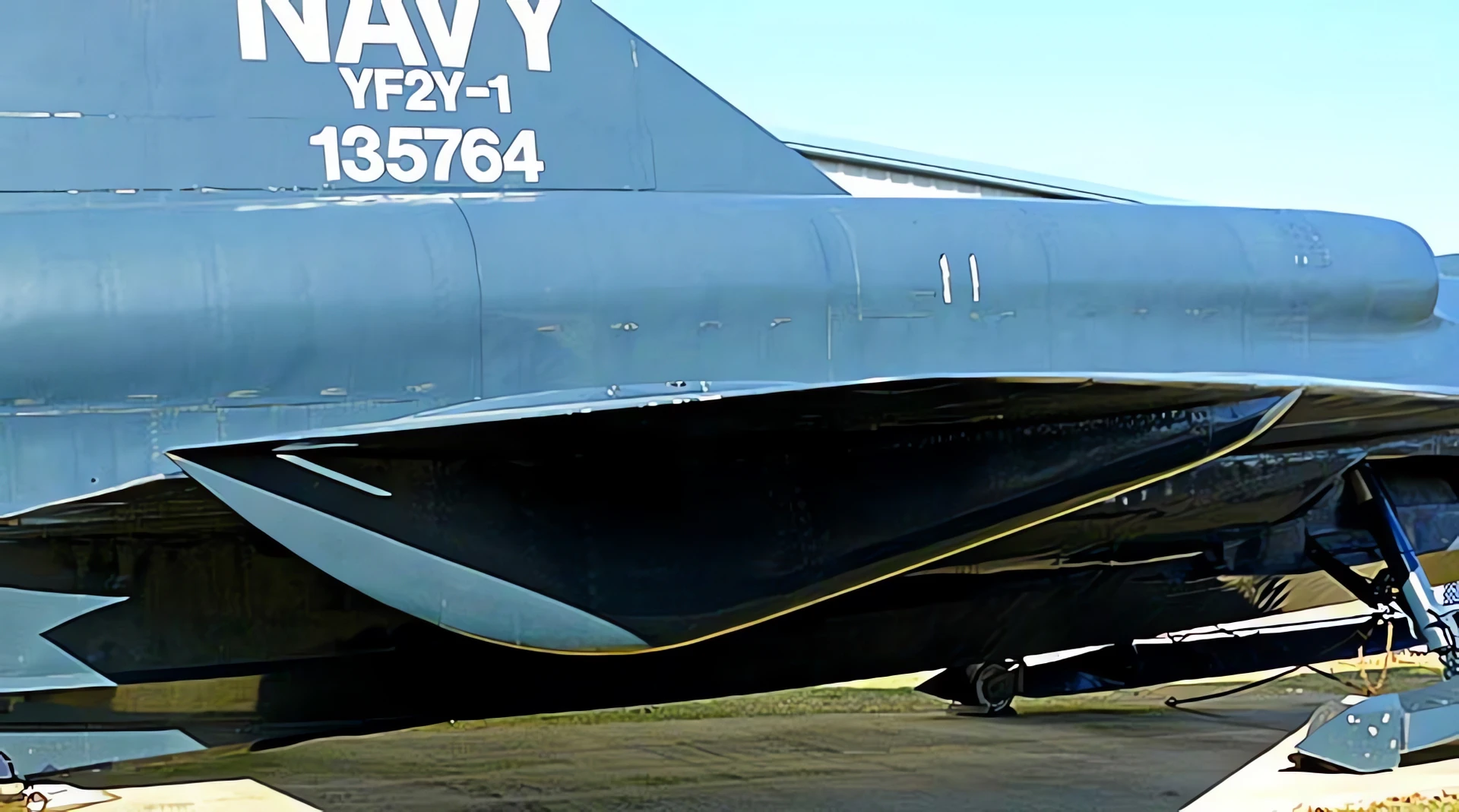
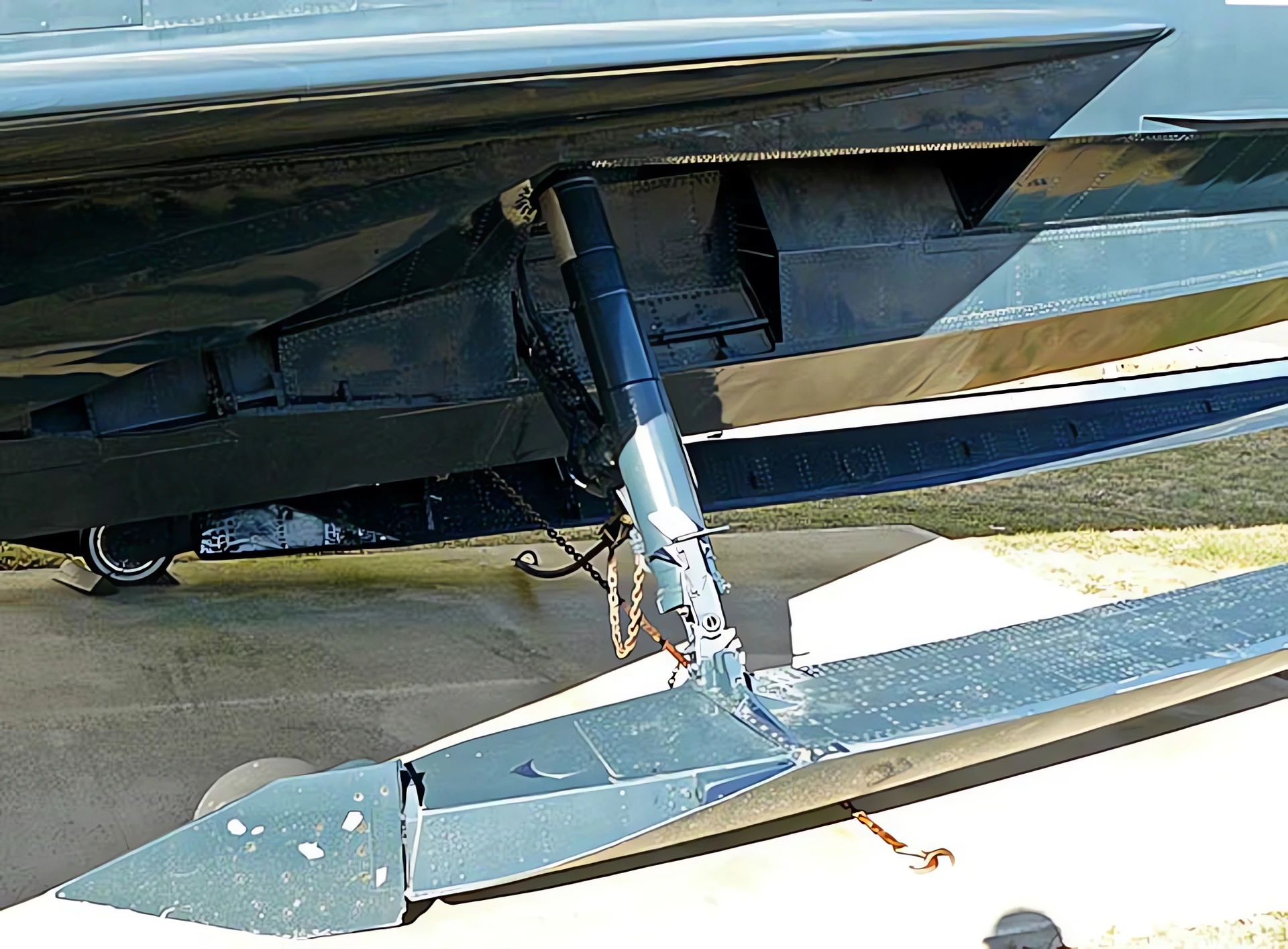

| Convair F2Y-1 Sea Dart Walk Around | |
|---|---|
| Photographer | Alex Norton |
| Localisation | Unknow |
| Photos | 33 |
Viz také:


| Convair F2Y-1 Sea Dart Walk Around | |
|---|---|
| Photographer | Howard Mason |
| Localisation | Unknow |
| Photos | 76 |
General Characteristics and Role
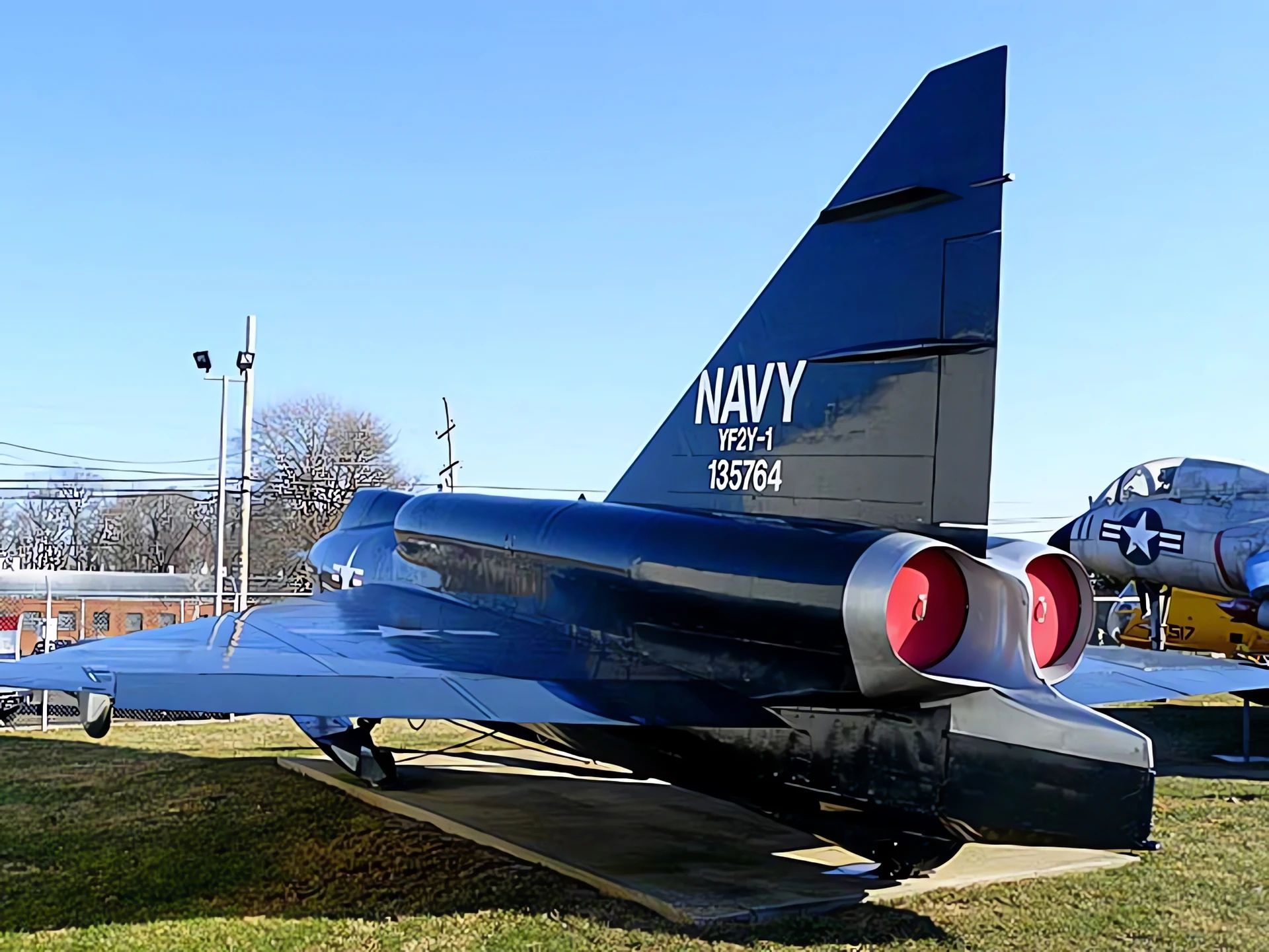
The Convair YF2Y Sea Dart was an experimental jet fighter aircraft developed by the United States Navy in the early 1950s. It holds the unique distinction of being the only seaplane capable of achieving supersonic flight (in test dives). The project aimed to explore the feasibility of a high-performance fighter that could operate from the water, bypassing the need for vulnerable fixed land bases or complex aircraft carrier launch systems. The design featured an unconventional delta wing configuration and replaced traditional landing gear with a pair of retractable hydro-skis for water operation. The prototype first flew in 1953, but the concept was ultimately abandoned due to performance, reliability issues with the skis, and the increasing reliance on large carrier decks.
| Property | Typical Value (YF2Y-1) |
|---|---|
| Roli | Experimental Supersonic Seaplane Fighter |
| National Origin | Spojené státy americké |
| Výrobce | Convair |
| First Flight | 14. ledna 1953 |
| Posádky | 1 (Pilot) |
| Délka | 16.1 m (52 ft 9 in) |
| Rozpětí křídel | 10.2 m (33 ft 6 in) |
| Výška | 5.0 m (16 ft 5 in) |
| Empty Weight | 5,739 kg (12,652 lb) |
| Gross Weight | 7,322 kg (16,143 lb) |
Propulsion and Operation
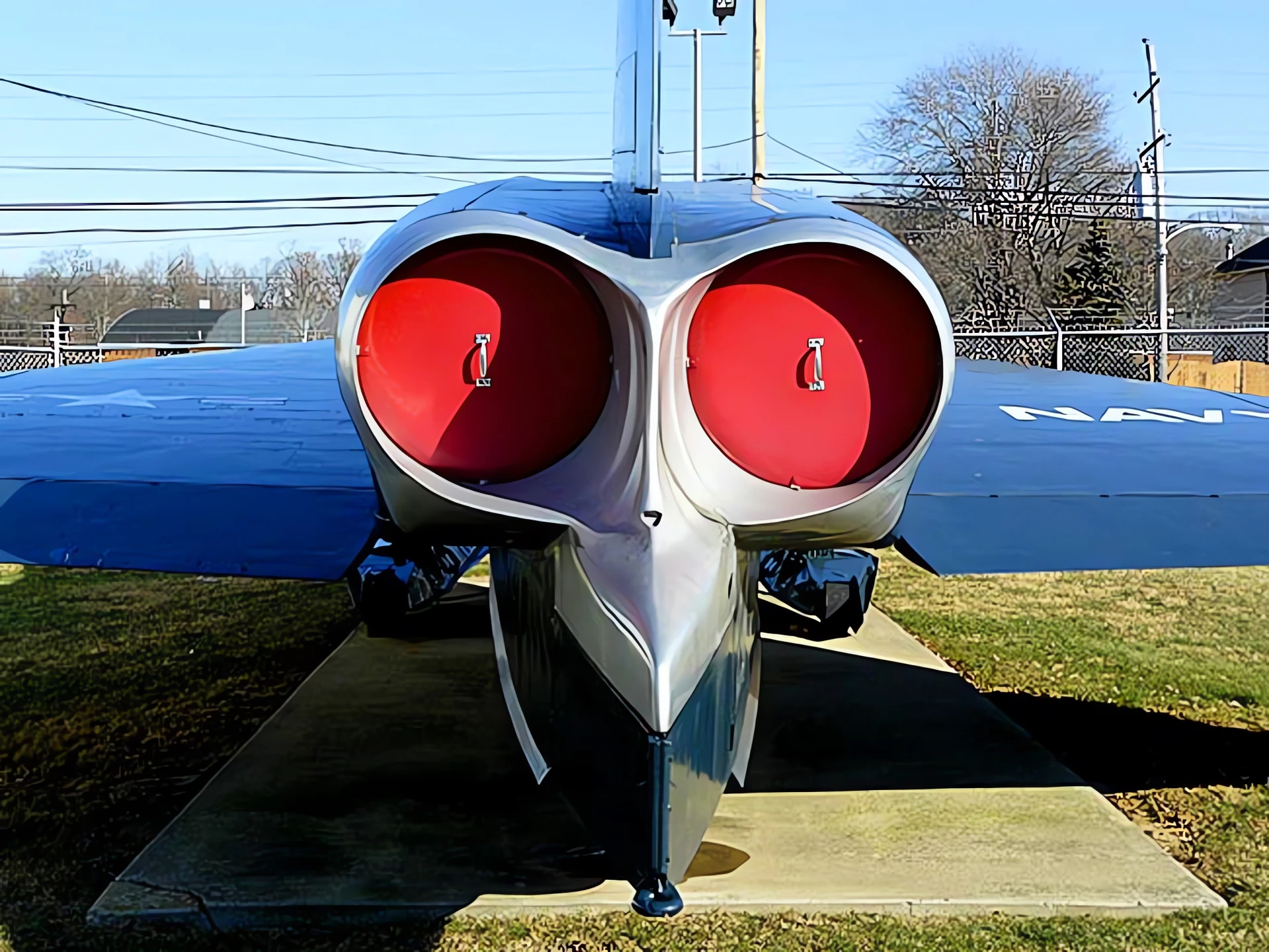
- Engine: 2 x Westinghouse J46-WE-02 turbojet engines.
- Thrust (Total): Approximately 54 kN (12,200 lbf) with afterburner.
- Maximum Speed: Mach 1.03 (in a dive—supersonic flight); designed for Mach 1+ in level flight.
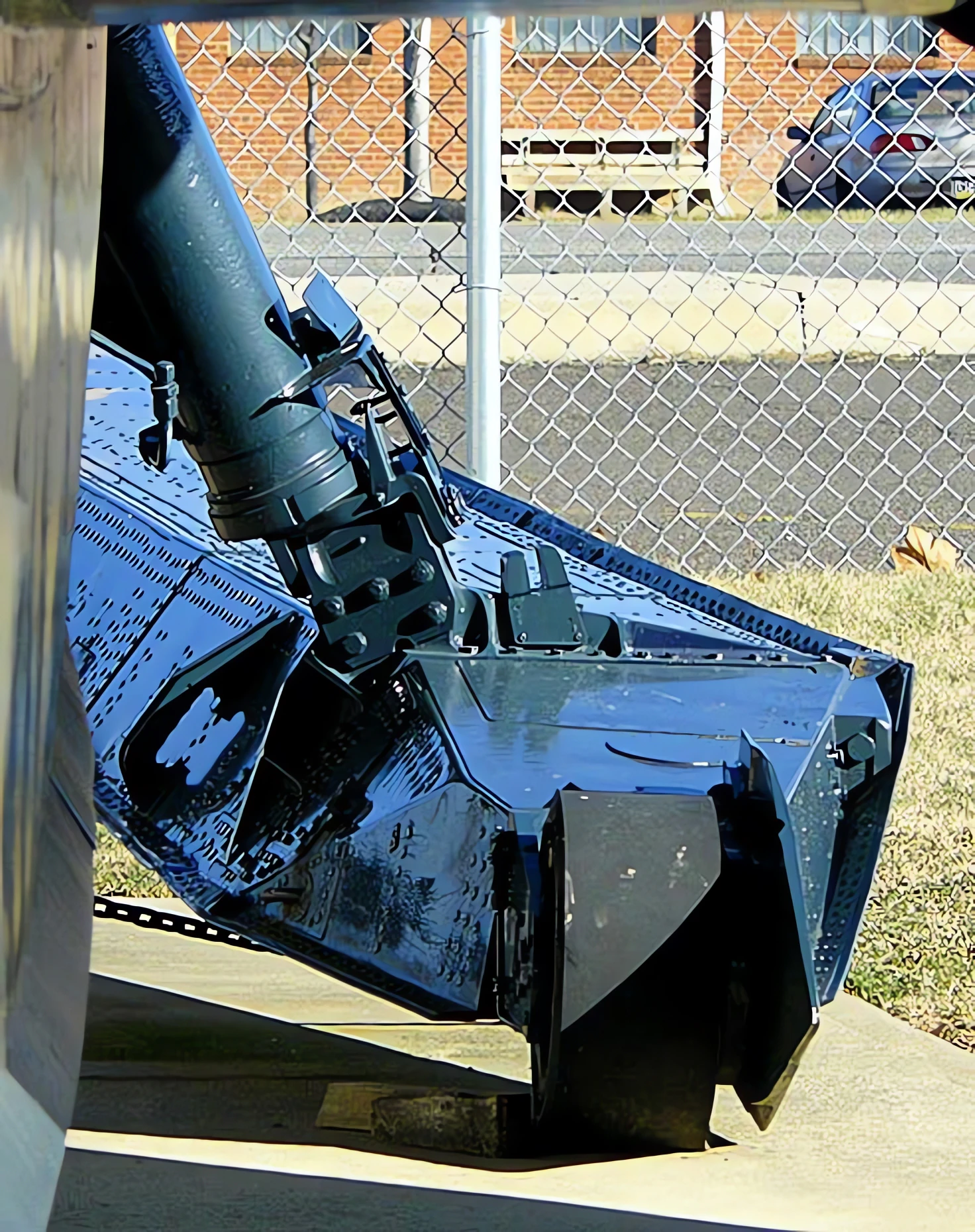
- Takeoff System: The plane would rest on its hull and rear stabilizers in the water; during the takeoff run, the hydro-skis would be lowered, lifting the hull out of the water to reduce drag until liftoff.
- Key Problem: The hydro-skis experienced severe vibration and pounding during high-speed water runs, limiting their practical use and significantly reducing their operational life.
Legacy and Termination
- Production: Only 5 prototypes were built (one XF2Y-1 and four YF2Y-1s).
- Fatal Accident: The program suffered a major setback on November 4, 1954, when one of the prototypes disintegrated mid-air during a demonstration, killing the pilot.
- Project Cancellation: The combination of performance issues (especially the inability to consistently reach supersonic speed in level flight), the fatal accident, and the growing effectiveness of carrier aircraft led the Navy to terminate the project in 1956.
- Historical Significance: The Sea Dart remains an important example of post-WWII innovation, showcasing the lengths to which designers went to explore new operational concepts for jet aircraft.
Počet zobrazení: 2408
Můžete také vidět:
 Convair XF-92 – Fotografie & Videa
 Convair C-131 Samaritán – fotografie a videa
 Aeronca L-3 – Fotografie & Video
 McDonnell F2H Banshee - Fotografie & Video
 Convair B-58A Hustler – Fotografie & Video
 Convair B-36 Peacemaker – fotografie a video
 Convair F-102A – Fotografie & Video
 Macchi MC-202 – WalkAround
 Fairey Battle – WalkAround
 Hawker Sea Fury – Procházka Kolem