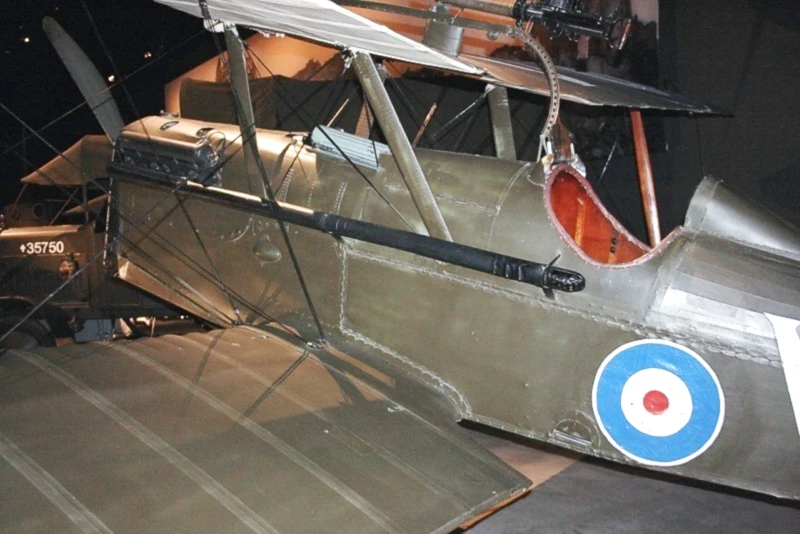
Royal самолет фабрика S.E.5 | |
|---|---|
| Страна | Великобритания |
| Роля | Биплан изтребители |
| Първи полет | 22 ноември 1916 г. |
| Построен | 5205 |
Фото галерия на Royal самолет фабрика S.E.5, The Royal Aircraft Factory S.E.5 was a British biplane fighter aircraft of the First World War. It was developed by the Royal Aircraft Factory by a team consisting of Henry Folland, John Kenworthy and Major Frank Goodden. It was one of the fastest aircraft of the war, while being both stable and relatively manoeuvrable. According to aviation author Robert Jackson, the S.E.5 was: “the nimble fighter that has since been described as the ‘Spitfire of World War One'”.
Източник: Кралски самолет фабрика S.E.5 на Wiki
| Royal Aircraft Factory S.E.5 | |
|---|---|
| Фотограф | Жан Томас Римбърт |
| Локализация | Не знам |
| Снимки | 38 |
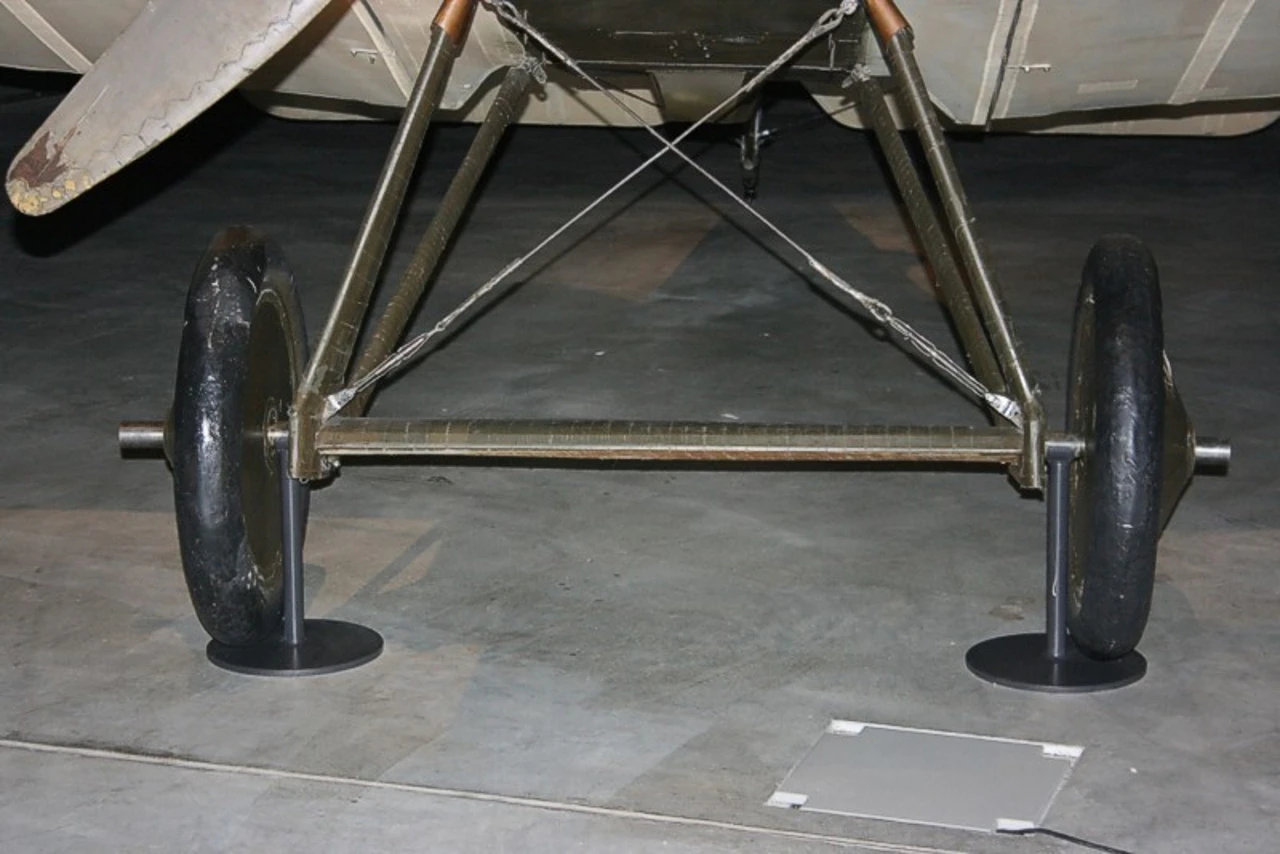
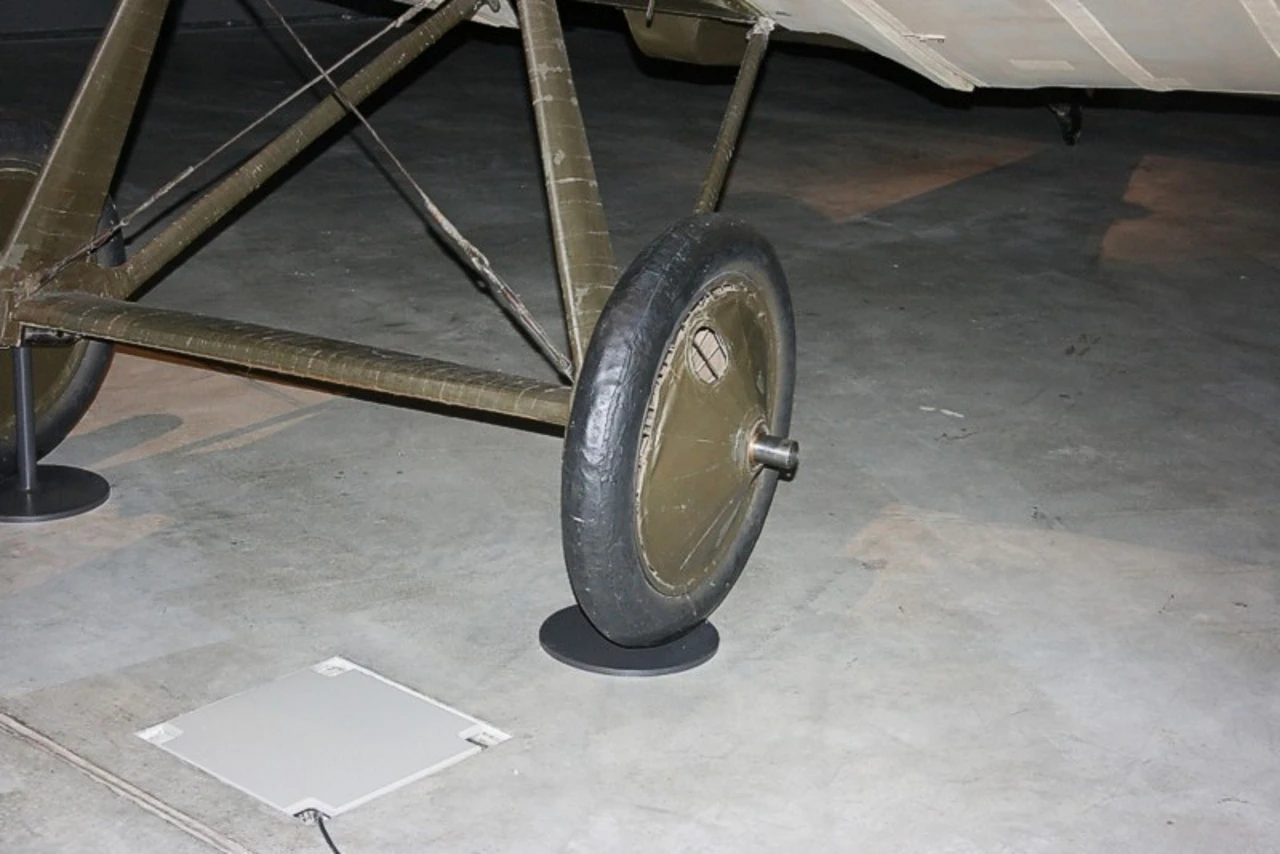
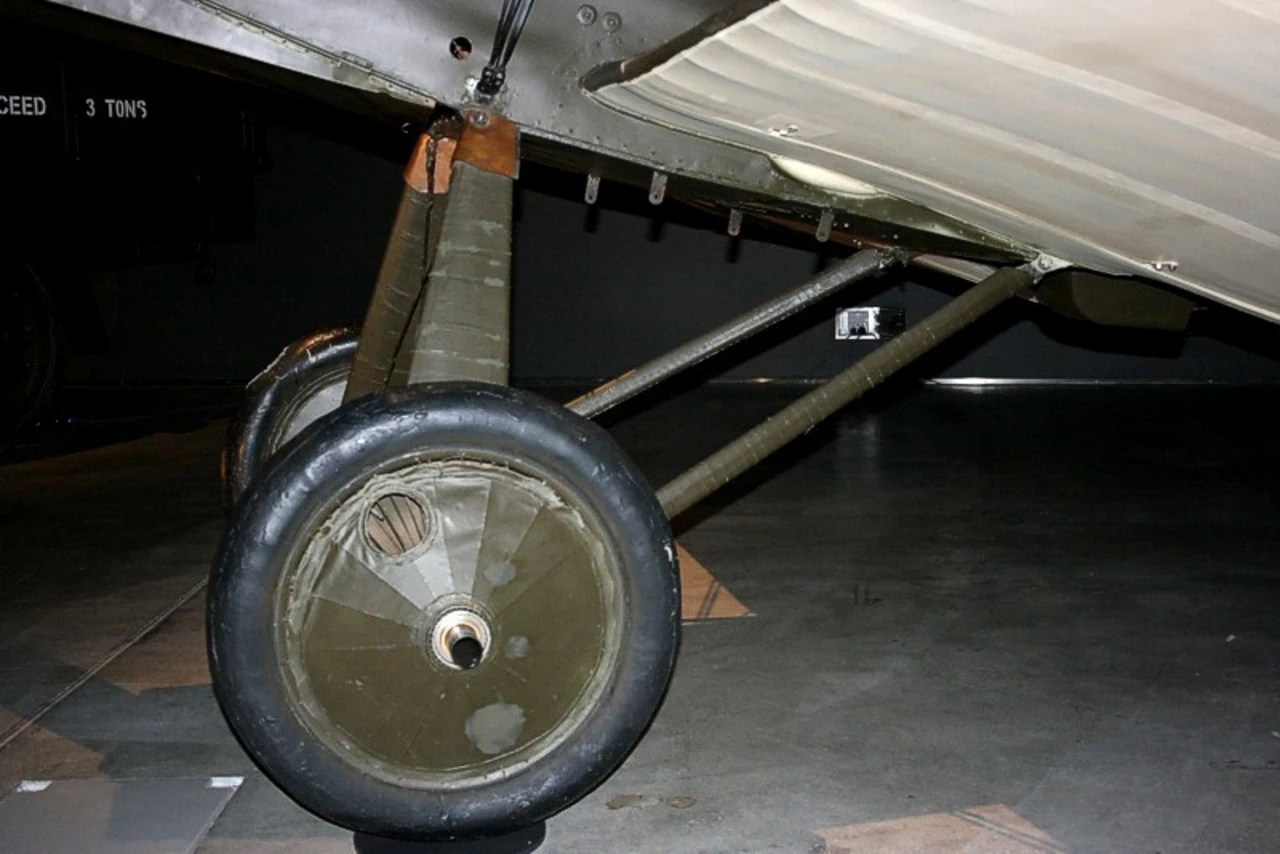
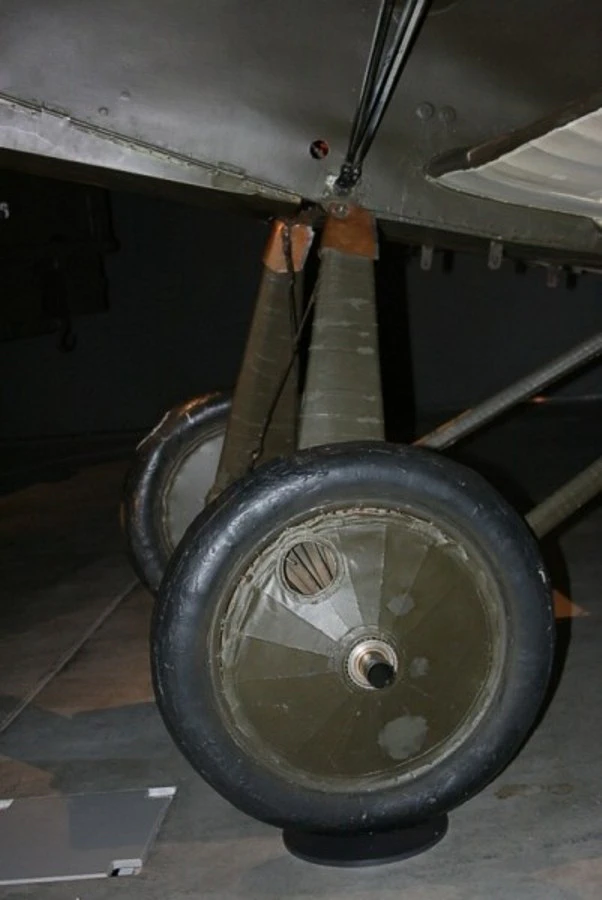
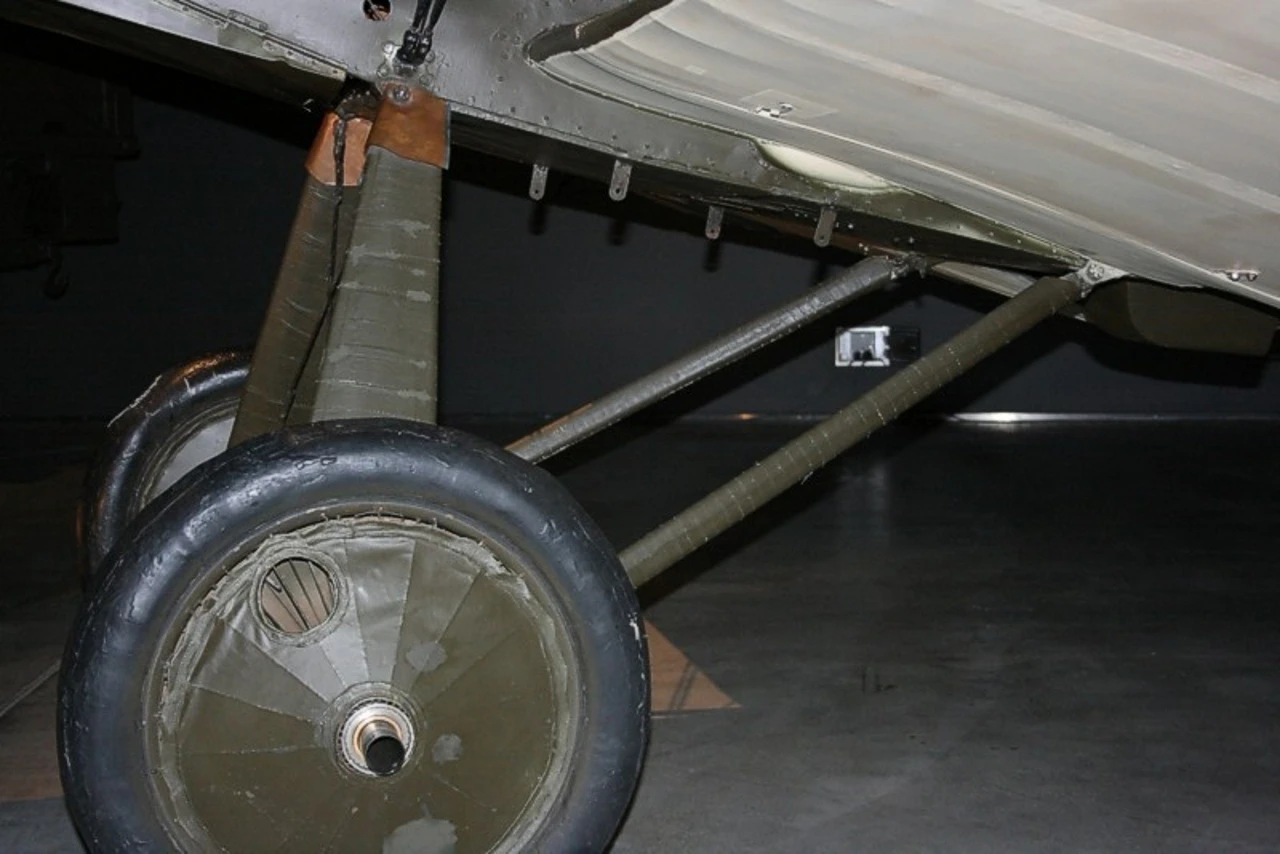
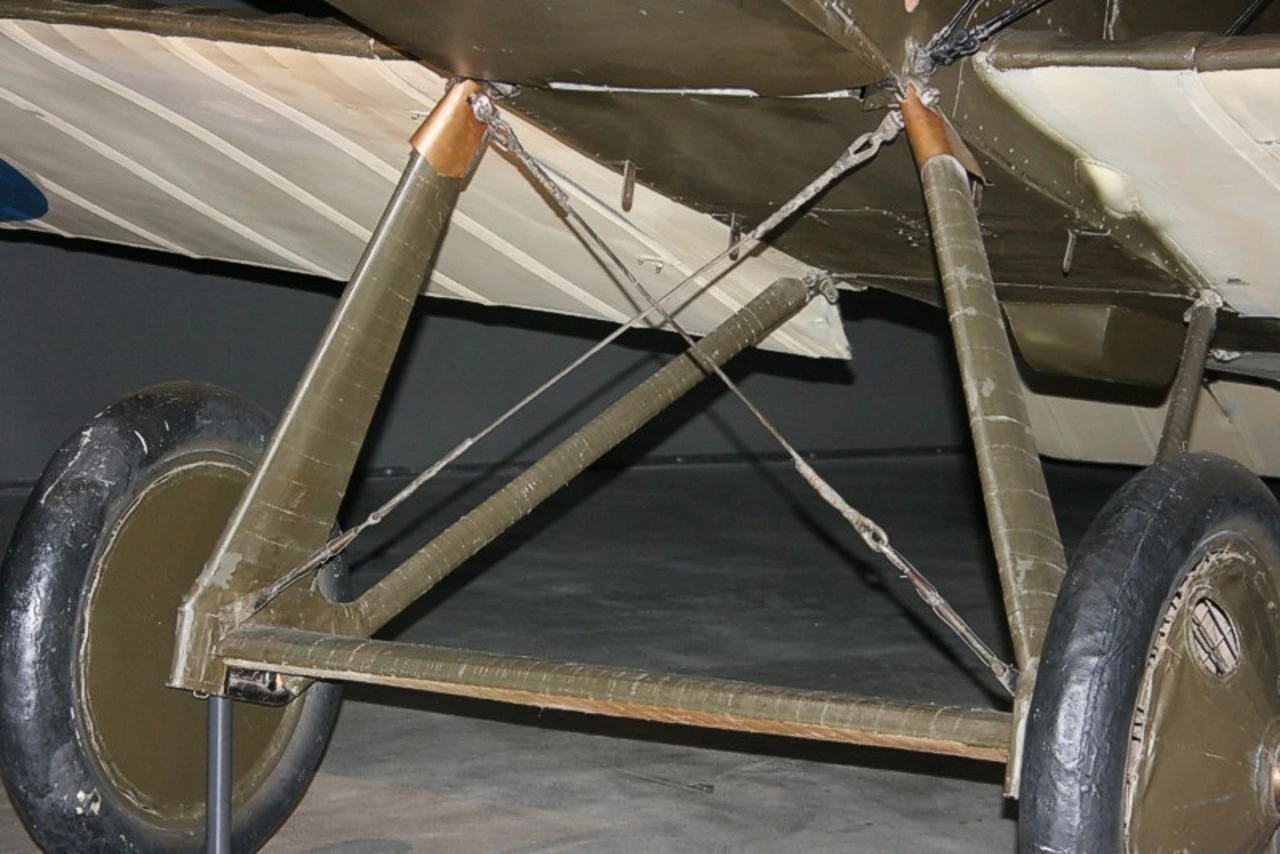
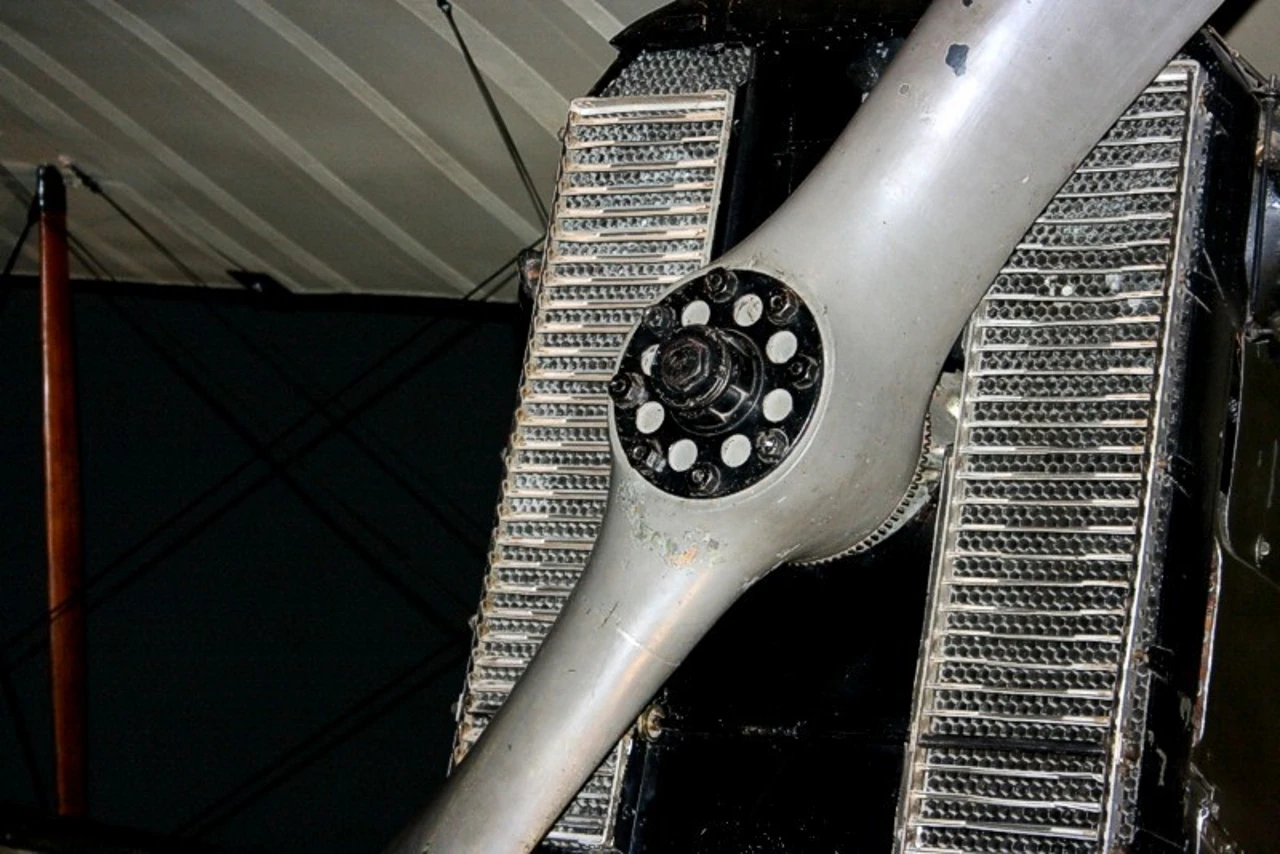
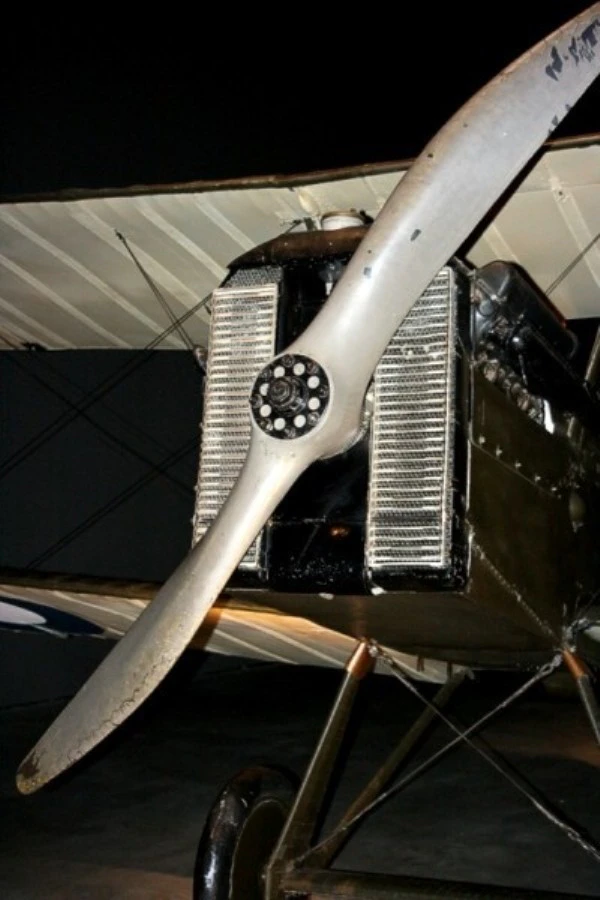
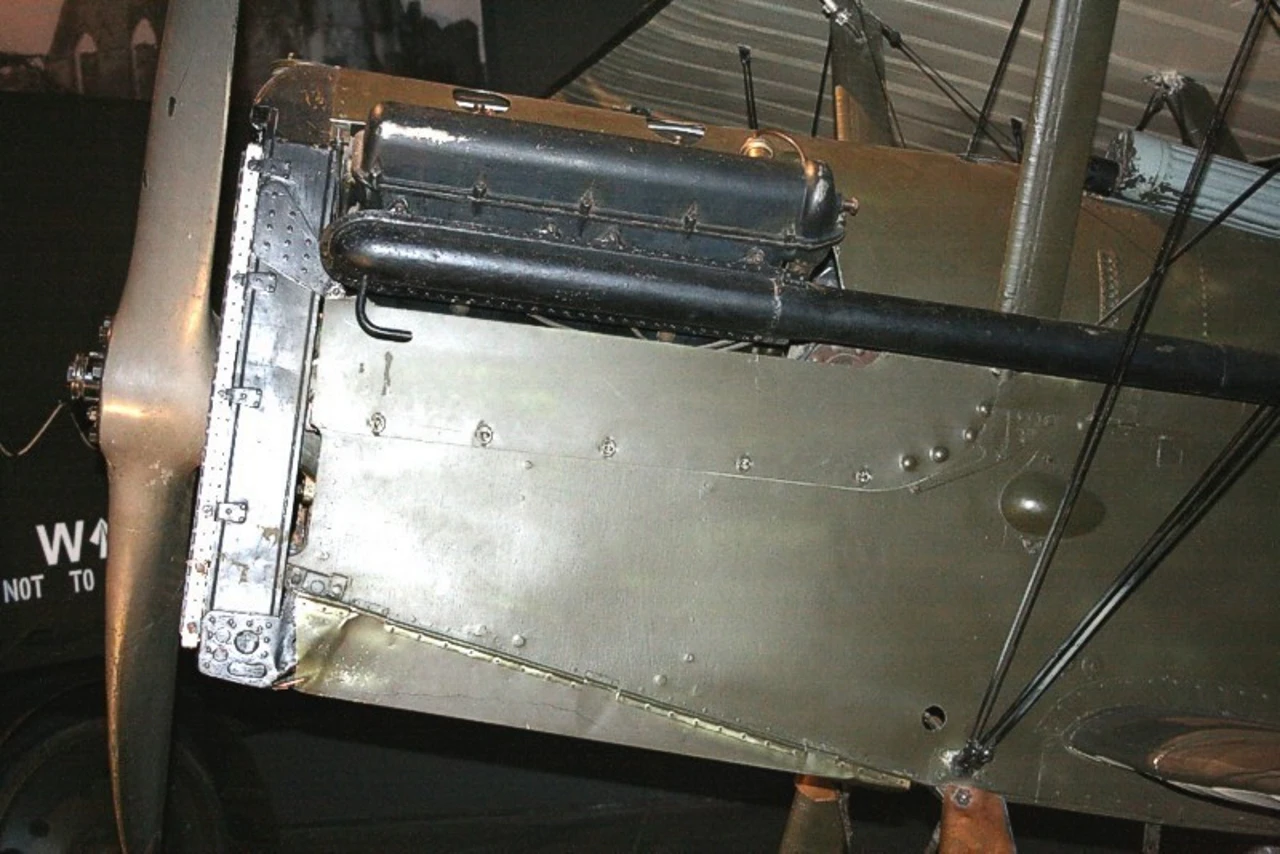

| Royal Aircraft Factory S.E.5a Walk Around | |
|---|---|
| Фотограф | Не знам |
| Локализация | |
| Снимки | 17 |
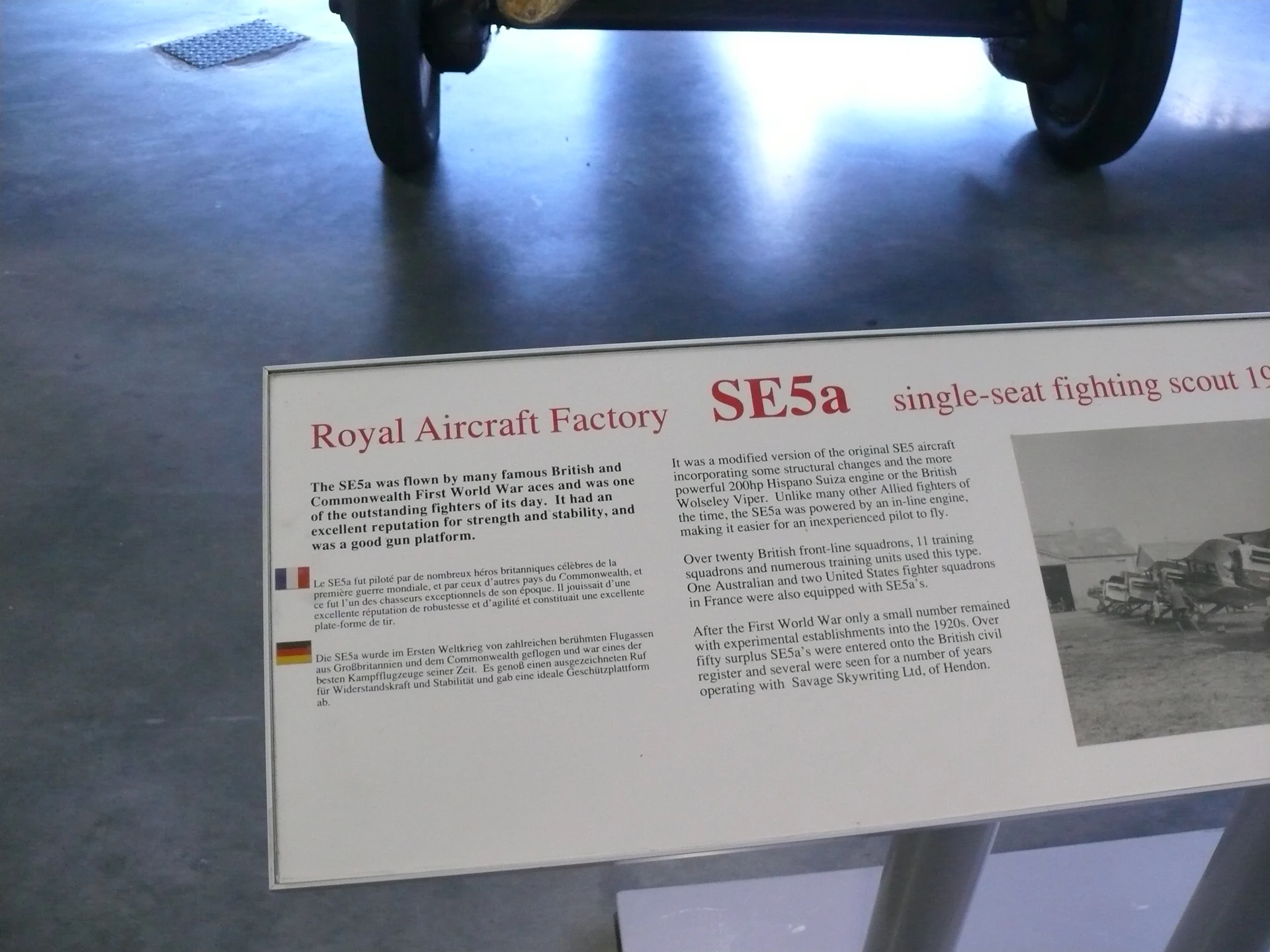
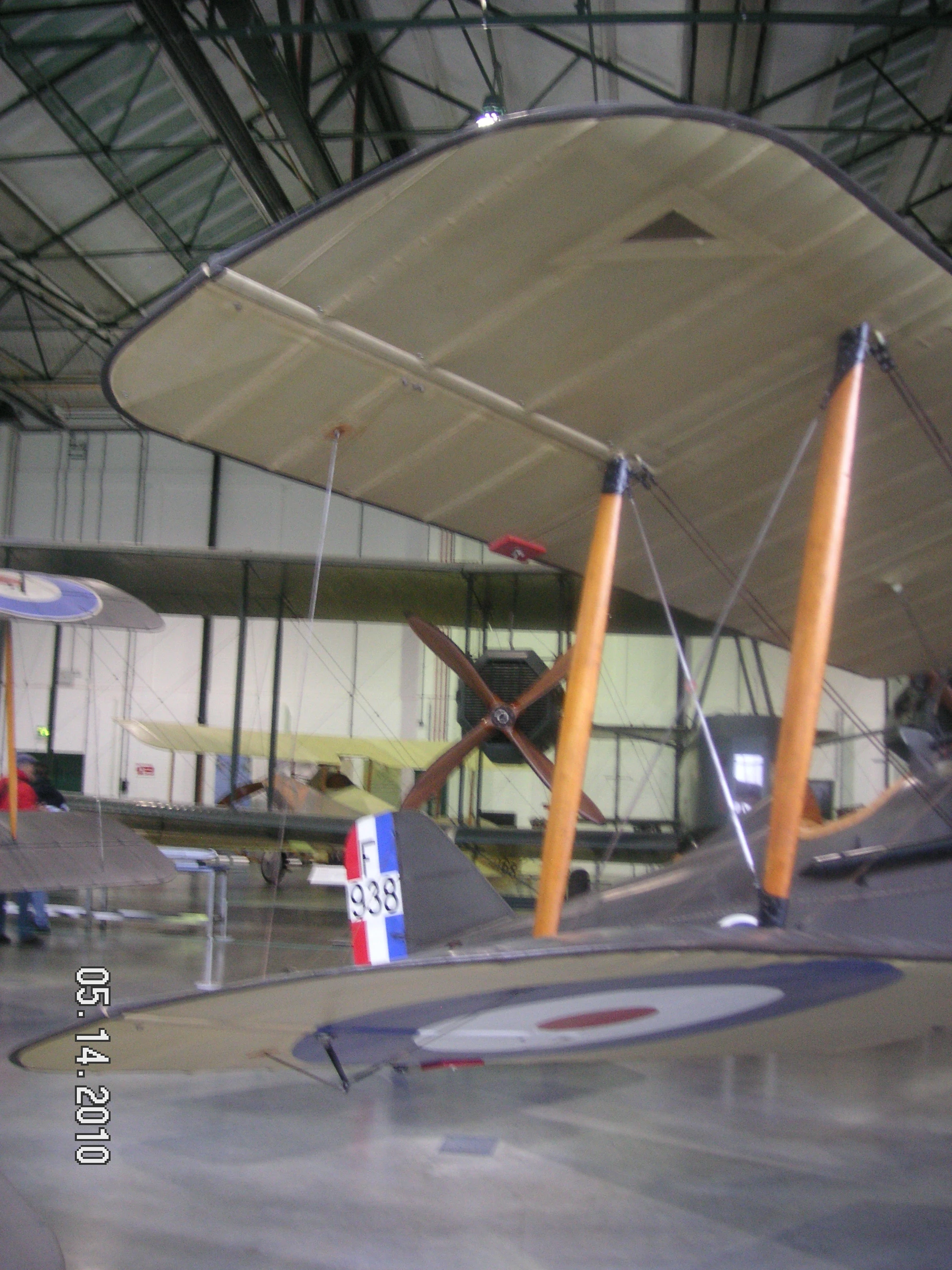
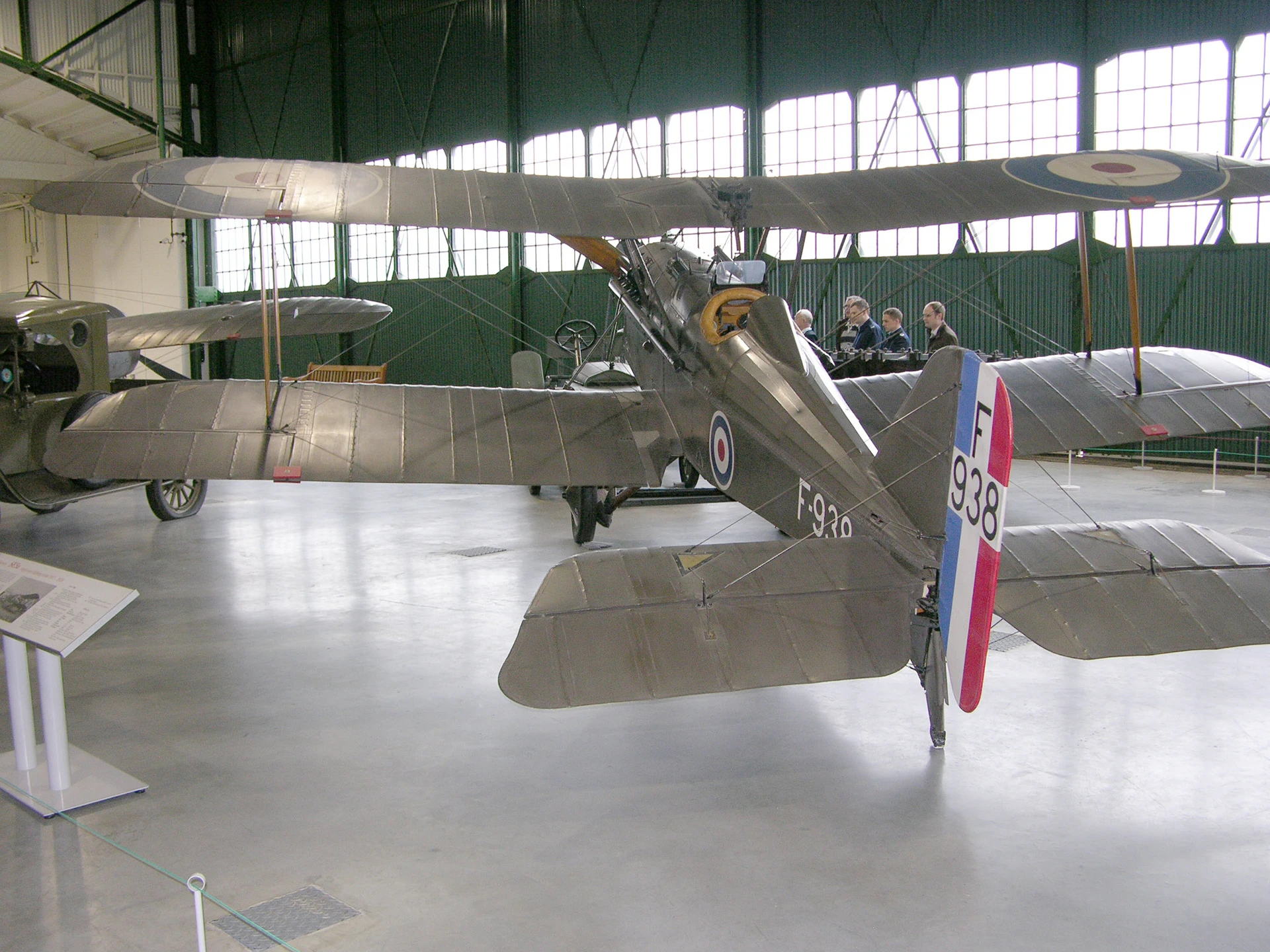
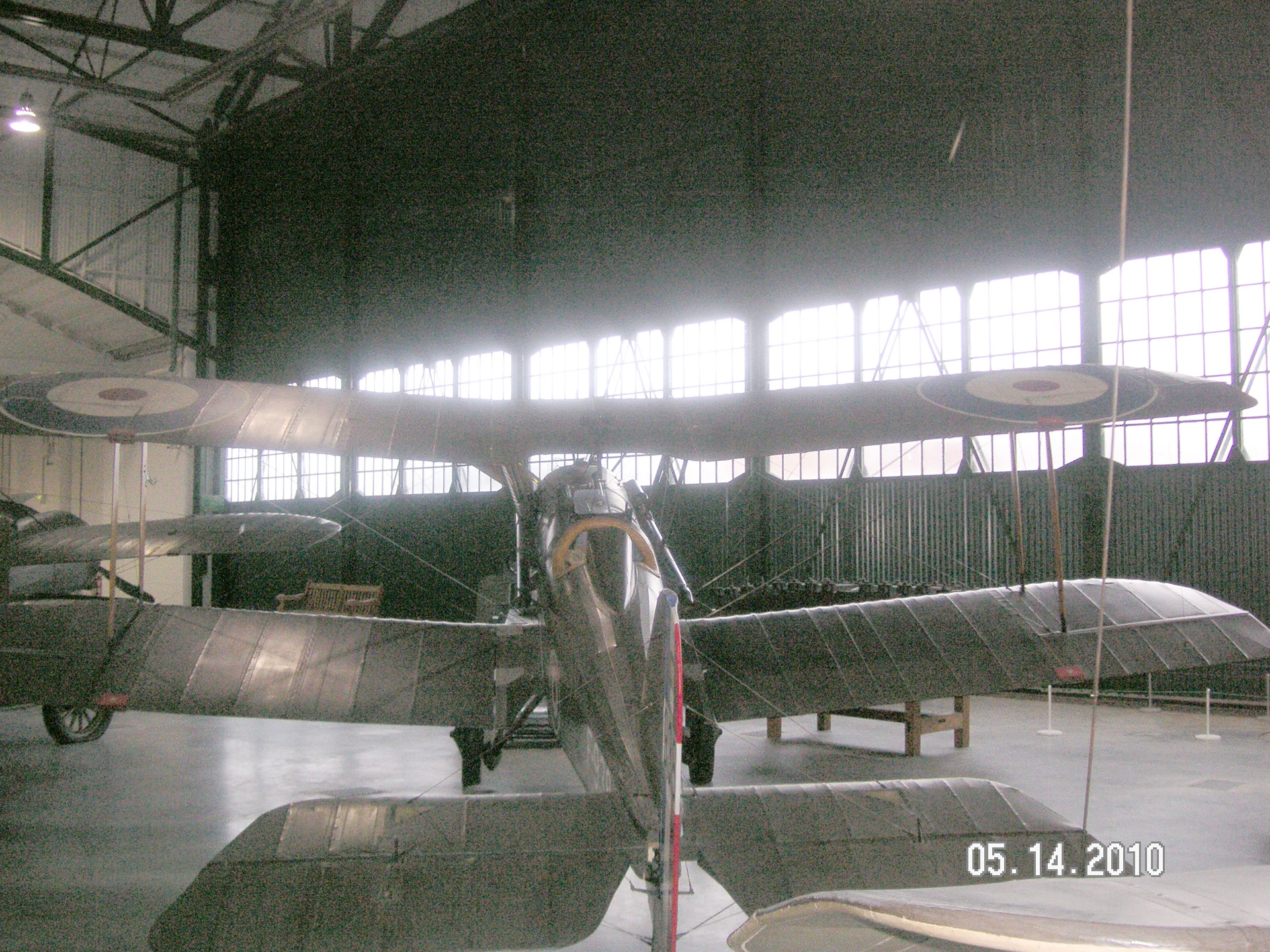
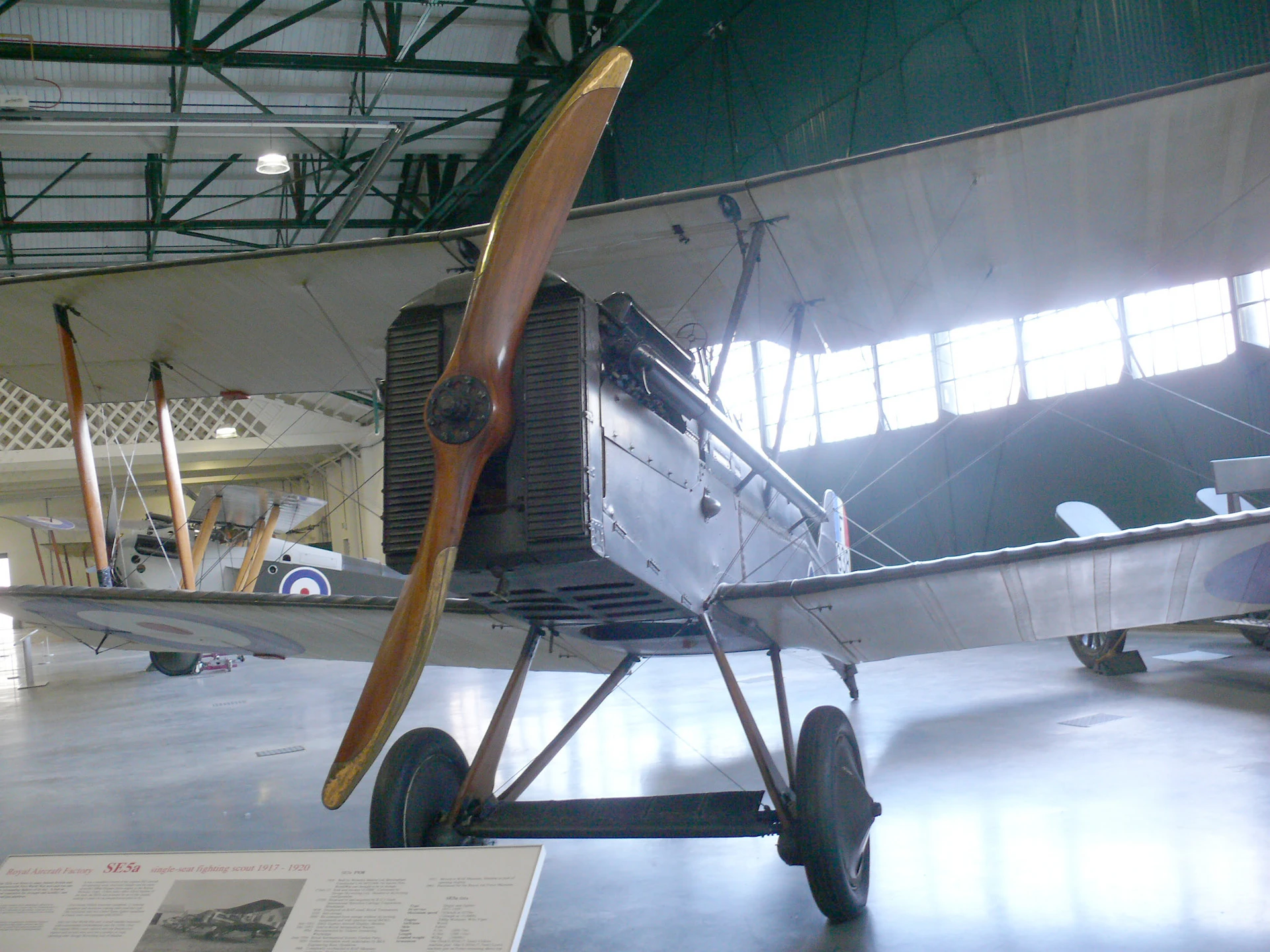
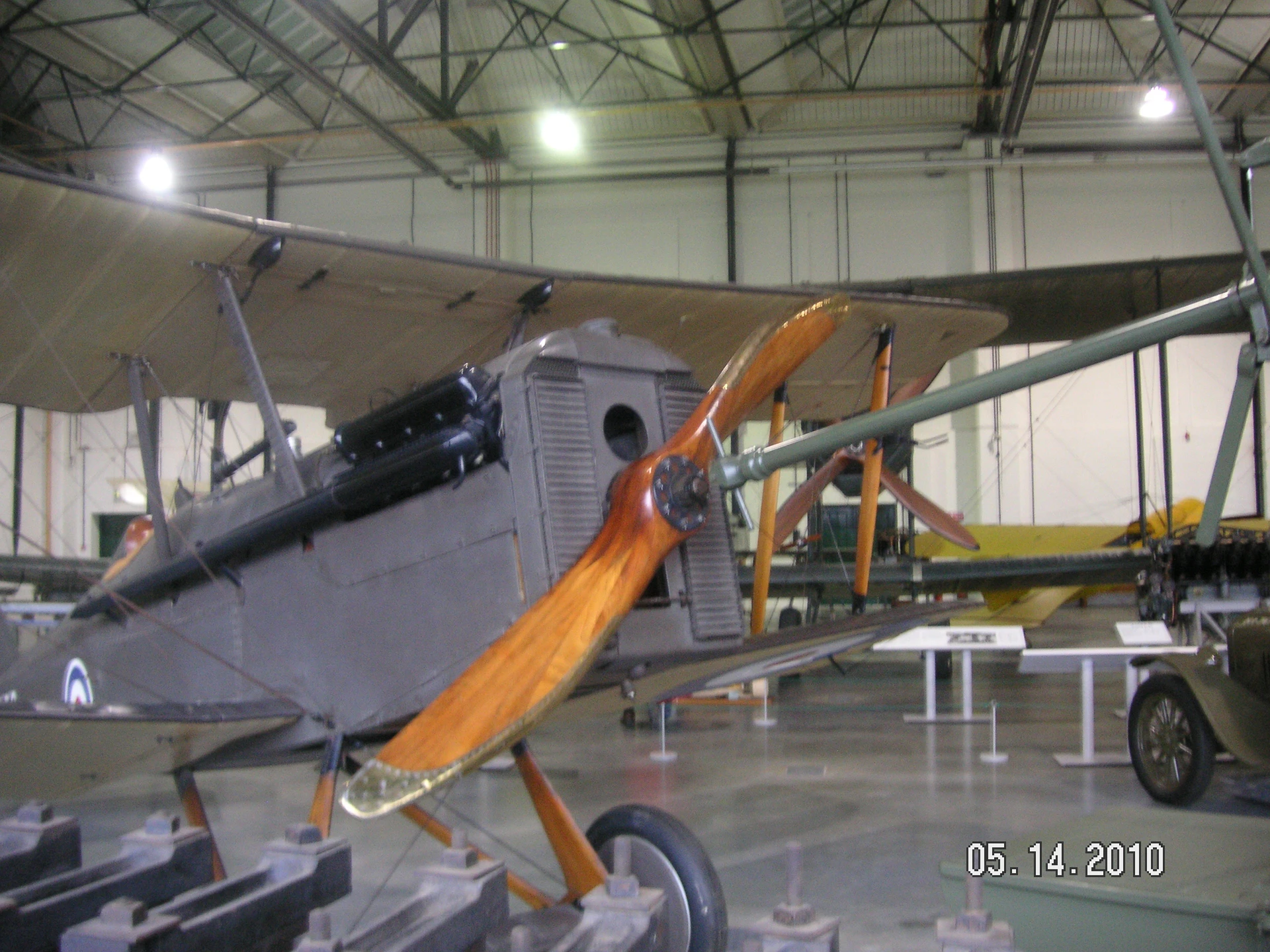
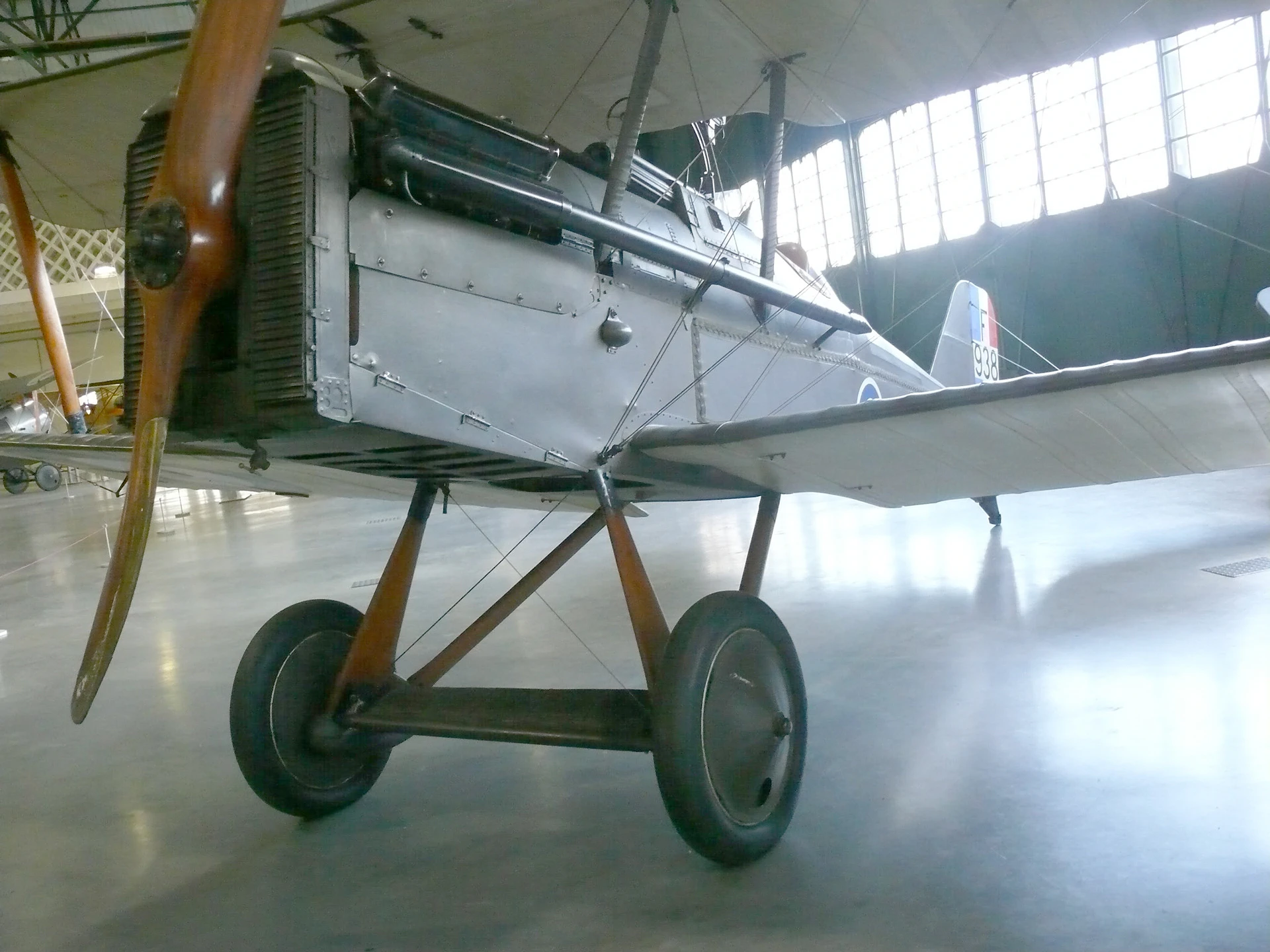
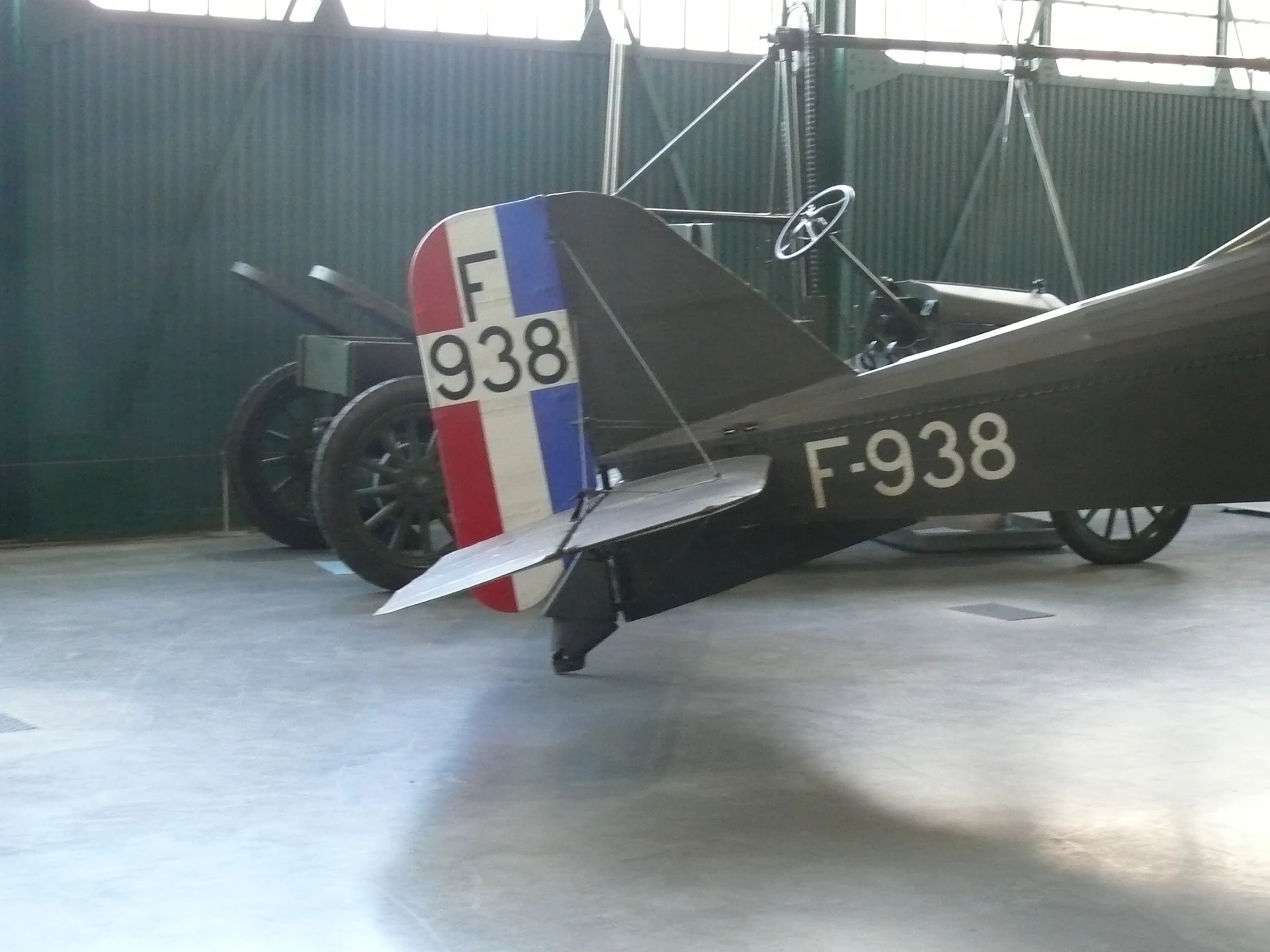
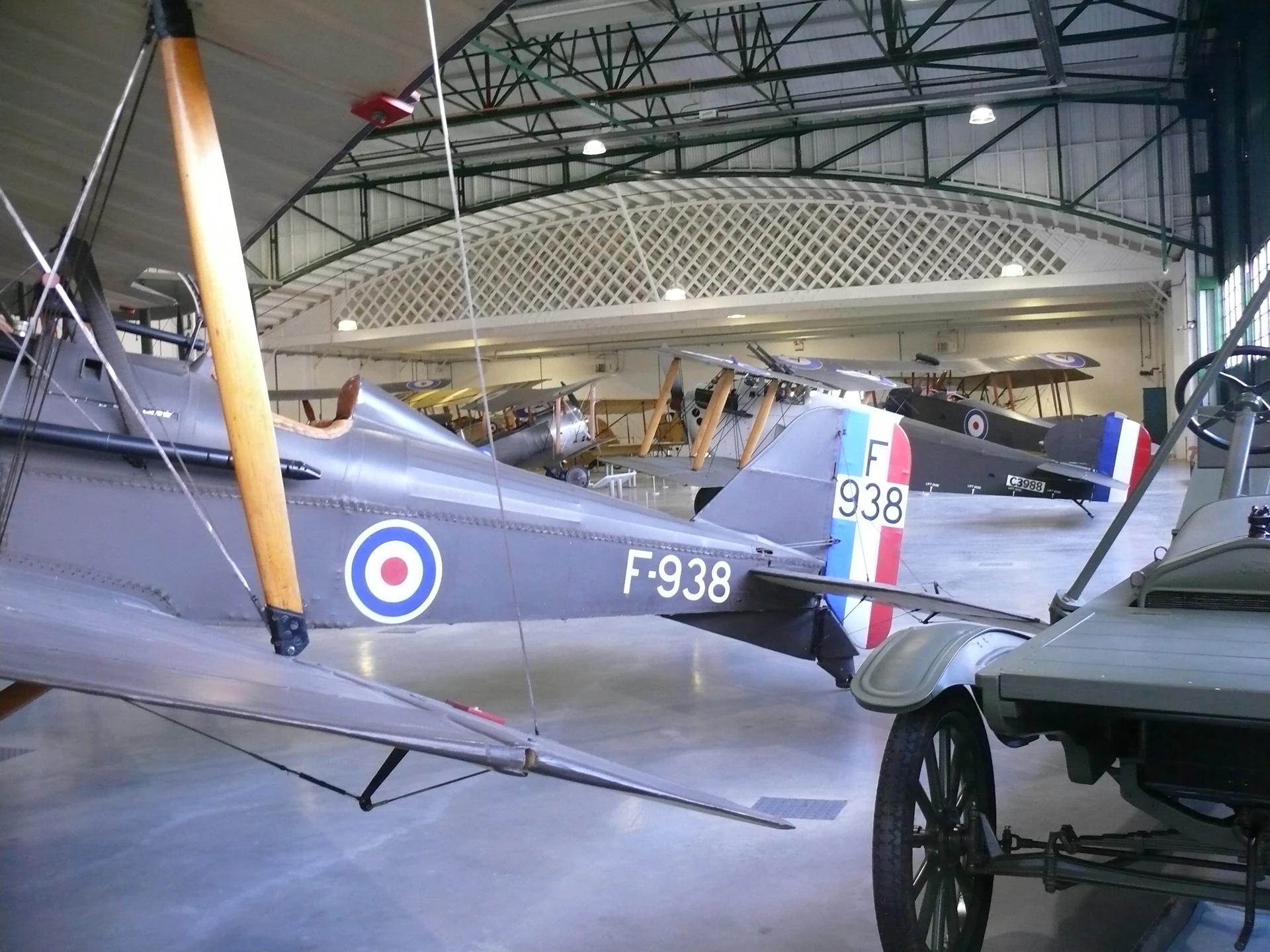
Вижте също:


The Pilot’s Gun Platform
1. S.E.5 (Scout Experimental 5) was a British biplane fighter that, alongside the Sopwith Camel, was instrumental in regaining Allied air superiority in 1917. Designed by Henry Folland and his team at the Royal Aircraft Factory, it was the antithesis of the twitchy, rotary-engined Camel. The S.E.5 was built for speed, stability, and high-altitude performance. It was exceptionally strong and famously easy to fly, making it the preferred mount for many of the British Empire’s greatest aces, including Albert Ball and Mick Mannock.
| Attribute | Technical Specification (S.E.5a) |
|---|---|
| Роля | Fighter Aircraft / Scout |
| Екипажа | 1 (Pilot) |
| First Flight | November 22, 1916 |
| Силова установка | 1 × Hispano-Suiza 8 or Wolseley Viper V8 |
| Horsepower | 200 hp (150 kW) |
| Maximum Speed | 138 mph (222 km/h) |
| Service Ceiling | 17,000 feet (5,185 m) |
| Въоръжение | 1 × .303 Vickers (synchronized); 1 × .303 Lewis (over wing) |
Design Engineering: Stable and Lethal
- The Foster Mount: Because early synchronization gear for firing through the propeller was unreliable, the S.E.5 featured a Lewis gun mounted on a curved rail above the top wing. This “Foster Mount” allowed the pilot to pull the gun down to change drums or fire upwards into the belly of an enemy aircraft.
- The V8 Engine: Unlike the rotating “rotary” engines of the era, the S.E.5 used a stationary, water-cooled V8. This eliminated the massive gyroscopic effect that made other fighters difficult to turn, resulting in a rock-steady gun platform.
- Square-Cut Wings: The wing design was simple and robust, with a constant chord and square tips. While it lacked the “pretty” curves of French designs, it was incredibly strong, allowing the S.E.5 to survive high-speed dives that would tear the wings off a contemporary Albatros.
- Adjustable Tailplane: The pilot could adjust the angle of the horizontal stabilizer in flight using a handwheel. This allowed the pilot to trim the aircraft for “hands-off” flight at different speeds, reducing fatigue during long patrols.
The Ace Maker
- Albert Ball’s Influence: Legendary ace Albert Ball was involved in the early testing. He initially disliked the aircraft because it was “too stable,” but he eventually used its high speed and the Foster Mount’s upward-firing capability to devastating effect.
- The “Wolf” of the Skies: While the Sopwith Camel was a better dogfighter in a “turning bee,” the S.E.5a was the master of “zoom and boom.” It could dive on an enemy, fire a lethal burst, and use its superior speed to climb back to safety before the enemy could react.
- Industrial Reliability: The move to the 200hp Wolseley Viper engine (a simplified version of the Hispano-Suiza) solved many early reliability issues, making the S.E.5a one of the most dependable fighters on the Western Front.
- Post-War Utility: Many S.E.5as were used after the war for skywriting and as early air-racers. Its ruggedness meant that several examples survived into the modern era, and it remains a favorite for high-end reproductions today.
Views : 2858
Можете да видите също :
 Летов С-20 – Снимки и Видео
 Avro 504 – Снимки и видео
 Focke-Wulf Fw 44 – Снимки и видеоклипове
 Fairey Swordfish – Снимки & Видео
 Verville-Sperry M-1 Messenger – Снимки и видео
 Supermarine Seagull V – Снимки и видео
 Caproni Ca.113 – Снимки и видео
 Stampe SV.4 – Снимки и видео
 Поликарпов По-2 – Снимки и видео
 Caudron G.4 – Снимки и видео