Hiller HJ-1 Hornet | |
|---|---|
| 国家 | 美国 |
| 作用 | 实验直升机 |
| 首次飞行 | 1950 |
| 建立 | 18 |
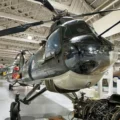
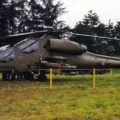
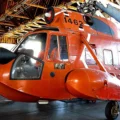
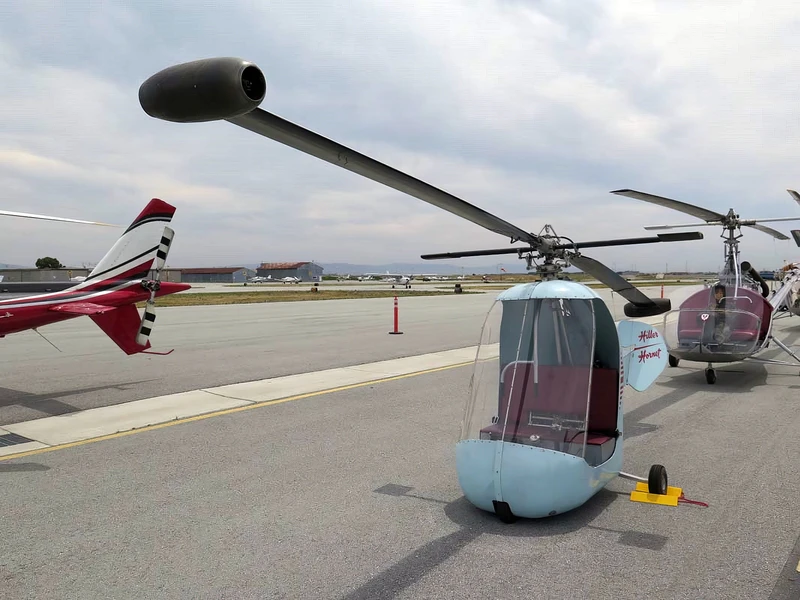
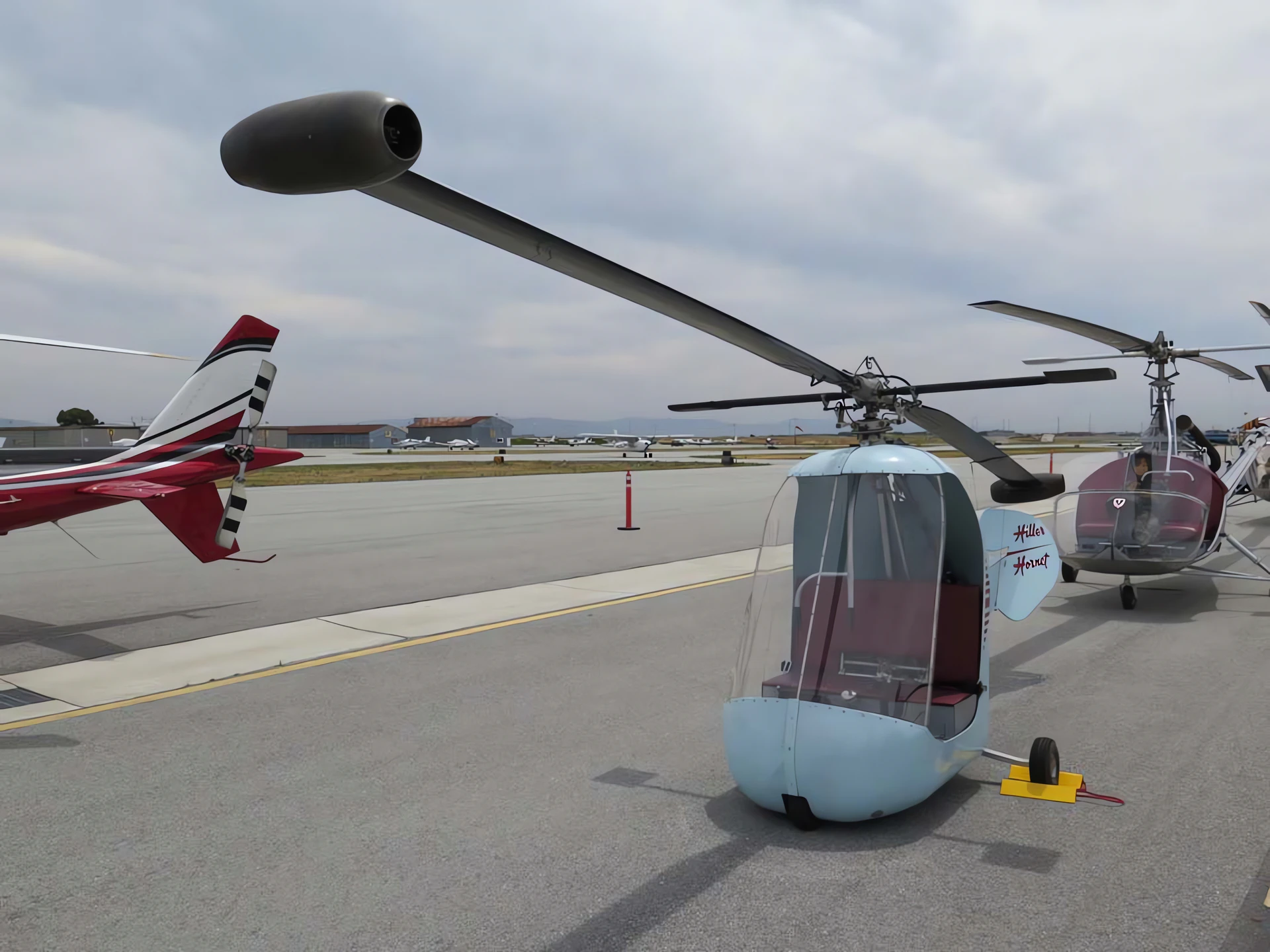
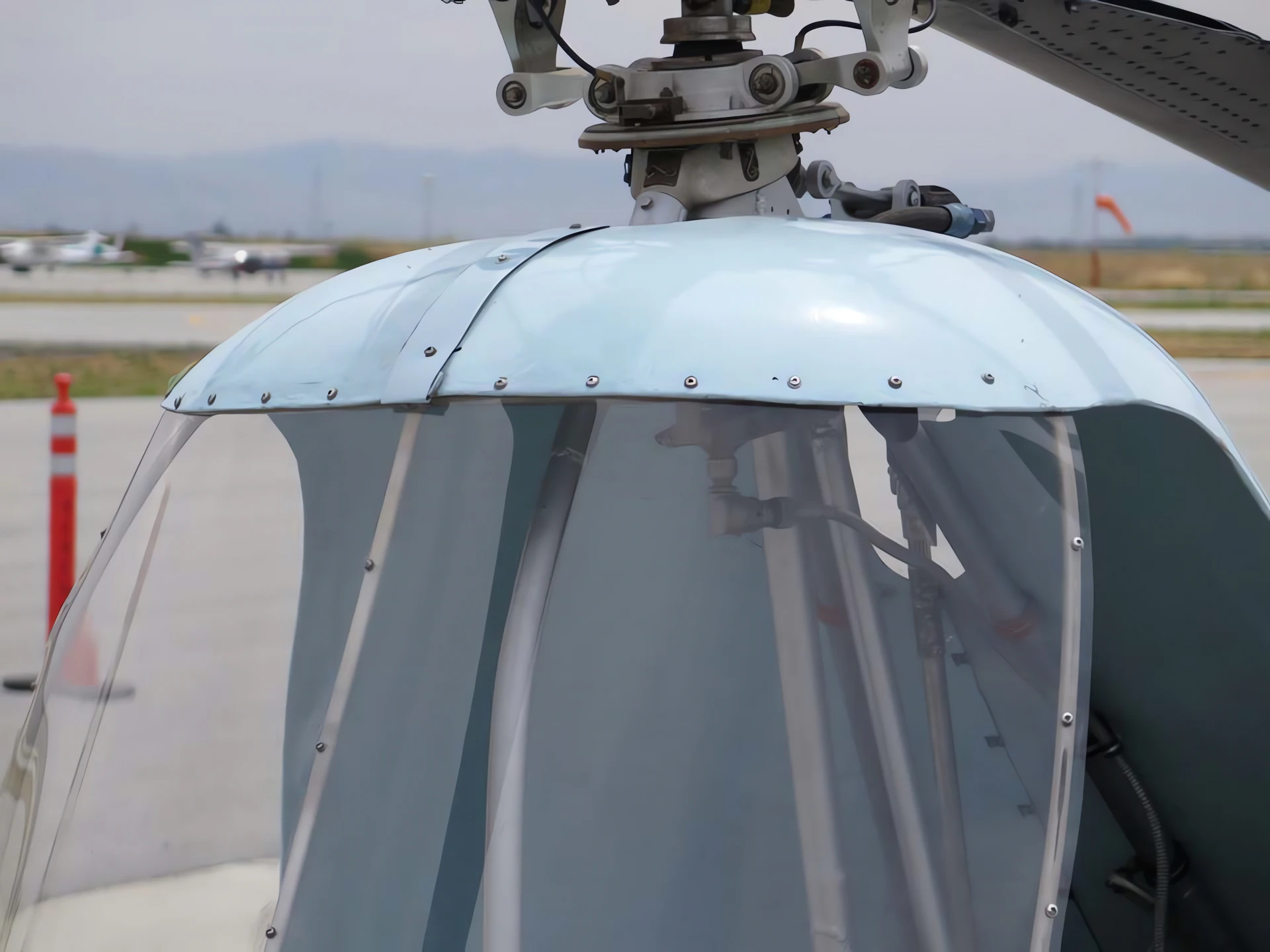
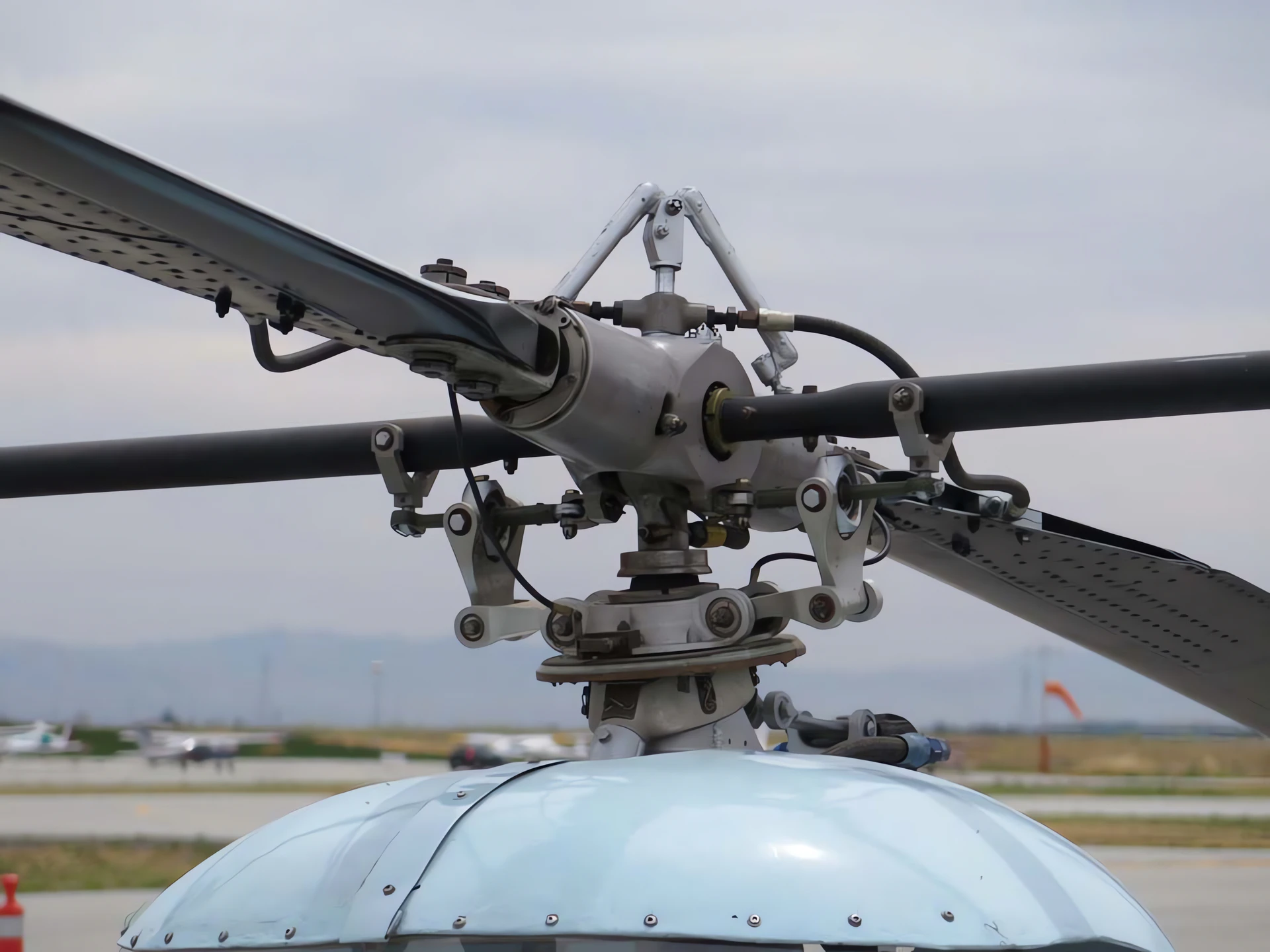
这 希勒YH-32大黄蜂 (company designation HJ-1) was an American ultralight helicopter built by Hiller Aircraft in the early 1950s. It was a small and unique design because it was powered by two Hiller 8RJ2B ramjet engines mounted on the rotor blade tips which weigh 13lbs each and deliver an equivalent of 45 h.p. for a total of 90 h.p. Versions of the HJ-1 Hornet were built for the United States Army and the United States Navy in the early 1950s. The Hiller Museum identifies the YH-32A, named the Sally Rand, as the first helicopter gunship.
| Hiller HJ-1 Hornet Walk Around | |
|---|---|
| Photographer | Vladimir Yakubov |
| Localisation | Hiller Aviation Museum, San Carlos |
| Photos | 36 |

另请参阅:


General Characteristics and Role
The Hiller HJ-1 Hornet (military designation YH-32) was an American experimental ultralight helicopter developed in the early 1950s. Its design was revolutionary for its time, featuring a unique **tip-jet propulsion system**. Instead of a conventional engine and heavy transmission system, the main rotor blades were powered by two small ramjet engines mounted at the tips of the blades. This design eliminated the need for a complex gearbox and a tail rotor (as there was no torque generated on the fuselage). The Hornet was initially intended for the civilian market as an affordable commuter helicopter but was primarily evaluated by the United States Army (YH-32) and United States Navy (XHOE-1) for roles such as reconnaissance, artillery spotting, and light transport.
| Property | Typical Value (YH-32 Variant) |
|---|---|
| 作用 | Experimental, Ultralight Helicopter, Reconnaissance |
| National Origin | 美国 |
| 制造商 | Hiller Aircraft |
| First Flight | August 1950 |
| 船员 | 1 (Pilot) |
| 能力 | 1 passenger or 243 kg (536 lb) payload |
| 长度 | 7.21 m (23 ft 8 in) |
| Main Rotor Diameter | 7.00 m (23 ft 0 in) |
| Empty Weight | 247 kg (544 lb) |
| Gross Weight | 490 kg (1,080 lb) |
Powerplant and Limitations
- Engine: 2 x Hiller 8RJ2B ramjet engines, one on each rotor tip.
- Total Equivalent Power: Approximately 67 kW (90 hp).
- Maximum Speed: 111 km/h (69 mph; 60 kn).
- Range: Extremely limited due to high fuel consumption—typically only 45 km (28 mi) in still air.
- Endurance: About 25-30 minutes.
- Key Problem: Ramjets are inefficient at subsonic speeds, leading to excessive fuel burn (up to 600 pounds per hour) and the distinctive high noise and visible glow of the tip jets at night, which hampered military use.
- Autorotation: Difficult due to the significant drag caused by the ramjet nacelles at the blade tips.
Design Features and Legacy
- Propulsion: The ramjet system was mechanically simple, having no moving parts other than a small gasoline engine used solely for starting the rotor to the required 50 RPM for ramjet ignition.
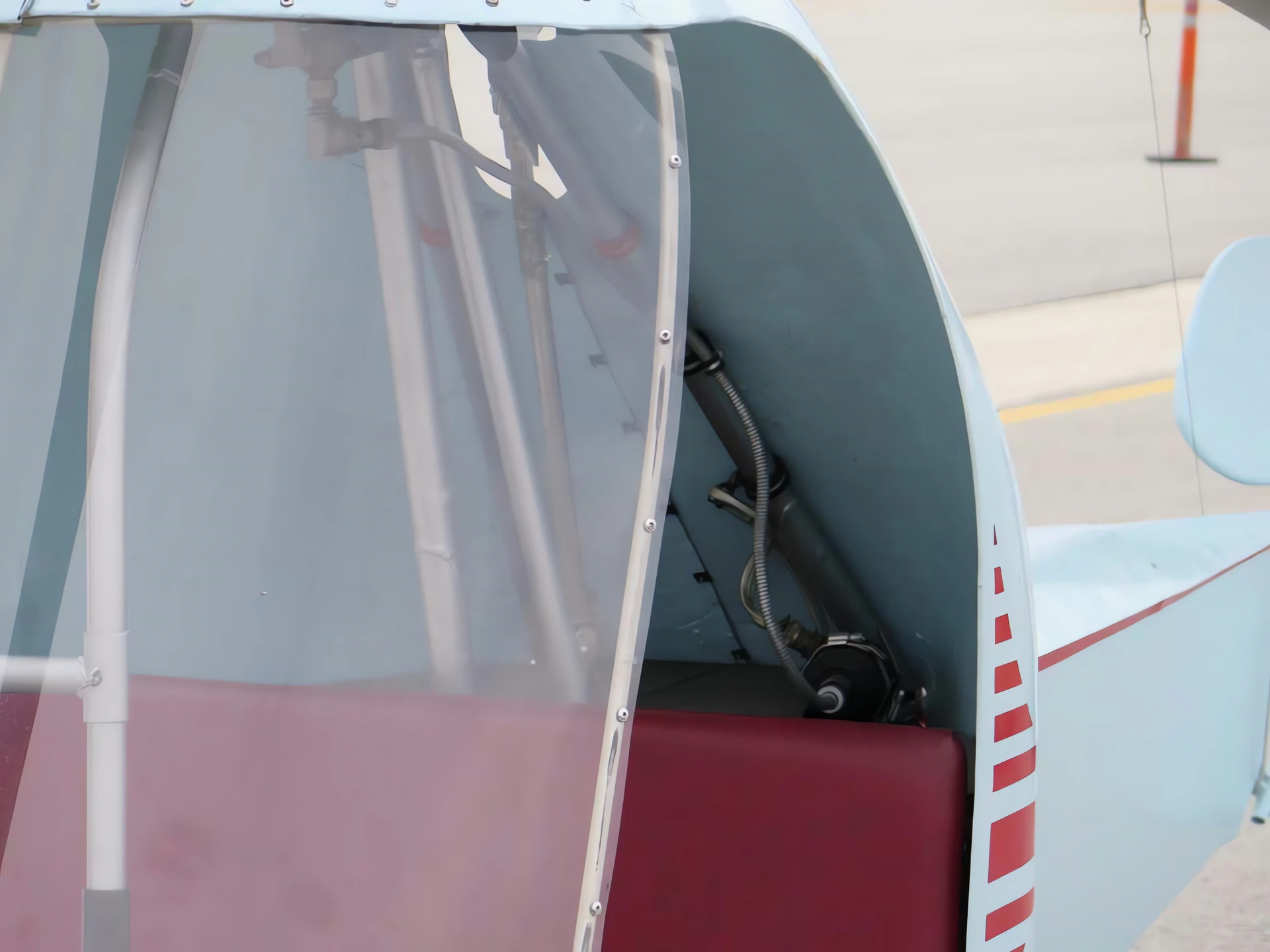
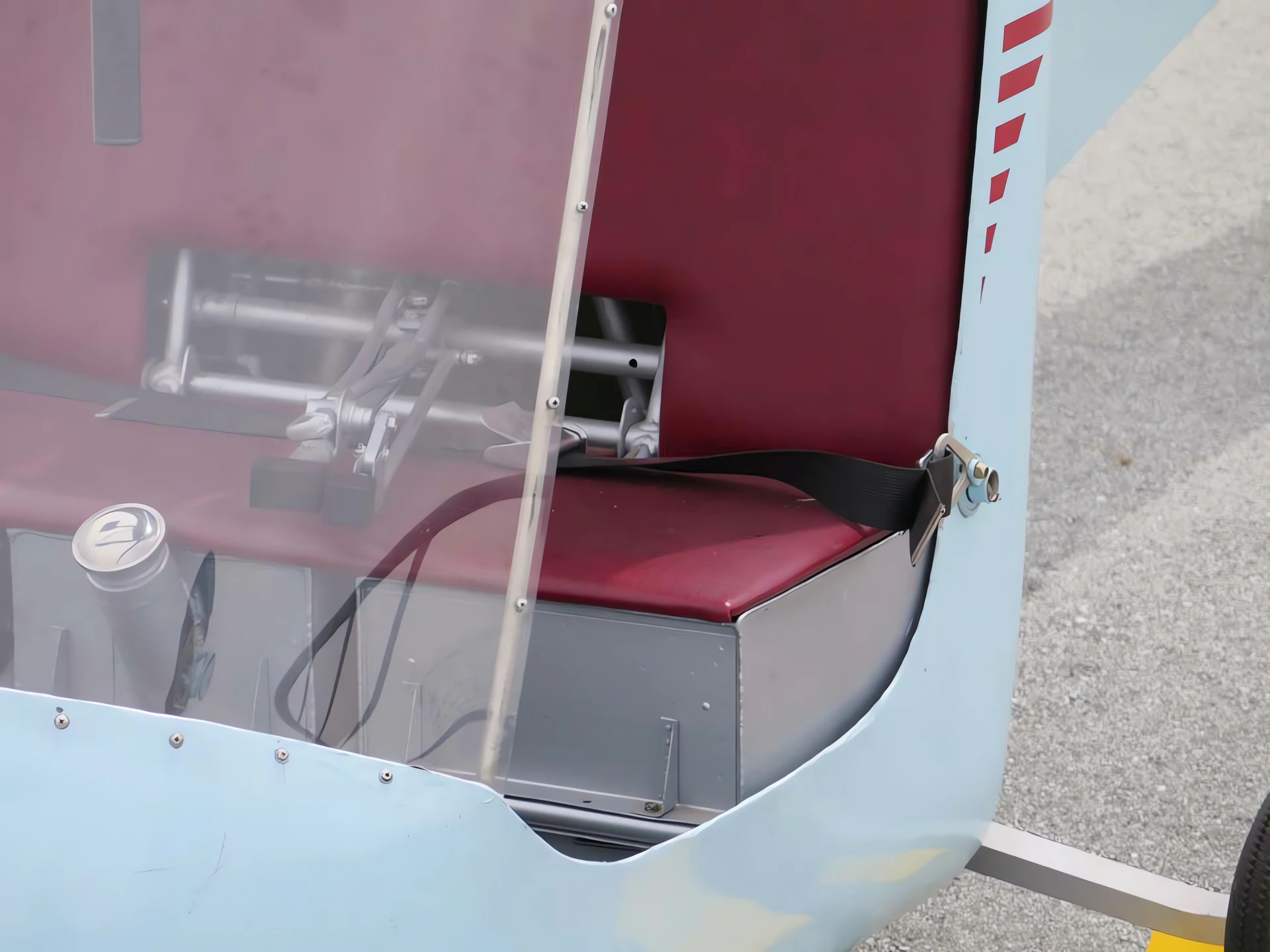
- Structure: The aircraft utilized a lightweight structure of reinforced steel tubing with fiberglass and plastic laminate skins.
- Military Trials: Although deemed unsuitable for mass production due to its poor range and high visibility/noise, two YH-32s were modified in 1957 as the YH-32A for armed trials, carrying weapons like rockets and recoilless rifles.
- Historical Significance: The Hornet was the first production tip-jet powered helicopter in history and represents a unique but ultimately unsuccessful attempt to radically simplify helicopter mechanics.
意见:2246