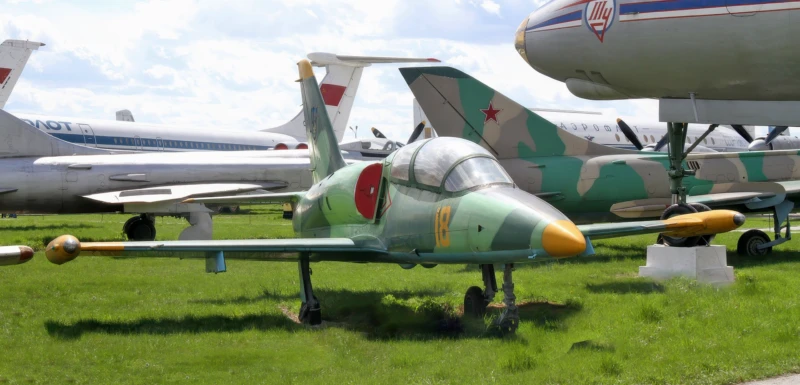
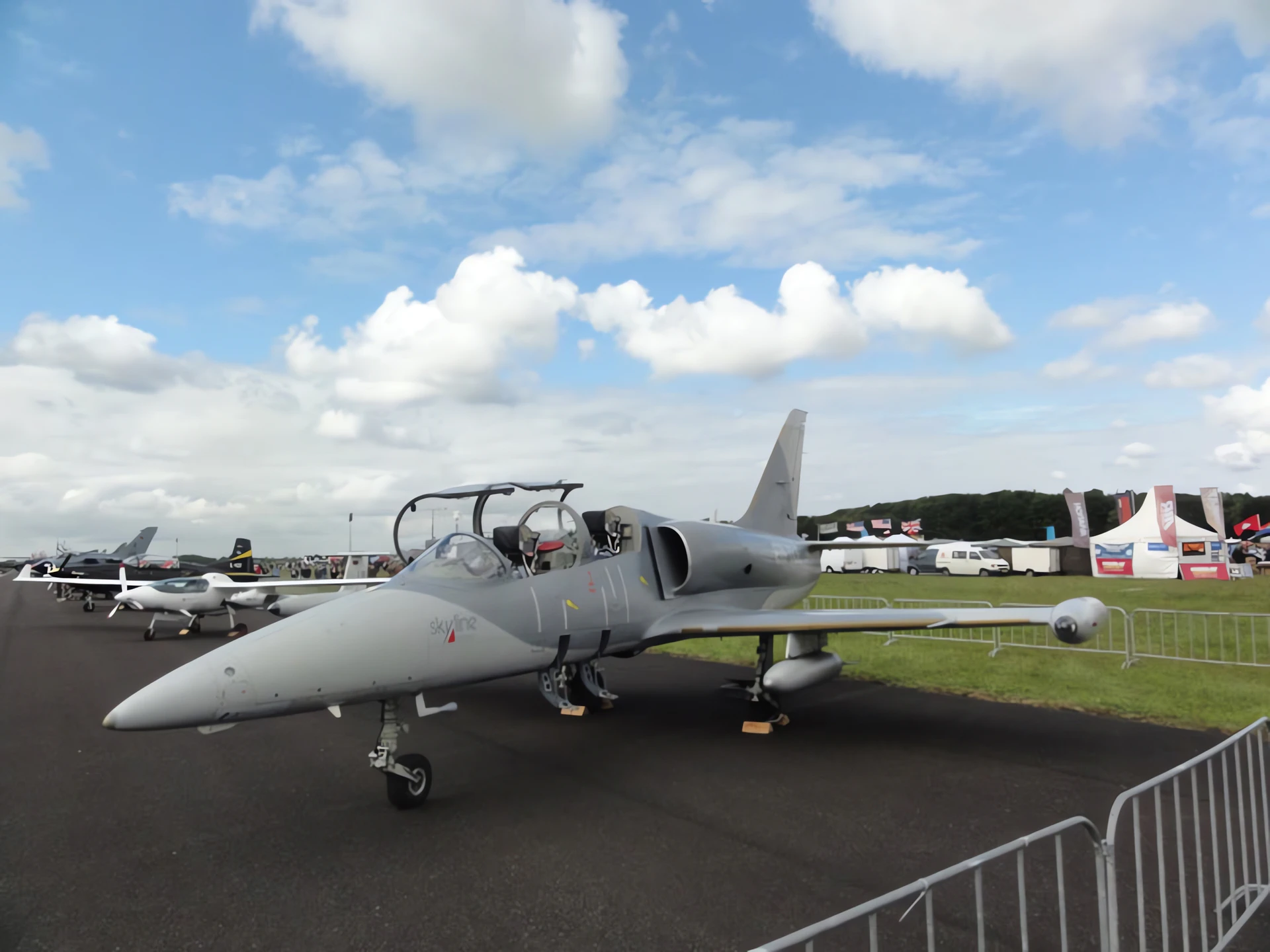
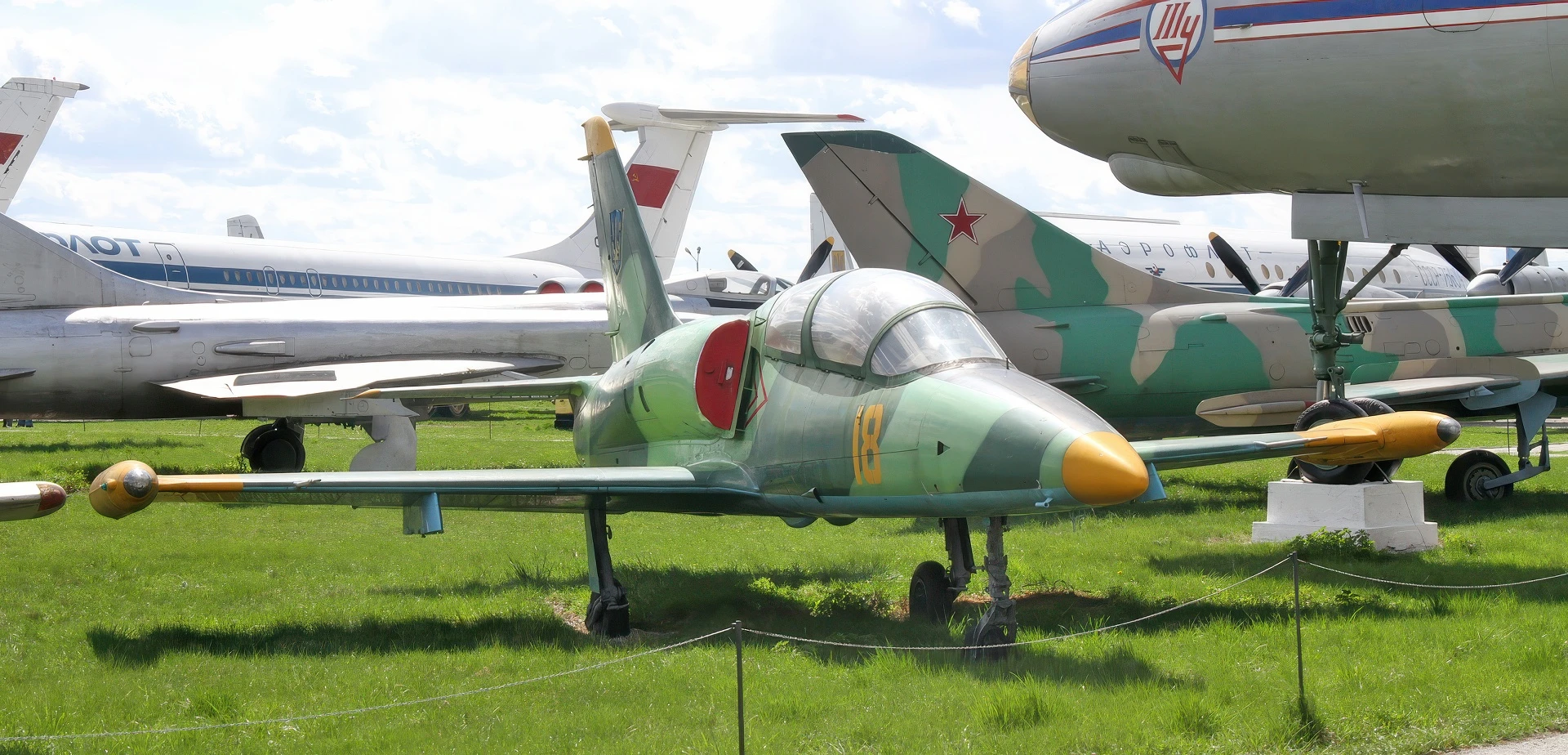
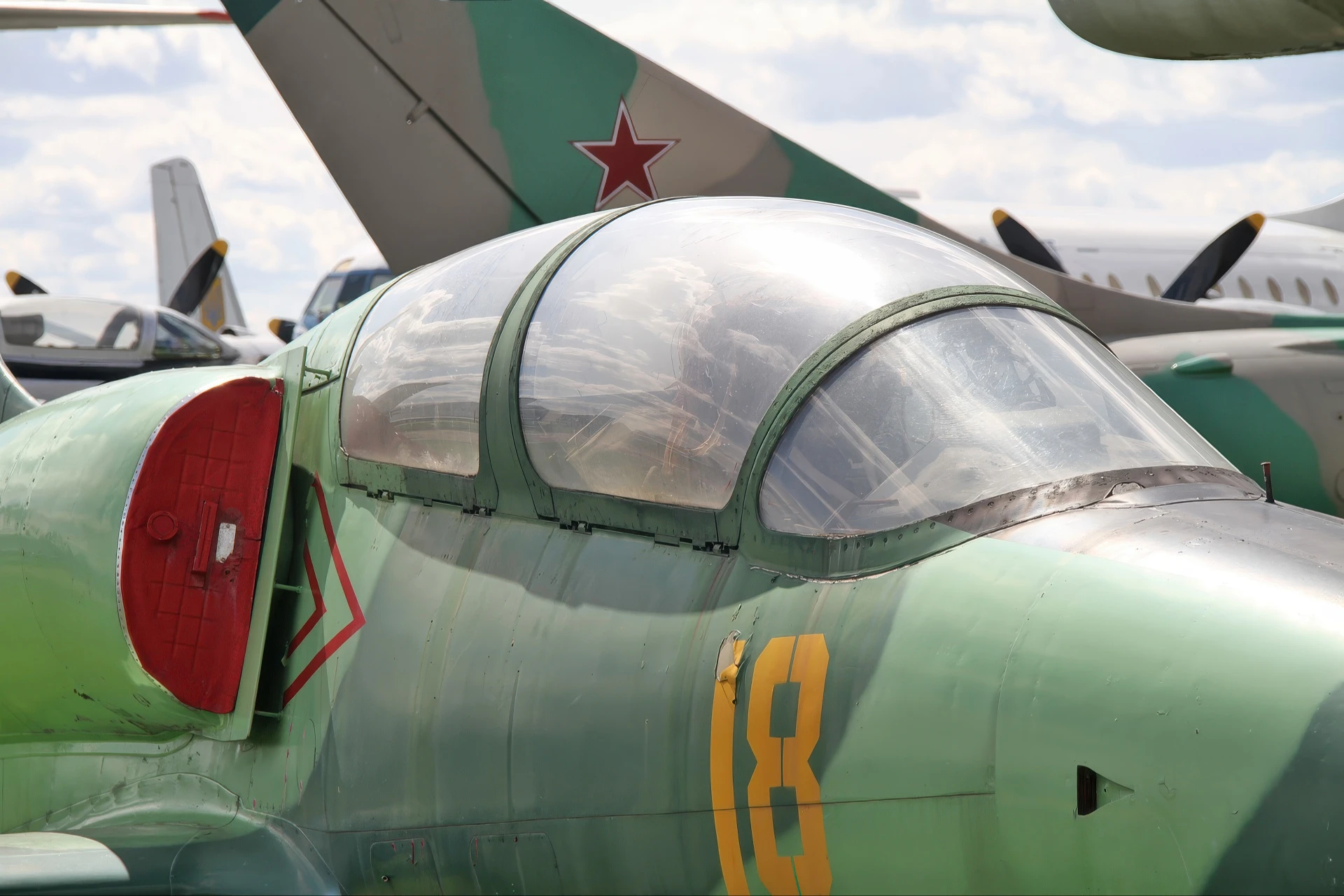
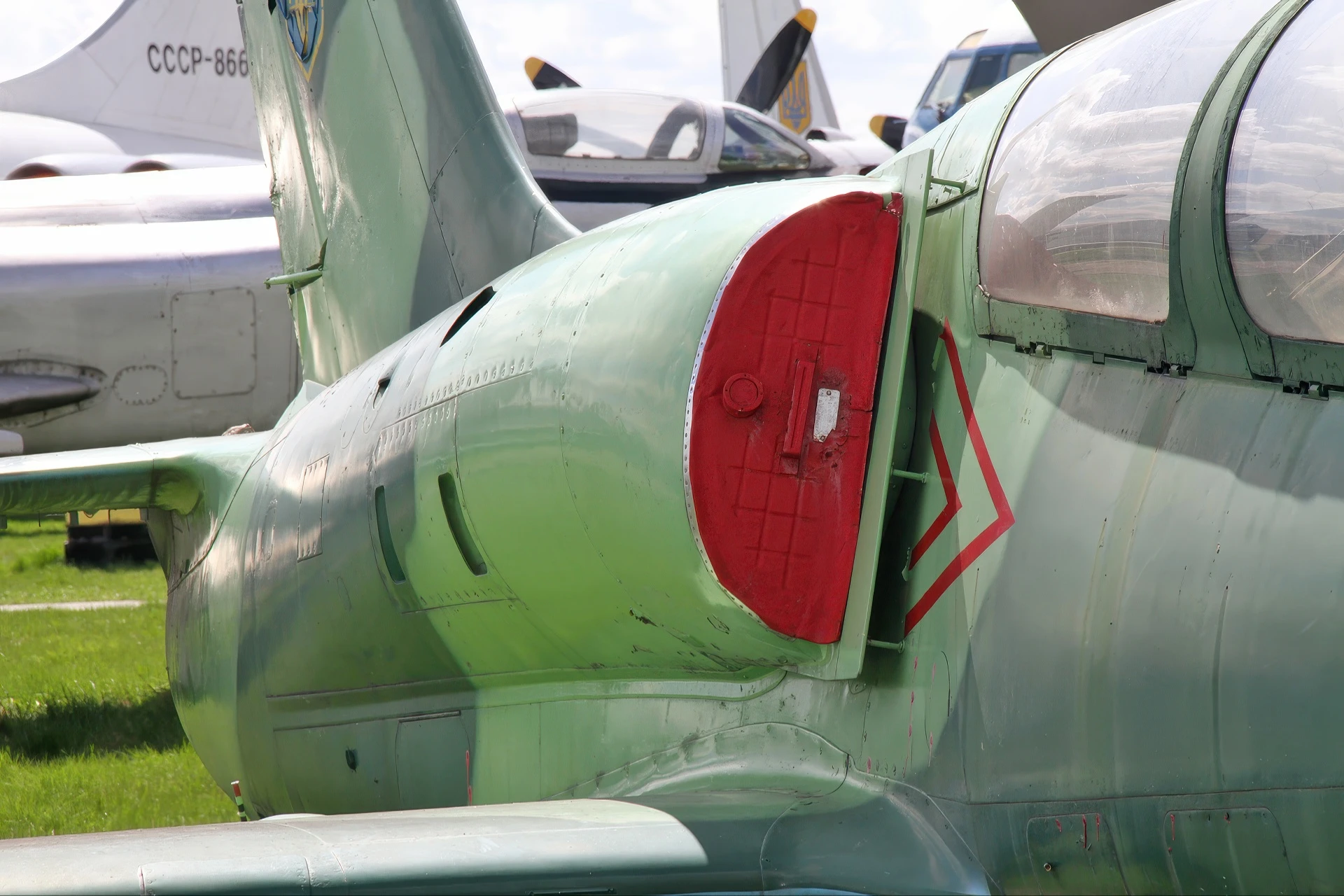
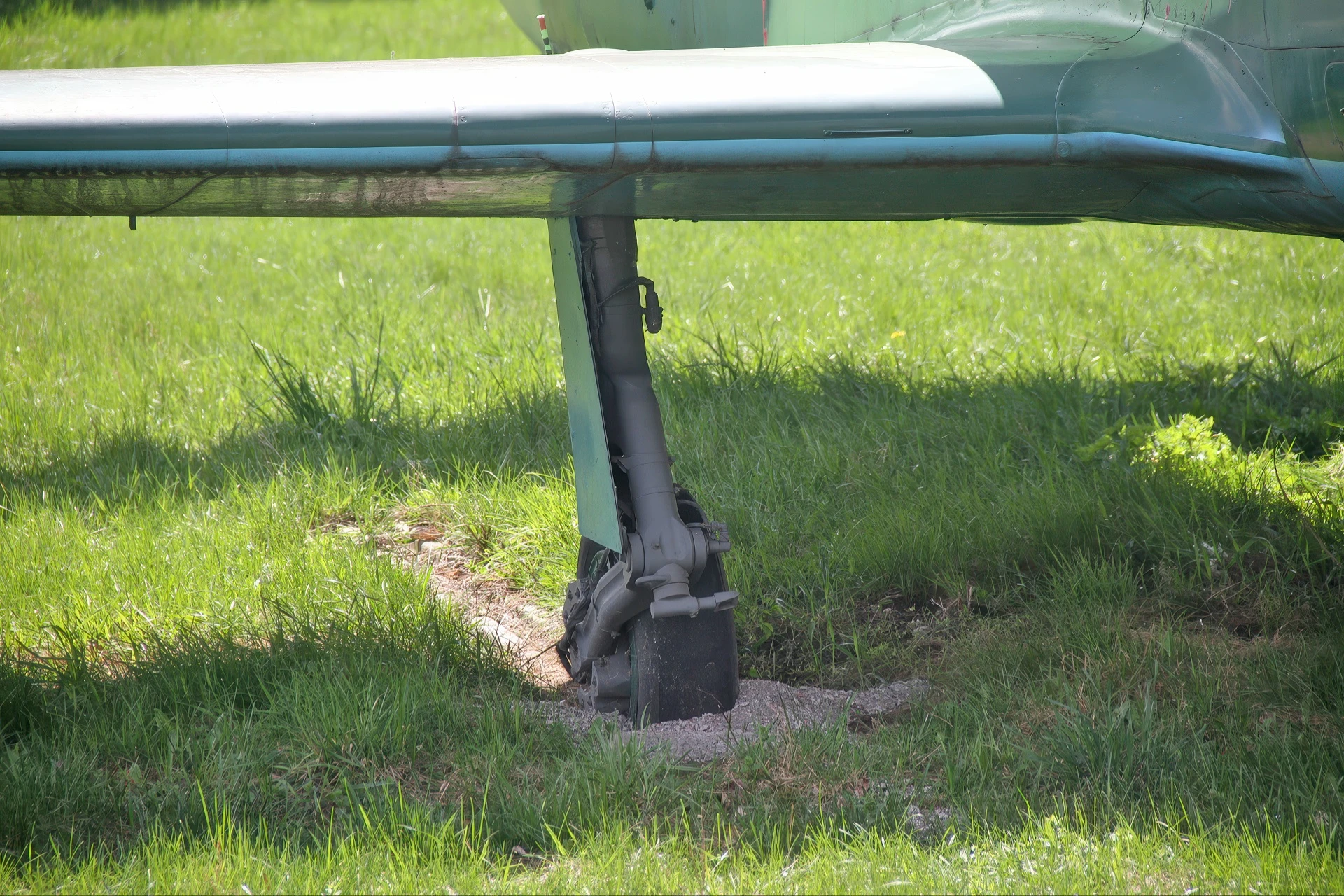
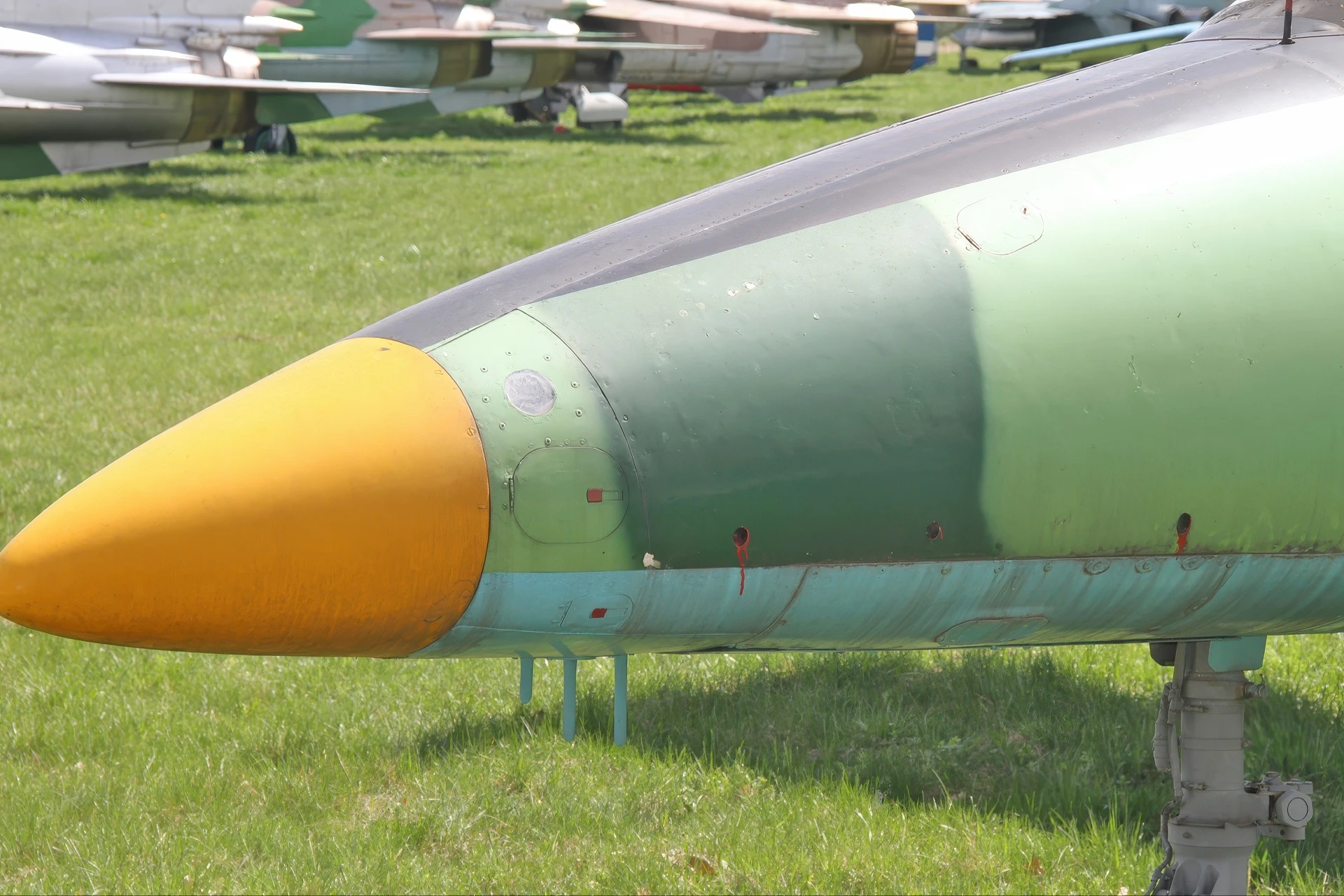
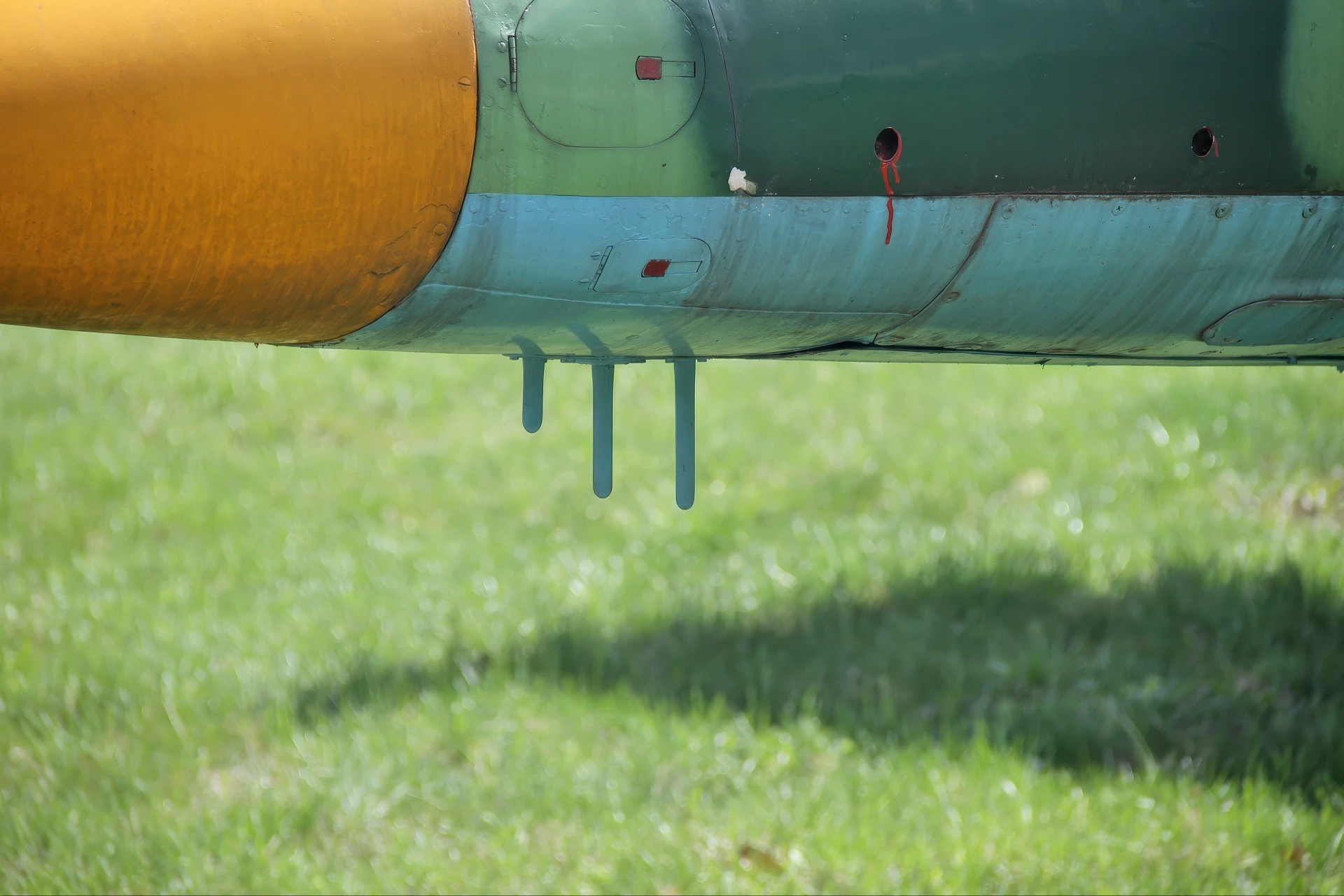
这 航空L-39信天翁is a high-performance jet trainer aircraft developed in Czechoslovakia by Aero Vodochody. It was designed during the 1960s as a replacement for the Aero L-29 Delfín as a principal training aircraft. The L-39 Albatros has the distinction of being the first of the second-generation jet trainers to be produced, as well as being the first trainer aircraft to be equipped with a turbofan powerplant. The type was exported to a wide range of countries as a military trainer.
The L-39 Albatros later served as the basis for the updated L-59 Super Albatros, as well as the L-139 (prototype L-39 with Garrett TFE731 engine). A further development of the design, designated as the L-159 ALCA, entered production in 1997. To date, more than 2,800 L-39s have served with over 30 air forces around the world. The Albatros is the most widely used jet trainer in the world; in addition to performing basic and advanced pilot training, it has also flown combat missions in a light-attack role. The design never received a NATO reporting name.
The Aero L-39 Albatros is a high-performance jet trainer developed in Czechoslovakia (now the Czech Republic) by Aero Vodochody. The L-39C (C for “Cvičný”—Training) is the standard jet trainer variant, designed to provide basic, intermediate, and advanced pilot training, seamlessly bridging the gap between propeller-driven primary trainers and supersonic jet fighters. It was developed in the late 1960s to meet the Soviet requirement for a standardized jet trainer for the Warsaw Pact nations. The L-39 is highly popular worldwide due to its ruggedness, ease of maintenance, and gentle flight characteristics, which made it an ideal training platform. It remains in service with dozens of air forces globally and is also popular in the civilian aerobatic circuit.
Property
Typical Value (L-39C)
作用
Intermediate and Advanced Jet Trainer
National Origin
Czechoslovakia (ČSSR)
制造商
Aero Vodochody
First Flight
1968年11月4日
船员
2 (Student and Instructor, in tandem)
长度
12.11 m (39 ft 9 in)
翼展
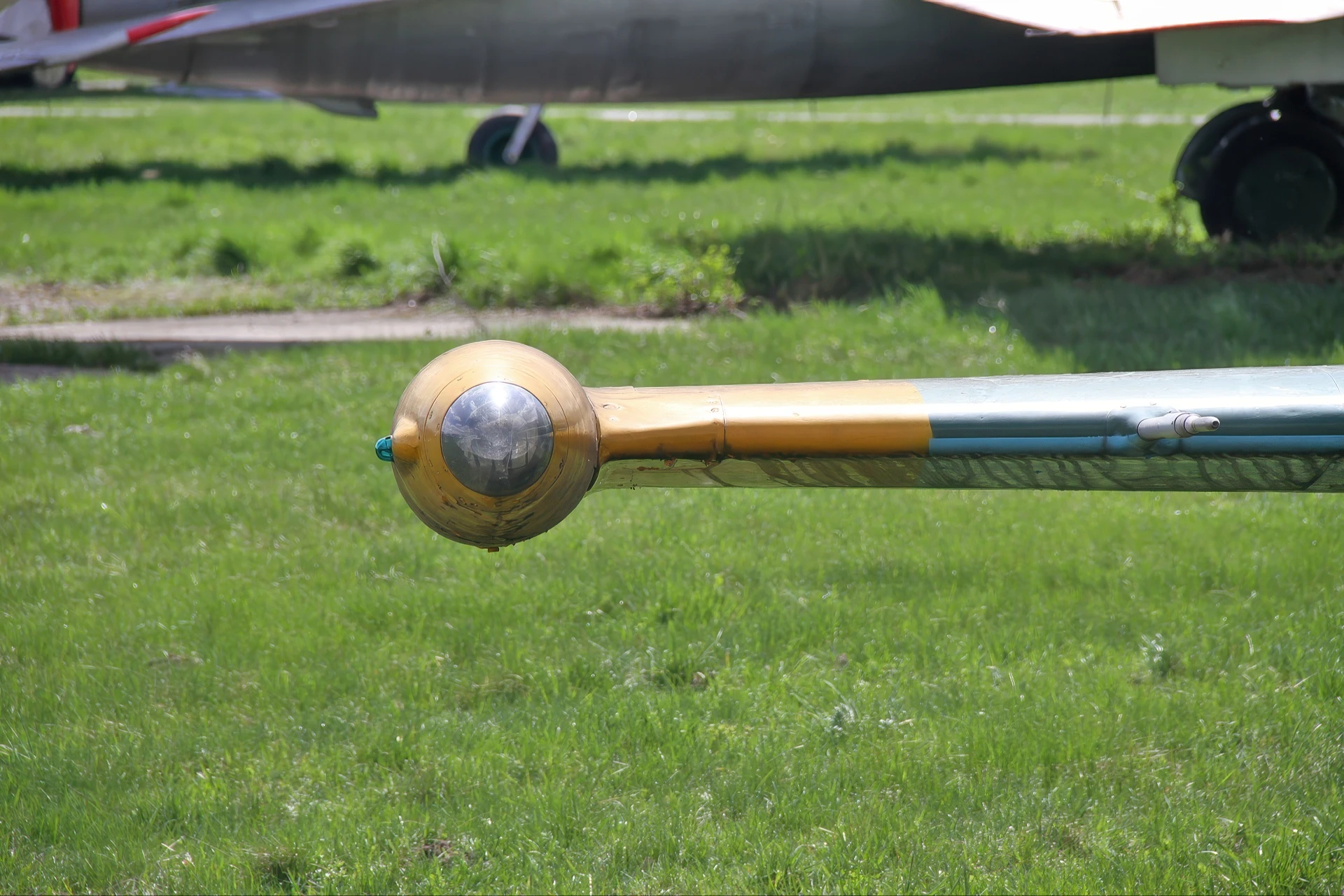
9.46 m (31 ft 0 in)
Maximum Takeoff Weight
4,700 kg (10,362 lb)
Powerplant and Performance
Engine: 1 x Ivchenko AI-25TL turbofan engine (mounted in the rear fuselage).
Thrust: 16.9 kN (3,800 lbf).
Maximum Speed: 750 km/h (470 mph) (Mach 0.62) at 5,000 m.
Ceiling: 11,000 m (36,000 ft).
Range: 1,100 km (680 mi).
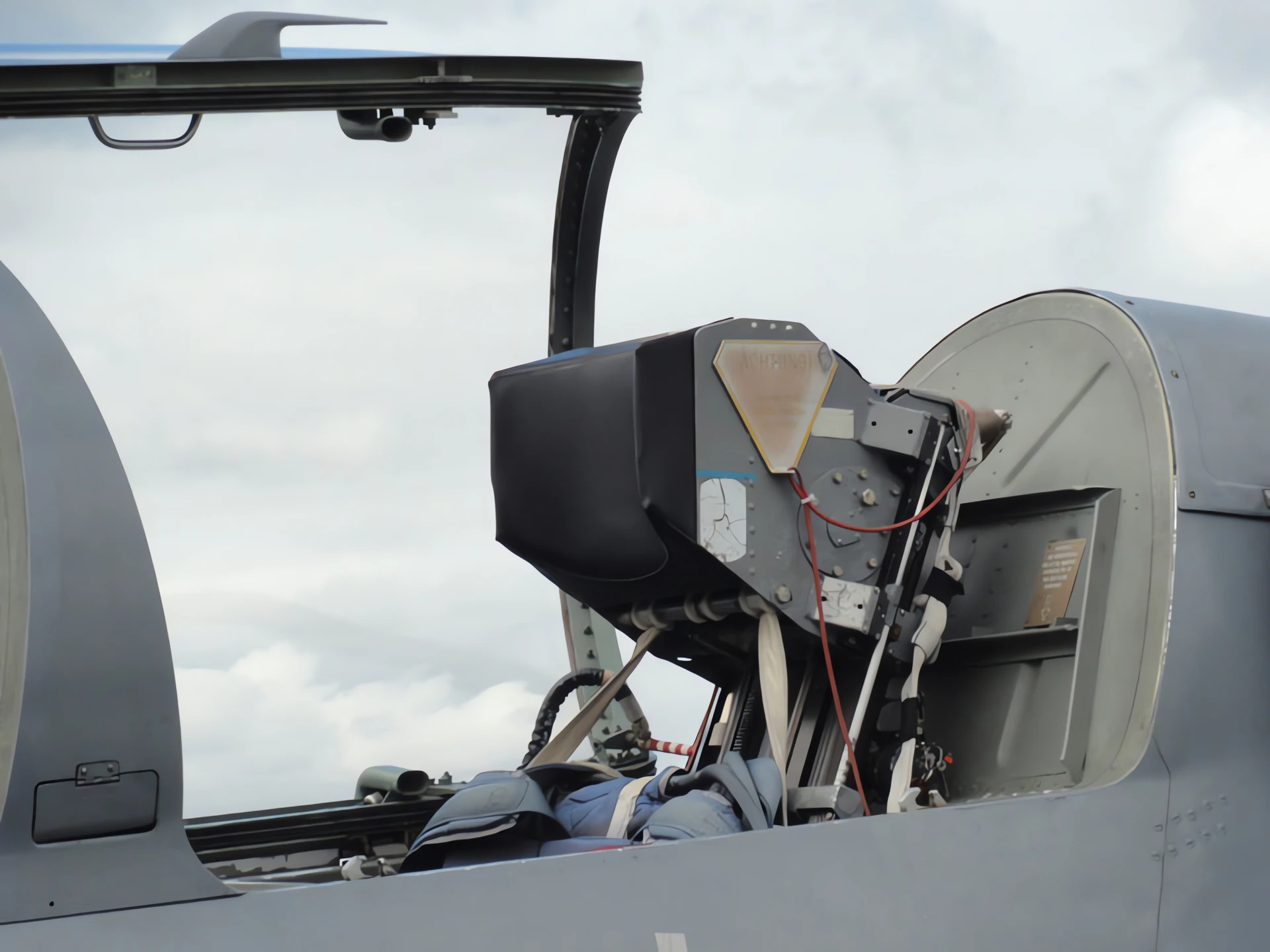
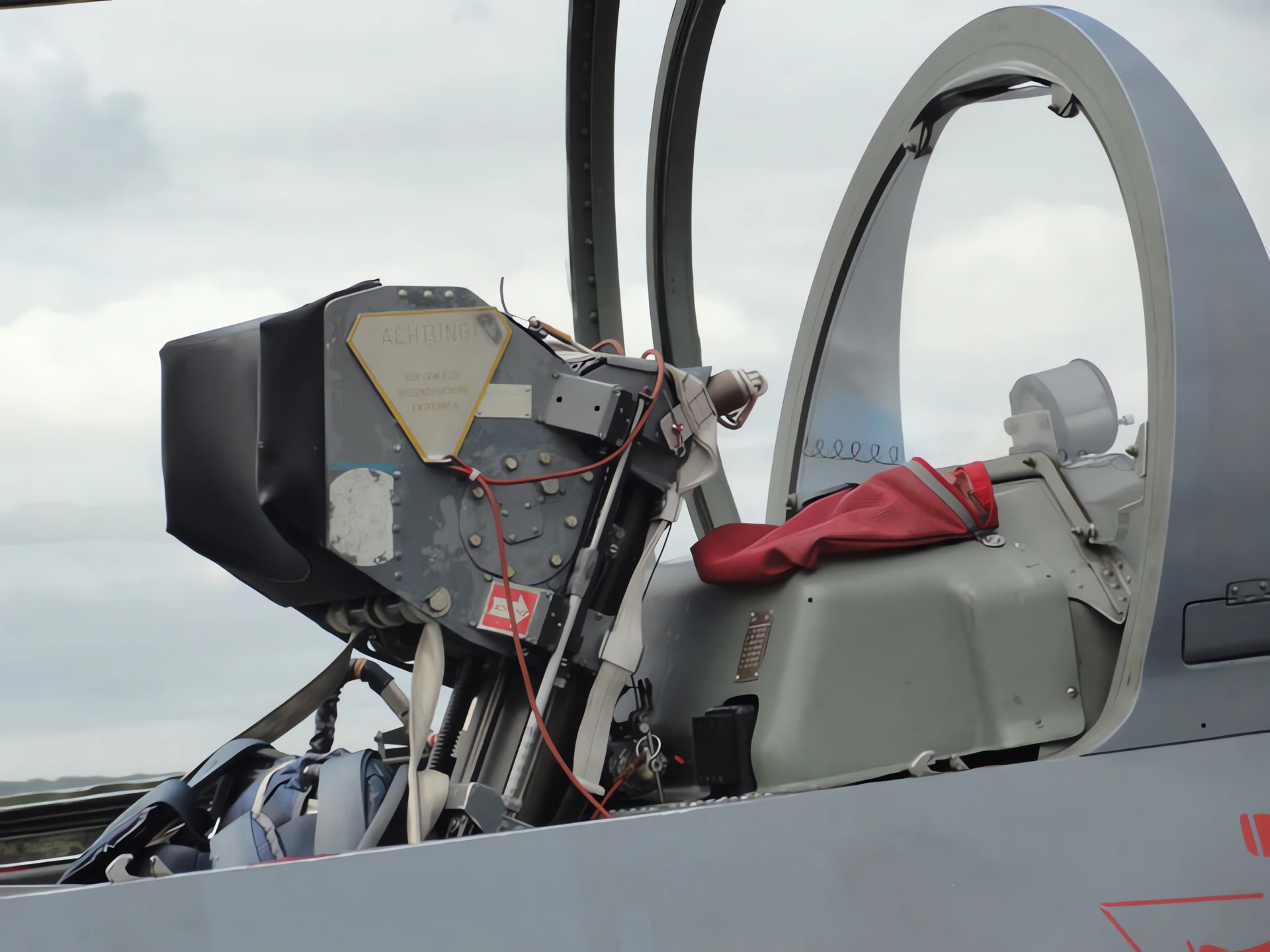
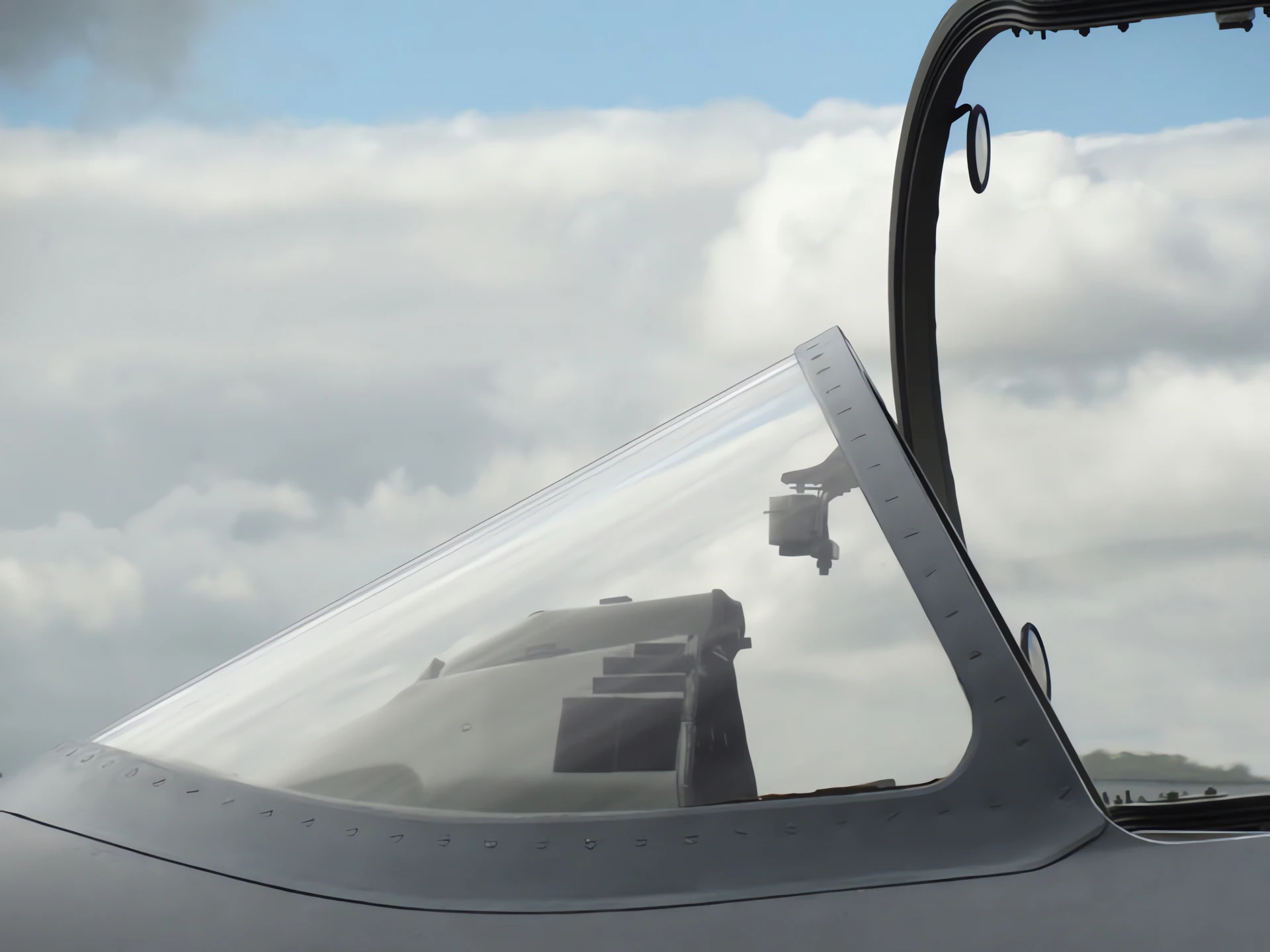
Cockpit: Pressurized tandem seating with excellent visibility for both occupants. Equipped with VS-1 ejection seats.
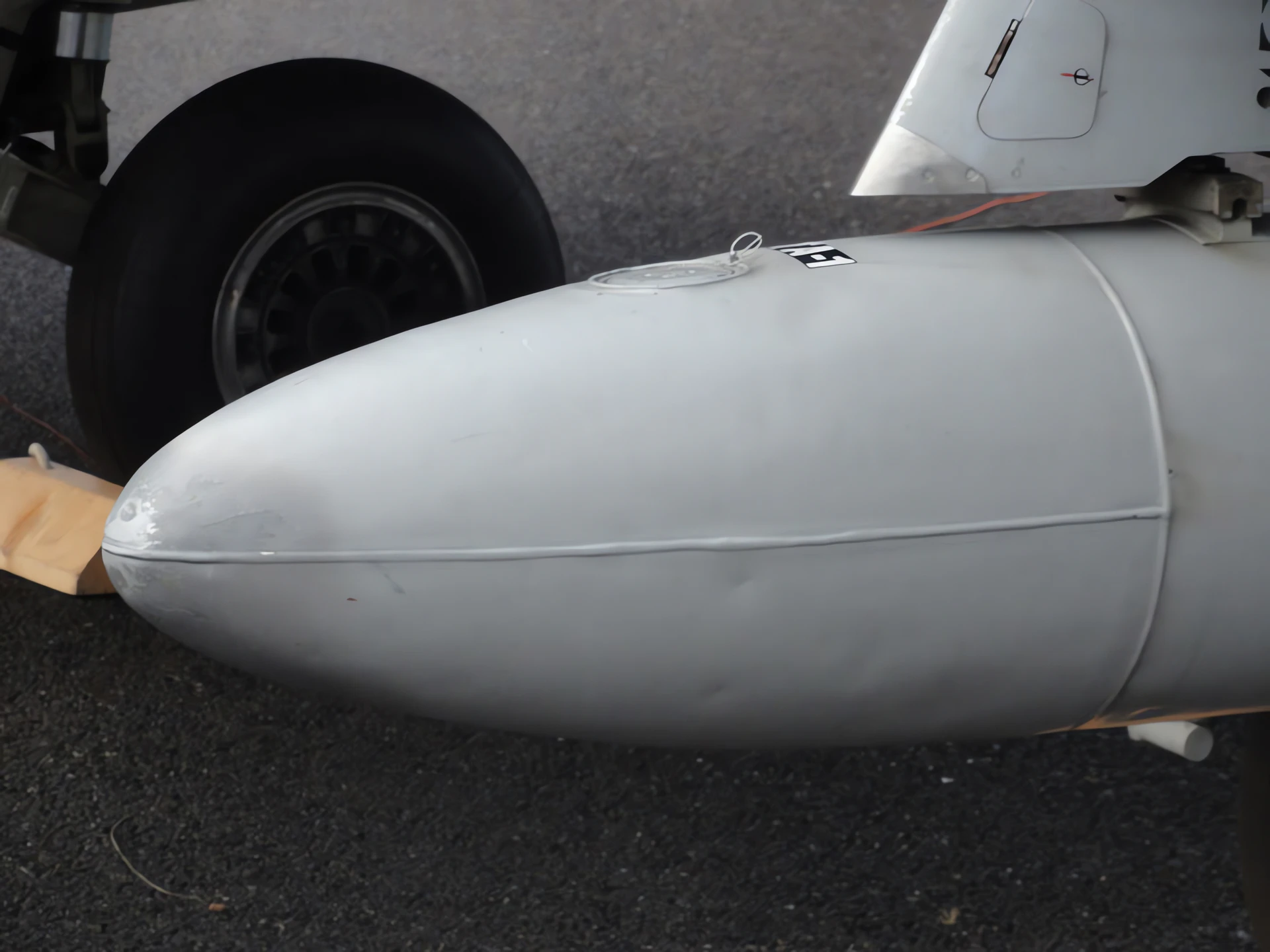
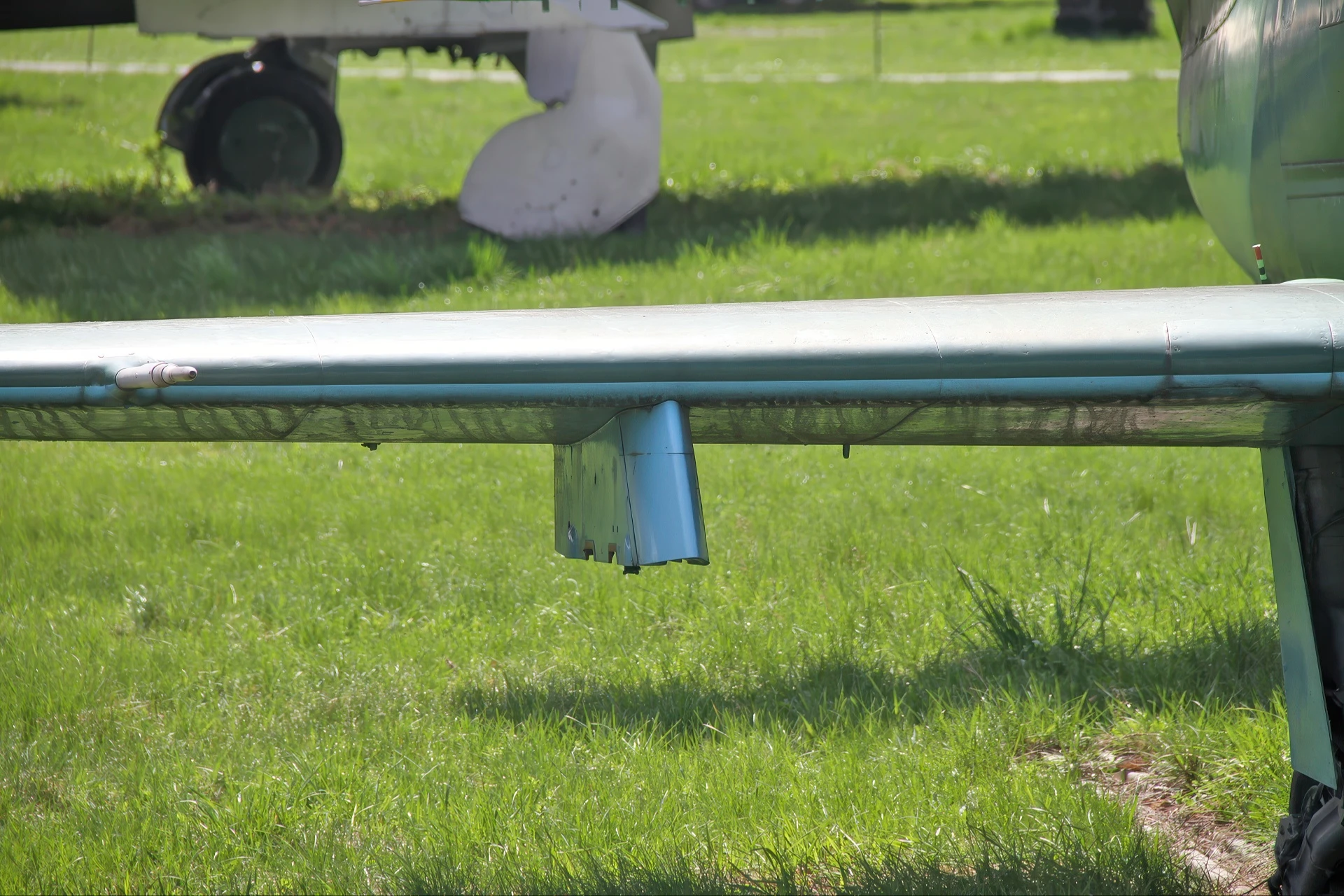
Armament (L-39C): The trainer version is typically unarmed but features two underwing hardpoints for carrying practice ordnance, external fuel tanks, or light armament pods.
Service History and Variants
Mass Production: Over 2,800 L-39s have been built, making it one of the most widely used jet trainers in history, serving in over 30 countries.
Primary Operator: The Soviet Air Force was the largest customer, using it as their main jet trainer until the collapse of the USSR.
Key Variants:
L-39ZO: Dedicated light attack and reconnaissance variant with four wing pylons.
L-39ZA: Advanced trainer/light attack variant with four hardpoints and a belly-mounted GSh-23L twin-barrel cannon pod.
L-39MS (L-59 Super Albatros): Modernized variant with a Western engine and upgraded avionics.
Civilian Use: Its low operating cost and robust airframe have made it extremely popular in the US and Europe among private owners and display teams.