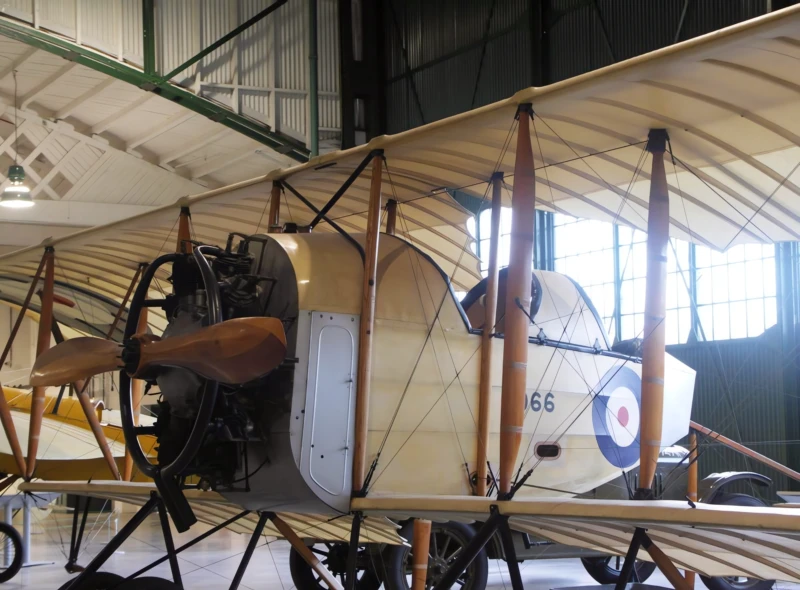
Каудрона Г.ІІІ | |
| Країні | Франція |
| Тип | Літаки-розвідники та тренажери |
| Введення | 1914 |
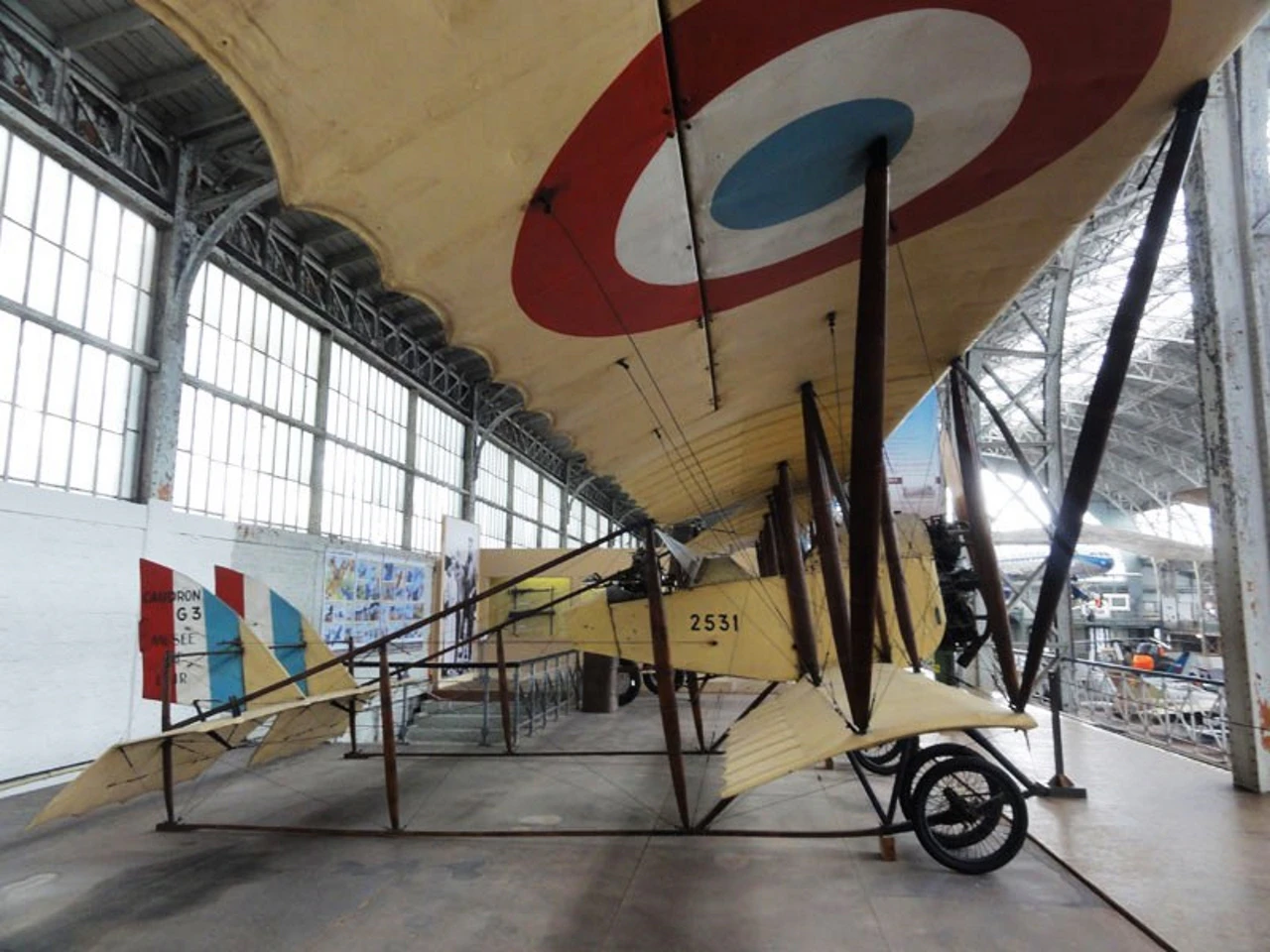
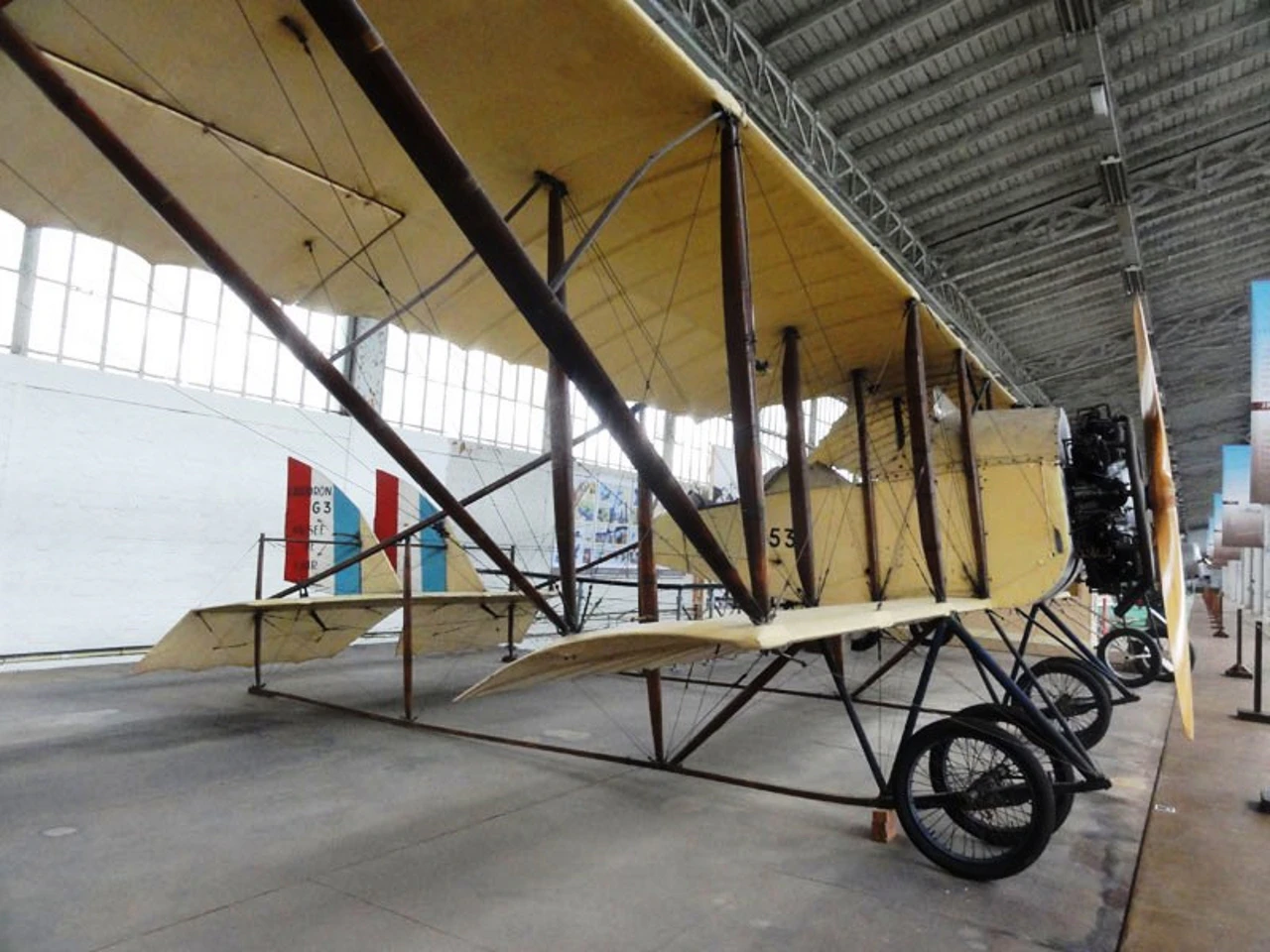
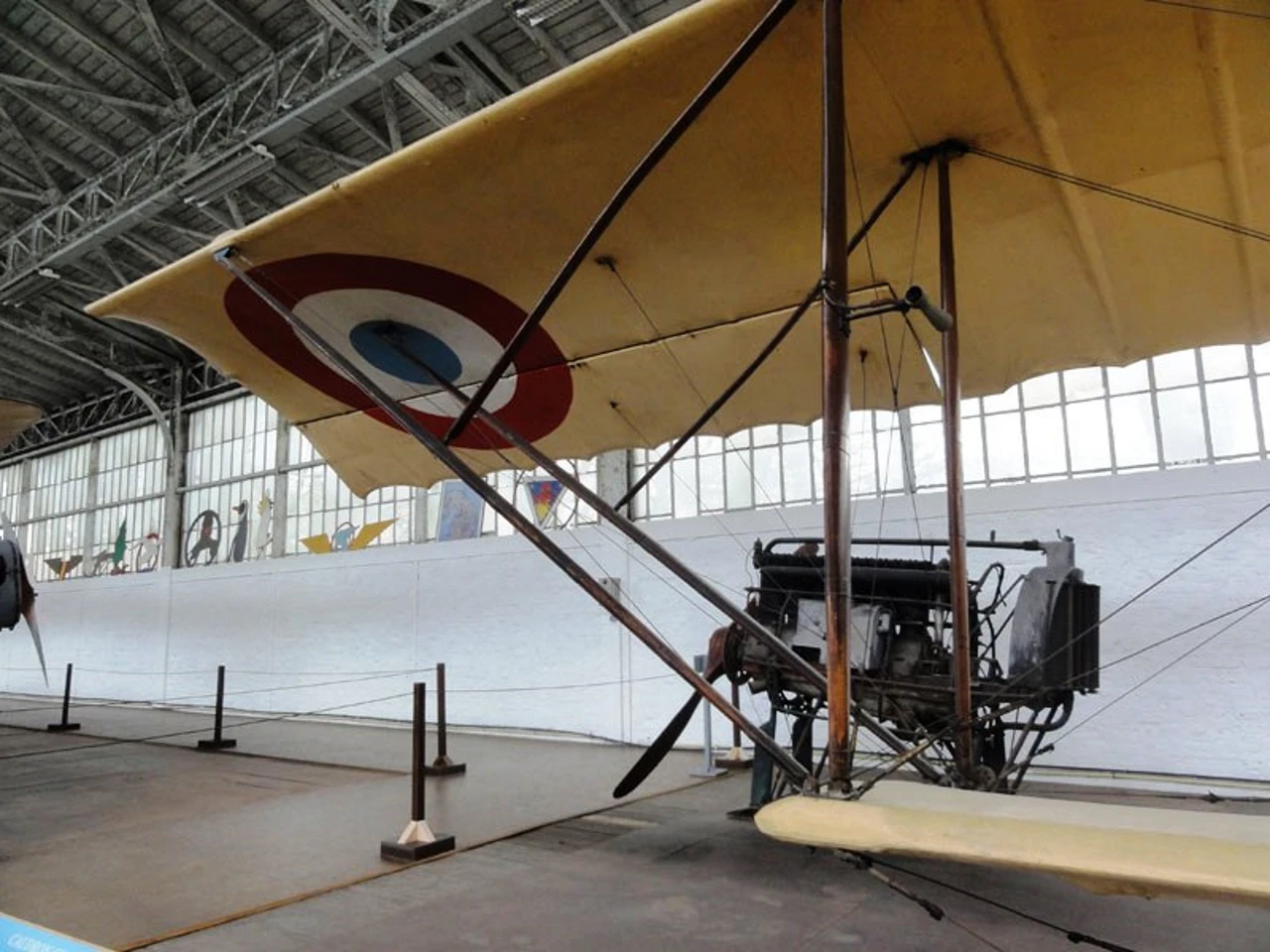
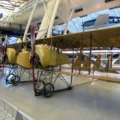
Фотогалерея Каудрона Г.ІІІ, The Caudron G.3 was a single-engined French biplane built by Caudron, widely used in World War I as a reconnaissance aircraft and trainer.
Джерело: Каудрона G.III на Вікі
| Каудрона Г.ІІІ | |
|---|---|
| Фотограф | Ян Петр |
| Локалізацією | Незнай |
| Фото | 46 |
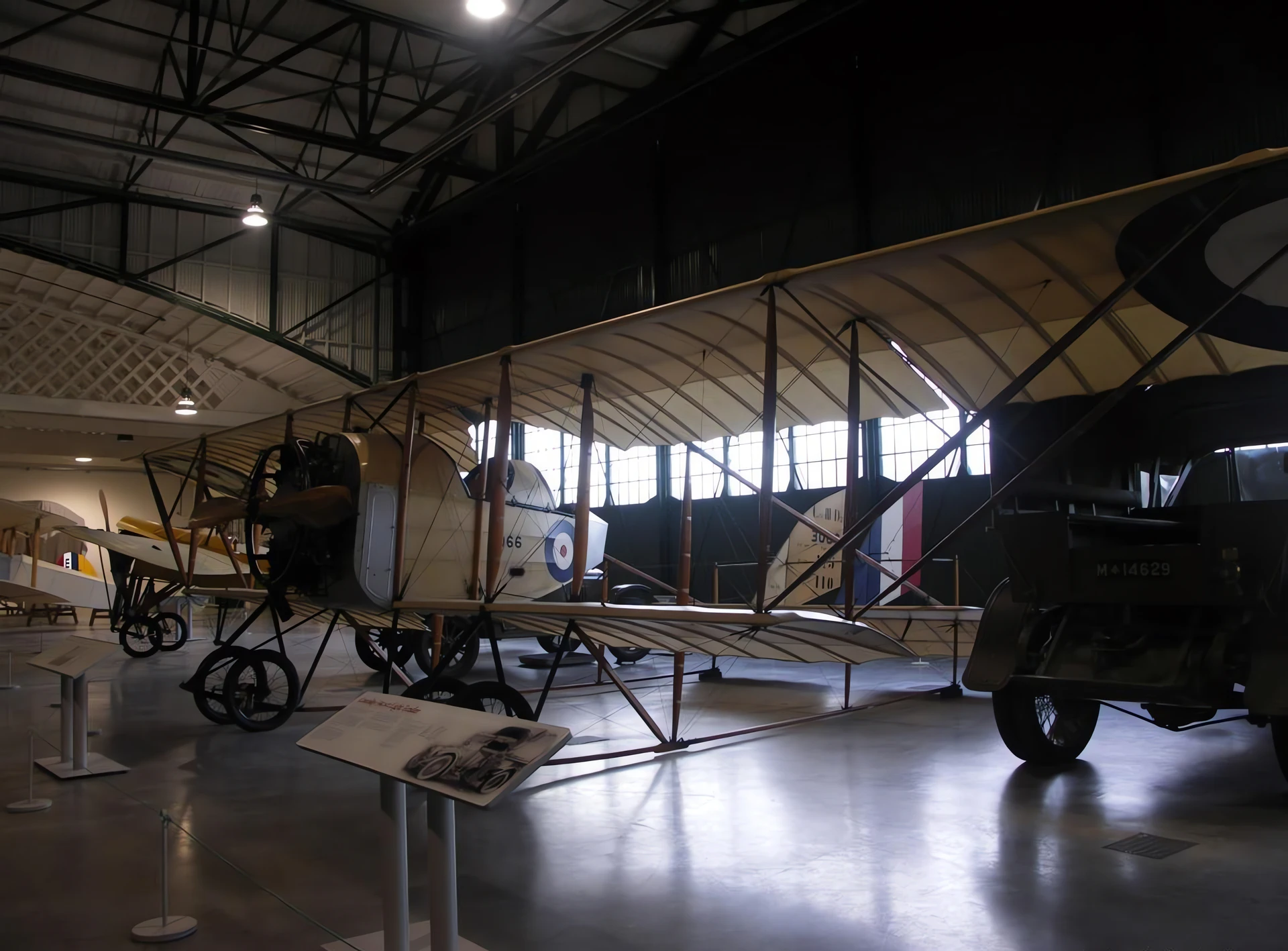
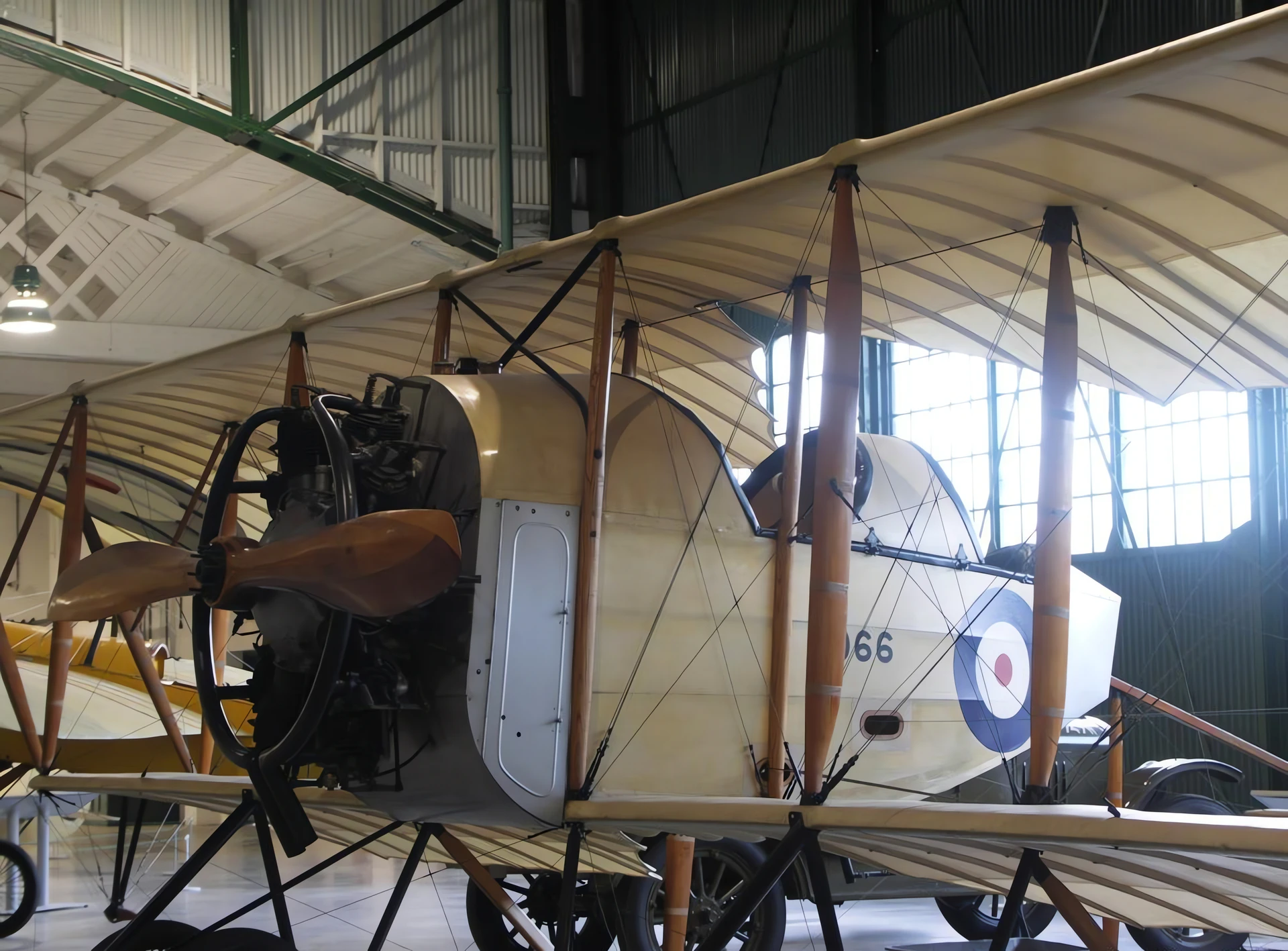
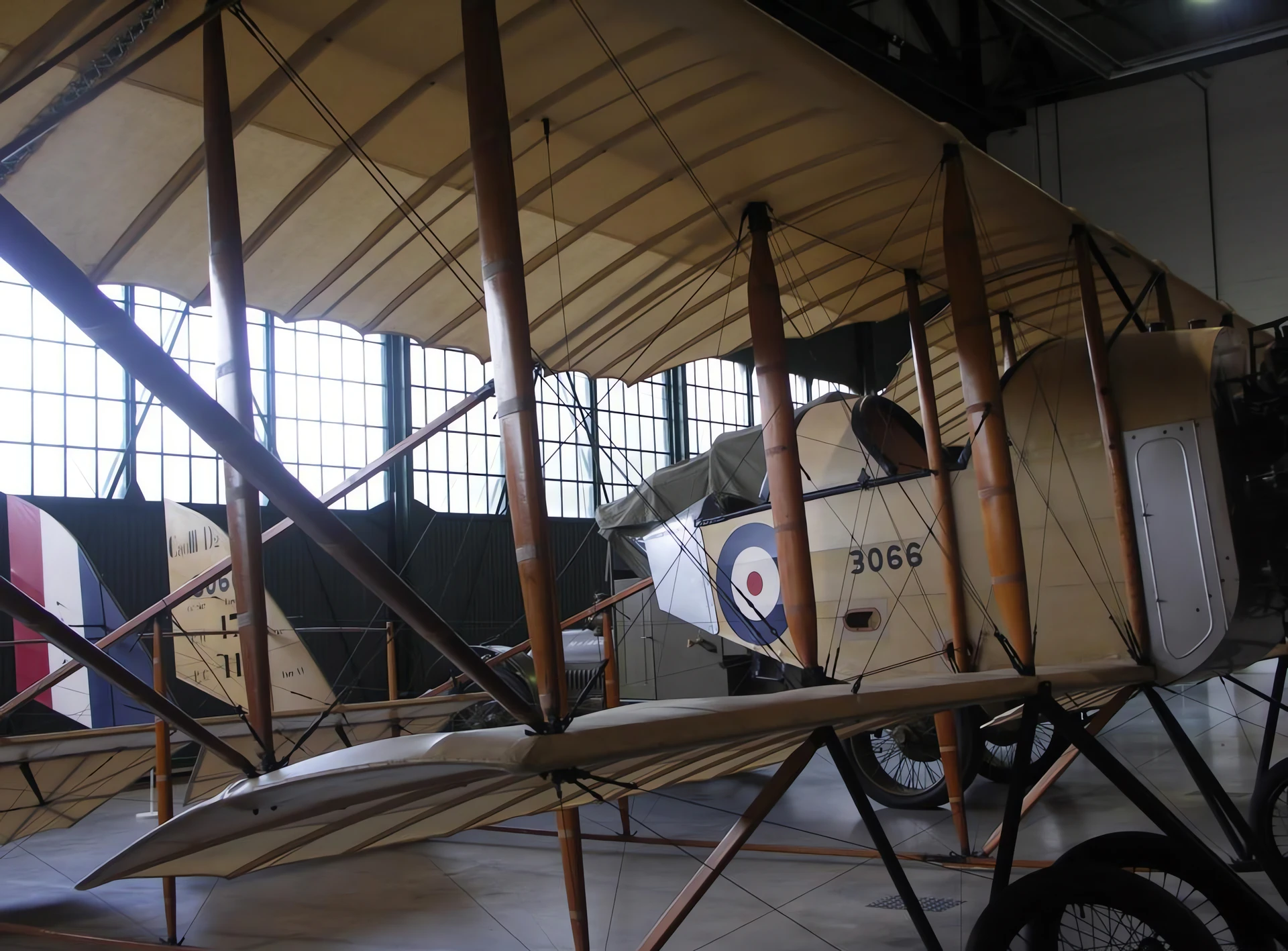
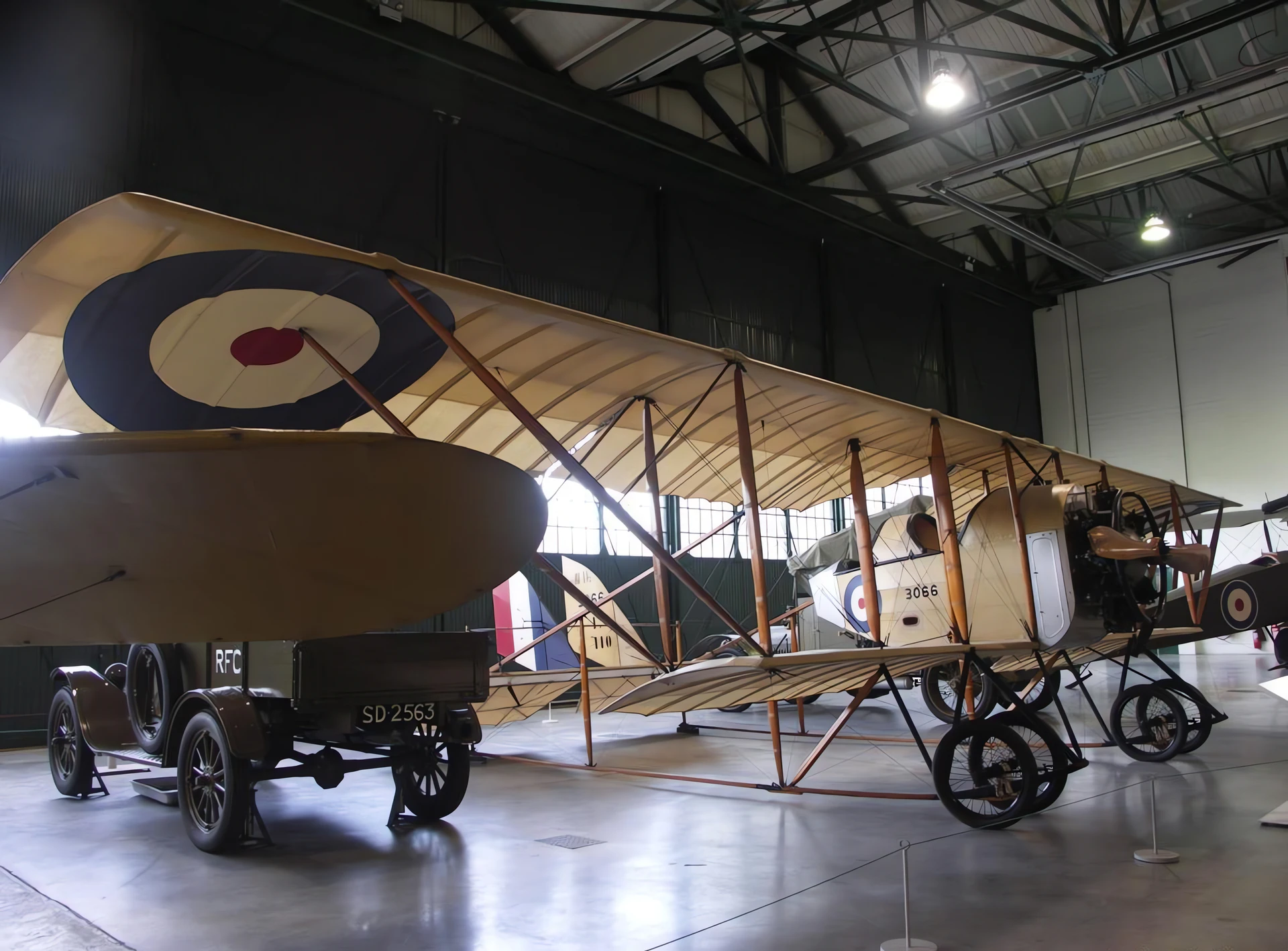
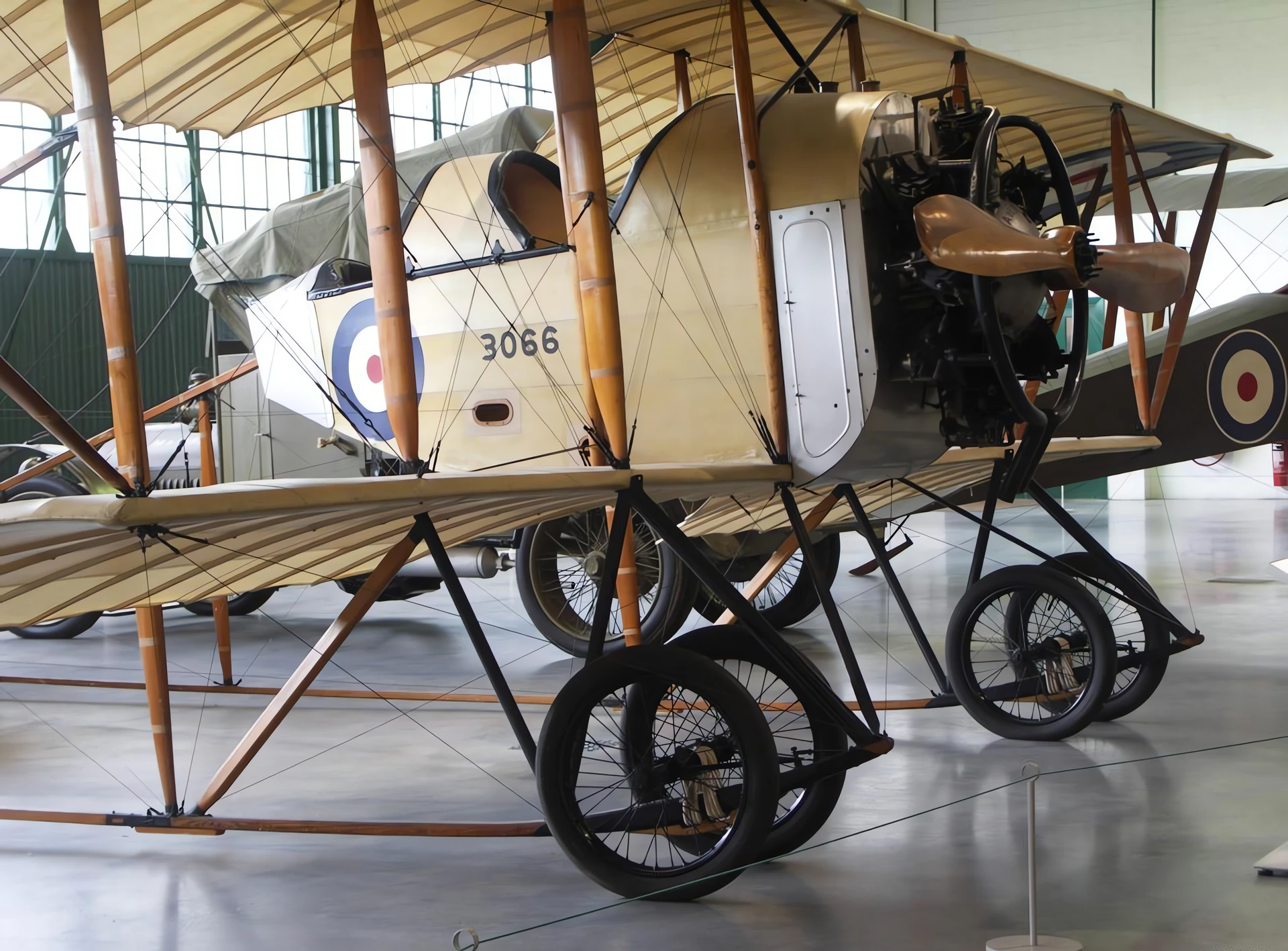
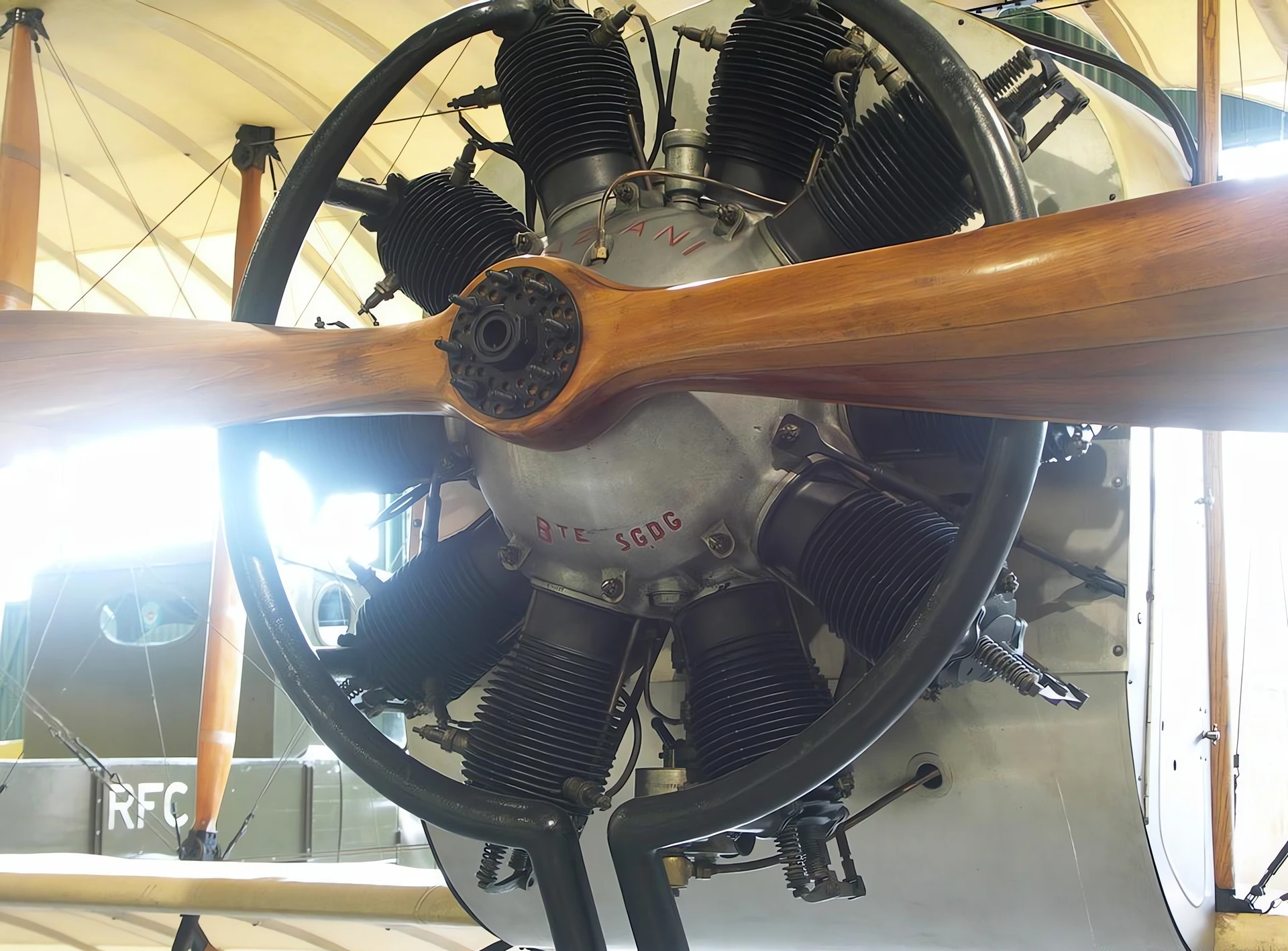
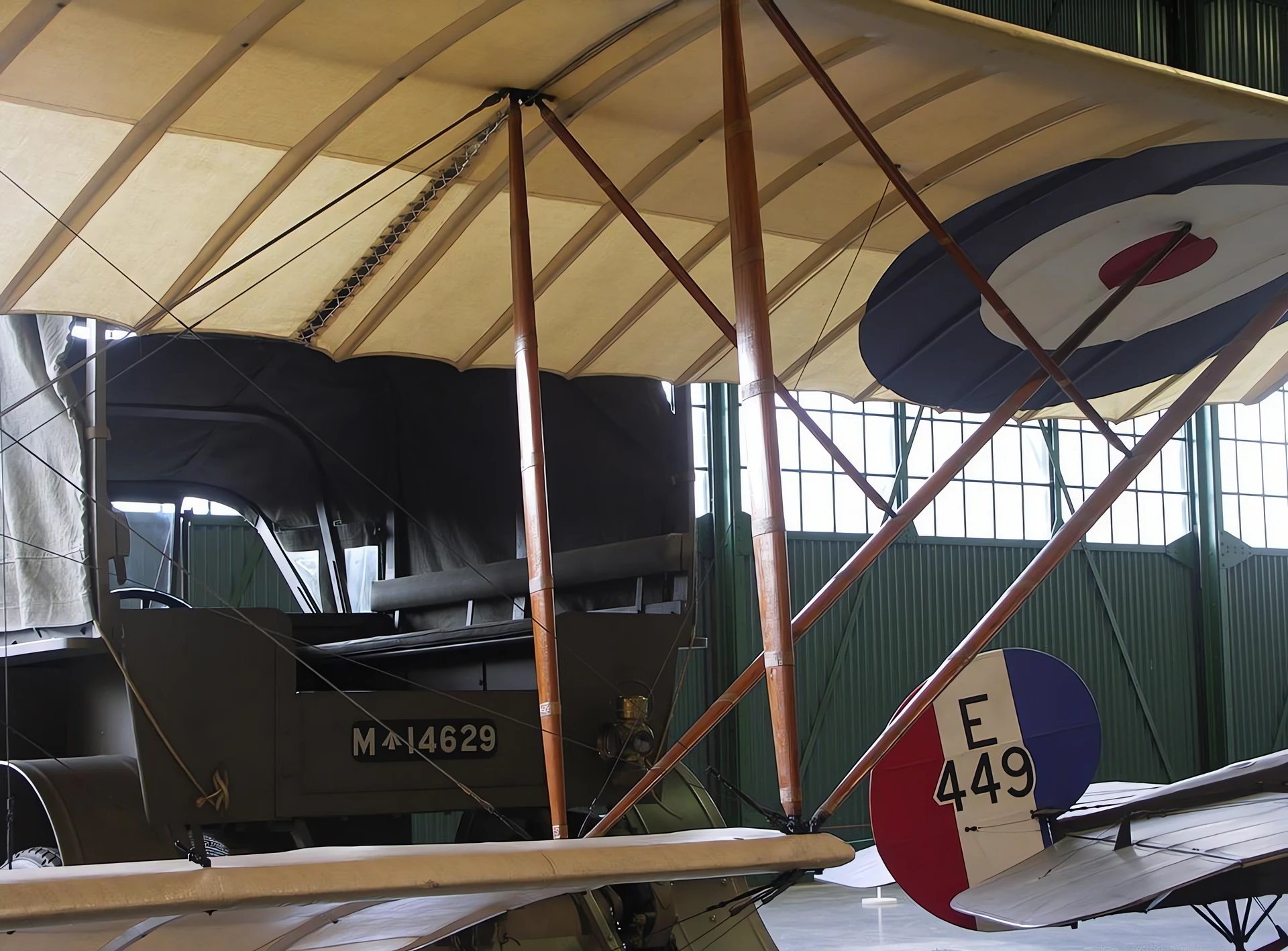
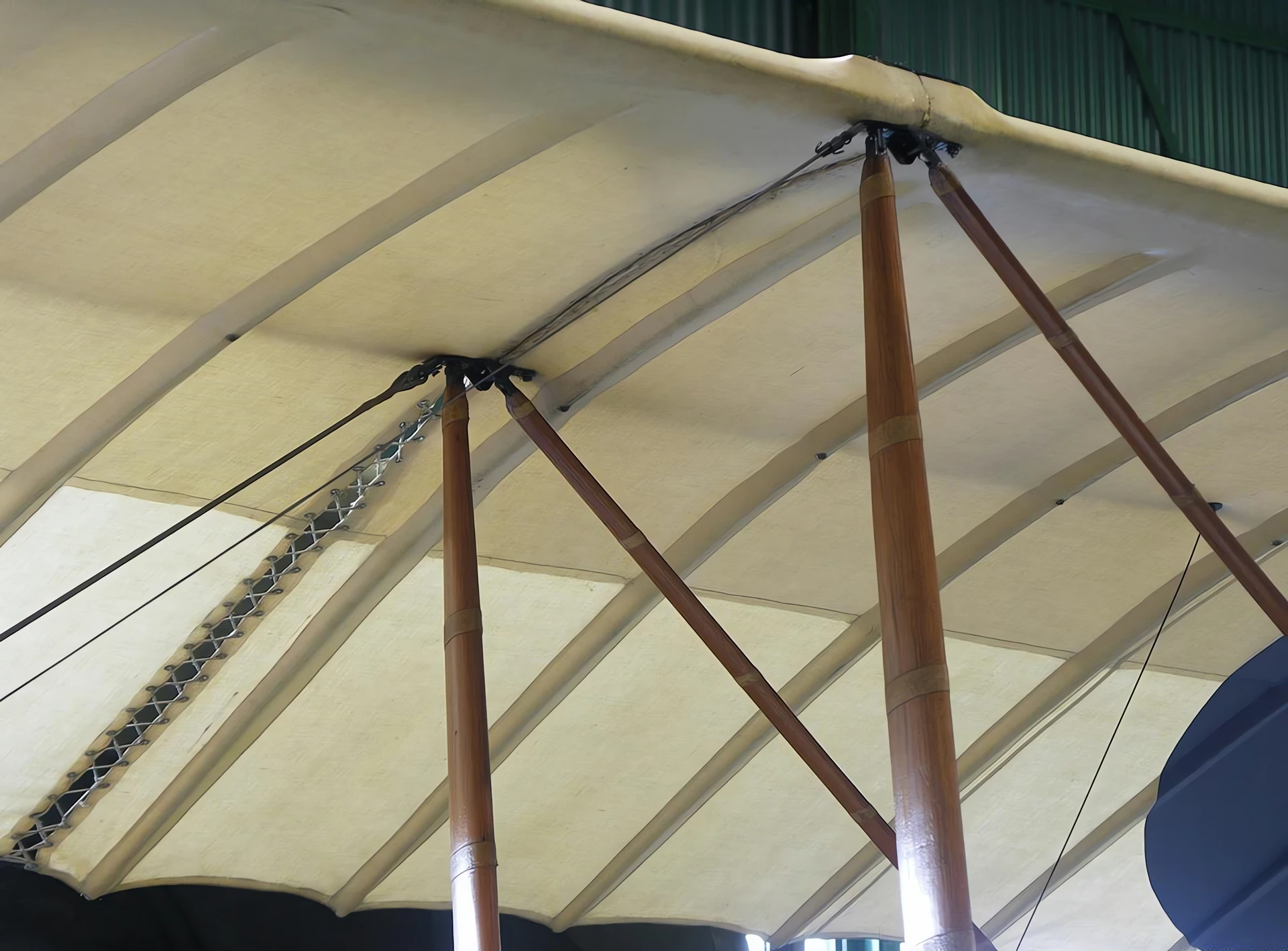
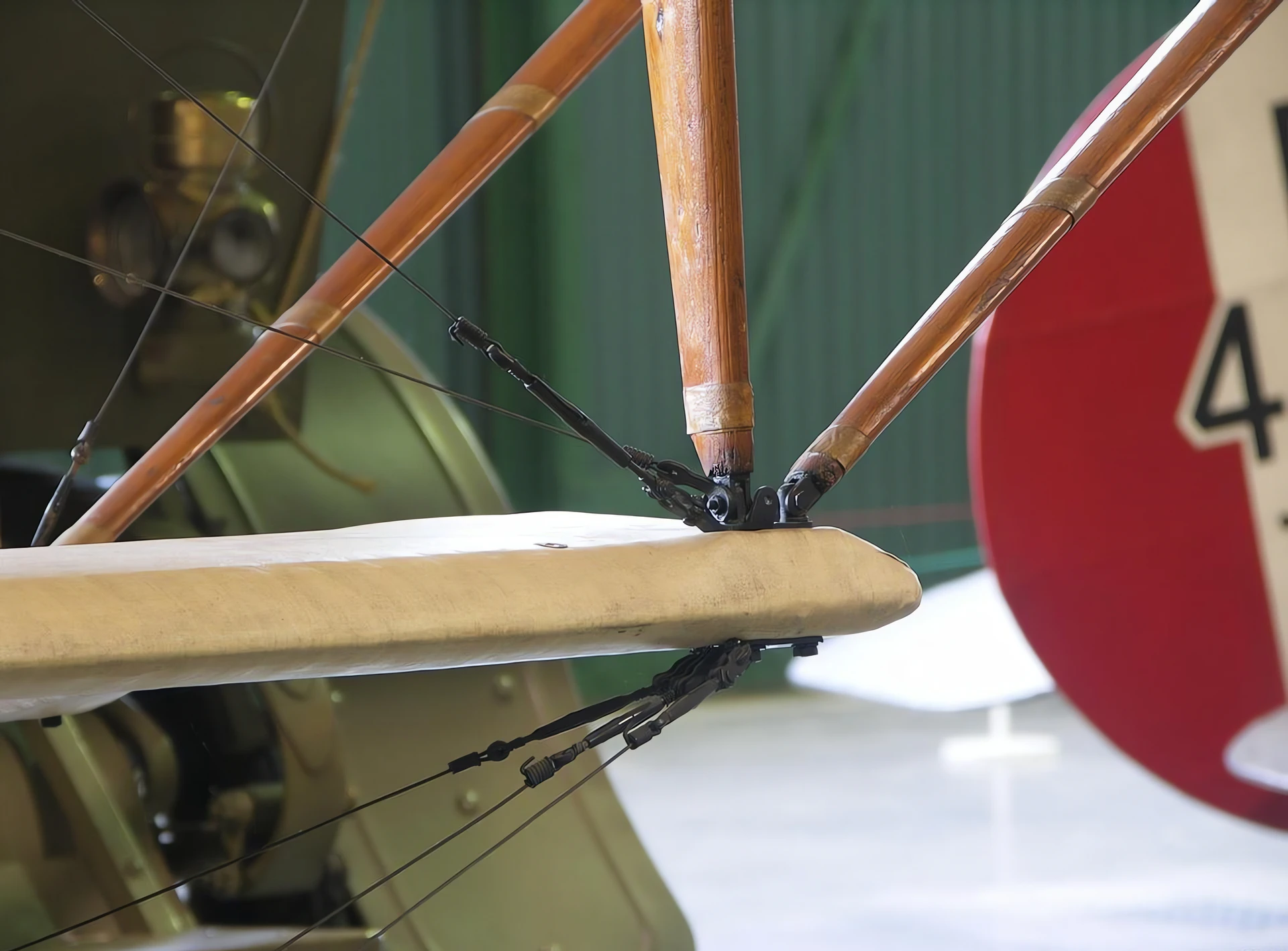

| Каудрона G.III Прогулянка Навколо | |
|---|---|
| Фотограф | Міндерт-де-Врезе |
| Локалізацією | Незнай |
| Фото | 51 |
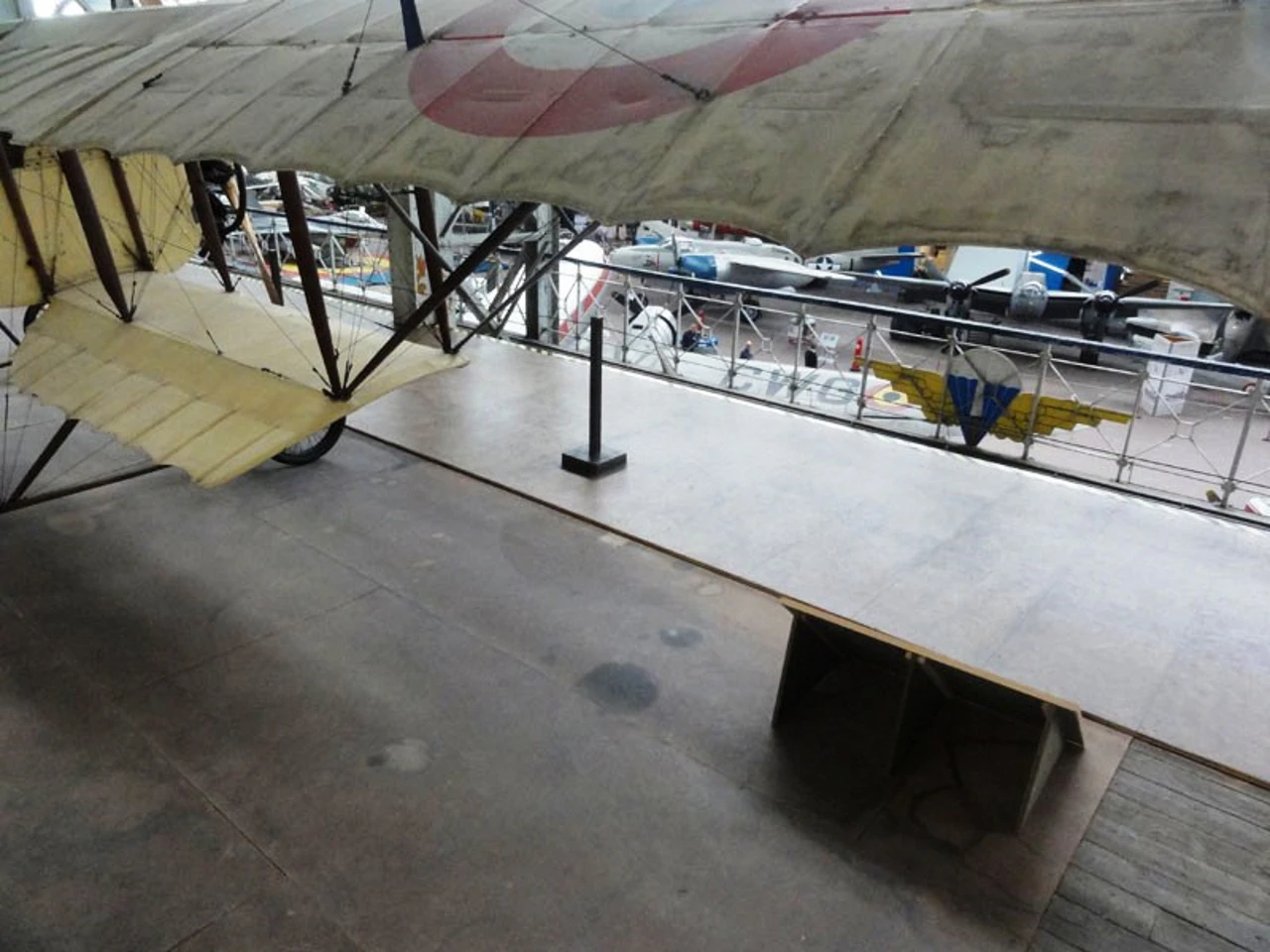
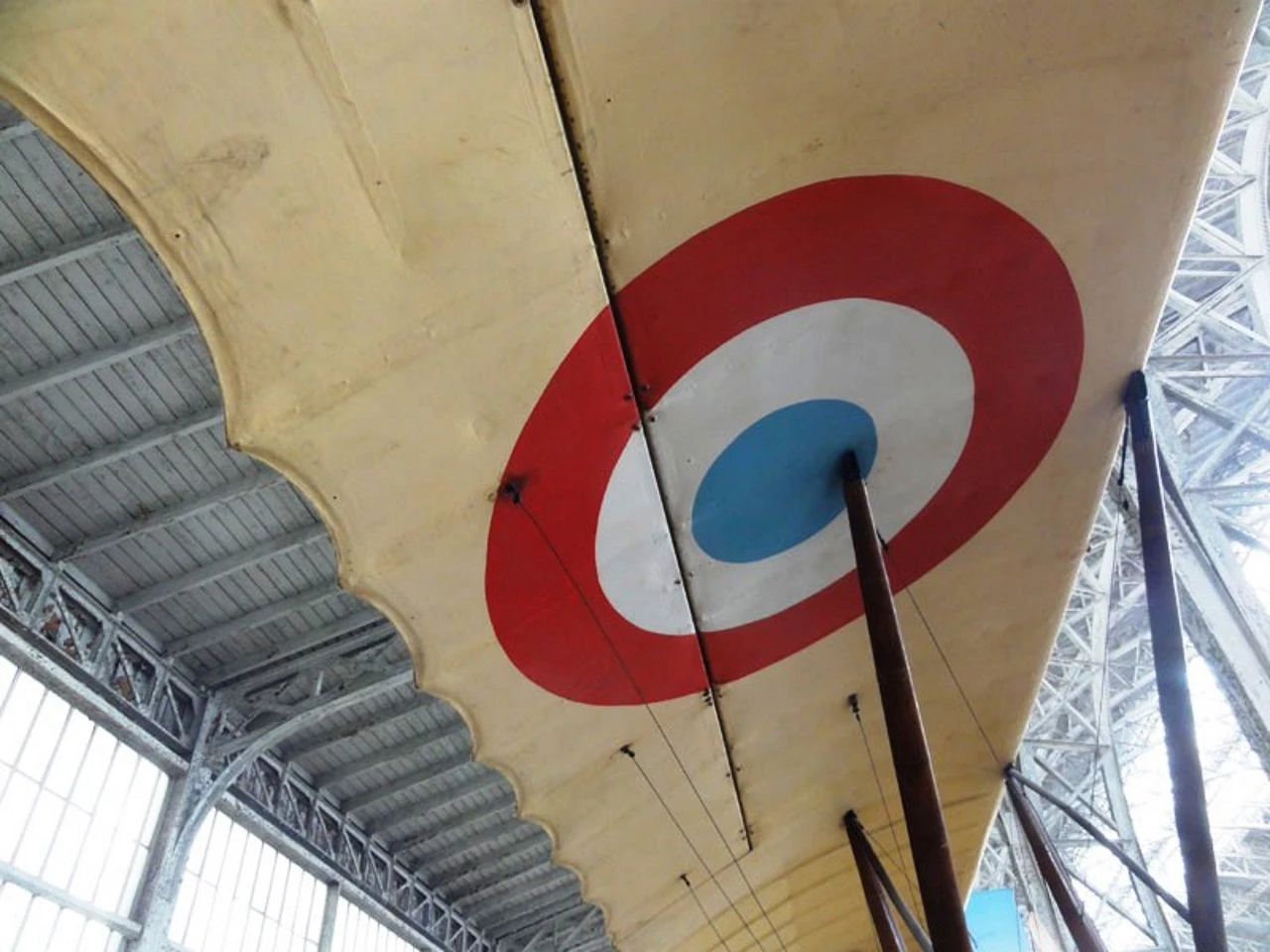
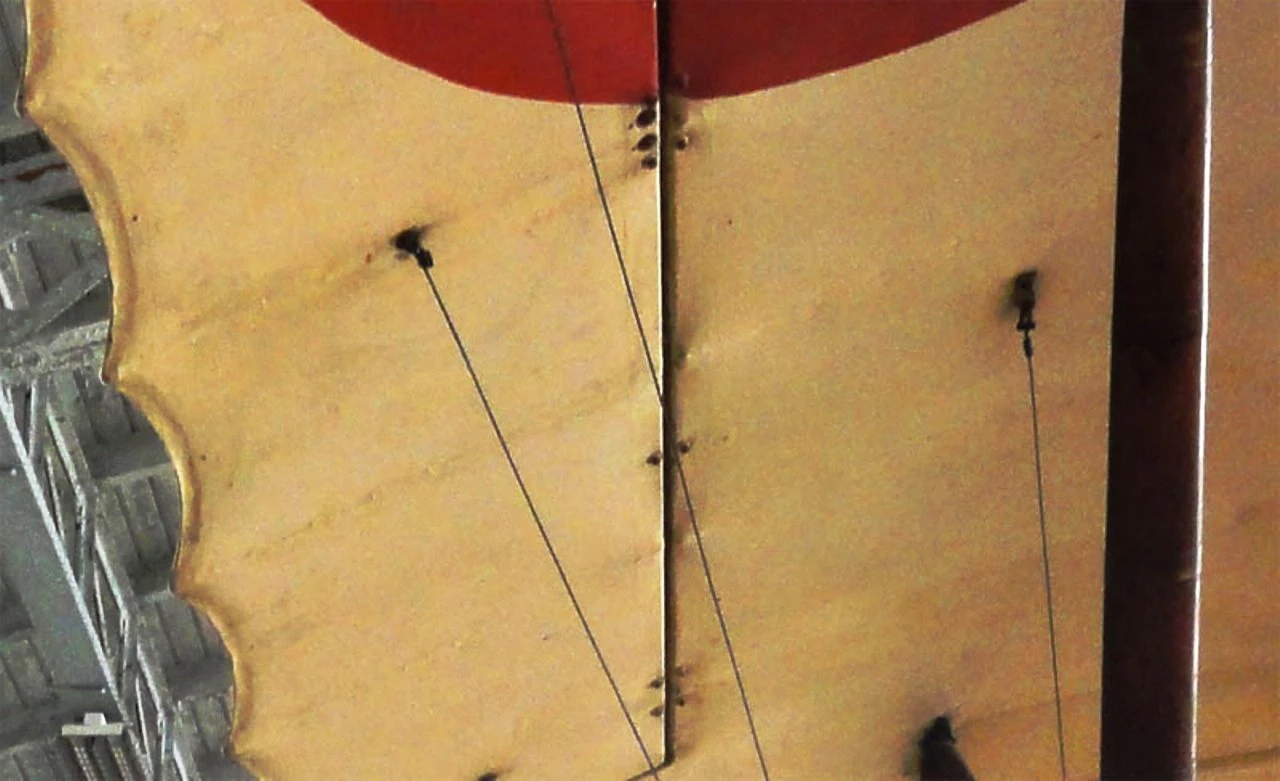
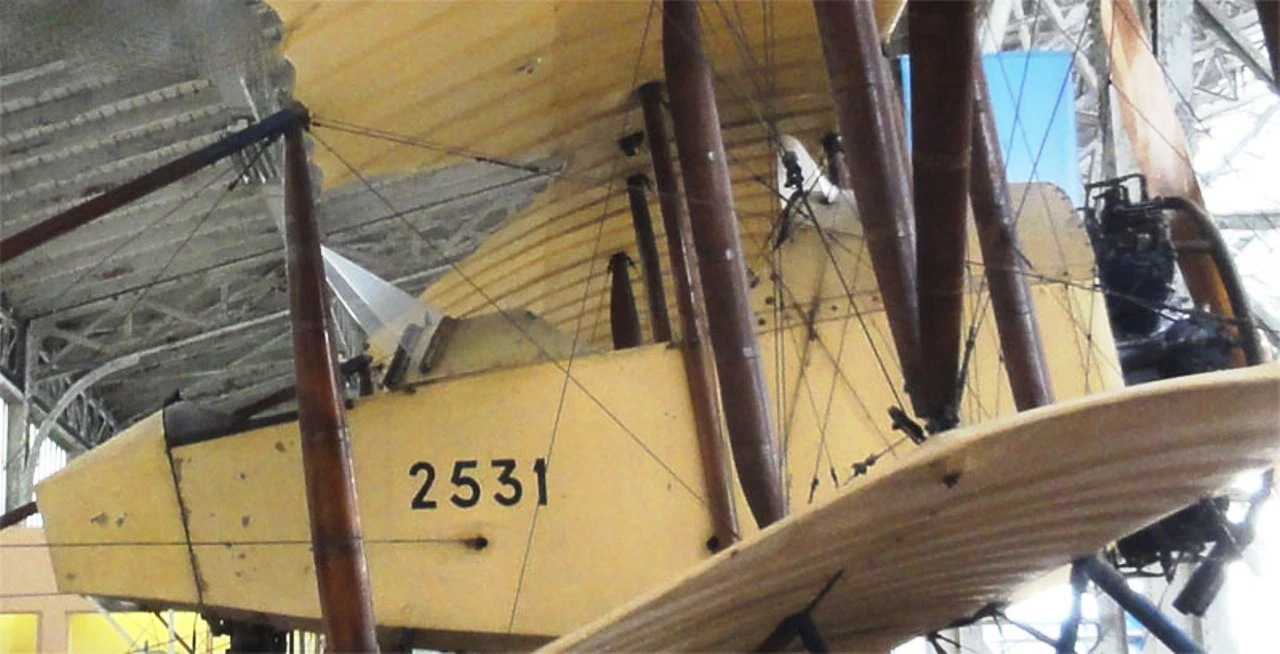
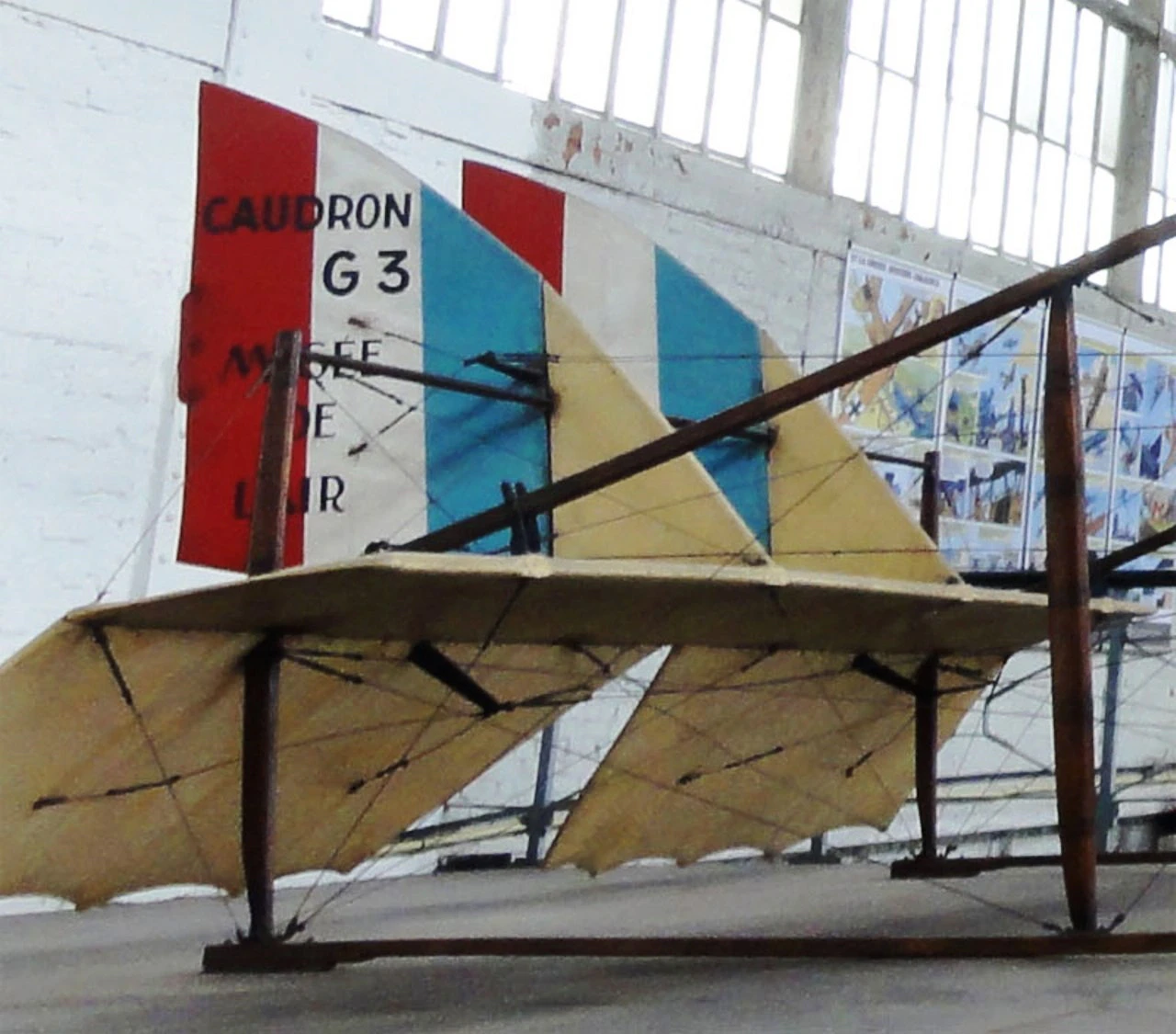
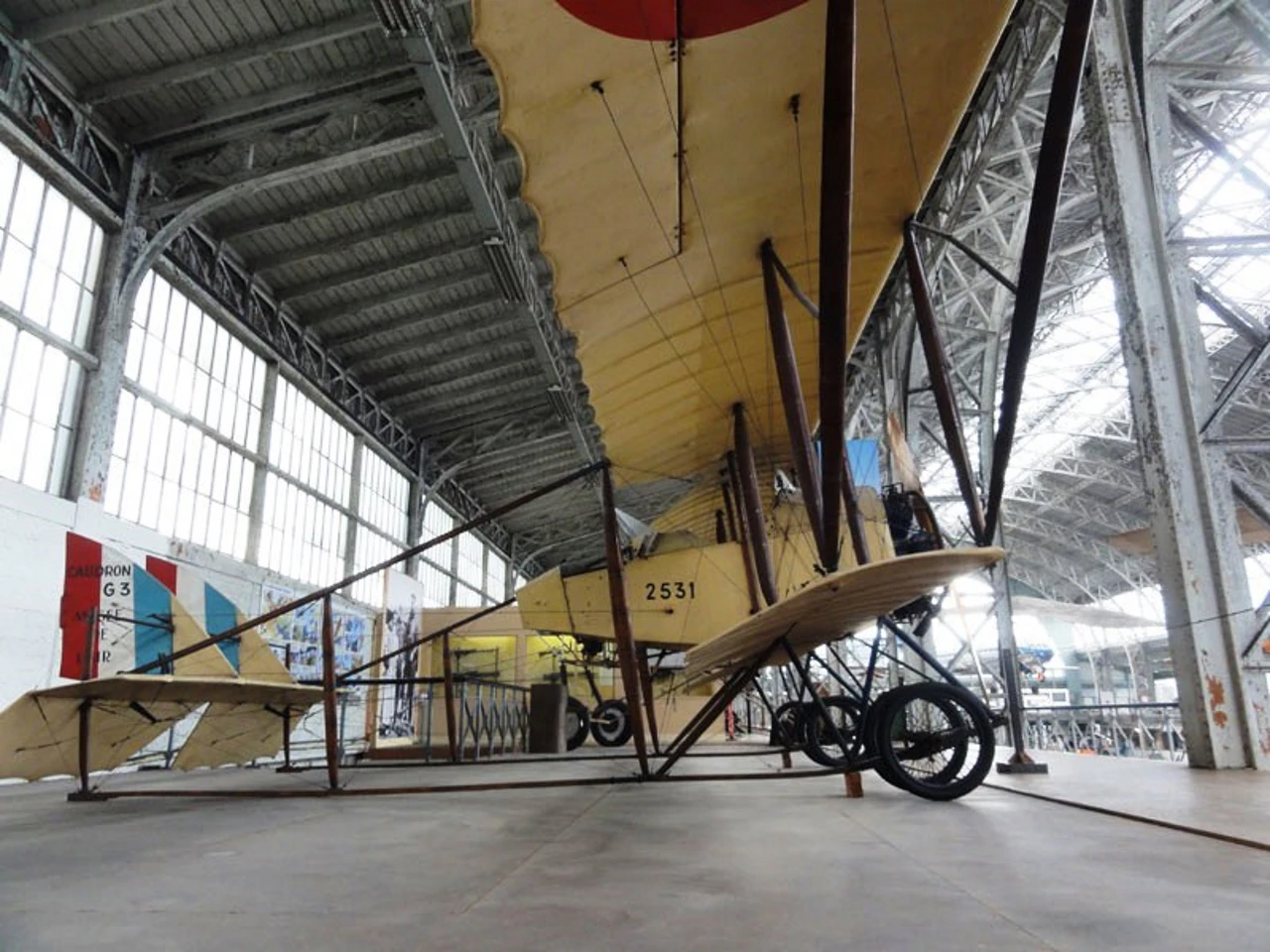
 Купи мені каву
| Caudron G.3 Walk Around | |
|---|---|
| Фотограф | Unknow |
| Локалізацією | Незнай |
| Фото | 33 |
Читайте також:


A Skeleton in the Sky
У 201 Каудрона Г.ІІІ was one of the most recognizable sights in the early skies of World War I. Designed by the Caudron brothers, René and Gaston, it was a “sesquiplane” (one-and-a-half wings) characterized by its twin-boom tail and a short, bathtub-like crew nacelle. While it looked like a fragile collection of sticks and wire, it was remarkably stable and had an exceptional rate of climb. Initially used for reconnaissance and artillery spotting, its vulnerability to faster, armed German aircraft saw it transition into the world’s most famous trainer, teaching thousands of Allied pilots how to fly.
| Attribute | Technical Specification (G.3 A.2) |
|---|---|
| Роль | Reconnaissance / Artillery Spotter / Trainer |
| команда | 2 (Pilot and Observer) |
| First Flight | May 1914 |
| Силова установка | 1 × Le Rhône 9C rotary engine (Standard) |
| Horsepower | 80 hp (60 kW) |
| Максимальна швидкість | 106 km/h (66 mph) |
| Service Ceiling | 4,300 m (14,110 ft) |
| Endurance | Approx. 4 hours |
Design Engineering: Wing Warping and Wood
- The Sesquiplane Layout: The G.III was a “one-and-a-half-decker.” The lower wing was significantly shorter and narrower than the top wing. This provided the observer with an excellent downward view for spotting enemy troop movements and directing artillery fire.
- Wing Warping: Early G.IIIs did not have ailerons. To roll the aircraft, the pilot used a system of cables to physically twist (warp) the trailing edges of the wings. This was flexible but put significant stress on the wooden spars over time. Later production models eventually switched to conventional ailerons.
- The “Rouleur” Variant: To train pilots without the risk of them crashing from height, the French created the “G.3 R.1” or Rouleur. These had their wing fabric removed or trimmed so they could taxi at high speeds on the ground but never generate enough lift to take off.
- Twin-Boom Stability: The twin tailbooms were made of four longitudinal wooden spars reinforced with a “spider web” of tension wires. This design made the plane very forgiving to fly and highly stable in the mountainous air of the Italian front.
The Legend of the Andes and the “Galaries”
- Crossing the Andes: In April 1921, the French aviatrix Adrienne Bolland achieved the impossible by flying a Caudron G.III across the Andes Mountains from Argentina to Chile. She flew for four hours through freezing temperatures and extreme turbulence in an open cockpit, proving the ruggedness of the design.
- Landing on a Roof: In January 1919, pilot Jules Védrines famously landed a G.III on the roof of the Galeries Lafayette department store in Paris. The “runway” was only 28 meters long, demonstrating the aircraft’s incredible short-field performance.
- Mountain Warrior: Because of its high lift and climbing ability, the Italian Army used the G.III extensively for reconnaissance in the Alps, where other early aircraft struggled with the thin air and unpredictable updrafts.
- Global Trainer: Over 2,400 were built in France alone, with hundreds more licensed in the UK and Italy. It remained in service as a primary trainer in some countries, like China and Portugal, well into the 1920s and early 30s.
Переглядів : 4014
Ви також можете побачити:
 Лєтов С-20 – фото і відео
 Avro 504 – Фото та відео
 Focke-Wulf Fw 44 – фото та відео
 Казкова риба-меч – фото і відео
 Verville-Sperry M-1 Messenger – фото та відео
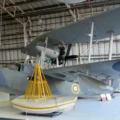 Чайка супермарин V – фото &відео
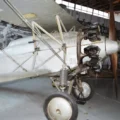 Caproni Ca.113 – Фото & Відео
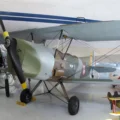 Stampe SV.4 – Фото & Відео
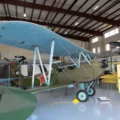 Полікарпов По-2 – фото &відео
 Caudron G.4 – Фото & Відео