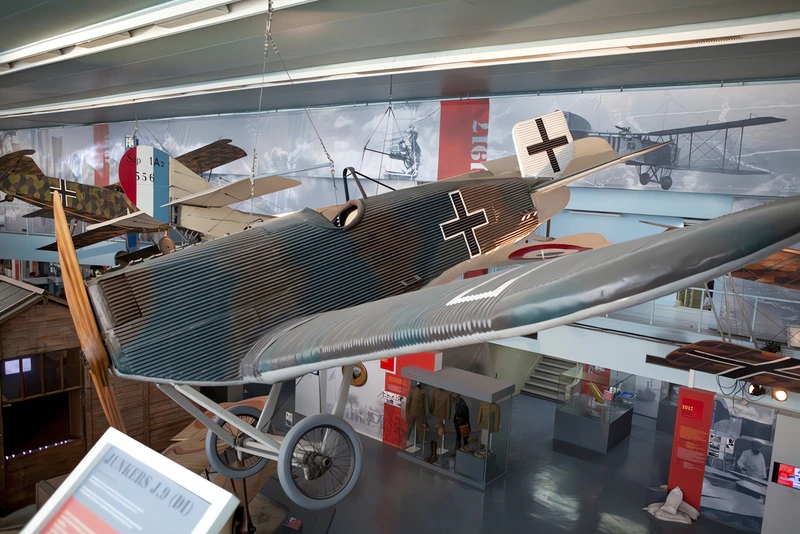
Junkers D.I | |
|---|---|
| Državi | Nemčija |
| Vlogo | Borec |
| Prvi let | 17. september 1917 |
| Zgrajena | 41 |
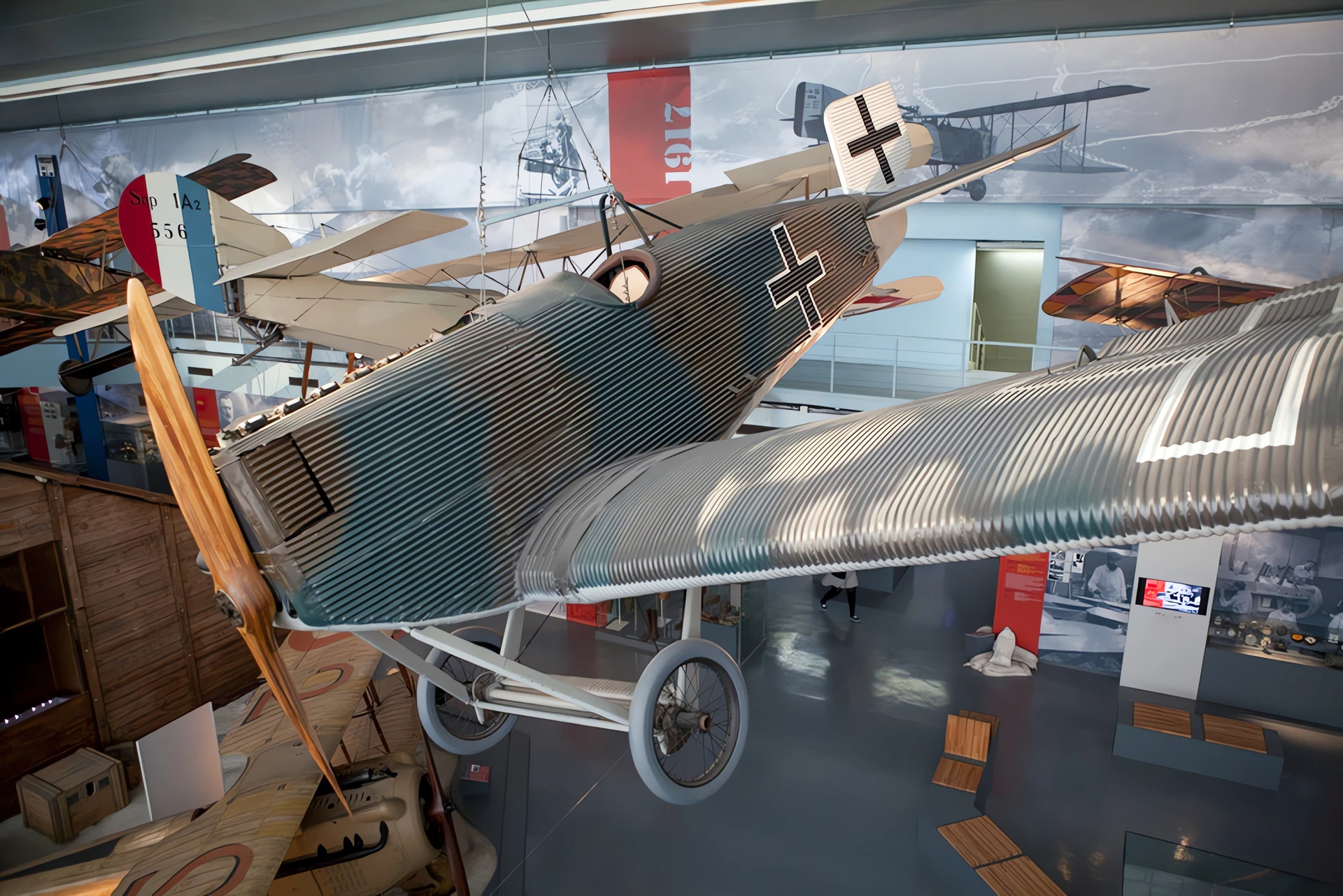
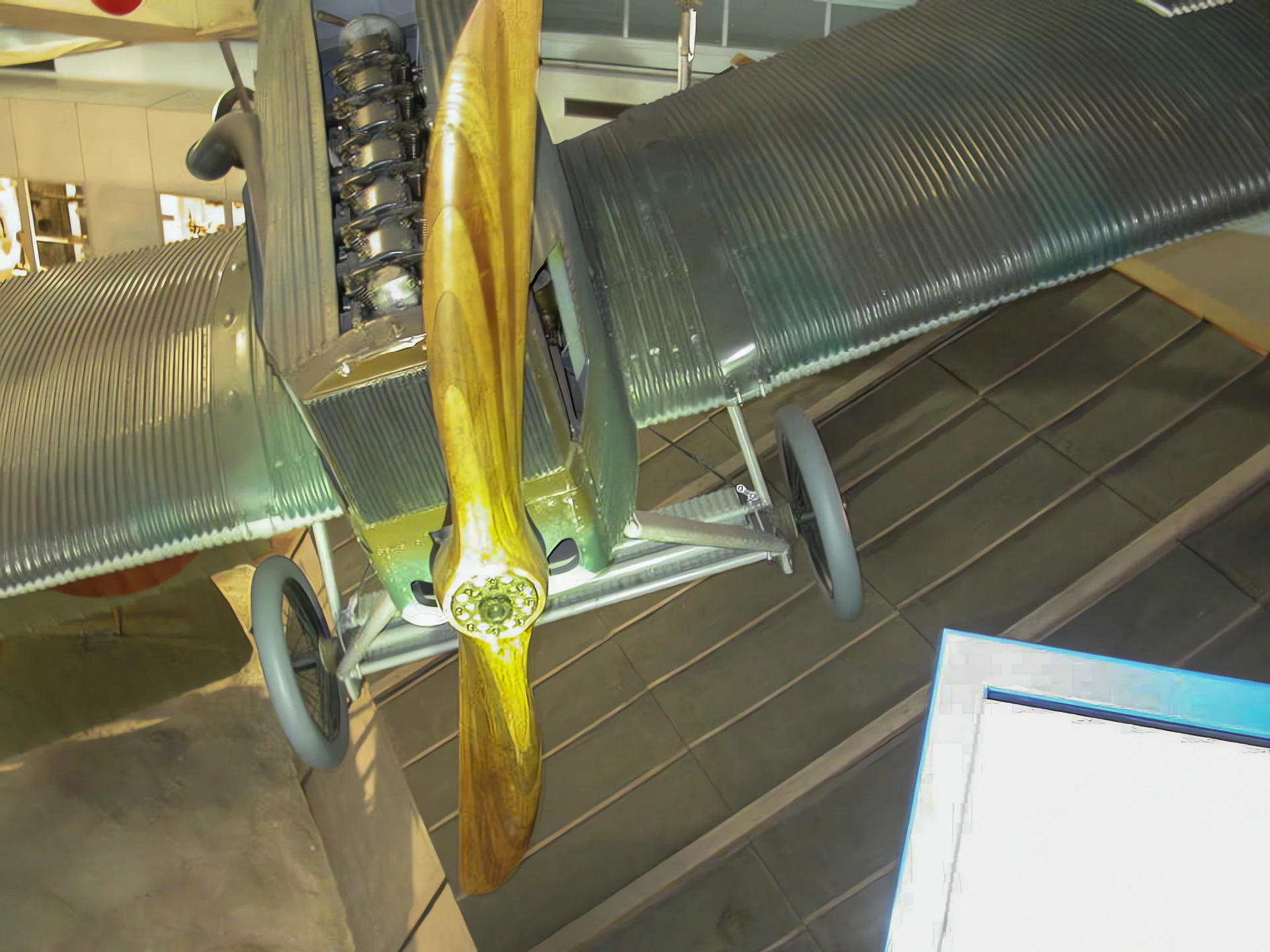
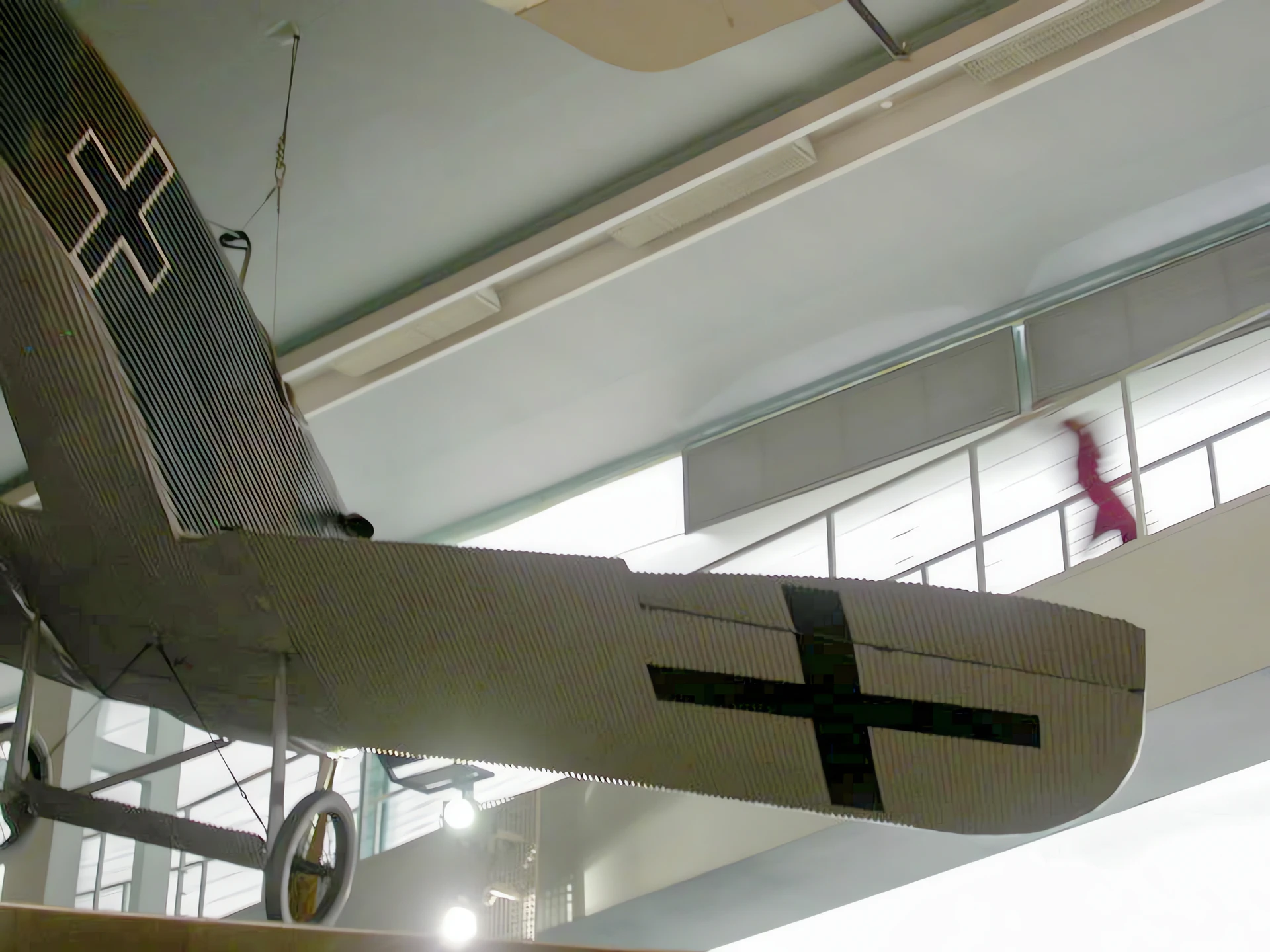
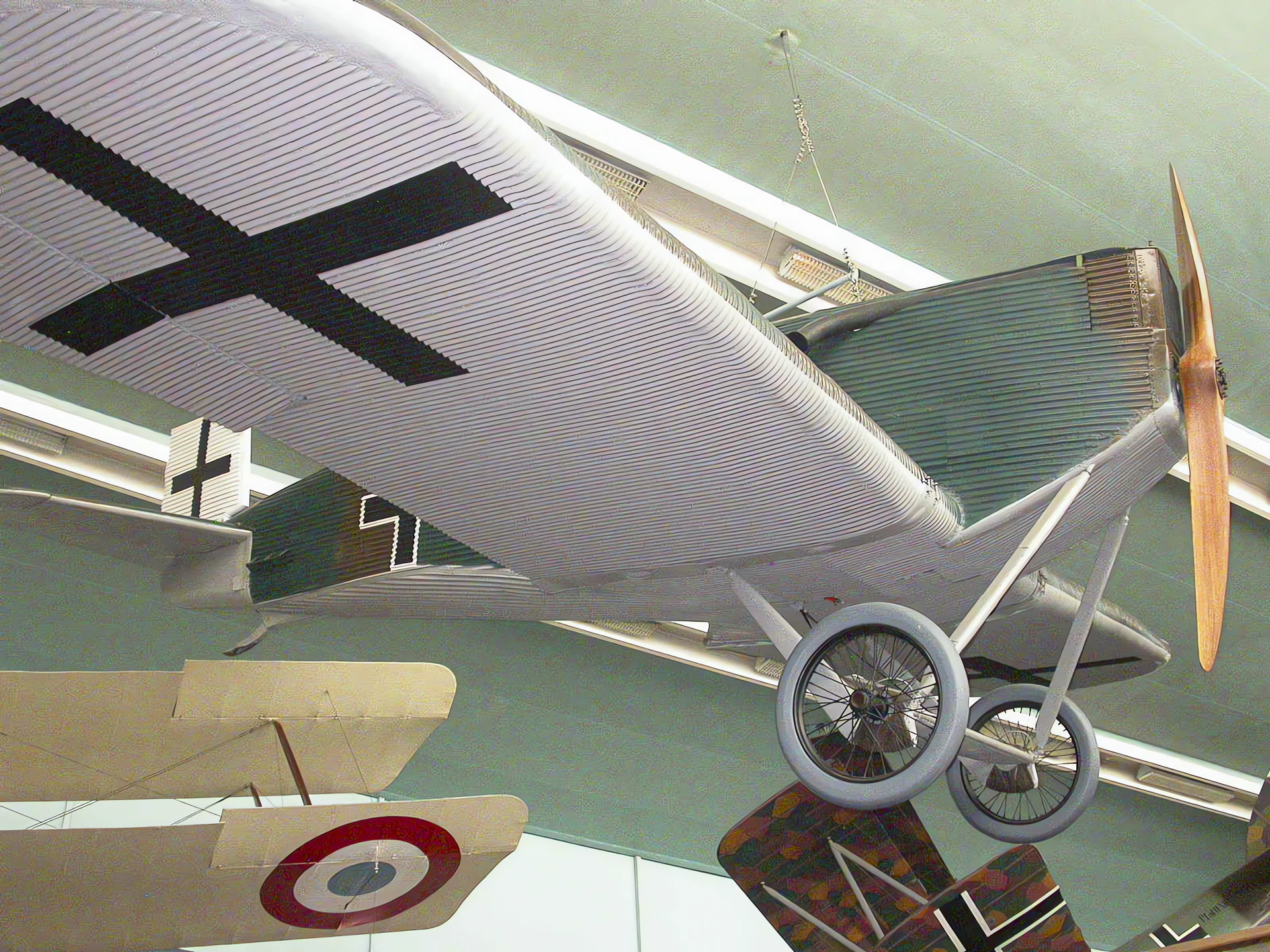
V Junkers D.I (tovarniška oznaka J 9) je bilo enokrilno lovsko letalo, izdelano v Nemčiji pozno med prvo svetovno vojno, ki je postalo prvi kovinski lovec, ki je vstopil v uporabo. Prototip, zasebno podjetje Junkersa, imenovano J 7, je prvič poletel 17. septembra 1917, med testiranjem pa je doživel skoraj pol ducata sprememb v zasnovi. Ko so ga v začetku naslednjega leta demonstrirali Idfliegu, se je izkazal za dovolj impresivnega, da je privedel do naročila za tri dodatna letala za preizkuse. Spremembe, ki jih je naredil Junkers, so bile dovolj pomembne, da je podjetje preimenovalo naslednji primer v J 9, ki je bil dobavljen Idfliegu namesto treh naročenih J 7.
| Junker J9 D1 Walk Around | |
|---|---|
| Fotograf | Unknow |
| Lokalizacijo | Neznano |
| Fotografije | 22 |
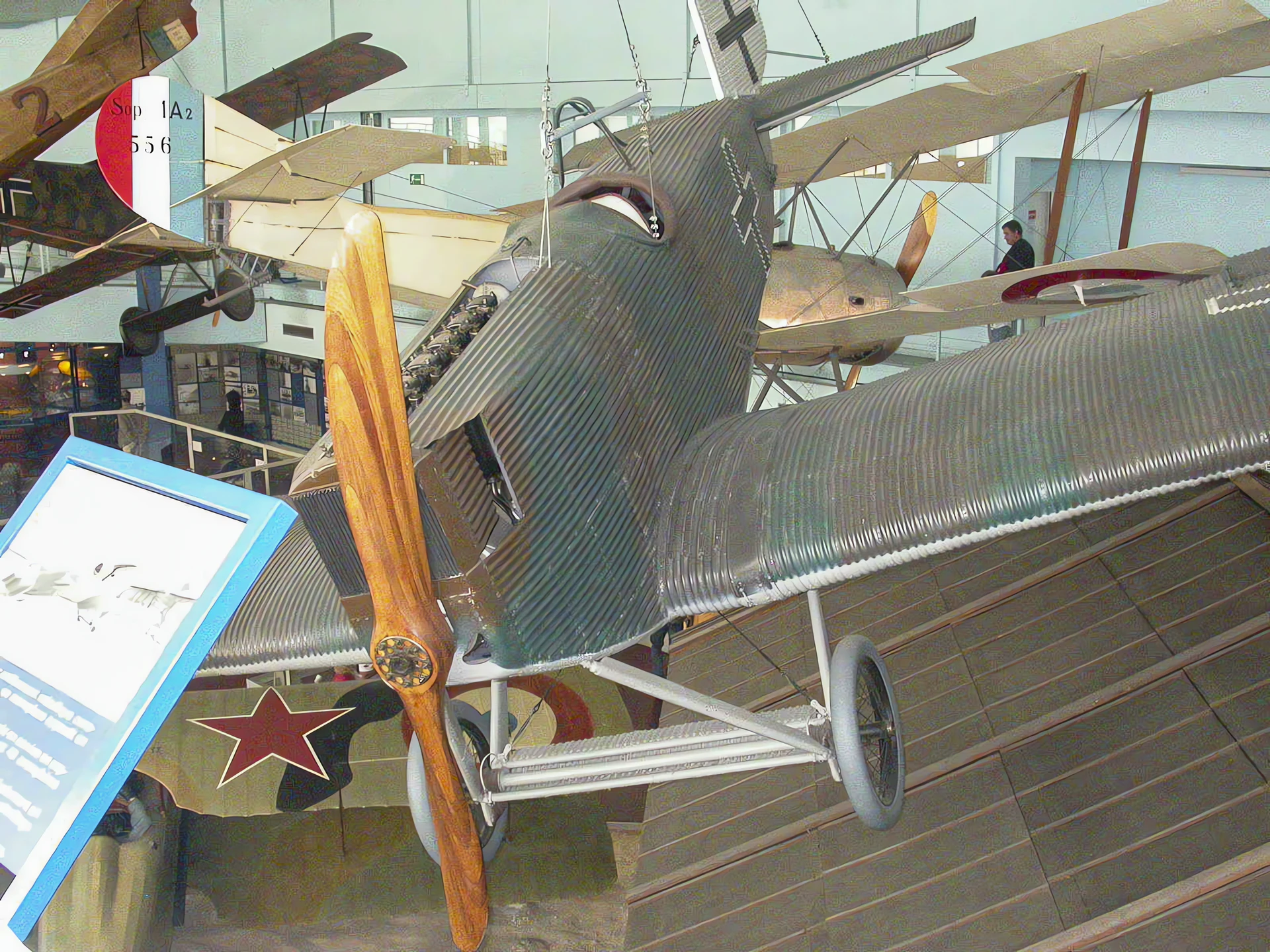
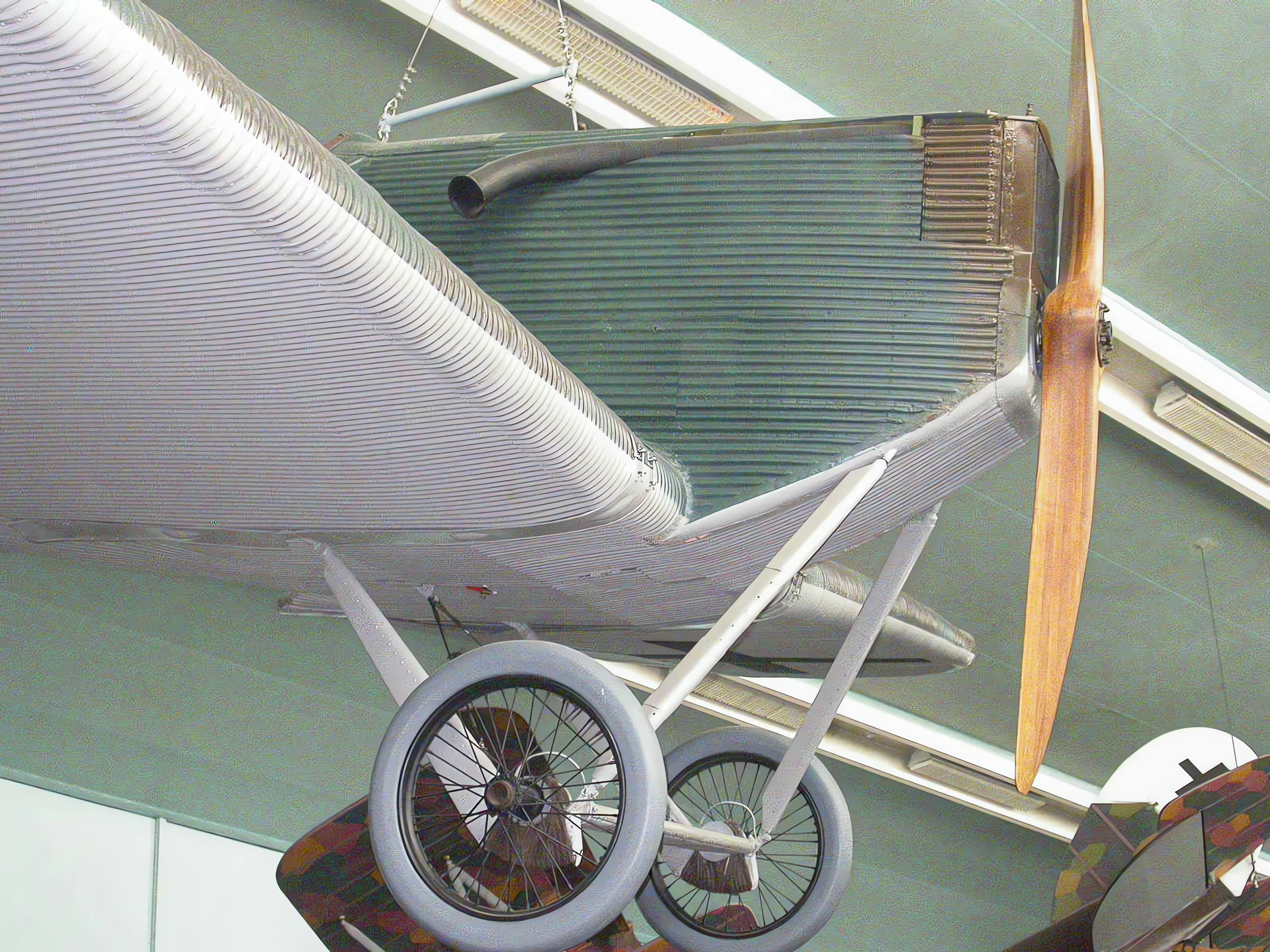
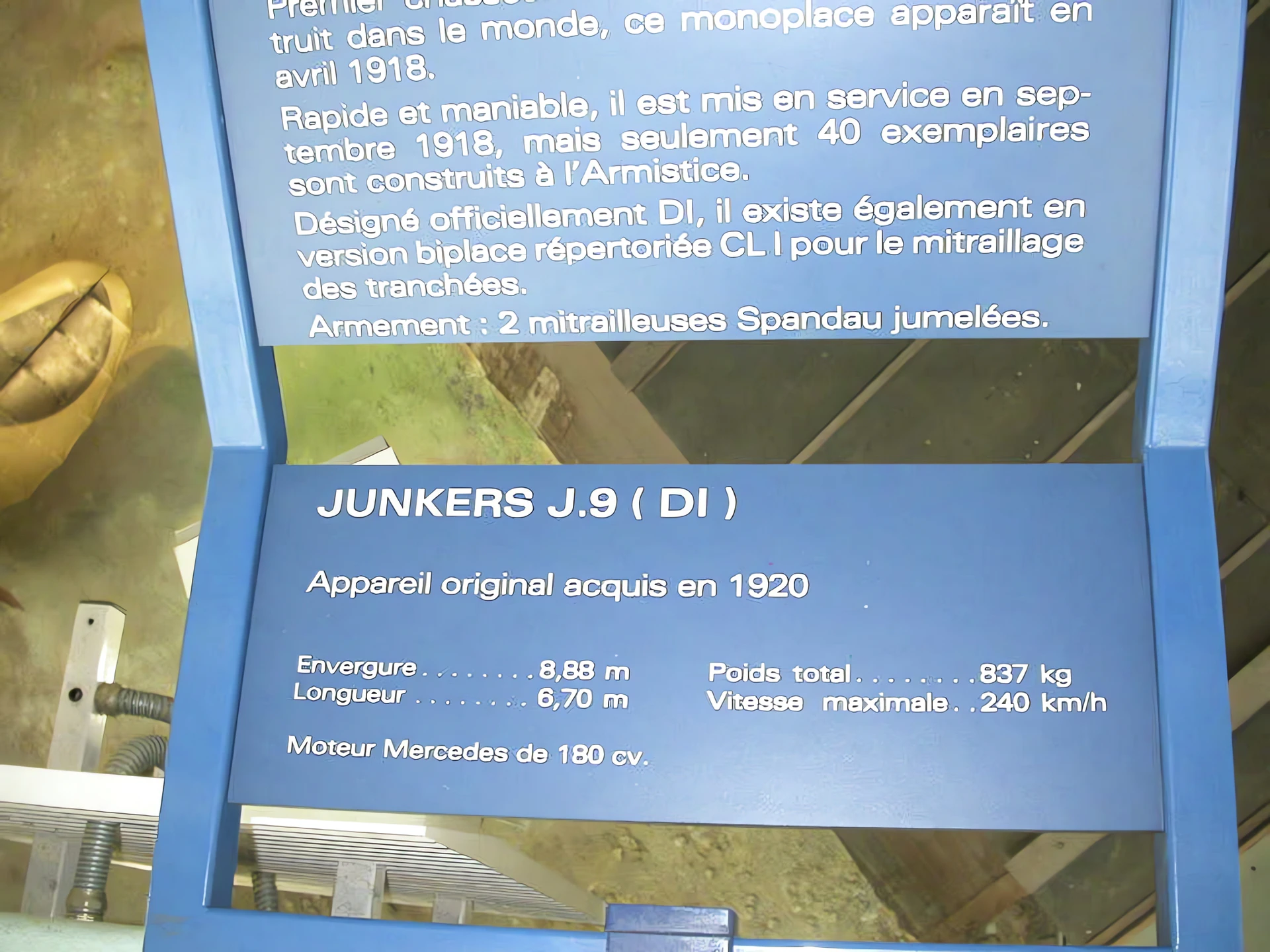


Glej tudi:


General Characteristics
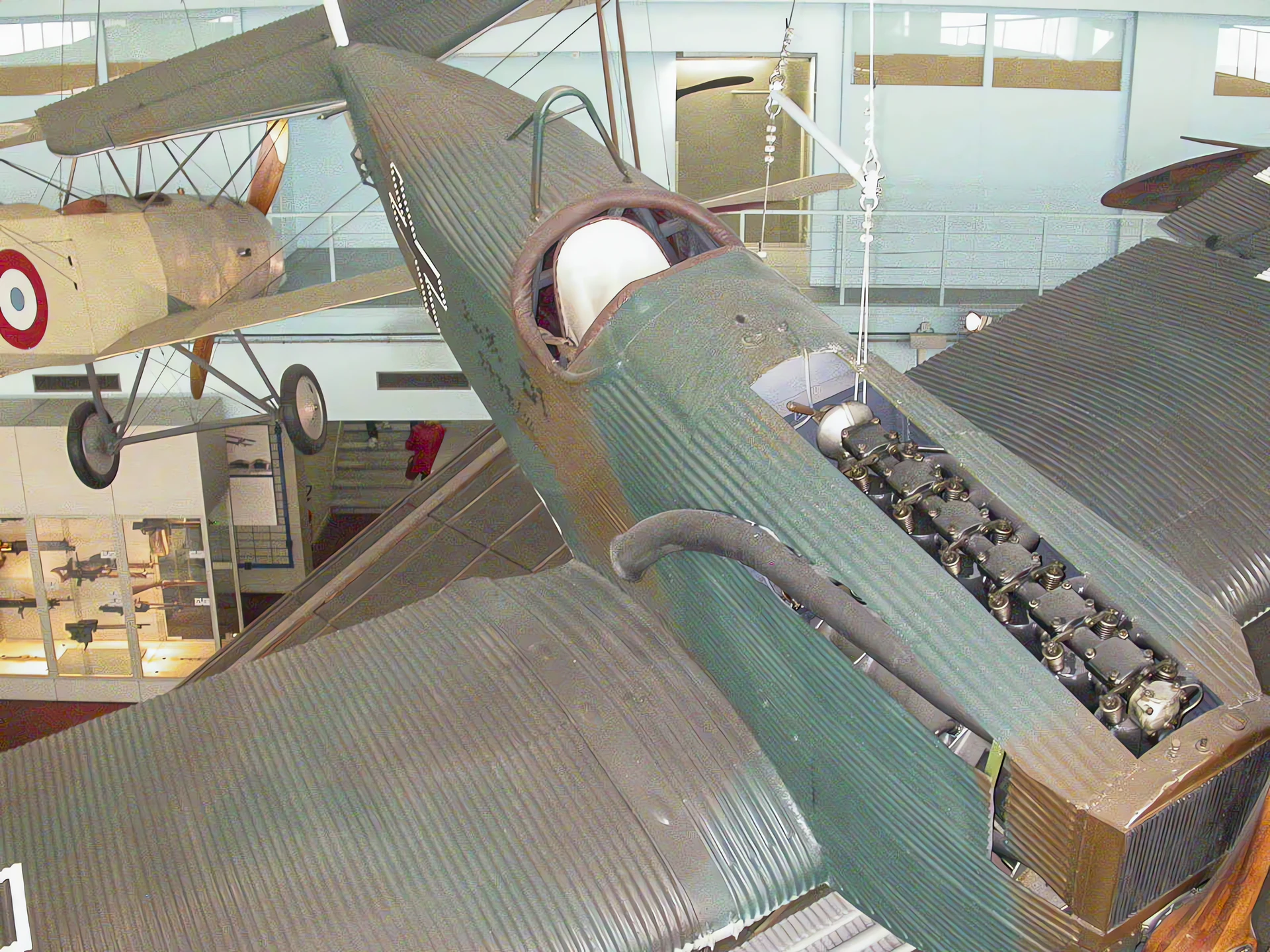
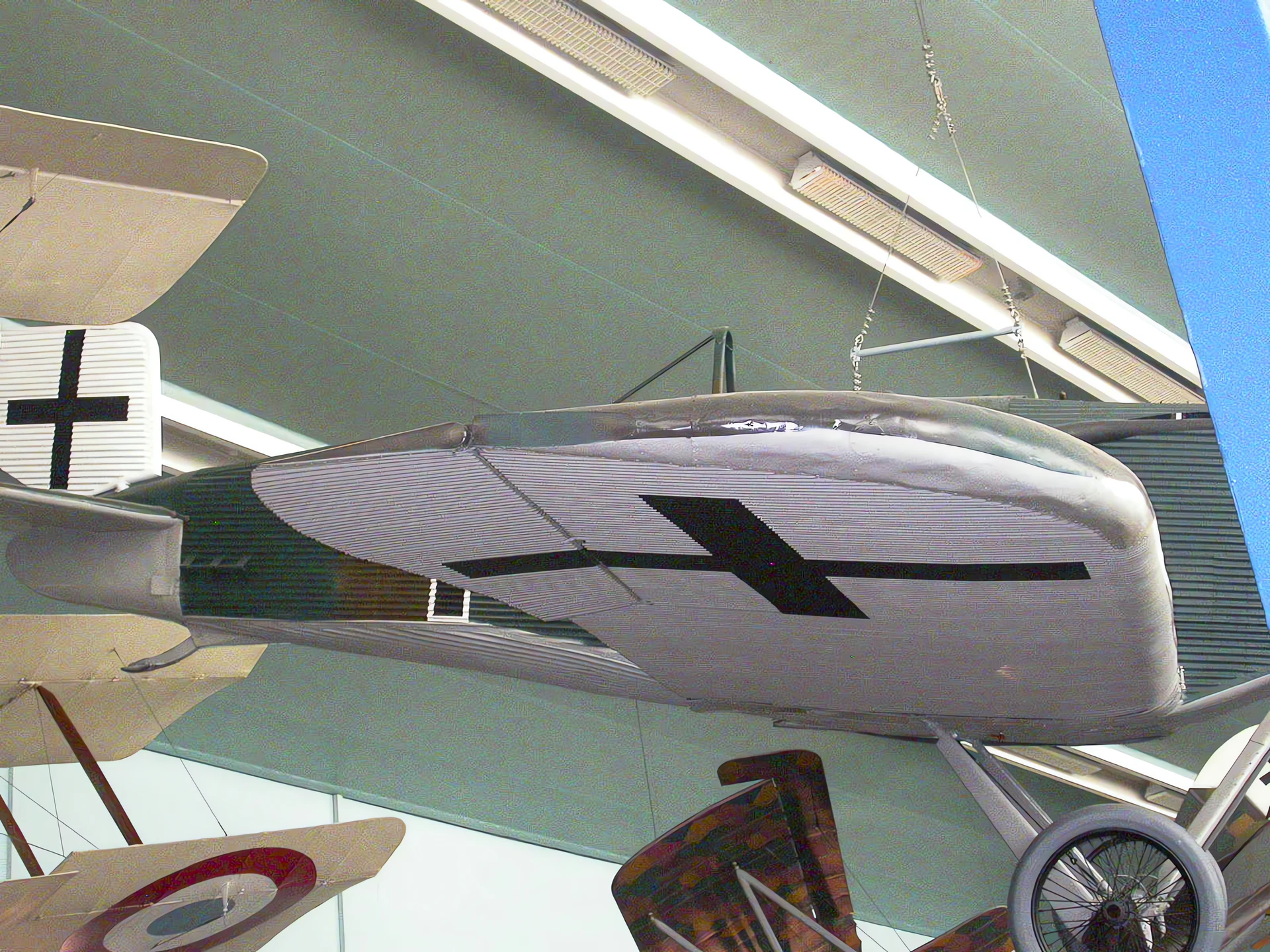
The Junkers J 9 (military designation D.I) was a German monoplane fighter aircraft produced late in World War I, notable for being the world’s first all-metal fighter to enter military service. Designed by Hugo Junkers, the aircraft featured a revolutionary cantilever wing and fuselage entirely covered in corrugated duralumin (an aluminum alloy). This construction method made the aircraft exceptionally durable and easy to maintain compared to conventional wood-and-fabric aircraft, though early models were criticized for low maneuverability. Only a small number of J 9s were delivered before the Armistice, primarily used by the Imperial German Navy for coastal defense and later by paramilitary Freikorps units after the war.
| Property | Typical Value (D.I Production) |
|---|---|
| Vlogo | Fighter Aircraft / Naval Fighter |
| National Origin | Germany (German Empire) |
| proizvajalec | Junkers-Fokker A.G. |
| First Flight (Prototype J 7) | September 17, 1917 |
| Introduction Date | 1918 |
| No. Built | Approx. 41 |
| Posadke | 1 (Pilot) |
| Dolžina | 7.25 m (23 ft 9 in) |
| Peruti | 9.00 m (29 ft 6 in) |
| Max Takeoff Weight | 834 kg (1,839 lb) |
Powerplant and Performance
- Engine: 1 x BMW IIIa water-cooled 6-cylinder inline piston engine (Later production models and prototypes were also fitted with Mercedes D.IIIa/aü engines).
- Power Output: 138 kW (185 hp) (BMW IIIa).
- Maximum Speed: 176 km/h (109 mph) (with BMW IIIa).
- Service Ceiling: 6,000 m (19,700 ft).
- Endurance: 1.5 hours.
- Design Note: Its all-metal, low-wing monoplane design was extremely advanced for its time, predating similar designs by over a decade.
Oborožitev
- Armament: 2 x 7.92 mm LMG 08/15 Spandau machine guns, fixed and synchronized to fire forward through the propeller arc.
- Operational Note: Despite being an advanced design, many German pilots preferred the maneuverability and climb rate of contemporary biplanes, such as the Fokker D.VII, for traditional aerial combat. The J 9 was deemed better suited for specialist roles like naval patrol or balloon attack.
Ogledi : 1522