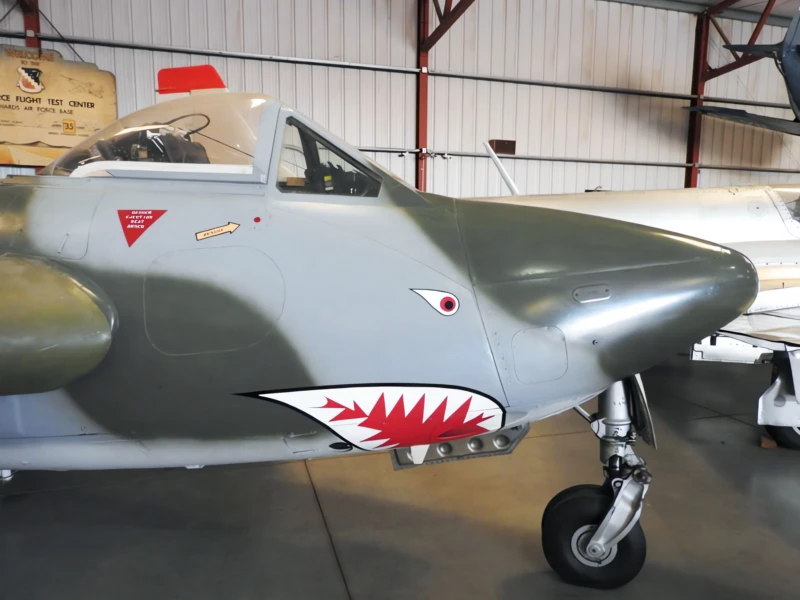
де Хэвилленд Вампир | |
|---|---|
| Страны | Великобритании |
| Роль | Истребитель |
| Первый полет | 20 сентября 1943 года |
| Построен | 3268 |
Teh де Хэвилленд Вампир является британский реактивный истребитель разработан и изготовлен де Хэвилленд авиационной компании. Работа над самолетом началась во время Второй мировой войны в качестве экспериментального самолета, пригодного для боевых действий, который использовал новаторские инновации реактивных двигателей; было быстро принято решение выбрать одномоторный двухцилиндровый самолет, оснащенный турбореактивным двигателем Halford H.1 (позже de Havilland Goblin). Первоначально заказанный только в качестве экспериментального самолета, решение о массовом производстве самолета в качестве перехватчика для Королевских военно-воздушных сил (RAF) было завершено в мае 1944 года.
Источник: де Хэвилленд Вампир в Википедии
| Де Хэвилленд Вампир FB.6 Прогулка вокруг | |
|---|---|
| Фотограф | Сес Хендрикс |
| Локализации | Неизвестная |
| Фотографии | 18 |
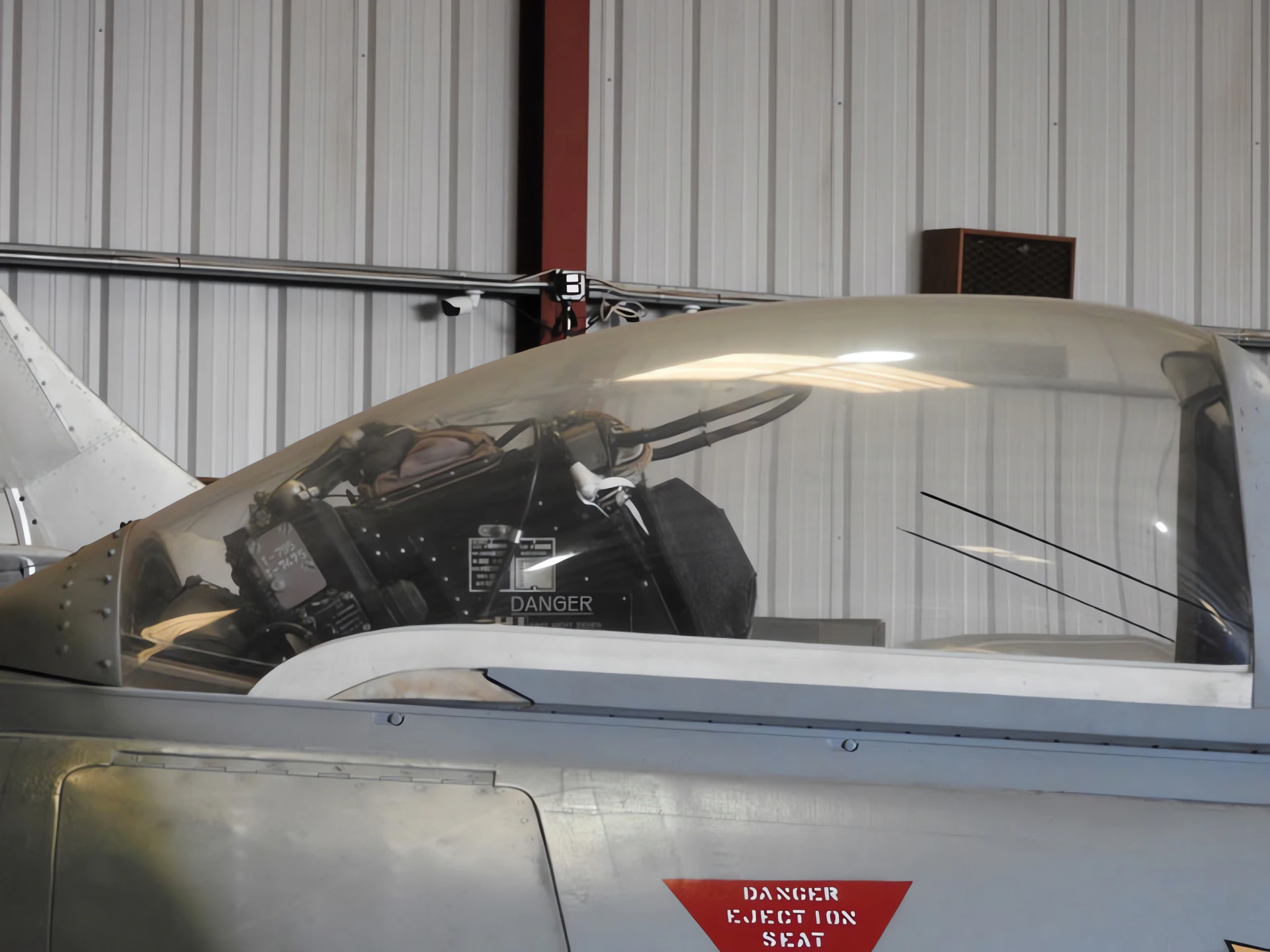
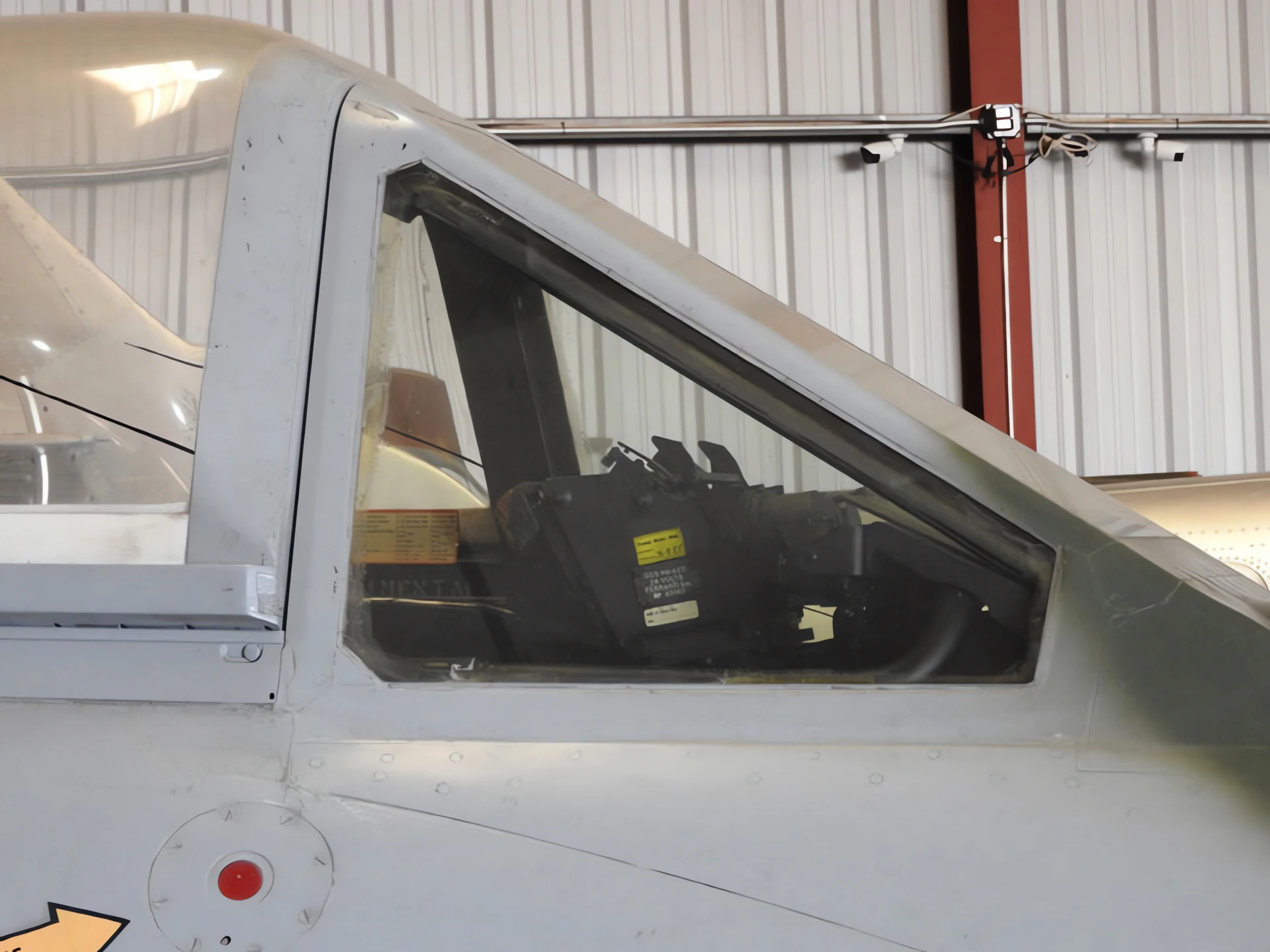
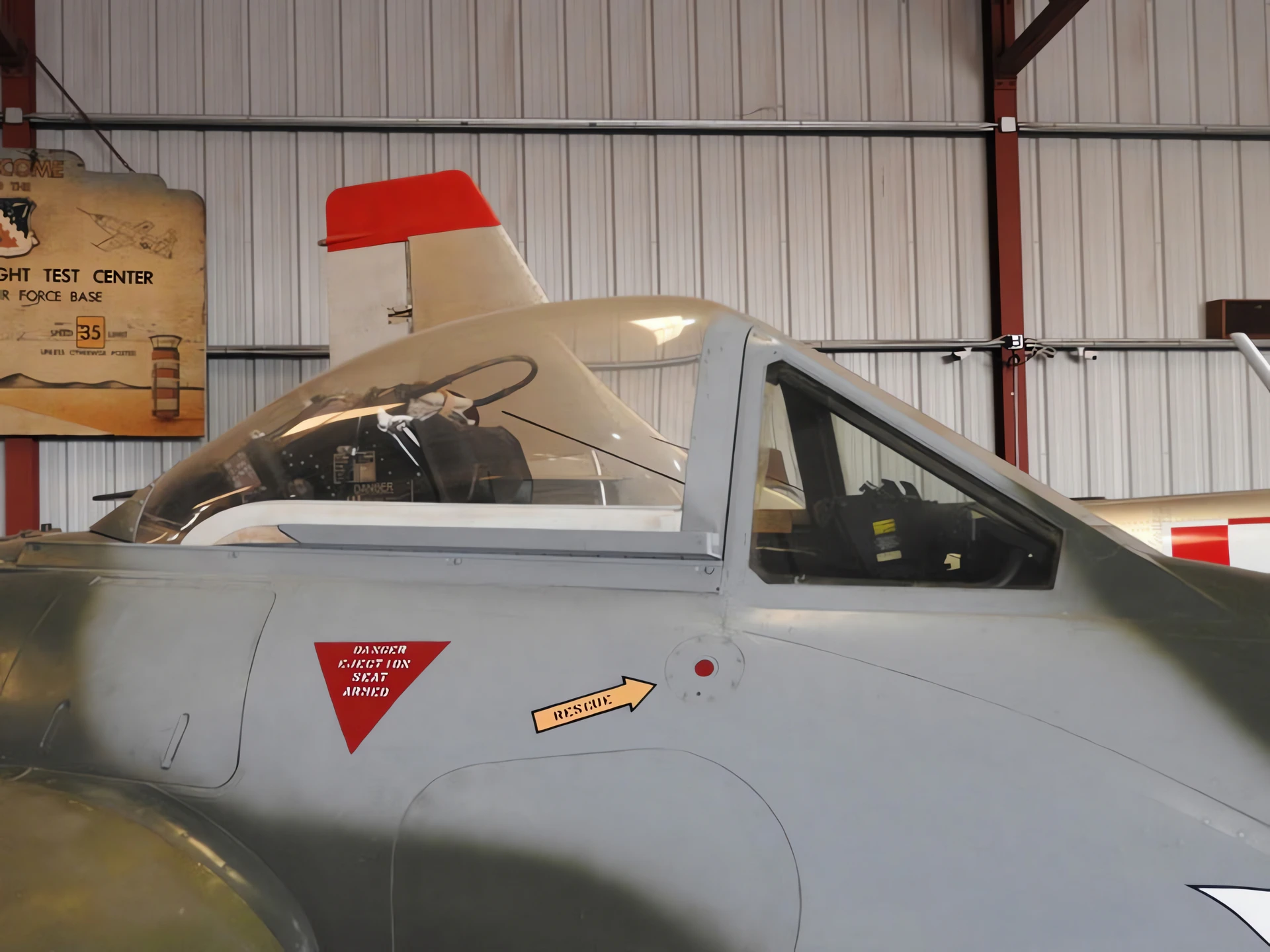
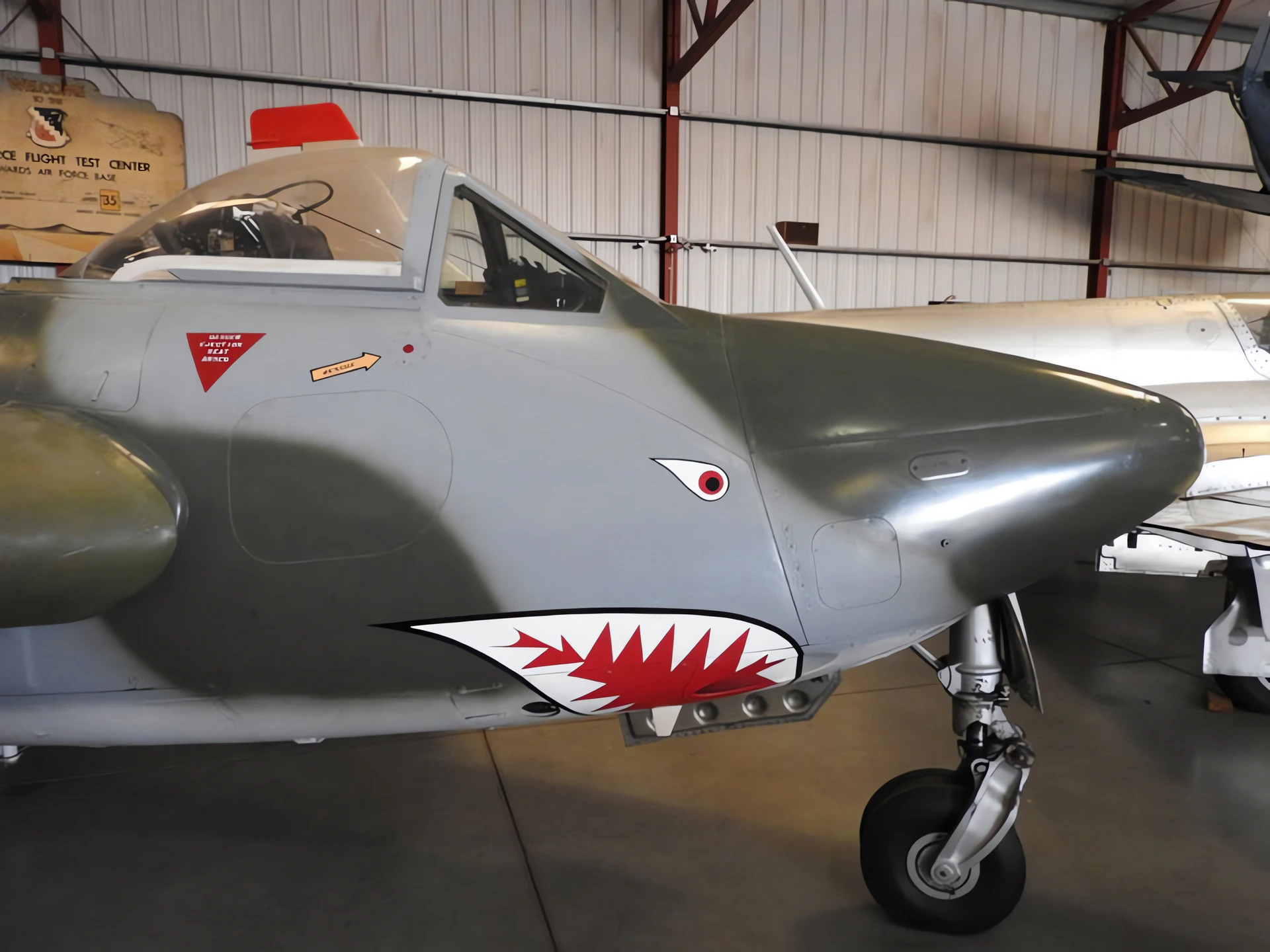
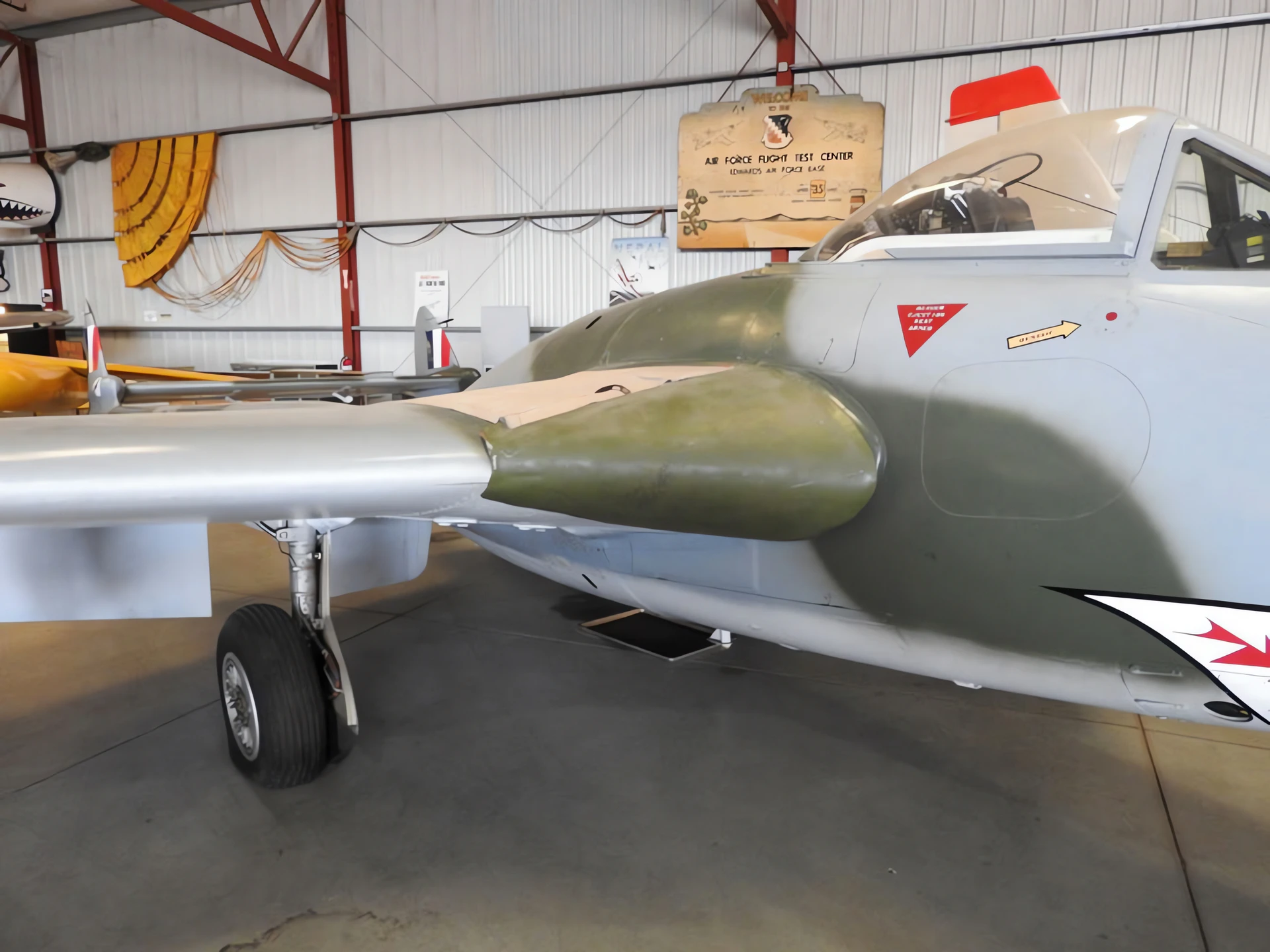
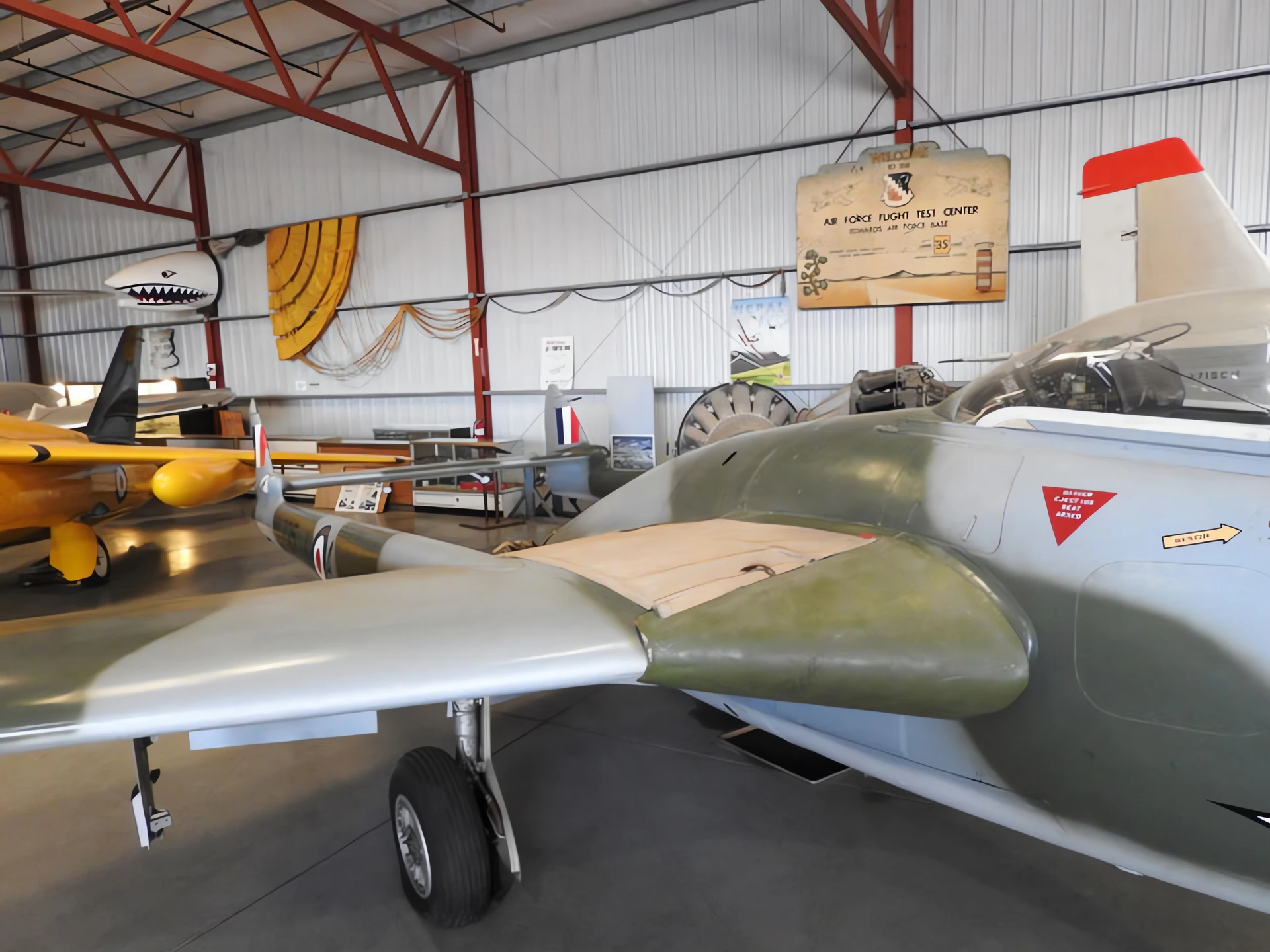
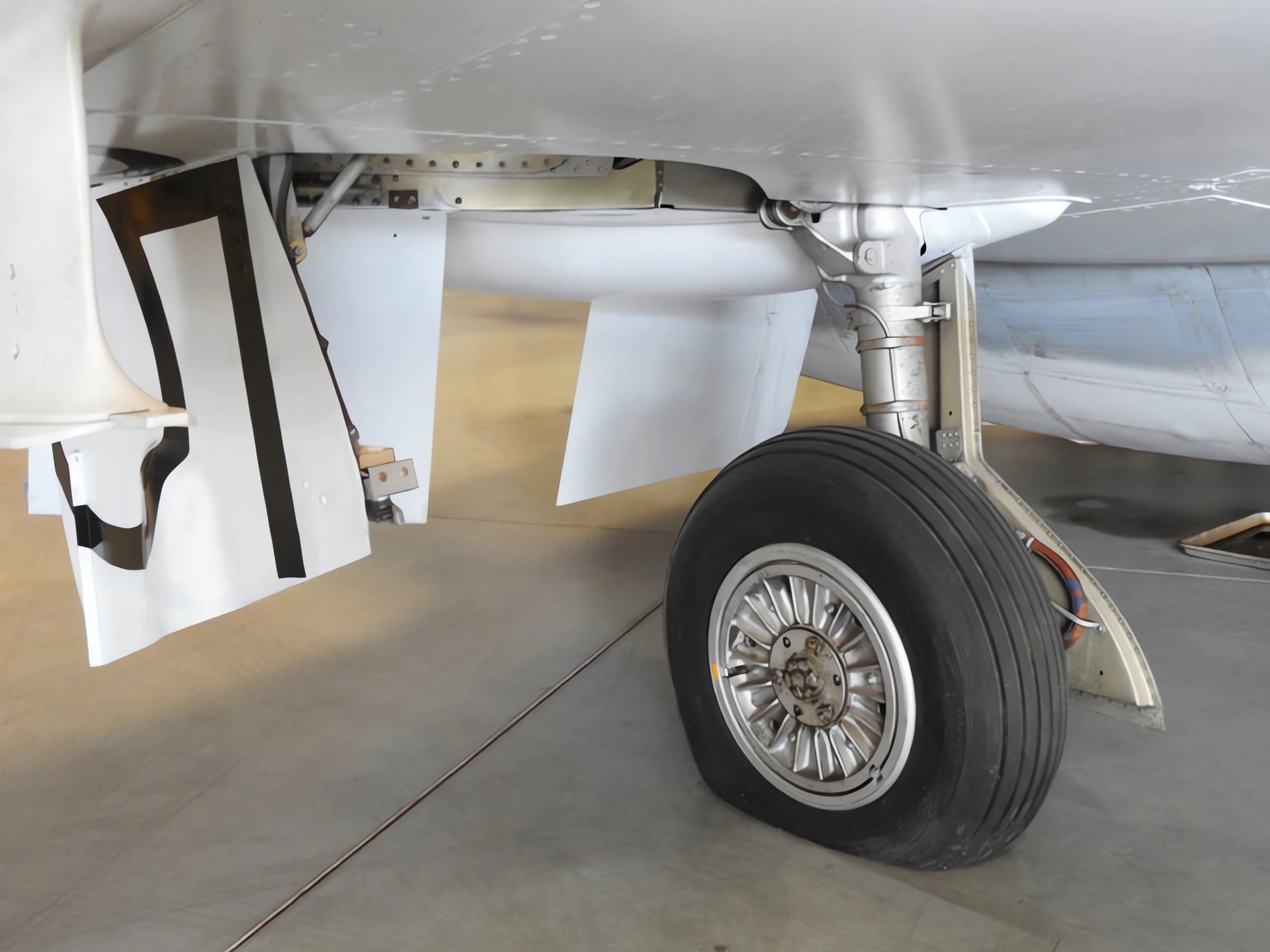
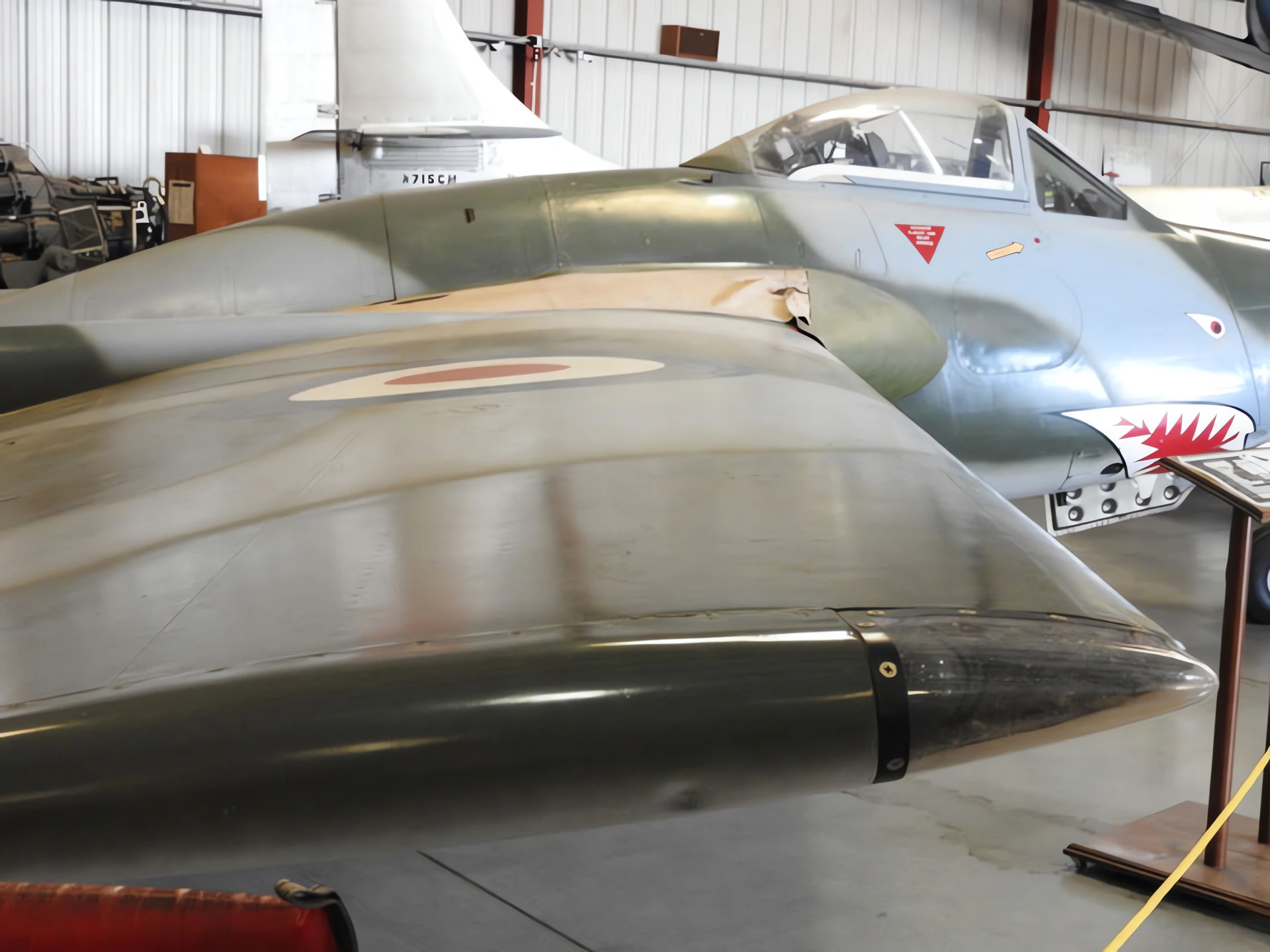
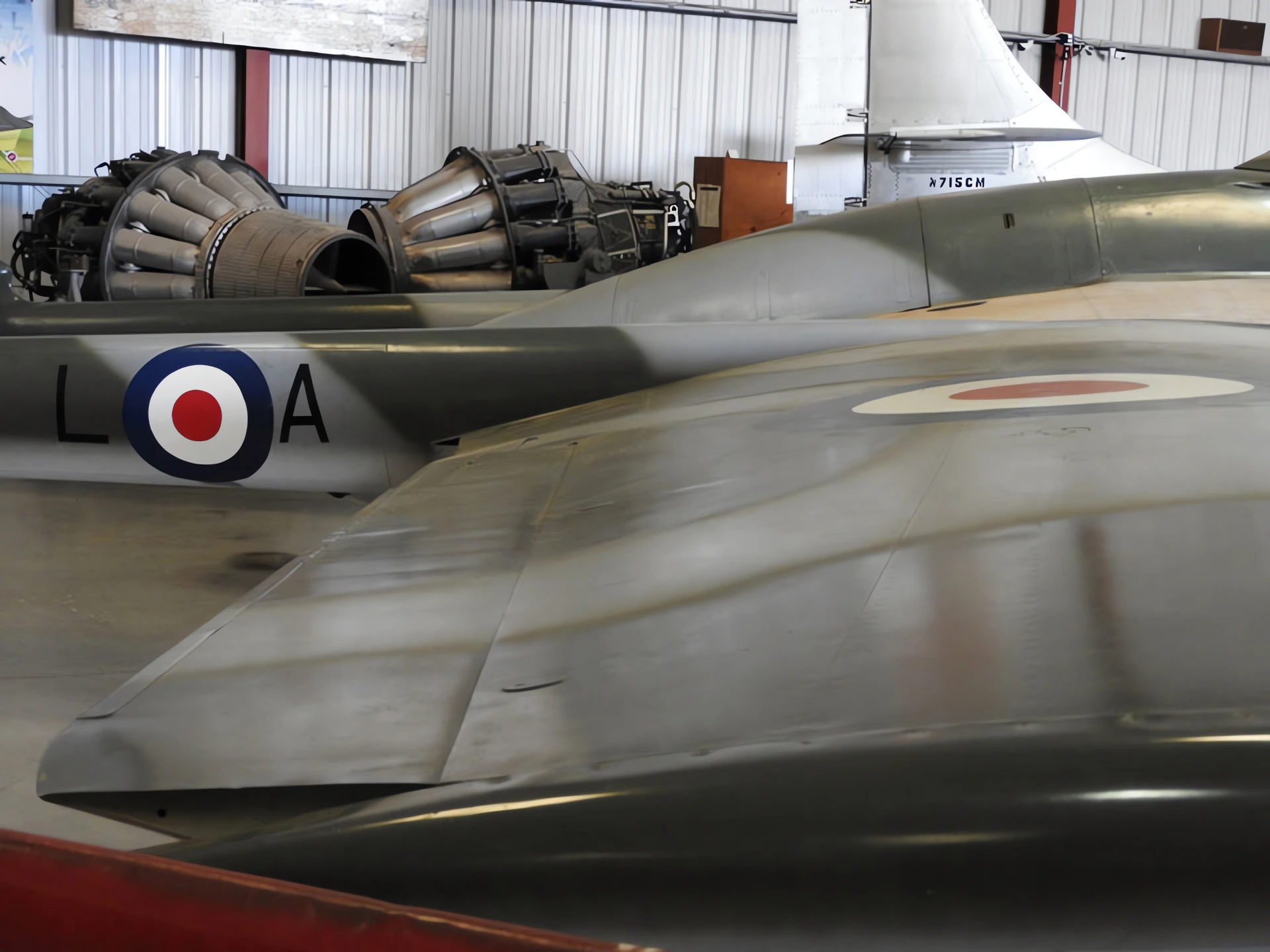

| Де Хэвилленд SK 28 C2 Вампир Прогулка вокруг | |
|---|---|
| Фотограф | Неизвестная |
| Локализации | Неизвестная |
| Фотографии | 43 |
| DeHavilland Vampire Walk Around | |
|---|---|
| Фотограф | Билл Мэлони |
| Локализации | Неизвестная |
| Фотографии | 20 |
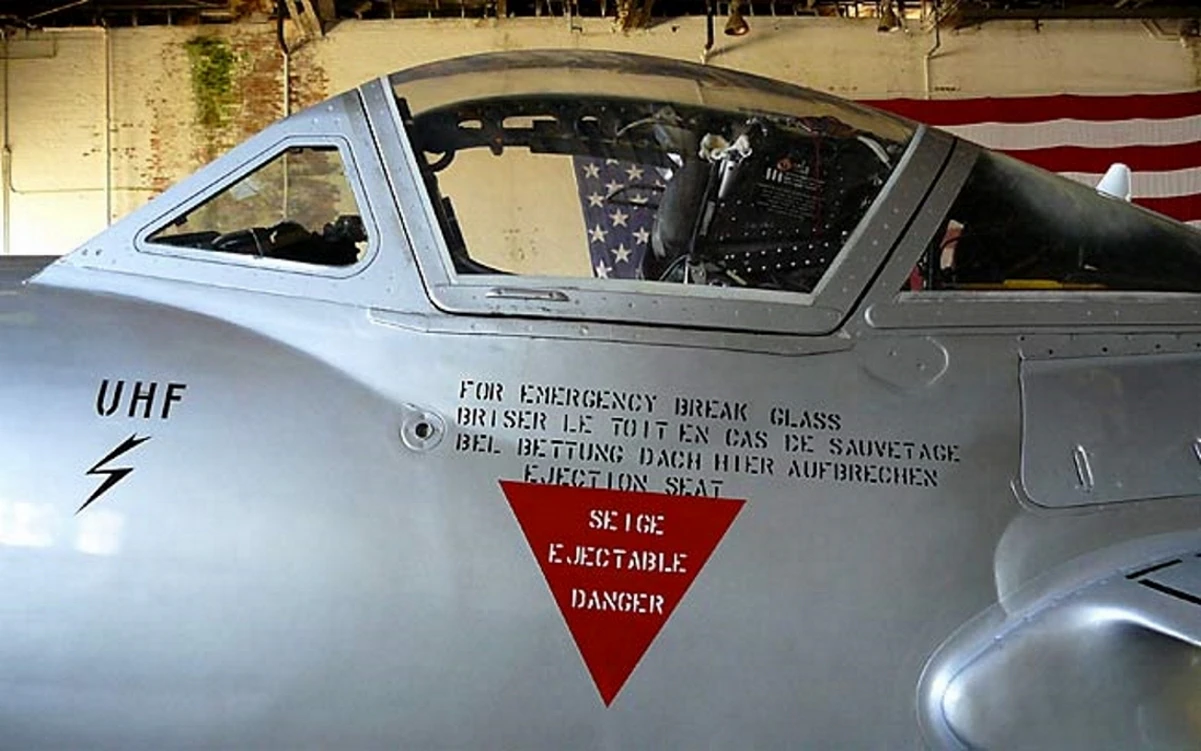
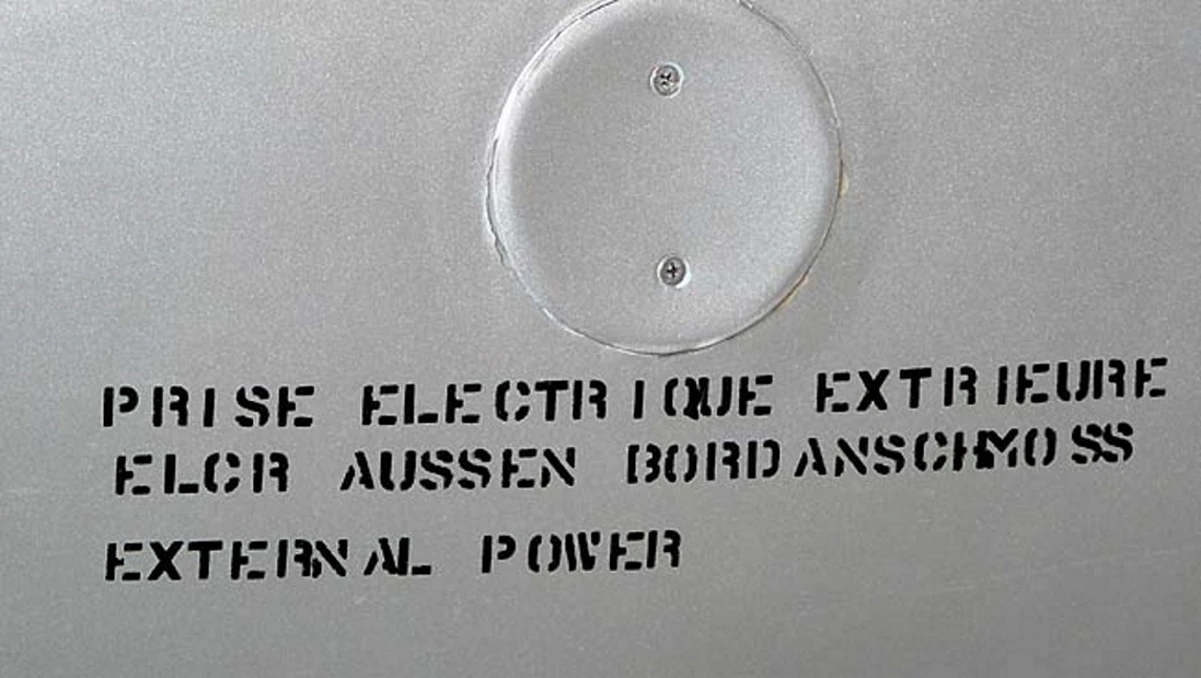
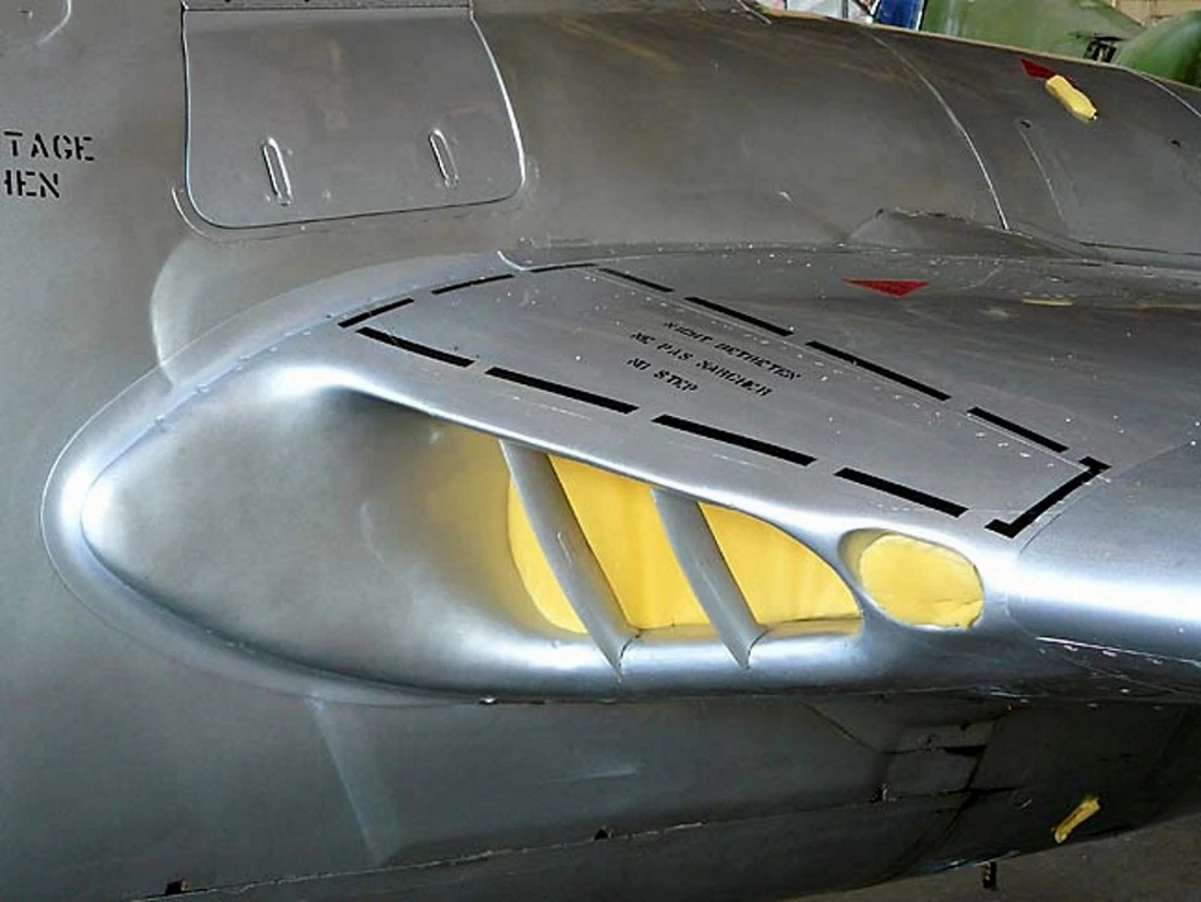
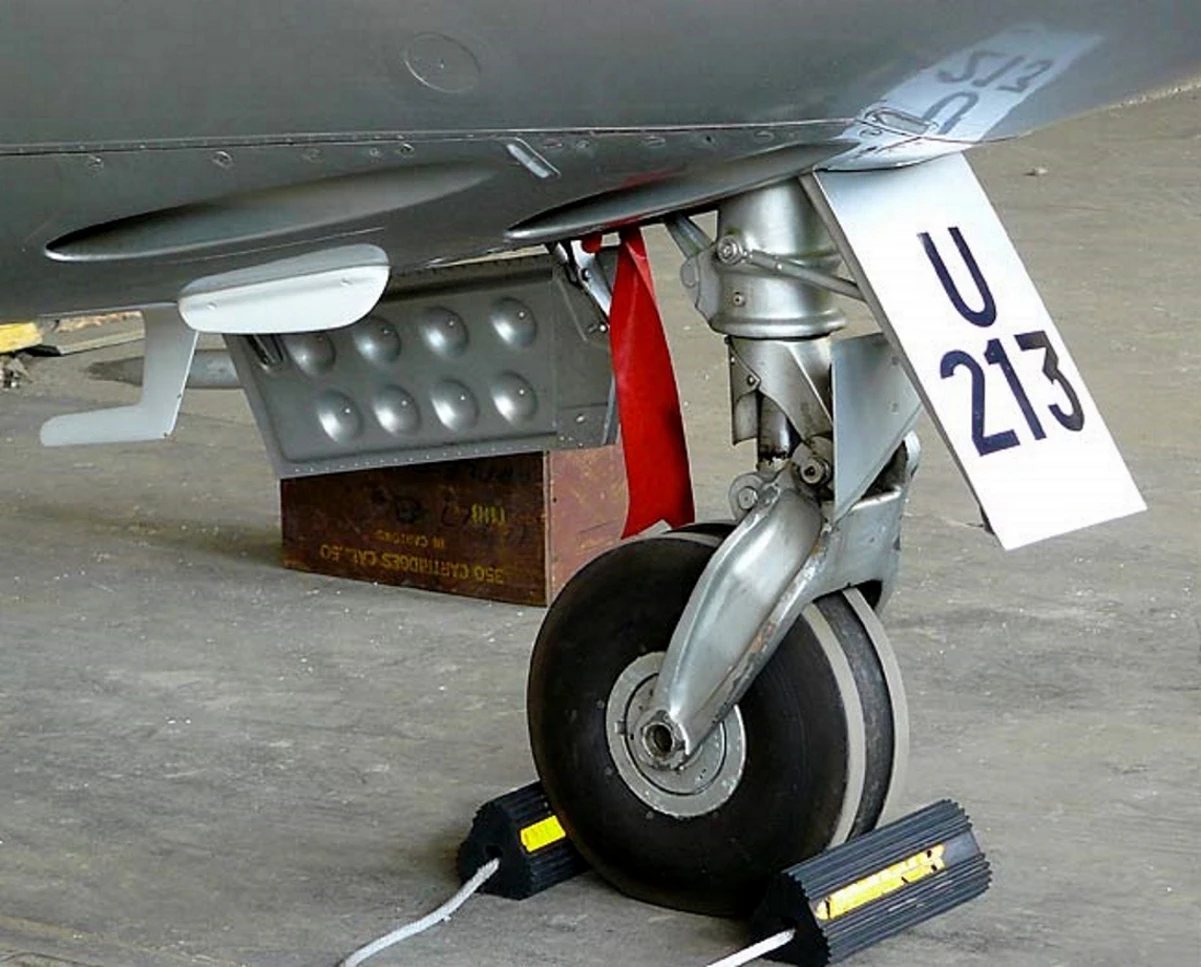
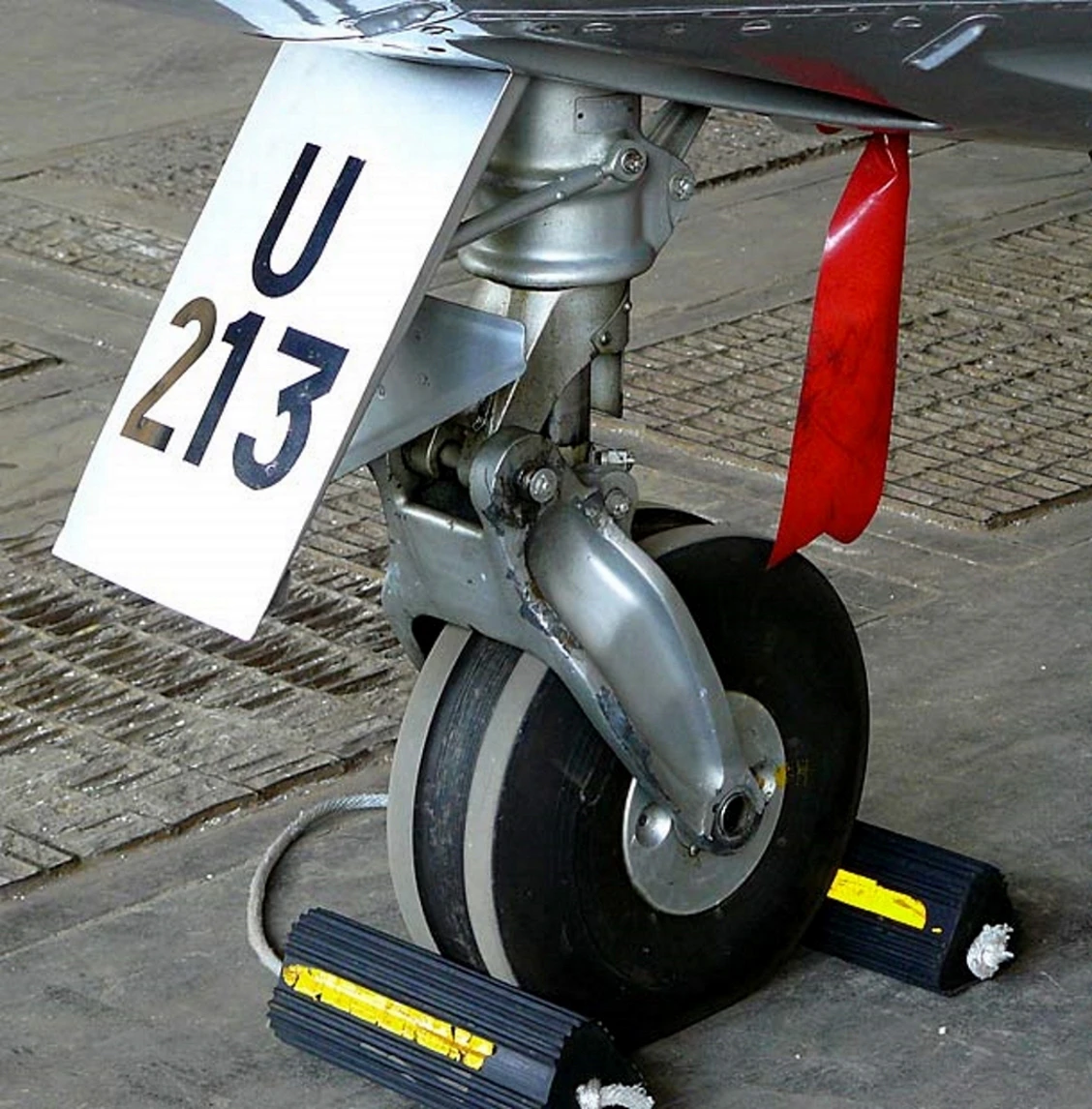
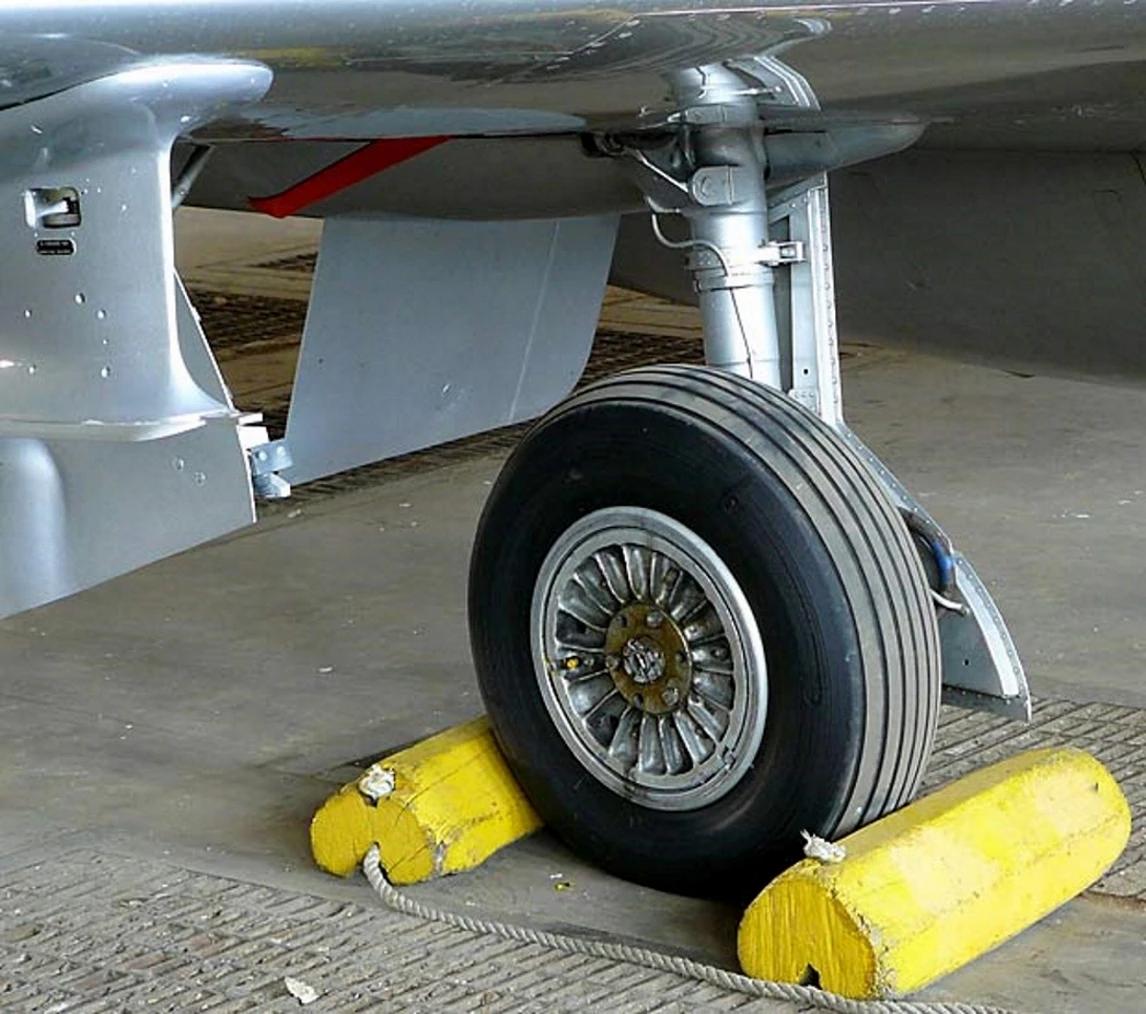
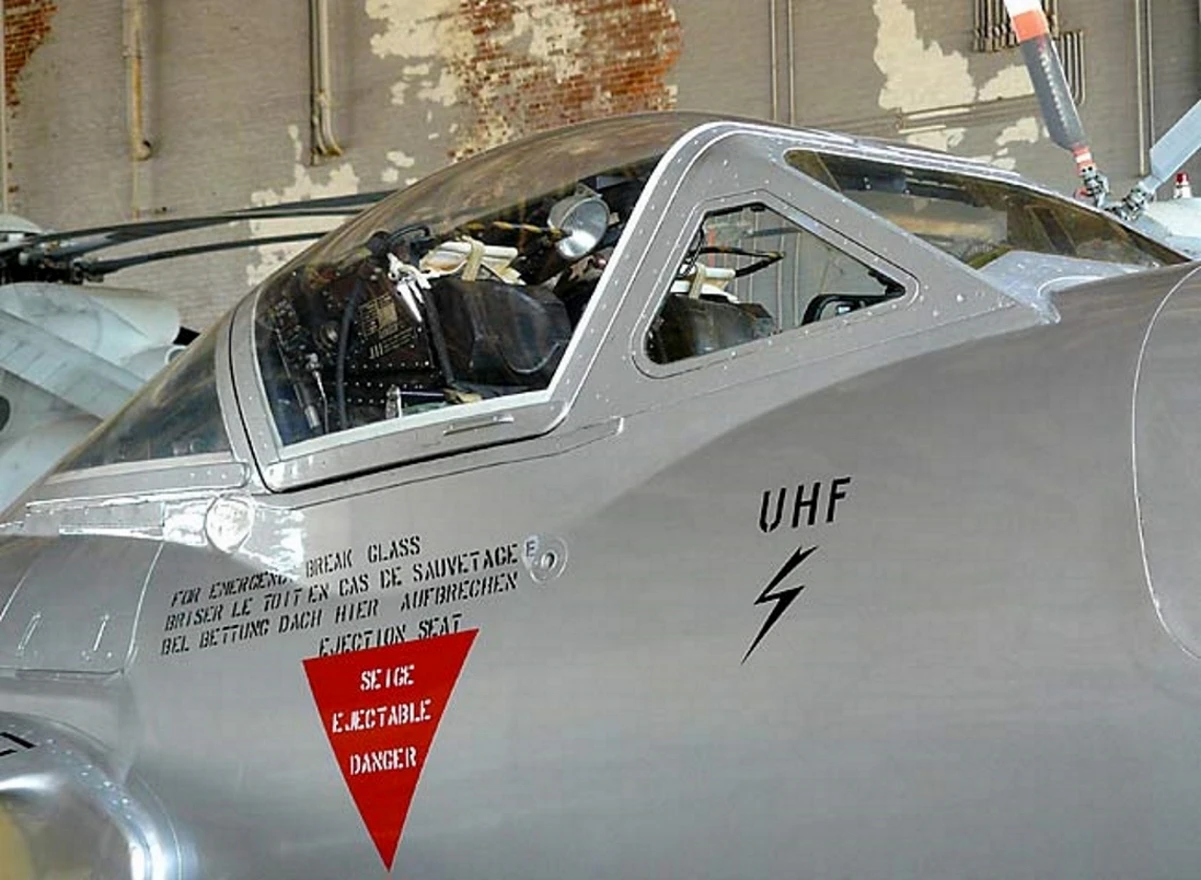
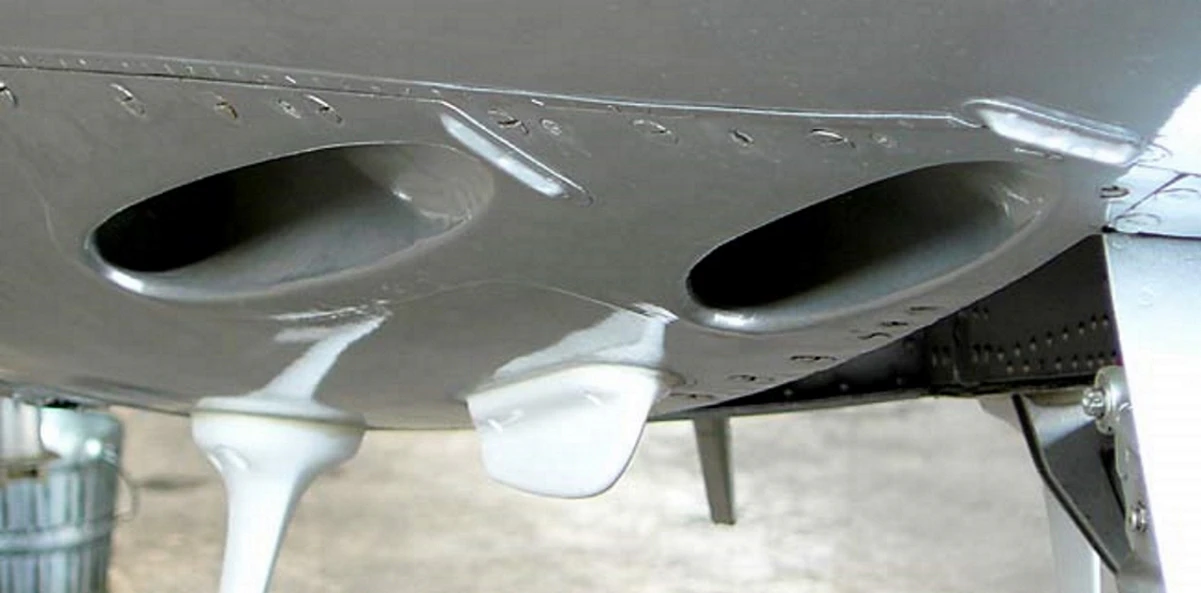
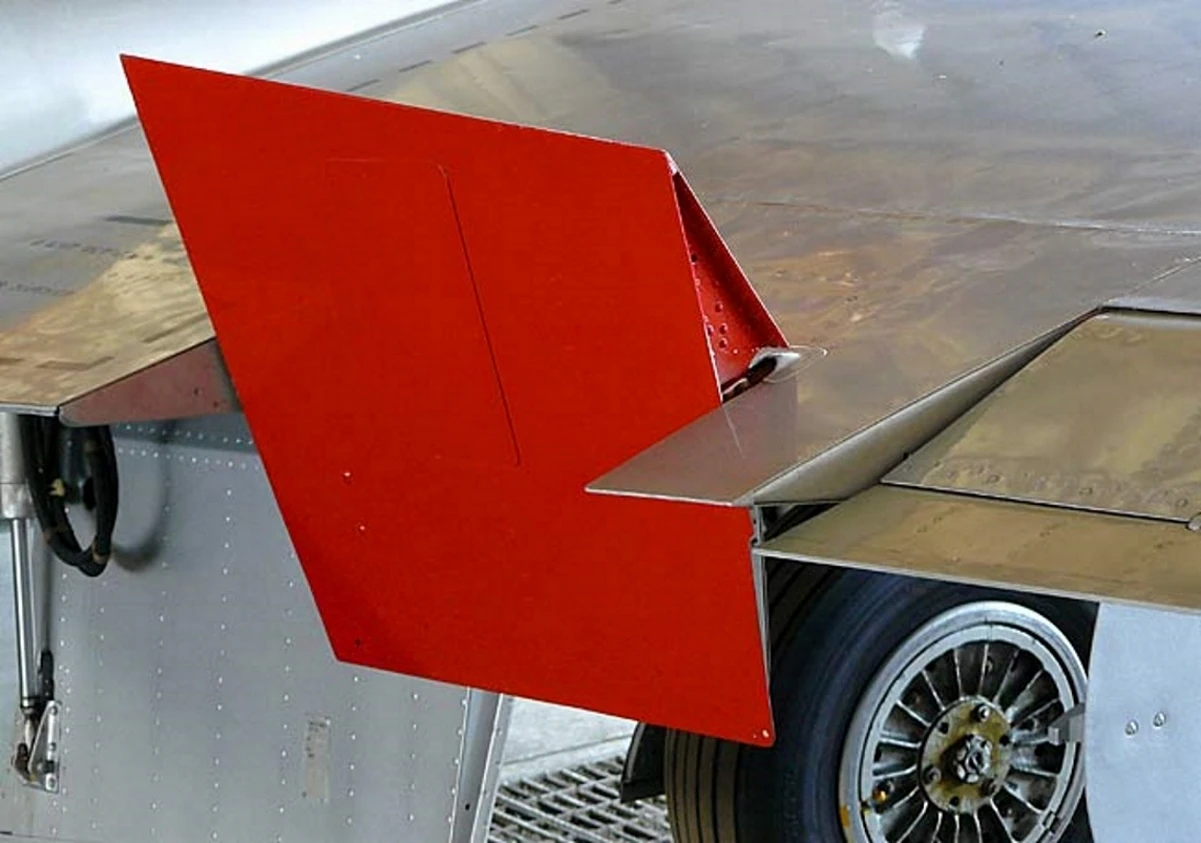
Читайте также:


The Wooden Jet
Teh де Хэвилленд Вампир was the second jet-powered aircraft to enter service with the RAF, following the Gloster Meteor. However, the Vampire was unique in its construction; while it was a cutting-edge jet, its fuselage was built using the same molded plywood technique perfected on the wooden Mosquito. The FB.6 was a specialized Fighter-Bomber export version produced for Switzerland, representing the pinnacle of the single-seat Vampire’s development with an uprated engine and increased weight capacity.
| Attribute | Technical Specification (Vampire FB.6) |
|---|---|
| Роль | Истребитель-бомбардировщик |
| Экипажа | 1 (Pilot) |
| First Flight (Vampire) | September 20, 1943 |
| Силовая установка | 1 × de Havilland Goblin 3 centrifugal-flow turbojet |
| Thrust | 3,350 lbf (14.9 kN) |
| Максимальная скорость | 548 mph (882 km/h) |
| Service Ceiling | 42,800 feet (13,045 m) |
| Вооружение | 4 × 20mm Hispano Mk V cannons; 8 × rockets or 2,000 lbs of bombs |
Twin Booms and Goblin Fire
- The Twin-Boom Design: de Havilland used a twin-boom tail to allow the jet exhaust to be as short as possible. This minimized the loss of thrust associated with long tailpipes, which was critical for the relatively weak early turbojets.
- Centrifugal-Flow Engine: The Goblin engine used a large, spinning compressor. Because it was wider than later “axial-flow” jets, the Vampire has its distinctive “pancake” fuselage shape. It was incredibly reliable and simple to maintain.
- Mixed Construction: While the tail booms and wings were metal, the cockpit “pod” was made of balsa wood sandwiched between layers of birch. This made the Vampire lighter and faster than many all-metal contemporaries.
- The “FB” Evolution: The FB (Fighter-Bomber) series featured clipped wings compared to the original interceptors. This improved low-level handling and allowed for a much higher roll rate during ground-attack maneuvers.
Global Service and Swiss Precision
- The Swiss FB.6: Switzerland was a major operator of the FB.6. They loved the aircraft for its ability to operate out of short runways in narrow alpine valleys. Many Swiss Vampires were later fitted with “Pinocchio” noses to house additional avionics.
- Naval Firsts: A modified Vampire (the Sea Vampire) was the first pure jet aircraft in history to land on and take off from an aircraft carrier (HMS Ocean) in 1945.
- A Pilot’s Favorite: Pilots loved the Vampire for its excellent visibility—since there was no engine in front—and its forgiving flight characteristics. It was often described as flying like a “high-speed Tiger Moth.”
- The T.11 Trainer: The Vampire’s success led to the T.11, a side-by-side two-seat trainer that taught an entire generation of pilots how to fly jets. Its distinctive “egg” shaped cockpit became a common sight across the British Commonwealth.
Просмотров: 4443
Вы также можете увидеть:
 de Havilland DH.104 Dove – Фото и видео
 де Хэвилленд Драгон Рапид – Фото и Видео
 de Havilland Canada DHC-2 – Фото и видео
 de Havilland DH.60 Moth – Фото и видео
 de Havilland DH112 Venom – Фото и Видео
 de Havilland Canada DHC-4 Caribou – Фото и Видео
 де Хэвилленд Дракон — Фото и Видео
 de Havilland Mosquito — Фото и видео
de Havilland DH112 Venom – фото и видео
de Havilland Mosquito — Фото и видео
de Havilland DH112 Venom – фото и видео
 de Havilland DH.82 Tiger Moth – фото и видео