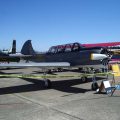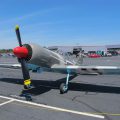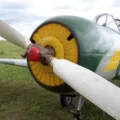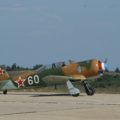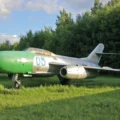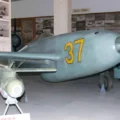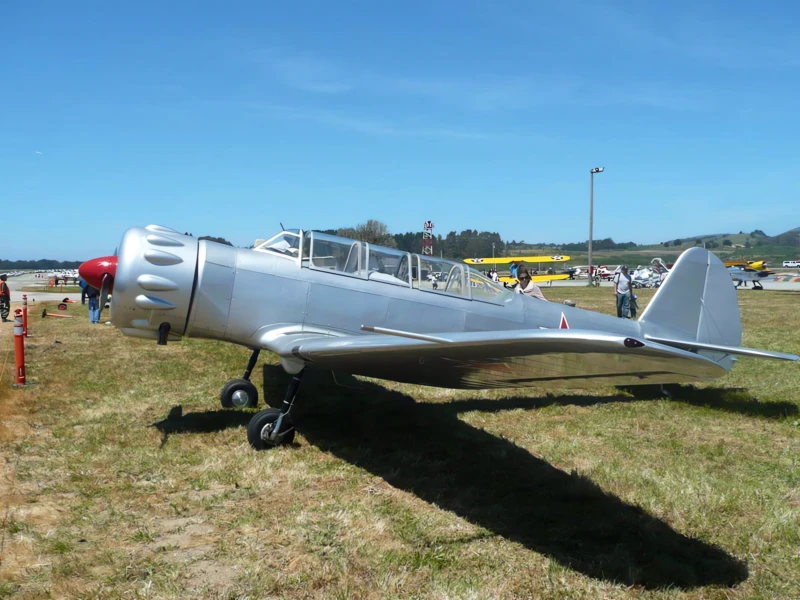
Yakovlev Yak-18 | |
|---|---|
| País | União Soviética |
| Tipo | Aeronaves de treinamento |
| Introdução | 1946 |
| estado | Em serviço limitado |
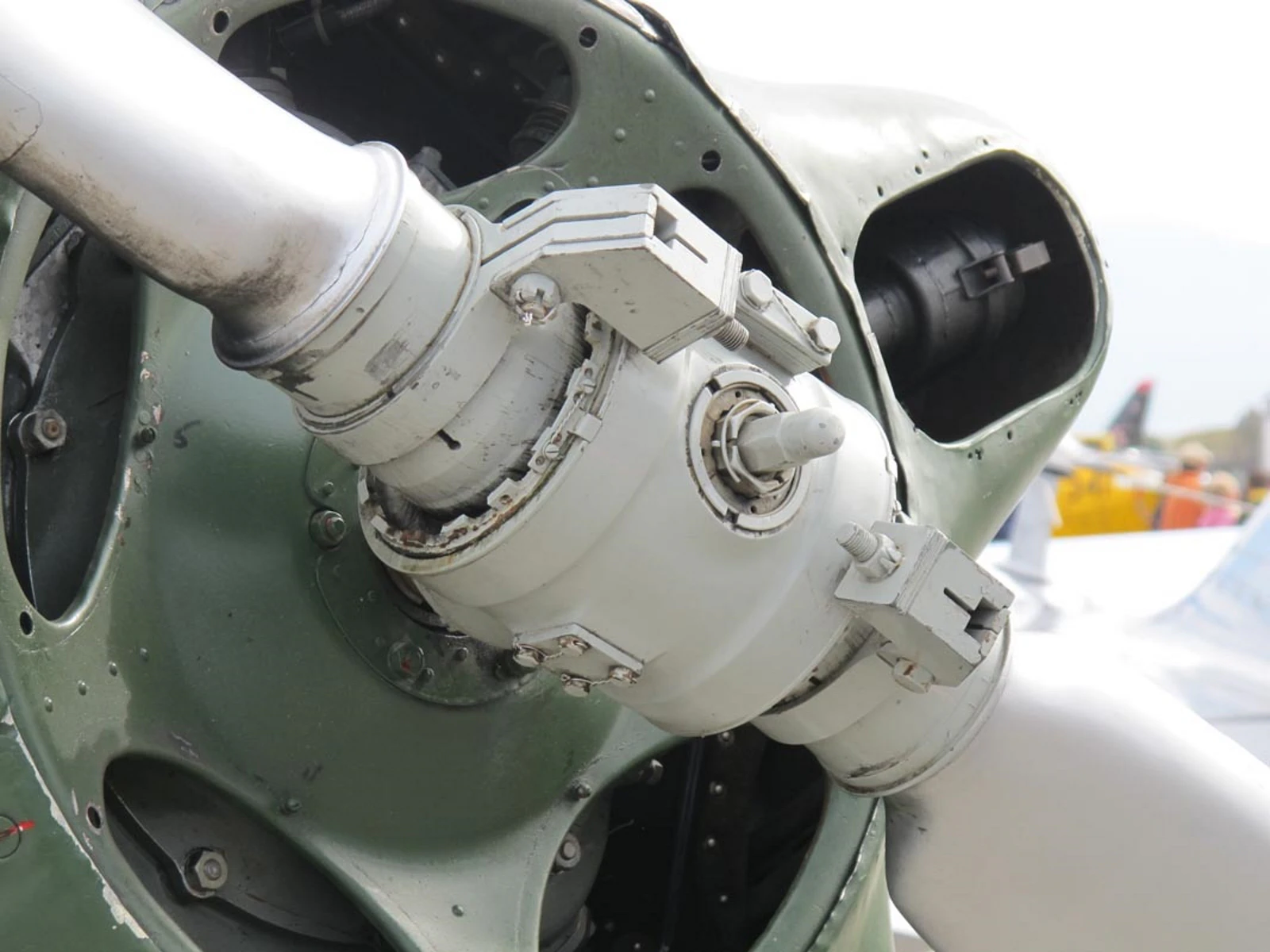
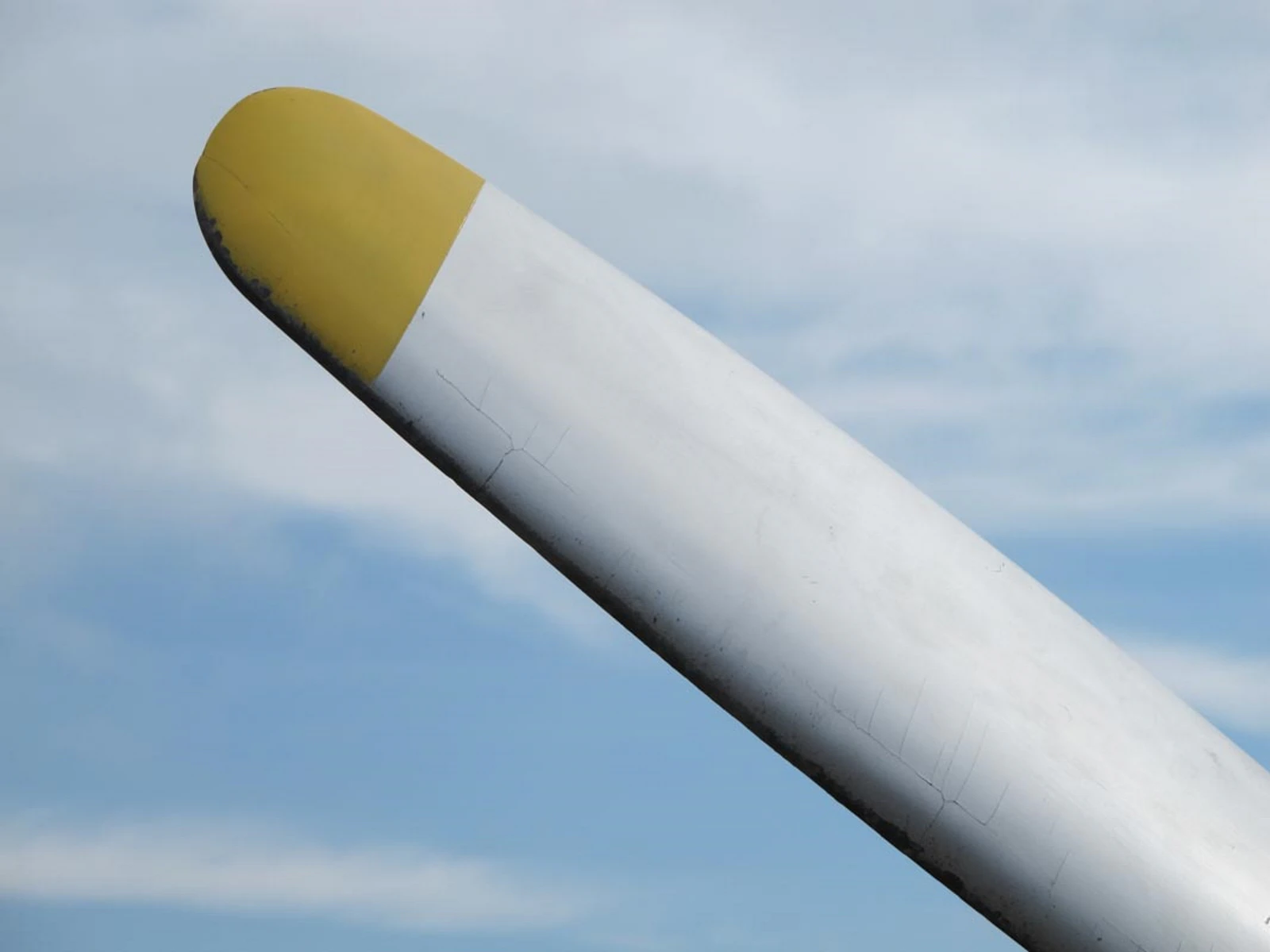
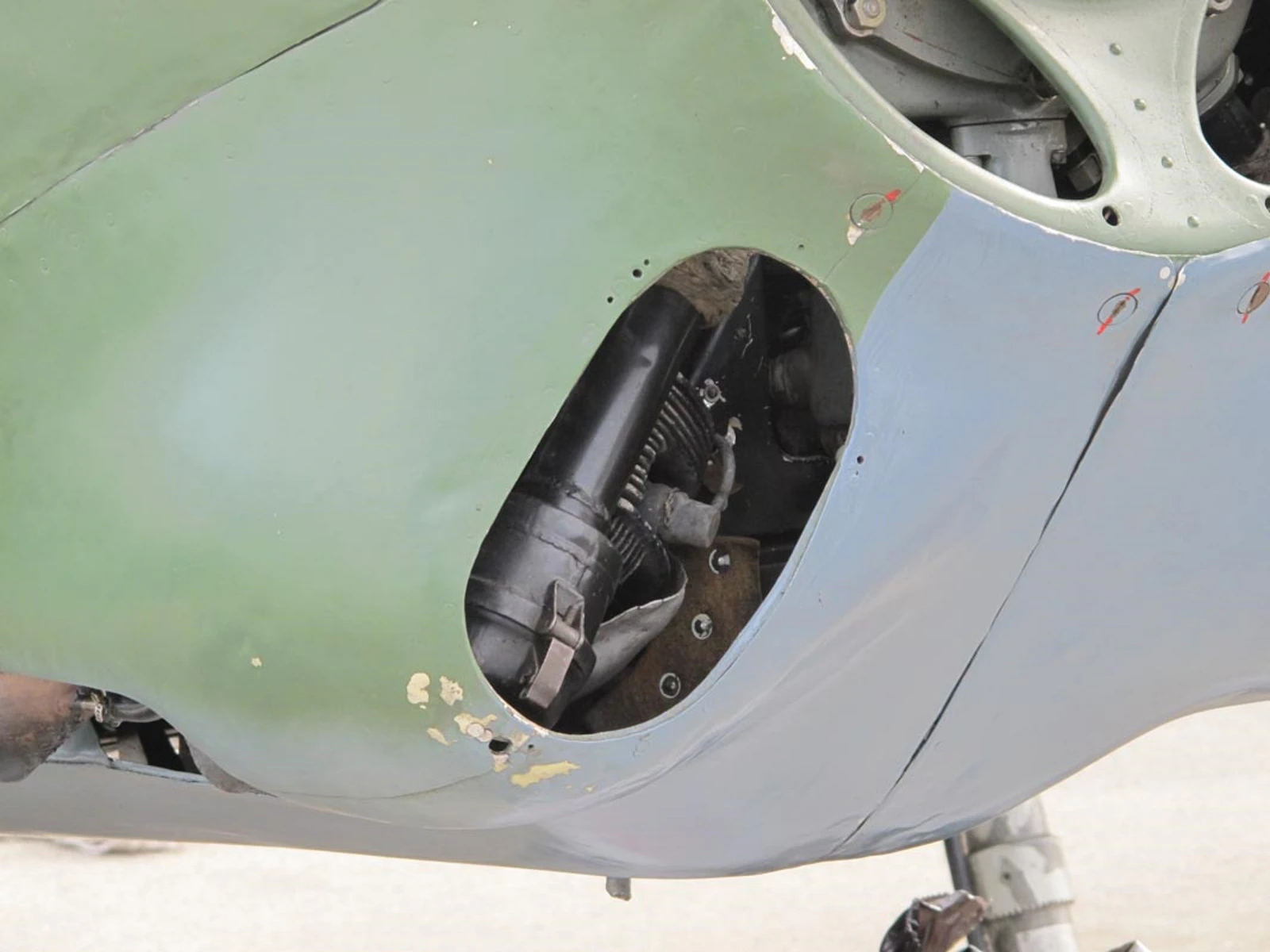
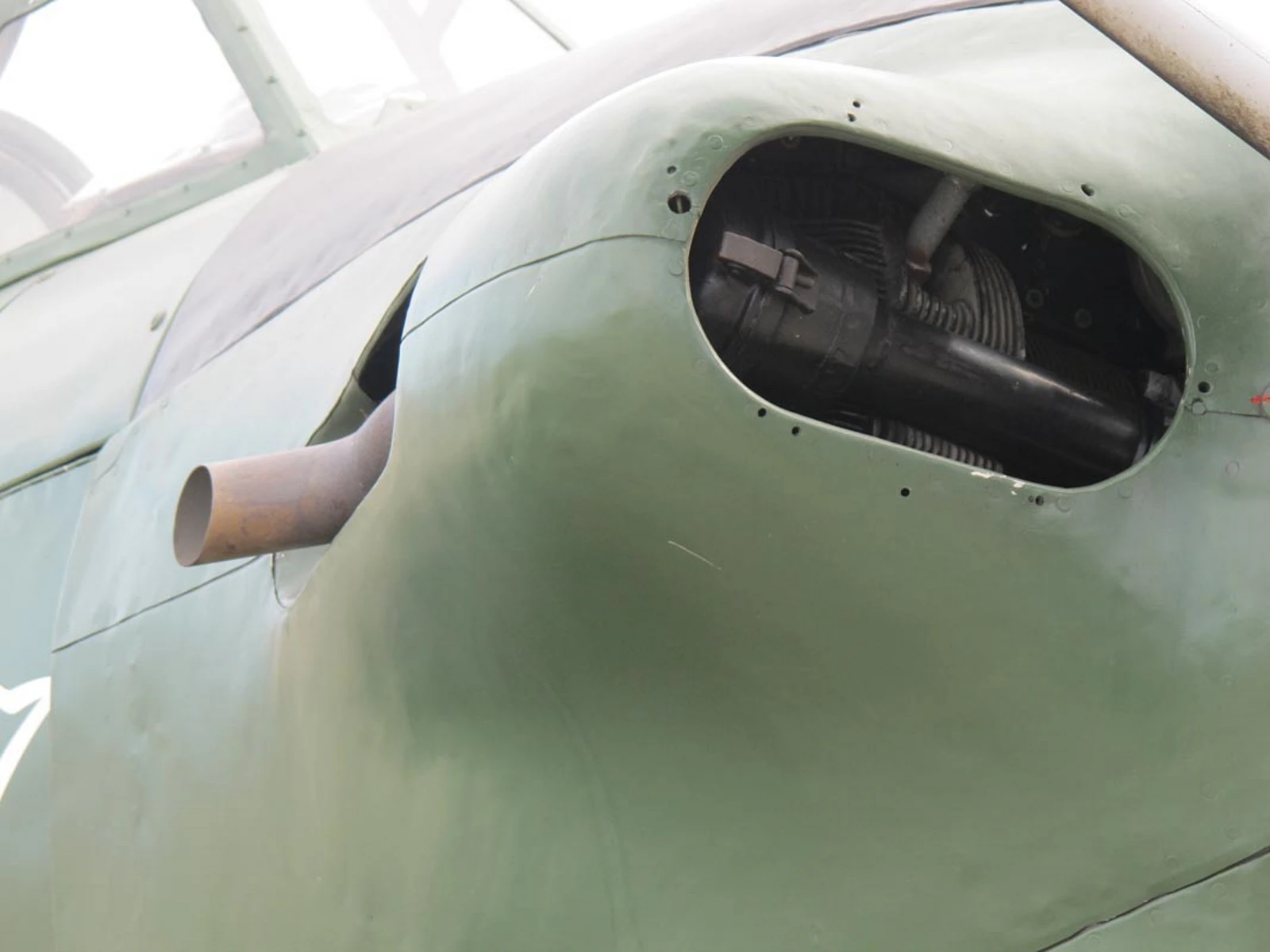
O Yakovlev Yak-18 (em russo: Яковлев Як-18; O nome de relatório da OTAN Max) foi um avião de treinamento primário militar tandem soviético de dois lugares. Originalmente alimentado por um motor de pistão radial Shvetsov M-11FR-1 de 119 kW (160 hp), entrou em serviço em 1946. Também é produzido na China como o Nanchang CJ-5.
Fonte: Yakovlev Yak-18 na Wikipédia
| Yakovlev Yak-18 Caminhe por aí | |
|---|---|
| Fotógrafo | Vladimir Yakubov |
| Localização | Máquinas dos sonhos da Costa do Pacífico |
| Fotos | 97 |
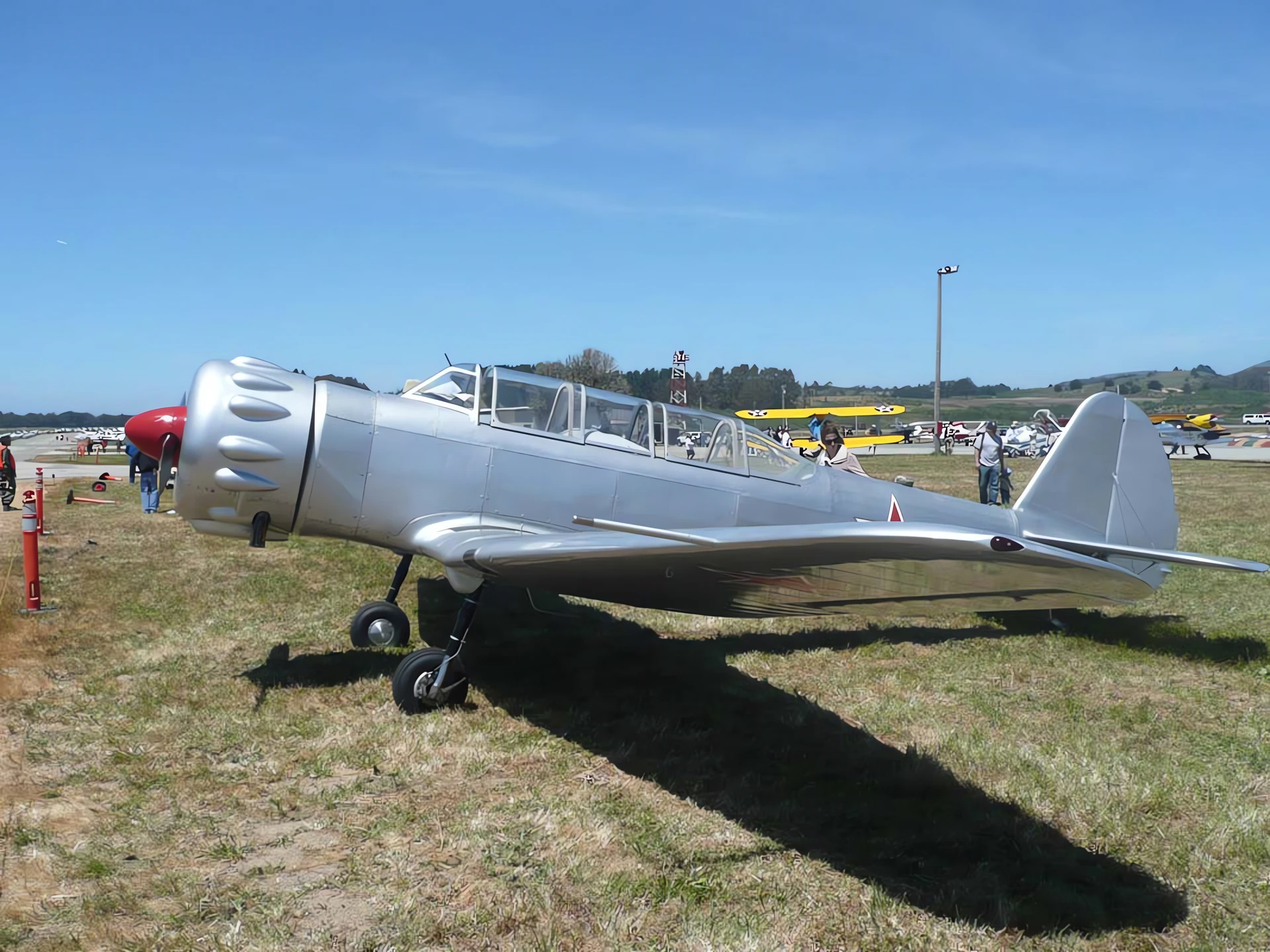
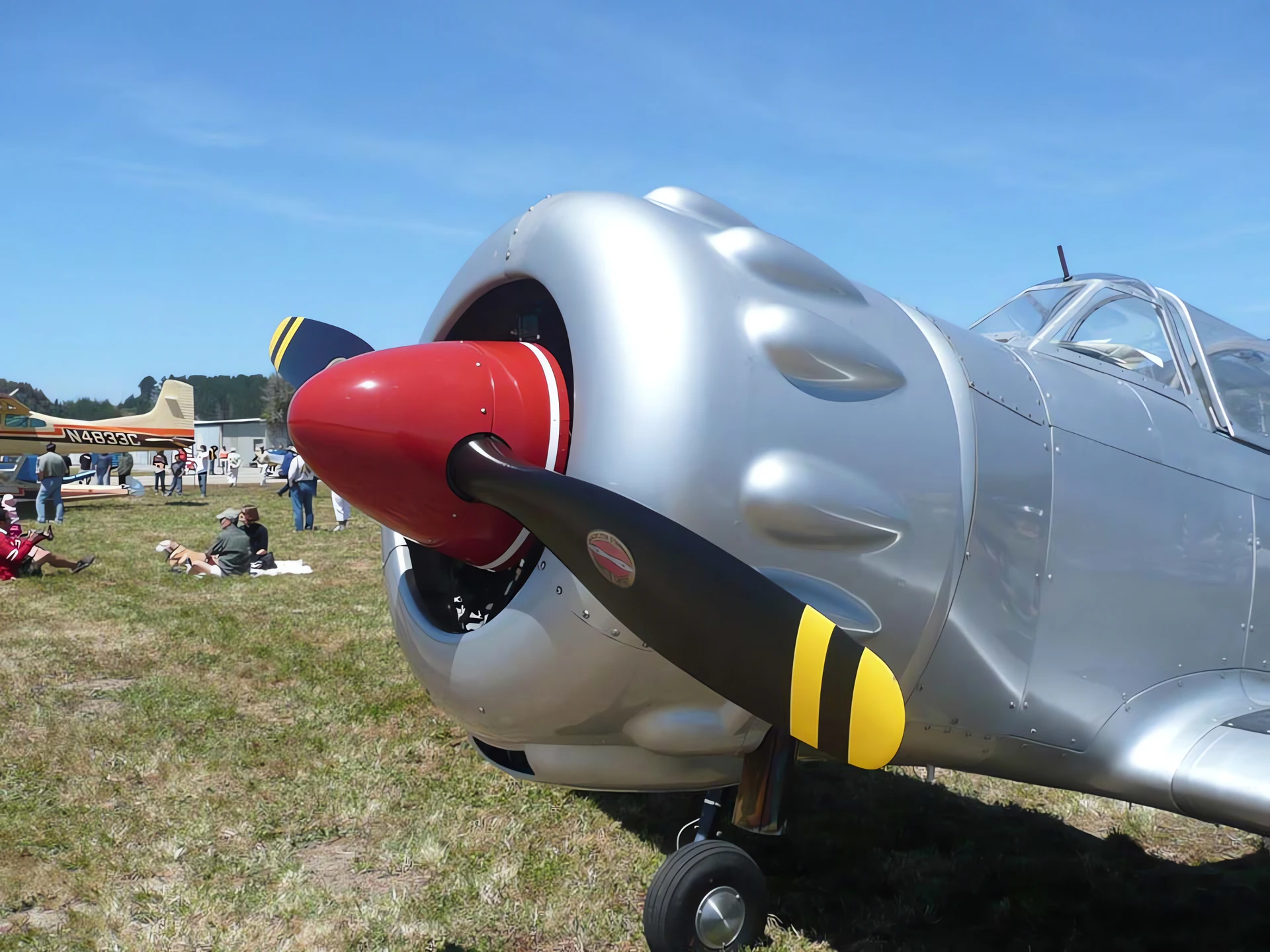
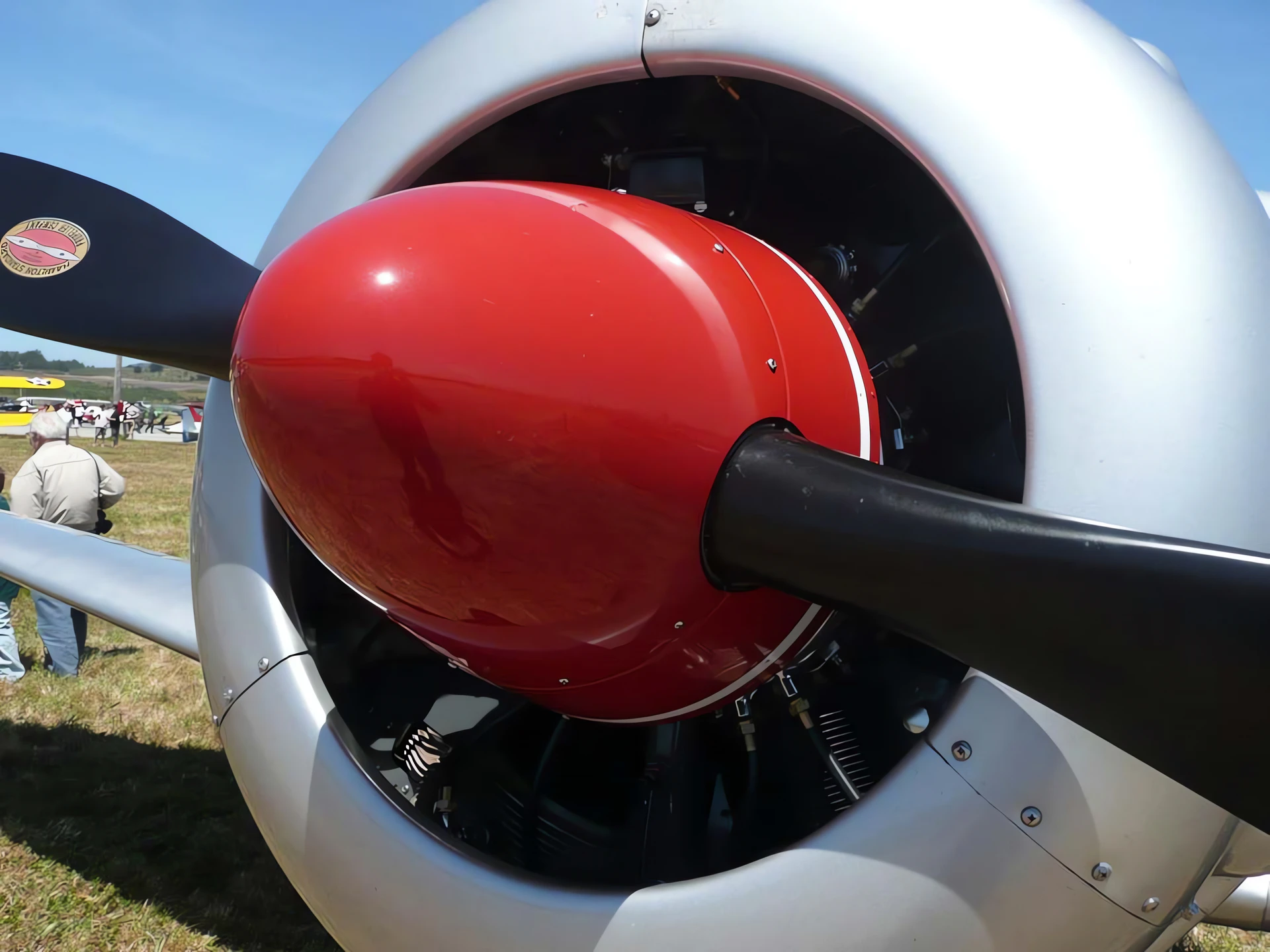
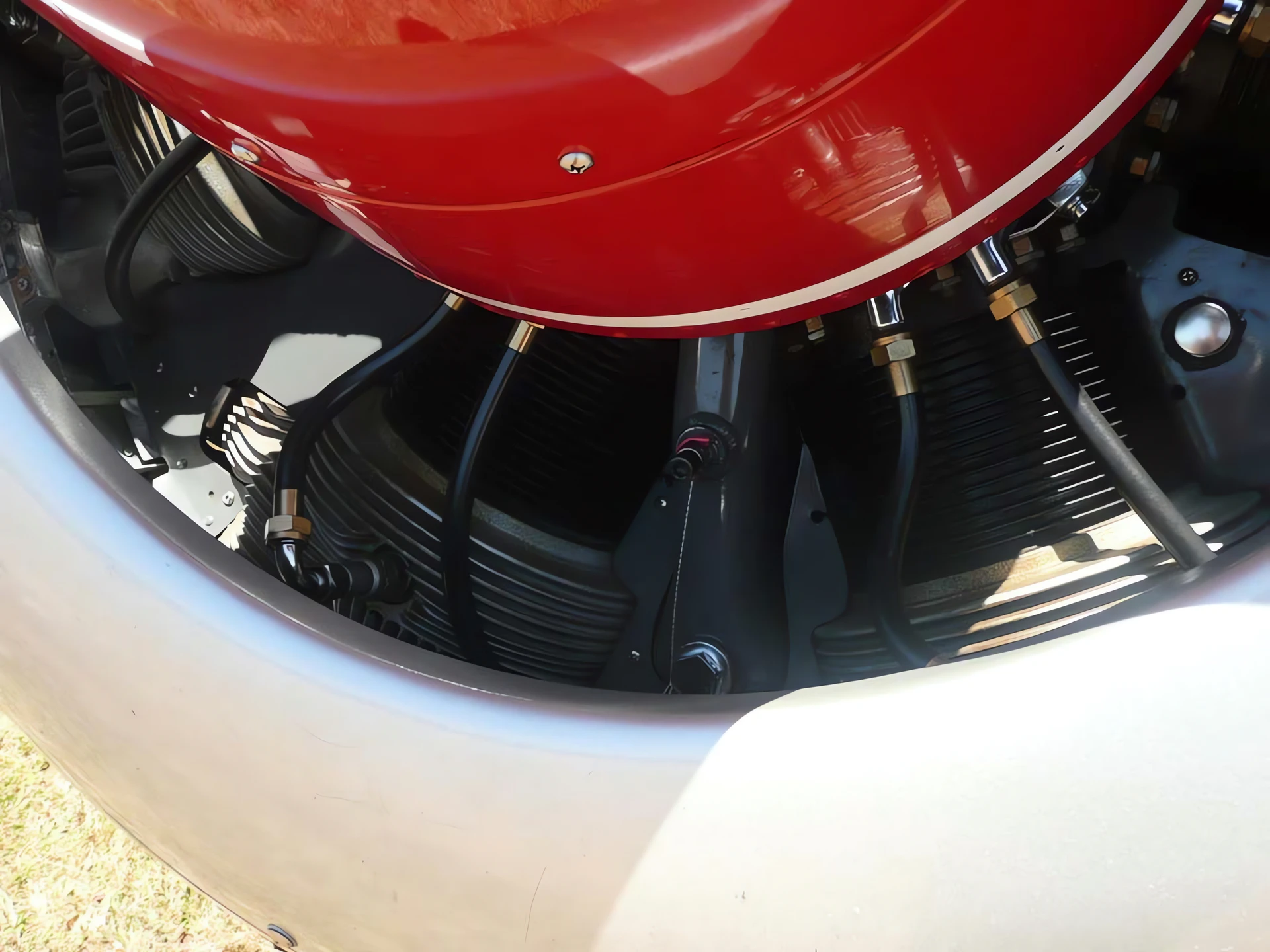
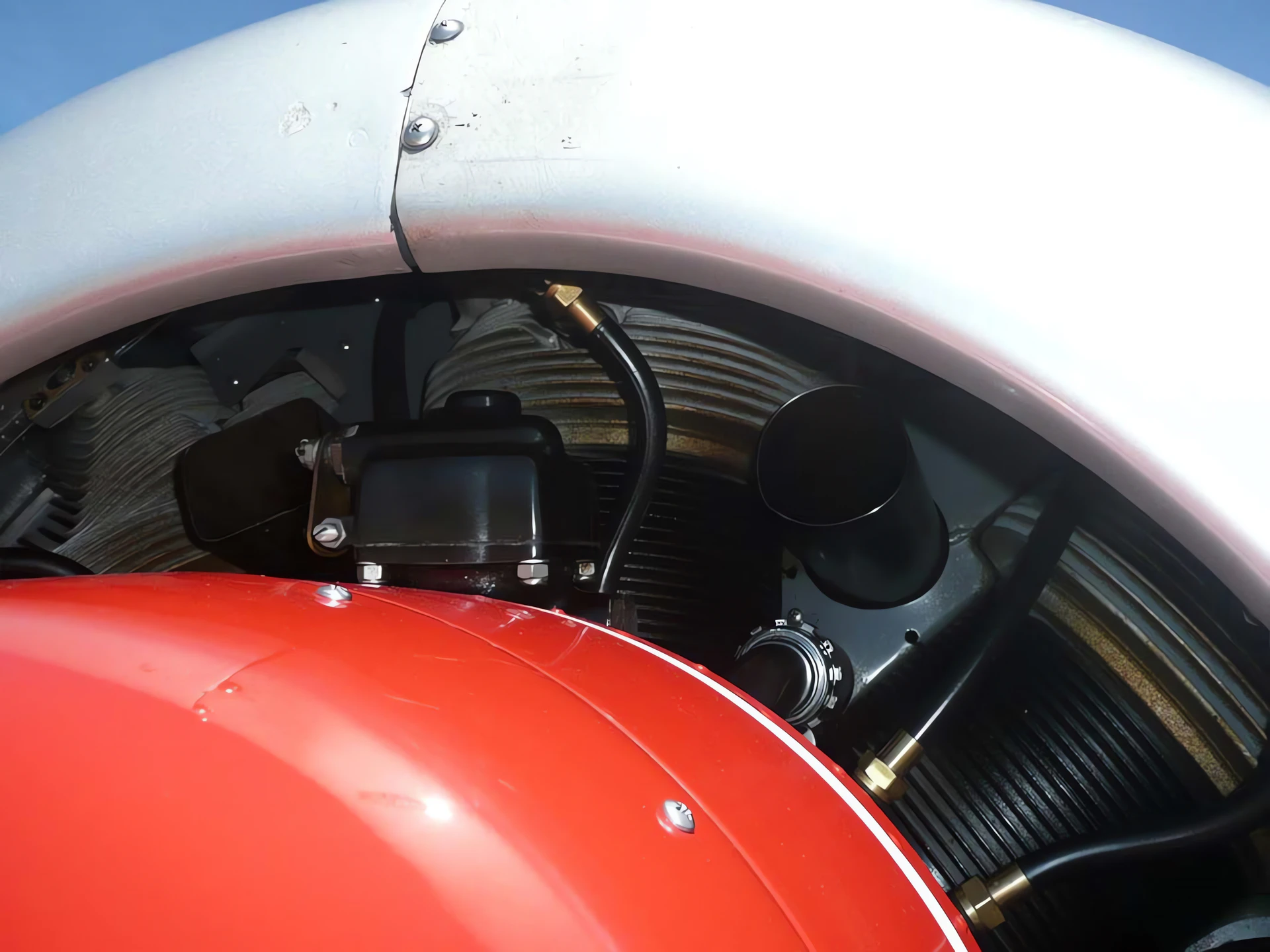
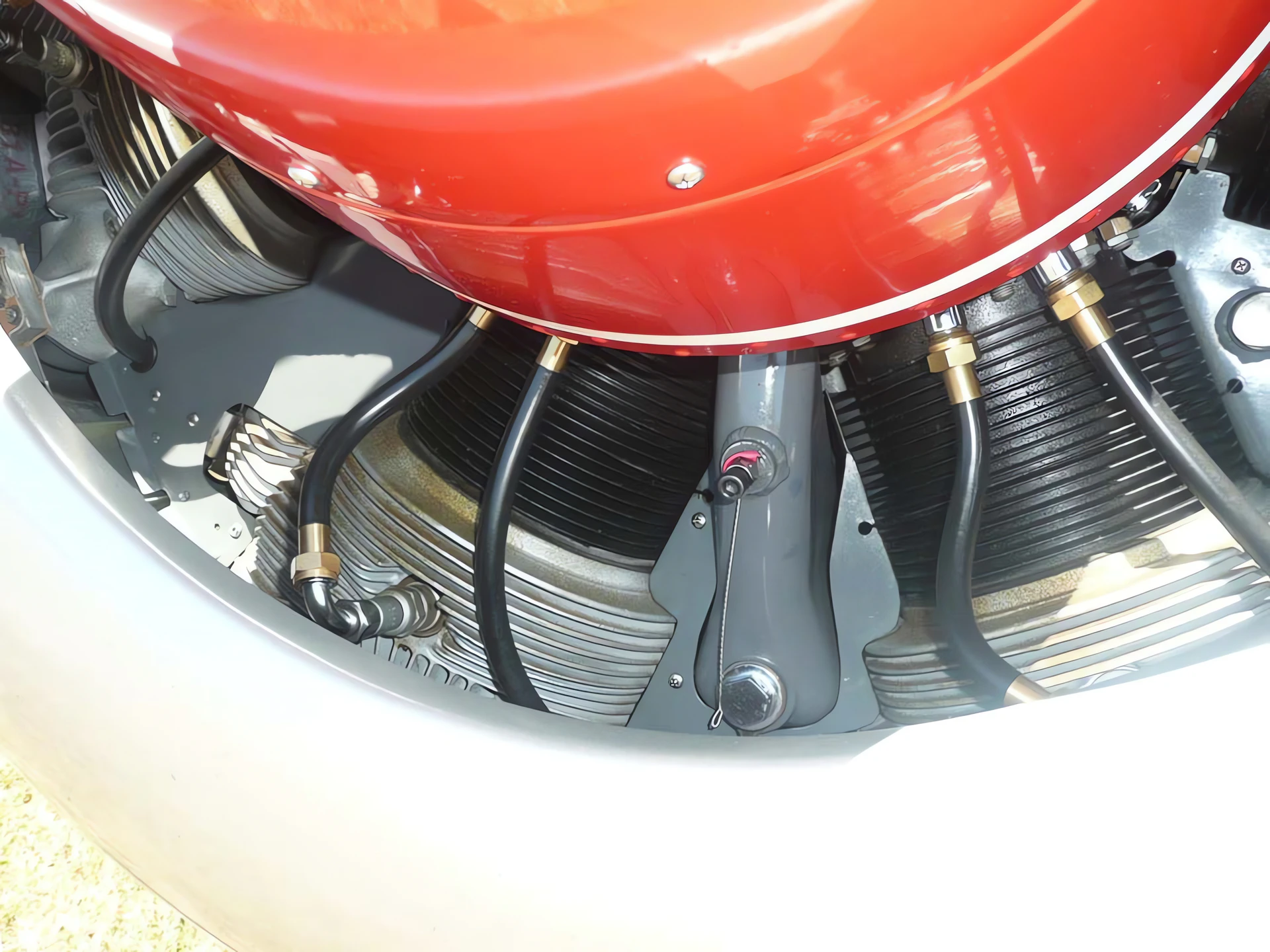
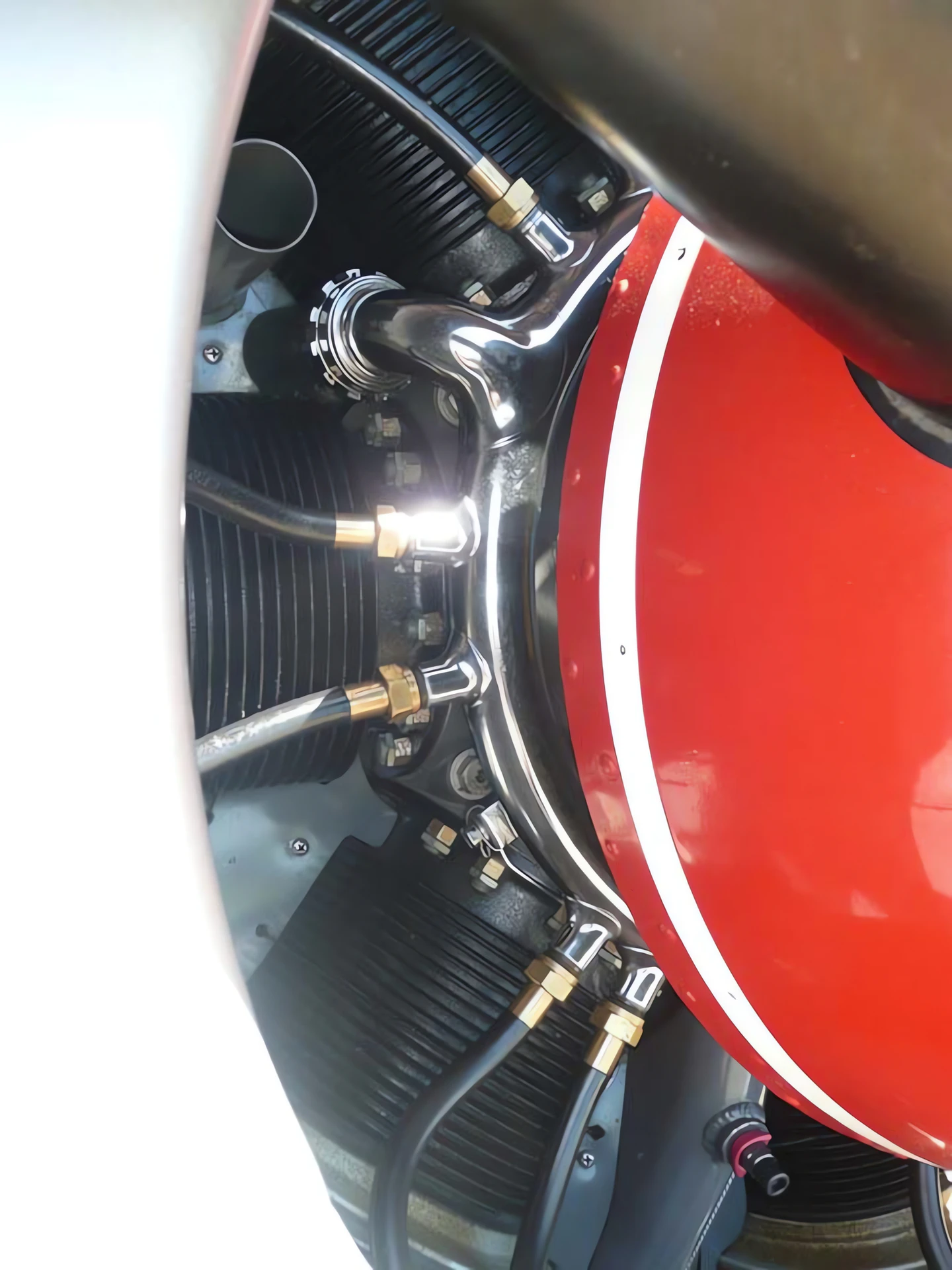
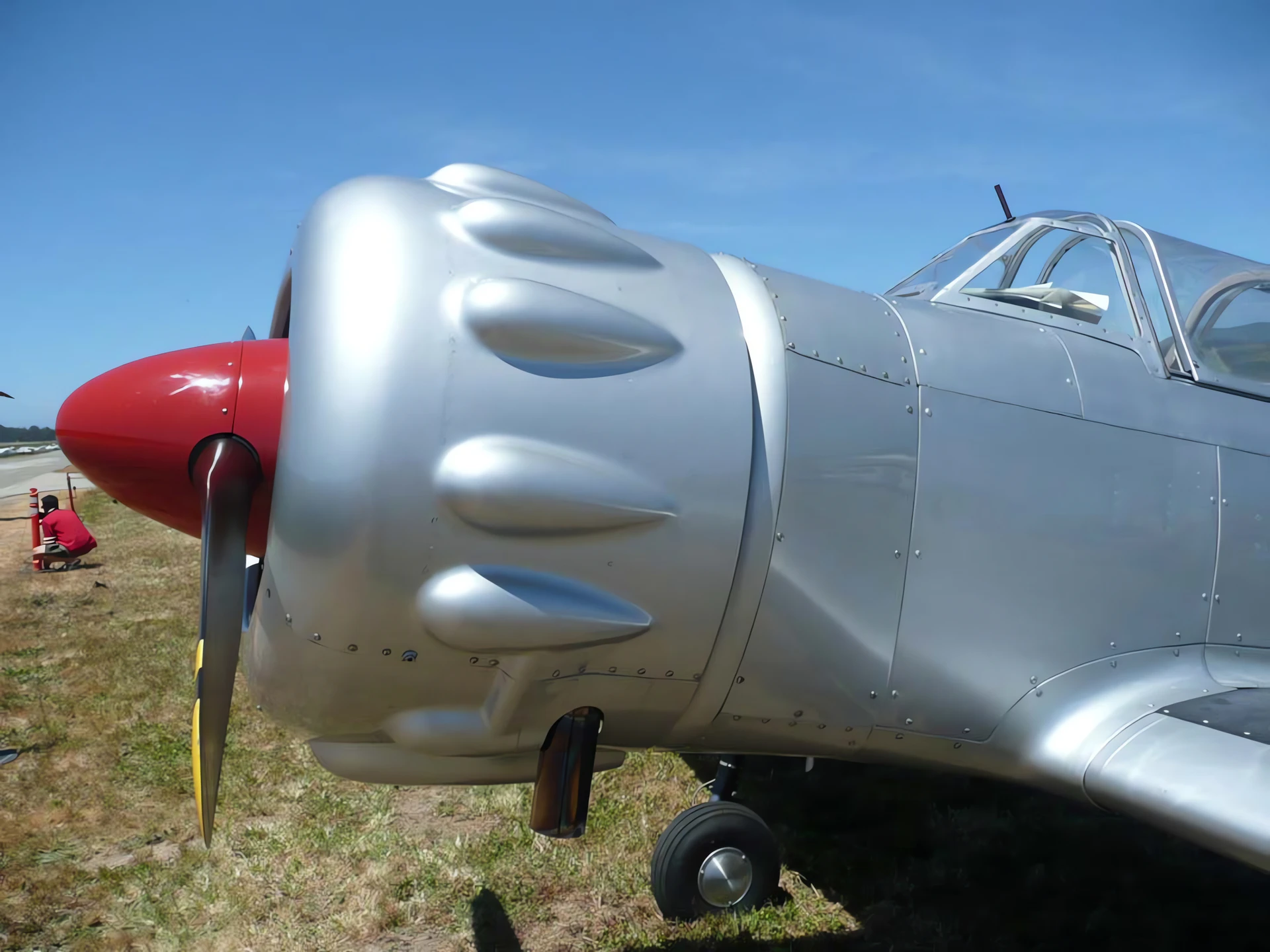
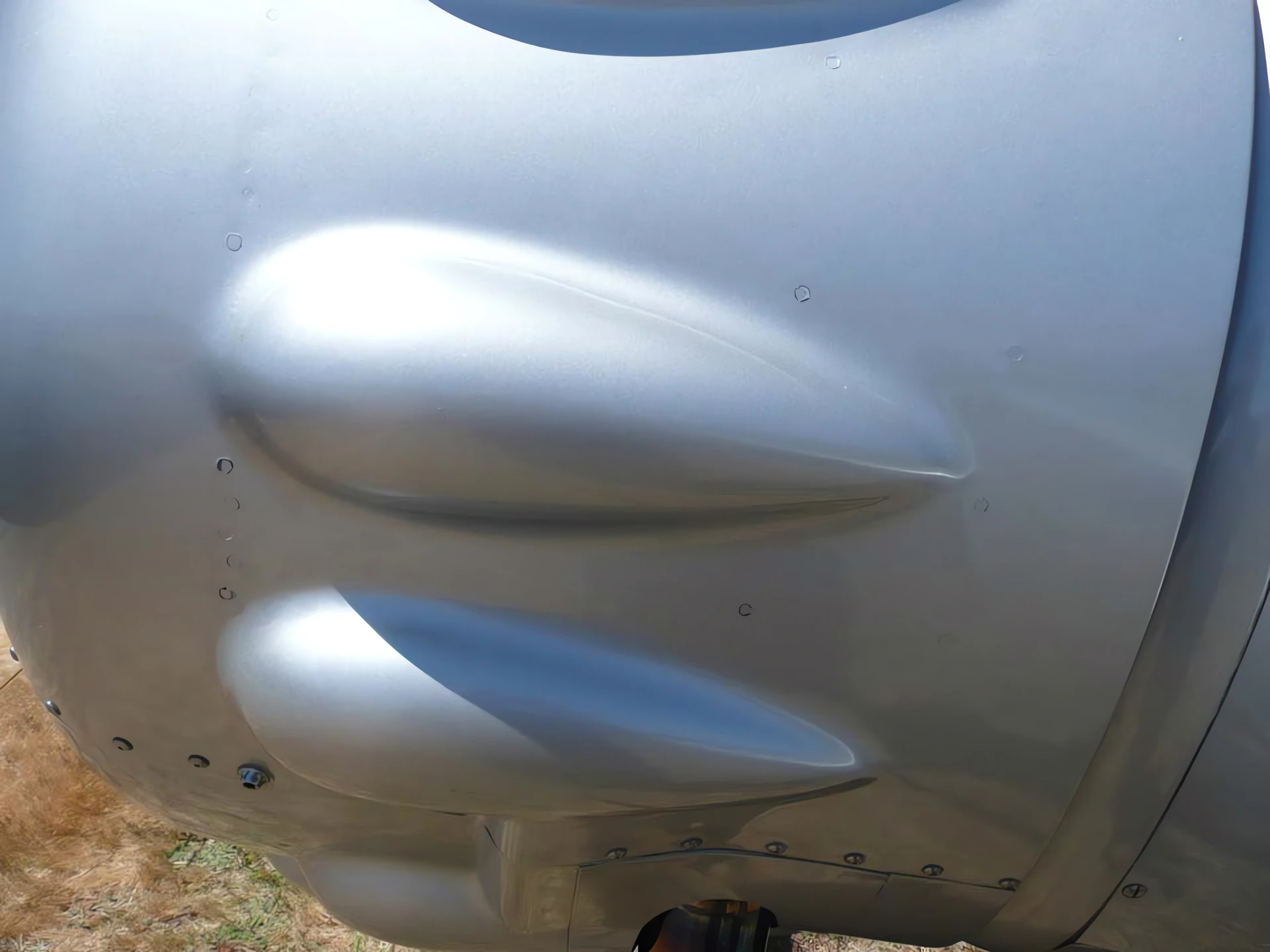

| Yakovlev Yak-18 Caminhe por aí | |
|---|---|
| Fotógrafo | Vladimir Yakubov |
| Localização | Museu aviões da fama, Chino |
| Fotos | 43 |
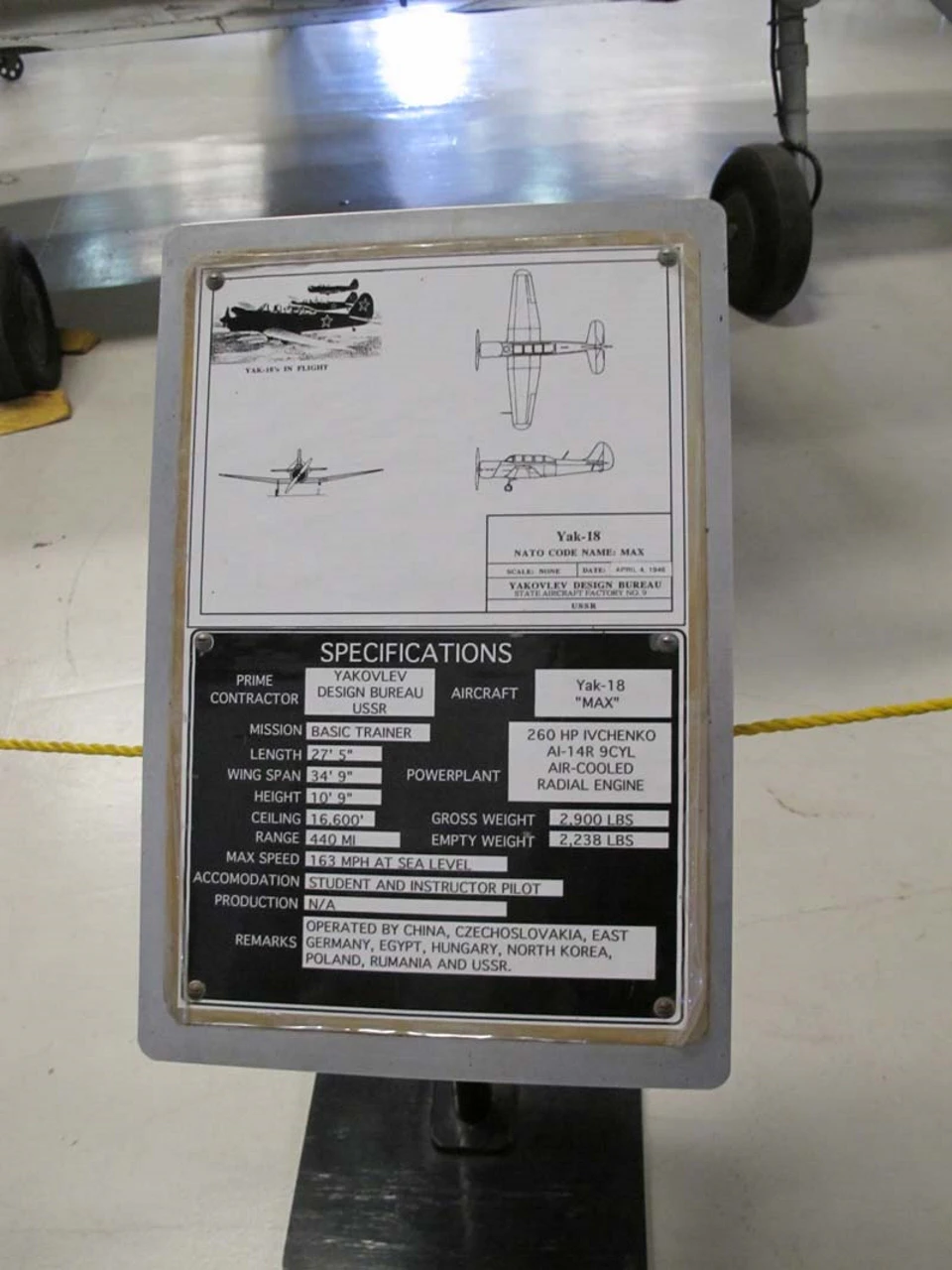
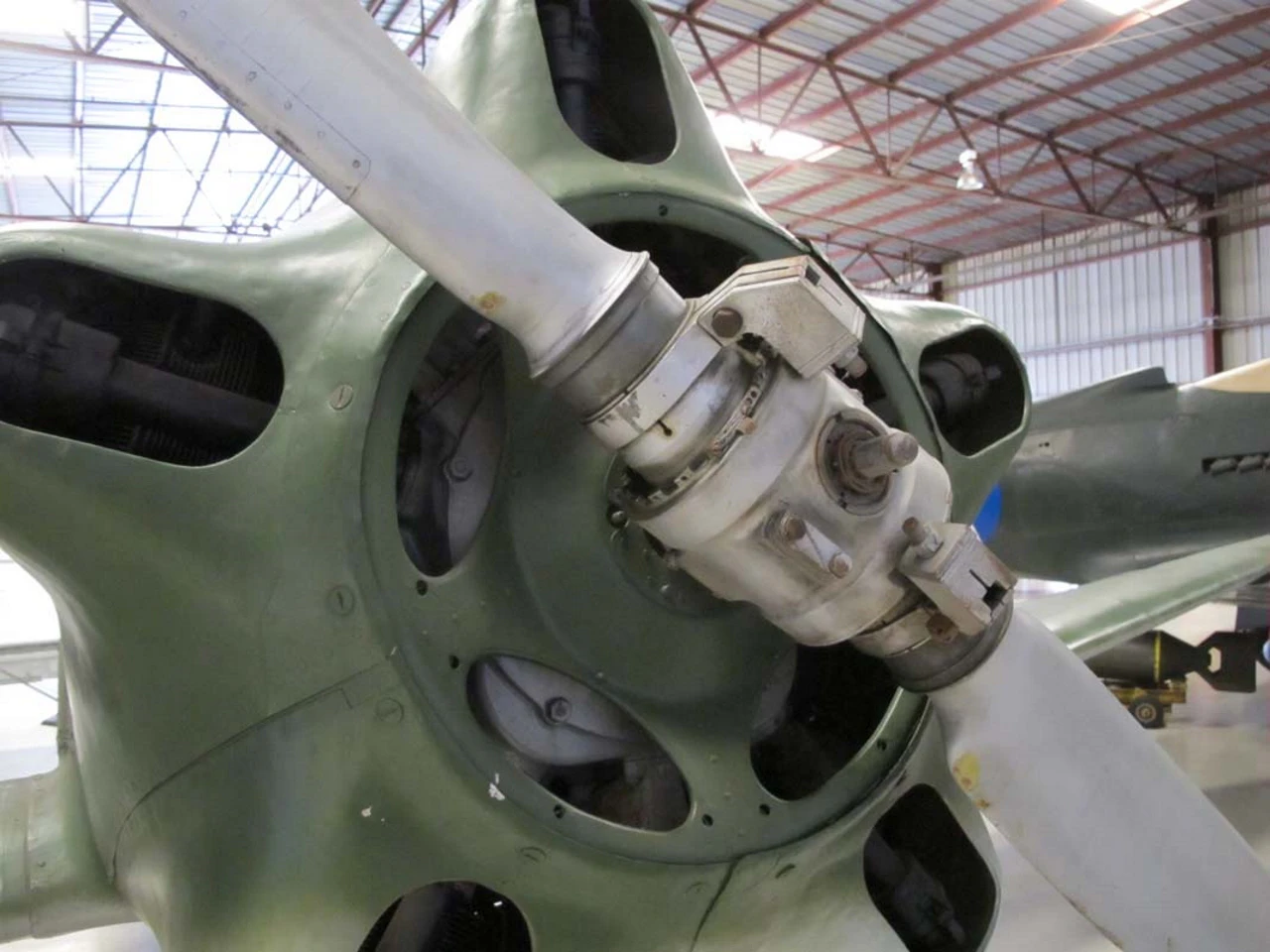
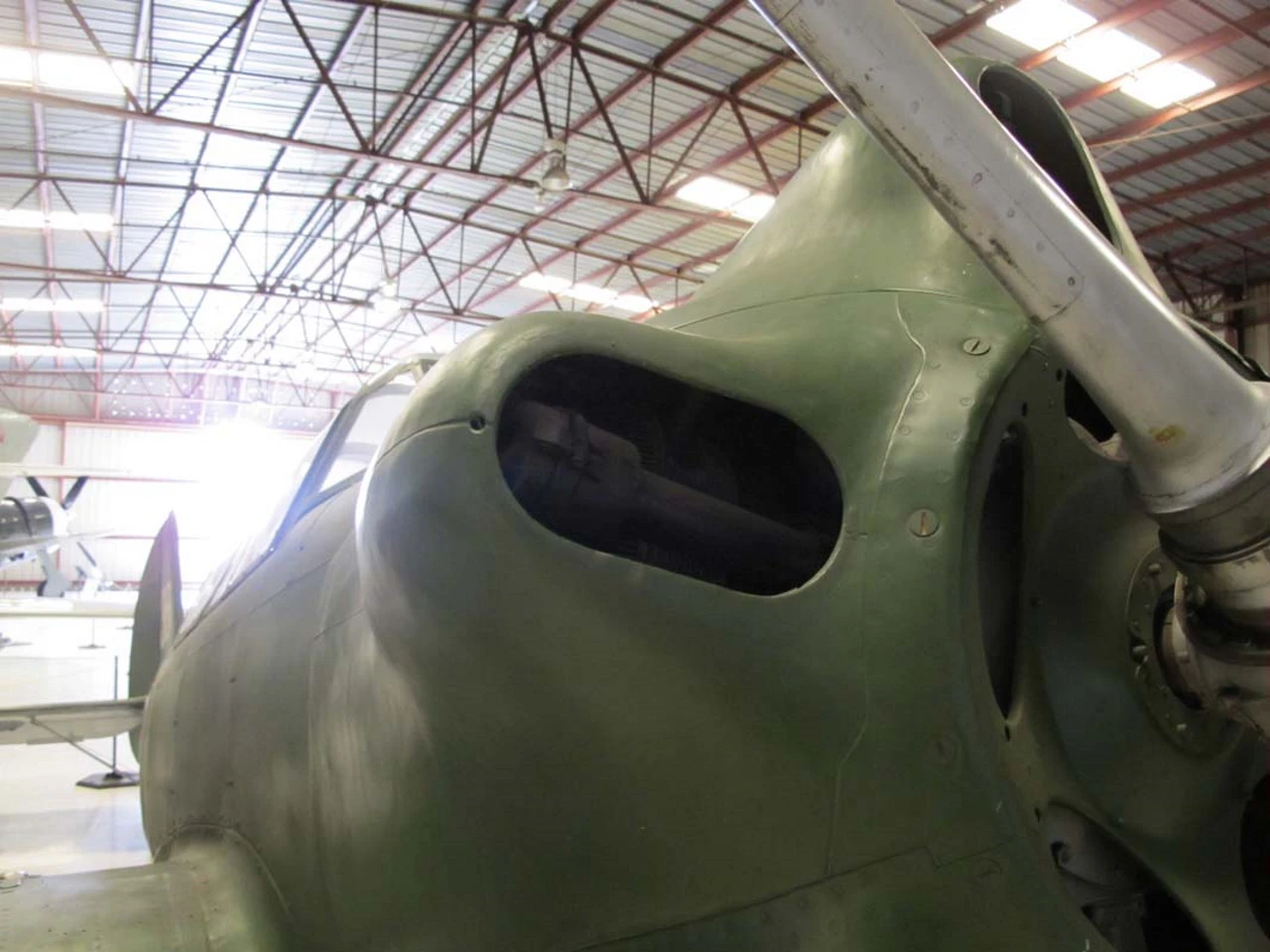
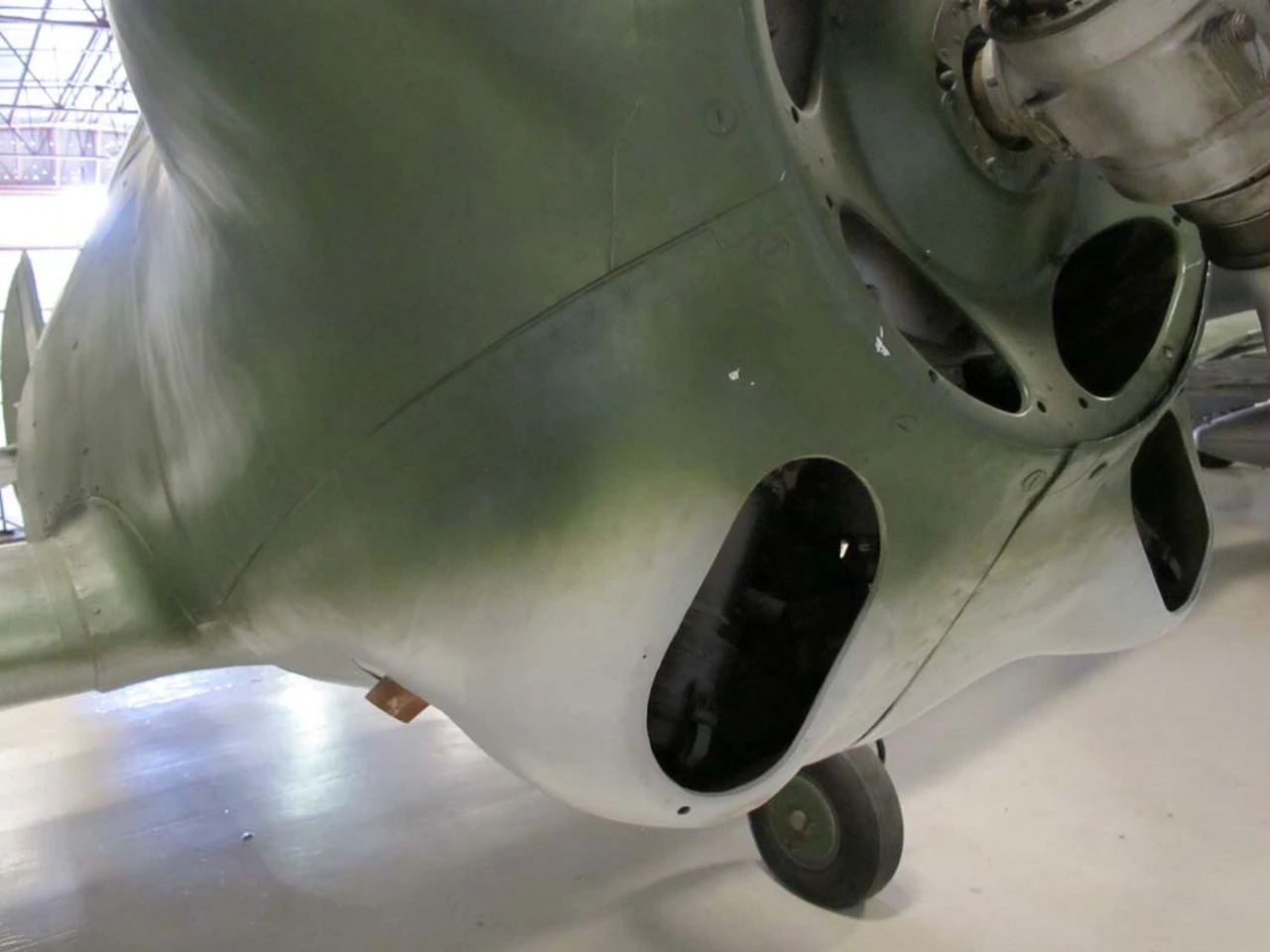
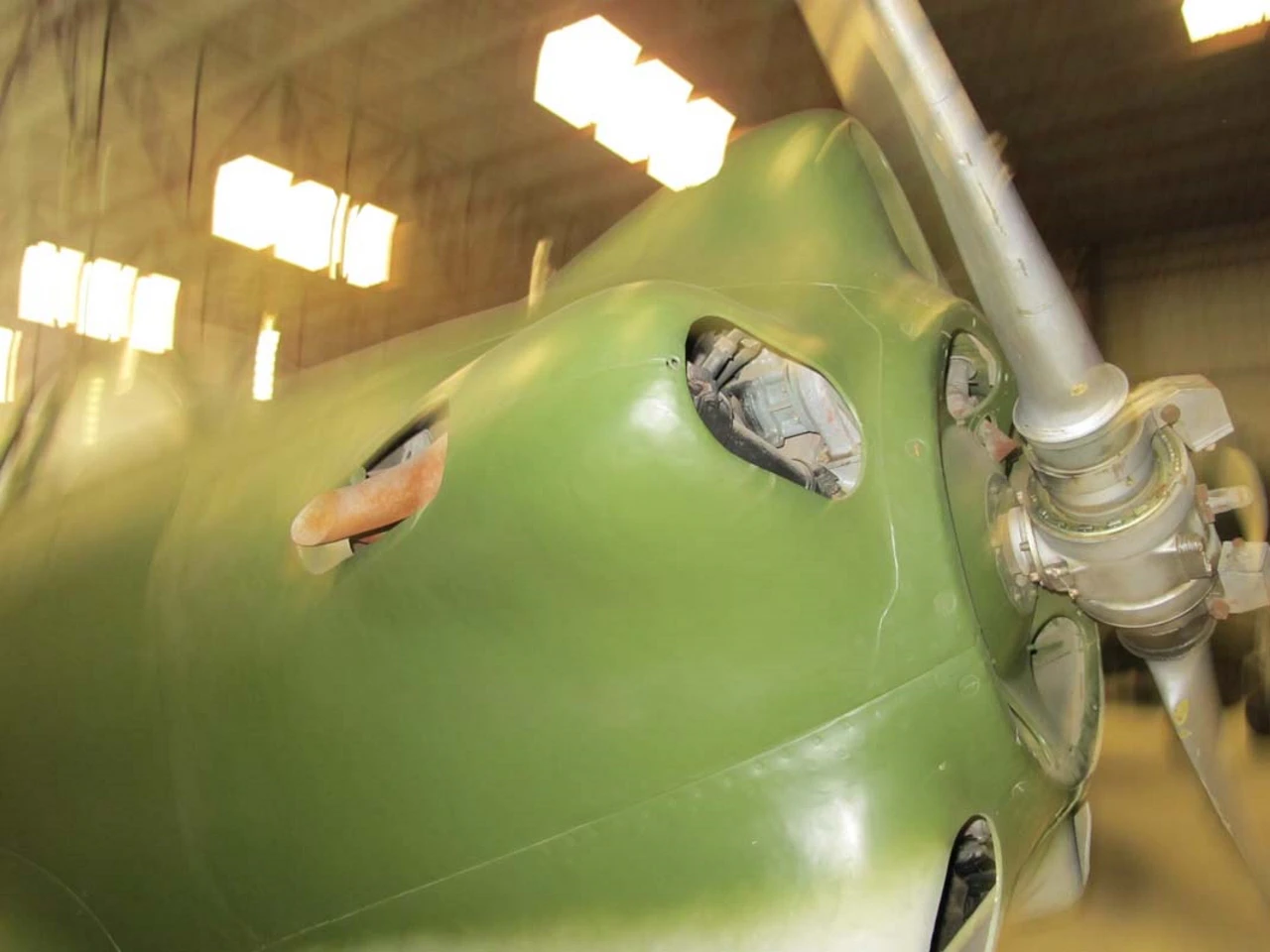
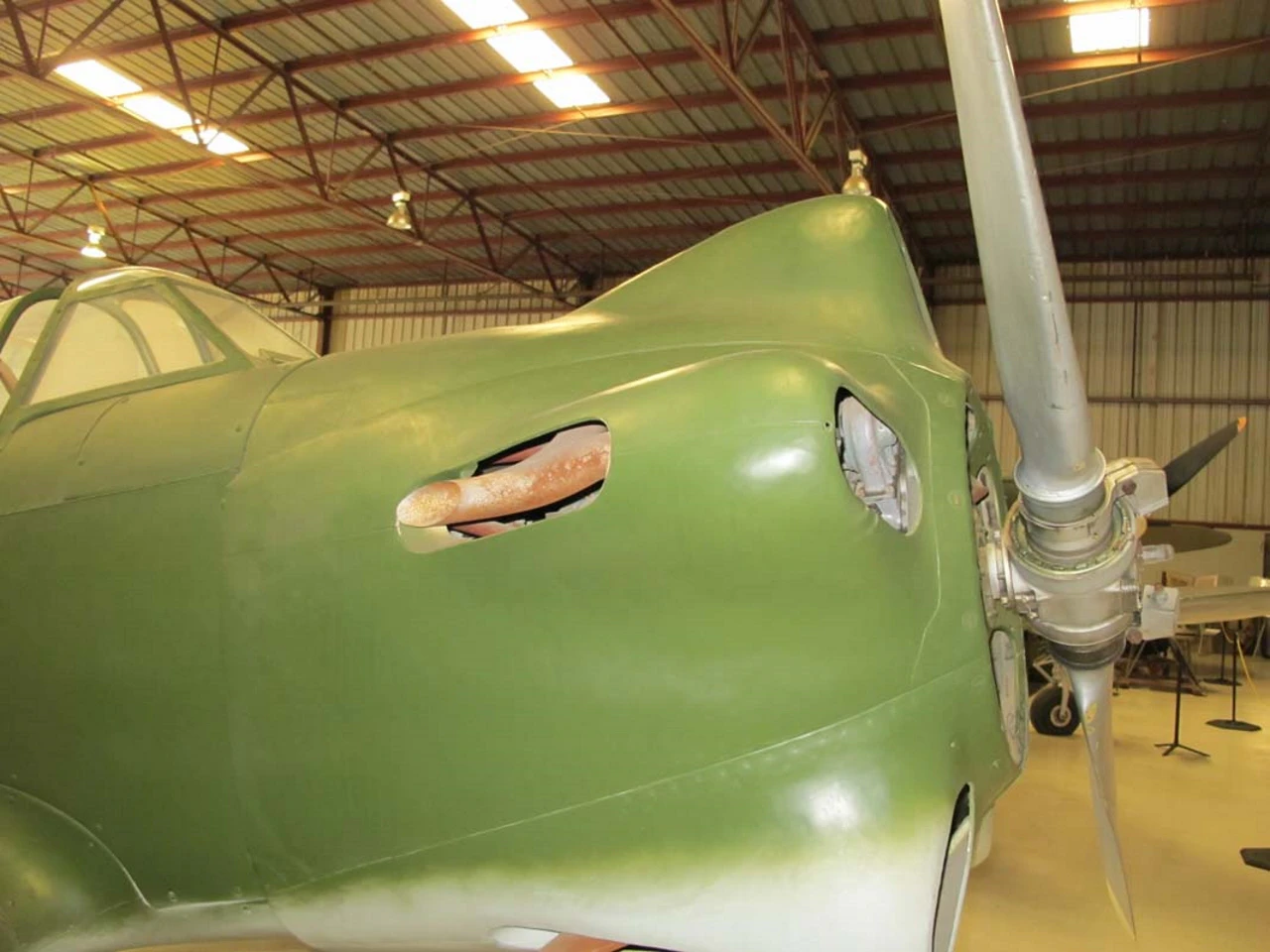
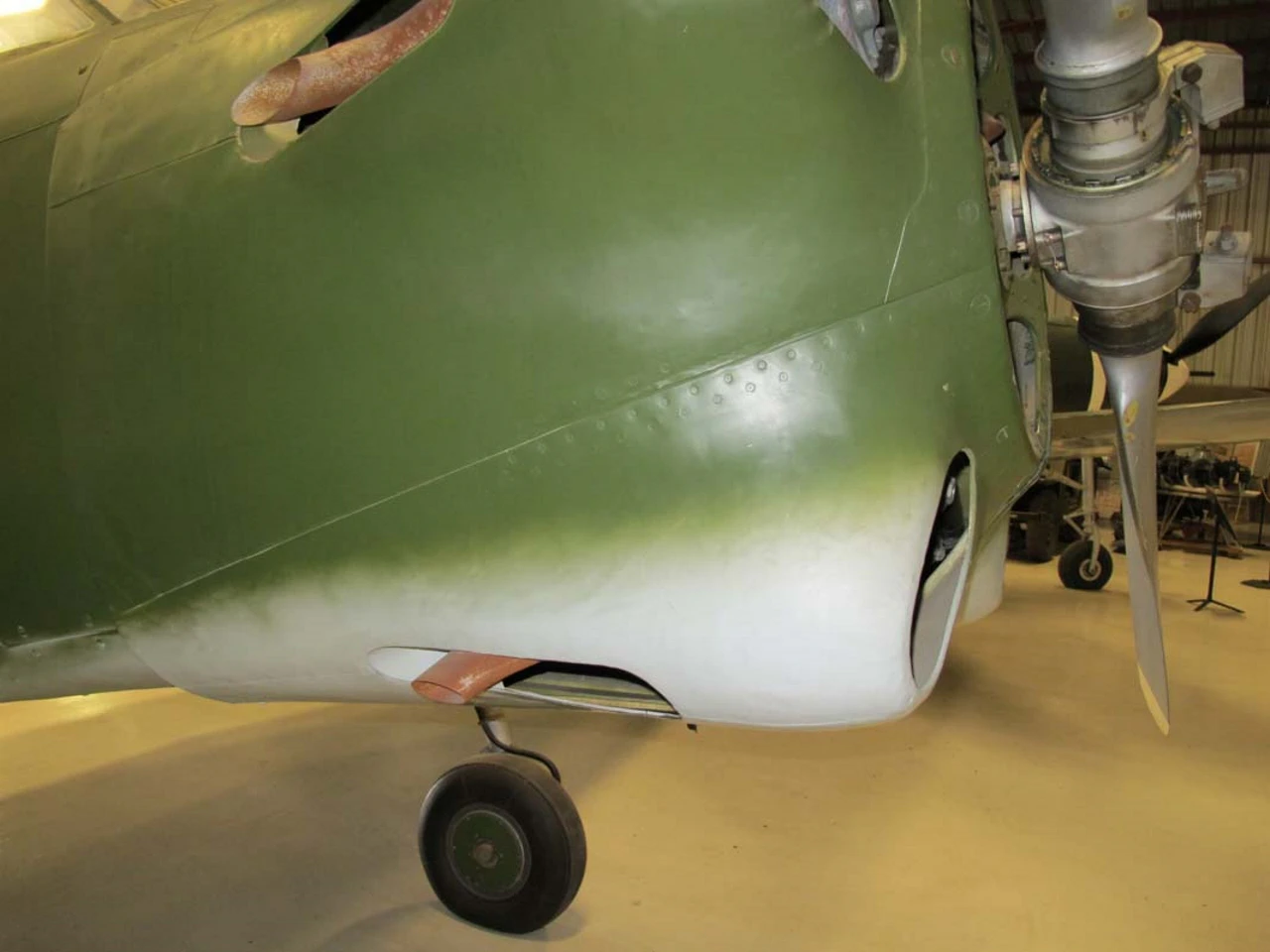
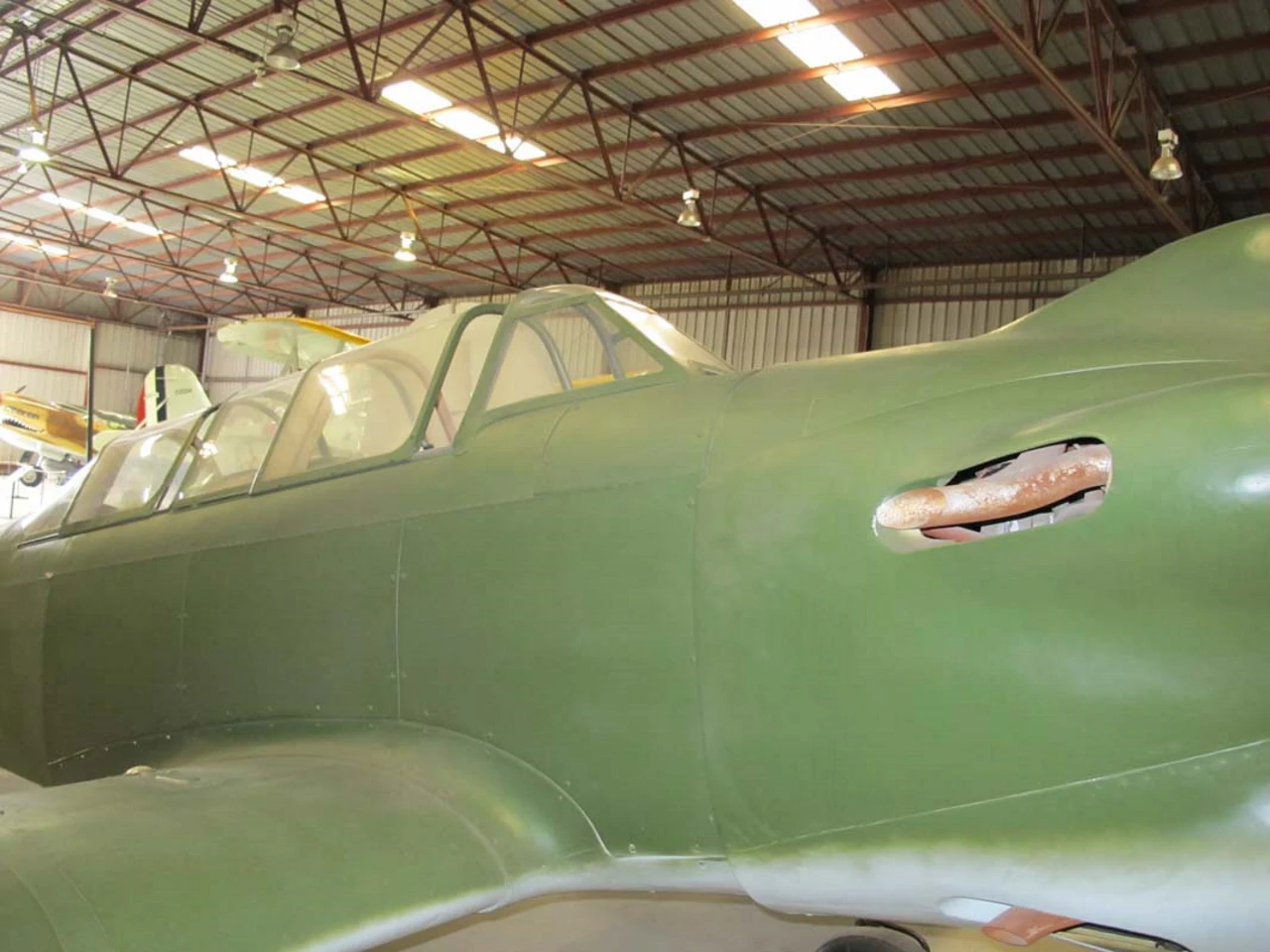
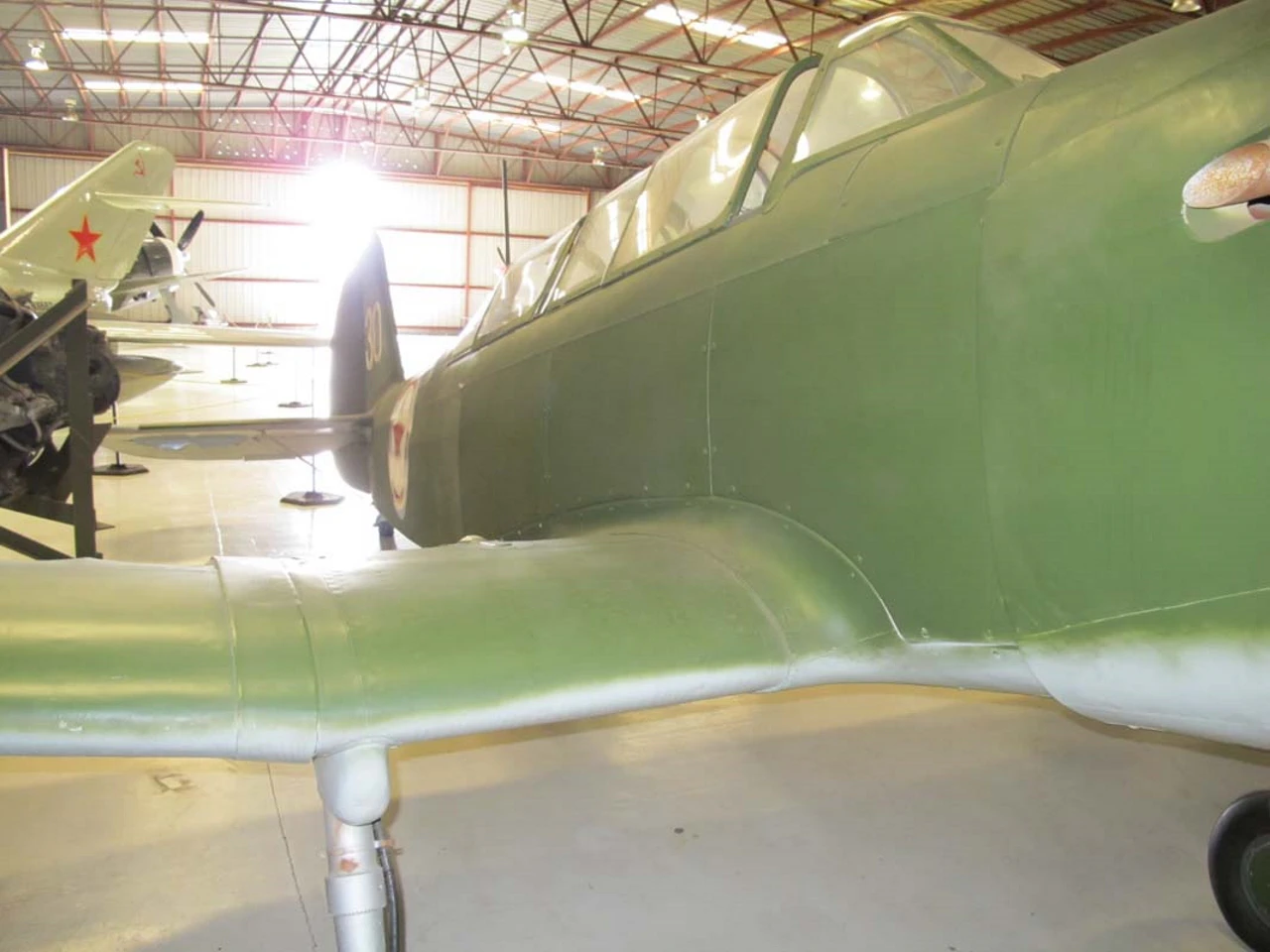
| Nanchang CJ-5 Passeio ao redor | |
|---|---|
| Fotógrafo | Vladimir Yakubov |
| Localização | Salinas Air Show |
| Fotos | 54 |
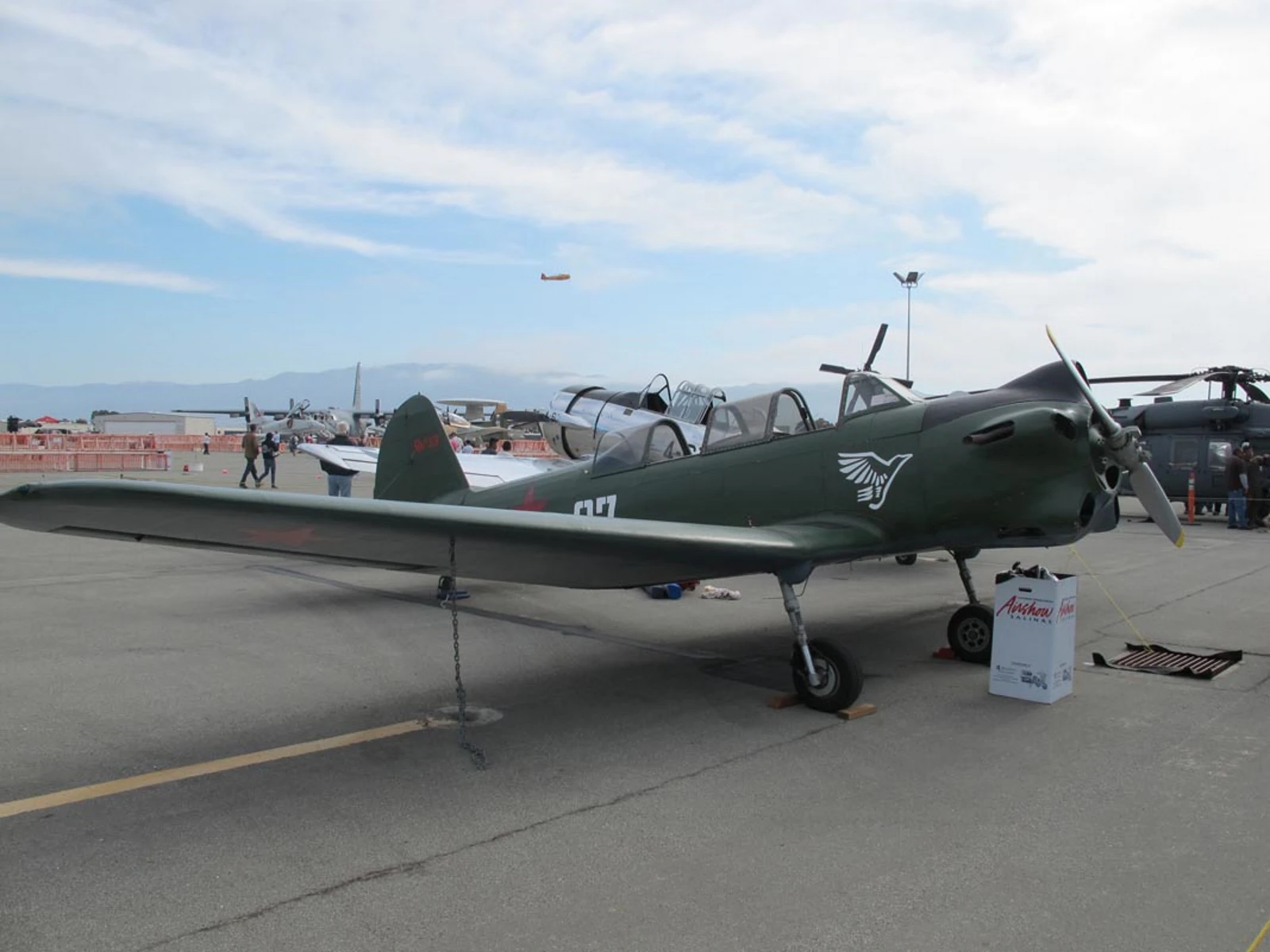
Veja também:


The Gateway to the Red Air Force
O Yakovlev Yak-18 was the primary basic trainer for the Soviet Air Force and civilian DOSAAF flying clubs for decades. Introduced in 1946 to replace the legendary but aging Po-2 biplane, it was designed to be rugged, forgiving, and easy to maintain. While it looked like a simple trainer, it was the aircraft that shaped the skills of nearly every Soviet pilot of the early Cold War—including Yuri Gagarin, the first human in space.
| Attribute | Technical Specification (Yak-18 Early Variant) |
|---|---|
| Papel | Primary Trainer / Liaison |
| tripulação | 2 (Student and Instructor in tandem) |
| First Flight | 1946 |
| Usina | 1 × Shvetsov M-11FR 5-cylinder radial |
| Horsepower | 160 hp (119 kW) |
| Maximum Speed | 154 mph (248 km/h) |
| Service Ceiling | 13,120 feet (4,000 m) |
| Construction | Metal frame with fabric and metal skin |
Design Evolution: From Taildragger to Tricycle
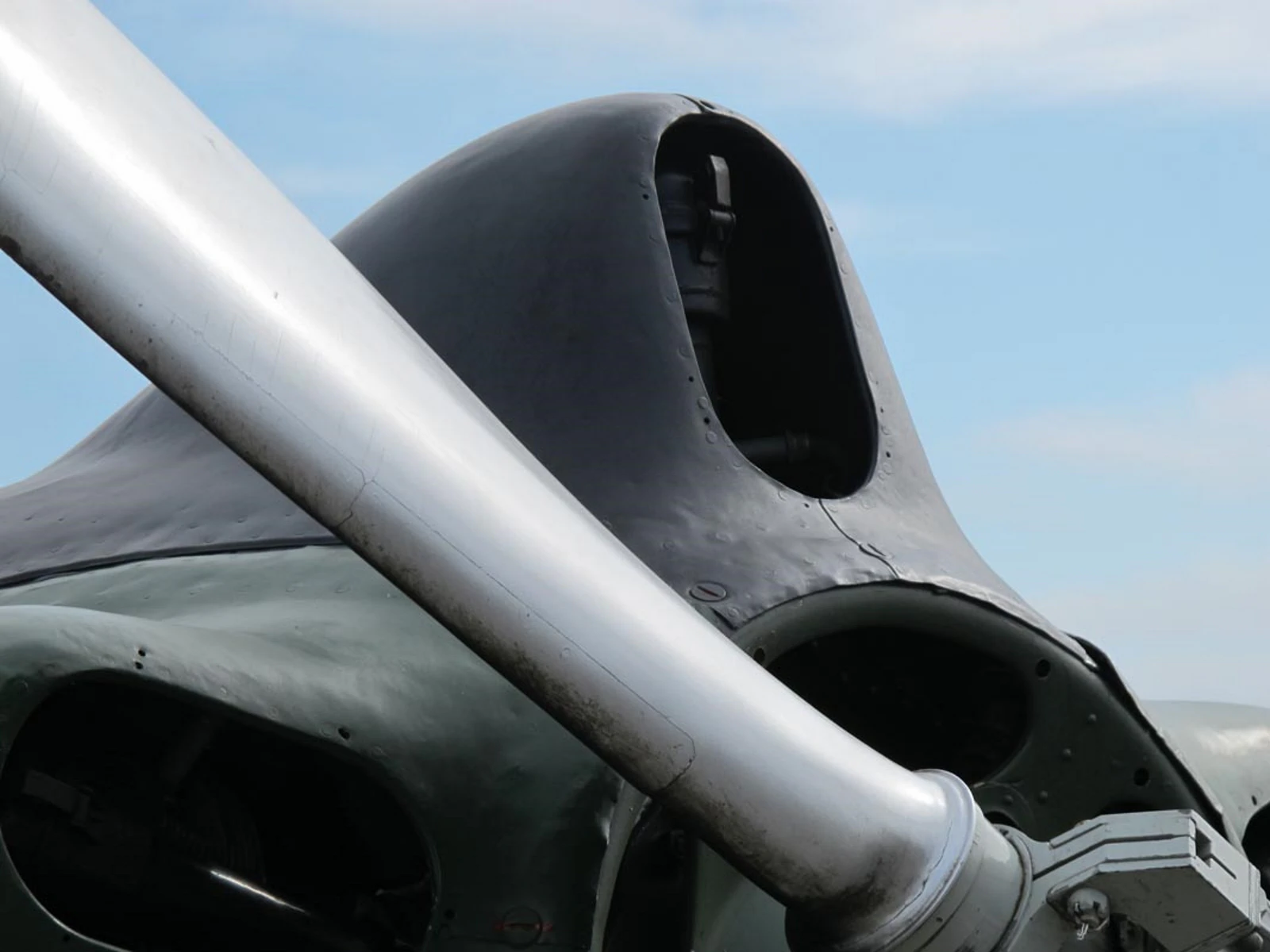
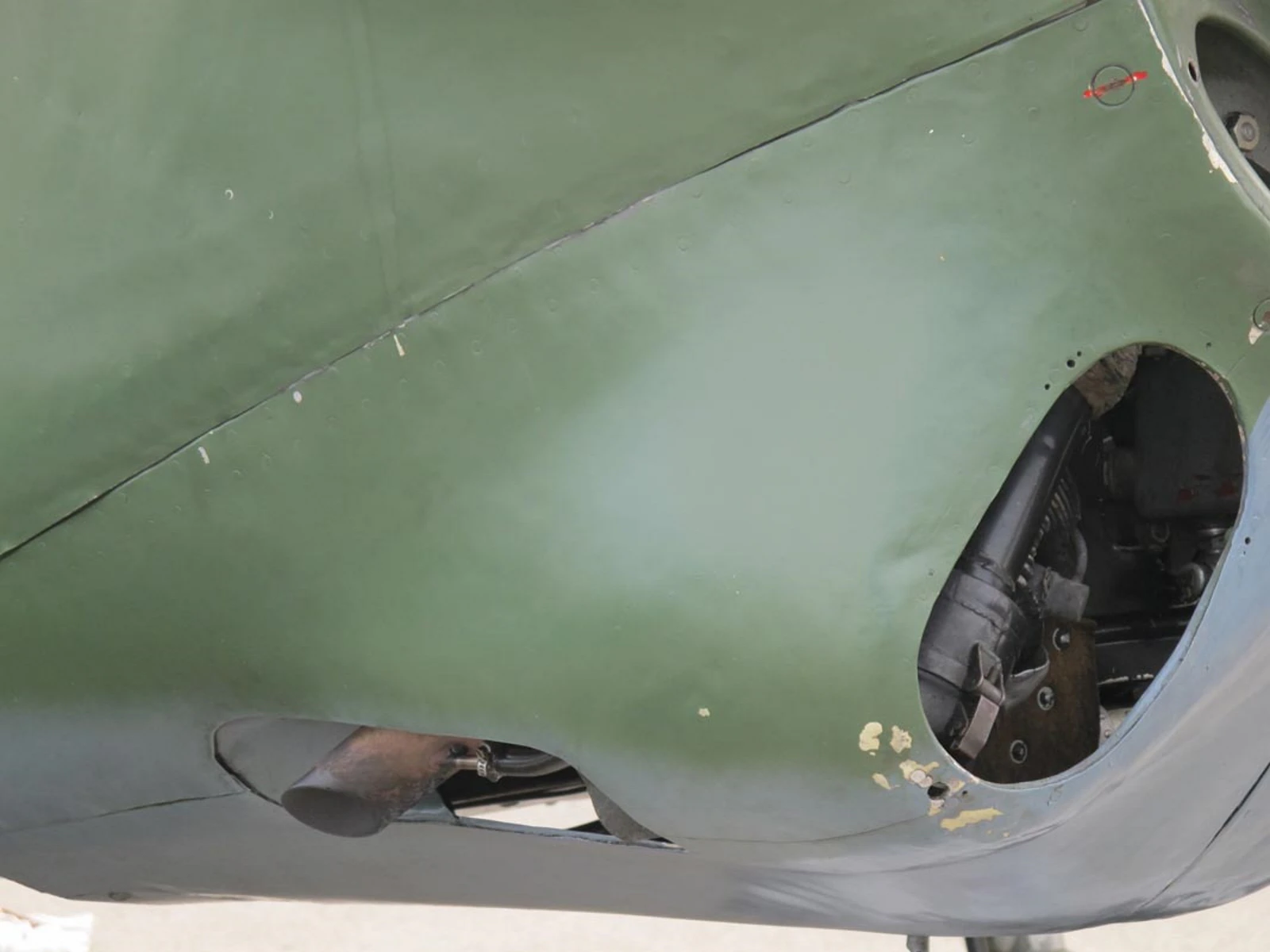
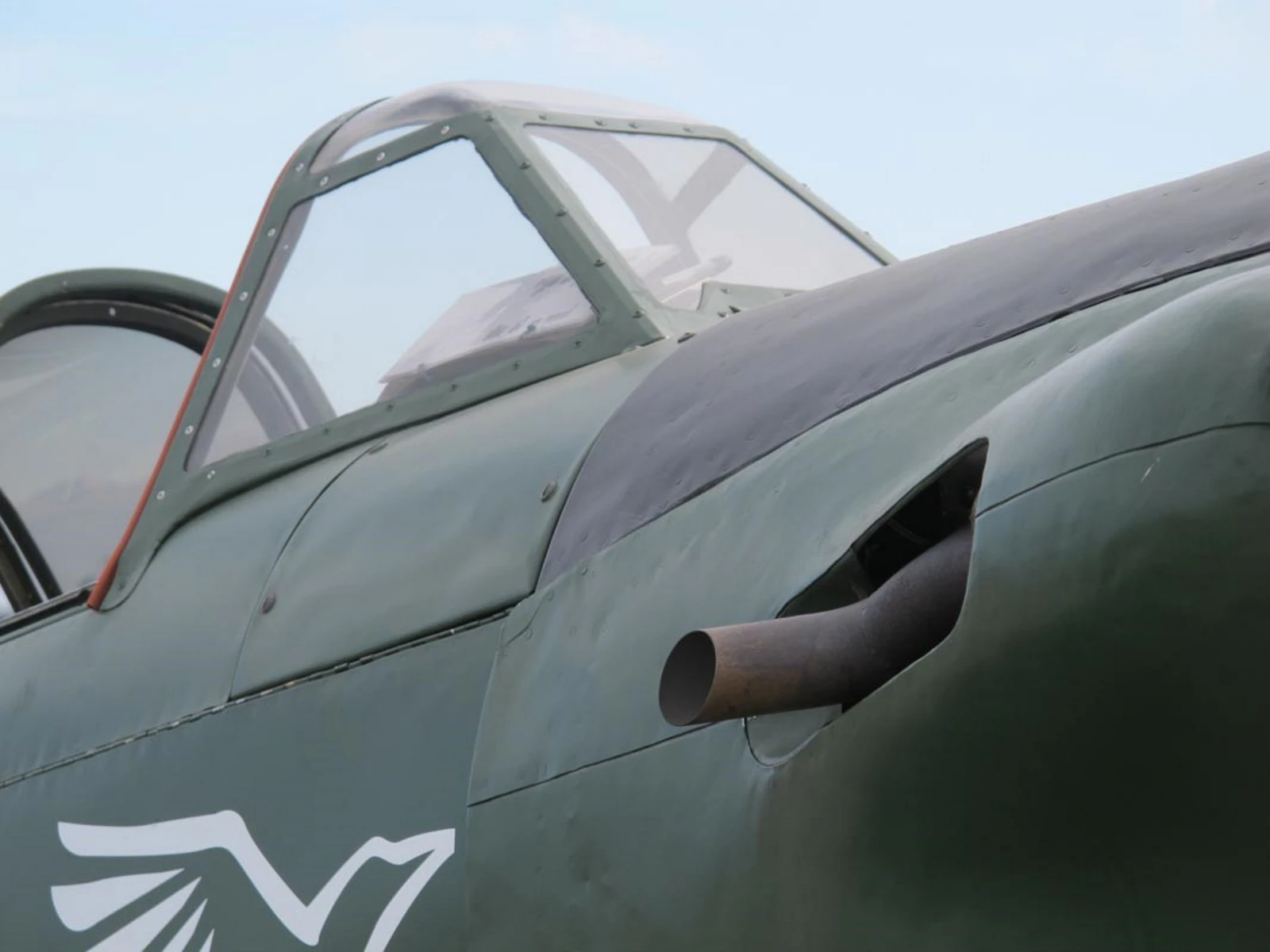
- The M-11 “Helmeted” Engine: The original Yak-18 used the classic Shvetsov M-11 radial engine. It was easily recognizable by the individual “helmet” fairings over each cylinder head, designed to provide cooling while reducing drag.
- The Yak-18A Upgrade: As Soviet jet fighters moved to tricycle landing gear (nose-wheel), the Yak-18 was redesigned as the **Yak-18A**. It featured a much more powerful engine and a nose-wheel configuration to better prepare students for modern jets.
- Pneumatic Systems: In a distinctively Soviet design choice, the Yak-18 used compressed air (pneumatics) rather than hydraulics to operate its landing gear, flaps, and brakes. This made it reliable in extreme Siberian winters where hydraulic fluid might freeze or leak. [Image diagram of the Yak-18 pneumatic system layout for landing gear and flaps]
- Mixed Construction: To save weight and strategic materials, the rear fuselage and wings were fabric-covered over a metal frame, while the forward fuselage was metal-skinned for durability near the engine.
A Global Legacy and “Night Witch” Roots
- Gagarin’s First Wing: Yuri Gagarin learned to fly in a Yak-18 at the Saratov Aero Club. He famously returned to visit his old flight instructor after his historic spaceflight, crediting the Yak-18’s honest handling for his foundational skills.
- Combat in Korea: Although a trainer, the North Korean Air Force used Yak-18s (alongside Po-2s) for “Bedcheck Charlie” night raids. Flying low and slow at night, they were nearly impossible for US jet interceptors to track on radar or shoot down.
- The Chinese CJ-6: The Yak-18 was licensed to China, where it evolved into the Nanchang CJ-6. While heavily modified with an all-metal flush-riveted skin and a different wing profile, its DNA remains rooted in the Yakovlev design.
- Acrobatic Pedigree: The success of the Yak-18 led directly to the Yak-18P e Yak-18PM, world-championship-winning single-seat aerobatic aircraft that dominated international competitions in the 1960s.
Views : 4773