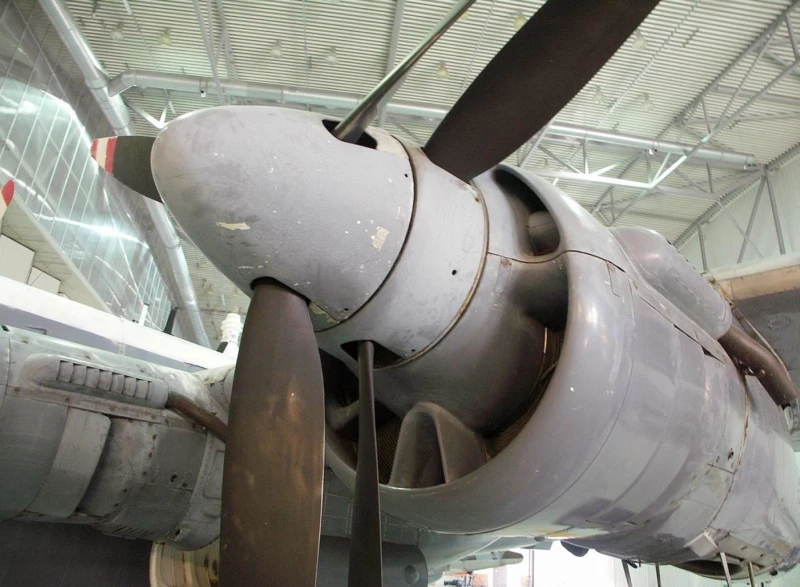
Avro Shackleton Mk.3 | |
| País | Reino unido |
| Tipo | Aeronaves de patrulha marítima de longo alcance |
| Produzido | 1951–1958 |
| Construído | 185 |
Galeria de fotos de um Avro Shackleton Mk.3, The Avro Shackleton was a British long-range maritime patrol aircraft used by the Royal Air Force (RAF) and the South African Air Force (SAAF). It was developed by Avro from the Avro Lincoln bomber, itself being a development of the famous wartime Avro Lancaster bomber. It was replaced by Nimrod maritime patrol aircraft in the 1970s. The aircraft was also adapted for airborne early warning (AEW) roles within the RAF, replaced by the Boeing E-3 Sentry in 1990. The type is named after the polar explorer Sir Ernest Shackleton.
Fonte: Avro Shackleton Mk.3 na Wiki
| Avro Shackleton Mk.3 WalkAround | |
|---|---|
| Fotógrafo | Jan Petr |
| Localização | Desconhecido |
| Fotos | 23 |
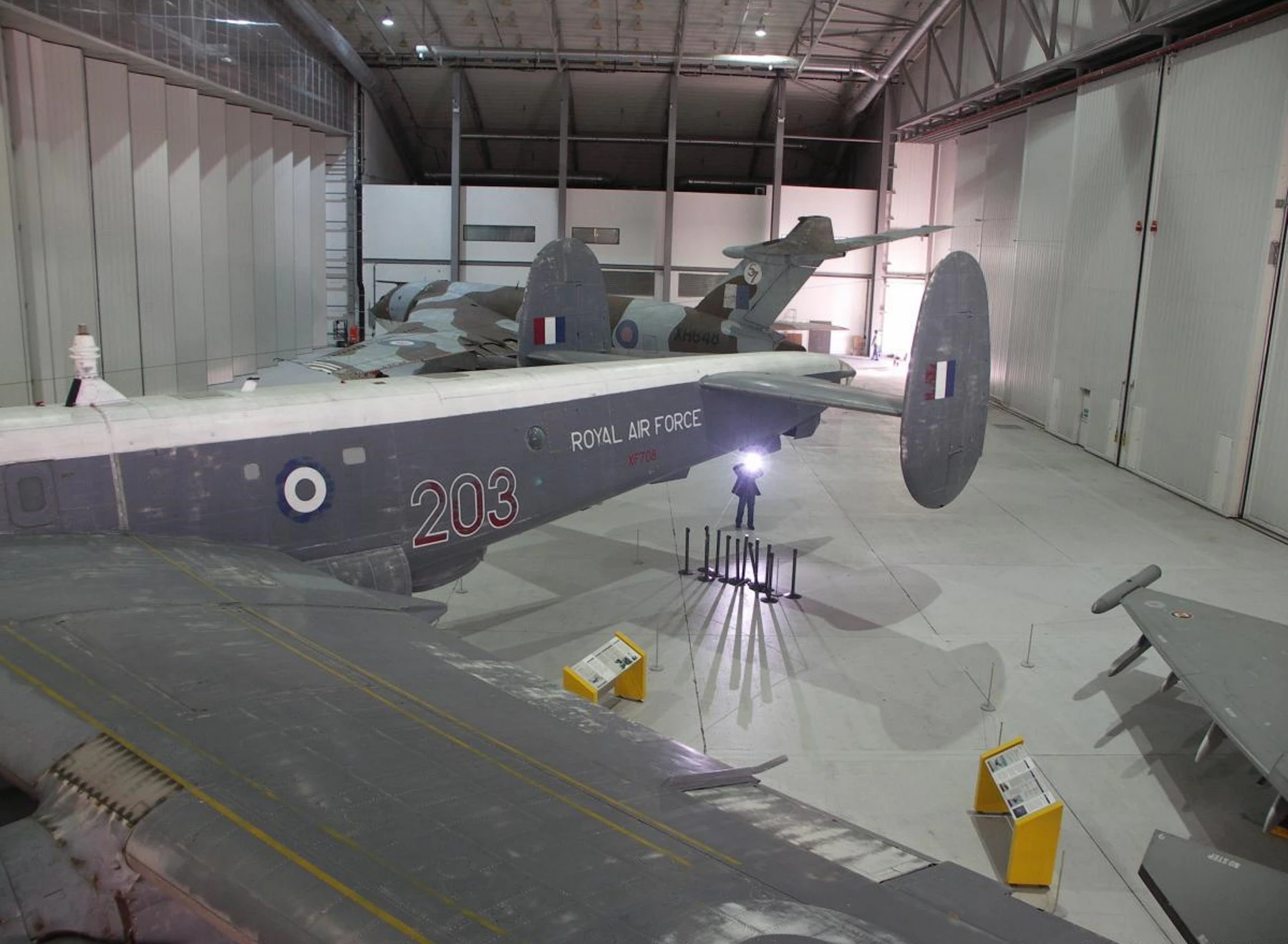
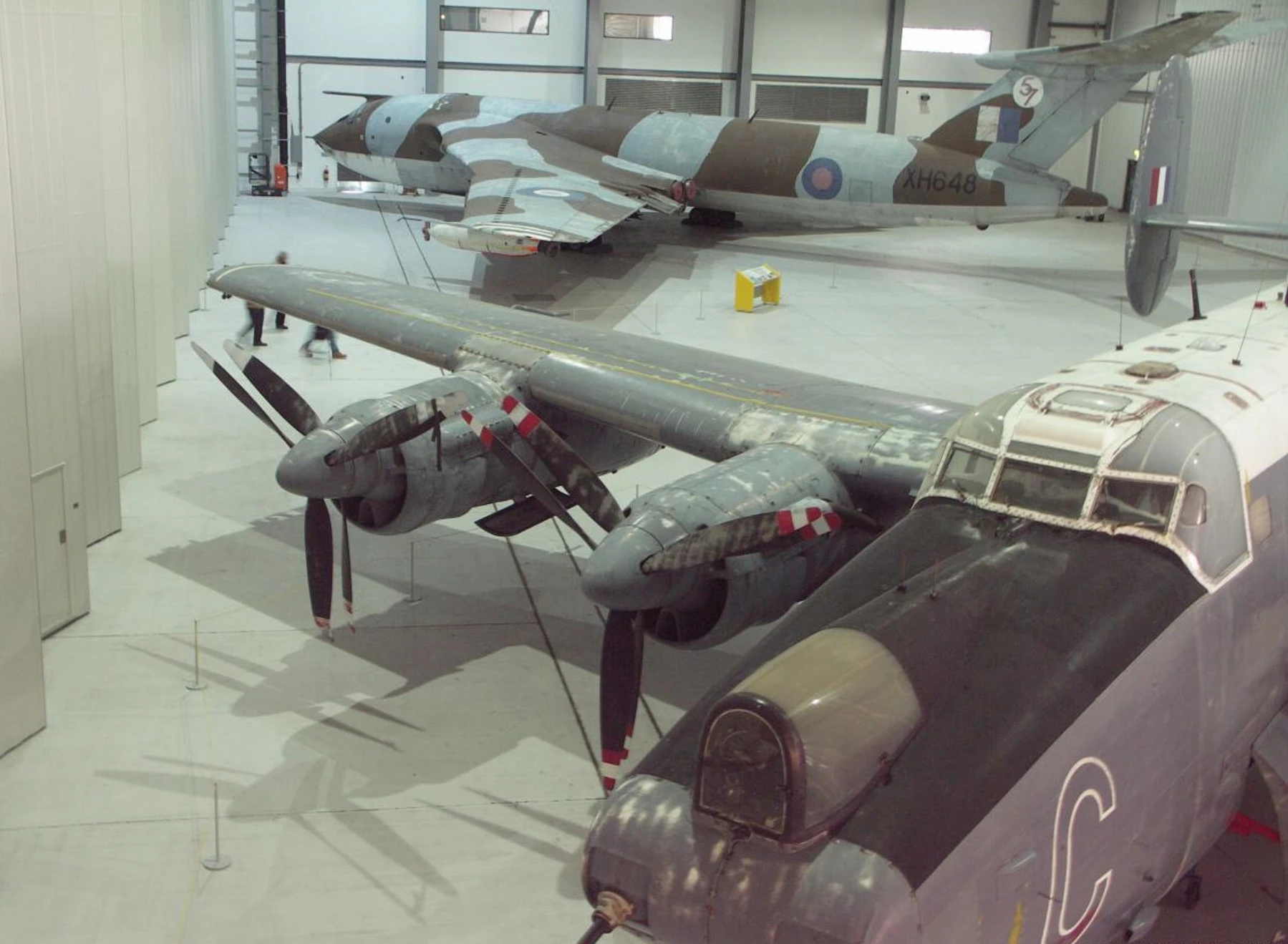
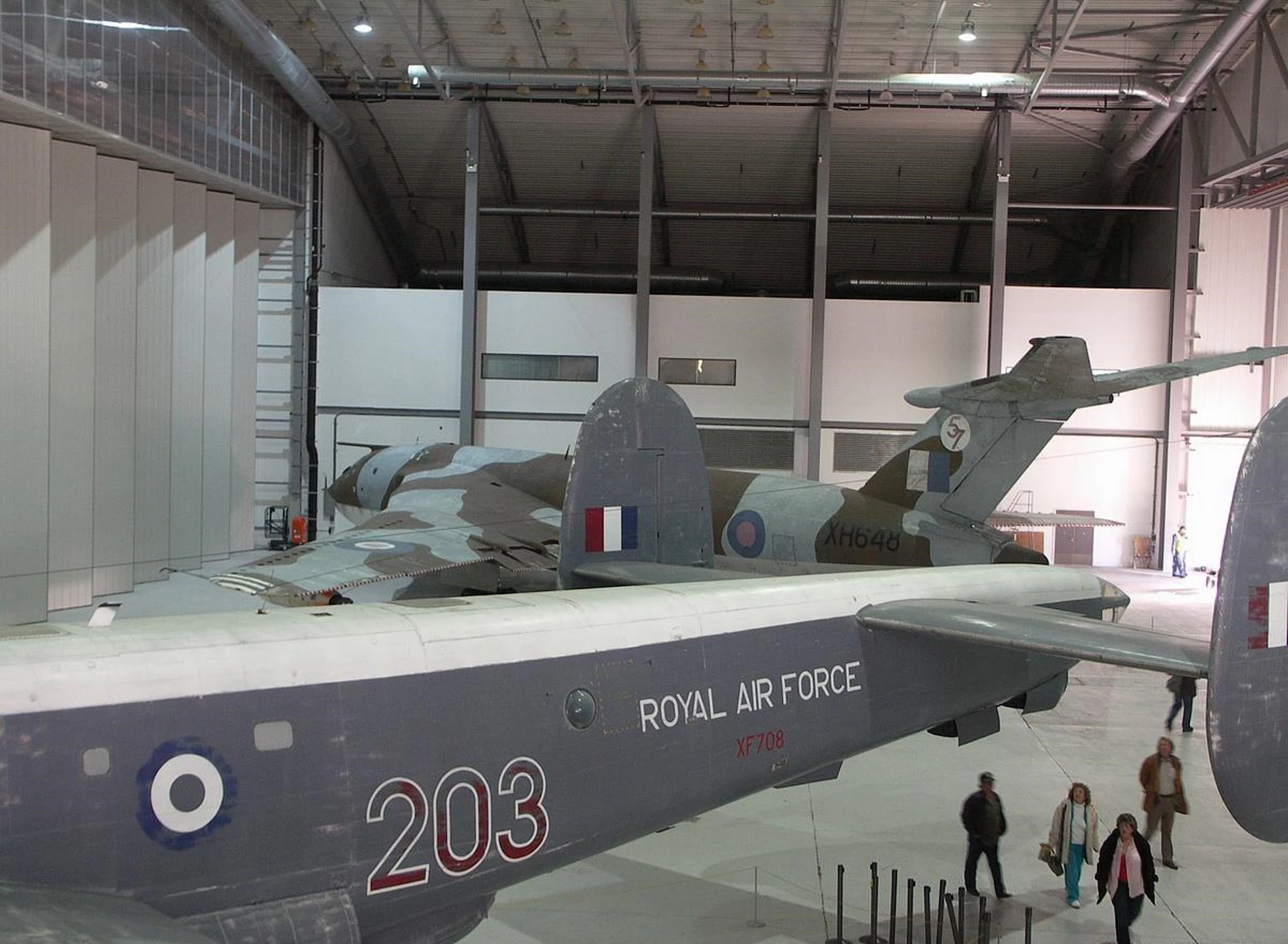
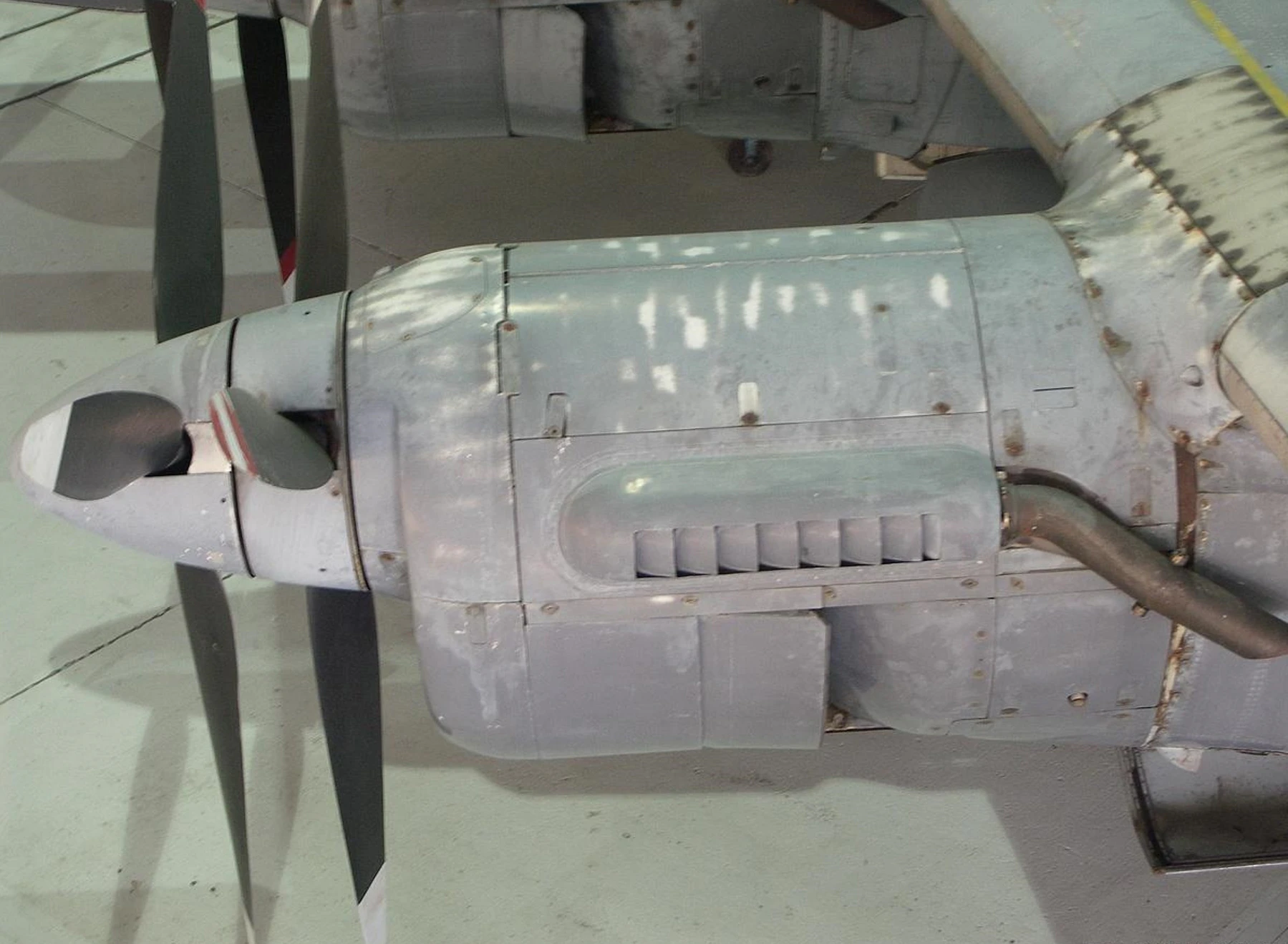
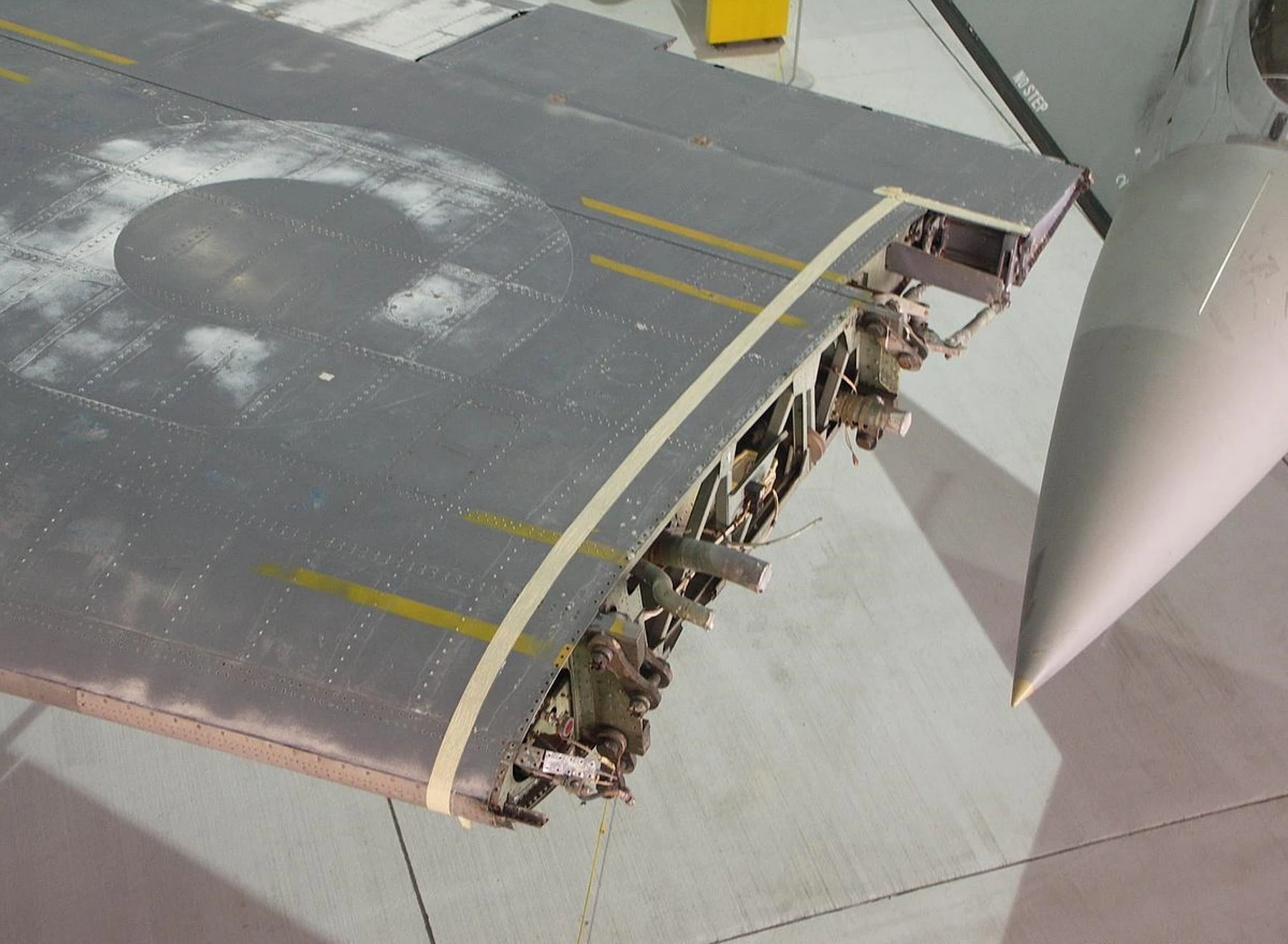
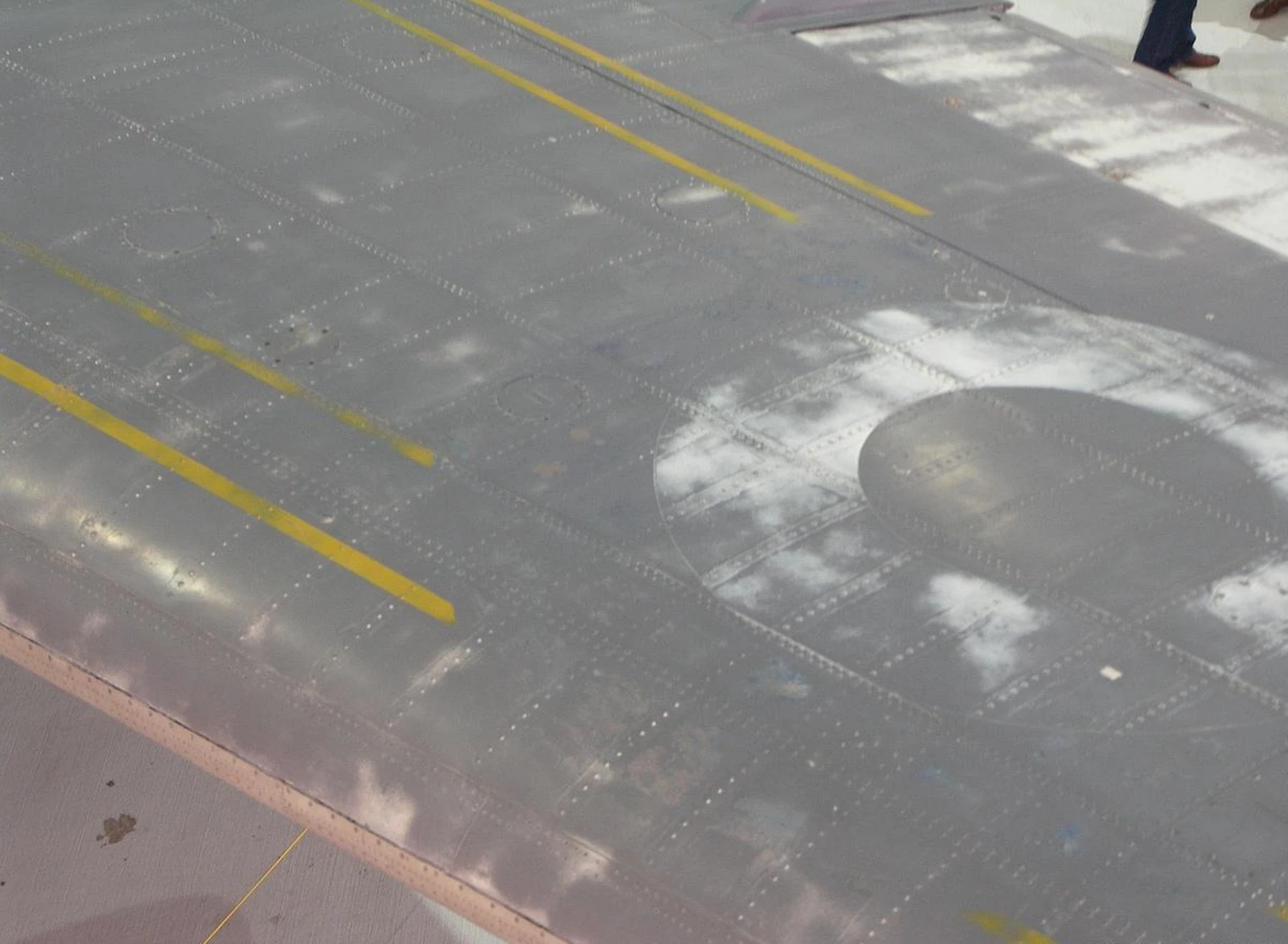
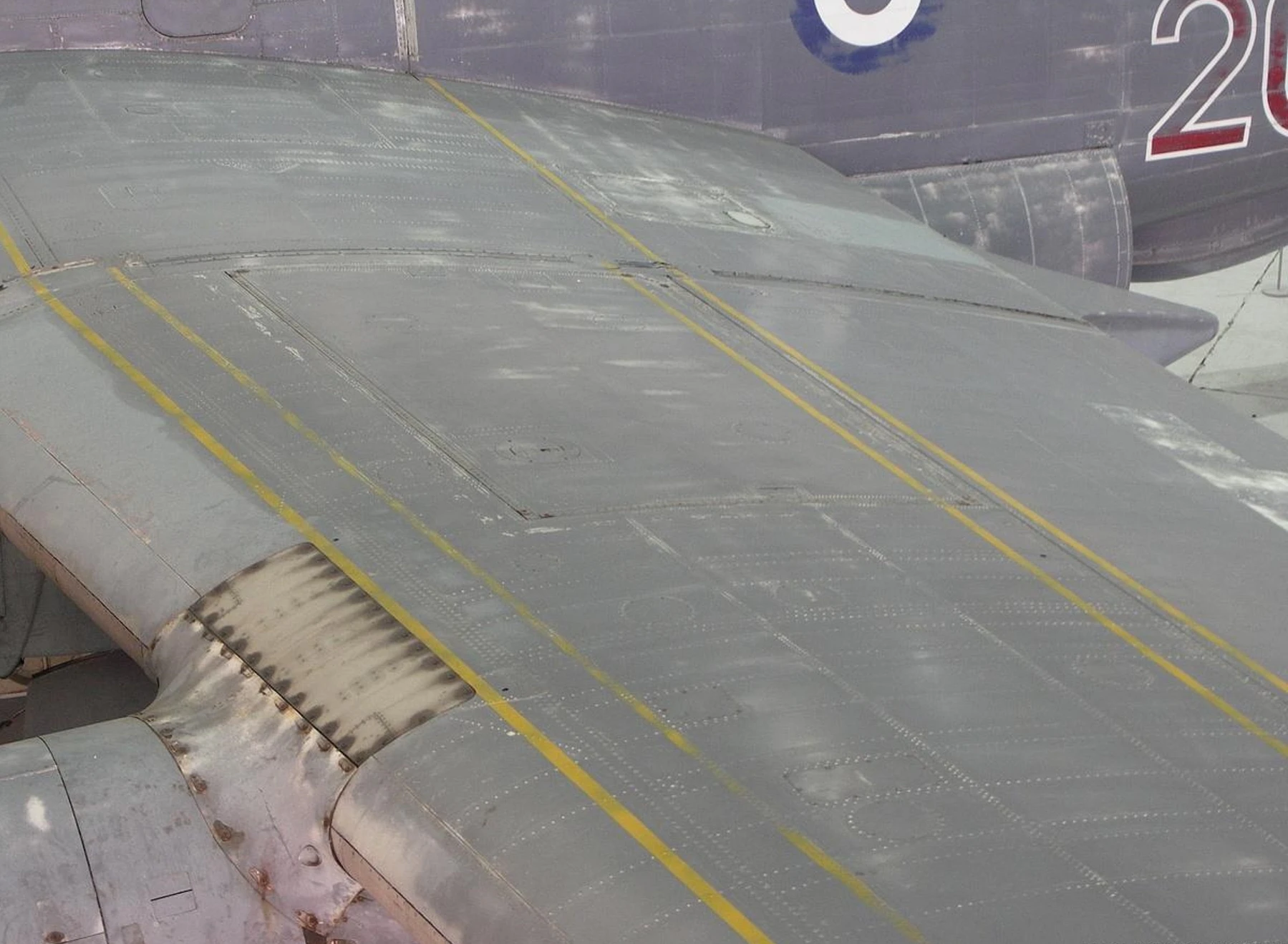
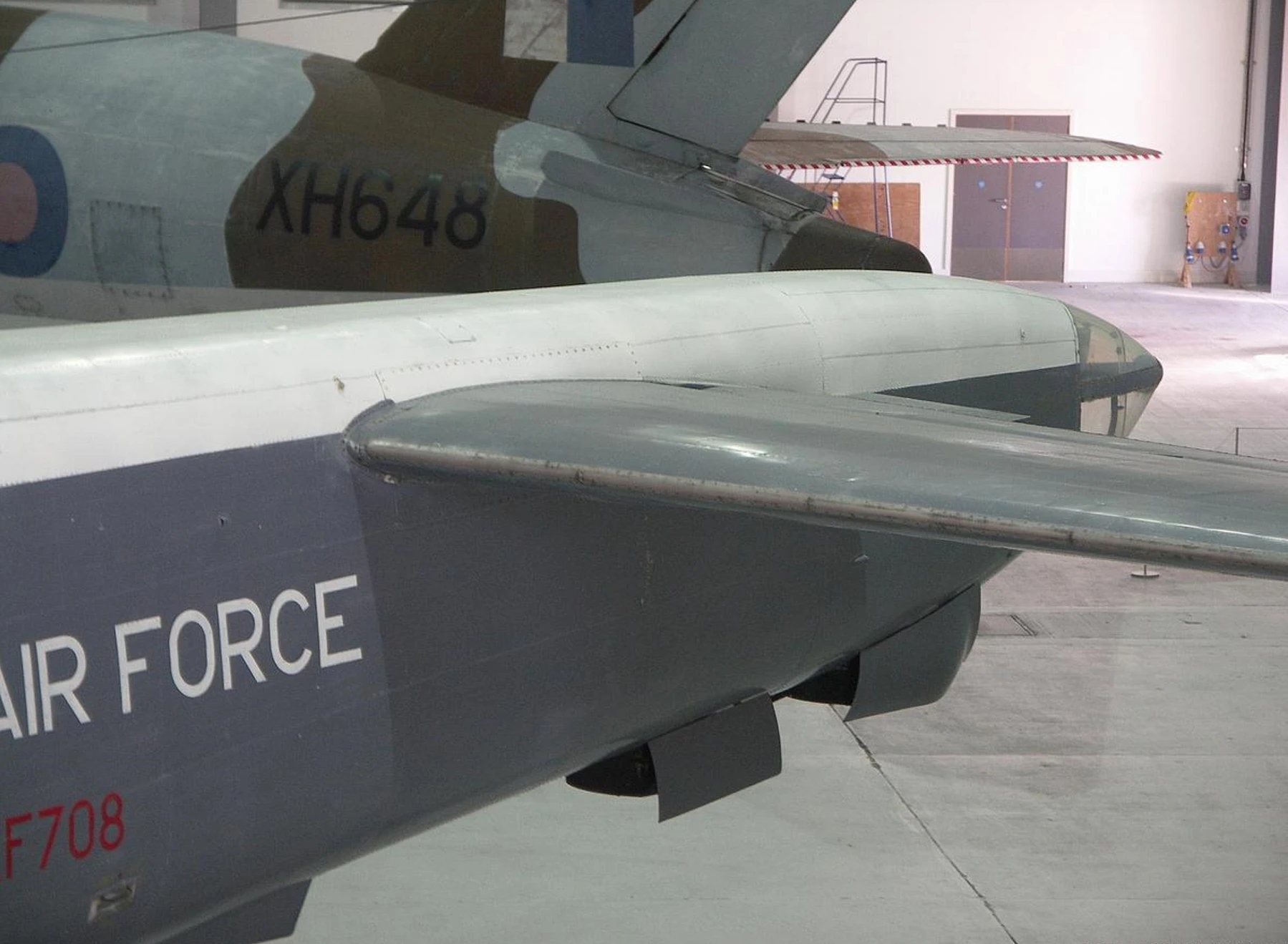
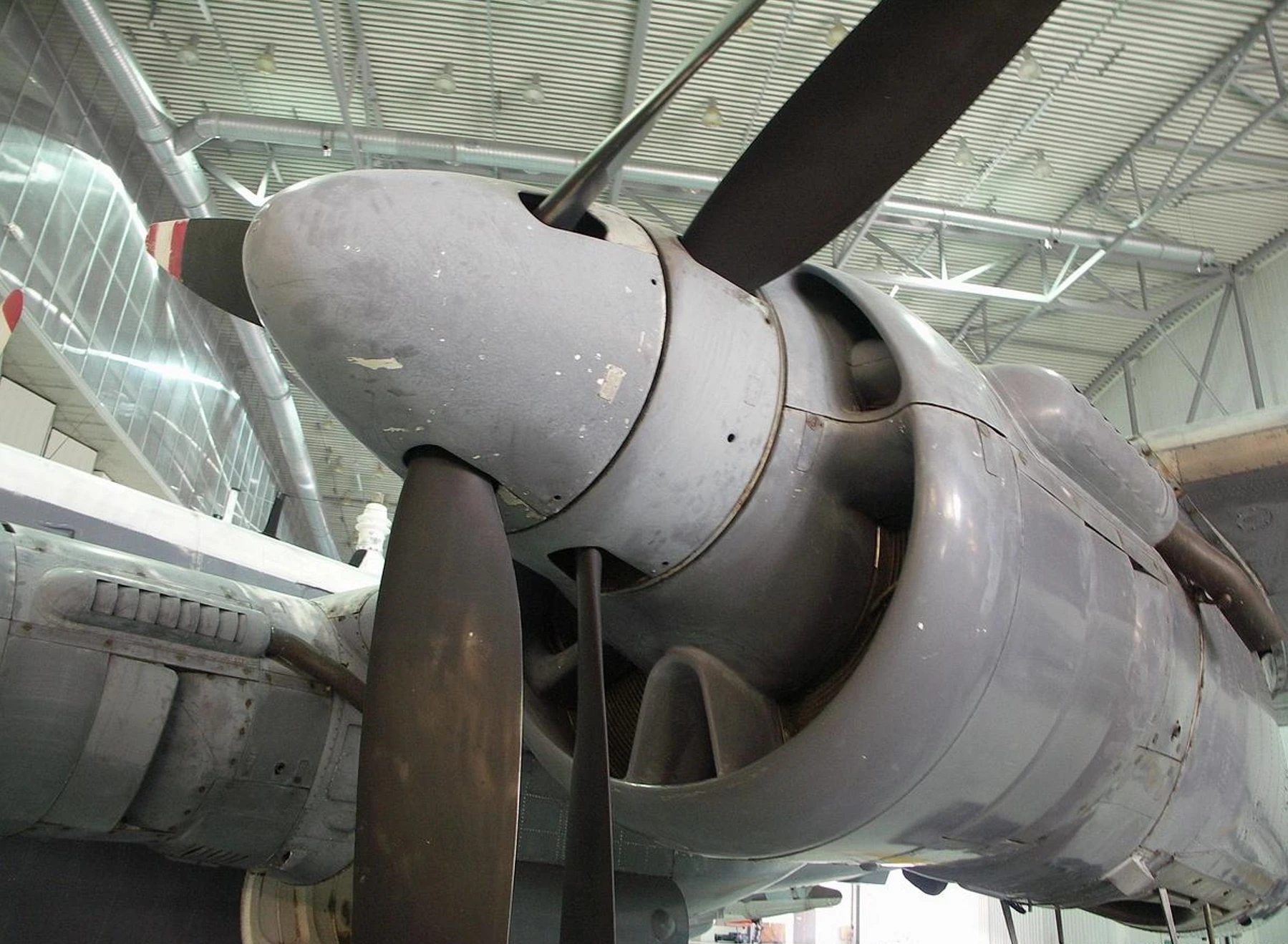

| Avro Shackleton AEW mk.2 Ande por aí | |
|---|---|
| Fotógrafo | Cees Hendriks |
| Localização | Desconhecido |
| Fotos | 150 |
 Compre-me um café
| Avro Shackleton MR.3 Anda por aí | |
|---|---|
| Fotógrafo | Desconhecido |
| Localização | |
| Fotos | 23 |
Veja também:


The “Lancaster’s” Final Evolution
O Avro Shackleton was the direct descendant of the legendary WWII Lancaster and Lincoln bombers. By the time the Mk.3 (MR.3) arrived in the late 1950s, it had evolved into a sophisticated maritime reconnaissance platform. Designed to hunt Soviet submarines across the vast reaches of the Atlantic, it was famous for its incredible endurance—crews would often fly missions lasting over 15 hours. Known affectionately (and sometimes less so) as “ten thousand rivets flying in close formation,” the Shackleton was a loud, vibrating, but immensely reliable sentinel of the Cold War.
| Attribute | Technical Specification (MR.3) |
|---|---|
| Papel | Maritime Reconnaissance / Anti-Submarine Warfare (ASW) |
| tripulação | 10 (Pilots, Navigators, Engineers, Sensor Operators) |
| First Flight (Mk.3) | September 2, 1955 |
| Usina | 4 × Rolls-Royce Griffon 57 liquid-cooled V12s |
| Propellers | Contra-rotating (3 blades per hub) |
| Auxiliary Power | 2 × Armstrong Siddeley Viper turbojets (in outer nacelles) |
| Maximum Speed | 302 mph (486 km/h) |
| Endurance | 14–18 Hours |
Design Engineering: Contra-Rotating Power & Jet Boosters
- Contra-Rotating Propellers: To harness the massive 2,455 hp of the Griffon engines without massive torque roll, the Shackleton used two propellers on each shaft spinning in opposite directions. This provided incredible thrust but created a deafening, low-frequency thrum that could be heard miles away.
- The Viper Jets: The Mk.3 was heavy. To assist with takeoff from shorter runways while carrying a full load of fuel and torpedoes, two small Viper turbojets were hidden in the rear of the outer engine nacelles. These provided a “boost” during the climb-out.
- Tricycle Landing Gear: Unlike the tail-dragging Mk.1 and Mk.2, the Mk.3 featured a modern tricycle landing gear. This made ground handling much easier but required a significant redesign of the nose and wing structure.
- Internal Comfort (or lack thereof): Because missions were so long, the Mk.3 included a small galley and bunk space for the crew. However, the lack of soundproofing meant the noise of the four Griffons was constant and bone-shaking.
Legacy: The Last of the Piston Giants
- Operation Vantage: Shackletons provided vital long-range eyes during the Kuwait crisis of 1961, proving their worth in reconnaissance far from the North Atlantic.
- The AEW.2 Transition: When the Royal Navy’s Gannet AEW aircraft retired, the RAF took old Mk.2 Shackletons and fitted them with massive “AN/APS-20” radar domes under the nose. These served as Airborne Early Warning planes until the 1990s!
- South African Service: The South African Air Force was the only export customer for the MR.3. They used them for maritime patrol until 1984, with one famously surviving a forced landing in the Sahara Desert during a delivery flight back to the UK for a museum.
- The Nimrod Successor: The Shackleton was eventually replaced by the jet-powered Hawker Siddeley Nimrod, which was based on the Comet airliner—ironically, a much quieter way to hunt submarines.
Views : 4399
Você pode ver também:
 Avro 504 – Fotos e Vídeos
 Nardi FN.305 – Fotos e Vídeos
 Northrop YC-125 Raider – Fotos e Vídeos
 Grumman AF Guardian – Fotos e Vídeos
 Fairey Delta 2 – Fotos e Vídeos
 Handley Page Halifax – Fotos e Vídeos
 Grumman G-21 Goose – Fotos e Vídeos
 Dassault / Dornier Alpha Jet – WalkAround
 Boeing B-52 Stratofortress – WalkAround
 Focke-Wulf FW-190 - Ande por aí