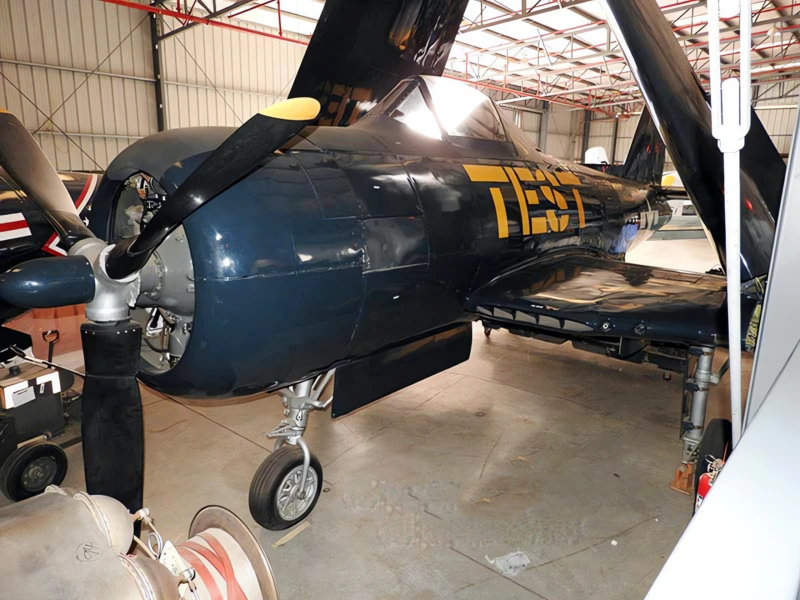
Ryan FR Fireball | |
|---|---|
| Country | USA |
| Role | Fighter |
| In service | 25 June 1944 |
| Built | 71 |
The Ryan FR Fireball was a mixed-power (piston and jet-powered) fighter aircraft designed by Ryan Aeronautical for the United States Navy during World War II. It was the Navy’s first aircraft with a jet engine. Only 66 aircraft were built before Japan surrendered in August 1945. The FR-1 Fireball equipped a single squadron before the end of the war, but did not see combat. The aircraft ultimately proved to lack the structural strength required for operations aboard aircraft carriers and was withdrawn in mid-1947.
Source: Ryan FR Fireball on Wikipedia
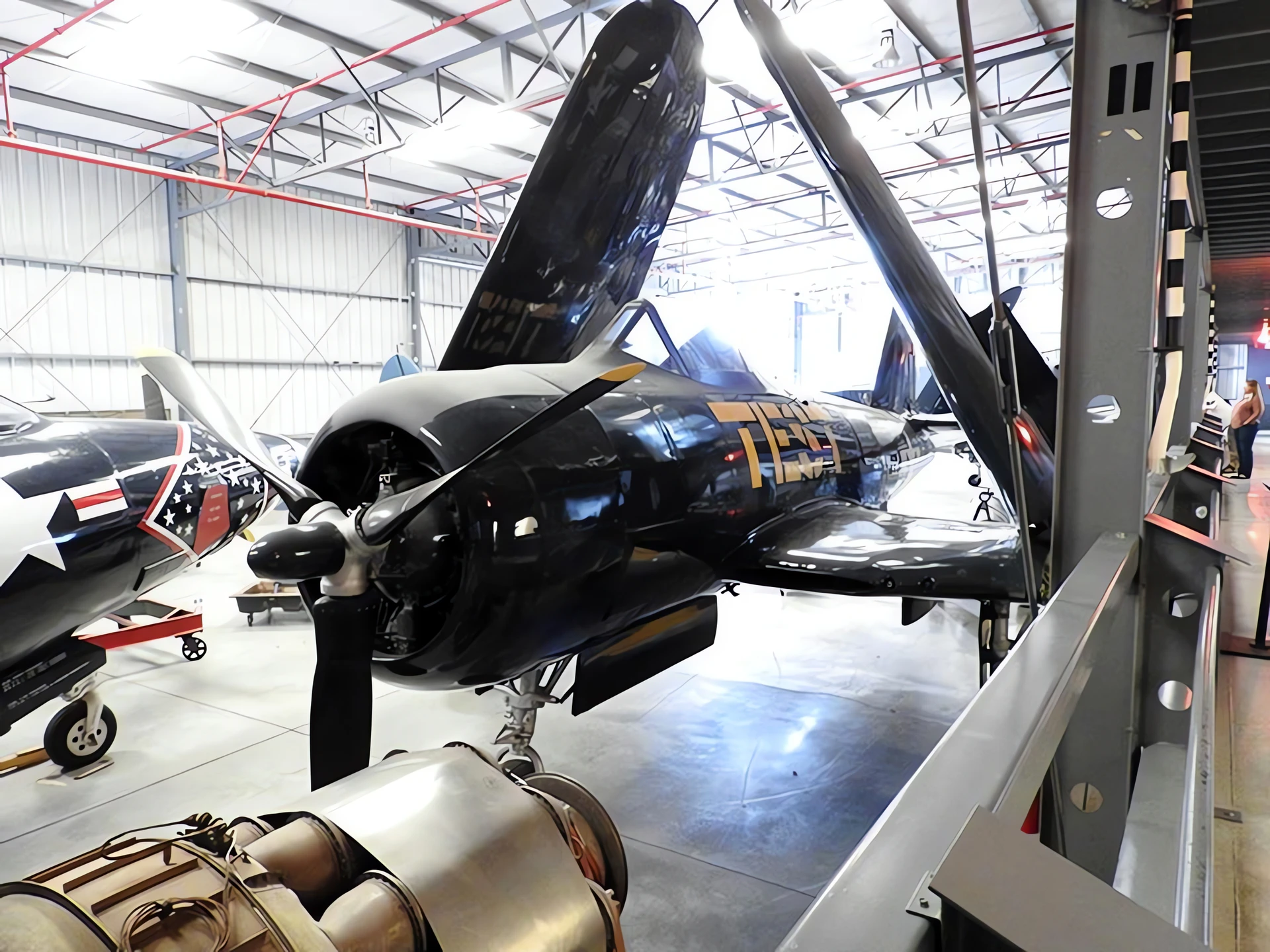
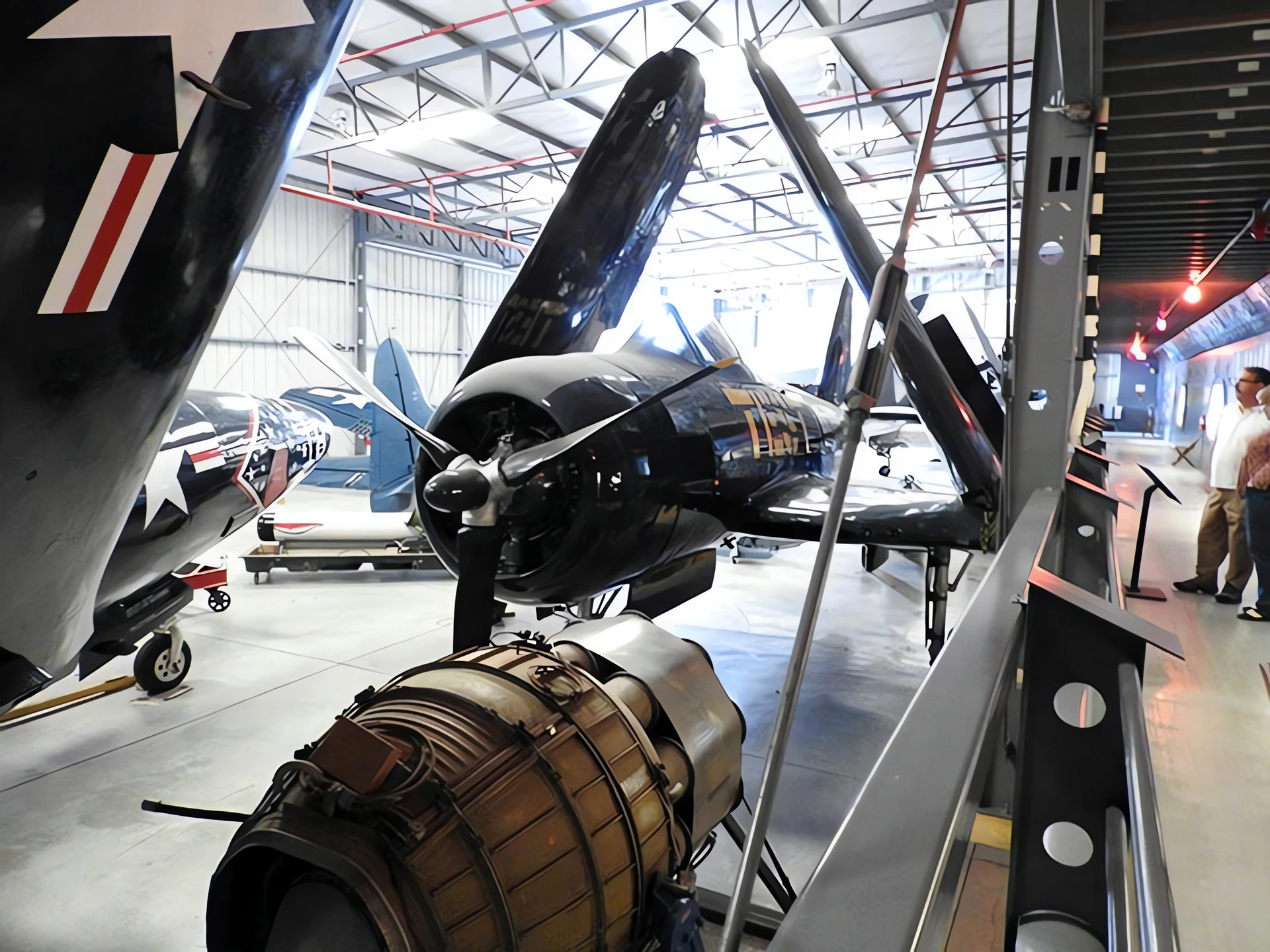
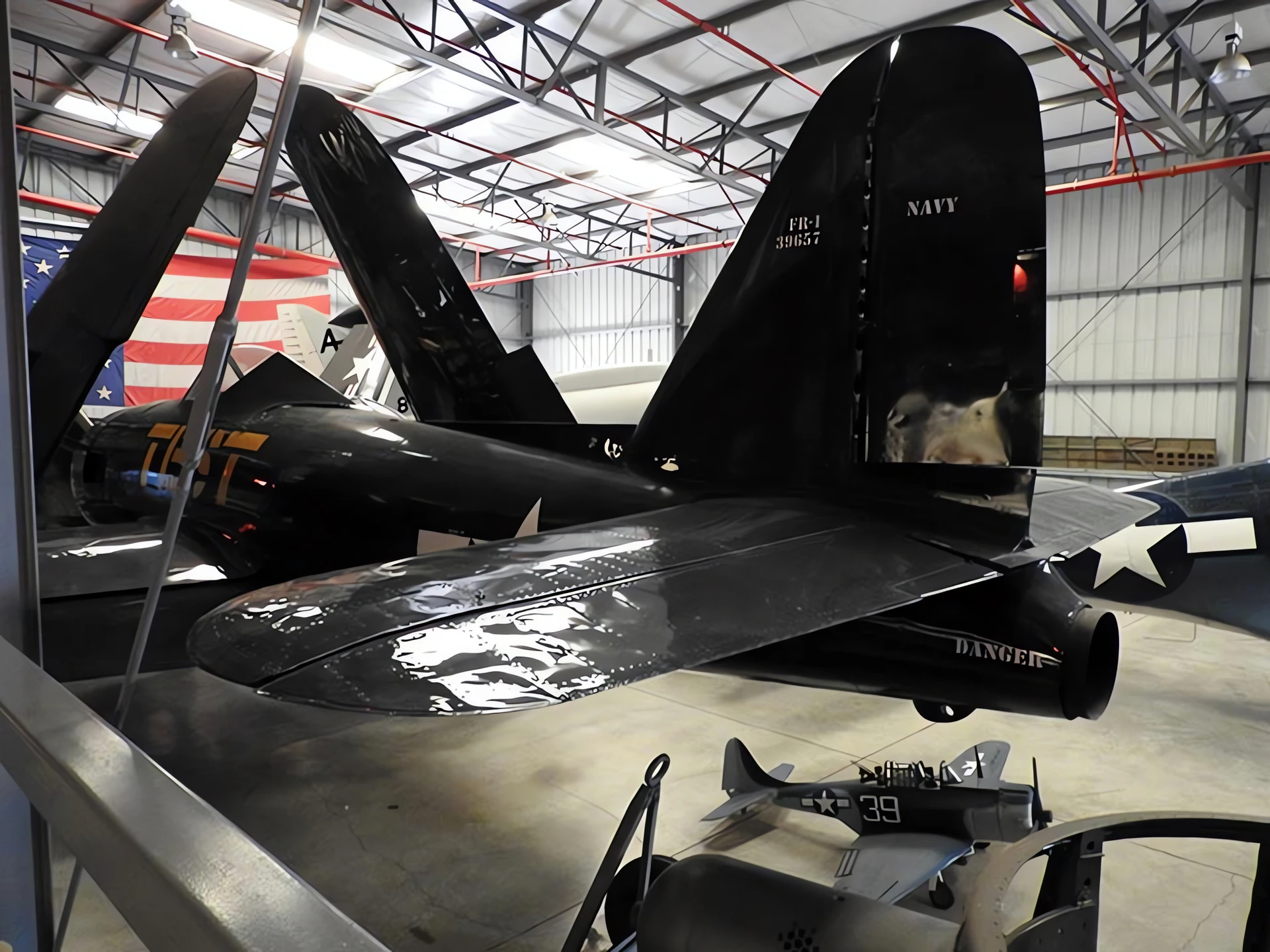
| Ryan FR-1 Fireball Walk Around | |
|---|---|
| Photographer | Cees Hendriks |
| Localisation | Unknow |
| Photos | 49 |
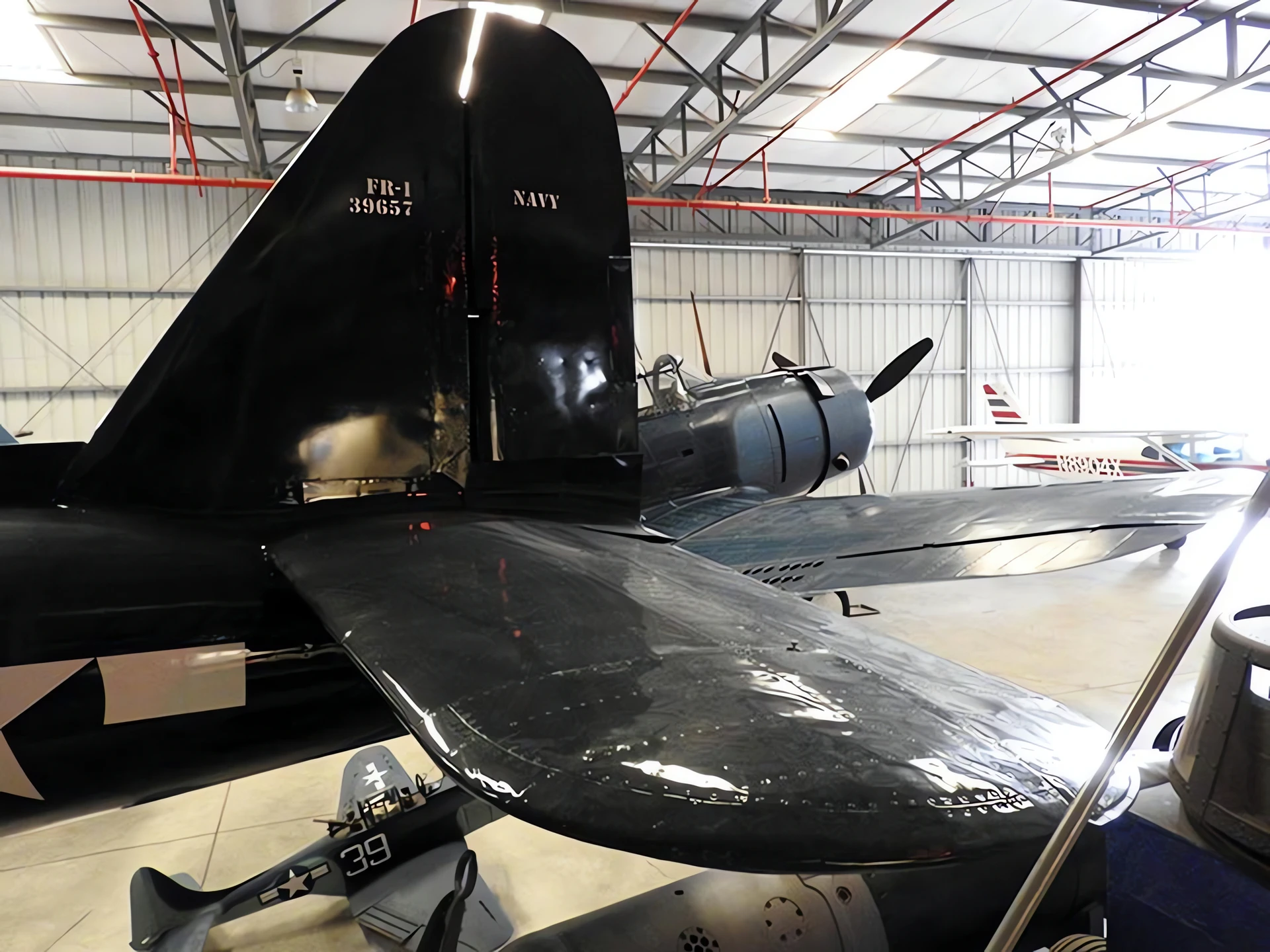
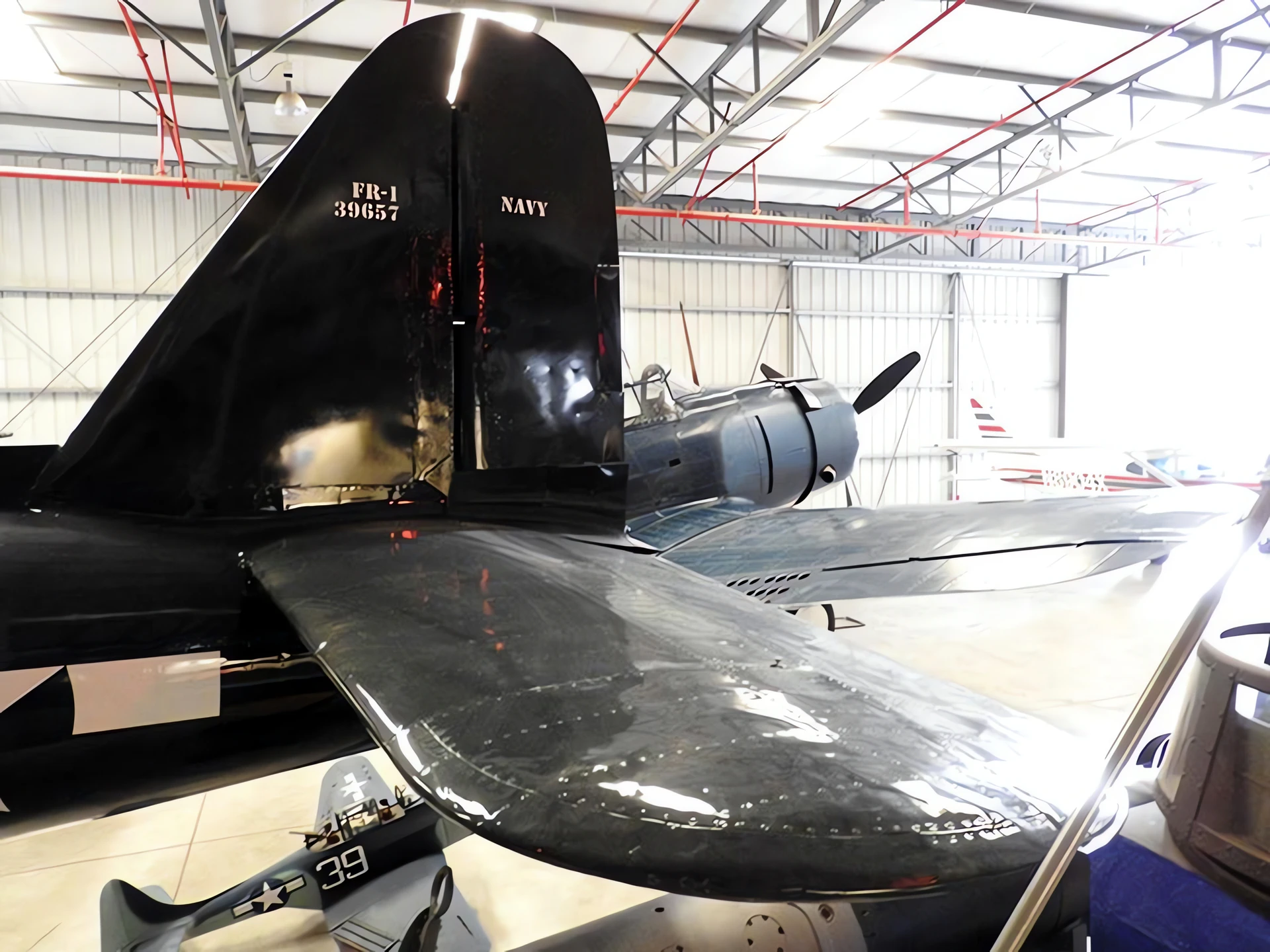
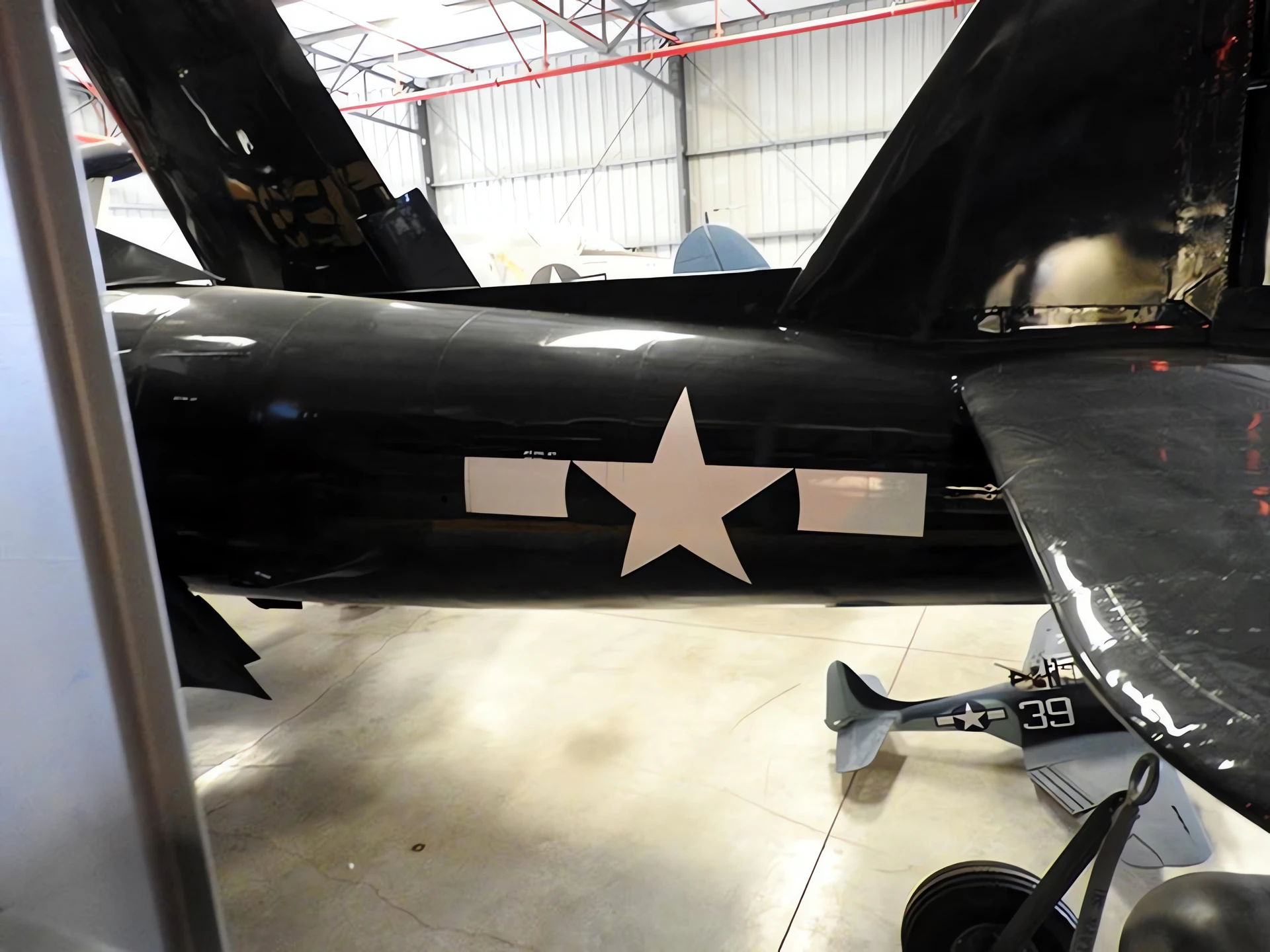
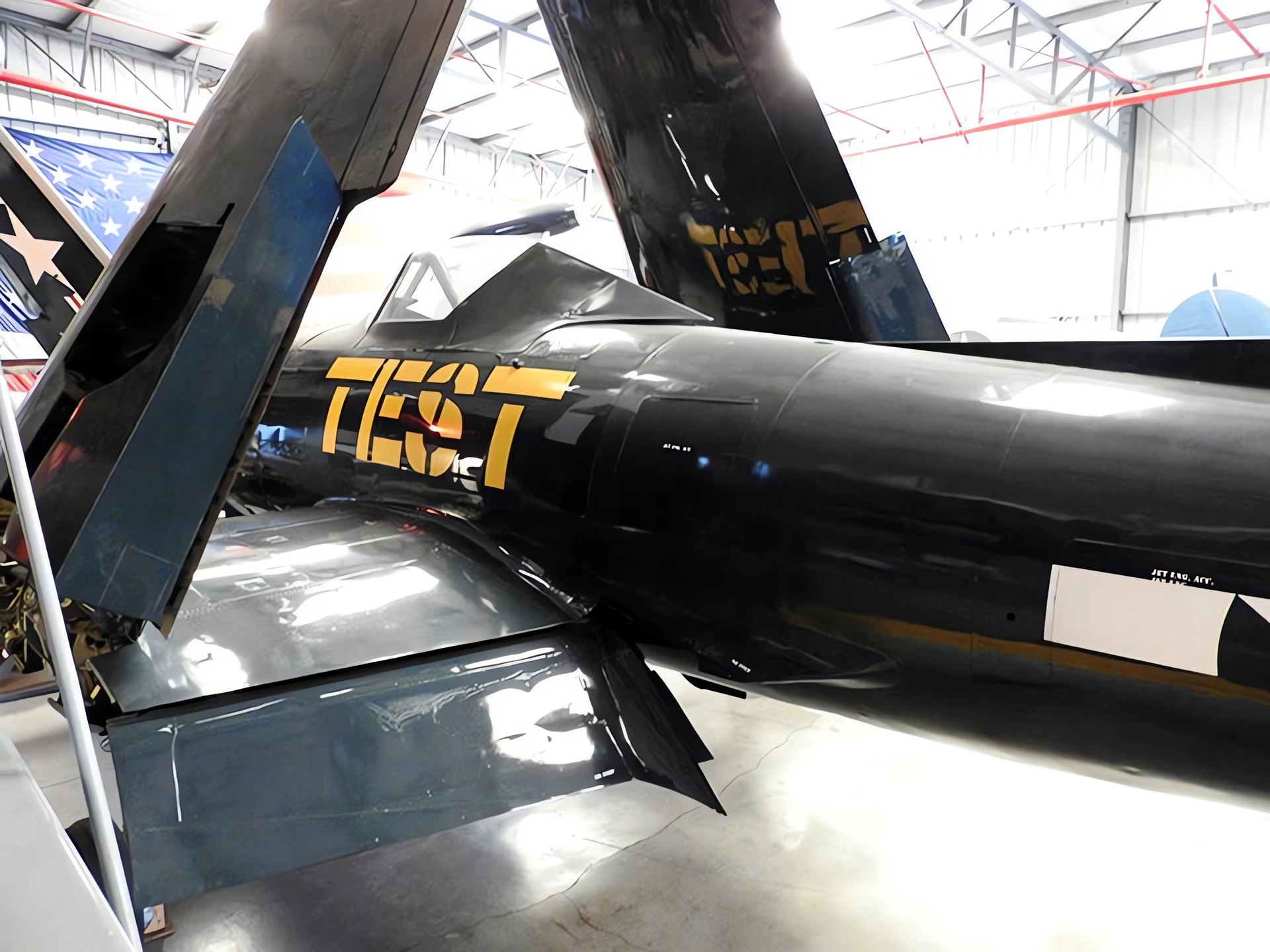
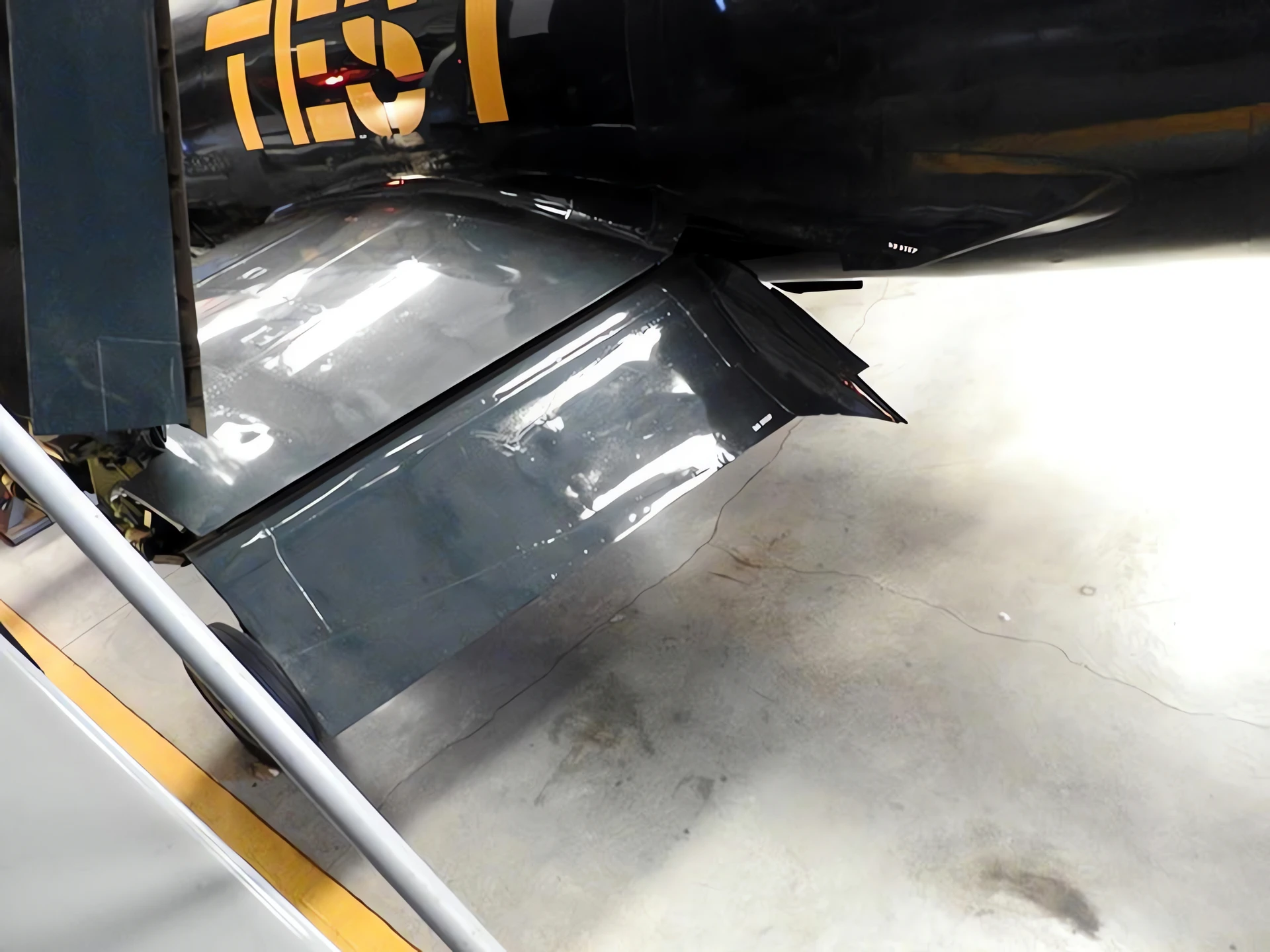
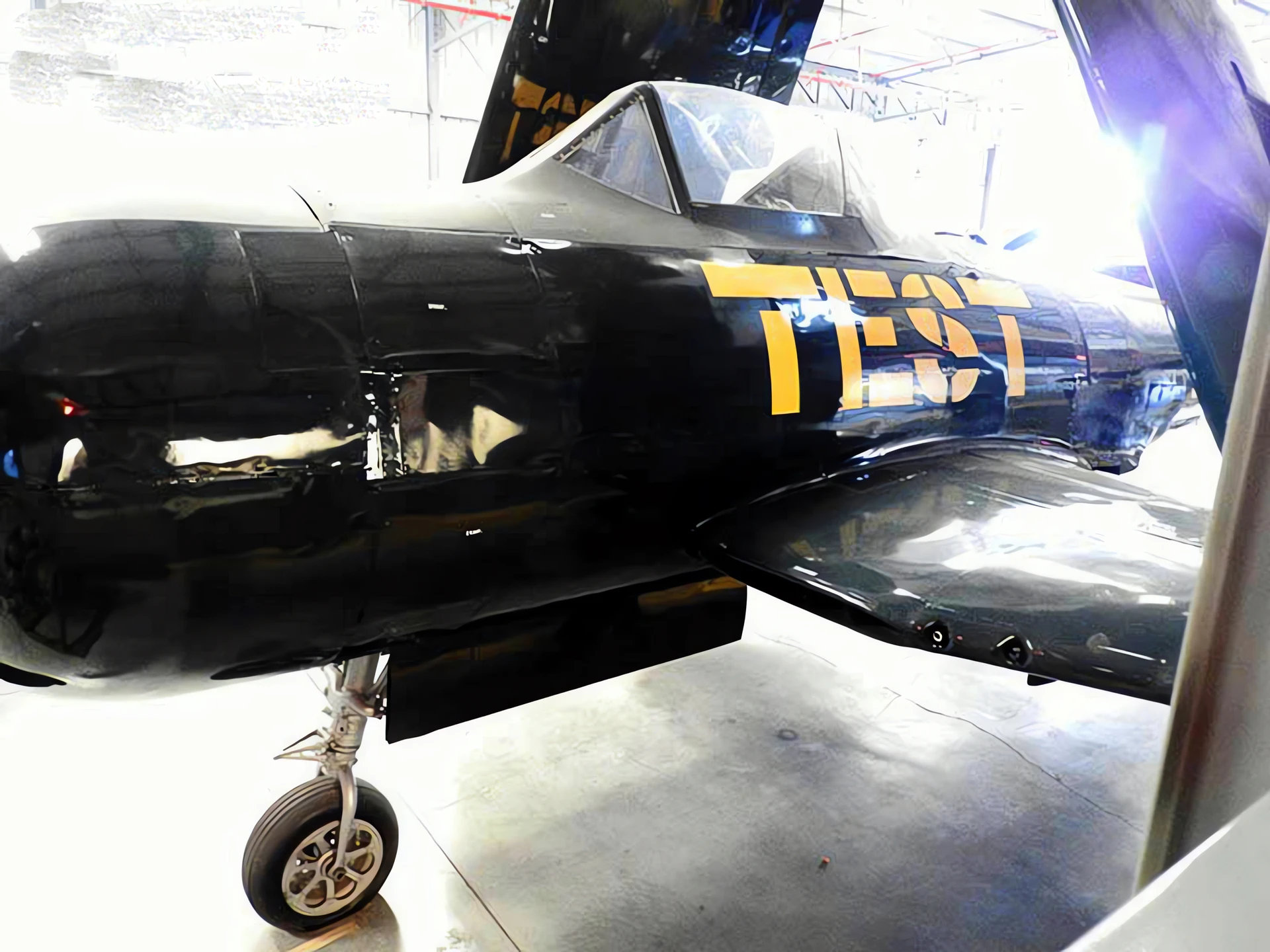

See also:


The Best of Both Worlds
The Ryan FR-1 Fireball was a unique “mixed-power” fighter designed during World War II. At the time, early jet engines were notorious for poor acceleration and high fuel consumption at low altitudes, making carrier takeoffs and landings dangerous. Ryan’s solution was a hybrid: a conventional radial piston engine in the nose for reliability and takeoff, and a turbojet engine in the tail for high-speed combat. It was the first aircraft in U.S. Navy history to enter service with a jet engine.
| Attribute | Technical Specification (FR-1) |
|---|---|
| Role | Carrier-based Mixed-Power Fighter |
| Crew | 1 (Pilot) |
| First Flight | June 25, 1944 |
| Piston Engine | 1 × Wright R-1820-72W Cyclone radial (1,350 hp) |
| Jet Engine | 1 × General Electric J31-GE-3 turbojet (1,600 lbf) |
| Maximum Speed | 404 mph (650 km/h) — Both engines running |
| Climb Rate | 4,800 ft/min (1,463 m/min) |
| Armament | 4 × .50 cal (12.7 mm) M2 Browning machine guns; 2 × 1,000 lb bombs |
A Tale of Two Engines
- The Hybrid Layout: The Fireball featured a Wright Cyclone radial in the nose driving a three-bladed propeller, while a GE J31 jet was tucked into the rear fuselage. The air intakes for the jet were flush-mounted in the leading edges of the wing roots.
- Tricycle Landing Gear: To accommodate the jet exhaust and provide better visibility for carrier landings, the FR-1 used a tricycle gear arrangement, a significant departure from the taildraggers of the era like the Corsair or Hellcat.
- Weight Distribution: The heavy radial engine in front balanced the weight of the jet engine in the rear. This allowed the aircraft to remain stable even if one engine failed or was shut down to conserve fuel during cruise.
- Structural Frailty: To keep the weight down for the two engines, the FR-1 was built quite lightly. It suffered from structural weaknesses that sometimes led to the aircraft literally “breaking its back” during hard carrier landings.
Operational History: The First Jet Kill (By Accident)
- The 1945 Entrance: The Fireball entered service with squadron VF-66 in March 1945. While it was being prepared for combat in the Pacific, the war ended before it could see action against Japanese aircraft.
- The “Unintentional” First Landing: On November 6, 1945, an FR-1 made the first-ever jet-powered carrier landing—but by accident. The piston engine failed on final approach, and the pilot was forced to start the jet engine and land under jet power alone.
- VF-1 “The Screaming Eagles”: The Fireball equipped the Navy’s first all-jet capable squadron. However, the Navy soon realized that pure-jet aircraft (like the FH Phantom) were becoming reliable enough that the complexity of maintaining two different engines was no longer worth it.
- Short-Lived Career: By mid-1947, all FR-1s were retired. They were simply outpaced by the rapid development of post-war jet technology. Today, only one complete example survives at the Planes of Fame Air Museum in Chino, California.
Views : 2303
You can see also :
 Ryan X-13 Vertijet – Photos & Videos
 Saab 21R – Photos & Video
 Canadair Sabre – Photos & Video
 Ryan Navion – Photos & Video
 Aeronca L-3 – Photos & Video
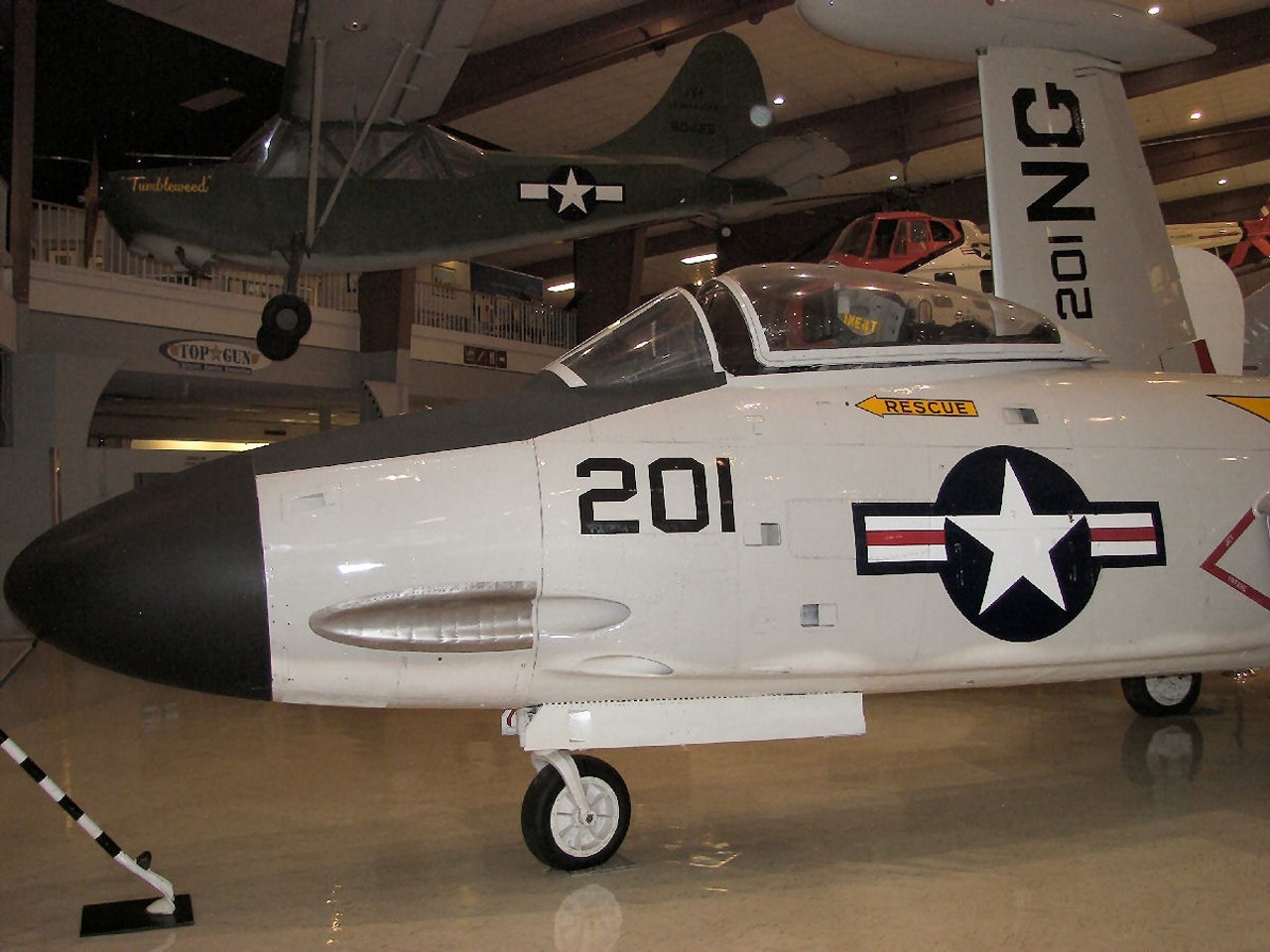 McDonnell F2H Banshee – Photos & Video
 Ryan PT-22 Recruit – Photos & Video
 Macchi MC-202 – WalkAround
 Fairey Battle – WalkAround
 Hawker Sea Fury – Walk Around