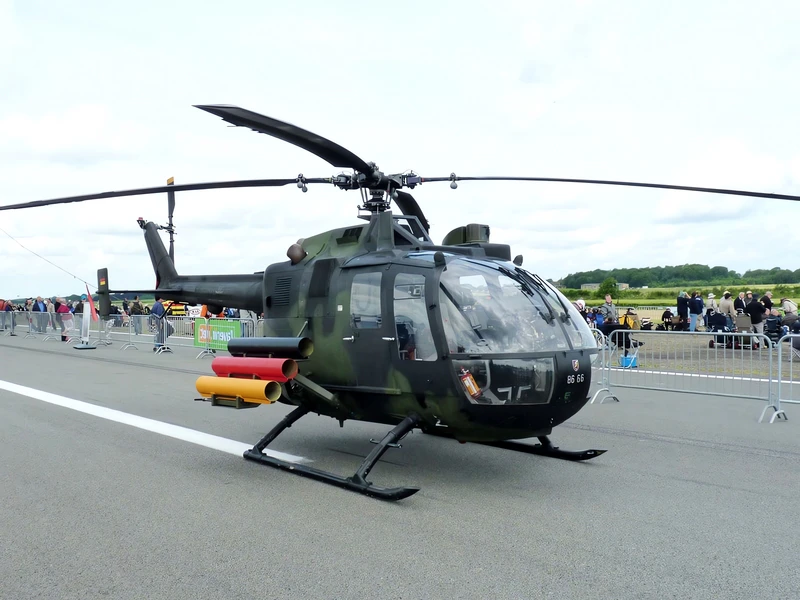
MBB Bo 105 | |
|---|---|
| Country | West Germany |
| Role | Light utility helicopter |
| First flight | 6 February 1967 |
| Built | 1500+ |
The Messerschmitt-Bölkow-Blohm Bo 105 is a light, twin-engine, multi-purpose helicopter developed by Bölkow of Ottobrunn, West Germany. It was the first light twin-engine helicopter in the world, and the first rotorcraft that could perform aerobatic maneuvers such as inverted loops. The Bo 105 features a revolutionary hingeless rotor system, a pioneering innovation in helicopters when it was introduced into service in 1970. Production of the Bo 105 began at the then-recently merged Messerschmitt-Bölkow-Blohm (MBB). The main production facilities for producing the Bo 105 were located in Germany and Canada; due to the level of export sales encountered, additional manufacturing lines were set up in Spain, Indonesia, and the Philippines. MBB became a part of Eurocopter in 1991, who continued production of the type until 2001. The Bo 105 was formally replaced in Eurocopter’s product range by the newer Eurocopter EC135.
Source: MBB Bo 105 on Wikipedia
| BO-105 PAH Walk Around | |
|---|---|
| Photographers | Unknow |
| Localisation | Unknow |
| Photos | 25 |
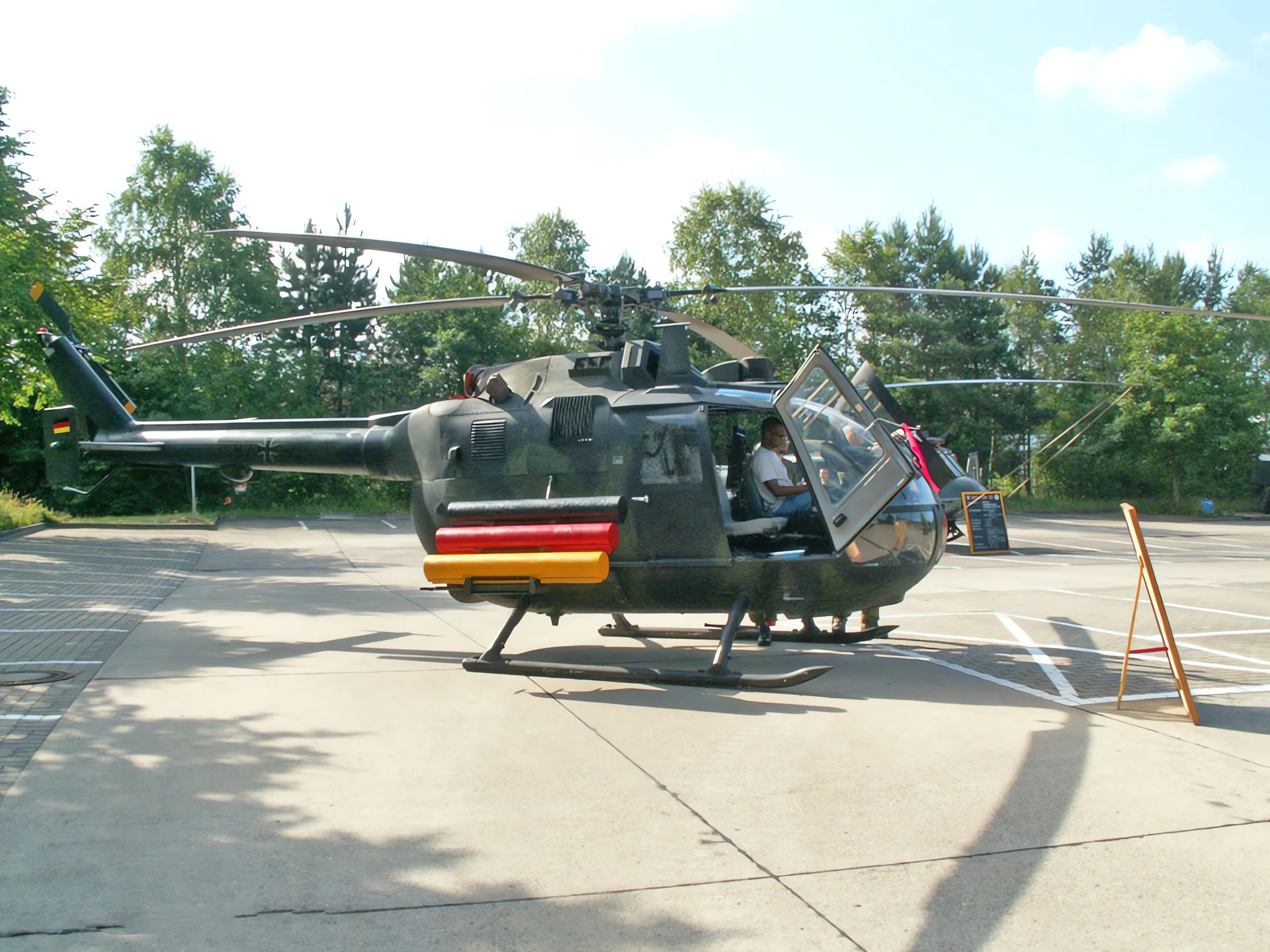
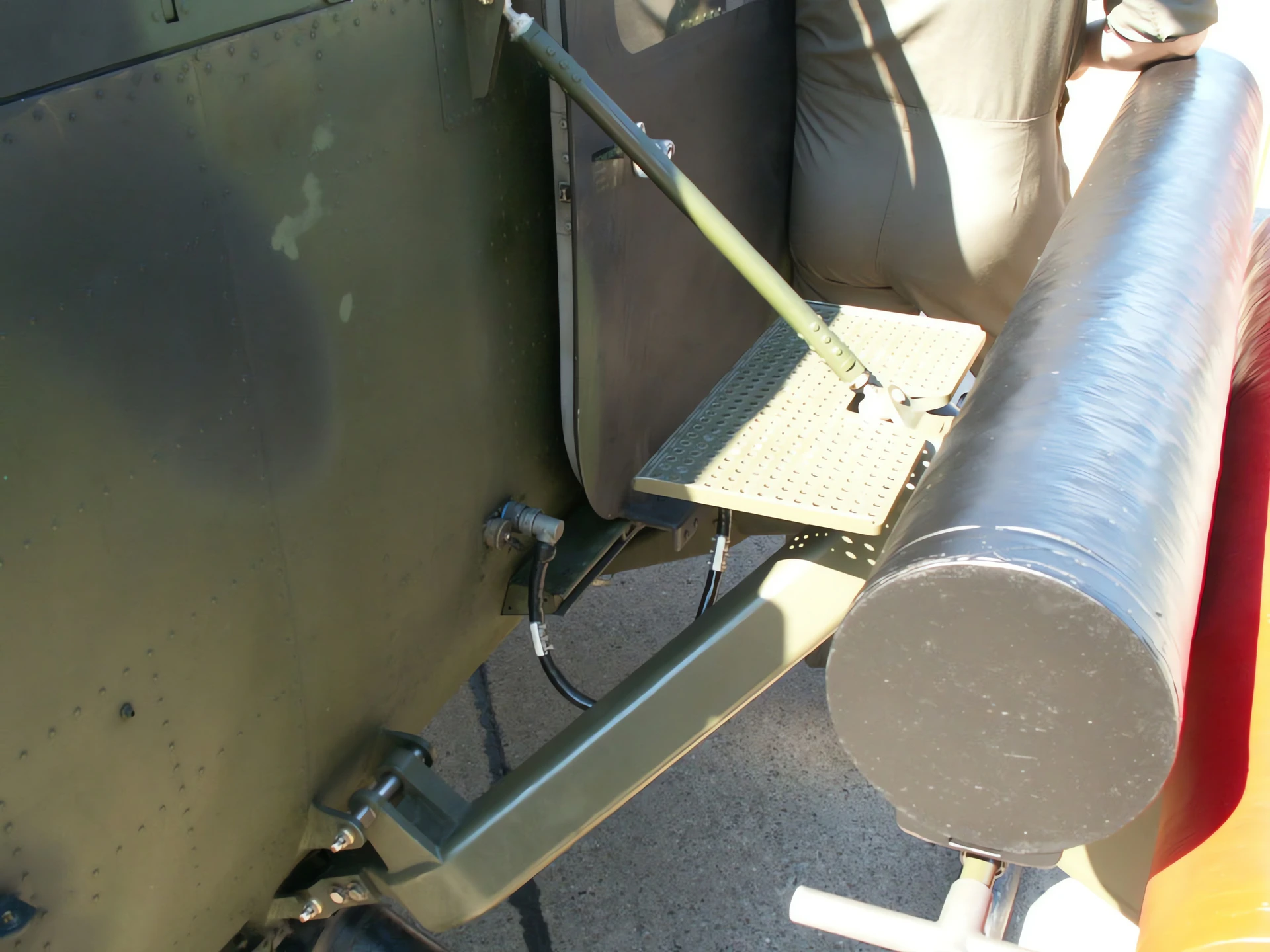
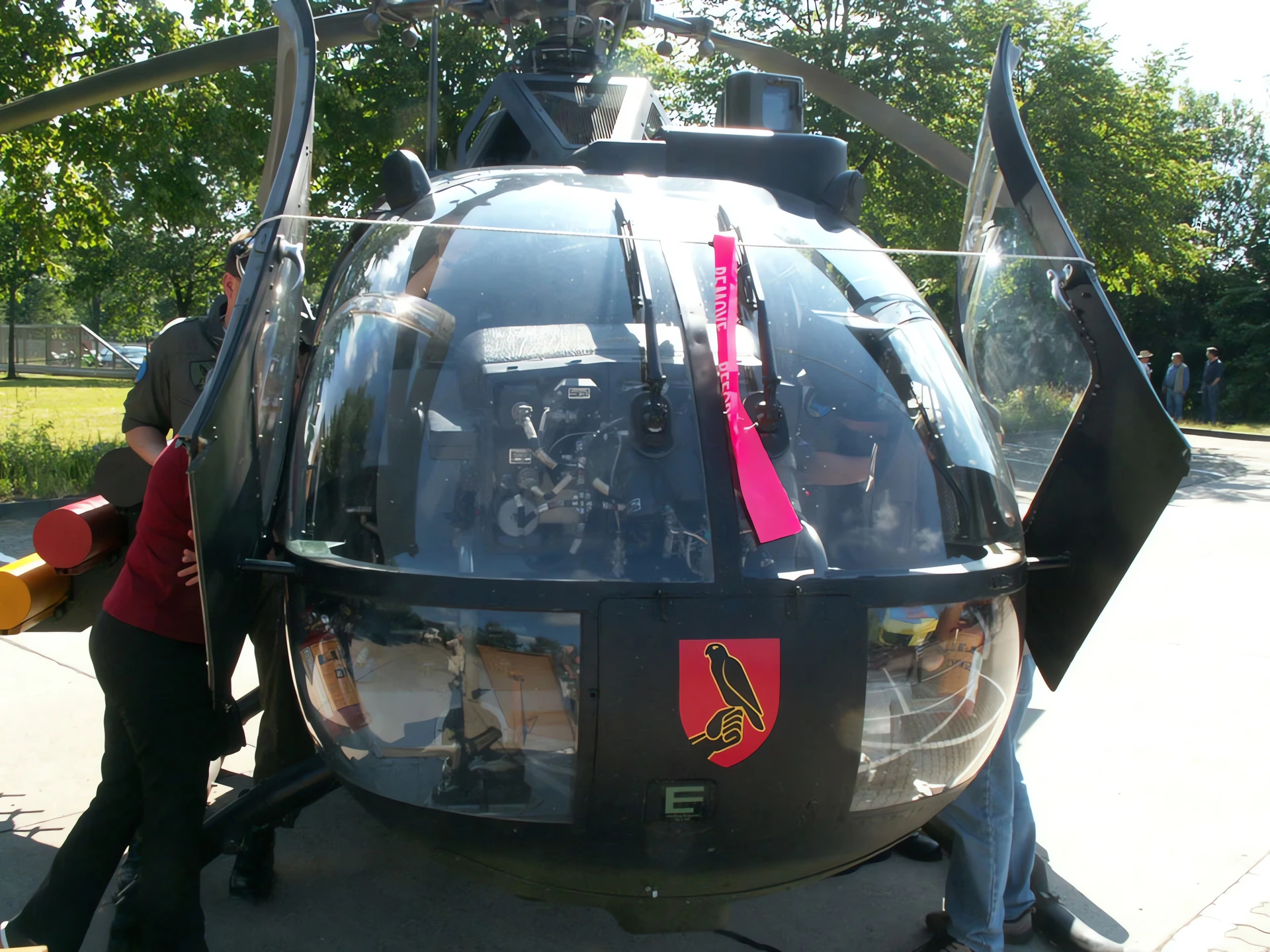
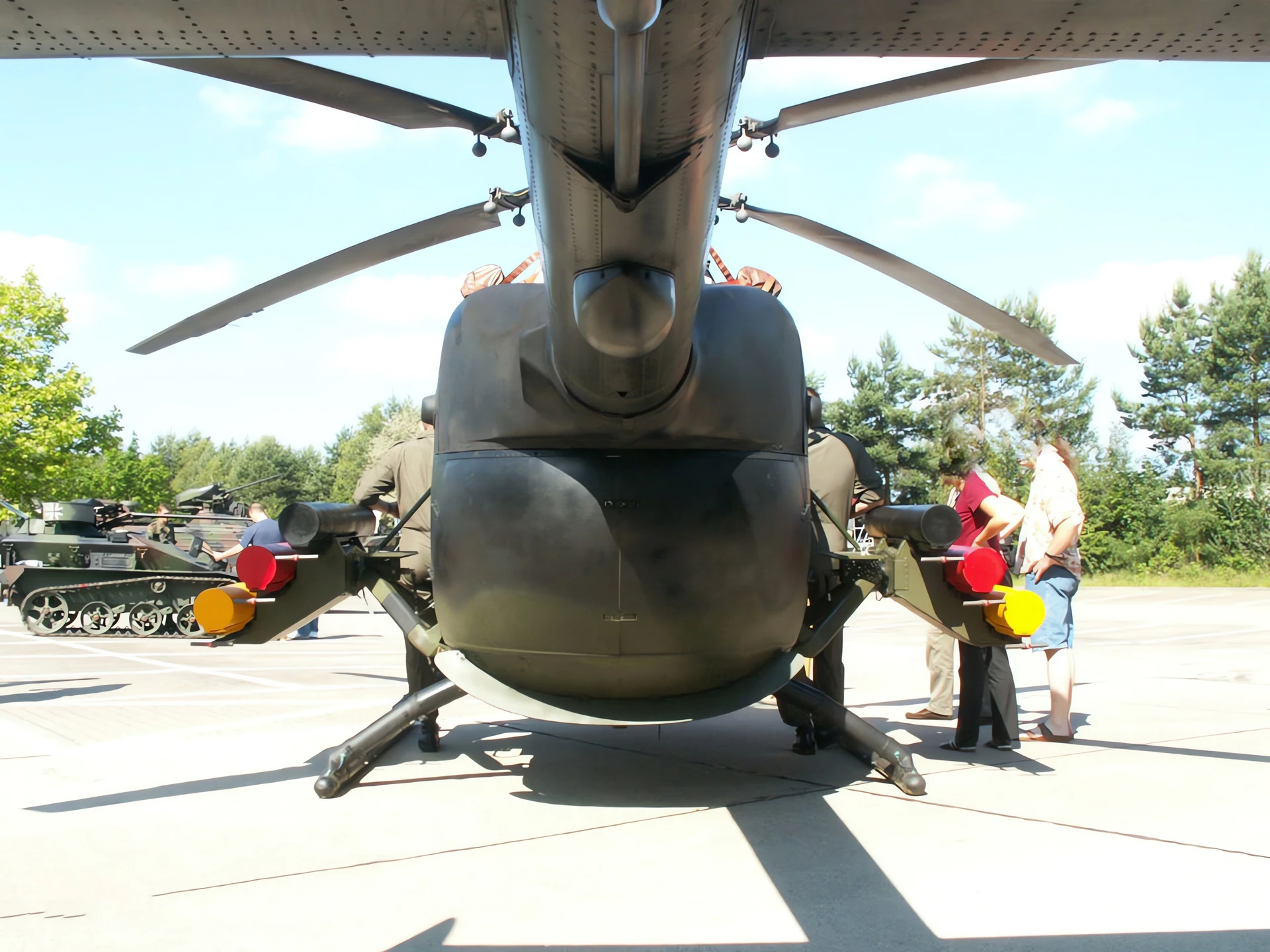
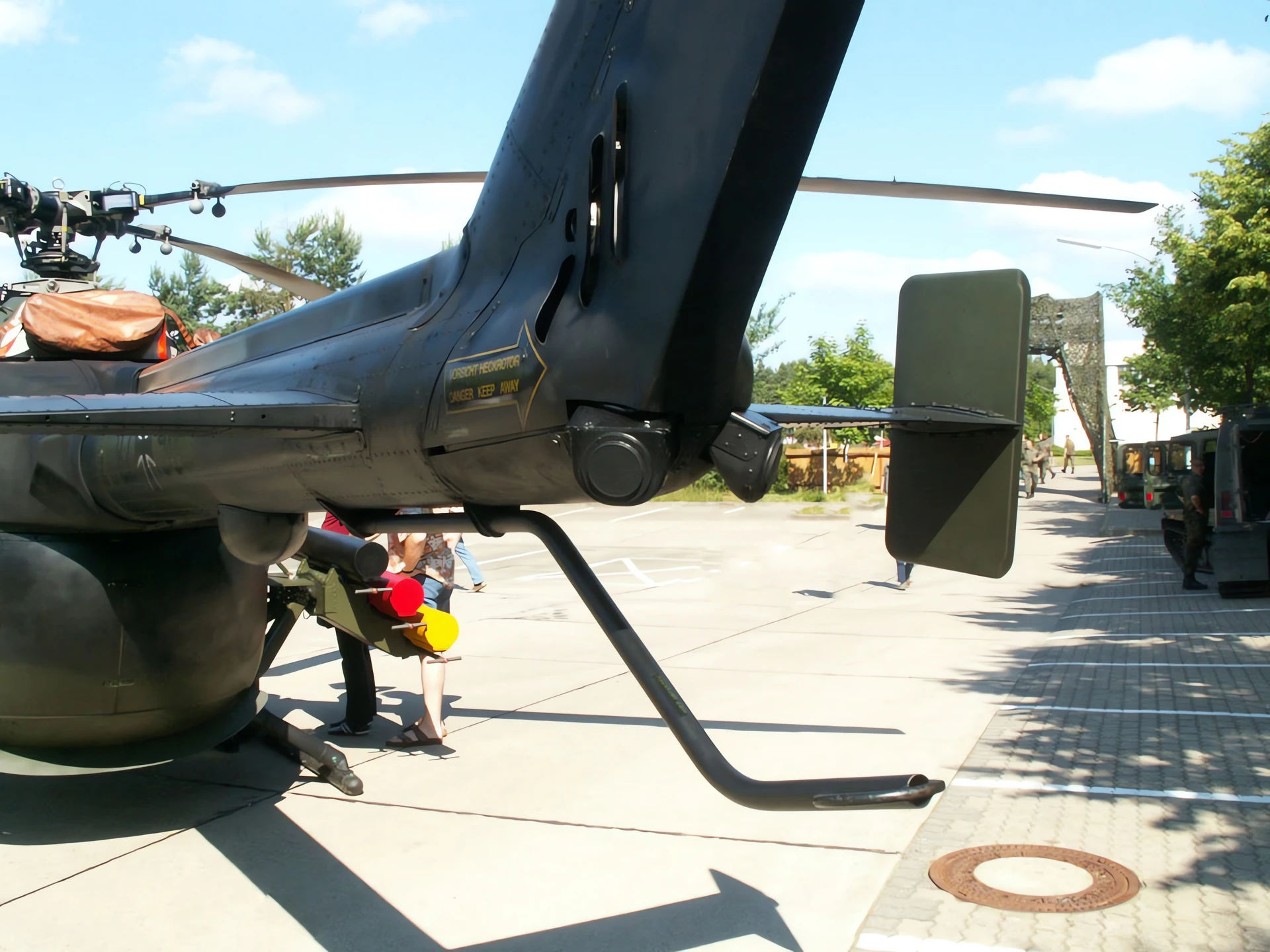
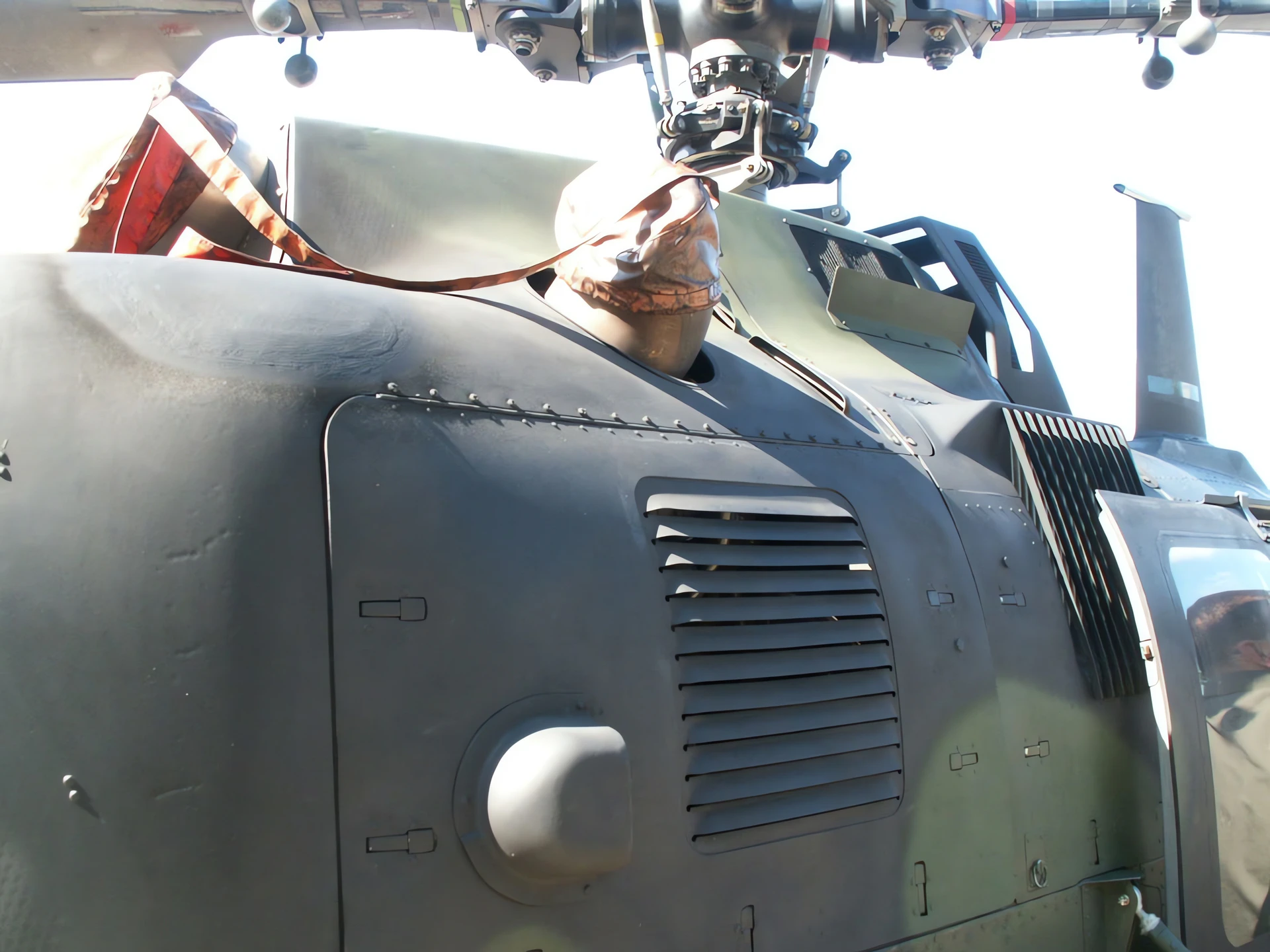
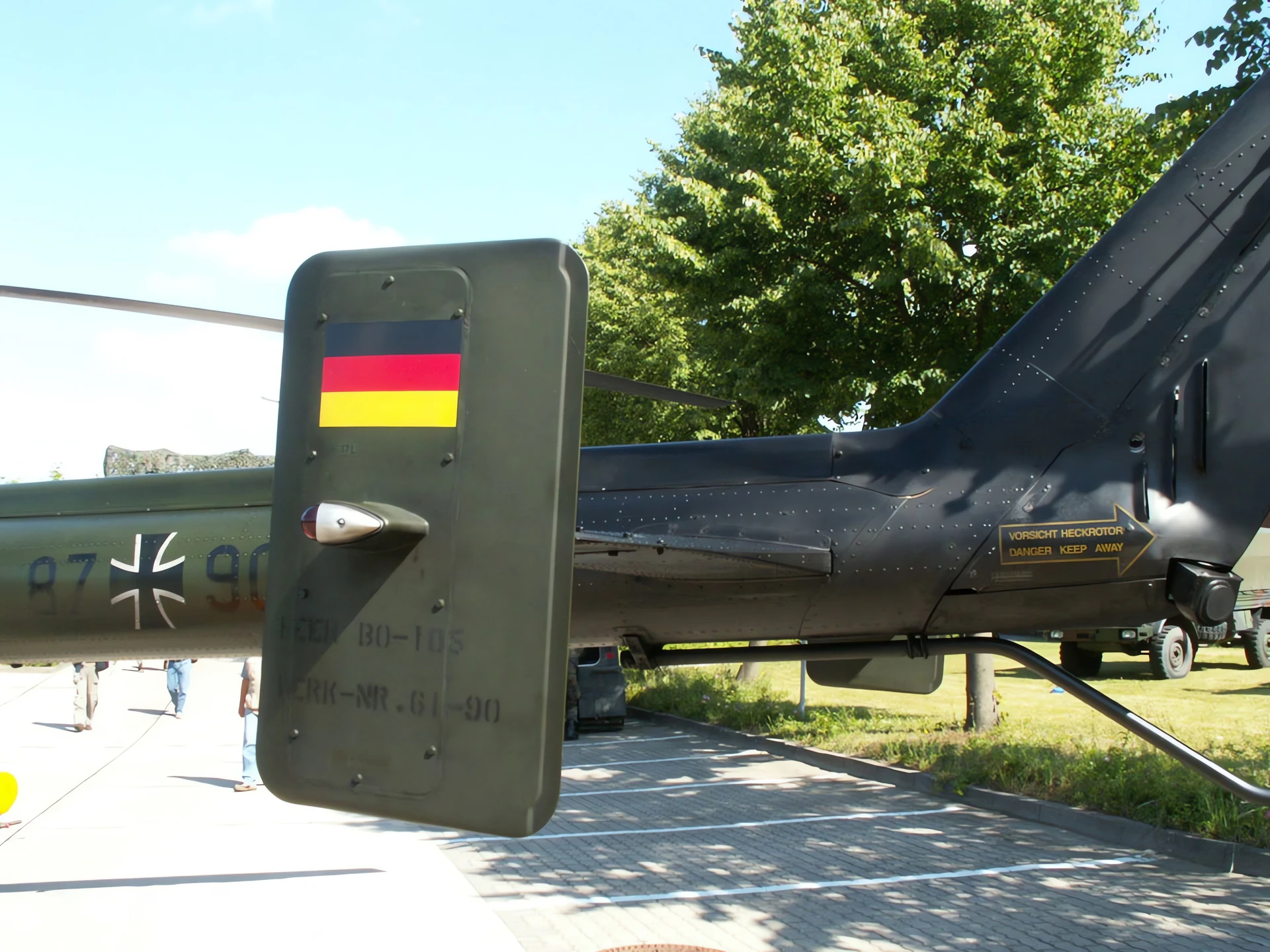
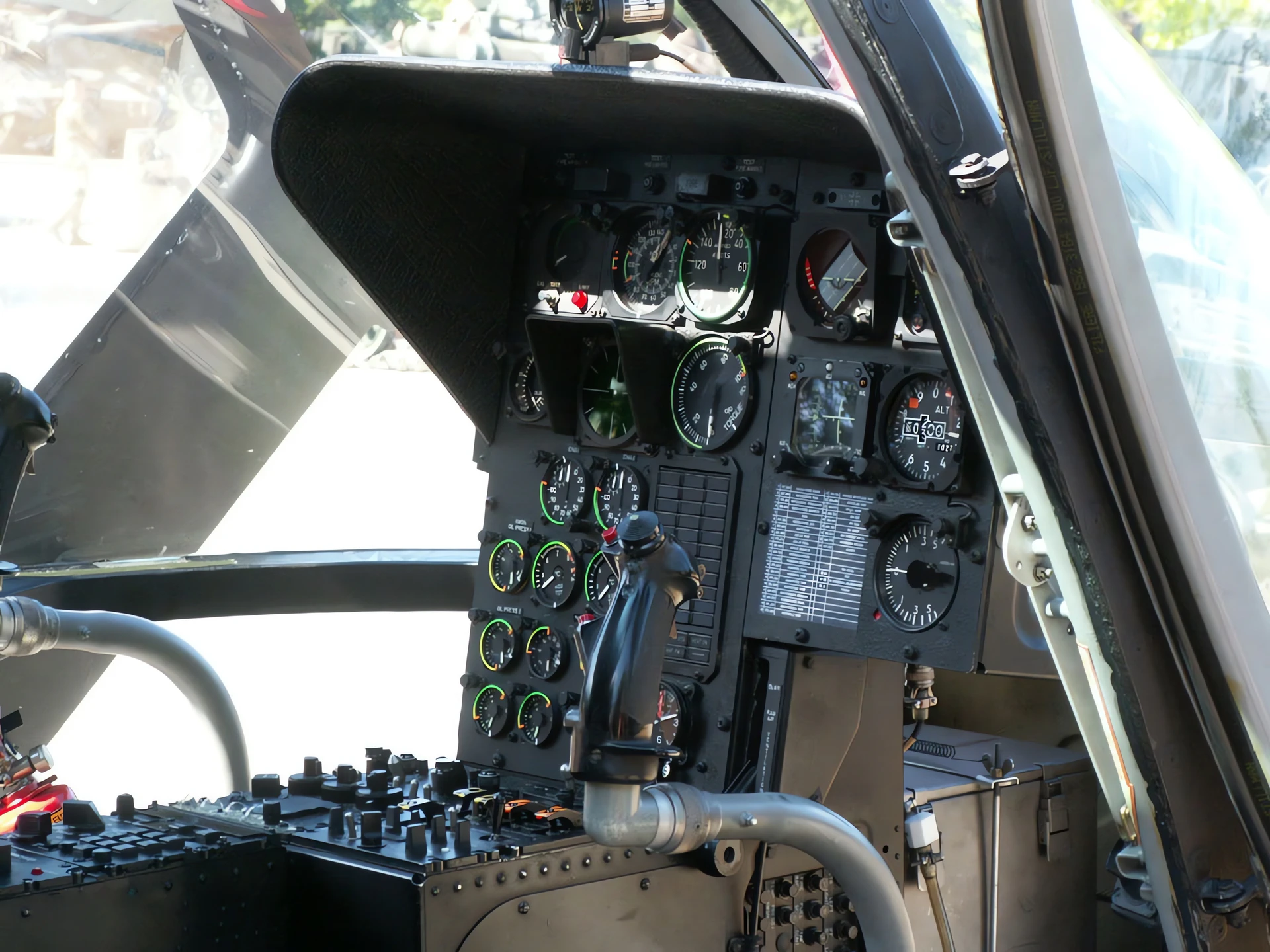
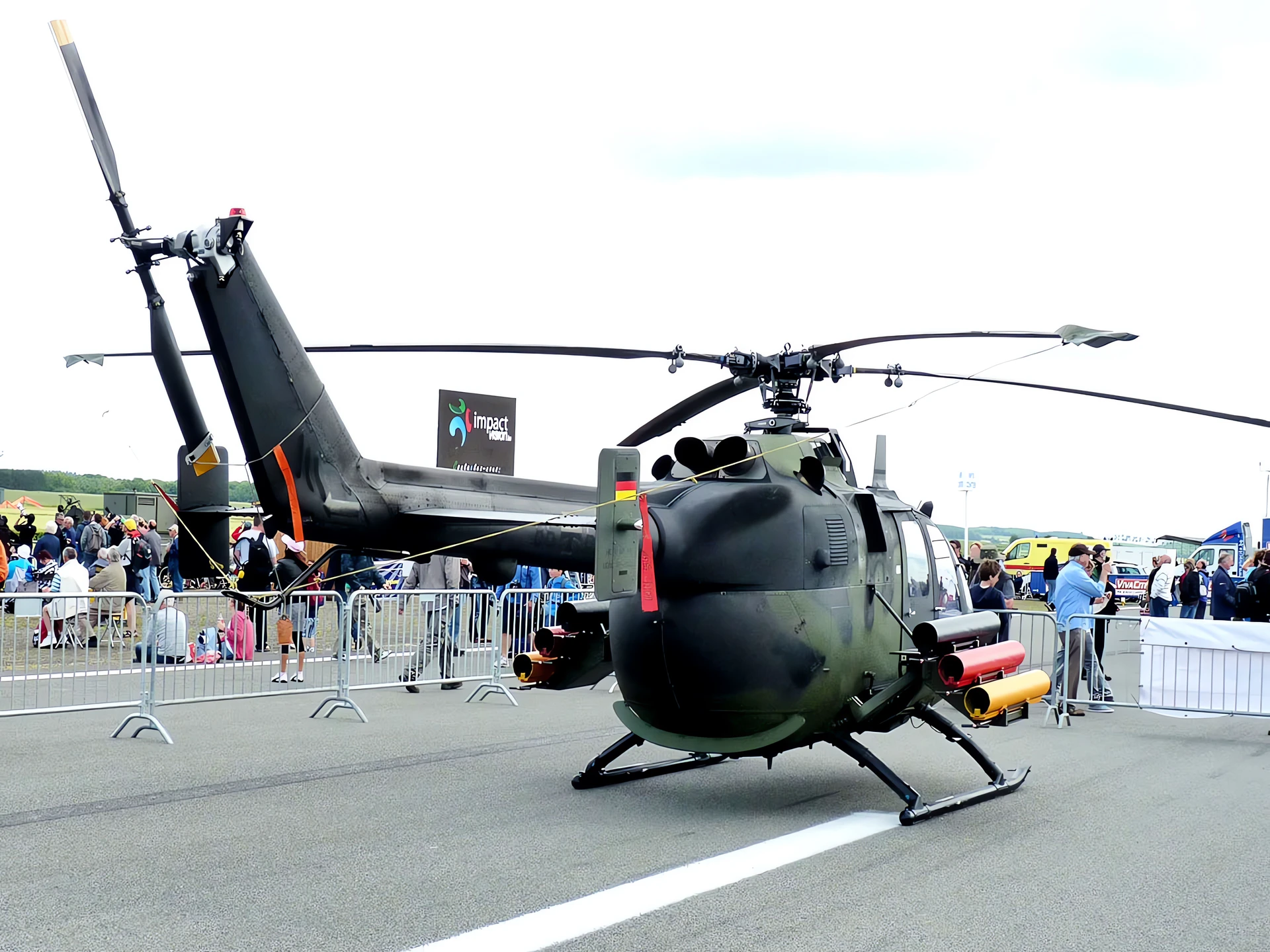


| BO-105 PAH 1A1 Walk Around | |
|---|---|
| Photographers | Unknow |
| Localisation | Unknow |
| Photos | 20 |
| BO-105 PAH 1A1 Walk Around | |
|---|---|
| Photographers | Ulrich Wrede |
| Localisation | Unknow |
| Photos | 17 |
See also:


General Characteristics
The MBB Bo 105 (later Eurocopter, now Airbus Helicopters) is a light, twin-engine utility helicopter developed in West Germany. It is famous for being the first light helicopter in the world to feature the innovative rigid main rotor system.
| Property | Value (Bo 105 CBS Variant) |
|---|---|
| Role | Light Utility, Search and Rescue (SAR), Air Ambulance, Anti-Tank |
| Manufacturer | Bolkow / Messerschmitt-Bölkow-Blohm (MBB) |
| First Flight | February 16, 1967 |
| Crew | 1 or 2 pilots |
| Passenger Capacity | 4 passengers (5 total occupants) |
| Maximum Take-Off Weight | 2,500 kg (5,511 lb) |
Design and Powerplant
- Powerplant: Two Allison 250-C20B turboshaft engines (Rolls-Royce).
- Power Output: Approximately 313 kW (420 shp) each (for C20B model).
- Rotor System: Four-blade rigid main rotor made of fiberglass, featuring a unique hingeless design. This system provides exceptionally responsive control and improved negative G maneuverability.
- Transmission: Dual hydraulic system and transmission designed to run dry for an extended period, enhancing safety.
- Fuselage: Semi-monocoque aluminum alloy construction.
Performance and Armament
- Maximum Speed (VNE): 242 km/h (150 mph / 131 knots).
- Cruise Speed: 232 km/h (144 mph).
- Operational Range: Up to 575 km (357 miles).
- Service Ceiling: 5,180 m (17,000 ft).
- Anti-Tank Role: The military variant (e.g., Bo 105 PAH-1) was equipped with up to six HOT anti-tank missiles for the German Army.
- Notable Feature: Its rigid rotor system allows the Bo 105 to perform certain aggressive aerobatic maneuvers (loops and rolls) not typically possible for helicopters of its size and configuration.
Views : 1026
You can see also :
 Eurocopter MH-65 Dolphin – Photos & Videos
 Robinson R44 – Photos & Videos
 AgustaWestland AW101 – Photos & Videos
 Lockheed AH-56 Cheyenne – Photos & Videos
 Bell 407 – Photos & Videos
 Alouette III – Photos & Video
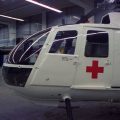 Bolkow Bo-105 – Photos & Video
 Westland Lynx – Photos & Video
 Aerospatiale AS555UN – Photos & Video
 Bell XV-3 – Photos & Video