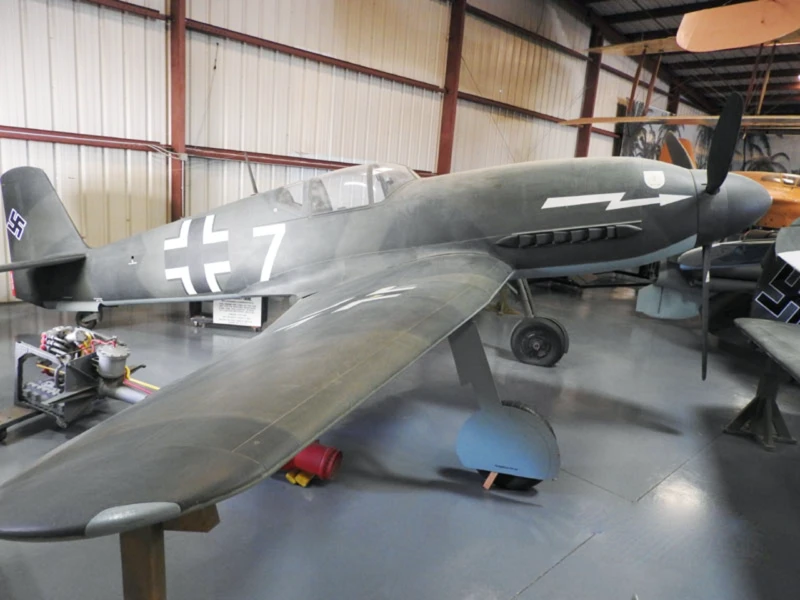
Heinkel He 100 | |
|---|---|
| Country | Nazi Germany |
| Role | Fighter |
| First flight | 22 January 1938 |
| Built | 25 |
The Heinkel He 100 was a German pre-World War II fighter aircraft design from Heinkel. Although it proved to be one of the fastest fighter aircraft in the world at the time of its development, the design was not ordered into series production. Approximately 19 prototypes and pre-production examples were built. None are known to have survived the war. The reason for the He 100 failing to reach production status is mostly unknown. Officially, the Luftwaffe rejected the He 100 to concentrate single-seat fighter development on the Messerschmitt Bf 109. Following the adoption of the Bf 109 and Messerschmitt Bf 110 as the Luftwaffe’s standard fighter types, the Ministry of Aviation (the Reichsluftfahrtministerium or RLM) announced a “rationalization” policy that placed fighter development at Messerschmitt and bomber development at Heinkel.
Source: Heinkel He 100 on Wikipedia
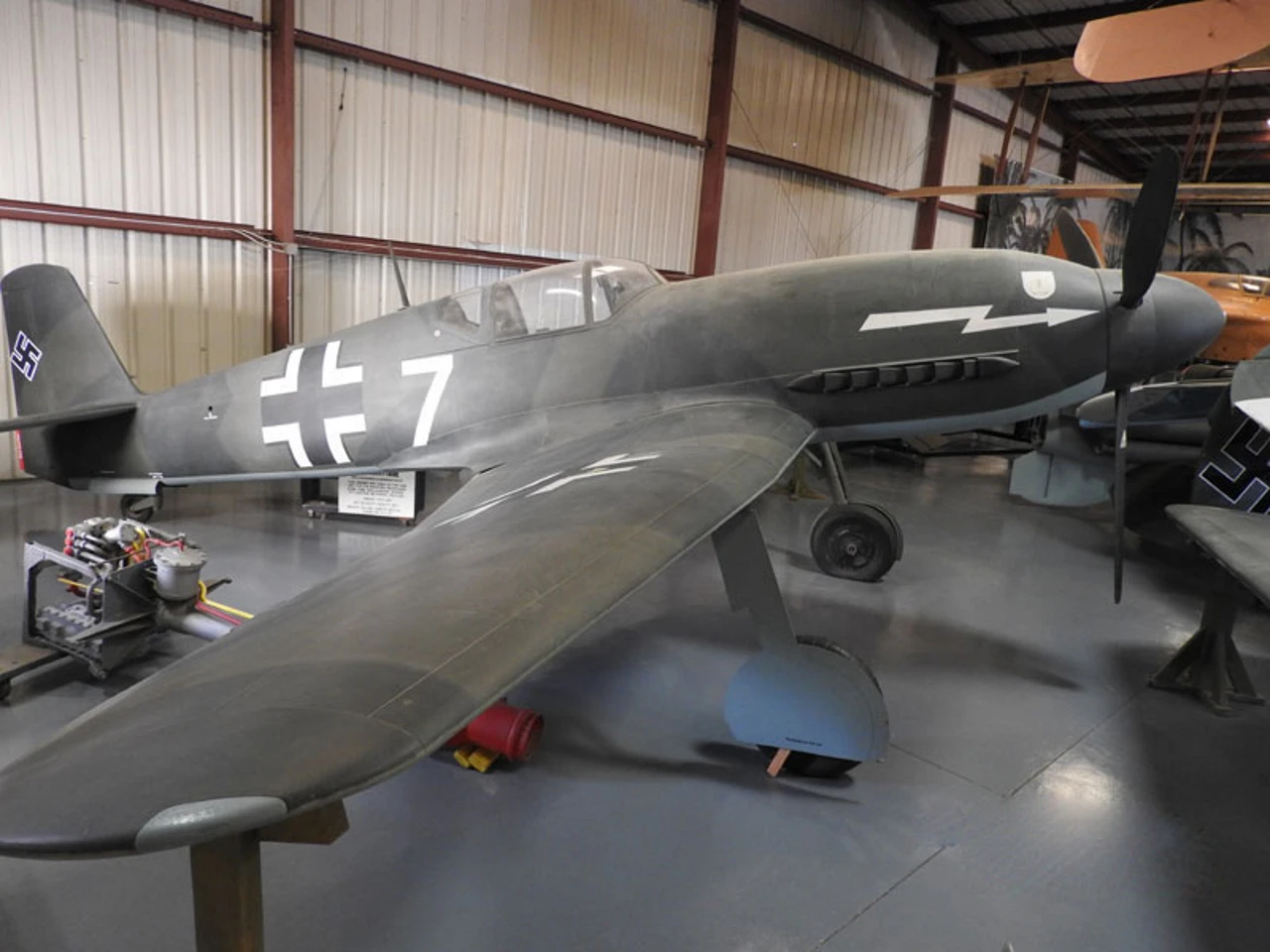
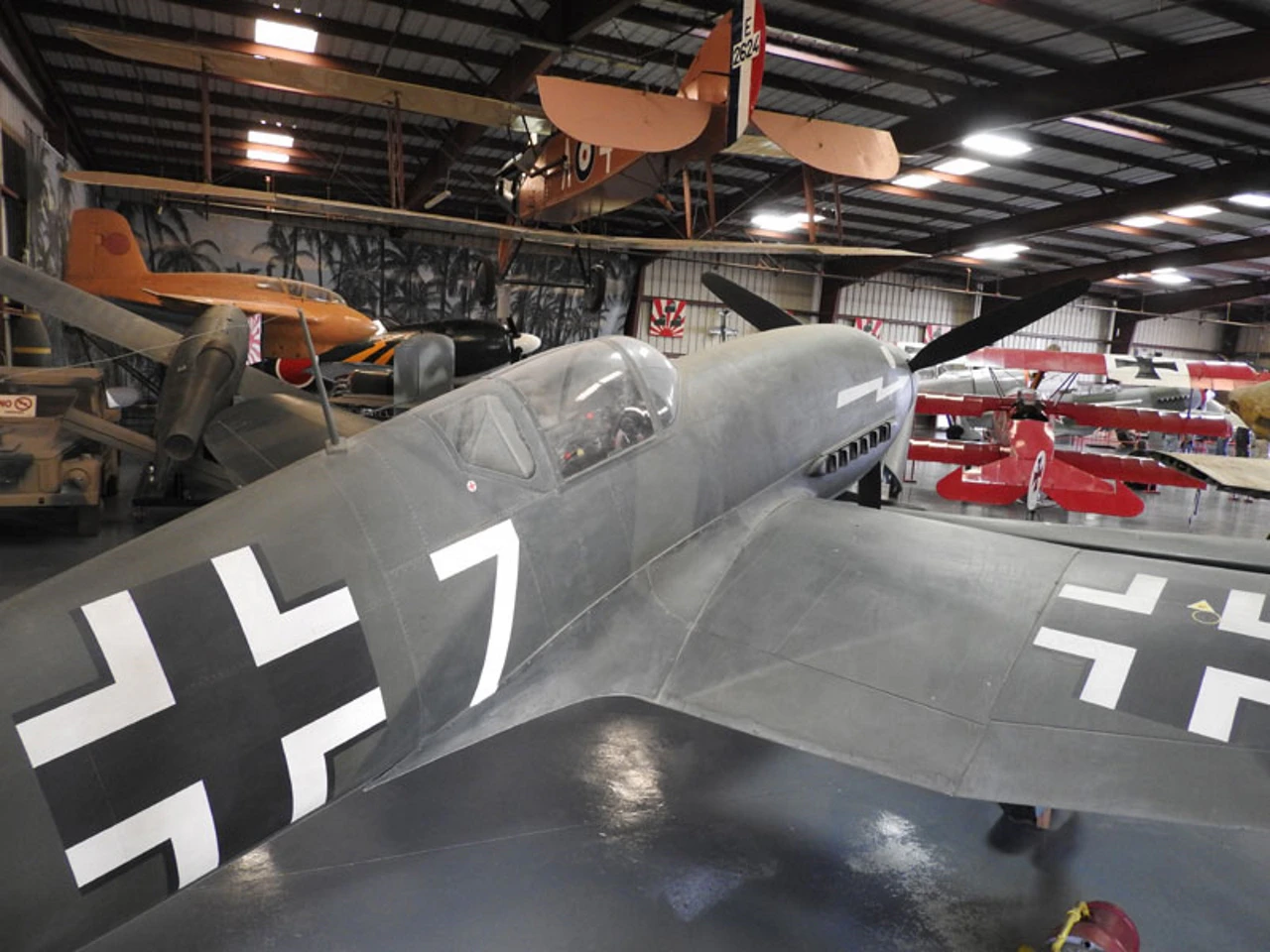
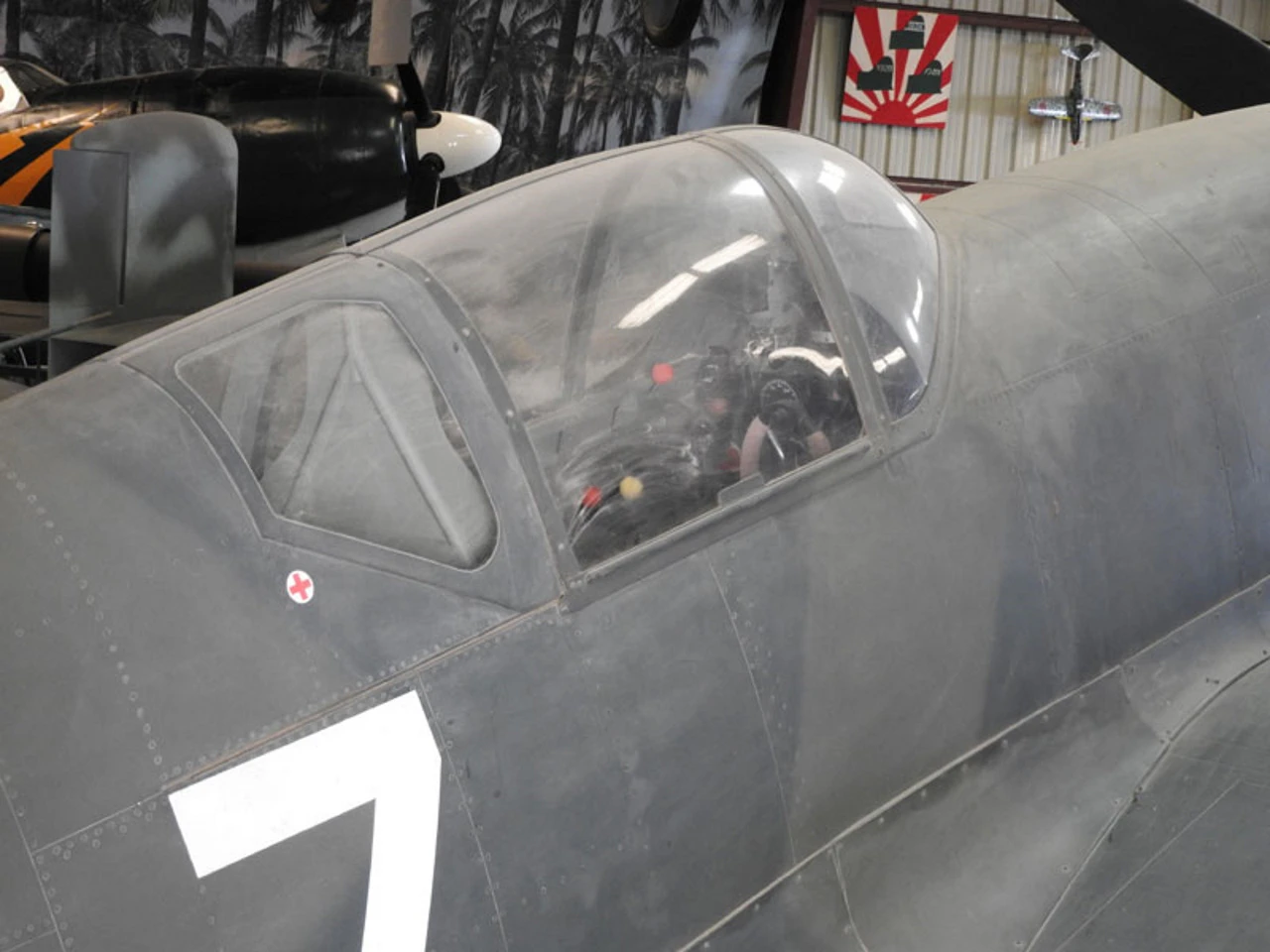
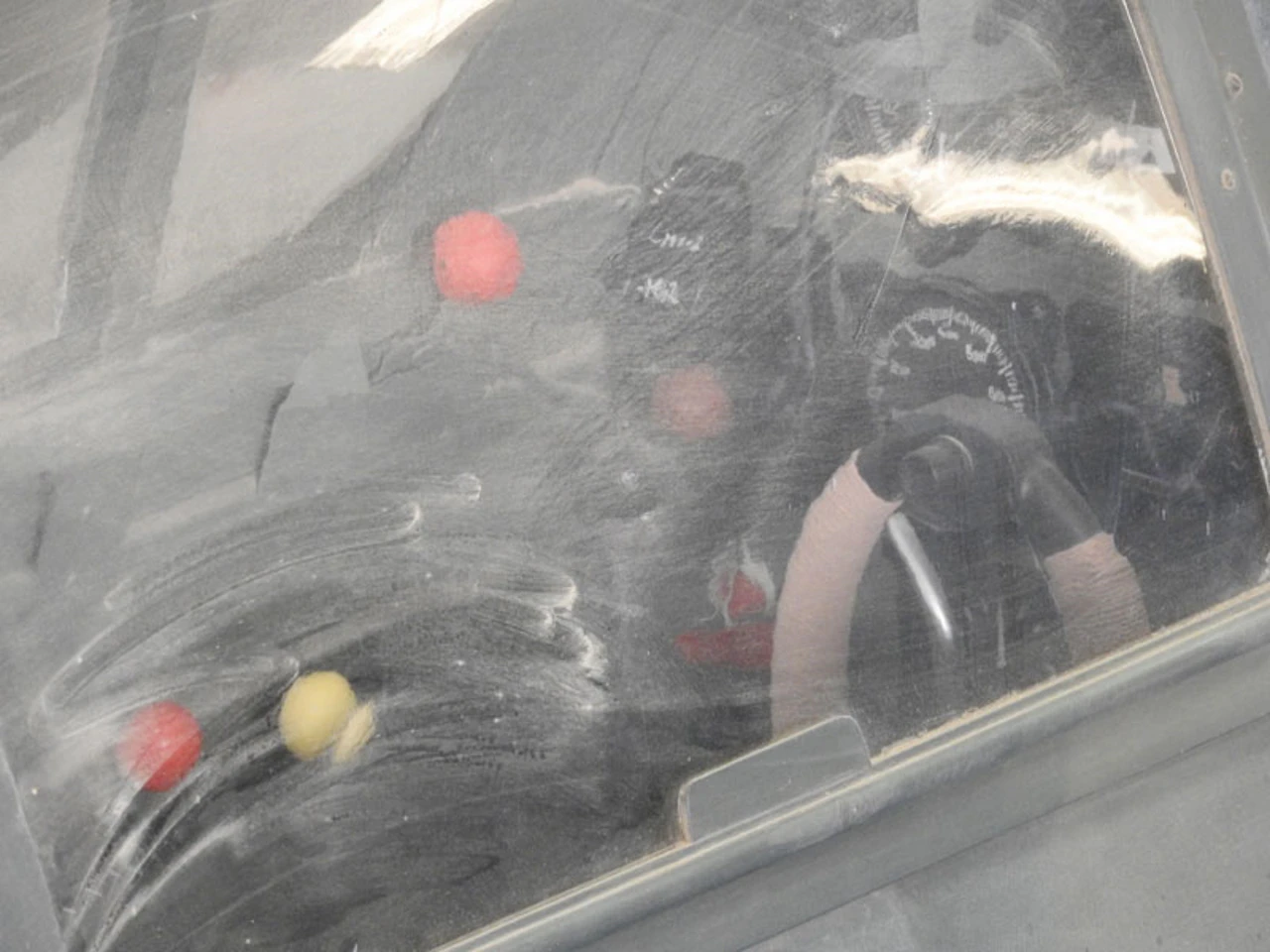
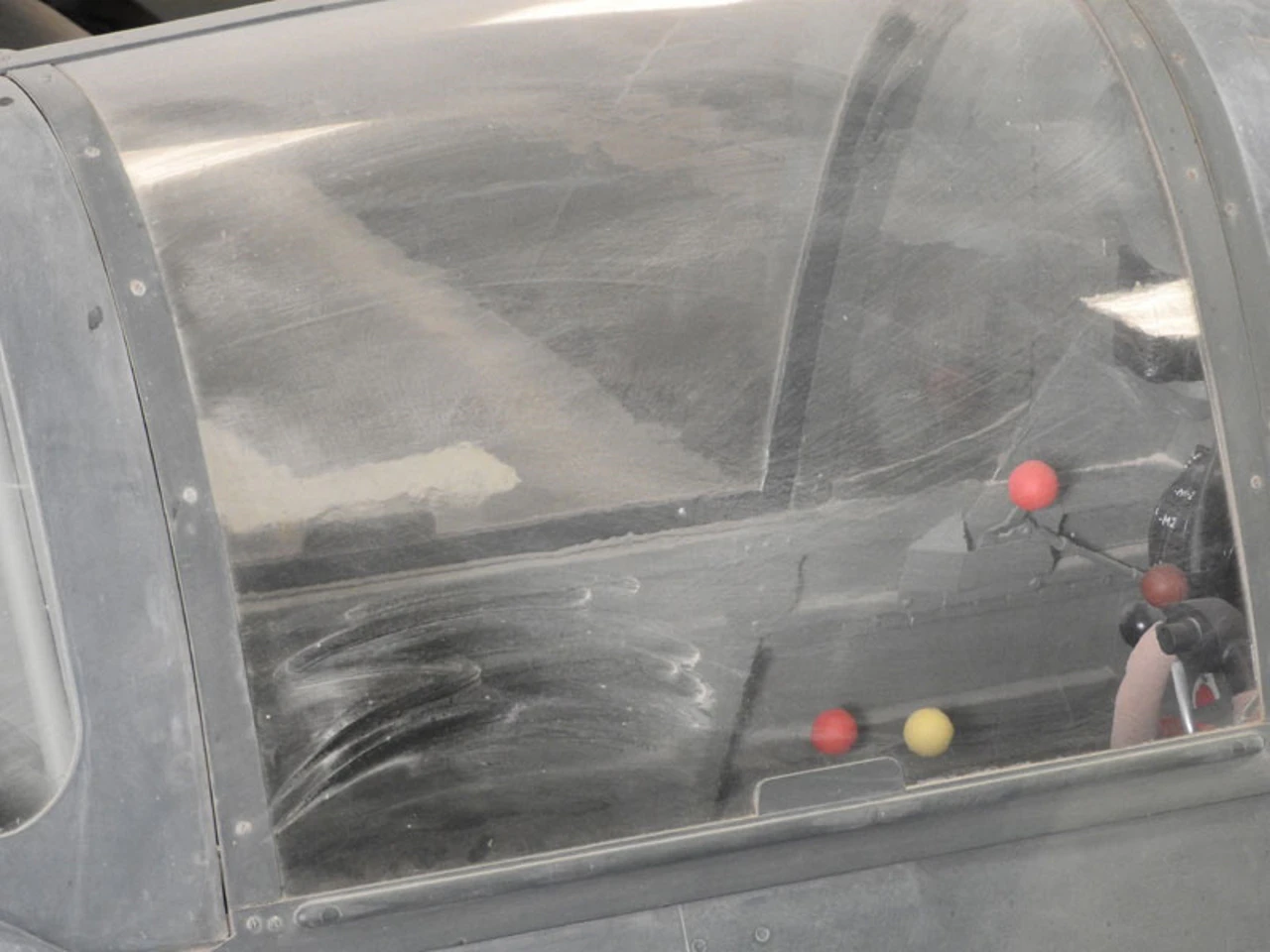
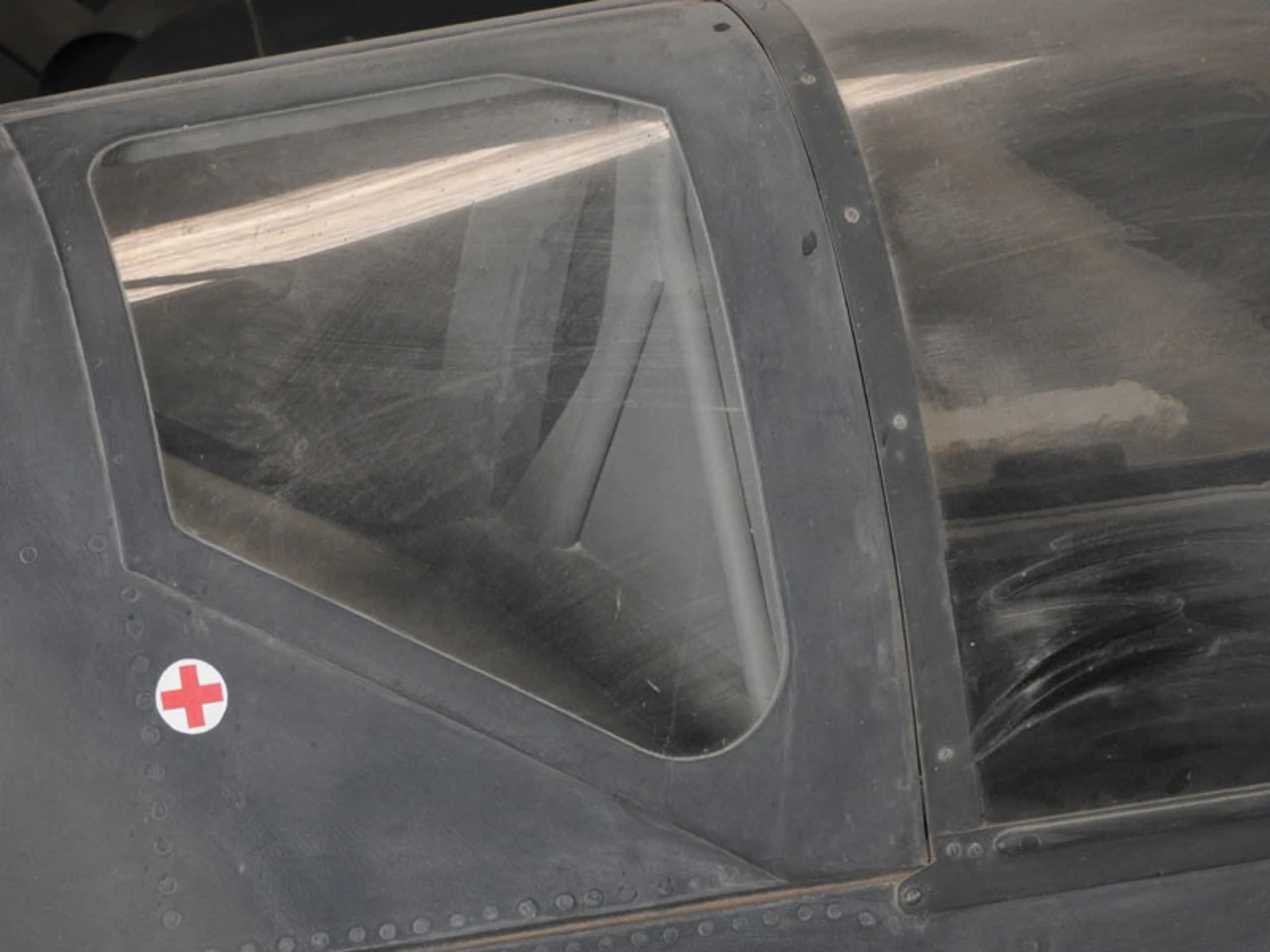
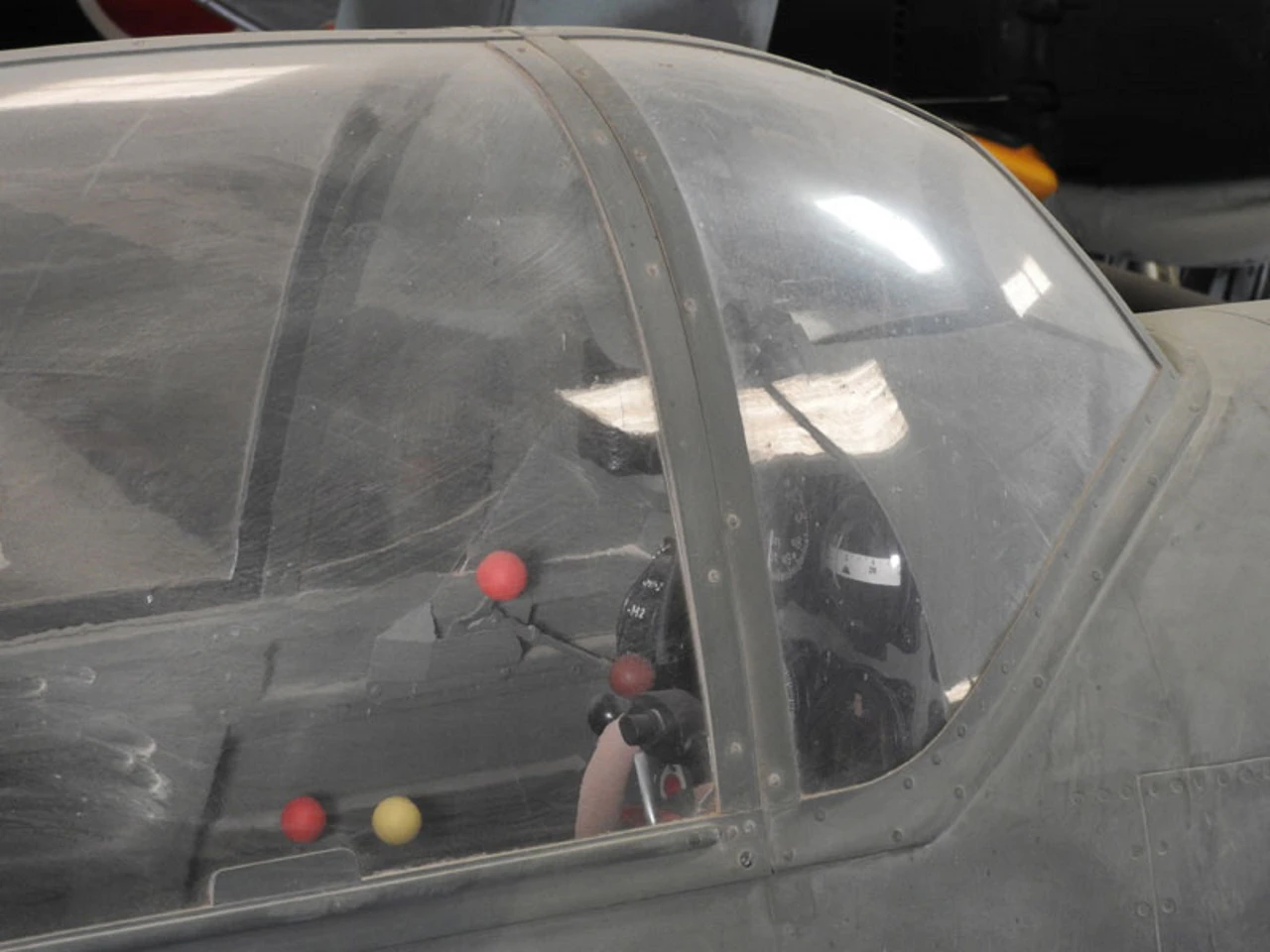
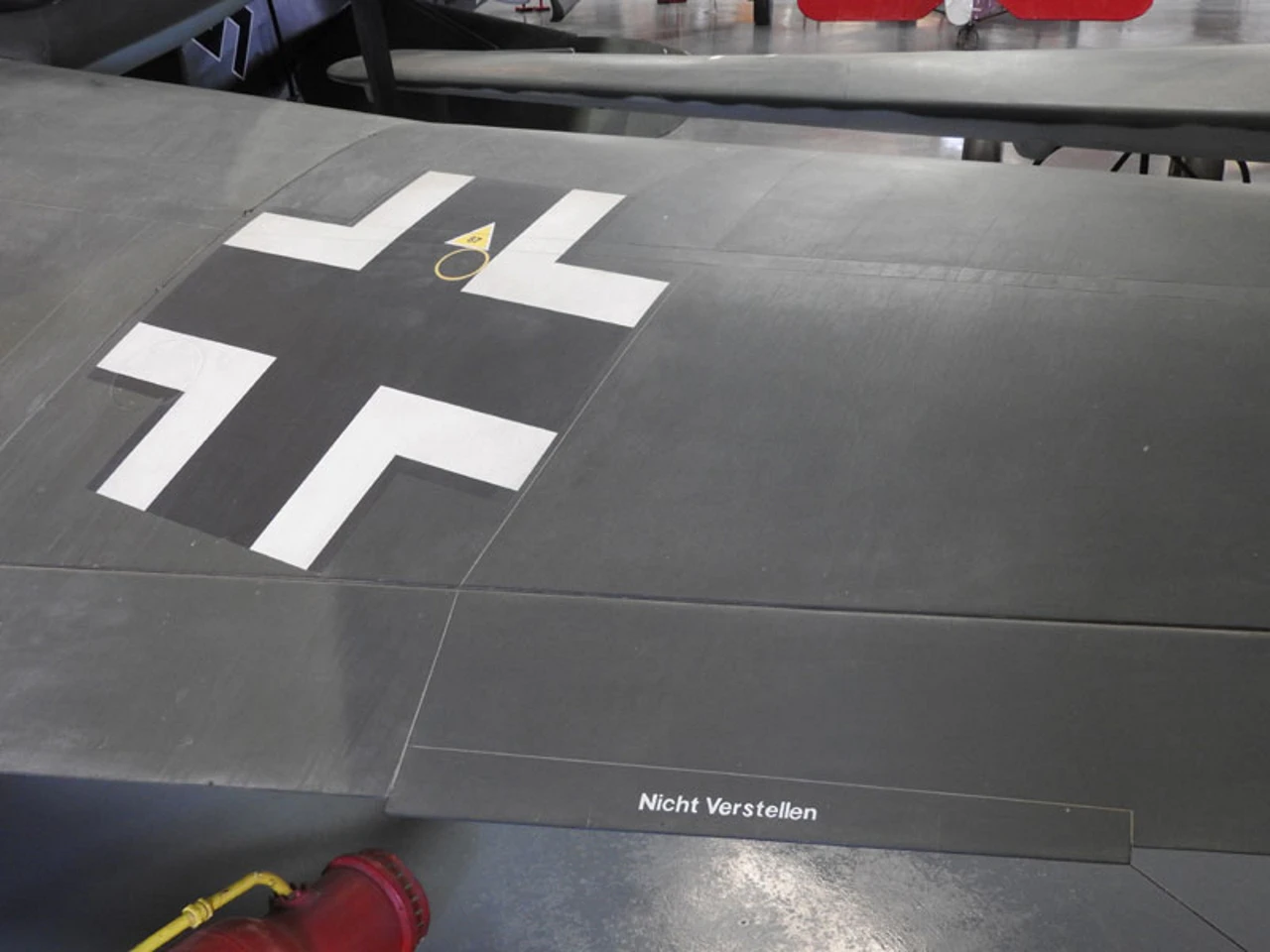
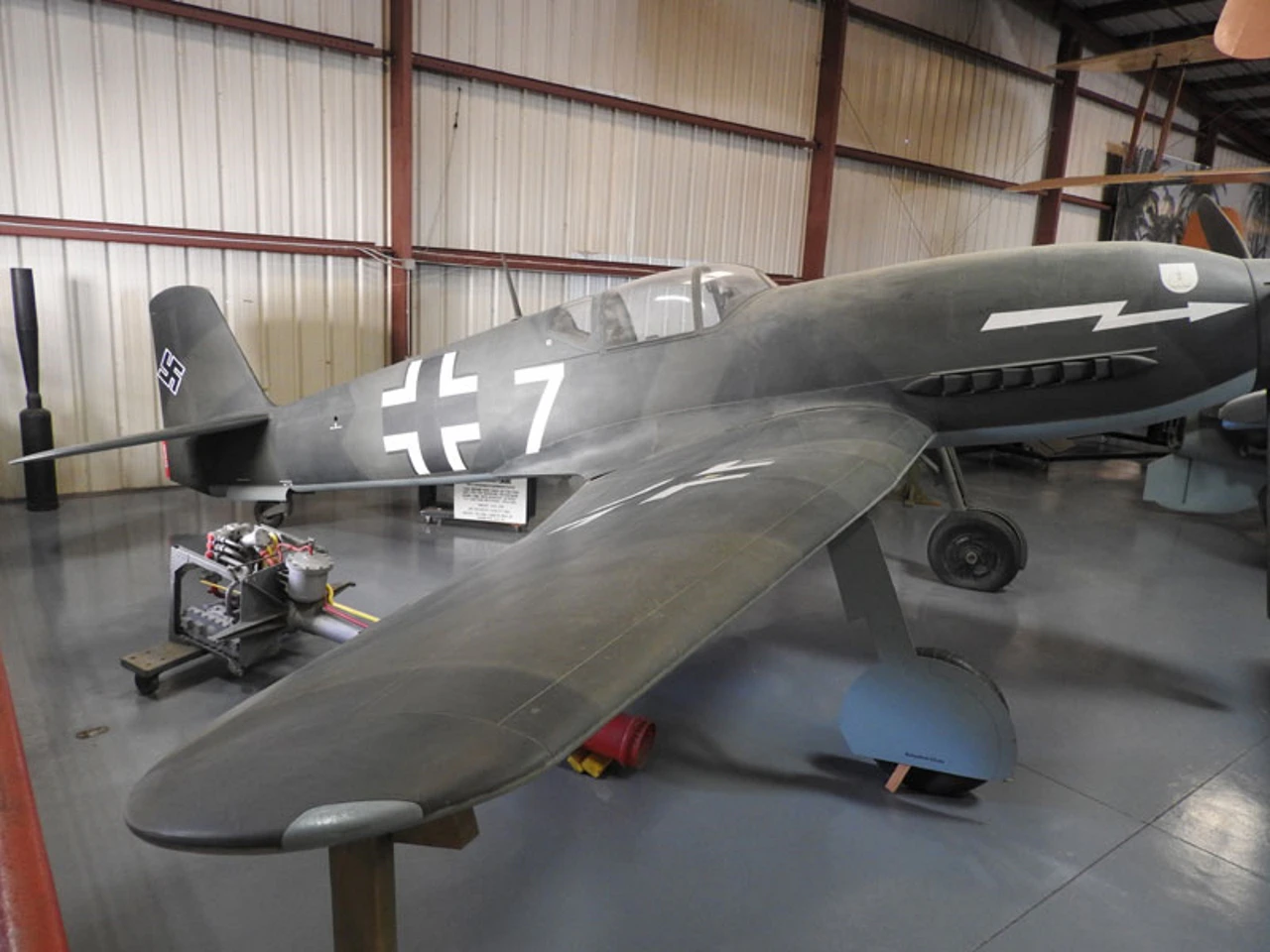
| Heinkel He 100 D-1 Walk Around | |
|---|---|
| Photographer | Cees Hendriks |
| Localisation | Unknow |
| Photos | 23 |

See also:


The Forgotten Rival
The Heinkel He 100 was designed as a successor to the He 112 and a direct competitor to the Messerschmitt Bf 109. It was one of the fastest and most aerodynamically clean piston-engine fighters ever built, breaking the world airspeed record in 1939. Despite its technical superiority, it was never ordered into mass production for the Luftwaffe, largely due to political favoritism toward Messerschmitt and a shortage of Daimler-Benz engines. Only a handful were built, most being used in a grand propaganda campaign to trick the Allies into believing a new “super-fighter” existed.
| Attribute | Technical Specification (He 100 D-1) |
|---|---|
| Role | Fighter / Interceptor |
| Crew | 1 (Pilot) |
| First Flight | January 22, 1938 |
| Powerplant | 1 × Daimler-Benz DB 601M liquid-cooled V12 |
| Horsepower | 1,175 hp (876 kW) |
| Maximum Speed | 416 mph (670 km/h) |
| Service Ceiling | 36,090 feet (11,000 m) |
| Armament | 1 × 20mm MG FF cannon; 2 × 7.92mm MG 17 machine guns |
Radical Aerodynamic Innovation
- Surface Evaporative Cooling: To eliminate the drag of a traditional under-wing radiator, Heinkel designed a system where the engine coolant was cooled by running it through the wing skins themselves. While aerodynamically perfect, it made the aircraft extremely vulnerable to even a single bullet hole in the wing.
- Ultra-Clean Fuselage: The He 100 lacked the external struts, large intakes, or “bumps” found on the Bf 109. The cockpit canopy was exceptionally well-faired into the fuselage, giving it the lowest drag coefficient of any fighter of its era.
- Wide-Track Landing Gear: Unlike the Bf 109, which had narrow, outward-retracting gear prone to ground loops, the He 100 featured a wide-track, inward-retracting landing gear system that made it much easier to handle on the ground.
- Short Wingspan: The He 100 had a very high wing loading, which favored high speed and a high roll rate, though it made the aircraft slightly less maneuverable in a tight dogfight compared to its rivals.
Propaganda and the “He 113” Myth
- The He 113 Hoax: Since the He 100 wasn’t being produced, Joseph Goebbels’ propaganda ministry took the few existing prototypes, painted them in various “night fighter” and “squadron” liveries, and photographed them to convince the British they were facing a mass-produced “Heinkel He 113.”
- The Speed Record: On March 30, 1939, Hans Dieterle flew a modified He 100 V8 to a world speed record of 463.9 mph (746.6 km/h). This remained the record for a piston aircraft for decades.
- Export to Japan and USSR: Denied production at home, Heinkel was allowed to sell prototypes and plans to both the Soviet Union and Japan. The Japanese Kawasaki Ki-61 Hien later shared some design philosophies and used the same engine technology.
- End of the Road: The few pre-production D-1 models were used to defend the Heinkel factory in Rostock-Marienehe. They never saw significant combat, and no airworthy examples survived the end of the war.
Views : 4980
You can see also :
 Curtiss P-36 Hawk – Photos & Videos
 Cessna T-37 Tweet – Photos & Videos
 Boeing KC-97 Stratofreighter – Photos & Videos
 Fokker S.14 Machtrainer – Photos & Videos
 Aichi D3A – Photos & Videos
 Heinkel He 162 – Photos & Video
 Heinkel He 219 – Photos & Video
 B-35 – de Havilland Mosquito – WalkAround
 Mirage IIIC – WalkAround
 Heinkel He 111 – Walk Around