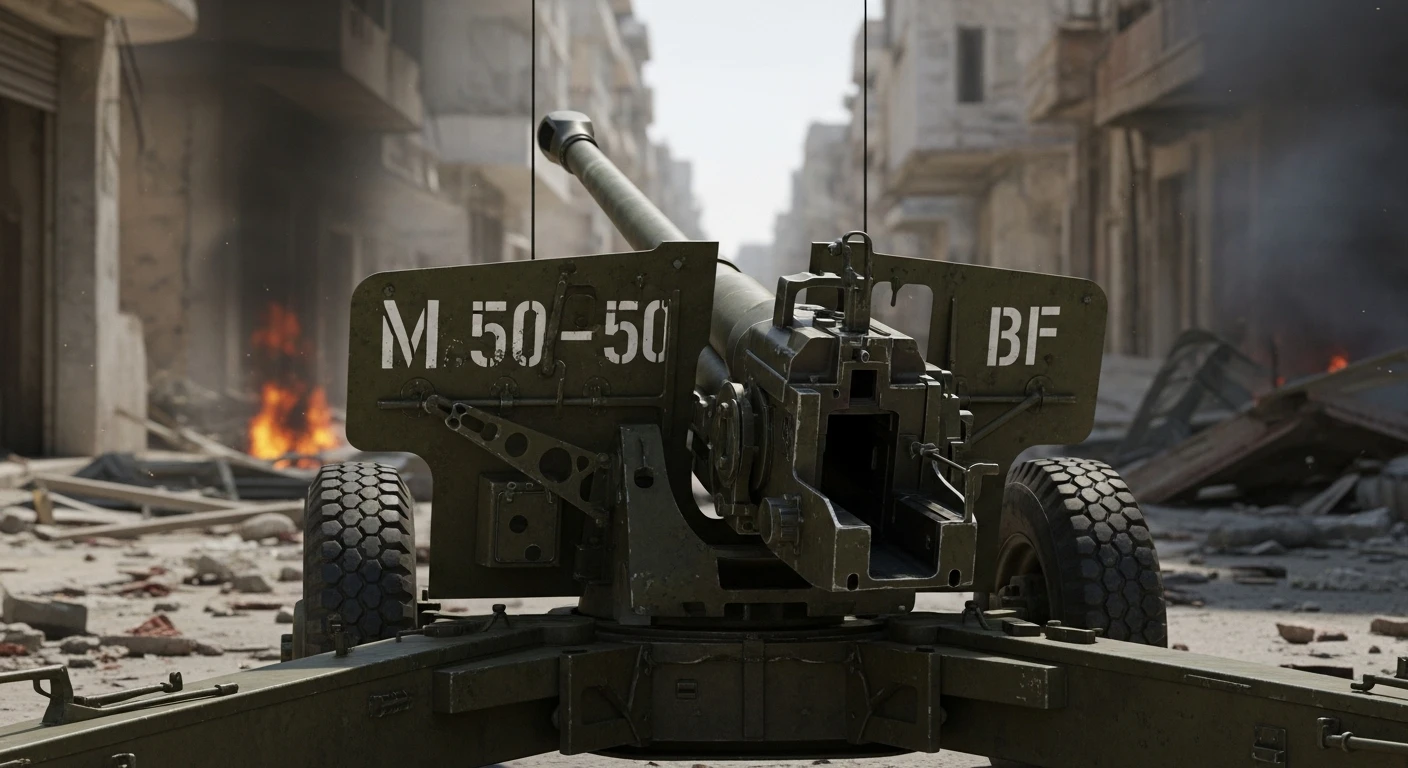
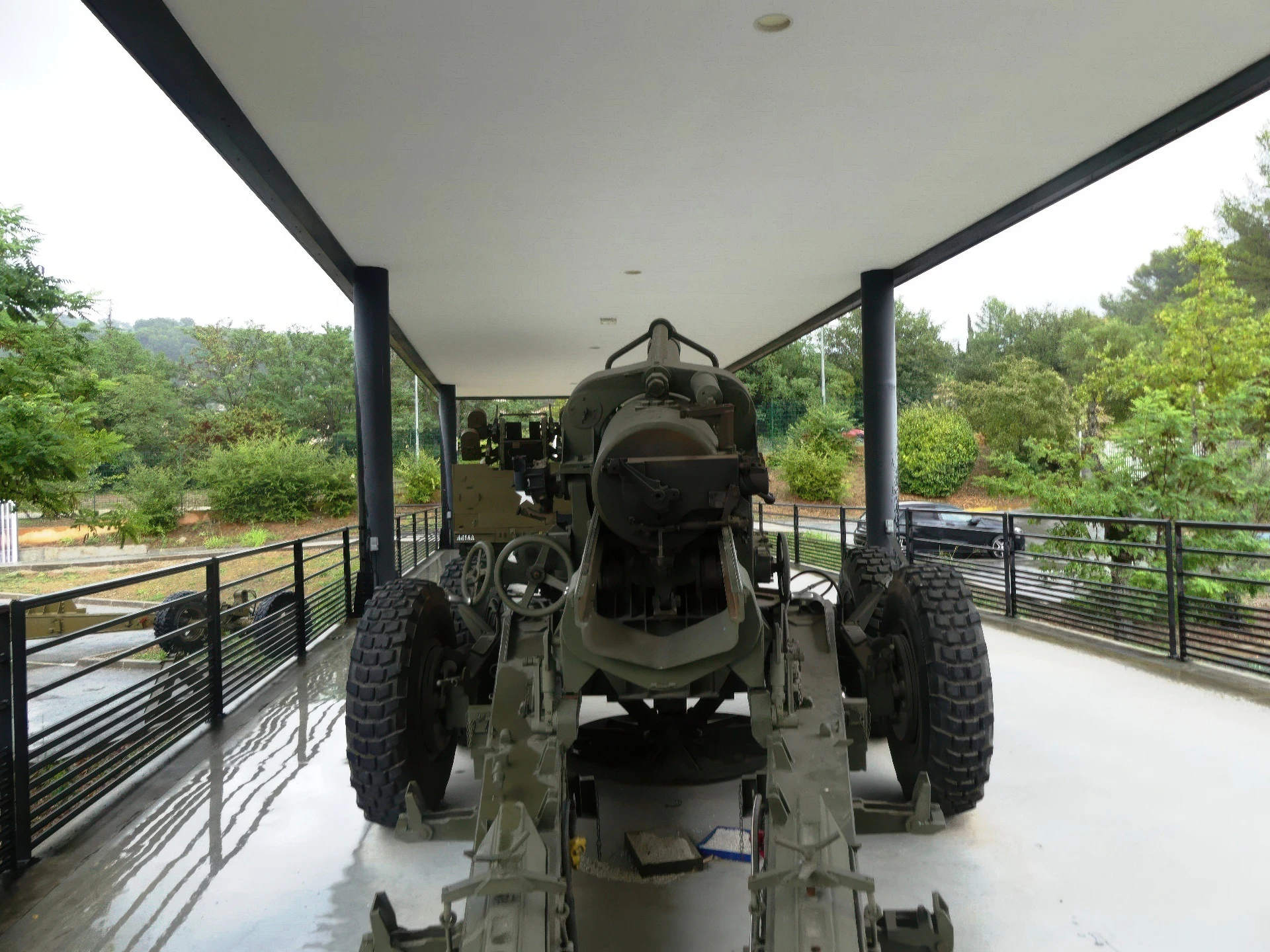
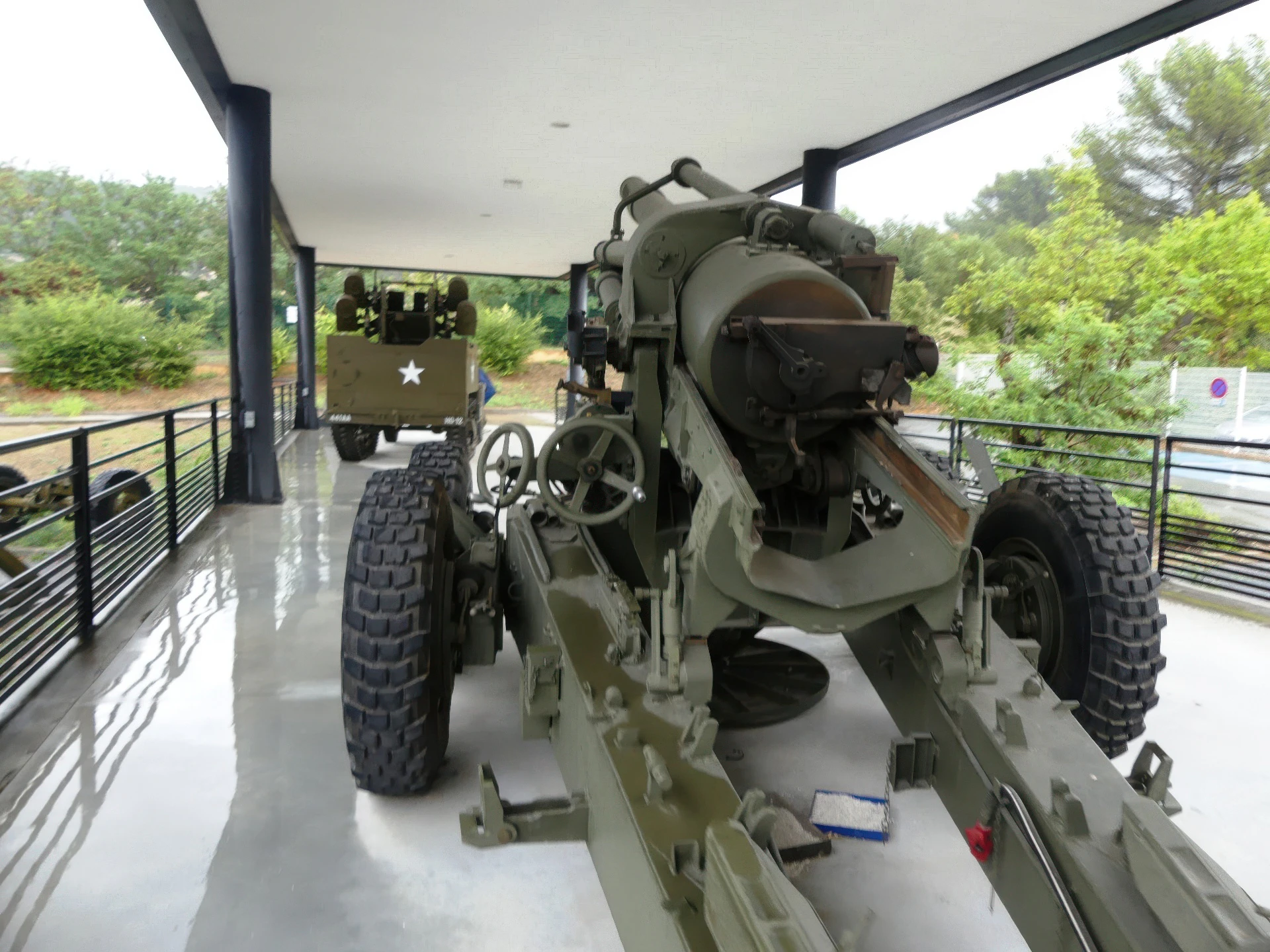
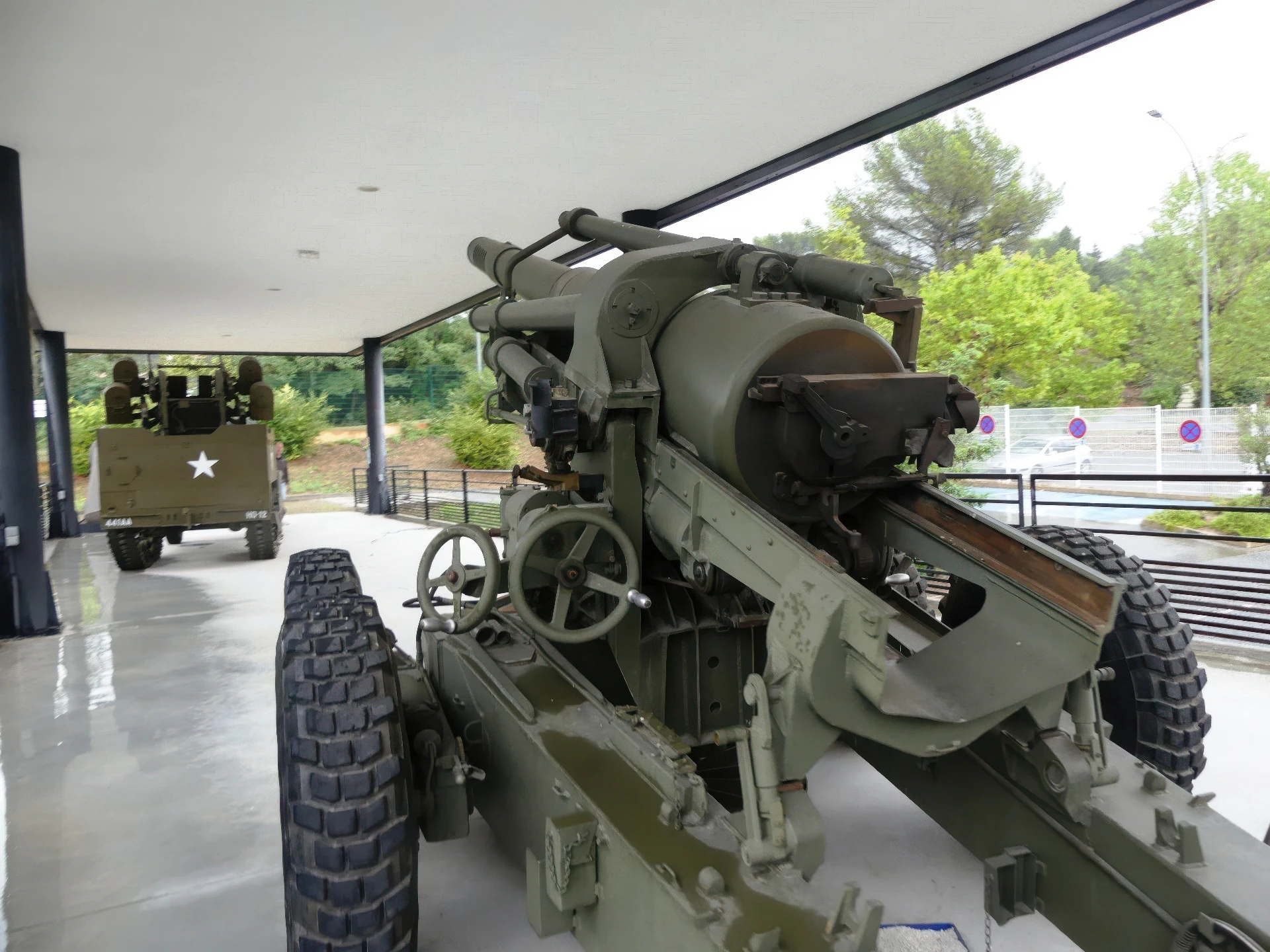
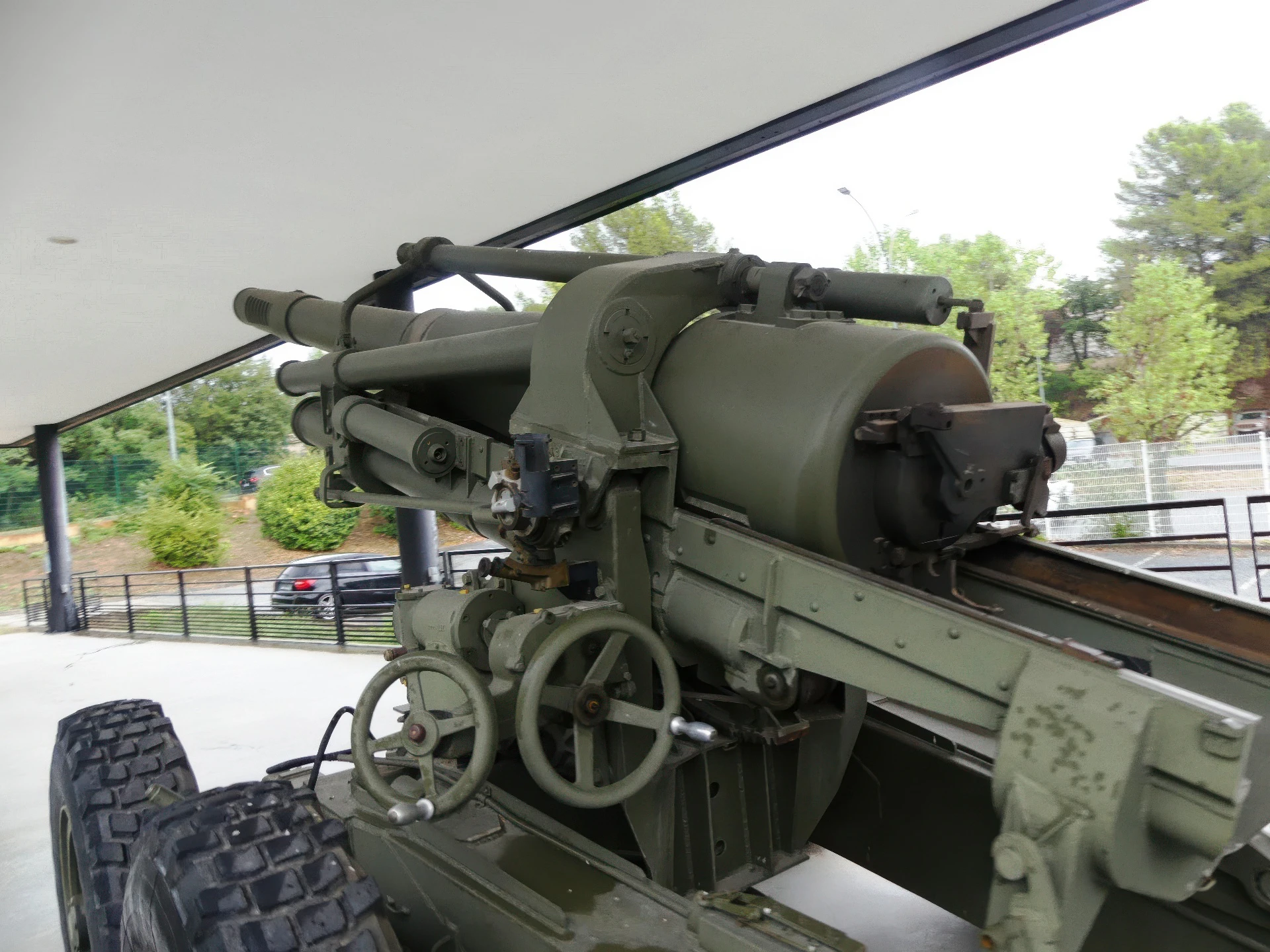
155mm Howitzer M50 BF | |
|---|---|
| Country | France |
| Role | Howitzer |
| Produced | Unknow |
| Built | 1080 |
The Model 50 155mm howitzer, also known as the OB-155-50 BF, is a French 155mm, 23-calibre howitzer. It was the first French-designed artillery unit since the Second World War, and entered service in 1952. It was replaced in France by the TRF1 gun, but remained in service in the French reserve until the late 1990s, as well as in other armies..
Source: 155mm Howitzer M50 BF on Wikipedia
| 155mm Howitzer M50 BF Walk Around | |
|---|---|
| Photographer | Unknow |
| Localisation | Unknow |
| Photos | 58 |
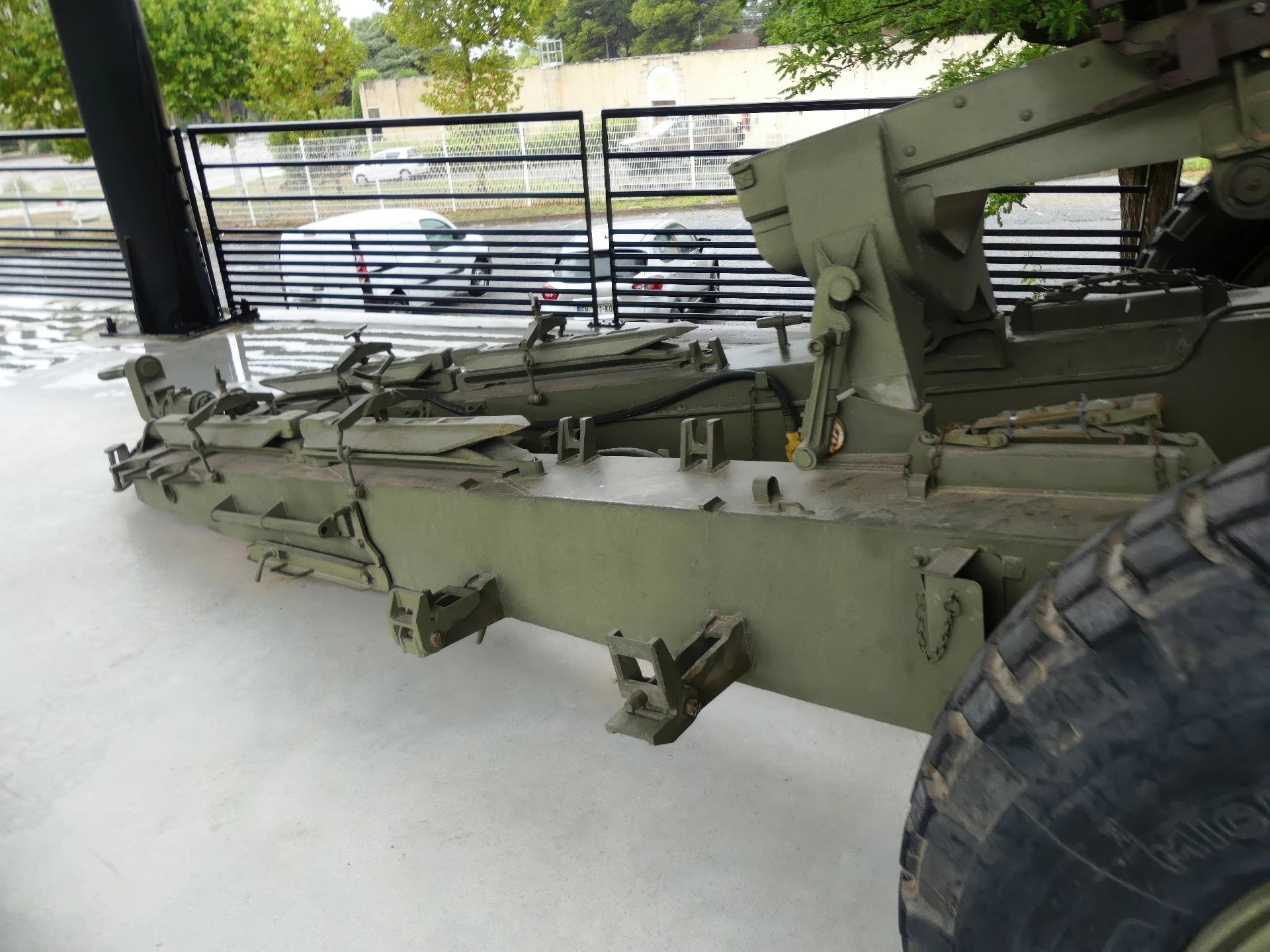
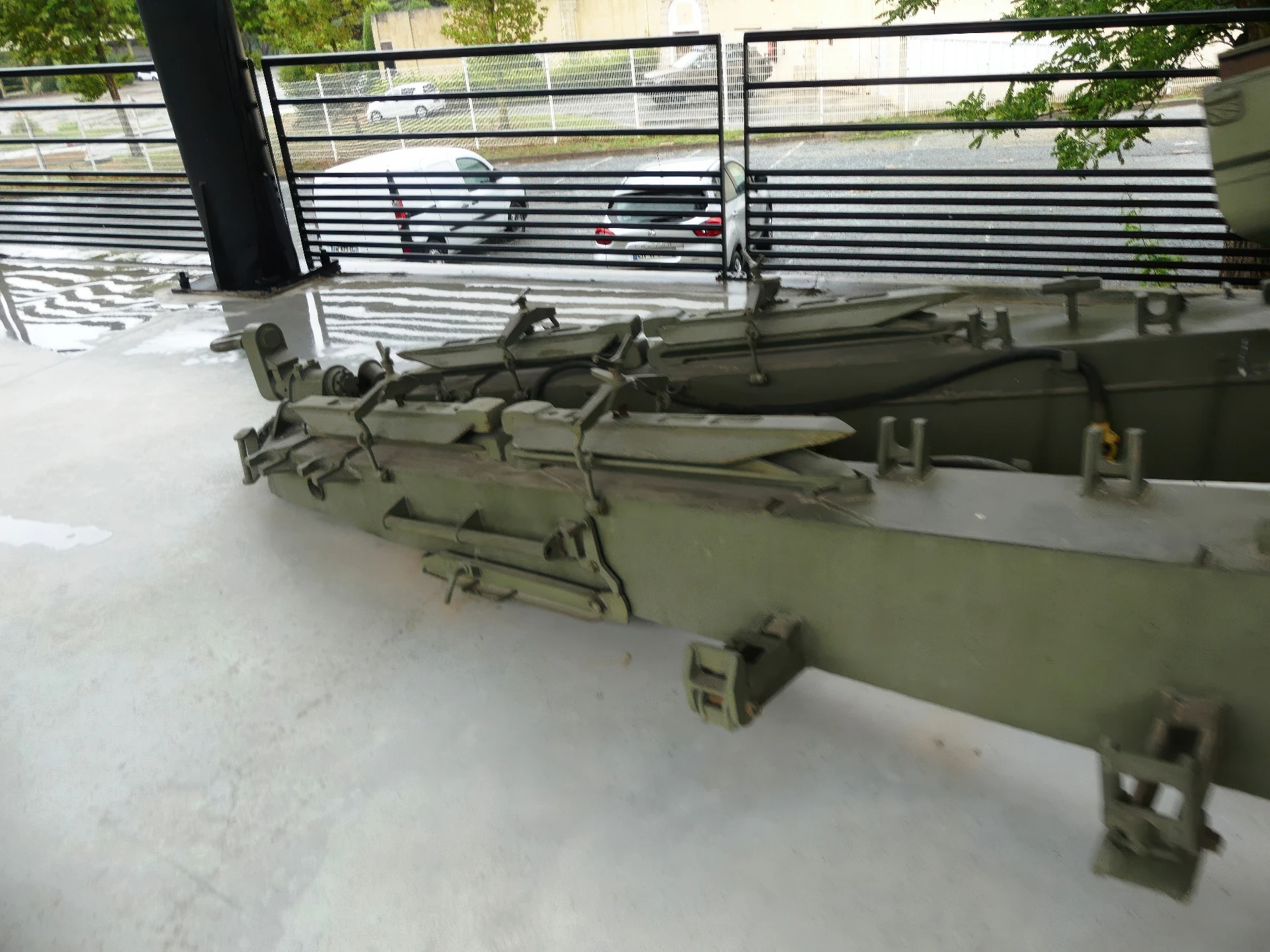
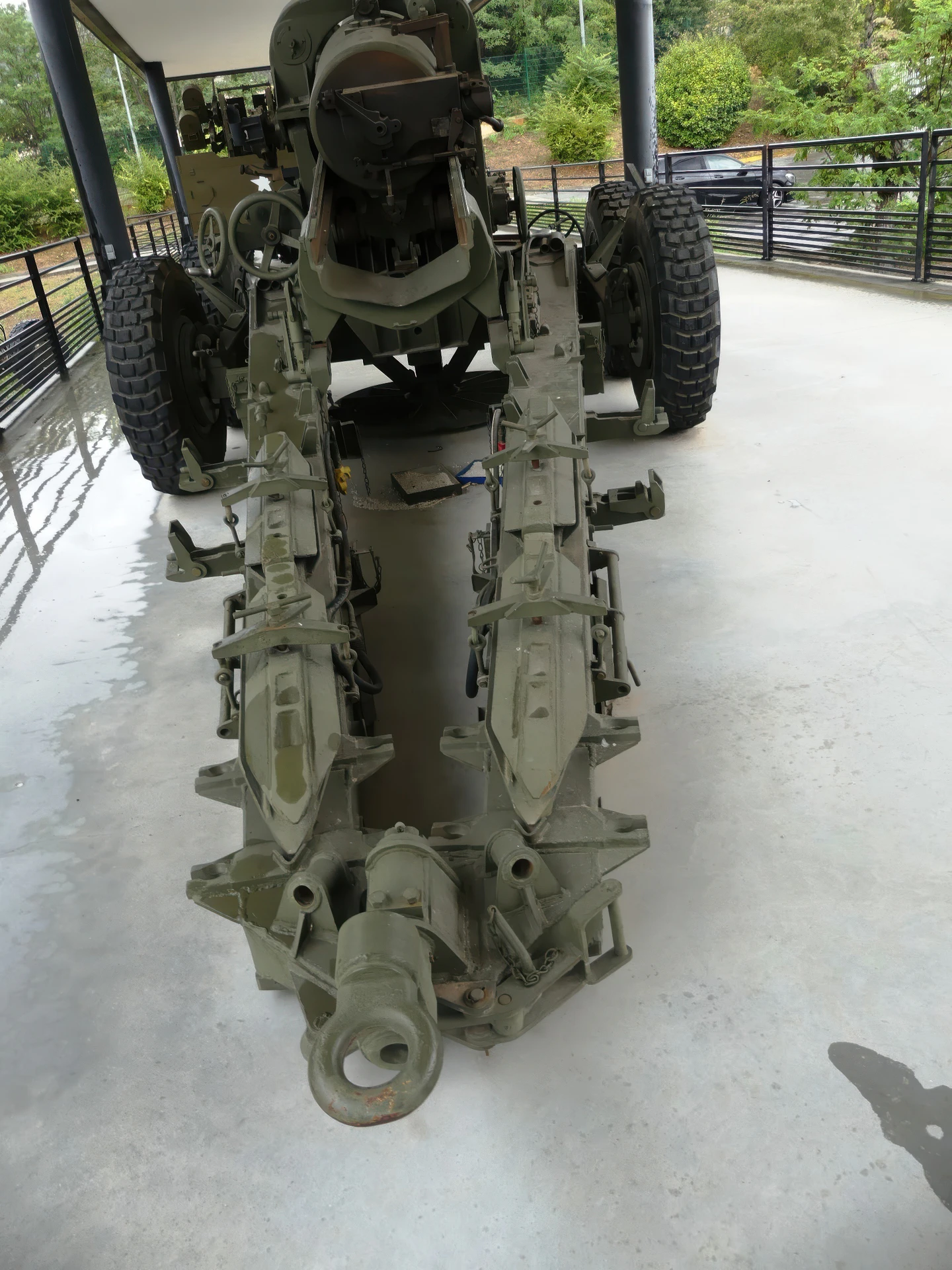
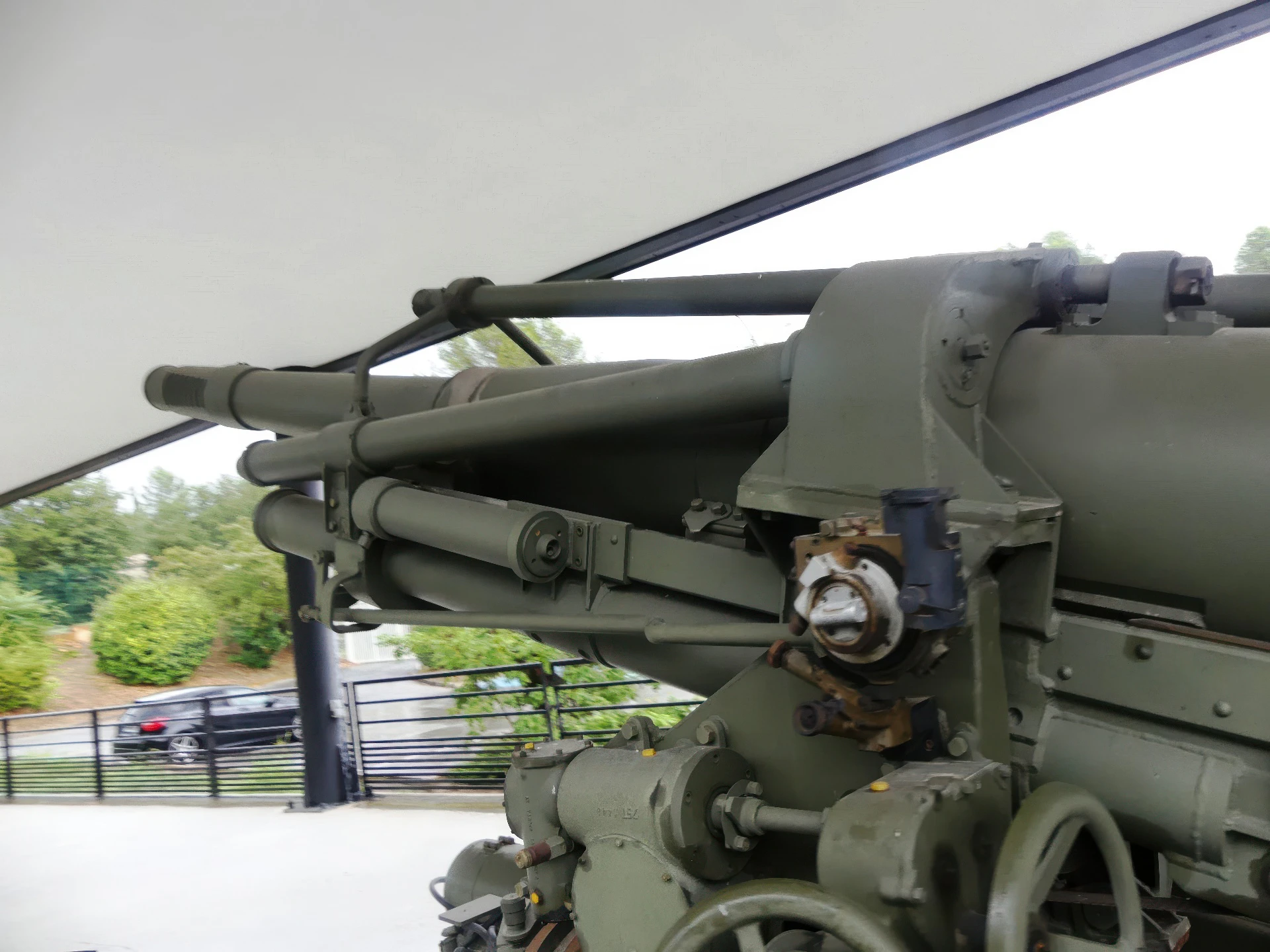
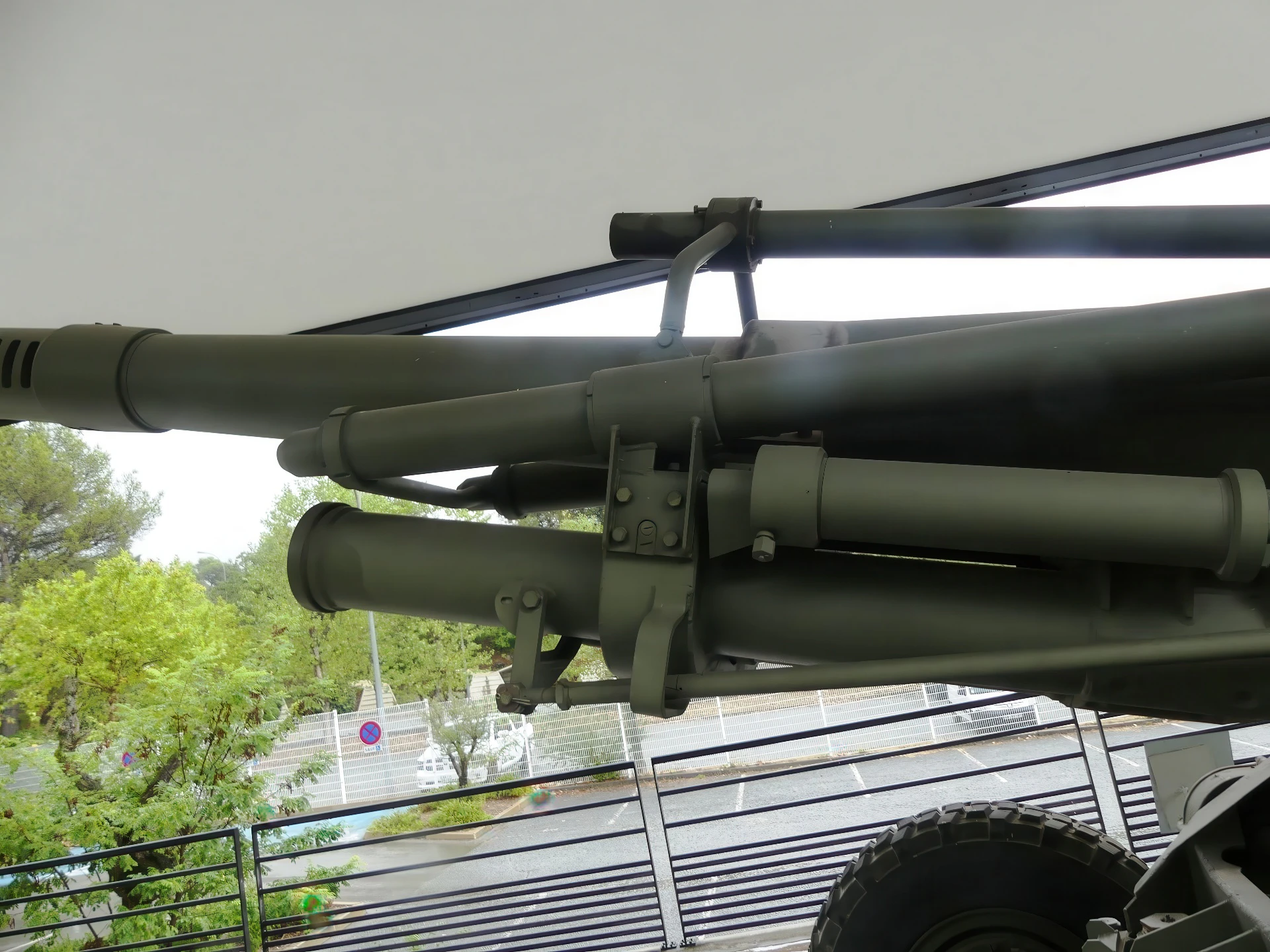

See also:


Operational Context and Development
The M-50 155mm (often referred to with the suffix BF for its French Bofors-influenced heritage) was a creative Israeli solution to a lack of mobile heavy artillery. By taking the powerful French Obusier de 155 mm Modèle 50 and mounting it onto a heavily modified M4 Sherman tank chassis, the IDF created a highly capable self-propelled gun. This vehicle saw extensive combat during the War of Attrition and the Yom Kippur War, where its ability to reposition quickly proved vital in avoiding counter-battery fire.
| Attribute | Standard Specification (M-50 155mm) |
|---|---|
| Role | Self-Propelled Howitzer (SPH) |
| Chassis | Modified M4 Sherman (M4A4 or M4A3) |
| Primary Armament | 155mm Obusier Modèle 50 (L/30) |
| Maximum Range | Approx. 17,600 to 23,300 meters (depending on shell) |
| Crew | 8 (Commander, Driver, Gunner, 5 Loaders) |
| Combat Weight | 31 Tonnes |
| Engine | Cummins VT 8-460-Bi Diesel (460 hp) |
| Top Speed | 45 km/h (28 mph) |
Design Characteristics and Firepower
- The “Sherman” Modification: To balance the weight of the massive 155mm gun, the engine was moved forward to the front-right of the hull, and the rear was converted into an open-topped firing compartment.
- Firepower: The Modèle 50 gun featured a large slotted muzzle brake to handle the recoil. It could fire a 43 kg (95 lb) HE shell with high lethality.
- Elevation and Arc: The gun provided a high elevation range of -4° to +69°, allowing it to function both as a direct-fire weapon in emergencies and a high-angle howitzer for indirect support.
- Manual Operation: Despite its size, the loading and aiming were manual, requiring a large crew of five loaders to maintain a sustained rate of fire of 2 rounds per minute.
Mobility and Combat Service
- HVSS Upgrade: Most M-50s were upgraded with Horizontal Volute Spring Suspension (HVSS) and wider tracks to better manage the vehicle’s increased weight over soft desert sand.
- Open-Topped Design: While the armor protected the crew from small arms and splinters from the front and sides, the open top left them vulnerable to overhead bursts and weather.
- Deployment: The M-50 was the workhorse of Israeli artillery until the arrival of the fully enclosed American M109 Paladin. Even then, many remained in reserve units well into the late 1980s.
Views : 235
You can see also :
 QF 3.7-inch howitzer – Photos & Videos
 10.5 cm leFH 16 – Photos & Videos
 M109 howitzer – Photos & Videos
 FH70 Howitzer – Photos & Video
 QF 25pdr Mark II Field Gun – Photos & Video
 US 105mm M2A2 Field Gun – Photos & Video
 M43 Howitzer Motor Carriage – Photos & Video
 M7B2 Priest – Walkround
 Soviet 122mm D-30 Howitzer – Walk Around
 M7 Priest – Walkround