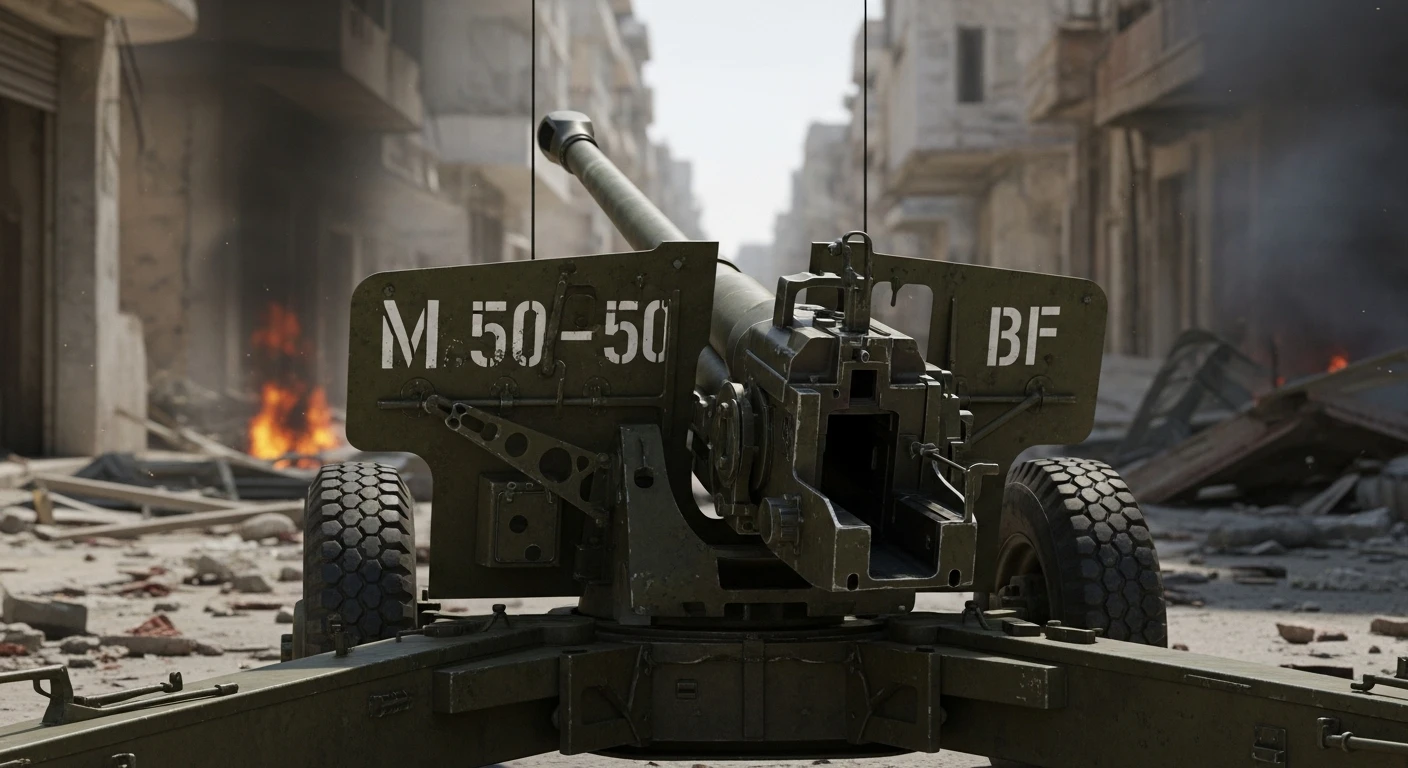
155mm Howitzer M50 BF | |
|---|---|
| Kraju | Francja |
| Roli | Haubica |
| Produkowane | Niewiedzy |
| Zbudowany | 1080 |
Tthe Haubica 155 mm Model 50, znana również jako OB-155-50 BF, to francuska haubica kalibru 155 mm i kalibru 23. Była to pierwsza francuska jednostka artyleryjska od czasów II wojny światowej, która weszła do służby w 1952 roku. Został on zastąpiony we Francji przez działo TRF1, ale pozostał w służbie we francuskiej rezerwie do końca lat 90., a także w innych armiach.
Źródła: Haubica 155mm M50 BF na Wikipedii
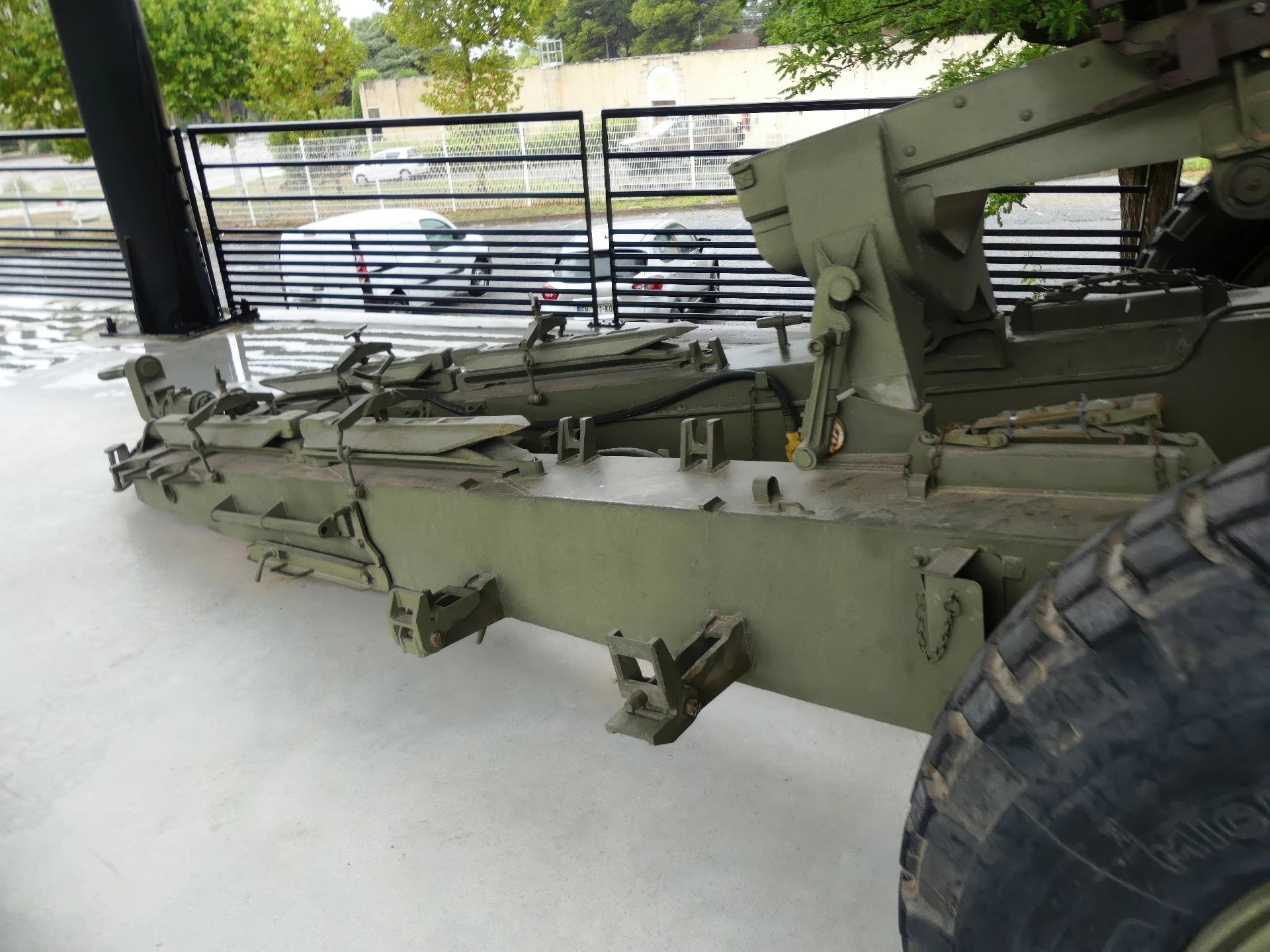
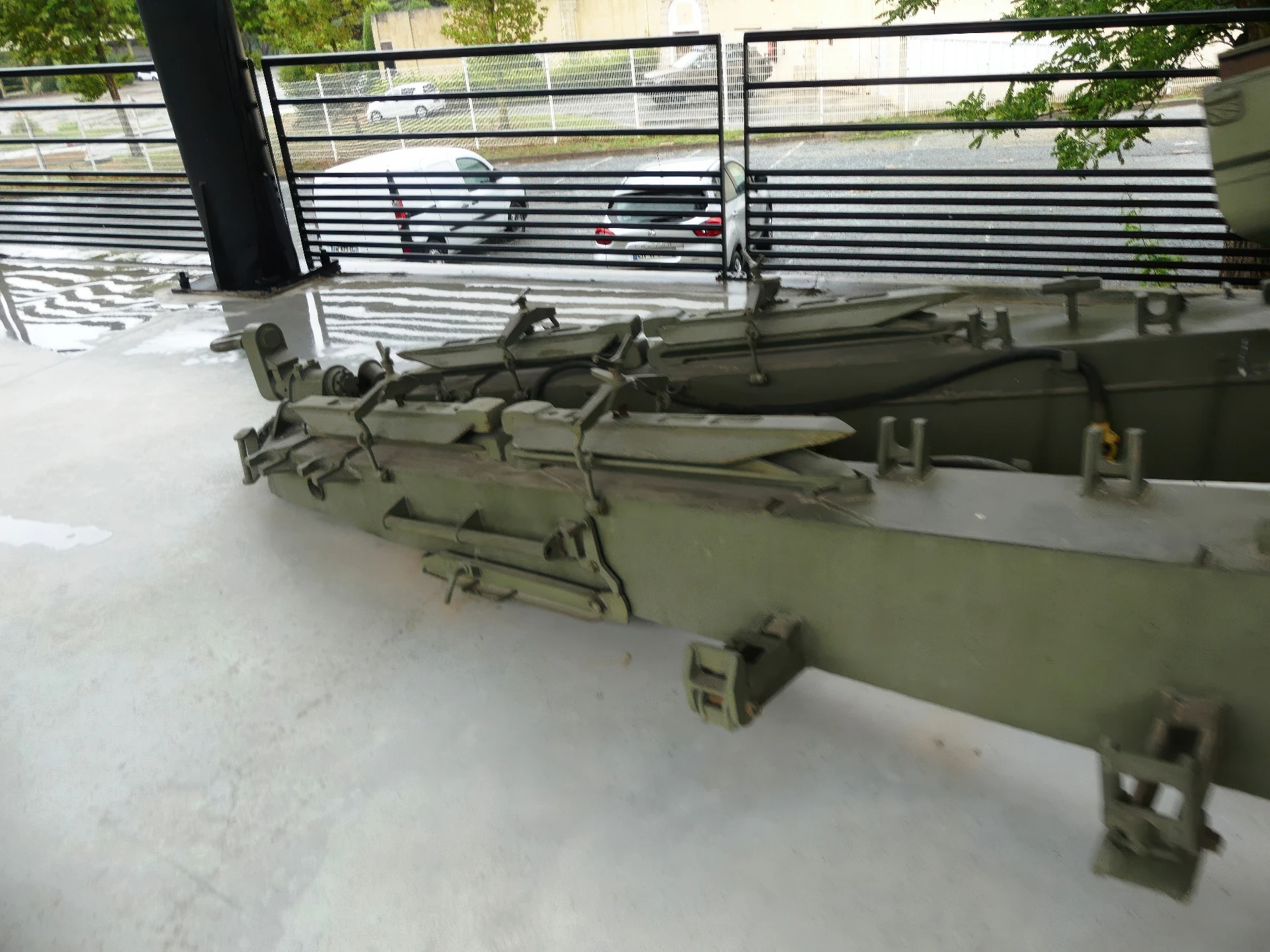
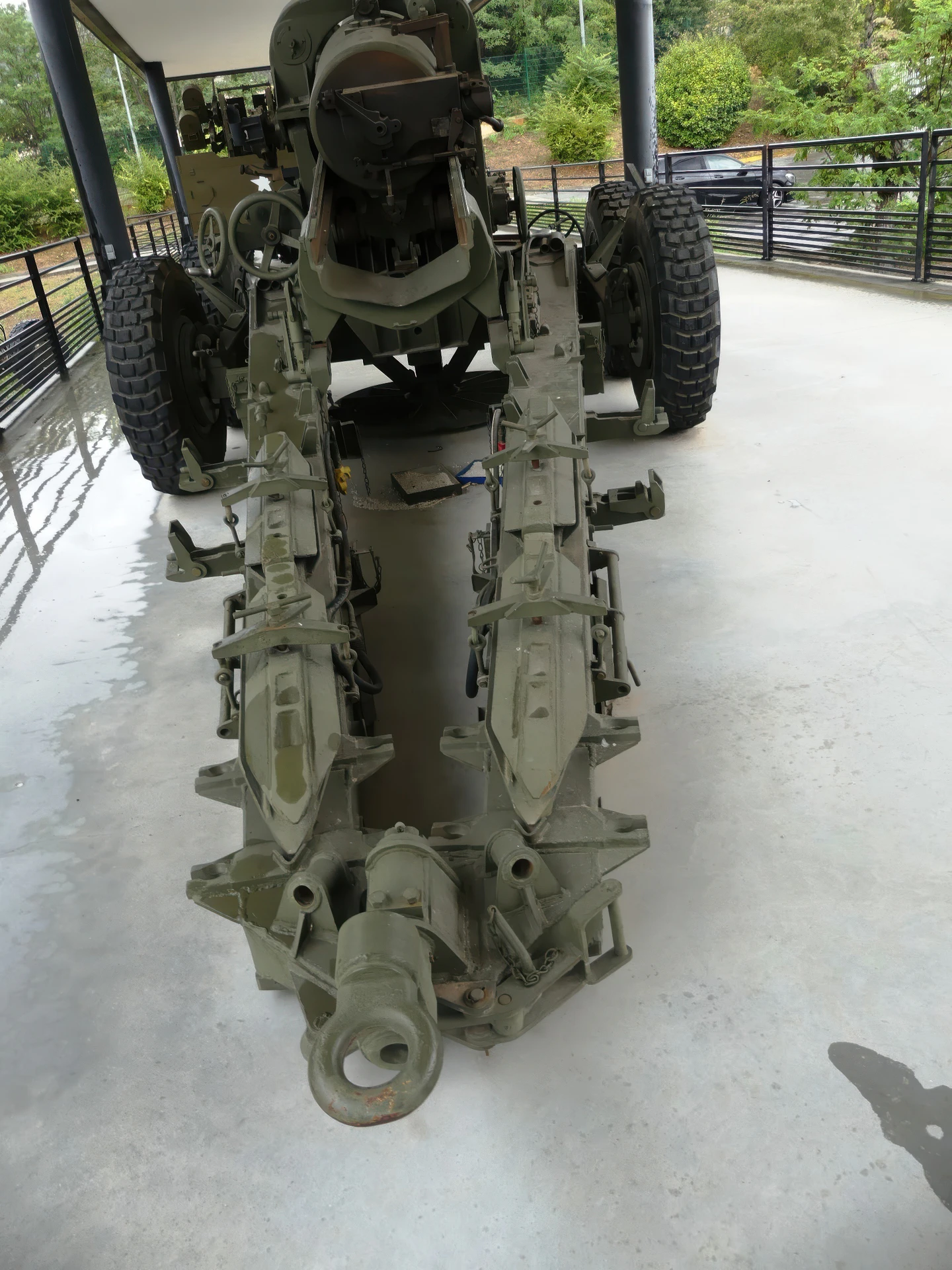
| 155mm Howitzer M50 BF Walk Around | |
|---|---|
| Photographer | Unknow |
| Localisation | Unknow |
| Photos | 58 |
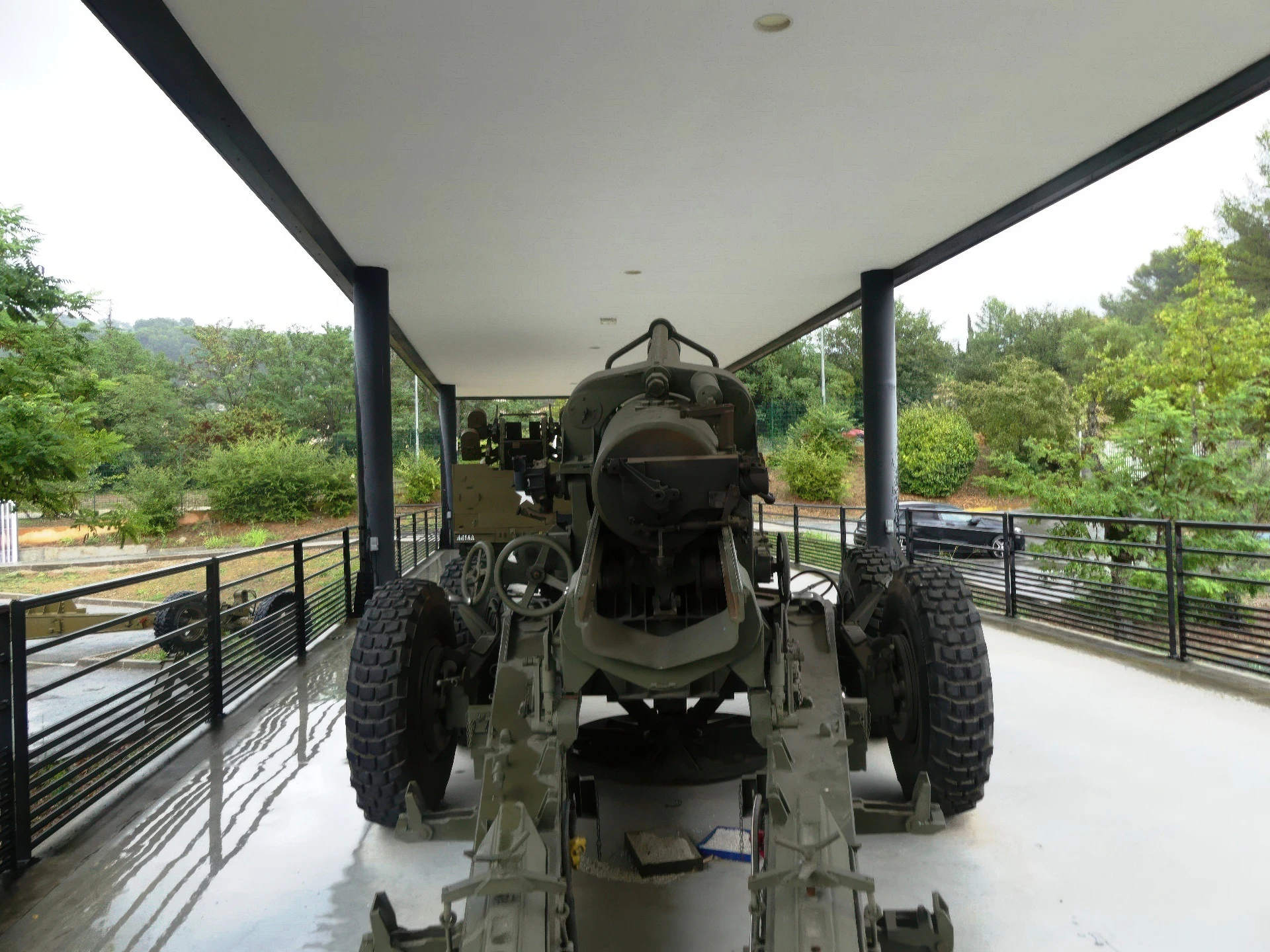
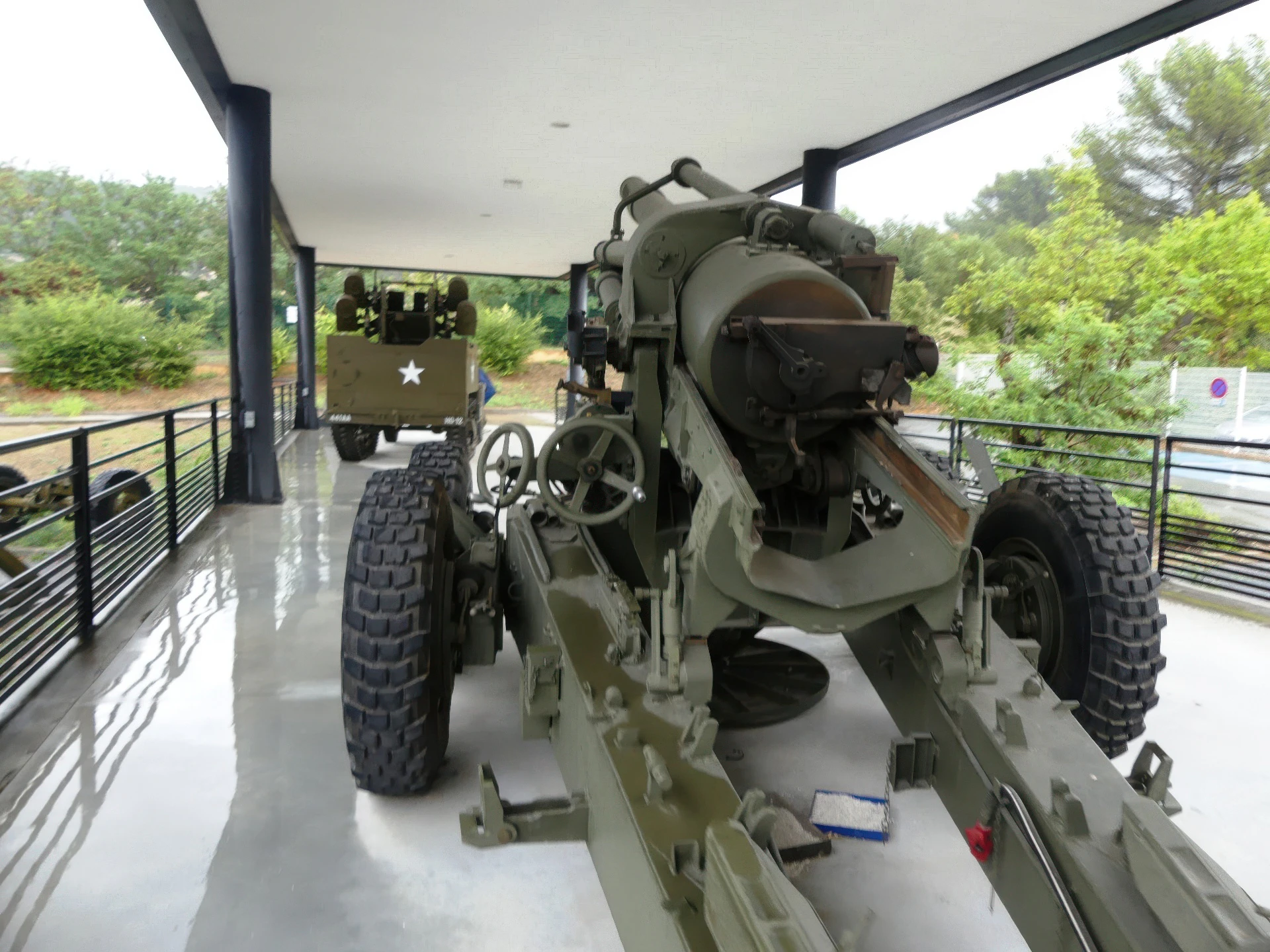
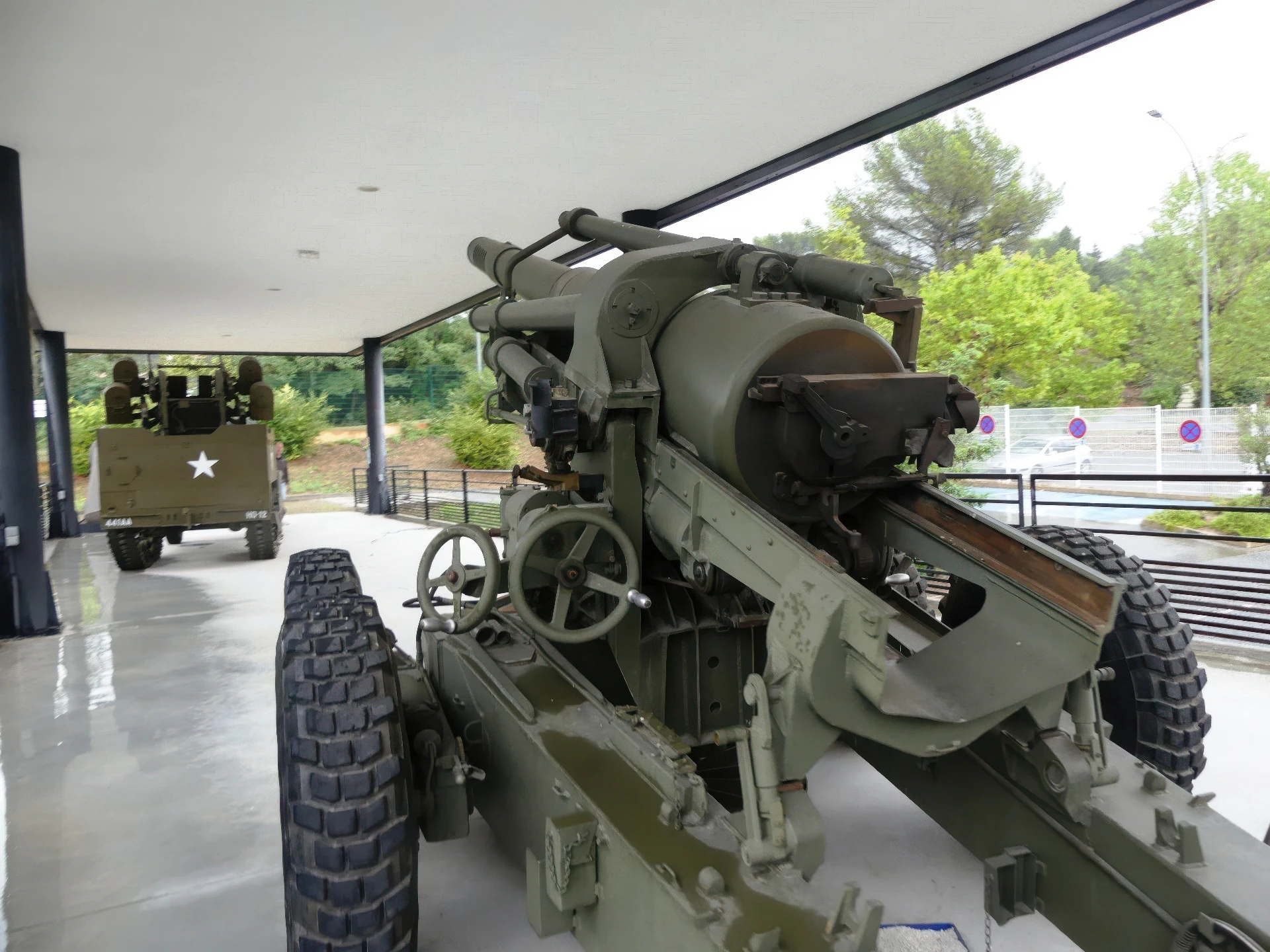
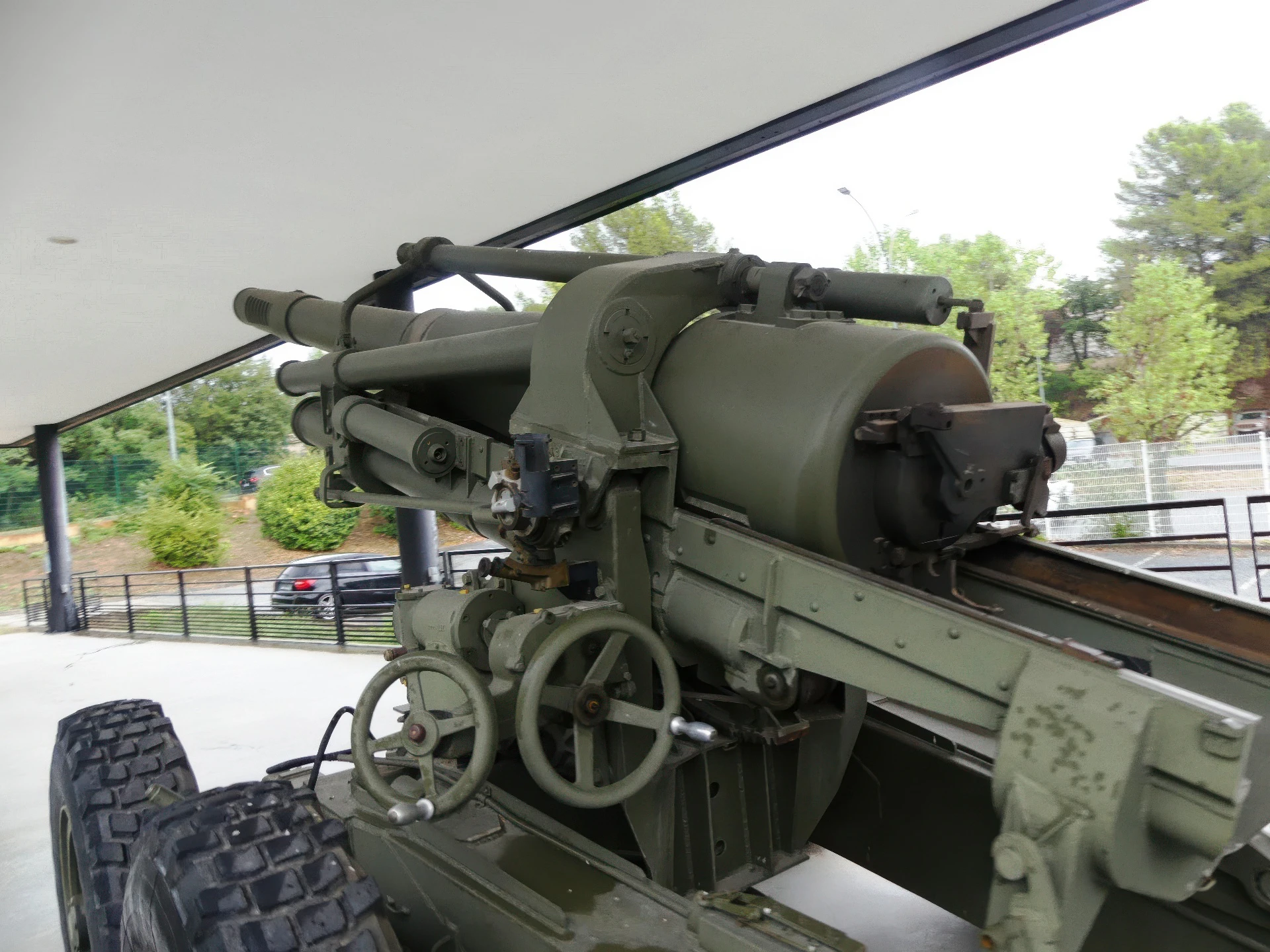
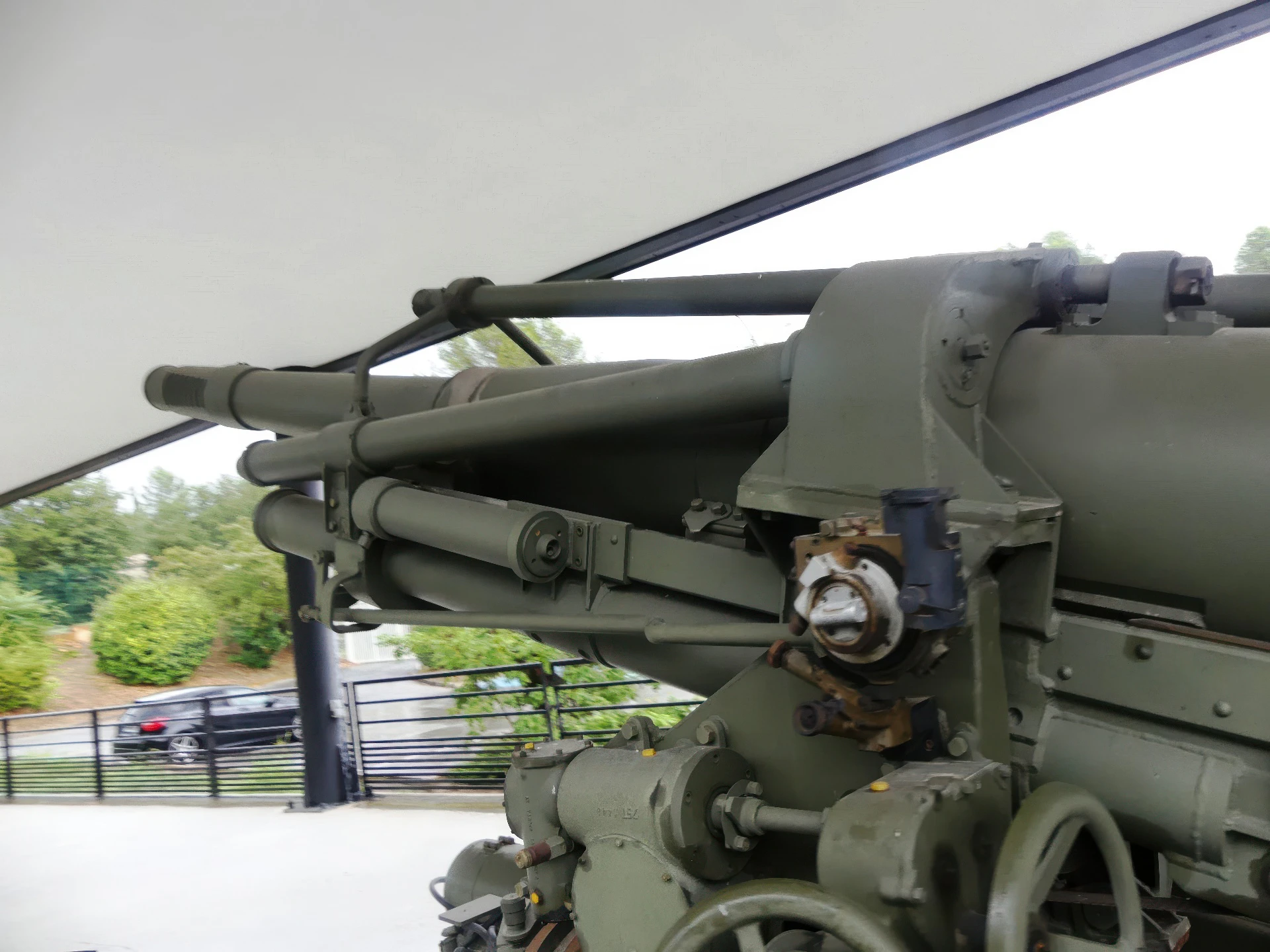
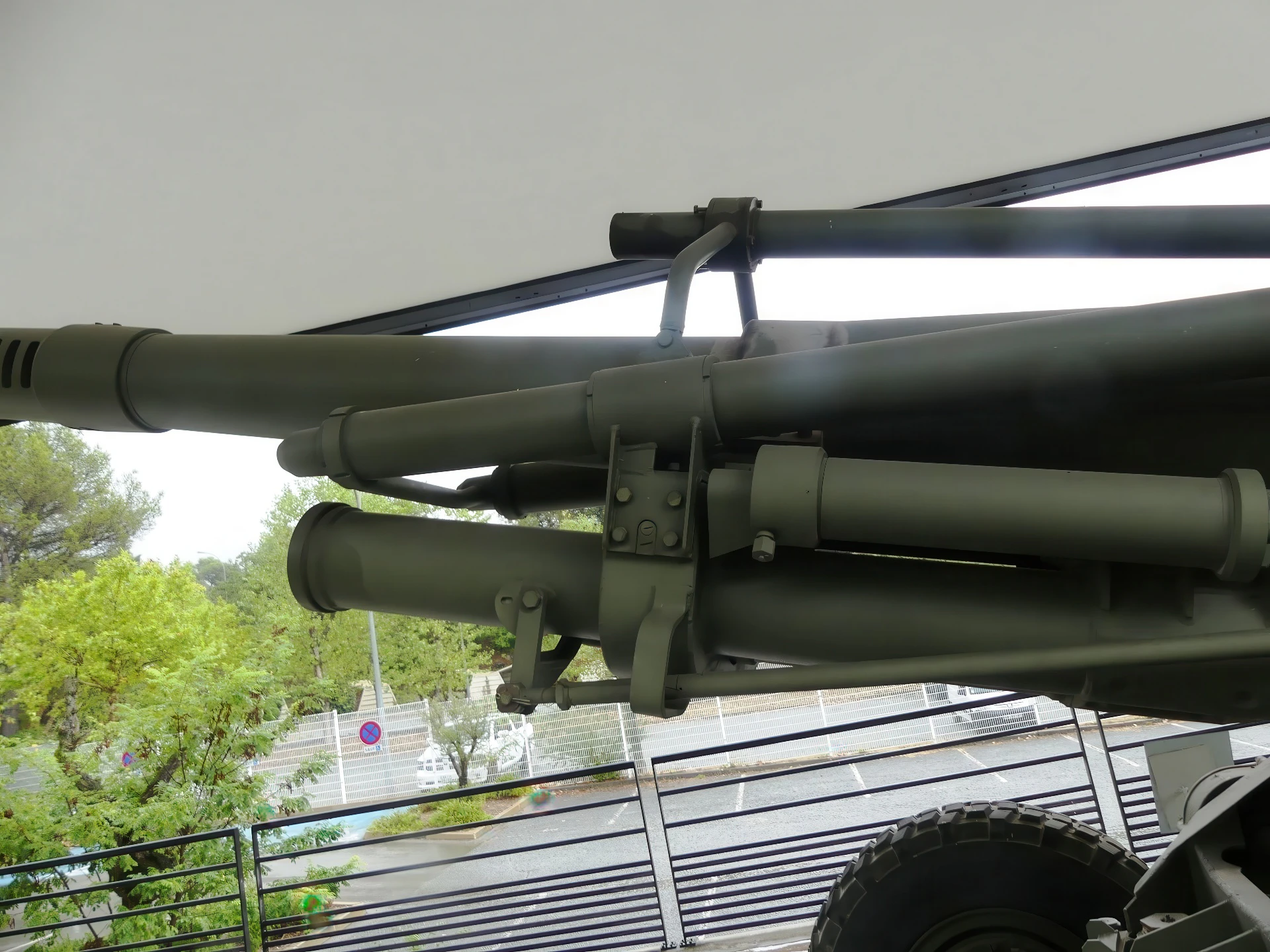

Zobacz też:


Operational Context and Development
Tthe M-50 155mm (often referred to with the suffix BF for its French Bofors-influenced heritage) was a creative Israeli solution to a lack of mobile heavy artillery. By taking the powerful French Obusier de 155 mm Modèle 50 and mounting it onto a heavily modified M4 Sherman tank chassis, the IDF created a highly capable self-propelled gun. This vehicle saw extensive combat during the War of Attrition and the Yom Kippur War, where its ability to reposition quickly proved vital in avoiding counter-battery fire.
| Attribute | Standard Specification (M-50 155mm) |
|---|---|
| Roli | Self-Propelled Howitzer (SPH) |
| Podwozie | Modified M4 Sherman (M4A4 or M4A3) |
| Primary Armament | 155mm Obusier Modèle 50 (L/30) |
| Maximum Range | Approx. 17,600 to 23,300 meters (depending on shell) |
| Załogi | 8 (Commander, Driver, Gunner, 5 Loaders) |
| Combat Weight | 31 Tonnes |
| Silnika | Cummins VT 8-460-Bi Diesel (460 hp) |
| Top Speed | 45 km/h (28 mph) |
Design Characteristics and Firepower
- The “Sherman” Modification: To balance the weight of the massive 155mm gun, the engine was moved forward to the front-right of the hull, and the rear was converted into an open-topped firing compartment.
- Siła ognia: The Modèle 50 gun featured a large slotted muzzle brake to handle the recoil. It could fire a 43 kg (95 lb) HE shell with high lethality.
- Elevation and Arc: The gun provided a high elevation range of -4° to +69°, allowing it to function both as a direct-fire weapon in emergencies and a high-angle howitzer for indirect support.
- Manual Operation: Despite its size, the loading and aiming were manual, requiring a large crew of five loaders to maintain a sustained rate of fire of 2 rounds per minute.
Mobility and Combat Service
- HVSS Upgrade: Most M-50s were upgraded with Horizontal Volute Spring Suspension (HVSS) and wider tracks to better manage the vehicle’s increased weight over soft desert sand.
- Open-Topped Design: While the armor protected the crew from small arms and splinters from the front and sides, the open top left them vulnerable to overhead bursts and weather.
- Wdrażania: The M-50 was the workhorse of Israeli artillery until the arrival of the fully enclosed American M109 Paladin. Even then, many remained in reserve units well into the late 1980s.
Views : 236
Możesz również zobaczyć:
 3,7-calowa haubica QF – Zdjęcia i filmy
 10,5 cm leFH 16 – Zdjęcia i filmy
 Haubica M109 – zdjęcia i filmy
 Haubica FH70 – zdjęcia i wideo
 Pistolet polowy QF 25pdr Mark II – Zdjęcia i wideo
 US 105mm M2A2 Field Gun – Zdjęcia & Video
 Wózek motorowy haubicy M43 – Zdjęcia & Film
 M7B2 Ksiądz – Walkround
 Radziecki haubica 122mm D-30 – Spacer
 M7 Priest – Spacer po 10