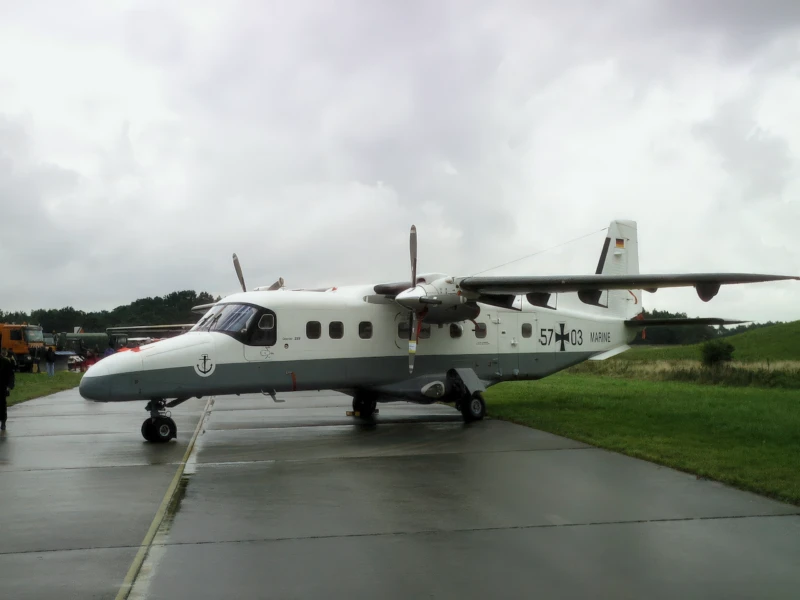
Dornier Do-228 | |
|---|---|
| Land | Tyskland |
| Rolle | Passasjerfly |
| Første fly | 28. mars 1981 |
| Bygget | 245+125 |
Den Dornier do 228 is a twin-turboprop STOL utility aircraft, manufactured by Dornier GmbH (later DASA Dornier, Fairchild-Dornier) from 1981 until 1998. In 1983, Hindustan Aeronautics (HAL) bought a production licence and manufactured 125 aircraft. In Oberpfaffenhofen, Germany, 245 were built, and 125 in Kanpur, India. In July 2017, 63 aircraft were in airline service. In 2009, RUAG started building a Dornier 228 New Generation in Germany with the fuselage, wings and tail unit manufactured by Hindustan Aeronautics Limited (HAL) in Kanpur (India) and transported to Oberpfaffenhofen near Munich, where RUAG Aviation carries out aircraft final assembly, customized equipment installation, product conformity inspection and aircraft delivery. It is basically the same aircraft with improved technologies and performances, such as a new five blade propeller, glass cockpit and longer range. The first delivery was made in September 2010 to a Japanese operator.
Kilde: Dornier Do-228 på Wikipedia
| Dornier Do-228 Walk Around | |
|---|---|
| Fotografer | Cees Hendriks |
| Lokalisering | Unknow |
| Bilder | 107 |
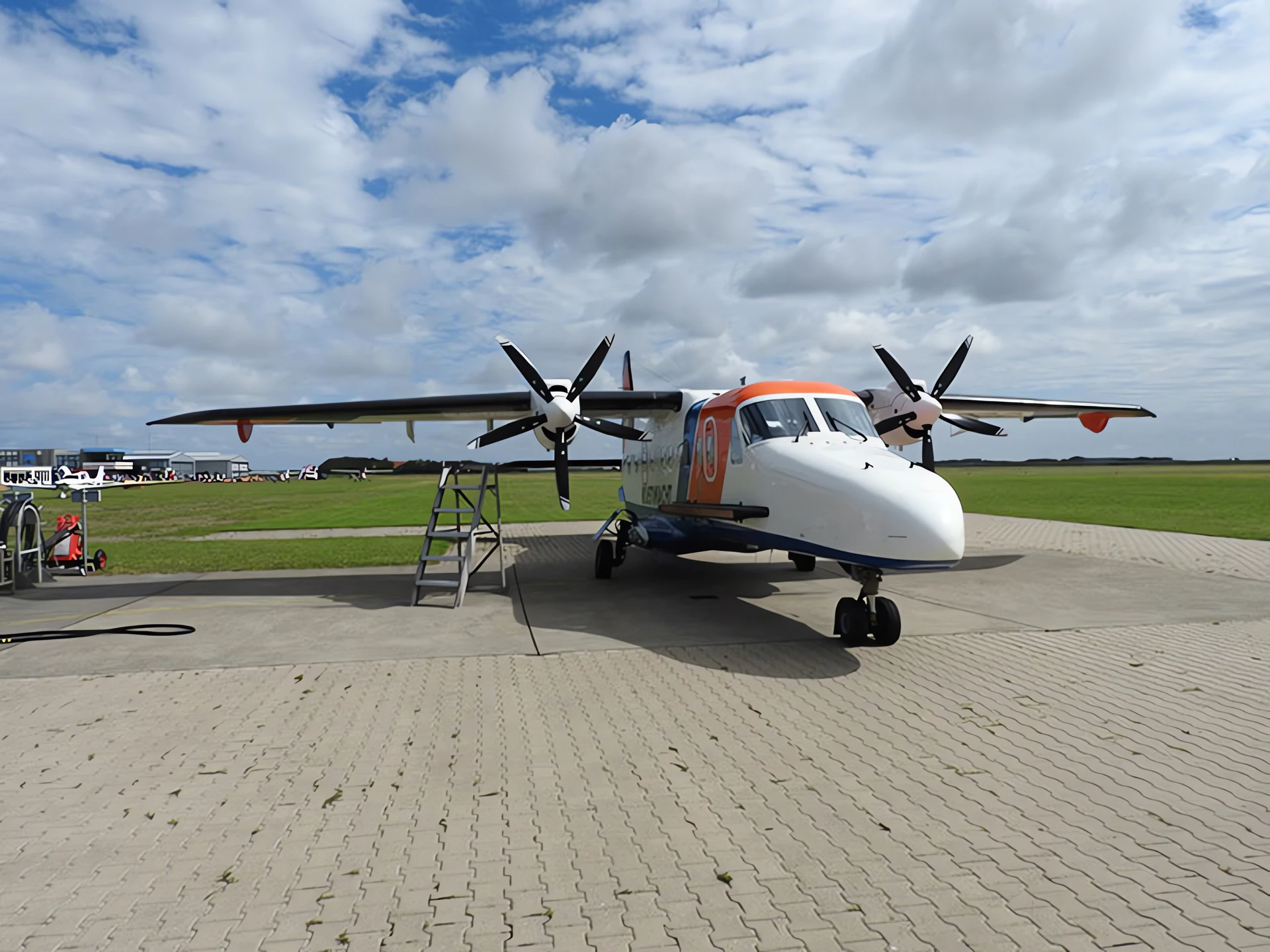
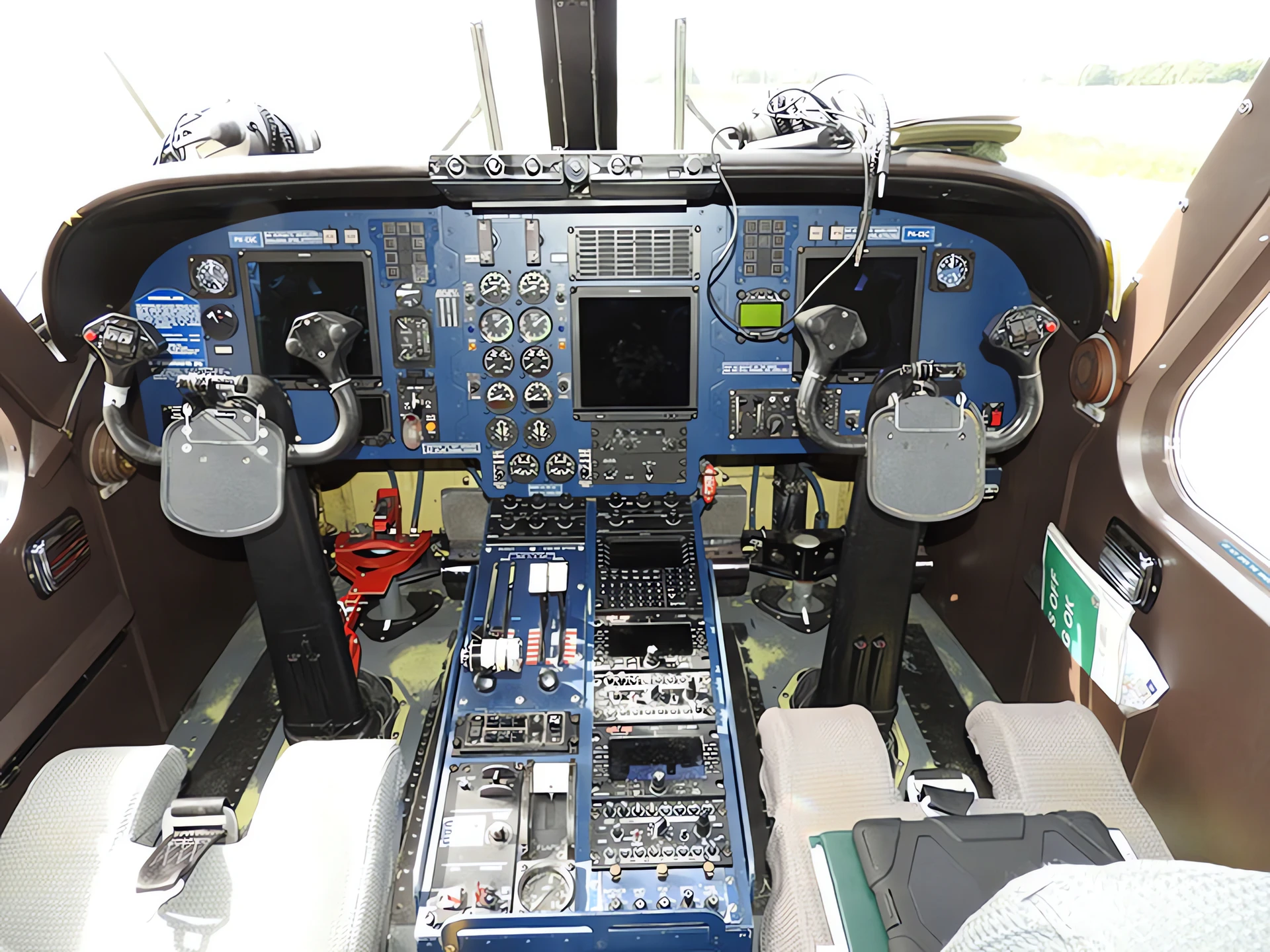
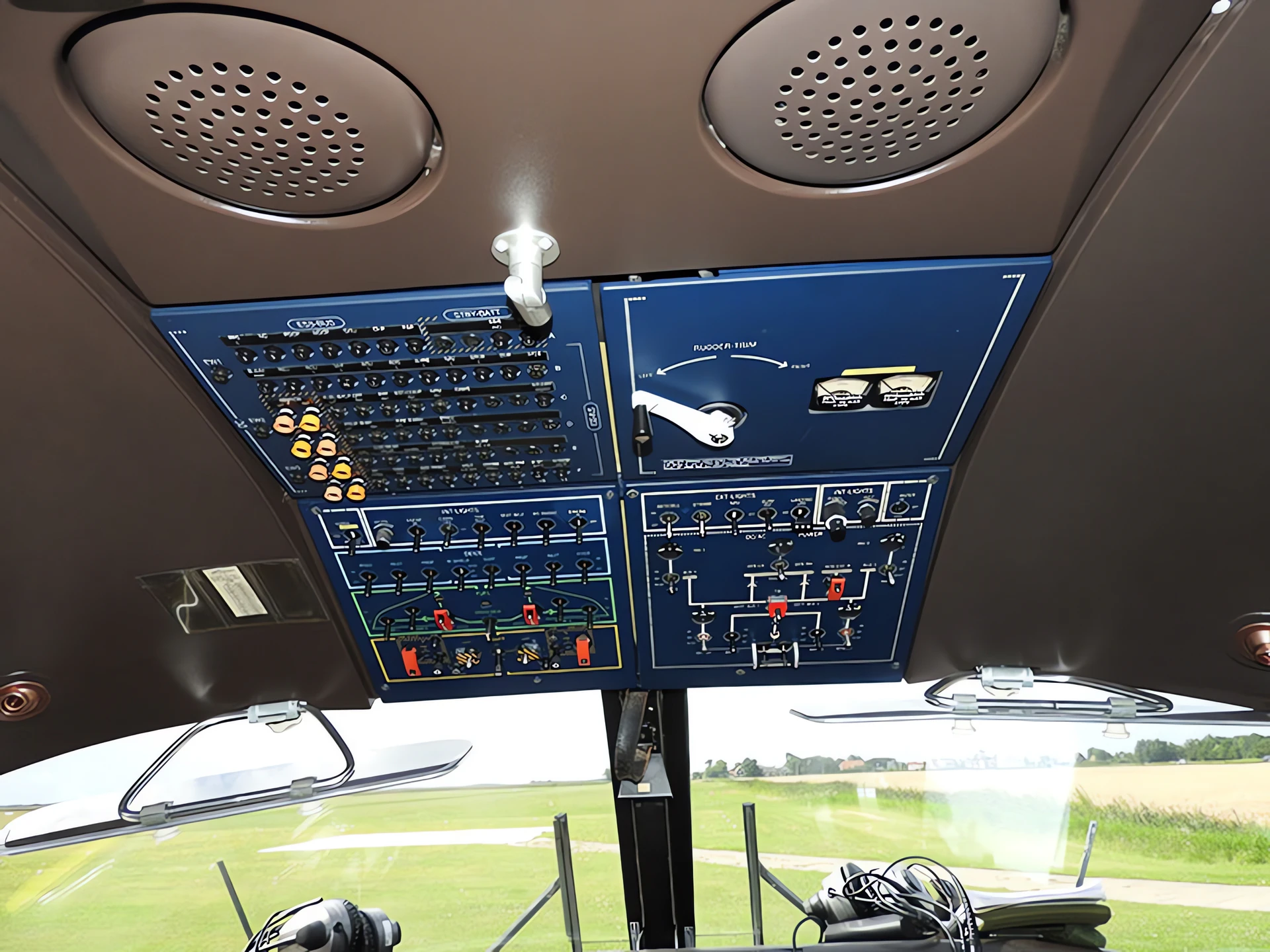
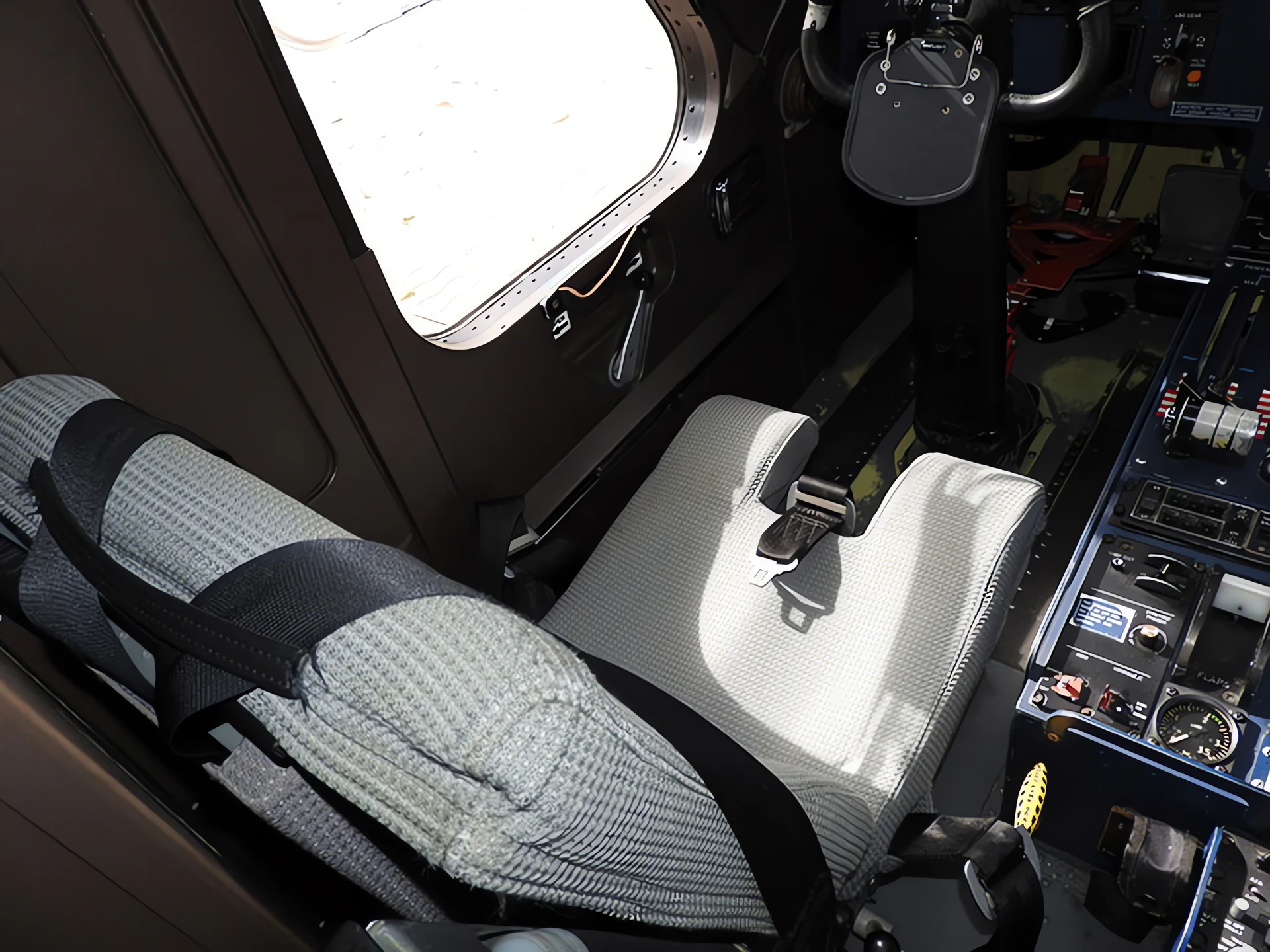
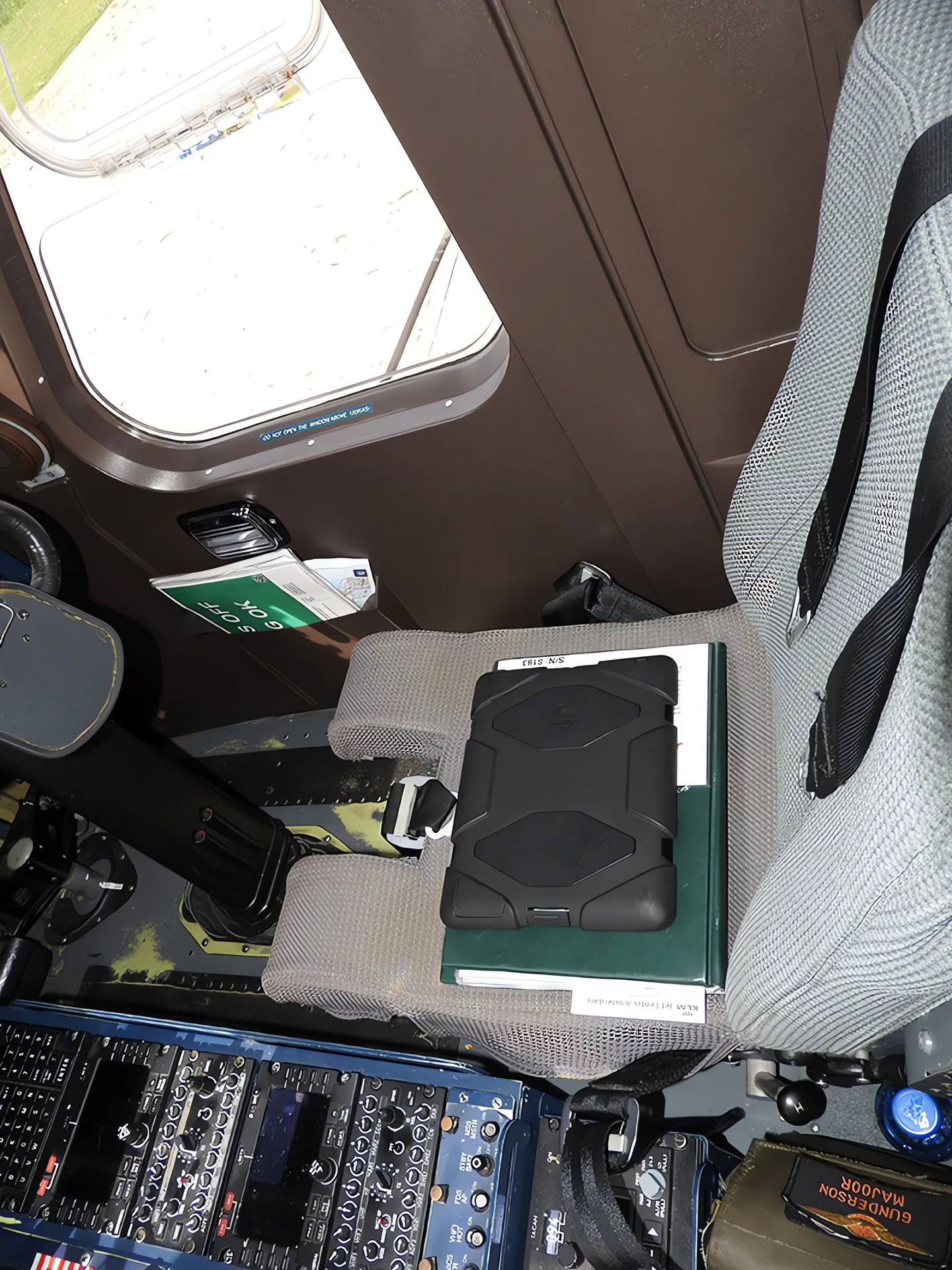
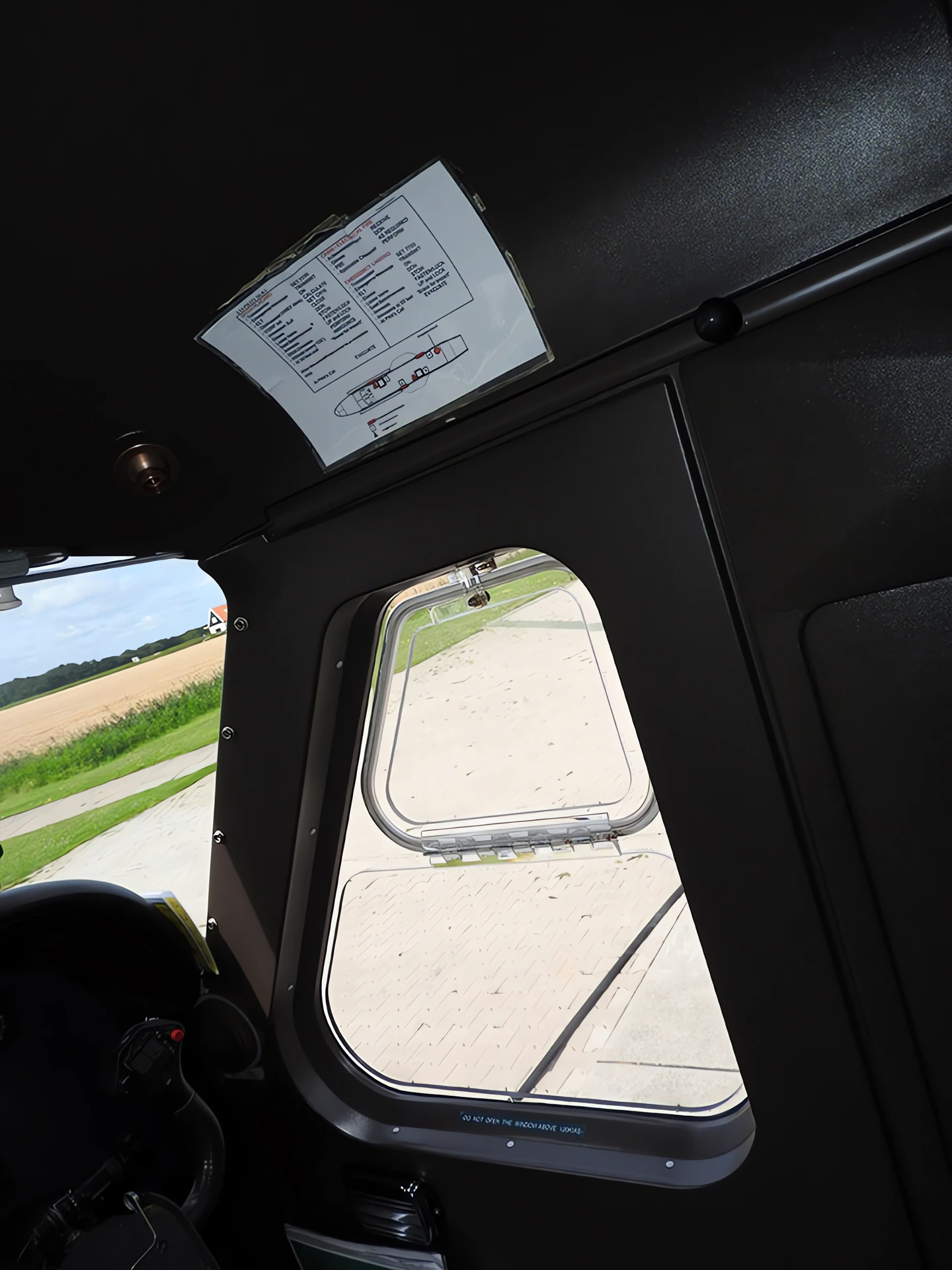
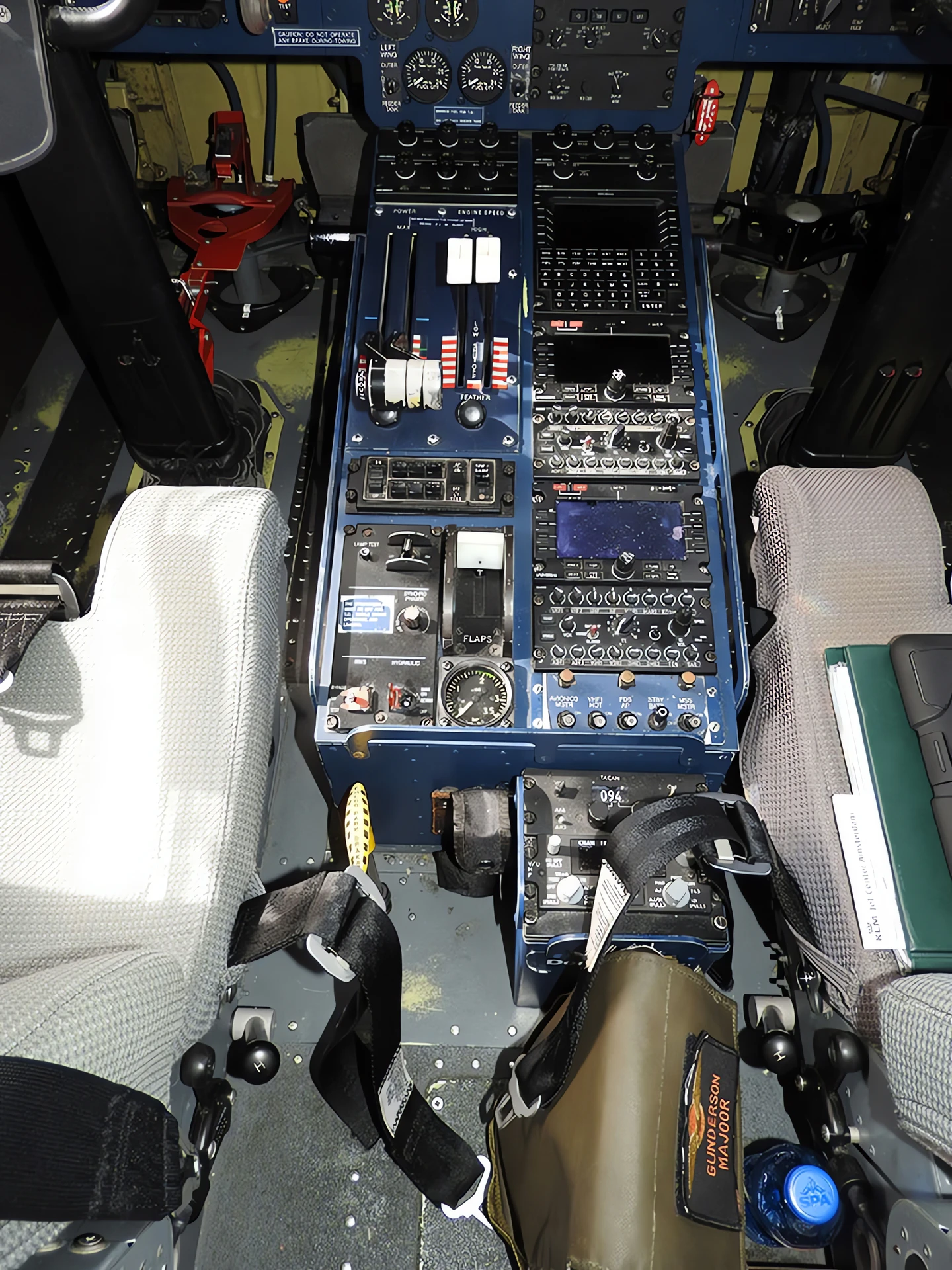
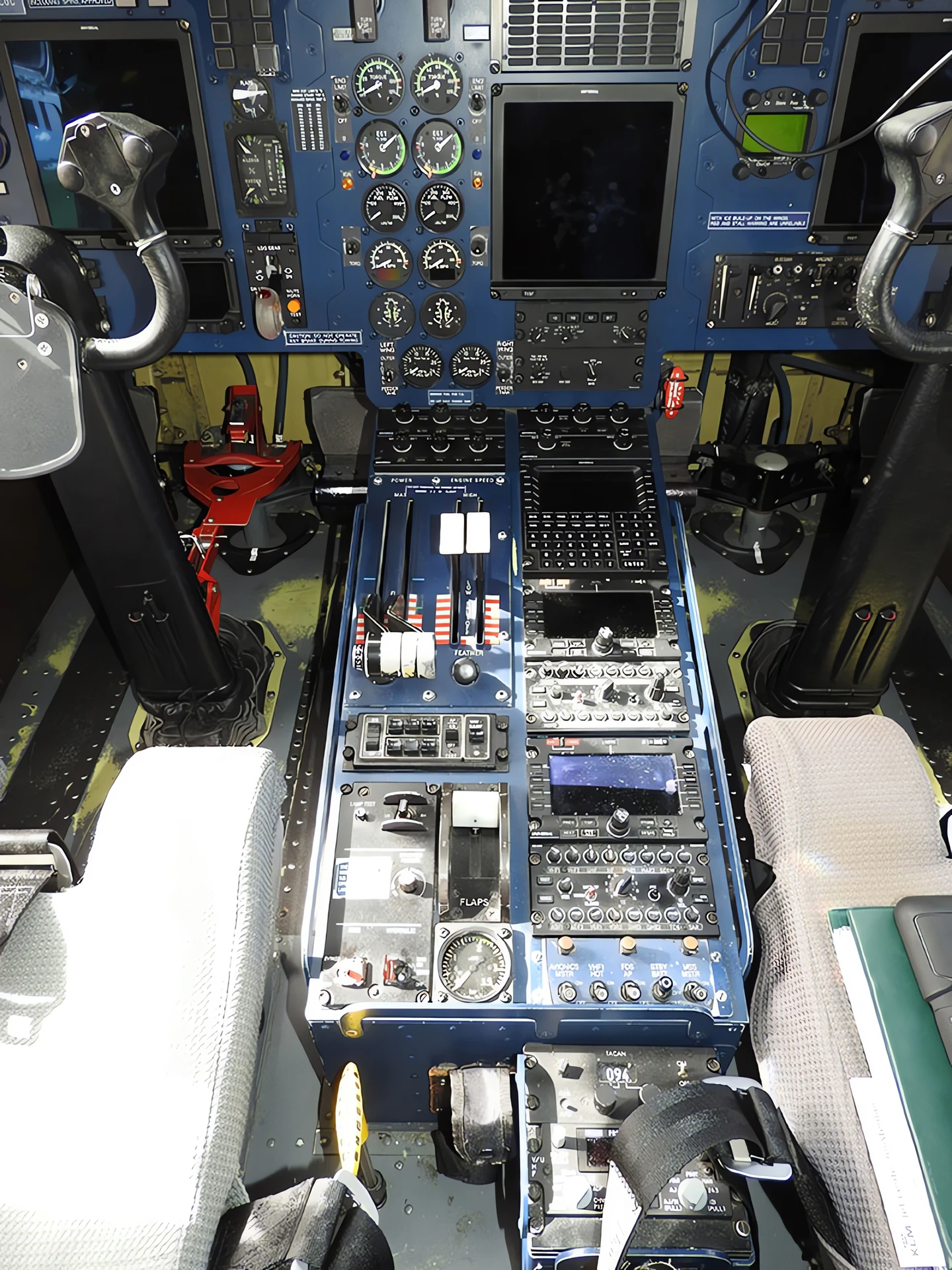
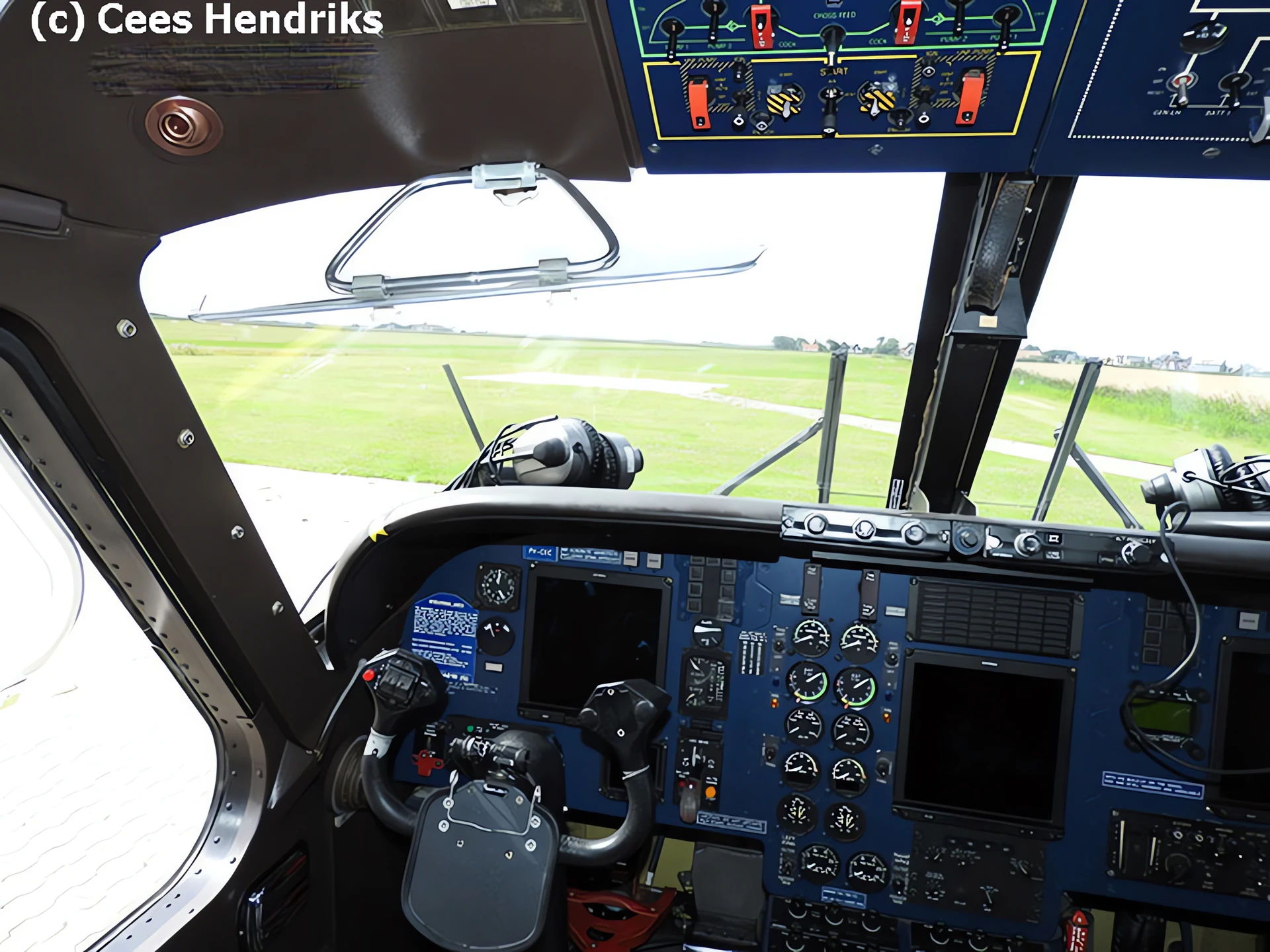

| Dornier DO-228-212(LT) Walk Around | |
|---|---|
| Fotografer | Ulrich Wrede |
| Lokalisering | Unknow |
| Bilder | 26 |
Les også:


General Characteristics and Role
The Dornier Do 228 is a German twin-turboprop aircraft renowned for its robust construction, excellent short takeoff and landing (STOL) performance, and high versatility. It was developed by Dornier GmbH and is characterized by its high-wing design, rectangular fuselage, and the innovative New Technology Wing (TNT – Tragflügel Neuer Technologie). The Do 228 is designed to operate reliably from rough, semi-prepared runways and high-altitude airfields, making it ideal for regional transport, commuter airline service, maritime patrol, and specialized roles like geophysical surveying and search and rescue. The aircraft’s ability to handle demanding environments has led to its widespread adoption by both civilian operators and military/paramilitary forces globally.
| Property | Typical Value (Do 228-200 Series) |
|---|---|
| Type | STOL Commuter / Utility Transport |
| National Origin | West Germany (Original) / Germany and India (Current) |
| Produsenten | Dornier GmbH (Original) / Ruag (Current) / Hindustan Aeronautics Limited (HAL) |
| Entered Service | 1981 |
| Mannskapet | 2 (Pilot, Co-Pilot) |
| Passenger Capacity | 19 |
| Lengde | 16.56 m (54 ft 4 in) |
| Vingespenn | 16.97 m (55 ft 8 in) |
Powerplant and Performance
- Engines: 2 x Garrett AiResearch TPE331-5-252D or Honeywell TPE331-10 turboprop engines.
- Engine Power: Approx. 776 shp (579 kW) per engine.
- Maximum Cruising Speed: Approx. 433 km/h (234 knots).
- Range: Up to 1,067 km (576 nautical miles) with full passenger load.
- Distinctive Feature: The New Technology Wing (TNT) is a supercritical wing design that provides a very high lift-to-drag ratio at low speeds, which contributes significantly to the aircraft’s excellent STOL performance and fuel efficiency.
- Landing Gear: Fixed tricycle landing gear, chosen for its ruggedness and simplicity, supporting operations from rough fields.
Service History and Legacy
- Manufacturing History: The design rights were acquired by Ruag Aerospace (now RUAG Aviation) in Switzerland, which relaunched production as the Do 228 NG (Next Generation) in 2009 with a five-bladed propeller, glass cockpit, and modern avionics.
- HAL Production: Hindustan Aeronautics Limited (HAL) in India has been a licensed producer of the Do 228 since 1983, primarily serving Indian military and civilian markets.
- Military Use: Widely used by military forces, including the German Navy (for maritime surveillance), the Indian Coast Guard, and the Finnish Border Guard, in roles requiring reliability and short-field capability.
- Civilian Roles: Serves as a reliable feederliner and regional commuter aircraft across diverse global routes, often connecting remote communities.
- Longevity: The original Do 228 design has been continually refined and remains in production today, a testament to the soundness of its aerodynamic and structural design.
Views : 2934
Du kan også se :
 Dornier Do-28 – Bilder og video
 Dornier Do-27 - Bilder og video
 Dornier Do-24 - Bilder og video
 Dornier Do.335 - Bilder og Video
 Dornier Do 31E3 - Bilder og video
 Dassault / Dornier Alpha Jet – WalkAround
 Bell P-63E KingCobra – WalkAround
 Vought F4U Corsair – WalkAround
 F4U-7 Corsair – WalkAround
 Douglas A-26 Invader – WalkAround