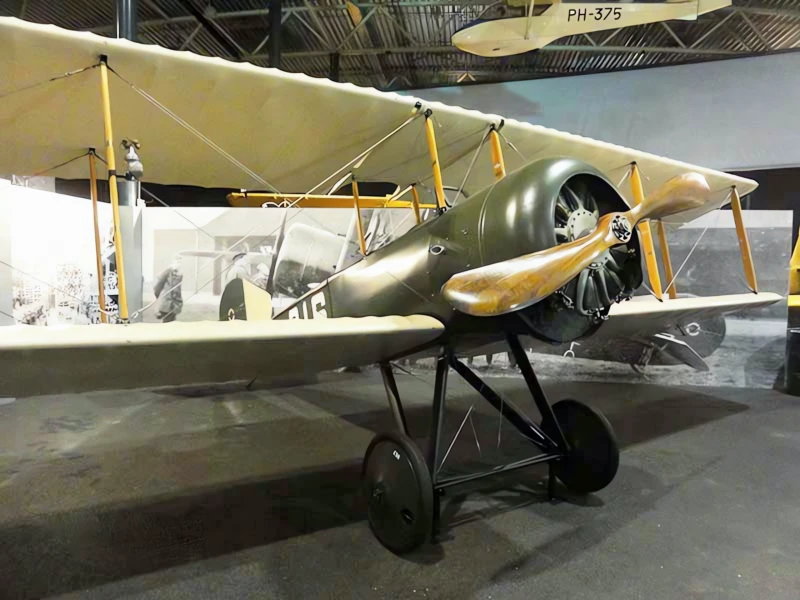
Spijker V.2 | |
|---|---|
| Land | Nederland |
| Rolle | Treningsfly med dobbel kontroll |
| Første fly | mars 1917 |
| Bygget | 78 |
Den Spijker V.2, noen ganger anglisert til Spyker V.2 eller Spyker-Trompenburg V.2, var et laveffekts, tandemsete biplan designet og bygget for den nederlandske regjeringen for pilottrening mot slutten av første verdenskrig. Mer enn sytti ble bygget.
Kilde: Spijker V.2 på Wikipedia
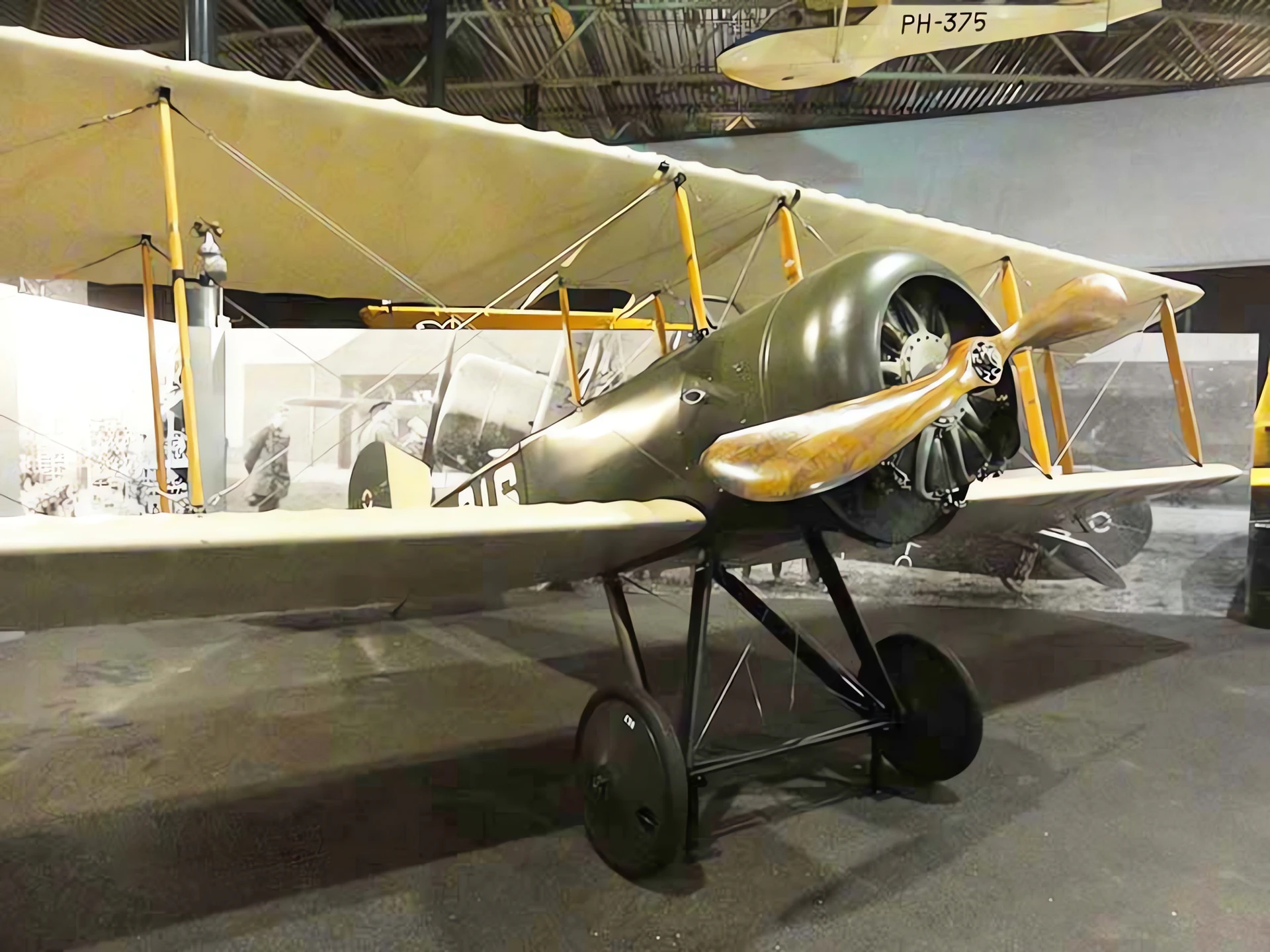
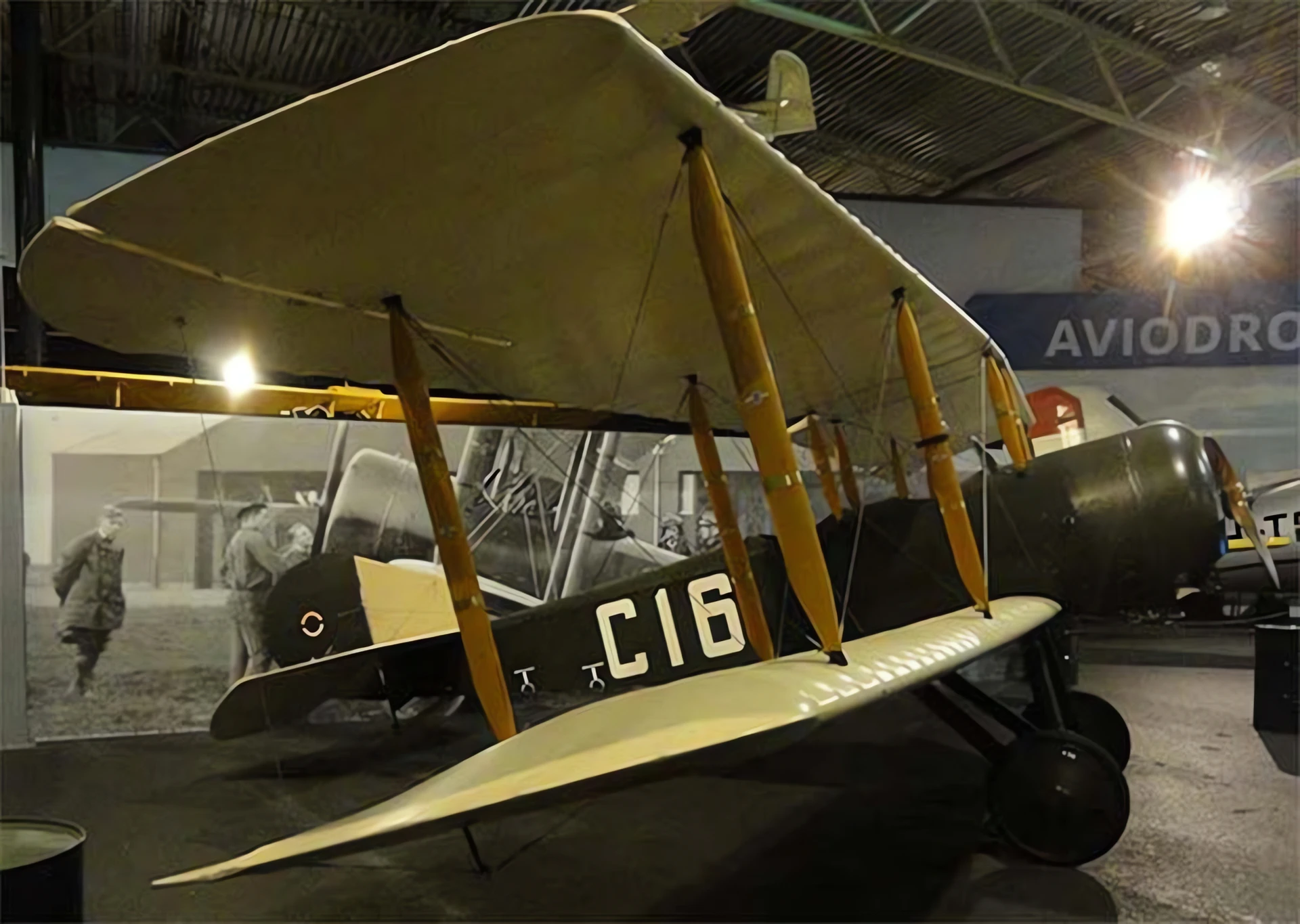
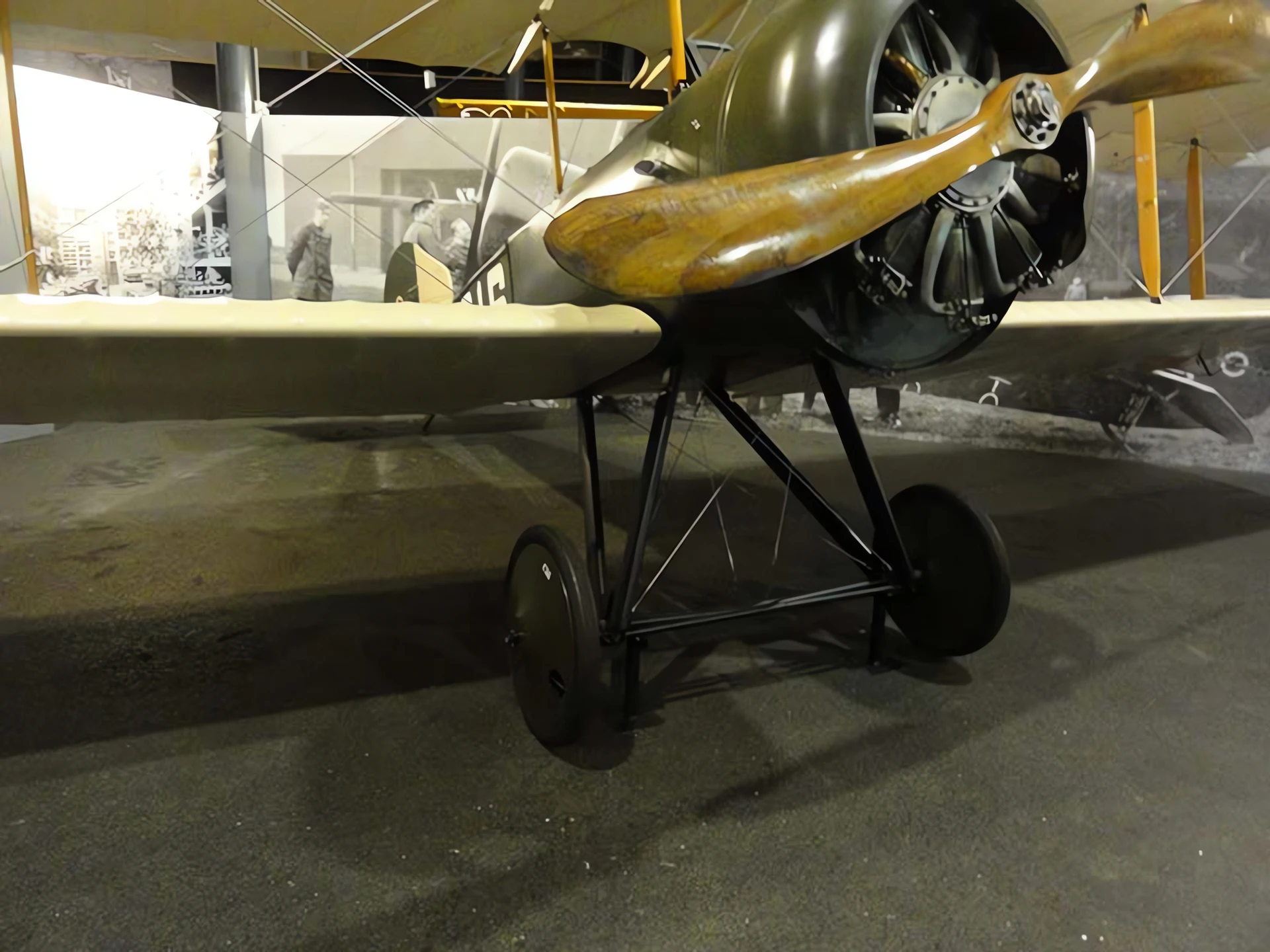
| Spijker Trompenburg V.2 Walk Around | |
|---|---|
| Fotografer | Meindert de Vreeze |
| Lokalisering | Unknow |
| Bilder | 23 |

Les også:


A Neutral Nation’s Necessity
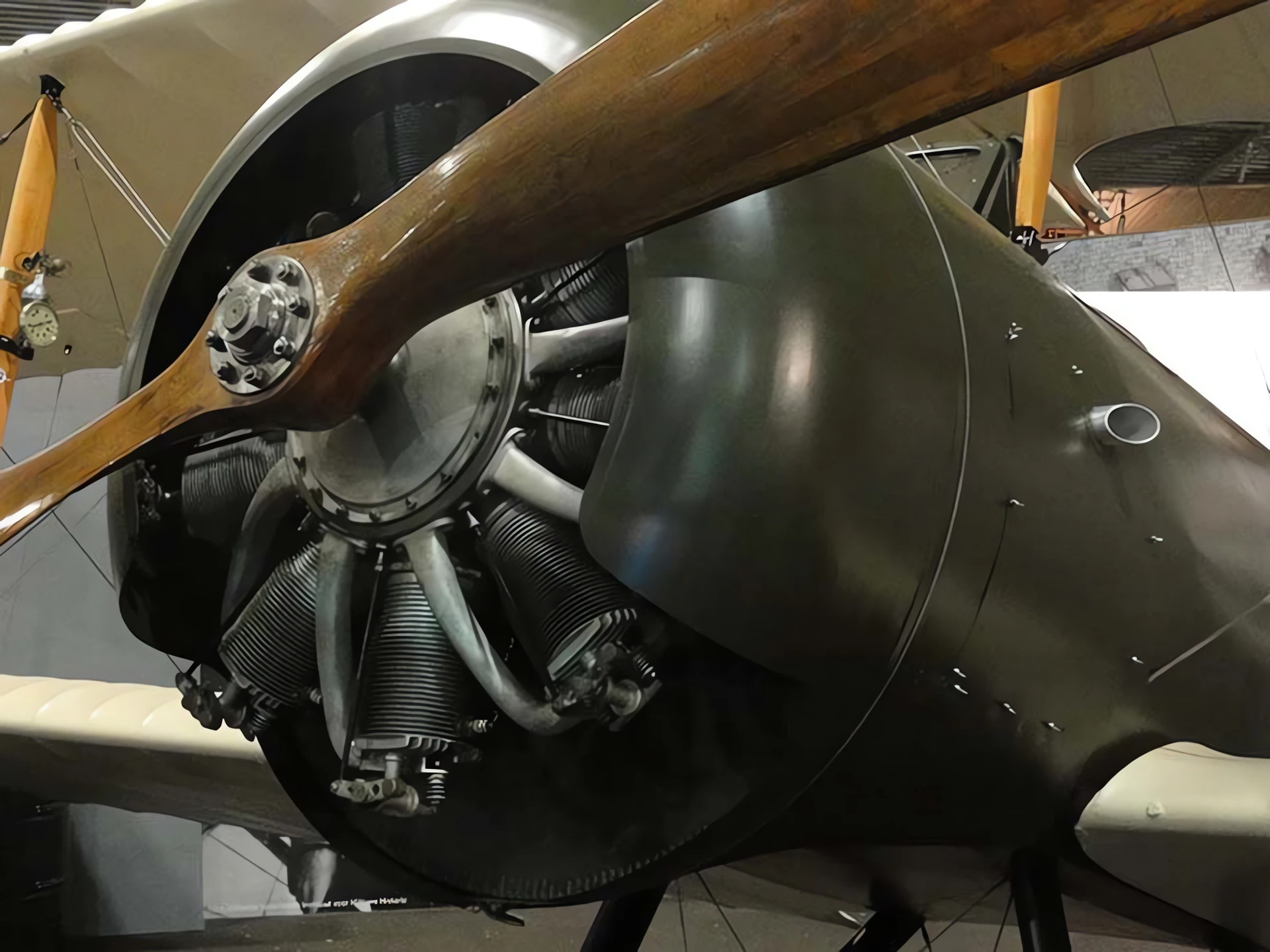
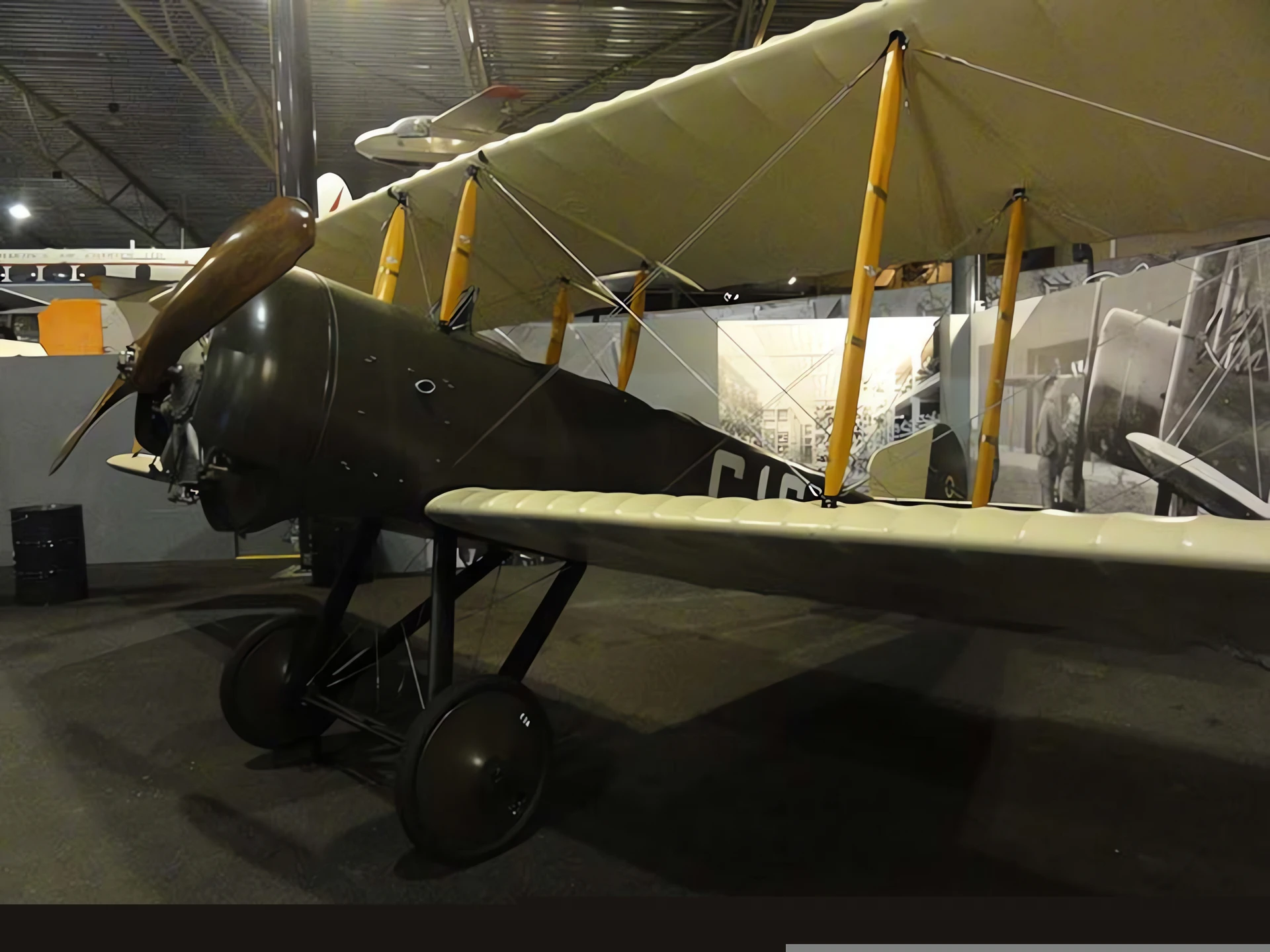
Den Spijker V.2 was a primary trainer biplane designed and built by the Dutch car and aircraft manufacturer Trompenburg (Spijker) during World War I. Because the Netherlands remained neutral, it became increasingly difficult to source training aircraft from combatant nations like France or Britain. The V.2 was a response to this shortage—a simple, rugged, and stable aircraft that allowed the Dutch Aviation Group (LVA) to train their own pilots at Soesterberg.
| Attribute | Technical Specification (Spijker V.2) |
|---|---|
| Rolle | Primary Trainer / School Aircraft |
| Mannskapet | 2 (Student and Instructor in tandem) |
| First Flight | mars 1917 |
| Kraftverk | 1 × Thulin (Le Rhône) rotary engine |
| Horsepower | 80 hp (60 kW) |
| Maximum Speed | 138 km/h (86 mph) |
| Vingespenn | 10.75 meters (35 ft 3 in) |
| Construction | Wood with fabric covering |
Simple Design for New Pilots
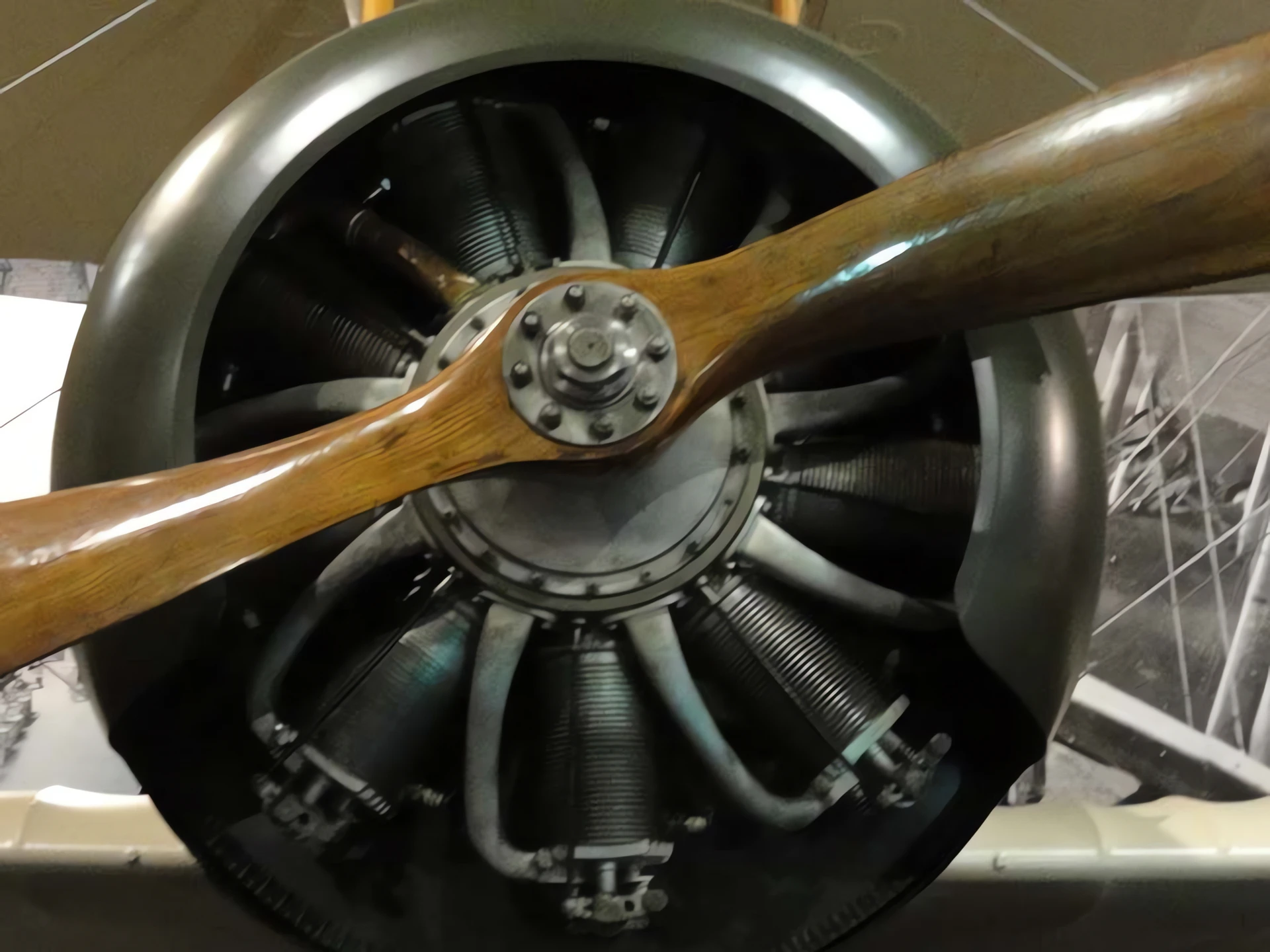
- The Rotary Engine: The V.2 utilized an 80 hp Thulin engine, a Swedish-built copy of the famous French Le Rhône rotary. In these engines, the entire cylinder block spins with the propeller, which provided good cooling but created a strong gyroscopic effect that students had to learn to manage.
- Staggered Wings: The biplane featured a “staggered” wing design where the upper wing was positioned slightly forward of the lower wing. This improved the pilot’s visibility and improved the aircraft’s stall characteristics.
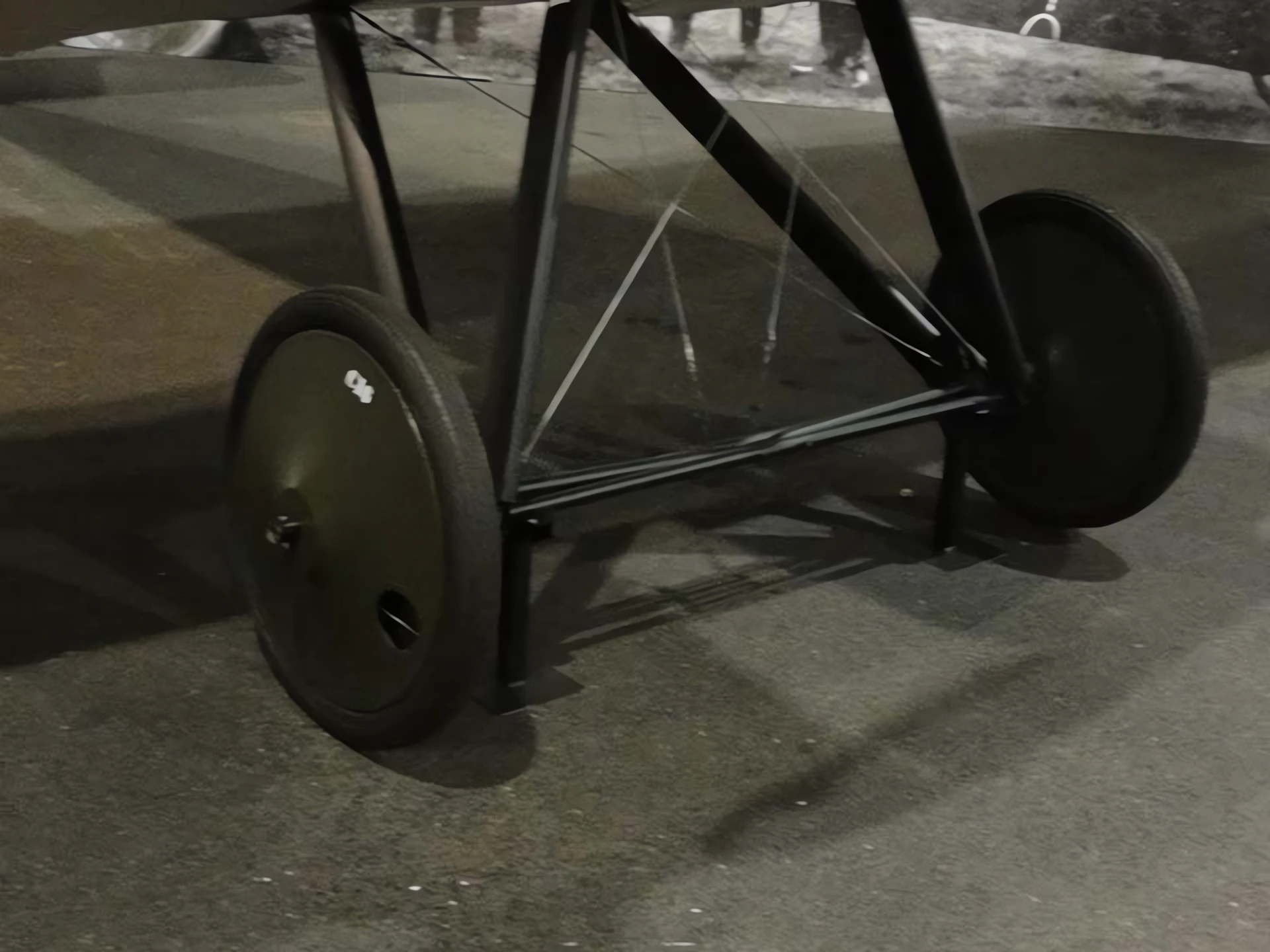
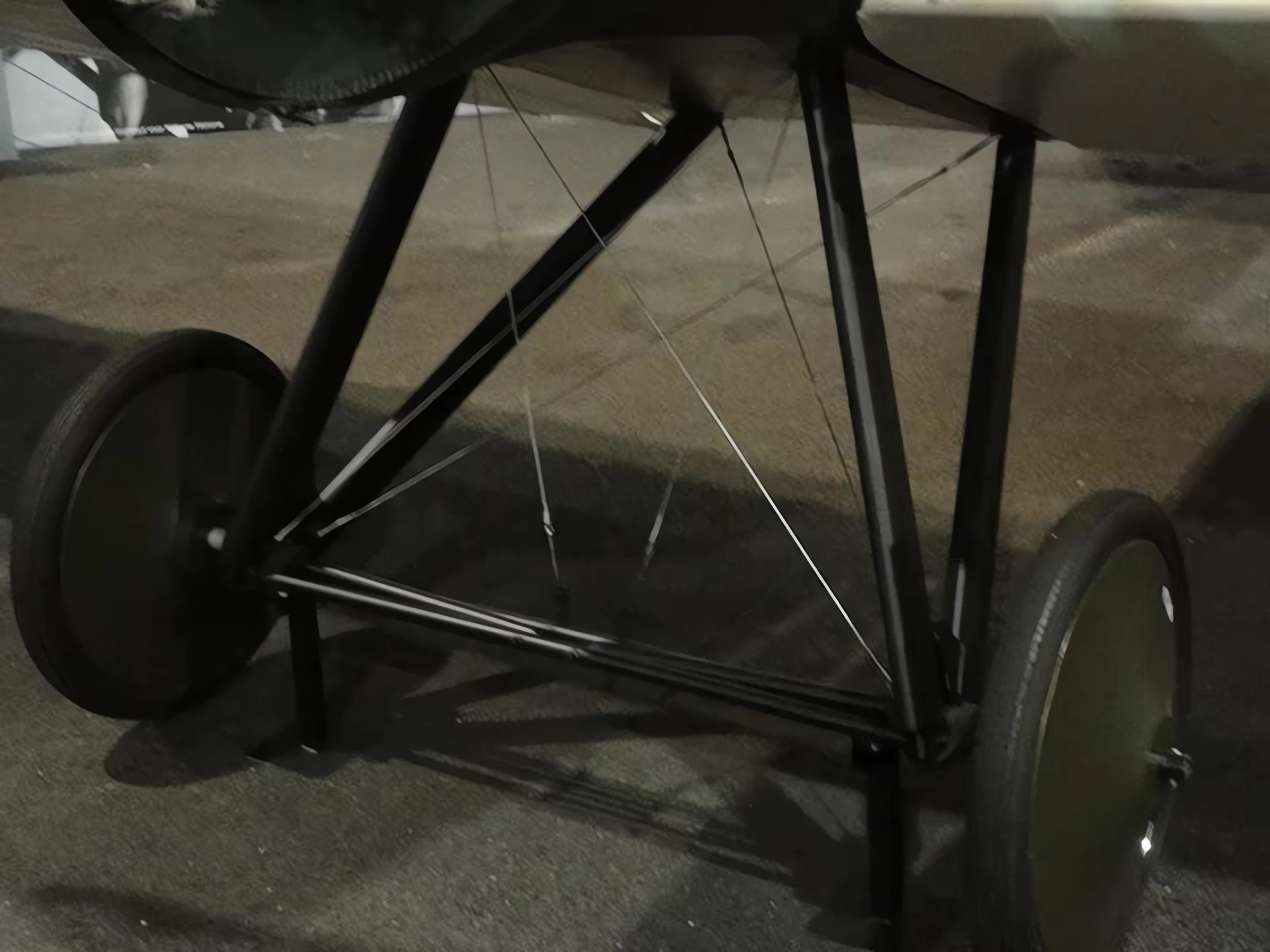
- Rugged Undercarriage: Designed for the rough grass fields of Soesterberg, the landing gear was a simple but strong V-strut arrangement with a common axle, capable of withstanding the frequent “heavy” landings of novice pilots.
- Dual Controls: As a dedicated trainer, it was one of the first Dutch designs to feature fully synchronized dual controls in both the front and rear cockpits, allowing the instructor to take over instantly.
The End of a Rare Breed
- Mass Production (for the time): Approximately 78 units were built, a significant number for the fledgling Dutch aviation industry of 1917–1920.
- The “Fokker” Transition: Despite its success, the Spijker V.2 was eventually phased out in the early 1920s as Anthony Fokker moved his operations to the Netherlands, bringing with him more advanced designs like the Fokker S.II.
- Automotive Connection: The aircraft was built by the same company that produced the luxury Spyker cars. The craftsmanship of the wooden airframes reflected the high standards of their automotive division.
- The Lone Survivor: Today, only one original Spijker V.2 remains in the world. It is one of the “crown jewels” of the National Military Museum (NMM) at Soesterberg, standing as a testament to the birth of Dutch military aviation.
Views : 1531
Du kan også se :
 Aero A.32 - Bilder og videoer
 Polikarpov I-15 - Bilder og videoer
 Beechcraft Model 17 Staggerwing - Bilder og videoer
 SPAD S.XIII - Bilder og videoer
 Beechcraft Model 17 - Bilder og videoer
 Loening OL - Bilder og Video
 Curtiss JN-4D Jenny - Bilder og video
 Grumman F3F - Bilder og video
 IMAM Ro 37bis - Bilder og Video
 Royal Aircraft Factory BE2A - Bilder og video