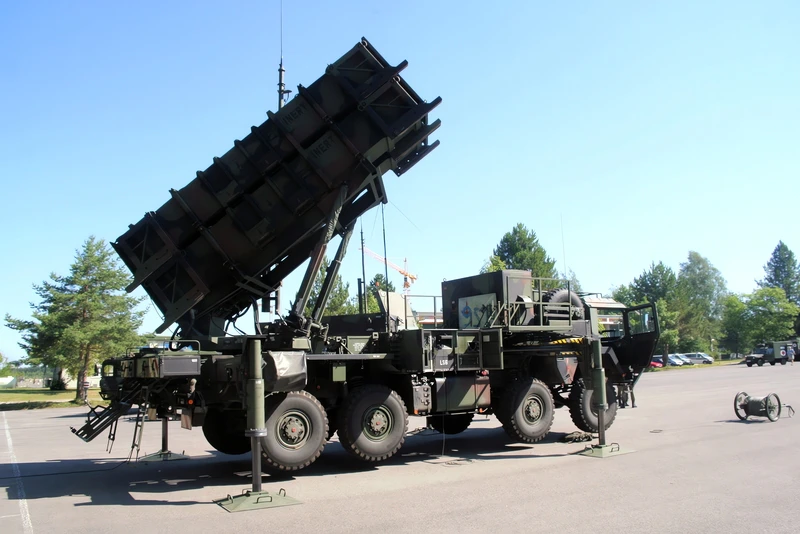
MIM-104 Patriot | |
|---|---|
| Land | Usa |
| Role | Mobiele langeafstands grond-luchtraket met anti-ballistische raketcapaciteit |
| In gebruik | Sinds 1981 |
| Gebouwd | 1100+ draagraketten |
De MIM-104 Patriot is een grond-luchtraket (SAM) -systeem, de primaire in zijn soort die wordt gebruikt door het Amerikaanse leger en verschillende geallieerde landen. Het wordt vervaardigd door de Amerikaanse defensie-aannemer Raytheon en ontleent zijn naam aan de radarcomponent van het wapensysteem. De AN /MPQ-53 in het hart van het systeem staat bekend als de "Phased Array Tracking Radar to Intercept on Target", wat een backronym is voor PATRIOT. Het Patriot-systeem verving het Nike Hercules-systeem als het primaire High to Medium Air Defense (HIMAD) -systeem van het Amerikaanse leger en verving het MIM-23 Hawk-systeem als het medium tactische luchtverdedigingssysteem van het Amerikaanse leger. Naast deze rollen heeft Patriot de functie gekregen van het anti-ballistische raketsysteem (ABM) van het Amerikaanse leger, dat nu de primaire missie van Patriot is. Het systeem zal naar verwachting tot ten minste 2040 in het veld blijven.
Bron: MIM-104 Patriot op Wikipedia
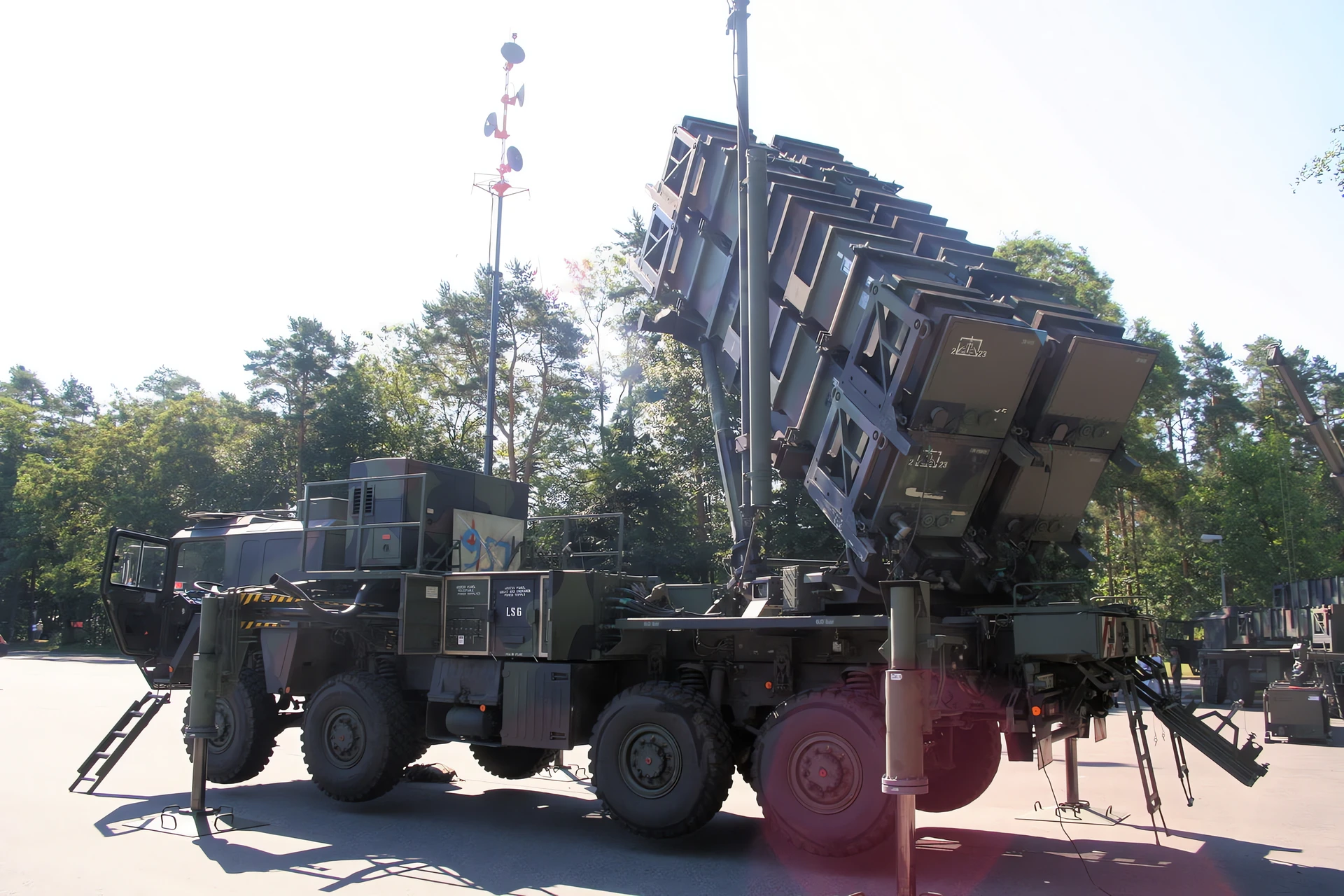
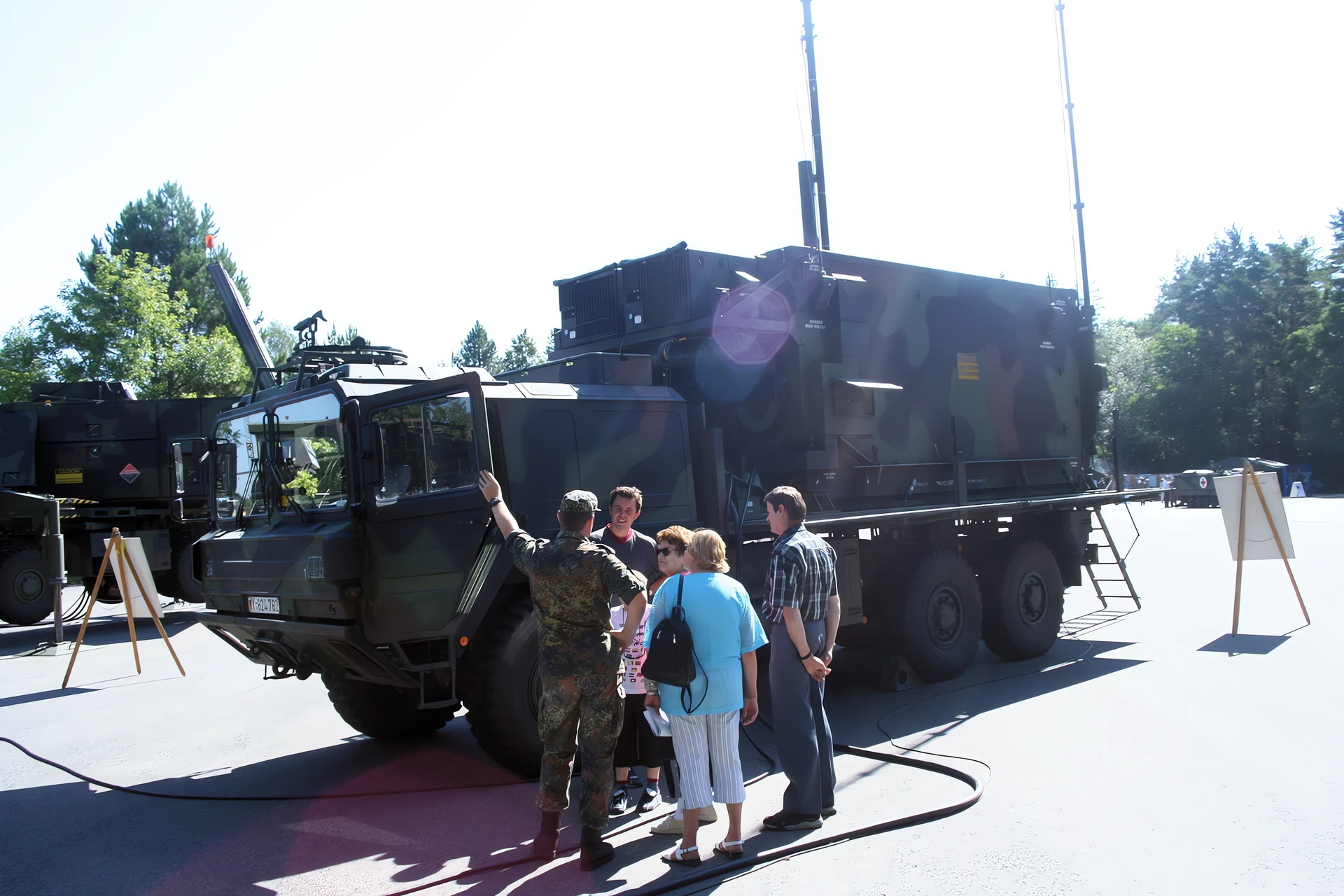
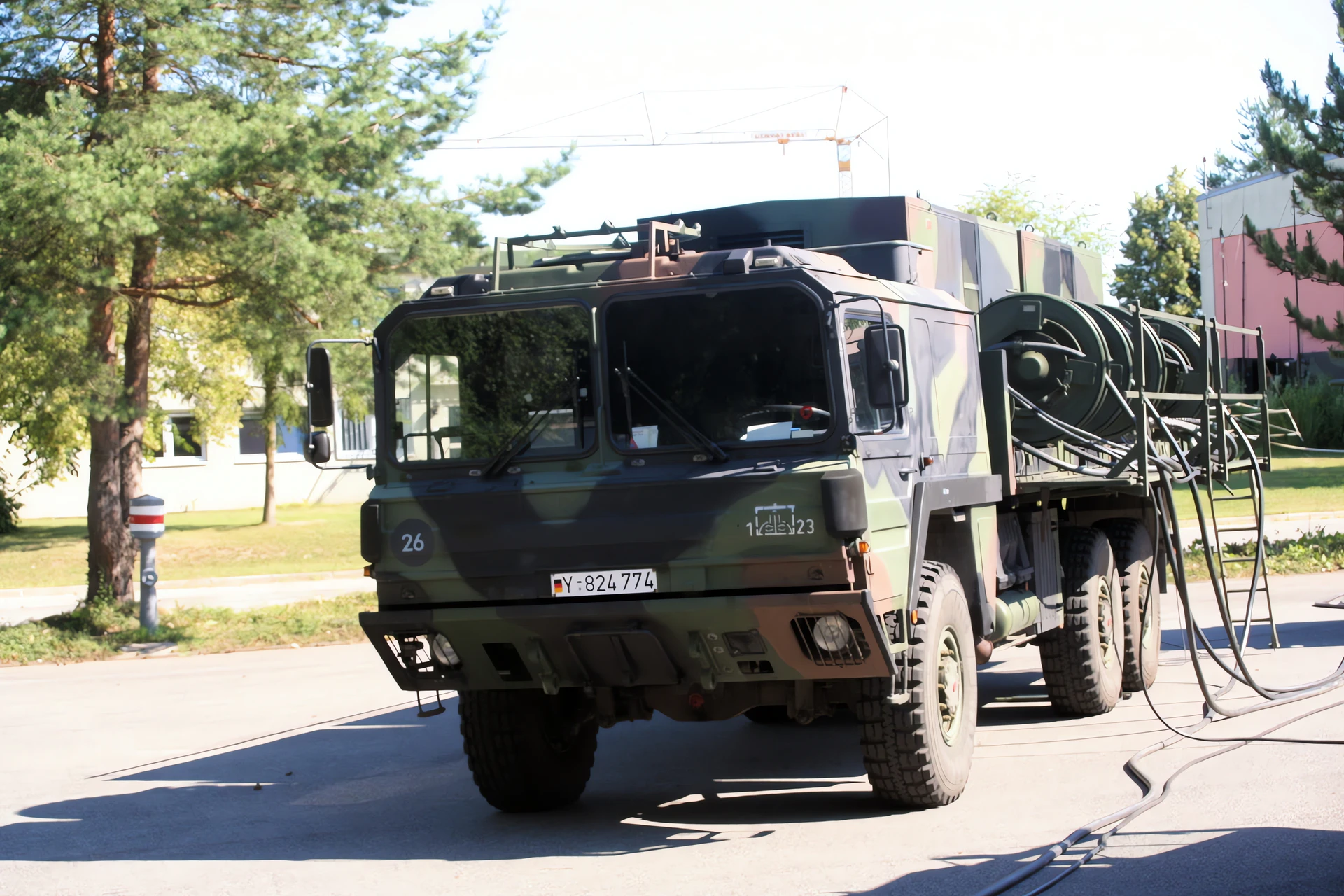
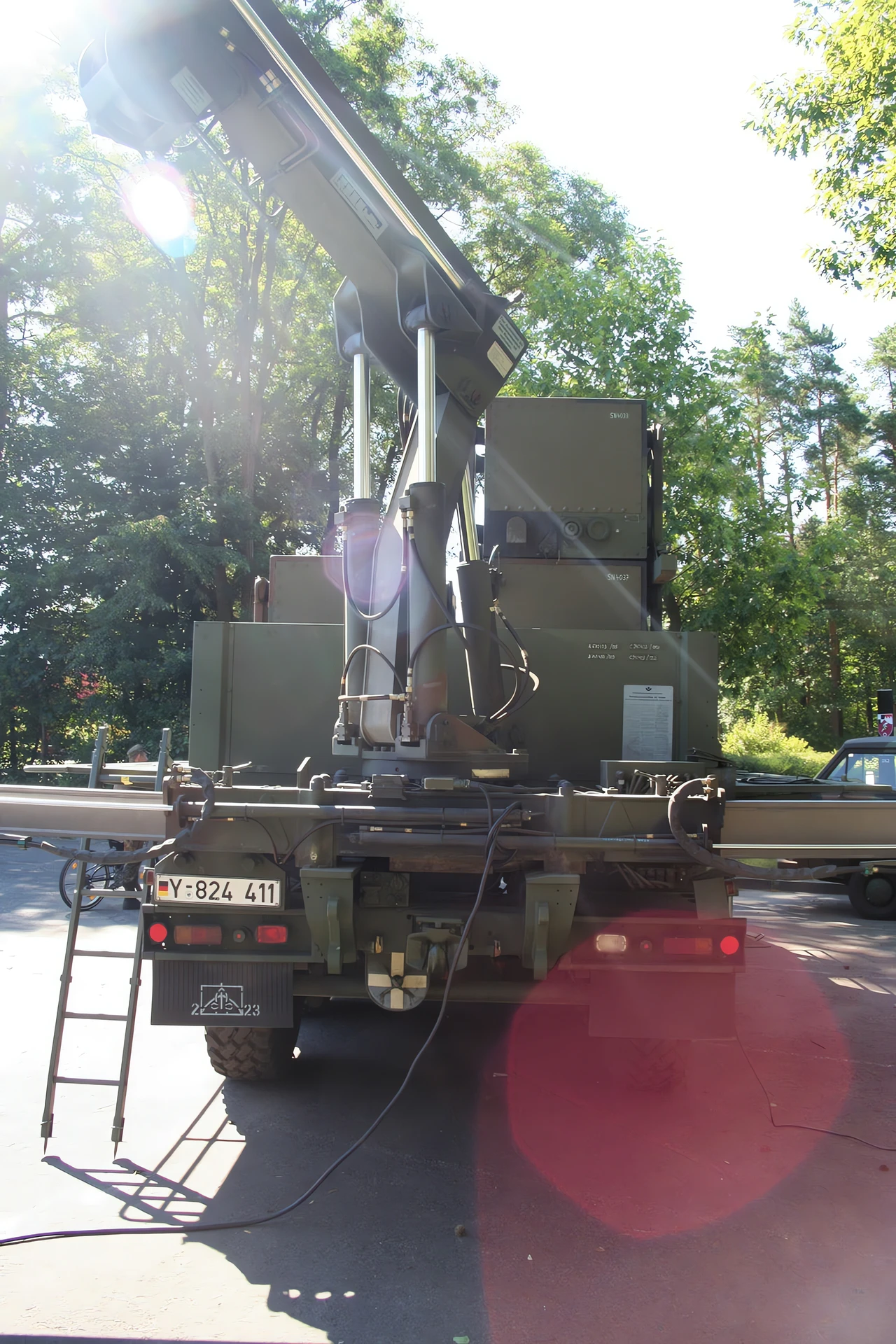
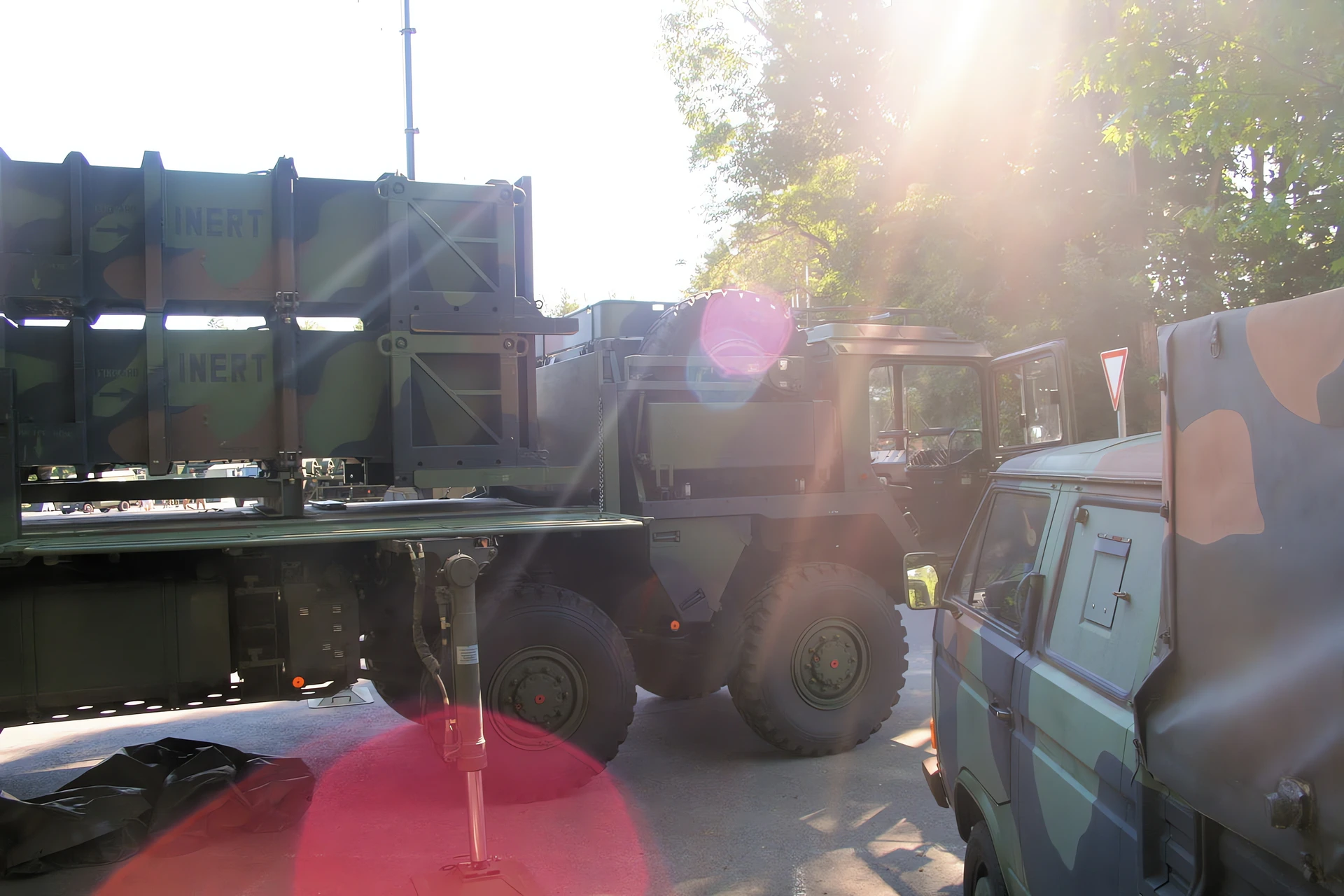
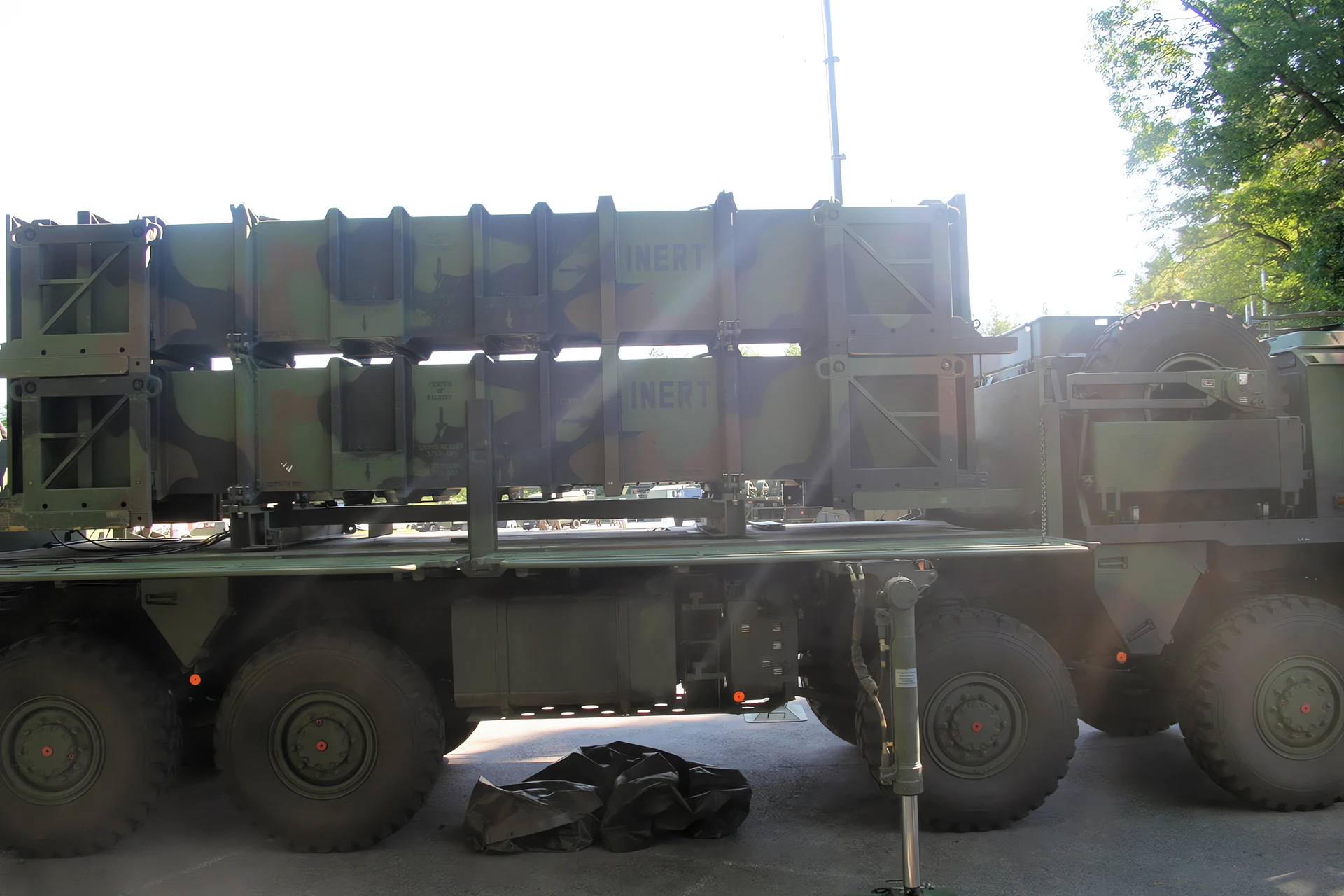
| Patriot Missile Battery Walk Around | |
|---|---|
| Photographer | Dieter Krause |
| Localisation | Unknow |
| Photos | 102 |
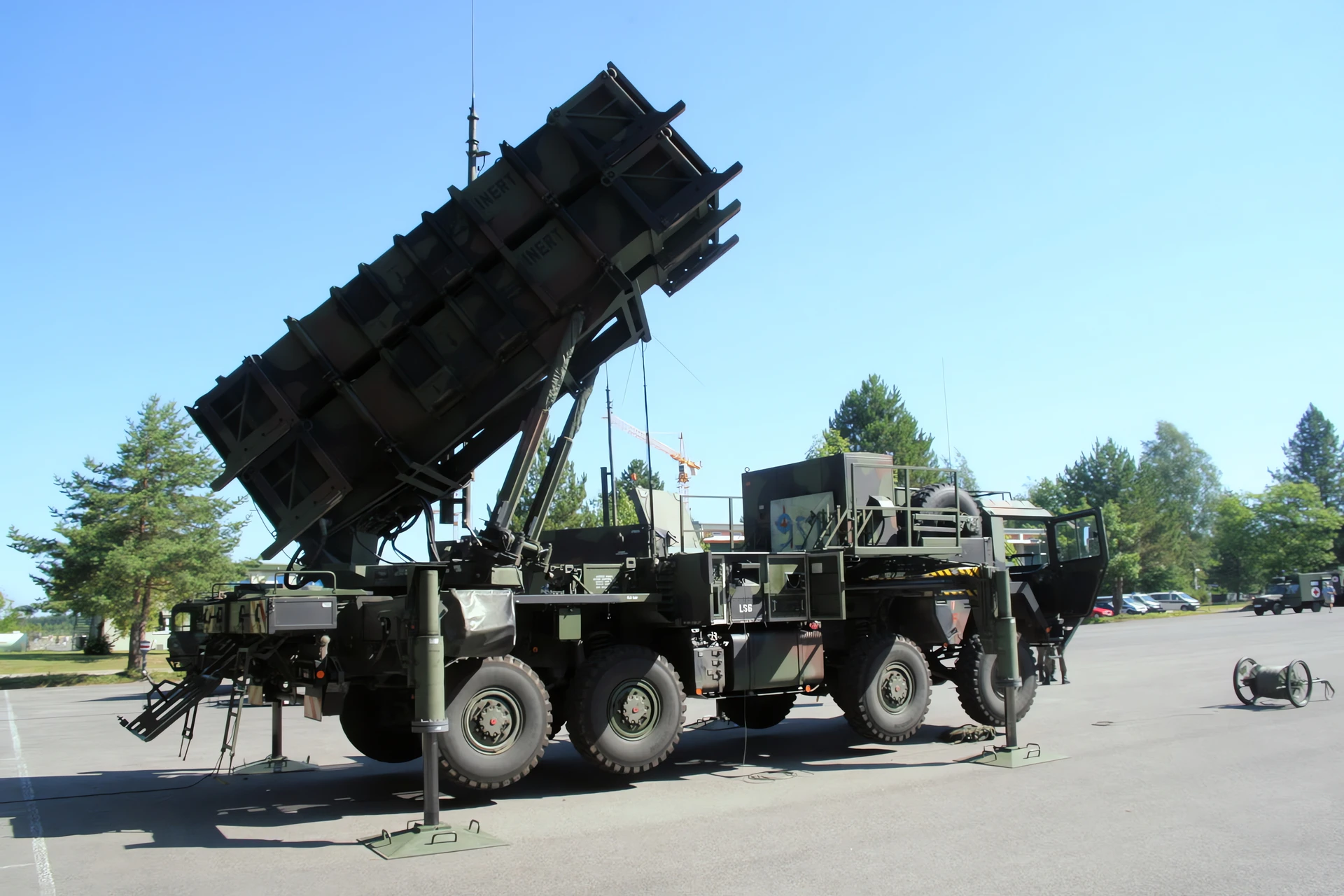
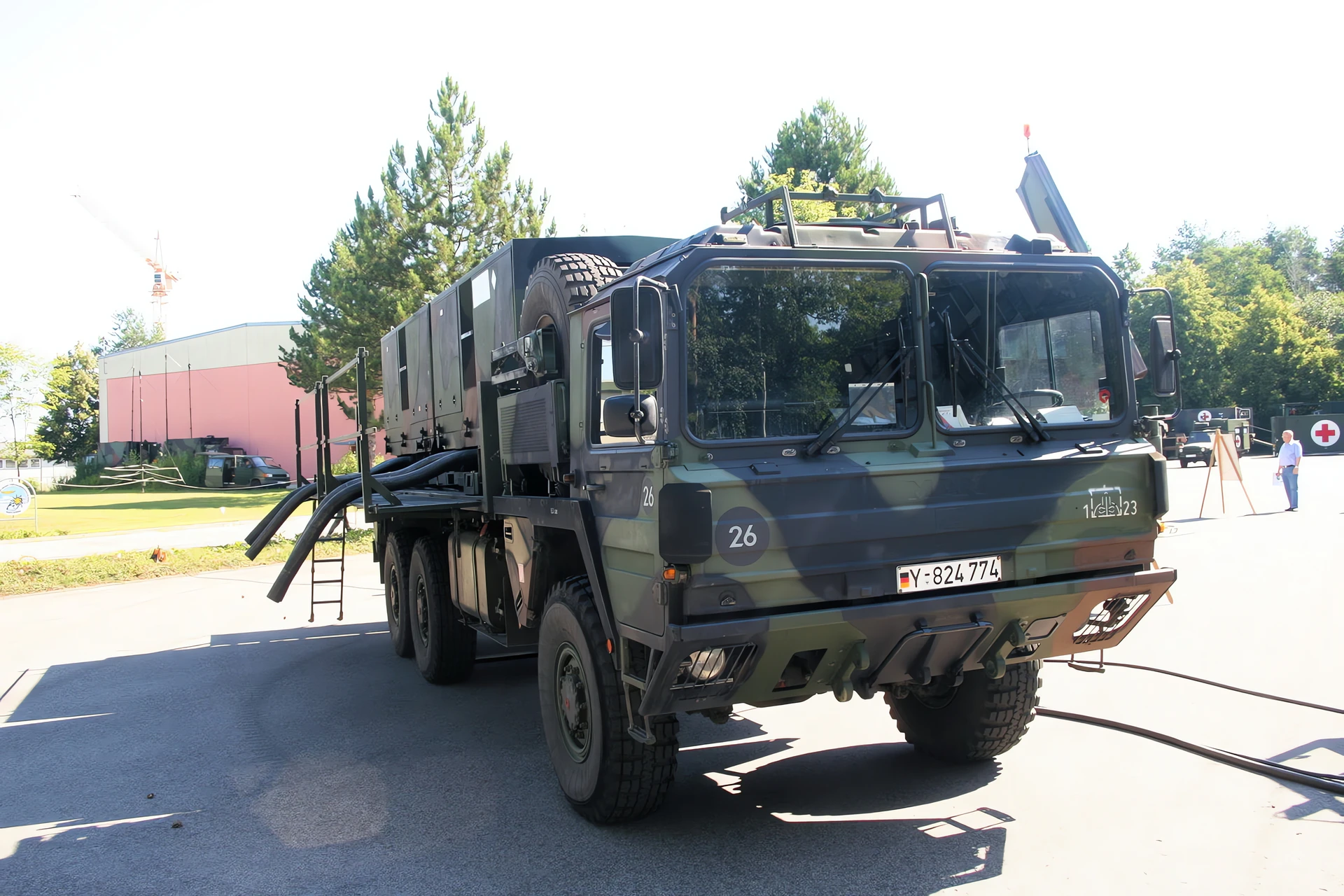
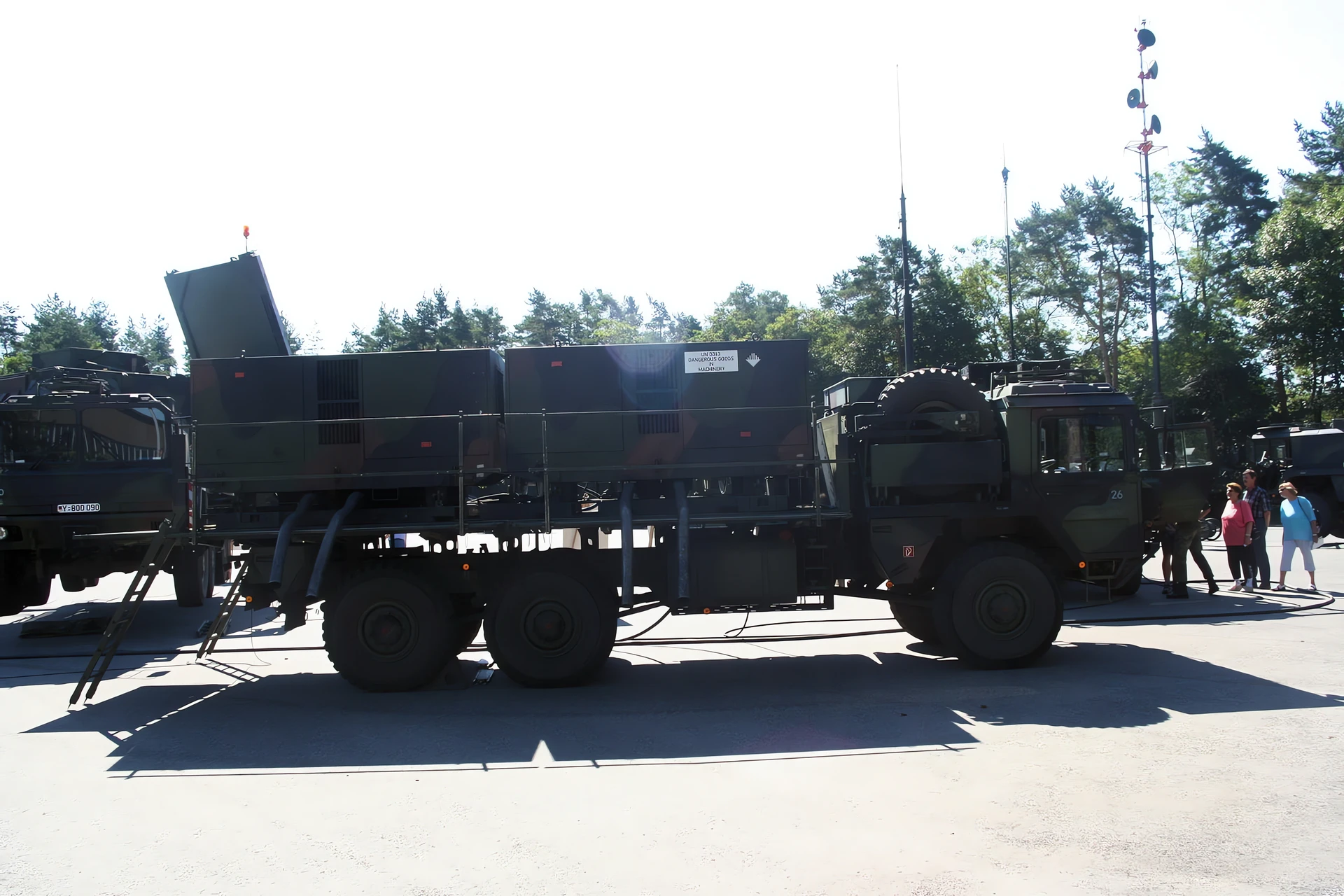

Zie ook:


General Characteristics and Role
The MIM-104 Patriot (Phased Array Tracking Radar to Intercept Of Target) is a highly capable surface-to-air missile (SAM) system used by the United States Army and many allied nations. It was originally designed to engage aircraft but was modernized to counter tactical ballistic missiles (TBMs) and cruise missiles. The Patriot system is not a single vehicle but a highly integrated mobile battery, consisting of several key components linked by fiber optics and radio, including the Engagement Control Station (ECS), a power plant, and, most critically, the MPQ-53/65 Phased-Array Radar and the M901 Launching Station. Patriot batteries are typically deployed to protect high-value military assets, population centers, and critical infrastructure from air attack.
| Component | Description / Platform |
|---|---|
| System Role | Air and Missile Defense (AMD) |
| National Origin | Verenigde Staten |
| Fabrikant | Raytheon |
| Service Entry | 1984 |
| Primary Missile | PAC-2 (Patriot Advanced Capability-2) and PAC-3 |
| Radar Unit | AN/MPQ-53/65 (Phased-Array) |
| Launcher Platform | M901 Launching Station (Truck-mounted) |
| Total Missiles (per Battery) | Varies, typically 32 (PAC-2) to 128 (PAC-3) |
Missile and Performance (PAC-3 MSE Variant)
- Missile Type: The PAC-3 Missile Segment Enhancement (MSE) is the primary interceptor. It uses hit-to-kill technology (kinetic energy) rather than a blast fragmentation warhead.
- Guidance: Track-Via-Missile (TVM), combining ground radar tracking with missile-borne radar updates.
- Range (Approximate): Up to 150 km (93 mi) (PAC-2); 40 km (25 mi) for PAC-3 interceptors.
- Altitude (Approximate): 20 km+ (12 mi+).
- Launcher Capacity: An M901 station can hold 4 PAC-2 missiles OR 16 PAC-3 MSE missiles, increasing the launch power per station dramatically.
- Key Capability: Can engage multiple targets simultaneously and is specifically designed to intercept highly maneuverable ballistic missiles.
Radar and Engagement Control
- Radar Role: The AN/MPQ-65 radar performs search, identification, track, missile guidance, and counter-countermeasures functions.
- Radar Type: Passive electronically scanned array (PESA).
- Engagement Control Station (ECS): The command center where the crew monitors the air picture, identifies threats, and commands the firing units.
- Mobility: The entire system is mounted on trailers and trucks, allowing it to be relocated quickly, though setup and tear-down times are measured in hours, not minutes.
Views : 1993
U ook zien :
 V-1 vliegende bom - Foto's & Video's
 Bristol Bloodhound - Foto's & Video's
 9K33 Osa – Foto's & Video's
 Northrop JB-1 Bat – Foto's & Video's
 Republic-Ford JB-2 – Foto's & Video's
 MIM-3 Nike Ajax – Foto's & Video
 IT-1 Missile Tank - Foto's &Video
 Tracked Rapier - Foto's & Video
 SA-6 Gainful - Foto's & Video
 M1167 SLEEPDRAGER – WalkAround