
Kawasaki Ki-62 | |
|---|---|
| Land | Japan |
| Role | Gevechtsvliegtuigen |
| Eerste vlucht | December 1941 |
| Aantal gebouwd | 3075 |
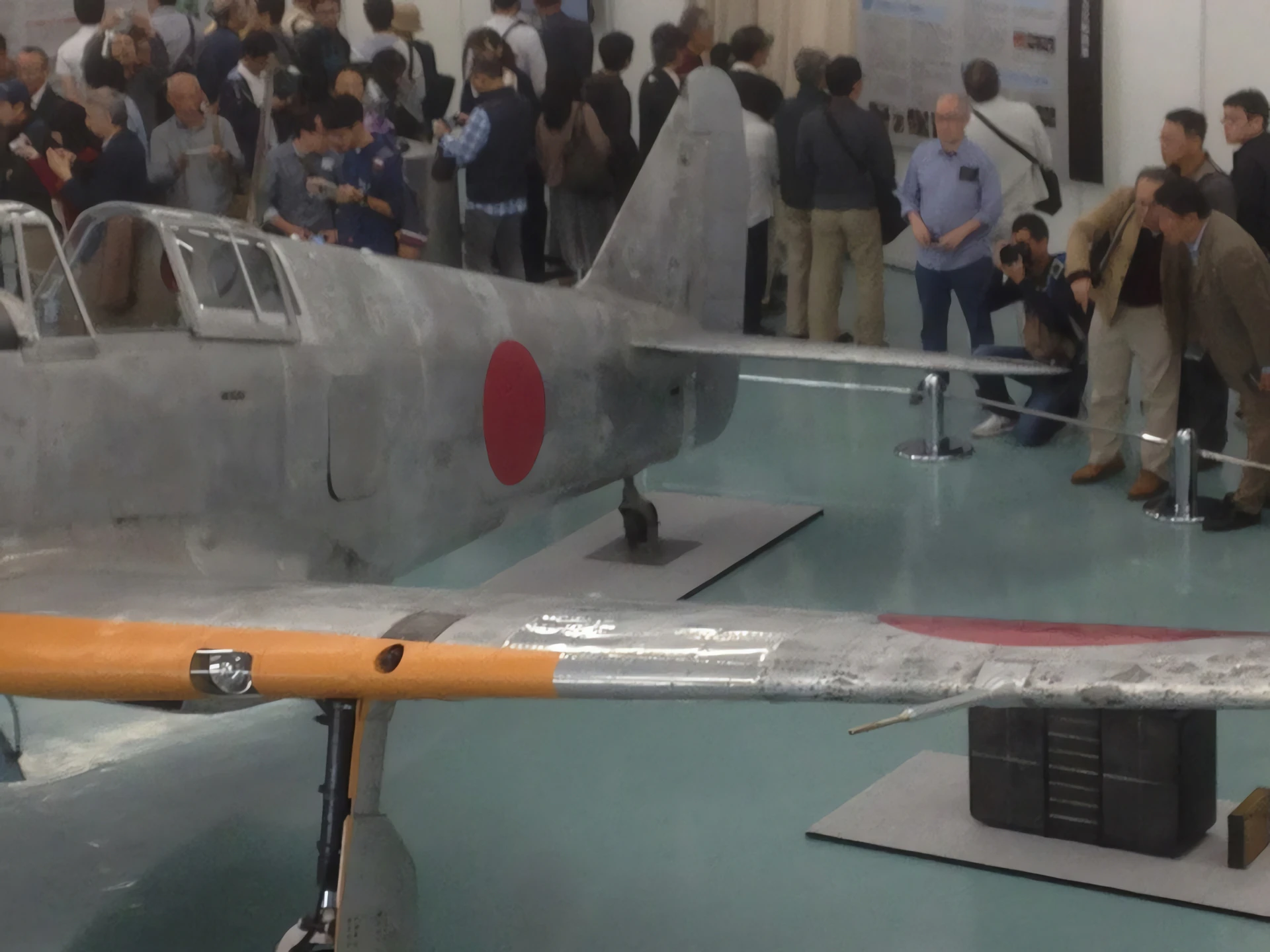
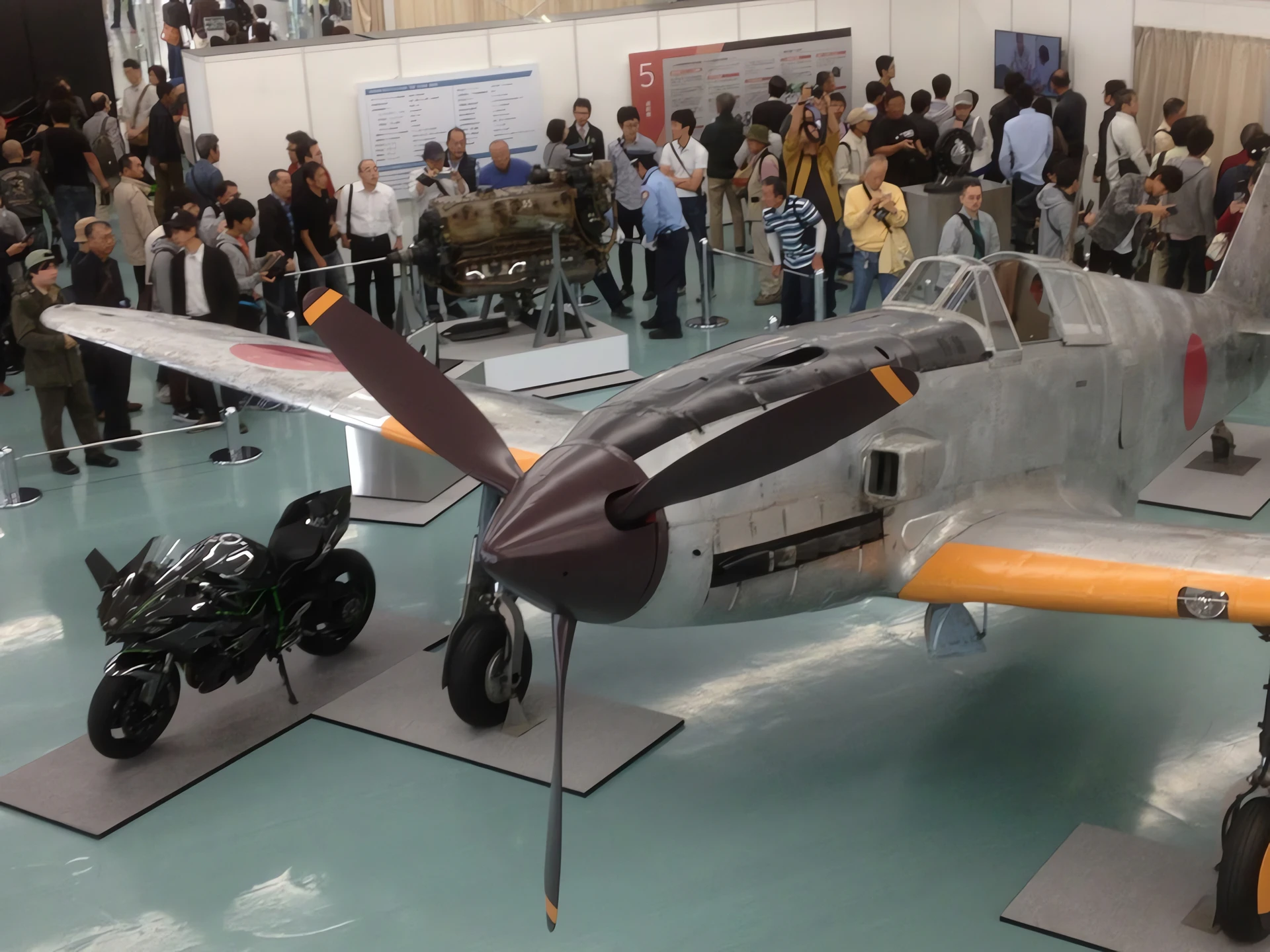
De Kawasaki Ki-61 Hien (飛燕, "vliegende zwaluw") is een Japans gevechtsvliegtuig uit de Tweede Wereldoorlog dat wordt gebruikt door de Imperial Japanese Army Air Service. De japanse legerbenoeming was "Army Type 3 Fighter" (戦闘機 %). De geallieerde inlichtingendienst geloofde aanvankelijk dat Ki-61's Messerschmitt Bf 109's waren en later een Italiaanse Macchi C.202, wat leidde tot de geallieerde rapportagenaam "Tony", toegewezen door het Amerikaanse ministerie van Oorlog. Het was de enige in massa geproduceerde Japanse jager van de oorlog die een vloeistofgekoelde inline V-motor gebruikte. Er werden meer dan 3.000 Ki-61's geproduceerd. De eerste prototypes zagen actie boven Yokohama tijdens de Doolittle Raid op 18 april 1942 en bleven gevechtsmissies vliegen tijdens de oorlog.
Bron: Kawasaki Ki-61 op Wiki
| Kawasaki Ki-61 | |
|---|---|
| Fotografen | Onbewust |
| Lokalisatie | Onbewust |
| Foto 's | 301 |





Zie ook:


General Characteristics
The Kawasaki Ki-61 Hien (Flying Swallow) was a fighter aircraft used by the Imperial Japanese Army Air Service during World War II. It was designated the “Army Type 3 Fighter” and was notable for being the only mass-produced Japanese fighter of the war to utilize a liquid-cooled inverted V-12 engine, a design unique among its contemporaries which predominantly used air-cooled radial engines. Allied forces initially misidentified the Ki-61 as a German or Italian fighter, assigning it the reporting name “Tony.” Its liquid-cooled engine, relatively high speed, and robust construction (including self-sealing fuel tanks and armor protection) set it apart from other Japanese fighters optimized for pure maneuverability.
| Property | Typical Value (Ki-61-I Kai Hei) |
|---|---|
| Role | Single-Seat Fighter / Interceptor |
| National Origin | Japan |
| Fabrikant | Kawasaki Kokuki Kogyo K.K. |
| First Flight | December 1941 |
| Service Entry | 1943 |
| No. Built | Over 3,000 (all variants) |
| Bemanning | 1 (Pilot) |
| Lengte | 8.94 m (29 ft 4 in) |
| Spanwijdte | 12.00 m (39 ft 4 in) |
| Max Takeoff Weight | 3,470 kg (7,650 lb) |
Powerplant and Performance
- Engine: 1 x Kawasaki Ha-40 (Army Type 2) inverted V-12 liquid-cooled piston engine (a license-built version of the German Daimler-Benz DB 601A).
- Power Output (Ha-40): 877 kW (1,175 hp).
- Power Output (Later Ha-140 in Ki-61-II): 1,119 kW (1,500 hp) (though Ha-140 had reliability issues).
- Maximum Speed (Ki-61-I at 5,000 m): Approx. 580 km/h (360 mph).
- Maximum Speed (Ki-61-II at 6,000 m): Approx. 610 km/h (379 mph).
- Service Ceiling: 10,000 m (32,810 ft) (Ki-61-I).
- Time to 5,000 m: Approx. 7.0 minutes.
Armament and Variants
- Armament Varied Significantly by Sub-Variant:
- Ki-61-I-Ko/Otsu: Early versions typically carried two 12.7 mm Ho-103 machine guns in the fuselage and two 7.7 mm (or later 12.7 mm) machine guns in the wings.
- Ki-61-I Kai Hei: Equipped with two 12.7 mm Ho-103 machine guns in the fuselage and two imported German 20 mm Mauser MG 151 cannons in the wings.
- Ki-61-I Kai Tei/Ki-61-II KAI: Later versions standardized on the Japanese 20 mm Ho-5 cannon (two in the nose, two in the wings) for a significant firepower increase.
- External Stores: Could carry two drop tanks (e.g., 200 L) or two 250 kg (550 lb) bombs on wing racks.
- Key Development: When the problematic Ha-140 liquid-cooled engine was no longer available due to factory destruction, Kawasaki adapted the airframe to use the reliable Mitsubishi Ha-112 radial engine, creating the highly successful Ki-100 fighter.
Bekeken: 5335
U ook zien :
 Kawasaki T-4 – Photos & Videos
 Noord-Amerikaanse NA-64 Yale – Foto's & Video's
 Sud-Ouest Triton – Foto's & Video
 Culver PQ-14 Cadet – Foto's & Video
 Northrop F-20 Tigershark – Foto's &Video
 Aeronca L-3 – Foto's & Video
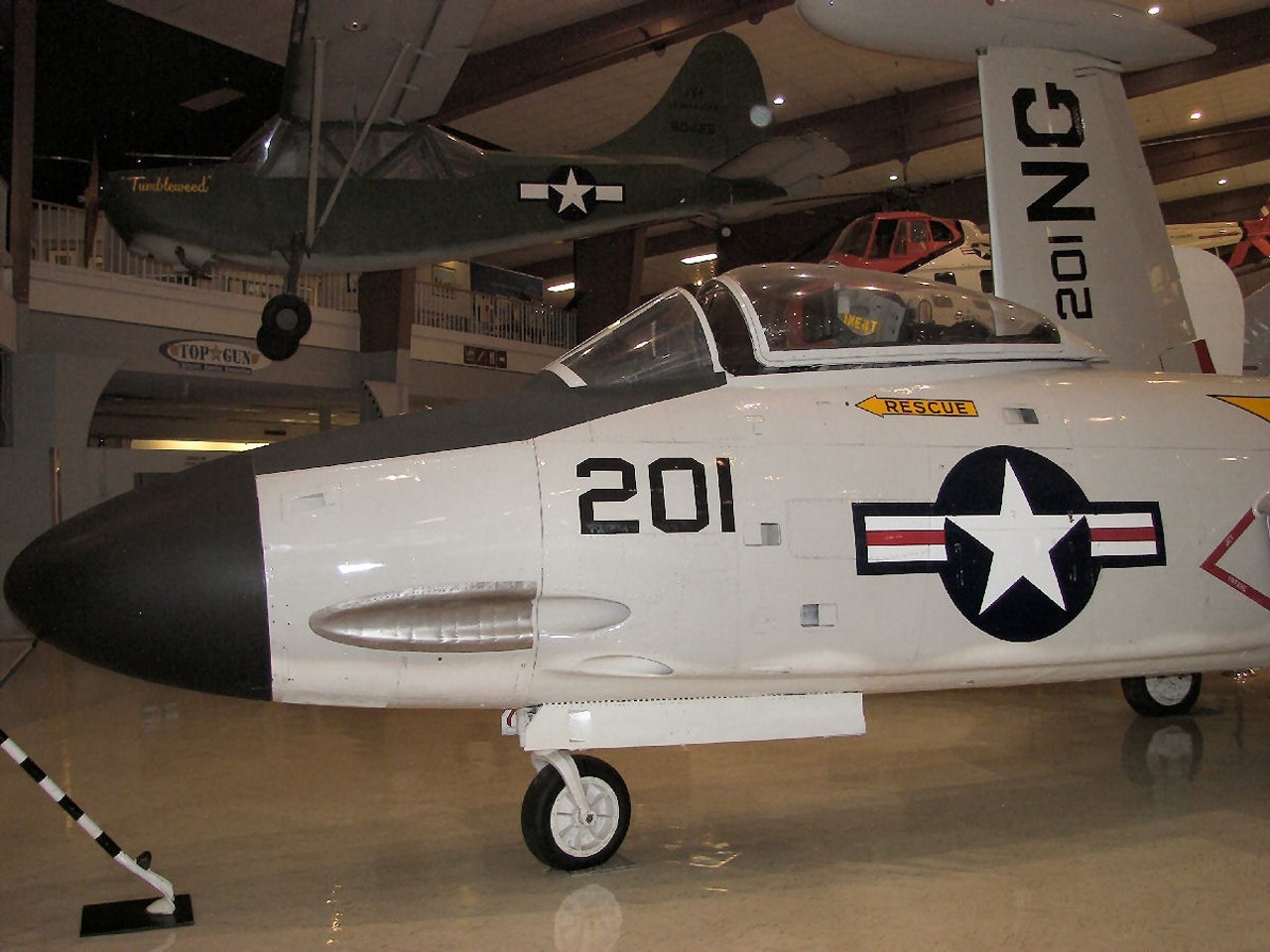 McDonnell F2H Banshee – Foto's &Video
 Macchi MC-202 – WalkAround
 Fairey Battle – WalkAround
 Hawker Sea Fury – Rond te Lopen