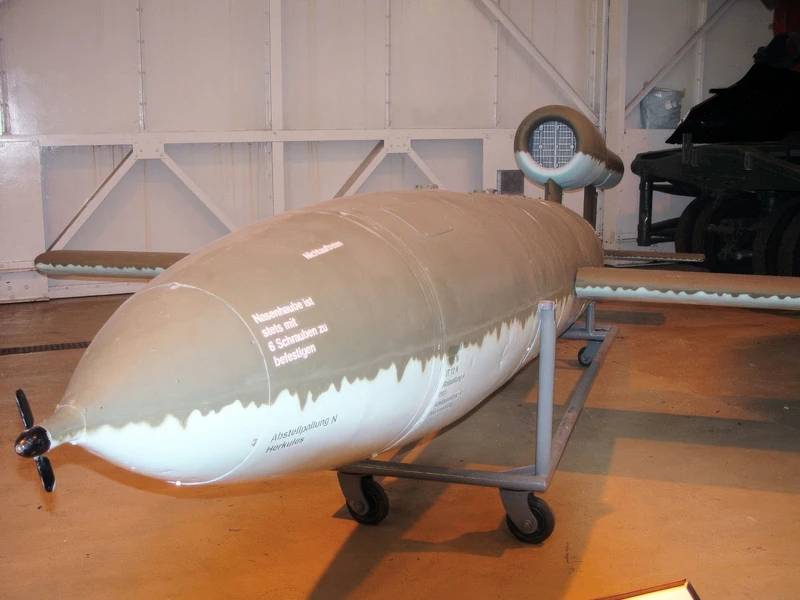
V-1 flying bomb | |
|---|---|
| Šalies | Nacistinė Vokietija |
| Vaidmenį | Sparnuotoji raketa |
| Tarnyboje | 1944–1945 |
| Pastatytas | Nežinoti |
2007 V-1 skraidanti bomba (Vokiečių kalba: Vergeltungswaffe 1 "Keršto ginklas 1)-sąjungininkams taip pat žinomas kaip buzz bomba, arba doodlebug, o Vokietijoje kaip Kirschkern (vyšnių akmuo) arba Maikäfer (maybug), taip pat pagal oficialų RLM orlaivio pavadinimą Fi 103 buvo ankstyvoji kruizinė raketa ir vienintelis gamybos orlaivis, kuris naudojo impulsinį variklį galiai.
Šaltinis: V-1 skraidanti bomba Vikipedijoje
| Fieseler Fi 103 V-1 ‘Buzz Bomb’ Walk Around | |
|---|---|
| Fotografas | Maiklas Benolkinas |
| Lokalizavimo | Nežinoti |
| Nuotraukos | 41 |
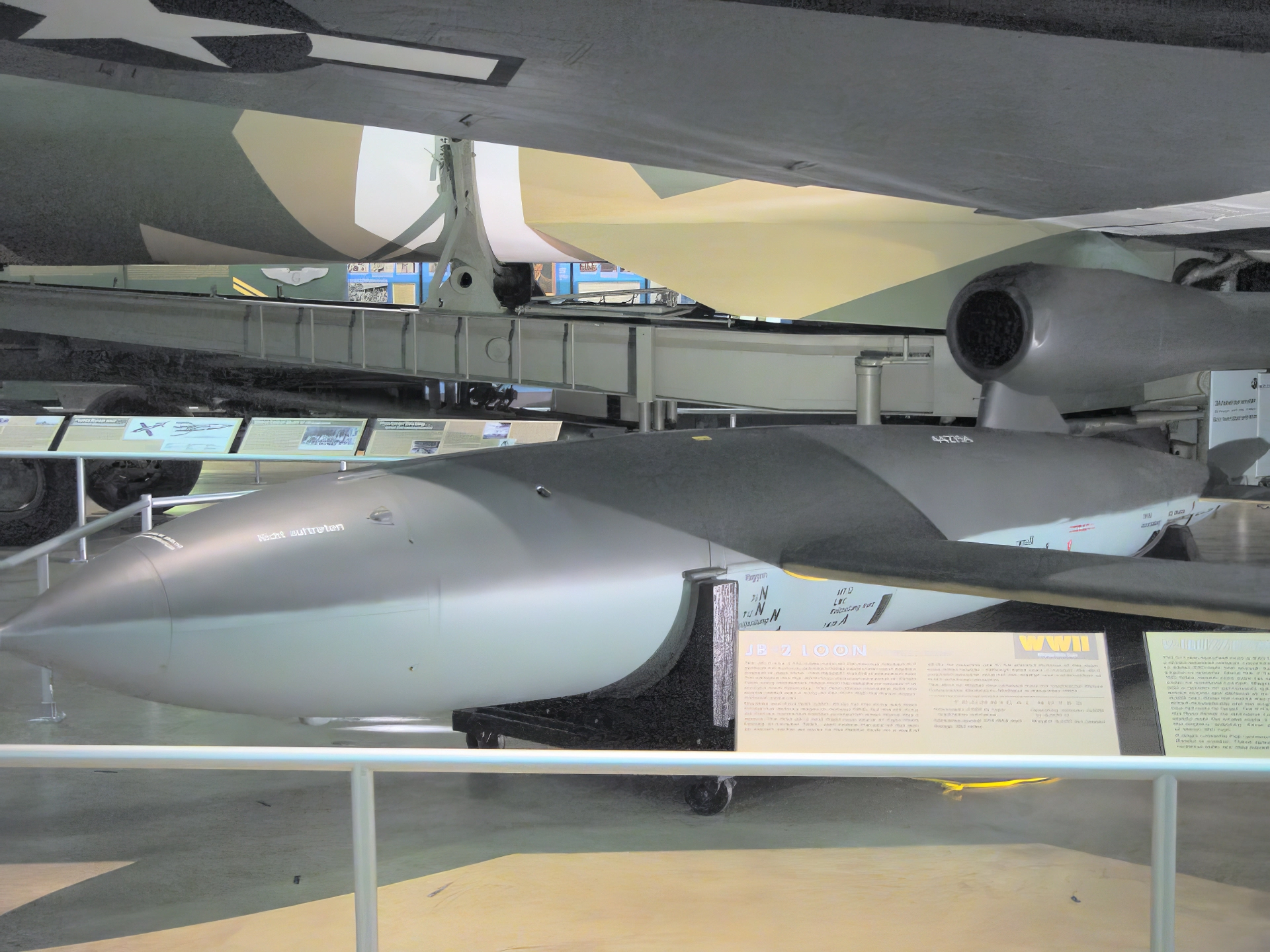
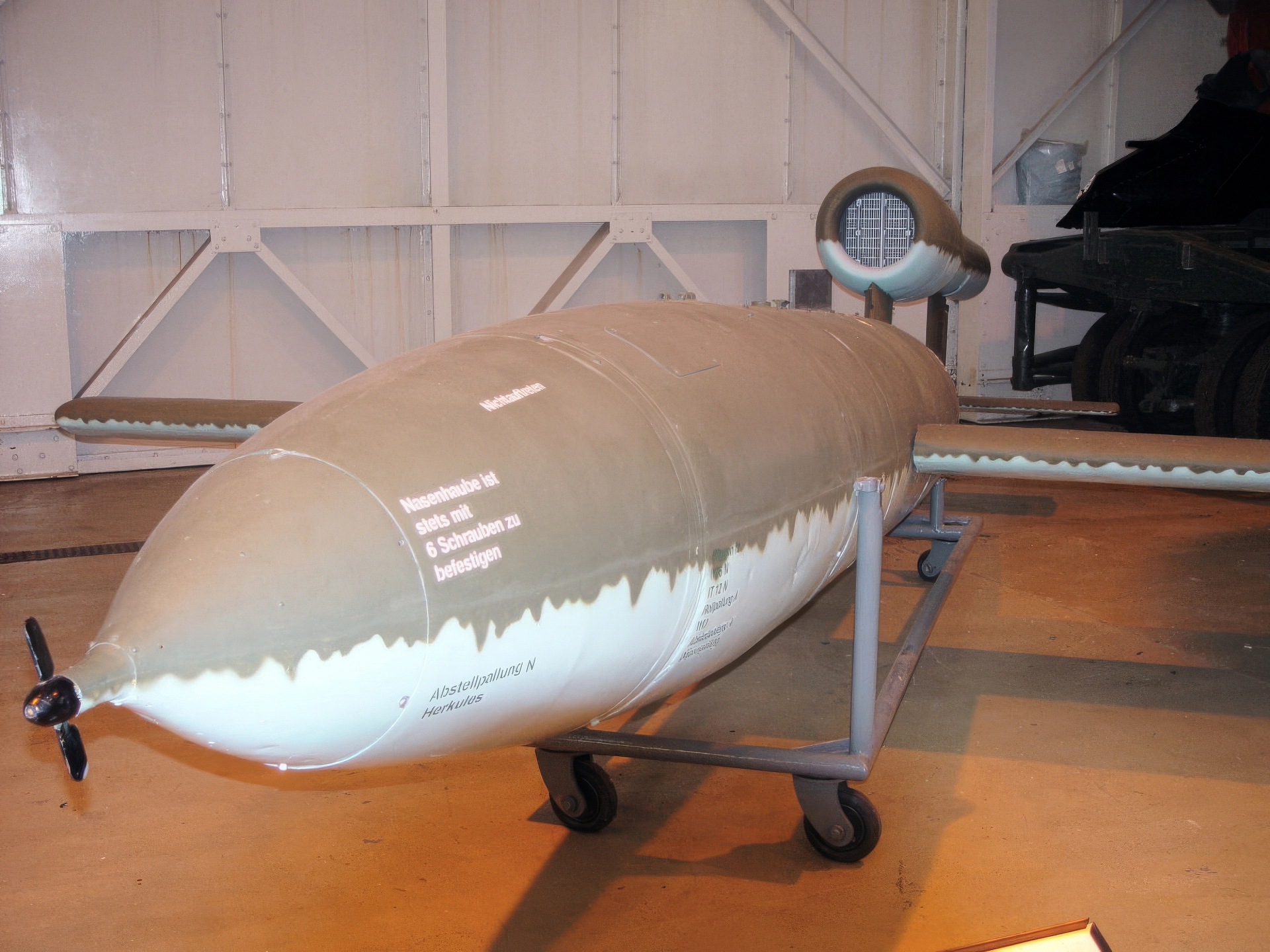
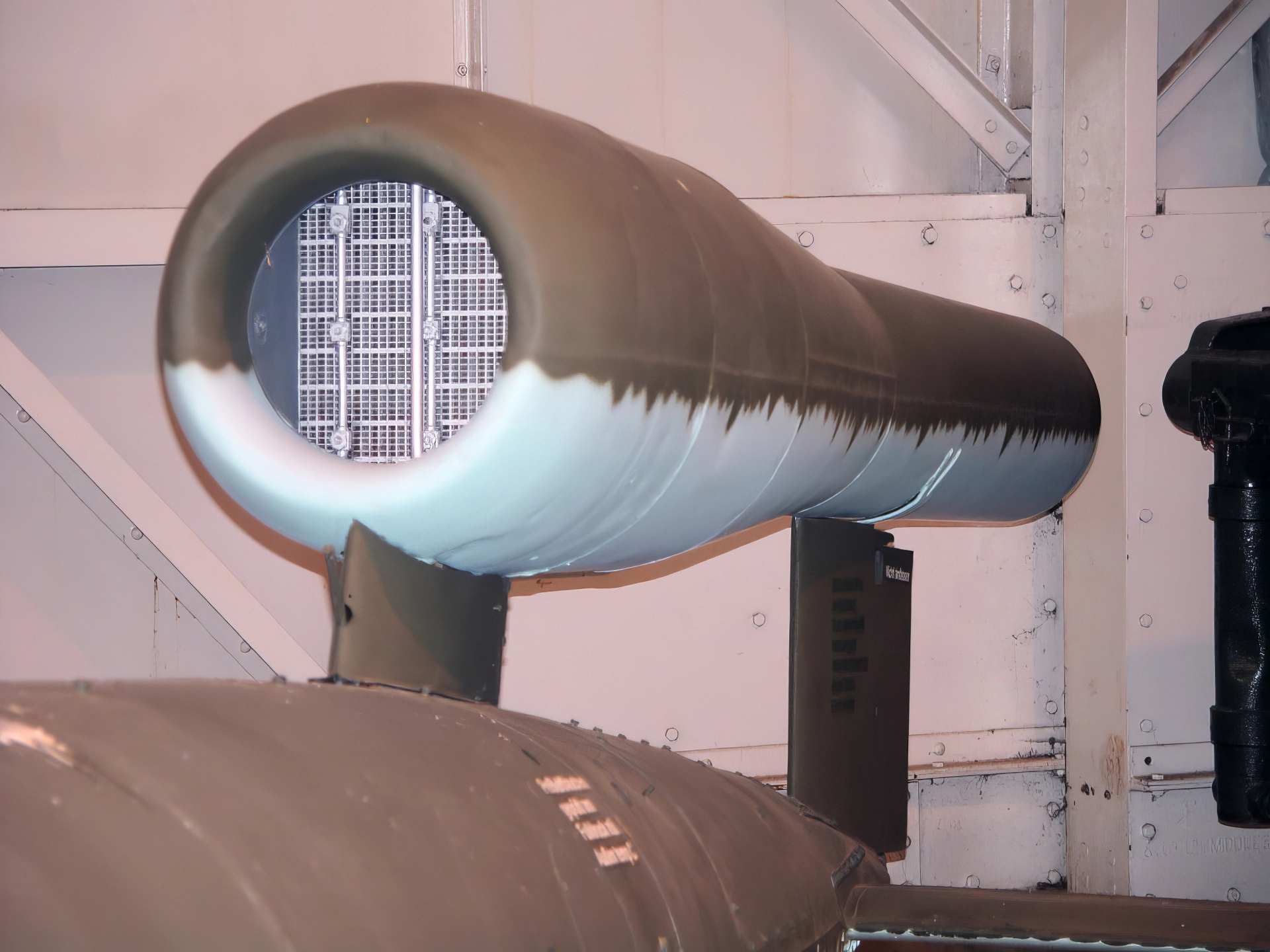
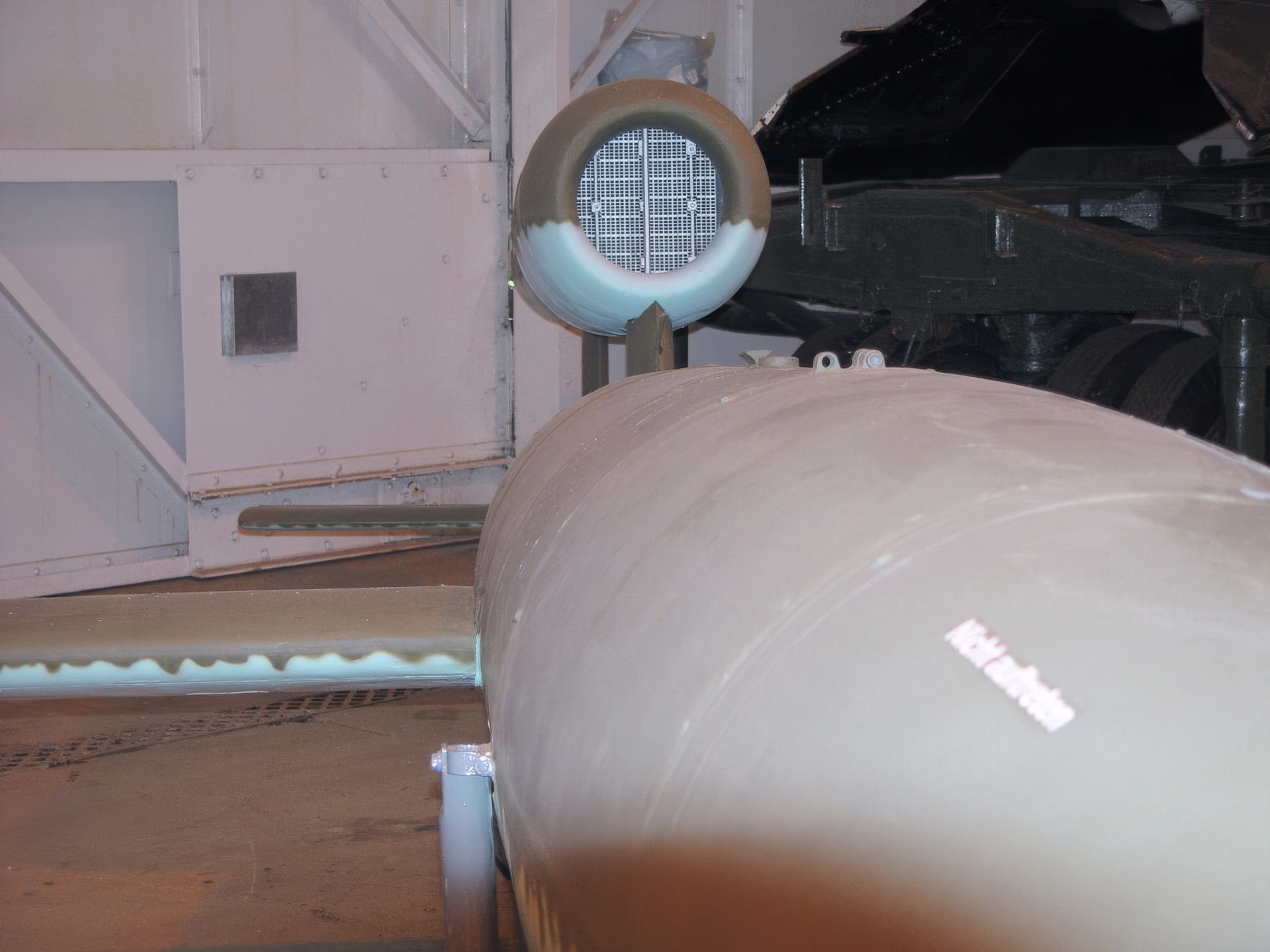
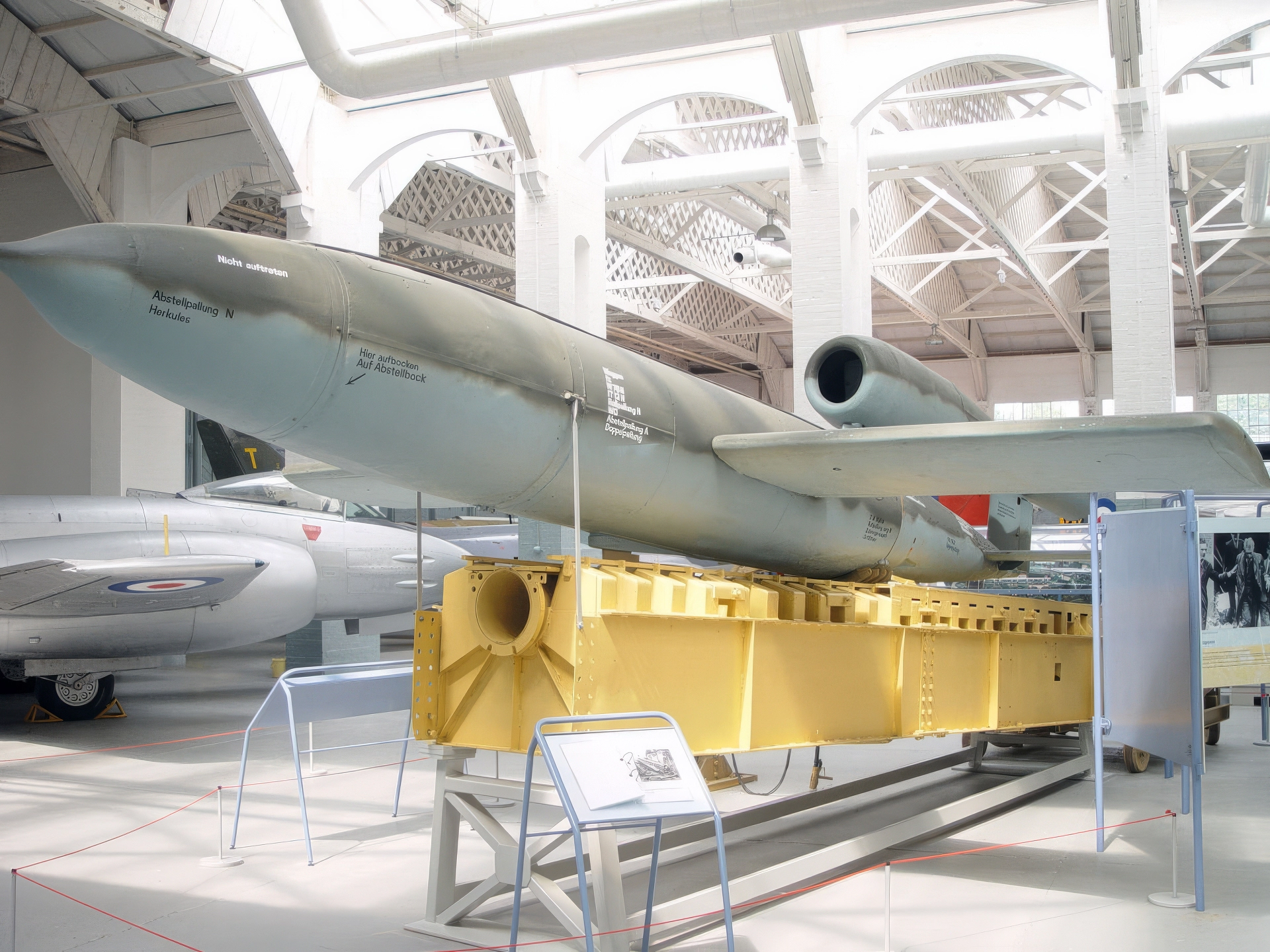
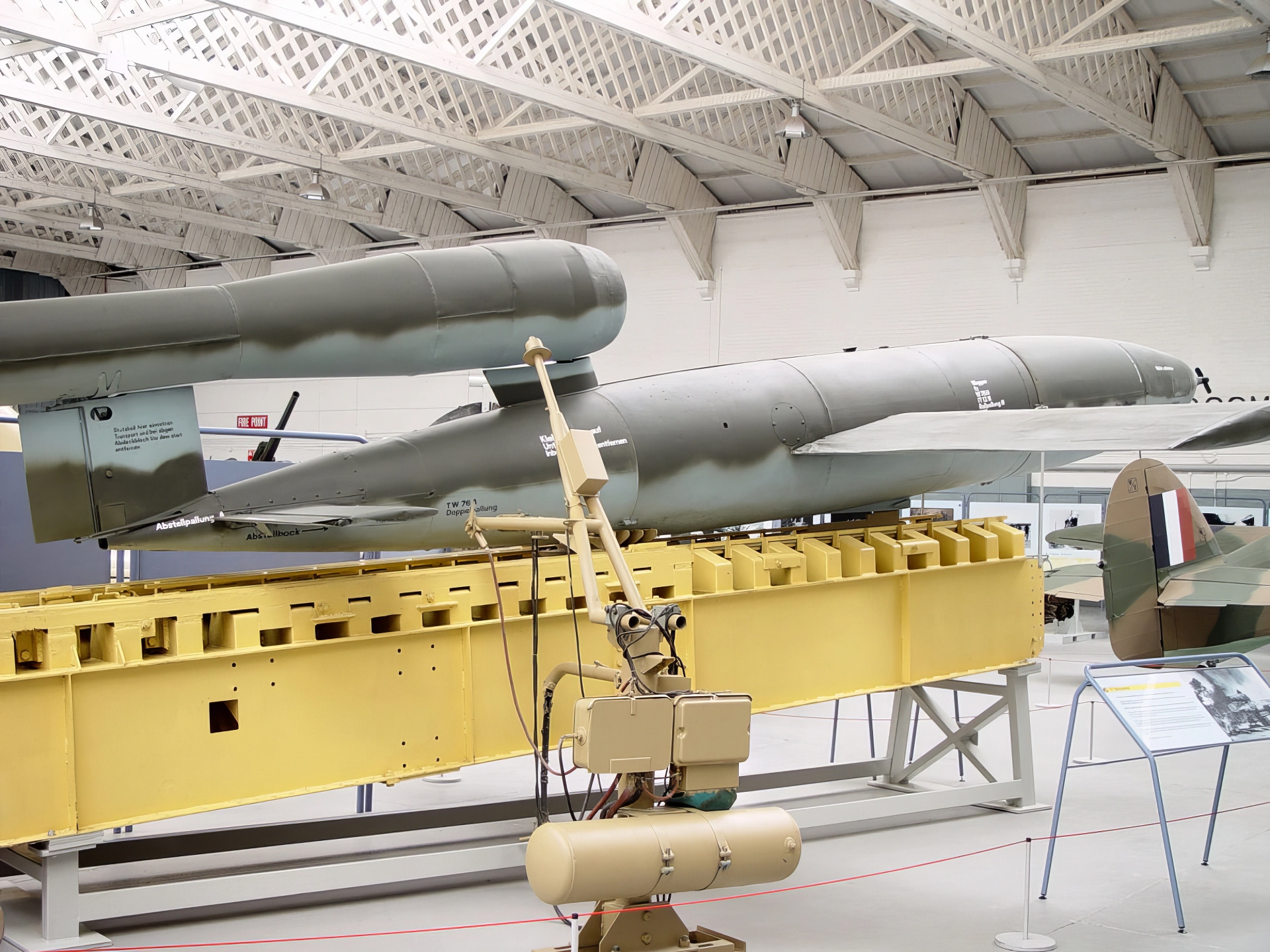
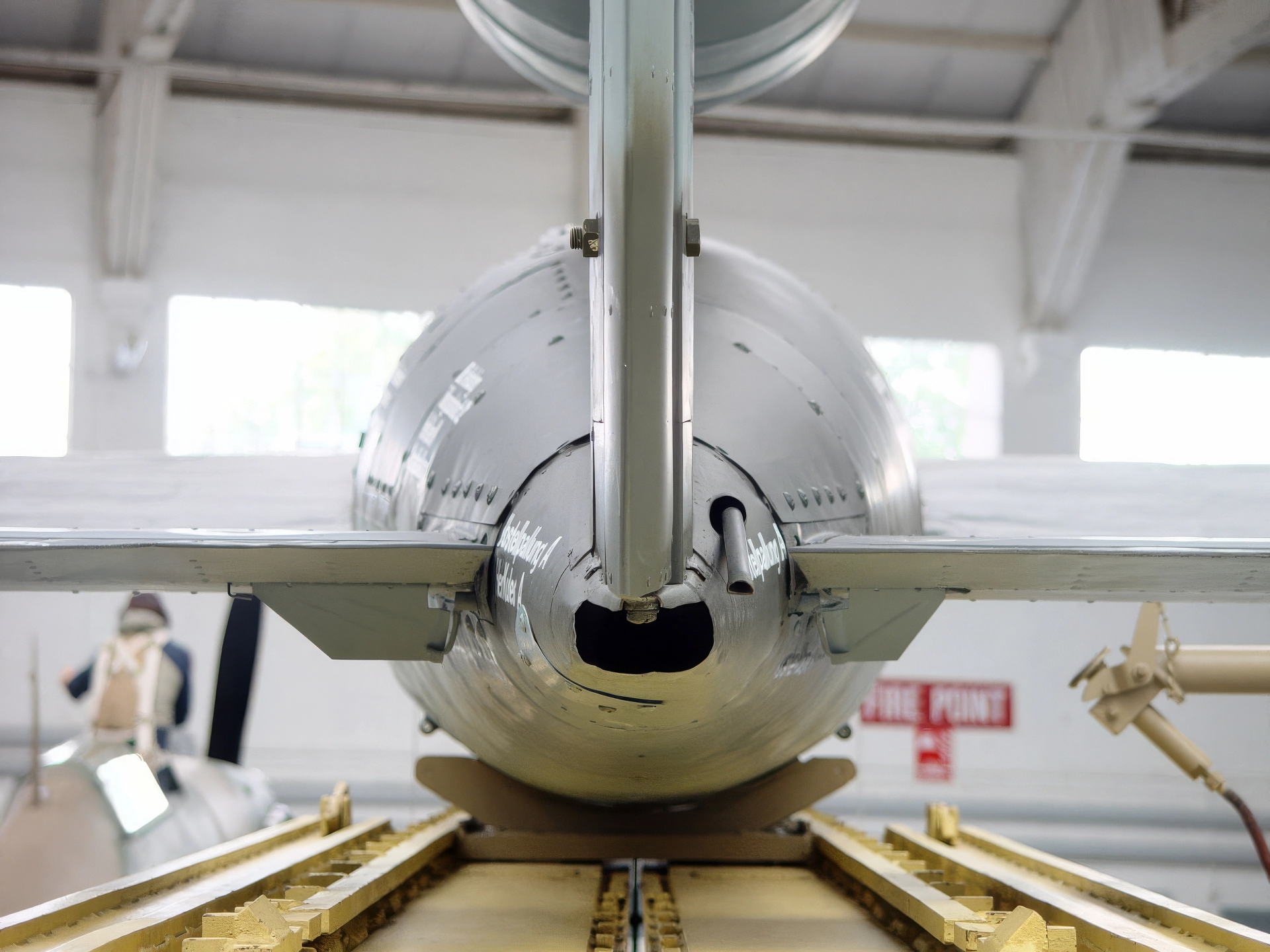
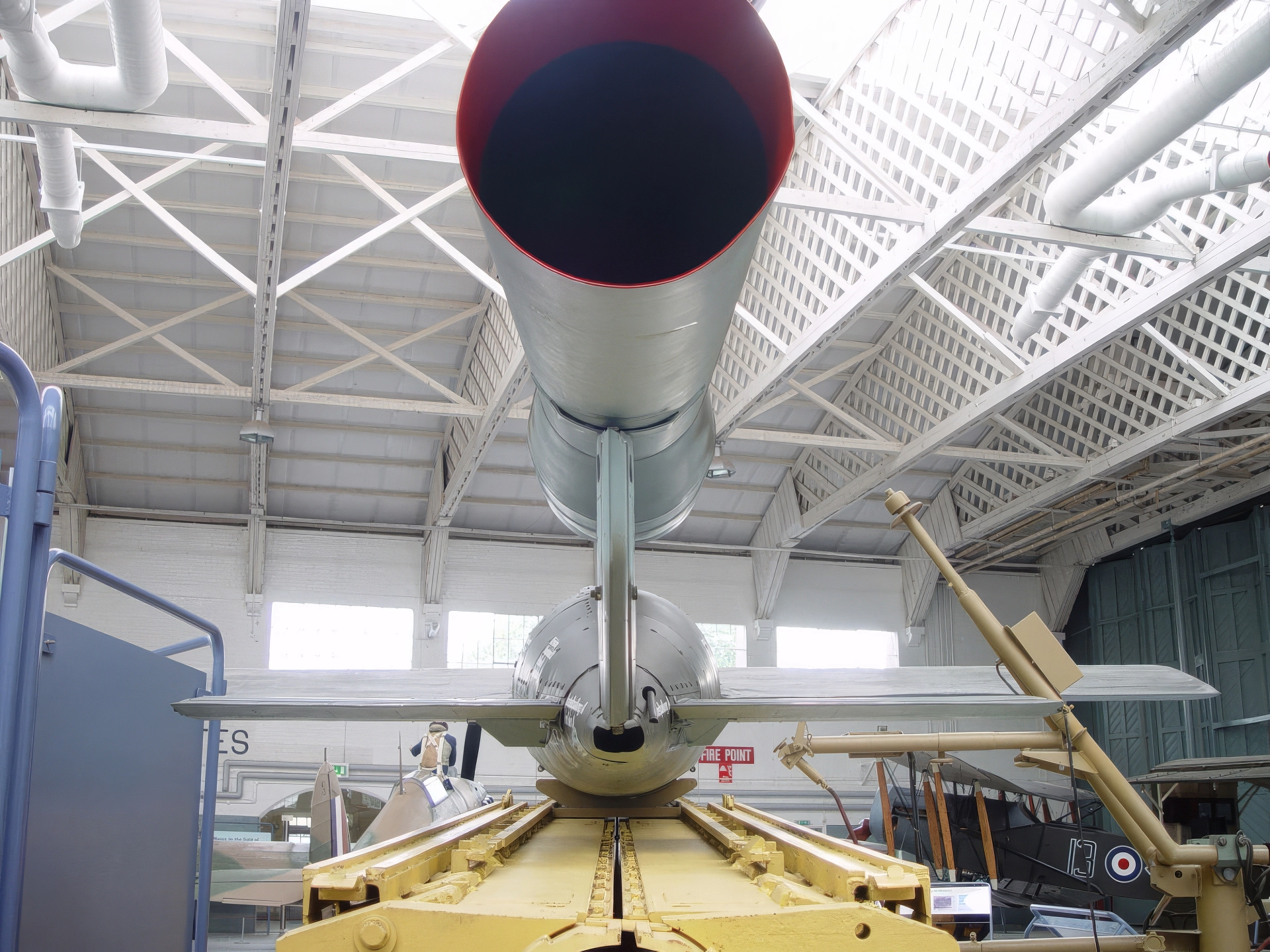
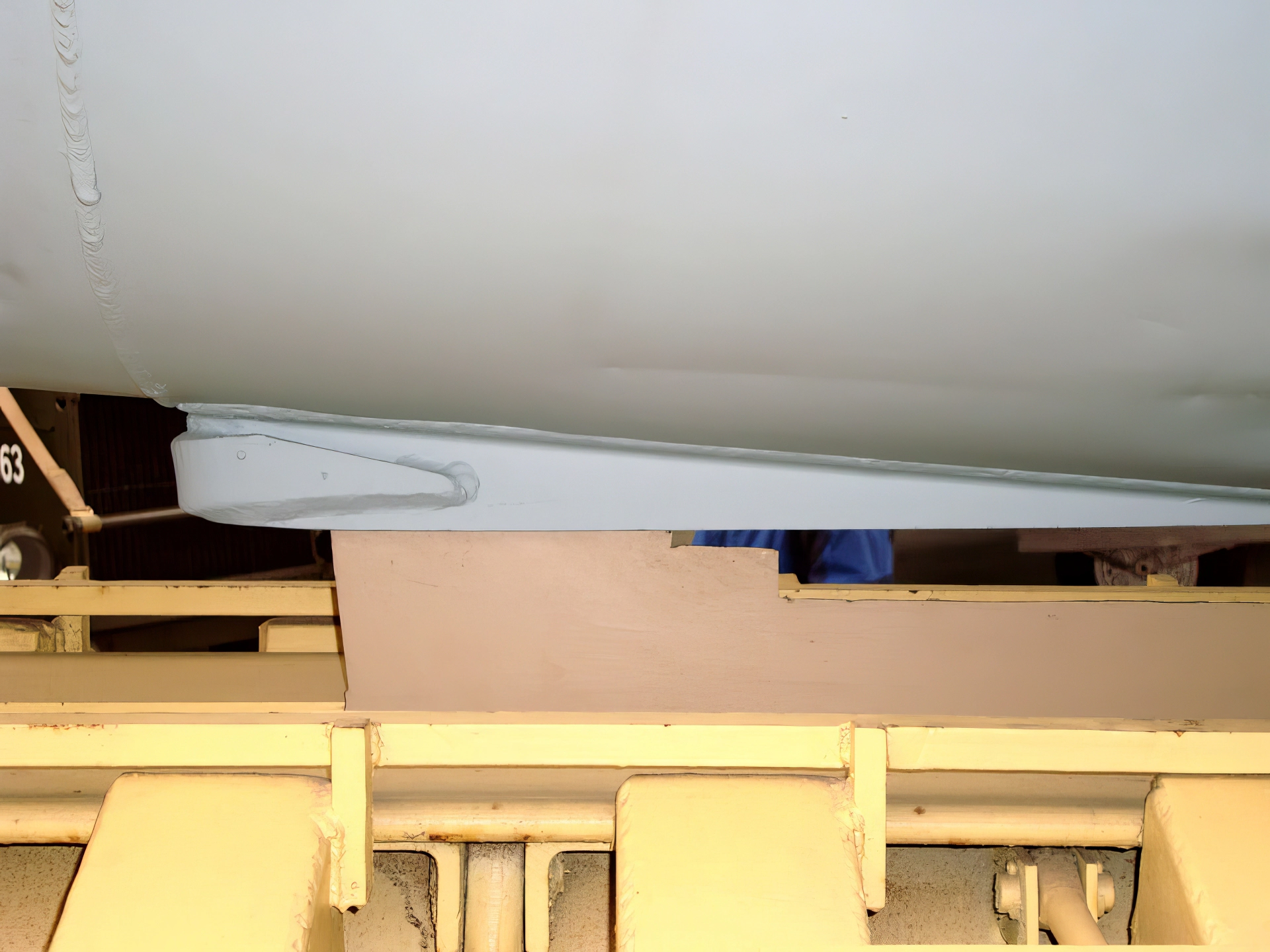

| Fieseler Fi 103 V1 Rreichenberg gerat Walk Around | |
|---|---|
| Fotografas | Unknow |
| Lokalizavimo | Nežinoti |
| Nuotraukos | 14 |
Taip pat žiūrėkite:


General Characteristics and Role
The Fieseler Fi 103, better known by the Nazi propaganda name Vergeltungswaffe Eins (“Vengeance Weapon 1”) or V-1, was the world’s first operational cruise missile. Developed by Germany during World War II, it was a pilotless aircraft powered by a simple pulsejet engine, which produced a distinctive loud, sputtering sound that earned it the nickname “Buzz Bomb” or “Doodlebug” from the British. The V-1’s primary purpose was to be launched against large target areas, particularly London and later Antwerp, as a terror weapon in response to Allied bombing raids on Germany. Though highly inaccurate, its deployment marked a significant step in missile technology.
| Property | Typical Value |
|---|---|
| Vaidmenį | Unmanned Surface-to-Surface Cruise Missile / Terror Weapon |
| National Origin | Nacistinė Vokietija |
| Gamintojas | Gerhard Fieseler Werke |
| Service Entry | 13 June 1944 |
| Įgulos | 0 (Unmanned) |
| Launch Weight | Approx. 2,150–2,250 kg (4,740–4,960 lb) |
| Ilgis | 7.7–8.32 m (25 ft 3 in – 27 ft 3 in) |
| Sparnų ilgis | 5.37 m (17 ft 7 in) |
| Production Total | Approx. 30,000 built |
Powerplant and Performance
- Engine: One Argus As 109-014 Pulsejet impulse duct engine.
- Thrust: Approx. 300 kgf (660 lbf).
- Fuel: Gasoline (propelled by compressed air rather than a fuel pump).
- Maximum Speed: 640–650 km/h (400–405 mph).
- Note: This relatively low speed allowed it to be intercepted by fast fighter aircraft like the Hawker Tempest and Spitfire.
- Operational Range: Approx. 240–330 km (150–205 mi).
- Service Ceiling: Approx. 600–900 m (2,000–3,000 ft).
- Launch Method: Primarily launched from inclined ground-based ramps using a steam catapult (Walter Catapult), or air-launched from Heinkel He 111 bombers.
Guidance and Warhead
- Guidance System: Simple gyrocompass-based autopilot (Askania) for directional stability and a pre-set air log/propeller counter.
- Targeting Mechanism: Distance was controlled by a small nose-mounted propeller which, after a set number of rotations, would trigger a mechanism to cut the fuel supply and cause the missile to dive onto its target.
- Warhead: High-explosive Amatol 39 or Trialen.
- Warhead Weight: Approx. 850 kg (1,870 lb).
- Inaccuracy: The crude guidance system meant the V-1 was inaccurate, limiting its use to large population centers.
- Variant: The Fieseler Fi 103R Reichenberg was a late-war manned version intended for suicide missions, though never operationally deployed.
Views : 2837
Taip pat galite pamatyti:
 "Bristol Bloodhound" – nuotraukos ir vaizdo įrašai
 9K33 Osa – nuotraukos ir vaizdo įrašai
 "Northrop JB-1 Bat" – nuotraukos ir vaizdo įrašai
 Republic-Ford JB-2 – nuotraukos ir vaizdo įrašai
 MIM-3 Nike Ajax – nuotraukos ir vaizdo įrašai
 IT-1 raketų bakas - nuotraukos ir vaizdo įrašas
 V-2 raketa – nuotraukos ir vaizdo įrašas
 Tracked Rapier – nuotraukos ir vaizdo įrašai
 SA-6 pelningas - nuotraukos ir vaizdo įrašai
 M1167 TOW laikiklis – WalkAround