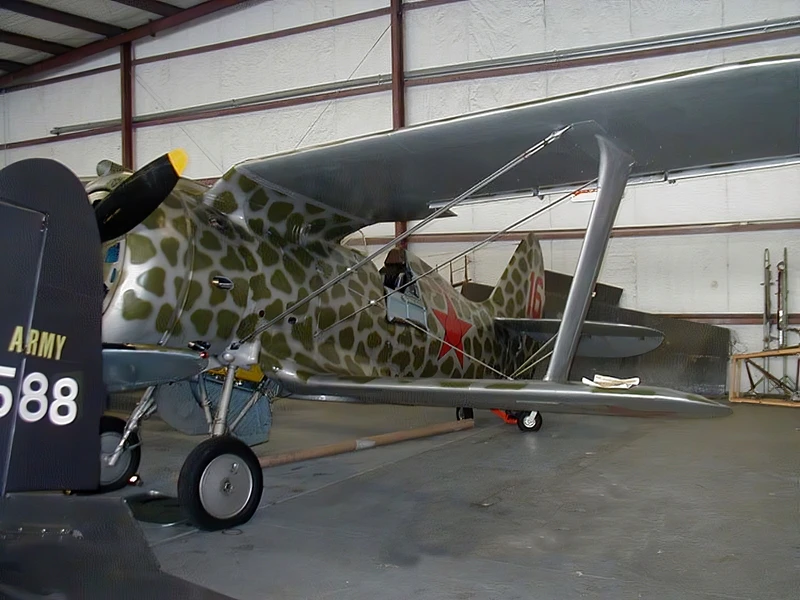
Polikarpov I-153 | |
|---|---|
| Šalies | Sovietų Sąjunga |
| Vaidmenį | Kovotojas |
| Pirmasis skrydis | 1937 |
| Pastatytas | 3400+ |
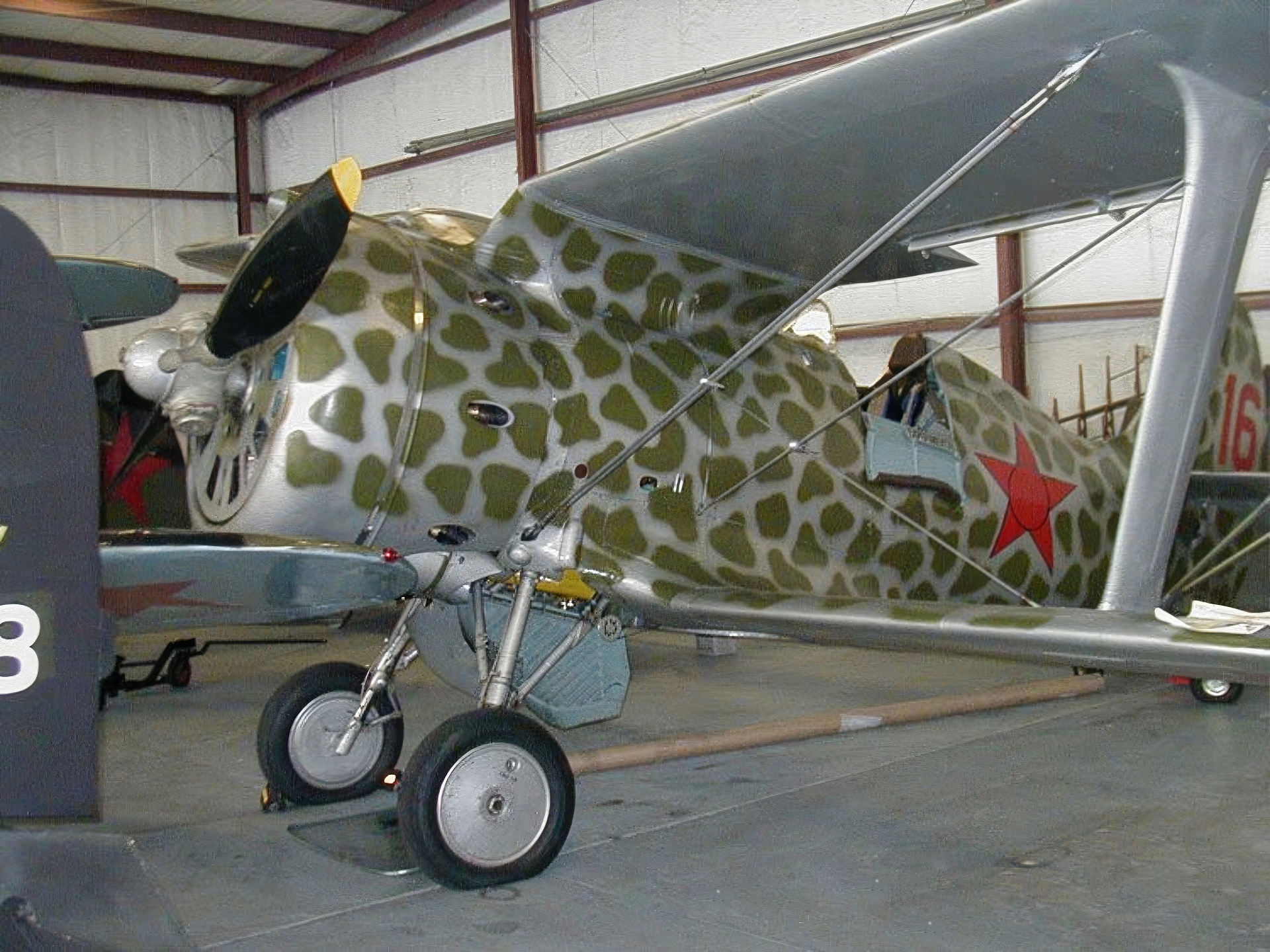
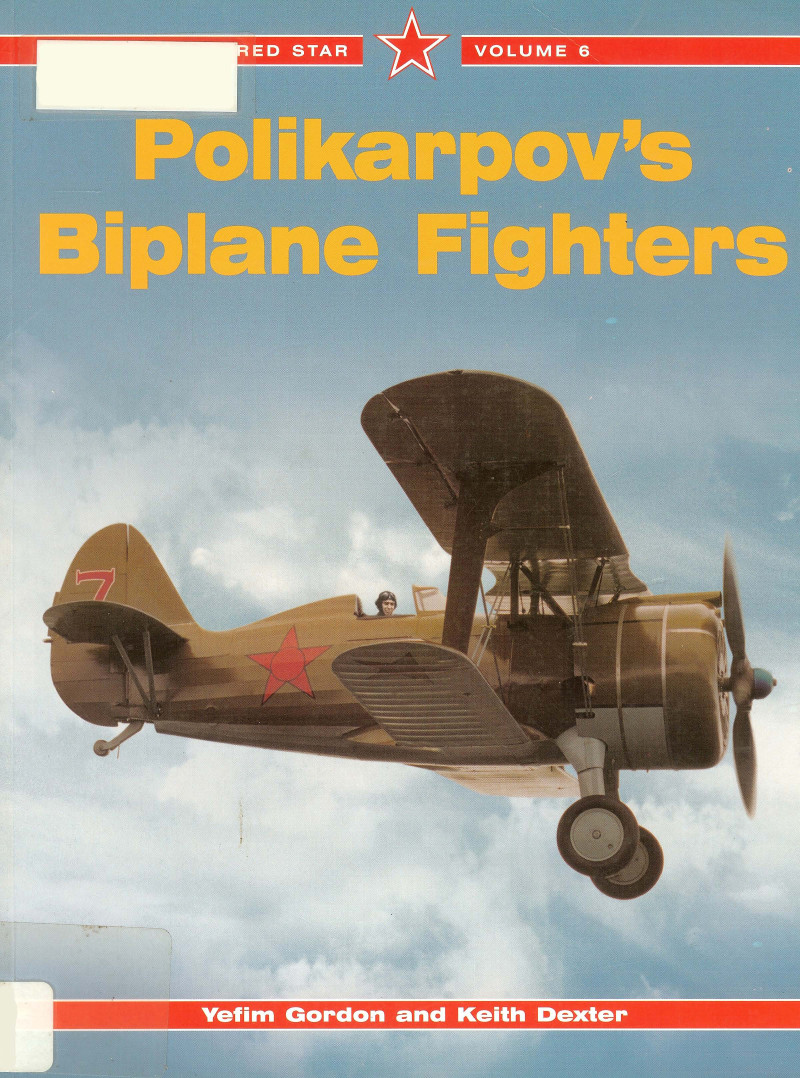
2007 Polikarpovas I-153 Chaika (rus. Чайка, "Žuvėdra") – 1930-ųjų pabaigos sovietų dviplanis naikintuvas. Sukurtas kaip pažangi I-15 versija su ištraukiama važiuokle, I-153 kovojo sovietų ir japonų kovose Mongolijoje ir buvo vienas iš pagrindinių sovietų kovotojų tipų pirmaisiais Antrojo pasaulinio karo metais. Trys I-153 vis dar skraido.
Šaltinis: Polikarpovas I-153 Vikipedijoje
| Polikarpov I-153 Chaika Walk Around | |
|---|---|
| Fotografas | Robertas N. Abbottas jaunesnysis |
| Lokalizavimo | Nežinoti |
| Nuotraukos | 13 |
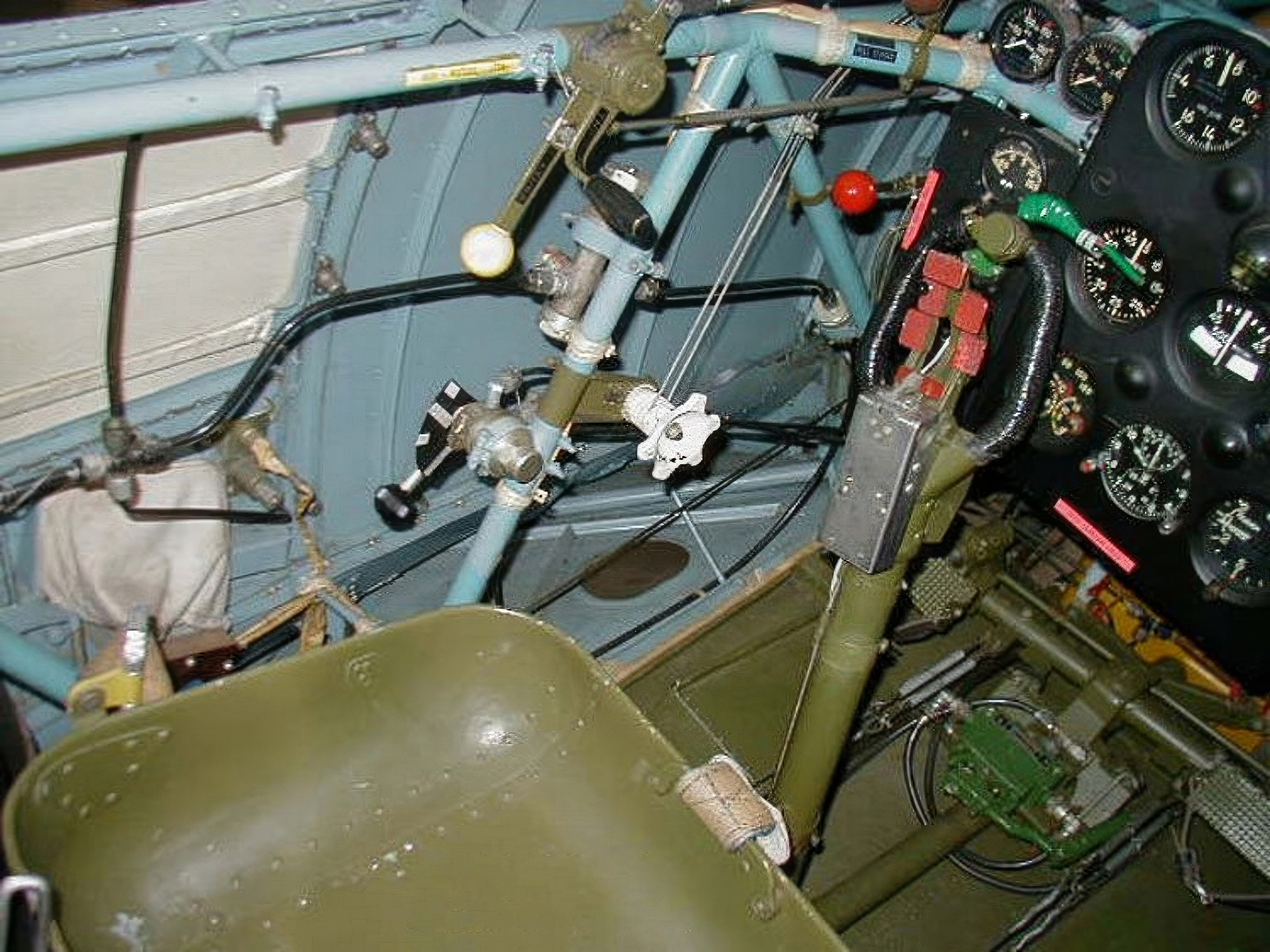

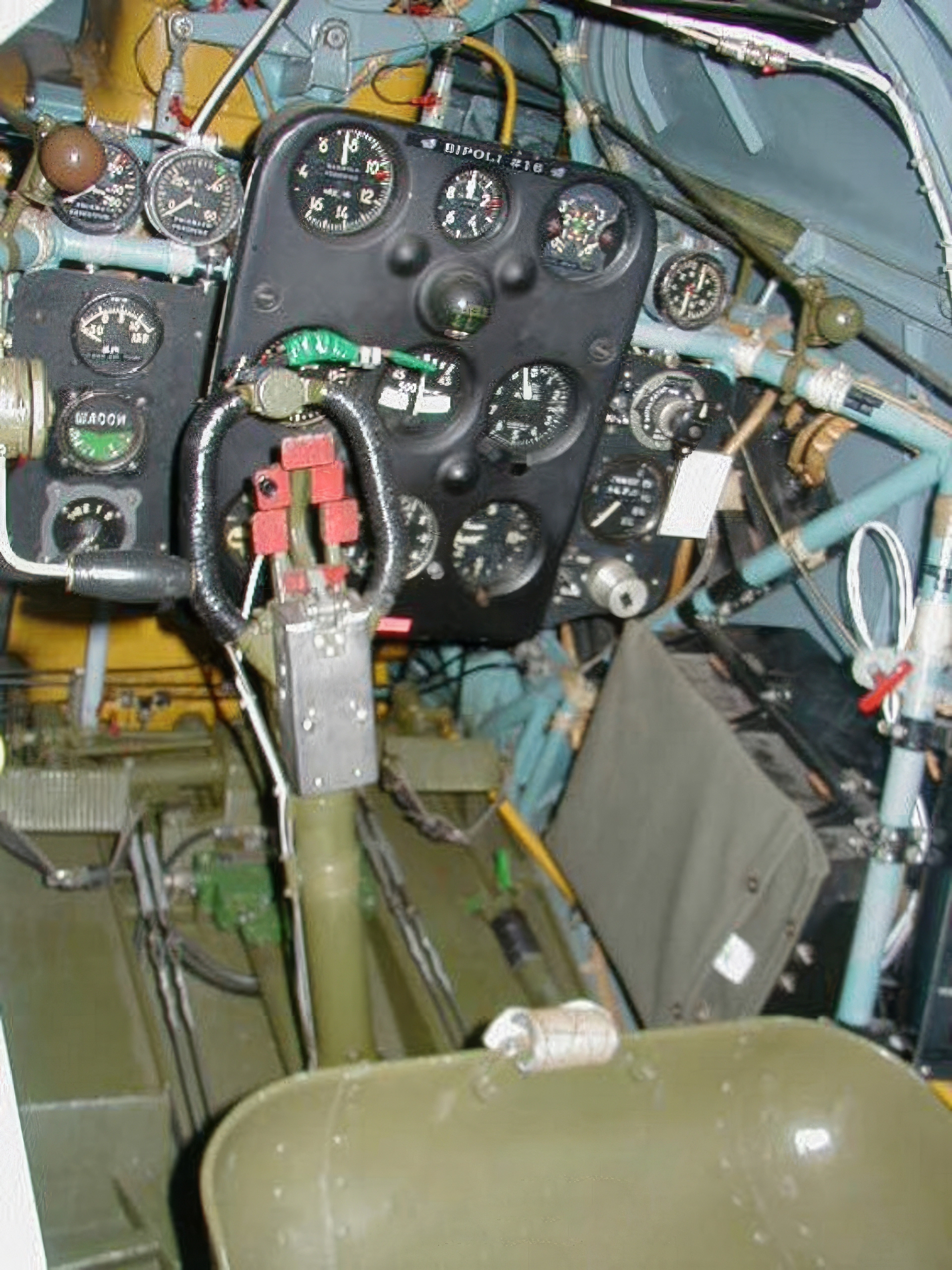
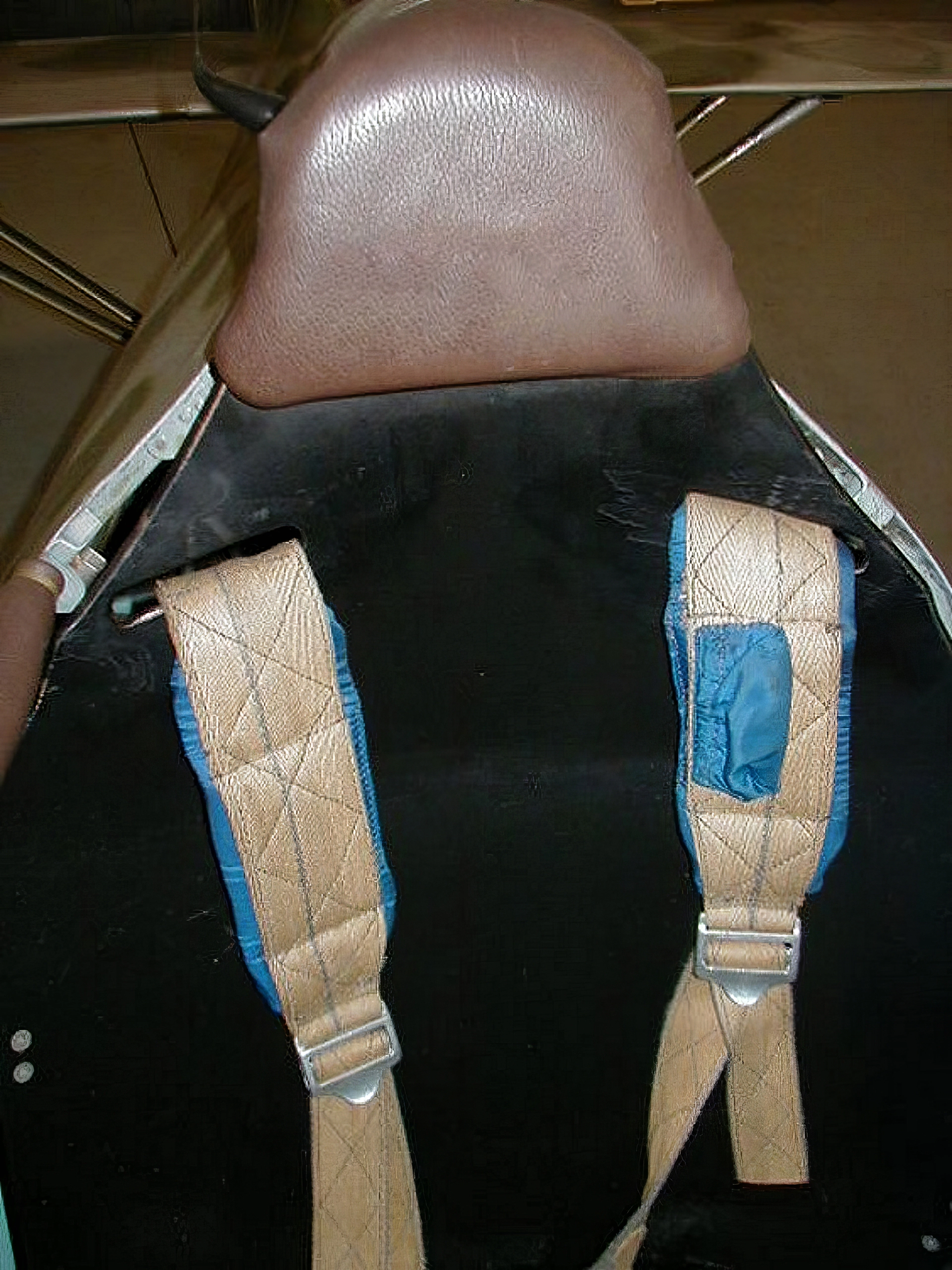
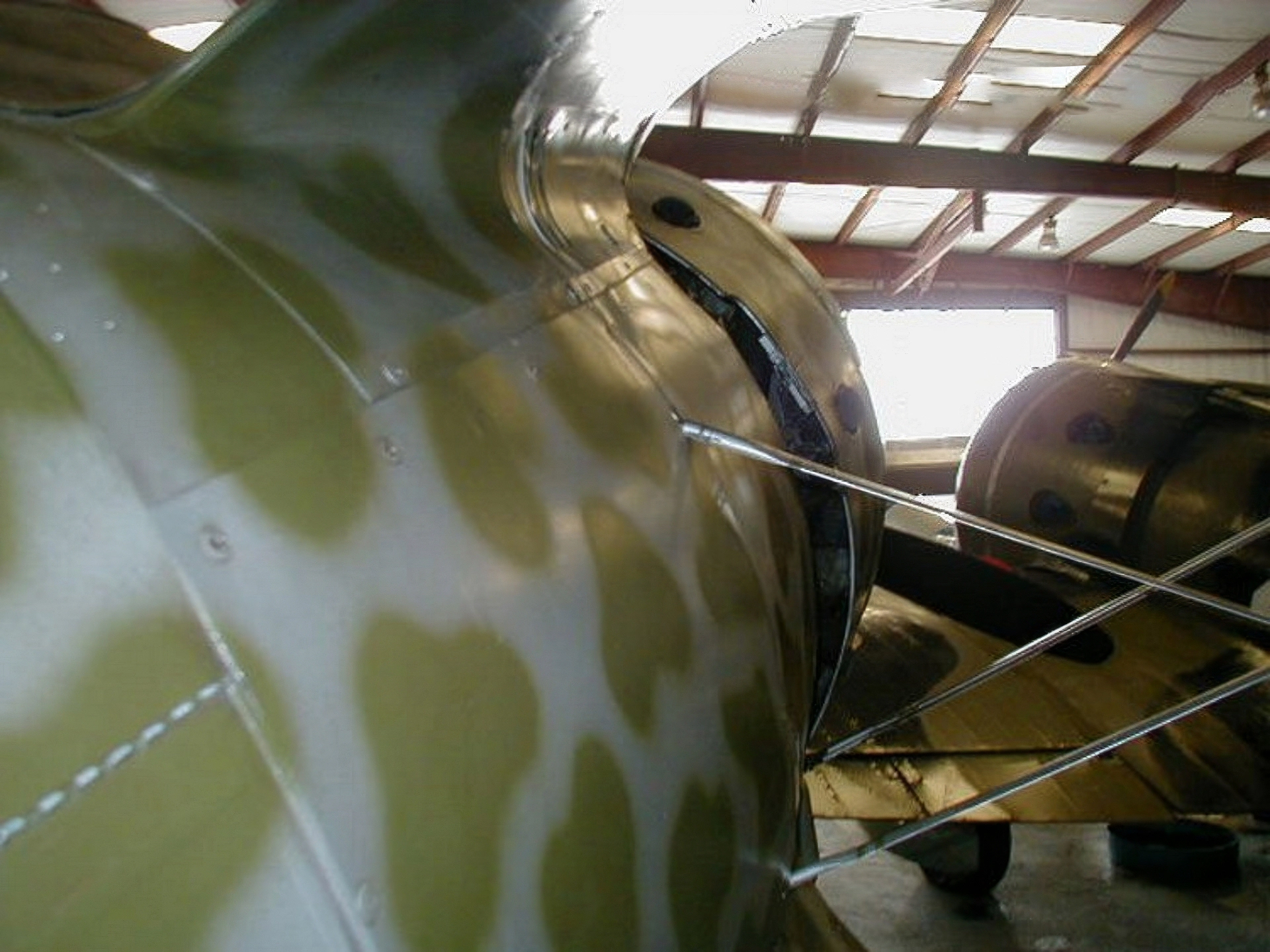

Taip pat žiūrėkite:


General Characteristics and Role
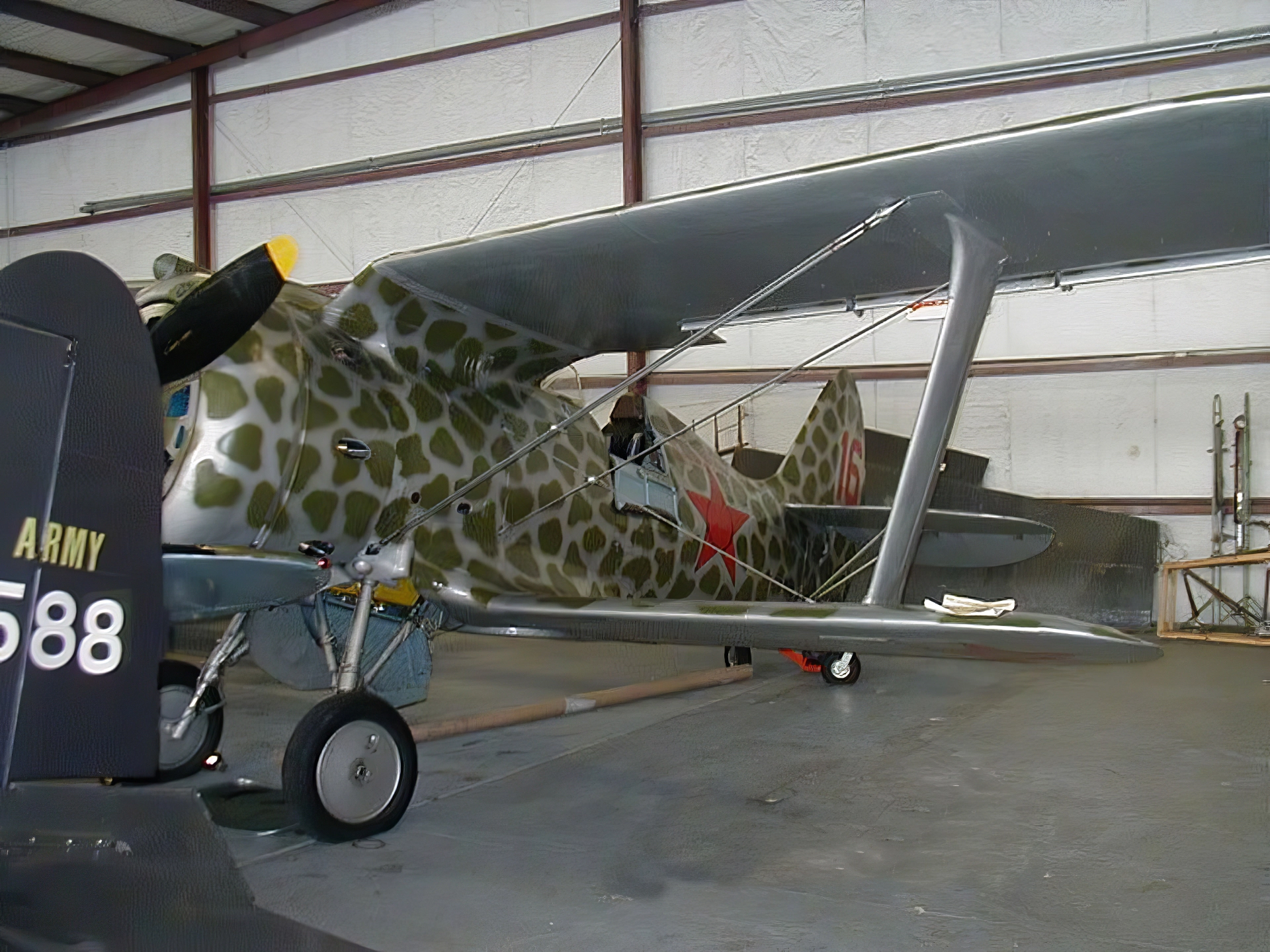
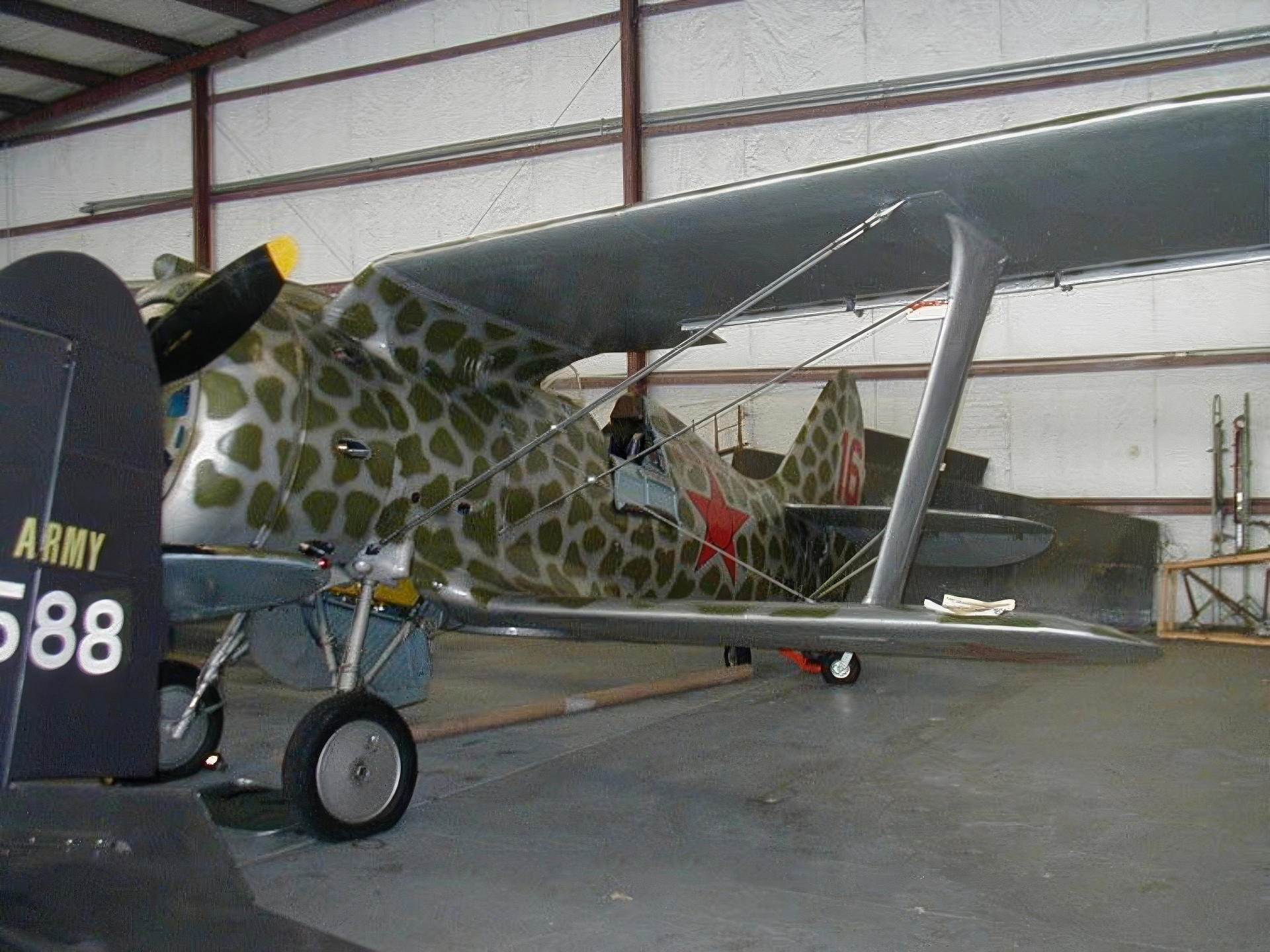
The Polikarpov I-153 Chaika (Russian for “Seagull”) was the final evolution in a line of highly maneuverable Soviet biplane fighters. It was developed in the late 1930s to combine the agility of its predecessor, the I-15, with increased speed and performance. Key features included a manually retractable landing gear to reduce drag, a gull-wing upper wing design (giving it the nickname Chaika), and improved armament. Although it was the fastest biplane ever to see operational service and performed well in early conflicts, it was rapidly made obsolete by the advent of faster monoplane fighters, such as those of the German Luftwaffe, by the time of the German invasion in 1941.
| Property | Typical Value (I-153 M-62) |
|---|---|
| Vaidmenį | Fighter / Ground Attack Biplane |
| National Origin | Soviet Union (USSR) |
| Gamintojas | Polikarpov Design Bureau |
| First Flight | August 1938 |
| Production Total | 3,437 aircraft built (1939–1941) |
| Įgulos | 1 (Pilot) |
| Ilgis | 6.17 m (20 ft 3 in) |
| Sparnų ilgis | 10.00 m (32 ft 10 in) |
| Empty Weight | 1,452 kg (3,201 lb) |
| Loaded Weight | 2,110 kg (4,652 lb) |
Powerplant and Performance
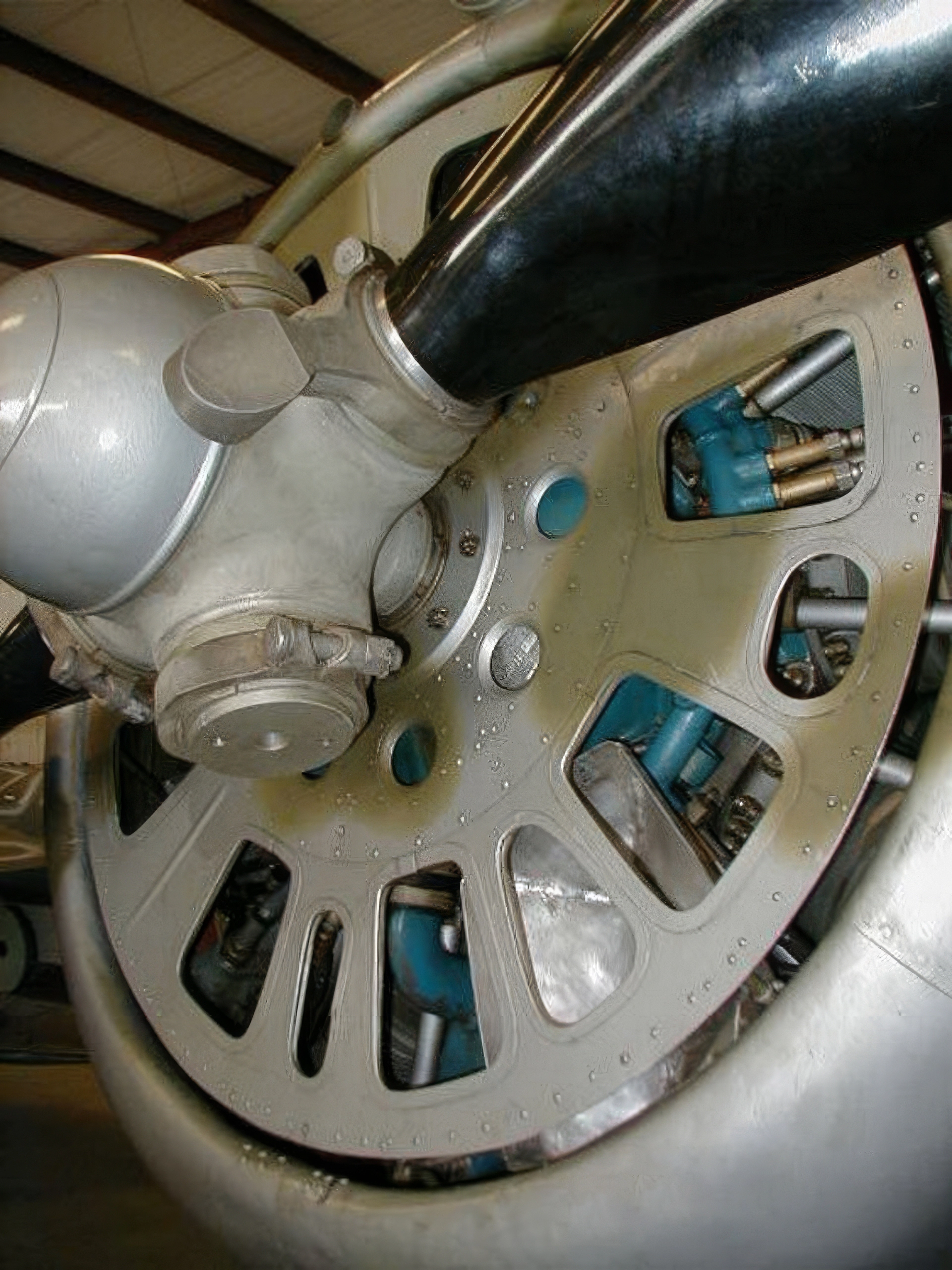
- Engine: One Shvetsov M-62 nine-cylinder, air-cooled radial engine.
- Power Output: 746 kW (1,000 hp).
- Maximum Speed (High Altitude): 444 km/h (276 mph) at 4,600 m (15,100 ft).
- Maximum Speed (Sea Level): 366 km/h (227 mph).
- Range: 470 km (290 mi) (internal fuel).
- Service Ceiling: 10,700 m (35,100 ft).
- Rate of Climb: 15 m/s (3,000 ft/min).
- Key Feature: Retractable main undercarriage was manually operated by a hand crank in the cockpit.
Ginkluotės
- Guns (Standard): 4 x 7.62 mm ShKAS machine guns.
- Cadence: High rate of fire (1,800 rounds per minute per gun), providing a high density of fire.
- Location: Typically two synchronized guns in the fuselage and two in the lower wings.
- Rockets: Provision for 8 x 82 mm RS-82 air-to-ground unguided rockets under the wings.
- Note: This was one of the first aircraft widely equipped with air-to-ground rockets.
- Bombs: Up to 200 kg (441 lb) of bombs (e.g., four 50 kg or eight 25 kg bombs).
- Variants: Later production runs included versions armed with 12.7 mm UBS machine guns or 20 mm ShVAK cannons (I-153P).
Peržiūrėta: 3718
Taip pat galite pamatyti:
 Nanchang Q-5 – nuotraukos ir vaizdo įrašai
 Savoia-Marchetti SM.82 – Nuotraukos ir vaizdo įrašai
 AIDC F-CK-1 Ching-kuo – nuotraukos ir vaizdo įrašai
 Curtiss F11C Goshawk – nuotraukos ir vaizdo įrašai
 Curtiss-Wright XP-55 Ascender – nuotraukos ir vaizdo įrašai
 Fokker F27 draugystė – nuotraukos ir vaizdo įrašai
 Petlyakov Pe-2 – nuotraukos ir vaizdo įrašai
 "Fiat G.91" – nuotraukos ir vaizdo įrašai
 B-35 – de Havilland Mosquito – WalkAround
 Miražas IIIC – WalkAround