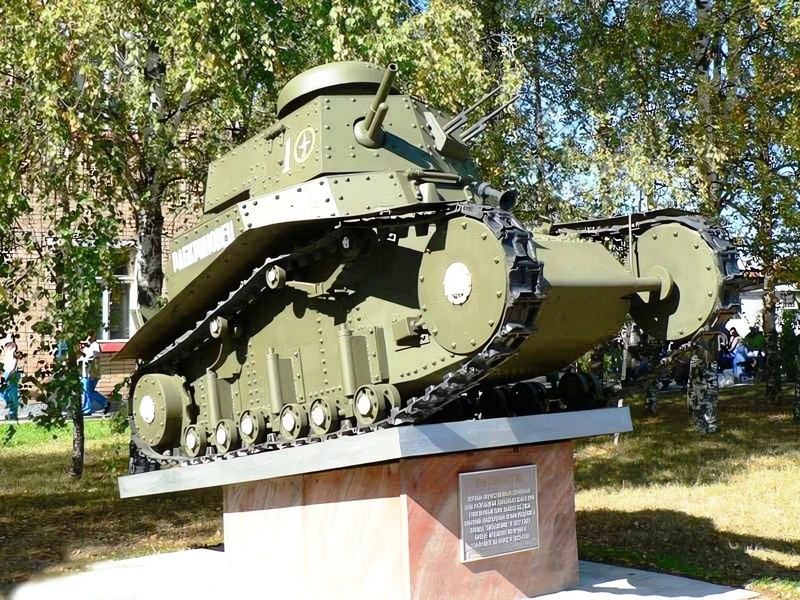
T-18 tank | |
|---|---|
| Šalies | Sovietų Sąjunga |
| Vaidmenį | Šviesos bakas |
| Pagamintas | 1928–1931 |
| Pastatytas | 126 |
The T-18 light tank also called MS-1 was the first Soviet-designed tank. Produced from 1928 to 1931, it was based on the Renault FT, with the addition of a vertically sprung suspension. The T-18 and its derivatives were essentially unsuccessful designs, but they gave Soviet industry its first experiences in designing armoured vehicles, and in the meantime a number of foreign tank designs were available for production.
Šaltinis: T-18 bakas Vikipedijoje
| MS-1 Maliy Soprovozhdeniya-Perviy T-18 Walk Around | |
|---|---|
| Fotografai | Nežinoti |
| Lokalizavimo | Nežinoti |
| Nuotraukos | 61 |
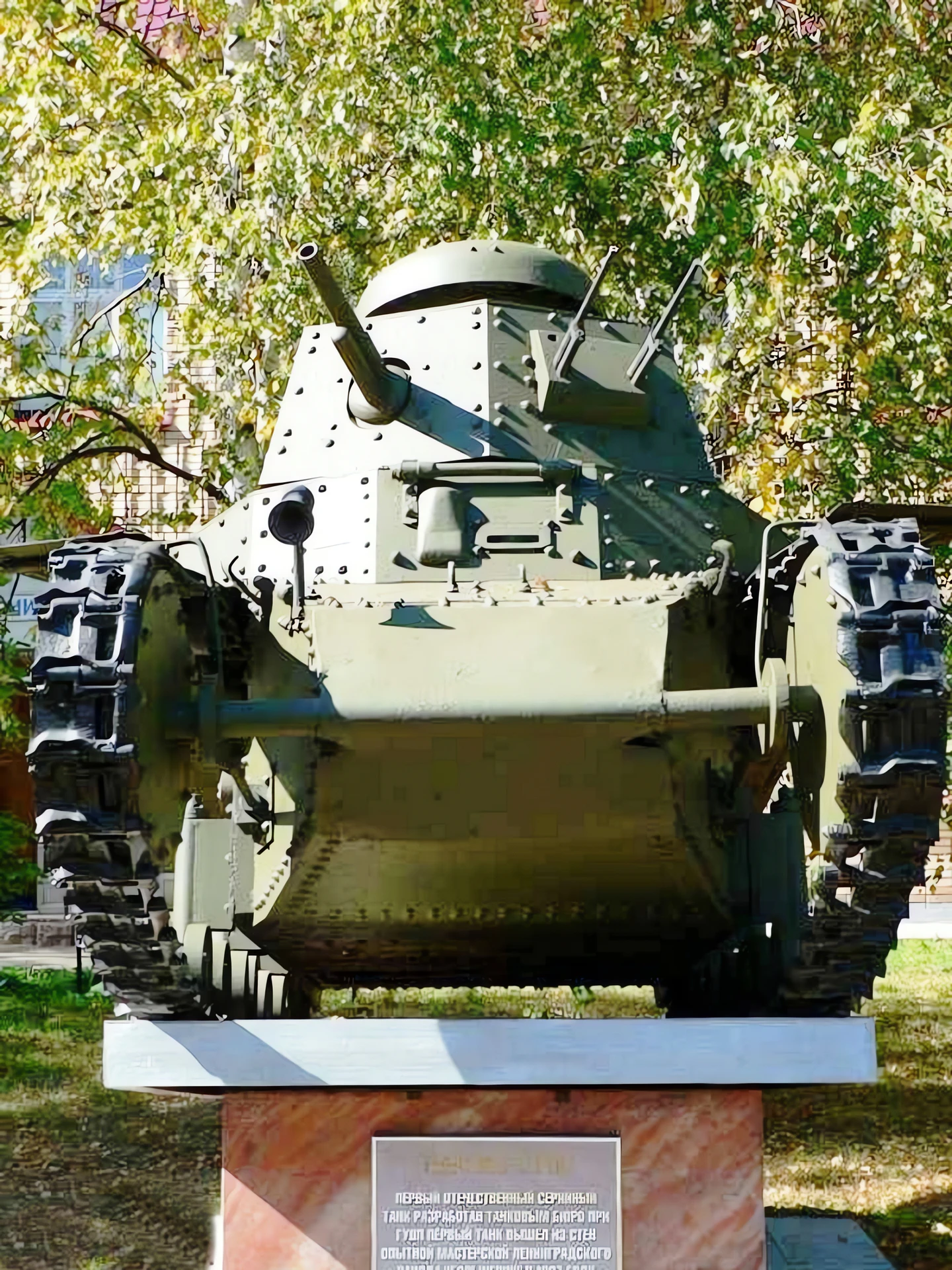
T-18 MS-1 01
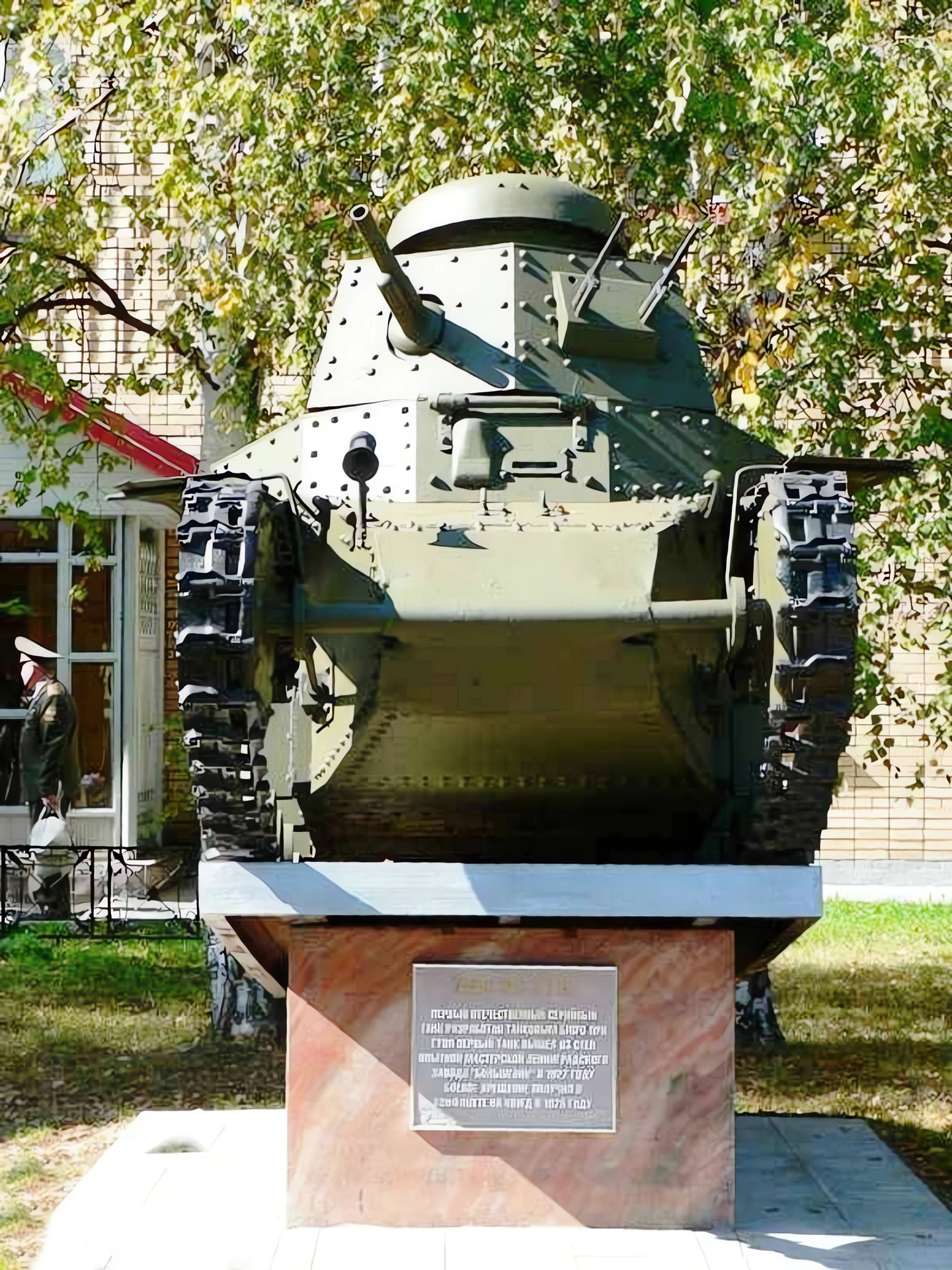
T-18 MS-1 02
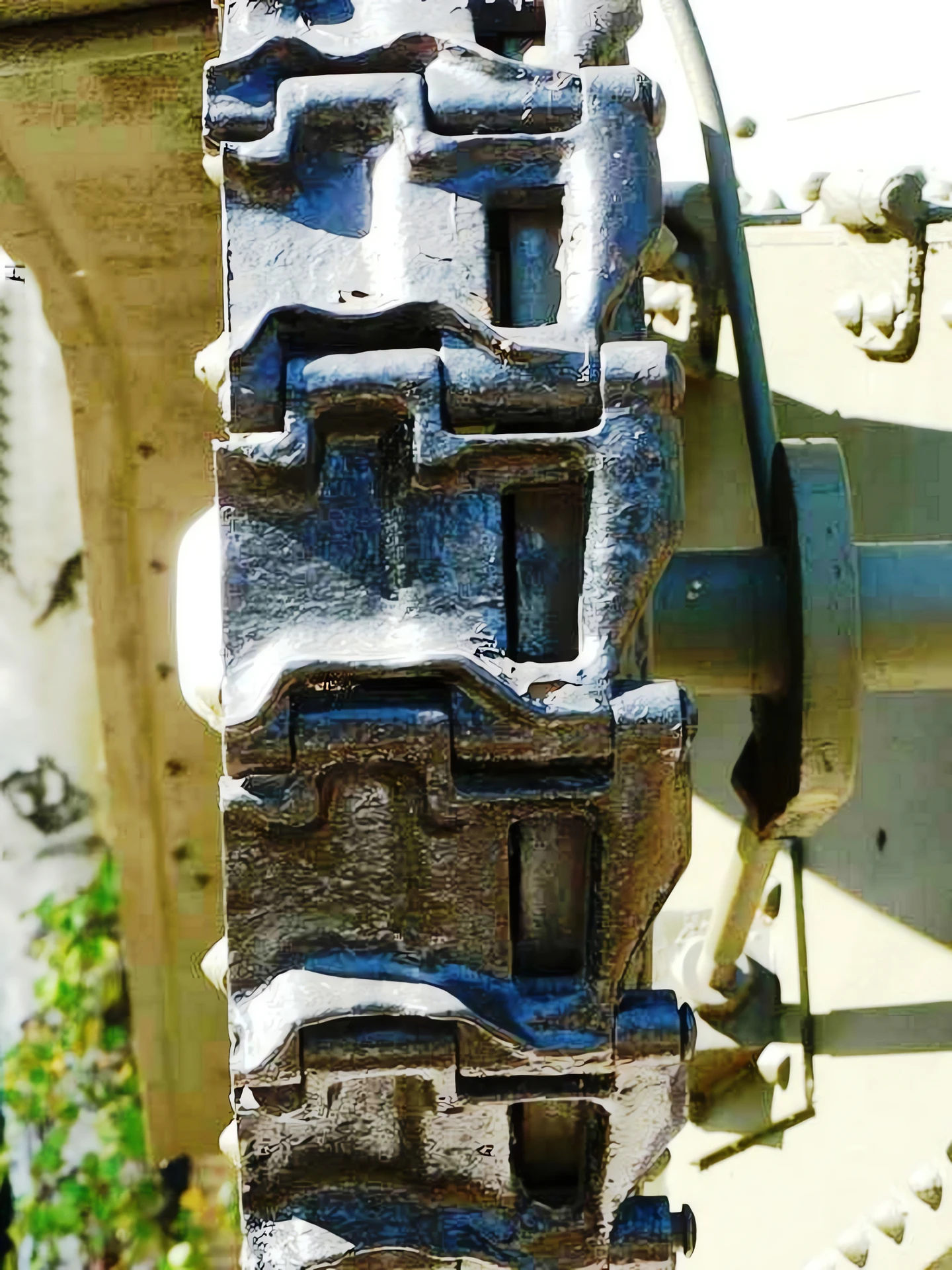
T-18 MS-1 03
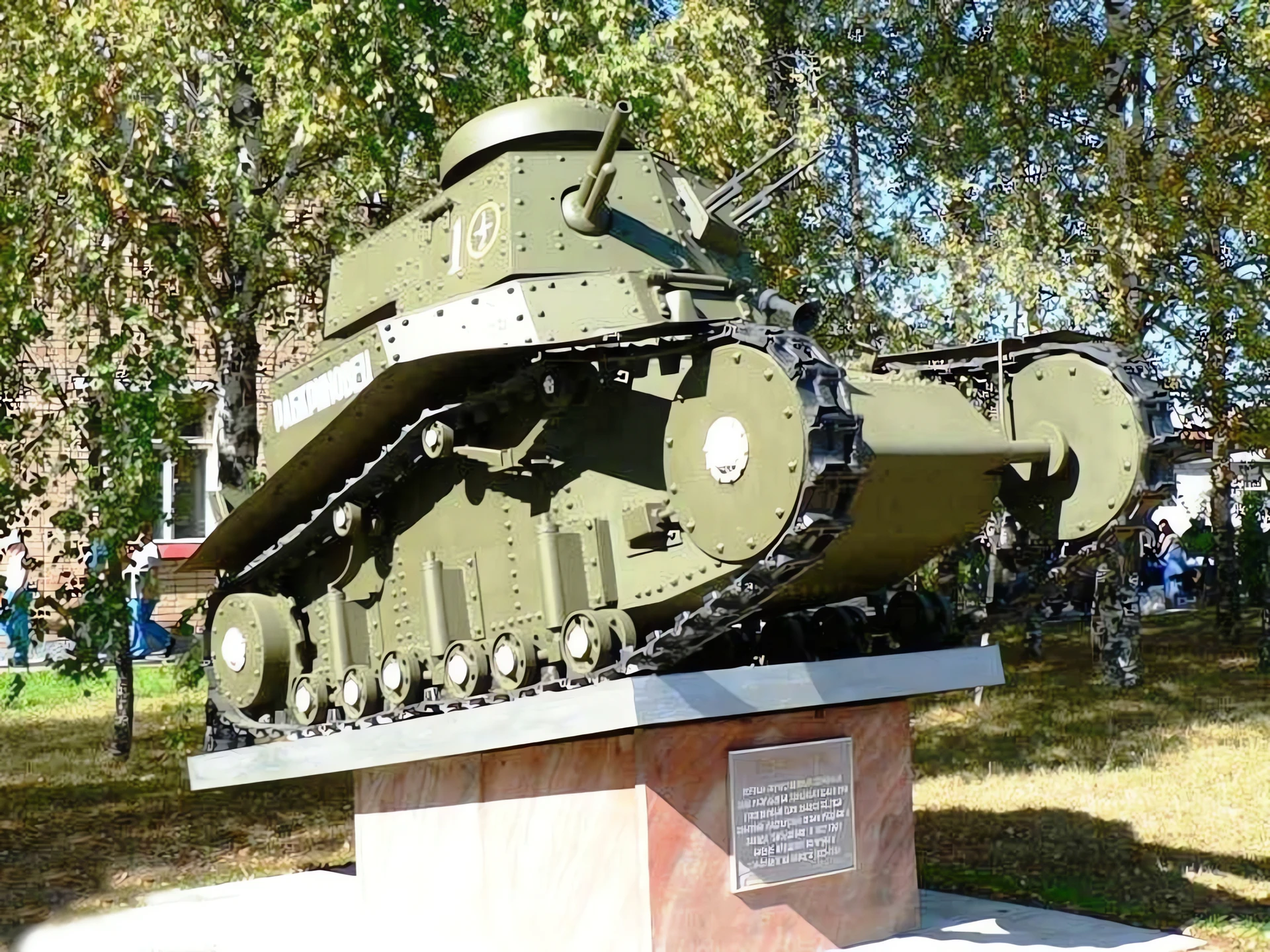
T-18 MS-1 05

T-18 MS-1 04
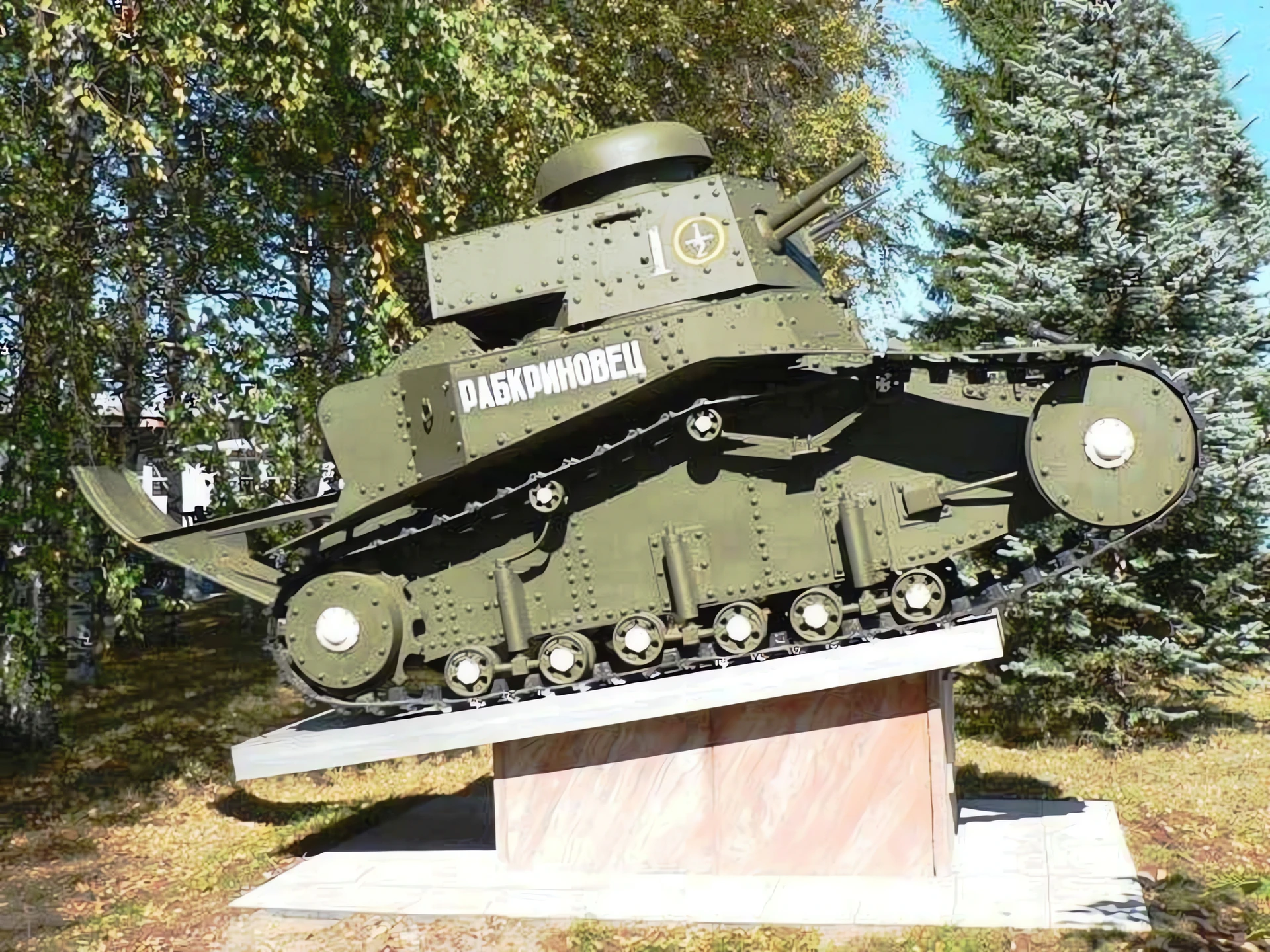
T-18 MS-1 06
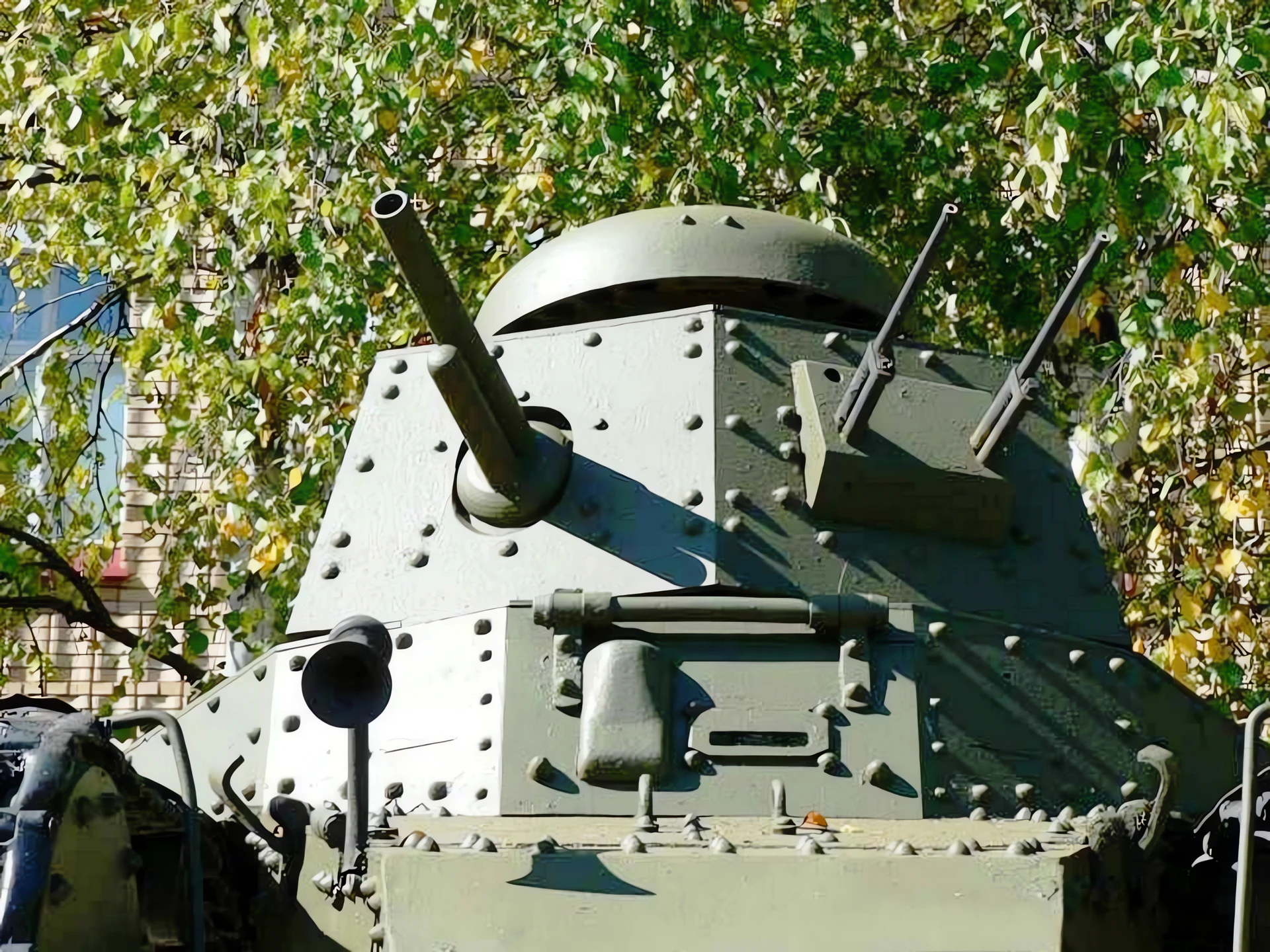
T-18 MS-1 07
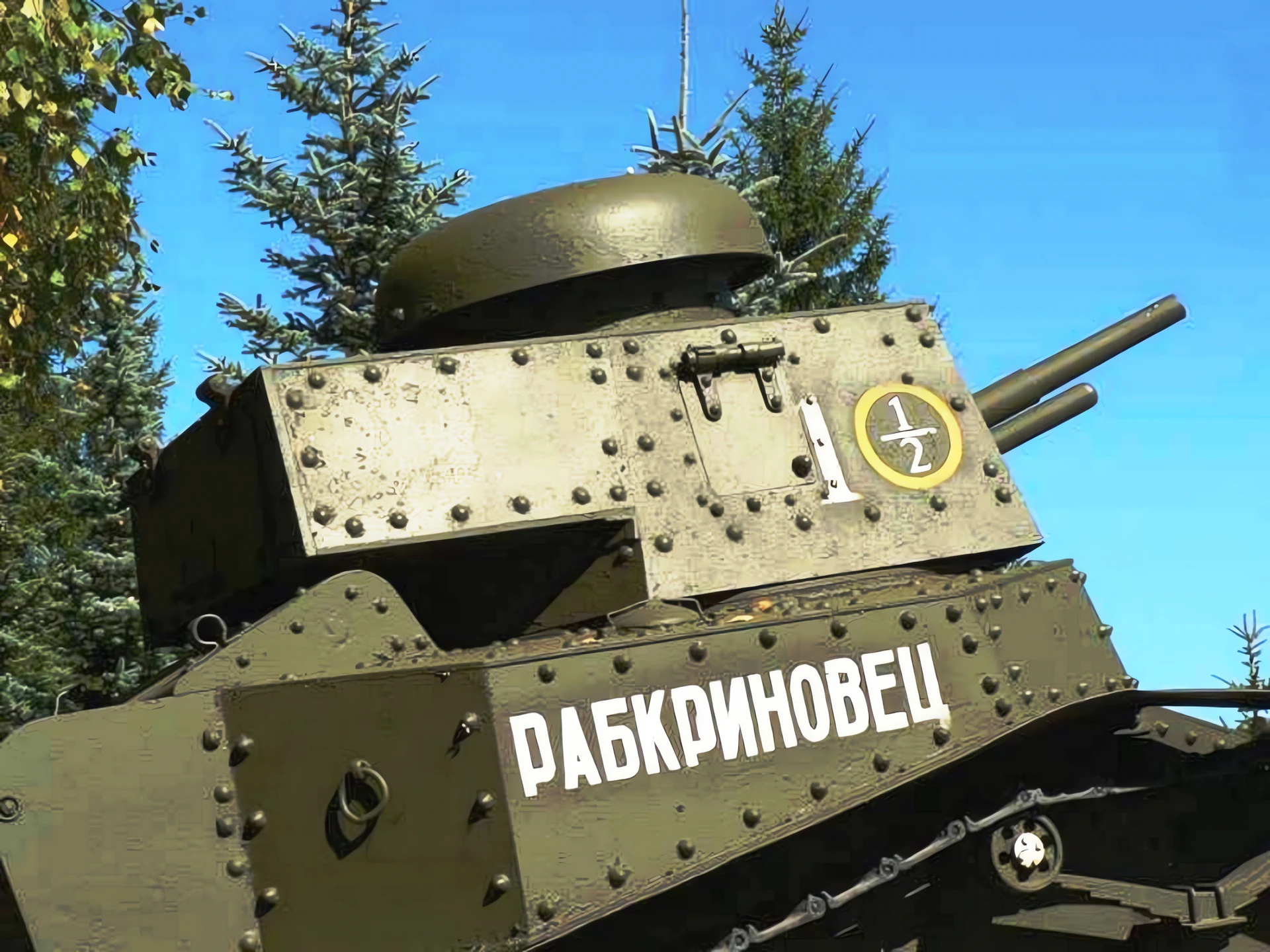
T-18 MS-1 08
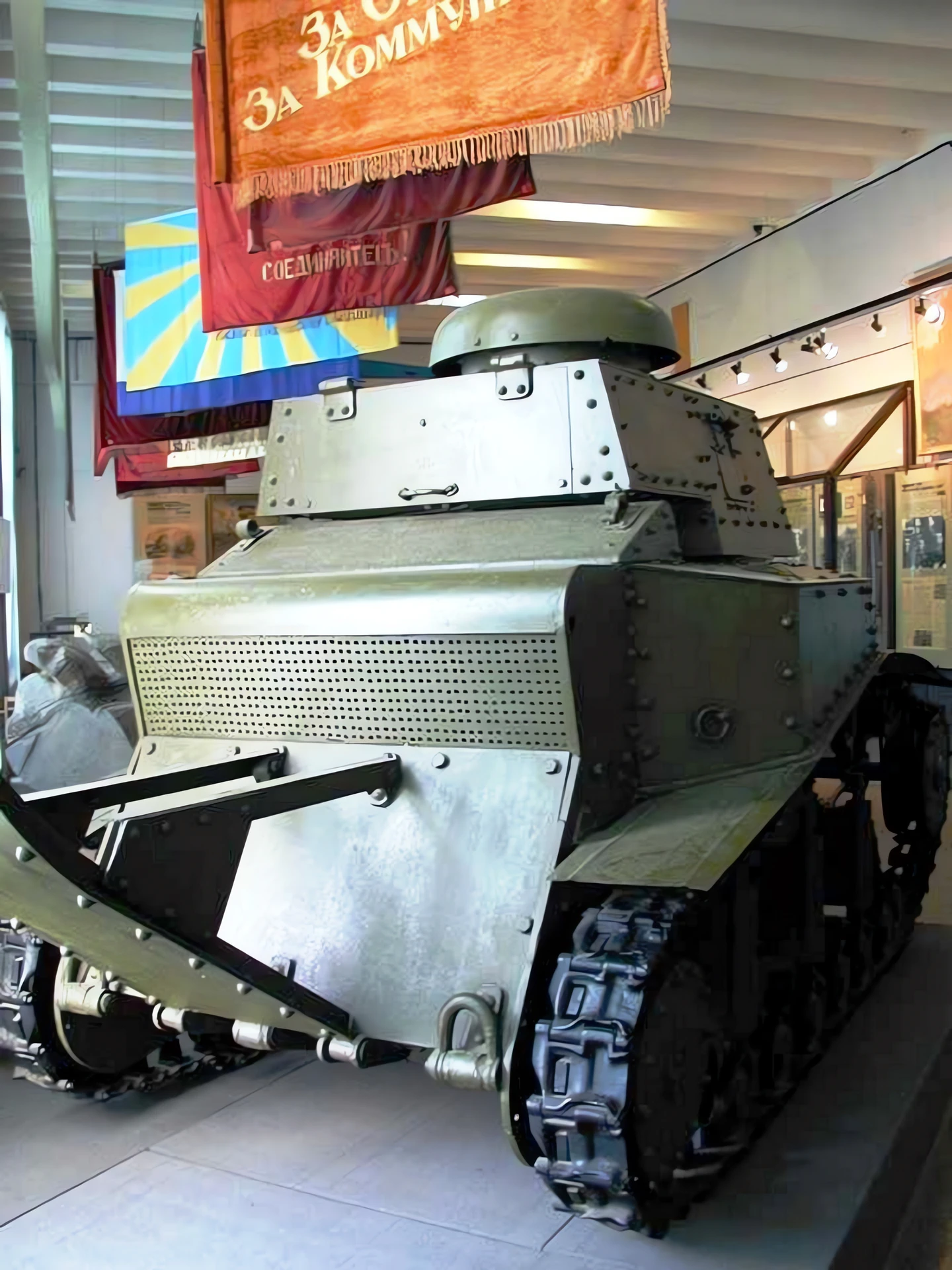
T-18 MS-1 09
Wait, Searching T-18 tank for you…

Taip pat žiūrėkite:


General Characteristics (First Soviet Tank)
The T-18, also known as the MS-1 (Maliy Soprovozhdeniya, or Small Escort), was the first tank fully designed and built in the Soviet Union. It was largely based on the French Renault FT tank, with modifications to the chassis and armament.
| Property | Value (T-18 Model 1930) |
|---|---|
| Vaidmenį | Light Infantry Support Tank |
| Dizaineris | V.N. Zaslavsky / KB of the Leningrad Bolshevik Factory |
| Entered Service | 1928 |
| Įgulos | 2 (Commander/Gunner, Driver) |
| Combat Weight | 5.9 tonnes |
| Skaičius pastatytas | 959 |
Armament and Protection
- Main Armament: One 37 mm Hotchkiss-licensed Model 27 gun (or later, a 37 mm PS-1 gun).
- Secondary Armament: One 6.5 mm Fyodorov-Degtyaryov machine gun (coaxial).
- Armor Thickness: Riveted armor ranging from 8 mm to 16 mm. This provided protection only against rifle-caliber machine gun fire and small arms.
- Turret: Small, simple cylindrical turret for a single operator.
- Service History: Served in the Soviet-Chinese conflict (Battle of the Chinese Eastern Railway, 1929) and was used primarily for training throughout the 1930s before being replaced by the T-26 and BT series.
Powerplant and Mobility
- Engine: AM-2 air-cooled 4-cylinder engine (based on a truck engine).
- Power Output: 35 hp (26 kW) (later models increased to 40 hp).
- Maximum Road Speed: 17 km/h (11 mph).
- Operational Range: Approximately 100 km (62 miles).
- Unique Feature: Featured an extended chassis and a sophisticated spring-type rear suspension that provided a modest improvement over the original Renault FT design, which inspired it.
Views : 1055
Taip pat galite pamatyti:
 M8 šarvuotų ginklų sistema – nuotraukos ir vaizdo įrašai
 M41B Walker Bulldog – nuotraukos ir vaizdo įrašas
 M3A1 Stuart vol2 – Nuotraukos &; Video
 Vickers Mk VIb vol2 – Vaikščioti aplink
 Vickers Mk VIb – Vaikščioti aplink
 T-26 – WalkAround
 Renault R35 – WalkAround
 M3A1 Stuart – WalkAround
 M22 Saldžiavaisis – Vaikščioti aplink
 Char rapide BT-5 - Vaikščioti aplink