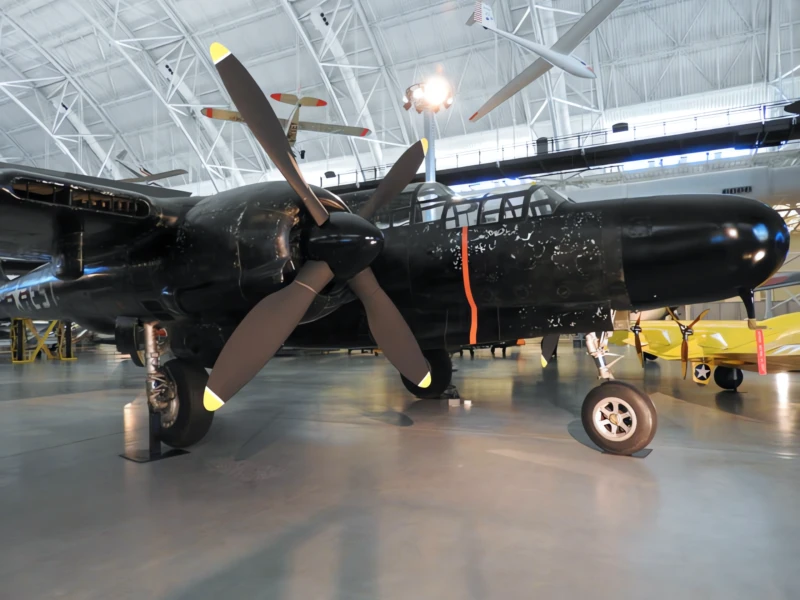
Northrop P-61 Juodoji našlė | |
|---|---|
| Šalies | Jav |
| Vaidmenį | Naktinis kovotojas |
| Pirmasis skrydis | 1942 m. gegužės 26 d. |
| Pastatytas | 706 |
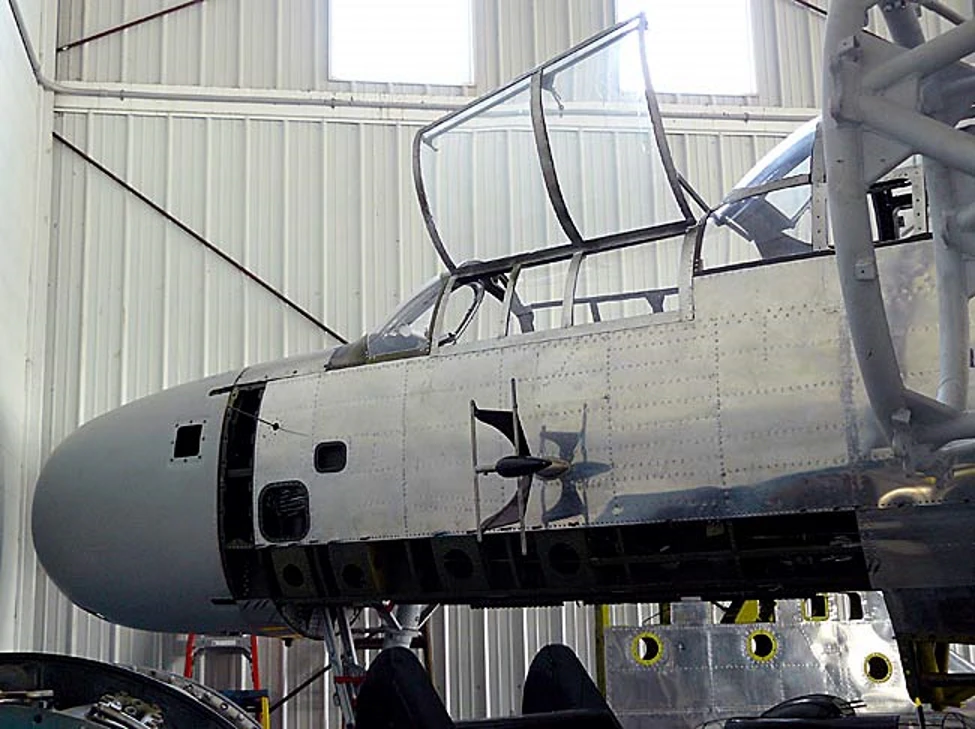
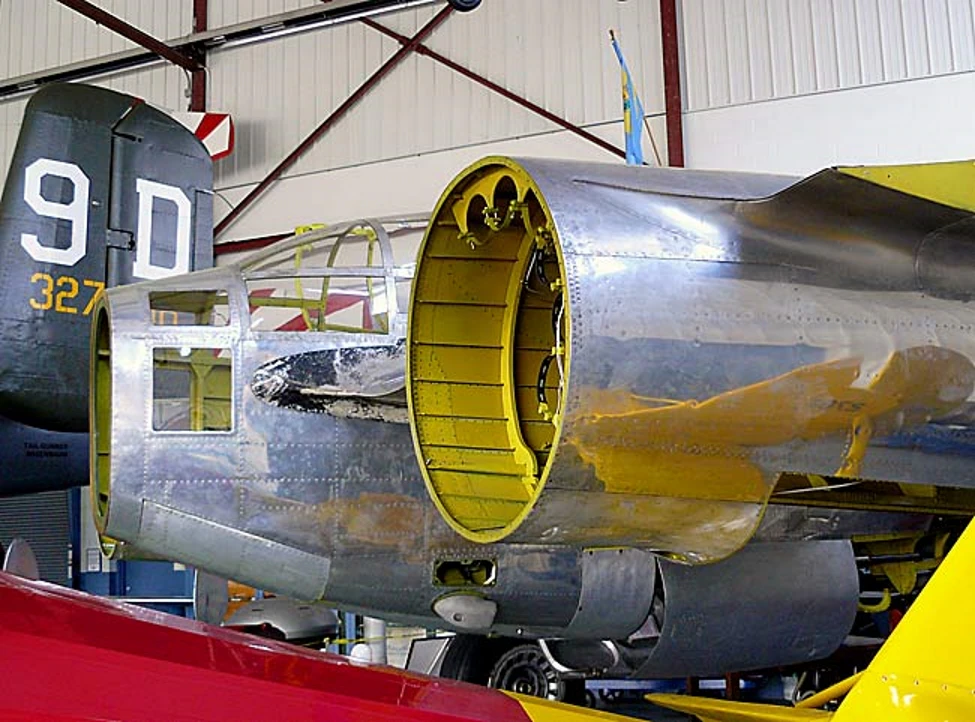
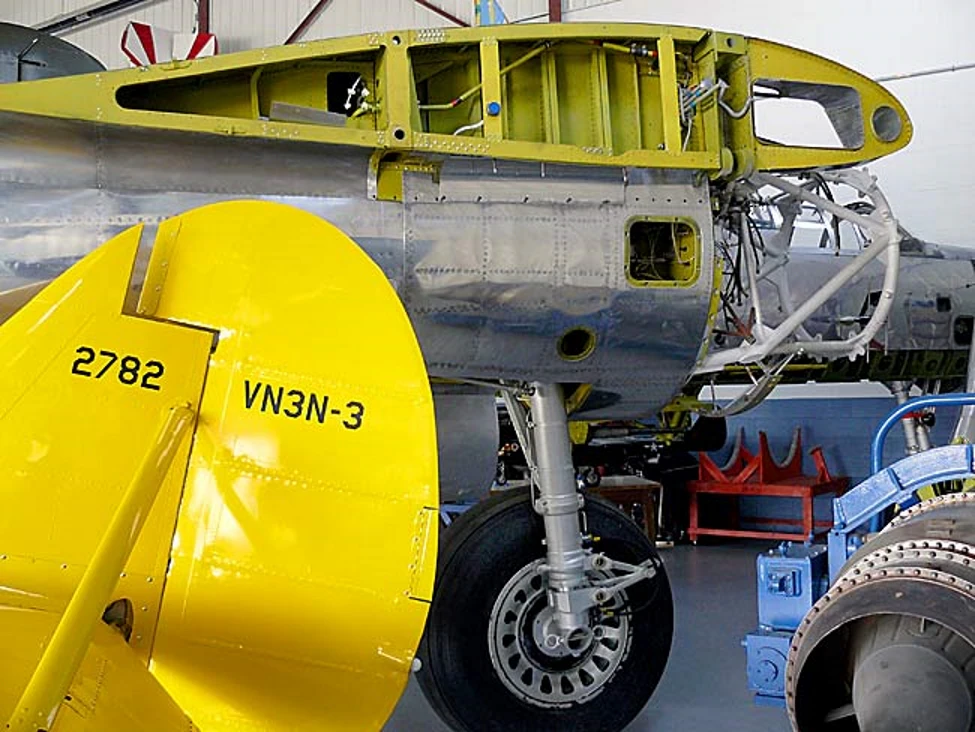
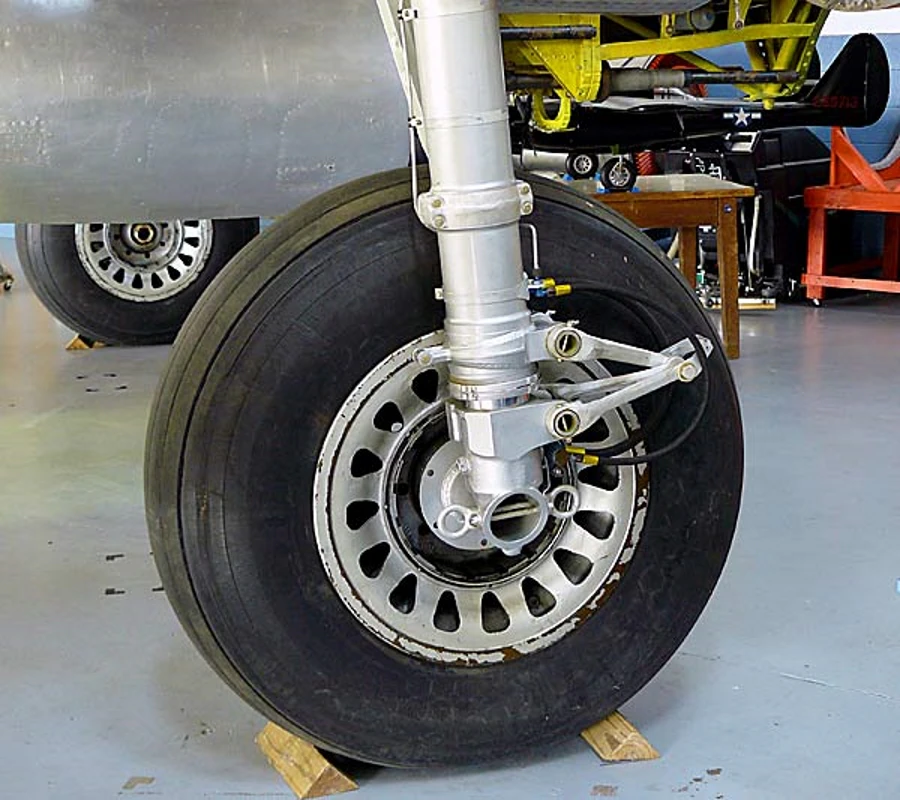
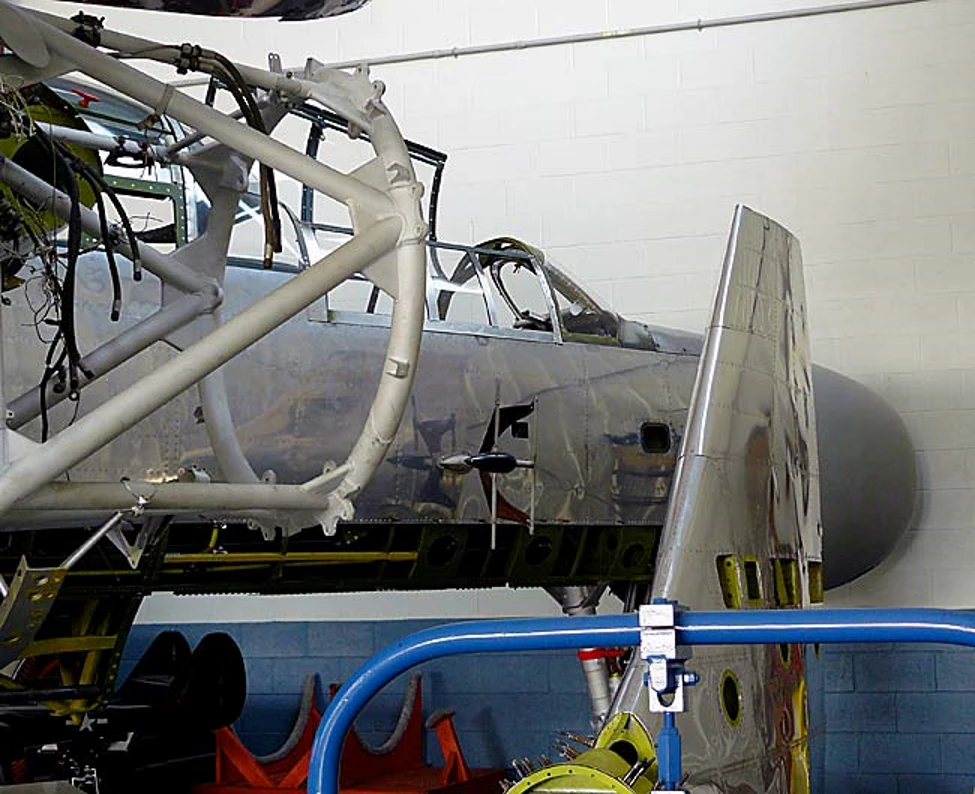
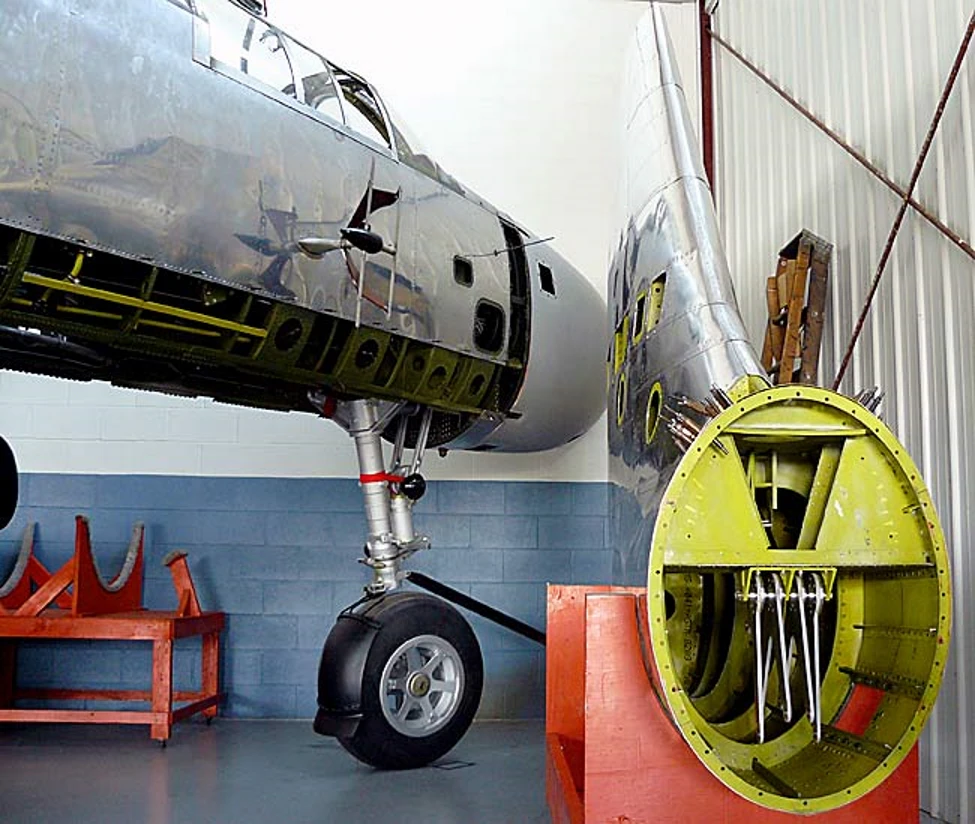
2007 Northrop P-61 Juodoji našlė, named for the American spider, was the first operational U.S. warplane designed as a night fighter, and the first aircraft designed to use radar. The P-61 had a crew of three: pilot, gunner, and radar operator. It was armed with four 20 mm (.79 in) Hispano M2 forward-firing cannons mounted in the lower fuselage, and four .50 in (12.7 mm) M2 Browning machine guns mounted in a remote-controlled dorsal gun turret. It was an all-metal, twin-engine, twin-boom design developed during World War II. The first test flight was made on May 26, 1942, with the first production aircraft rolling off the assembly line in October 1943. The last aircraft was retired from government service in 1954.
Šaltinis: Northrop P-61 Juodoji našlė Vikipedijoje
| Northrop P-61C Juodoji našlė vaikščioti aplink | |
|---|---|
| Fotografas | Cees Hendriksas |
| Lokalizavimo | Nežinoti |
| Nuotraukos | 105 |
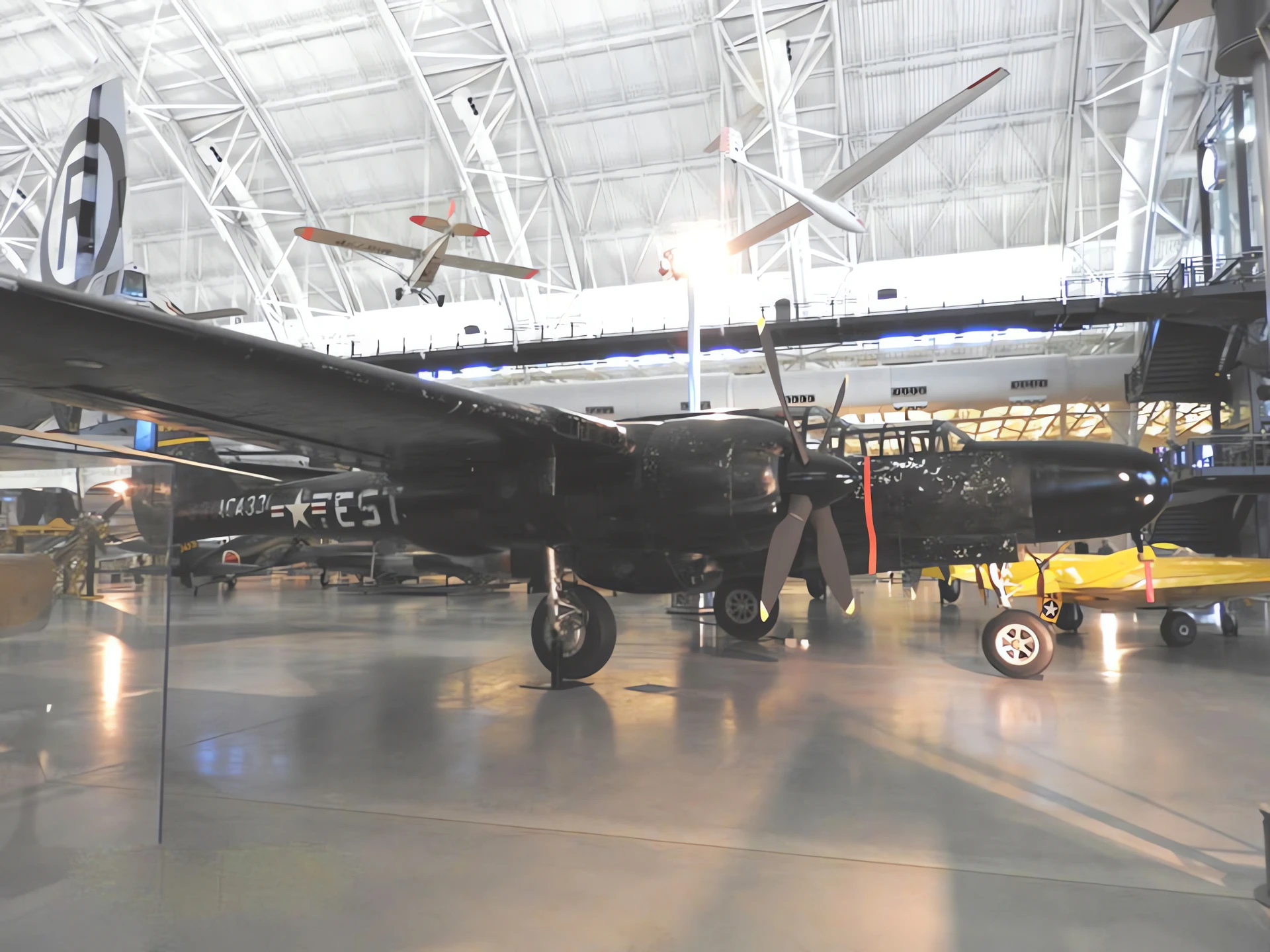
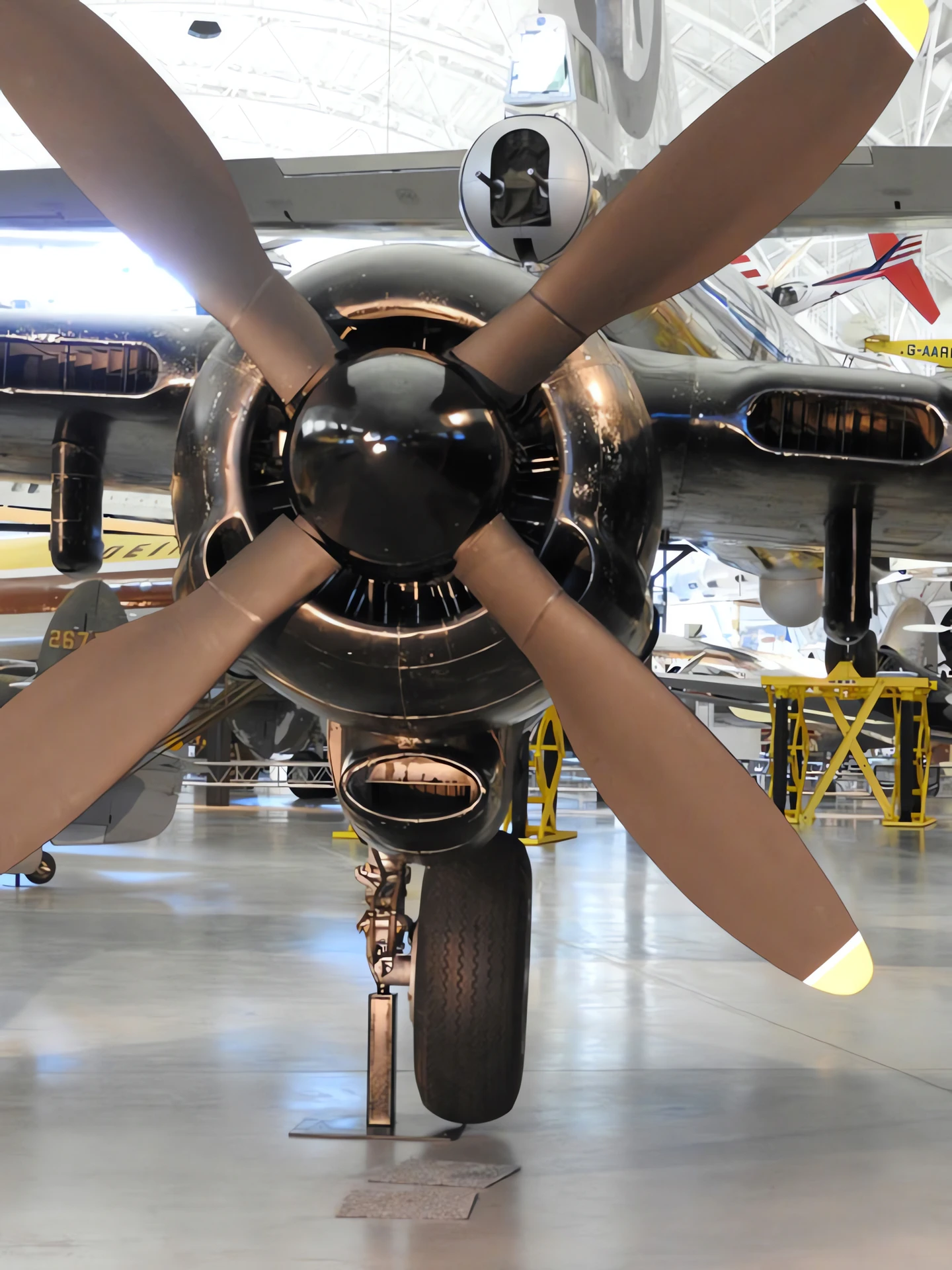
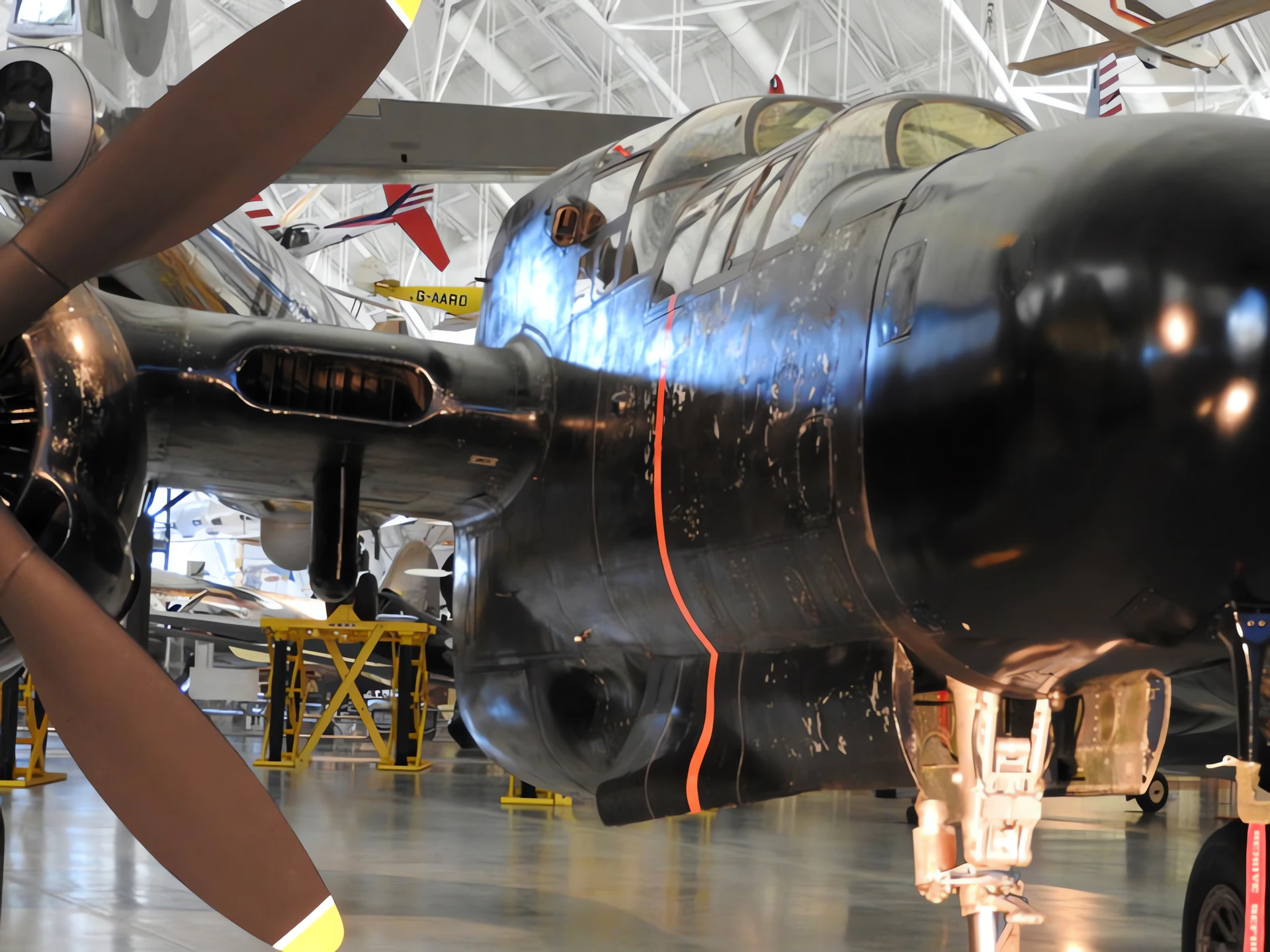
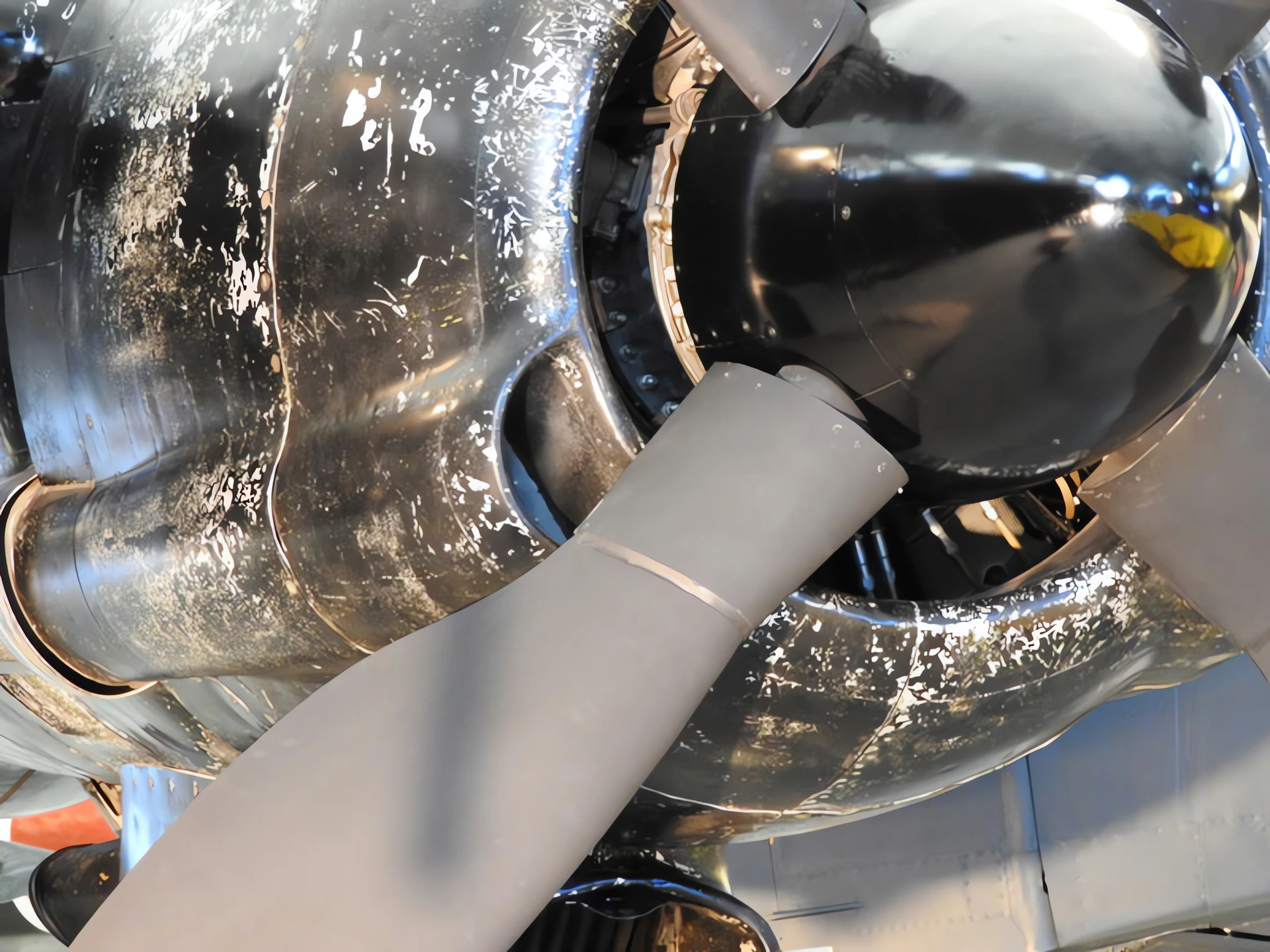
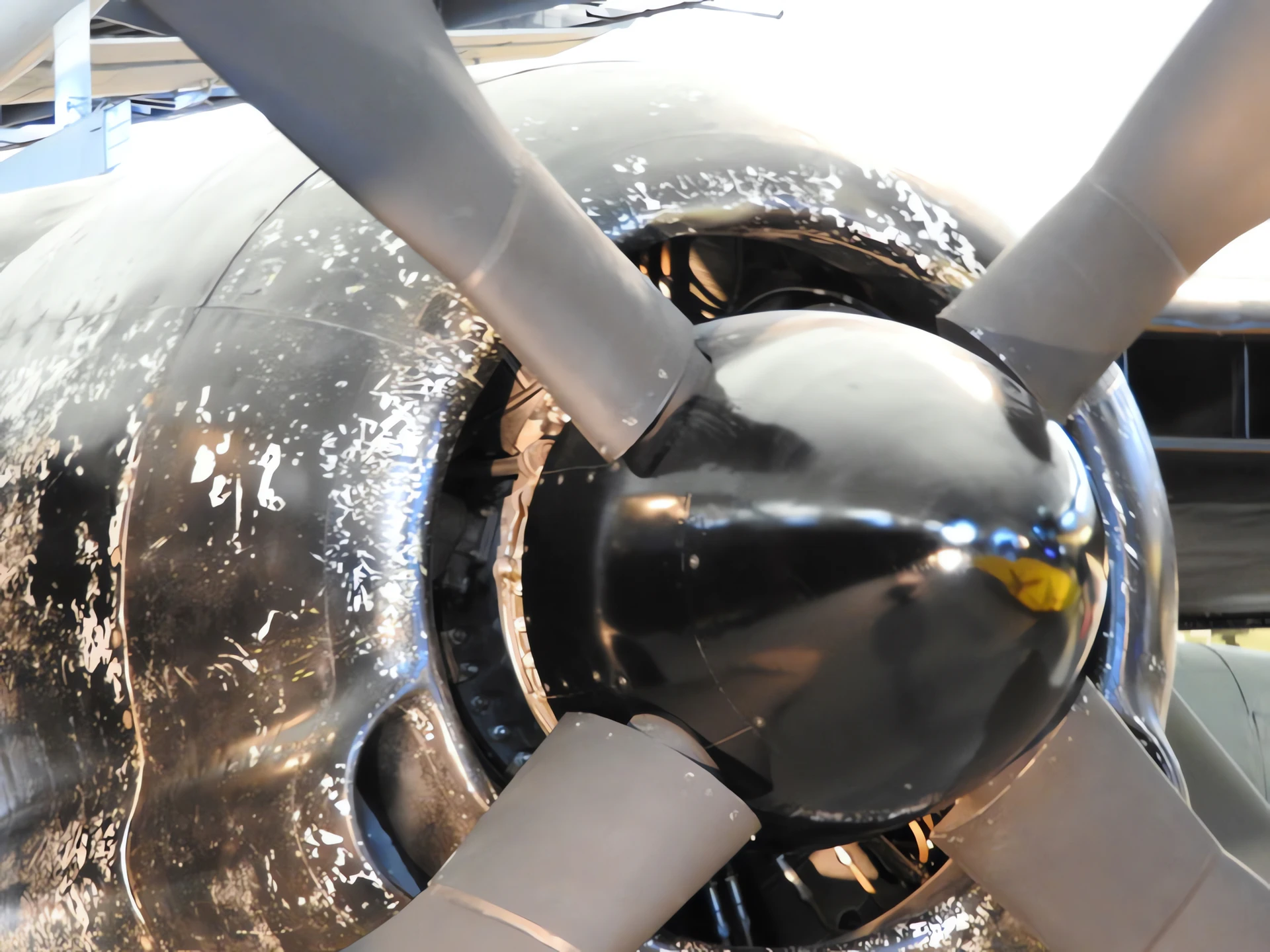
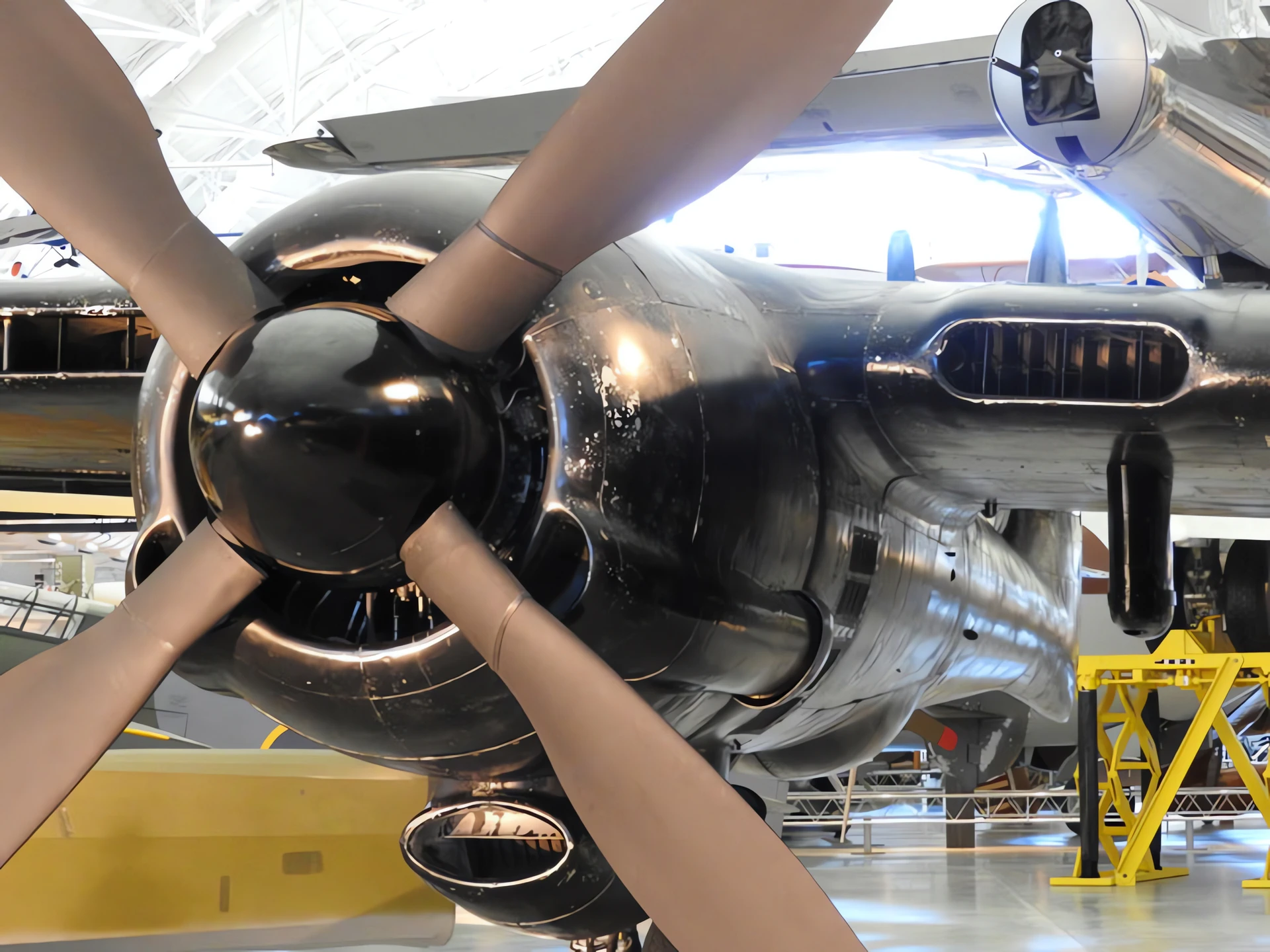
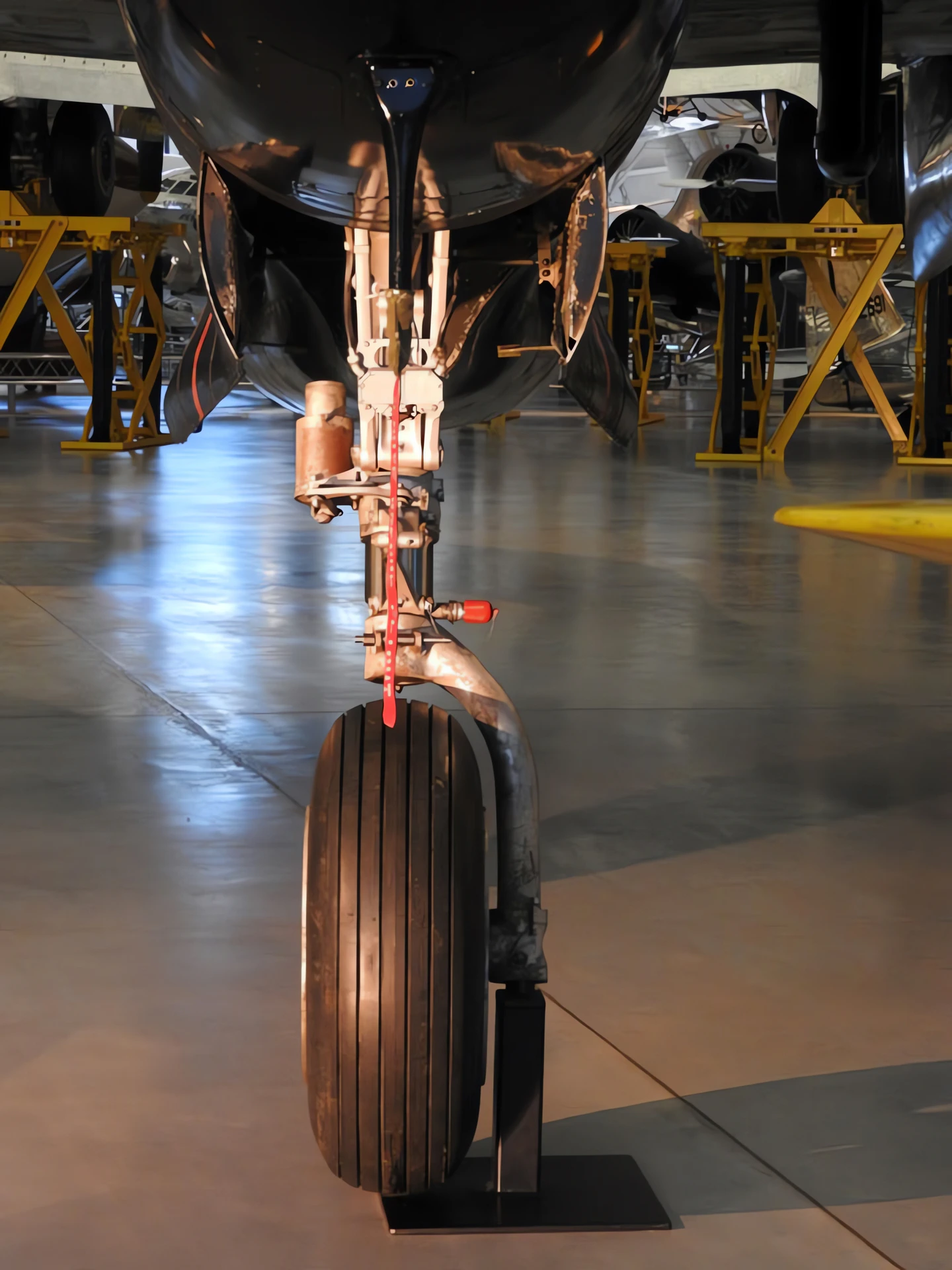
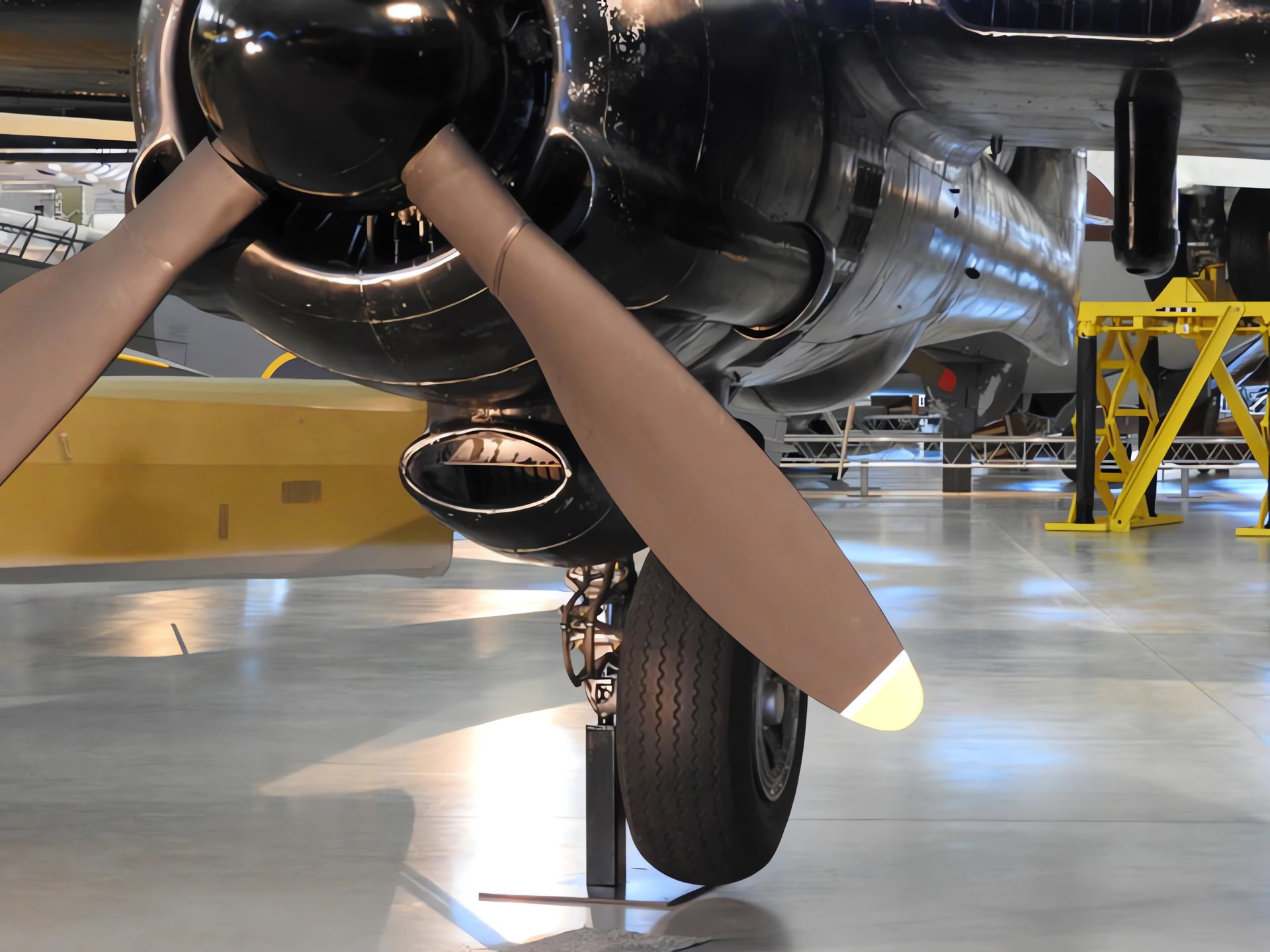
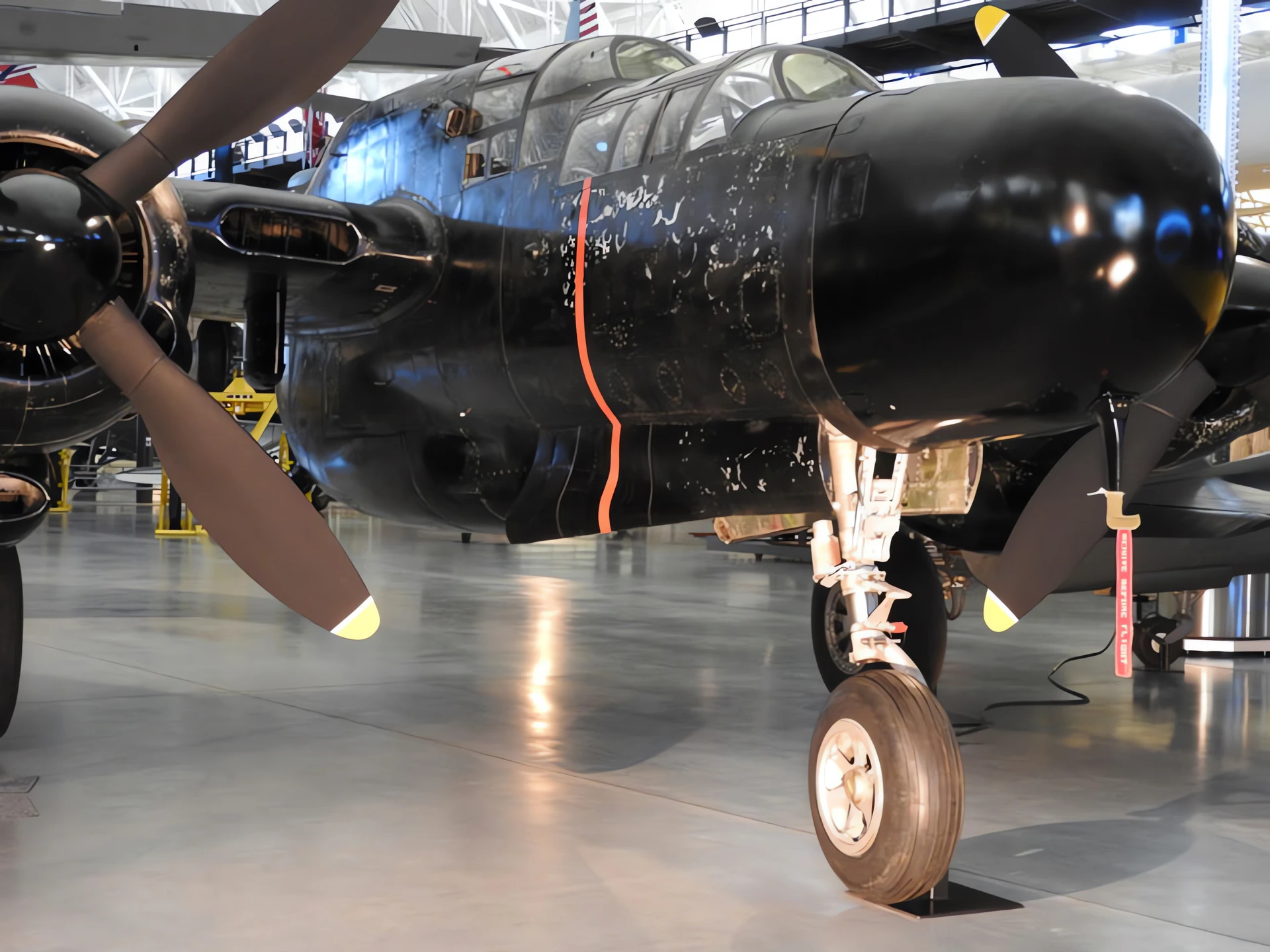

| Northrop P-61B Juodoji našlė vaikščioti aplink | |
|---|---|
| Fotografas | Billas Maloney |
| Lokalizavimo | Nežinoti |
| Nuotraukos | 24 |
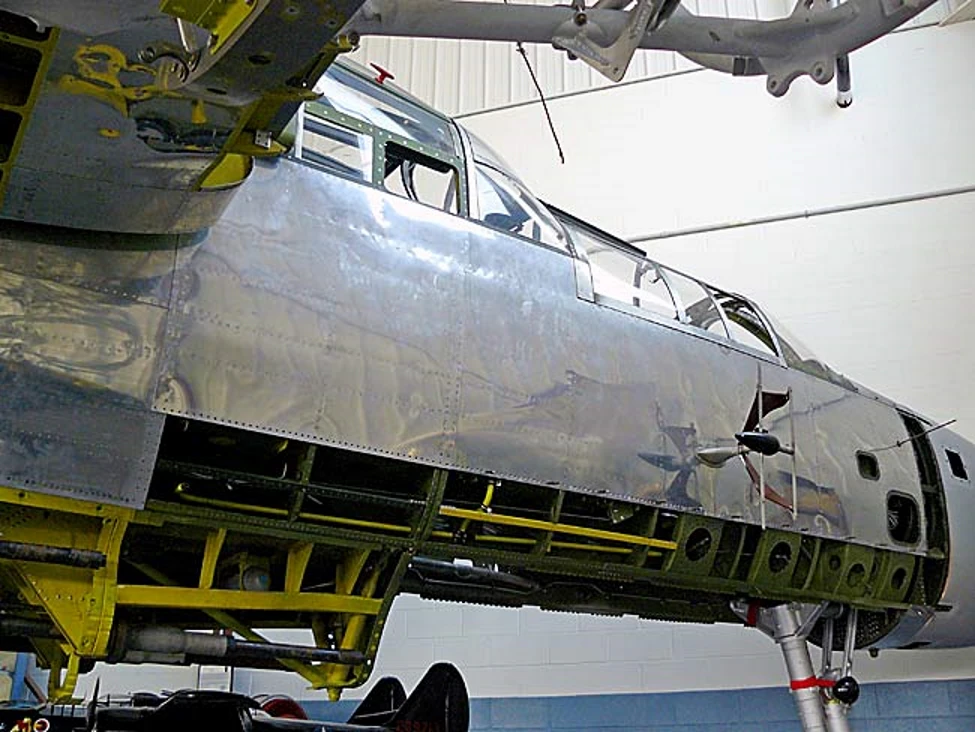
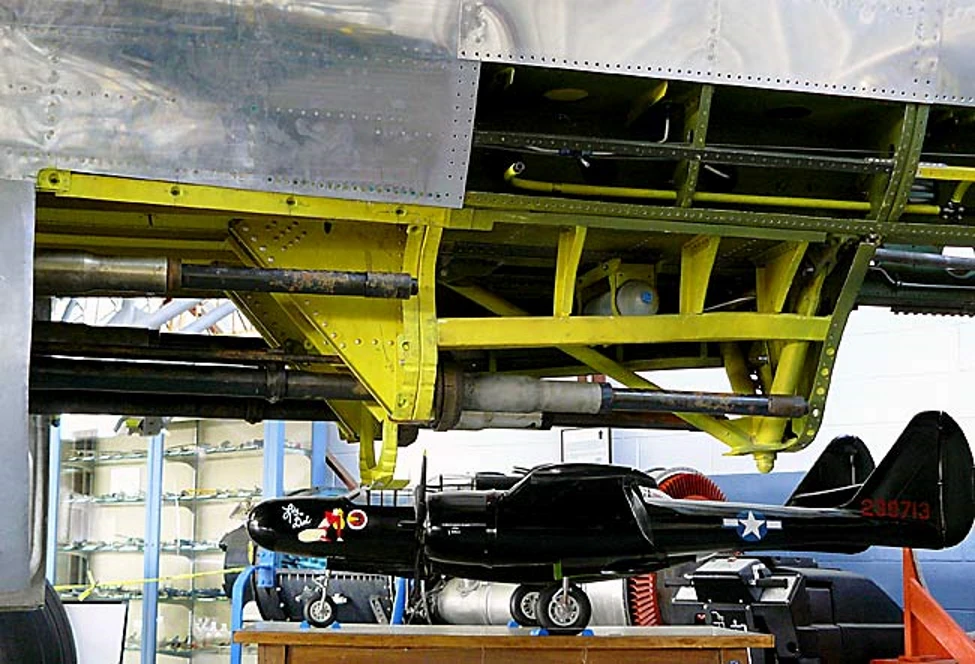
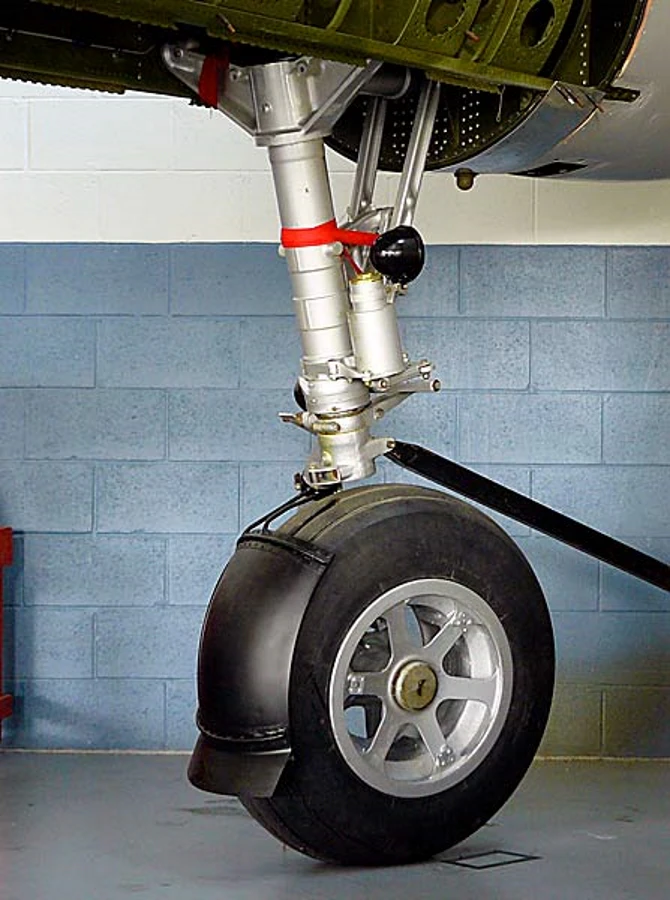
Taip pat žiūrėkite:


| Northrop P-61C Black Widow Walk Around | |
|---|---|
| Fotografas | Vladimiras Yakubovas |
| Lokalizavimo | USAF nacionalinis muziejus |
| Nuotraukos | 62 |
The Shadow in the Night
2007 Northrop P-61 Juodoji našlė was the first U.S. aircraft designed from the ground up to utilize radar for night interception. A massive, twin-engine, twin-boom beast, it was nearly as large as a medium bomber but possessed the agility of a fighter. The P-61C was the final and most powerful production variant, introduced late in the war to address speed deficiencies at high altitudes. Painted in a distinctive “glossy sea blue” or “jet black” finish, it was almost invisible in the night skies over Europe and the Pacific.
| Attribute | Technical Specification (P-61C) |
|---|---|
| Vaidmenį | All-weather / Night Fighter |
| Įgulos | 3 (Pilot, Gunner, Radar Operator) |
| First Flight (P-61A) | 1942 m. gegužės 26 d. |
| Jėgainė | 2 × Pratt & Whitney R-2800-73 Double Wasp radials |
| Horsepower | 2,800 hp (2,088 kW) each (with turbochargers) |
| Maximum Speed | 430 mph (692 km/h) at 30,000 ft |
| Radaro | SCR-720 (Nose-mounted) |
| Ginkluotės | 4 × 20mm Hispano cannons; 4 × .50 cal machine guns (dorsal turret) |
Technological Innovations of the Widow
- Remote Control Dorsal Turret: The P-61 featured a top-mounted turret with four .50 caliber machine guns. It could be locked forward to be fired by the pilot or controlled remotely by the gunner using a periscopic sight.
- The “Zap” Flaps and Retractable Ailerons: To achieve a low landing speed while maintaining high-speed performance, the P-61 used nearly full-span “Zap” flaps. To provide roll control, Northrop used tiny “spoiler” ailerons that retracted into the wing.
- SCR-720 Radar: The heart of the Widow was its nose-mounted radar, which could detect enemy aircraft at a range of 5 miles. The radar operator sat in a separate compartment in the rear of the central pod, guiding the pilot toward the target via an intercom.
- C-Model Improvements: The “C” variant added massive turbo-superchargers beneath the engines and “fighter brakes” (perforated flaps) on the wings, which allowed the pilot to slow down quickly after a dive to avoid overshooting a target.
Operational Legacy
- The Last Victory: A P-61B named “Lady in the Dark” is credited with the final Allied air victory of WWII, forcing down a Japanese aircraft on the night of August 14/15, 1945, without firing a single shot.
- Night Interception: In the Pacific, the P-61 was essential for stopping “Washing Machine Charlie”—Japanese nuisance bombers that harassed Allied troops at night.
- B-29 Escort: The P-61 was often used to scout ahead of B-29 Superfortress formations, using its radar to detect weather patterns and enemy night fighters.
- The F-15 Reporter: After the war, several P-61s were modified for photo-reconnaissance, designated as the F-15 Reporter. These were among the last piston-engine reconnaissance planes used by the USAF.
Views : 9977
Taip pat galite pamatyti:
 "Northrop YC-125 Raider" - nuotraukos ir vaizdo įrašai
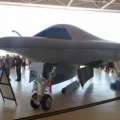 "Northrop Grumman X-47B" – nuotraukos ir vaizdo įrašai
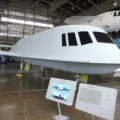 "Northrop Silent Blue" – nuotraukos ir vaizdo įrašai
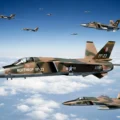 "Northrop YF-23" – nuotraukos ir vaizdo įrašai
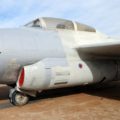 "Northrop F-89 Scorpion" – nuotraukos ir vaizdo įrašas
 Northrop N-9MB – nuotraukos ir vaizdo įrašai
 Northrop Grumman EA-6B Prowler - nuotraukos ir vaizdo įrašas
 "Northrop YA-9" – nuotraukos ir vaizdo įrašai
 "Northrop T-38 Talon" – nuotraukos ir vaizdo įrašas
 "Northrop F-5" – nuotraukos ir vaizdo įrašai