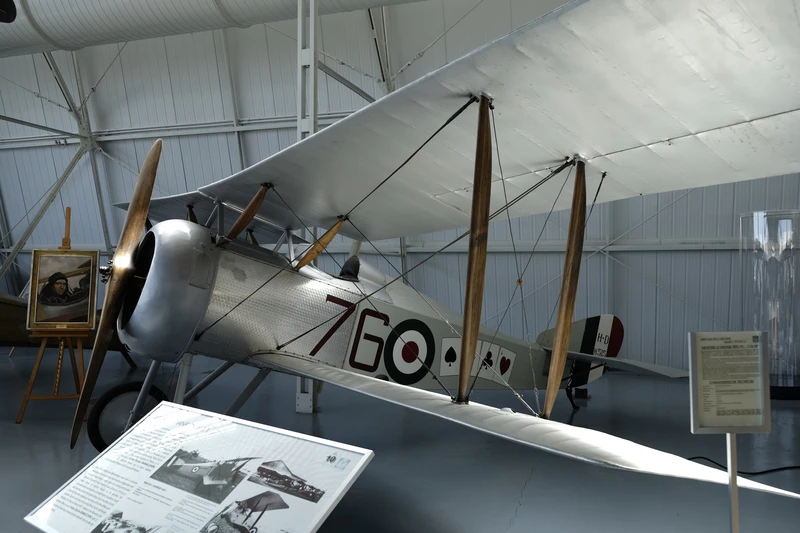
Hanriot HD.1 | |
|---|---|
| Šalies | Prancūzija |
| Vaidmenį | Biplane naikintuvai |
| Įvadas | 1916 m. birželio mėn. |
| Pastatytas | 1200+ |
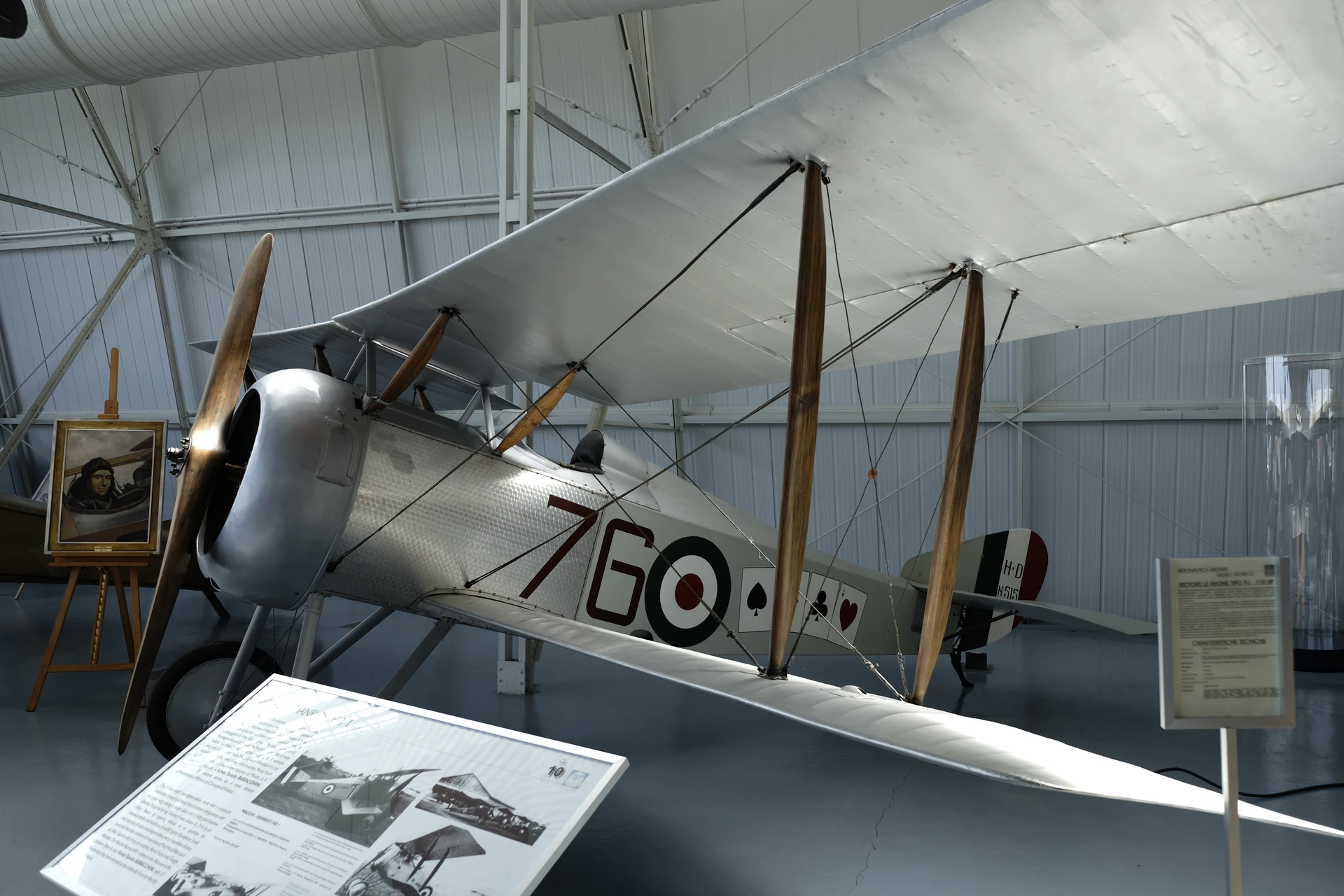
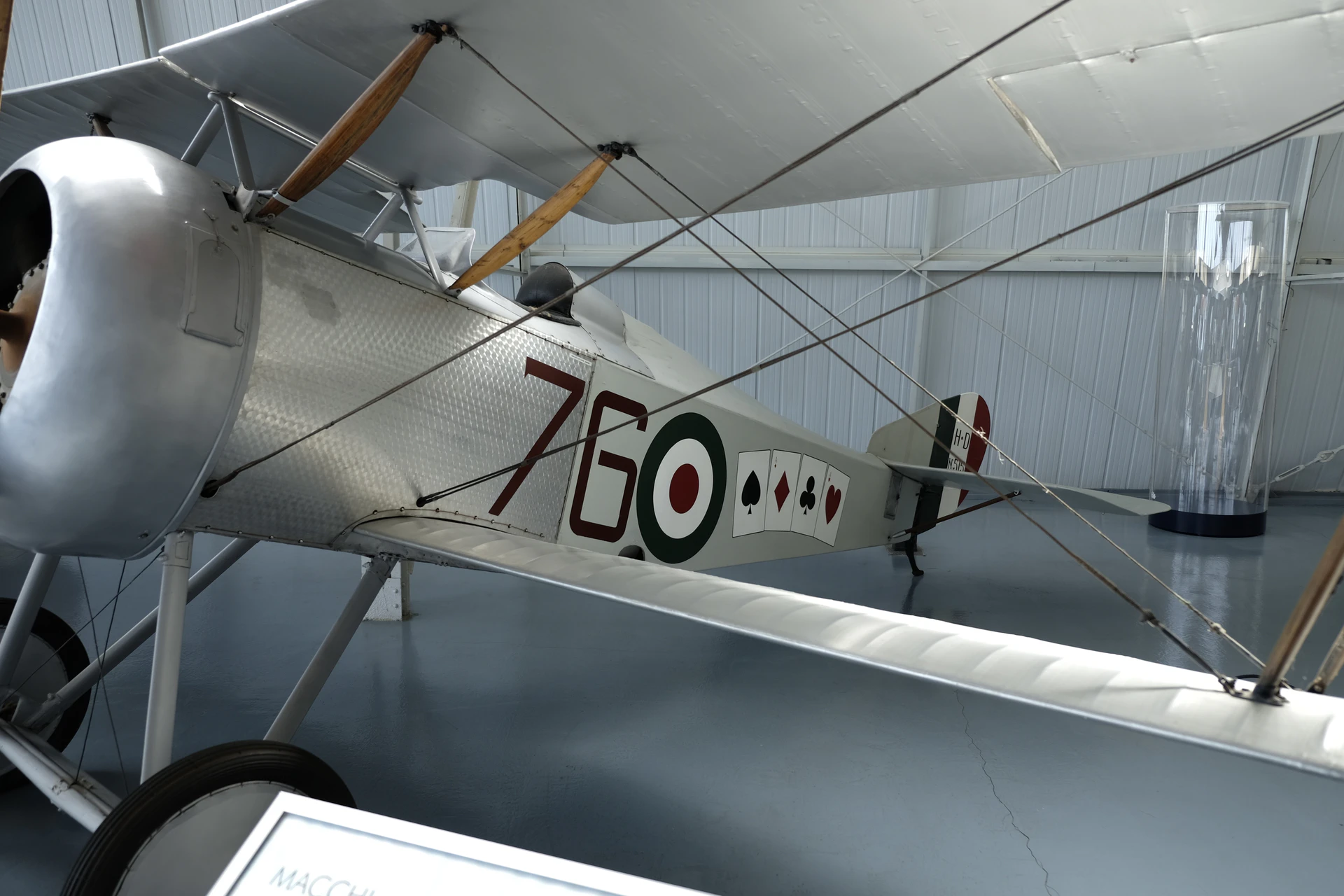
2007 Hanriot HD.1 buvo Prancūzijos Pirmojo pasaulinio karo vienvietis naikintuvas. Atmestas tarnybai su Prancūzijos eskadrilėmis SPAD S.VII naudai, tipas buvo tiekiamas Belgijos armijos aviacijos milicijai "Belge" ("Belgijos karo aviacija") ir Karališkosios Italijos armijos "Corpo Aeronautico Militare" ("Karo aviacijos korpusas"), o abu jie pasirodė labai sėkmingi. Iš maždaug 1 200 pastatytų pavyzdžių 831 pagamino Italijos įmonės pagal licencijas.
Šaltinis: Hanriot HD.1 Vikipedijoje
| Hanriot HD.1 Walk Around | |
|---|---|
| Fotografas | Nežinoti |
| Lokalizavimo | Nežinoti |
| Nuotraukos | 13 |
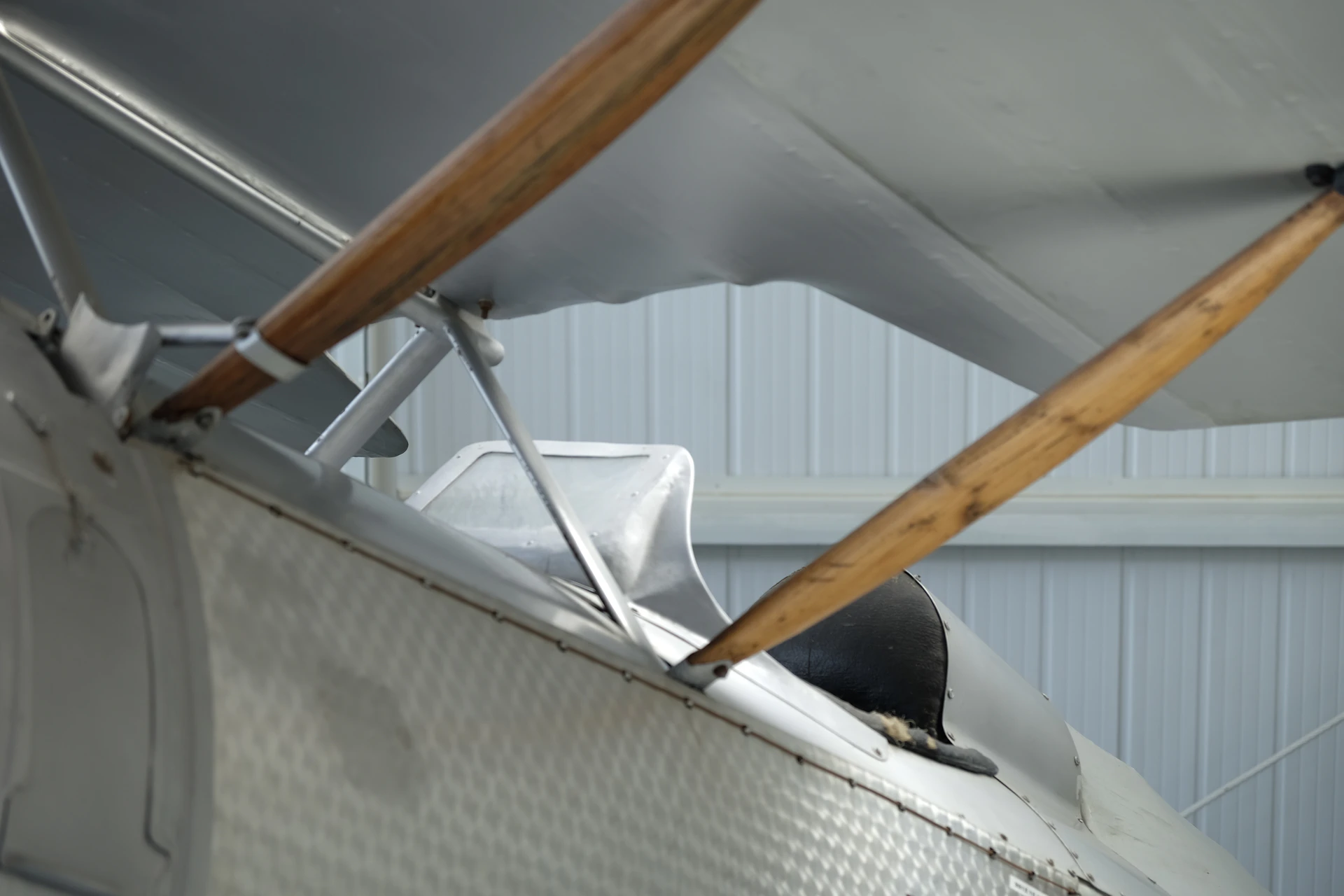
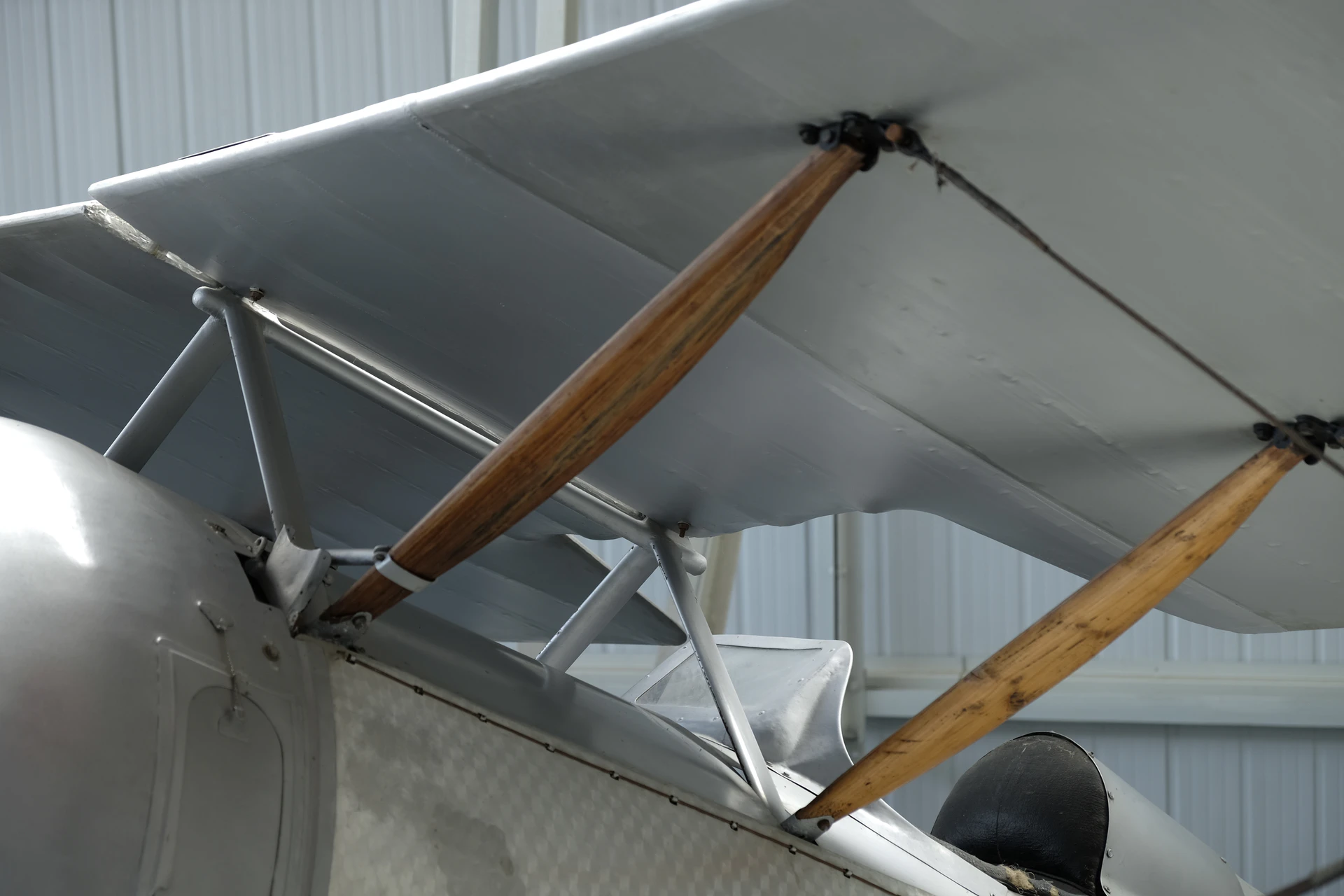


Taip pat žiūrėkite:


General Characteristics
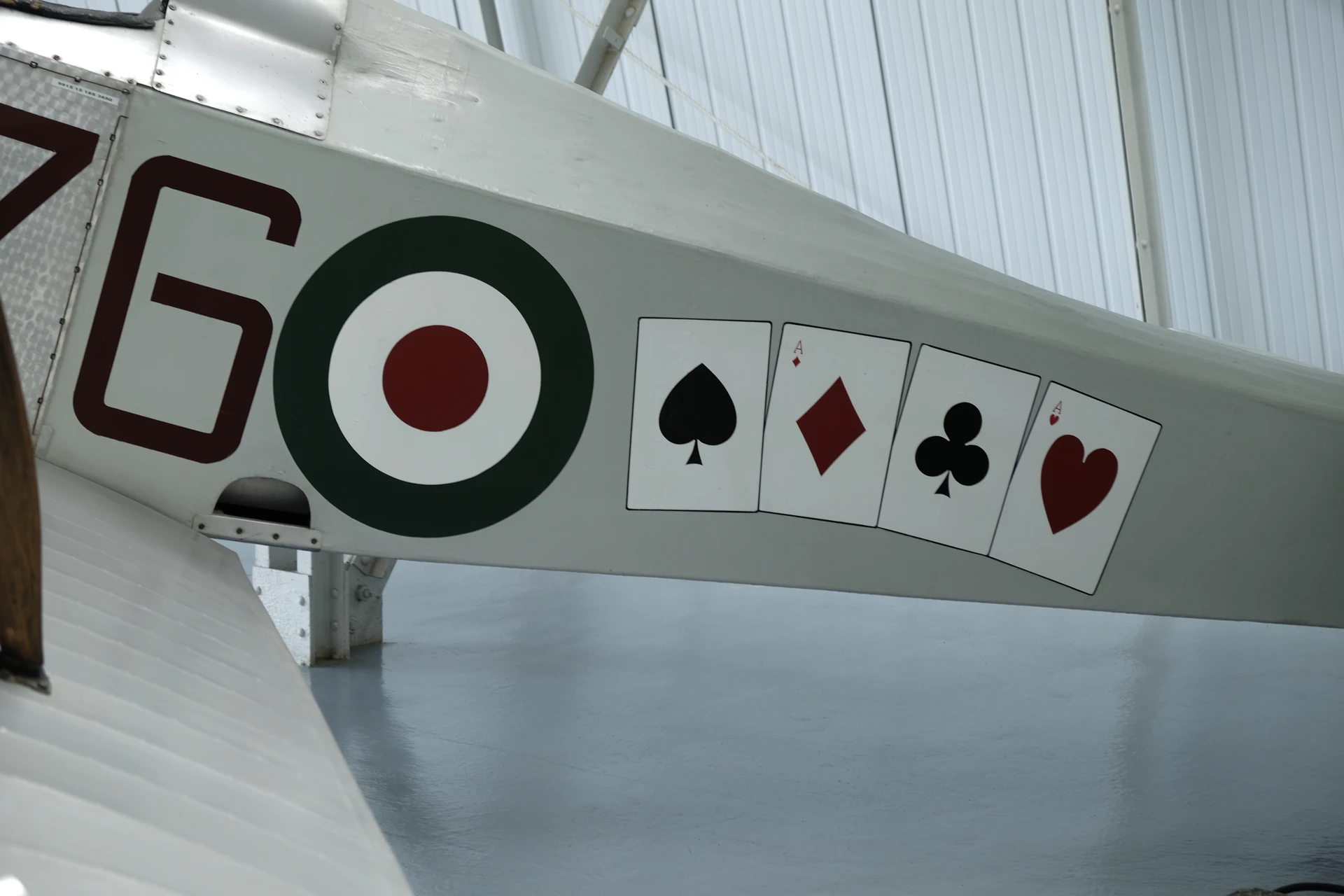
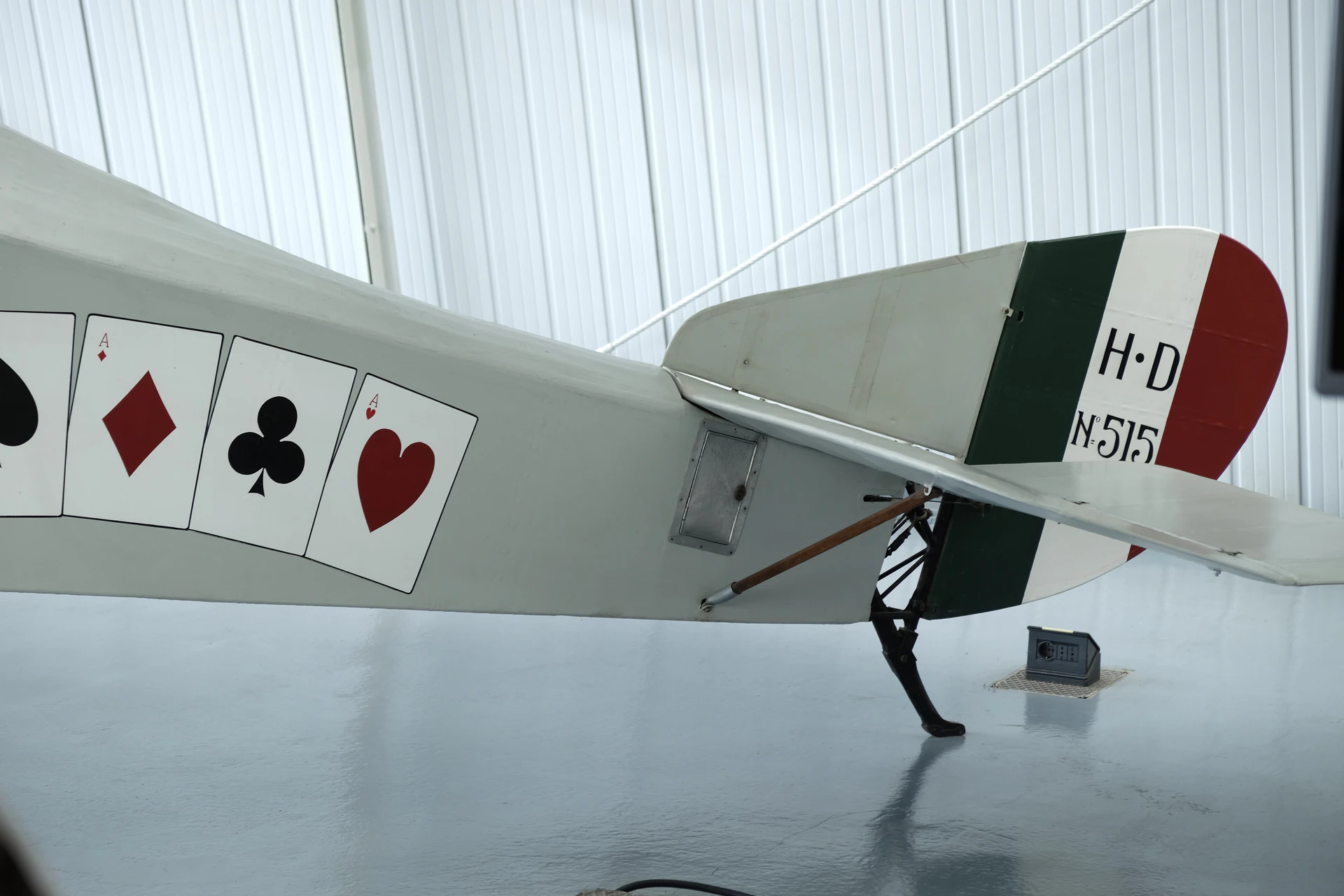
The Hanriot HD.1 was a highly successful French single-seat fighter biplane of World War I. Although designed and developed in France, it was rejected by the French Air Service (Aviation Militaire) in favor of the SPAD S.VII. However, it was eagerly adopted and became the standard front-line fighter for both the Belgian and Italian air services from 1917 until the end of the war, primarily due to its exceptional maneuverability and robust, reliable airframe. It was also license-built in large numbers by Nieuport-Macchi in Italy.
| Property | Typical Value |
|---|---|
| Vaidmenį | Single-Seat Fighter Biplane |
| Gamintojas | Hanriot-Dupont (France), Nieuport-Macchi (Italy, License) |
| First Flight | 1916 m. birželio mėn. |
| Tarnyboje | 1917–Post-War |
| No. Built | ~1,200 (Total, including Italian production) |
| Įgulos | 1 (Pilot) |
| Ilgis | 5.85 m (19 ft 2 in) |
| Sparnų ilgis | 8.70 m (28 ft 7 in) |
| Max Takeoff Weight | 652 kg (1,437 lb) |
Powerplant and Performance
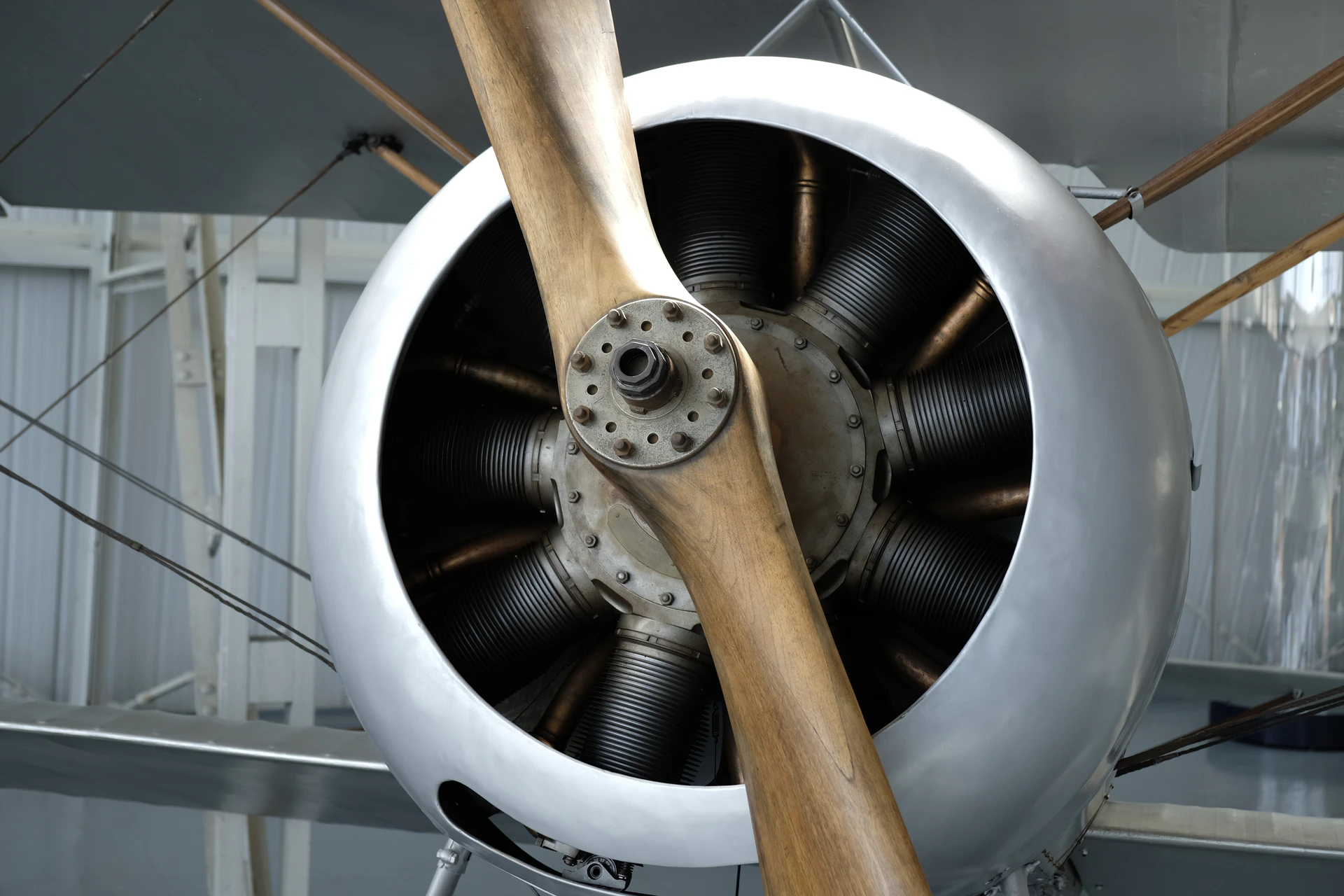
- Engine: One Le Rhône 9J or 9Jb 9-cylinder air-cooled rotary engine.
- Power Output: 82 kW (110 hp) or 97 kW (130 hp) in later variants.
- Maximum Speed: 184 km/h (114 mph) at sea level.
- Service Ceiling: 6,400 m (21,000 ft).
- Time to Altitude: Approx. 6 minutes 3 seconds to 2,000 m (6,560 ft).
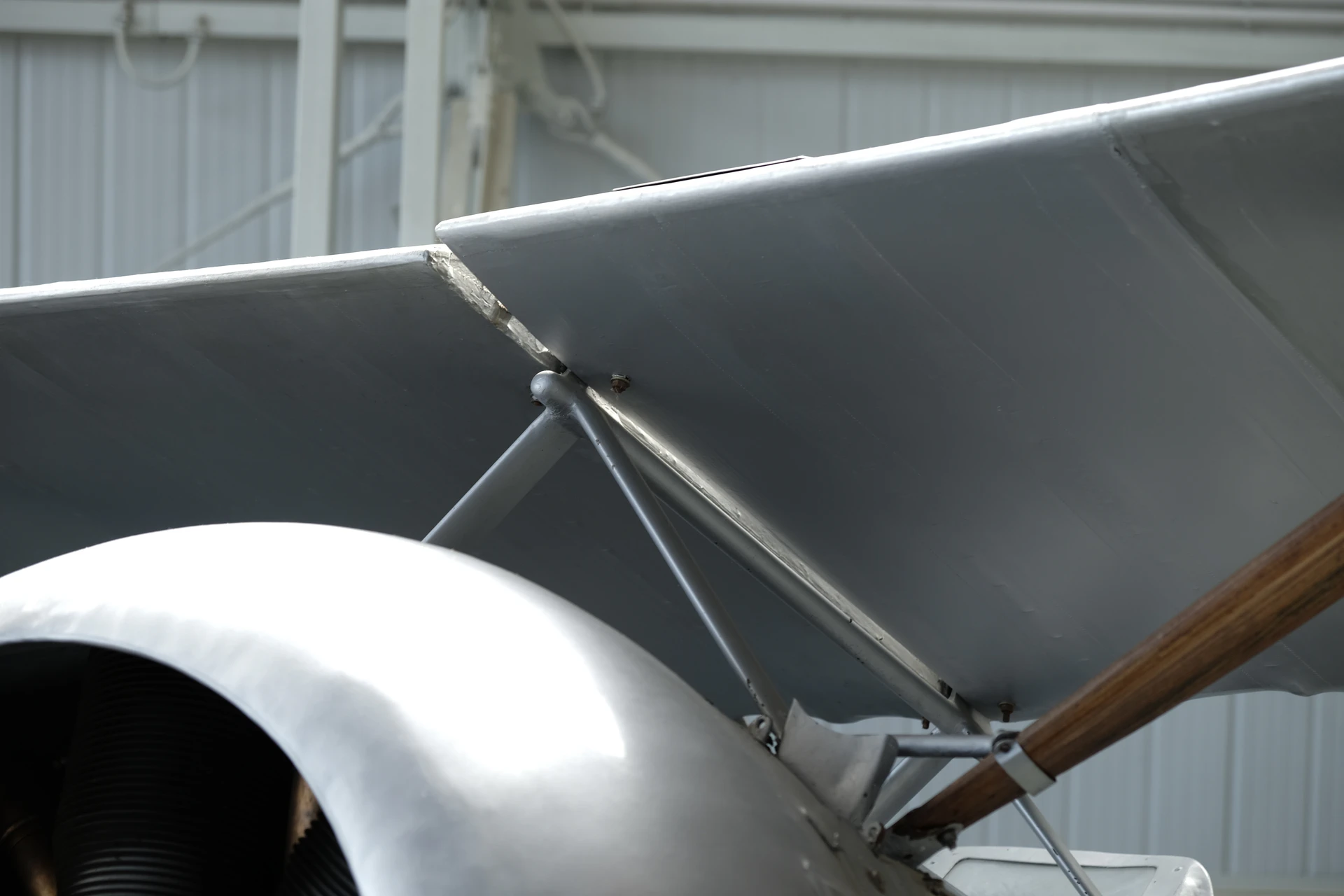
- Design Note: The HD.1 used a “1½-strut” cabane arrangement similar to the Sopwith Strutter, which Hanriot was licensed to build. It was valued for its light controls and ease of flying.
Ginkluotės
- Standard Armament: 1 x 7.7 mm (.303 in) fixed, forward-firing Vickers machine gun (synchronized).
- Armament Rationale: Though contemporary fighters often carried two guns, the HD.1’s rotary engine was less powerful. Limiting armament to one gun preserved its excellent climbing performance and maneuverability, which pilots valued.
- Experimental Armament: Some Belgian aces, notably Willy Coppens, experimentally fitted a single, high-caliber 11 mm (.433 in) Vickers machine gun for “balloon busting” sorties against German observation balloons.
- Post-War Service: The HD.1 was also used by the US Navy in the 1920s for shipboard launch experiments from platforms mounted on battleship turrets.
Peržiūrėta: 1068
Taip pat galite pamatyti:
 Aero A.32 – Nuotraukos ir vaizdo įrašai
 Zmaj Fizir FN – Nuotraukos ir vaizdo įrašai
 Fokker C.V – nuotraukos ir vaizdo įrašai
 SPAD S.XIII – Nuotraukos ir vaizdo įrašai
 Naujas standartas D-25 – nuotraukos ir vaizdo įrašai
 Douglas O-38 - nuotraukos ir vaizdo įrašas
 Loening OL – nuotraukos ir vaizdo įrašai
 Karinio jūrų laivyno orlaivių gamykla N3N – nuotraukos ir vaizdo įrašas
 IMAM Ro 37bis - nuotraukos ir vaizdo įrašai
 Karališkoji orlaivių gamykla BE2A – nuotraukos ir vaizdo įrašas